Architecture & Urban Environment
The First Kurultai of Kazakhstan’s Builders and a New Logic for Development
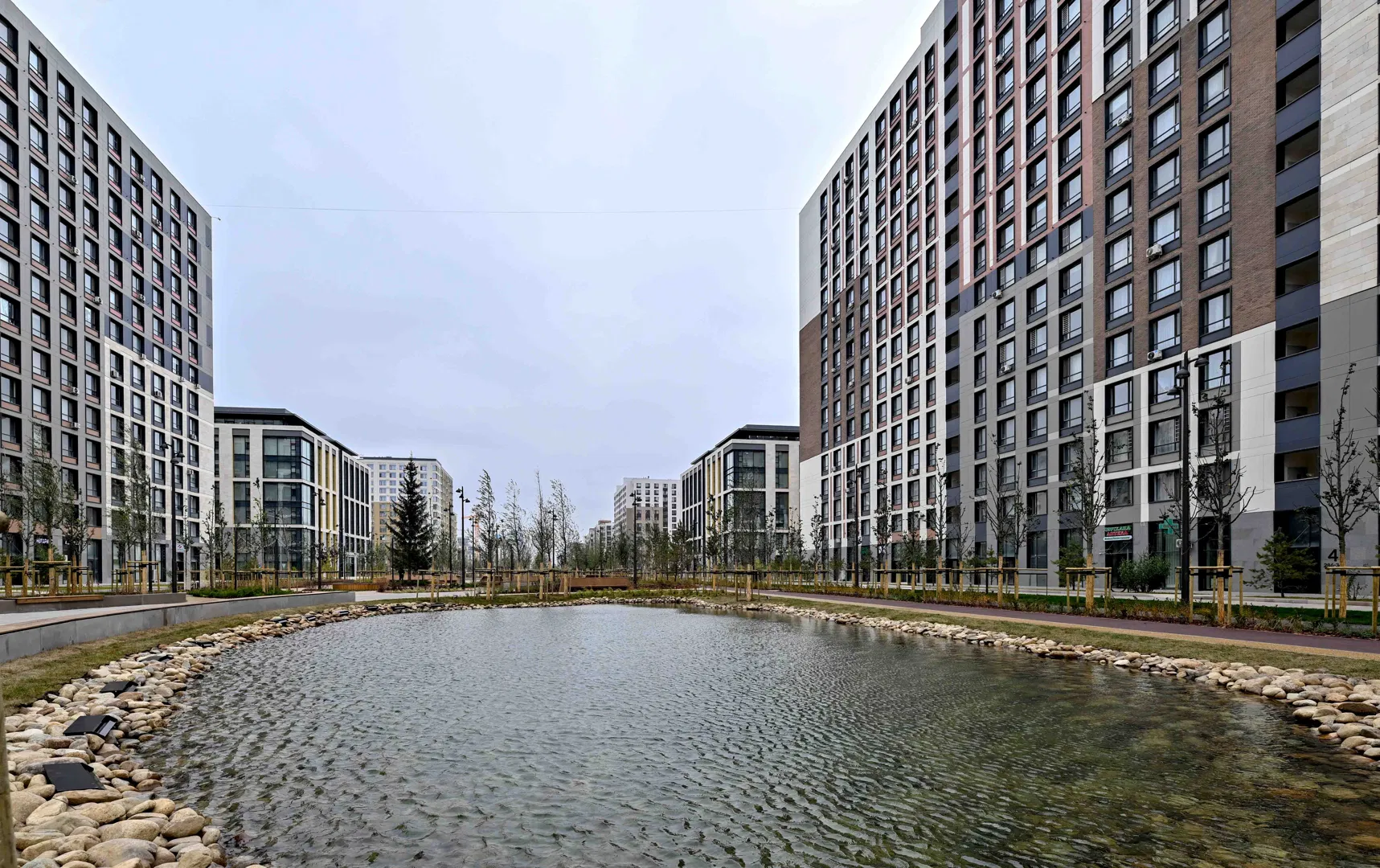
We have grown accustomed to thinking that the development industry changes when new technologies, materials, building regulations or financial instruments emerge. In reality, genuine transformation begins even earlier, when industry professionals arrive at a new answer to the fundamental question: What are people actually buying from me today?
I see the First Kurultai of Kazakhstan’s Builders as far more than another industry forum. For me, it marked a moment when the market demonstrated with unprecedented clarity that development is no longer simply improving itself; it is beginning to change its very nature. These are fundamentally different processes. More than ever before, the word change was present throughout the discussions, in a wide range of contexts.
It became clear that the development industry is consciously or otherwise creating a new model: legislation is evolving, project economics are changing, and today's buyer is different. Competition is moving beyond sales and towards something more fundamental: defining the meaning and value of a project. The role of the leader is changing, and with it the very profession of the developer.
What stayed with me most vividly was Nariman Daraev's rather unsparing formulation: "Change or disappear."
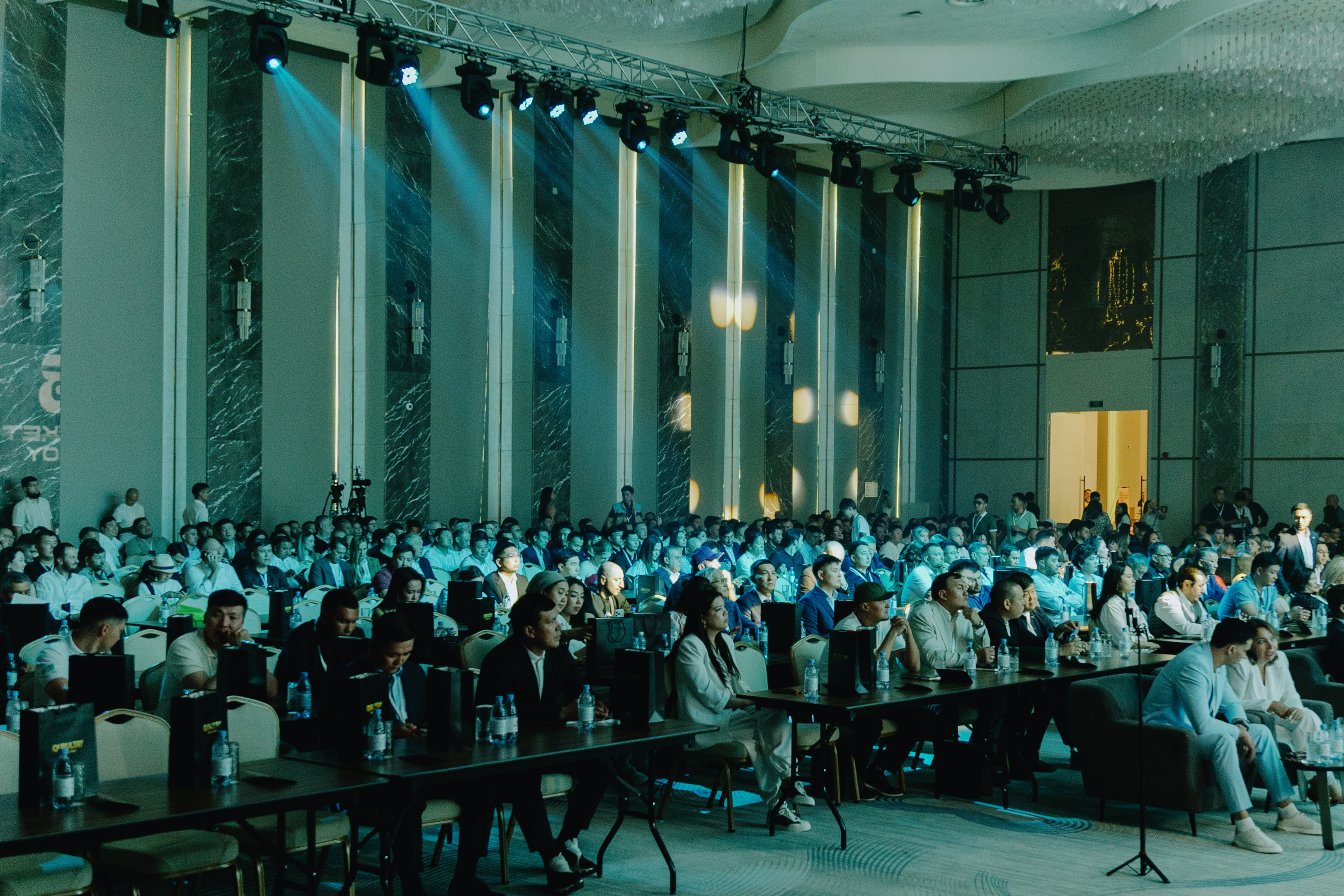 Photo: Yqylas Films
At first glance, this may sound like an emotive slogan. But when the forum's individual presentations are viewed not in isolation but as parts of a coherent whole, the phrase begins to sound less like a slogan and more like a diagnosis: the end of the era of the square metre. The developers of the future will compete not on square footage, but on the quality of human life and the everyday experiences that unfold within the environments they create.
This is something I have been writing about in my publications over the past year, drawing on extensive analysis and research into the development market. For decades, the market evolved according to a straightforward logic: build more and faster, secure the best site, attract financing and sell faster than the competition.
It must be acknowledged that this model was entirely justified and successful for a very long time. It allowed the industry to grow, new districts and new cities to take shape, and thousands of square metres of housing to be built. Yet today it is becoming increasingly clear that this is no longer enough. Buyers are no longer choosing simply a flat; they are beginning to evaluate the lifestyle that flat will provide: a safe route to school for their child, a courtyard where they want to linger, a park to walk in on an evening, a community of neighbours, access to services and a sense of security.
According to the JLL Global Consumer Experience Survey 2025, 69% of consumers are willing to pay more for a high-quality user experience, while 73% prefer multifunctional spaces. This shows that the value of real estate is increasingly shaped not only by the physical characteristics of a property, but also by the quality of the everyday experiences and patterns of life that a place can create.
As I have studied projects in different countries and observed how the criteria people use to choose property are changing, I gradually came to the conclusion that existing approaches are no longer sufficient to describe these shifts. In my research, I am developing the concept of functional development: a research-based approach to the design of urban environments and real estate through functions, patterns of everyday life and the long-term value of a place. I use the term functional development for an approach that asks not "What should we build?", as traditional development does, but rather "What value will this place create every day once construction is complete?"
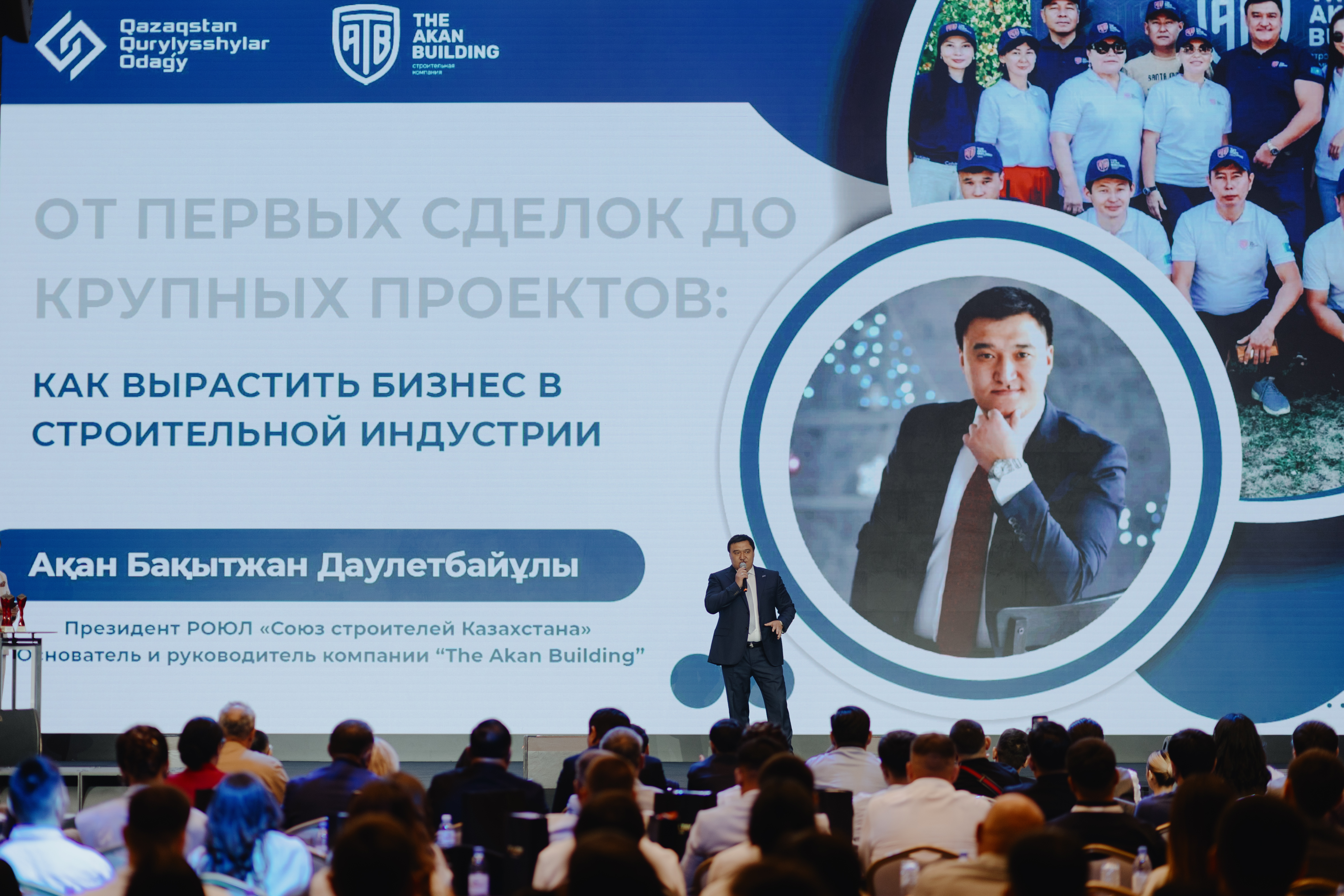 Photo: Yqylas Films
Real estate has never been the final product. The final product has always been the life that unfolds within the environment we create. For too long, we assumed that what was being sold was square metres. In reality, developers have always been selling a person's future way of life. The market simply had not recognised this before.
In recent years, as I have studied the urban environment, I have increasingly come to one conclusion: the true value of real estate is determined not by the number of properties created, but by the functions they fulfil once they are in use. A space may be beautiful, expensive and contemporary, but if it does not change people's everyday habits or become part of their daily experience, its potential remains unrealised. This is what gradually led me to the concept of functional development.
Throughout the forum, I kept returning to one thought: we talk extensively about construction and technology, sales and marketing, yet we almost never talk about the most important stage of any project: the concept. After all, this is where the real construction begins. Not with the first scoop of an excavator or the pouring of the foundations, but at the moment when a team answers the question: "What do we want to build?" This is where the project's future economics are determined. It is also where people's future routes, the functions of the territory, patterns of everyday life and the value of the real estate should begin to take shape.
This is where the key choices are made: whether a courtyard will become a place for interaction or merely a transit zone; whether a roof will remain a technical space or become a fully fledged urban amenity; and whether a public space will actually come to life or exist only in the renders.
The concept for the environment is the project's principal management document. It determines the future functions of the territory and, consequently, the future value of the real estate. Kaizen teaches us to eliminate production waste, optimise processes and structure construction workflows. I propose taking the next step: learning to identify the waste within the environment and the territory itself.
One of the forum's most compelling presentations, for me, was delivered by Kumar Mussayev. Drawing on the philosophy of Kaizen, he spoke about a new culture of construction management and the idea that the competitiveness of a modern development company depends on its ability to eliminate, day after day, everything that creates no value. This includes wasted time and resources, unnecessary movement, constant reworking and waiting.
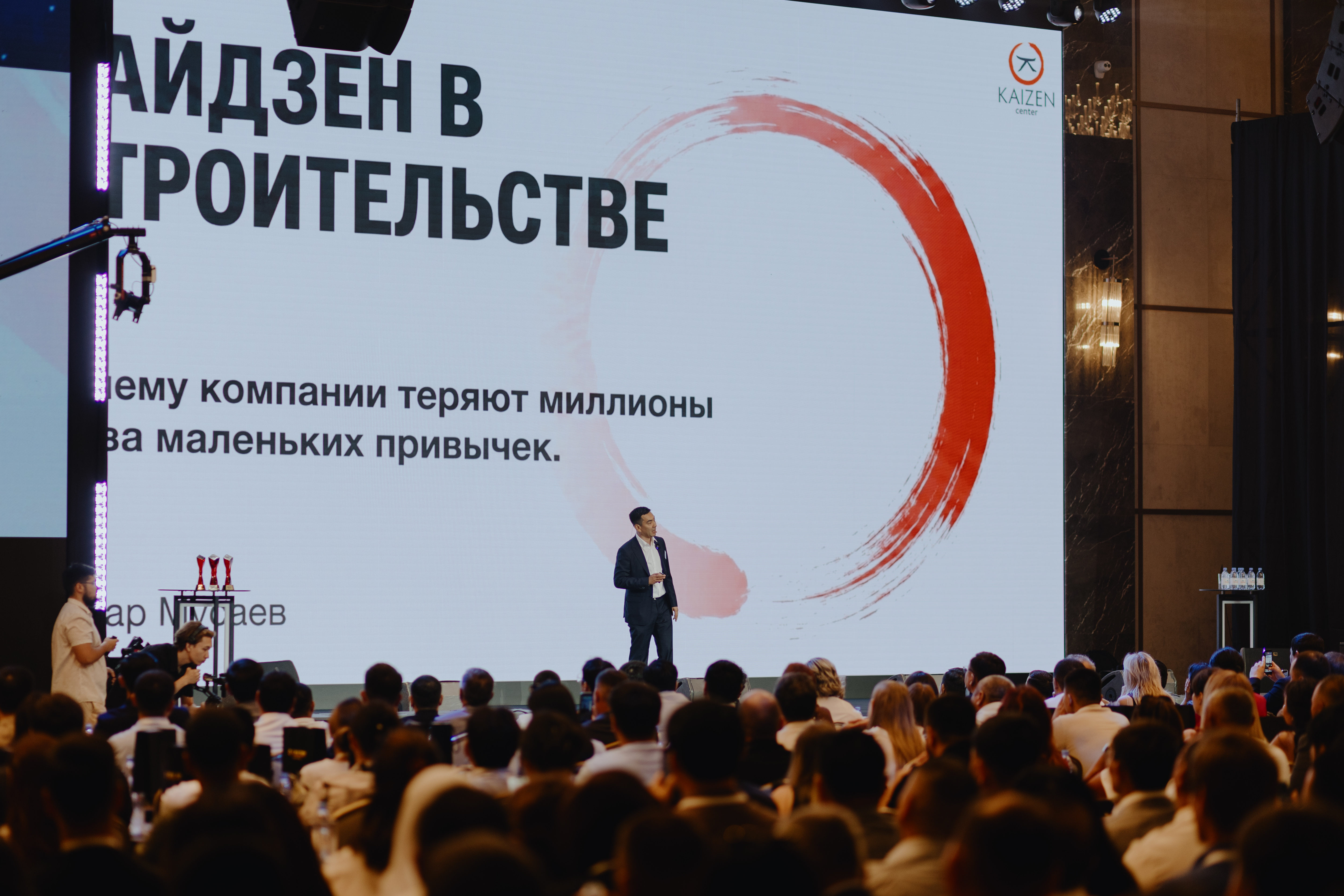 Photo: Yqylas Films
This is a mature way of looking at the construction business, because today enormous sums are lost not only through crises or the cost of materials, but simply within the processes themselves. As I listened to his presentation, I kept asking myself a different question: if a company has learned to eliminate production waste, who will teach it to eliminate the waste of the urban environment?
Today, we barely account for empty courtyards, unused rooftops, underused children's and sports facilities, lifeless squares, or spaces that people pass through but never linger in. Yet these, too, are losses, albeit of a different order.
I call them functional losses of a territory. They determine whether a development will continue to create value ten or twenty years after it has been completed.
What follows is part of the conceptual framework I am developing through my research into functional development. It helps describe processes for which the professional vocabulary has yet to establish consistent terminology.
| Term | Definition |
|---|---|
| Functional development | An approach that views real estate not simply as a collection of square metres, but as a system of functions, patterns of everyday life and the long-term value of a place. |
| Built-environment concept | The project's principal management document, defining the future functions of a place, movement patterns and the long-term value of the development before construction begins. |
| Function of a Place | The specific value that a space creates for people, communities and the city on a daily basis. It is these functions, rather than floor area, that determine the competitiveness of real estate. |
| Functional losses | Unrealised potential that arises when a physical space exists but fails to provide meaningful functions, support user needs or generate long-term value. |
| Functional Value of a Place | The combined value of the functions, spatial solutions and patterns of use that keep a place relevant, improve quality of life and preserve its economic value throughout the project’s lifecycle. |
The buyer's market is transforming the developer's profession. The shift from a seller's market to a buyer's market is changing not only demand, but the very logic of development.
Each speaker at the forum addressed a different part of the same larger system. Kaizen is about creating a development efficiently. New legislation defines the rules within which the industry operates. Development economics is concerned with the long-term viability of a project. Marketing and personal branding are about building trust. Yet one important question remains: how do we measure the quality of life that a project will create once construction is complete?
For a residential development, the functions of a place directly affect quality of life and the appeal of the property. In commercial real estate, the connection is even more apparent: function drives footfall, dwell time, repeat visits, demand for space and the resilience of the rental model.
Functional losses are therefore becoming not only a spatial concept, but also an economic one with an environmental dimension. Unused space represents more than a lost function and unrealised economic value. It also means that materials, energy, infrastructure and land have already been invested but are not being used to their full potential. The sustainability of a project begins not only with the choice of environmentally responsible technologies, but also with the developer's ability to create an environment in which every element has a purpose and remains relevant throughout the life of the development.
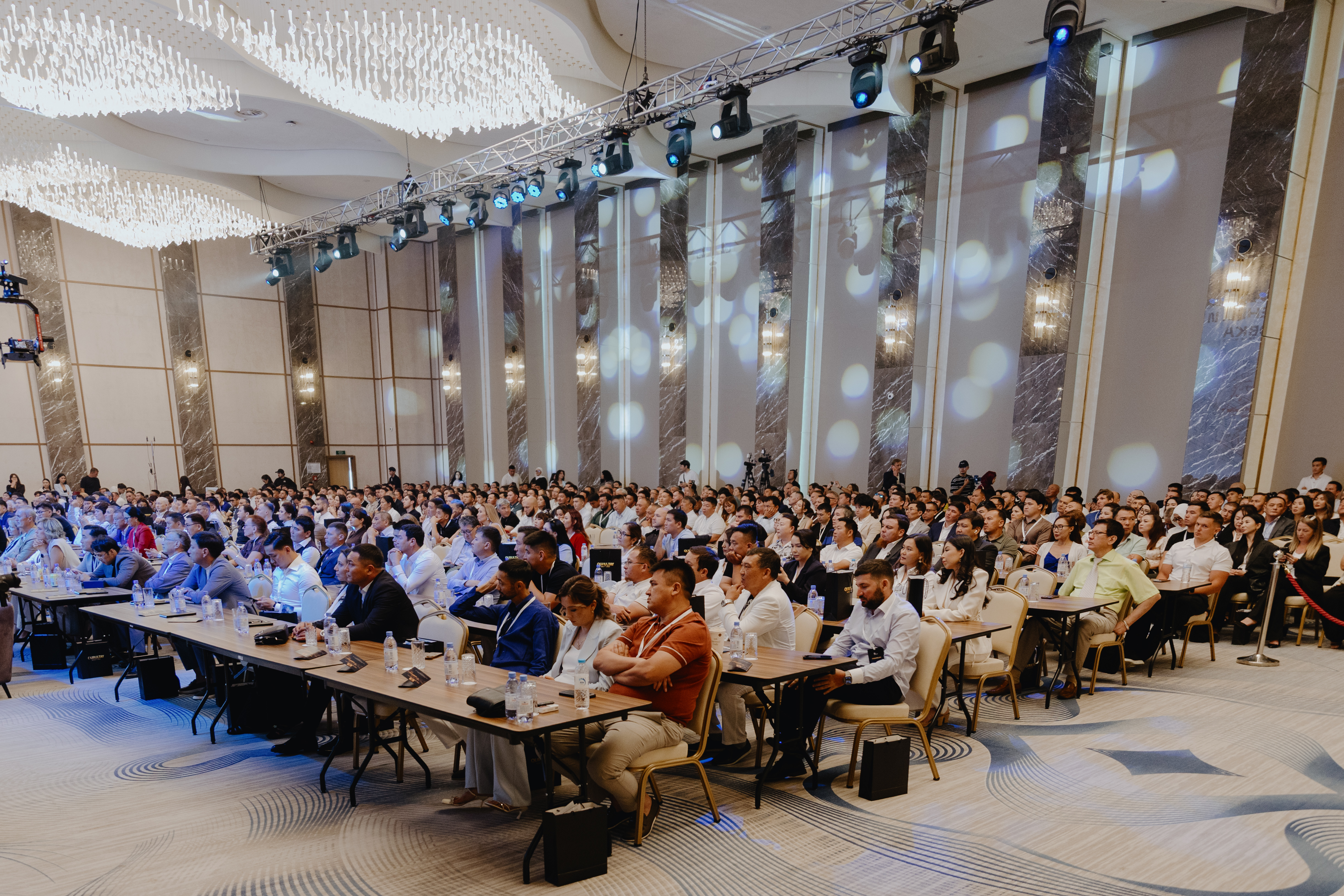 Photo: Yqylas Films
This is where the industry's next stage of development begins: not construction for its own sake, and not landscaping for its own sake, but the creation of a coherent, integrated environment. In other words, the task is no longer simply to design real estate, but to design the life that unfolds within it. This is where the line is drawn between the development of the past and the development of the future.
I increasingly believe that future competitiveness will depend on the ability to bring architecture, engineering, economics, environmental considerations, human behaviour, operations and the urban environment together within a single project — and, crucially, to unite them within a coherent concept. That is why I believe the developer's next challenge is to manage not only construction, but the quality of the life that follows.
The First QURULTAI of Kazakhstan's Builders showed that the industry has reached a point where questions that once existed separately — process efficiency, economics, legislation, trust, sales and the quality of the urban environment — are beginning to form a single system. For the first time, the market is starting to ask not only how we can build better, but why we are building in the first place.
Newsletter
A letter from the HD editors
Once a week, we send the best stories, events, and cultural discoveries from Central Asia.