Architecture & Urban Environment
Functions That Transform the Value of Urban Space
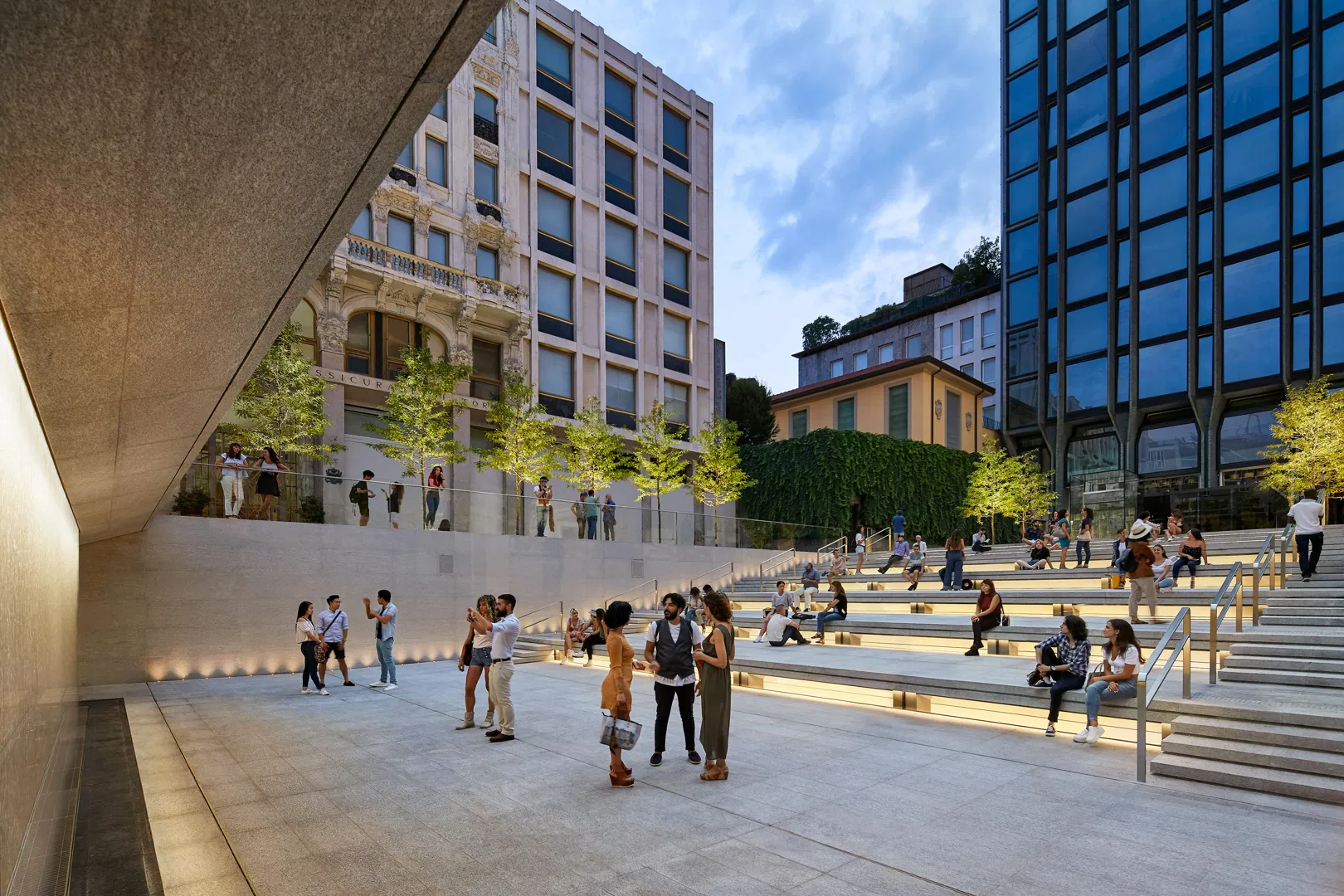
The same urban object holds value for architects, developers, manufacturers, government authorities and residents alike. Yet each views it from their own professional perspective. As a result, most professional decisions revolve around the object itself rather than the opportunities it creates.
The architect sees form.
The developer sees investment potential.
The manufacturer sees opportunities to apply their products.
The municipality sees the fulfilment of state objectives.
The resident sees everyday convenience.
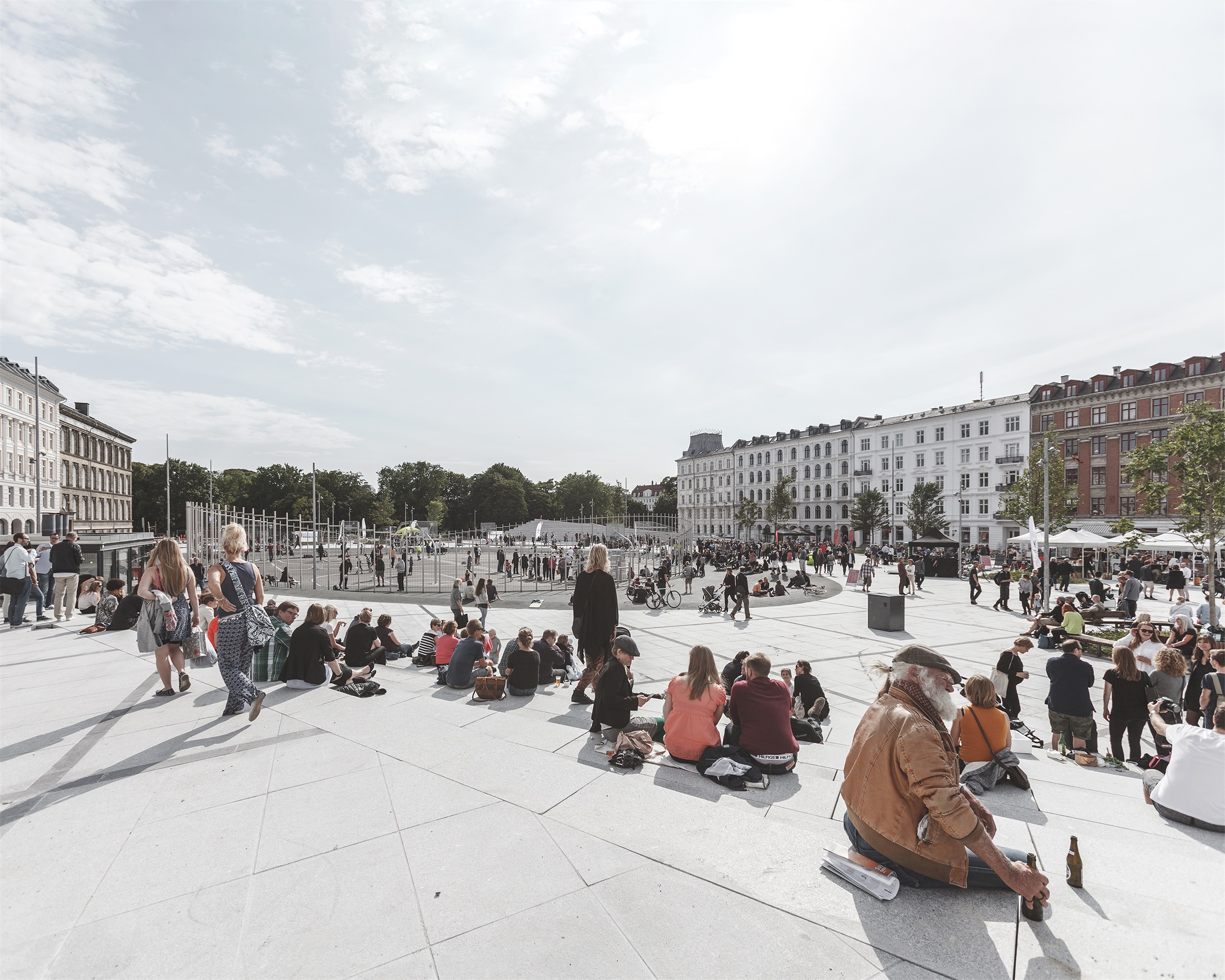 Source: i.mooool.com
Most professional decisions revolve around the object itself. Yet it is its functions that reveal its real capabilities and determine its potential for use. The object itself remains unchanged. Only the way it is analysed changes.
As part of my research, I have developed the concept of the Functional System of the Urban Environment. It is not a new classification of urban objects. It is a professional tool for analysing the urban environment. This is the fundamental difference between the two approaches. Classification answers the question, "What is it?" The functional system answers, "What does it make possible?"
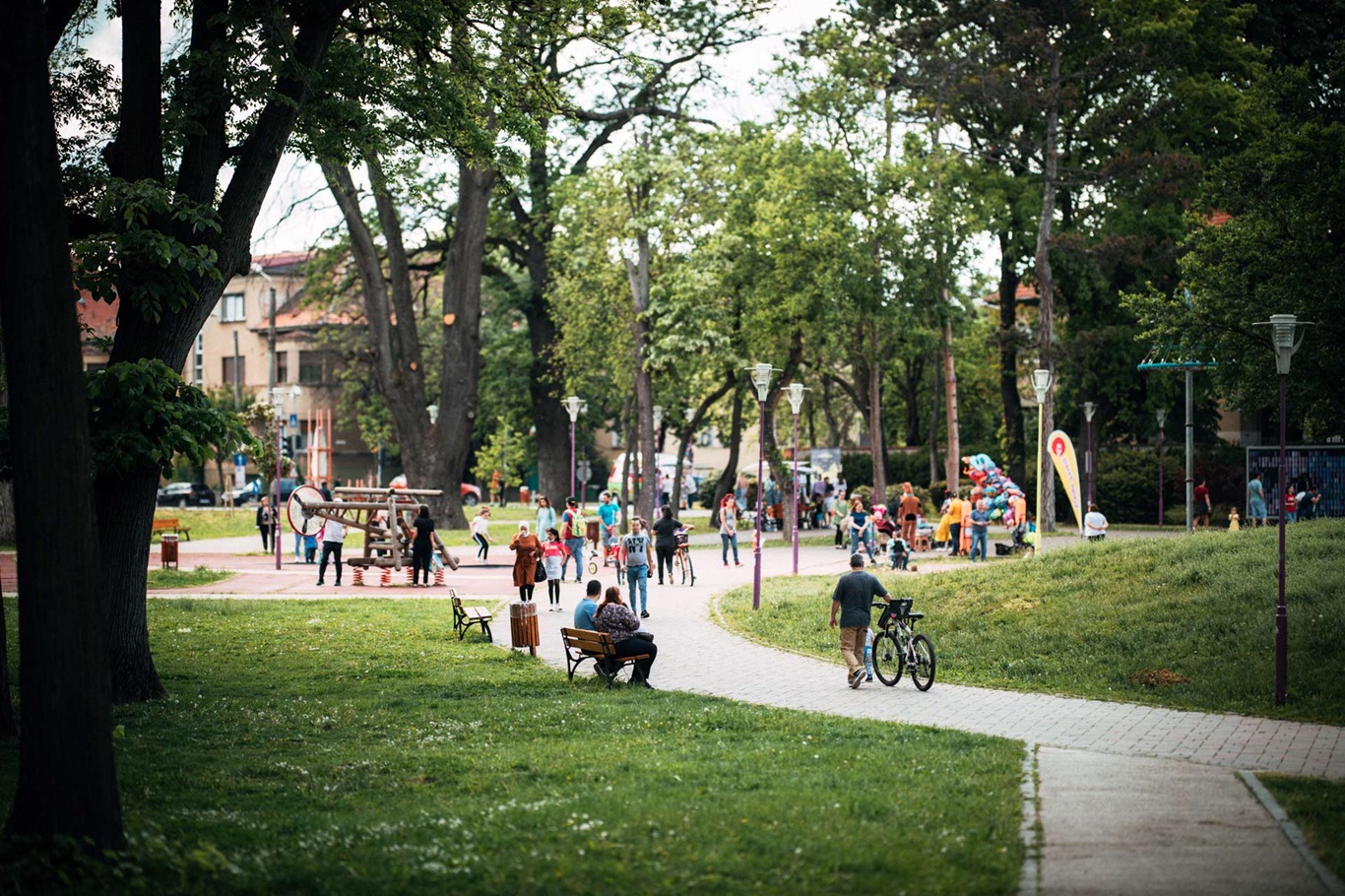 Source: who.int
This is where new opportunities begin to emerge.
The architect designs not only space, but also the system through which it is used.
The developer increases a project's value not only by constructing new buildings, but also by expanding the functions of existing spaces.
The manufacturer develops solutions not for a particular type of urban asset, but for its functions, thereby broadening the product line and the market for application.
The municipality gains a tool that helps address several urban challenges through a single object, thus enhancing the efficiency of public investment.
Residents benefit from a more diverse and convenient urban environment without the constant need to create new spaces.
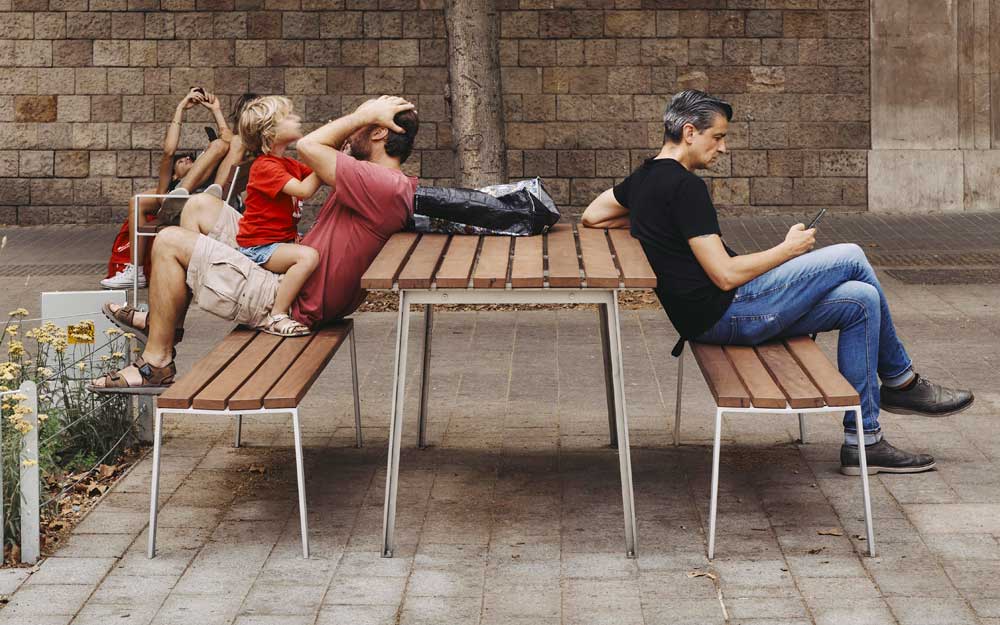 Source: Zenzo.dk
The functional approach does not replace existing planning and design system. Rather, it complements it by introducing an additional layer of analysis. It helps reveal potential that already exists but rarely becomes the focus of professional discussion. This, in turn, it creates opportunities to broaden the ways in which the urban environment can be used.
The functional approach makes it possible to identify and harness opportunities that already exist within the urban environment but seldom become part of planning and design decisions. For that reason, the Functional System of the Urban Environment is more than simply a new term. It is an analytical tool that enables us to unlock the potential of the existing city far beyond its conventional uses.
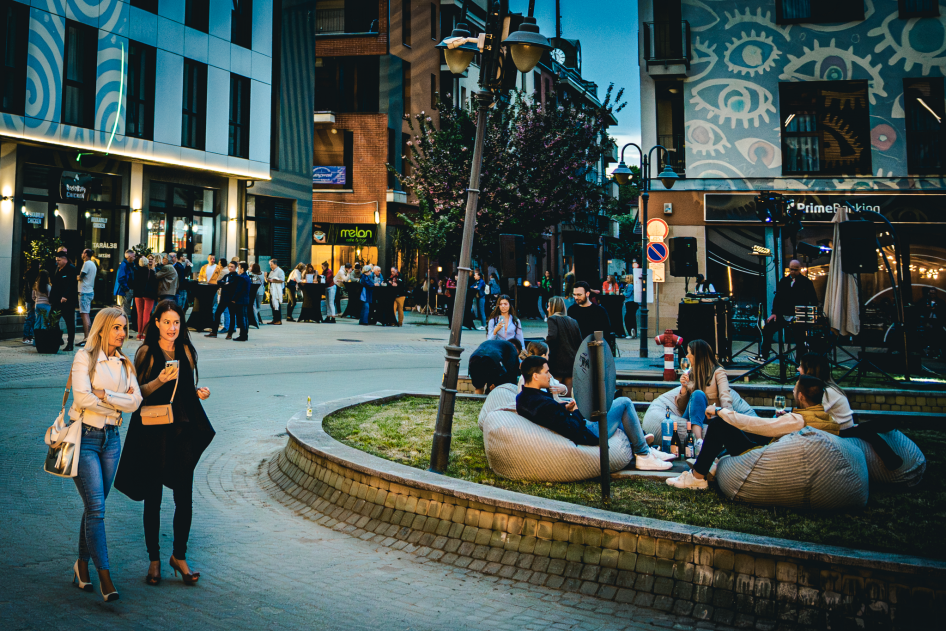 Photo: Visit Miskolc
The object defines what has been built. The function defines the opportunities it creates.
Read also
 Architecture & Urban Environment
Master Plan: How to Design a City Before It Is Built
Elena Trubina
 Architecture & Urban Environment
Preserving a Building Is Not Enough: How Architectural Heritage Keeps a City Alive
Alfiya Kalmaganbetova
 Architecture & Urban Environment
The First Kurultai of Kazakhstan’s Builders and a New Logic for Development
Alfiya Kalmaganbetova
Newsletter
A letter from the HD editors
Once a week, we send the best stories, events, and cultural discoveries from Central Asia.