Architecture & Urban Environment
Trees Against the Heat: How Green Infrastructure Keeps Cities Cool
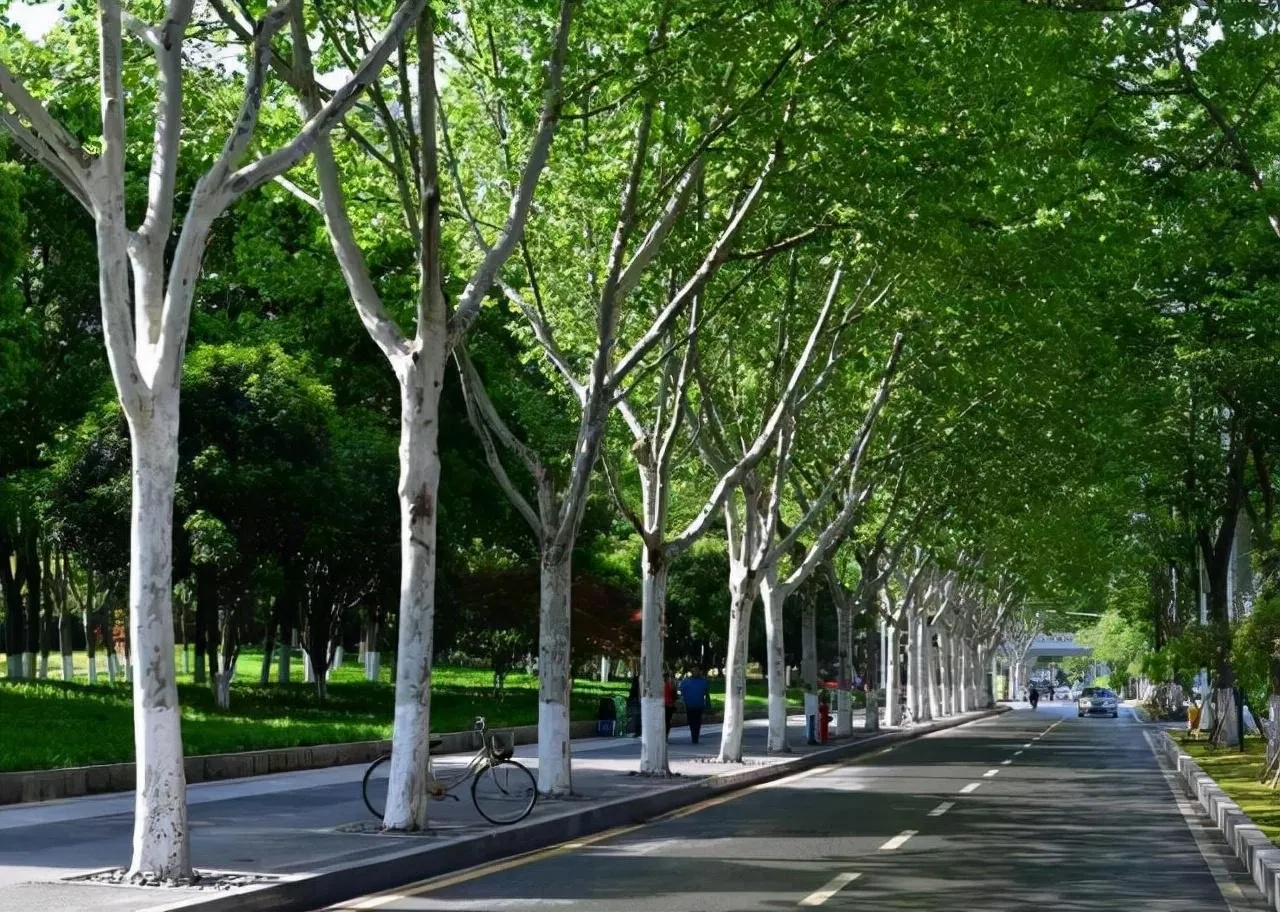
Everyone in Uzbekistan knows the feeling. You step out of an air-conditioned building into the street, and it is as though someone has opened the door of a giant oven. Then, just a few dozen metres later, you find yourself beneath the canopy of an old plane tree, and everything changes. The air feels cooler. There is a hint of moisture. The oppressive heat eases, and breathing becomes easier. What happened? An air conditioner? No. It was simply a tree doing its job.
In July and August, air temperatures often climb to 45°C, while asphalt surfaces can heat up to 65-70°C. The air scorches your face, the pavement radiates heat, metal handrails become too hot to touch, and a parked car can turn into an oven within just a few hours. Increasingly, scientists are reaching the same conclusion: a city's best defence against extreme heat is not concrete, air conditioning or even the latest construction technologies. It is well-planned green infrastructure.
Why Cities Become Heat Traps
Many people wonder why city centres can feel noticeably hotter than the surrounding countryside. The explanation is surprisingly simple. Asphalt, concrete, brick and steel all act like enormous heat batteries. Throughout the day they absorb solar energy, then slowly release it back into the atmosphere during the evening and throughout the night. As a result, streets remain hot long after the sun has set.
Scientists call this phenomenon the urban heat island effect. In densely built-up areas, air temperatures can be 2-8°C higher than in nearby suburbs or large parks. The more asphalt a city has and the fewer trees it contains, the more intense the overheating becomes.
One Tree Can Replace Several Infrastructure Systems
When we look at a mature tree, it seems to be doing nothing more than growing. In reality, it is working continuously. It cools the air, shades streets, filters pollutants, intercepts rainwater, slows the wind, absorbs carbon dioxide and, at the same time, makes walking through the city far more comfortable.
No engineered system can perform so many functions at once. That is why many countries now plan green infrastructure with the same care they devote to roads, bridges and water supply networks.
How Trees Cool Cities
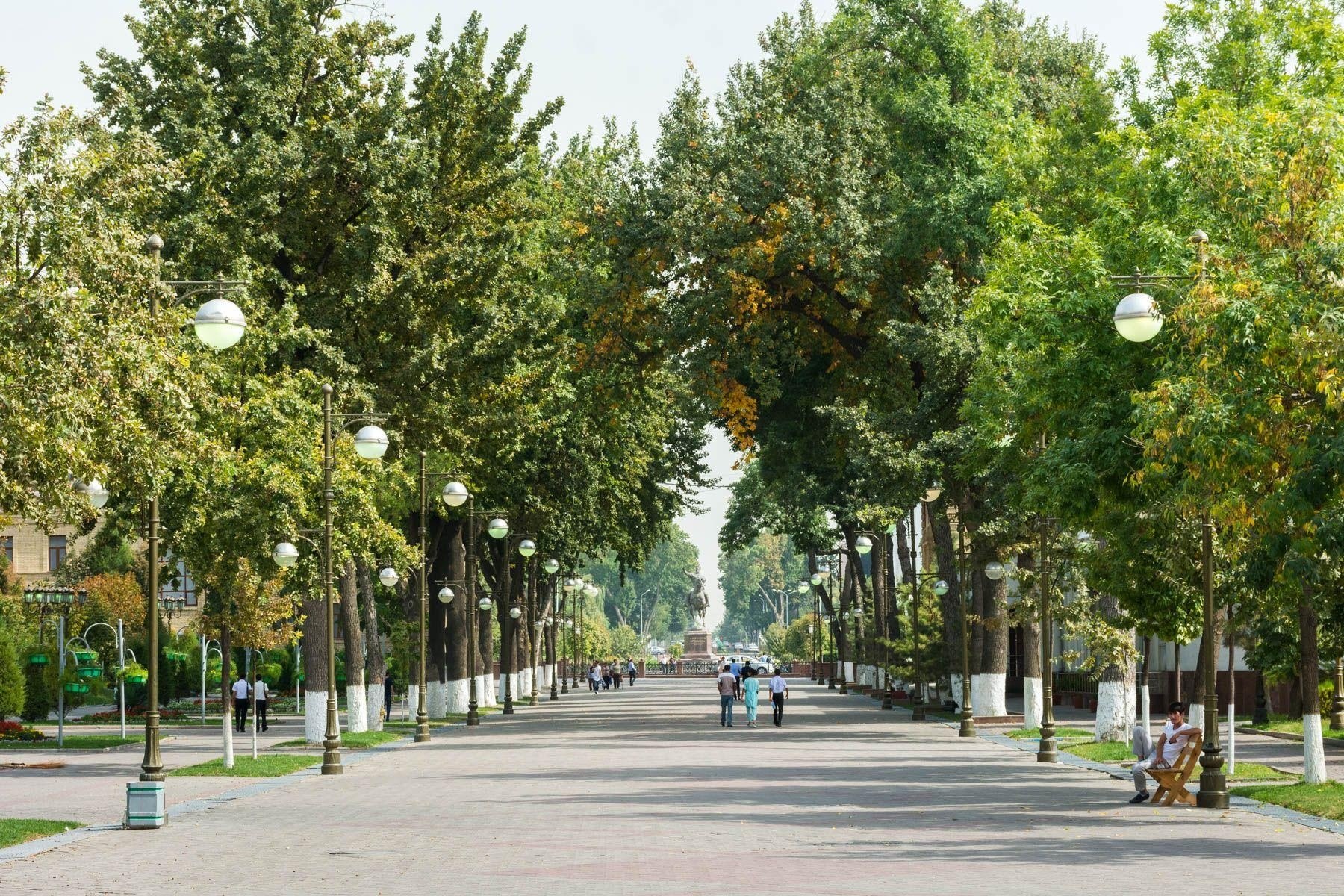
Most people assume that it feels cooler beneath a tree simply because it provides shade. And that is certainly true. But a few years ago, scientists made an unexpected discovery. In dry climates like Uzbekistan's, ordinary shade turns out to play a far greater role than many other cooling mechanisms.
A tree's canopy acts like a vast natural umbrella, preventing the sun from heating the ground below. Beneath a single mature tree, the surface temperature of asphalt can be 15-25°C lower, paving stones 10-20°C cooler, while the surrounding air may be 2-5°C cooler. In large parks, the difference can reach 6-8°C. Sometimes, just a handful of well-placed trees is enough to transform the microclimate of an entire courtyard.
Yet trees rely on another remarkable cooling mechanism that is far less widely understood. Every leaf functions as a tiny evaporative cooler. Through millions of microscopic pores, the plant continuously releases water vapour in a process known as transpiration.
Evaporation consumes enormous amounts of solar energy. Instead of heating the surrounding air, that energy is used to turn water into vapour. On a hot day, a mature tree can transpire 100-400 litres of water, while particularly large specimens may release up to 500 litres in a single day.
Consider this: hundreds of litres of water pass through a single tree every day simply to make the surrounding air a little cooler. That is why humidity beneath a tree canopy is typically 5-15% higher, making extreme heat far easier for people to tolerate.
A Single Plane Tree Can Shade an Entire Courtyard
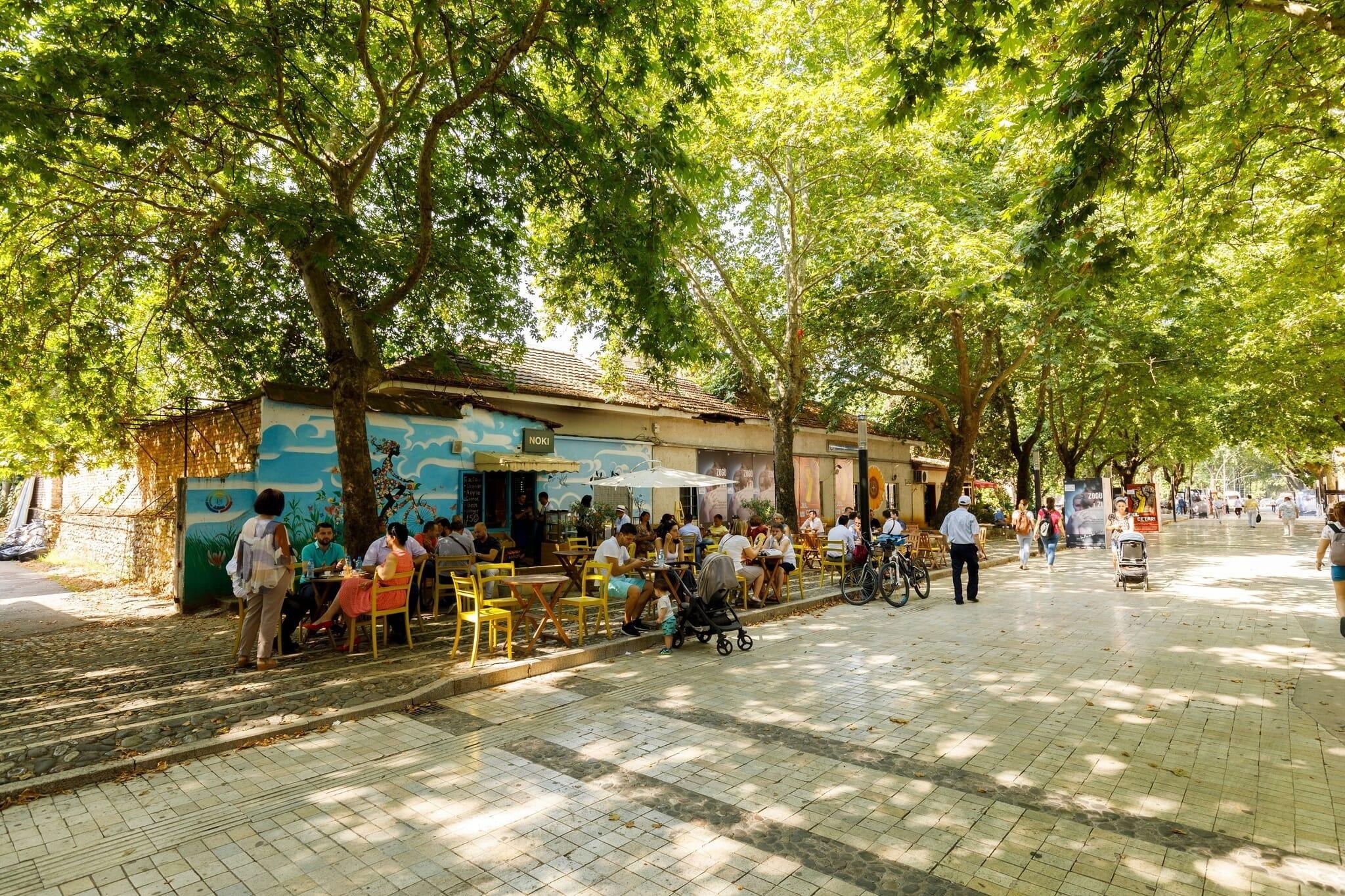
For centuries, the Oriental plane (Platanus orientalis) has been held in special esteem across Central Asia, and with good reason. The canopy of a mature tree can spread 20-25 metres across, casting shade over nearly 500 square metres at certain times of day, roughly the size of a small urban square.
It is no coincidence that many historic towns grew up around great plane trees. Chaikhanas, bazaars, mosques and public meeting places were often established beneath their branches. Long before science could explain why, people instinctively understood what researchers now confirm: a broad, dense canopy can transform the climate of an entire public space.
Trees Can Even Fight the Wind
Extreme heat in Uzbekistan rarely comes alone. It is often accompanied by hot, dry winds and, in the south of the country, by the notorious Afghan wind. Carrying dust, sand and fresh waves of scorching air, it can feel as though someone has switched on a giant hairdryer. Temperatures climb even higher, the air becomes drier, and breathing grows noticeably more difficult.
At first glance, trees might seem powerless against such a force. In reality, the opposite is true. A well-designed belt of trees and shrubs acts as a natural windbreak. As the wind passes through several rows of vegetation, the airflow is broken up, loses speed and reaches the city with far less force. Wind speeds can be reduced by 30–50%, while the sheltering effect extends to a distance of up to 15 times the height of the trees. In practical terms, a shelterbelt around 20 metres tall can protect an area almost 300 metres wide.
In Summer, Trees Become the City's Natural Air Filters
Uzbekistan's climate presents another challenge. During the hottest months, rainfall is scarce, leaving dust suspended in the atmosphere for long periods. Traffic, construction sites, dry soil, the hot garmsil wind and the notorious Afghan wind lift millions of tiny particles into the air every day.
Once again, trees come to the rescue. Every leaf functions as a natural air filter. Fine particulate matter (PM₂.₅ and PM₁₀), road dust, soot and even heavy metals settle on its surface. Studies show that a single mature tree can trap 20–100 kilograms of dust each year. Oriental plane, elm, ash, oak and linden are particularly effective. During the long, dry summer, when rain does little to cleanse the atmosphere, tree canopies become one of the city's most effective natural air-cleaning systems.
Their role does not end there. As hot air passes through the canopy, the leaves continuously release moisture through transpiration, cooling and humidifying the airflow. At the same time, they capture dust, sand, PM₂.₅ and PM₁₀ particles, along with other airborne pollutants.
In effect, a green belt becomes a natural climate barrier. It not only weakens hot, dry winds such as the Afghan wind, but also cools and filters the incoming air, reduces moisture loss and creates a cooler, more comfortable microclimate beyond it. That is why shelterbelts are no longer regarded simply as ornamental landscaping. Today, they are recognised as one of the most effective tools for helping cities adapt to extreme heat.
Trees Cool More Than Just Streets
In many parts of the world, greenery has long since moved beyond the ground and onto rooftops and building façades. In Singapore, green roofs have become a familiar feature of the urban landscape. Milan is home to the celebrated Bosco Verticale towers, where more than 800 trees and thousands of shrubs grow on residential balconies.
These living façades can reduce the temperature of exterior walls by around 10–20°C, while green roofs lower roof surface temperatures by 30–40°C during the summer months. As a result, buildings require less energy for cooling, reducing both electricity consumption and greenhouse gas emissions.
Why This Matters Especially for Uzbekistan
Climate projections suggest that periods of extreme heat across Central Asia will become both longer and more frequent. At the same time, cities continue to expand, bringing ever larger areas of asphalt, concrete and rooftops. Unless our approach to urban greening changes, each new neighbourhood risks becoming even hotter than the last.
Planting a few trees beside a building or creating a small public garden is no longer enough. Modern cities must be planned so that green infrastructure becomes as fundamental to the urban master plan as roads, utility networks and water supply systems. That means creating an interconnected green network from the earliest stages of design: shaded streets and boulevards, tree-filled courtyards and car parks, parks linked by green corridors, green roofs and living walls integrated into buildings, and protective shelterbelts surrounding urban areas.
Only a continuous network of green infrastructure can effectively cool an entire city, clean the air, weaken the impact of hot, dry winds and create a healthier, more comfortable environment for millions of people. Only an integrated green system has the power to reshape the urban climate.
Choosing the Right Tree Matters
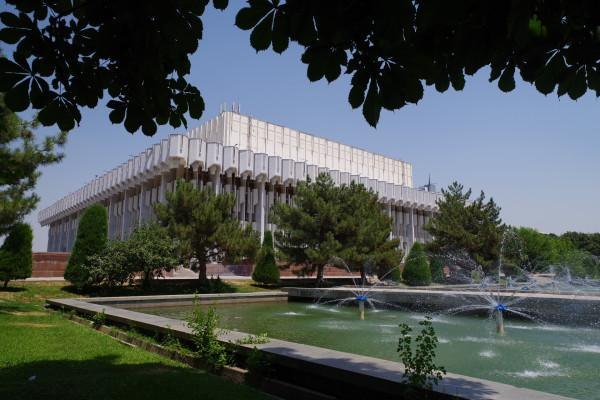
Not every tree copes with extreme heat equally well. Some species cast only limited shade, while others spend decades developing vast canopies capable of transforming the microclimate of entire streets and public squares. That is why urban planners around the world are paying increasing attention not simply to the number of trees they plant, but to how large those trees will eventually become and how much canopy they will provide.
The most effective natural "air conditioners" are species that develop broad, dense canopies while remaining resilient in urban environments. These trees do far more than shield streets, pavements and buildings from the scorching sun. They also release large amounts of moisture through transpiration, cooling the surrounding air in the process.
For Uzbekistan, the unrivalled champion is the Oriental plane (Platanus orientalis), one of the largest and most impressive urban tree species. A mature specimen can develop a canopy 20-25 metres in diameter and cast shade over an area of up to 500 square metres. Other highly valuable species include English oak (Quercus robur), Southern catalpa (Catalpa bignonioides), weeping willow (Salix babylonica), Persian walnut (Juglans regia), large-leaved lime (Tilia platyphyllos), empress tree (Paulownia tomentosa), Persian silk tree (Albizia julibrissin), wych elm (Ulmus glabra) and sycamore maple (Acer pseudoplatanus). These species develop broad canopies that provide extensive shade for streets, courtyards and public spaces. Many also have exceptionally high rates of transpiration, making them particularly effective at cooling the surrounding air.
For the arid regions of Central Asia, several other species are especially promising, including Siberian elm (Ulmus pumila), dense elm (Ulmus densa), Sogdian ash (Fraxinus sogdiana), green ash (Fraxinus pennsylvanica), tree of heaven (Ailanthus altissima), Japanese pagoda tree (Styphnolobium japonicum) and white mulberry (Morus alba). These trees are highly tolerant of heat, drought and urban pollution, allowing them to thrive where many other species struggle.
Of course, there is no perfect tree. Some species provide the densest shade, others grow more quickly, while some excel at filtering pollutants or coping with prolonged drought. That is why successful green infrastructure is built on a carefully planned mix of tree species, each performing its own ecological role.
Trees Are a City's Greatest Ally
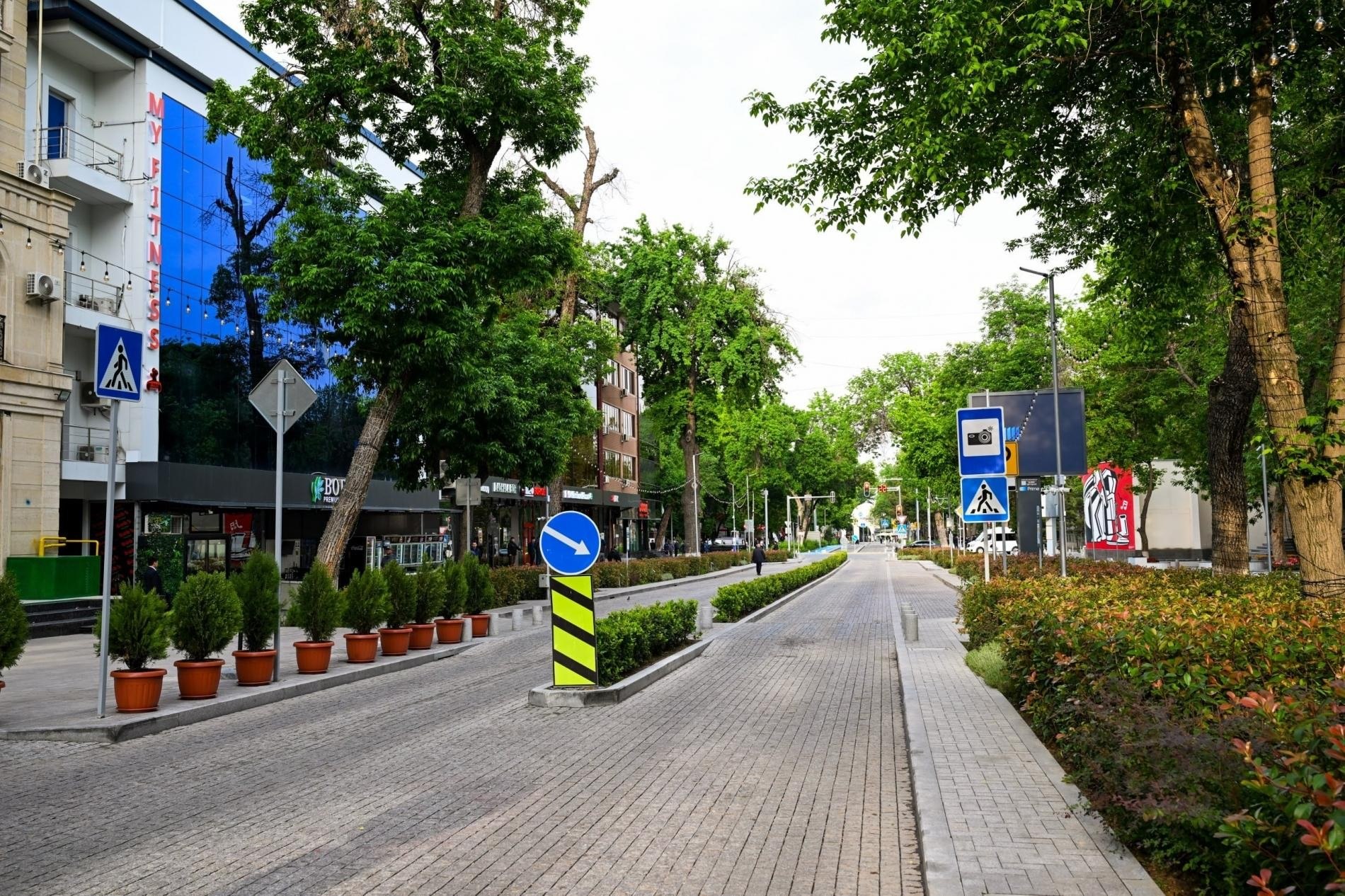
A tree may seem like one of the simplest elements of the urban landscape. Yet every day it quietly performs an extraordinary range of tasks that most of us never notice. It cools and humidifies the air, traps dust, slows the wind, protects buildings from overheating, absorbs carbon dioxide and makes streets liveable even during the hottest days of the year. That is why the twenty-first century has transformed the way cities think about urban greening.
Today, a tree is no longer simply an ornament. It is an essential part of urban infrastructure, every bit as important as a road, a bridge or a water supply system. Perhaps, in a few decades' time, the defining measure of a successful city will no longer be the height of its skyscrapers or the width of its boulevards, but the number of cool, shaded streets where people can still walk comfortably even when temperatures reach 40°C.
The city of the future is not simply one that plants more trees. It is one that plans for the green canopy its residents will inherit decades from now. From the earliest stages of urban design, planners should consider how trees planted today will shape streets, squares, parks, residential neighbourhoods and shelterbelts thirty or fifty years into the future. It is their canopies that will determine how cool, comfortable and resilient to climate change Uzbekistan's cities will be in the second half of the twenty-first century.
Read also
 Architecture & Urban Environment
The Architecture of Tomorrow: New Identities, Emerging Technologies and the Human Factor
Damir Ussenov
 Architecture & Urban Environment
Walking Almaty’s Modernism: Architecture Against the Mountains | A Photo Essay
Alfiya Kalmaganbetova, Amira Kassenova
 Architecture & Urban Environment
FLOW Park: A New Space for Active Recreation in Almaty | A Photo Essay
Amira Kassenova, Gulsara Kenbaeva
Newsletter
A letter from the HD editors
Once a week, we send the best stories, events, and cultural discoveries from Central Asia.