Architecture & Urban Environment
The Architecture of Tomorrow: New Identities, Emerging Technologies and the Human Factor

Architecture is going through a period of transformation: approaches to design are changing, ideas about comfort and aesthetics are shifting, and artificial intelligence is gradually becoming part of professional practice. For Kazakhstan and Central Asia, these changes open up the opportunity not only to adopt global experience but also to shape their own architectural language.
One notable direction of these changes is a rethink of the architect’s role. Where once a significant part of the profession involved drafting, modelling and visualisation, today conceptual thinking, research, an understanding of human needs and the ability to work with new technologies are increasingly important.
However, technological progress is only one component of the larger changes now taking place in architecture.
Architecture as a Script for Life
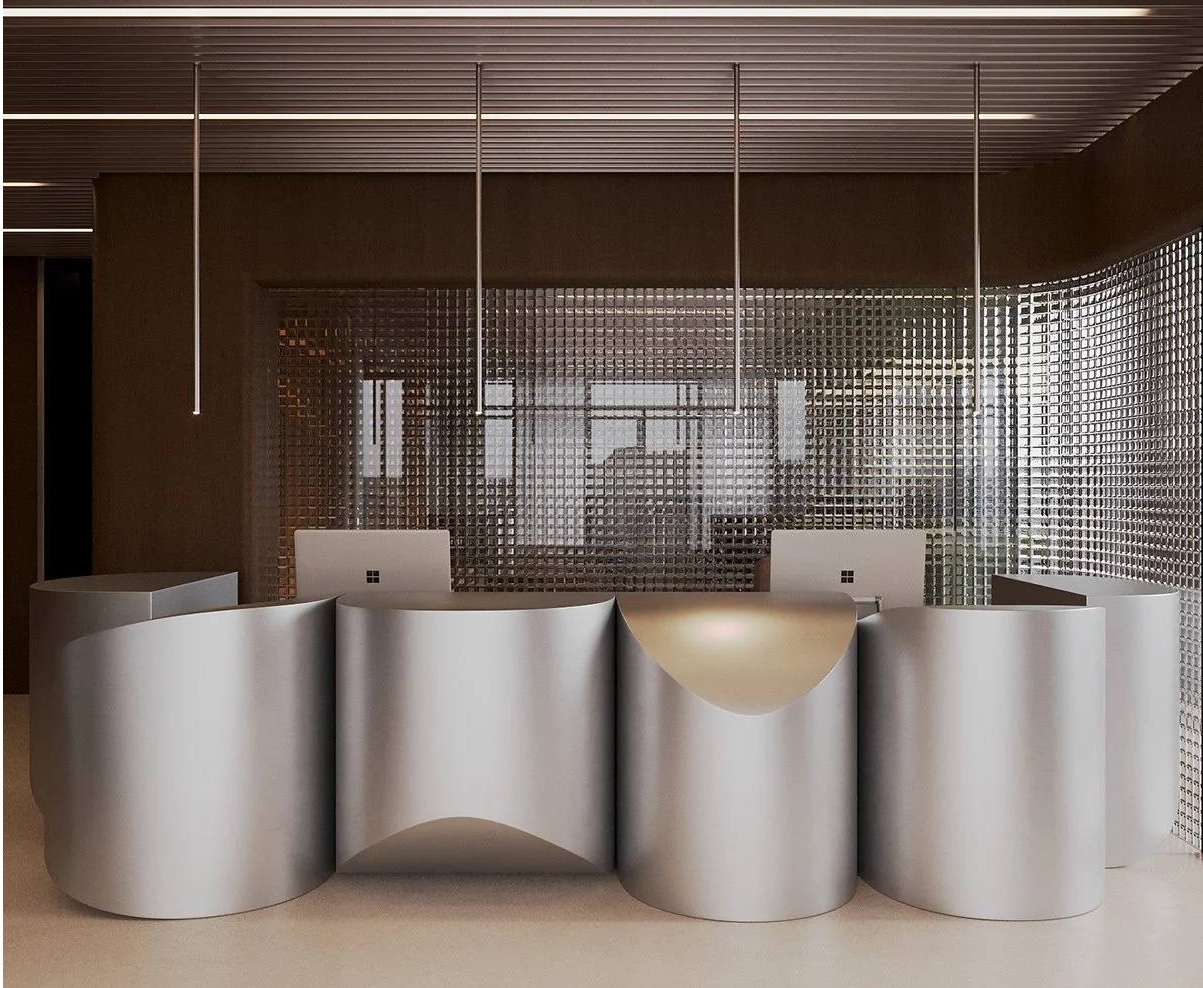
Contemporary architecture goes beyond creating visually expressive buildings. Space directly affects how people live, work, rest, interact with others and perceive their surroundings. The quality of a project is therefore determined not only by its aesthetics but also by how precisely it meets human needs.
The starting point is an understanding of function and future users. For a hotel, atmosphere, privacy, light, acoustics and a sense of calm matter. For a workspace, ease of movement, the organisation of communications and conditions that foster concentration are key. In residential architecture, individual habits, family scenarios and everyday comfort come to the fore.
At the same time, function should not be set against emotional perception. Strong architecture can solve practical problems and evoke particular feelings at once, from calm to surprise. It is the combination of functionality, context and emotional impact that makes it possible to create spaces that remain meaningful beyond visual trends.
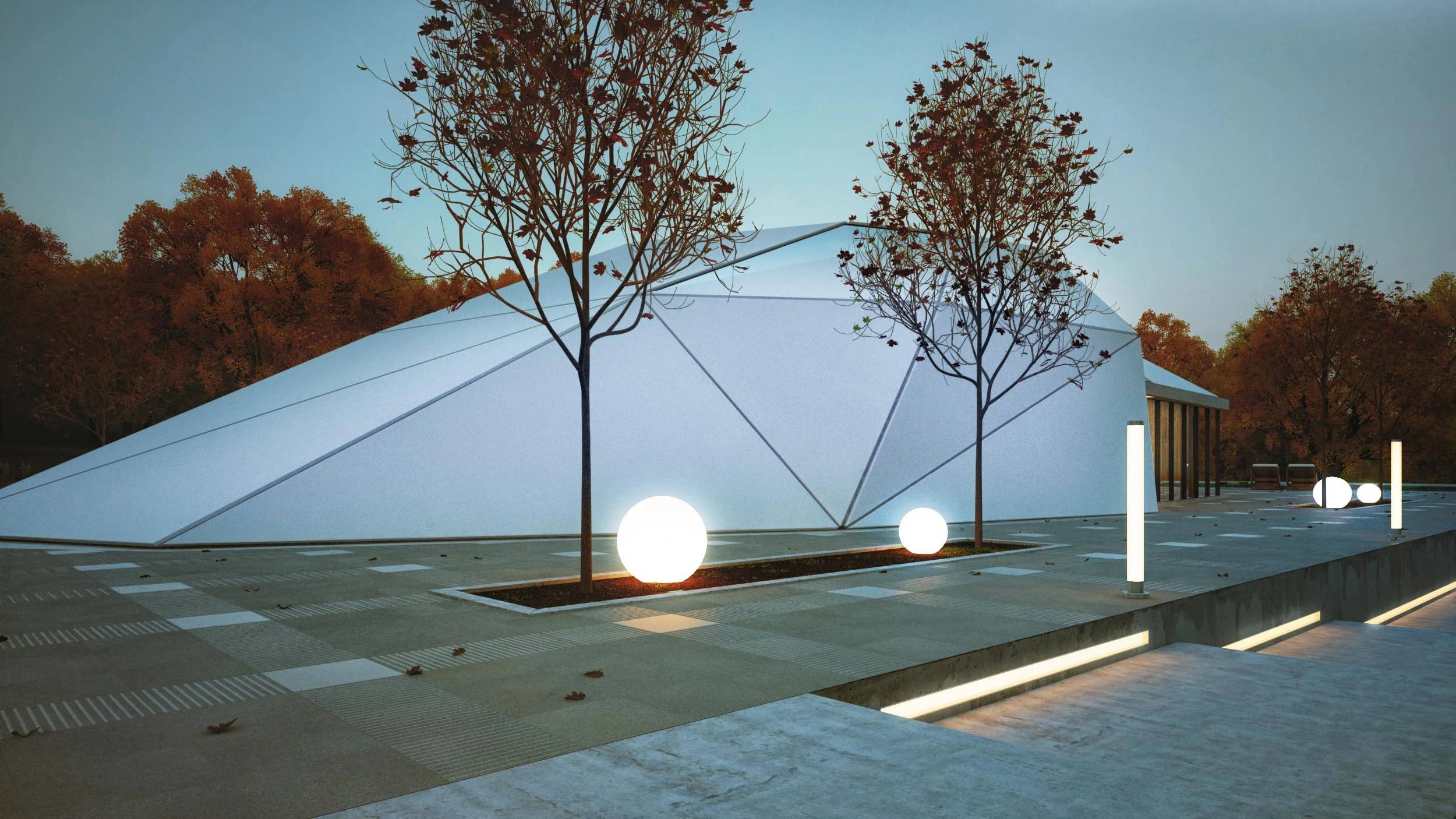
As artificial intelligence develops, this aspect becomes even more important. Technology can speed up calculations, analyse data and propose many options, but an architectural solution still requires an understanding of how people will feel in the environment created.
The Search for a Contemporary Central Asian Identity
For Kazakhstan and other Central Asian countries, one of the main questions today is the formation of a distinct architectural language.
The region’s professional community is developing, new public buildings are appearing, the quality of private projects is improving and interest in contemporary architecture is growing. At the same time, there is a continuing tendency to borrow approaches already established in European, Asian and Middle Eastern markets.
Studying international experience is a natural part of the development of any architectural culture. At a certain stage, however, adaptation is no longer enough: there is a need to create solutions that reflect the specifics of one’s own context.
Architectural identity does not necessarily have to be expressed through the literal reproduction of national ornaments, traditional forms or historical images. It can manifest itself in working with climate, materials, light, landscape, spatial scenarios and the characteristics of local ways of life.
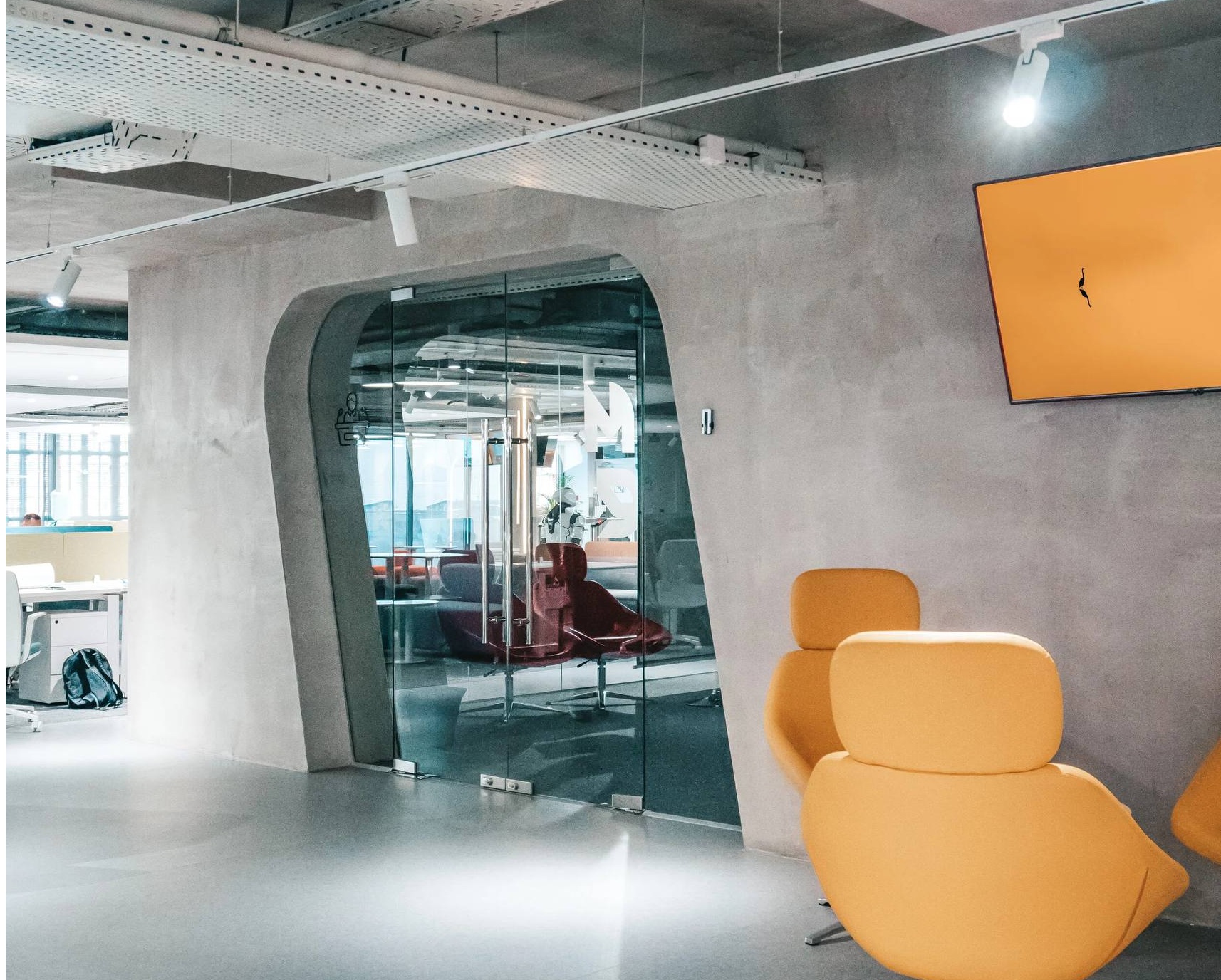
Kazakh architecture is taking shape at the intersection of several historical layers. The ancient cultural heritage of the territory, the Soviet period, the development of an independent state and contemporary global culture all influence how cities are organised today and how space is perceived.
The search for identity therefore does not necessarily mean a return to a single historical model. It is far more productive to see it as an evolving system capable of bringing together different cultural layers and modern technologies.
Central Asia has the opportunity not simply to reproduce international architectural models but also to offer its own solutions, based on local context and a current understanding of the future.
How Urban Architecture Will Change
The development of architecture is closely tied to the economy. Growing investment, the emergence of new companies and rising client expectations create demand for housing, offices, hotels, infrastructure and public spaces.
However, an increase in construction volumes alone does not guarantee the quality development of the urban environment. The choice of typologies also matters: which spaces are created and how far they meet society’s long-term needs.
The spread of artificial intelligence and the automation of intellectual work could change the job market, familiar working formats and requirements for commercial property. If the structure of office work changes, so will the need for traditional workspaces. At the same time, the importance of education, culture, leisure, health, tourism and new forms of social interaction may grow.
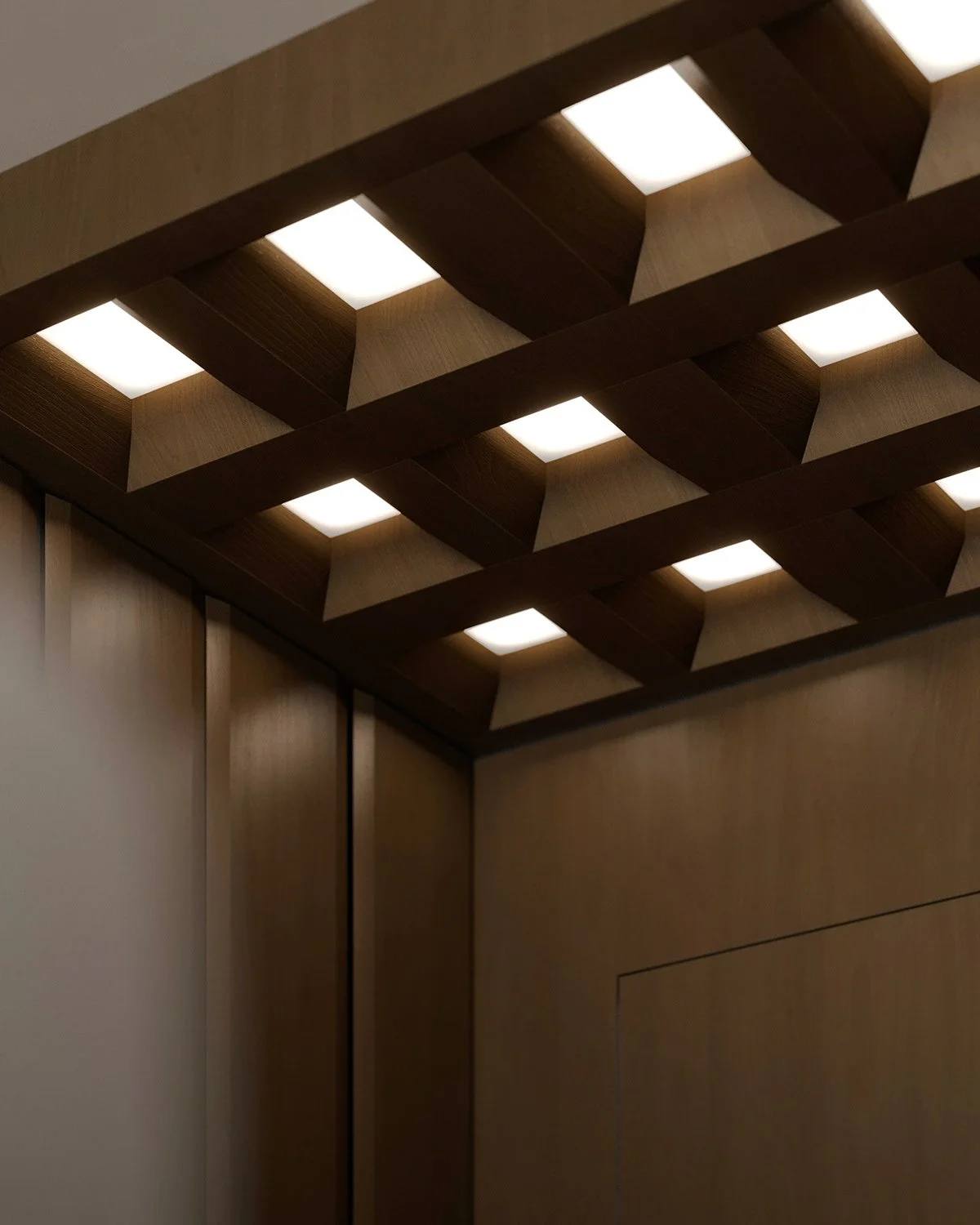
This demands a broader view of design from architects. Instead of focusing solely on today’s market demands, they need to consider how people will live, work and spend their free time in 10 or 20 years.
For Central Asian cities this approach is especially relevant: a period of active development creates the opportunity to build new principles of organising the environment in advance, rather than only adapting existing models.
Artificial Intelligence: From Visualisation to Design
Just a few years ago, generative artificial intelligence in architecture was seen mainly as a tool for creating concept images. The arrival of models such as DALL·E 2 and Midjourney in 2022 expanded architects’ capabilities in the early stages of design, making it possible to explore forms, materials and visual directions more quickly.
Today the use of AI is gradually moving beyond visualisation. The technology is used for research, information processing, generating options, analysing parameters and automating individual production tasks.
AI agents capable of interacting with professional software, performing operations on drawings and assisting in modelling spaces based on technical briefs or source images are already appearing in architectural practice. Such tools can reduce the time needed for individual operations and expand the capabilities of small teams.
At the same time, it is important to distinguish between the automation of individual tasks and fully autonomous development of an architectural project. Creating comprehensive documentation requires coordinating many parameters, verifying technical solutions, complying with regulations and quality control. Full automation of these processes remains a separate task.
Nevertheless, the direction of development is clear: AI is becoming not just an additional tool, but a potential part of the entire design system, from initial research to the preparation of design solutions.
For the architectural industry, this means an opportunity to reconsider the allocation of working time and resources. The more routine operations can be automated, the more attention can be devoted to exploring concepts, analysing context and the quality of the final result.
The New Role of the Architect
Automation inevitably raises the question of which professional skills will be most in demand in the future.
If some drawings, models and visualisations can be produced faster with the help of AI, the value of an architect will be determined less and less by the volume of manual work performed. The ability to formulate a task, propose a strong idea, choose a suitable solution, spot an error and assess the consequences of design decisions will come to the fore.
This does not mean that technical knowledge will become less important. On the contrary, to work effectively with automated systems, one must understand design principles and be able to critically evaluate the results that the technology proposes.
Responsibility for people and the environment retains a special role. An architect must take into account cultural context, functional constraints, safety, comfort and the long-term impact of a building on the city. It is no longer enough to observe the development of new tools from the sidelines: one must learn to use them and understand how they affect the entire design process.
At the same time, the question of what exactly artificial intelligence will never be able to replace remains open. The pace of technological development makes categorical forecasts unreliable. Today, empathy, professional judgement, life experience, understanding of context and a readiness to take responsibility for a decision remain especially important human qualities.
Authorship in the Age of AI
The expansion of artificial intelligence's capabilities is also changing the traditional notion of architectural authorship.
If an architect formulates the concept, sets the direction of work, chooses options and makes key decisions, the use of AI does not cancel out their authorial role. The technology becomes part of the toolkit, enabling the realisation of the idea in other ways.
A more complex question arises when a system is capable of independently developing a concept, making design decisions and producing the final result with minimal human involvement. In that case, new approaches to defining authorial contribution and the boundaries of responsibility will be required.
As automation advances, the profession may shift from a model based on the direct production of every element of a project to a model in which the architect is the author of the concept and the director of a complex system of tools and processes.
At the same time, transparency in the use of technology is becoming an important condition of professional ethics. It is necessary to understand which decisions were made by a human, which were proposed by AI, and who is responsible for the final result.
Architecture Beyond Time
Against the backdrop of rapidly changing visual trends, the question of how to create spaces that retain their quality over decades is becoming increasingly relevant.
It is impossible to ignore trends entirely: architecture always develops alongside technology, culture and lifestyle. The problem arises when a project is built exclusively around a current visual device and loses its own architectural foundation.
The longevity of a space is determined above all by the quality of its organisation. Proportions, natural light, the logic of movement, functional connections, acoustics and a sense of scale can remain relevant longer than specific materials, pieces of furniture or decorative solutions.

An interior, for example, can be expressive and emotionally rich or, conversely, so naturally suited to people that it requires no constant attention. In both cases, what matters is not a set of striking elements but the integrity of the spatial solution.
Innovativeness also does not necessarily imply high cost. New quality can arise from a successful layout, well-considered engineering, energy efficiency, the choice of materials or a change in the very scenario of how a building is used.
The architect's task is not to follow every new trend and not to strive to artificially create another fashion, but to study existing solutions, understand the reasons for their emergence and develop their own approach.
People as the Main Reference Point
The development of artificial intelligence, computational design and automation opens up new opportunities for architecture. These tools make it possible to analyse information faster, explore more options and optimise individual stages of work.
But technological efficiency should not become an end in itself. Architecture is judged not by the number of images produced or the speed at which models are released, but by the quality of space and its impact on people.
In the future, architecture will probably become more precise in relation to individual needs. AI will make it possible to analyse use scenarios faster, compare layout options and adapt solutions to specific tasks. However, personalisation should not turn a project into an endless set of parameters: space must retain its integrity, a clear structure and its own character.
For Kazakhstan and Central Asia, the technological transformation coincides with a period of active development of the architectural environment. This creates an opportunity to master new tools, rethink urban space and search for a distinct architectural language at the same time.
The main question is not whether artificial intelligence can change the architectural profession - those changes are already happening. What matters far more is how the architectural community will use the new opportunities: whether it applies them mainly to speed up production or directs them towards creating a more meaningful, sustainable and human environment.
It is precisely at the intersection of technology, cultural identity and an understanding of people that the architecture of the future will take shape.
Read also
 Architecture & Urban Environment
Walking Almaty’s Modernism: Architecture Against the Mountains | A Photo Essay
Alfiya Kalmaganbetova, Amira Kassenova
 Architecture & Urban Environment
FLOW Park: A New Space for Active Recreation in Almaty | A Photo Essay
Amira Kassenova, Gulsara Kenbaeva
 Architecture & Urban Environment
A Building with a History: Almaty’s First Government House
Gulsara Kenbaeva
Newsletter
A letter from the HD editors
Once a week, we send the best stories, events, and cultural discoveries from Central Asia.