Architecture & Urban Environment
Walking Almaty’s Modernism: Architecture Against the Mountains | A Photo Essay
Alfiya Kalmaganbetova, Amira Kassenova
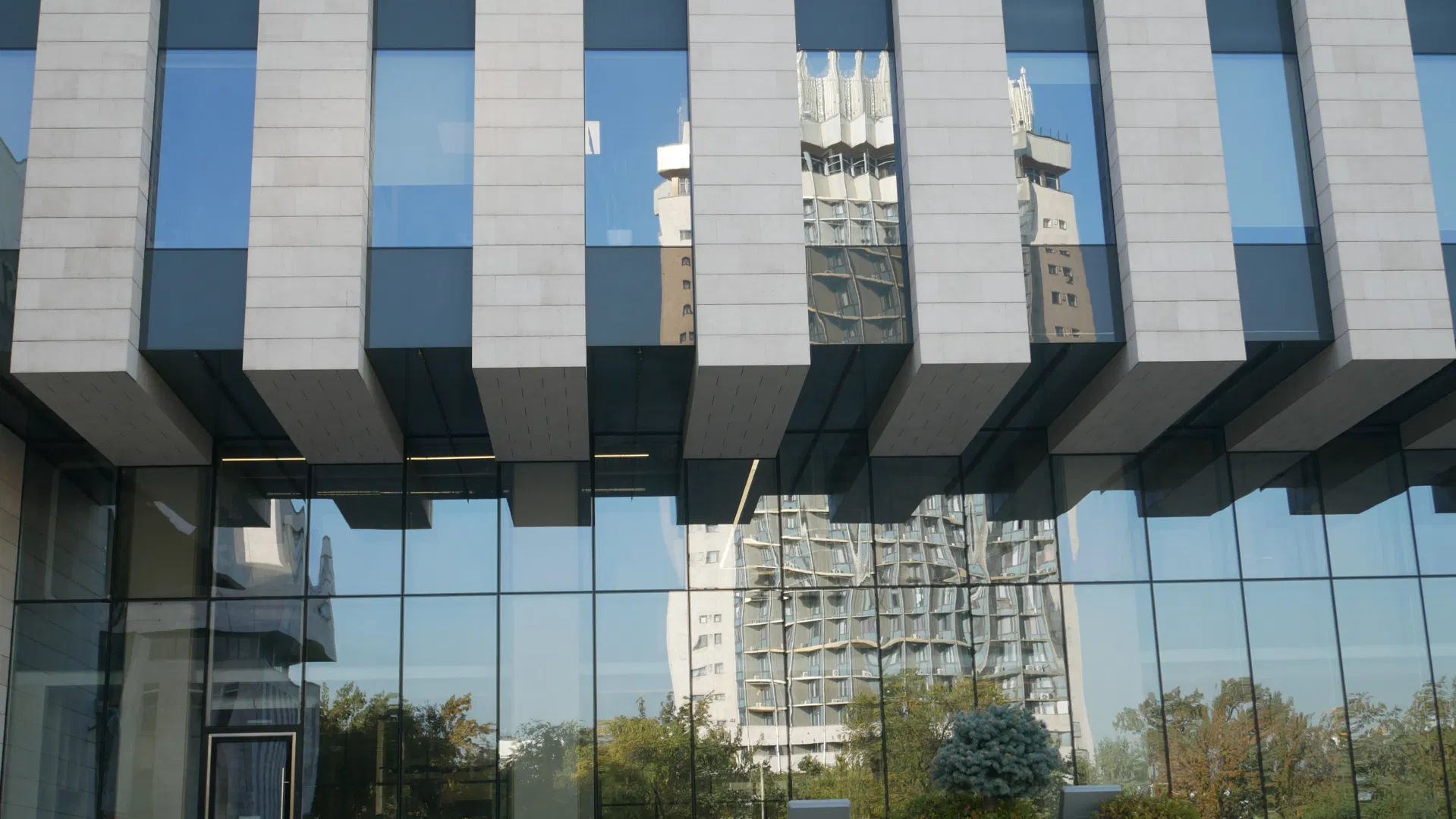
Shadows, relief and traces of time in buildings of the 1960s to 1980s. Amira Kasenova's photo essay on how modernism changed the face of the city.
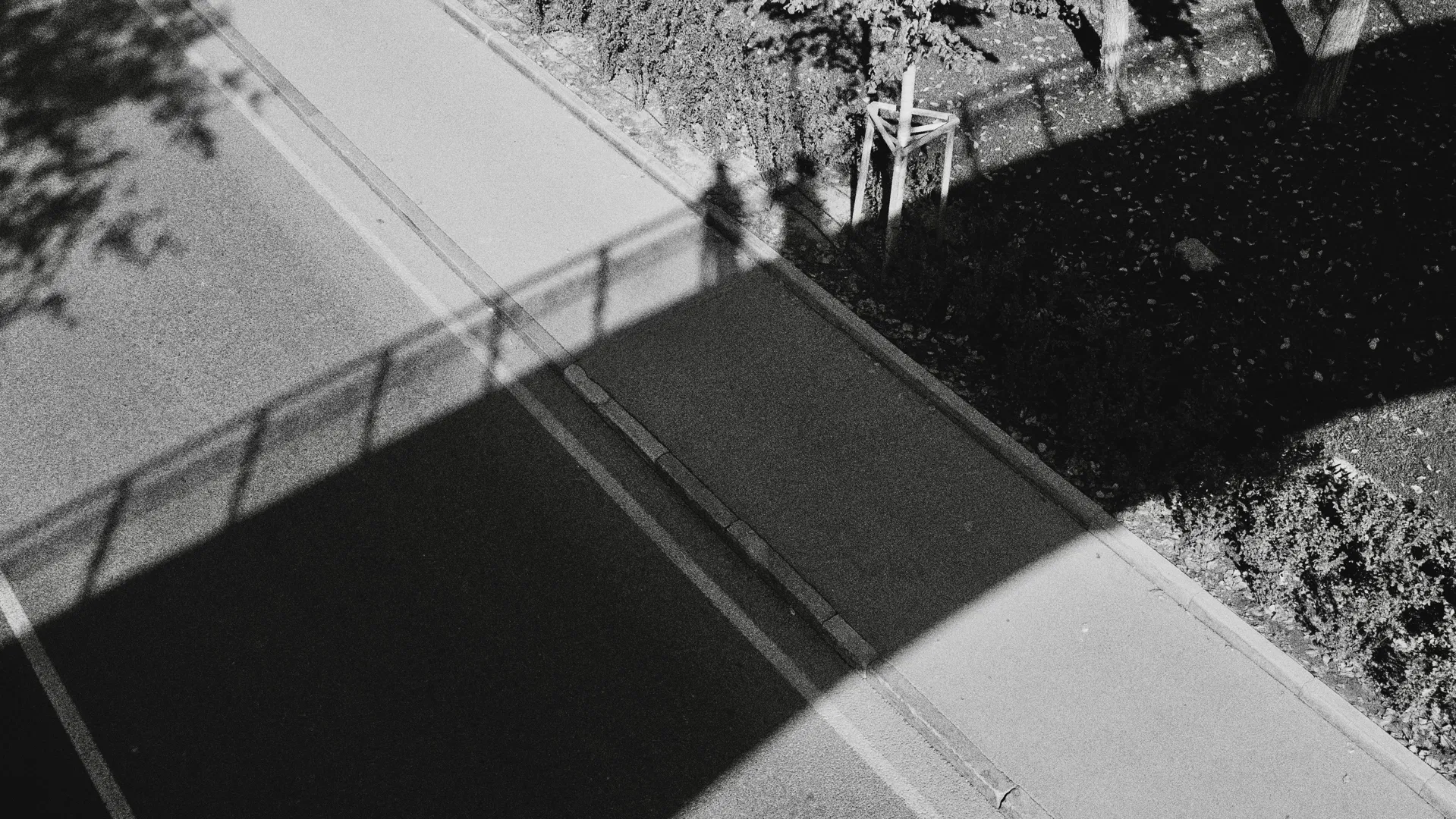
Almaty's modernist architecture has a particular quality: from a distance it looks monumental and austere, but step closer and the buildings begin to tell their stories. The folds of the facades cast shadows, the massive roofs seem to hover above the squares, and the concrete surfaces take on a relief of their own. What matters here is not only the form, but how it interacts with the light, the mountains and people.
During the walk with the guide, I looked at the architecture of the second half of the 20th century not simply as a collection of unusual buildings. Each of them once answered a specific urban need: the hotel received guests, the Palace of the Republic gathered audiences, the cinema became a meeting place, while the archive, the museum, the television centre and the Palace of Schoolchildren sustained everyday cultural life. Together they show how Almaty was imagined and built in the 1960s to 1980s.
История одного здания Алматы: первый Дом правительстваВ конце 1920-х годов Алма-Ата стала столицей Советского Казахстана. Вместе с новым статусом город получил новую архитектуру. Конструктивисты предложили отказаться от привычного восприятия представительского здания как монументального символа власти и превратить архитектуру в инструмент организации жизни. Одним из самых смелых экспериментов стал Дом Правительства, спроектированный Моисеем Гинзбургом.mag.humodoc.com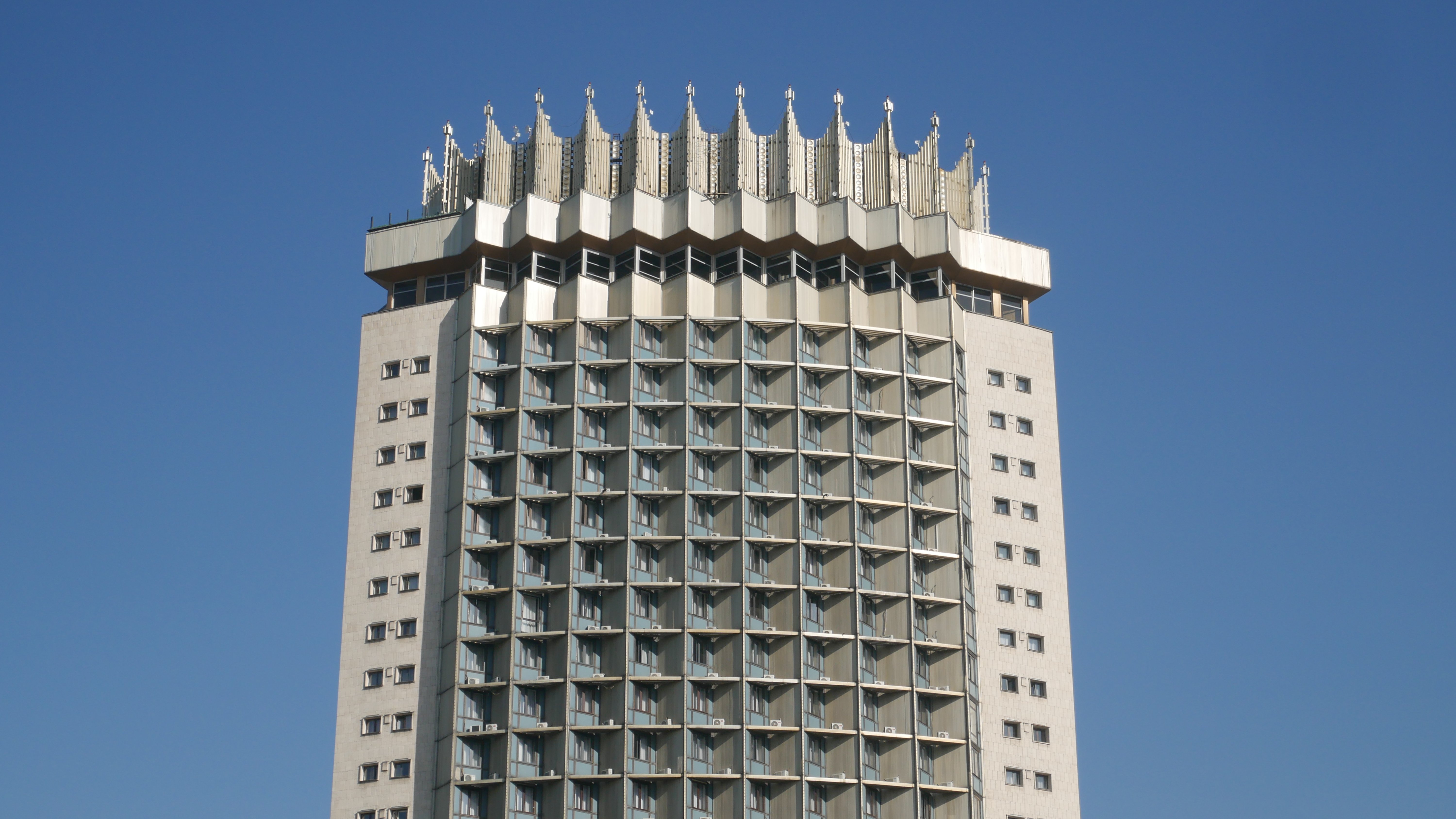
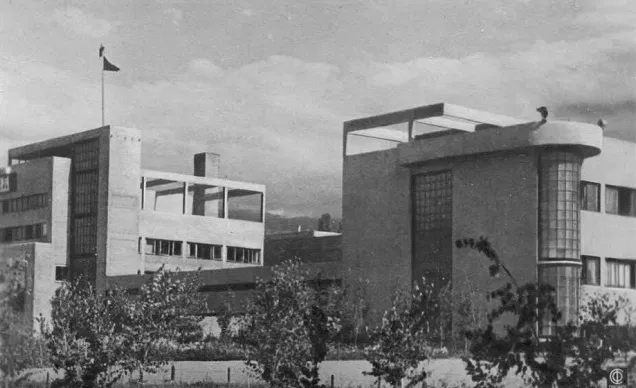
The Kazakhstan Hotel, one of Almaty's most recognisable silhouettes, opened in 1977. The high-rise block with its elliptical outline and golden crown is visible from afar, but up close attention shifts to the details. The relief elements of the facade create an expressive vertical rhythm and help shield the interiors from direct sunlight.
The hotel's design brought together several tasks at once: to build a high-rise in a seismically active region, to create a striking urban landmark and to take the climate into account. The building was designed to withstand a magnitude 9 earthquake. Here engineering calculation became part of the architectural image, and the view of the mountains a natural extension of the city panorama.
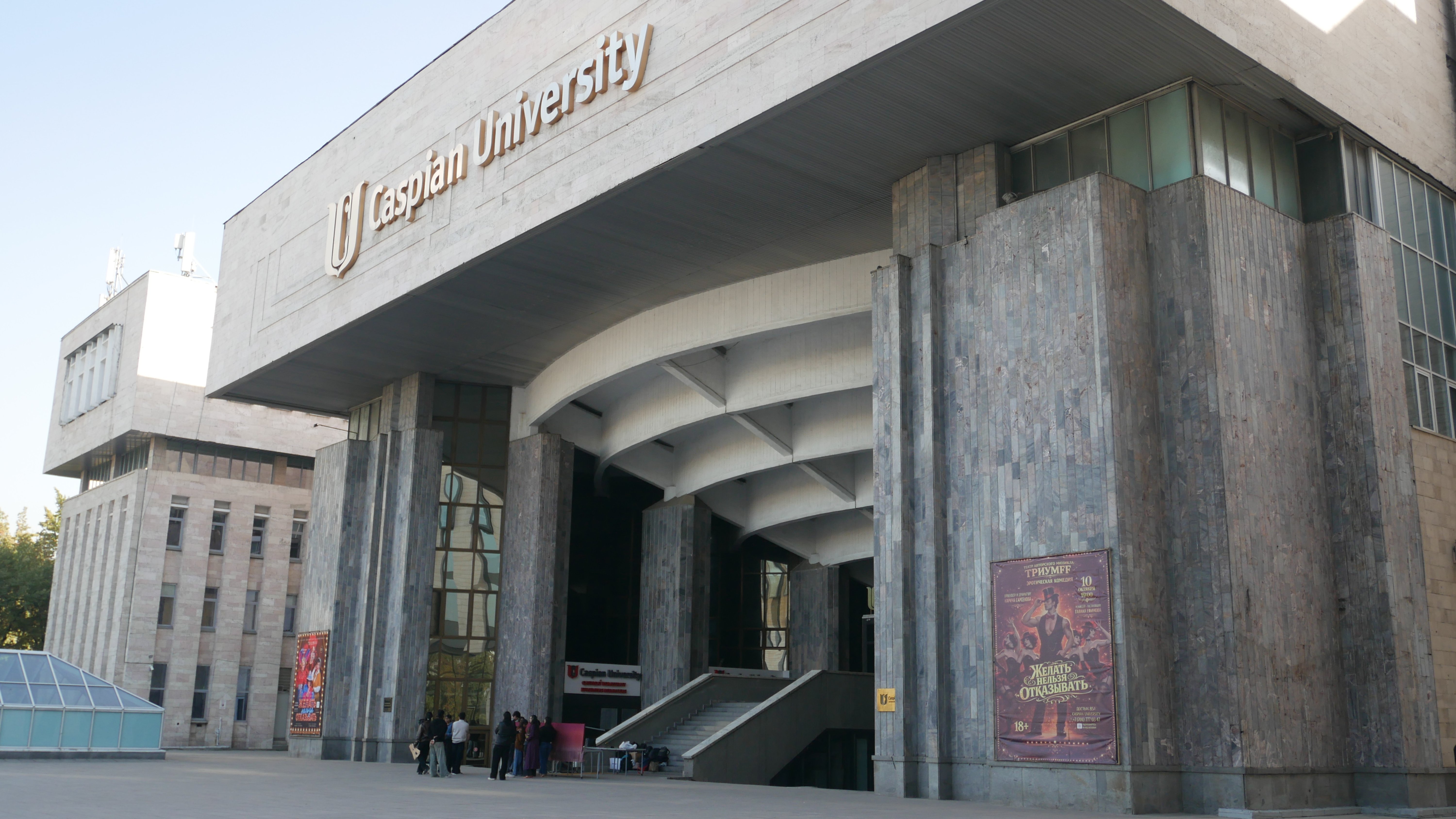
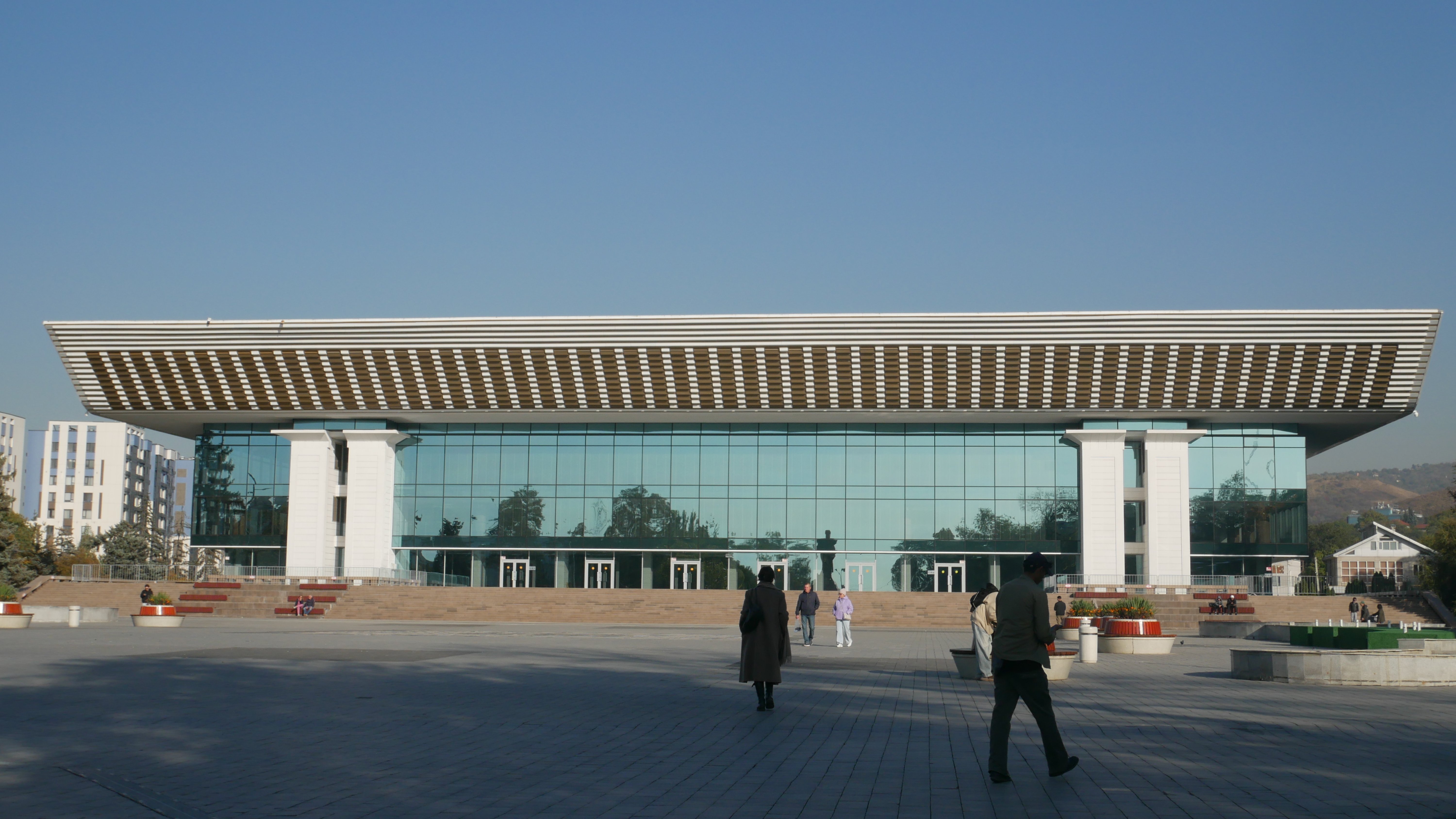
At the Palace of the Republic I found myself looking up. The broad roof projecting over the building's space seems almost weightless, though I understand that complex engineering lies behind this impression. The palace was built in 1970 as a large concert venue. Its architecture had not only to hold a large audience but also to become an expressive part of the urban space.
From below it is especially clear how the supports and the set-back walls work. Air remains between the massive structures, and the heavy volume seems to lift above the square. I am struck by the expressiveness of modernist techniques: the architecture looks simple, yet its impression is born from a precise balance of mass, space and light.
Алматы — город фонтановВ жарком Алматы вода всегда была частью городской жизни. Фонтаны здесь нечто большее, чем украшение площадей и парков, — это особая примета города и его летнего настроения. Они освежают воздух, собирают вокруг себя людей и добавляют шумному мегаполису ощущение прохлады и спокойствия. Сегодня в Алматы насчитывается около 150 фонтанов, и у каждого — своё место в городской истории. Фонтаны работают по единому графику — с 25 мая ежедневно, с 10 утра до 2 часов ночи. Заканчивают свою работу фонтаны в октябре.mag.humodoc.com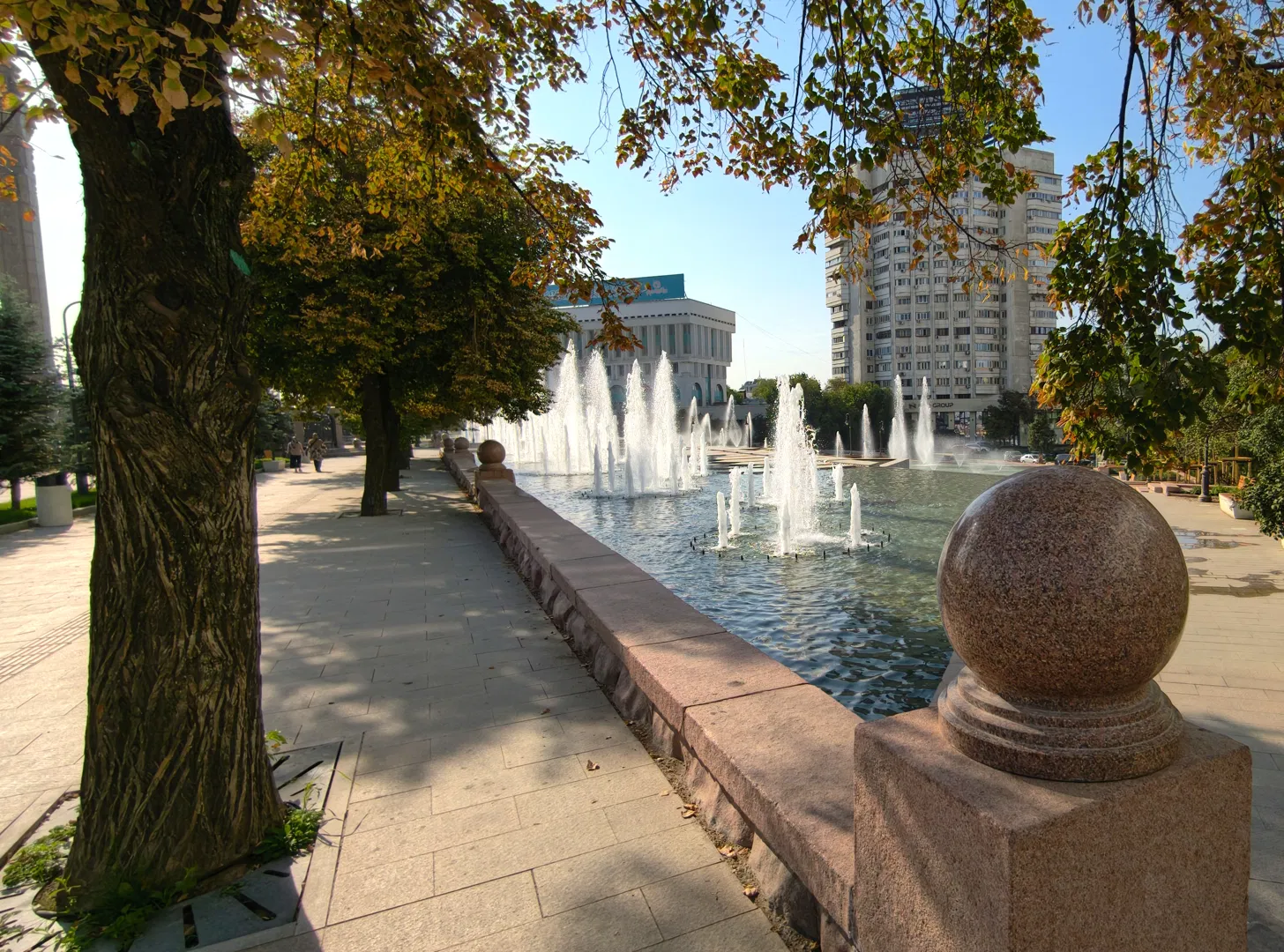
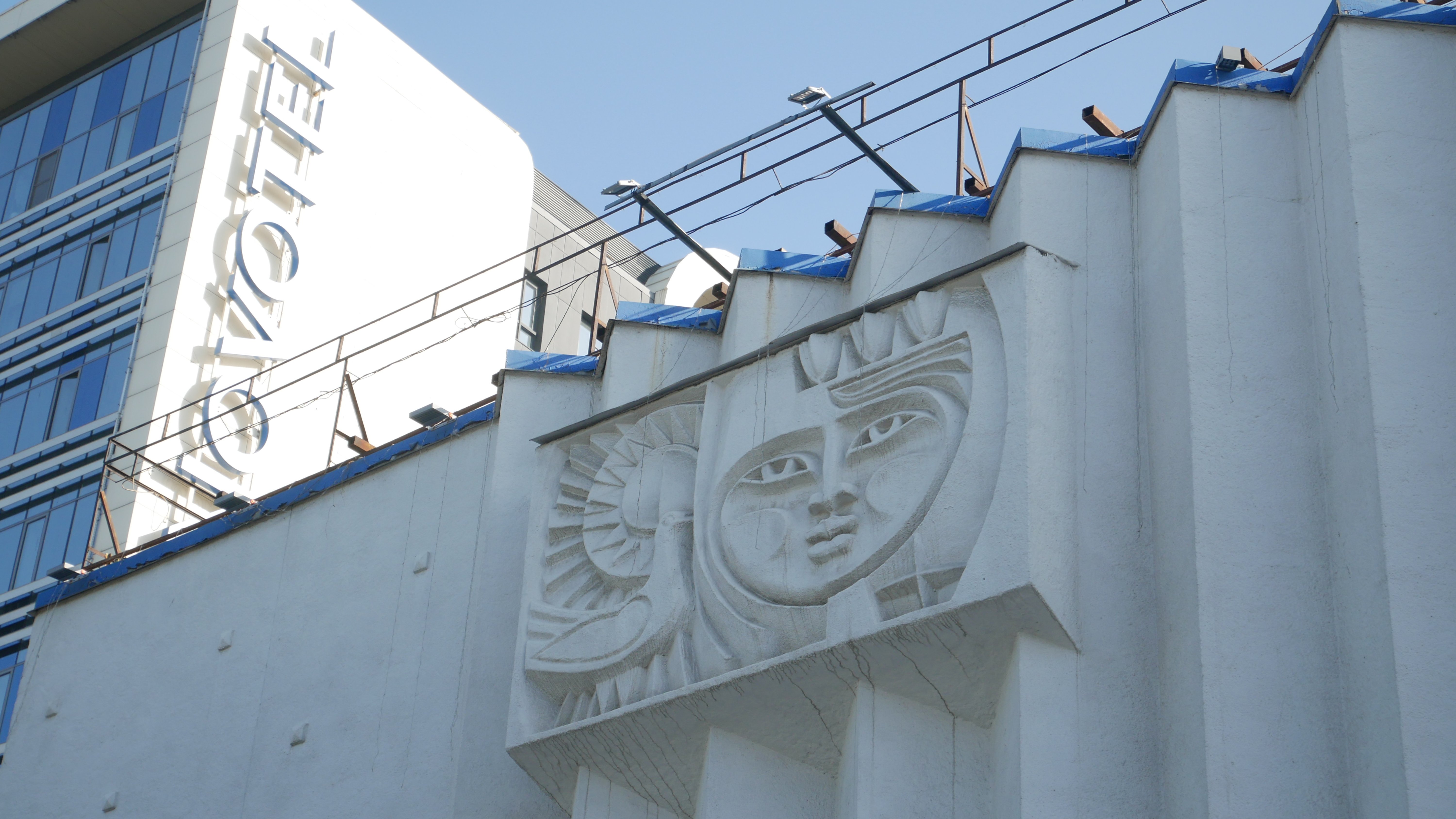
Next to the monumentality of the Palace of the Republic, the Arman cinema, built in 1968, offers a different scale. Here architecture is tied to an everyday urban ritual: going to the cinema, meeting friends, waiting for the screening to begin. During the tour the guide suggested seeing the image of a mountain glacier in the building's original white volume. I found this reading particularly interesting.
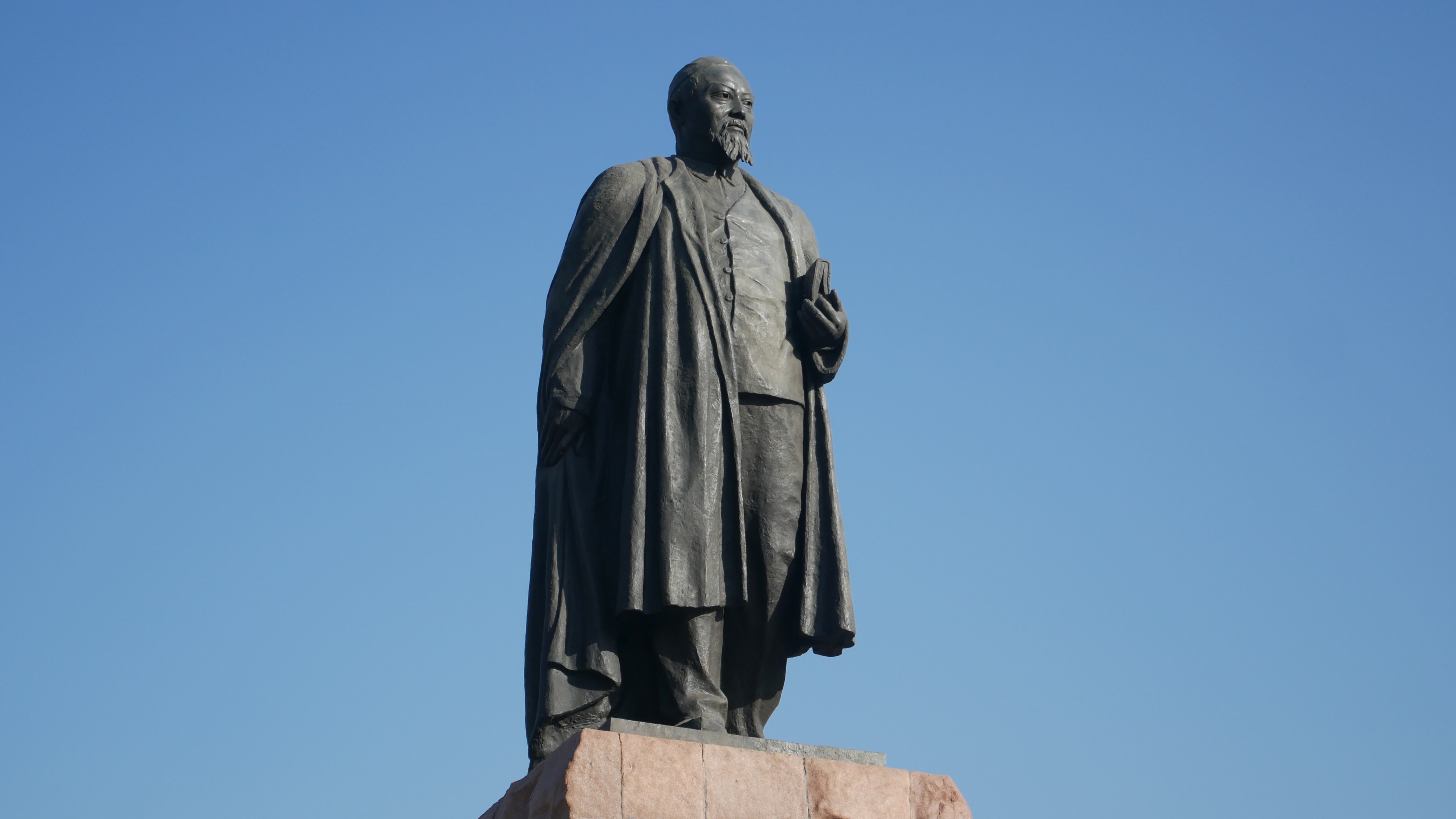
Next we come to the monument to Abai, which appeared in Almaty in 1961. Against the backdrop of the avenue and the mountains, the figure is not perceived in isolation but as part of a larger urban landscape.
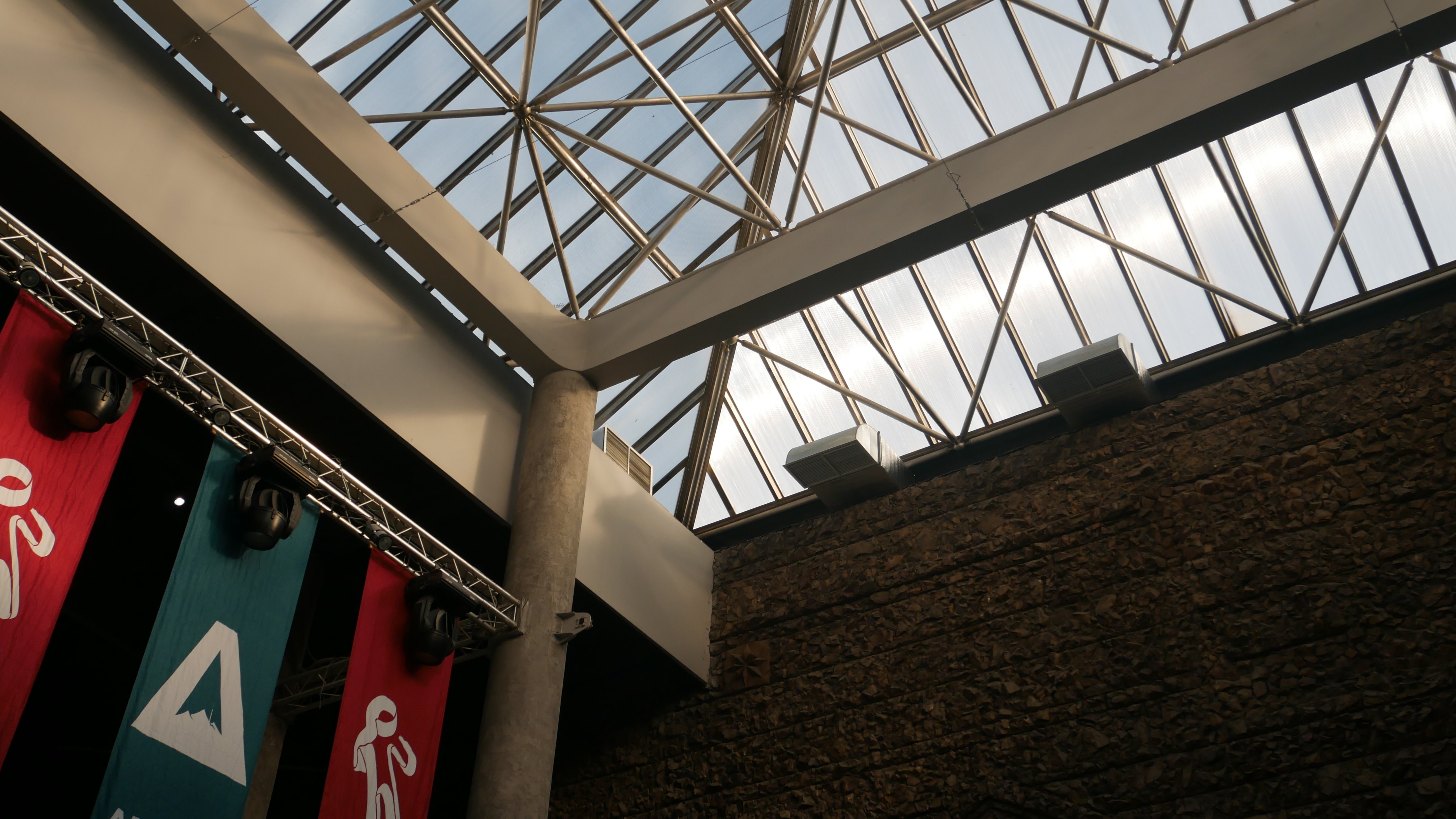
The guide drew attention to the tilt of the figure and suggested reading it as movement towards the mountains and a turning to the people. This is less a literal explanation of the sculpture than a way of looking at a familiar monument afresh, through its position in space, the direction of its gaze and its connection with the surrounding landscape.
Such details reveal a particular quality of Almaty: the mountains here are not simply beyond the city limits. They are constantly present in the architectural perception of the city, becoming its backdrop, its reference point and part of its visual language.
Муралы Алматы: галерея под открытым небомМурал — это крупное художественное изображение, созданное непосредственно на стене здания, фасаде или другой архитектурной поверхности. В отличие от обычного граффити, мурал чаще задуман самостоятельным произведением искусства, связанным с конкретным местом и городской средой. Он может рассказывать историю района, отражать культурные традиции, посвящаться известным людям или просто менять настроение привычного городского пространства. Муралы Алматы стали важной частью современной городской культуры. Они превращают глухие стены в своеобразные открытые галереи и делают искусство доступным для каждого — его не нужно искать в музее или галерее, достаточно просто выйти на улицу.mag.humodoc.com
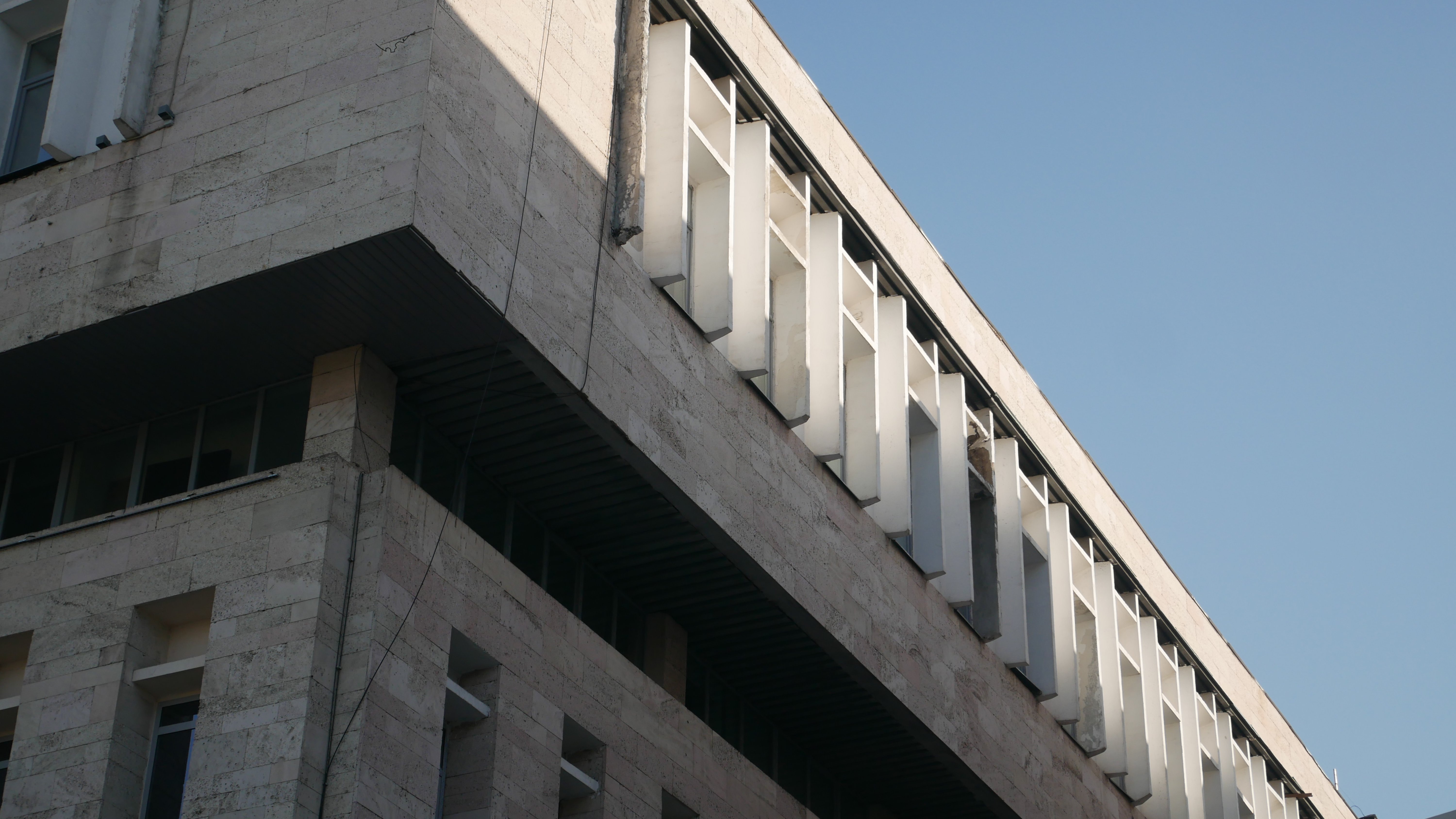
Following the route, we come to the Central State Archive, built in 1962 and preserving documents and testimonies of the past all these decades. Its facade draws attention with its texture and the repeating rhythm of its elements. The National Central Museum, opened in its current building in 1985, reveals itself differently: the deep relief of the surface changes with the light, and the wall becomes an almost independent object of observation.
The Palace of Schoolchildren, opened in 1983, combines a large scale with details that invite closer inspection. The golden dome, reminiscent of a scaly surface, and the observatory tower make its silhouette recognisable. The very conception of the building carries an important idea: architecture is intended not only to solve practical problems but also to nurture children's curiosity, education and interest in science.
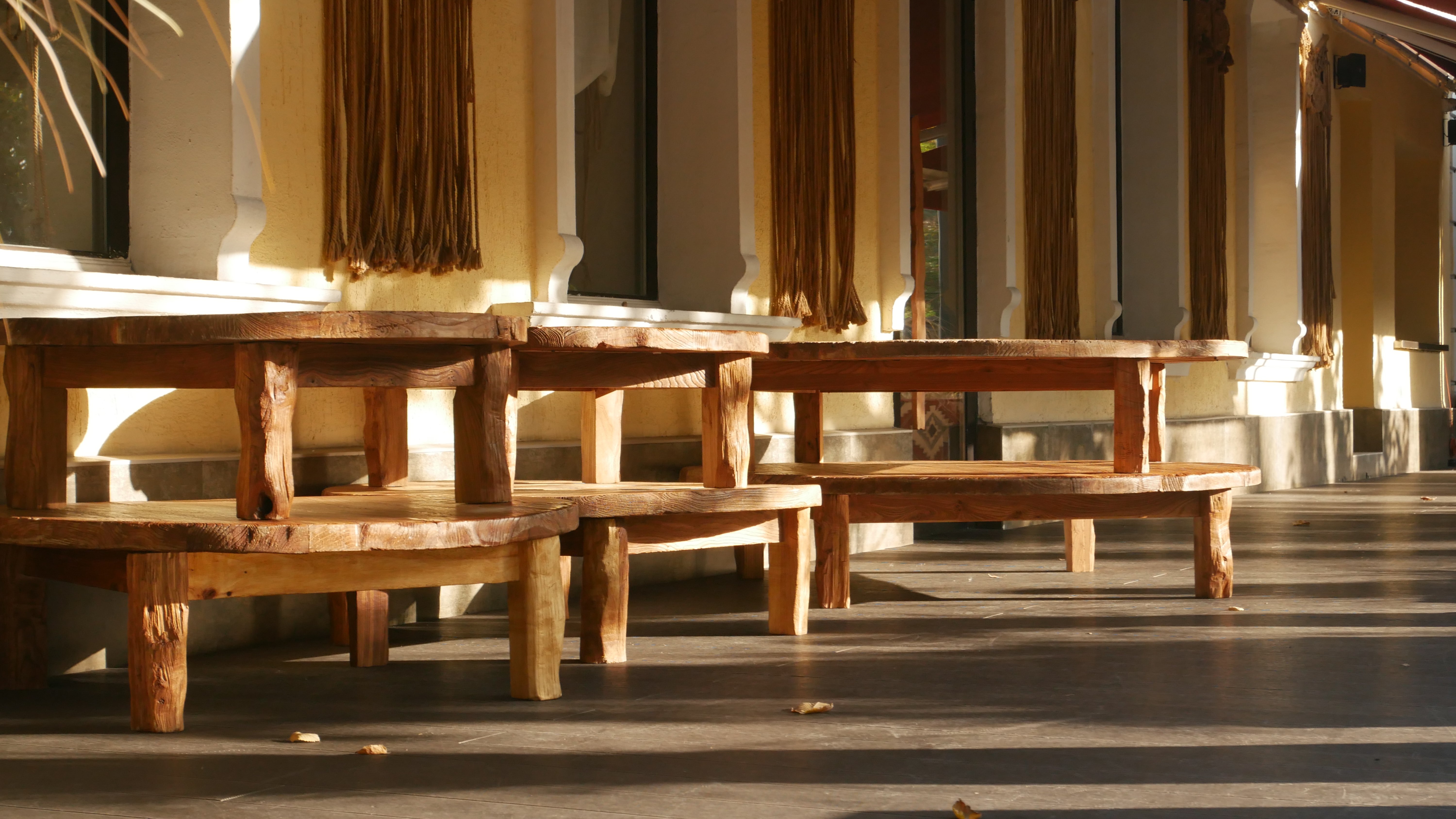
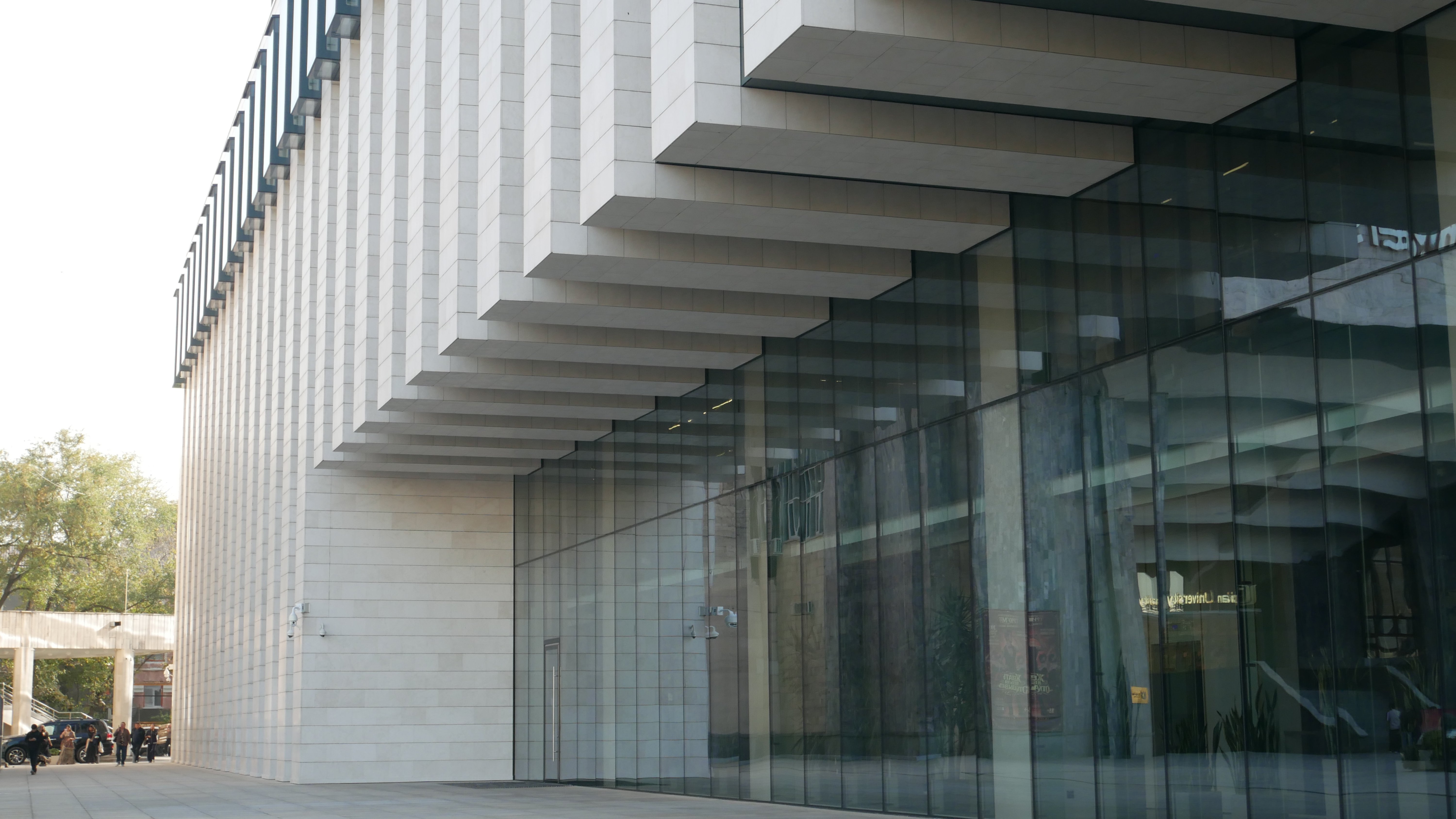
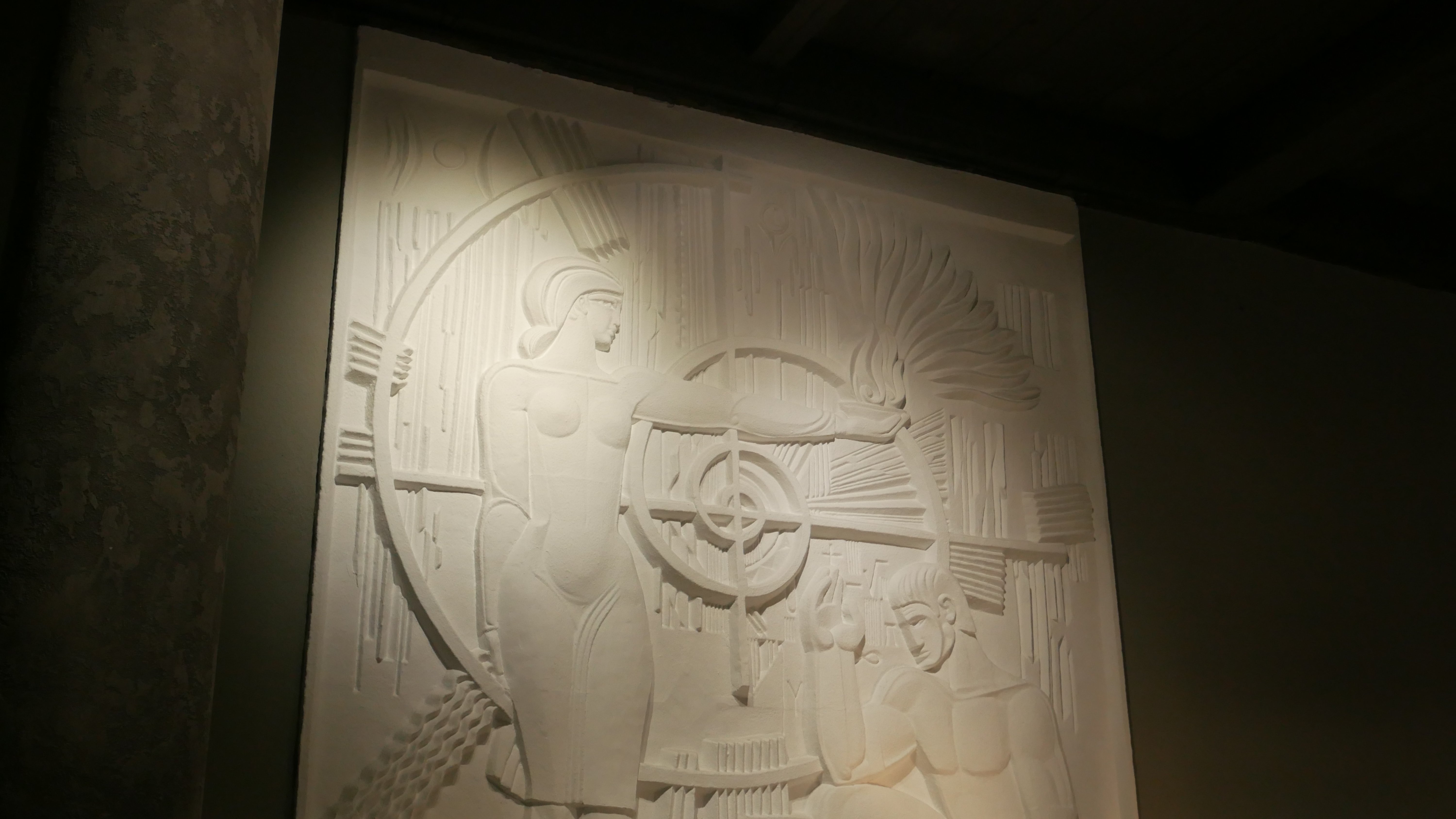
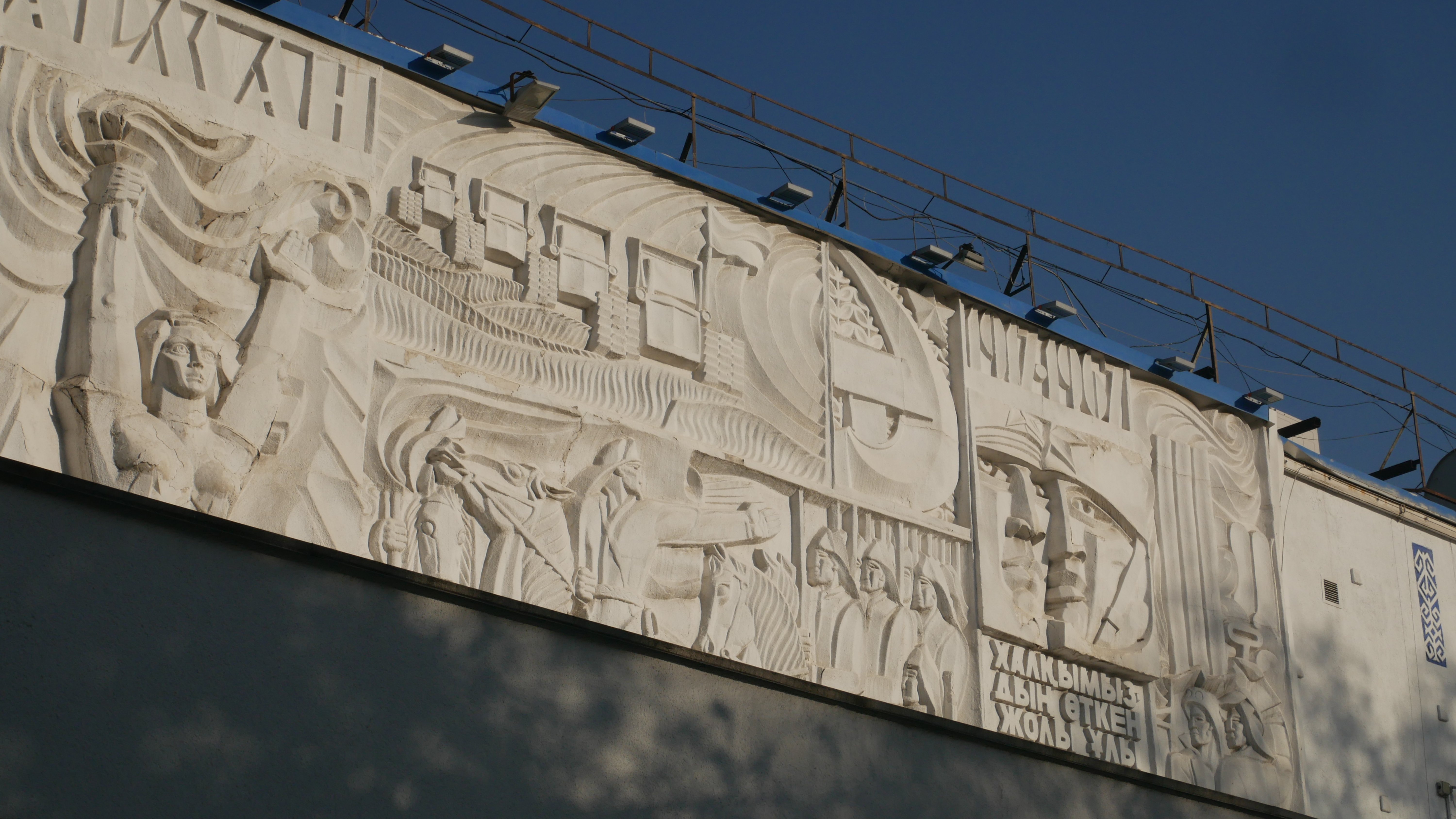
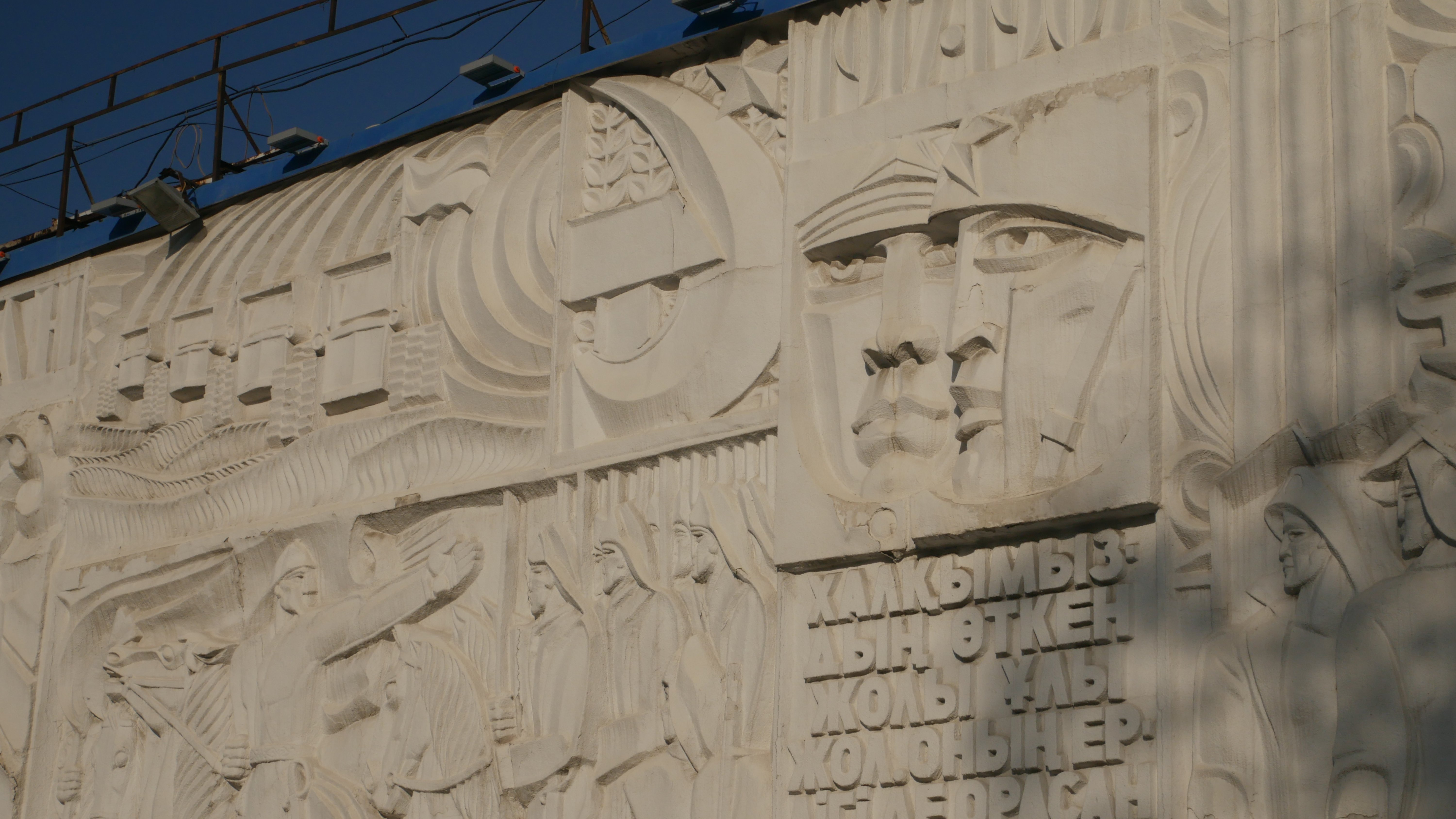
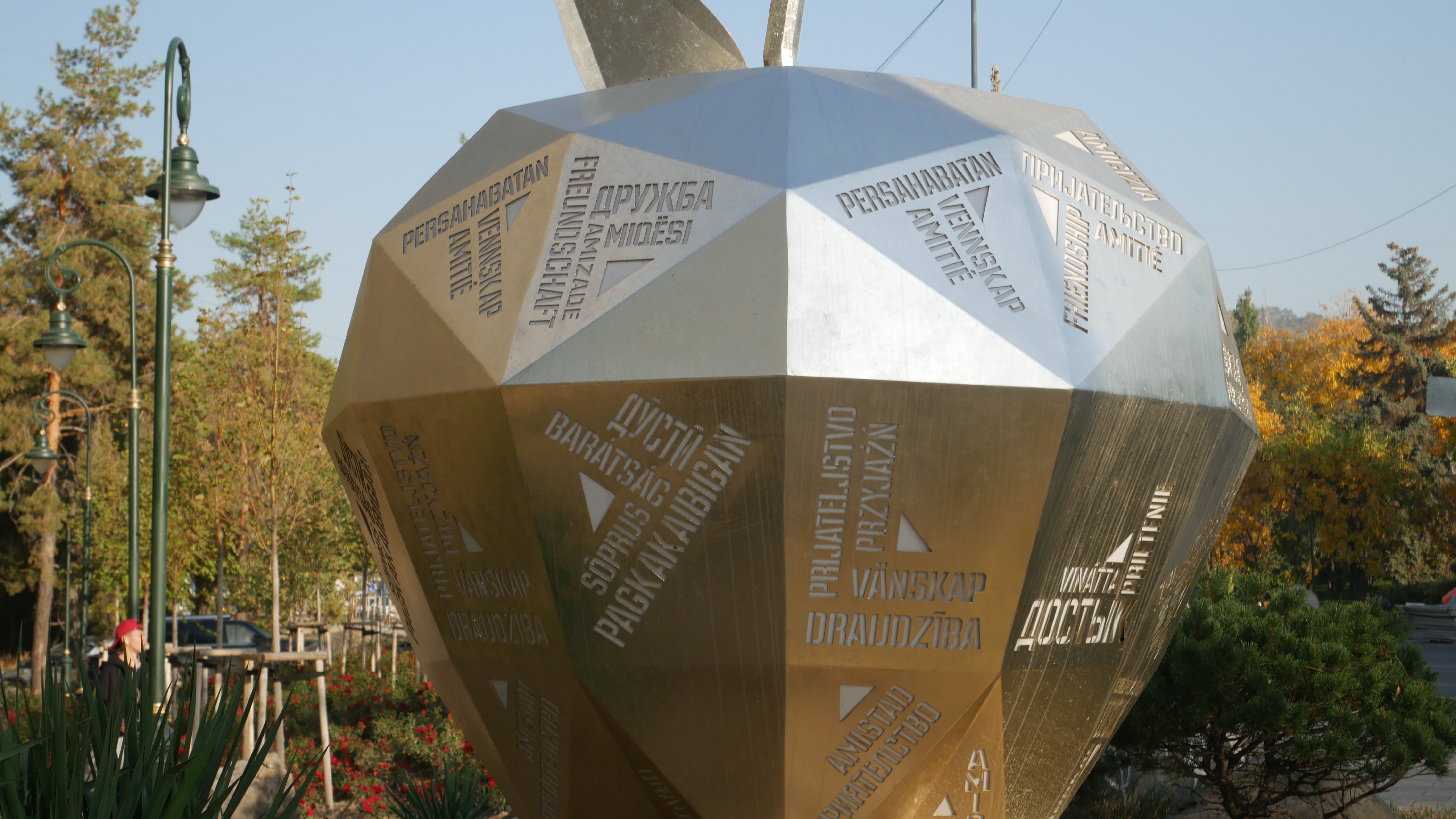
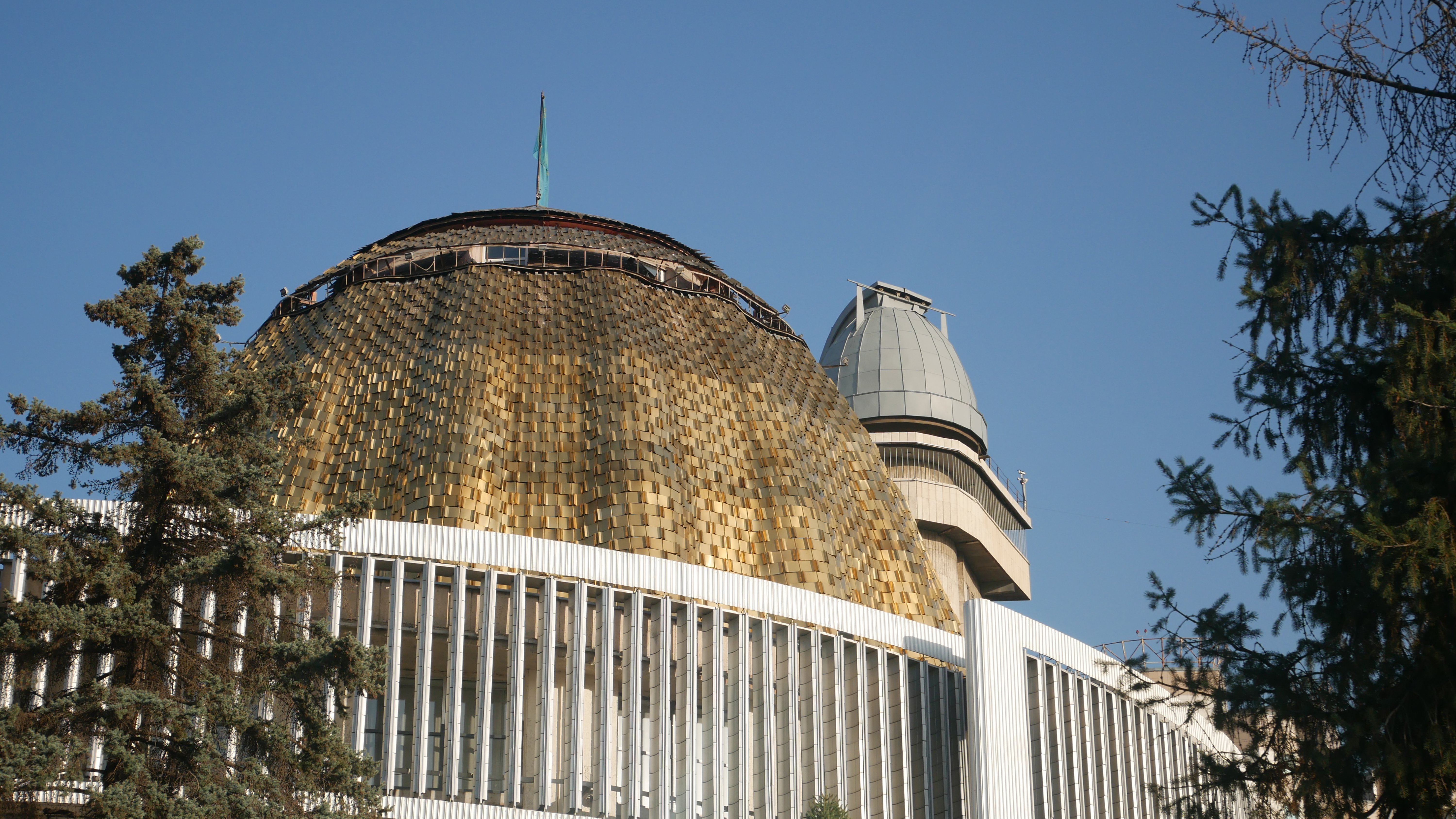
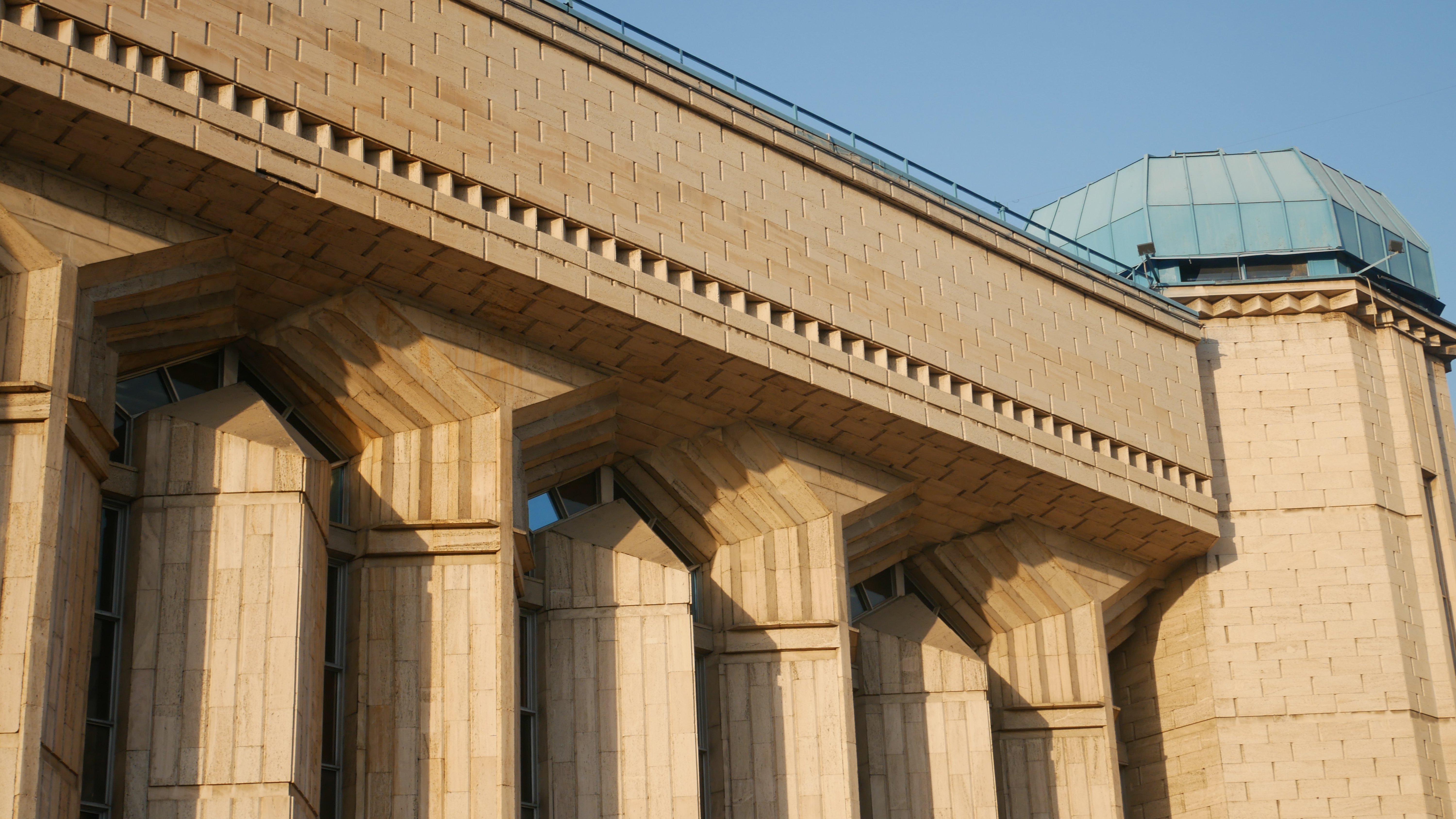
In the same year, 1983, the Almaty television centre was built at the junction of Timiryazev and Zheltoksan streets. Its appearance is linked to another side of city life: the development of television broadcasting.
Architecture exists not only in its original design. It changes with the city: some elements disappear, others appear, and familiar places take on new functions. Sometimes it is enough to look at a fountain without water to notice how much time has passed and how the space around it has changed.
Republic Square concludes our route with an administrative and public scale that cannot be reduced to a single architectural style. Here I felt especially strongly that a city is made up not only of buildings but also of the space between them.
Островки отдыха в мегаполисеГород — это не только улицы, дома и деловые центры. Ему необходимы пространства, где можно остановиться, выдохнуть, побыть на природе, встретиться с близкими или просто провести время вдали от повседневной суеты. Для Алматы, окружённого горами и богатого зелёными зонами, такие места особенно важны. Парки, скверы, набережные, терренкуры и другие пространства отдыха формируют качество городской жизни, дают возможность восстановиться и почувствовать связь с городом. Именно поэтому важно сохранять, развивать и делать доступными места, куда алматинцам хочется приходить снова и снова.mag.humodoc.com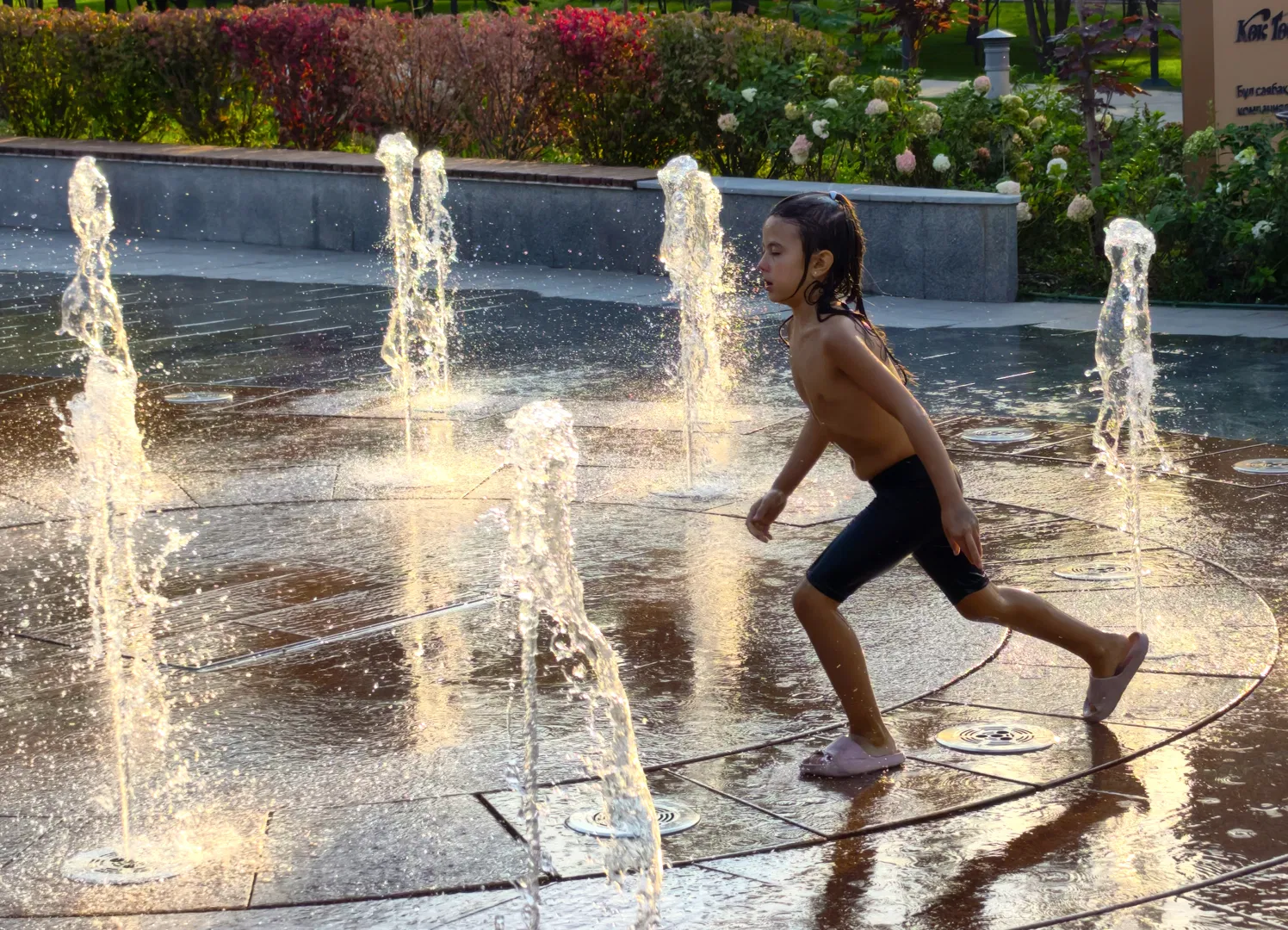
This walk helped me see modernism as part of the way the city works. Its history unfolds in the connections between the hotel, the concert hall, the cinema, the archive, the museum, the children's centre and the square. Each place has its own function, and together they show what Almaty was becoming in the second half of the 20th century.
Read also
 Architecture & Urban Environment
FLOW Park: A New Space for Active Recreation in Almaty | A Photo Essay
Amira Kassenova, Gulsara Kenbaeva
Architecture & Urban EnvironmentA Building with a History: Almaty’s First Government House
Gulsara Kenbaeva
 Architecture & Urban Environment
Landscape as Urban Infrastructure
Anna Oris
Newsletter
A letter from the HD editors
Once a week, we send the best stories, events, and cultural discoveries from Central Asia.