Guide
How to Listen to Rock Music: A Guide for Those Who Don't Know Where to Start

Many approach rock music with caution, linking it to mysticism or branding it as “demonic music.” This myth has persisted for decades. Today, rock has moved beyond the Old World and evolved into one of the major musical genres, spanning everything from light rock ’n’ roll to heavy metal. Moreover, many songs have achieved cult status thanks to certain films and television series.
How Rock Was Born
The history of the genre begins with the arrival of African slaves on American soil. Thanks to them, genres such as jazz, blues, gospel and others came into being. Their songs celebrated the hardships of life, unrequited love, emotions lived through and other life situations. Blues, soul and rhythm and blues laid the foundations of the rock genre.
The origins of the blues date back to the sixteenth century. During this period, many slaves were brought to America from Africa. Life was not easy for them. Their emotions and tales of a hard existence were transformed into musical storytelling.
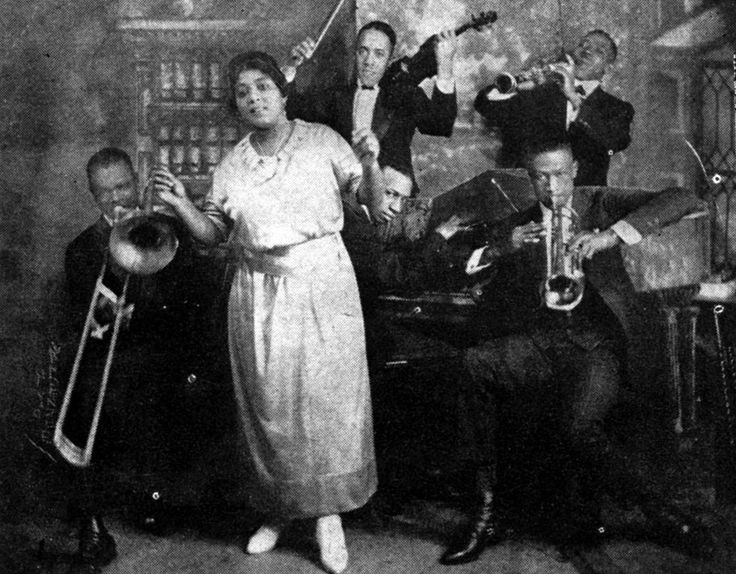
The genre's name is explained by the English idiom "Blue Devils", which translates into Russian as "green melancholy". The principal instruments are guitar, piano, drums and the harmonica.
Rhythm and blues, or the R'n'B we all know, emerged in the mid-1940s. Its heyday came in the 1950s. Rhythm and blues became the antithesis of the blues. In place of melancholy came energy and danceable verve. The leading instruments: bass, drums, piano, guitar and saxophone.
Soul appeared in the 1950s, building on rhythm and blues. Soul is characterised by the traditions of Christian spiritual music (gospel) and a sense of heartfelt depth. The core instruments remained largely unchanged, with only the organ added.
The Emergence of Rock Music as a Genre
The rock direction (from the English "to rock", "to sway") is an abbreviation of the foundational genre rock-n-roll. Melodiousness, rhythmic drive and danceability give way to louder sounds, adorned with musical instruments.
As in blues and soul, drums and guitars remained the principal instruments, while the piano was replaced by synthesisers. Acoustic guitars gave way to bass and electric guitars. Vocal techniques grew more complex. The music became heavier. What remained unchanged was the message of the songs. As in blues and other genres, lived losses, emotions, life situations, the difficulties of choice, freedom and much more came to underpin what is now a contemporary sound.
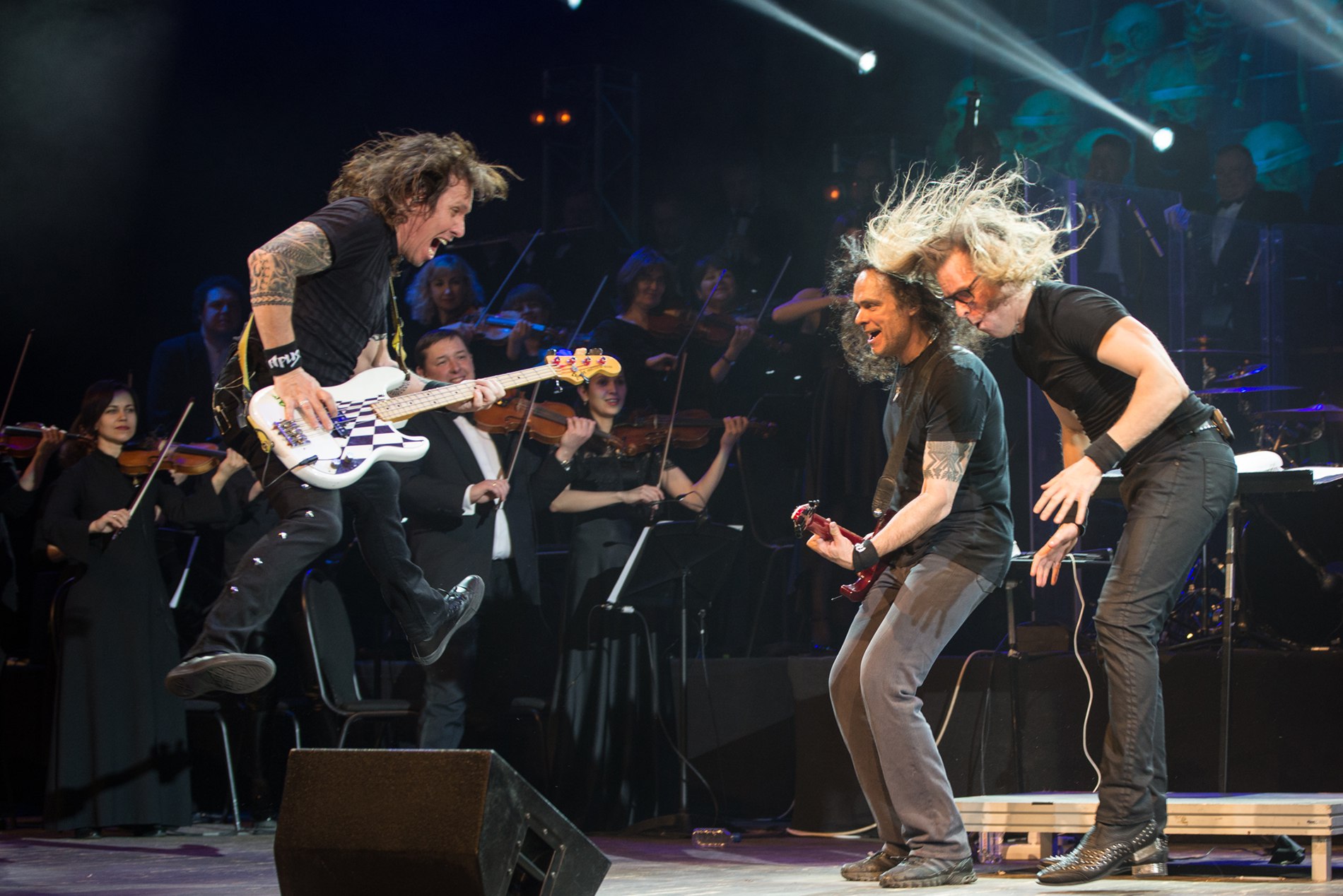
Alongside the original instruments, rock music also makes use of classical ones: cello, violin, flute and organ. Some rock musicians even stage concerts with an orchestra. A case in point is the band "Aria and Serj Tankian. In Tashkent, concerts of iconic rock songs under the name SymphoRock are also held.
The Main Styles of Rock Music
Rock encompasses around 50 principal genres and more than 100 subgenres. And this is not the limit, as the direction is constantly evolving and new subgenres keep emerging. Let us examine the main directions.
Rock-n-roll
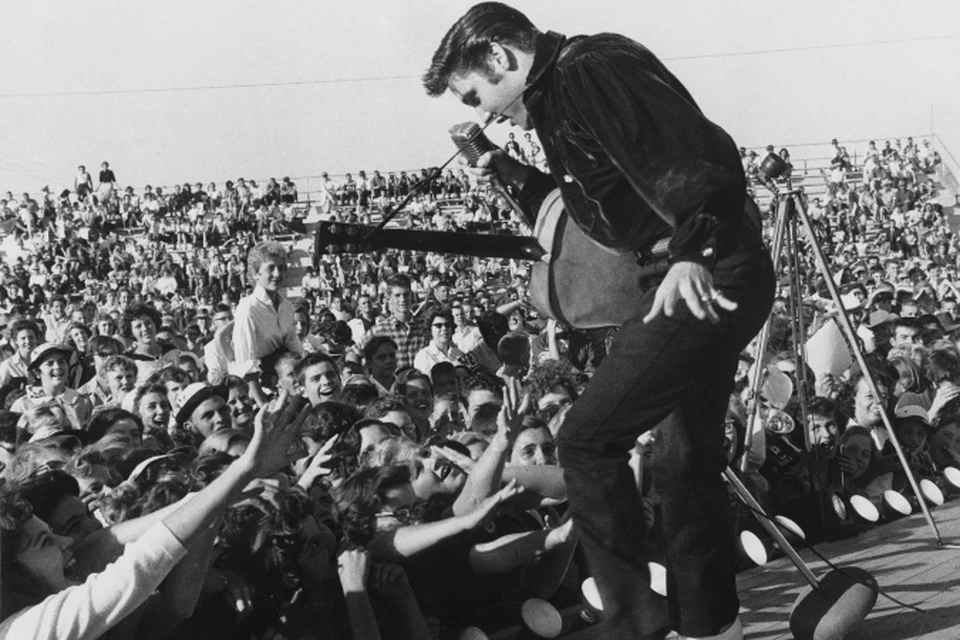
Rock-n-roll took shape in the 1940s and 1950s. It brought together the musical genres of rhythm and blues and country. The leading instruments were the piano or saxophone, later giving way to the guitar. It is a danceable genre with a clear rhythm and a fast tempo.
Popular artists: Elvis Presley, also known as the King of Rock and Roll, Chuck Berry, and among bands: The Beatles, The Who, The Rolling Stones.
Blues rock
Blues Rock is a hybrid of rock and blues. Its development began in the 1960s. The genre is built on classic blues elements, given a heavier new sound through electric and bass guitars, as well as drum kits. Short songs evolve into lengthy pieces showcasing guitar mastery.
Popular bands: Led Zeppelin, The Yardbirds, The Animals.
Hard rock
It emerged from blues rock in the 1960s, with its heyday in the 1970s. The instruments remain the same as in other rock genres. Only the sound of the melodies and guitar riffs changes.
Popular bands: Deep Purple, AC/DC, Aerosmith, Kiss, Scorpions, Guns’n’Roses, Bon Jovi, Queen.
Heavy metal
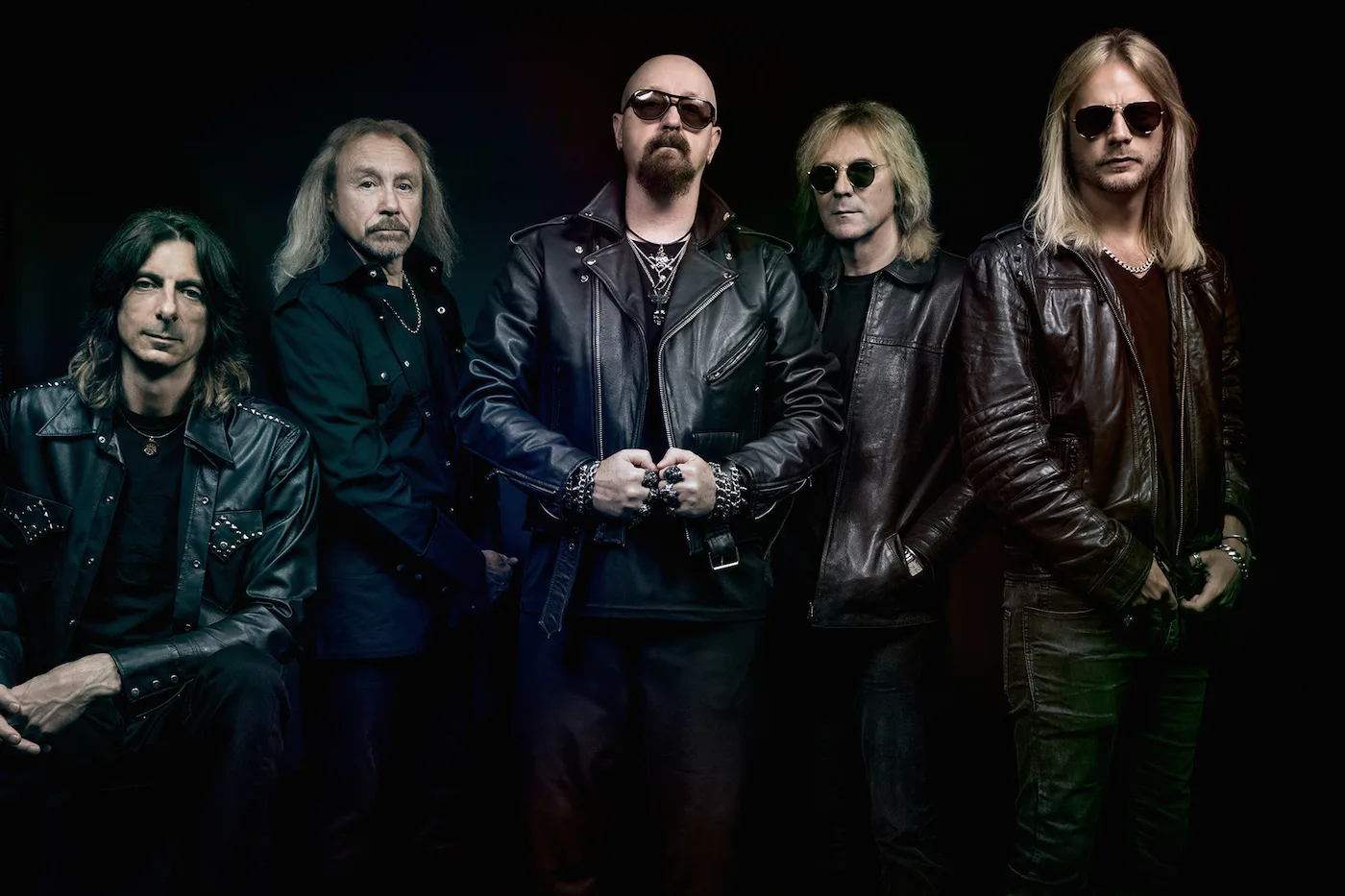
The first subgenre of the new rock genre — metal. The genre appeared in the 1970s, stemming from hard rock. For a long time, hard rock and heavy metal existed as synonyms. Over time, heavy metal branched off into an independent genre, and from it dozens of subgenres split off: black metal, power metal, death metal, and many others.
Popular bands: Black Sabbath, Motorhead, Manowar, Iron Maiden, Judas Priest, Aria, Master.
Progressive rock
Progressive rock emerged in the 1960s and flourished between 1970 and 1975. Complex arrangements, lengthy compositions, intricate rhythmic patterns, shifts in tempo and dynamics, the use of classical instruments such as the flute, orchestras, and much more — all of this allows for a unique sound distinct from others.
Popular rock bands: Pink Floyd, Kansas, The Dear Hunter, Yes, King Crimson, Dream Theatre.
Alternative rock
It took shape in the 1980s but gained fame in the 1990s and 2000s. Alt-rock, also known as “the alternative,” is associated with the underground. Initially, the genre included those who sought to stand out from existing styles. The movement became an umbrella term, as “alternative” encompasses a vast number of subgenres, such as industrial rock, nu-metal, grunge, and indie rock. The music is also distinguished by guitar riffs, dynamics, and the presence of extreme vocals. Alongside the core instruments (electric and bass guitars, drums, synthesiser), classical instruments such as the violin are also used.
Popular rock bands: 30 Seconds To Mars, Coldplay, The Killers, Linkin Park.

Grunge
Grunge, or the Seattle sound, originated in the American city of Seattle. It is a substyle of the main movement — alternative rock. Despite emerging as early as the 1980s, its commercial success came in the early to mid-1990s. The genre is characterised by dark lyrics and an abundance of distortion in the melody. From English, “grunge” translates as “dirt.” That is precisely what the musicians sought to convey — to reveal the realities of life.
Popular bands: Nirvana, Pearl Jam, Soundgarden.
In addition to the genres listed above, this category also includes operatic rock, rock operas, and concerts with symphony orchestras.
From the classics to the contemporary
There is no clear boundary between classic and modern rock. Often, bands from the 1960s–1980s are considered classics, while those from the late 1990s and early 2000s are seen as contemporary.
Band members of those eras stood out with strikingly flamboyant costumes, bold makeup (characteristic of glam rock), and distinctive hairstyles.
Modern rock is unique and intriguing in its sound, new genres, and voices. When comparing the visual side, many 21st-century rock bands see no need for ostentatious dressing. Band members perform in fairly simple attire: a black tee or T-shirt, comfortable black trousers, neatly styled hair, and minimal makeup. Song lyrics grow deeper. More often than not, they are mini-stories drawn from personal life.
Vocalists experiment not only with melody, rhythm, and harmony but also with new vocal textures. This gives rise to extreme vocals with complex techniques such as growling, which demands extreme caution and a strong command of breath control, voice, and articulation.
Above, we have partially listed many popular bands belonging to the rock canon. Let us also note a few more iconic ones: Metallica, KoЯn, Alice in Chains, Oasis, Europe, Def Leppard, Sisters of Mercy, Twisted Sister, Van Halen.
Among modern rock — Rammstein, Black Veil Brides, Nickelback, System Of A Down, Apocalyptica, Three Days Grace, Billy Talent, Bad Omens, The Rasmus, Nightwish, Bring Me The Horizon, Slipknot, Asking Alexandria, My Chemical Romance, 3 Doors Down, and many others.

How to find yourself in rock songs
Each rock song is a world unto itself, belonging to a single protagonist. Through it, a narrative unfolds about a fate — one’s own or that of acquaintances, and the events lived through. Of course, such lyrics can also be heard in dance music, for instance in pop, R’n’B, and other genres. Yet for rock listeners, this genre becomes a way to process their own emotions. Songs frequently address themes of loneliness, freedom, loss, and the search for self. It is precisely for this reason that many find emotional solace in them.
To discover which genre will appeal to you and feel closest — start listening to a variety of bands and styles, and pay close attention to the lyrics. The story behind a song and the biographies of the musicians help deepen one’s understanding of its meaning. Everyone finds something of their own.
Which genre to start with when exploring rock music
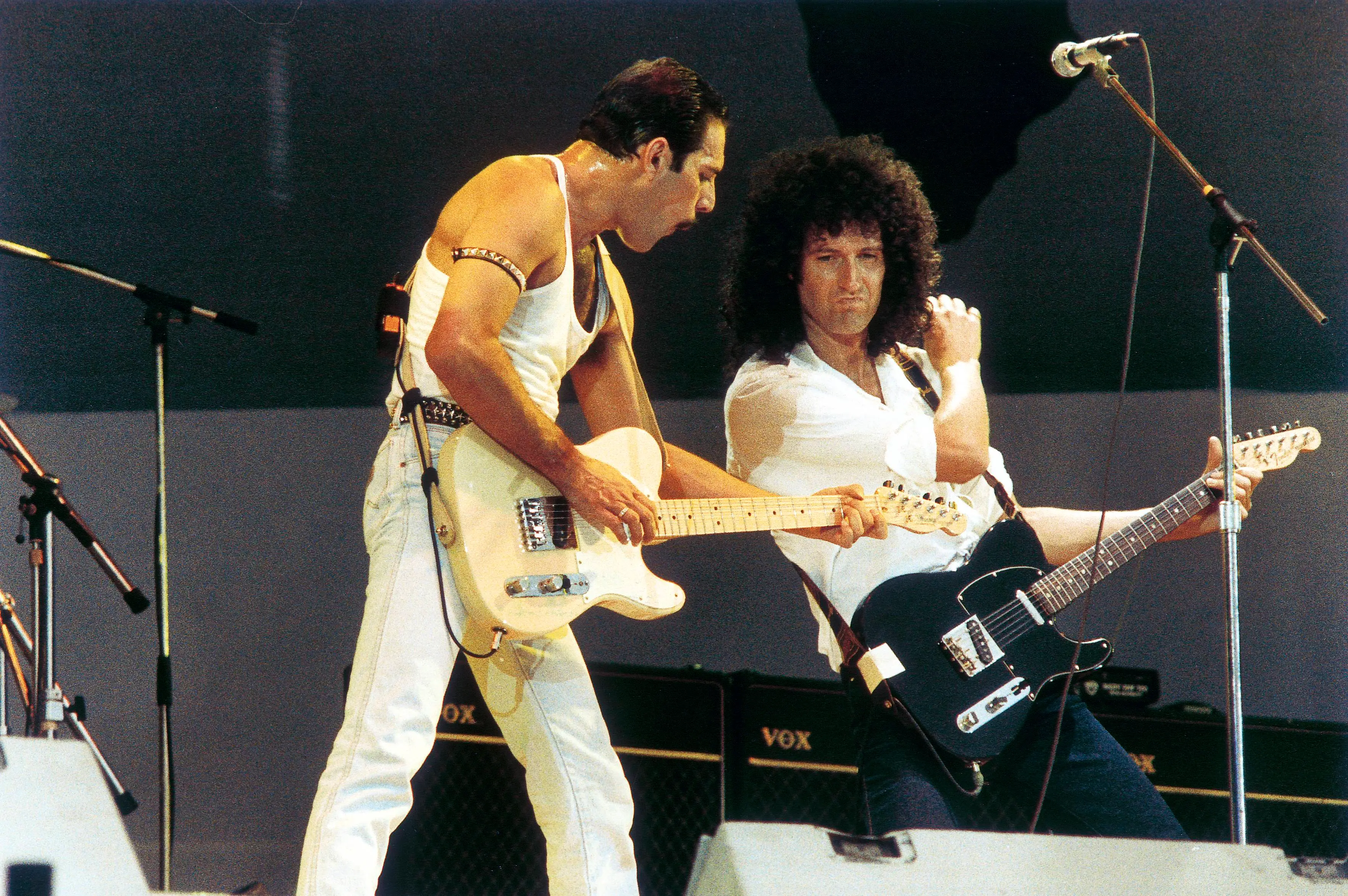
Where should one begin with rock? First, it is worth deciding which era might inspire and appeal most. For instance, bands from the 1970s-80s: Queen, AC/DC, Kiss, Foreigner, Metallica, Bon Jovi, Kansas. Popular songs by many of these groups have featured in films such as Rocky (Survivor — Eye of the Tiger), Highlander (Queen — Princes of the Universe), and even The Avengers (Led Zeppelin — Immigrant Song). Kiss's most famous track, "I Was Made for Lovin' You," written as a playful pop-style number, swept across the globe and remains one of the band's most recognisable songs. It lacks heavy riffs, and the melody itself is hardly what one would expect from hard rock. One might also start with The Beatles, who blended rock 'n' roll, pop, and psychedelic rock. The British rockers performed in suits, setting them apart from other rock acts. Their most beloved song is "Yesterday."
Contemporary pop-rock or pop-punk-rock music shares melodic sensibilities with modern pop. Here one finds danceable, energetic tracks such as Fall Out Boy's "Dance, Dance" or "This Ain't a Scene, It's an Arms Race." Add to that the pop-punk-rock of Panic! At The Disco and their mood-diverse songs — "The Ballad of Mona Lisa," the cult favourite "I Write Sins, Not Tragedies," "Viva Las Vengeance," and the hugely popular "High Hopes."
Ballads constitute a distinct art form within rock music. Here, artists sing of dreams, hopes, love, even fairy tales. One might listen to Aria — "Poteryanny Rai," "Tam Vysoko," "Shtil," as well as Epidemia, which will particularly delight Tolkien fans given the abundance of songs drawn from the worlds of The Lord of the Rings and The Silmarillion — a good starting point in their repertoire includes "Vsadnik iz lda," "Smerti net," and "Romans o sleze." Although Epidemia's primary subgenre is power metal, their works are dynamic, lyrical, and pleasing to the ear, conveying the intended emotions and atmosphere.
Folk rock is rooted in folk song traditions and vernacular music with a distinctive sound. Examples include the bands Korol i Shut and Melnitsa, and, from the West, The Byrds.
Among Uzbek bands, one might single out Bu Qala — underground music in Uzbek; "Krylya Origami" leans sonically toward reggae, punk-jazz, and, to my ear, even rock 'n' roll; and KUKI Band — a Samarkand-based rock 'n' roll group offering alternative rock.
Rock and Roll Can Never Die
Many people unconsciously listen to various rock songs. Most often, they appear as background music in films and television series. Speaking of which: in Supernatural, for example, iconic rock classics play throughout all fifteen seasons. They may not stand out to those unfamiliar with the genre. And that is merely one example.
Rock music is just as much a musical genre as any other. There is no mystique to it, contrary to what many believe. Every band experiments with genres. There is not a single group that plays strictly in one style. For example, one band might play glam rock, heavy metal, pop-rock, or pop-punk-rock, or alternative. There is nothing wrong with that, for it is from such experiments that something new is born.


Newsletter
A letter from the HD editors
Once a week, we send the best stories, events, and cultural discoveries from Central Asia.