Guide
Where to Submit Your Film in 2026: Festivals for Directors from Central Asia
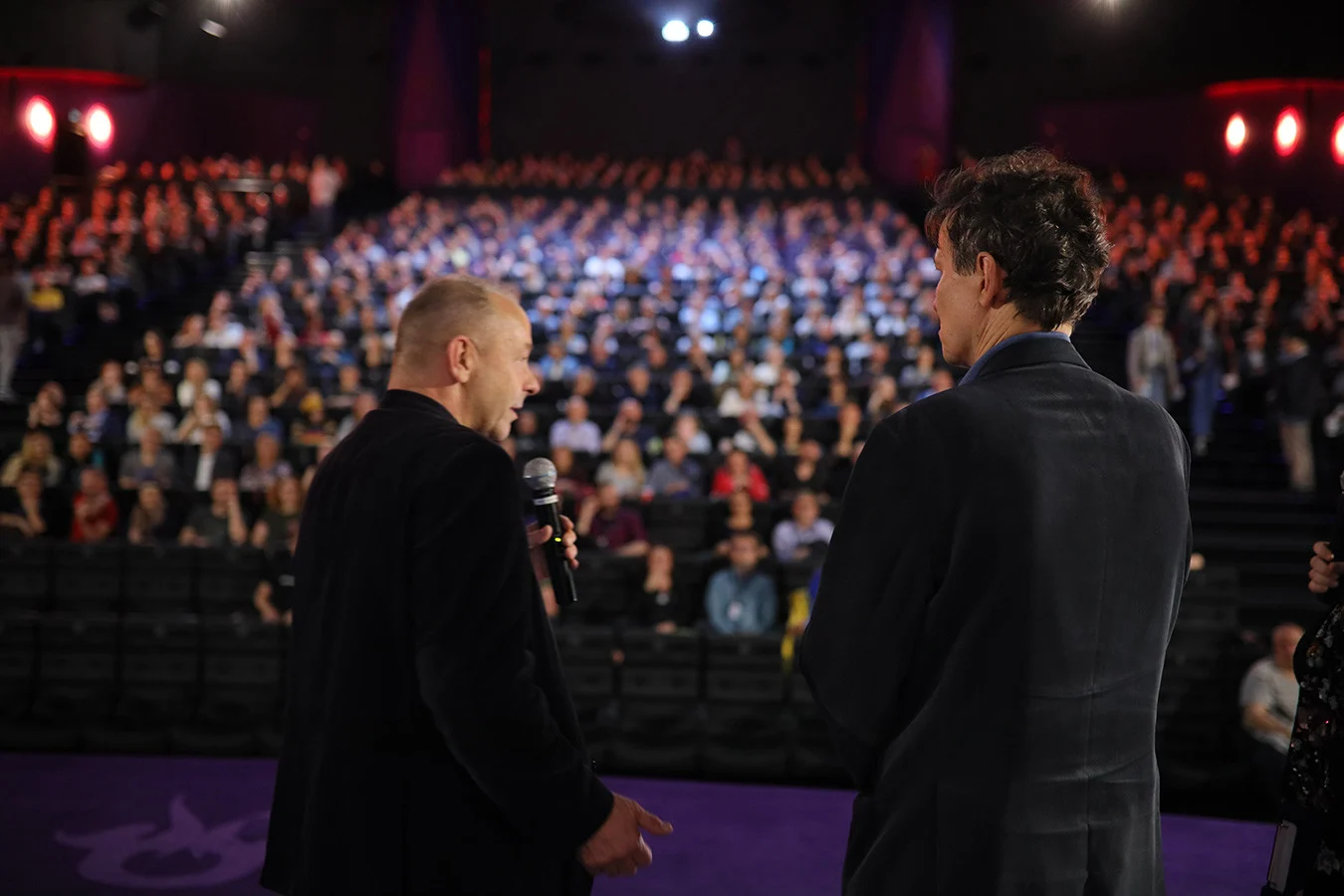
Every filmmaker, sooner or later, finds themselves asking how to make their mark. The obvious answer is to submit their work to a film festival. But which one? Cannes and Venice are, of course, the dream. Yet these giants of the festival world are unlikely to be within reach not only for emerging filmmakers, but even for established ones. Festival selections are no longer based on artistic merit alone. Social, political, and cultural context can also influence the decisions of festival juries. But a filmmaker’s path does not begin and end with Cannes.
The world’s leading international film festivals are known for their distinctive programming and fierce competition. Unfortunately, even a very strong film can be overlooked when it finds itself competing alongside exceptional work. It is easy to submit a film, be disappointed by the result, and lose the confidence to apply again. After all, not every film can be a masterpiece. It takes time and persistence to produce your best work.
In the meantime, filmmakers can submit their work to dozens of Class A and Class B festivals, where Central Asian cinema not only has a real chance of being selected, but may also stand out precisely because it is still relatively uncommon.
Here we look at seven festivals that could be of particular interest to Central Asian filmmakers, with deadlines falling within the next three months. Prestige is only a secondary consideration here. The focus is on the visibility and practical opportunities each festival offers.
1. Warsaw International Film Festival
Dates: 9–18 October 2026, Warsaw, Poland
Deadline: 31 July 2026
Warsaw is the only Class A festival with FIAPF accreditation in Eastern Europe. Central Europe also has Karlovy Vary. Although Warsaw therefore formally stands alongside Berlin, Cannes, and Venice, its approach to programming is fundamentally different. The Warsaw IFF has historically introduced Iranian, Romanian, Kazakh, and Latin American cinema to Western audiences.
What it accepts: Narrative feature films of 60 minutes or more, including world and international premieres in the main competition. There is also a separate competition for debut and second films. Documentary features of 60 minutes or more require at least an Eastern European premiere. Short films of up to 40 minutes from any country are eligible for the Oscar-qualifying competition. The Free Spirit section is dedicated to independent and experimental films, including those that cross genres.
Why submit here: Competition is considerably less intense than at Europe’s top festivals, while Warsaw still carries considerable prestige. The Free Spirit section is particularly well suited to experimental or genre-defying films that may be difficult to place in more conventional festival programs. Warsaw also attracts cinephiles and intellectually curious audiences who are always looking for unfamiliar filmmakers and new approaches.
2. São Paulo International Film Festival (Mostra)
Dates: 15–29 October 2026, São Paulo, Brazil
Deadline: 31 July 2026

Latin America is a market that Central Asian cinema has barely begun to explore. This is both a challenge and an opportunity: Brazilian audiences and industry professionals are largely unfamiliar with cinema from Uzbekistan and Kazakhstan, which means fewer preconceptions, fewer expectations and, importantly, little regional competition. Founded in 1977, the São Paulo festival has consistently provided a platform for filmmakers from regions rarely represented on the international festival circuit.
What it accepts: Narrative and documentary features, animation and short films. The New Directors Competition is open to debut and second films. World and international premieres are given priority.
Why submit here: Selection for the São Paulo programme can often serve as a springboard to other Latin American festivals, including those in Buenos Aires, Bogotá and Lima. It is a distinct market with its own audience, one that most Central Asian filmmakers overlook, quite unnecessarily.
3. PÖFF Shorts / Black Nights Film Festival (Short Films)
Dates: 10–18 November 2026, Tallinn, Estonia
Deadline: 1 August (regular), 8 August (final)
Short films are a special case. Across the former Soviet Union, they have often been regarded as little more than training exercises before moving on to “real” feature filmmaking. Yet there is little justification for this view. A well-crafted short film at the right festival can mark the beginning of a career.
What it accepts: PÖFF Shorts is a short-film festival held as part of the Black Nights Film Festival. It accepts fiction, documentary, experimental films and animation of up to 45 minutes from any country.
Why submit here: A selection at PÖFF Shorts is a strong addition to a filmmaker’s portfolio, as it is a recognised and respected international festival. Tallinn is also a convenient place to network with European producers, while competition there is considerably less intense than in the main competition. It is also worth noting that Estonia has a strong interest in co-production.
4. Palm Springs International Film Festival
Dates: 7–18 January 2027, Palm Springs, USA
Deadline: 31 August 2026
Palm Springs is one of the key festivals for international cinema in the United States. Its programme differs considerably from familiar Sundance, with particular attention given to world cinema and a dedicated section for films in contention for the Academy Award for Best International Feature Film. This gives filmmakers an opportunity to present their work directly to members of the Academy, which is no small consideration for anyone hoping to make a run for the Oscars.
What it accepts: International films of all genres, with an emphasis on premieres for the US market.
Why submit here: Academy members vote for films they have seen. Palm Springs gives filmmakers an opportunity to put their work in front of Academy members.
5. Tallinn Black Nights Film Festival (PÖFF) — Main Competition
Dates: 6–22 November 2026, Tallinn, Estonia
Deadline: 17 August (extended), 24 August (final)
One of the Class A festivals, and one of the few where it is possible to enter the main competition without an established producer or a previous festival track record. PÖFF is particularly notable for its commitment to discovering new names.
What it accepts: The main competition accepts feature films of 70 minutes or more, world and international premieres completed after 1 January 2026. The Critics’ Picks section focuses on auteur, experimental and genre-defying cinema, also requiring world premieres.
Why apply here: Tallinn has repeatedly introduced cinema from the post-Soviet countries to Western audiences. Beyond the programme itself, the networking opportunities are also worth considering, as the festival brings together distributors working in the arthouse market.
6. Sundance Film Festival 2027
Dates: 21–31 January 2027, Boulder, Colorado, USA
Deadline: 21 September 2026
It is worth noting that having a first film from Central Asia selected for Sundance, without a distributor or an American co-producer, is extremely difficult. Sundance is primarily a showcase and marketplace for American independent cinema. There is an international section, but competition is fierce.
Documentary cinema from Central Asia, however, has attracted consistent interest from Sundance. Films about Afghanistan, Uzbekistan and Kazakhstan occasionally make the programme when they offer something beyond a purely local subject, addressing issues that matter not only to the region but also to audiences worldwide. The festival will be held in Boulder for the first time, and a new location may bring changes to its programming approach. So why not take the chance?
What it accepts: International narrative and documentary films of 50 minutes or more, completed in 2026. An international premiere is required. Short films from any country are eligible, with no strict completion-date requirement.
7. Slamdance Film Festival 2027
Dates: 18–24 February 2027, Los Angeles, USA
Deadline: by 14 September (late), by 6 October (extended)
Slamdance was founded by filmmakers whose work was rejected by Sundance in 1995. Given that history, it is easy to understand the principles behind its selection process: films are selected “blind”, without lobbying or agent influence. Previous festival participants themselves take part in the voting. Its alumni include Bong Joon Ho, Christopher Nolan and the Russo brothers.
Most importantly, it is the only festival in our selection with no premiere-status restrictions. A film that has already screened at other festivals can still be selected for Slamdance. That is a rarity in the serious festival world.
What it accepts: Films of all genres from all countries, with an emphasis on debut features and low-budget films (up to $1 million). Oscar- and BAFTA-qualifying.
Why apply here: If a film has already completed part of its festival run and has a screening history, Slamdance remains an open door to the American independent film scene. The audience is smaller, and so is the competition, giving emerging filmmakers a valuable opportunity to make the most of both the selection itself and the networking opportunities.
Preparing Your Submission
All of these festivals require essentially the same submission package. Without it, an application may not be accepted or may only be considered at a later stage. It should include:
- a screener with English subtitles: preferably with the subtitles hardcoded into the film rather than provided as a separate file;
- a press kit in English: a synopsis (both short and long), a director's biography, high-resolution production stills, and a poster;
- a director's statement explaining in English why the film was made and why it matters now;
- financing and co-production details.
Submissions are generally made through the platforms such as FilmFreeway, Festhome, or Shortfilmdepot.
One point is particularly important to consider before submitting: most major festivals require a world or international premiere. This means that the first festival to screen your film publicly can determine many of the opportunities available afterwards. A single small local screening could, for example, make the film ineligible for a world premiere at Sundance. That is why there is no need to rush this decision.



Newsletter
A letter from the HD editors
Once a week, we send the best stories, events, and cultural discoveries from Central Asia.