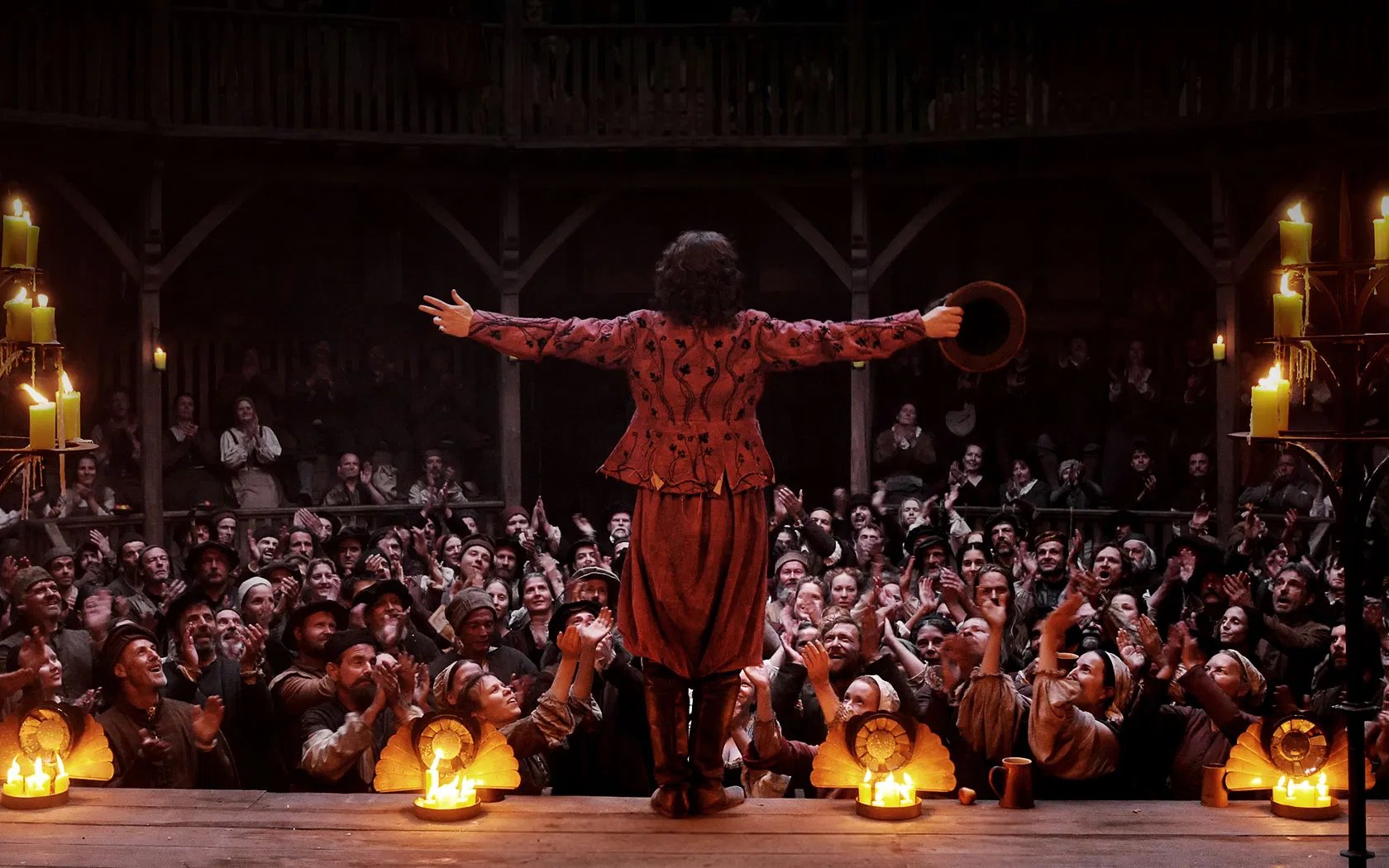
On 26 August, International Actors’ Day, three remarkable figures reflect on what happens beyond the stage and the camera, how acting is shaped, the role of mentors in an actor’s career, and why, even after decades in the profession, acting never becomes routine: Honoured Artist of Uzbekistan and VGIK professor Rustam Sagdullaev, Honoured Artist of Uzbekistan Seydulla Moldakhanov, and actor and artistic director of the State Youth Theatre of Uzbekistan Anvar Kartaev.
Theatre and film actors. Performers. They are admired, loved, and envied. They are recognised on the streets, people want photographs with them, dream of befriending them, and await them on stage and screen. The audience sees the characters created, applauds, offers flowers, attends premieres, and rejoices in their success, yet many have no idea what the acting profession truly entails. It is daily labour, nerves before stepping out, stern discipline, an endless search for "that very" character, the ability to listen to one's partner, and an inner work without which it is impossible to make the audience believe in another person's life.
Every entrance like the first
There are only a few moments left before the curtain rises. At that point, the actor is always alone on stage. Even when the lines are memorised, trusted colleagues are nearby, and the play may have been performed dozens of times, there always remains a sense of uncertainty. You might think that, after years in the profession, stepping out from the wings would become second nature.
I always come on stage as if it were the first time. Every single time. It doesn’t matter whether it’s the second performance, the twentieth or the ninety-fifth. I’m trembling before I go on. That feeling doesn’t go away until I take that first step onto the stage.
Experience does not lessen responsibility. On the contrary, the longer a person “lives” on stage, the more clearly they understand that yesterday’s success guarantees nothing today.
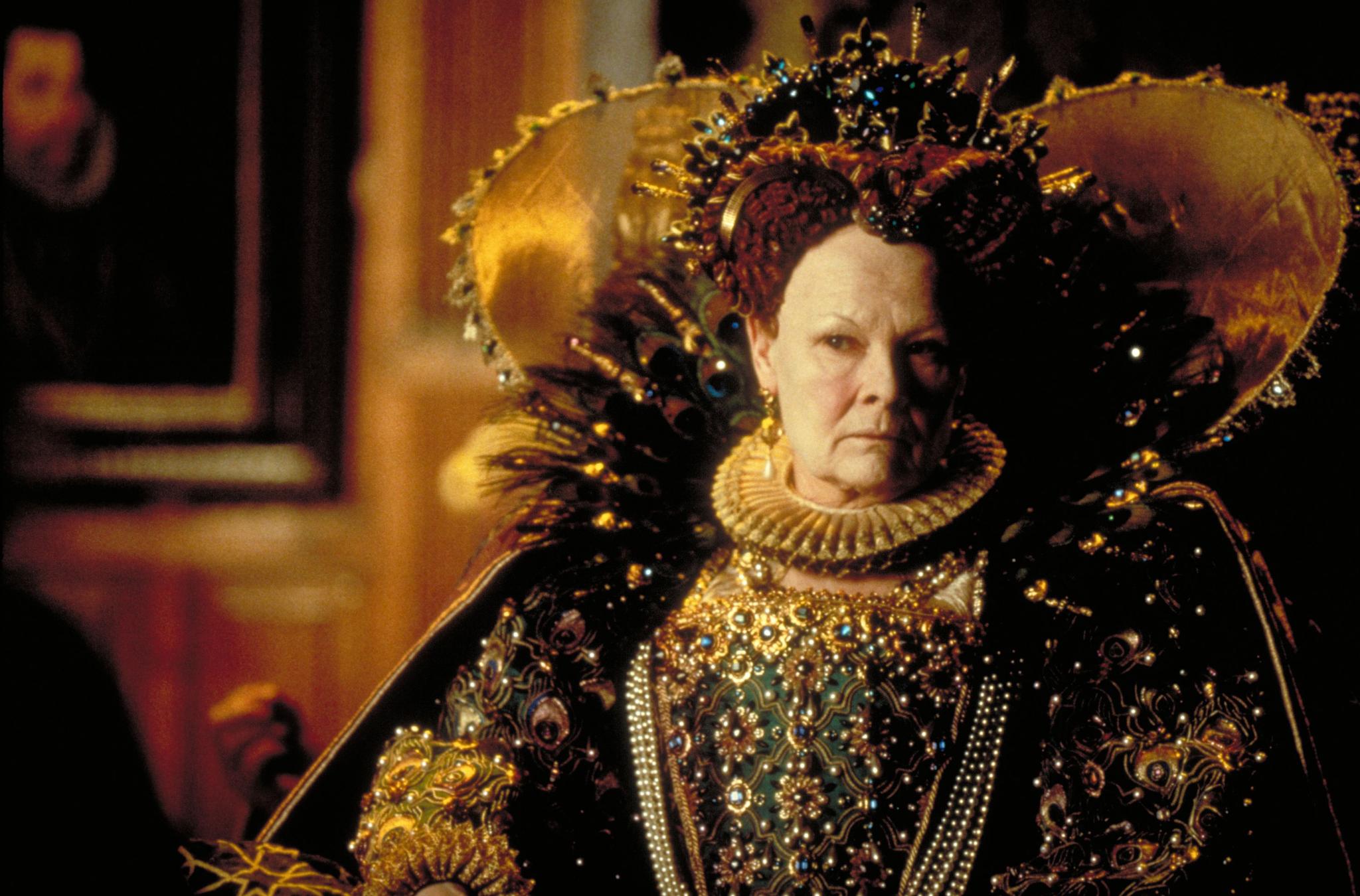
Feeling nervous does not mean an actor lacks skill. Even those who seem to have mastered their profession and become deeply rooted in it can still feel nervous. Hollywood actor Hugh Jackman (X-Men, Les Misérables) once recalled at a BAFTA event how he found himself backstage with actress Judi Dench (Shakespeare in Love, Pride and Prejudice) before they performed Send in the Clowns at the Royal Gala. Dench, despite her enormous stage experience, was extremely nervous. According to Jackman, she then gave one of the finest stage performances he had ever seen.
Perhaps a true professional never stops feeling nervous precisely because they understand the cost of a mistake. The fear does not disappear with the years. The actor simply learns to walk onto the stage with it.
Talent or Hard Work?
From the outside, acting often seems like a set of special abilities: voice, physicality, memory, the ability to laugh or cry at the right moment, to transform oneself, even to undergo a complete transformation.But behind that apparent ease lies an enormous amount of hard work.
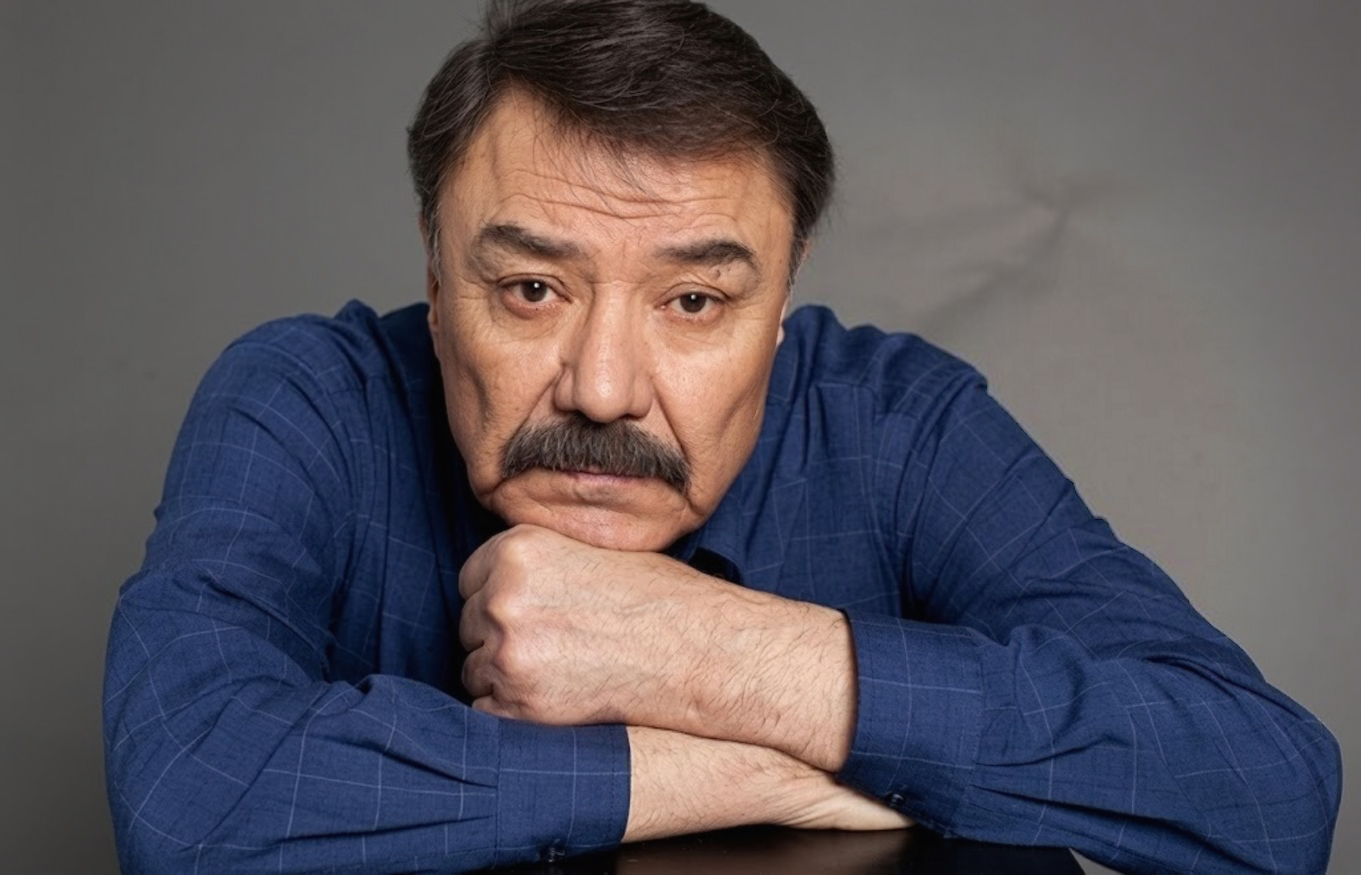
VGIK Professor Rustam Sagdullaev, who now teaches and helps train future actors, gives a straightforward answer when asked what they should be taught above all:
Discipline! That comes first. If I have already chosen someone for their ability, for their talent, then that is what I saw in them. What has to come next is discipline. Because acting is a collective profession. If you are late to a film set, the whole crew suffers. If you are late to the theatre, the whole company suffers. People are counting on you.
In other words, mastery begins with being prepared, not keeping a partner waiting, knowing the text by heart, not just your own lines, looking after your voice and body, and learning how to manage your energy.
Honoured Artist of Uzbekistan and theatre and film actor Seydulla Moldakhanov shares his own view of what professionalism means:
It is also part of the profession: understanding what you can eat and what you cannot, so that you don’t run into problems later. Knowing when to go to bed and when to get up... And then you realise: you have to ration your strength throughout the entire performance! That is what experience is.
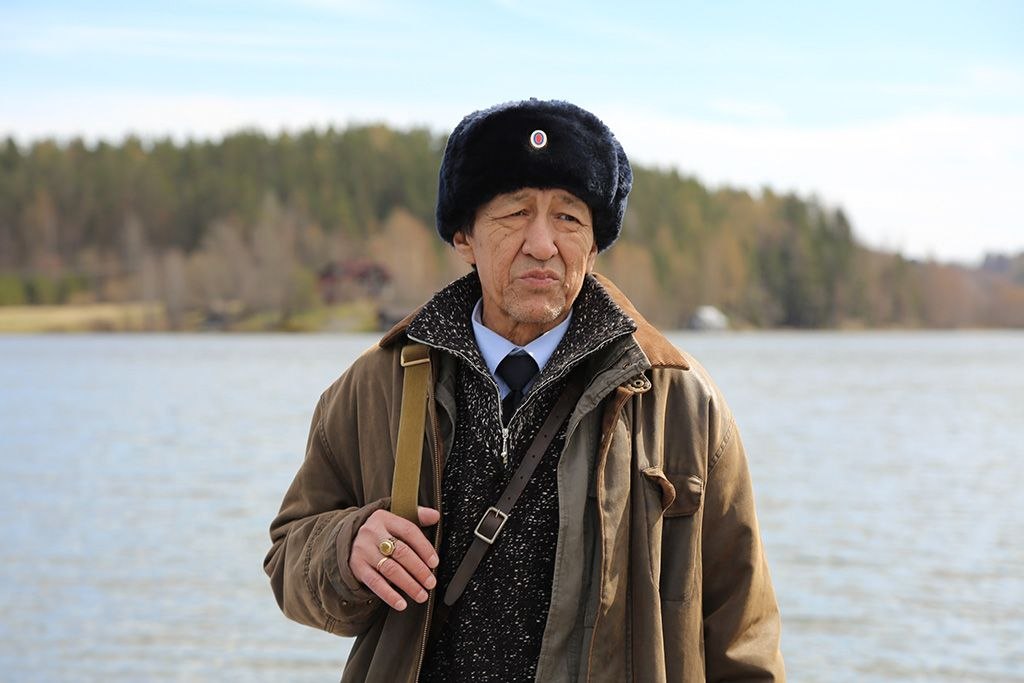
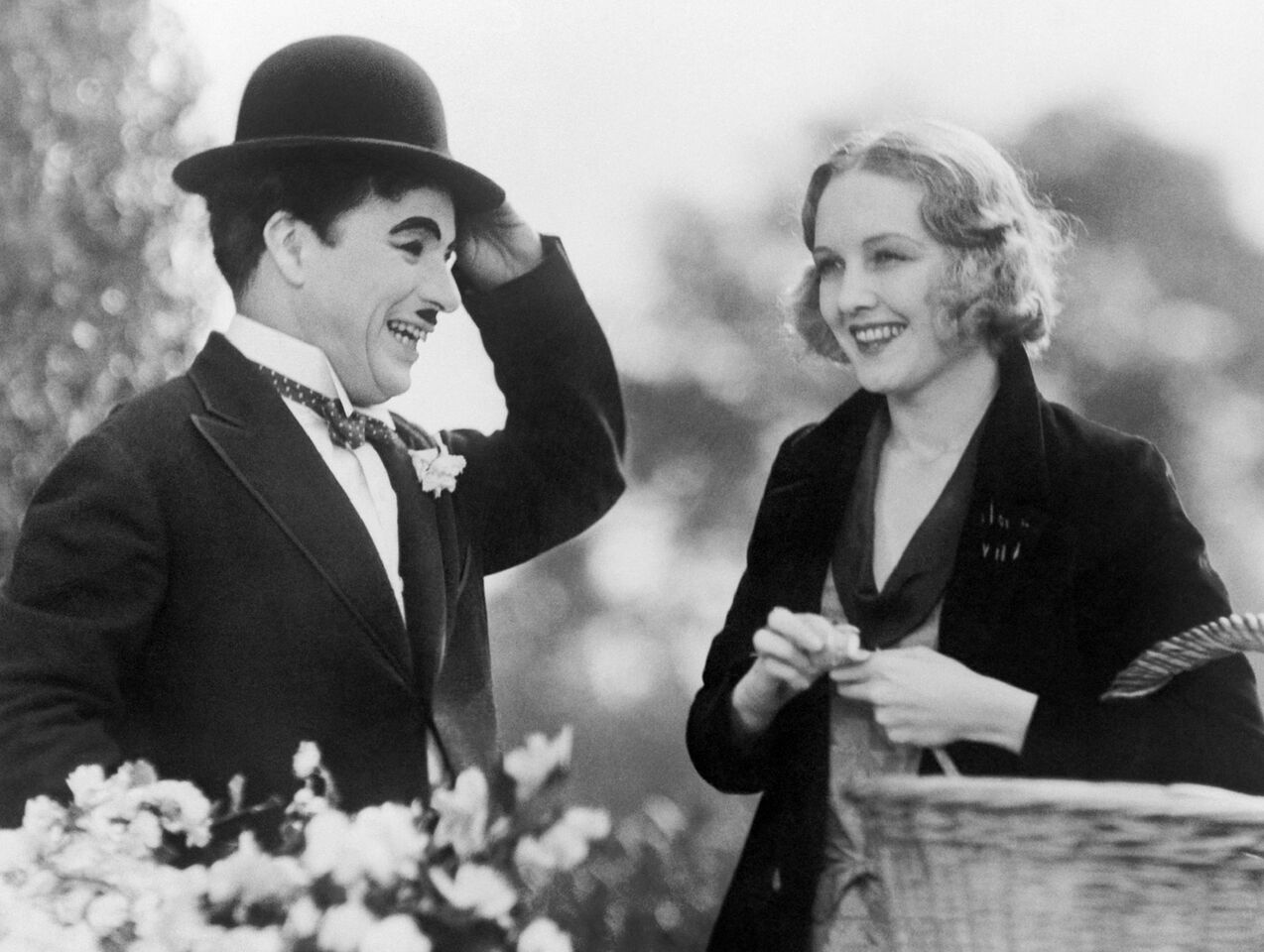
The history of world cinema offers many examples of the enormous amount of work hidden behind the apparent ease of what we see on screen. One of the most striking is Charlie Chaplin. His masterpiece City Lights, for example, had an exceptionally long production period. Work on the film began on 31 December 1927 and continued until 22 January 1931, more than three years, with 180 days spent on filming alone. Chaplin spent weeks working on what appears to be a simple scene: the first meeting between the main character, the Tramp, and the blind flower girl. Chaplin recalled:
It took a long time. We took this day after day
And none of that hard work should be visible in the finished film. Perhaps this is one of the highest forms of professionalism: months of searching are distilled into a few minutes that look as though they were born that way.
Talent can bring a person onto the stage. But only hard work allows them to stay there.
The Most Important Thing Is to Be Truthful
So, you can teach technique, instil discipline and learn the text by heart. But audiences come to the theatre or the cinema for a truthful story.
That is the paradox of the acting profession. An actor walks onto the stage to “become” someone they are not in real life. They speak someone else’s words, live someone else’s life, love, suffer, lose and die. And the audience has to believe in that “life”.
Anvar Kartaev recalls how his teacher, Rimma Kashaeva, advised students to look within themselves for their own “pain points”, through which they could connect with their characters’ emotions. He adds:
Acting is, in a sense, a striptease of the soul. You have to keep exposing it, keep it on a raw nerve.
The main thing is not to deceive yourself first and foremost! Or the audience. You have to do everything you can within the circumstances you are given.
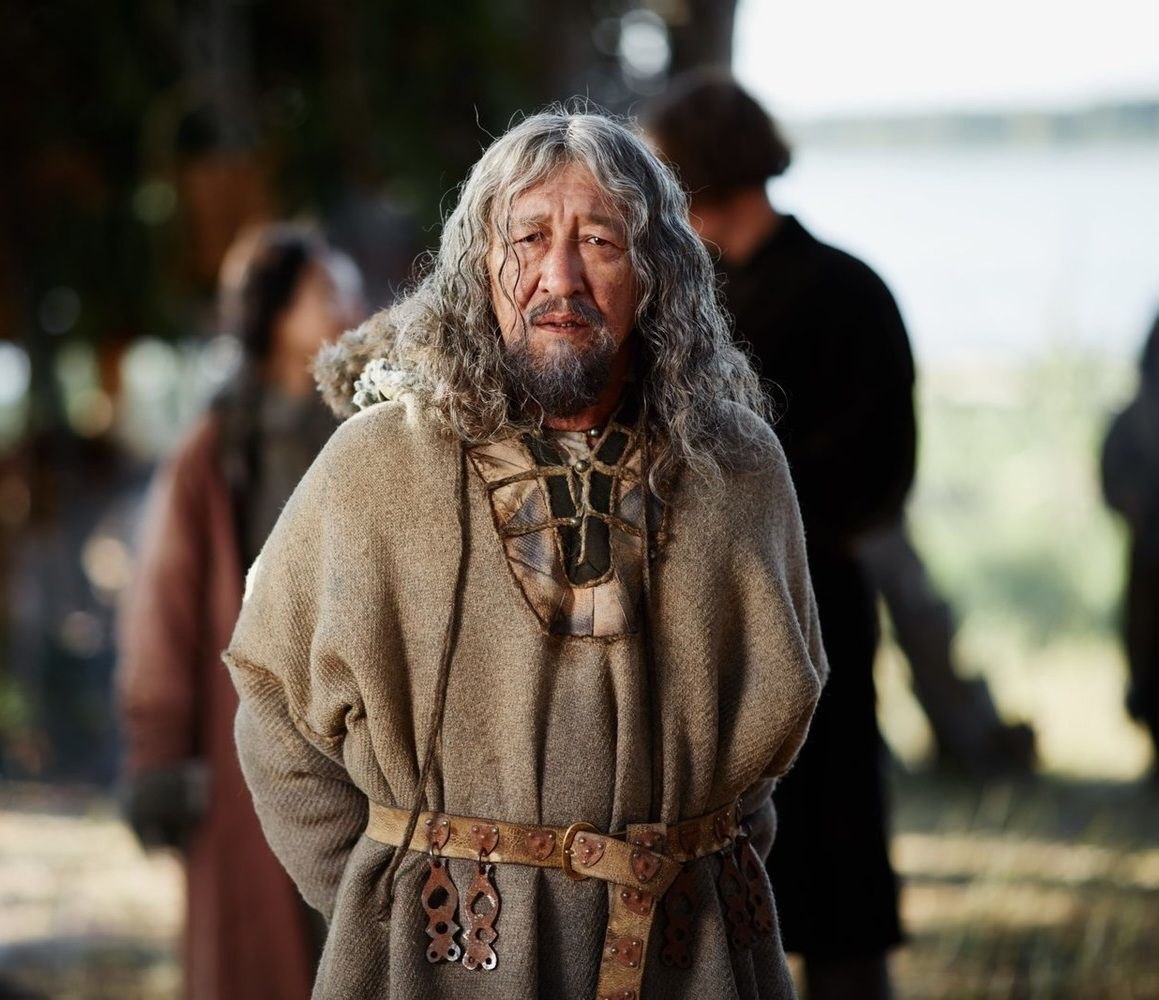
American actress Viola Davis (The Help) speaks of much the same thing. Reflecting on her profession, she has said that when working on a character, her first aim is to “tell the truth of the moment, the truth of the character, the truth of the story”. As the actress explains, an actor builds their work around the search for that truth.
No actor has ever been given a ready-made guide to telling someone else’s life and pain truthfully.
The Teacher Stays with You
To help an actor bring that life to the stage and screen, there is always a Teacher, a Mentor. Not someone who merely corrects diction or tells you where to turn on stage. A true Mentor teaches something greater: how to approach the profession, how to think, and how to ask yourself the right questions.
Anvar Kartaev speaks of those whom fate brought into his life and whose advice still echoes in his soul: Nabi Kayumovich Abdurakhmanov, Rimma Rashidovna Kashayeva, and Georgy Arkadyevich Mustafin:
These are people to whom I will be grateful for the rest of my life. They are like senseis. You cannot simply walk away from teachers like these one day and say, “That’s it, I’m on my own now.” They stay with you for life. You could say we are bound by blood.
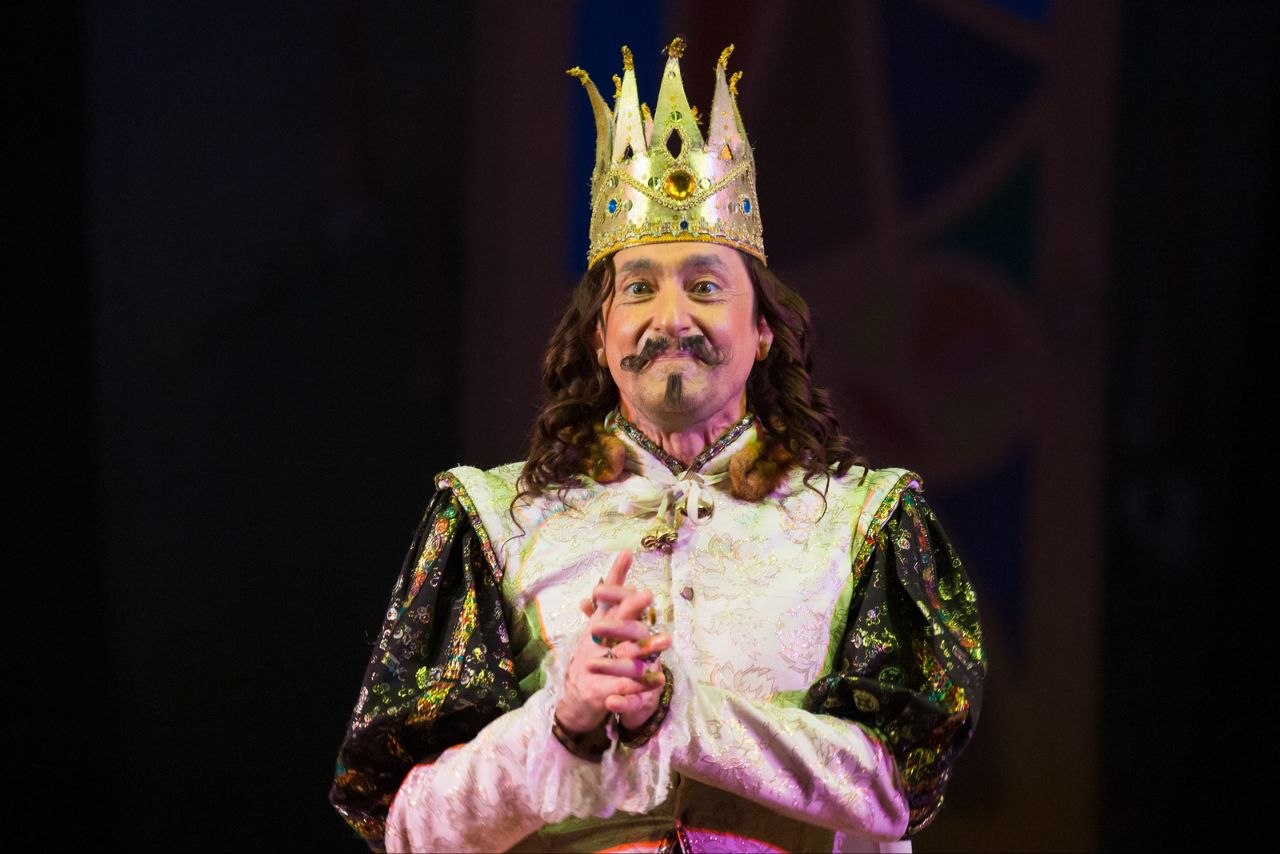
Rustam Sagdullayev recalls Nina Ivanovna Timofeyeva with particular warmth.
She was an extraordinary teacher. Extraordinary! She could show us something simply through her words or facial expressions, and we would immediately understand what needed to be done... She knew how to pass on the craft.
One of Seydulla Moldakhanov’s teachers at VGIK was Oleg Kiselyov, a former actor at the Taganka Theatre. The students had asked for a teacher of pantomime, but they got much more: training in the expressive potential of the human body:
He was ahead of his time. That turned out to be very useful to me later. I eventually began teaching the subject myself and giving master classes.
In the history of acting, the bond between a Teacher and a student has sometimes shaped the development of an entire school. Marlon Brando was a student of Stella Adler. At the acting school she founded, he is considered one of the actors who helped establish the principles of the Stanislavski system in American theater and cinema. His performances in A Streetcar Named Desire and On the Waterfront became examples of a new kind of stage and screen realism for their time.
But that does not mean a Mentor can “create” talent in a student. They simply help the student understand what to do with that talent.
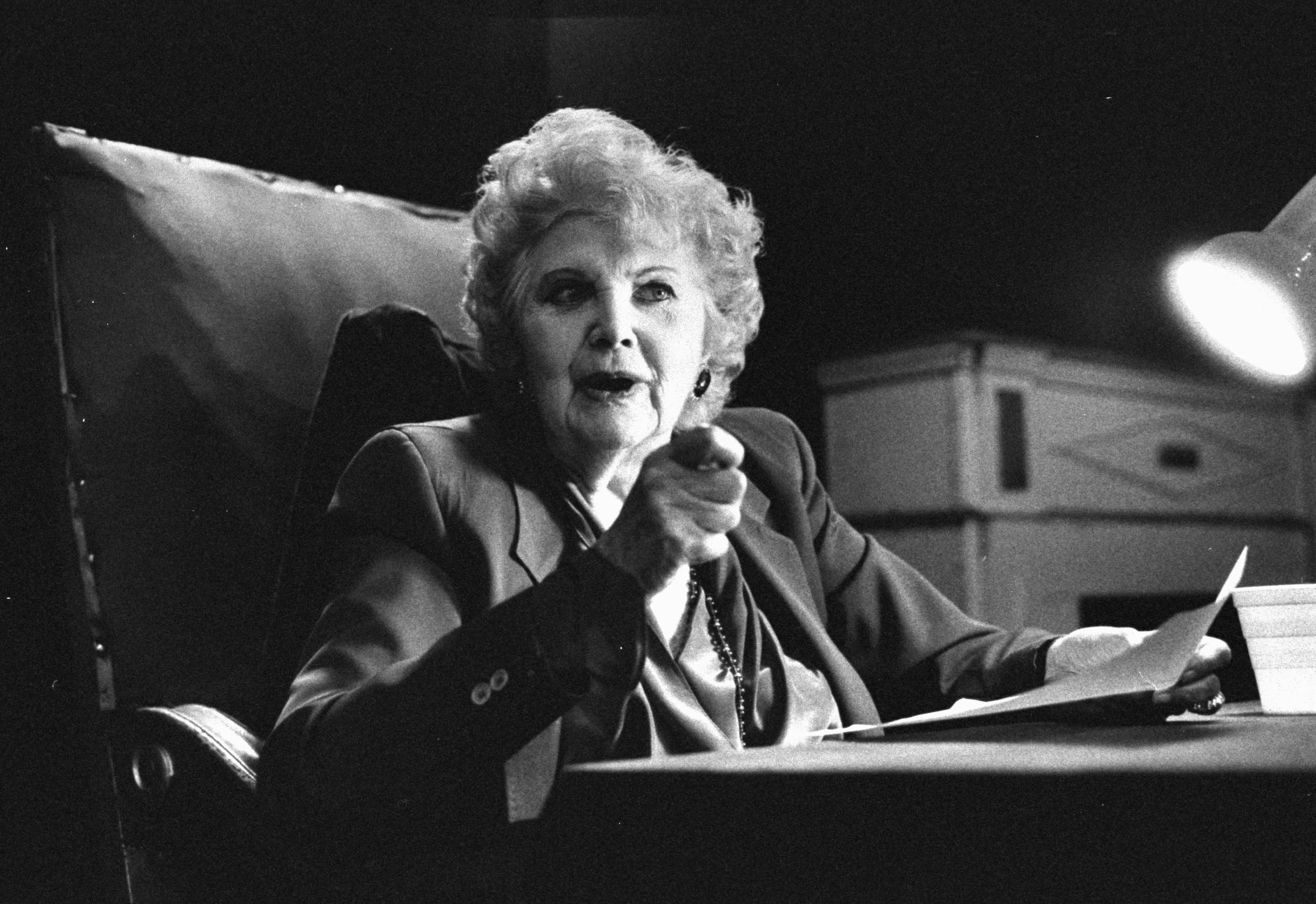
And then the student becomes a Teacher in turn.
Rustam Sagdullayev leads an acting workshop at VGIK. Seydulla Moldakhanov teaches what he once learned himself. Anvar Kartaev, now the chief director of the Youth Theatre of Uzbekistan, admits that he now sees differently the people who were once responsible for him.
But even after moving to the other side of the rehearsal process, a true actor never stops being a student.
There is no limit to mastering the craft of acting. You can know the technique, you can have talent, but then new life experiences, new losses, new joys, new people come along, and you understand a role differently. A role that you would have played completely differently ten years ago.
You Cannot Be Alone on Stage
No matter how much an actor knows or how hard they work to improve, they never truly “live” on stage alone. There is always a scene partner. And you understand just how much that person matters in a moment of professional disaster, when you forget your lines.
You look at your colleague, and something starts coming back to you through them. Sometimes their energy kicks in; sometimes they manage to give you a cue without the audience noticing. A good scene partner is a huge part of the success of both a play and a film.
Actors also like to watch their fellow actors and learn unexpected approaches from them, seeing a familiar role from a different perspective.
You should learn from a good example, but you cannot copy another person. Because you are different. You have to find what is yours. We should not compete with one another. Together, we need to create a film.
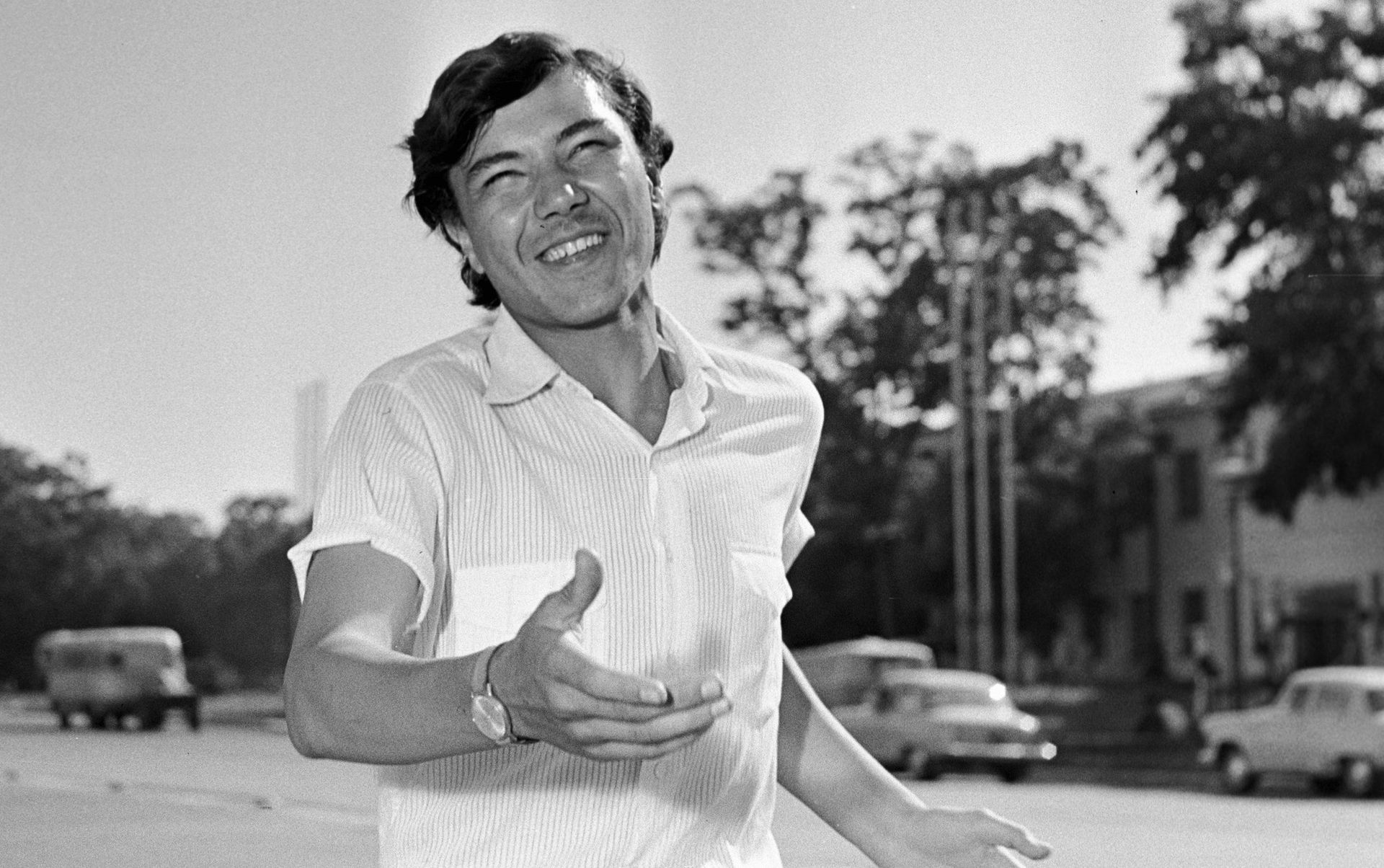
Or a shared play.
The same is true of one of Britain’s foremost directors and the winner of numerous awards, Mike Leigh (Secrets & Lies, Vera Drake), known for his distinctive method of working with actors. He emphasises that characters and scenes emerge through lengthy rehearsals and improvisations, gradually being refined until they take their final form. For the director, it is important that the result satisfies him from a directorial standpoint while remaining organic and truthful for the actor and the character they portray.
Theatre, in any case, sits ill with the word “alone”. An actor may stand alone on stage in a one-person show or a particular mise-en-scène, but behind them still stand the director, the designer, the lighting and sound teams, the school, the text, and even the memory of mentors. And in front of them is the audience.
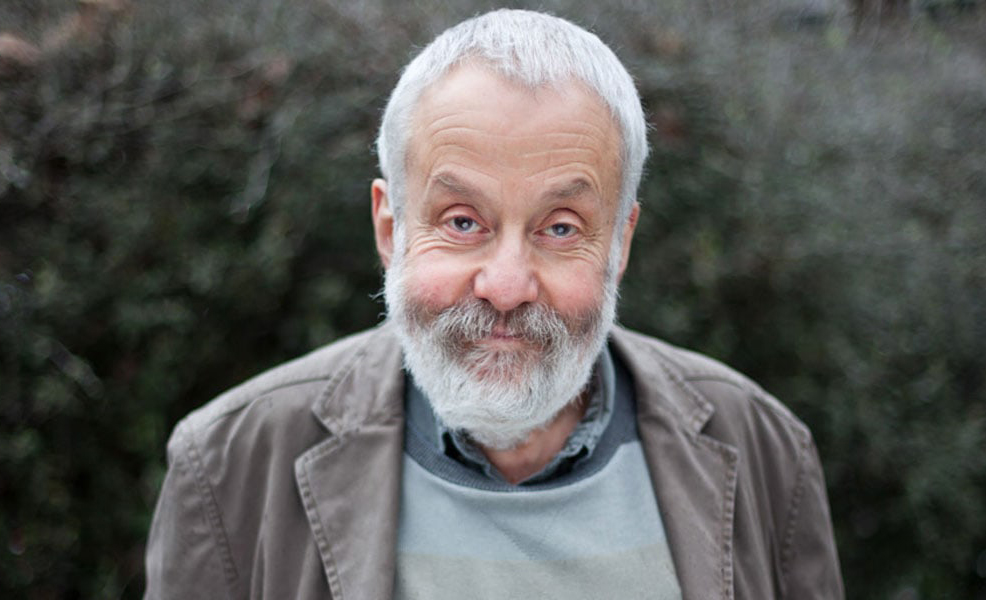
One of the most difficult aspects of the craft is preserving your individuality without crossing the line.
Did It Reach the Person?
We are used to saying that an actor plays a role. But, more precisely, an actor gives us, for a few hours, the chance to live a life we will never have. They let us see the world through another person’s eyes, feel their fear, loneliness, and love, and see the vulnerability of the strong or the dignity of someone we might once have overlooked.
Anvar Kartaev recalls an audience member with a disability who cried after seeing ALONE, a play based on Franz Kafka’s The Metamorphosis:
She said something like, “Thank you. At last I have seen that people like us are needed by someone, too.” In moments like that, I understand why we do all of this.
An actor’s mastery is not revealed through technique alone, whether in the control of the voice or the body. Nor is it measured by how many times the audience calls an actor back for a bow. True mastery lies in conveying to the audience what the creators of a film wanted to say. And this is where professional integrity becomes essential.
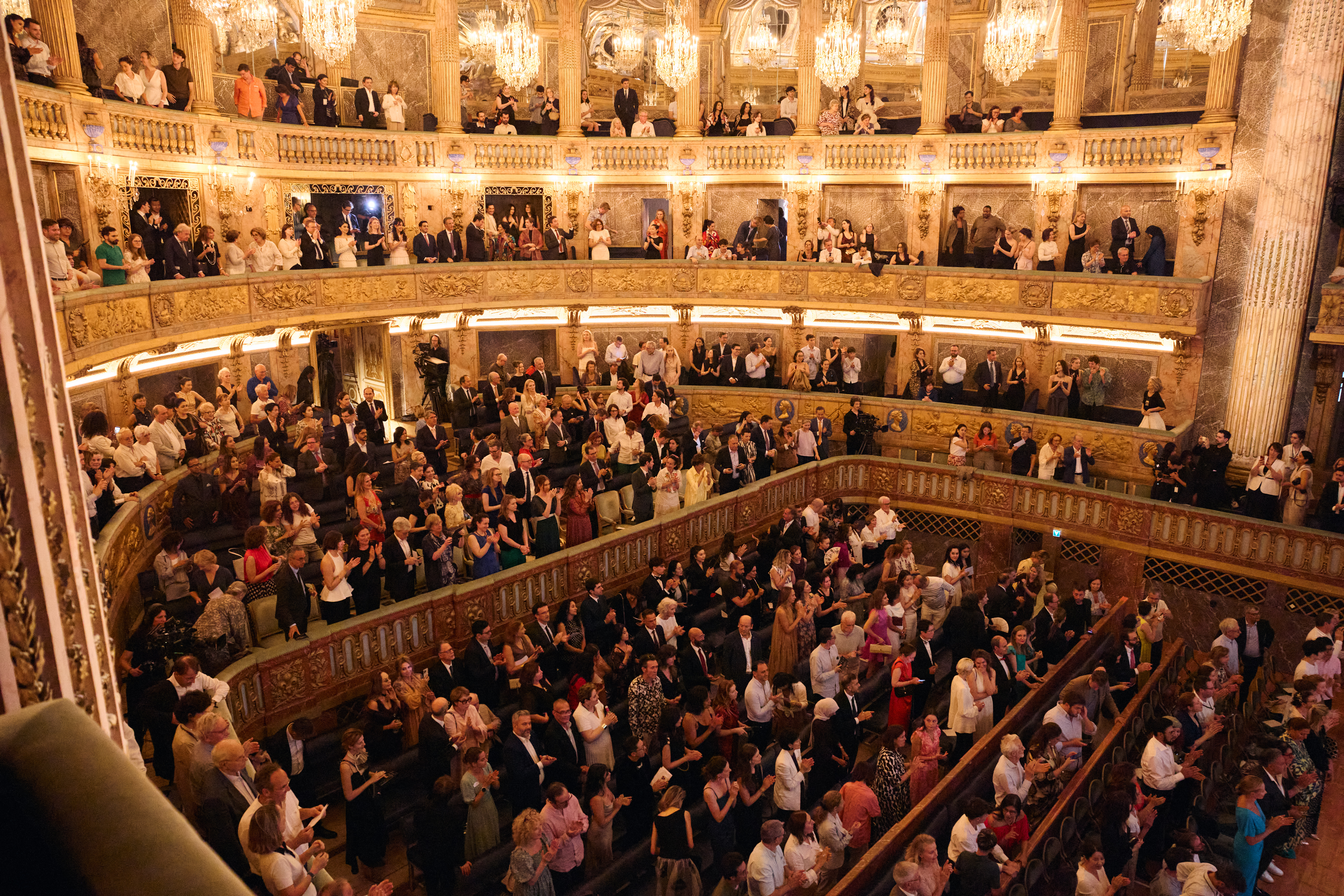 Source: ACDF Press Office
When the Moscow Art Theatre was founded, Konstantin Stanislavski and Vladimir Nemirovich-Danchenko spent many hours discussing not only principles of staging and technique, but also stage ethics. In Konstantin Sergeyevich’s memoirs, their assessment of one talented actress remains: “She does not love art, only herself in art.” That was enough for the future theater to decide that she had no place in its company.
More than a century has passed. Theater has changed, cinema has changed, and new technologies, new forms, and new acting schools have emerged. But the essence of the profession remains the same. The audience should not see an actor who is acting. They should see a living character.
Yesterday’s applause cannot help you play today’s performance. The curtain will close. The lights will go out. And if, that evening, an actor has truly given themselves to the role, the audience will leave the theater as different people. An actor lives someone else’s life. But they do it so that the audience can feel their own life a little more deeply.

Newsletter
A letter from the HD editors
Once a week, we send the best stories, events, and cultural discoveries from Central Asia.