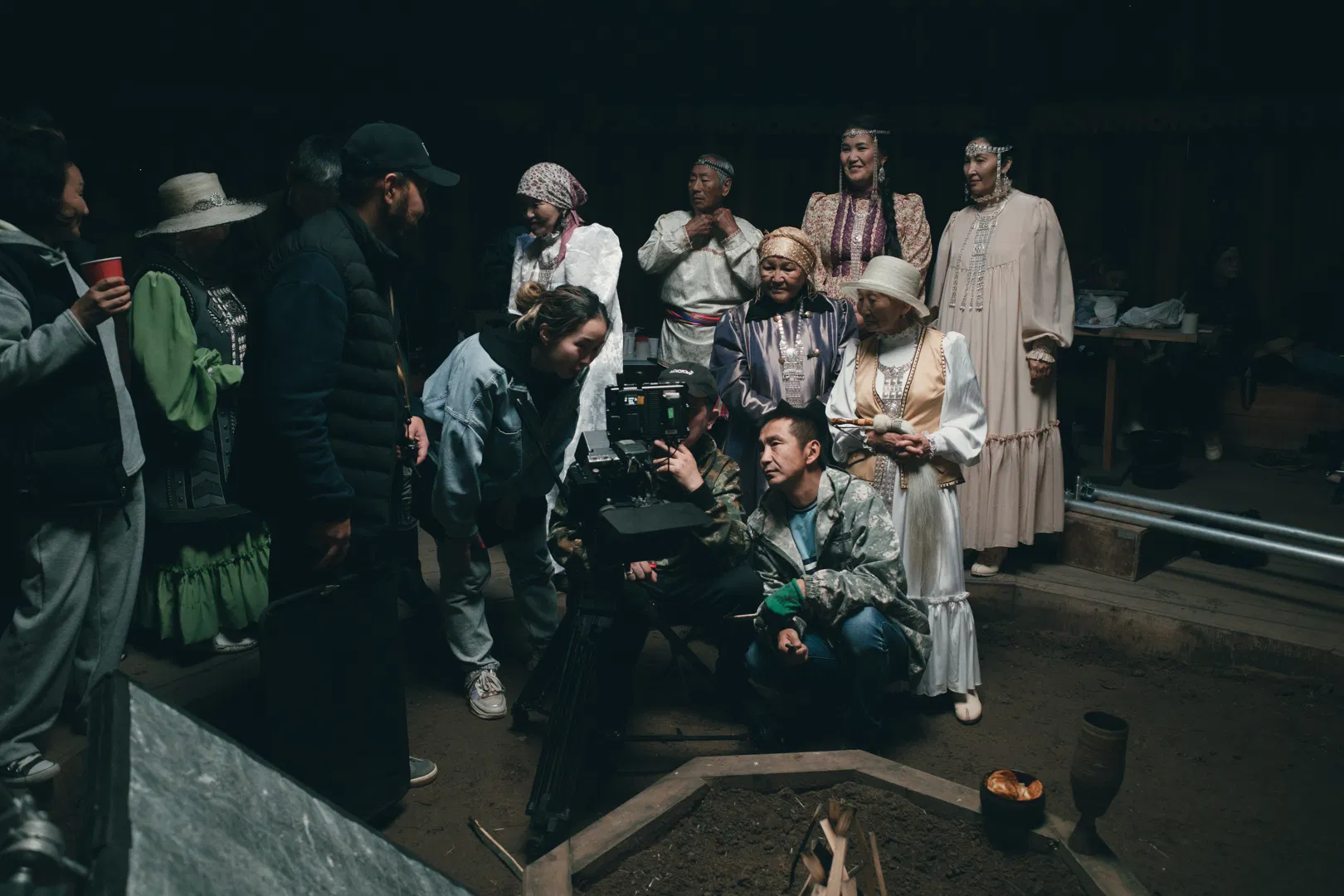
Turkic culture extends far beyond the way it is often perceived in Central Asia. One striking example is the Republic of Sakha, better known as Yakutia, whose Sakha people share many traditions, linguistic roots and legends with the Turkic peoples of Central Asia. Today, Yakut cinema is winning audiences around the world. Its films enjoy wide theatrical releases, while its directors and producers are negotiating co-productions with some of the world's leading studios. We spoke to Sakha filmmakers Innokenty Khandy, Apollinaria Degtyaryova and Illarion Yakovlev about why cultural identity matters in cinema, and why, in this industry, people matter more than money.
"Don't write nonsense, or someone might end up filming it."
Innokenty Khandy, screenwriter and producer
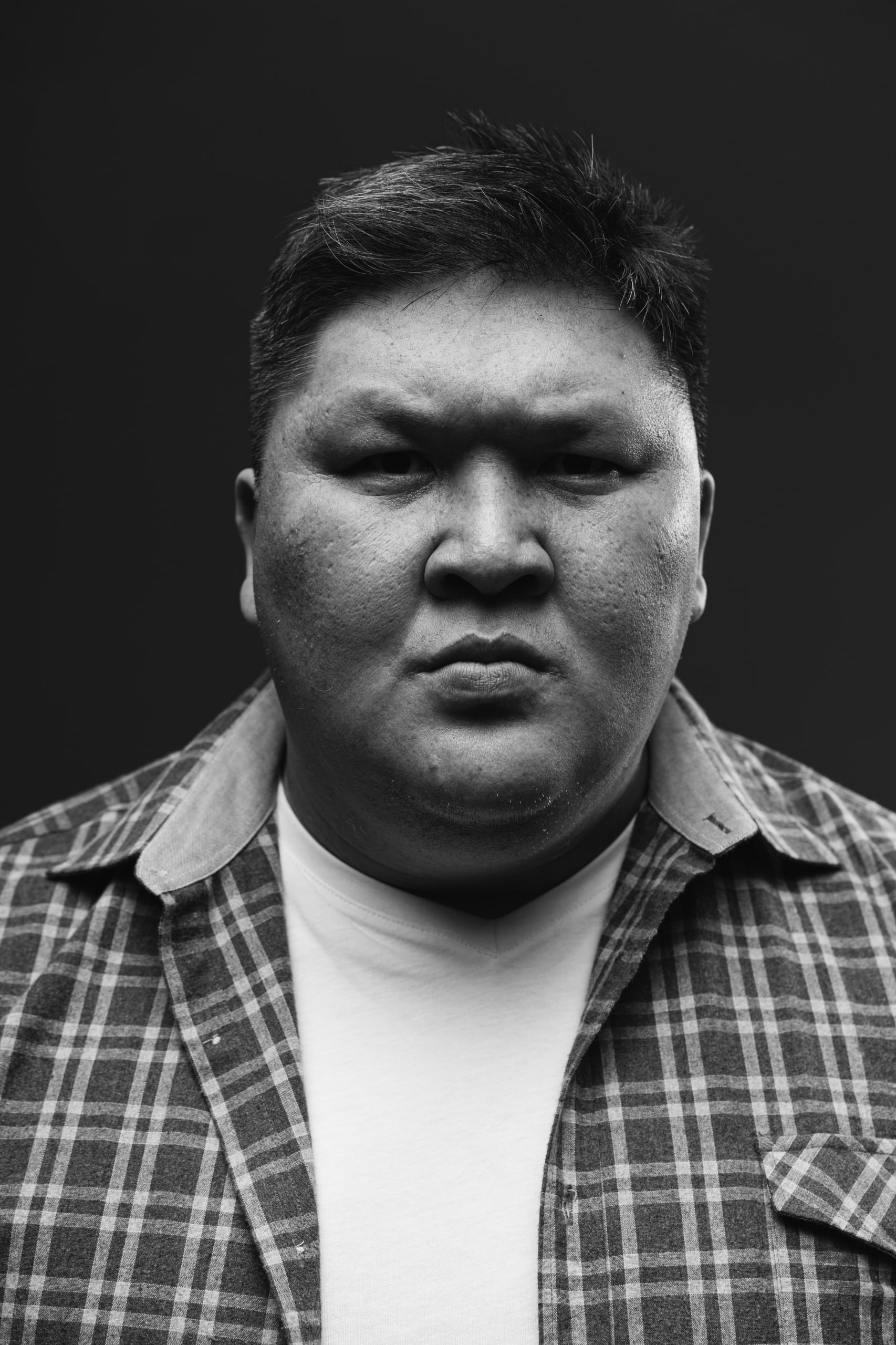
— Yakut cinema has already earned international recognition. People look forward to your films, and filmmakers from Sakha are being followed closely around the world. Based on your experience, how did you achieve that, and what should other filmmakers pay attention to?
— Well, I was lucky. I'm following a path that Stepan Burnashev had already helped pave. Dmitry Davydov has been incredibly supportive, Alexey Romanov is always rooting for what we're doing, and Alexey Yegorov from Sakhafilm is never far away when we need help. It's been a long journey. The generation before us laid the foundations, and now we're carrying the work forward. I don't think there's any shortcut that lets you skip part of that process or speed it up.
Everyone in the film world seems to dream of making it onto Netflix these days, especially newcomers. It's almost as if everyone has their own grand campaign to conquer the world's biggest streaming platform. The less you know about filmmaking, the easier it seems. But the deeper you get into the industry, the more you realise just how many obstacles stand in the way, and how much you have to learn to overcome them.
What I've realised is that many of our biggest obstacles are the boundaries we set for ourselves. I started breaking down my own by attending film festivals. It's incredibly important to connect with filmmakers from other countries, whether they're from the United States, France, Uzbekistan or Kyrgyzstan. That's when you realise they're every bit as crazy about cinema as you are. They simply can't live without it. That's why it's so important to meet people, talk to them and collaborate.
— You made a real splash at the Bishkek International Film Festival. Everyone was talking about you. Why do you think that was?
— The cold has a huge influence on us as creative people. When it's minus fifty outside for half the year and you barely leave the house, you can't help but start inventing things. There isn't much entertainment or social life, so you learn new skills and throw yourself into whatever you're passionate about. We're constantly broadening our horizons. We read a great deal, and we're always researching and exploring new ideas.
I think people can see that, and they respond to it.
— What do you think about producing in the CIS?
— The role of the producer is still very loosely defined here. Across the CIS, there isn't really a shared understanding of what a producer actually is, what their responsibilities are, or even how, say, a line producer differs from an executive producer. Producing as a profession is still in its infancy. Making a film is one thing. Taking the project further is another job entirely. Selling a film, securing financing, or making the most of a festival all require knowing what to say, who to say it to and, just as importantly, what is better left unsaid.
I've always thought I was terrible at expressing my ideas. Yet somehow I still end up reaching agreements on all sorts of things. I've realised that being memorable matters even more than saying everything perfectly. You might only have five minutes with someone, but in those five minutes you need to leave a lasting impression. Some people are memorable because of the way they look, others because of their voice. The rest of us have to find what makes us stand out.
There's also a persistent misconception that money is the most important thing in filmmaking. In reality, the budget depends enormously on the producer, the director and the screenwriter. Changing a single line in a script can reduce, or multiply, the cost of an entire scene severalfold.
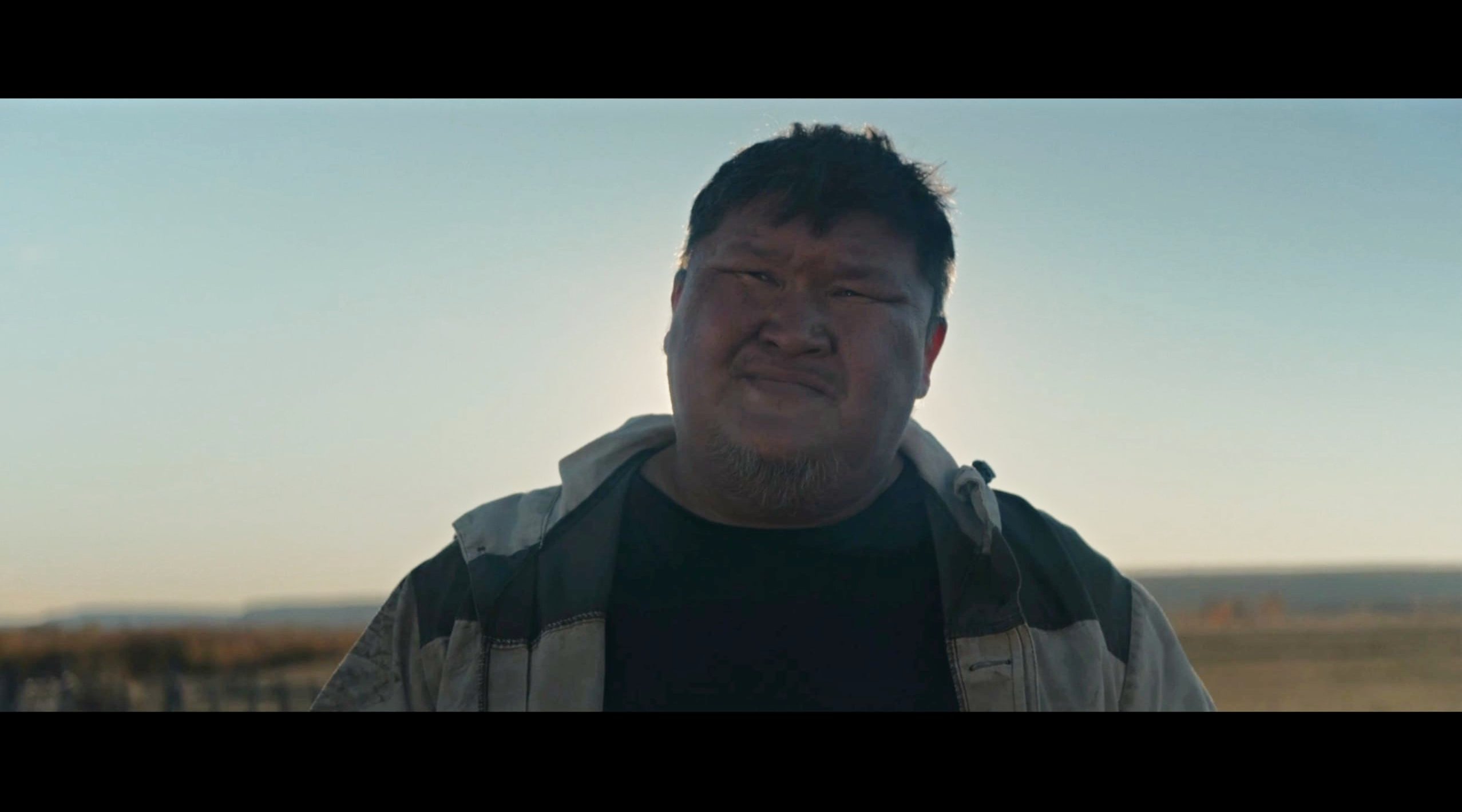
— Many aspiring screenwriters struggle to get their work accepted anywhere, especially those who have just graduated. What advice would you give them?
— Formal training and your own creative outlook are two very different things. When I was a kid, I devoured Nick Perumov's novels, The Adamant of Hennah, The Death of the Gods and many others. Then, by chance, I discovered Tolkien and realised that Perumov was essentially writing fan fiction. It was a huge revelation. I suddenly understood that you could take someone else's world, adapt its lore and create something of your own from it.
For a screenwriter, learning to work with other people's ideas is absolutely fundamental. At the beginning of your career, that's difficult to understand and even harder to accept. If you're writing on commission, you're working with a producer and a director whose ideas you have to adapt. Your job is to navigate between their vision and your own.
I still think the very first screenplay I ever wrote is the best thing I've written. I haven't managed to surpass it. But I still haven't managed to get it made either. Only recently did I begin talks with a producer in the United States about the project. Perhaps In Crimson will finally see the light of day.
And here's one more piece of advice for every screenwriter. Even if you have to take on a questionable project for the money, even if nobody involved cares about storytelling and they're willing to pay you to write complete nonsense, don't write nonsense. Because that nonsense might actually get made, and when it does, your name will be on it forever.
“There are countless ideas. Only a handful ever make it to the screen.”
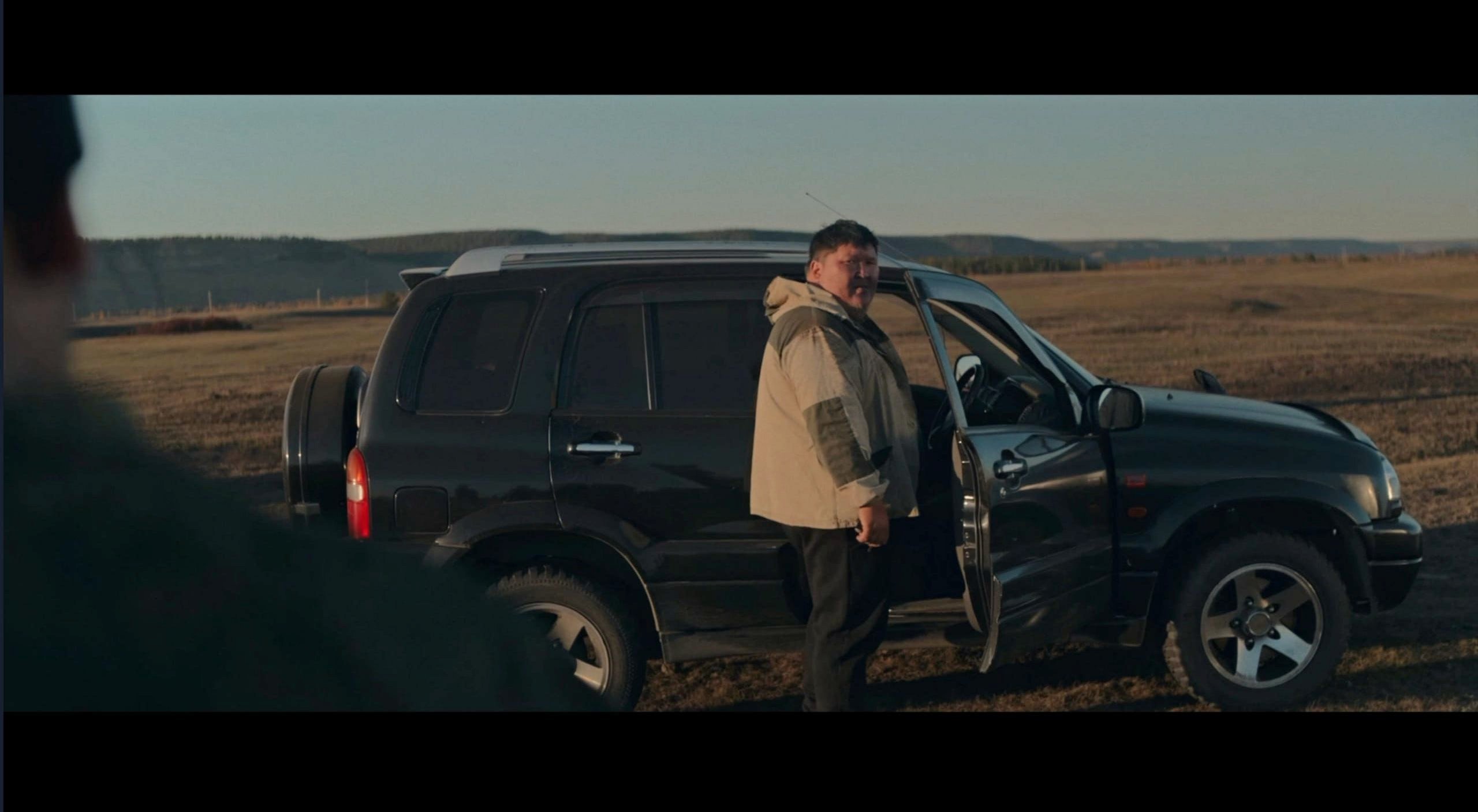
Apollinariya Degtyareva, director, screenwriter and producer
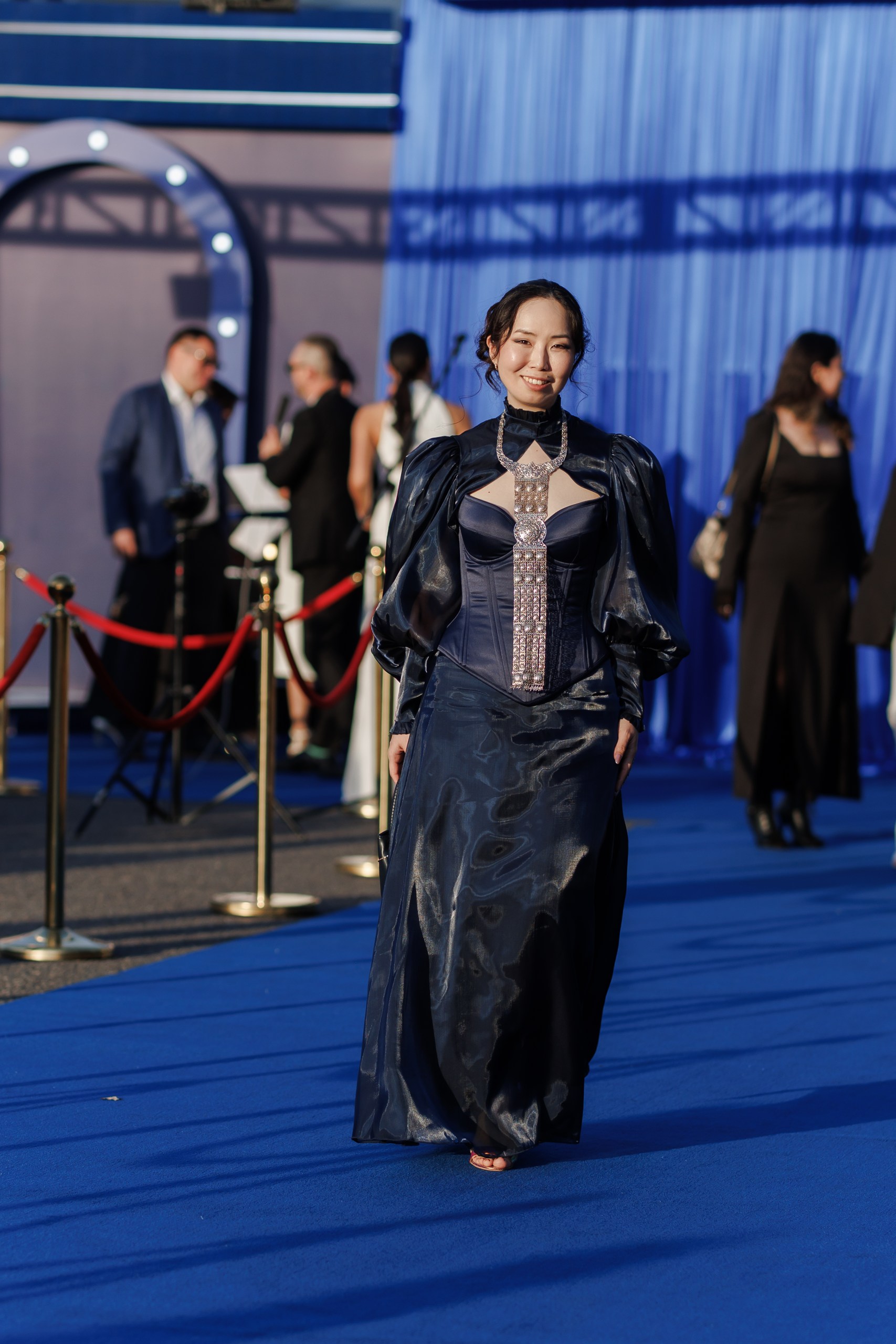
— I've conducted countless interviews over the years, but this was a first for me. I invited you, Innokenty and Illarion to take part, and all three of you, without consulting one another, were ready to do the interview there and then. I have to admit, I was a little stunned.
— I think that's the Yakut mindset. If not now, then never. That's how we make films too. We had a production meeting today and decided we'd start shooting in just six weeks. The moment the decision was made, everyone started calling the people they needed, and the project was already moving forward. There's a wonderful saying. It's not mine, but I've adopted it as one of my guiding principles: first get into the fight, then figure out what to do next.
I enjoy working under constraints. That's when creativity really kicks in. One of my colleagues once said something I love: "Anyone can make a film when there's money. Try making one without it." If your budget is small, make a low-budget film now instead of waiting forever for money to fall into your lap. Besides, working with what you have teaches you far more than having everything handed to you on a plate.
— Is it difficult being a woman director?
— That's a delicate question. We were actually discussing a project today where I'm the director, and both the first assistant director and the cinematographer are women as well. One of our male colleagues joked, "Be prepared for emotional drama on set at least once a month." We all laughed because we knew it was a joke, but every joke contains a grain of truth. It's almost impossible to escape being labelled "emotional", even when you're calmer and more composed than some of your male colleagues. That bias still exists, but it's not something worth dwelling on.
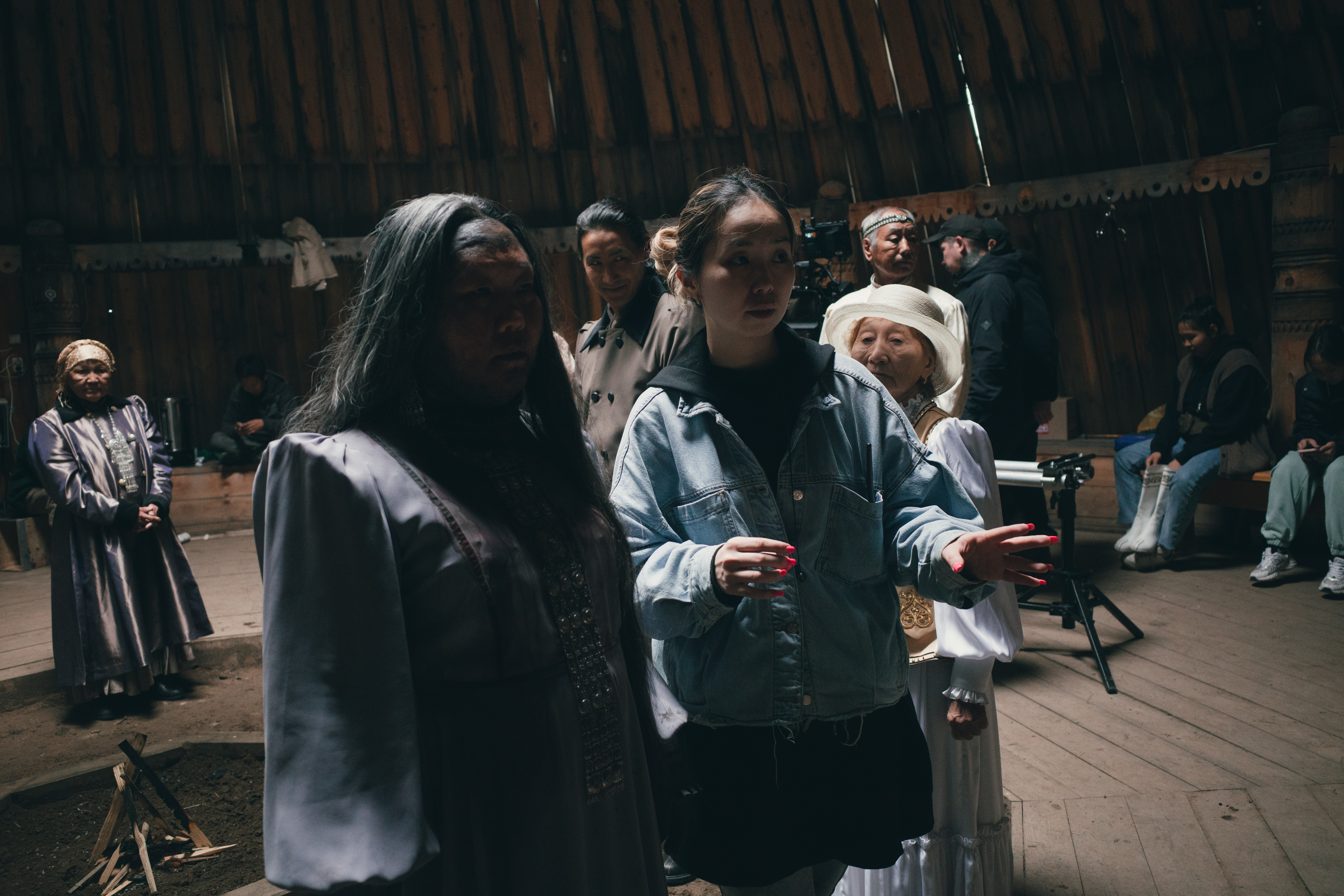
I think the more women there are behind the camera, the sooner people will stop seeing it as unusual. I experienced an interesting example of that quite recently. I was serving on the examination panel for graduating film students, and one dissertation particularly caught my attention. A female student had written about the representation of women in cinema, yet not a single film she analysed had been directed by a woman. I suggested she change the title to Female Characters as Portrayed by Male Directors.
There's a well-known concept in cinema called the hero's journey. It's a linear path from point A to point B. But there's also the heroine's journey, which moves inward rather than forward. For me, Michelle Yeoh's character in Everything Everywhere All at Once is the perfect example. Men and women often approach stories from different perspectives and with different priorities. That's precisely why cinema needs both female and male voices.
Today, every woman director carries a certain responsibility. The fewer women there are in the profession, the more every step they take matters. But above all, you have to be completely devoted to filmmaking. You have to live and breathe cinema. If you do, people will follow you. They'll be willing to go without food or sleep just to make a film with you. And at that point, it won't matter whether you're a woman or a man, because you're the one leading them towards a shared goal.
— You've been making films for years now. What, in your view, is it that actually makes someone a director?
— To be honest, right up until 2023 I couldn't bring myself to call myself a director, even though I'd already made short films, documentaries and around forty television programmes. It's surprisingly difficult to shake off imposter syndrome. But when I poured my time, energy, knowledge and experience into making my film Presence, I finally felt I'd earned the right to call myself a director.
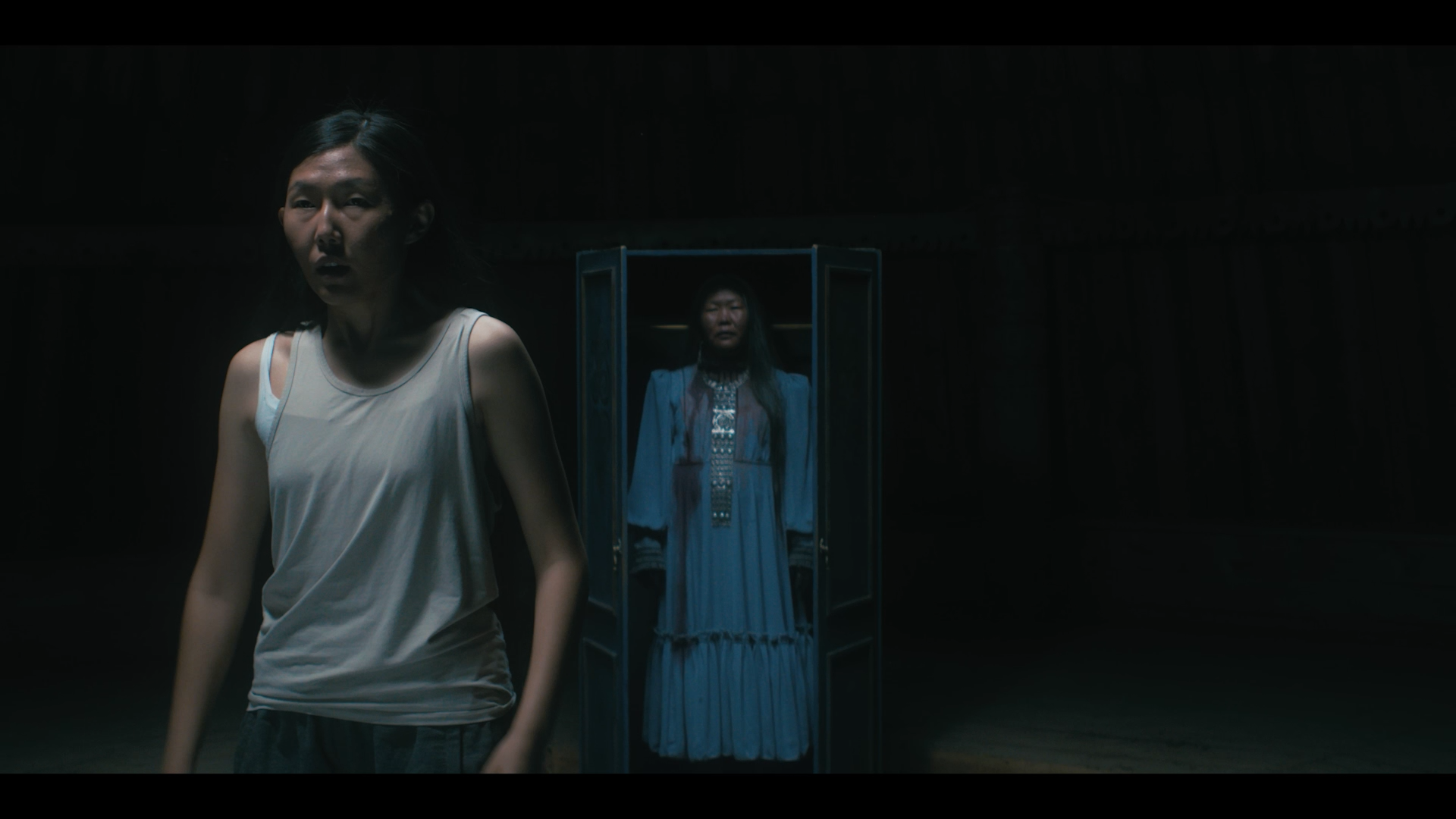
It's a deeply personal project, and anyone hoping to turn an auteur film into a feature has to understand that everything ultimately depends on them. You have to get everyone else excited about your idea and convince them it's worth making. Ideas are everywhere. People with ideas are everywhere too. What's much rarer is someone who's willing to carry one idea all the way through, from developing the script to locking the final cut.
— How do you know whether your idea really deserves to become a film? Where's the line between a cliché its author thinks is brilliant and the greatest story in the world whose author believes it isn't good enough?
— You can take the long road or the short one. The long road is to build your cinematic literacy: watch the best films in the genre you want to work in, read reviews and study what critics have to say. The short road is simply to ask filmmakers, screenwriters and producers directly. One person might point out where the dramatic structure falls apart, another where the dialogue is weak, and someone else might tell you the story feels overfamiliar and suggest giving it a stronger sense of local identity.
That's far better than staying trapped inside your own head. And you don't have to limit yourself to professionals in your own country. The film community is remarkably close-knit. If you speak the same language, people are usually happy to help. Of course, with a personal project there's always the fear that someone might steal your idea. But making a film is so difficult that it's far easier to hire you to direct your own story than to steal it, assemble a team and start from scratch. And if it gives you peace of mind, you can always register your copyright.
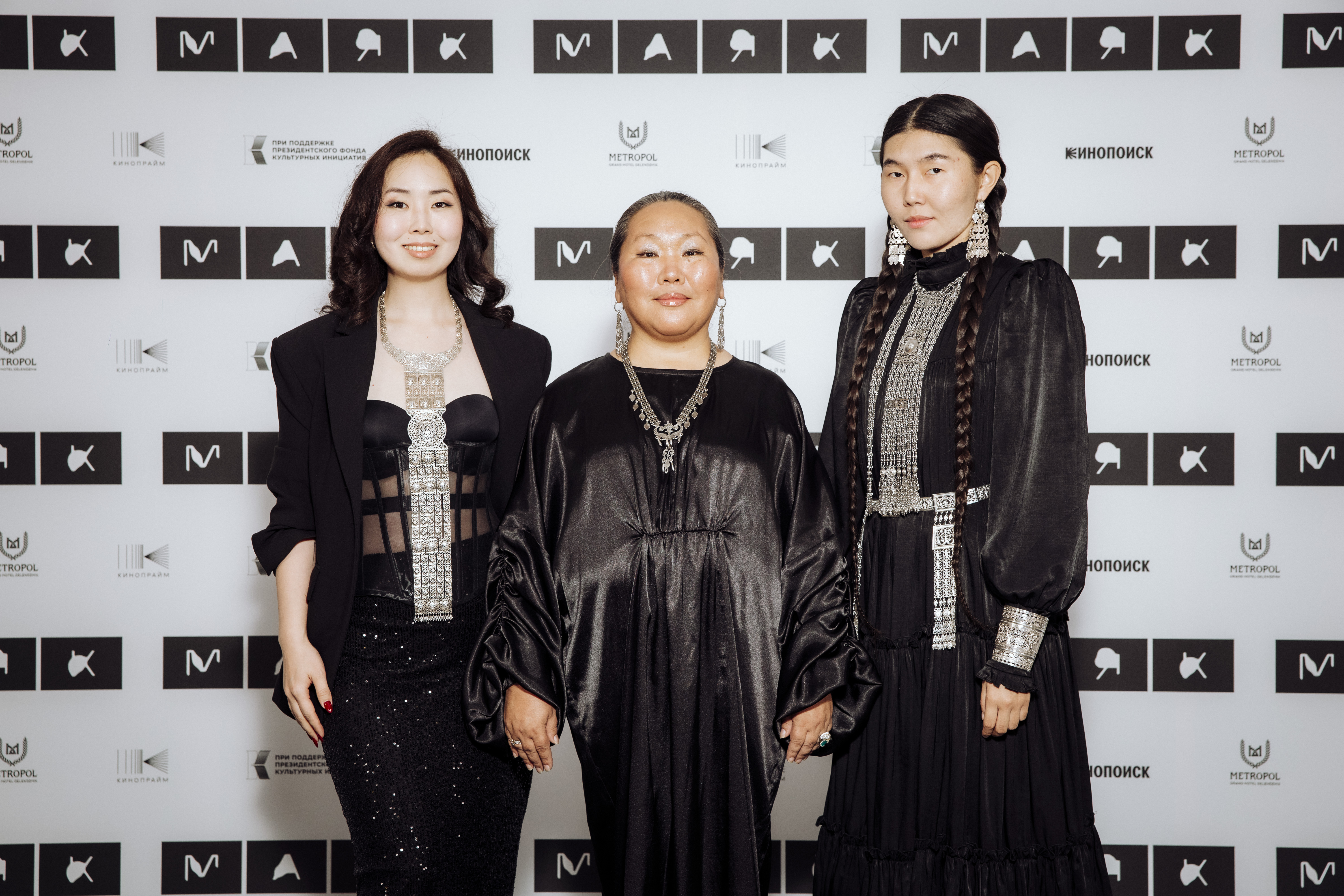
— Since you mentioned national identity, there's a criticism sometimes levelled at Central Asian cinema: that local colour ends up becoming the whole point of the film. How do you think filmmakers should approach it?
— You can't explain every nuance of a nation's culture in a single feature film. If that's your goal, you're really making a documentary. If you overload a story with ethnic references, audiences may simply lose track of what they're supposed to be watching. I don't think a film should dump an entire bucket of national culture and highly specific traditions over the viewer's head.
It's much better to choose one idea and explore it properly. My colleague Lyubov Borisova's film Don't Bury Me Without Ivan is a wonderful example. The central character falls into a lethargic sleep, and running through the entire story is one simple idea from Sakha culture: that a person possesses three souls. One is spiritual, connecting us with our ancestors; one is physical, tied to health; and one is airy, linked to our feelings and consciousness. That's all the cultural context the film needs.
I also love Disney's Mulan. Its central idea is simple: you must bring honour to your family. Everything else remains in the background. Then there's that moment when the villain calls Mulan not a woman, but a soldier. From that one line, we instantly understand the difference between how her own culture sees women and how another culture does. Those are the kinds of subtle details that enrich a film.
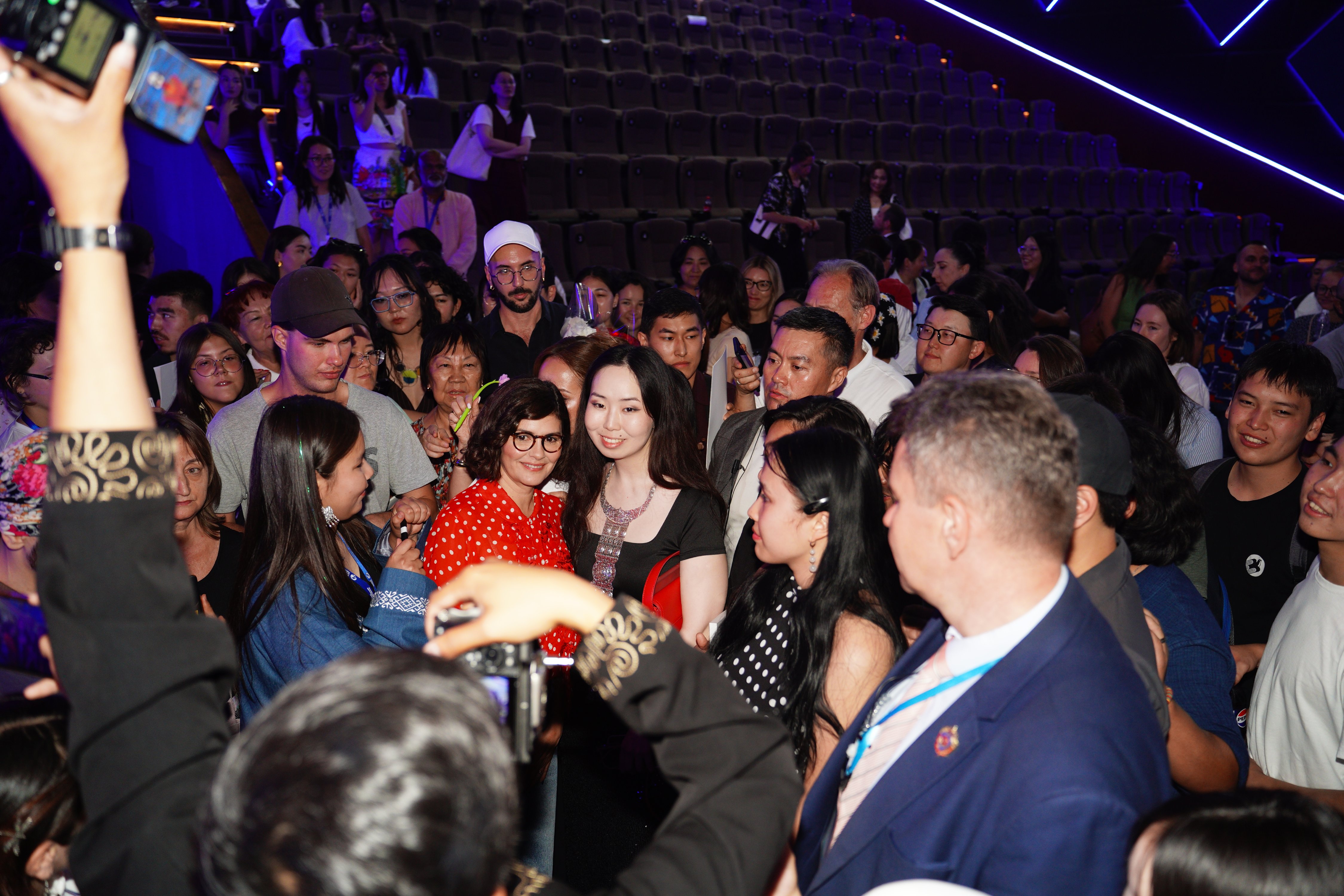
Yes, sometimes you're so eager to show your culture in all its richness, to make the audience fall in love with it, that every little detail starts to feel essential. It feels like a noble thing to do. And that's when you begin piling more and more local colour into the script. But no single film can ever contain the culture of an entire people. Whenever I watch a film overloaded with cultural detail, I can almost feel the filmmakers' good intentions through the screen. They wanted to share as much of their heritage as possible, but they didn't know when to stop. And that's when the film loses its way. Sometimes the best really is the enemy of the good.
"Don't Be Afraid to Ask for Help."
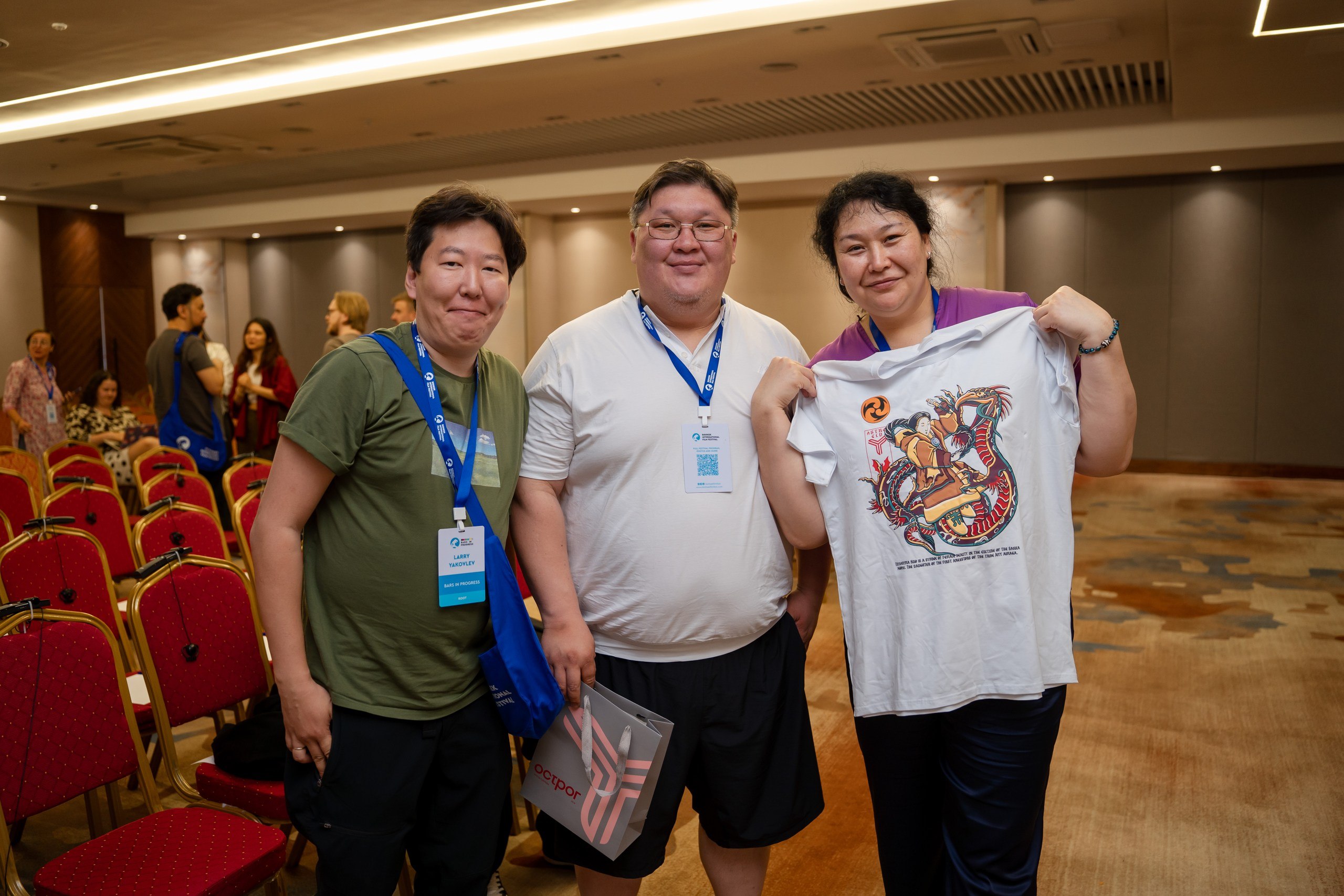
Illarion Yakovlev, director and producer
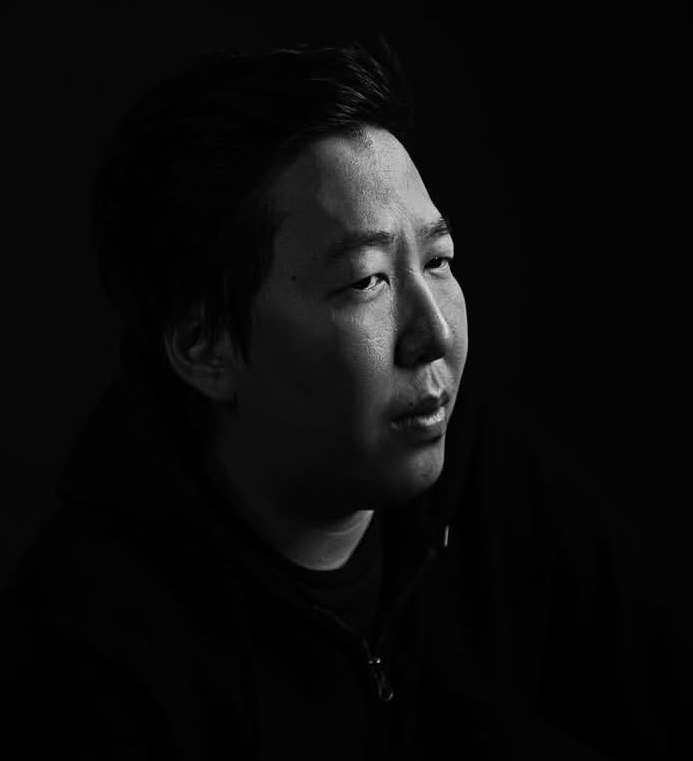
— The Sakha are also a Turkic people, and we share many elements of our folklore. I've noticed that you often use ancient runic symbols in your films. How do you feel about incorporating these kinds of ethnic elements into cinema?
— I'm all for making films that work just as well anywhere in the world. Let them have their own structure, their own concepts and their own customs. The audience should recognise that they're watching something rooted in a different culture. But the underlying logic of the story, and the ability to understand what's happening, should always remain universal.
Yakut horror has been developing incredibly fast because it's built on our many urban legends. Times change, and those legends evolve with them, so they remain relevant and meaningful today. If they stayed frozen in their ancient form, I think people would find them much harder to take seriously.
Our stories are cautionary tales. They always carry a moral about good and evil. People genuinely believe these stories. They believe in the spirit world. The downside is that horror films sometimes attract surprisingly small audiences because people are genuinely frightened by what they see on screen.
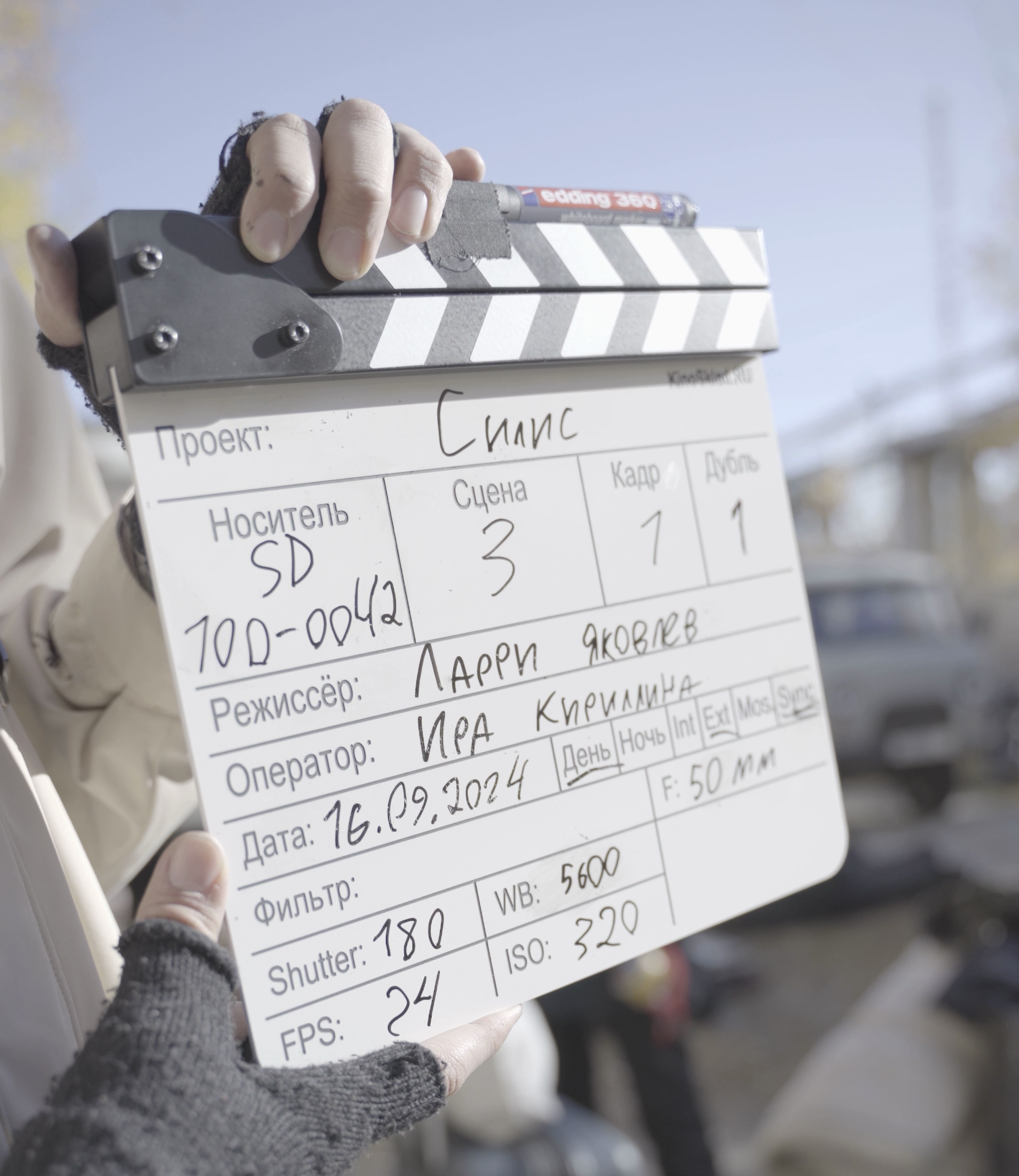
Take my colleague Evgeny Nikolayev, for example. He made an exceptionally powerful horror film, one of the finest we've produced, I'd say. What makes it frightening isn't the jump scares but the oppressive atmosphere. People come away saying, "That's it. I'm cursed after watching this." We saw countless comments from viewers who couldn't sleep afterwards. The film got under their skin. It made them feel. It made them think.
That's how folklore should work in cinema, in my view. Stories should teach us something. Traditions shouldn't be there simply for decoration. They should be woven into the narrative, becoming an essential part of the story itself.
— I've noticed that you and many other filmmakers from Sakha often talk about the achievements of your colleagues, your friends and your mentors, but very rarely about your own. Why is that?
— That's simply how we were brought up. From childhood we're taught not to talk about our ambitions or our successes. There's even a saying: "A Yakut may win, but a Yakut won't admit it." You can ask someone outright whether a particular achievement was theirs, and they'll deny it, even when everyone knows it was. We're quite reserved in that respect.
I'm exactly the same. Even when I achieve something, I'll play it down until the very end and simply say, "Well, I gave it a try." People will read the festival news and see that you've won an award, but they won't hear it from you.
Some people might see that as a weakness. But because we're not in the habit of boasting or feeding our egos, we're always ready to help one another. We love saying "our people". If we know there are other Sakha somewhere, we'll immediately say, "Let's go and join our people." Even our friendships tend to feel like family.
We've always been taught to support one another. And we're not afraid to say, "Please help us." In many cultures, asking for help is seen as something shameful. For us, mutual support brings people together. Together, you can always achieve more than you ever could alone.
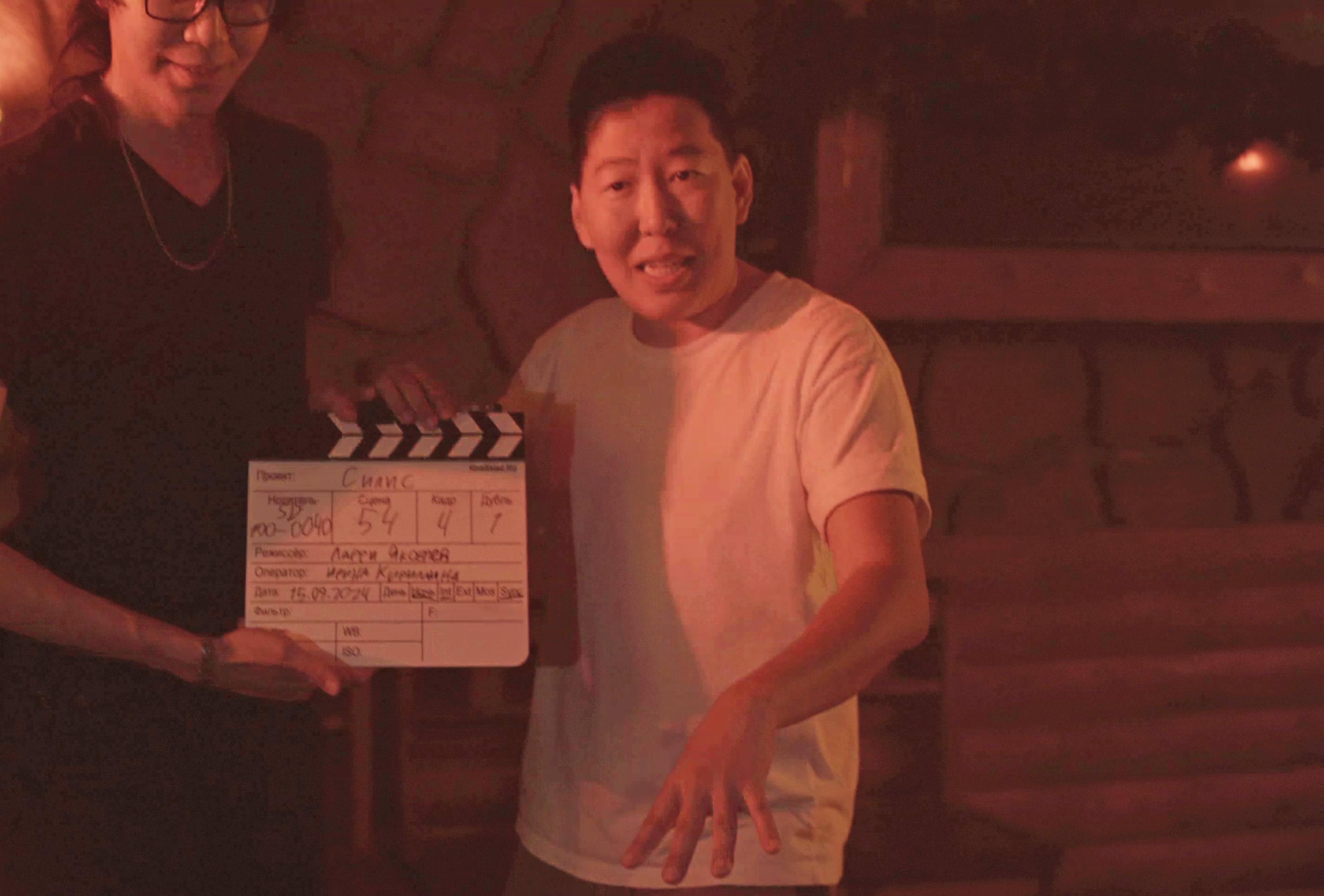
— You've added producing to directing. How did that come about?
— I decided I wanted to become a director when I was a child. I was always afraid of making the wrong choice, but fortunately I have an older brother who taught me that every problem has a solution. Directing didn't come easily to me. Some directors seem to conquer the world with their very first film. They're simply gifted. I had to work my way up step by step, from small commercials to music videos and even wedding films, then on to short films, television series, and only after that to feature films.
As producers grew to trust me as a director, they also began to trust me more generally. I worked several times as an executive producer before moving further into producing. For a producer, honesty is essential. If you see risks ahead, you talk about them. You don't spring unpleasant surprises on people later.
I threw myself fully into producing when my wife decided she wanted to direct. It was her first film, and she made it entirely on her own, without any input from me with the directing.
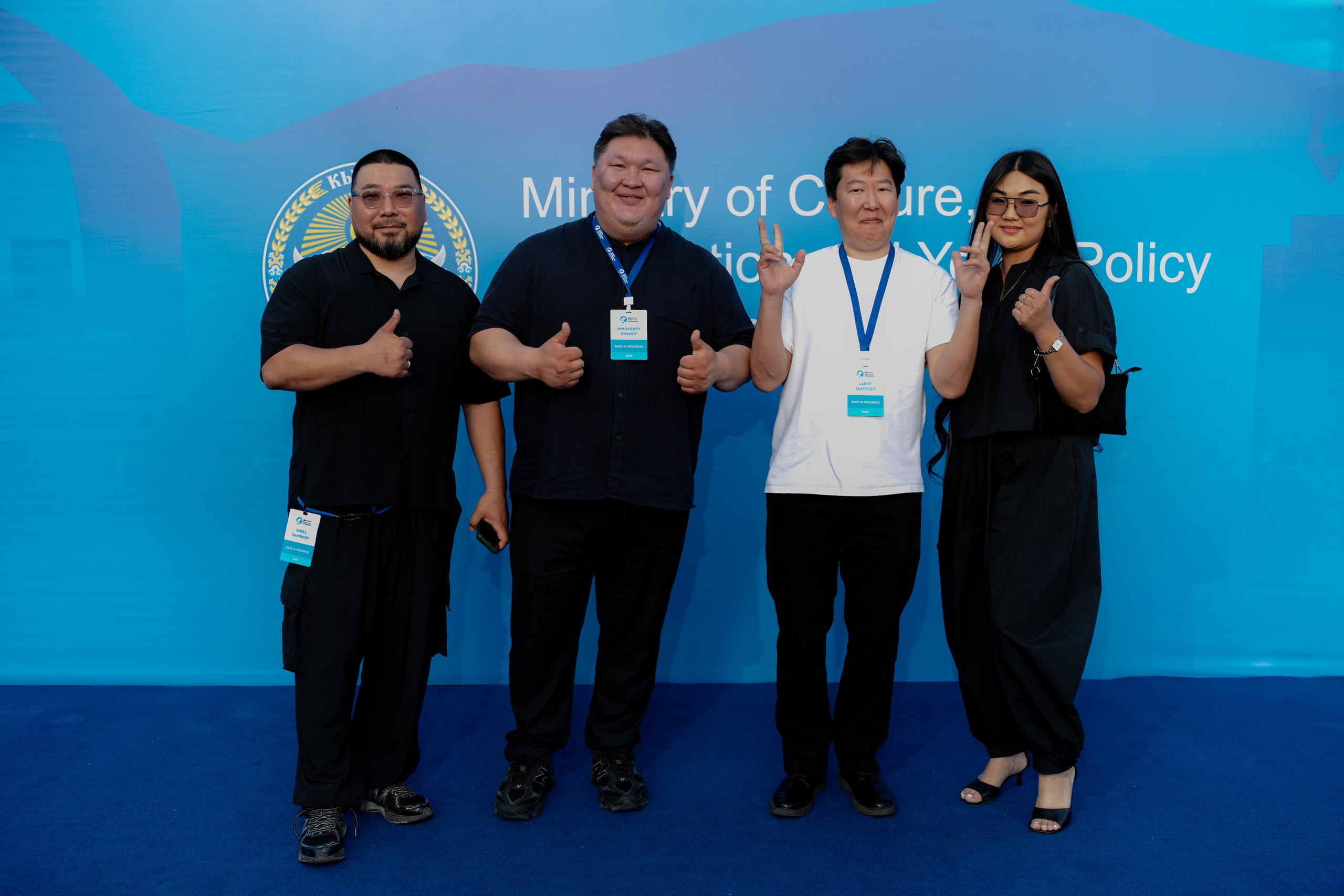
— What advice would you give to aspiring directors? What should they do, and what should they avoid?
— Try not to dream too big. If all you ever dream about is the biggest prize, reality will keep disappointing you. The dream in your head is always grander than its eventual realisation. If Hollywood is your goal, keep making films until Hollywood comes knocking. Don't waste your time trying to force your way in. That's how cultures lose their identity too: by constantly trying to second-guess and adapt to other people's expectations.
And never spend your own money if you can avoid it. It's far better to secure funding through a pitching forum, a government grant, a foundation, or wherever you can. The moment it's your own money on the line, you start making very different decisions.
Most importantly, keep building your network. When you run into a problem, remember you're almost certainly not the first person to face it. Talk to people. Find out how they dealt with the same challenges and what solutions they found. Some people think success comes from acting important. It doesn't. People are drawn to those who are approachable and down-to-earth. Investors, producers and even audiences are looking for honesty and authenticity, not pretence.
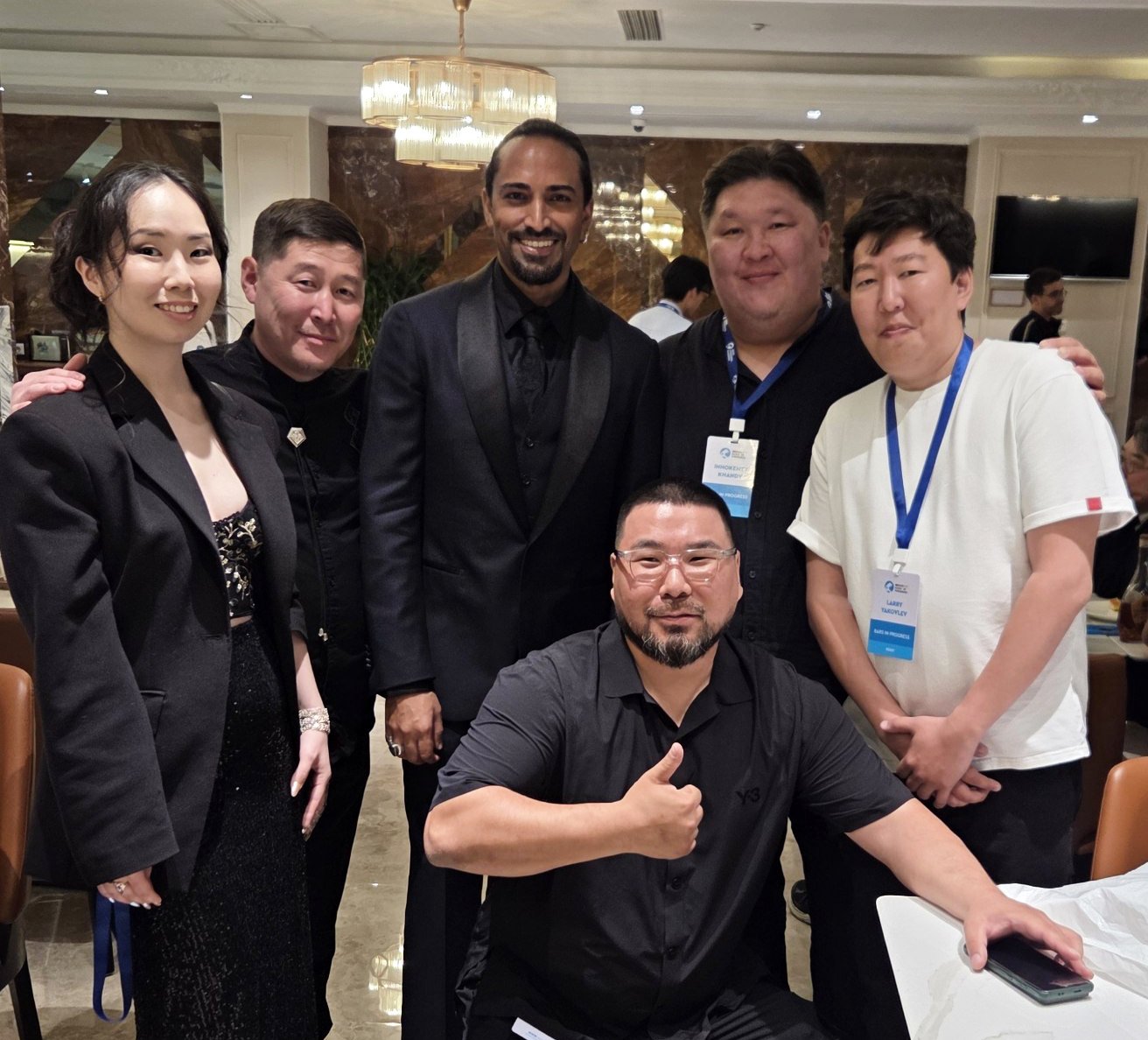
And don't lose sleep because nobody invited you to Cannes. Very few people ever get invited there. There are plenty of local festivals and industry events these days. You don't need Cannes to build your network. Talk to everyone you can. You never know where you'll meet a true ally.
BIFF 2026: Winners, Stories and Turning Points at the 4th Bishkek International Film FestivalFrom 7 to 12 June 2026, Bishkek hosted the Bishkek International Film Festival (BIFF 2026) for the fourth time, an event organised by the Ministry of Culture, Information and Youth Policy of the Kyrgyz Republic. This year marked a breakthrough for the festival for several reasons.mag.humodoc.com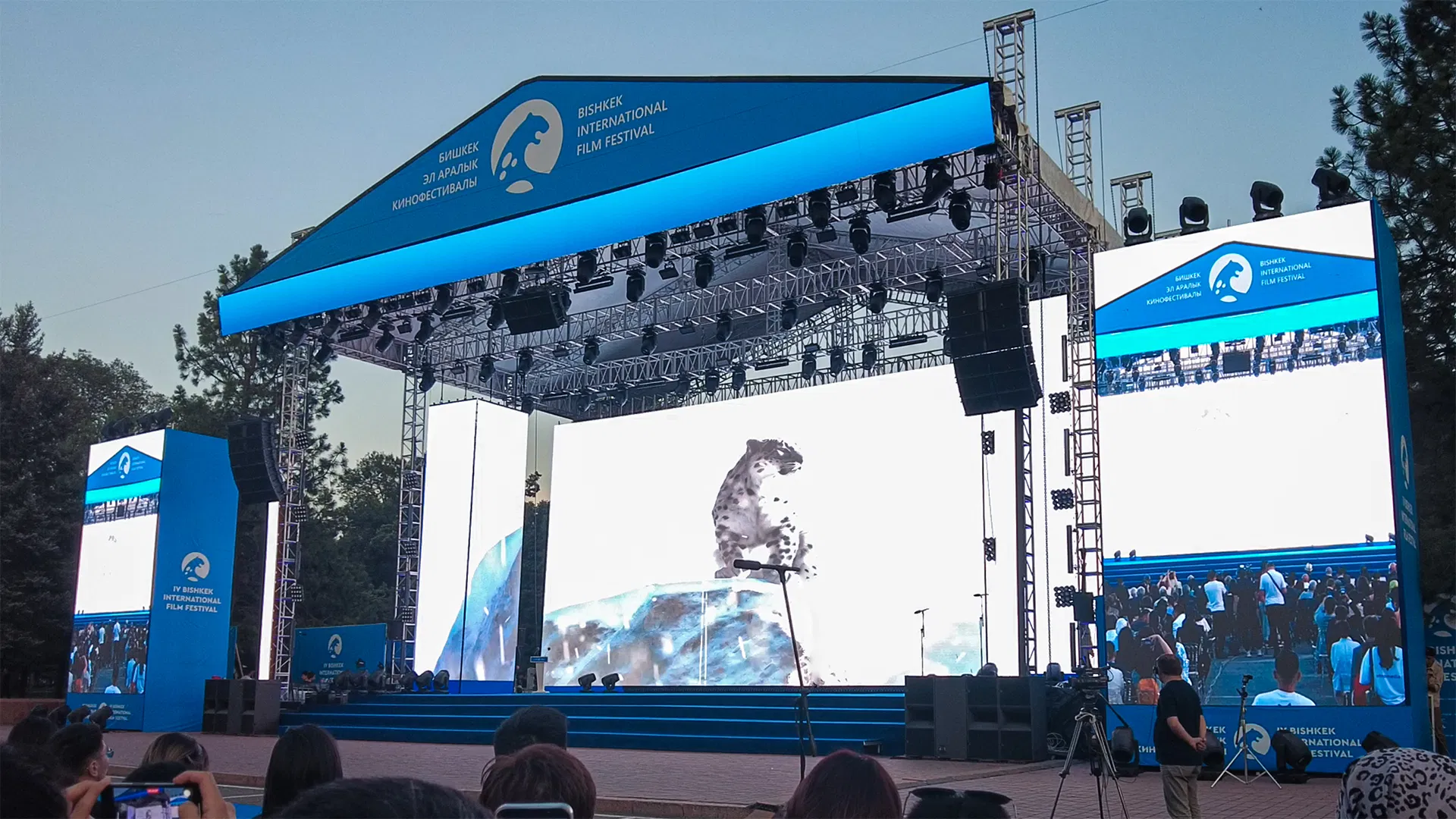

Newsletter
A letter from the HD editors
Once a week, we send the best stories, events, and cultural discoveries from Central Asia.