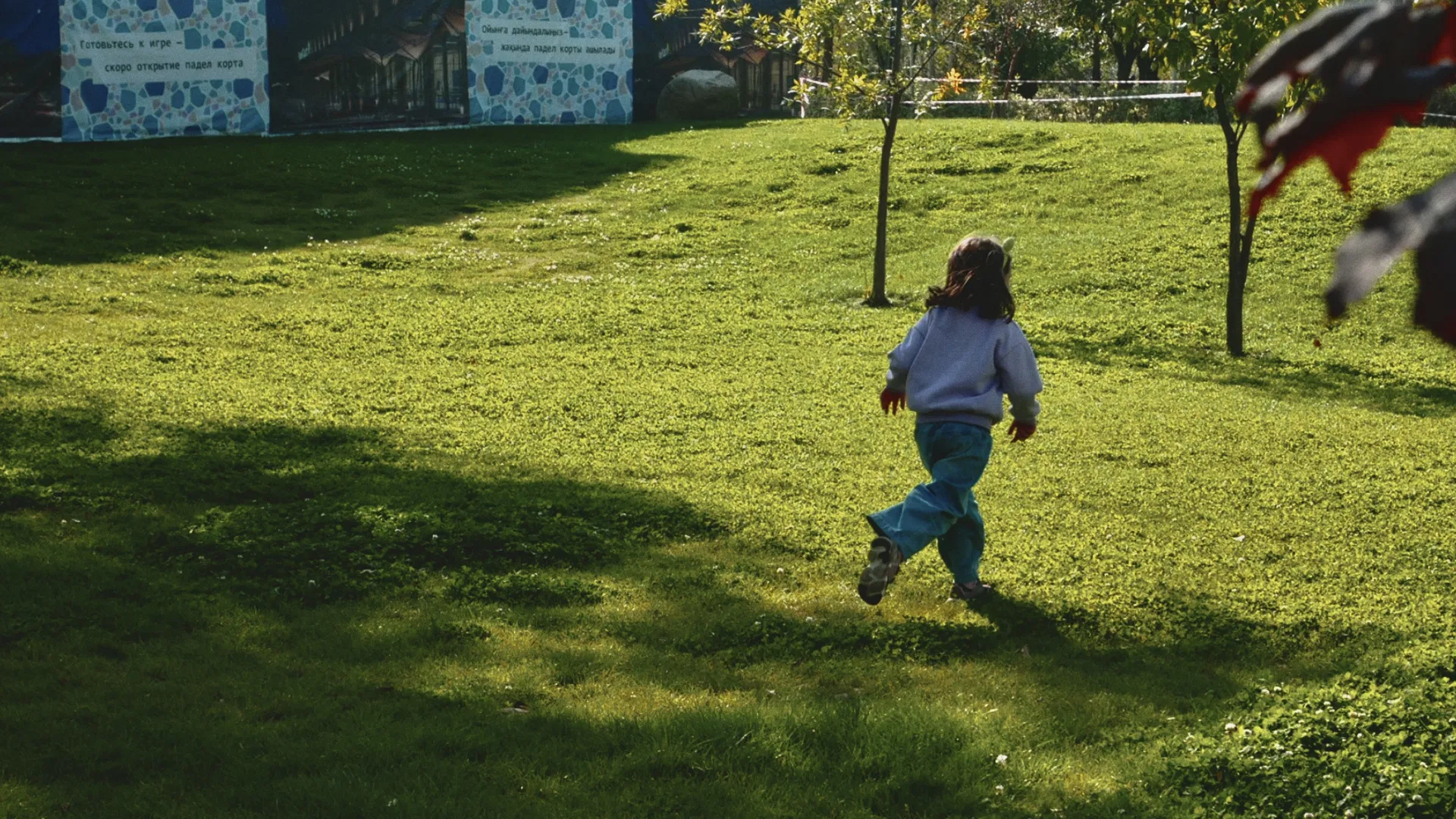
How the park’s routes work and what activities could be developed for visitors of different ages.
FLOW Park is located at the intersection of Al-Farabi Avenue and Dulati Street and covers 6.6 hectares. The city materials on the project list running and cycling paths, playgrounds, sports facilities and recreation areas. The Almaty Regional Communications Service has also mentioned a cycling school, BMX zones and a skatepark. The city later announced that the park was ready for use.
During my visit, I looked at how visitors enter the park, find their way around, choose activities and move between zones. There is plenty to do, but in some places it is not immediately clear where to go next or how the different types of movement fit together. Below are my observations and suggestions for further developing the park.
Connecting to the Neighbouring Park and the Entrance
A pedestrian bridge connects FLOW Park to the First President’s Park. A play area for younger children begins at the exit from the bridge, making FLOW Park part of a longer walking route.
Near the entrance from Al-Farabi Avenue, there is a small area with a dry fountain and a ramp. The rubber crumb surfacing is soft and springy, providing good cushioning underfoot. This type of surface is commonly used on playgrounds, although people can have different experiences of it. In this respect, the entrance area at FLOW Park works well.
Routes and Movement
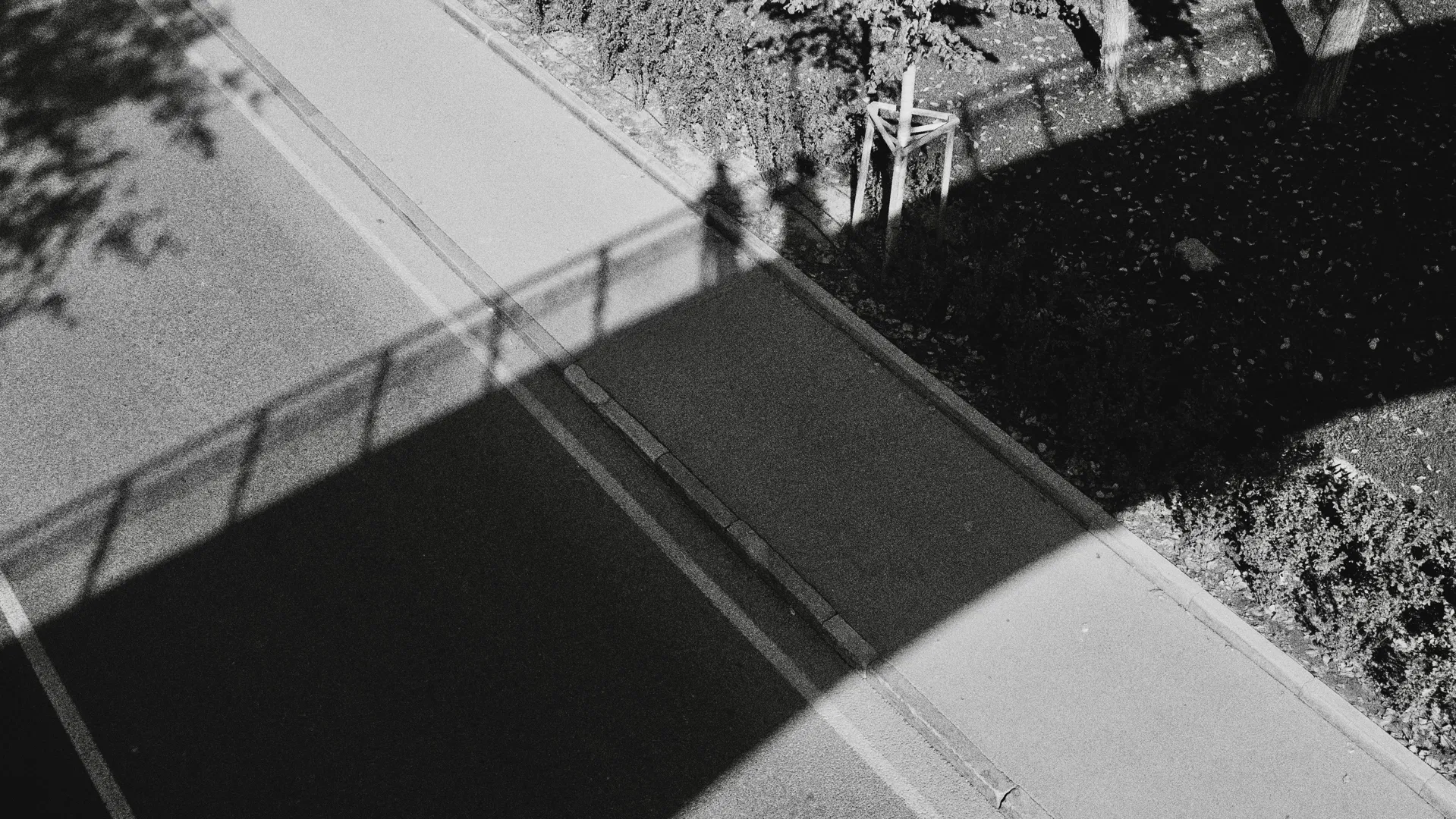
A red path runs through the park, connecting its main areas. People use it for walking, cycling, rollerblading and riding scooters. The project materials mention running tracks, but I did not see a separate running route during my visit. During the day, visitors moving at different speeds and with different purposes share the red path. At quieter times, it can also be used for running.
As for wayfinding, I did not notice an overall map of the park. In the far half of the site, visitors may find it difficult to work out where to go next or where to find a particular facility. A map at the entrance and signs at junctions would help people find their way around, identify the main areas and understand where routes intersect.
In the large area for rollerblading and children’s ride-on cars, younger children play alongside older children who are skating. Their speeds and styles of movement differ. The space could be divided into an area for quieter play, a section for more dynamic skating, with clear transitions between them. Ground markings would make the layout easier to understand, while the zones should be arranged so that accompanying adults can keep the children in view.
The park has three skate zones with different layouts and levels of difficulty. Beginners would benefit from brief guidance explaining which features to start with and how to progress gradually to more challenging ones.
Autumn in AlmatyAutumn in Almaty is a special time of year, when the city seems to transform, suffused with golden hues, soft light and the quiet charm of summer’s fading days. Nature paints the streets and parks in shades of yellow, orange, crimson and gold, turning familiar cityscapes into living works of art. Leaves swirl through the air and settle into colourful carpets along the pavements, while sunlight filtering through the tree canopies lends everything around it a remarkable softness and warmth.mag.humodoc.com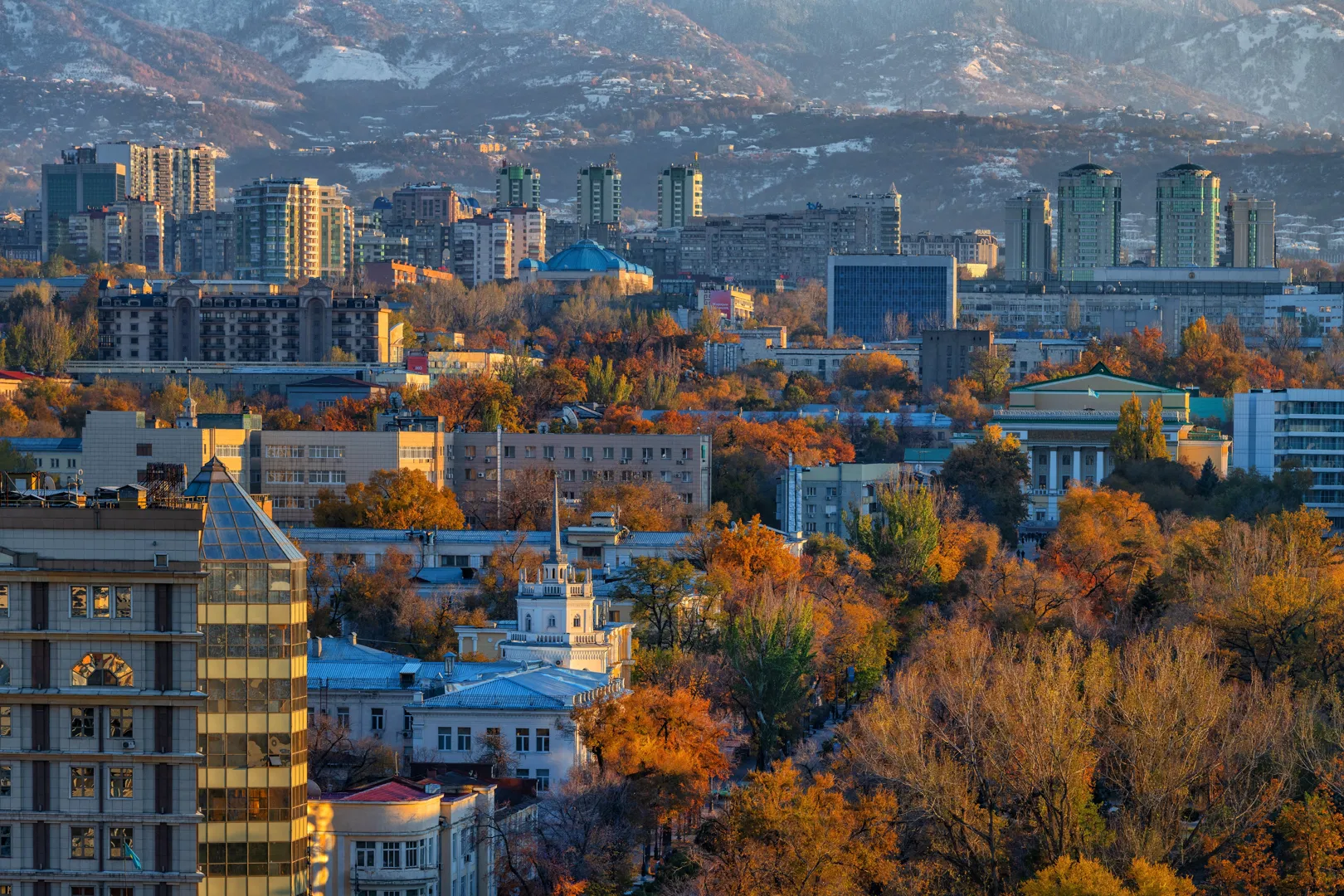
Activities for Teenagers
I do not have the original design brief, so I cannot say which age groups were considered in the concept. During my visit I saw almost no activities or social spaces aimed at girls over the age of ten.
I would discuss with teenagers directly what interests them and where they would like to spend their time. Together, we could identify suitable activities, such as routes with challenges, coordination and balance exercises, a small area for group activities, and places to socialise.
For FLOW Park, I would suggest activity trails with built-in challenges, play surfaces with mathematical and astronomical themes, an information trail, and multi-level play structures. The content and level of difficulty should be developed together with the people who will use them.
Play and Places to Pause
A small maze is marked on the ground, but its purpose is not immediately clear. If its starting point, route, task and exit were clearly indicated, children could navigate it independently or together.
Play elements could extend above ground level, engaging children at eye and hand height. Wind-driven structures that turn even in a light breeze, for instance, could become part of a game and invite children to observe air movement. Fixings, safe positioning and maintenance would all need to be considered at the design stage.
The park has shaded areas and seating for adults. These could be supplemented with tables for board games, giving older children and accompanying adults more reasons to stay.
Landscape as Urban InfrastructureLandscape architecture connects buildings, streets, infrastructure and natural systems. It shapes how people move through a city, spend their time and experience their surroundings. Thomas Doyle, an ARCHICA 2026 speaker from Coen+Partners, an architecture and urban planning practice with offices in Minneapolis and Riyadh specialising in landscape architecture and urban planning, spoke to HD Magazine about working with context, the long-term value of the urban environment, and how a region’s cultural and climatic characteristics influence design.mag.humodoc.com
Descent to the River
The descent to the Bolshaya Almatinka River extends the park’s route. Alongside the steps, there is a separate, gentler ramp for wheeled movement. From here, visitors can continue their walk by the water.City materials on the riverside development specify a length of 5.7 kilometres.
On 2 October 2026, the akim of Almaty’s Bostandyk District announced that construction and installation work had been completed and that the project was undergoing state acceptance procedures. If the riverside route is connected to the descent from the park, visitors will be able to continue walking along the river.
Observation matrix
In the SIS Sport in Square World® method, I look at movement, stops, sensory impressions and interaction between visitors. For this article I have gathered my observations into a matrix.
| Scenario | What is visible now | What could be developed |
| Entrance and wayfinding | Entrance from Al-Farabi, pedestrian bridge, play area for younger children | Park map and signs pointing to the main areas |
| Routes and pace | Red path for pedestrians and wheeled transport; no separate running route is visible | Clearer directions for different types of movement and markings where routes intersect |
| Play and skating | Ride-on cars and rollerblading skating zone, plus three skate areas | Separate quieter play from faster riding and provide guidance for beginners |
| Activities for teenagers | Activities and places for girls over ten are barely noticeable | Discuss with teenagers activities and places to socialise |
| Play and perception | Maze, musical wall, play surfaces | Add clearly defined challenges and wind-powered structures |
| Rest and connection to the river | Shaded areas, seating and a descent to the Bolshaya Almatinka River | Improve places to pause and connect the park to the riverside walking route |
For the next stage, I would suggest three steps: clearly mark routes and their intersections, add guidance for beginners, and work with girls over the age of ten to identify activities and social spaces that interest them. These measures would help connect the existing zones and make the park easier to navigate for visitors of different ages.
Newsletter
A letter from the HD editors
Once a week, we send the best stories, events, and cultural discoveries from Central Asia.