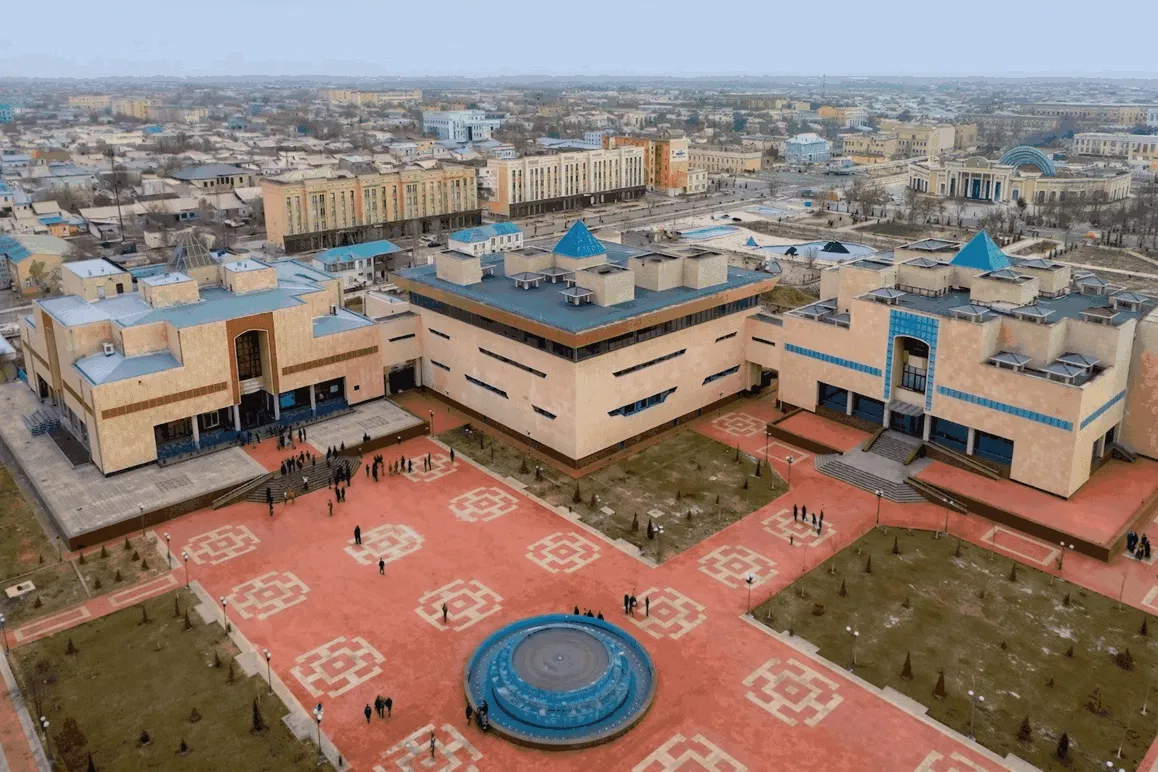
In recent years, the subject of a unique tourist attraction in Karakalpakstan – the Savitsky Museum, as it is commonly known for short – has featured in virtually every piece promoting Uzbekistan's tourism agenda. Hundreds of publications have appeared in a wide range of formats and media technologies. All these projects and initiatives are aimed at a single goal: to draw travellers to a previously little-known destination by telling the story of an extraordinary museum and its brilliant founder, Igor Vitalyevich Savitsky (1915–1984), a Moscow artist from the renowned Khorezm expedition.
This story proved so captivating and unconventional that it inspired many to create their own cinematic and literary narratives. These include the acclaimed films by Americans Amanda Pope and Chavdar Georgiev, "The Desert of Forbidden Art" (2010), the celebrated director Ali Khamraev's "Savitsky's Passion" (2015), television star and popular documentary filmmaker Valdis Pelsh's "Sun Catchers" (2023), and the novel by the Italian Giulio Ravizza, "Anche Se Proibito. La Folle Impresa Di Igor V. Savitsky" (2025). There is also the memoir by Alla Kalinina, wife of Savitsky's physician and lobbyist Sergei Efuni, "How You Reached Me" (1990), and, of course, the novels by Savitsky's friend and colleague, the Leningrad writer Militsa Zemskaya, "Time in the Sands" (1963) and "A Point on the Meridian" (1976).
The last two authors created their works back in the Soviet era. There are many such vivid narratives, and even more interpretations of them. By transmitting this story further and amplifying it through travel agency advertising, they undoubtedly shape one of the most important facets of the phenomenon of the "Louvre in the Sands" and its enduring popularity.
We recently discussed the nature of this winged phrase:
The Louvre in the Sands… and More BesidesFrom the history of the Igor Savitsky State Museum of Arts of the Republic of Karakalpakstan, on the occasion of the museum’s anniversary and the birthday of its founder.mag.humodoc.com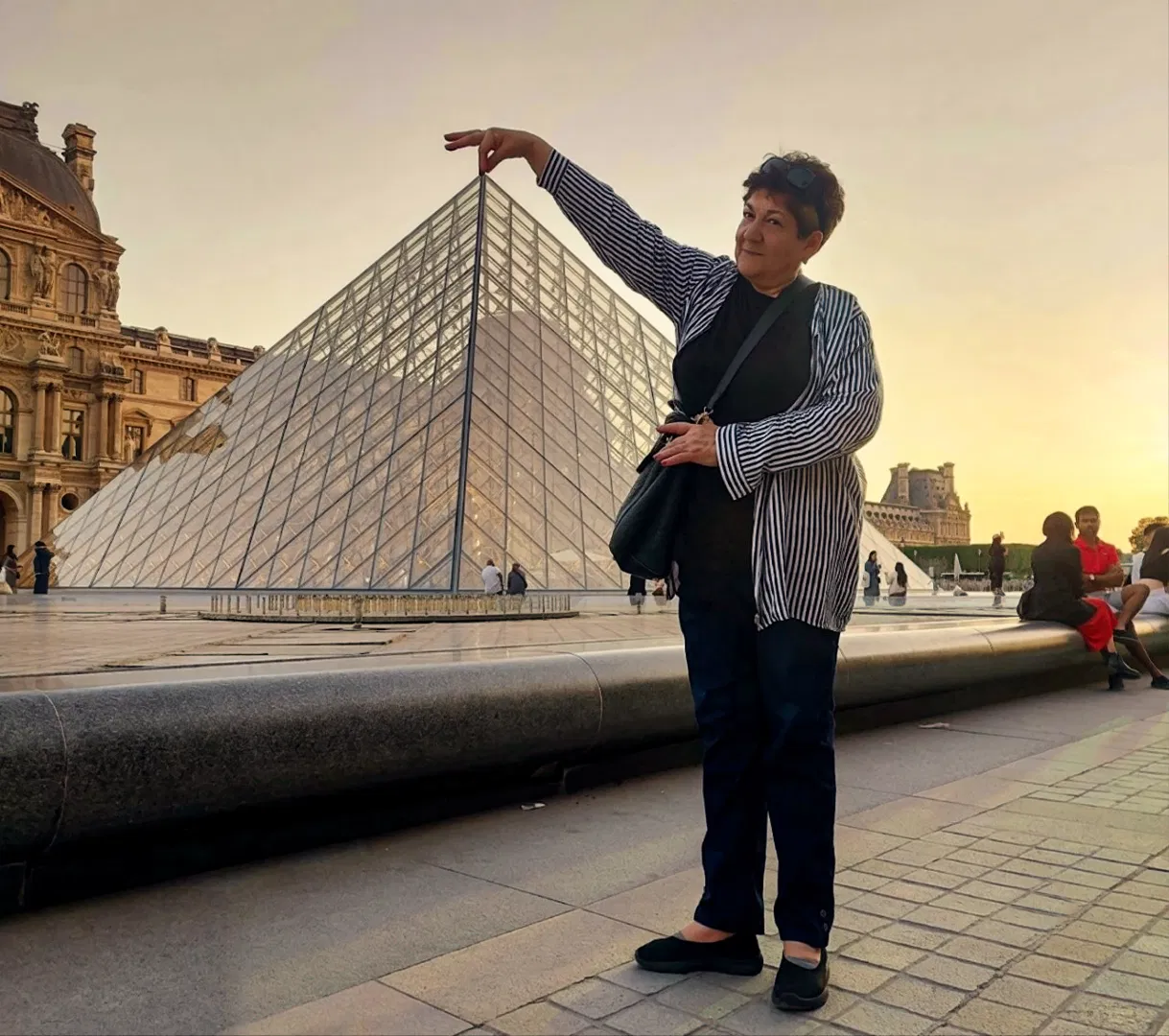
The museum-related "boom" is further intensified by resonant international exhibitions held in prestigious halls across Europe and Russia, which in turn fuels the flow of cultural tourism to Uzbekistan.
A phenomenon exists, but no analyst does
Yet there is no professional statistics or analysis whatsoever regarding the city-forming role of the State Museum of Arts of the Republic of Karakalpakstan named after I. V. Savitsky (SMA RK), meaning there is no picture of the changes in the number and quality of urban infrastructure, services, or logistical and urbanistic parameters of development, even though these are visible to the naked eye. This may be because such a goal falls outside the remit of advertising texts, and no one seriously addresses the state of museum affairs in Uzbekistan.
Sociologists and economists have yet to study the museum sphere either. Reports from the Ministry of Tourism published in the media typically show the overall flow of foreign visitors to the country without distinguishing tourist groups from guest or business travellers. It is therefore impossible to rely on any data, except by drawing on my own extensive experience as a museum scholar with many years of practice and a background in studying international museum affairs.
 Source: personal archive of Marinika Babanazarova
There is a highly intriguing aspect concerning the exceptional role of certain world museums, linked to their location. Such examples are few. And it is surprising that the Nukus Museum, being a striking example of this phenomenon, has yet to be mentioned in this context, even though it repeatedly appeared in rankings of the 2000s among the world's most extraordinary tourist destinations, on the pages of the Guardian, the New York Times, Le Figaro, the Times and other publications.
Such materials would be most apt for study by local authorities, including hokimiyats, bodies of the Ministry of Tourism, the Ministry of Finance, transport companies and others.
In this article, we examine the city-forming role of the museum in Nukus from a historical perspective, without statistical calculations, yet grounded in facts and personal testimony.
Nukus steps onto the world stage
Thus, by the time of the collapse of the USSR and the end of the era of glasnost and perestroika, when the star of the Nukus Museum began to rise on the all-Union horizon and subsequently on the world art scene, the SMA RK named after I. V. Savitsky enjoyed only modest renown among Soviet intellectual circles, despite the richness and uniqueness of a collection comprehensible to but a small number of connoisseurs.
We shall not touch upon the subject of the legalisation of the collection or the repayment of Savitsky's debts, for he had taken tens of thousands of paintings and drawings on credit, which was the reason for the limited display and publication of exhibits due to the absence of legal rights and copyrights of ownership over these works until a certain point, namely the early 2000s. All of this consumed much effort, energy and time. Let us merely note that the museum was assigned the status of a regional Uzbek museum and did not feature on the top lists of the country's most important museums. There was no question of any tourism, especially given the inertia of past perceptions of a grim, "closed city" of the Soviet era.
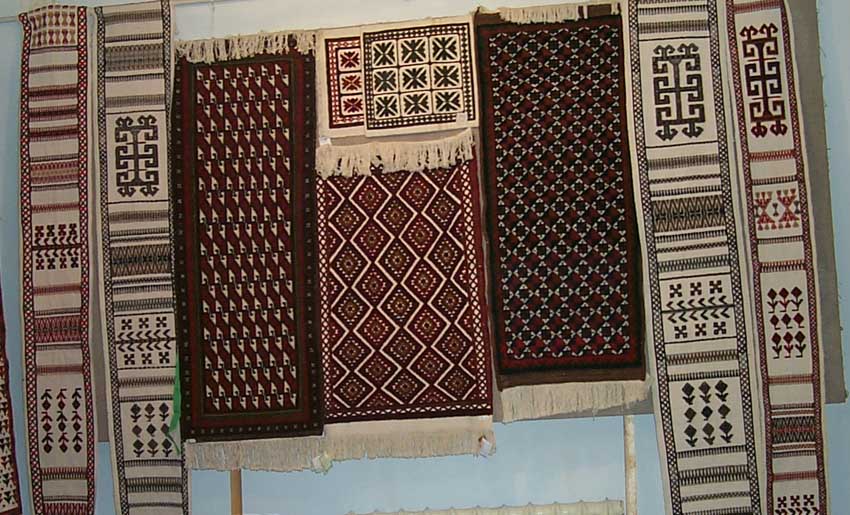 Photo: personal archive of Marinika Babanazarova
Historically, it so happened that the collapse of the USSR, the ecological catastrophe of the Aral Sea, the demise of communist ideology and the entire socio-political system coincided with Nukus's emergence onto the international stage. These processes ran in parallel, complicating yet simultaneously liberating the museum's development. The contrasts and dialectically polar events worked in favour of the museum's image and the plot of its stirring narrative.
If one analyses the international media of that era, the same image emerges time and again: the depressive urban landscape of a small provincial town in which, as in Ali Baba's cave, untold treasures had come to rest.
Incidentally, that image was not coined by me but by the French ambassador to Uzbekistan, Jean-Claude Richard, who wrote a special report for Les Correspondances, the monthly publication of the French Ministry of Foreign Affairs, in 1997, ahead of the opening of our first exhibition in France under the patronage of Presidents Jacques Chirac and Islam Karimov.
These contrasting descriptions provoked the ire of officials, despite the era of glasnost and openness. Journalists who poured into formerly forbidden zones described what they saw: salt-encrusted fields and lands within the city itself, dead orchards and parks, saline groundwater seeping to the surface, dust storms, drought, anaemic people, high rates of illness. And, of course, what shocked them was finding themselves in the one place worthy of aesthetic attention: the Savitsky Museum.
As one of them, Stephen Kinzer, a New York Times correspondent, put it, his "jaw dropped" at the sight of world-class canvases! This contrast added spice to the drama of their accounts, and the device worked without fail. Perhaps nowhere else, in any other location or cultural centre, would the museum have made such a powerful and staggering impression.
By and large, most of the world's city-defining museums operated on a similar principle.
From Southwark to Bilbao
Tate Modern in London, now among the ten most visited art museums in the world, was opened in the building of the old Bankside Power Station in the once-depressed and crime-ridden district of Southwark on the south bank of the Thames. I was fortunate enough to be on an internship at the British Museum in February 2000. The curators of our course, British Petroleum, arranged for us to visit this fashionable new project as a living example of the conversion of former industrial enterprises and zones into museums and galleries.
This was the trend of the early 2000s, the Millennium era. I must say that the dark premises, corridors and even the streets surrounding the station made a gloomy impression on us. Associations with the novels of Charles Dickens, the stories of Jack the Ripper and the investigations of Sherlock Holmes stayed with me for a long time. And I had quite different sensations in 2012, when I visited Tate Modern for the exhibition of Edvard Munch with its concept of a contemporary view of his legacy.
The reconstruction and transformation of the area, with the new Millennium Bridge, turned the degenerate landscape of a once-lumpenised district into an attractive tourist zone. There is no need to speak of the successful exhibitions and popularity of this museum today, with its audiences and revenues in the millions. This world-famous landmark is described in every tourist and museum guidebook. One can only hope that the long-awaited project of the Centre for Contemporary Art, opening today in Tashkent in the building of the former tram depot, will be a success and become an important event in the cultural life of Uzbekistan and the international art community.
Centre for Contemporary Art Tashkent Announces Public Opening Programme for 6 SeptemberOn 6 September 2026, the Centre for Contemporary Art in Tashkent (CCA Tashkent) will officially open its doors to the public. To mark the launch of its inaugural exhibition, ‘Hikmah’, the Centre has unveiled a comprehensive public programme featuring curatorial tours, talks, film screenings, hands-on workshops, and live performances.mag.humodoc.com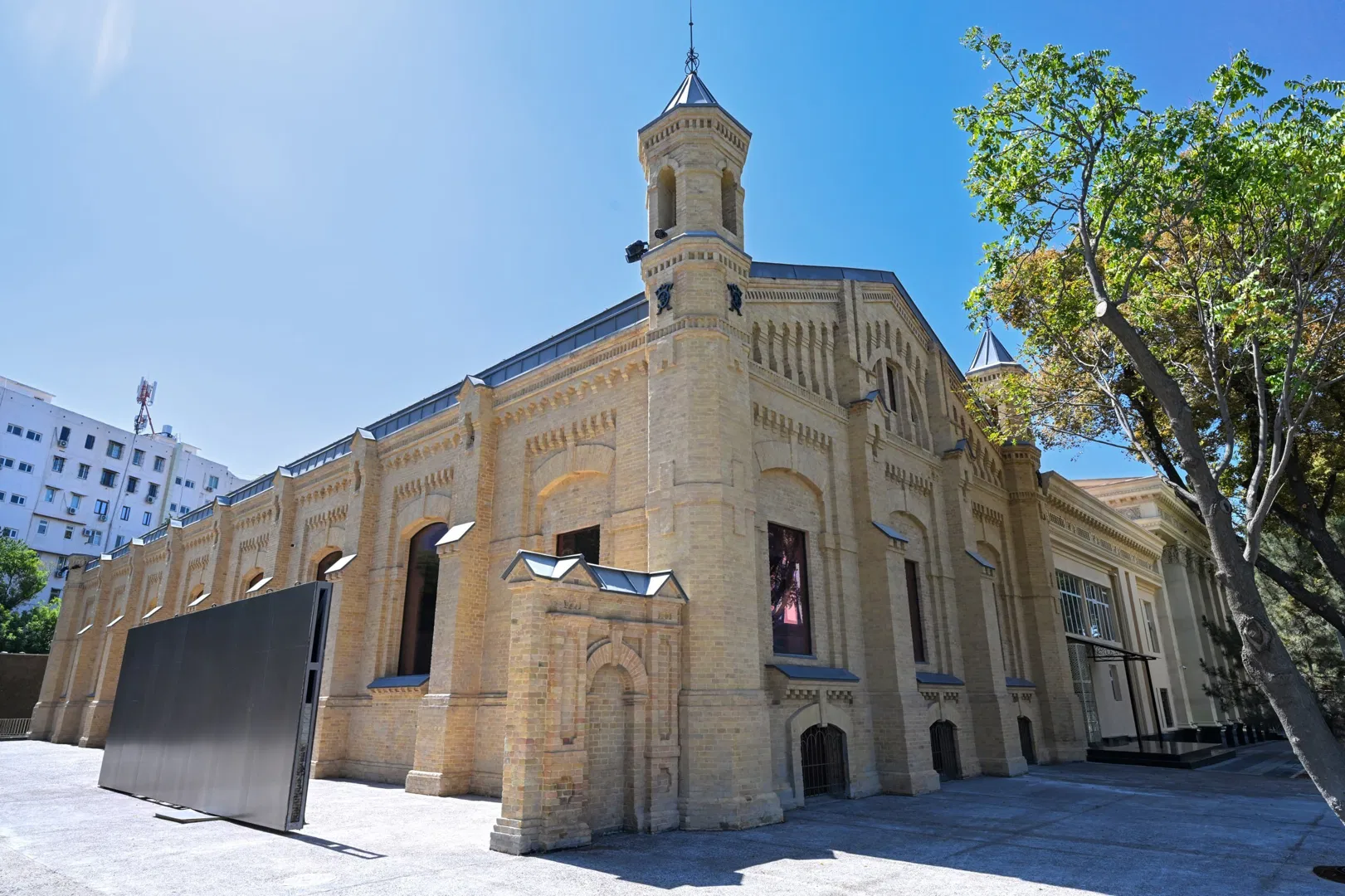
Another example, perhaps the most striking and textbook one, is the famous Guggenheim Museum in Bilbao, in the autonomous province of the Basque Country in Spain. The term "Bilbao effect" even emerged, defining a new trend in museology. It refers to the phenomenon of the economic, cultural and tourist revival of a depressed, dying port city and industrial centre thanks to the construction of a striking, iconic architectural object — the Guggenheim Museum building designed by the architect Frank Gehry.
This museum, which became a worldwide landmark, changed the city's image, became a centre of tourist attraction, and gave impetus to infrastructural transformations through the construction of hotels, restaurants and small businesses. The city's revenues and the well-being of its people grew accordingly, naturally reducing unemployment as well.
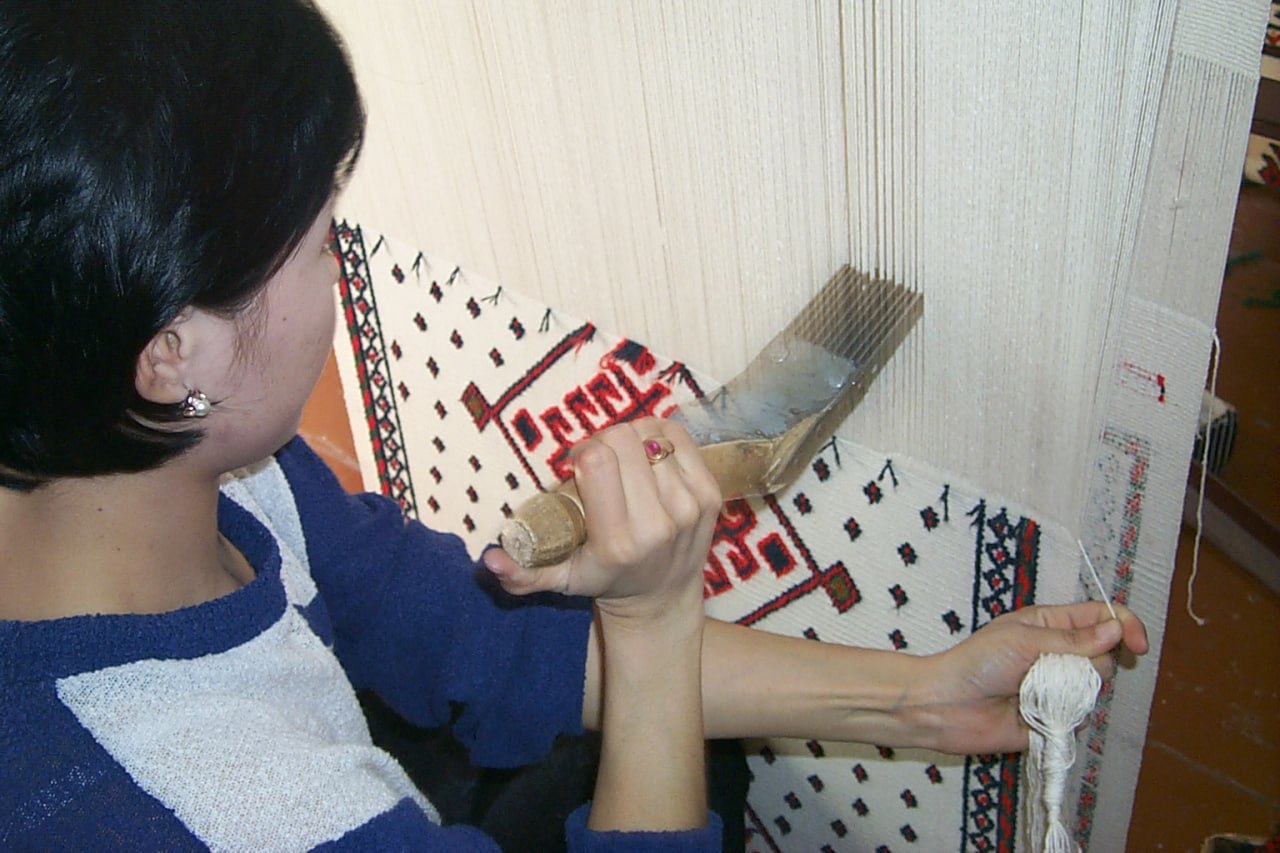 Photo: personal archive of Marinika Babanazarova
I would like to add a rather curious detail of this story, which I learned during that very internship in London when discussing the theme of the city-defining role of museums. For some reason, little is written about it, although there is a direct connection with the museum in Bilbao.
The history of this phenomenon began with a curious incident at London customs. Peggy Guggenheim, an eccentric representative of the famous clan, also known for her philanthropic activities and an interesting collection of contemporary artists, had a great love for dogs, with which she travelled everywhere and allowed them many liberties. According to the laws of the United Kingdom, where she had decided to donate part of her paintings, upon her arrival at the airport the customs behaved incorrectly, in the hostess's view, by not allowing her pets entry into the country due to the lack of the required sanitary certificates.
Outraged, Peggy Guggenheim annulled her decision to donate her works to a London gallery and chose Venice instead, from where, after her death, the Guggenheim Foundation transferred her collections to Spain, forming the core of the contemporary art museum being created in Bilbao.
A museum that became the heart of the city
In this same row one can unequivocally place the Savitsky Museum, which, thanks to its unique collection of world-class quality and significance, as well as its unconventional history and concept (which even renowned art historians and experts have yet to define), has become an attractive destination and a brand not only of Nukus but of cultural Uzbekistan as a whole. The hype in the world media and among the diplomatic corps of independent Uzbekistan in the 1990s prompted the authorities to build and officially recognise the museum as an important image resource not only of domestic but also of foreign policy.
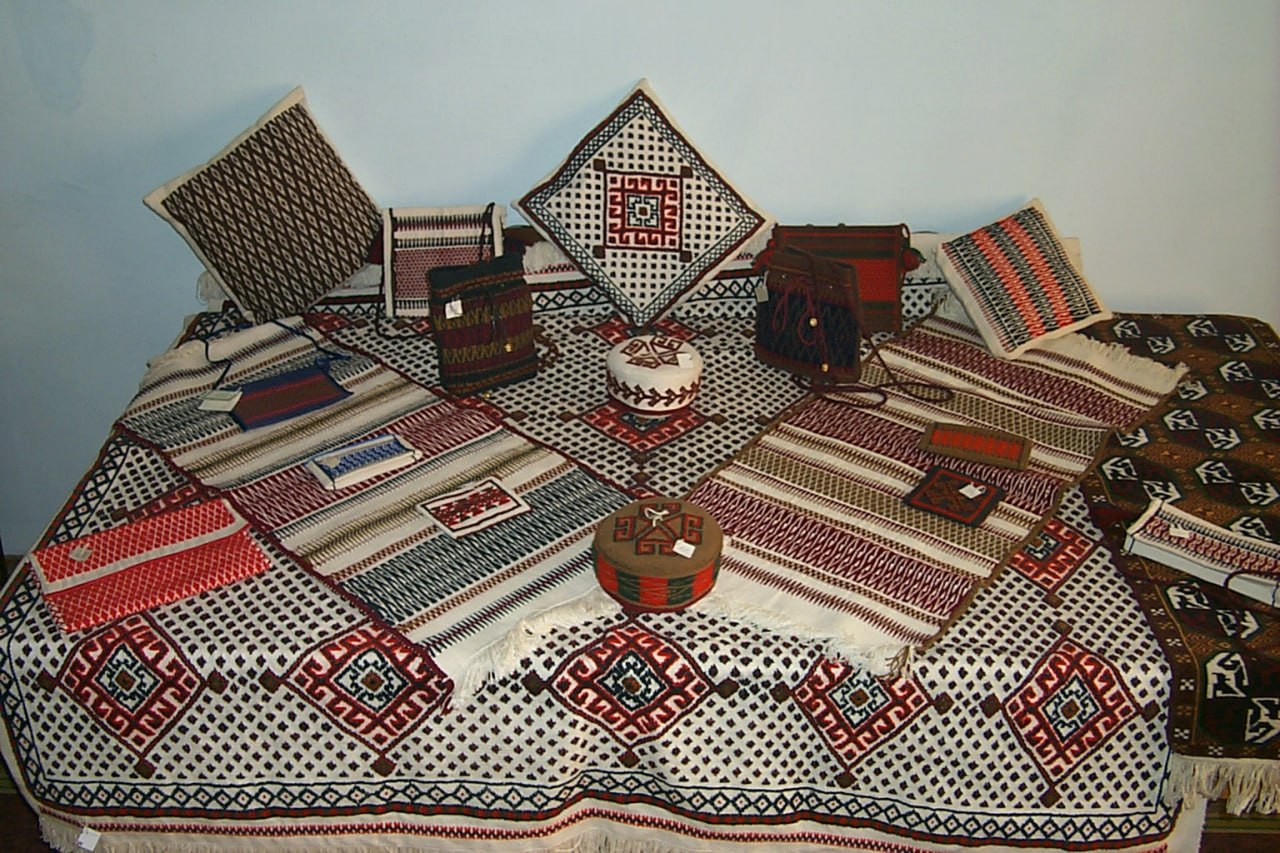 Photo: personal archive of Marinika Babanazarova
In parallel, the private sector also responded, realising not only the museum's cultural potential but also the economic benefits that had emerged for its own development. The market economy gave free rein to bold ideas. Although in those years in the Republic of Karakalpakstan the choice for business was quite meagre. The population was far from thinking that a museum could bring any benefit beyond the spiritual. Old people told us bluntly: "Muzey bizge nanba?", that is, the museum will not feed us (literally translated from Karakalpak, "Is the museum bread for us, or what?").
Around the museum, especially after the first building of the museum ensemble was commissioned in 2002, the government erected new multi-storey houses in place of the faceless private cottages. A beautiful square with fountains appeared, inhabited by local skateboarders and cyclists. Along the entire perimeter of the museum quarter, private hotels and restaurants, cafés and amusement rides, and concert venues opened up.
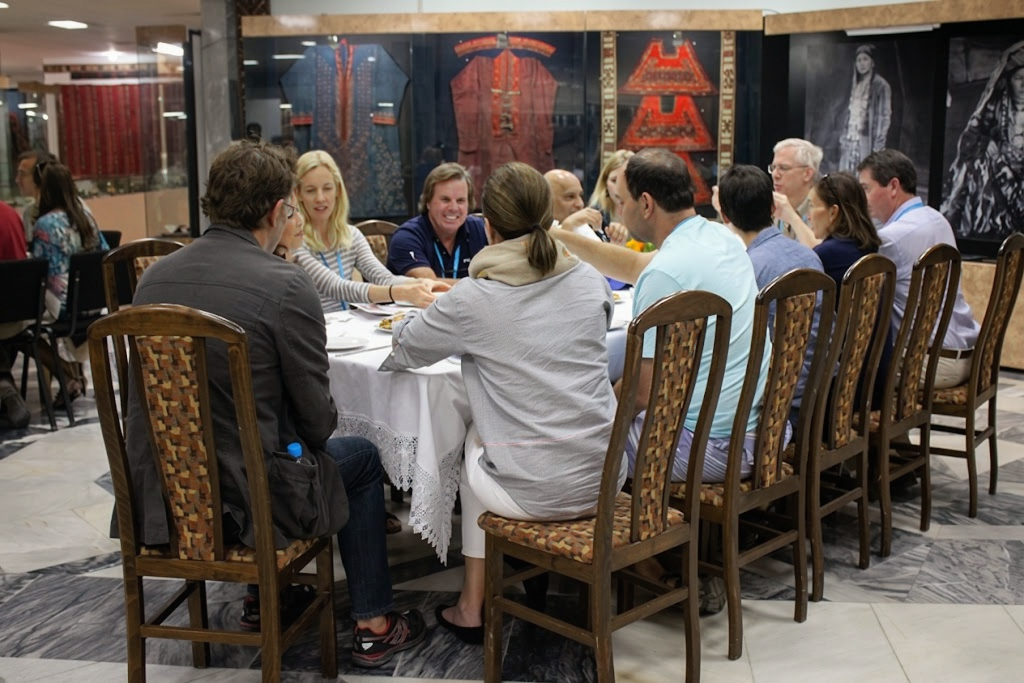
In the evenings, when the crowds of foreign tourists and schoolchildren arriving from every district of Karakalpakstan had thinned, residents of the neighbouring houses would come out to stroll, along with young couples, pensioners out for a walk, and joggers pursuing the running craze that had become popular during the Clinton years. Every international organisation and member of the diplomatic corps, with their staff and guests, and every official posted to Karakalpakstan, were obligatory visitors to the museum, which had switched to a non-stop service regime, open seven days a week.
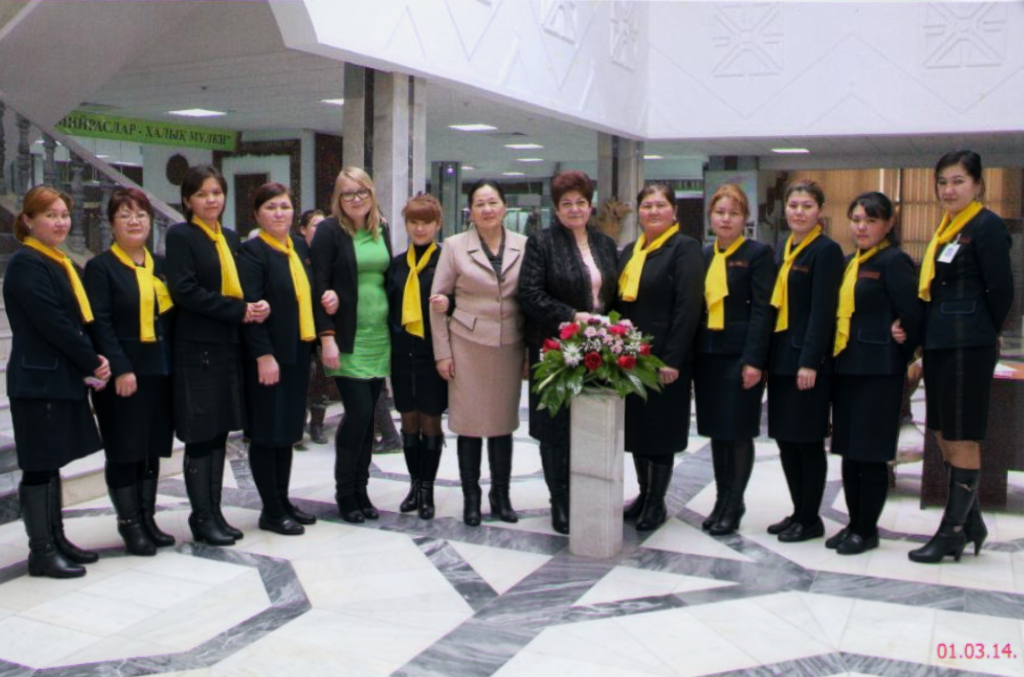
It became common practice to keep museum staff on late into the evening so that guests could drop by before their evening flight to see this much-discussed place. The museum became the heart of the city. The arriving buses and foreign cars with their unusual overseas passengers, along with convoys of camper vans and other exotic modes of transport parked around the museum, sparked the interest of local residents and entrepreneurs. Private taxi drivers, guides, interpreters, artisans and international organisations all began to develop a brisk trade in catering to these flows of visitors.
 Source: personal archive of Marinika Babanazarova
I remember how joyfully and respectfully I was received, like a benefactor and breadwinner, even in Khiva and Urgench, where I saw advertising for the Savitsky Museum and Muynak, to which they provided transport and guides. The museum fed not only its own residents but its neighbours as well.
In this process, the museum itself played a leading role through its innovative and creative approaches, combining the task of self-promotion with the generation of additional funding, which had been initiated by the authorities to compensate for the chronically insufficient budget resources. At the same time, the museum filled the gaps in servicing the ever-growing tourist flows.
The museum opened its own café and souvenir shop, and trained guides not only for its own tours but also for excursions further afield, to the monuments of Ancient Khorezm and to the former seaport of Muynak. The non-governmental organisation "Friends of the Nukus Museum", established under the museum's aegis and the first of its kind in Uzbekistan along the lines of a board of trustees, consisted almost entirely of members of the diplomatic corps and expatriates. It not only supported the museum's projects through membership fees and grants but also helped develop the tourism business around the museum.
To avoid speaking without evidence, let us list these specific establishments. The Hotel "Zhipek Zholy", which over twenty years grew into a chain of three branches, all around the museum; the Hotel "Massaget", which over the same period already has two buildings. The cafés "Cinnamon" and "Cake Boomer", the Turkish restaurant "Sofram", "Tiffany", "Neo", "Sheraton Club", "Karakalpagym", "Karavan" and many others. These are only those located along the perimeter of the museum complex.
As we can see, the museum shattered the pessimism of the local population and the conservatism of officials. The museum's projects for reviving national crafts not only enriched the collection with a yurt and its accoutrements; they provided income and knowledge to hundreds of artisans.
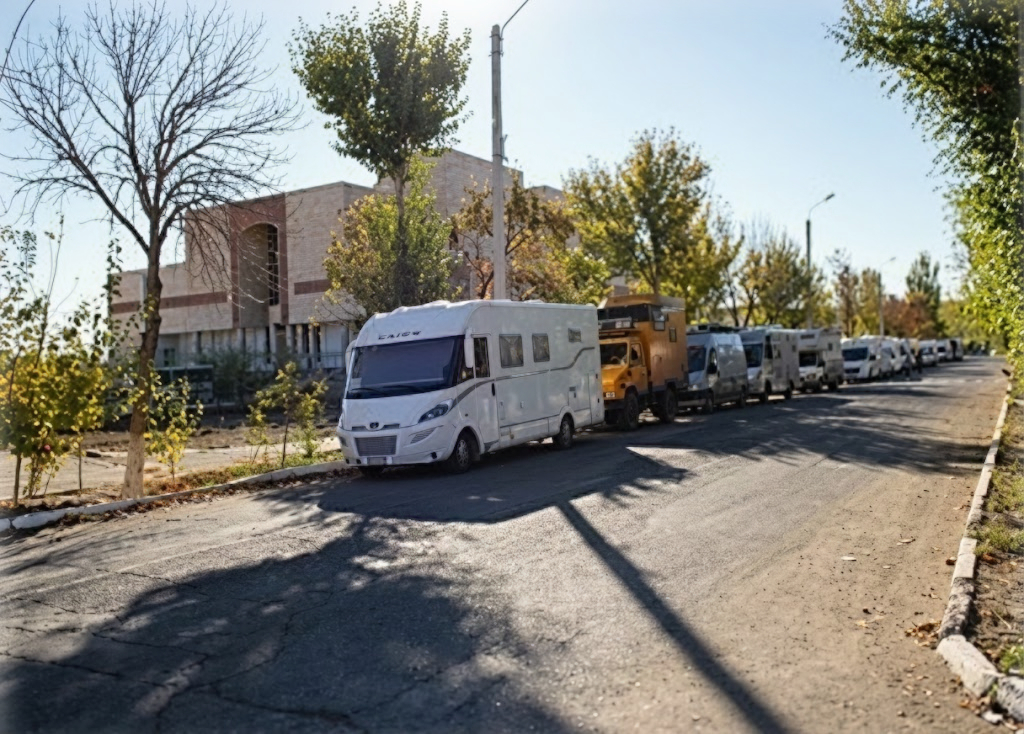 Source: personal archive of Marinika Babanazarova
Thanks to the museum, Nukus became the fourth most popular tourist destination after Bukhara, Samarkand and Khiva, and in the ranking of the most famous and visited museums it rose to first place.
The local population's perception of the museum changed, as they came to feel a sense of pride in such a unique attraction that made their hometown, their region and their entire country an important place on the world map. The museum's fame spread throughout Uzbekistan. Curiously, Samarkand, the country's main tourist capital, opened a new hotel, the Savitsky Plaza, in honour of the brilliant collector who brought world renown to Uzbekistan. Nukus attempted to follow suit by opening the Savitsky Inn. All these examples are vivid proof of the creative development of small business in the tourism sector.
Unrealised potential
It must be noted, however, that despite such rapid growth and the reform of every sphere of life, the museum — itself long ahead of its time — has not tapped even half of its potential. There are many reasons for this. A detailed enumeration of them is not the task of this analysis. Suffice it to say that the lack of qualified personnel and managers, the absence of training for them, of legal mechanisms and a clearly defined system of museum management based on self-financing, and the absence of a museum industry devoted to souvenirs and promotional merchandise, all lag behind the proclaimed reforms and challenges.
Resolving these issues would constitute an additional breakthrough not only in the development of this unique non-industrial, city-forming institution, but would also address the problems of employment, economic growth and the well-being of the region. It is essential to begin viewing the museum not merely as an export potential but also as a resource of domestic importance to the state.
Newsletter
A letter from the HD editors
Once a week, we send the best stories, events, and cultural discoveries from Central Asia.