From the history of the Igor Savitsky State Museum of Arts of the Republic of Karakalpakstan, on the occasion of the museum's anniversary and the birthday of its founder.
The history of the Igor Savitsky State Museum of Arts in Nukus is full of unexpected developments that emerged independently of the intentions of those who managed it. The museum's unconventional character, together with the remarkable personality of its founder, gave rise to countless myths and comparisons with world-famous landmarks and sacred places, including Mecca, as visitors searched for ways to convey the emotions the museum inspired.
The museum's best-known work, Bull (1929) by the little-known Tashkent artist Vasily Lysenko, became its unofficial icon through overwhelming public affection and international media attention, despite the fact that almost nothing is known about either the painting or its creator.
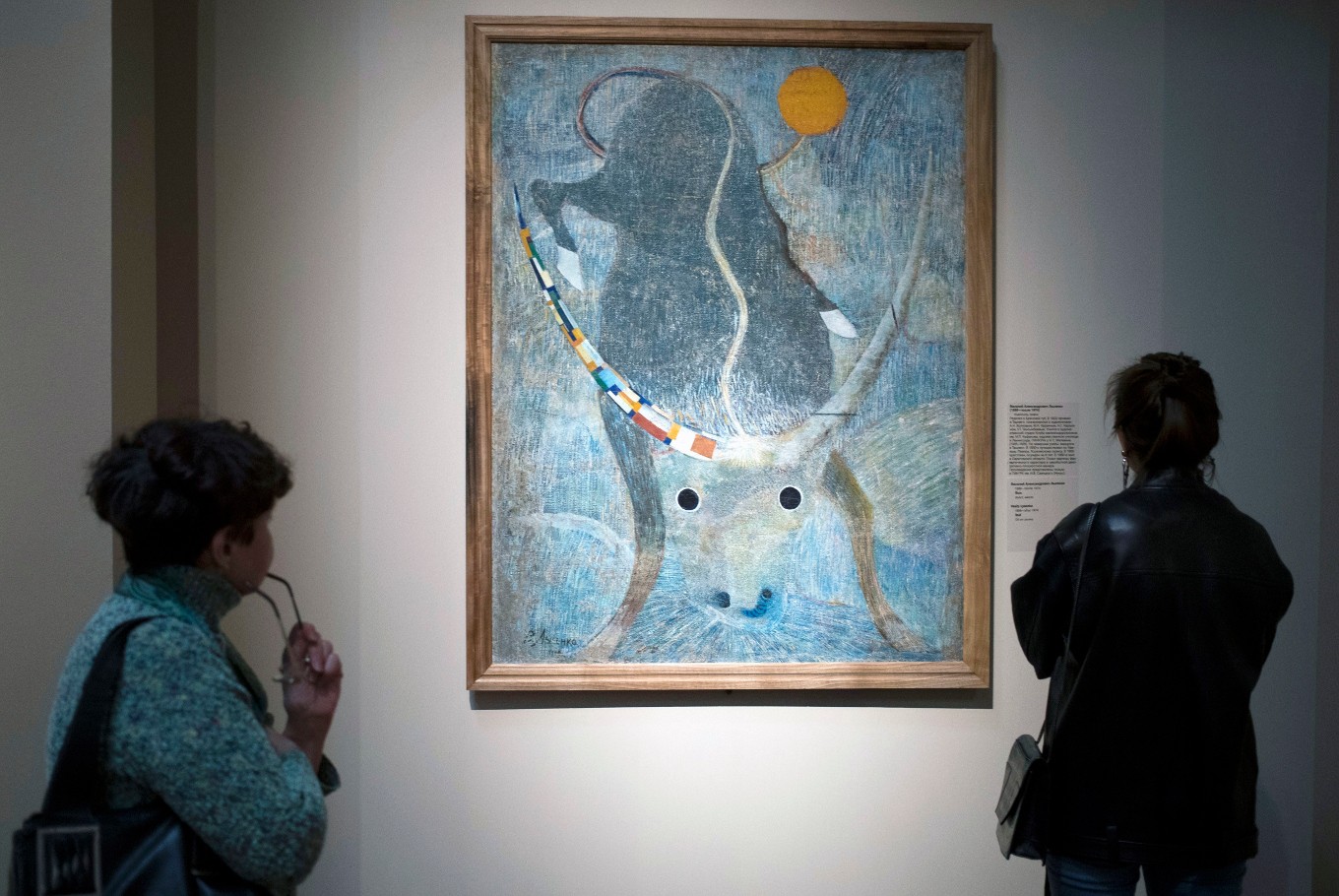 Photo: Pavel Golovkin
Another persistent belief is that Savitsky created the museum virtually single-handedly and financed it entirely from his own resources.
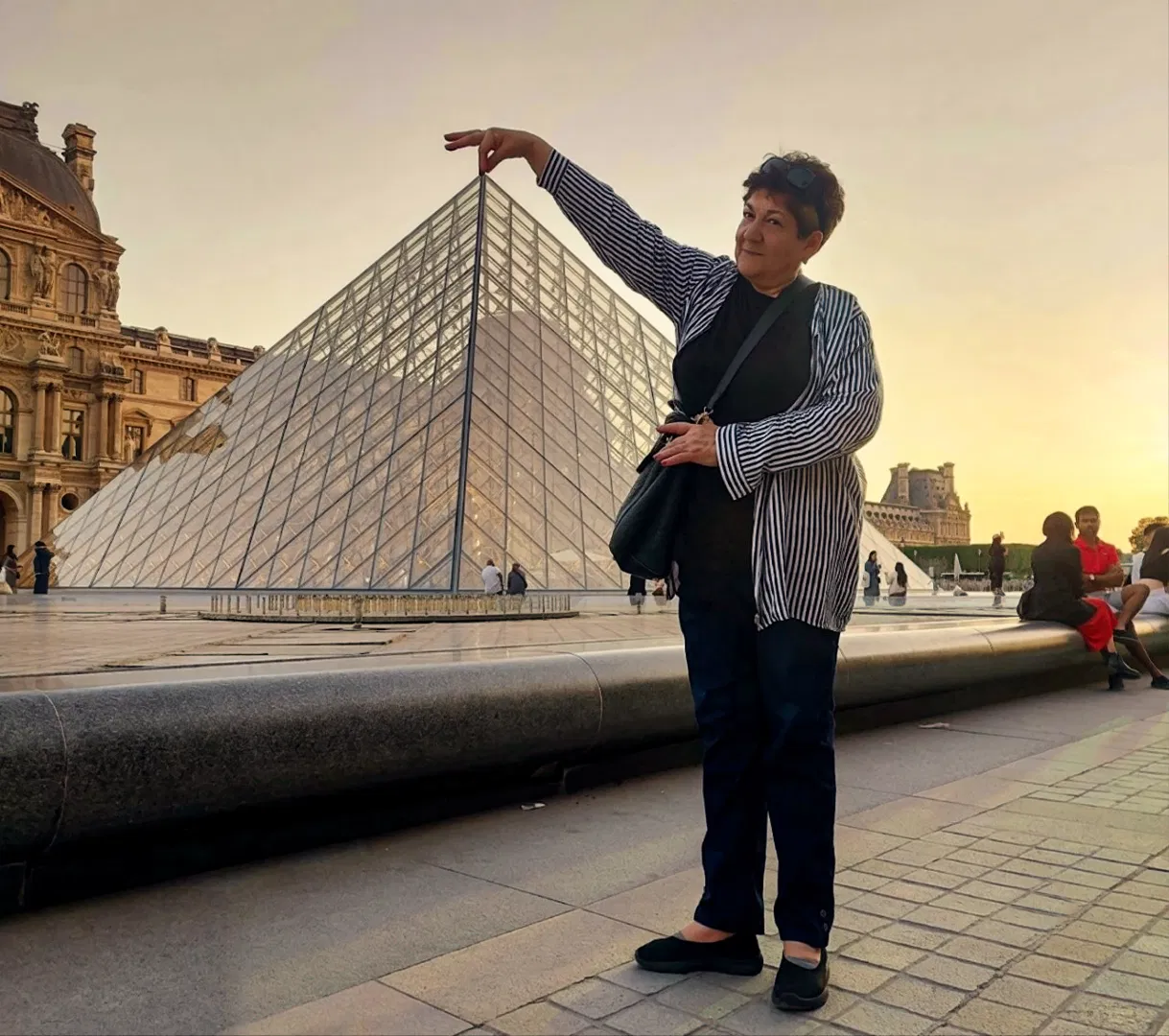
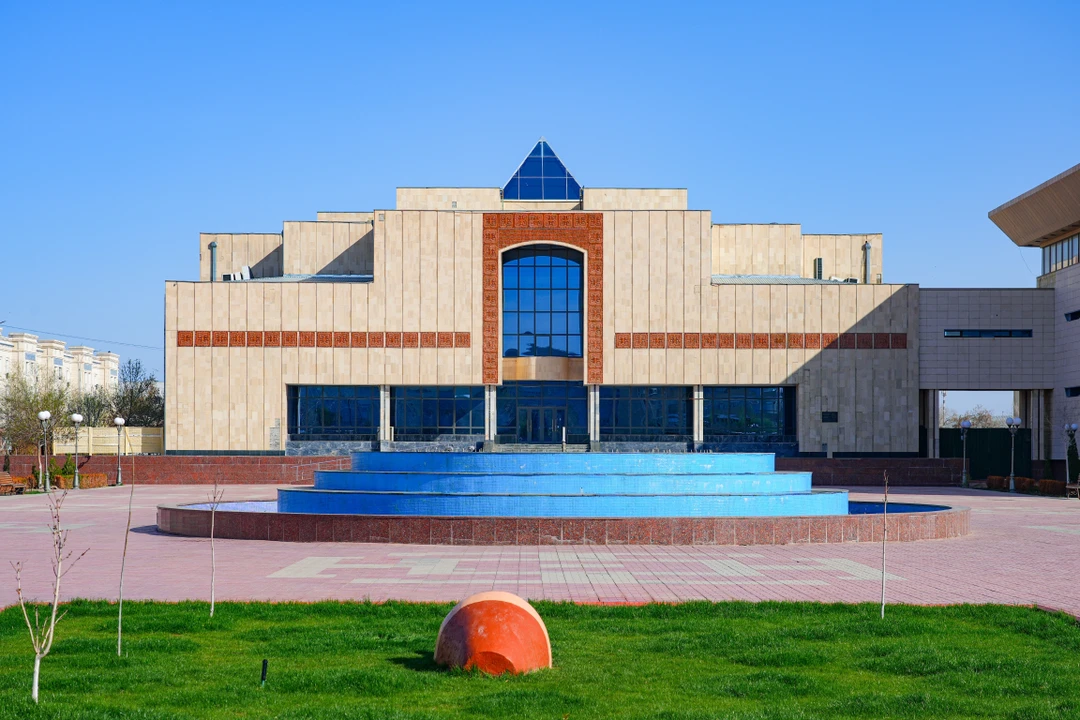
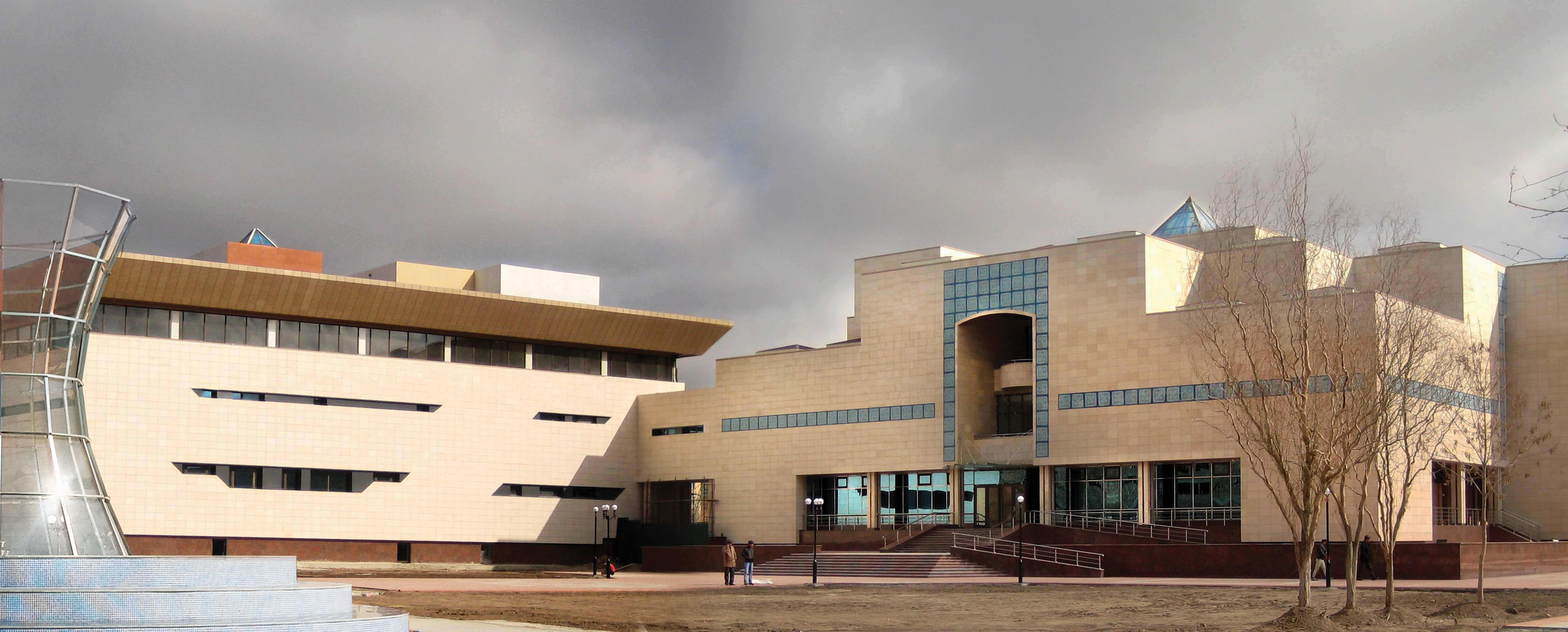
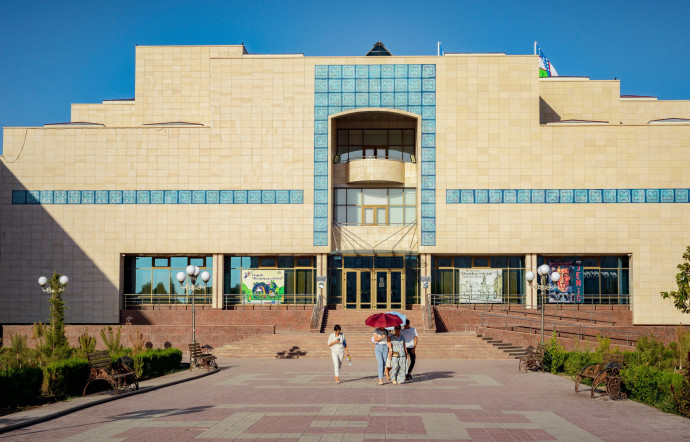
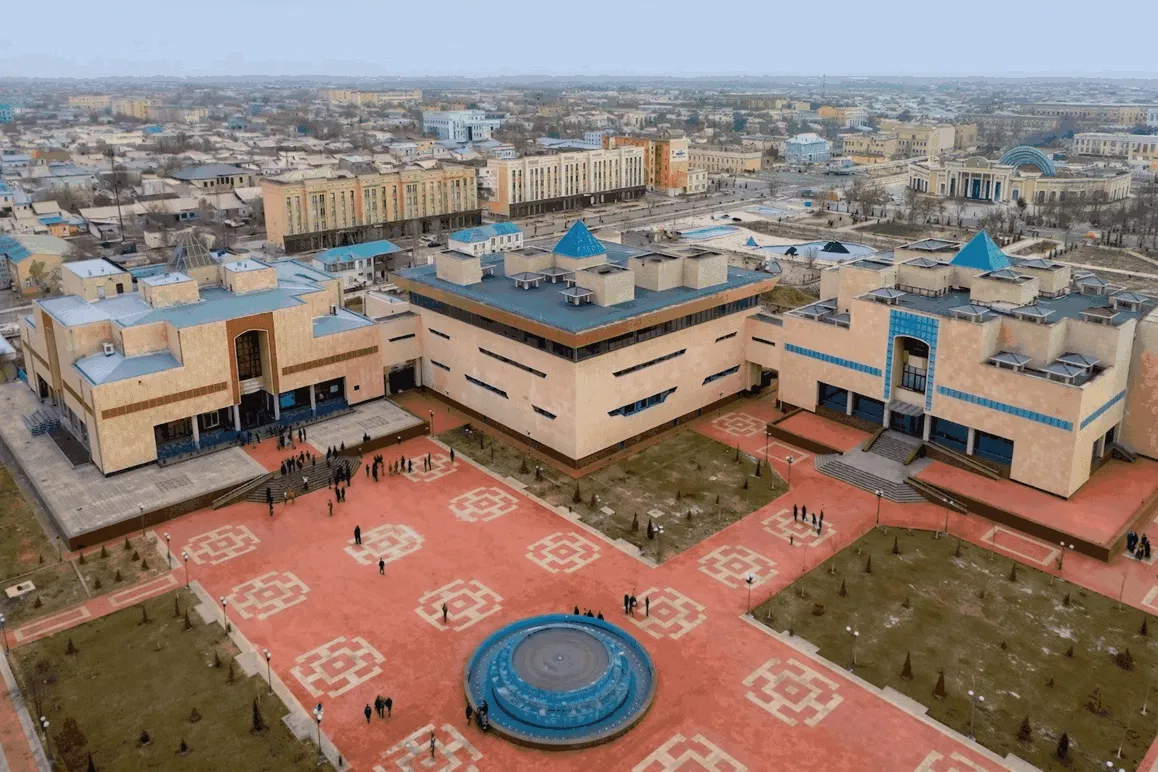
The museum also acquired the metaphorical name "the Louvre in the Desert", sometimes rendered as "the Louvre in the Sands" or "the Louvre of the Steppe". Interestingly, this name only came into use in the early 2000s, following the opening of the museum's new building in 2002. Crowned by a glass pyramid, the building naturally invited comparisons with I. M. Pei's iconic Louvre Pyramid in Paris. In Nukus, however, Tashkent architects conceived the pyramid not as a ceremonial entrance but as a vast skylight, bringing natural daylight into the museum's exhibition galleries.
Let us take a closer look at this enduring metaphor and explore how this now familiar comparison came into being.
Why the Louvre?
In fairness, the museum's leadership was often criticised for what some regarded as an overly ambitious comparison with one of the world's greatest museums, many assuming that we ourselves had coined the phrase. During the museum's rise to international prominence in the 1990s and early 2000s, commentators and researchers writing about the Savitsky phenomenon often viewed the comparison with ironic scepticism, seeing it as a sign of the museum's lack of modesty. Some of those critics, incidentally, had never even visited the museum.
The scepticism even reached the point where local officials responsible for preparing presentation albums for exhibitions held as part of official intergovernmental events asked us to produce documentary evidence that such lofty comparisons had genuinely been used in the international media rather than invented by the museum itself.
In response, we compiled an archive of international media coverage referring to the museum as the "Louvre in the Desert". Notably, many of these articles were written by French journalists, including Brigitte Brefort, Luc Debenay, Patrick de Saint-Exupéry, the great-nephew of Antoine de Saint-Exupéry, the celebrated aviator and author of The Little Prince, Philippe Trétiack, Véronique Schiltz, and many others.
The comparison was soon taken up by journalists both abroad and at home. One particularly memorable example appeared in The New York Times, which included Nukus in its 1998 list of the world's most extraordinary travel destinations, describing it as "a one-must-see-before-I-die destination", an unmistakable echo of the famous saying "See Paris and die". And all this was written about the Savitsky Museum in Nukus.
So why has the Savitsky Museum come to be known as the Louvre in the Desert? What lies behind this name beyond its striking comparison?
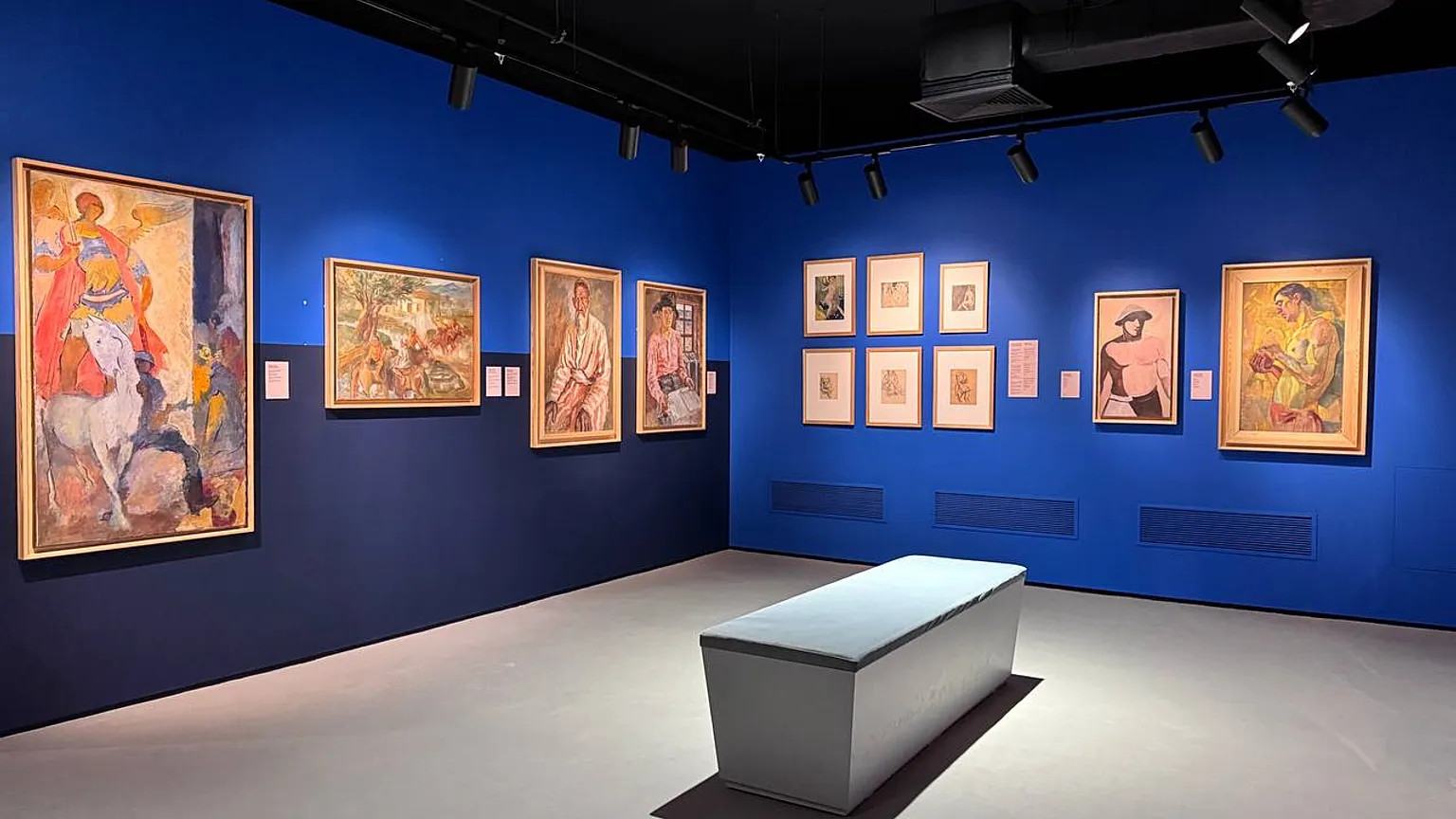
Having been closely involved in promoting the museum, and having witnessed, or rather helped shape, its rise to international prominence, I can say that most people use the phrase the Louvre in the Desert almost instinctively, simply as a convenient way of comparing two remarkable museums. Above all, the comparison rests on the extraordinary breadth and significance of their collections, both of which span several millennia of human civilisation.
That may surprise readers who know the Savitsky Museum only as the home of the world's second most important collection of Russian and Soviet avant-garde art. Unfortunately, the museum's departments devoted to the ancient, folk, decorative and applied, and fine arts of the Aral Sea region have remained closed for more than eight years. As a result, many visitors leave with the impression that the museum is defined solely by the displays of modern painting and graphic art from the 1920s and 1930s housed in the exhibition building, one of the three buildings that make up the museum complex. Tourists leave delighted, yet without ever fully understanding the phenomenon of the Savitsky Museum.
For a wider audience, the comparison with the Louvre is immediately understandable because of the popularity and allure of this remarkable tourist attraction, set at the meeting point of three deserts: the Karakum, the Kyzylkum and the Aralkum. Paradoxically, its location, closely associated with the shrinking Aral Sea, lends an added sense of adventure to those in search of extraordinary experiences. It is difficult not to agree, despite the Nukus Museum's relatively short history. This year it celebrates its sixtieth anniversary, while its presence on the international cultural and tourism scene dates back only three decades.
This view is shared by Brigitte Brefort, one of the journalists credited with popularising the expression. In her opinion, the sense of wonder inspired by the museum's richness, scale and grandeur is only heightened by its unexpected location. That, she argues, is precisely what gives rise to such elevated comparisons. It is a sentiment shared by almost everyone who has visited Karakalpakstan.
Yet the connection between Nukus, Paris and France extends far beyond metaphor. It is both real and tangible, readily apparent to anyone who looks beyond first impressions and seeks a deeper understanding of the Savitsky Museum phenomenon.
 Source: Novotour.uz
The French Connection
The atmosphere of early twentieth-century Paris permeates the museum's collection. It is reflected in thousands of paintings, drawings, sculptures and works of decorative art by artists whose lives and careers were shaped, to varying degrees, by the French capital. Many travelled to Europe, studied and exhibited in Paris, immersing themselves in one of the world's leading artistic centres and coming under its direct influence, particularly that of the many currents of Impressionism, Post-Impressionism, and the many strands of Modernism that flourished there.
To illustrate the point, it is enough to mention just a few names: Kliment Redko; Robert and Valery Falk; Lyubov Popova; Alexander Shevchenko; Pavel Benkov; Vasily Shukhaev; Alexander Yakovlev; Vera Pestel; Pavel Surikov; David Shterenberg; Vladimir Komarovsky; Maximilian Voloshin; the artists of the Group of 13, all followers of the celebrated School of Paris; Valery Volkov; Anatoly Slepyshev; and many others. Even those who never visited Paris were captivated by its art, among them Ural Tansykbayev, Mikhail Sokolov, Antonina Sofronova, the sisters Nina and Nadezhda Kashina, Igor Savitsky himself, and many others.
For that reason, calling the Savitsky Museum "a little Paris" is far from an exaggeration. The philosopher, writer and collector Yuri Vladimirovich Linnik described it in exactly those terms on many occasions: at the opening of our exhibition in Petrozavodsk in 1989, during a Karelian Television programme devoted to the exhibition, and later in lectures delivered in both Petrozavodsk and Nukus. Linnik owned the second most important collection of works by the Russian Cosmist artists, exceeded only by the Nukus collection. He hoped to bequeath it to the Savitsky Museum so that the works of the avant-garde group Amaravella could one day be reunited in a single collection.
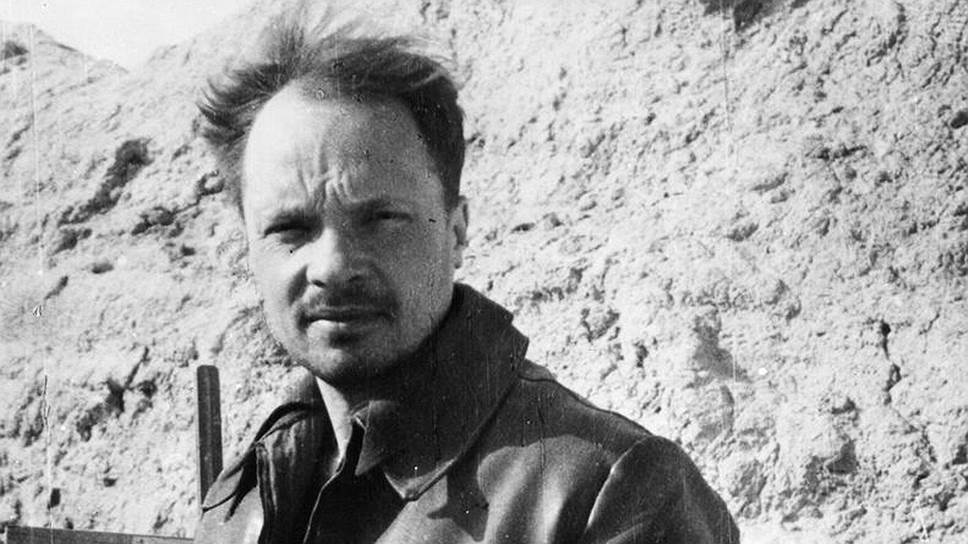
Shortly before his death in 1984, Igor Savitsky often spoke of a dream: that one day people would travel from Paris to Nukus to visit the museum. For him, this would represent the highest possible recognition of an artistic legacy that had once been rejected, and the conviction that justice would ultimately be done both to the artists who created it and to those who devoted their lives to preserving it.
Savitsky's affinity with France had another, deeply personal source. It reflected both the spirit of the era in which he was raised and the education he received.
A Brief Prehistory
As a child, Igor Savitsky had a French governess. He spoke fluent French, the language of the world's artistic capital. I still remember seeing him in our home reading Alexandre Dumas in the original, something exceptionally rare in the Soviet Union at the time. Later, when I was studying French at university, he helped me with the language. My father, a close friend of Savitsky and his supervisor before the museum was founded, often recalled how, in 1961, Igor gave guided tours in French through an exhibition of Karakalpak folk and decorative arts for foreign delegates attending a congress at Moscow State University.
Savitsky's parents travelled widely in Europe and brought him up with a deep appreciation not only of French art, but of world culture as a whole. Their home housed a substantial art collection, while his grandmother, who had settled in Nice, encouraged his artistic talent from afar by sending him drawing materials and offering guidance in the visual arts. What struck me most, especially during the Soviet years, was how unmistakably French Igor Vitalyevich seemed. It gave him a quiet elegance and refinement that set him apart. Speaking of the work of the Moscow underground artist Konstantin Suryaev, Savitsky once remarked, "I've never been to Paris, but I think the French would appreciate this."
Even in everyday life, small flashes of nostalgia would occasionally surface. Whenever I treated him to homemade éclairs, he would fondly recall the petits fours of his childhood.
The same spirit shaped the museum itself. Savitsky approached collecting and exhibition-making with remarkable freedom, refined taste and an unwavering willingness to take artistic risks. These principles placed the museum alongside many of the world's leading art collections, not only those in France. He even discerned Impressionist qualities in traditional Karakalpak textiles, an idea he explored in his own writings on Karakalpak embroidery. His close friend and colleague, the writer Militsa Zemskaya, captured this way of thinking in her 1963 novel Time in the Sands, which recounts a revealing episode.
When Savitsky decided to leave Moscow for what many regarded as a remote provincial outpost after accepting a position at the Academy of Sciences in Karakalpakstan, his friends tried to dissuade him. One of their strongest arguments was that there were no museums there, no Matisse, none of the masterpieces of world art. Savitsky's reply became legendary:"Matisse? I already have Matisse in the patterns of Karakalpak carpets and embroidery."
Igor Savitsky's Dream Fulfilled
Few acquisitions better symbolise the museum's connection with France than its collection of plaster casts produced in the workshops of the Louvre. Once owned by the distinguished French artist Fernand Léger, the collection represented masterpieces from many periods and civilisations. In 1975, Léger's widow, Nadia Léger, donated part of the family collection to the Soviet Union. Keen to support the young museum and its visionary director, the USSR Ministry of Culture invited Savitsky to select works for Nukus. He chose seventy-nine casts of exceptional quality, each bearing the official mark of the Louvre workshops. In this way, a small corner of the Louvre found its home in the heart of the Central Asian deserts.
That is perhaps the most fitting epilogue to this story.
Savitsky's dream of welcoming visitors from Paris eventually came true. For many years, French visitors formed the largest group of the museum's international audience. One of the museum's first major exhibitions abroad opened in France in 1998 under the joint patronage of the Presidents of France and Uzbekistan. Accompanied by a catalogue of the same name, it was entitled Les Survivantes des Sables Rouges ("The Survivors of the Kyzylkum", literally "The Survivors of the Red Sands").
Leading French conservators from Chevalier Conservation helped save the museum's Karakalpak textile collection from insect damage while training our staff in modern conservation and collections care. I was fortunate to spend a month on professional placement at the Louvre, to collaborate on a number of projects with French partners and, in 2013, to be awarded France's Order of Arts and Letters in recognition of my contribution to educating French audiences. In 2019, together with the celebrated French actor Gérard Depardieu, we filmed a segment on the Nukus Museum for his documentary My Uzbek Dream. In 2022, the museum presented works from its collection at the Institut du Monde Arabe in Paris, and in the near future it will stage a dedicated exhibition at Paris's largest museum.
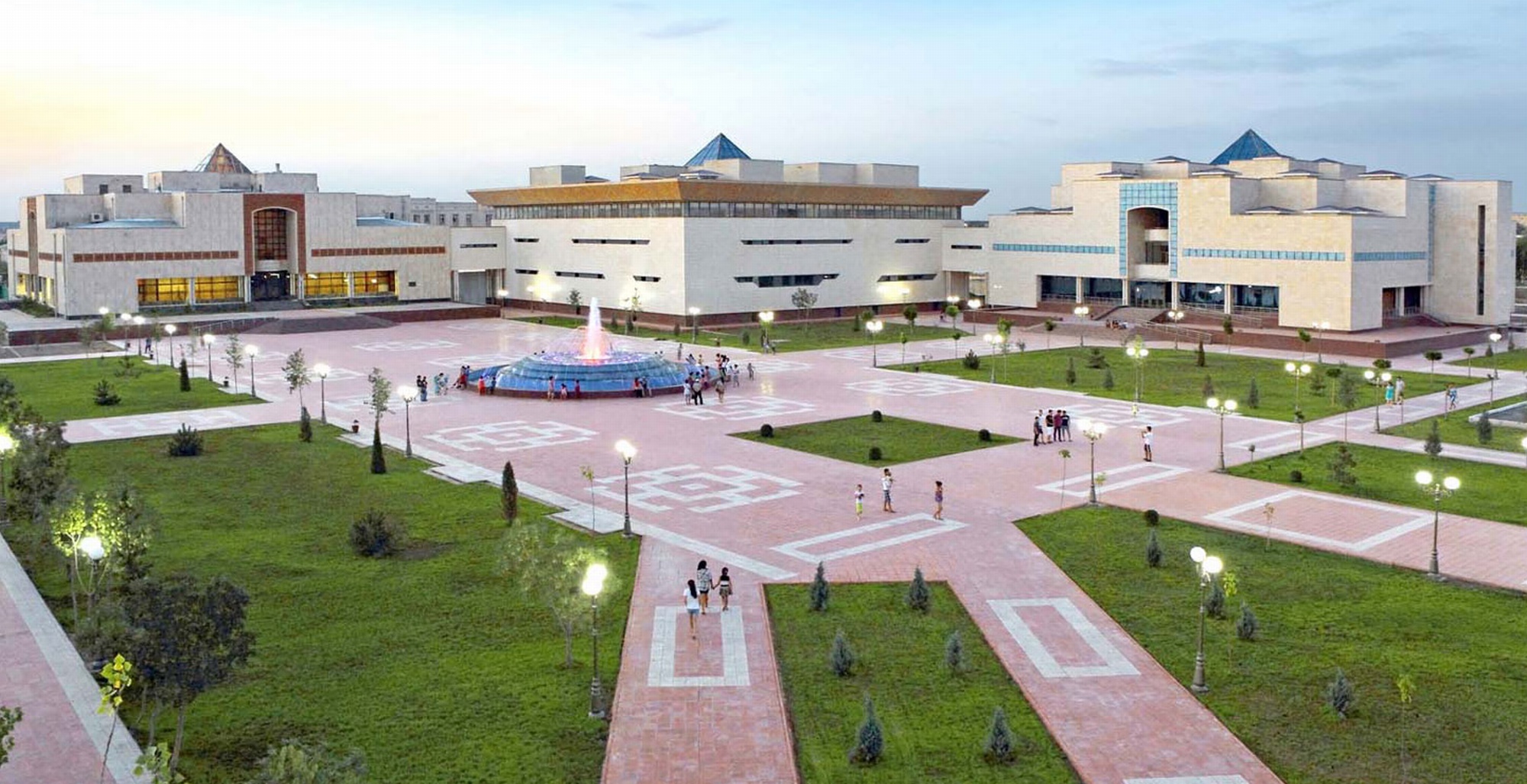
These episodes from the museum's history, I believe, are enough to justify the comparison so often drawn with the "Louvre in the Desert." It bears no resemblance, however, to the Louvre Abu Dhabi.
Patrons of a patron: who helped Igor Savitsky create the “Louvre in the desert”Igor Savitsky is firmly associated with the Nukus treasury of avant-garde art, but even he could not have created the “Louvre in the Desert” alone. On the 110th birthday of the legendary devotee, we tell the story of those who defended him in the corridors of power, helped organize the first exhibitions, and issued (bureaucratically questionable) orders to allocate millions from the republican budget.mag.humodoc.com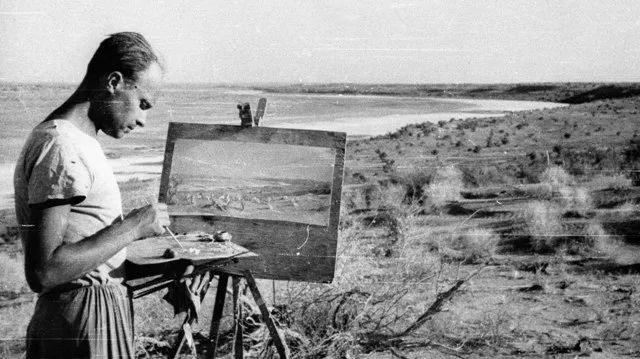
Newsletter
A letter from the HD editors
Once a week, we send the best stories, events, and cultural discoveries from Central Asia.