Zhetysu, the modern south-eastern part of Kazakhstan centred on Almaty Region, was the true spiritual, political and ideological heartland of the Turkic peoples. Today, Almaty is reclaiming that role in a new, urban form, argues Turkologist Yerlan Yespenbetov.
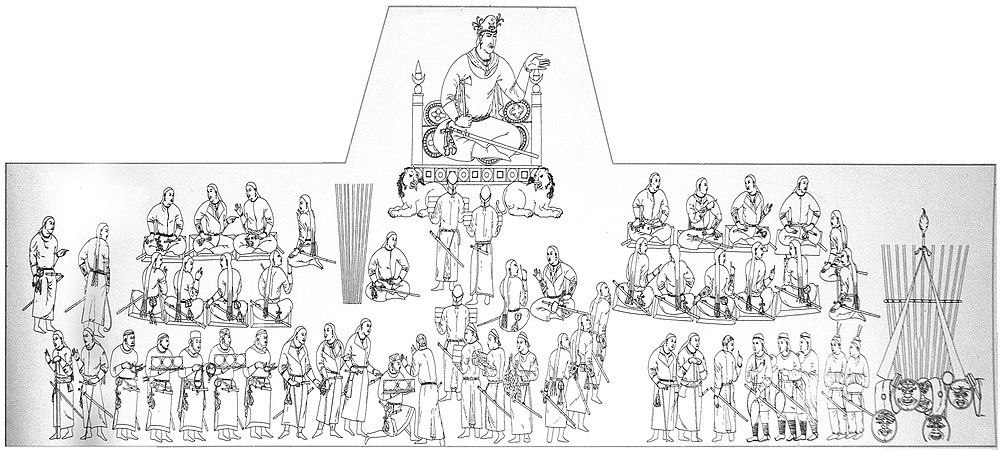
The origins of Turkic statehood are traditionally associated with the Altai or Mongolia. Yet research by Turkologist Yerlan Yespenbetov and his colleagues points to a different historical narrative: most of the key events, major kurultais, decisive battles, capitals and communication centres were concentrated in Zhetysu and neighbouring regions, including Mawarannahr and East Turkestan. The Great Silk Road passed through these territories, which were home to the ancient cities of Suyab, Balasagun, Talhiz, Koyalyk, Talas, Ili-Balyk, Sayram, Kastek and Almalyk, as well as some of the largest groups of burial mounds in Eurasia.
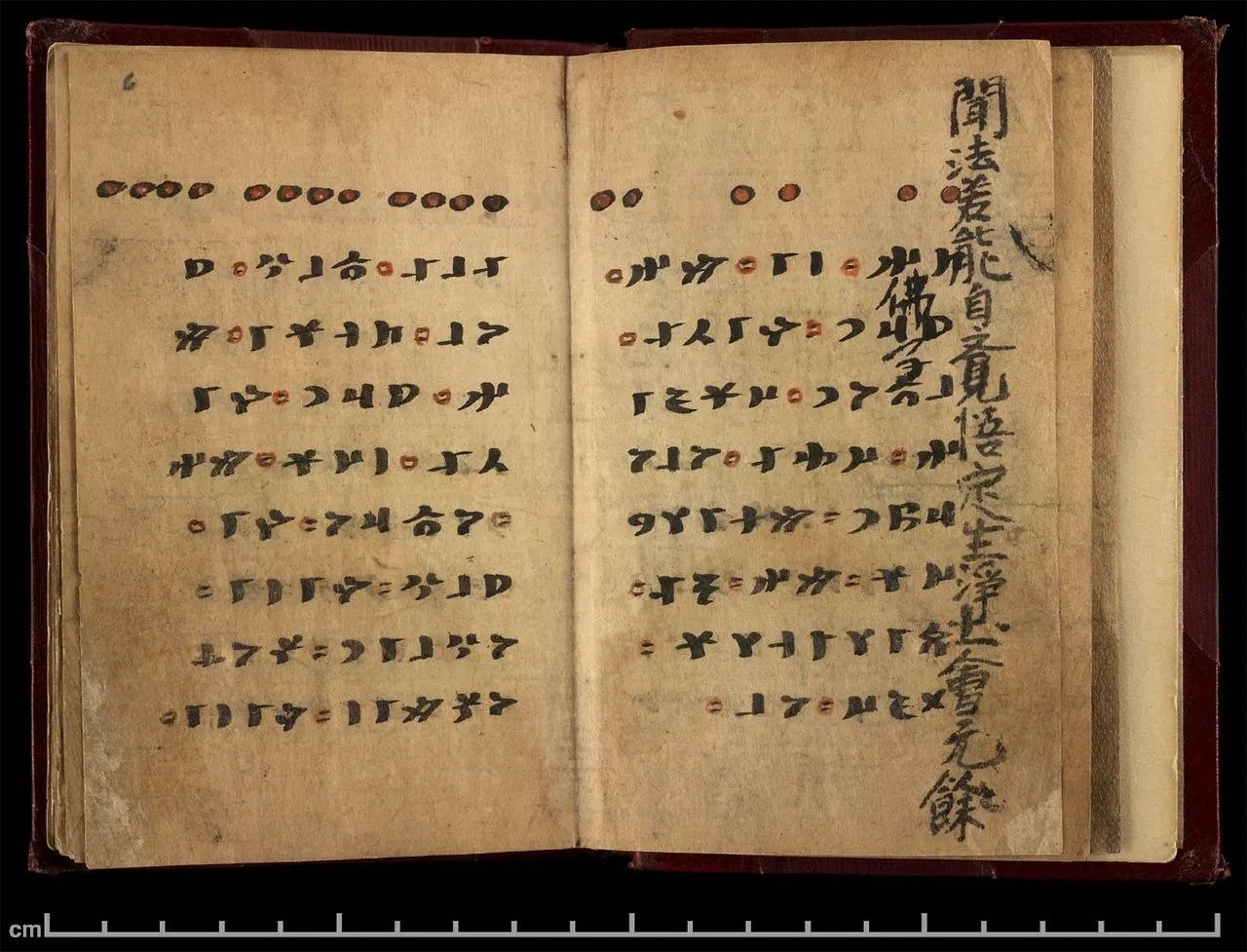
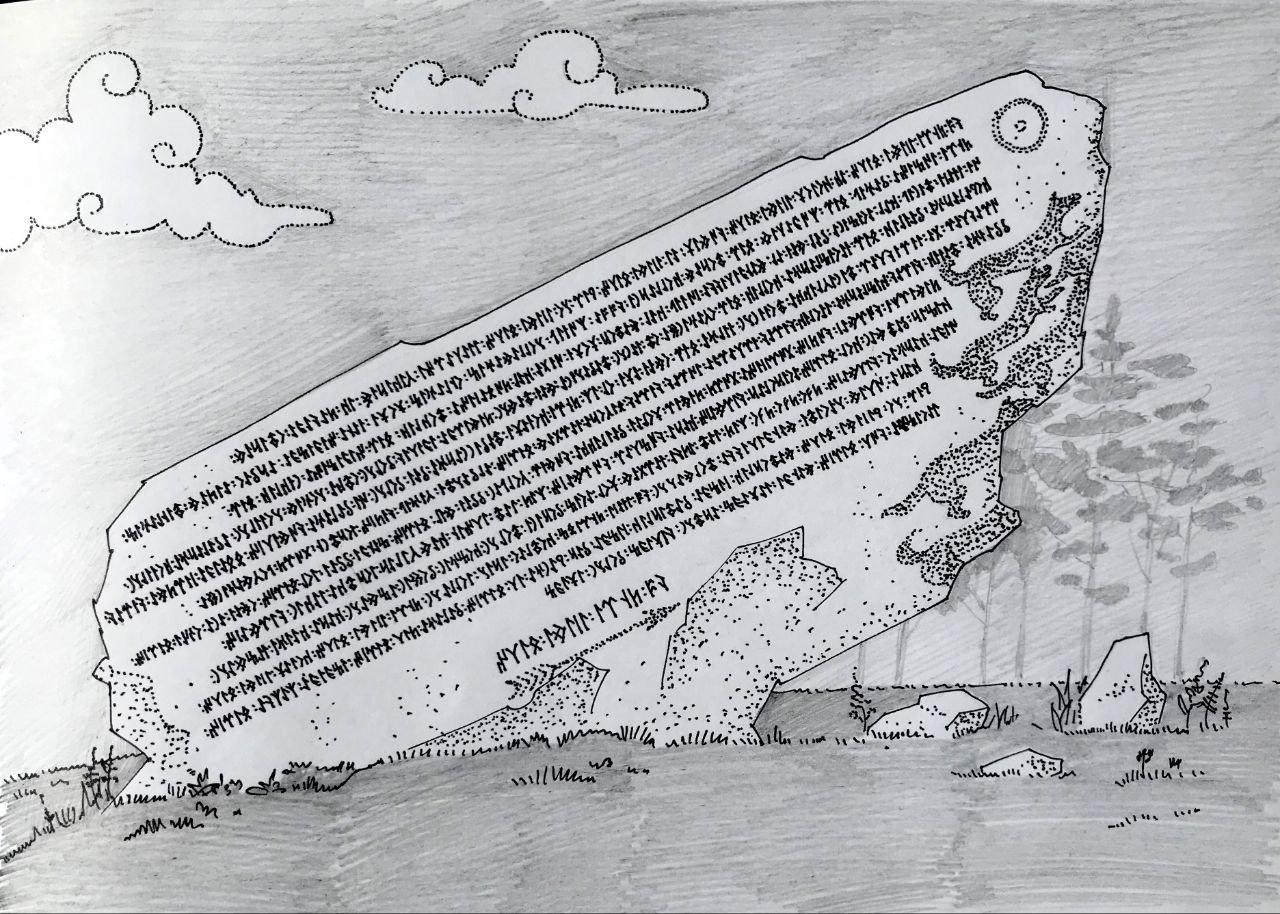
According to the most compelling hypothesis put forward by the researchers, the Turkic script may also have originated here. A gold bowl dating from the 5th century BC and bearing runic symbols was discovered in the Issyk (also spelled Yesik and Esik) area. Sacred sites scattered across these lands played a particularly important role in the spiritual life of the nomadic peoples of Central Asia: Tengri-Tag, or the Tian Shan; Uysun-Alatau, or the Trans-Ili Alatau; Tamgaly Tas; and Altyn-Emel. The Ili River, the region’s most important artery, was named after Ili-Kagan, the founder of the Turkic Khaganate, also known as Bumin. In Tengrian culture, the river itself is regarded as a spiritual and sacred centre.
The smaller rivers flowing into the Ili were named after Ili-Kagan’s sons, Kegen and Issyk. For more than 2,000 years, the area was inhabited by various Wusun tribes, many of whose descendants later became members of modern Kazakh clans and tribal groups, including Sary-Uisun, Shapyrashty, Ysty, Oshakty, Alban, Suan, Dulat, Zhalaiyr and Katagan.
According to historical traditions, the legendary ancestor of many of these tribes was Mayky Bi Uisun of the Baryn clan, the supreme high priest of the Mongol Empire and the eldest member of the Borjigin lineage, the closest relatives of Genghis Khan. In Rashid al-Din’s Compendium of Chronicles and The Secret History of the Mongols, he is mentioned as the Elder Khorchi Usun and bore the titles Baga (Mayky) and Abak-Uisun, literally “Forefather of the Steppe Law”. Genghis Khan himself is said to have regarded him as his ongon or aruakh, a revered ancestral spirit.
Modern genetic research does indeed confirm genetic links through the male line between Genghisids, Timurids and Kazakhs belonging to clans of the Senior, Middle and Junior Zhuzes, including Abak-Kerei, Tarakty and Tobykty in the Middle Zhuz, and Tabyn, Ramadan and many others in the Junior Zhuz. Until the 20th century, the southern dialect of Kazakh retained phonetic features of Old Turkic and Chagatai. These included the use of the letter ch instead of sh, as in Charyn, Chimbulak, Kapchagay, Chu, Chimkent, Chingeldy and Chilik, and the -ly suffix instead of -ty, as in Chapyrashly and Ochakly. It also retained distinctive forms of yodisation, such as Bu yaq in the southern dialect, instead of the literary Kazakh Bul zhak.
— Yerlan, what role does Almaty play in the Zhetysu region?
— Almaty is a city that has long been regarded as a cosy, green capital for the Soviet intelligentsia, a centre of culture and creativity, and a place associated with freedom. Yet beneath its mild climate and familiar mountain skyline lies a much deeper layer of history.
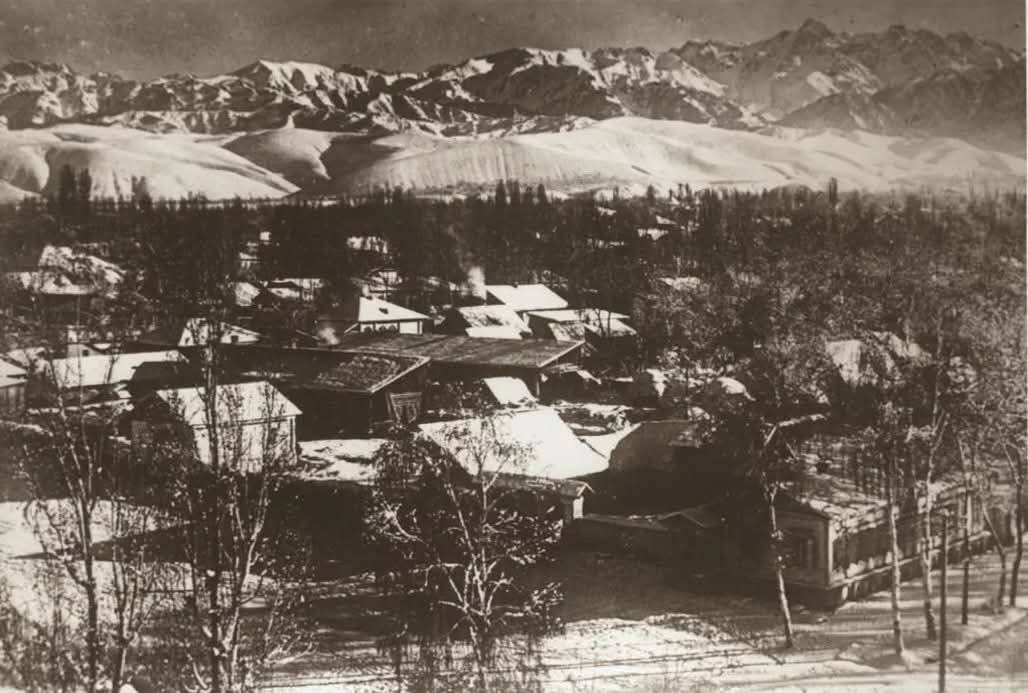
Historically, Almaty stood on the site of extensive ancestral summer pastures, or zhailau. The areas now occupied by Abay, Tashkent and Makataev streets were once crossed by caravans travelling along the Silk Road. This helps explain the remarkable concentration of burial mounds around the city and the deep-rooted significance of this place as a sacred centre of Zhetysu.
Almaty is home to a large number of ancient Saka-Uisun burial mounds. According to local traditions, the largest mound belonged to the ruler of the ancient Wusun, recorded in Chinese sources as Wujutu. However, his Turkic name was quite possibly Özhet. There is still an entire neighbourhood in Almaty that bears this name.
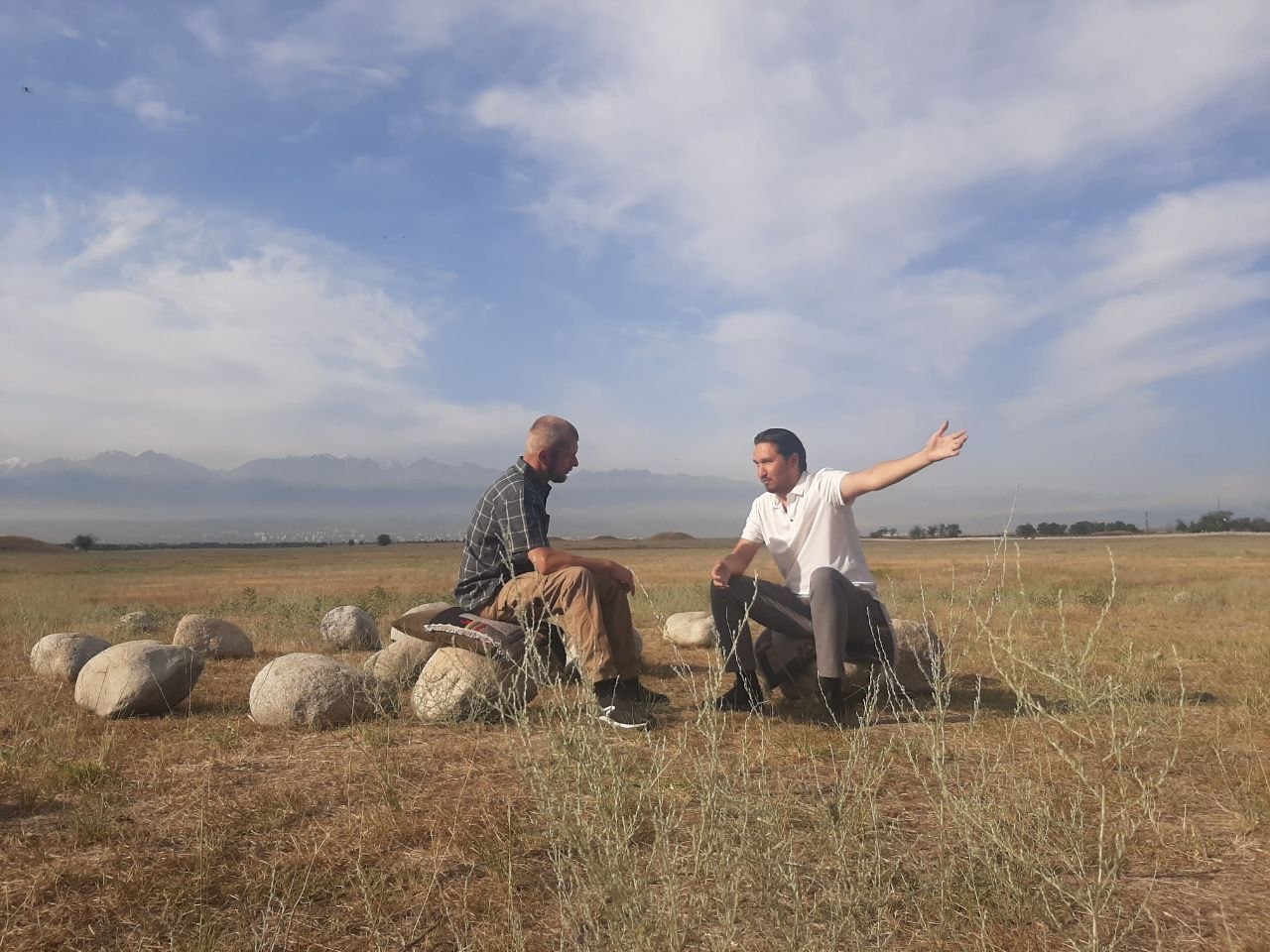
— You argue that the name “Almaty” may derive from “Albalykh”. Why?
— The names “Almalyk” and “Almatu” appear on various medieval maps with the meaning “apple”. In the ancient Turkic tradition, balykh meant not only “fish” but also “city”. Examples include Khanbalykh, Beshbalykh and Ili-Balyk.
The element Al may derive from the word Alyp, meaning “great”. In Turkic runic writing, b could shift to m. It is therefore quite possible that Al-Balykh evolved into Almalykh and then Almaty, which could also mean “a large settlement”. However, the nearby settlements, such as Talhiz and Kastek, were larger than Almaty in the medieval period.
This is consistent with the historical record: the capitals of Turkic states were indeed located in the Zhetysu region. Almaty can therefore present itself as a historical and spiritual centre of the Turkic-speaking peoples.
— If we turn to the Almaty of today, how do you think our megacity should develop?
— Almaty needs polycentric development, with places where people can preserve their identity, meet and develop culturally: museums, visitor centres, small cultural spaces and places that allow people to feel a connection with history and with the place itself.
For example, a unique Saka burial-mound complex should never be turned into land for development. In the western part of the city, we propose establishing a cultural centre around the Boraldai burial mounds. But it is equally important to work on the northern part of the city, particularly the area known as First Almaty.
It has gained a negative reputation, even though it is a historically significant area. There should be museums, theatres and cultural centres there to dispel its image as a backwater and restore people’s sense of safety and respect for the place.
— You often speak about the need for Almaty to move towards a green economy. Why is this so important?
— Almaty could become a model green city for other countries. We have environmental problems, particularly in the lower part of the city, but we also have enormous potential. I support the transition to green energy. It may be costly, but otherwise we will ruin everything we have.
There are also urban-planning mistakes inherited from the past. Take Al-Farabi Avenue, for example. It is a vital thoroughfare, but there are too few interchanges and the surrounding development is too dense. If bridges had been built in time, we would not be sitting in traffic jams every evening today. There are also urban planning mistakes from the past. Take Al-Farabi Avenue, for example. It is a major thoroughfare, but there are too few interchanges and the development is too dense. If the bridges had been built in time, we would not be stuck in traffic every evening today. The wholesale market is another major problem because it puts enormous pressure on the roads. It clogs the narrow streets, bringing traffic across the entire northern part of the city to a standstill. If the road were rerouted or redesigned, traffic would flow much more freely. At the same time, the Green Bazaar shows that a market can be integrated into the urban fabric without disrupting the city.
— How can public transport be made more efficient?
— We have good buses, but they stop running at 9.30 pm. That is not enough for a metropolis where people remain active until around midnight. If buses ran at least until 12.30 am, people would be less dependent on taxis.
Public transport is key to reducing people's desire to buy cars, especially given how serious the parking problem is here. People arrive at 7 am just to secure a parking space before the working day begins. That is not normal.
— What urban-planning standards should Almaty introduce?
— It is very important to regulate architecture, building heights and even roof types. I support a unified design code, as in Switzerland, where buildings are designed so as not to spoil the views of the mountains. Here, by contrast, we sometimes see a private house that is larger in scale than the entire neighbourhood. Urban planning should involve environmental specialists, historians, architects, representatives of the creative industries and craftspeople.
We have a shortage of engineers, plumbers and skilled tradespeople, yet these professions are unfairly undervalued. Another important point is that scheduled repairs should be prohibited in winter and carried out in stages during the summer, without closing several streets in the same area at once. That brings traffic to a standstill. If the city's heating networks were maintained properly, the city would benefit enormously.
— What role would you like to play in the development of Almaty?
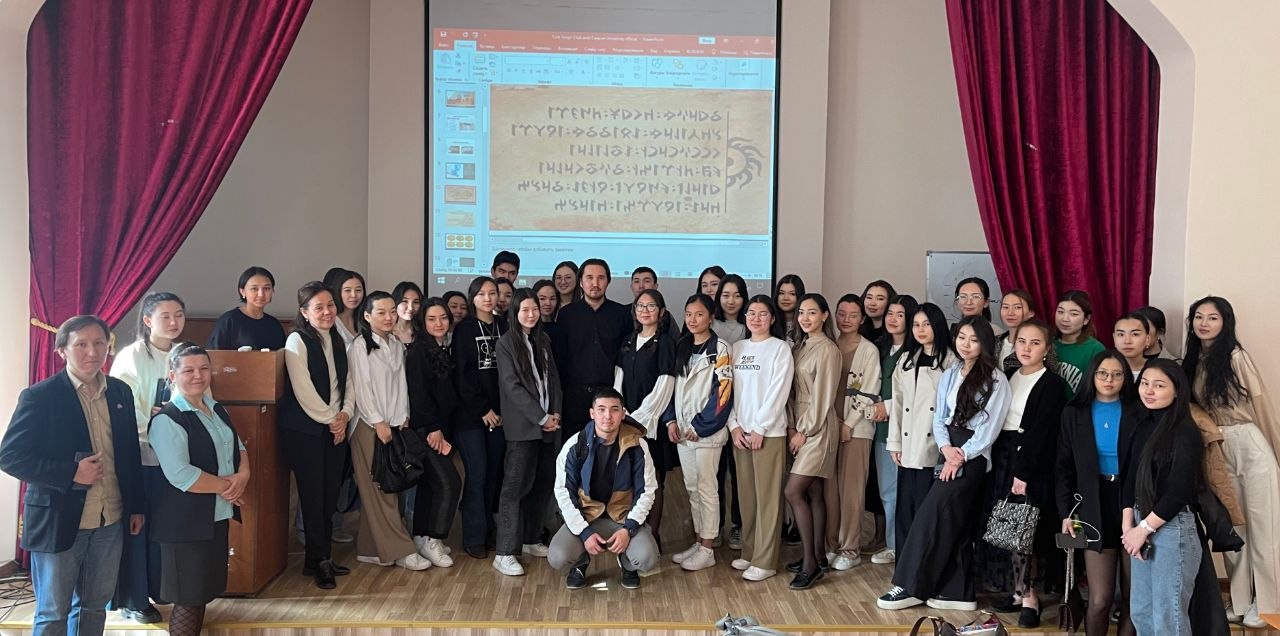
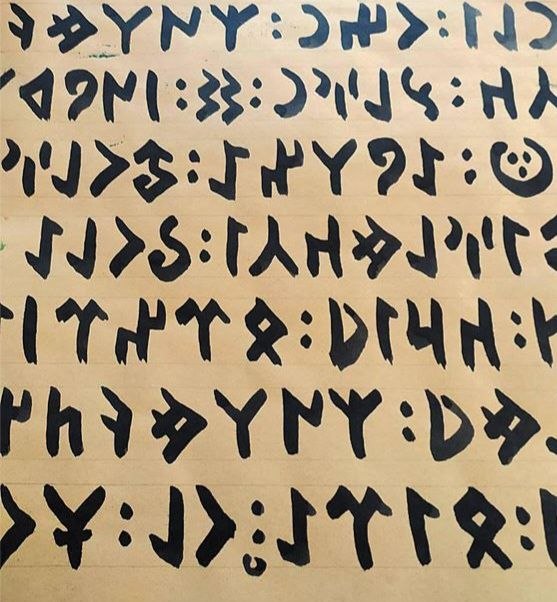
— Our foundation is working on the Utuken project. We want to promote ancient Turkic writing and teach it to around five million people in Kazakhstan and neighbouring countries. It is an attempt to restore an ancient Turkic identity that unites not only Turkic peoples, but also Mongolic, Slavic and Finno-Ugric peoples.
We are also developing a project to reconstruct the ancient Turkic language. It is an ambitious idea and may attract criticism, but it has the potential to bring people together. Turkic writing is unique: representatives of different peoples may read it differently, but its written form remains the same. It is a brilliant principle that takes regional linguistic differences into account.
— How do you see Almaty in the future?
— Almaty could become the centre of the Turkic world, culturally, spiritually and intellectually. The city already has an influence on what happens in the country and across the region. The key is to develop it systematically without destroying its historical memory, while raising the cultural awareness of its residents, nurturing intellectual life and fostering a shared sense of responsibility.
Newsletter
A letter from the HD editors
Once a week, we send the best stories, events, and cultural discoveries from Central Asia.