Places
The Uniquely Coloured World of Machay | A Photo Essay
Ildar Sadykov, Maria Maksimycheva, Sergey Pogosyan
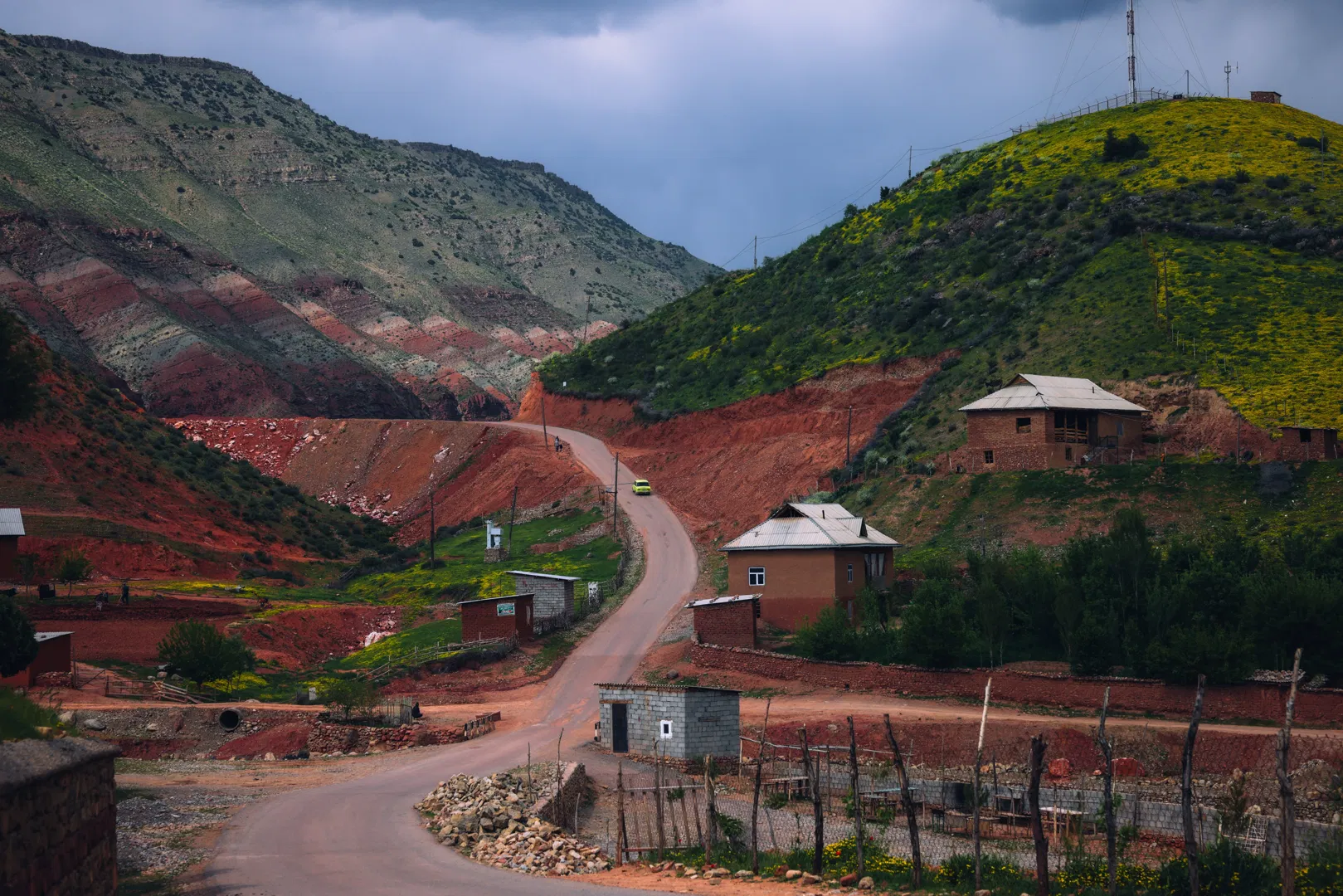
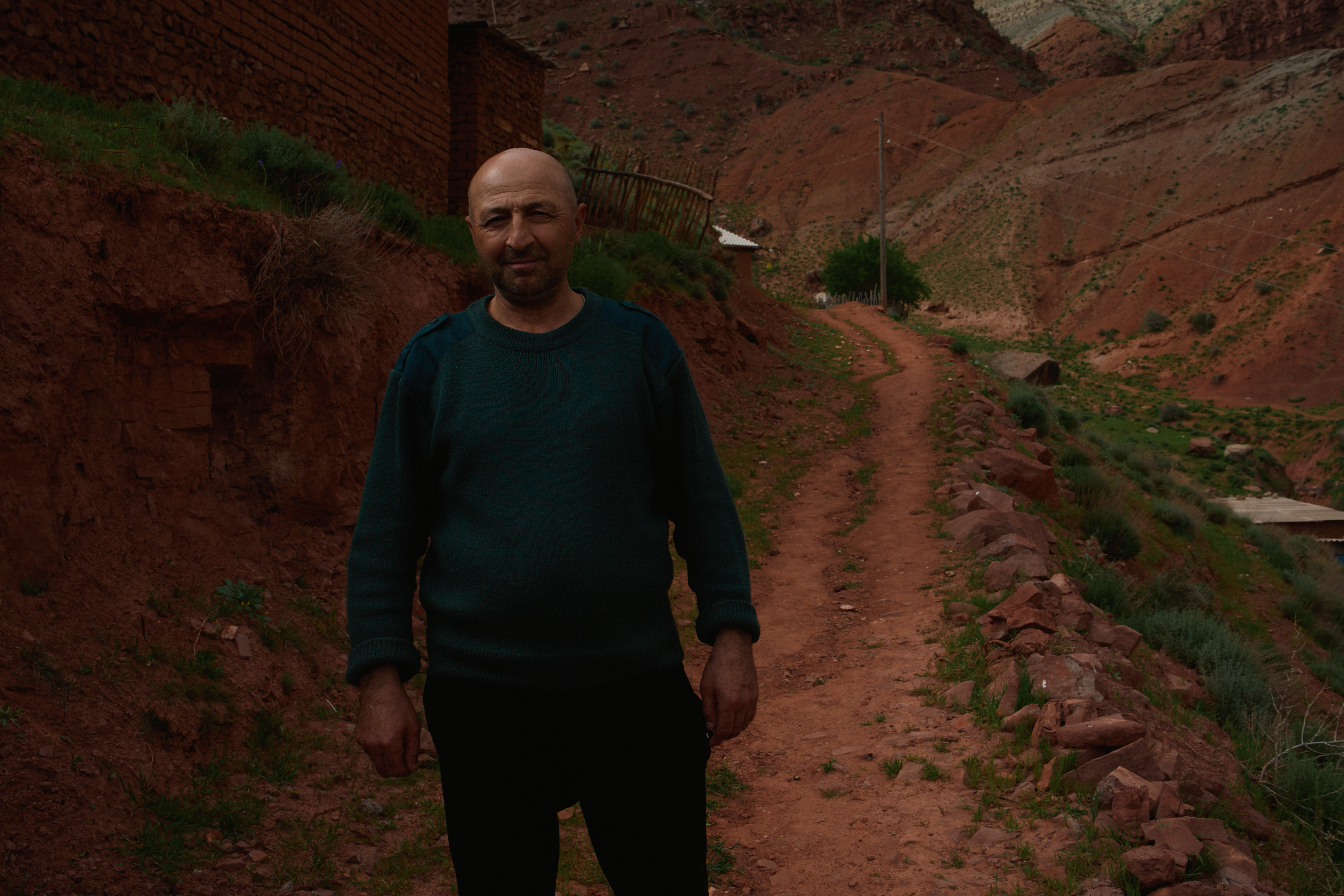
The ancient kishlak of Machay lies in the Baysun district of Surkhandarya Region. Just a short distance away is Teshik-Tash Cave, discovered in 1938 and famous for its unique ancient human remains. Located 80 kilometres from the celebrated town of Baysun, Machay is known for its ethnic and ethnographic diversity. In the opening photo essay of the series, Ildar Sadykov and Sergey Pogosyan capture Machay through its red earth, vividly painted walls and the authentic dress of its residents.
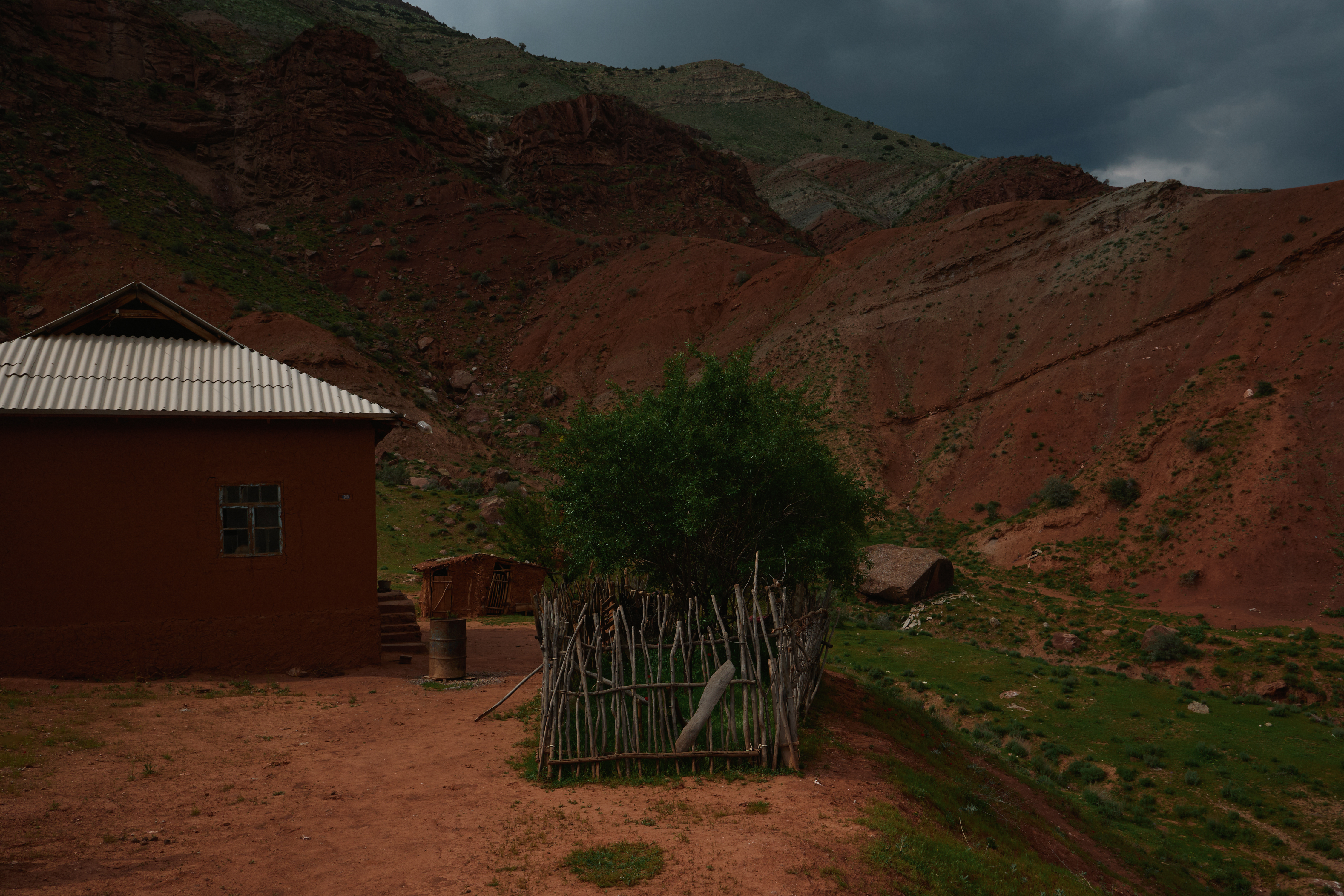
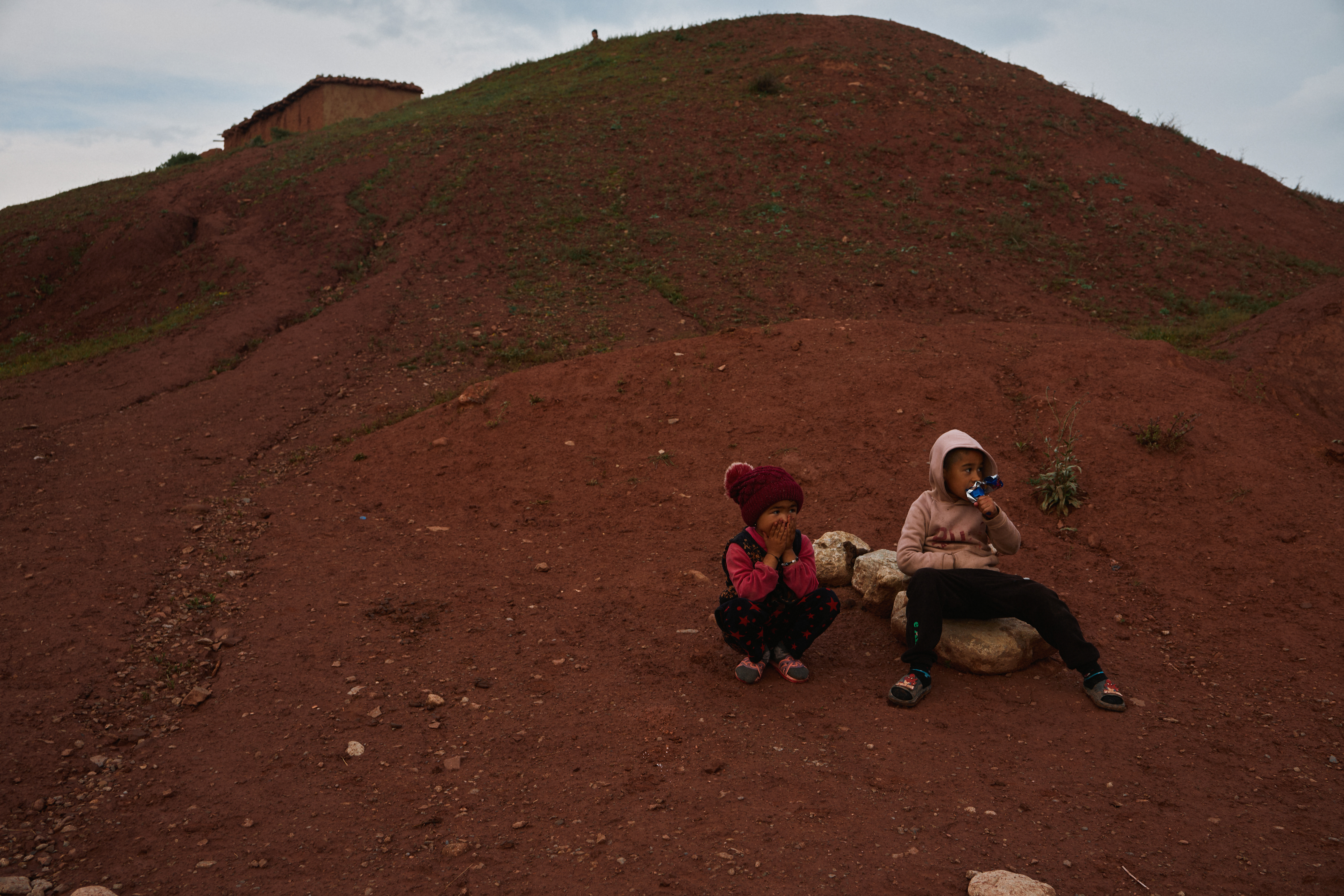
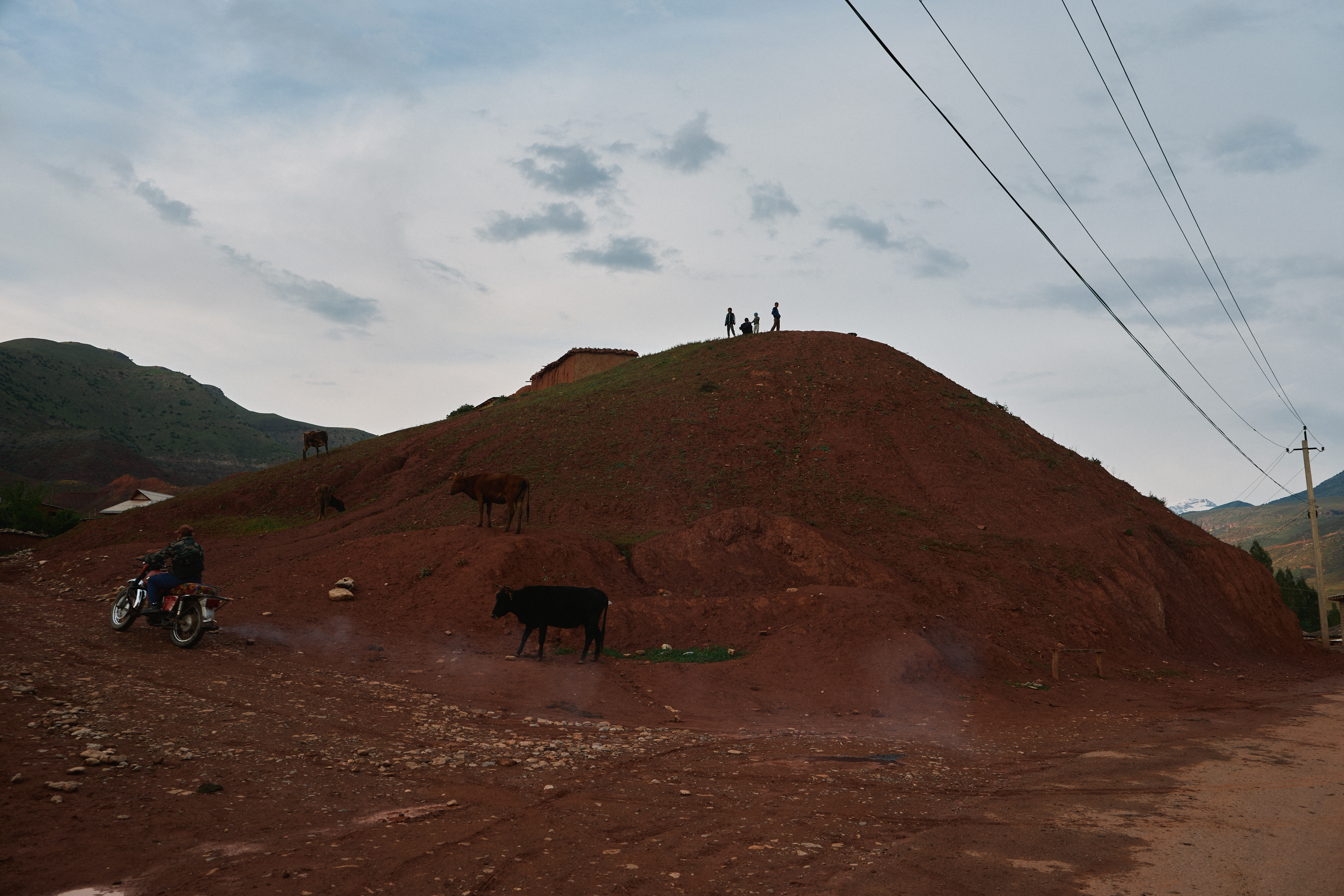
Machay lies in a region recognised as one of the cradles of our civilisation. People have lived on these lands since prehistoric times, and the village itself is also ancient. Its long history, beautiful landscapes and rich ethnic culture come together to make it a true gem of the Baysun district and Surkhandarya as a whole. Nestled in the foothills of Baysuntau, the village comprises three parts, Lower, Middle and Upper Machay, where the earth and hills glow with a striking red hue.
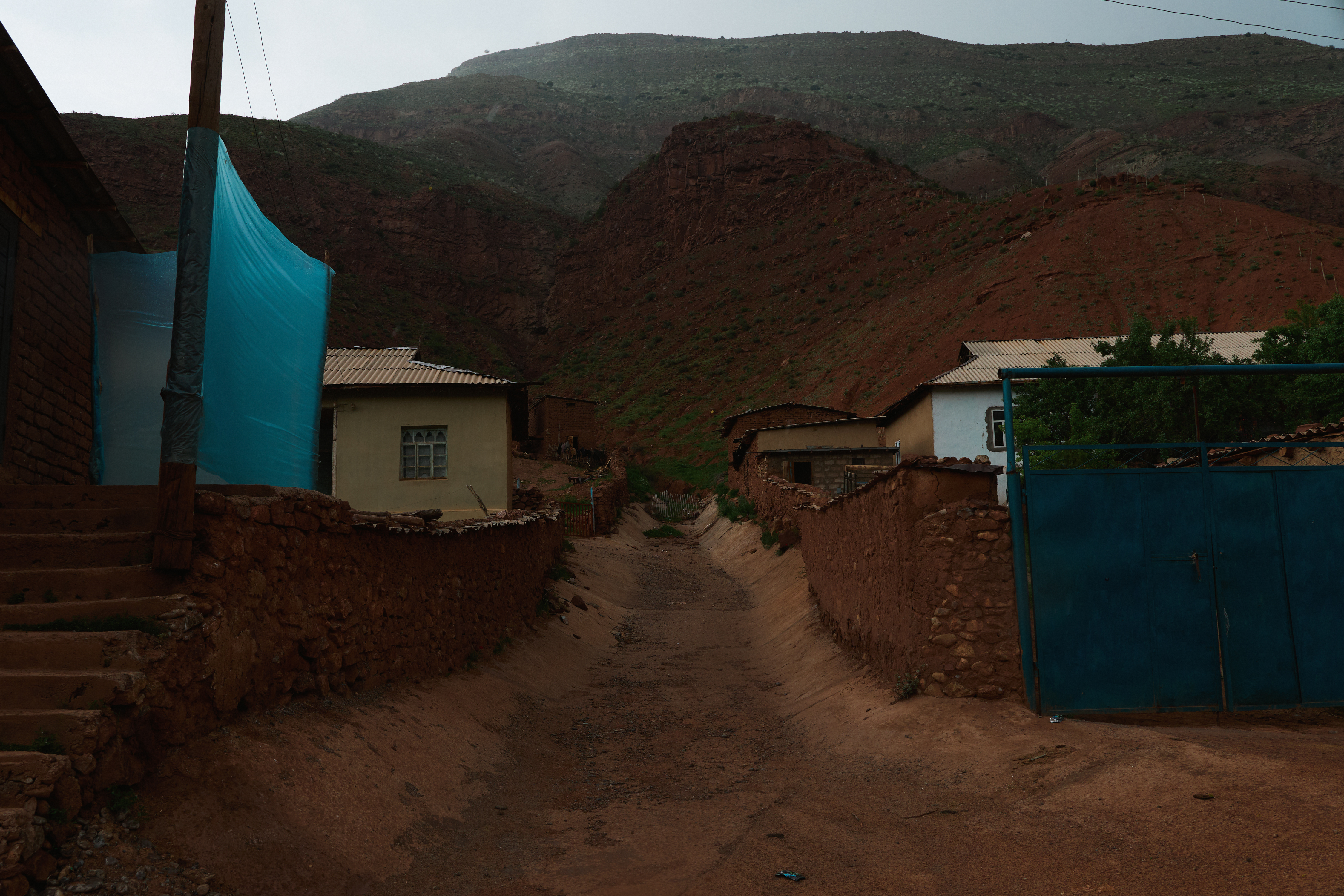 Photo: Ildar Sadykov, Sergey PogosyanPhoto: Ildar Sadykov, Sergey PogosyanPhoto: Ildar Sadykov, Sergey PogosyanPhoto: Ildar Sadykov, Sergey Pogosyan
Life in the kishlak is closely tied to its land, water and mountains. Most Machay residents make their living from livestock farming, keeping cattle and sheep, as well as from gardening. The local apples are particularly delicious.
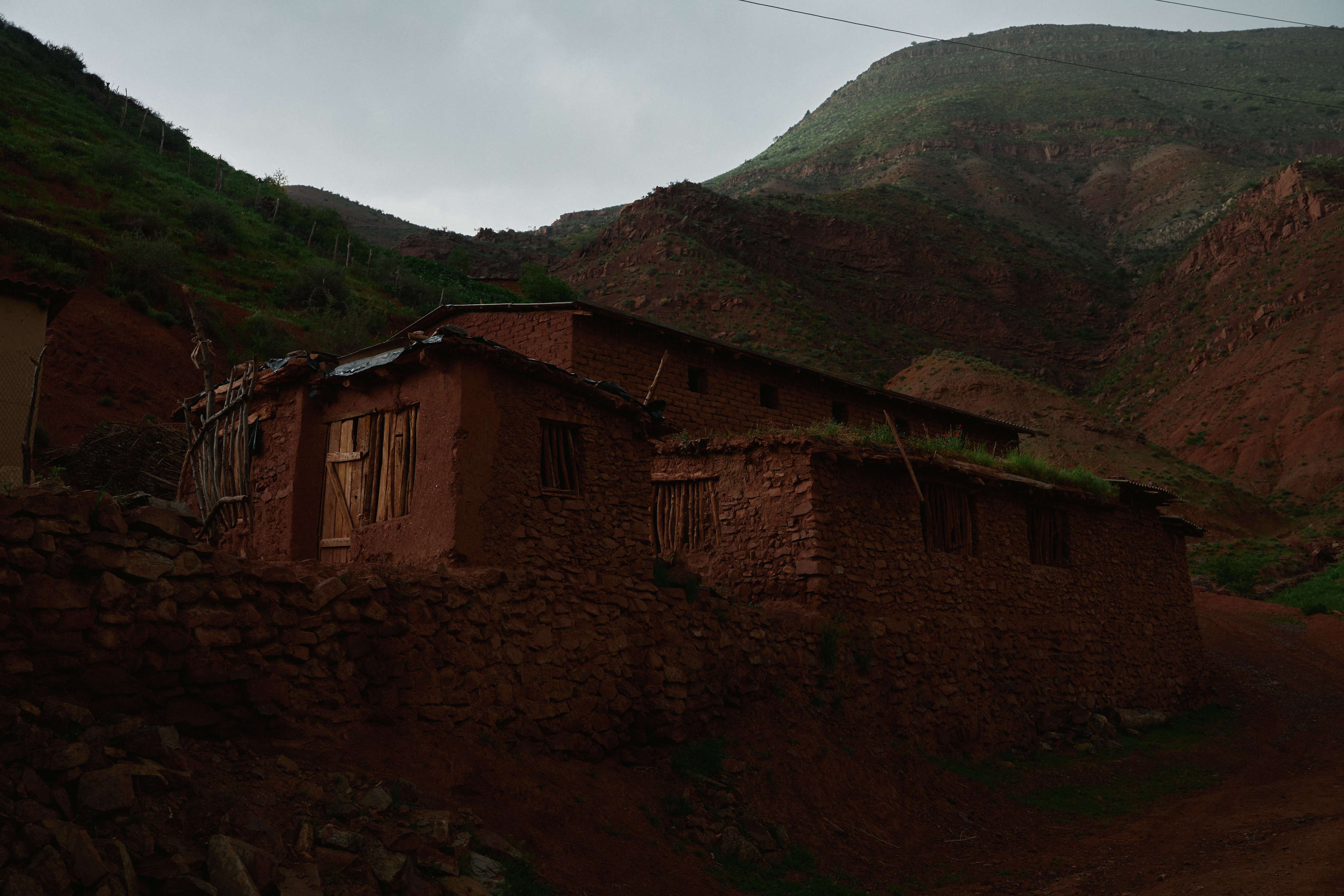
The old houses, which still outnumber the new buildings, are red too, as are the fences that separate them. They are built not from the familiar brick, but from stone.
I first came to Machay in March last year. I had very little time, but managed to take some good photographs and fall in love with the village. I decided that I would definitely return and make a detailed photographic record of its landscape, people and architectural traditions.
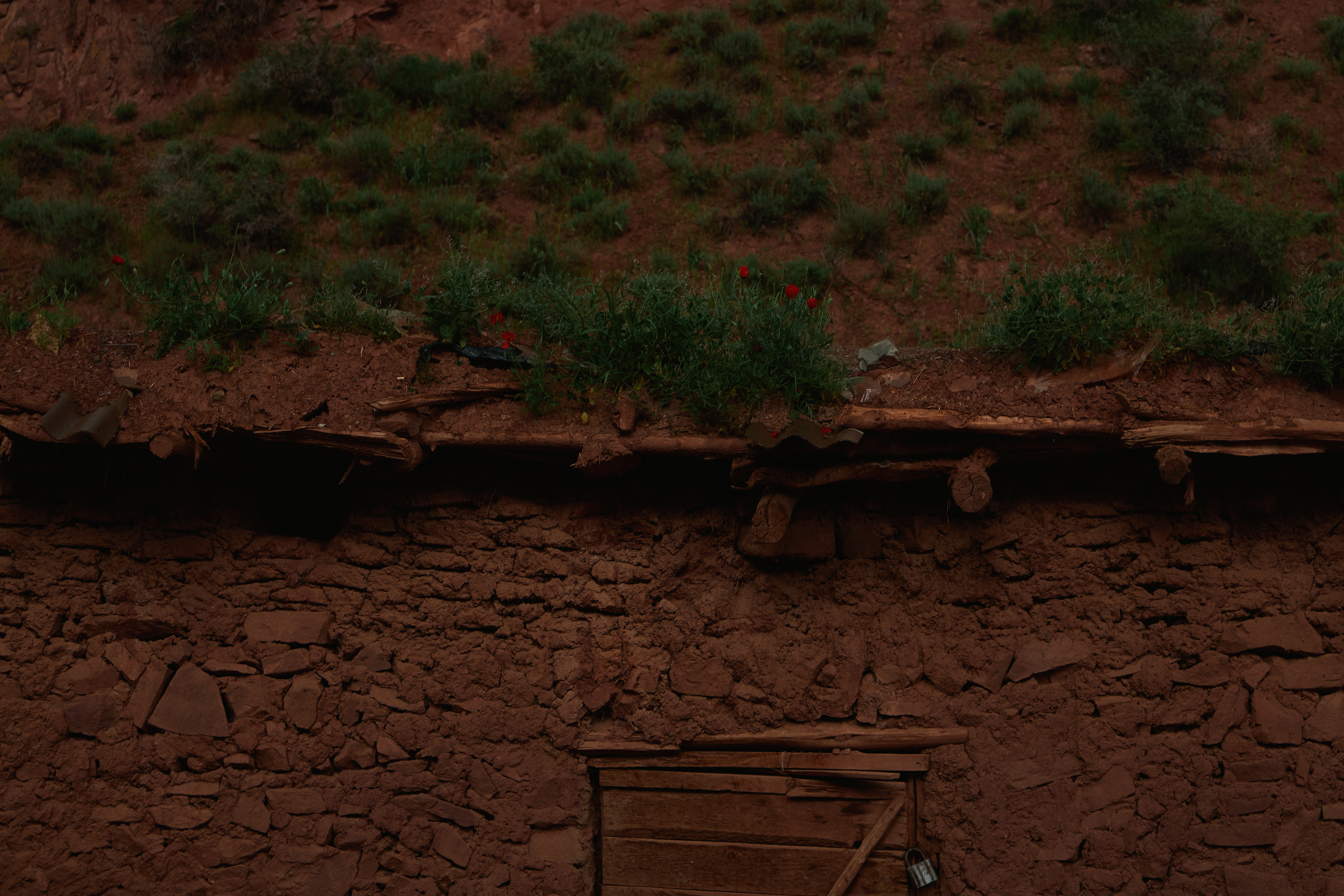 Photo: Ildar Sadykov, Sergey PogosyanPhoto: Ildar Sadykov, Sergey PogosyanPhoto: Ildar Sadykov, Sergey PogosyanPhoto: Ildar Sadykov, Sergey Pogosyan
Machay is one of those places you want to return to while nothing here has changed yet: the old houses have not been demolished or rebuilt, and the streets have not been paved over with concrete. In my view, it is one of the most atmospheric ancient villages in Uzbekistan, whose way of life, daily routine and ethnic traditions deserve special attention, as do its architecture and the appearance of its residents, where so many vivid colours and authentic features come together.
We came here with Sergey Pogosyan in April 2026.
 Photo: Ildar Sadykov, Sergey PogosyanPhoto: Ildar Sadykov, Sergey PogosyanPhoto: Ildar Sadykov, Sergey PogosyanPhoto: Ildar Sadykov, Sergey Pogosyan
This time, we decided to start with Middle Machay and immediately set off to explore the local architecture. We were able to visit one of the houses, where a large family had gathered. A dastarkhan was laid out for us, and we were offered tea. The house stood out for the unusual colours of its walls: pink, blue and green.
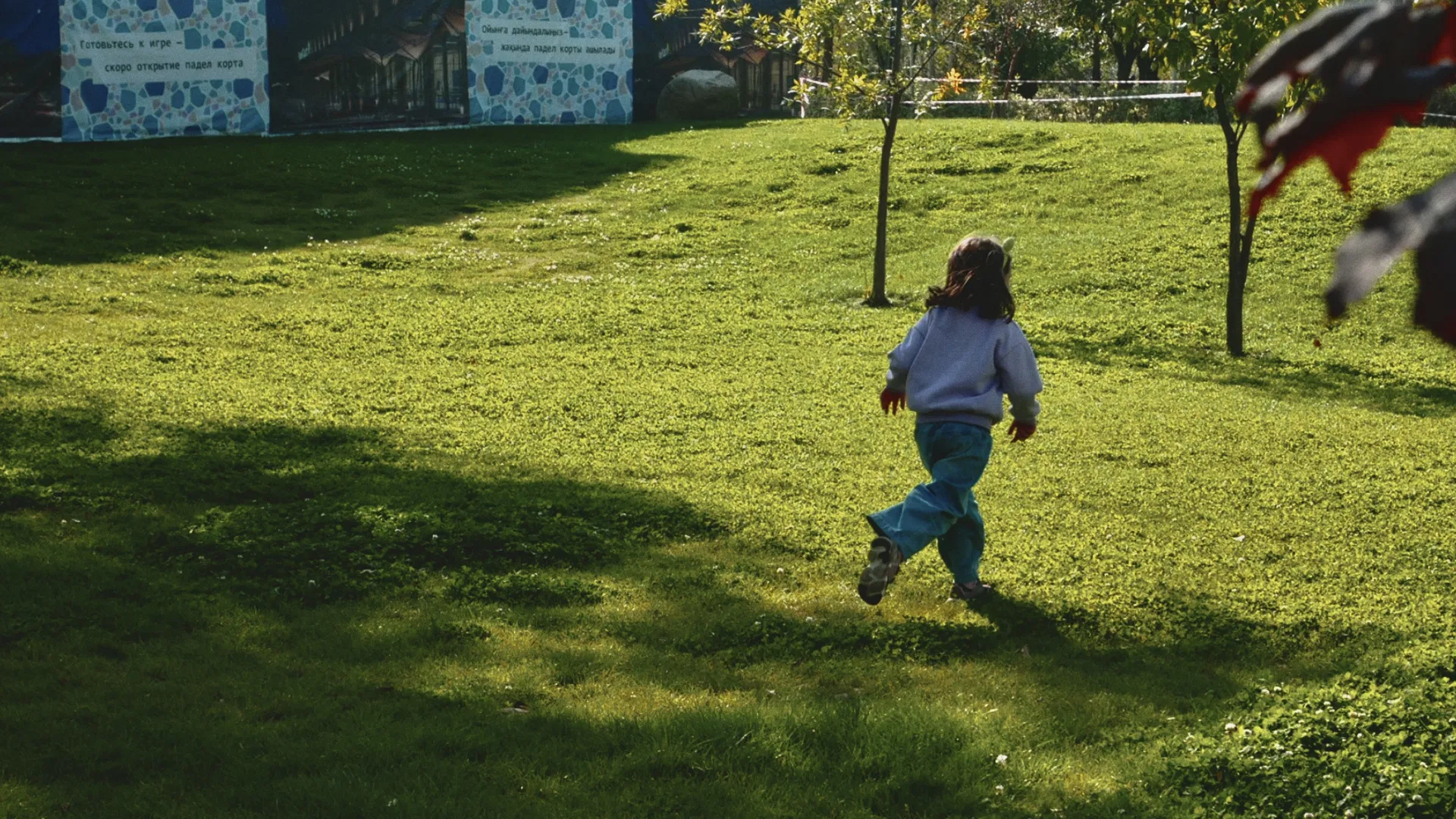
As in 2025, we again noted one distinctive feature of Machay: the way its children dress. Neat little chapans and brightly coloured headscarves, authentic children’s clothing lovingly sewn by mothers and grandmothers. The vivid combinations of colour make Machay’s ‘fashion’ its signature feature, giving the likes of Gucci and Dolce & Gabbana a run for their money. And this is what local people wear every day!
 Photo: Ildar Sadykov, Sergey PogosyanPhoto: Ildar Sadykov, Sergey PogosyanPhoto: Ildar Sadykov, Sergey PogosyanPhoto: Ildar Sadykov, Sergey Pogosyan
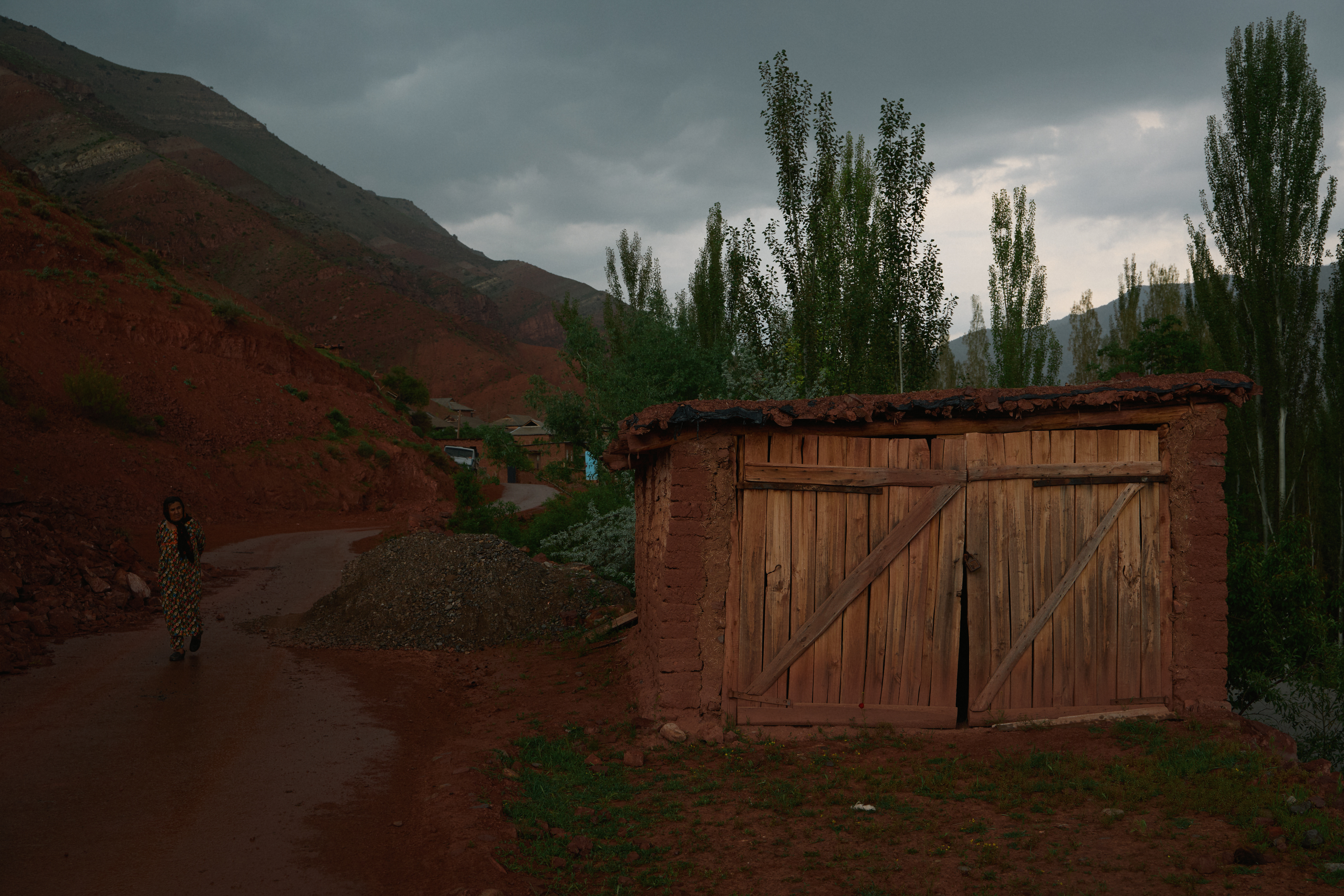
April and May are the rainy season. While we were photographing, heavy grey clouds suddenly rolled in, and we could not finish the shoot. We had to return to Baysun.
A few days later, exactly the same thing happened: a sudden downpour caught us by surprise and stopped us from continuing the shoot. This time, however, we decided to wait out the bad weather. Our patience paid off. We took shelter and waited for the rain to stop, and eventually we were able to complete the shoot as planned.
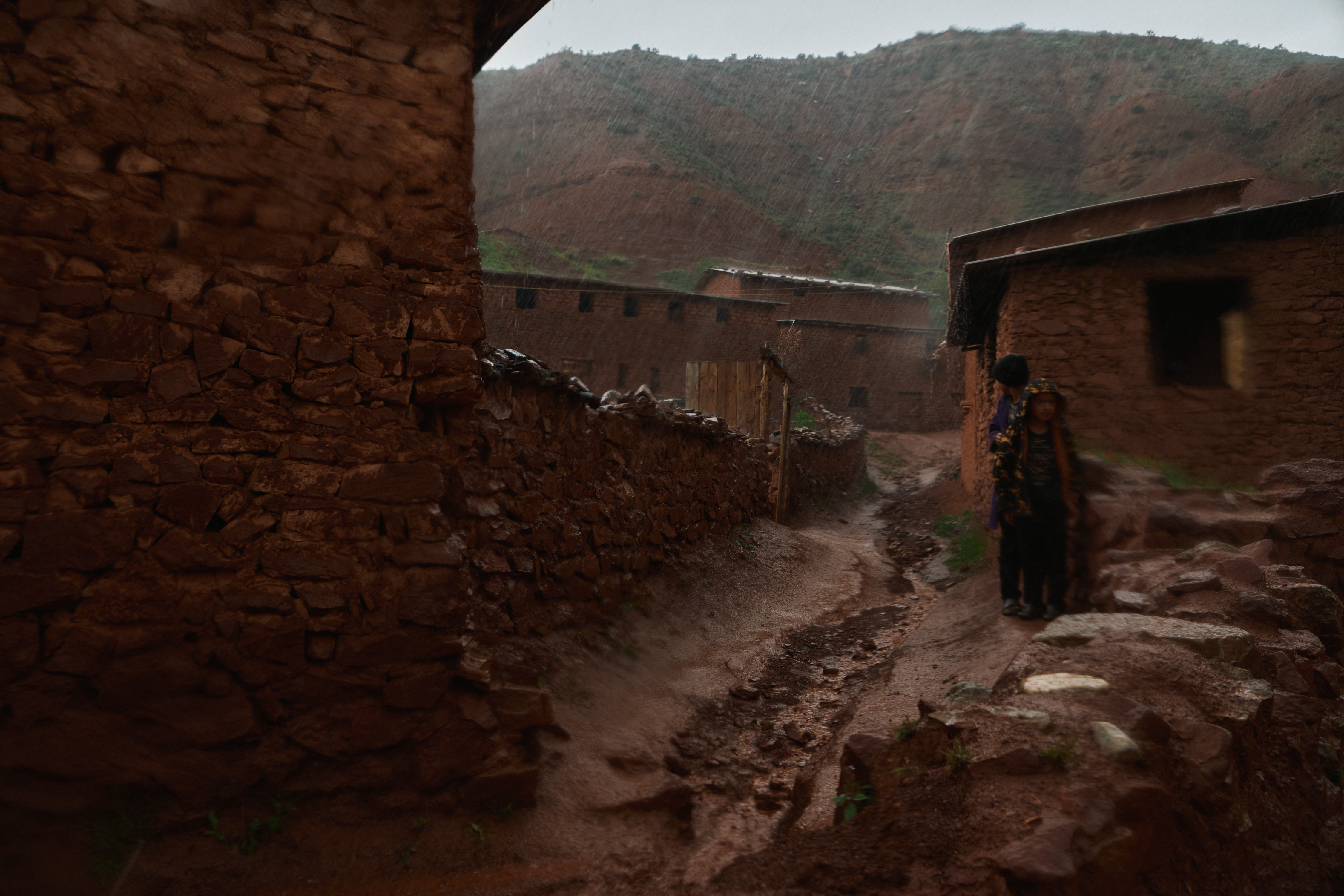 Photo: Ildar Sadykov, Sergey PogosyanPhoto: Ildar Sadykov, Sergey PogosyanPhoto: Ildar Sadykov, Sergey PogosyanPhoto: Ildar Sadykov, Sergey Pogosyan
After the rain, Machay becomes even more vivid. The earth turns to sticky mud, while the river runs scarlet with the colour of the local rock. The colours are so intense that the photographs look almost unreal...
 Photo: Ildar Sadykov, Sergey PogosyanPhoto: Ildar Sadykov, Sergey PogosyanPhoto: Ildar Sadykov, Sergey PogosyanPhoto: Ildar Sadykov, Sergey PogosyanPhoto: Ildar Sadykov, Sergey Pogosyan
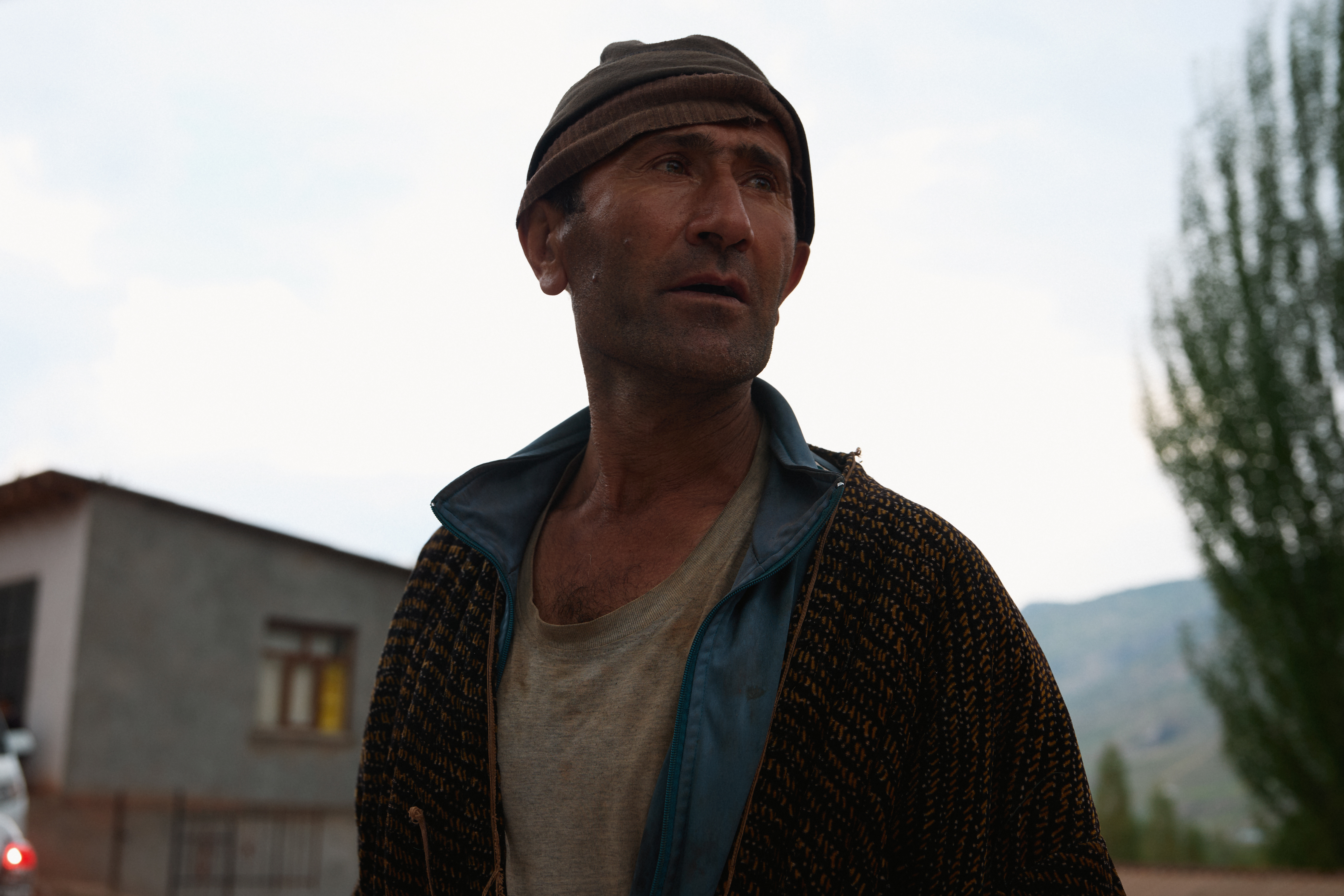
I also want to mention the simple kindness and care that are so characteristic of the people of Machay. It is expressed in more than just their hospitality. Every local resident asked how we were doing, whether we wanted some tea, where we needed to go and whether they could show us the way or tell us something about the place.
 Photo: Ildar Sadykov, Sergey PogosyanPhoto: Ildar Sadykov, Sergey PogosyanPhoto: Ildar Sadykov, Sergey PogosyanPhoto: Ildar Sadykov, Sergey Pogosyan
During our autumn expedition, we saw Machay in a different light: without the rain, but with the traditions and customs of the village’s residents.

Newsletter
A letter from the HD editors
Once a week, we send the best stories, events, and cultural discoveries from Central Asia.