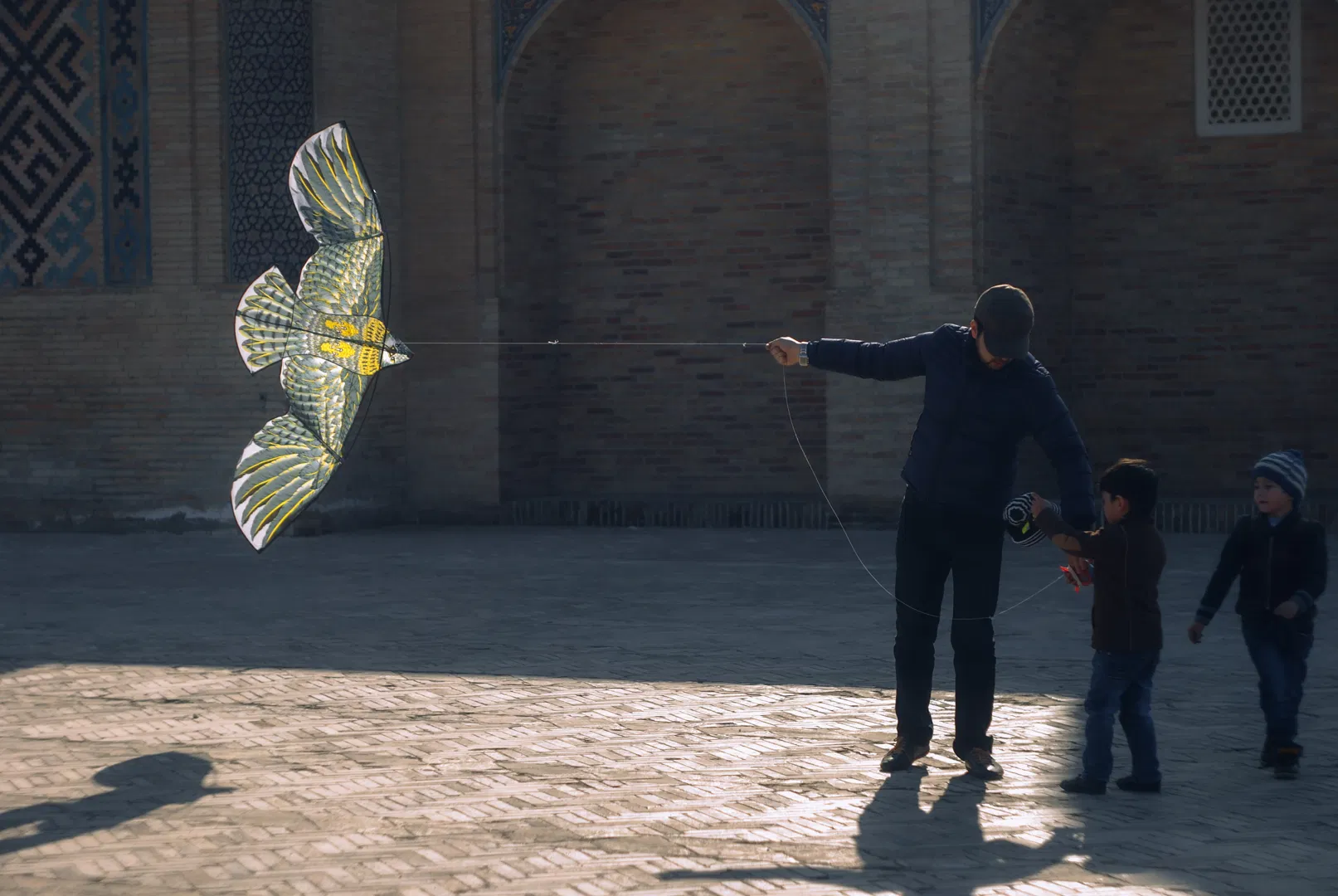
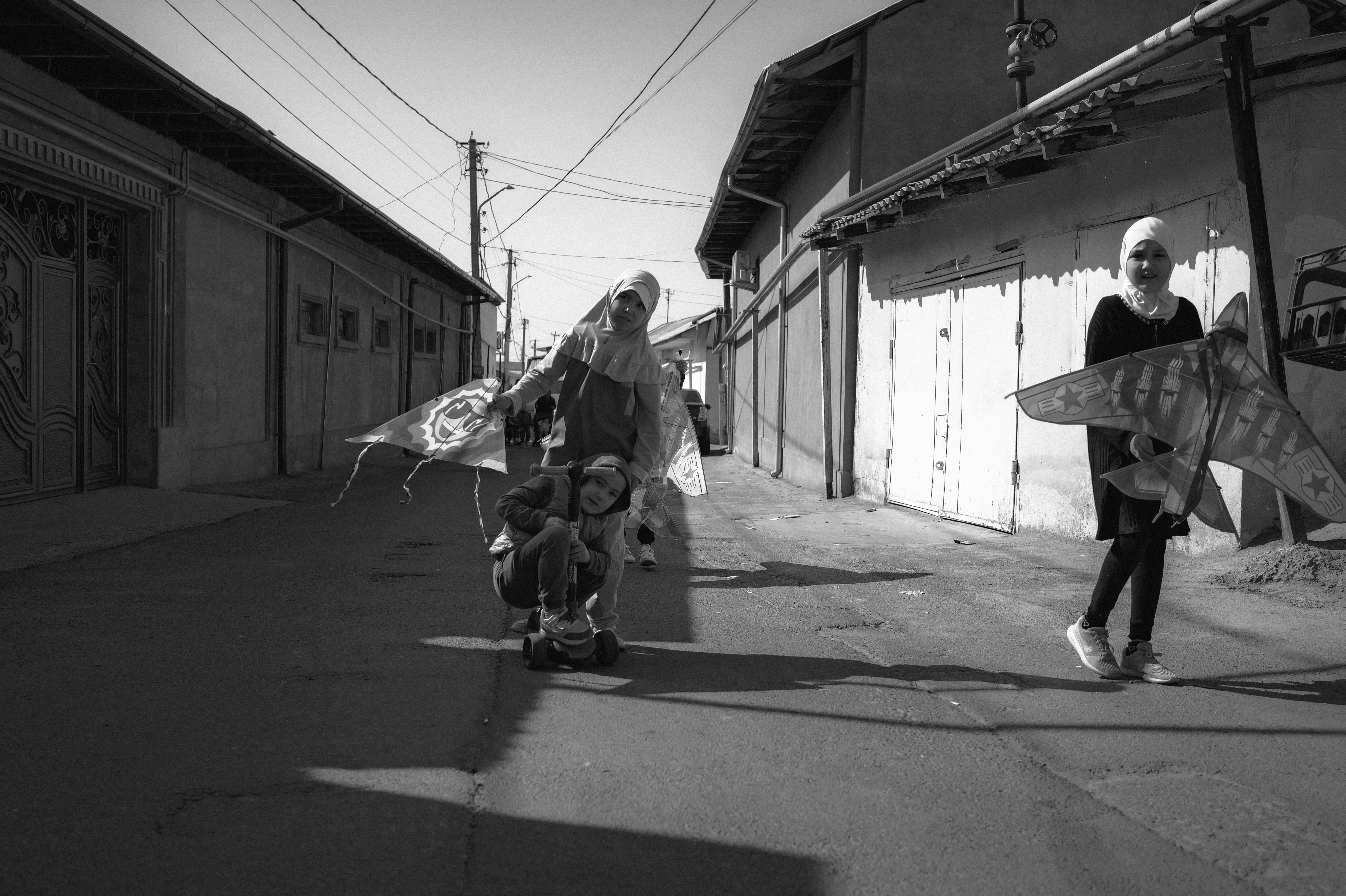
Winds in Uzbekistan are a seasonal phenomenon. Around mid-March, the skies over Tashkent fill with the dance of kites. This most romantic and gentle tradition, marking the arrival of spring, is captured in Ildar Sadykov’s photo essay.
You may remember the opening scenes of The Kite Runner, where the main character, a young boy named Amir, takes part in a kite-flying competition. In Afghanistan, such contests were banned due to their dangerous nature and the excessive competitiveness of participants. Kite strings are coated with a mixture of crushed glass and glue to cut through an opponent’s line during manoeuvres. In the end, only one kite remains in the sky, the winner’s. The peaceful skies of Uzbekistan, however, know nothing of such contests.
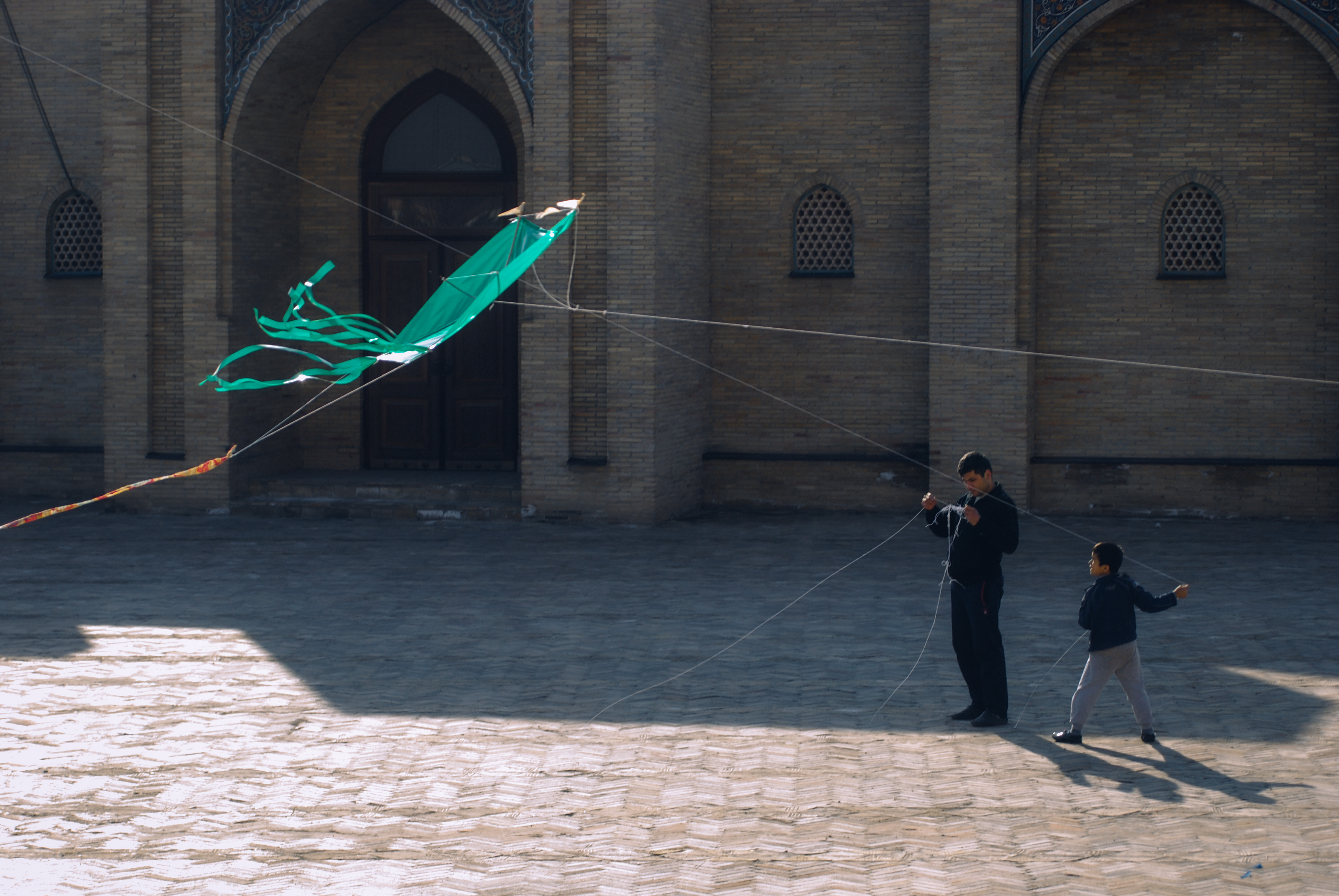
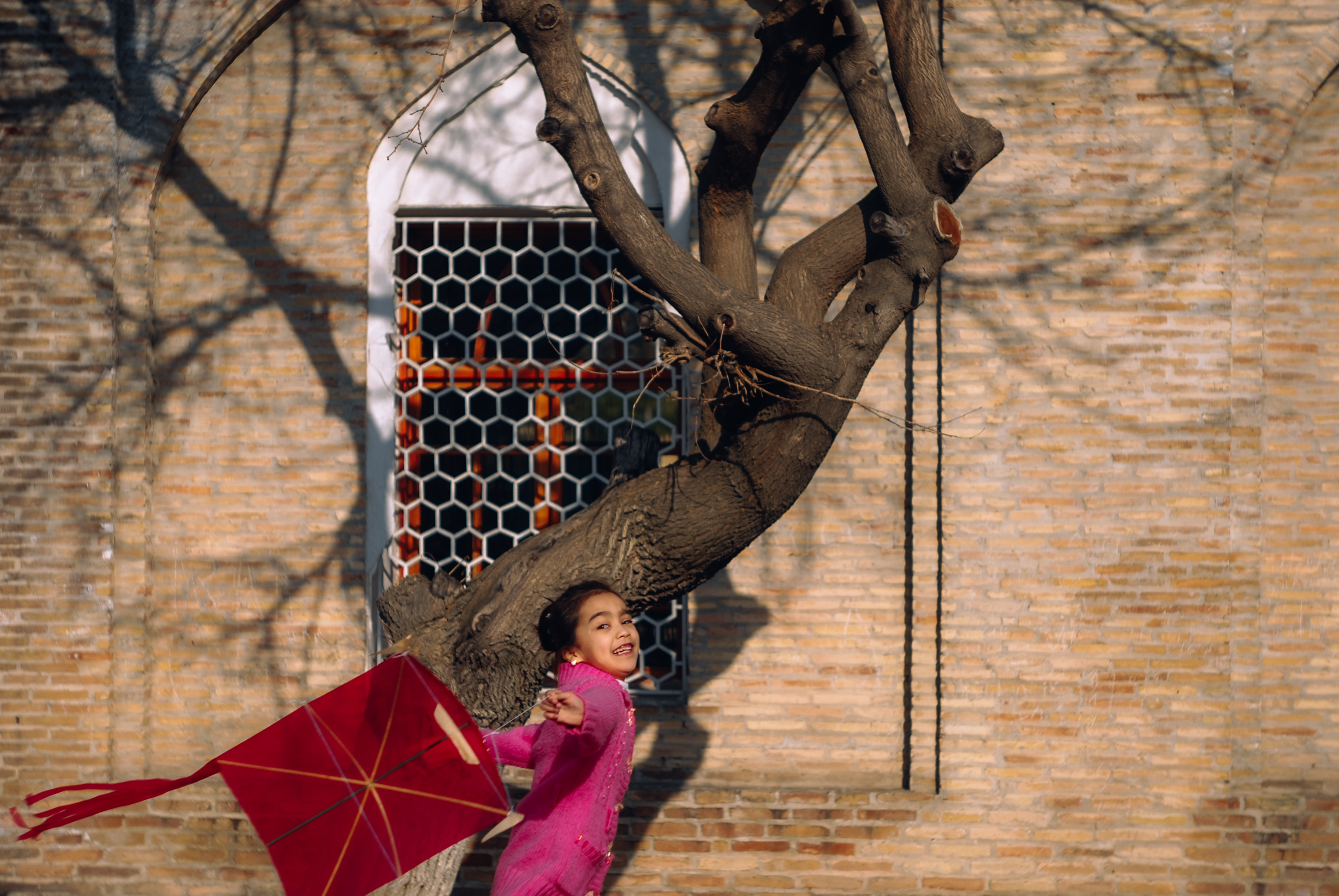
Here, flying a kite is a spectacle without winners or losers, with only the joy of the process and a childlike delight mingled with the scent of the spring wind.
Kites originated in China and were not initially intended for children’s play. They were used for signalling, military observation, and measurement. Only centuries later did they become part of folk rituals and festive traditions. In Chinese culture, the kite serves as a link between earth and sky. There is also a belief that the wind, together with the kite, can carry away illness and misfortune. Some traditions even associate kite flying with ancestral remembrance rituals.
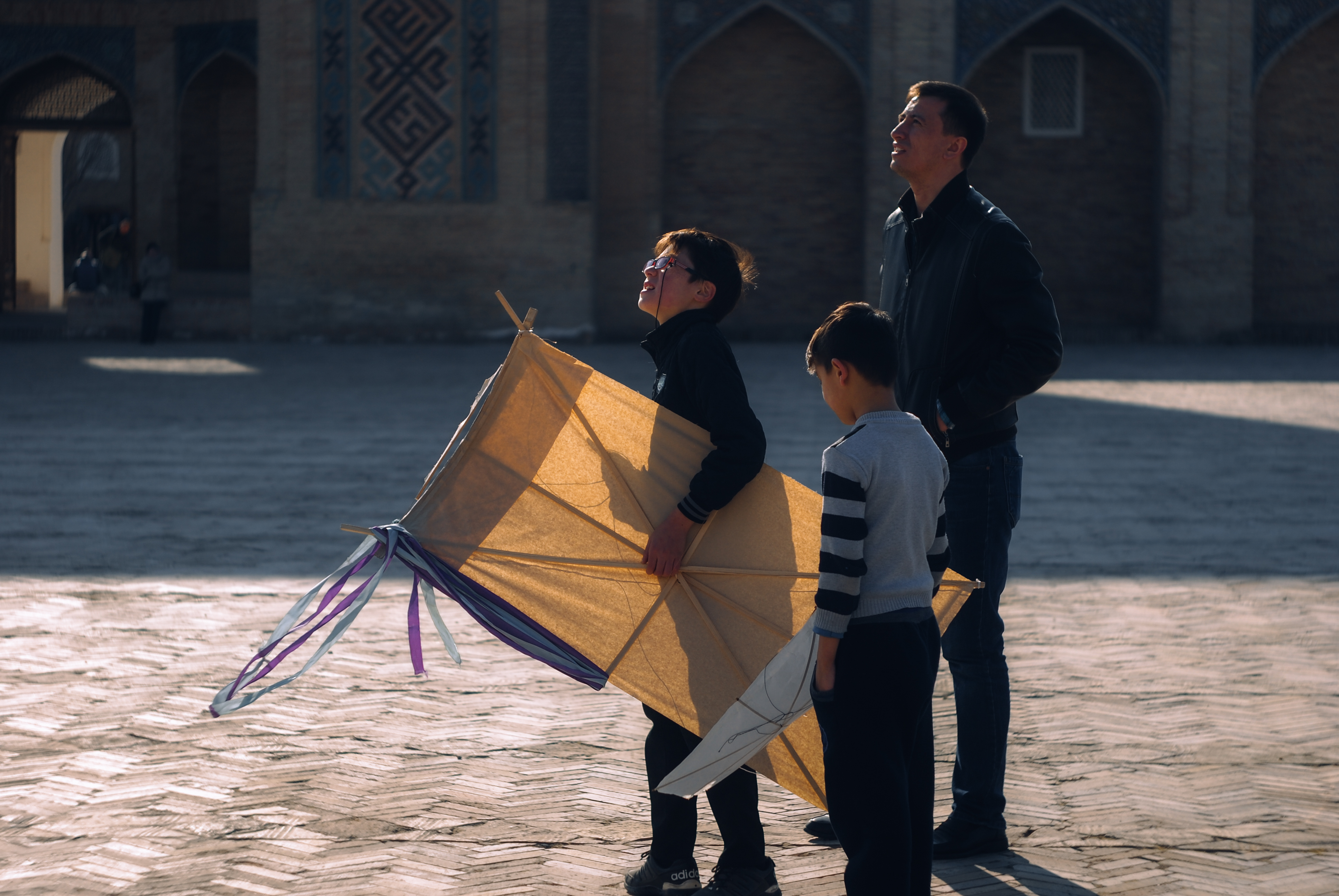
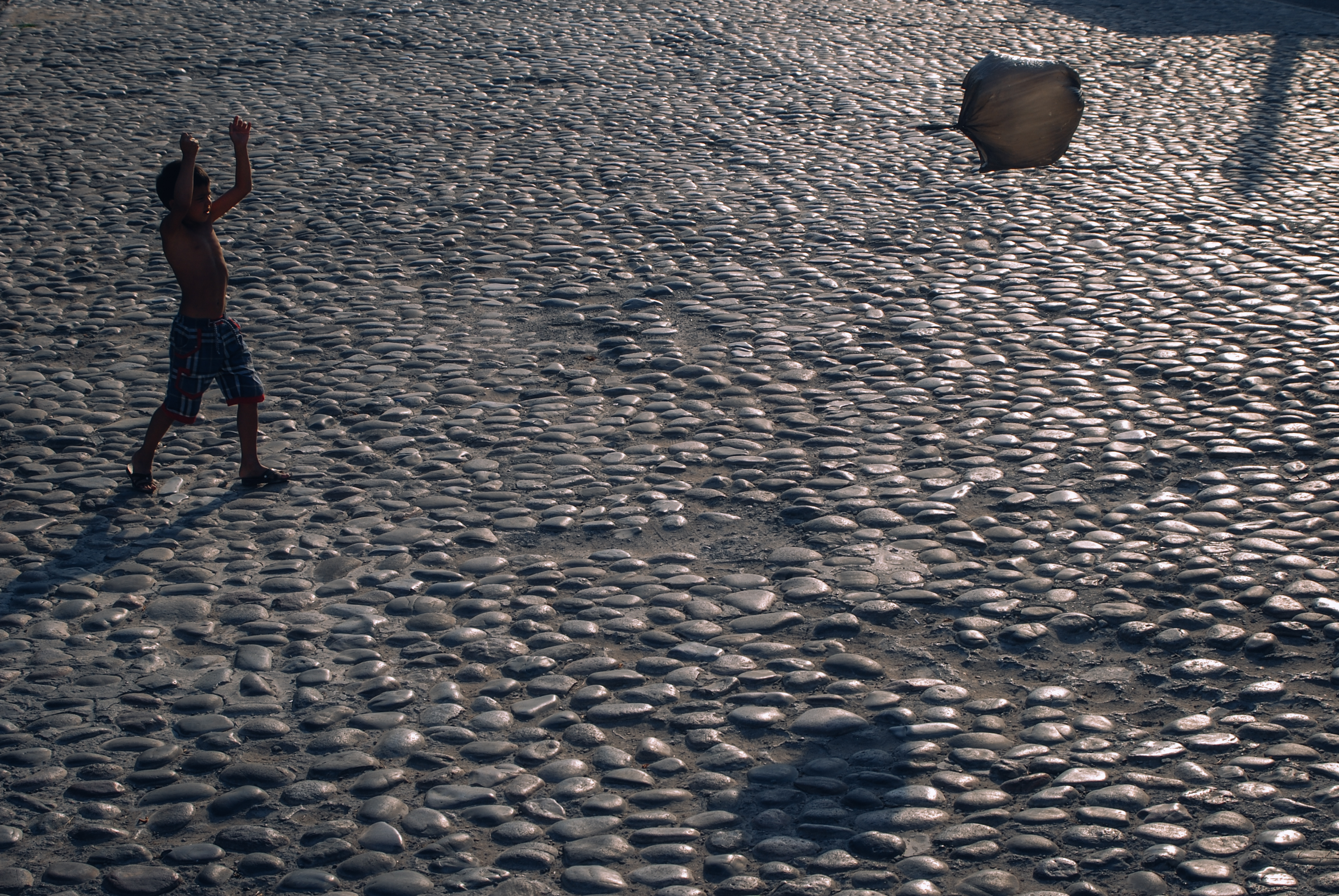
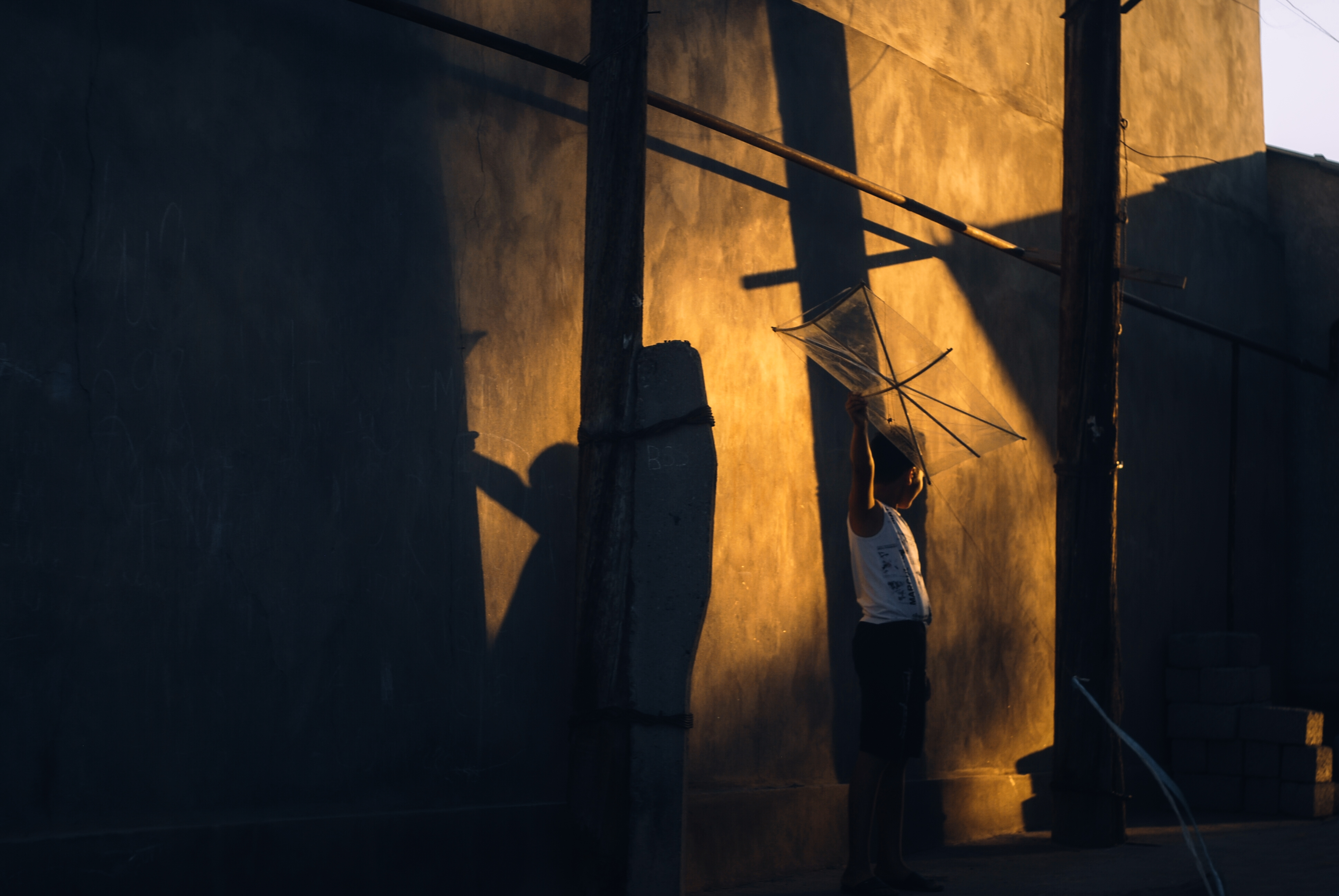
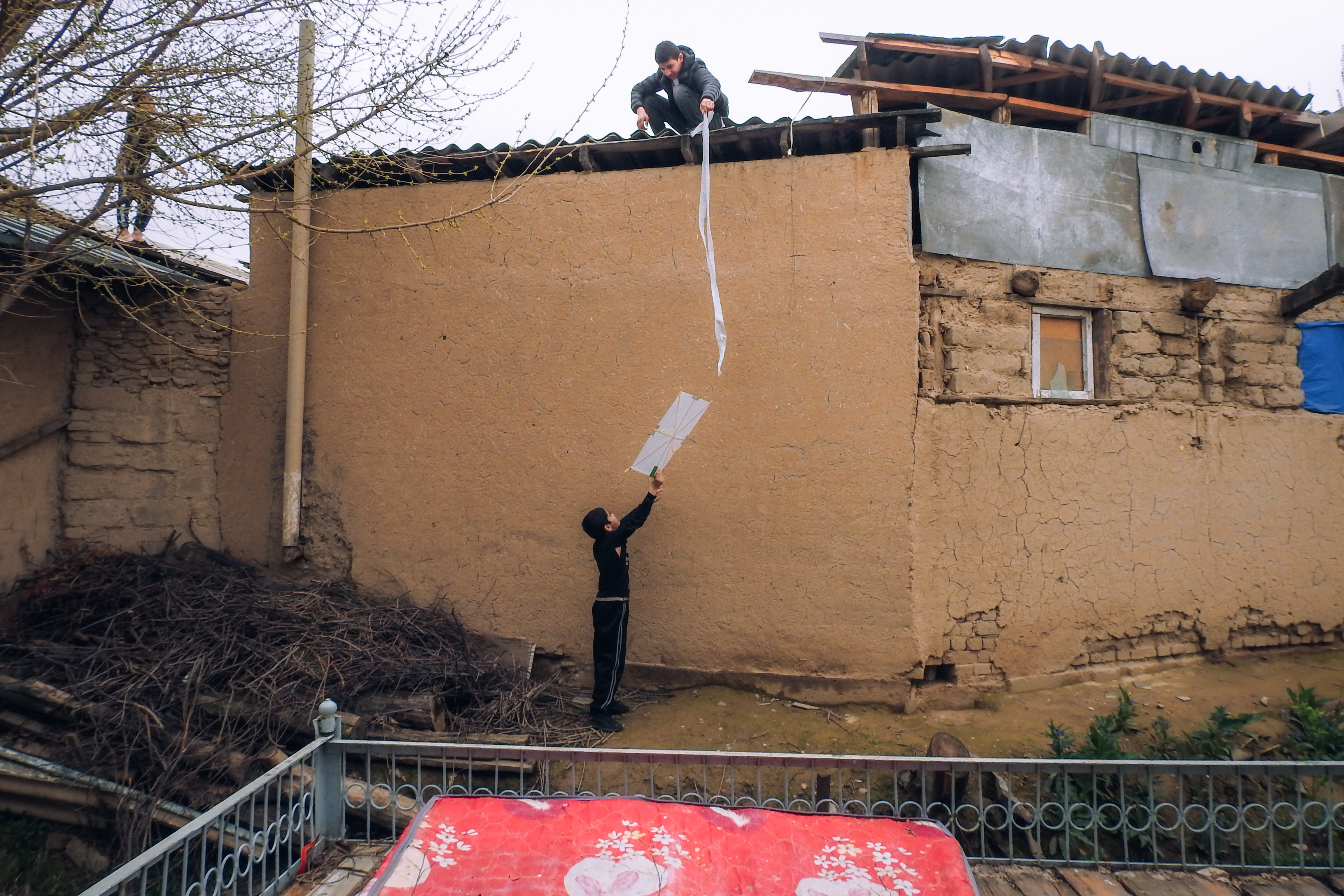
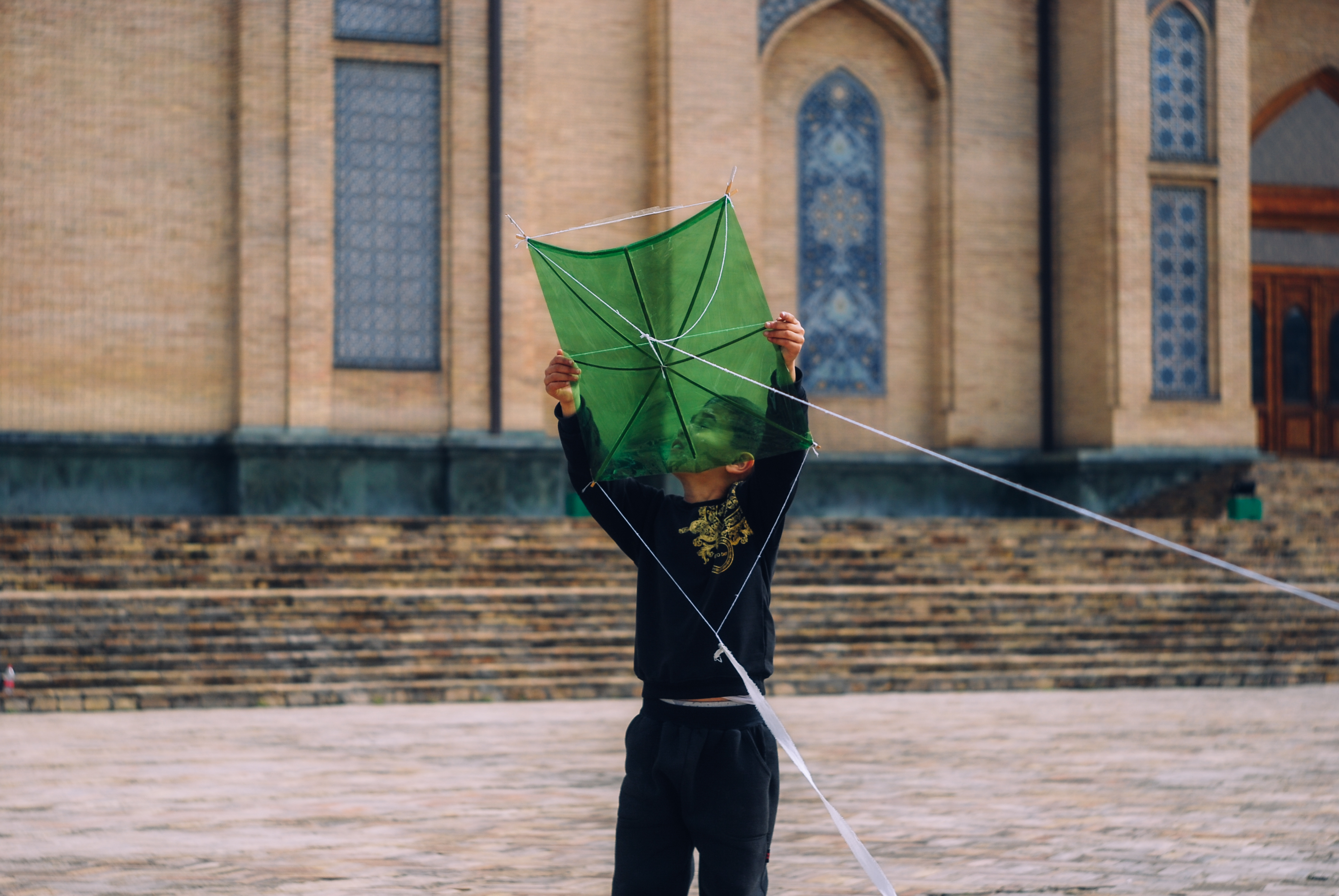
The tradition of flying kites existed in the Soviet era as well. During craft lessons at school, we made them from whatever materials we could find, including dried reed stems and parchment. Each launch was a mystery, would it fly? There were failures and triumphs alike. And when it did take off, our emotions were indescribable. Flying kites in spring remains one of the brightest memories of childhood. The blossoming of apricot trees and the launching of a kite are two events that marked the beginning of the best time of the year.
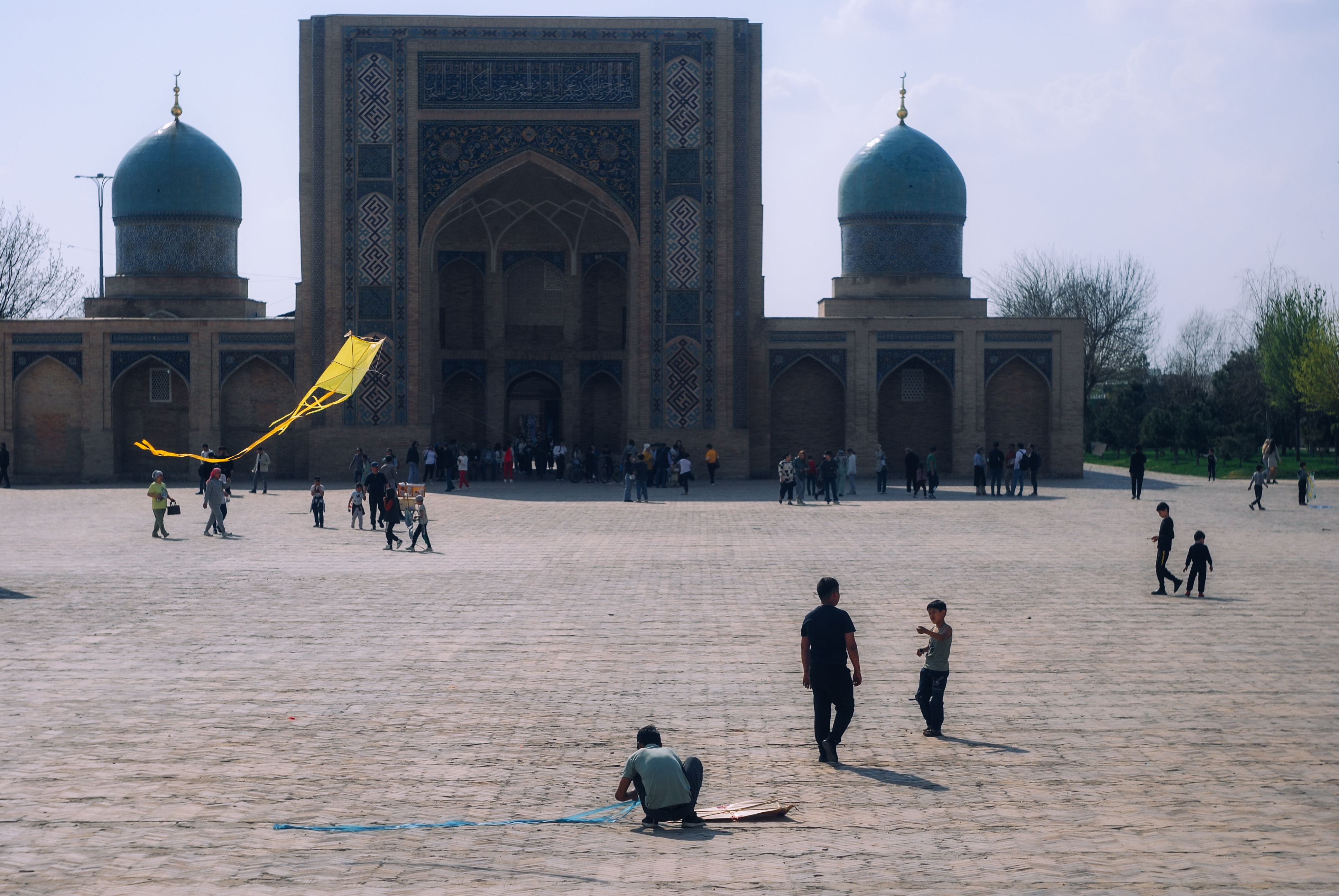
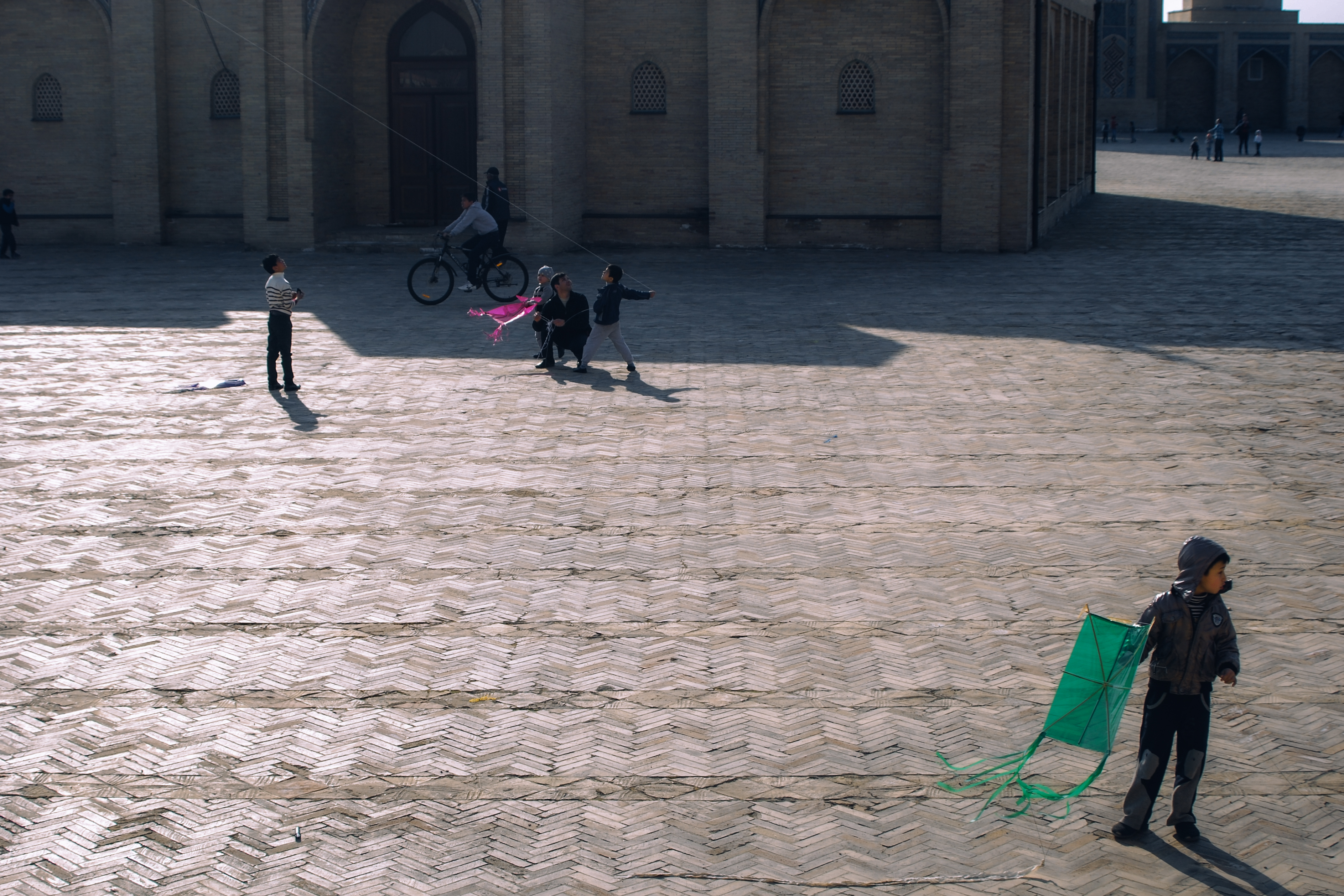
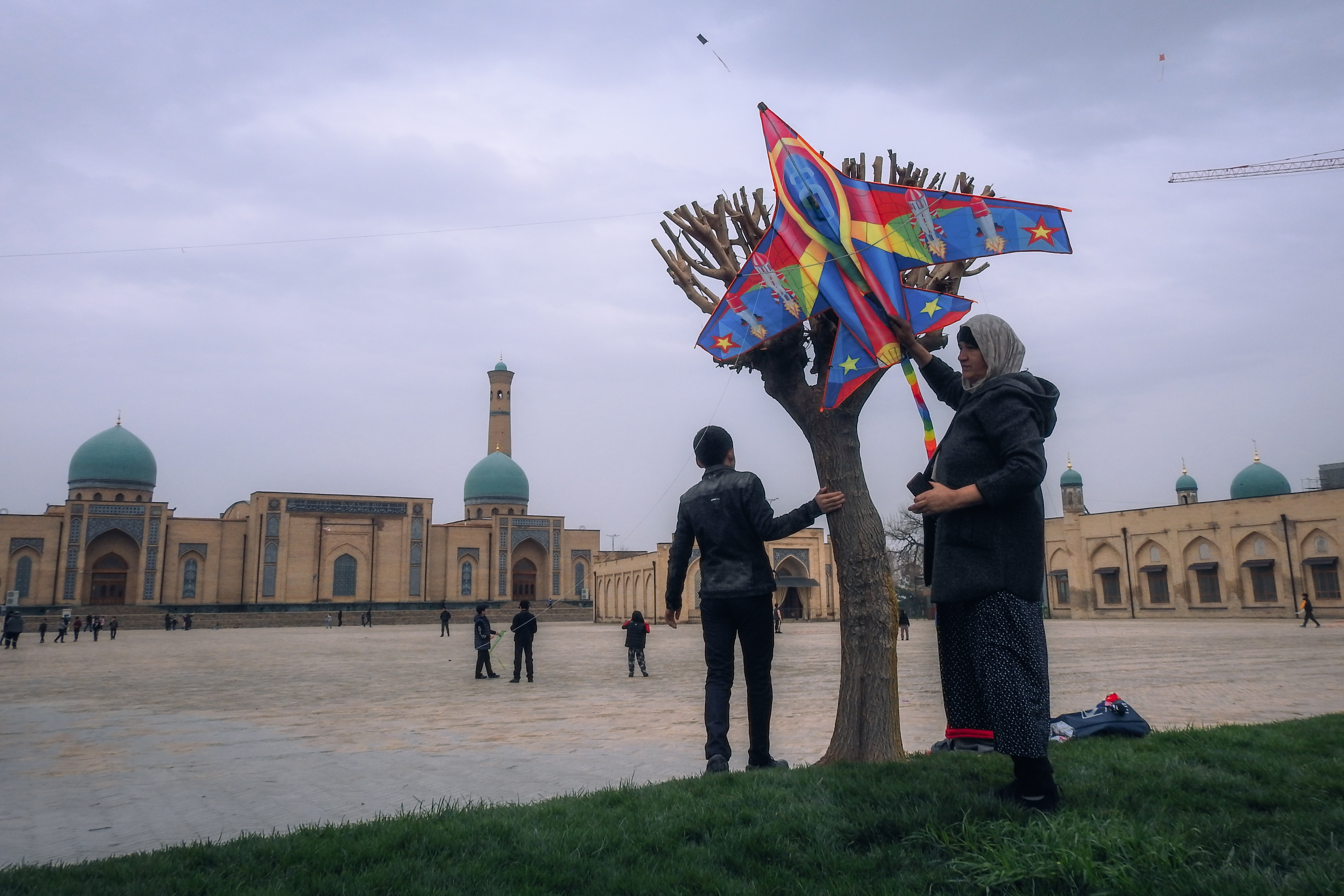
Today, the main locations for flying kites are Khast-Imam Square and the Chimgan Mountains.
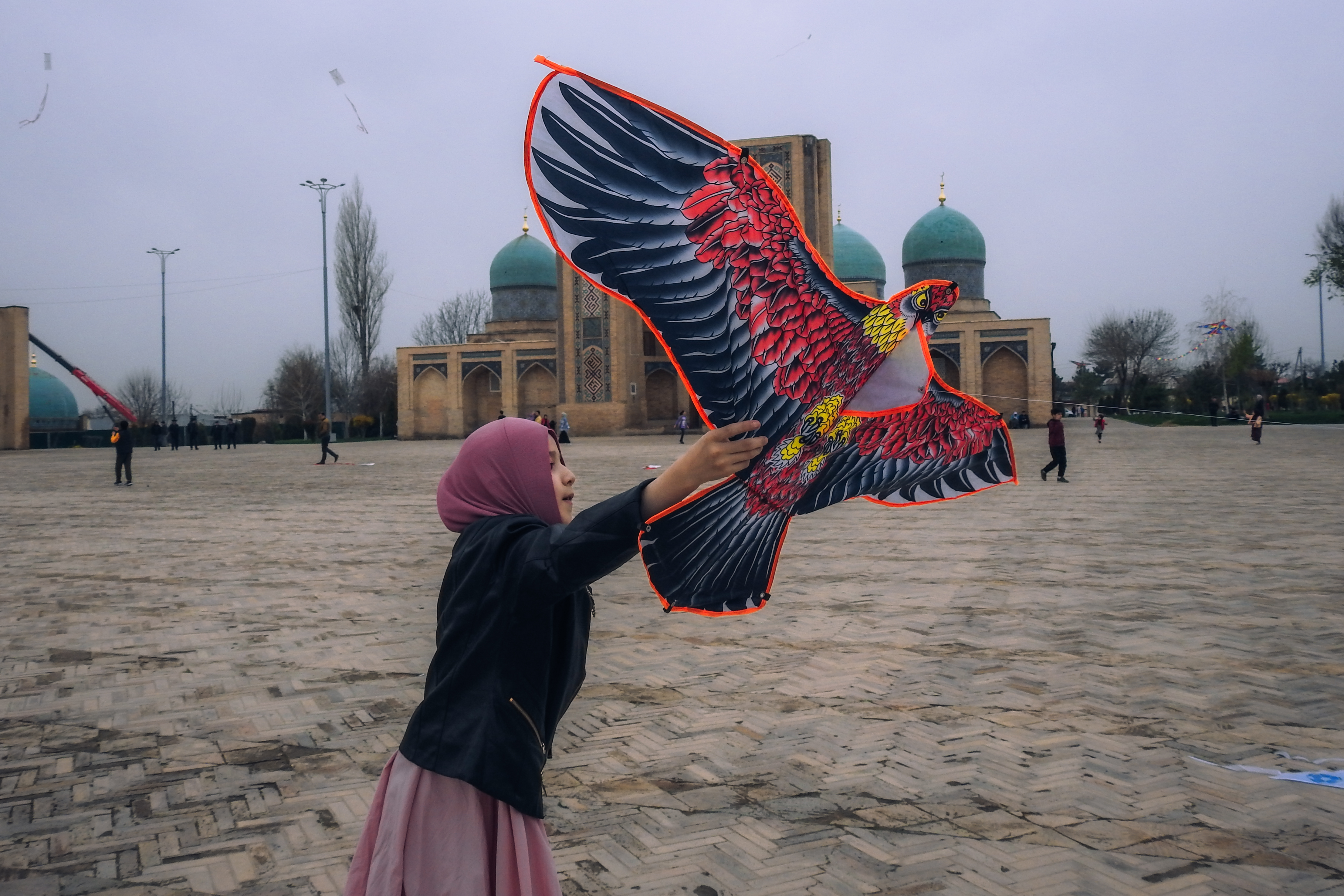
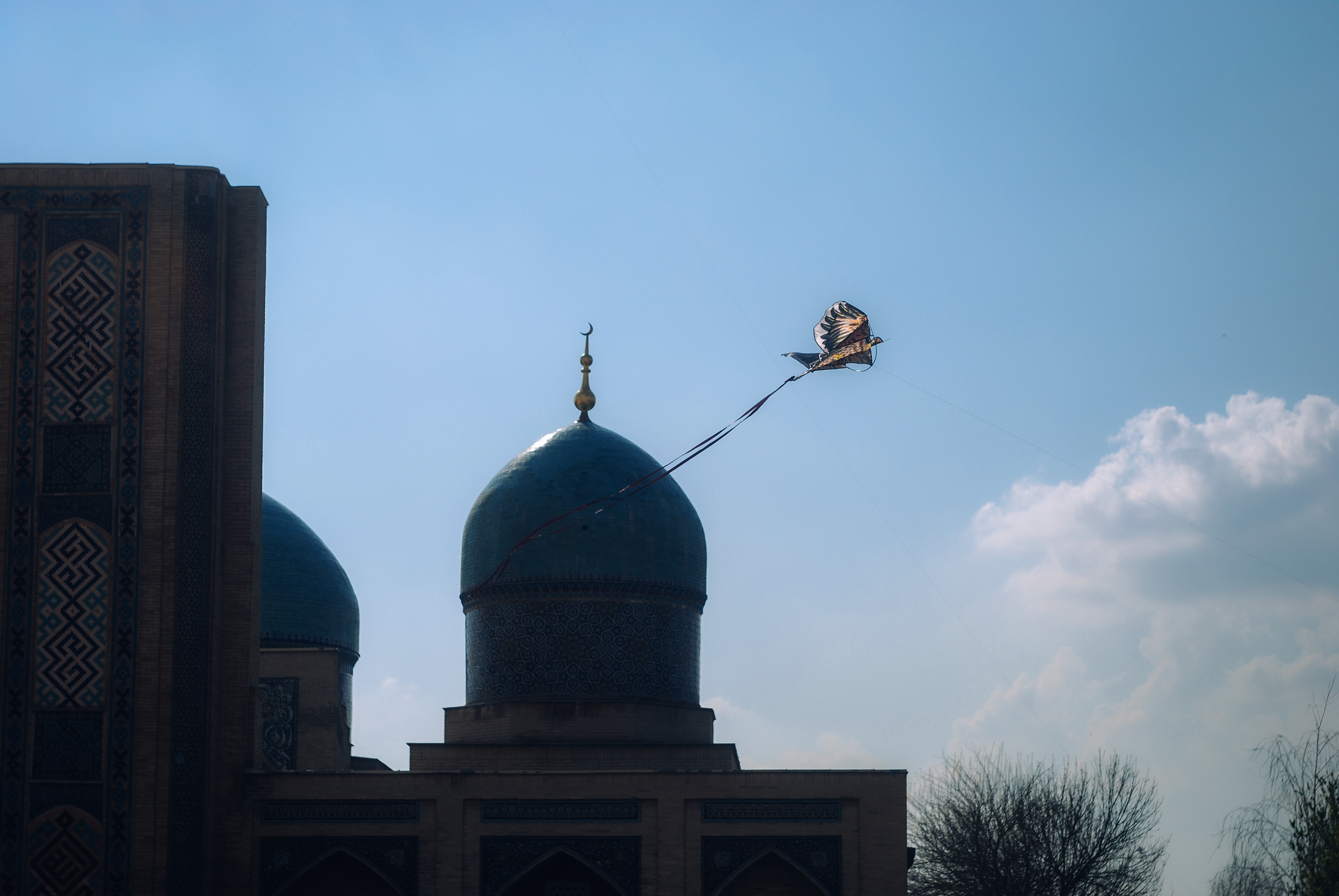
At times, hundreds of kites soar above the city’s religious centre, rising higher than the vast dome of the Islamic Civilization Center in Uzbekistan and drifting towards the setting sun, captivating both passers-by and children alike. Childhood, unshadowed joy, the pure excitement of play. Not only children from nearby mahallas gather to watch and take part, but also people of all ages from more distant districts.
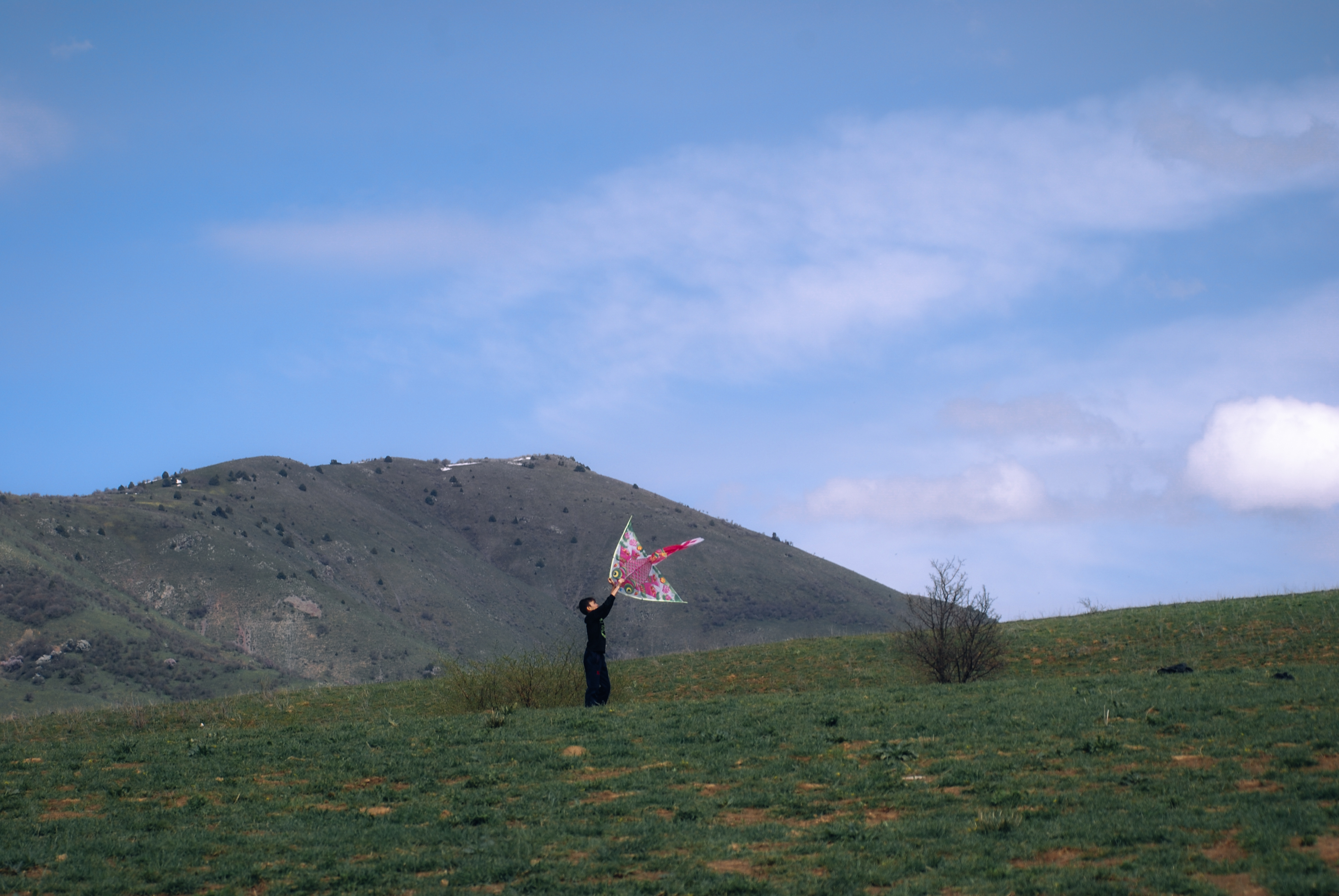
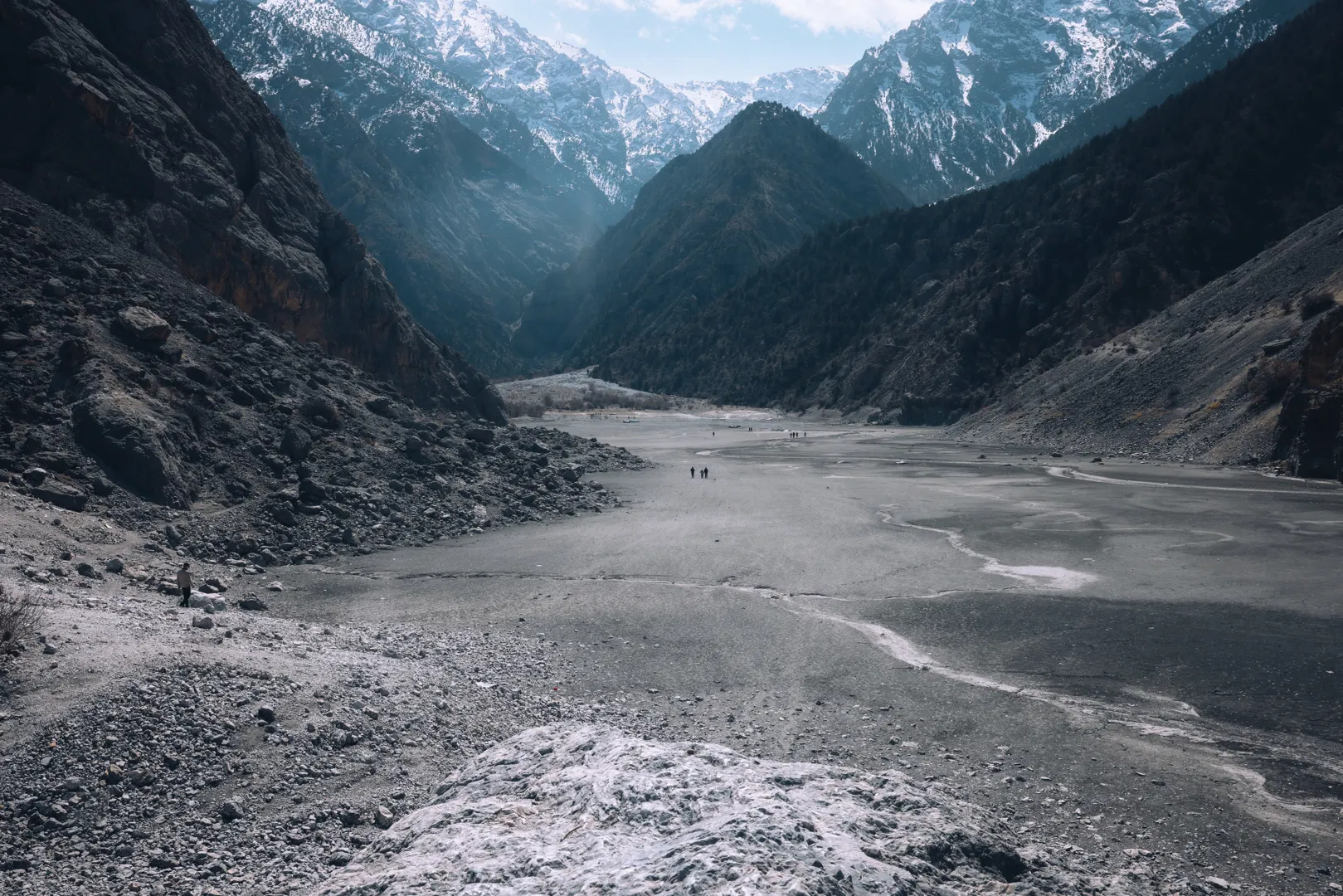
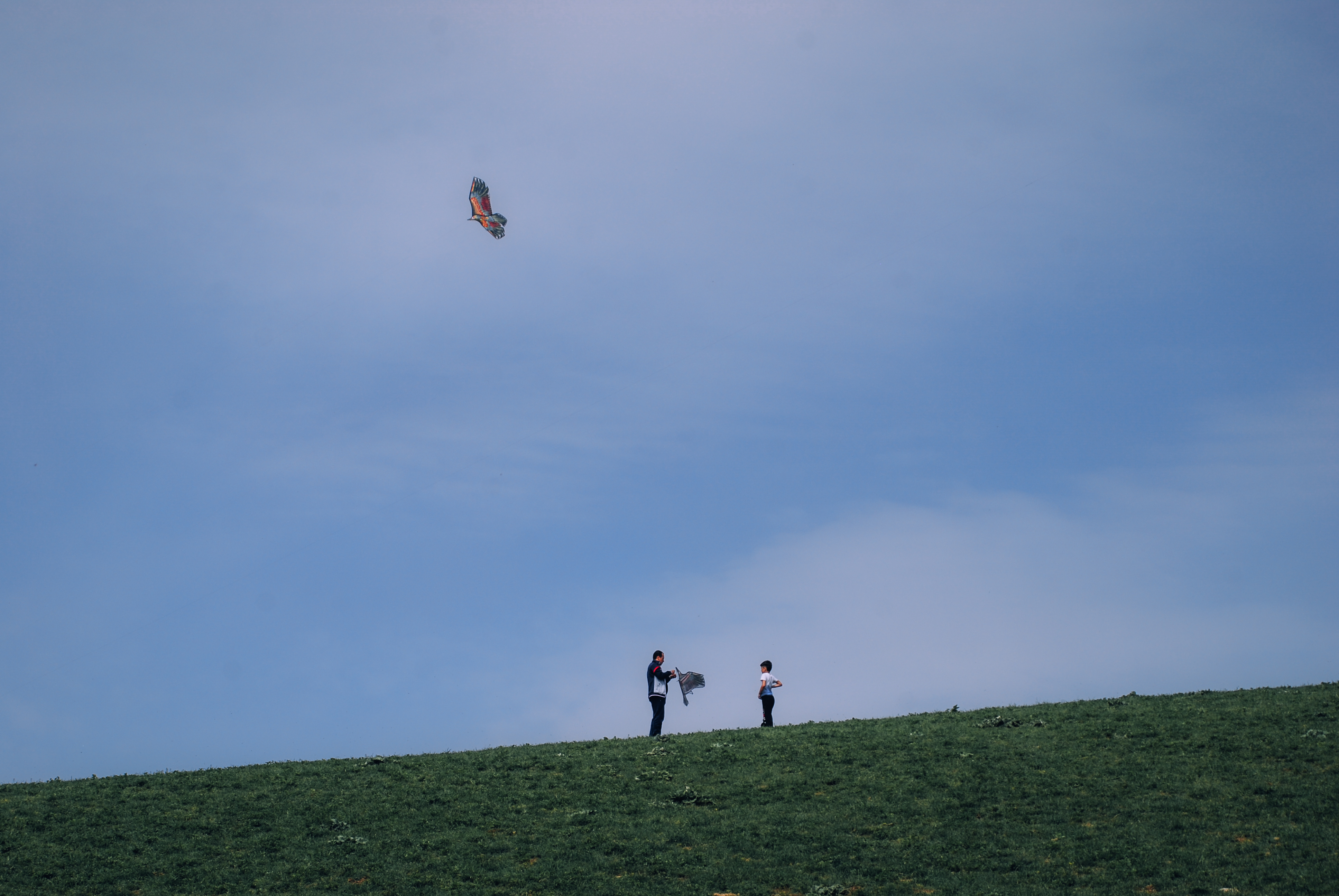
Many head to the mountains to catch the wind; there is more open space there and a greater chance of success. What was once a children’s pastime has now become a family activity, a form of leisure for groups of friends.
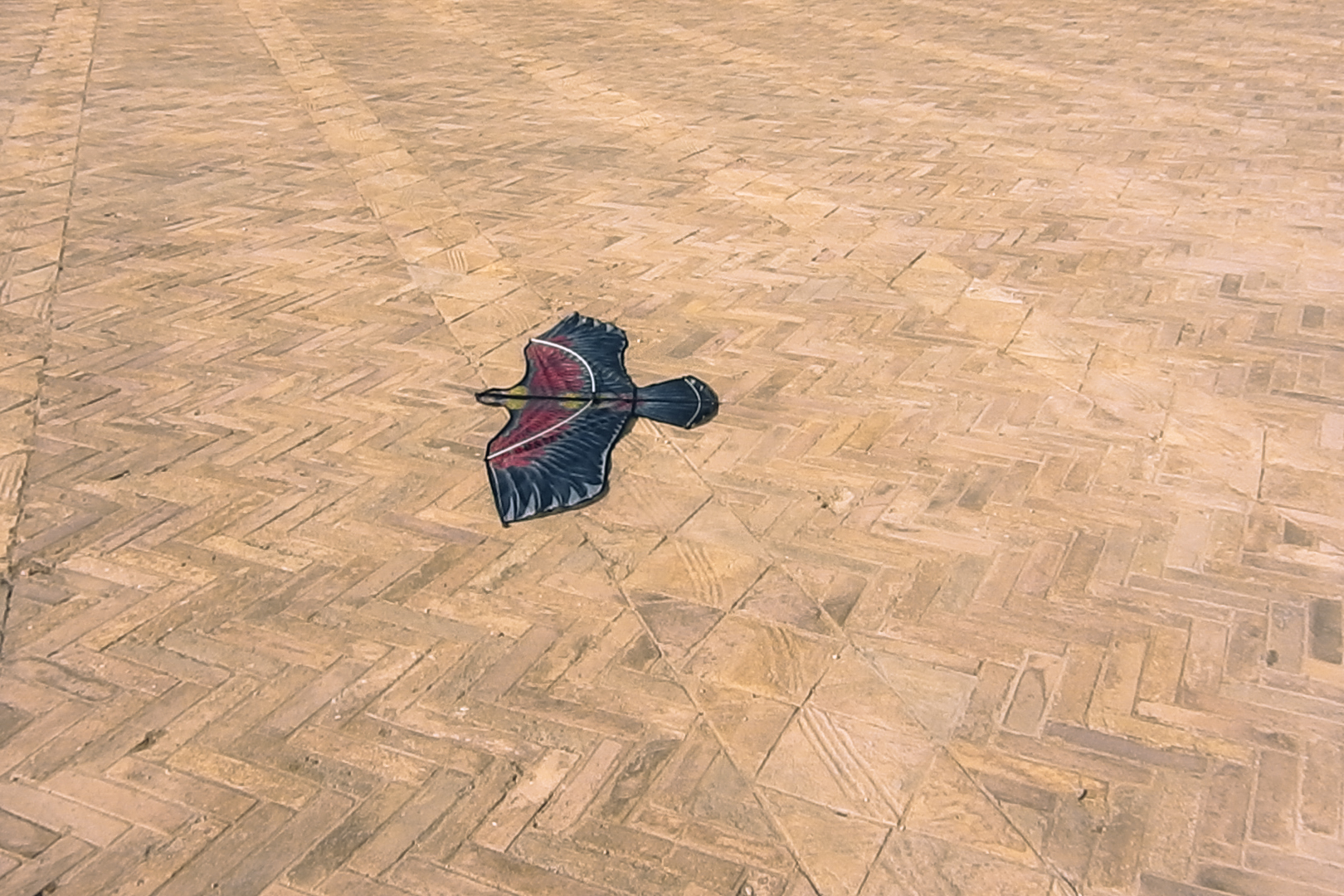
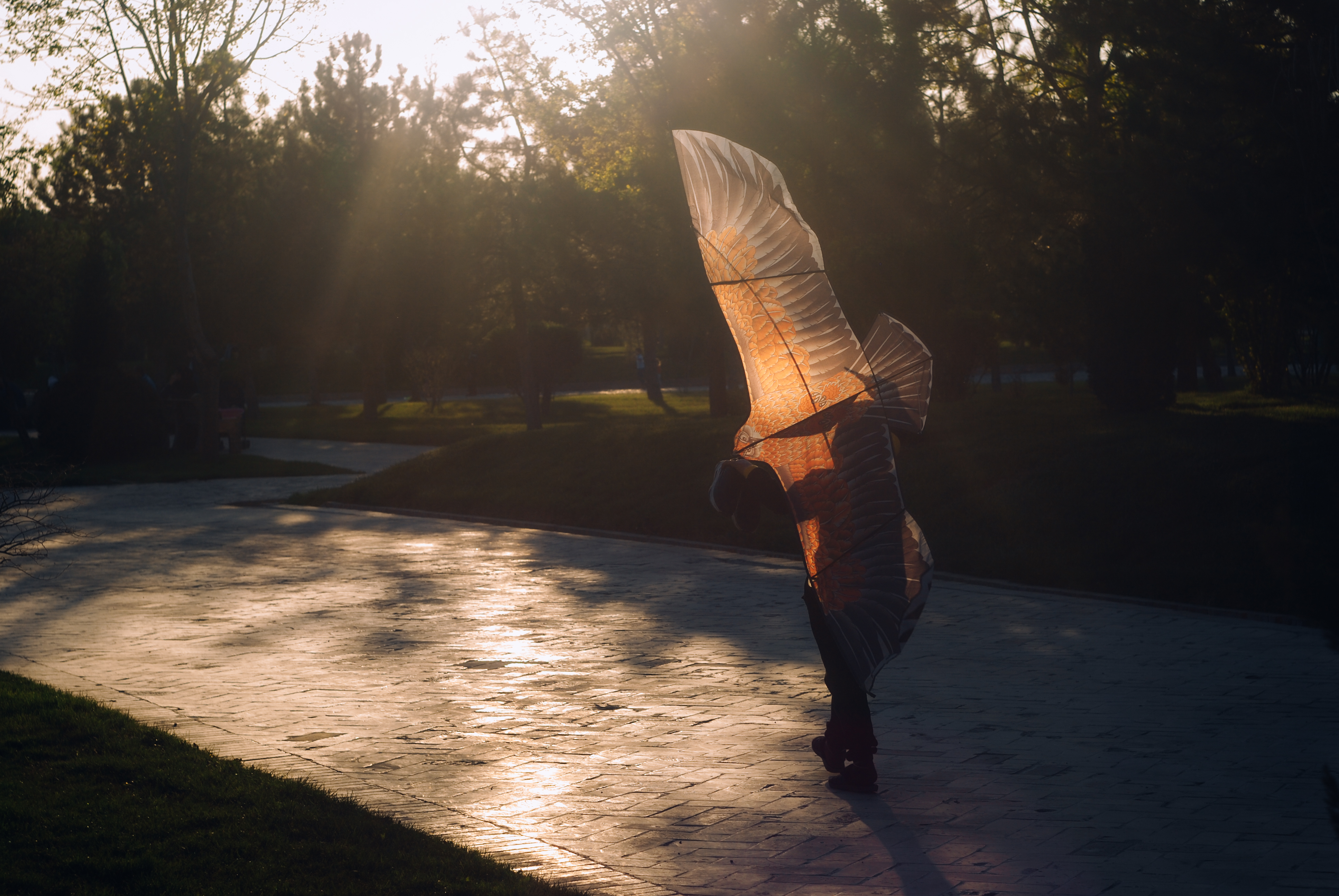
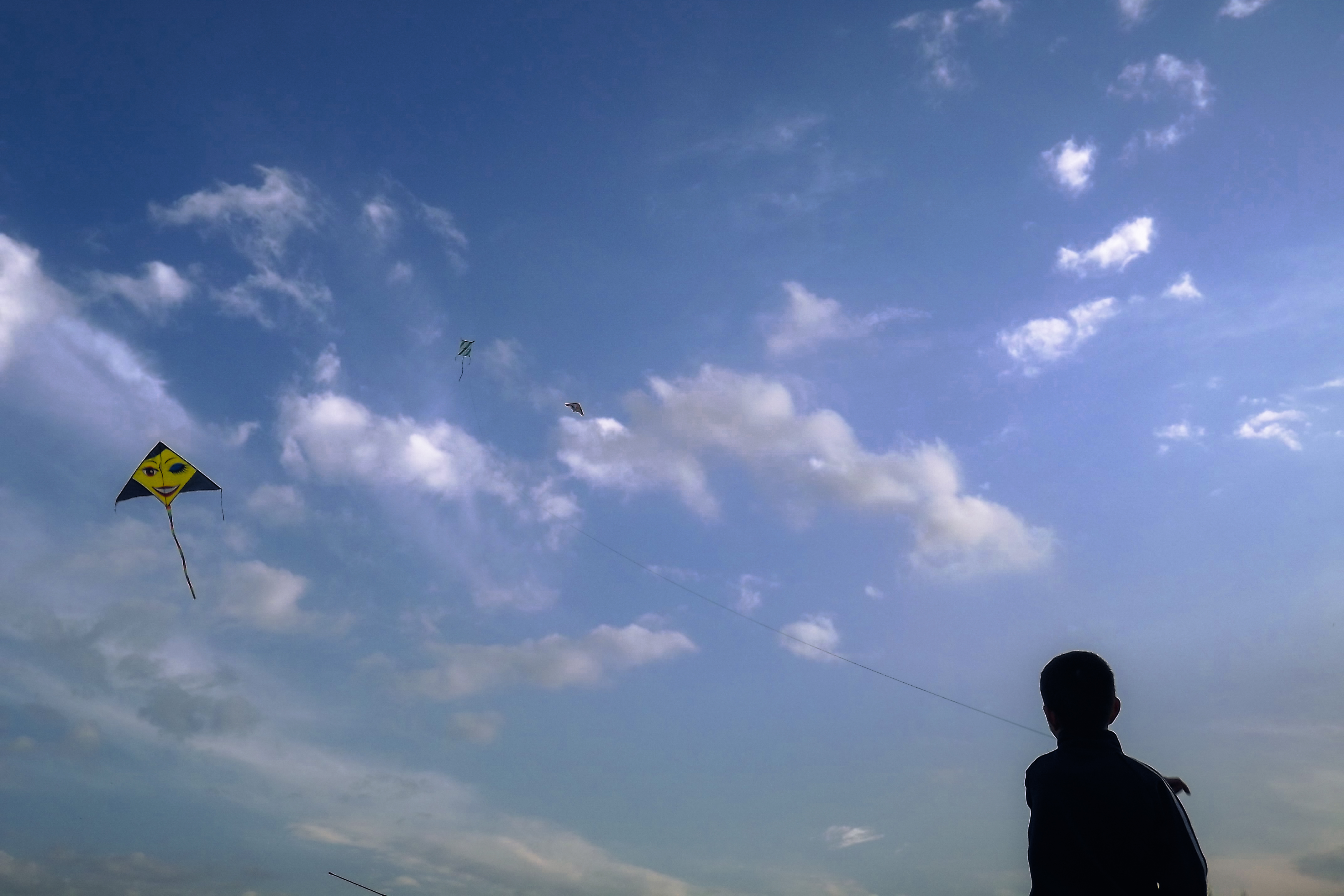
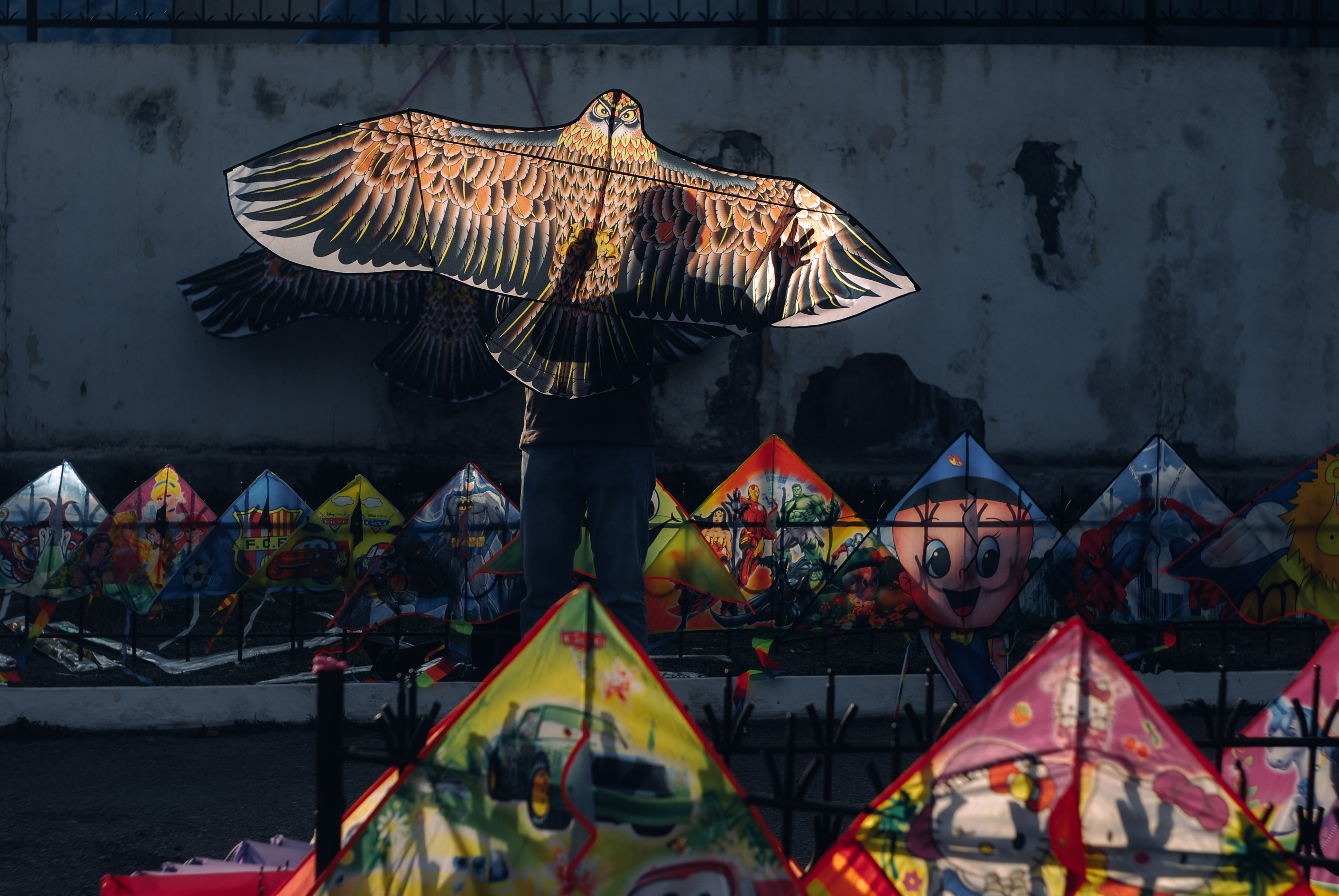
In the past, kites were simple constructions with basic weights. Today, once again from China, markets and roadside stalls are flooded with technically advanced designs in every imaginable colour and shape; now the sky is filled with neon butterflies, Barbie dolls, robots, rainbow eagles, dragons, and even human faces. You can choose whatever you like.
I know that schools even used to declare special kite-flying days. Now I see it becoming a family tradition, and perhaps one of the best. It brings people together, creates a meditative mood, and allows for a kind of reset. It makes you lift your eyes to the sky.
From what was once purely a children’s activity, kite flying has become a pastime for adults as well, and even grandparents happily join in.
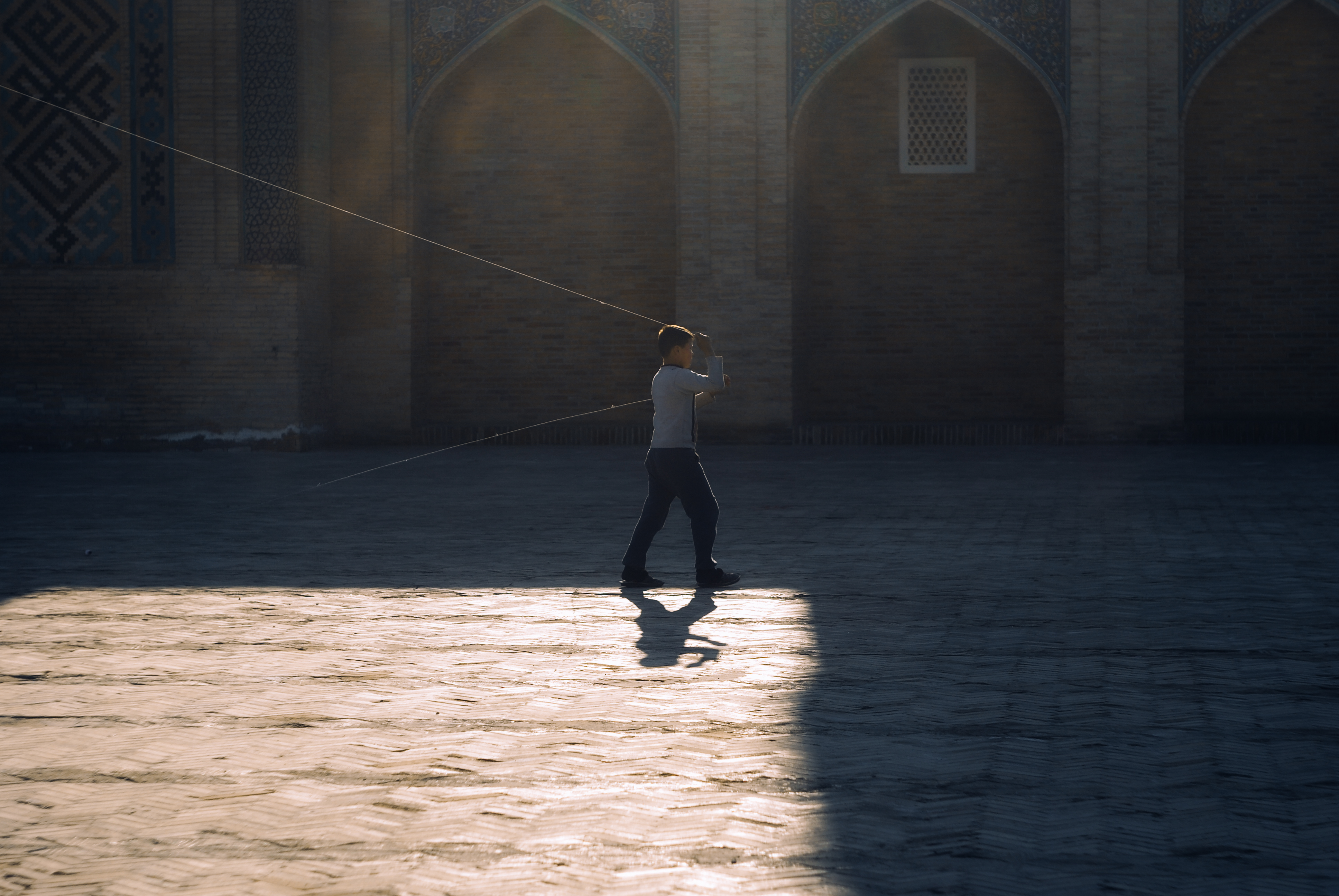
Flying a kite teaches agility, yet you can never succeed without the forces of nature, which humans can never fully comprehend. All that remains is to chase the wind, holding the string tightly, and try for as long as possible not to let your kite slip away into eternity.
Newsletter
A letter from the HD editors
Once a week, we send the best stories, events, and cultural discoveries from Central Asia.