Places
The Blue Lakes of Shahimardan: A Photo Essay
Ildar Sadykov, Maria Maksimycheva, Sergey Pogosyan
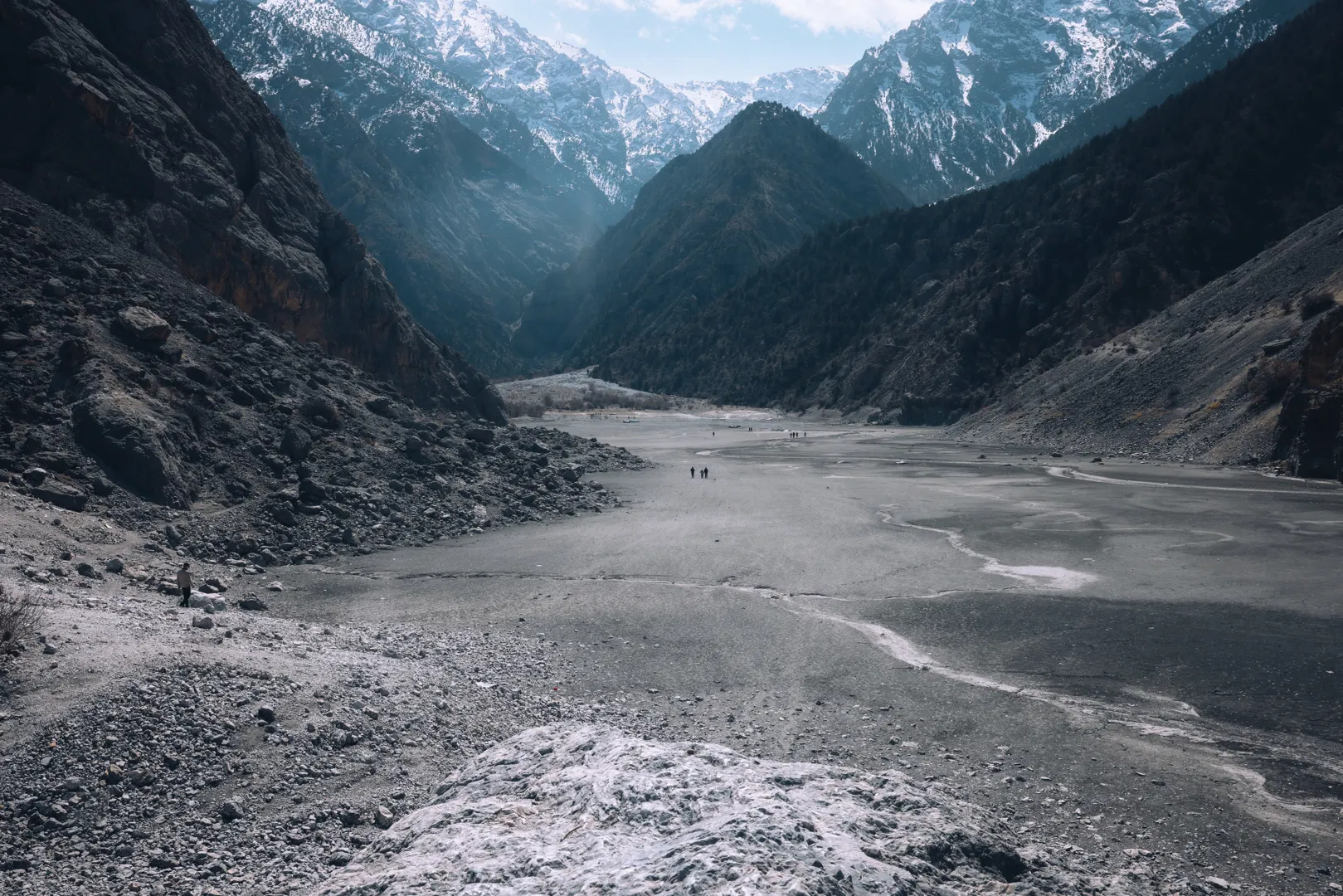
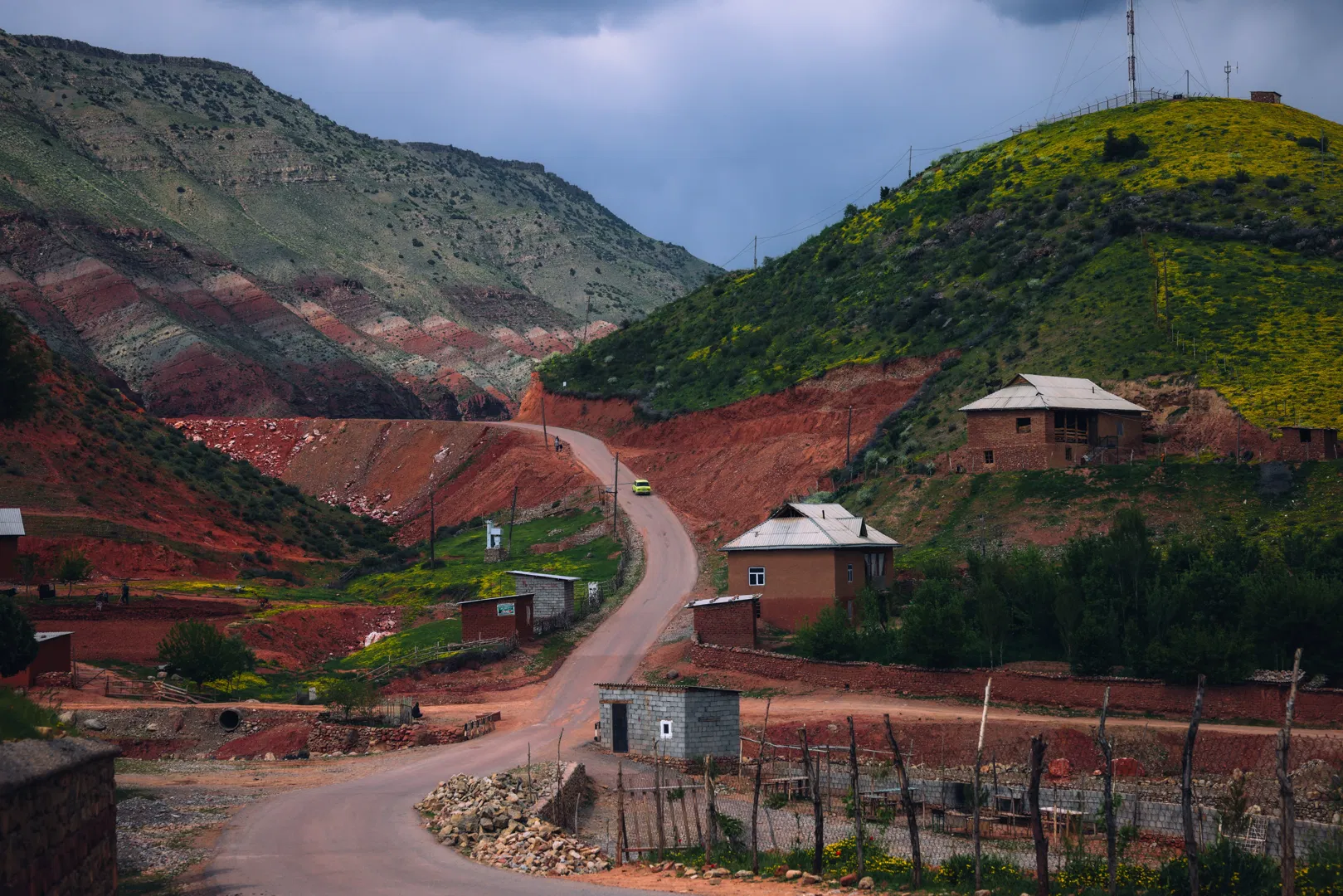
The emerald waters of Kurbankul, or the Blue Lakes, located in Kyrgyzstan just a few kilometres from Shahimardan, have made the area a popular summer retreat. In the off-season, however, the water recedes, revealing an otherworldly landscape to travellers looking for something beyond the beach. A walk across the floor of the Blue Lake, in a photo essay by Ildar Sadykov and Sergey Pogosyan.
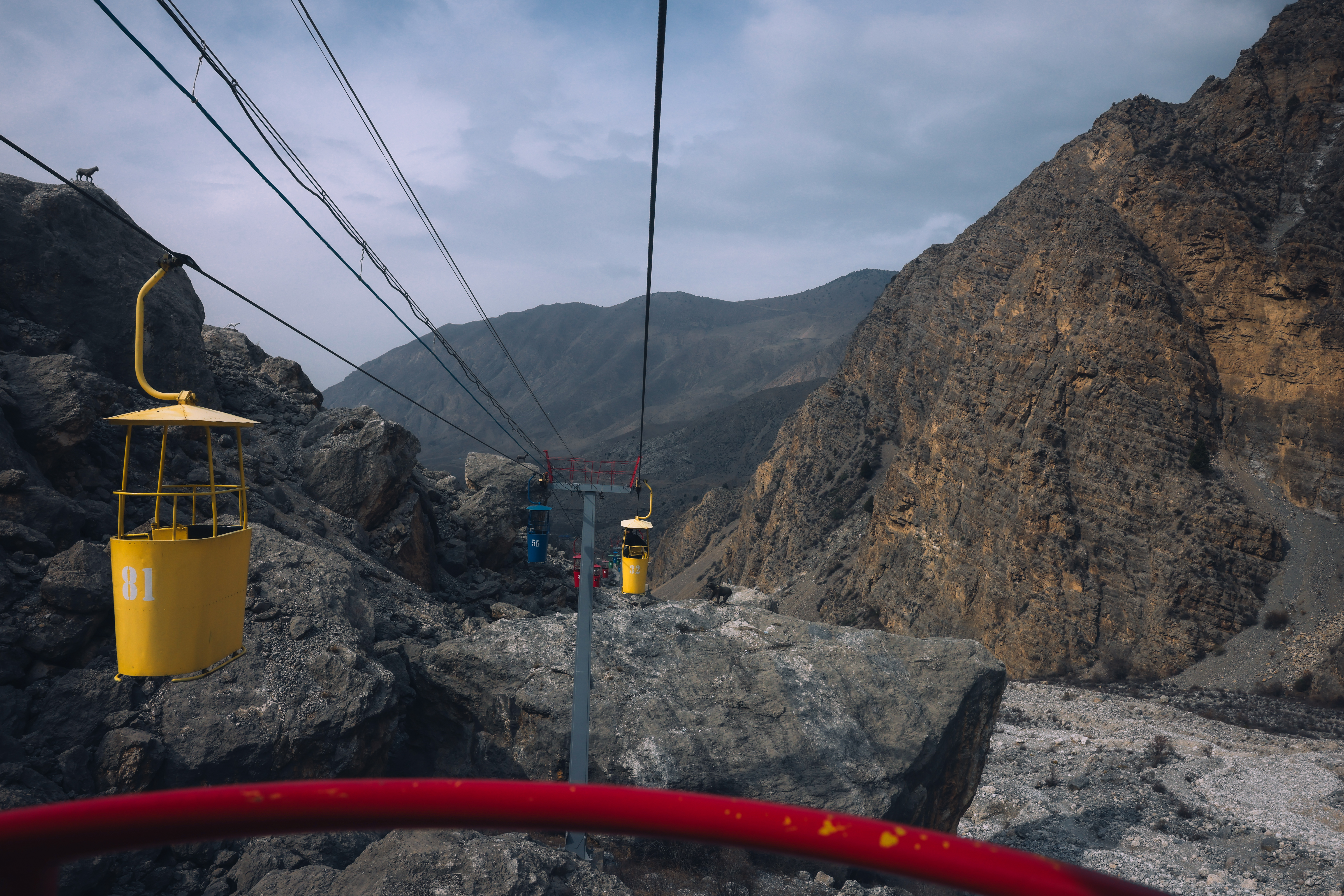
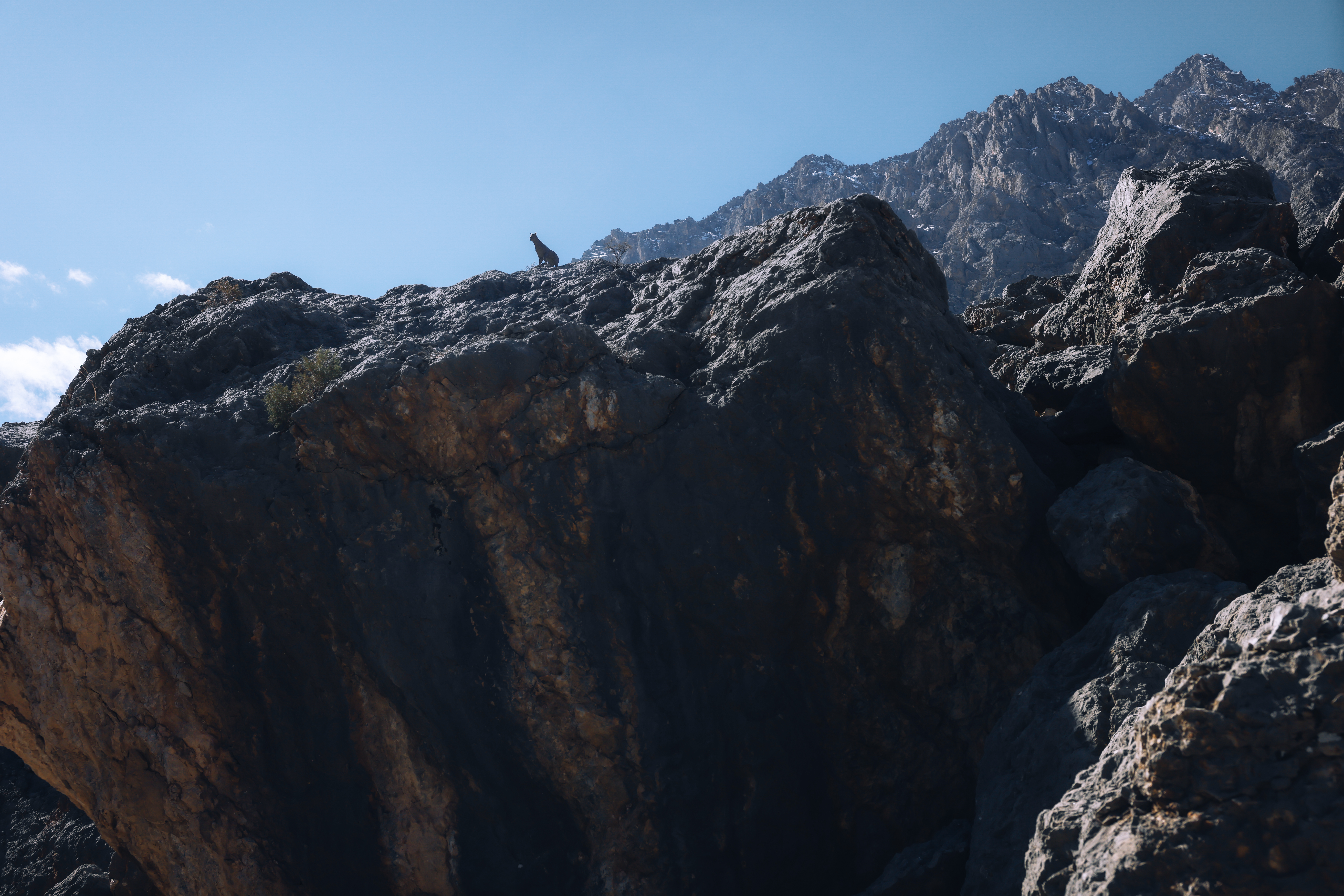
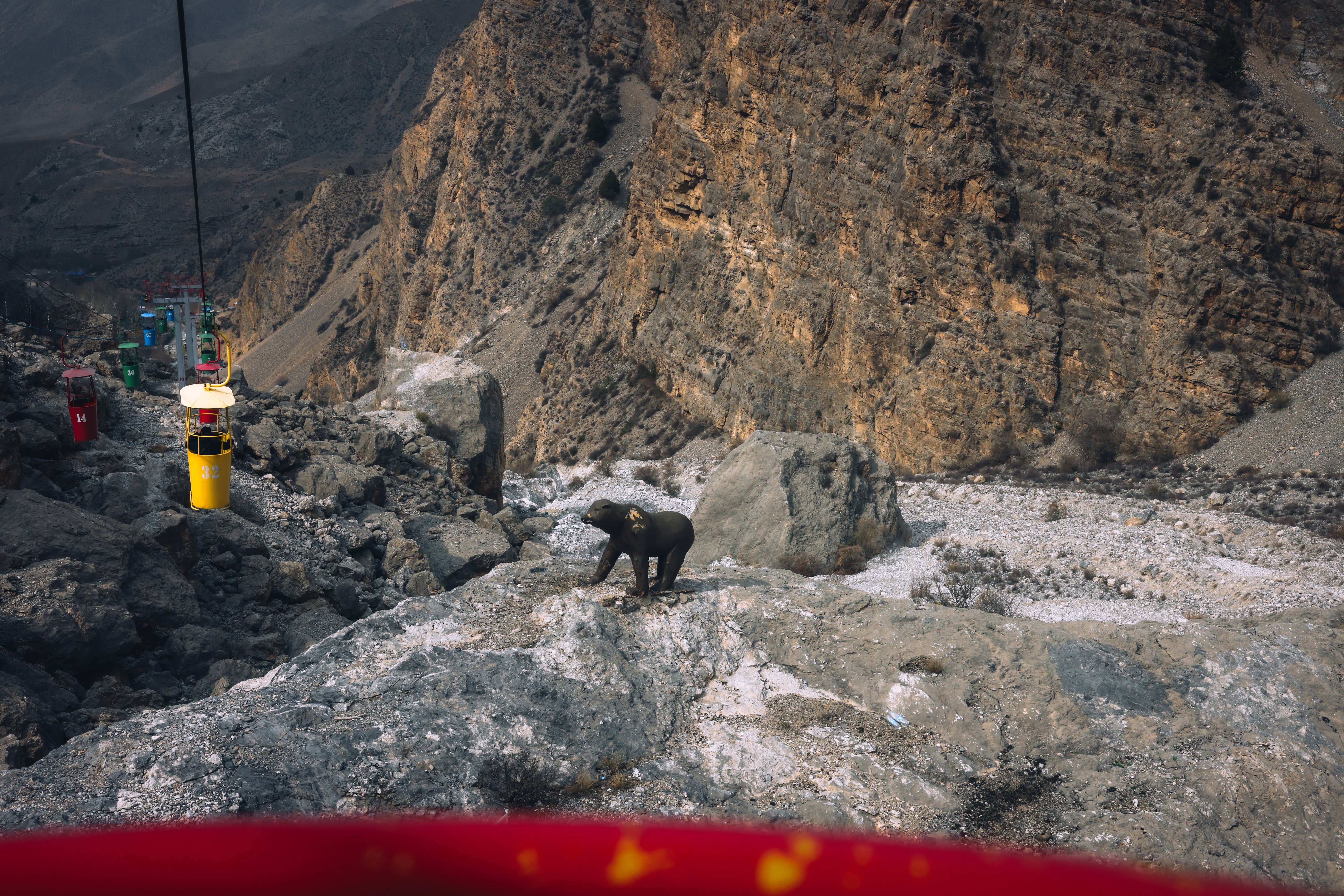
More than 1,500 metres above sea level. A gorge in the Alay Mountains. From Shahimardan, the "Uzbek Switzerland", we made our way to the Blue Lakes by an old cable car. Despite my fear, I have been afraid of heights all my life, I managed to capture the mountains as we travelled, taking both photographs and video. It became a personal challenge, and a chance to overcome my fear. On the rocks, I noticed amusing little figures of wild animals. Looking at them, you find yourself coming out of that state of fear and getting distracted.
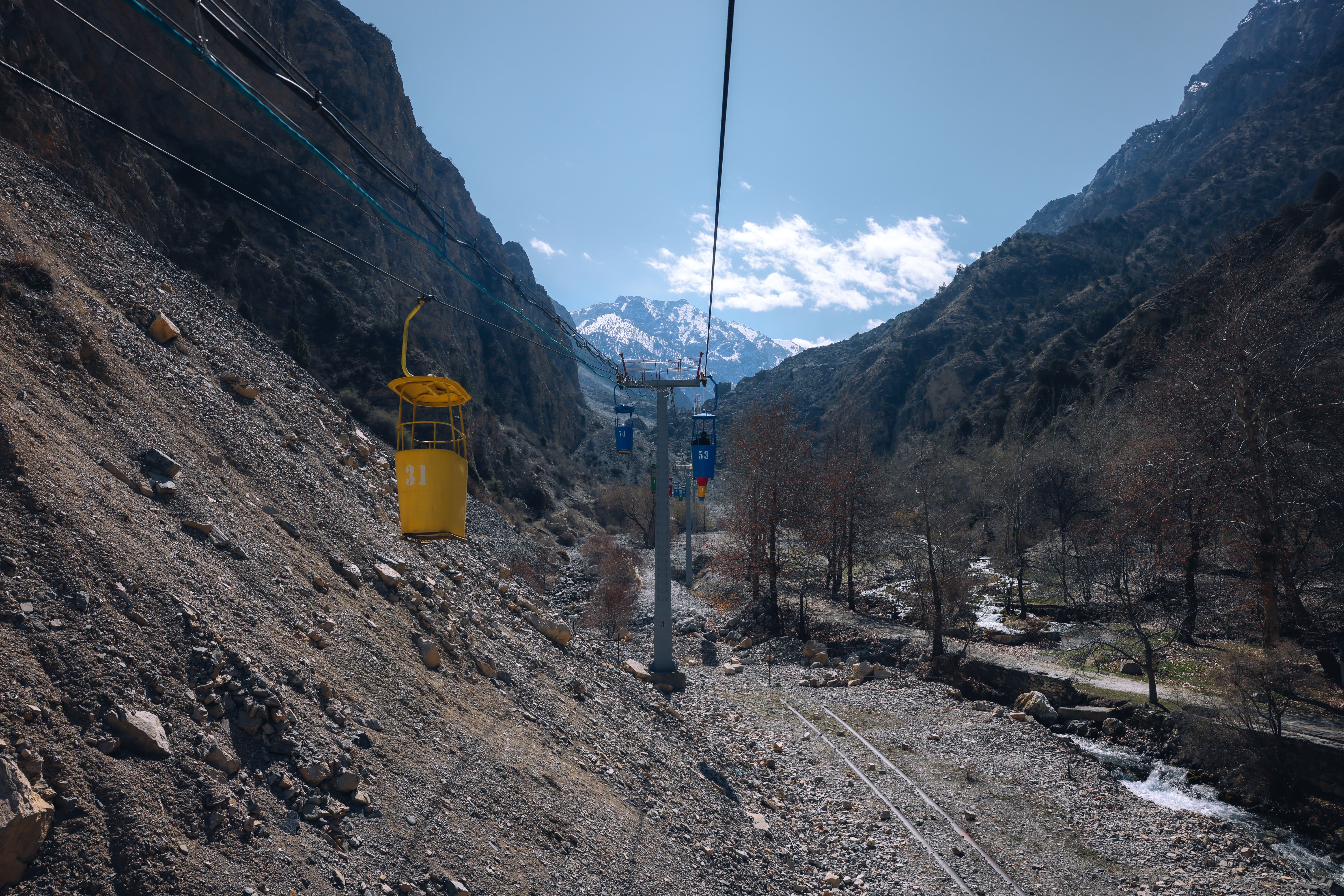 Photo: Ildar Sadykov, Sergey PogosyanPhoto: Ildar Sadykov, Sergey PogosyanPhoto: Ildar Sadykov, Sergey PogosyanPhoto: Ildar Sadykov, Sergey PogosyanPhoto: Ildar Sadykov, Sergey Pogosyan
Kurban-Kul used to be part of Uzbekistan, but today it is in Kyrgyzstan, so reaching the lakes means crossing the border once again. The process is simplified, however. Twenty-five minutes flying over the abyss in an old metal cabin, and you are there. The cable car, incidentally, is operated by Uzbekistan. As of March 2026, the fare is just 50,000 soums.
An Island of Homeland: Shakhimardan — photo essayShakhimardan is one of the four officially recognised Uzbek enclaves within Kyrgyzstan, a place associated with the fourth righteous caliph Ali and the freethinking poet Hamza. It is also a mountain resort beloved by Uzbeks and one of the most beautiful corners of the Alay Mountains, where the swift waters of the Koksu and Oksu rivers cool the scorching air rising from the valley below, bringing long-awaited relief. During our March expedition through the Fergana Region, we travelled there to prepare traditional sumalyak together with local residents. In this photo essay by Ildar Sadykov and Sergei Pogosyan, a festive episode from the life of an ordinary family living in this almost fairy-tale landscape.mag.humodoc.com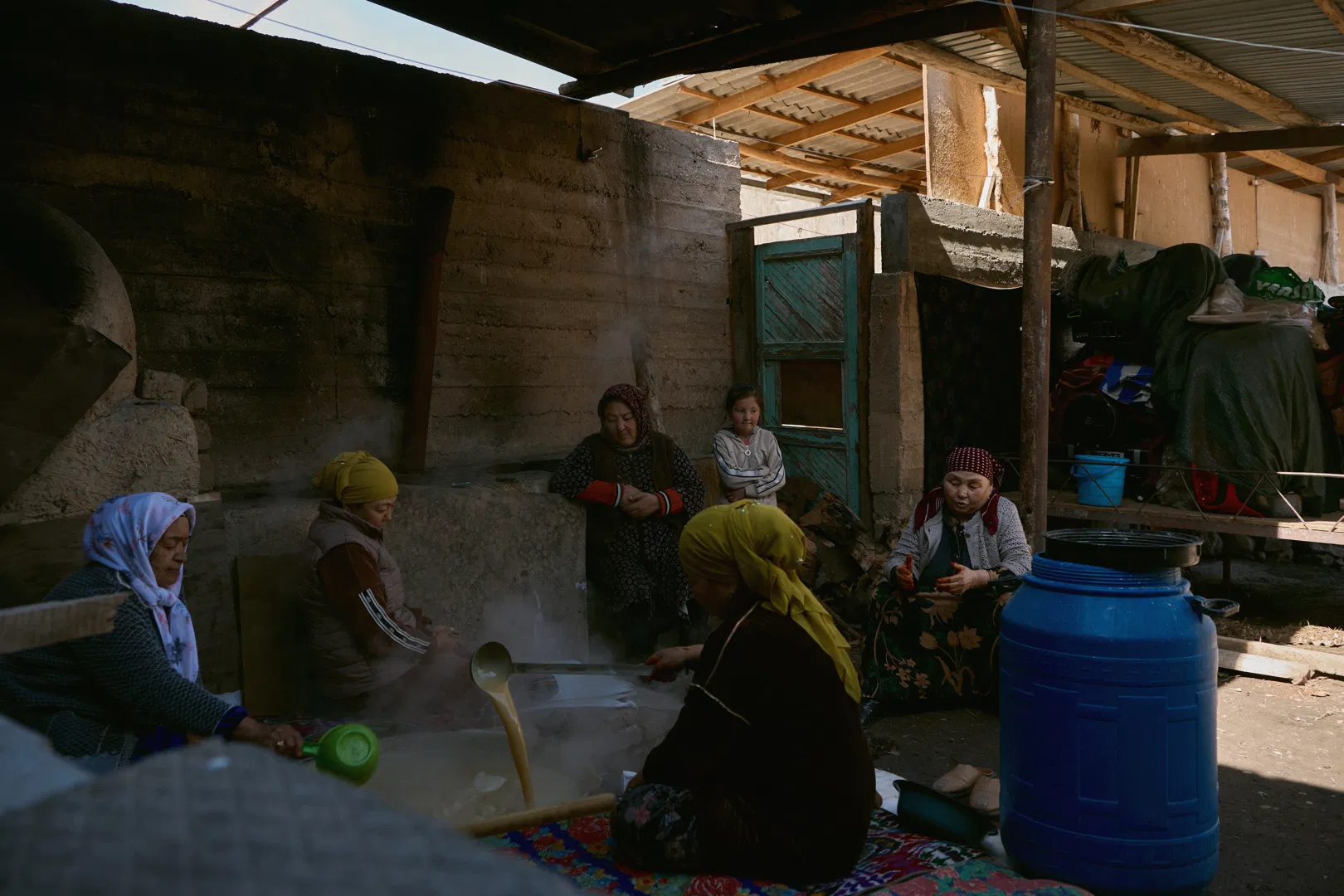
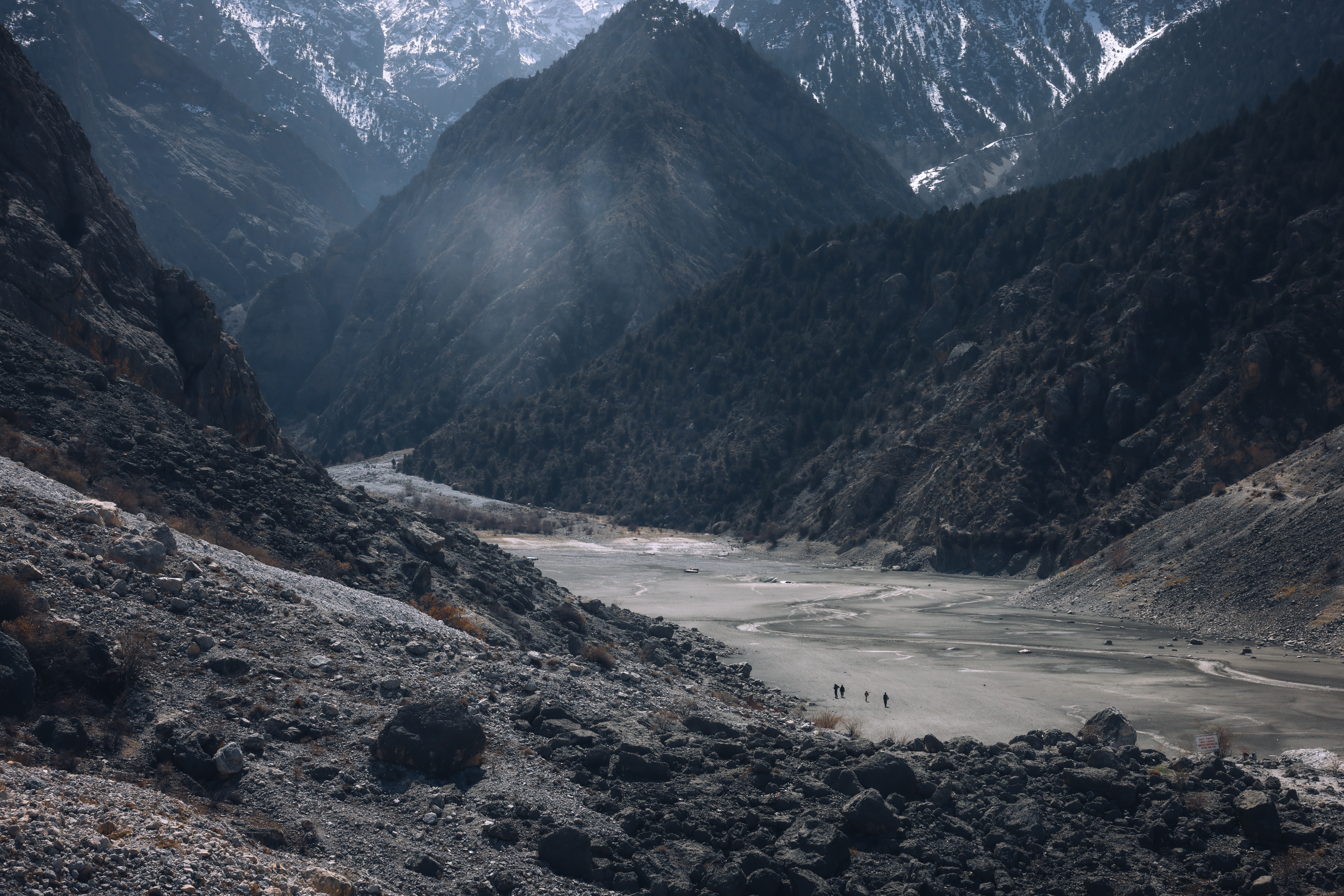 Photo: Ildar Sadykov, Sergey PogosyanPhoto: Ildar Sadykov, Sergey PogosyanPhoto: Ildar Sadykov, Sergey PogosyanPhoto: Ildar Sadykov, Sergey Pogosyan
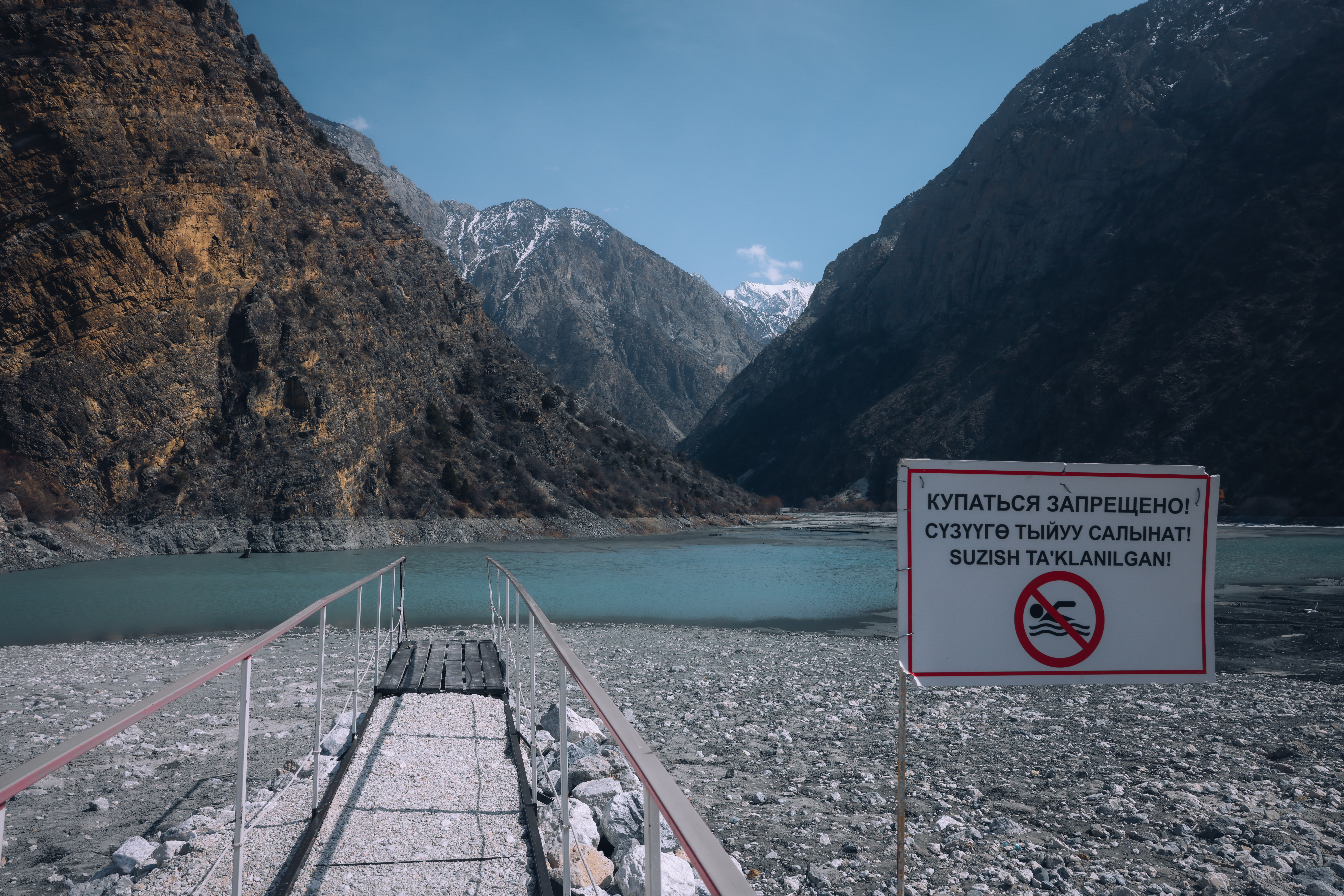
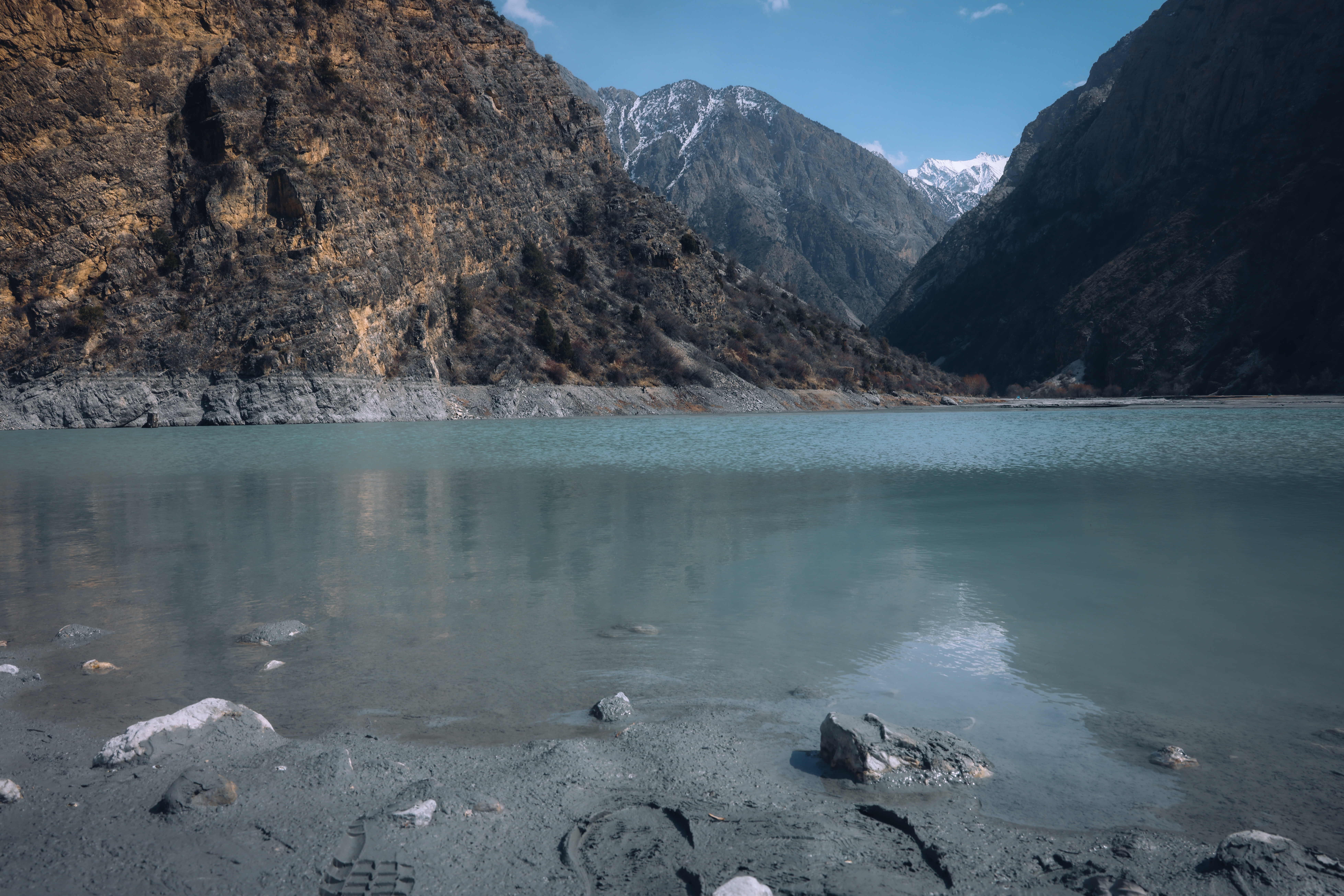
Even from the cable car, you can see the Blue Lake unfolding before you in all its breathtaking beauty, formed only a couple of centuries ago in the Kok-Suu Gorge. In summer, the lake comes alive with visitors from both countries. The water is far too cold for swimming, but you can take a boat or explore the lake by other means. Above all, though, it is the extraordinary sight of the emerald water framed by the surrounding mountains that draws people here.
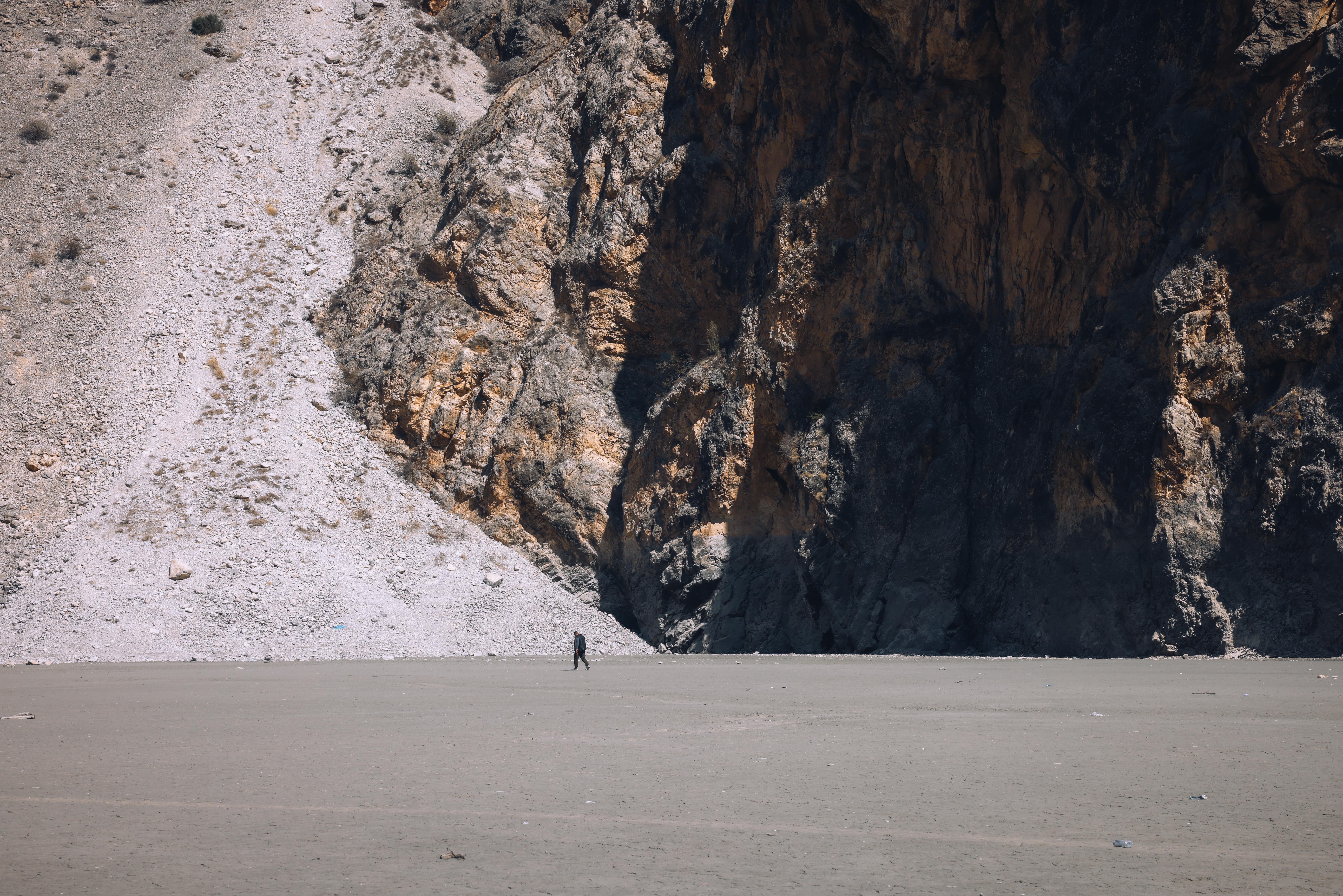 Photo: Ildar Sadykov, Sergey PogosyanPhoto: Ildar Sadykov, Sergey PogosyanPhoto: Ildar Sadykov, Sergey PogosyanPhoto: Ildar Sadykov, Sergey PogosyanPhoto: Ildar Sadykov, Sergey Pogosyan
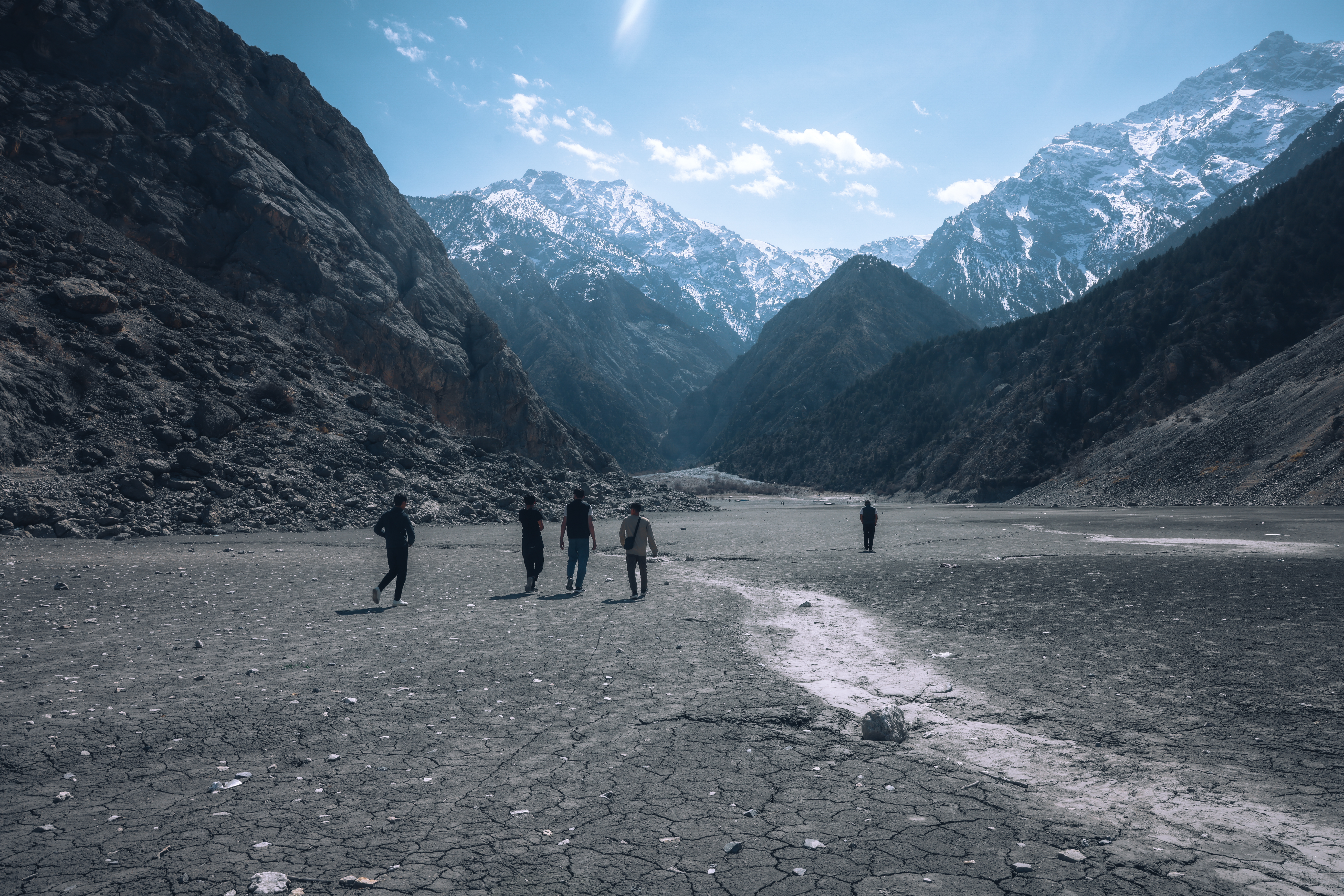
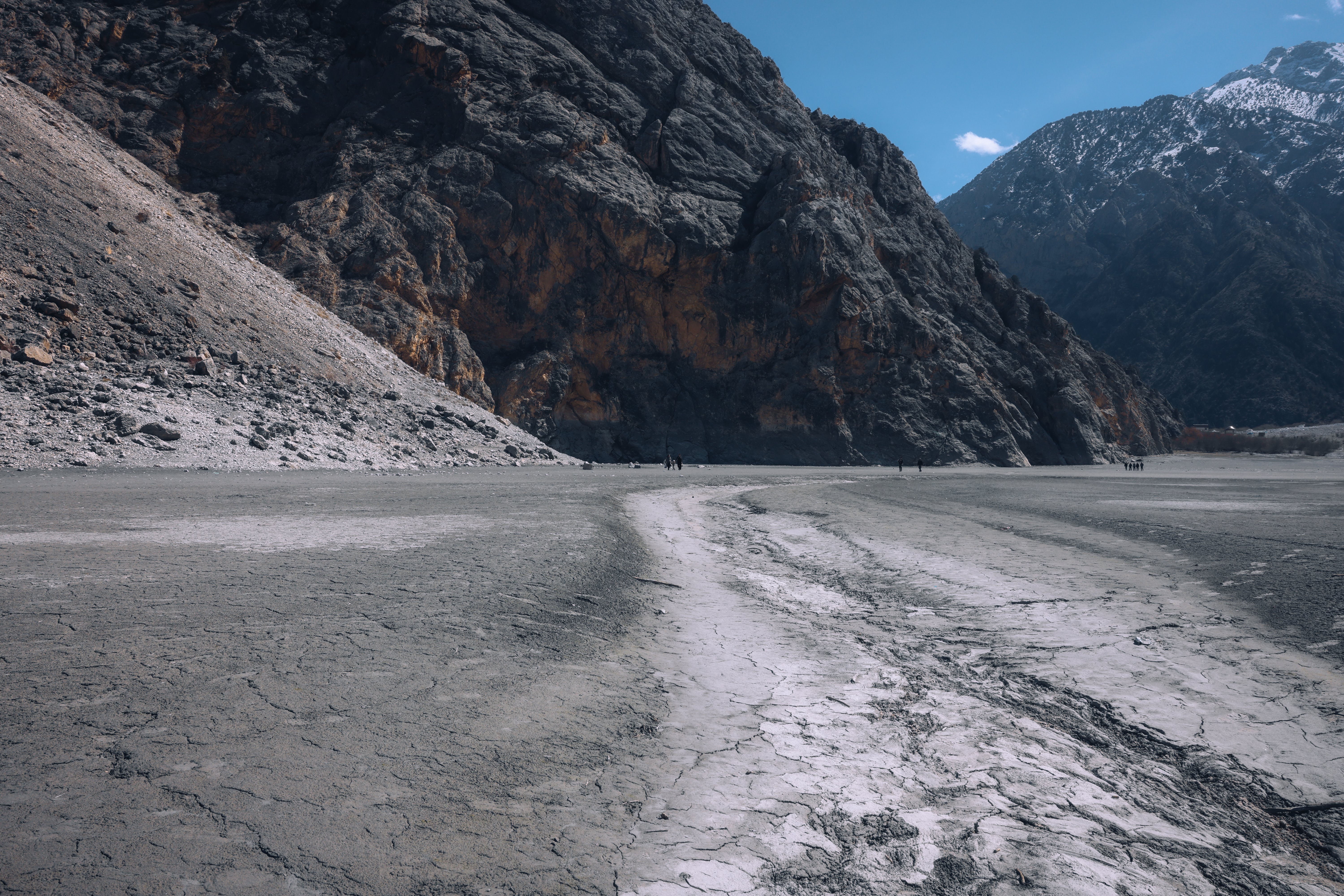
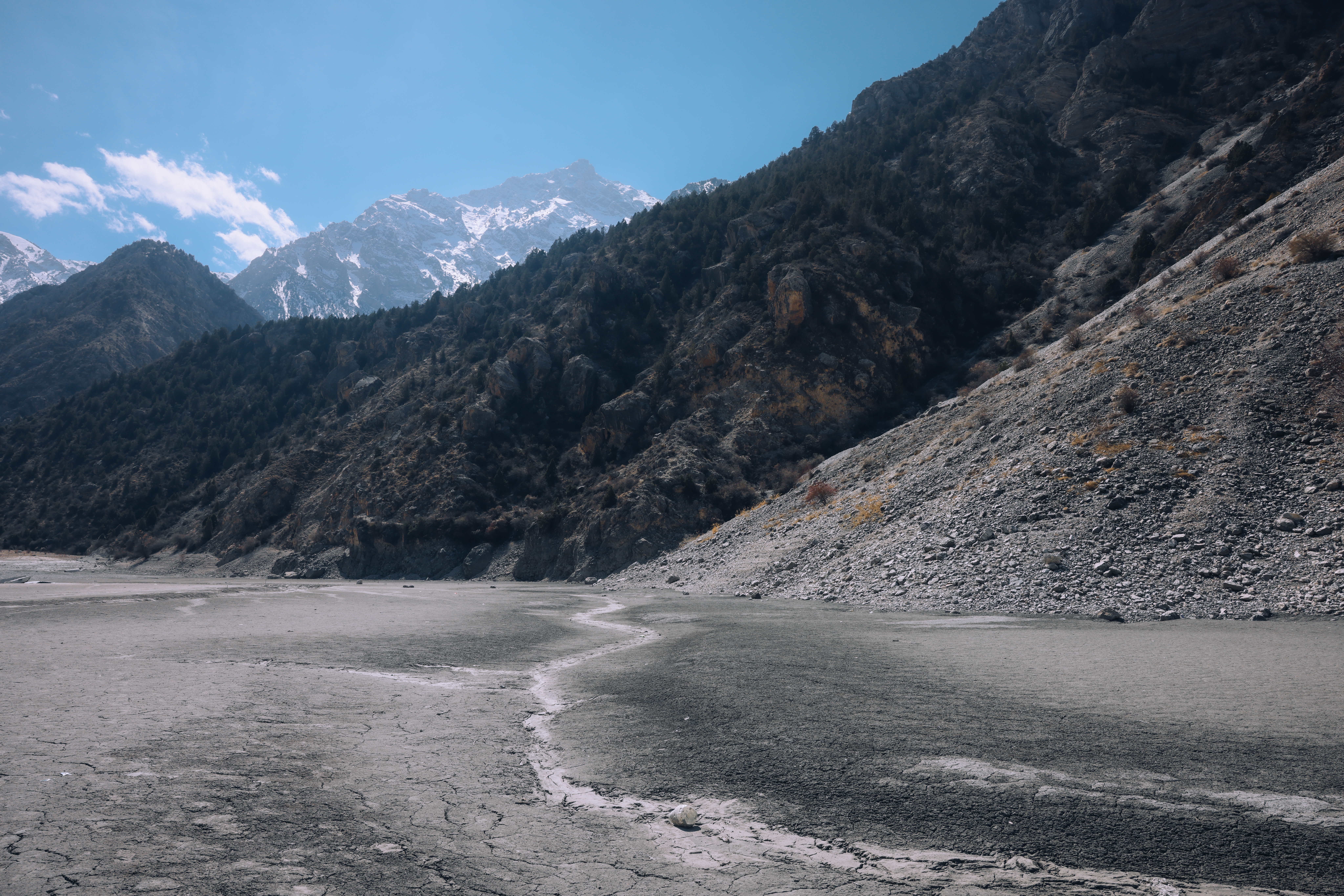
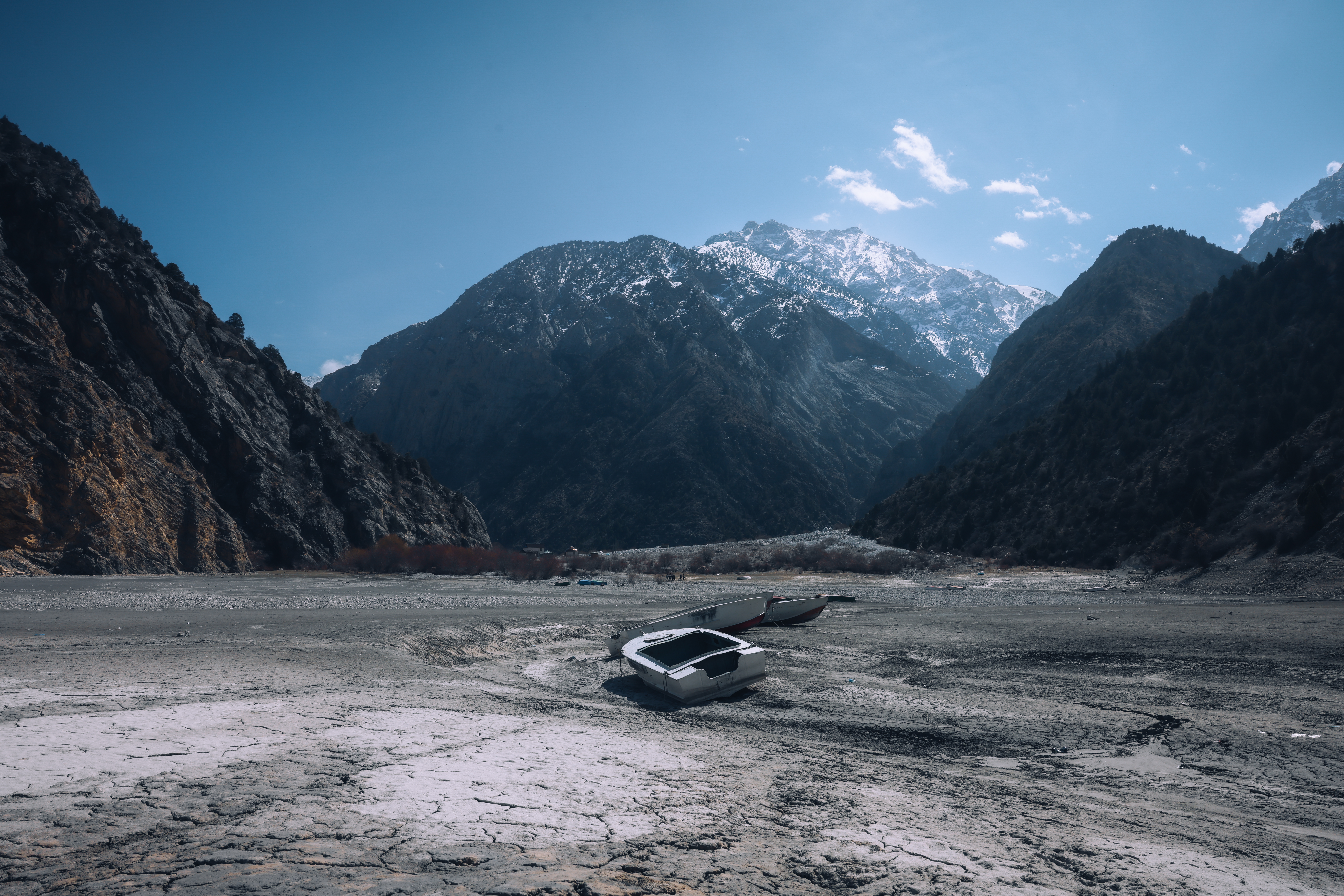
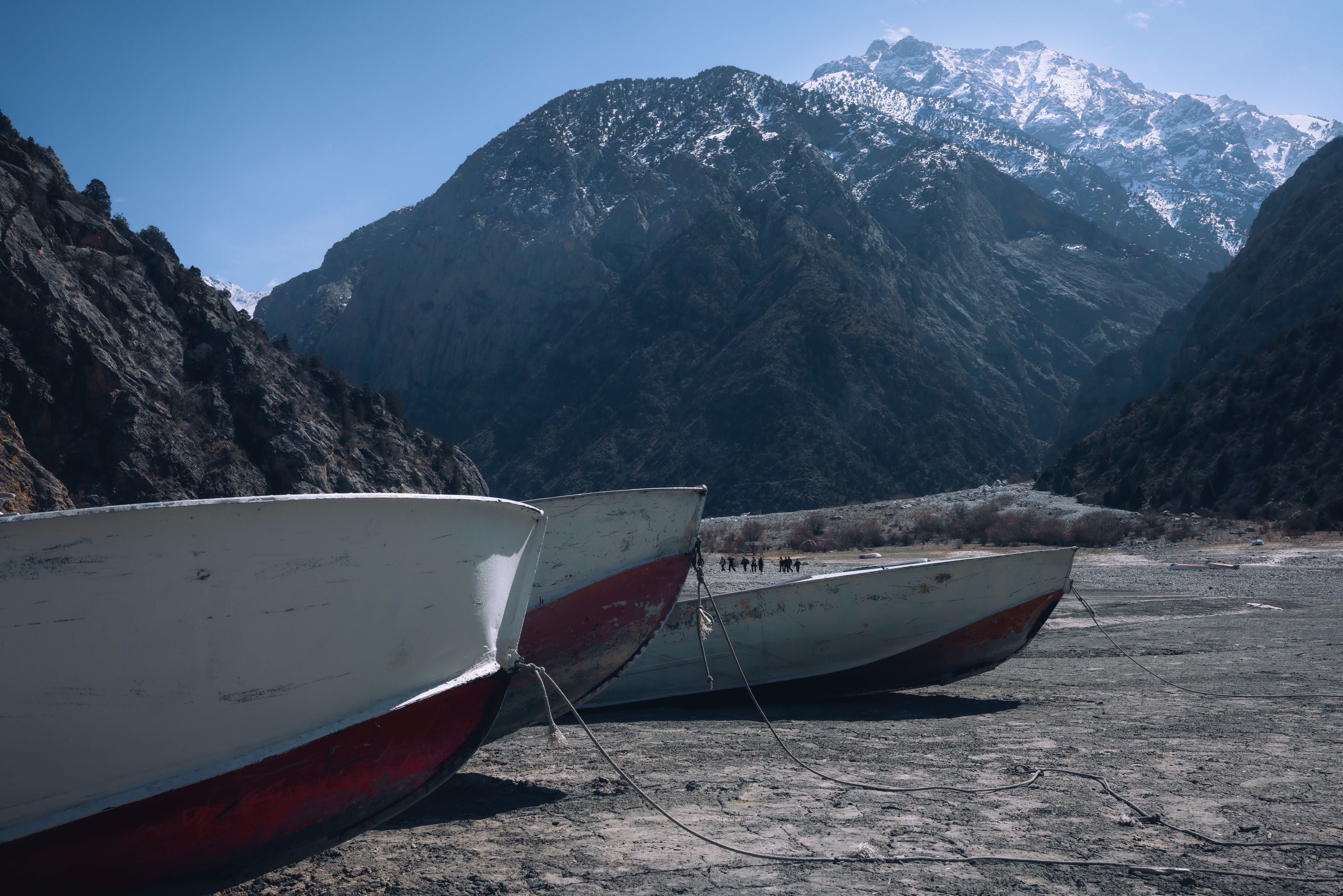
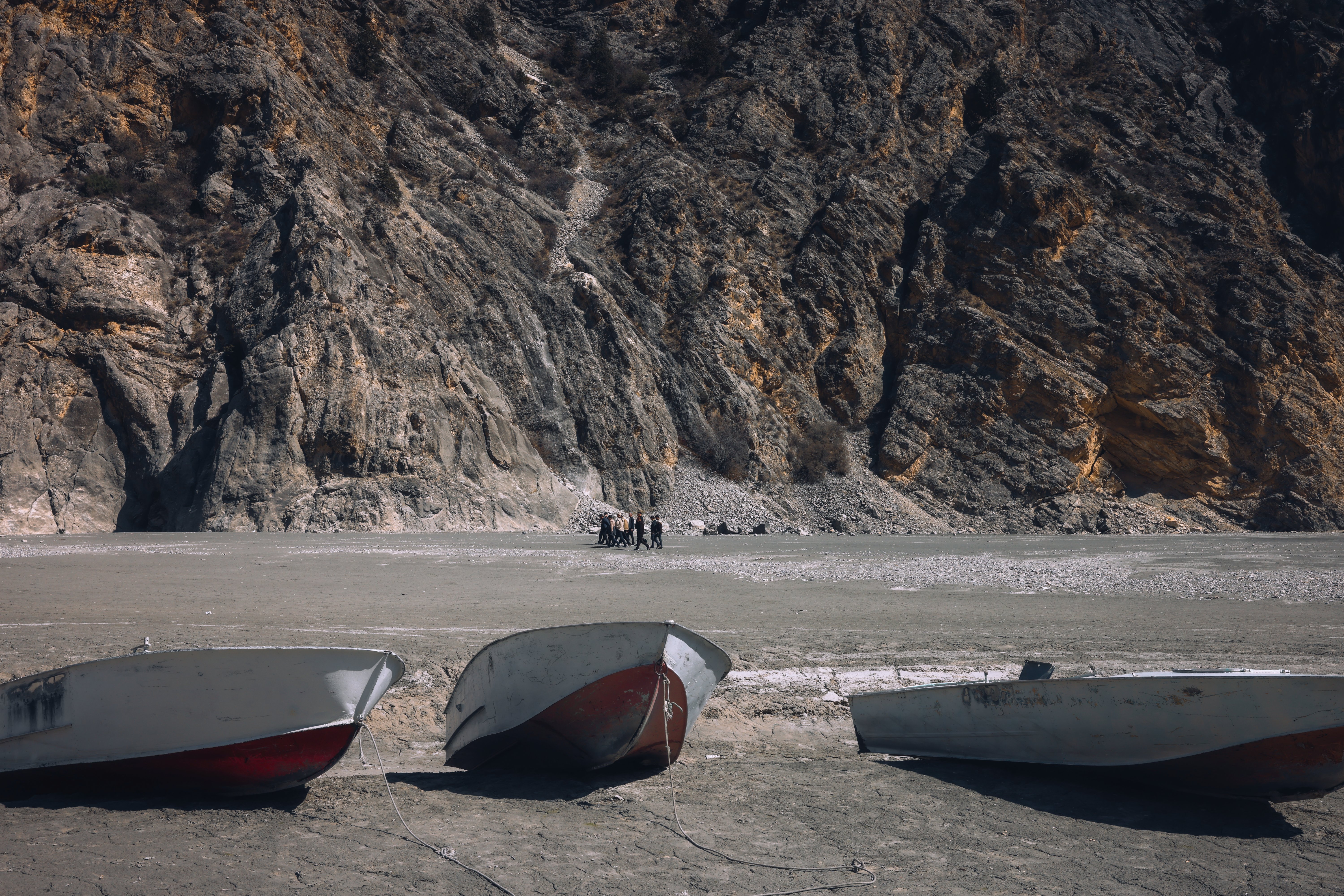
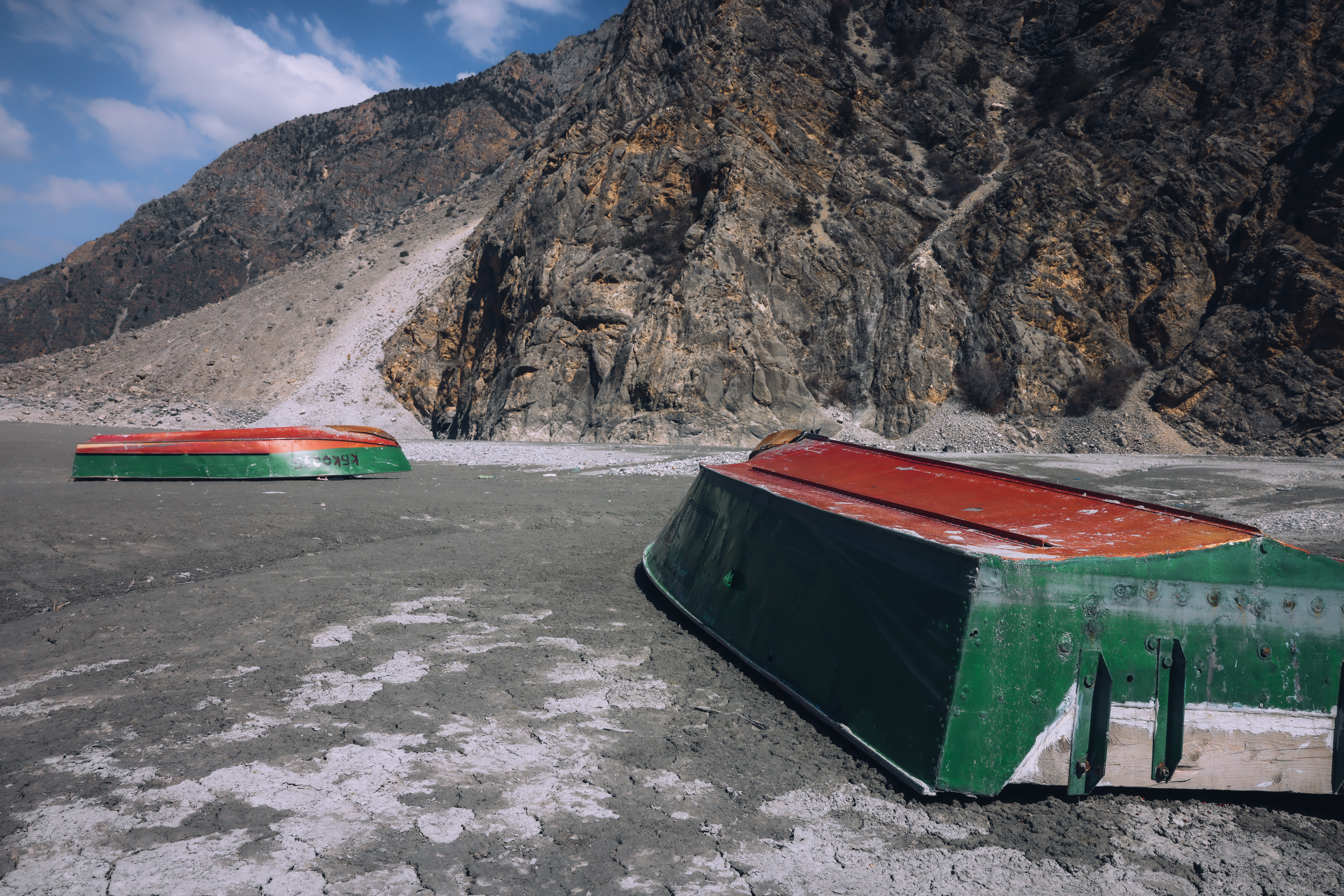
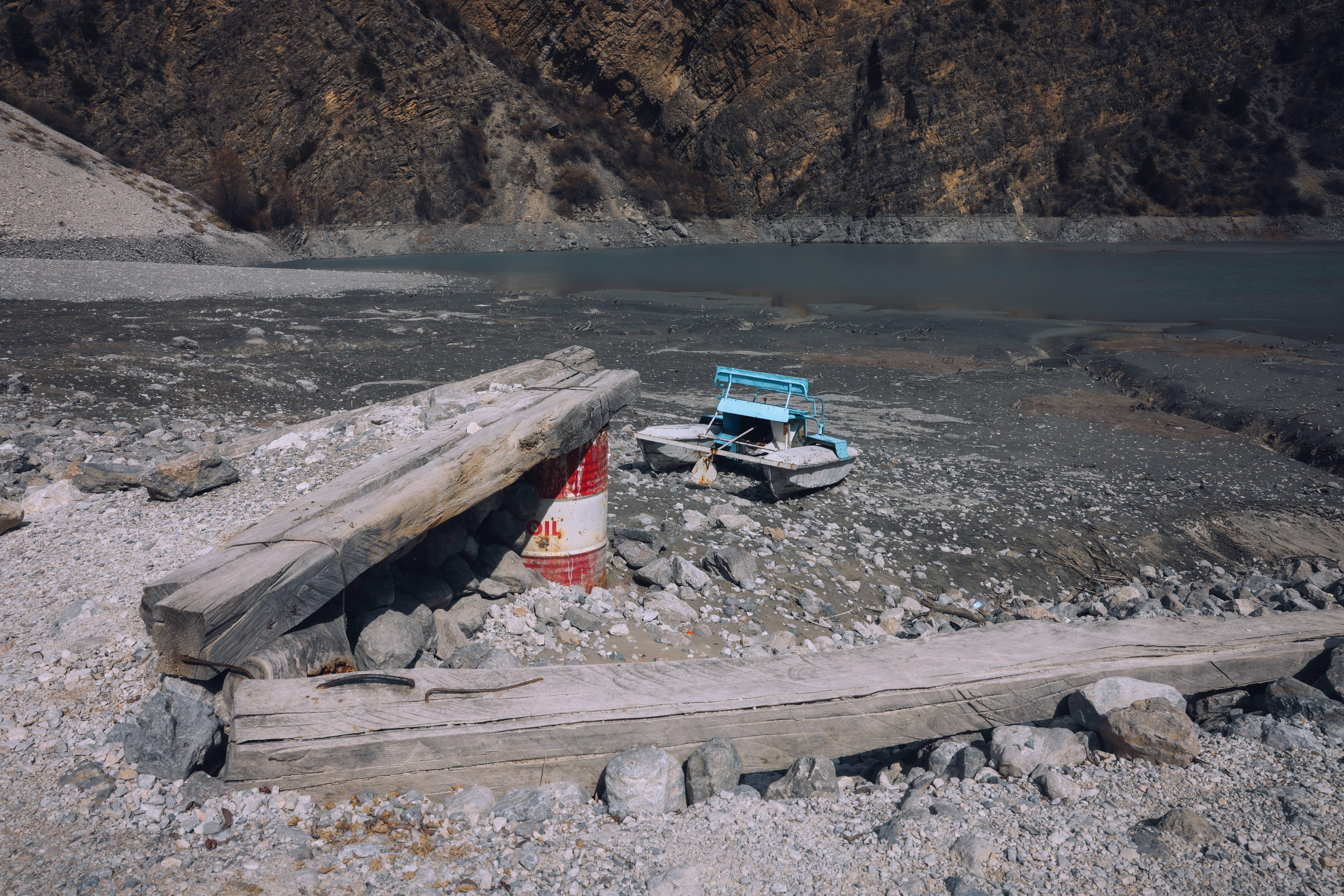
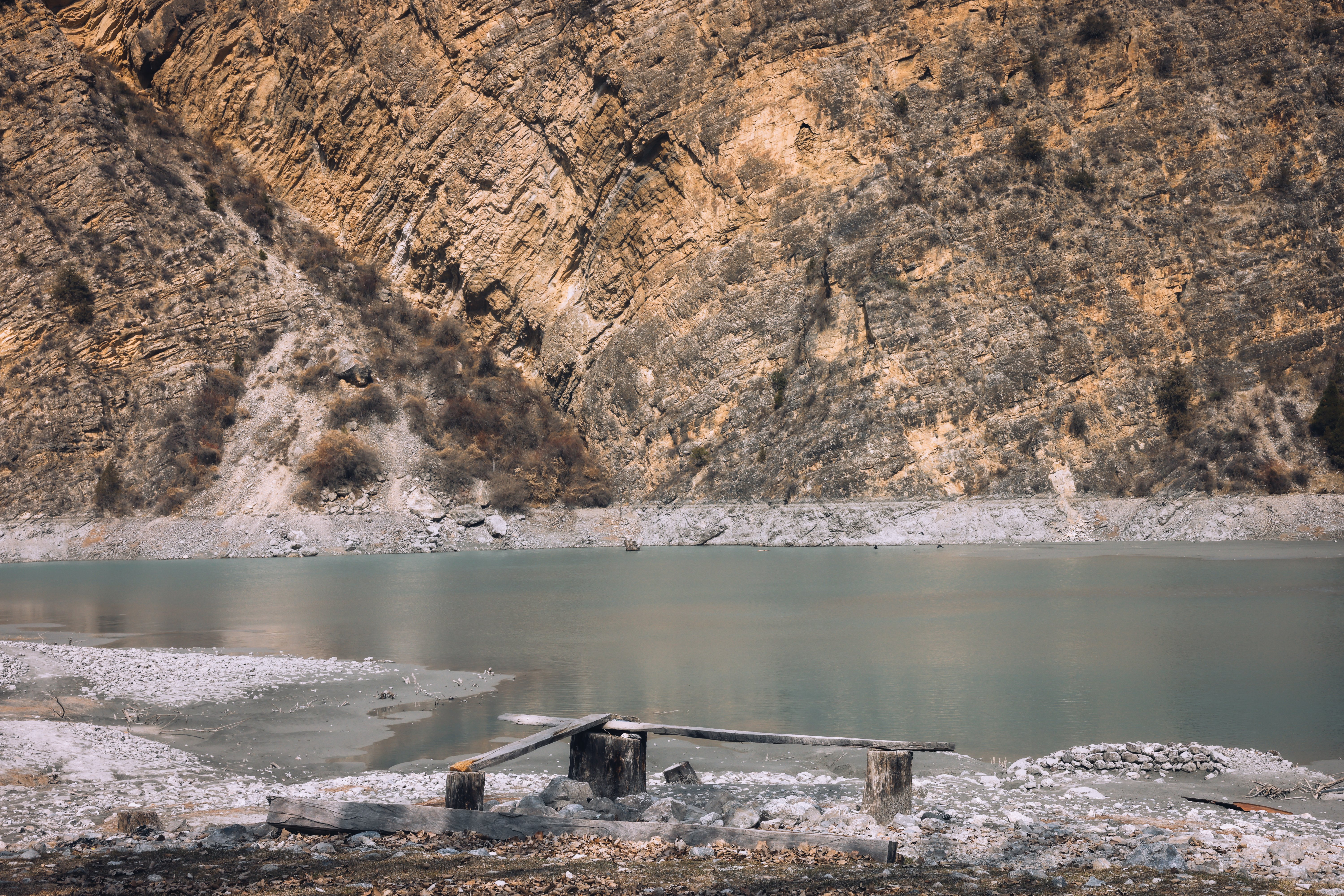
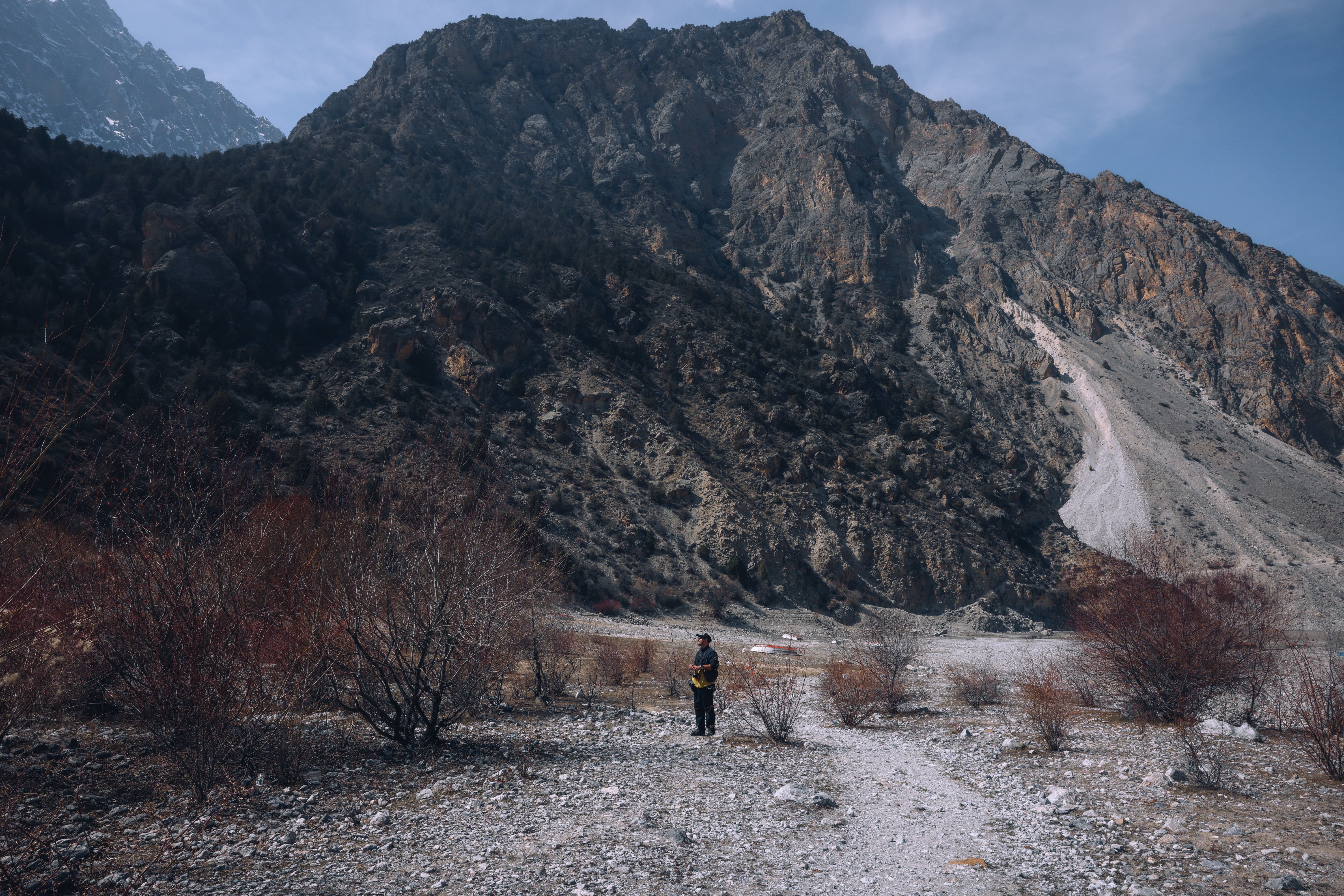
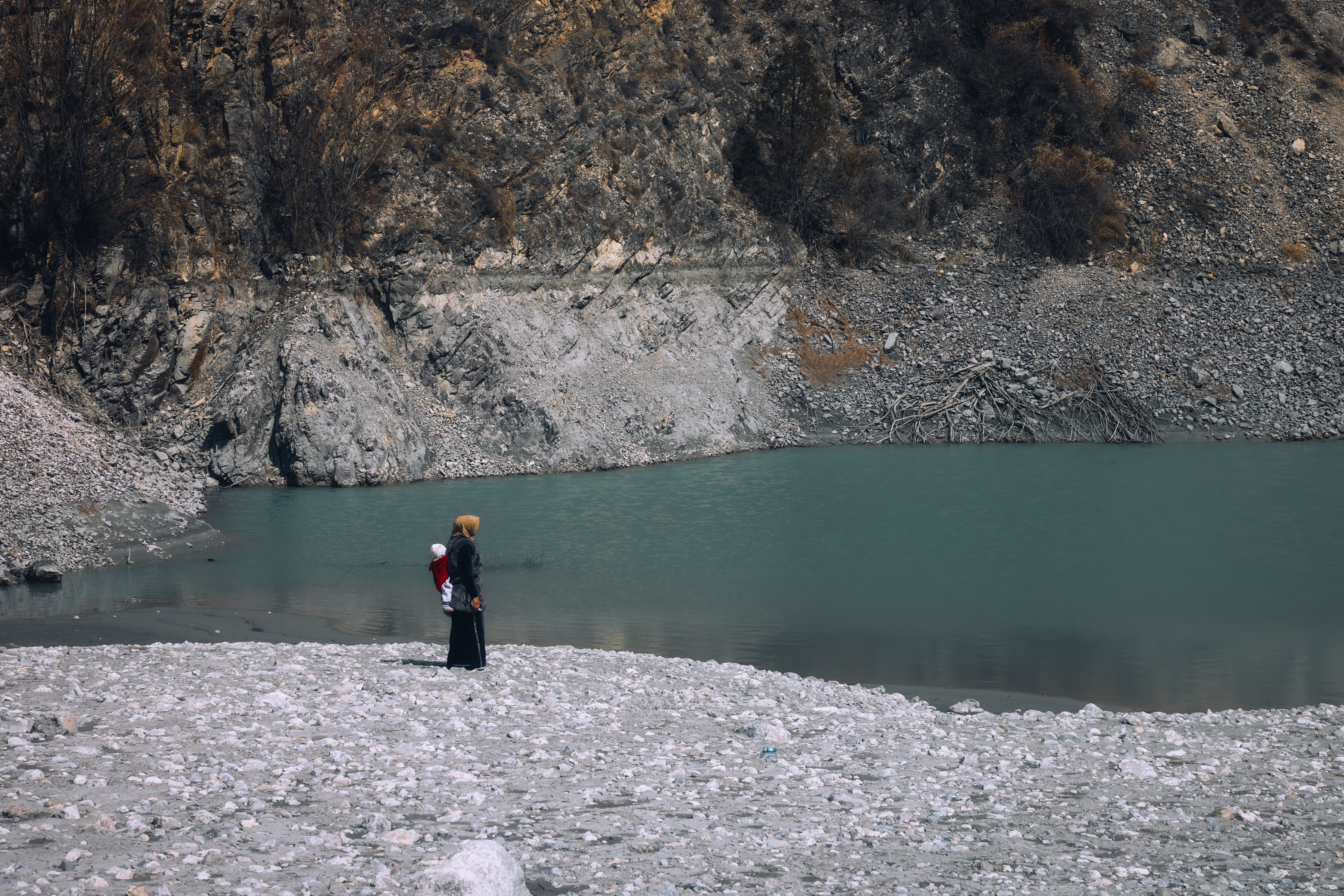
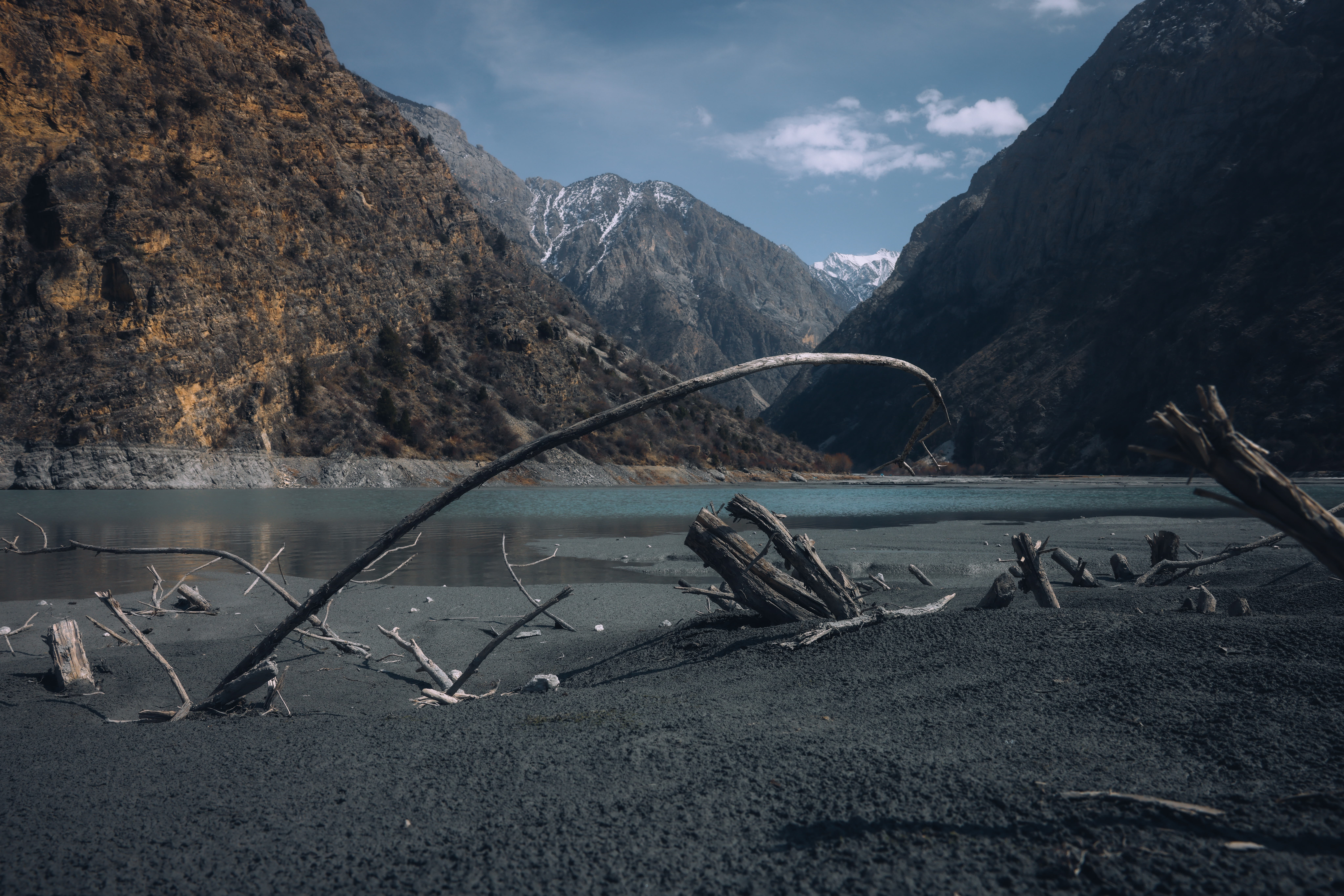
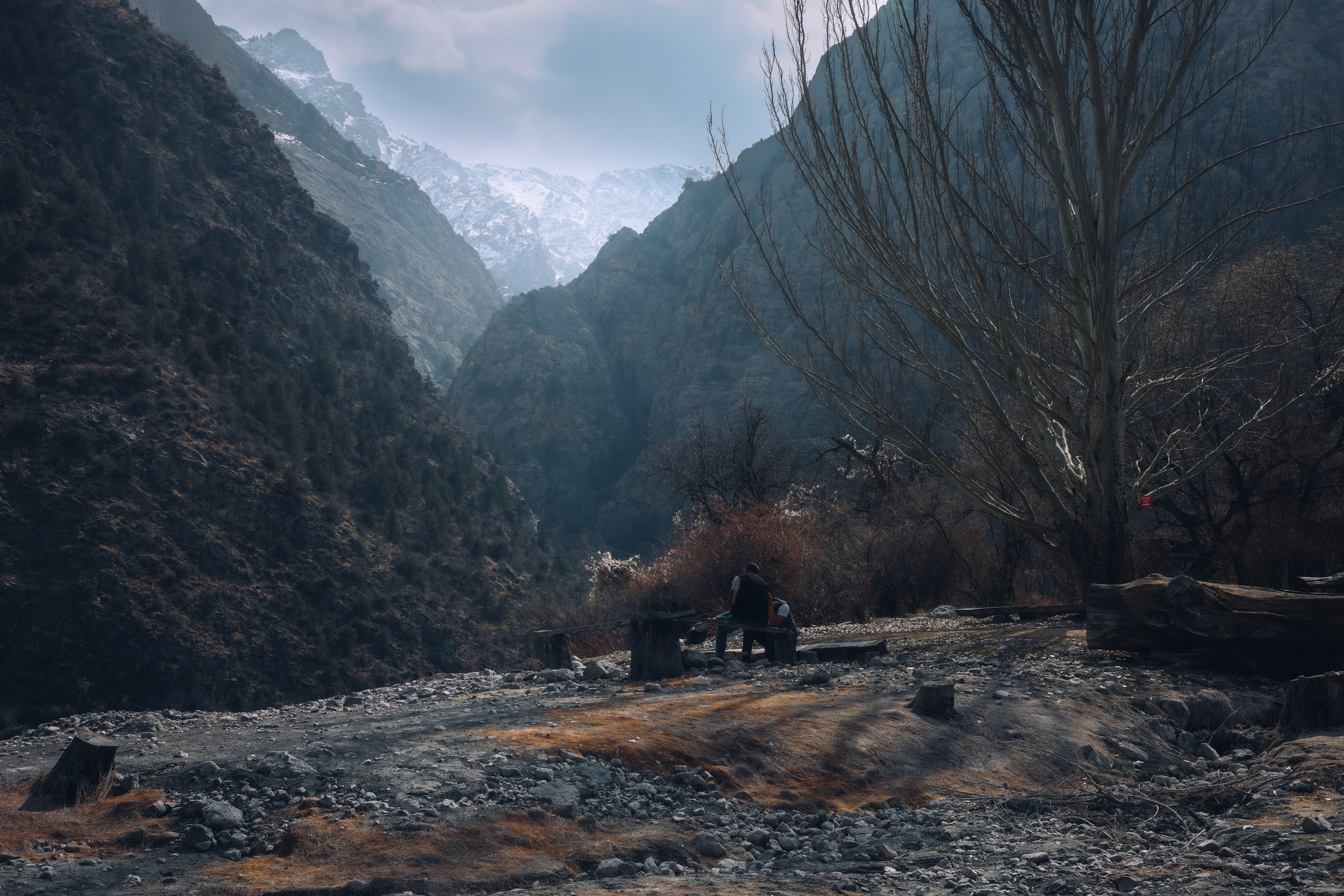
The idea of photographing nature in its pristine state, without visual noise, even before the grasses and trees have begun to bloom, worked beautifully. At this time of year, long before the hot days and the start of the holiday season, the main, larger lake has no water at all. Instead, an extraordinary, almost otherworldly view opens up onto its completely flat, dry bed. Here and there, overturned boats lay waiting for spring. There were people too, but very few, nothing like the crowds of the summer season.
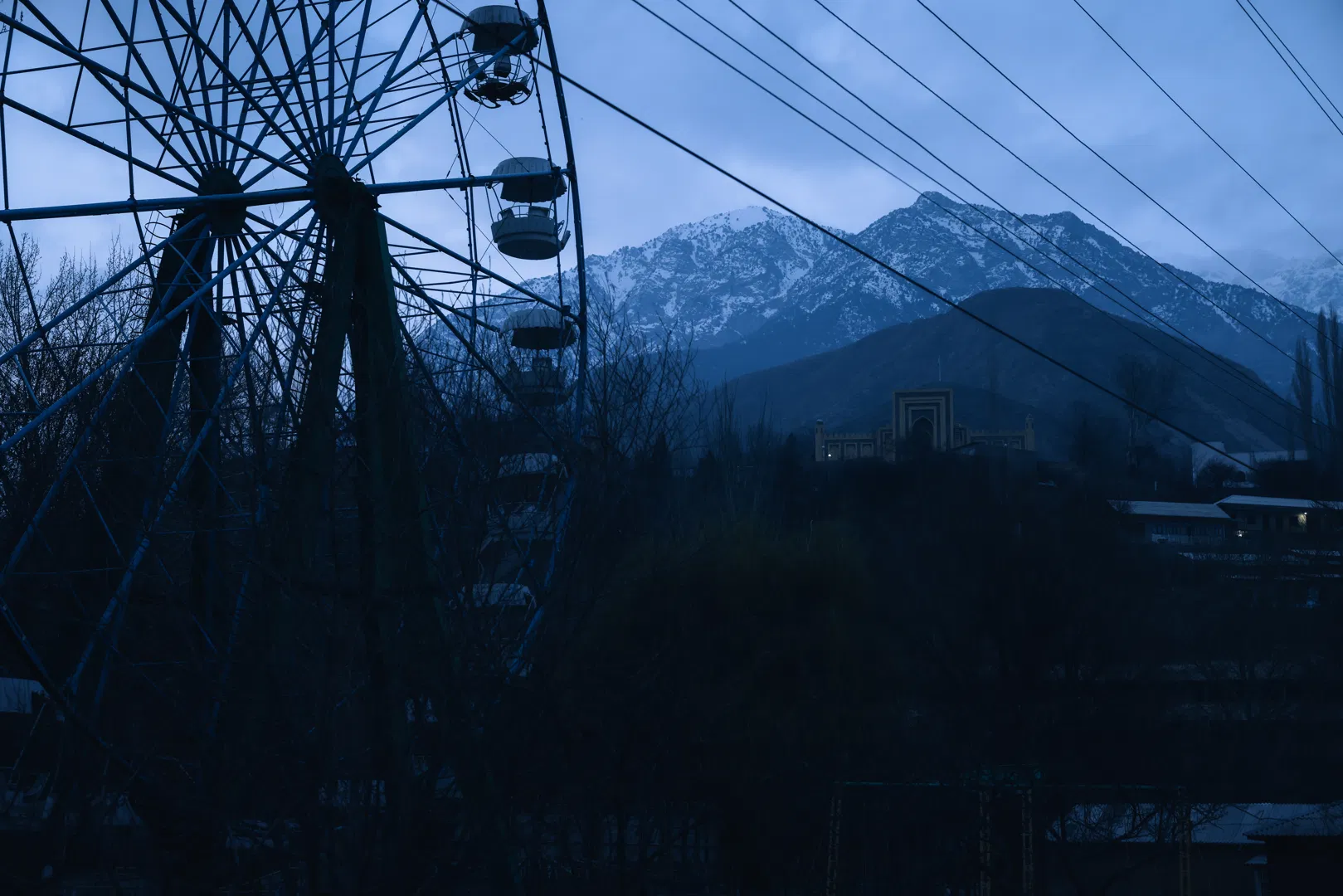
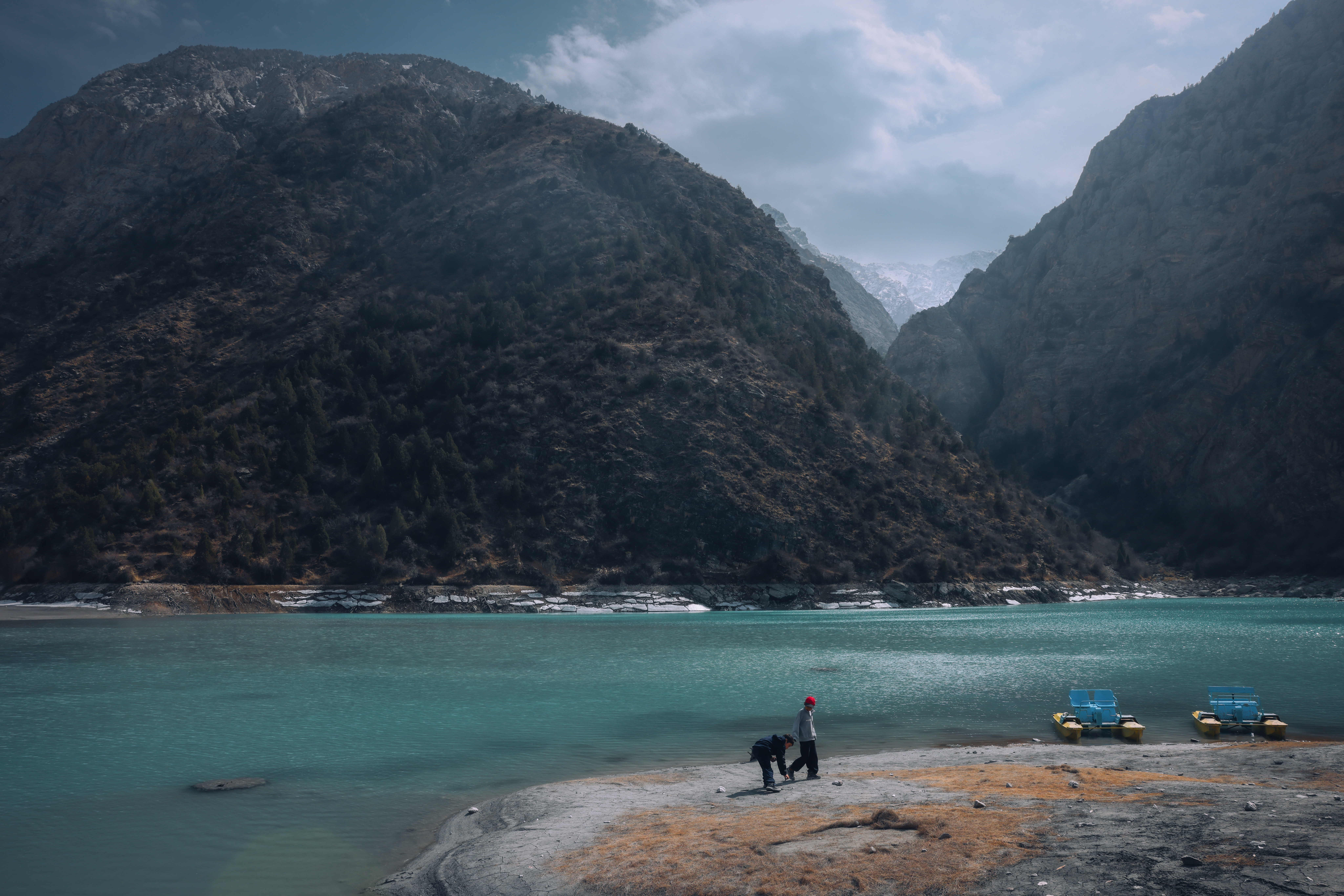 Photo: Ildar Sadykov, Sergey PogosyanPhoto: Ildar Sadykov, Sergey PogosyanPhoto: Ildar Sadykov, Sergey PogosyanPhoto: Ildar Sadykov, Sergey Pogosyan
In May, as the snow melts, the lake fills up again, each time with crystal-clear water in shades of emerald and turquoise. The waters of the two lakes merge into one. And the busy, noisy life of a summer resort begins.
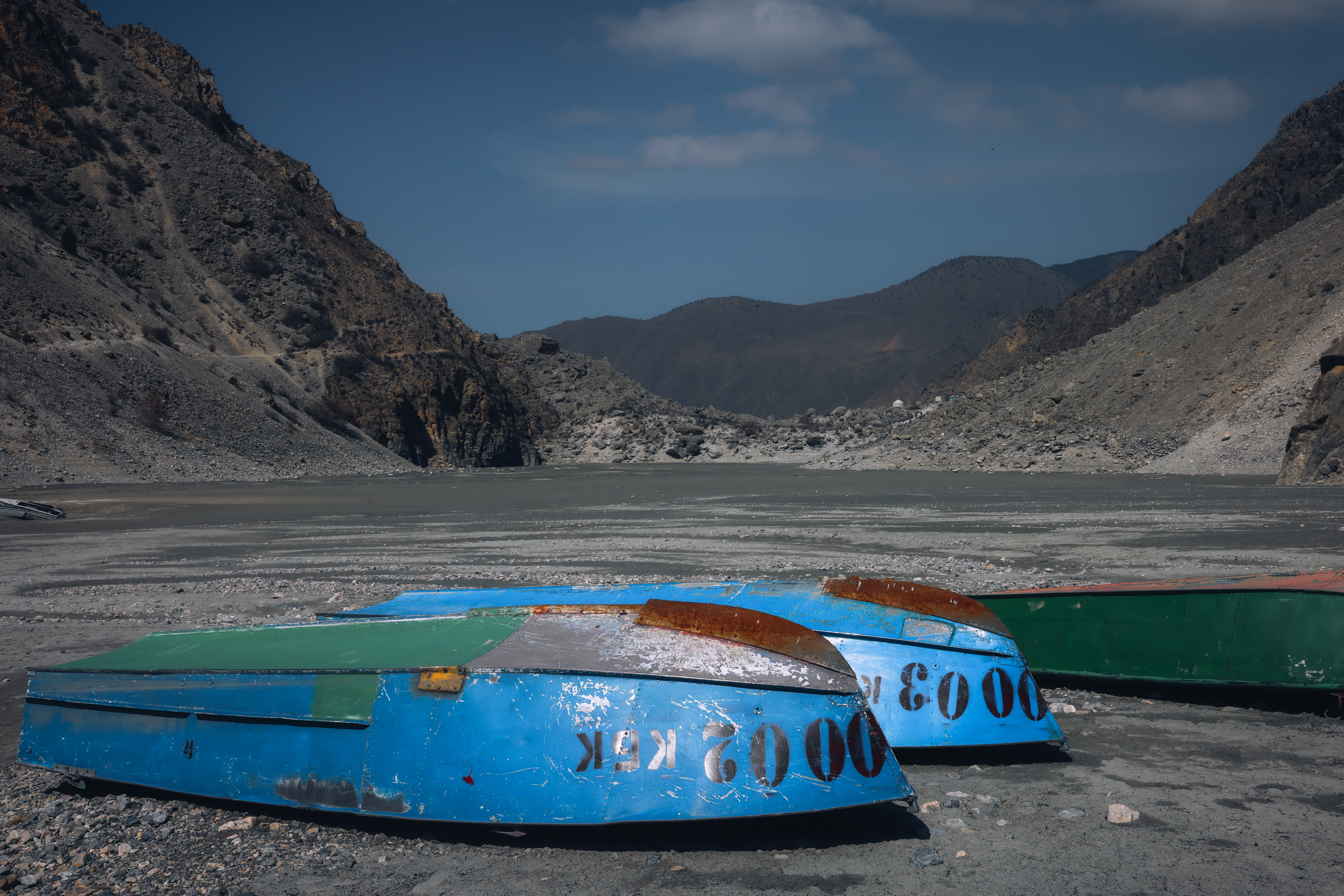 Photo: Ildar Sadykov, Sergey PogosyanPhoto: Ildar Sadykov, Sergey PogosyanPhoto: Ildar Sadykov, Sergey PogosyanPhoto: Ildar Sadykov, Sergey Pogosyan
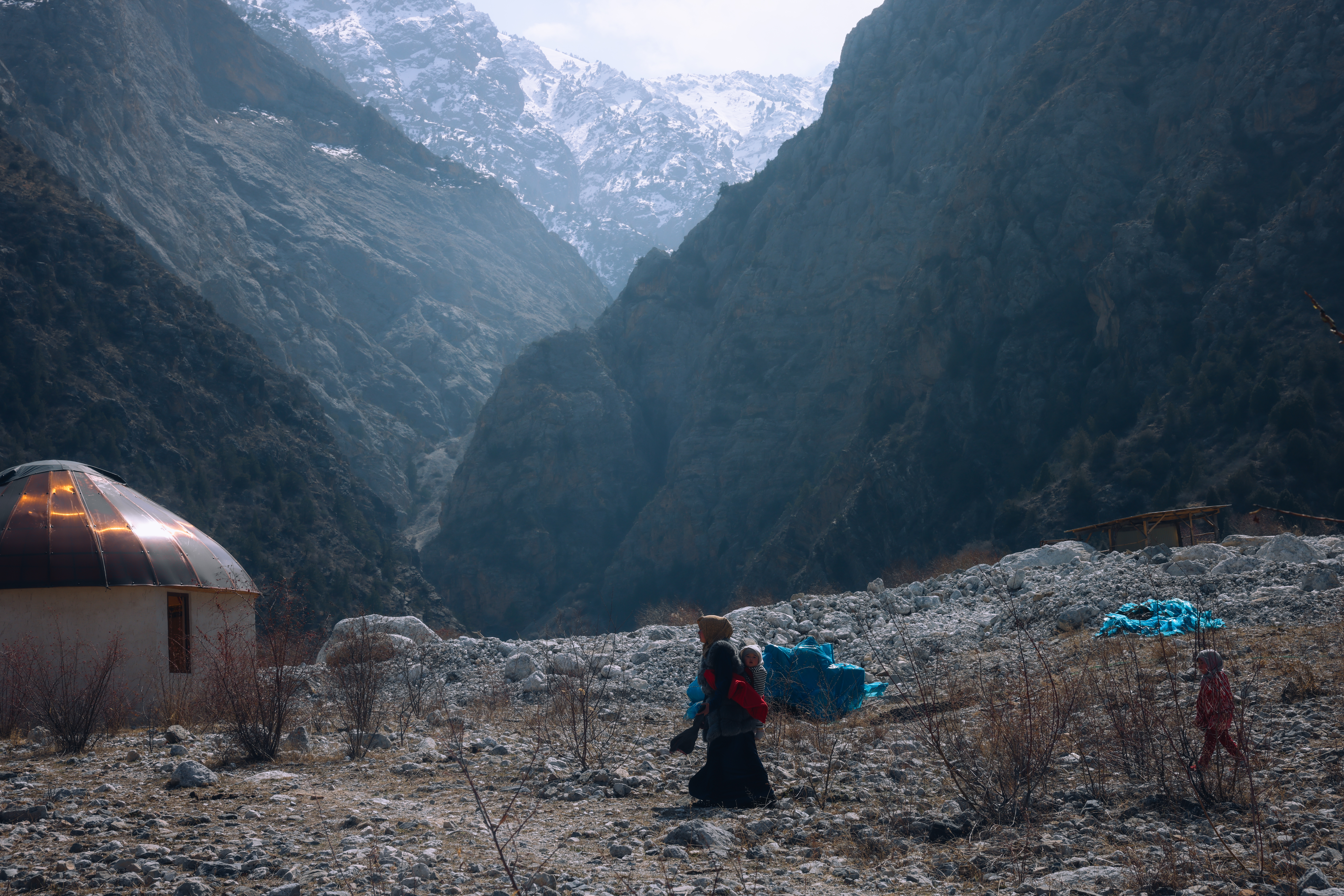
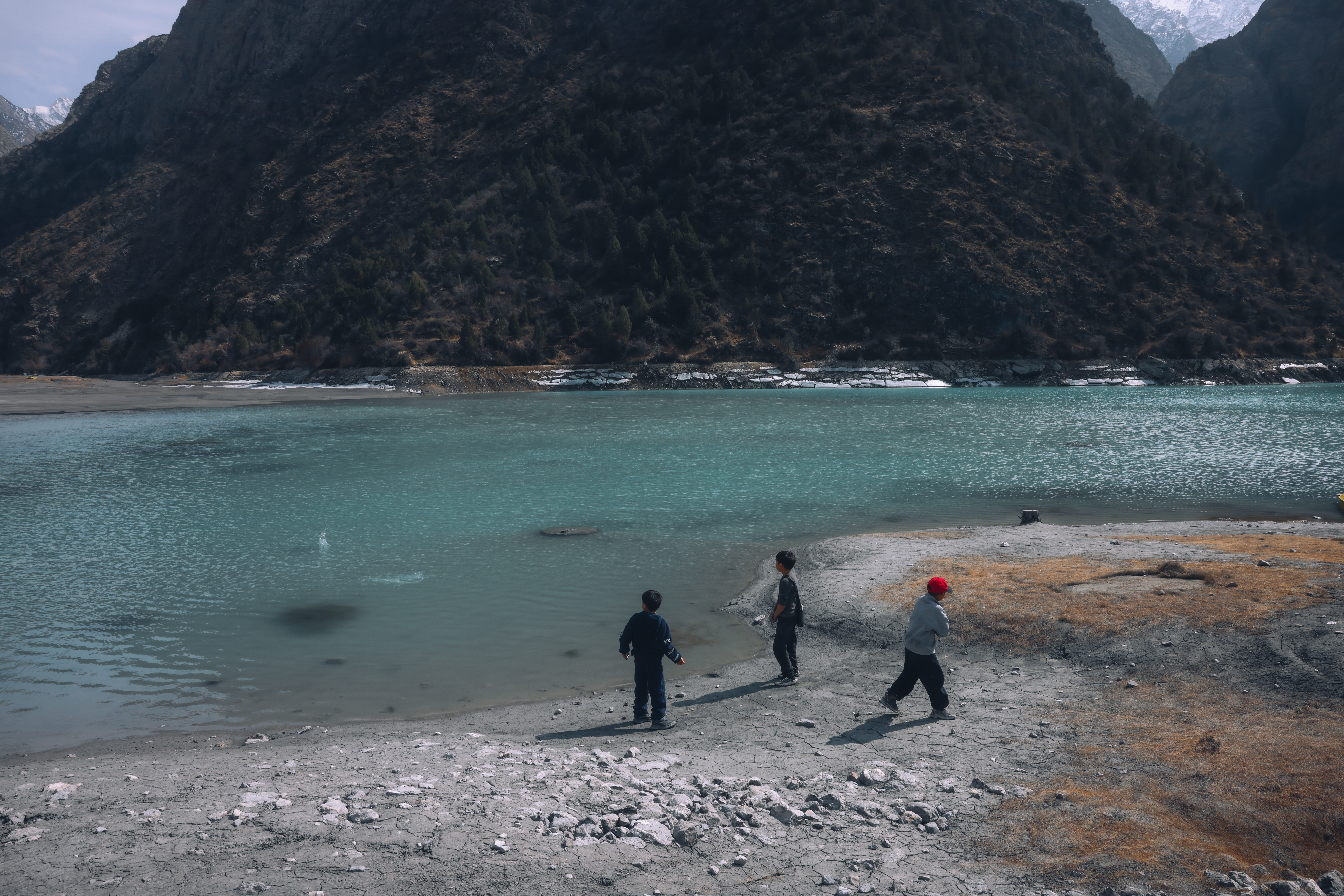
In March, the scene is completely different. A yurt camp has been set up nearby, attracting families. In spring, people like to have quiet picnics on the sandy lakebed. Children amuse themselves with simple games, such as throwing pebbles into the still shallow waters of the Upper Lake. Nature awakens slowly, giving you time to take in every shade of colour and listen to every sound of spring coming to life...
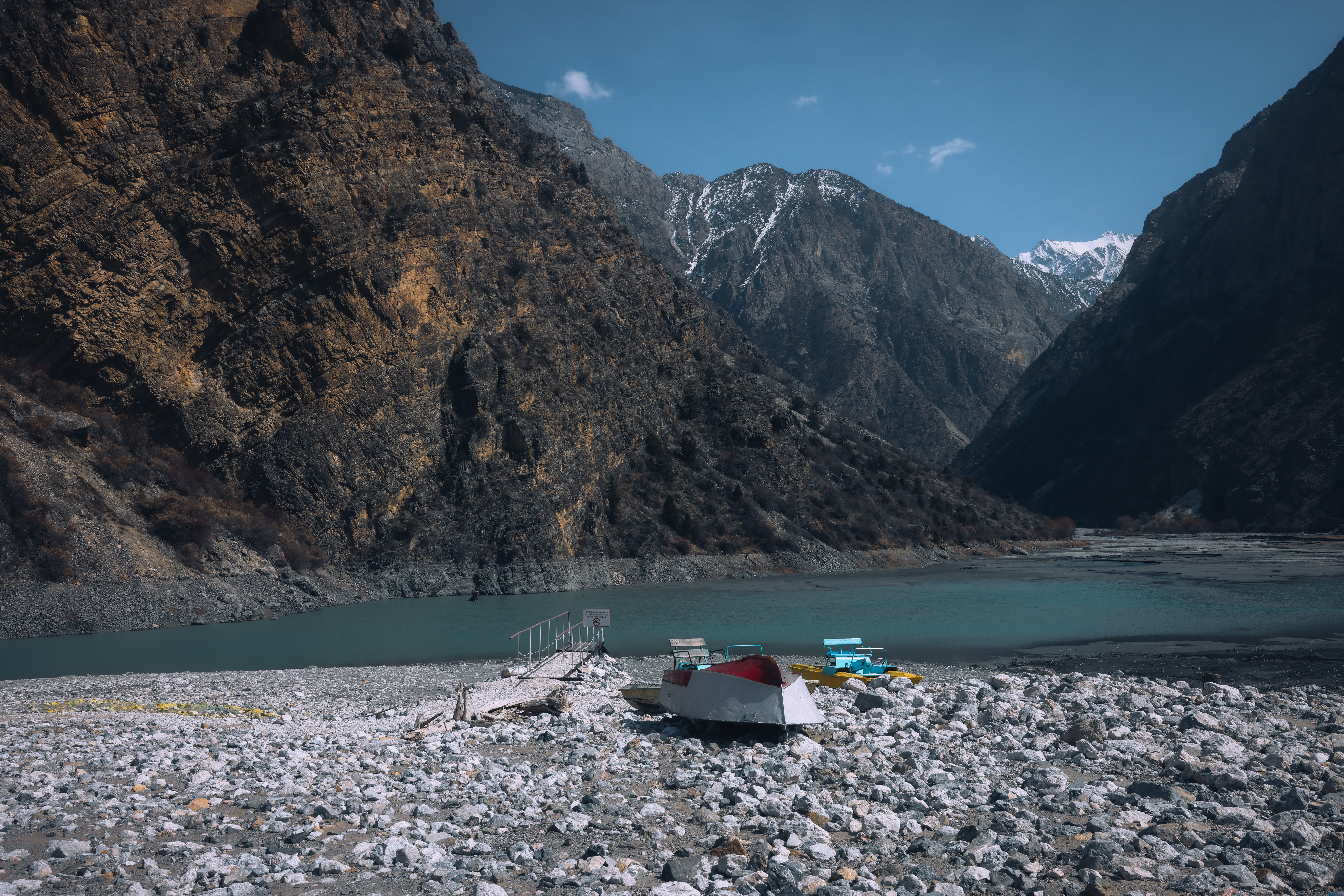 Photo: Ildar Sadykov, Sergey PogosyanPhoto: Ildar Sadykov, Sergey PogosyanPhoto: Ildar Sadykov, Sergey PogosyanPhoto: Ildar Sadykov, Sergey Pogosyan
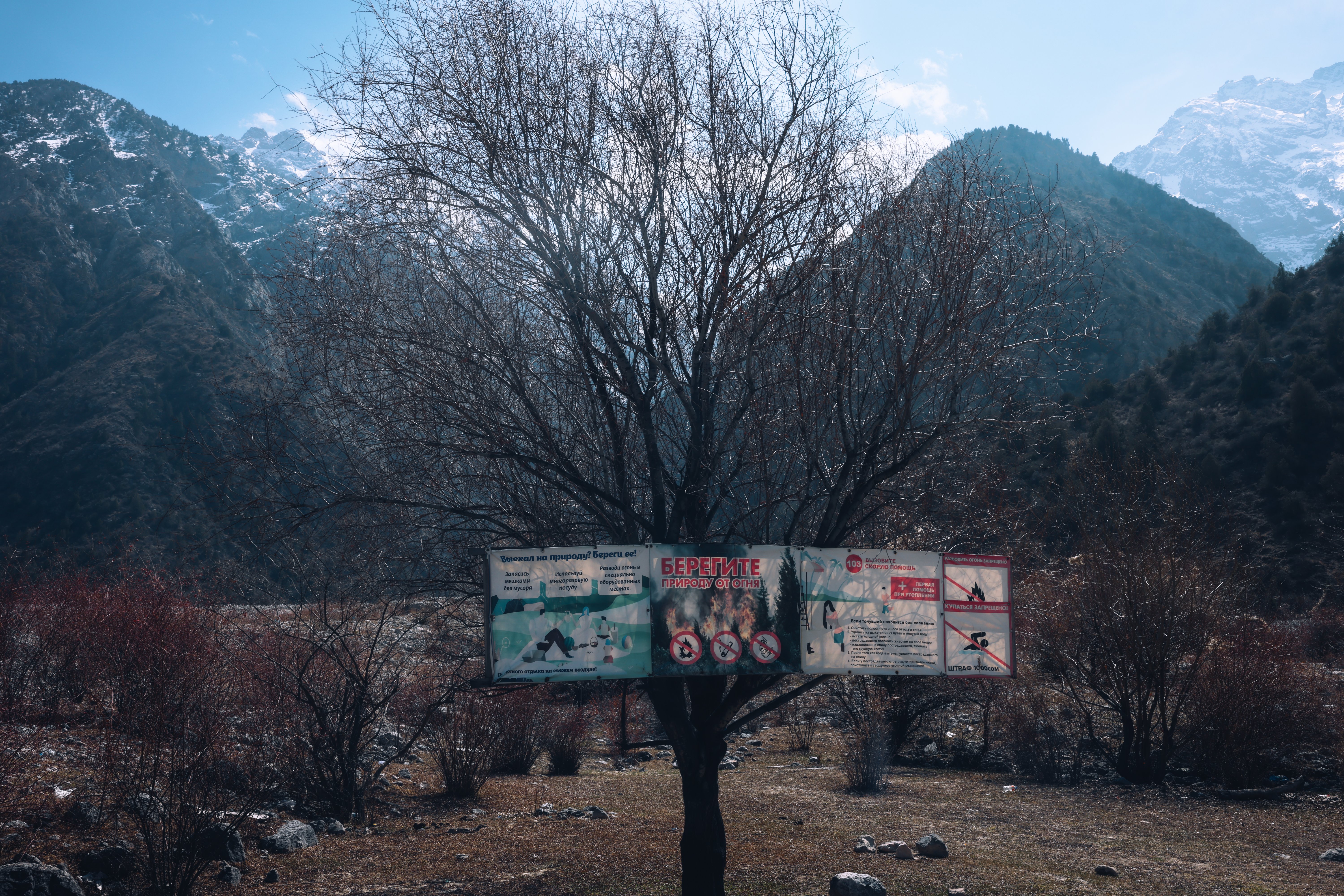
There was one thing that saddened us: everywhere we saw traces of human presence. Litter and the remnants of everyday life distracted from the extraordinary beauty of this place. Yet this is not a problem limited to this particular site. We encounter it in other protected areas across our vast country as well. Every time I photograph remote, little-visited places and overcome the logistical difficulties of reaching them, I become more convinced that people need to think about how we treat our heritage, both natural and man-made. And it makes no difference which country it happens to be in.
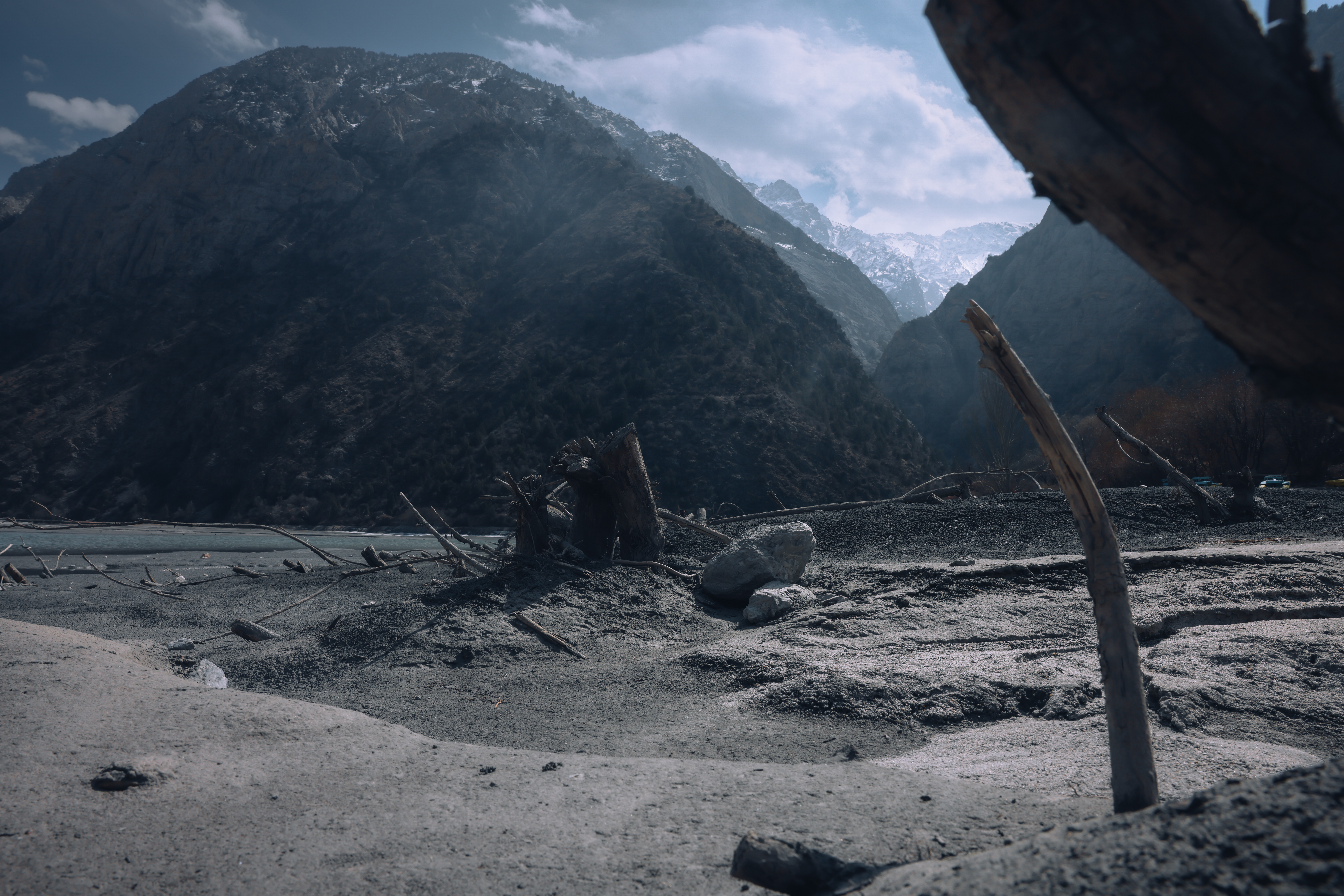 Photo: Ildar Sadykov, Sergey PogosyanPhoto: Ildar Sadykov, Sergey PogosyanPhoto: Ildar Sadykov, Sergey PogosyanPhoto: Ildar Sadykov, Sergey Pogosyan


Newsletter
A letter from the HD editors
Once a week, we send the best stories, events, and cultural discoveries from Central Asia.