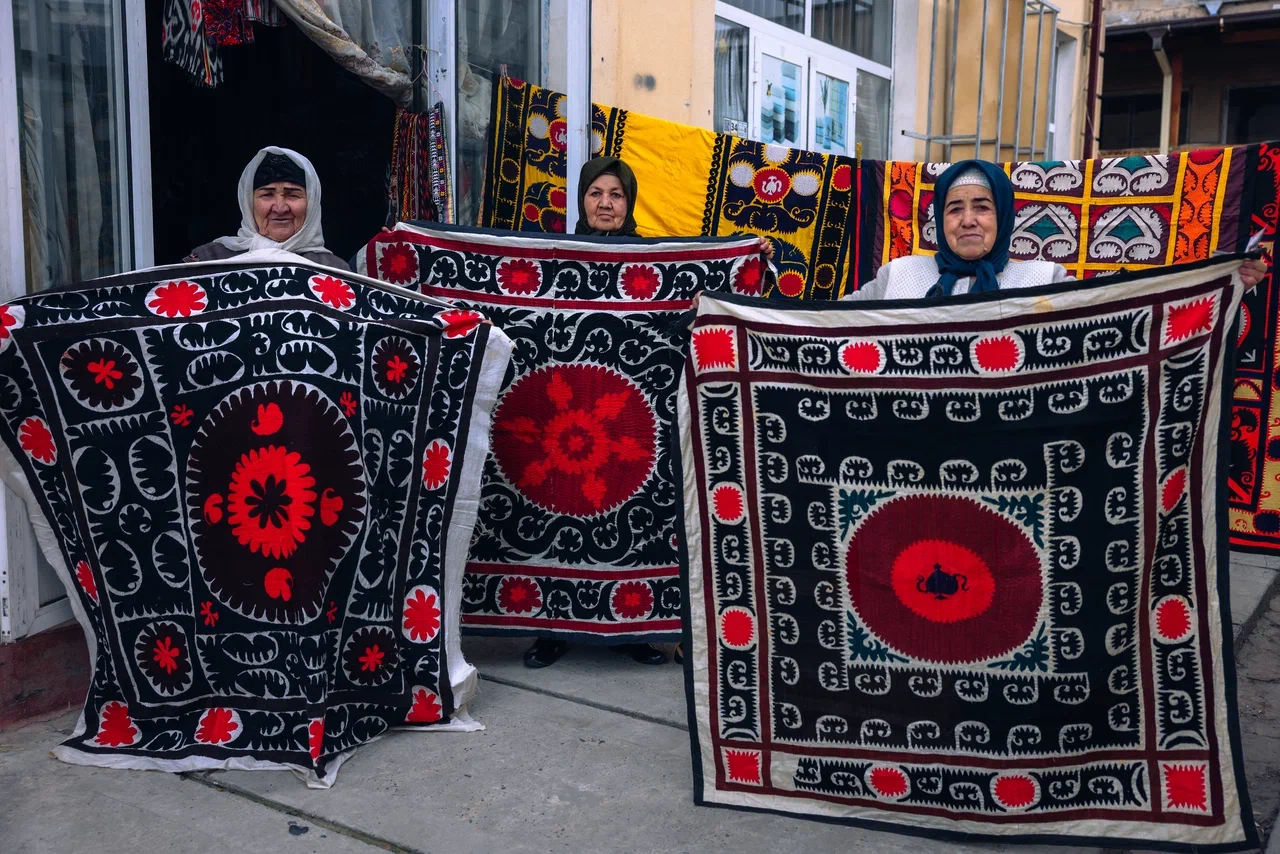
The Old Bazaar in the city of Urgut is a place where traditional craftsmanship meets modern consumer culture. Vintage items —sought after by designers from across the country — coexist here with the bounty of the local natural environment, and everyday goods stand alongside unique creations by the region’s legendary artisans.
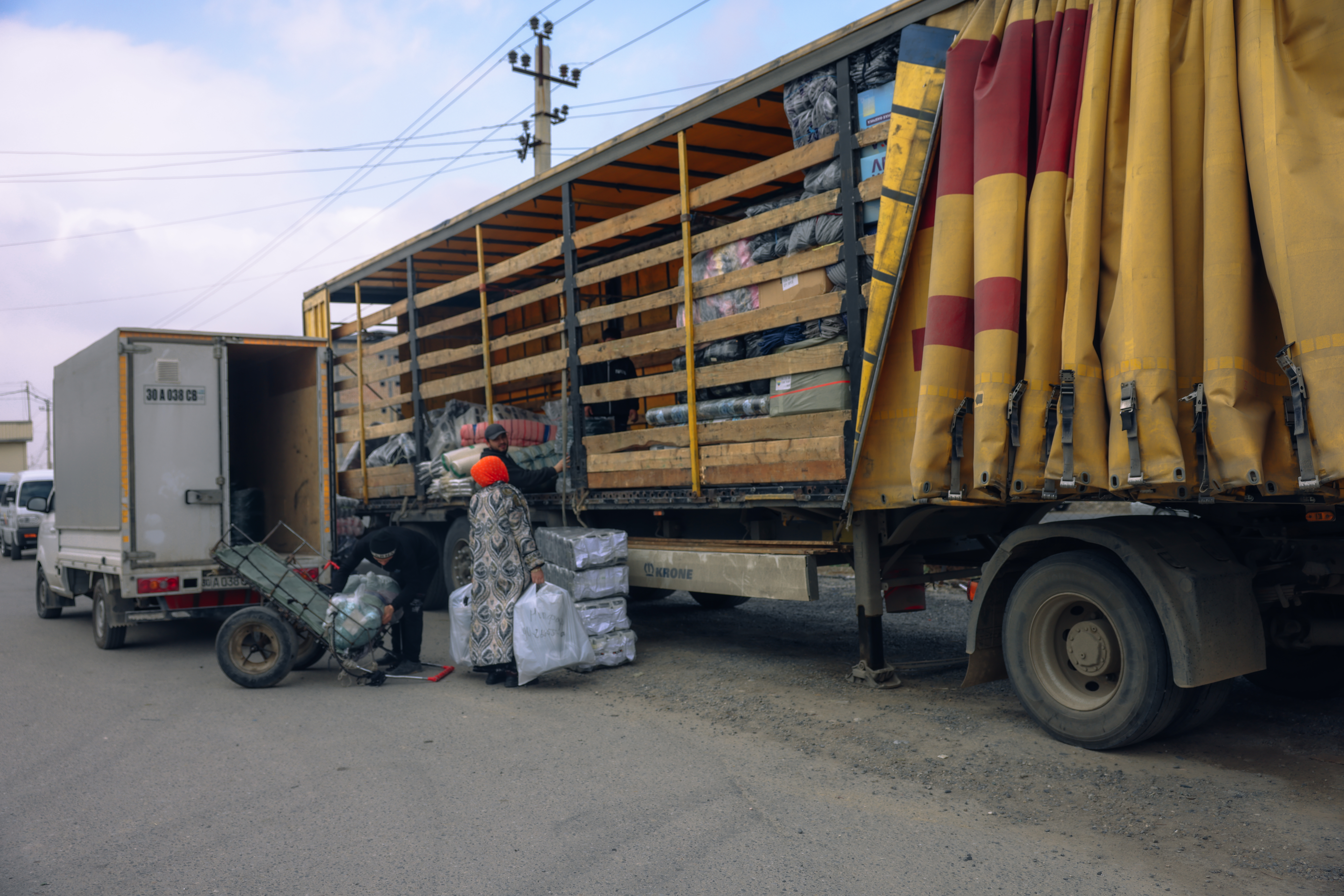
Urgut is an example of how a traditional Eastern bazaar exists today - or rather lives and thrives, rather than merely survives - inevitably absorbing the flow of Chinese goods. It draws not only local residents from nearby villages, but also collectors, designers and vintage enthusiasts from around the world seeking inspiration and unique finds.
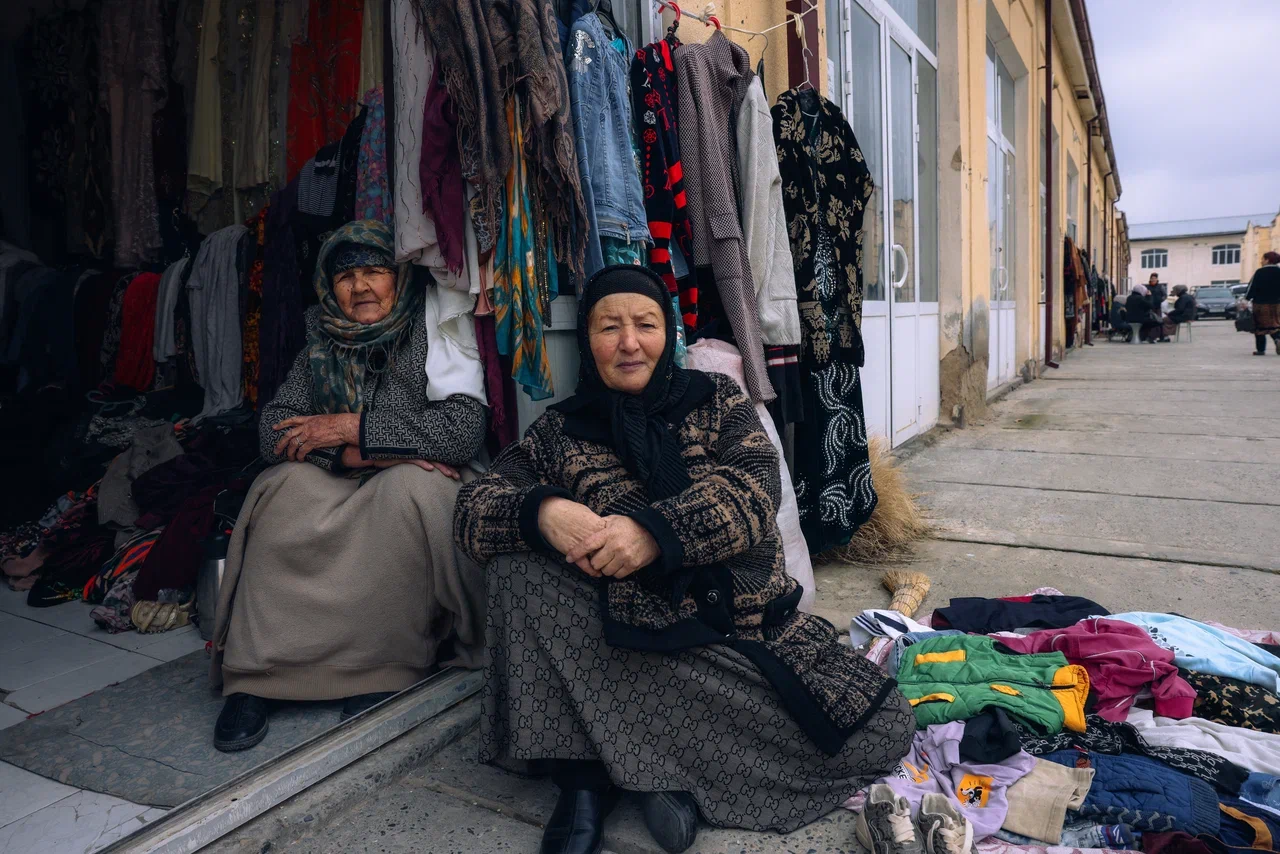
Photographing a clothing bazaar was a new experience for me. I admit, before cameras appeared, photographers in such places used to have problems: not all traders are happy about being photographed. And not all colleagues enjoy working in a market atmosphere. But I had long wanted to capture the life of this famous bazaar. I managed it on the last day of winter.
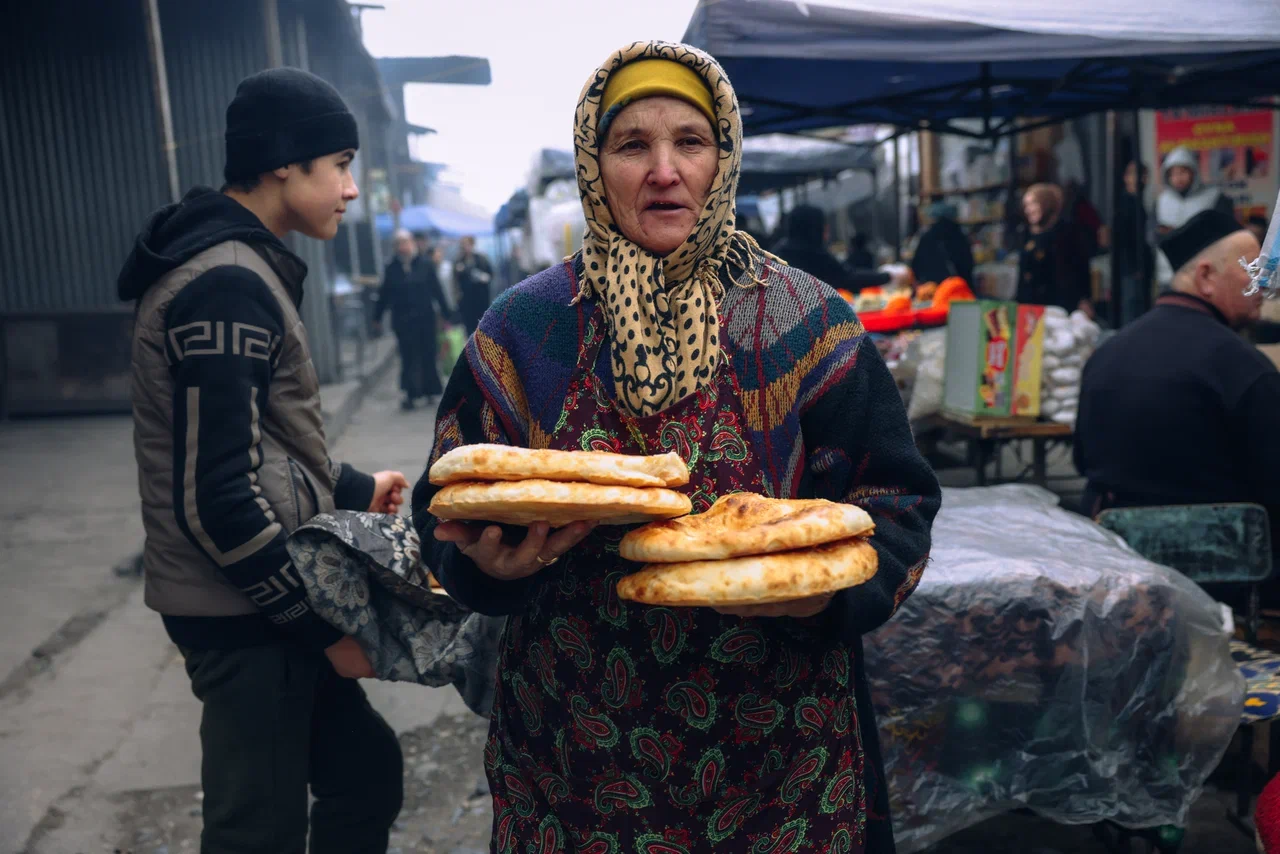
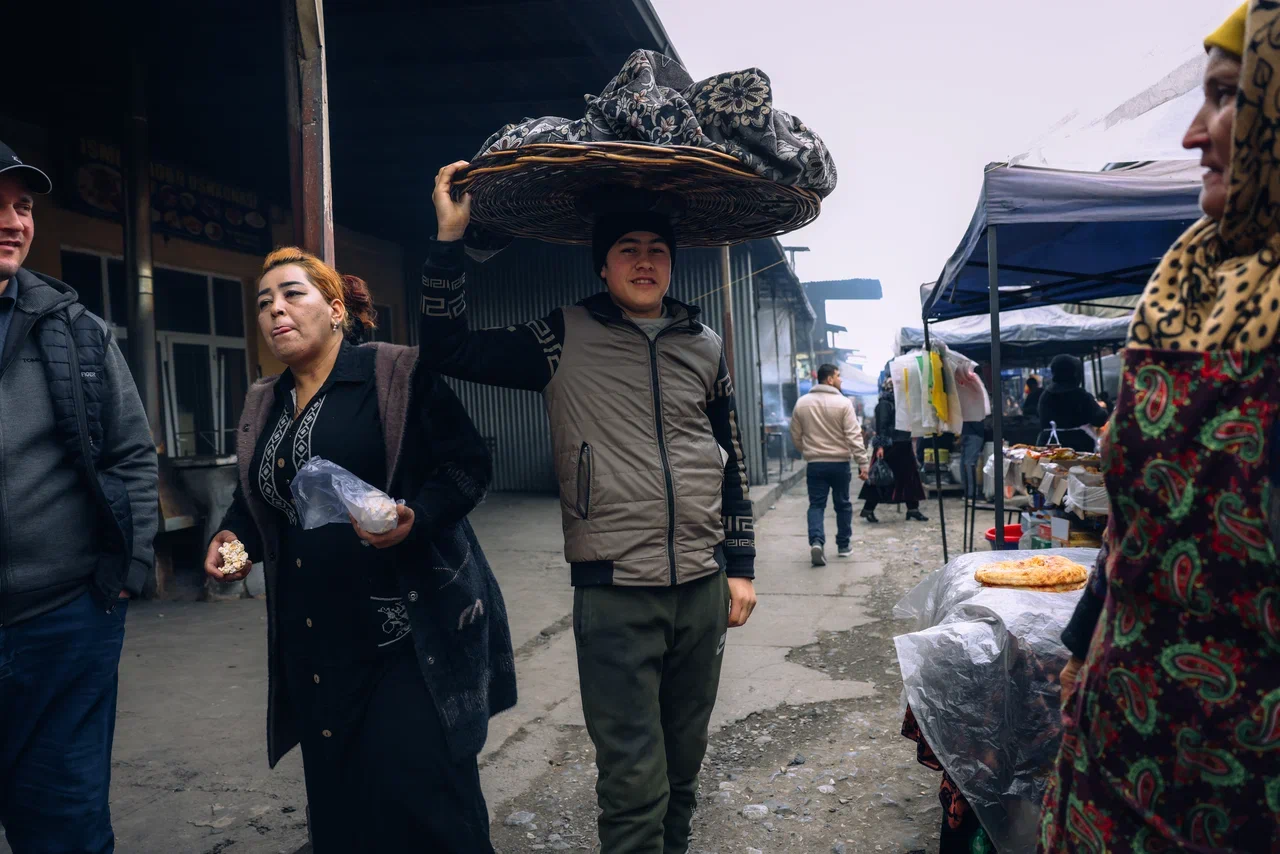
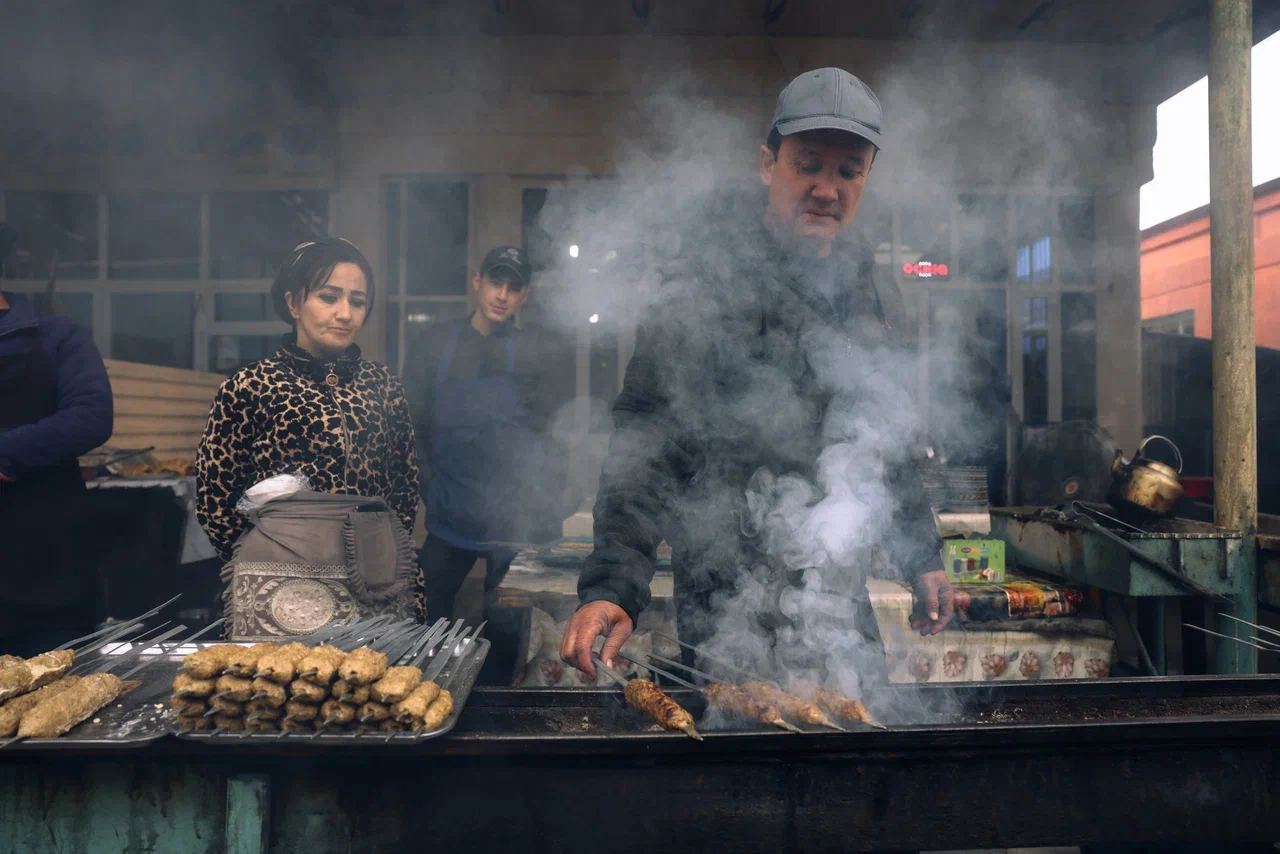
The bazaar operates at weekends. Despite Ramadan, normal bazaar life is in full swing here with all its familiar attributes - the smells of shashlik, plov and hot flatbreads, crowds of people and a rich assortment of every imaginable good.
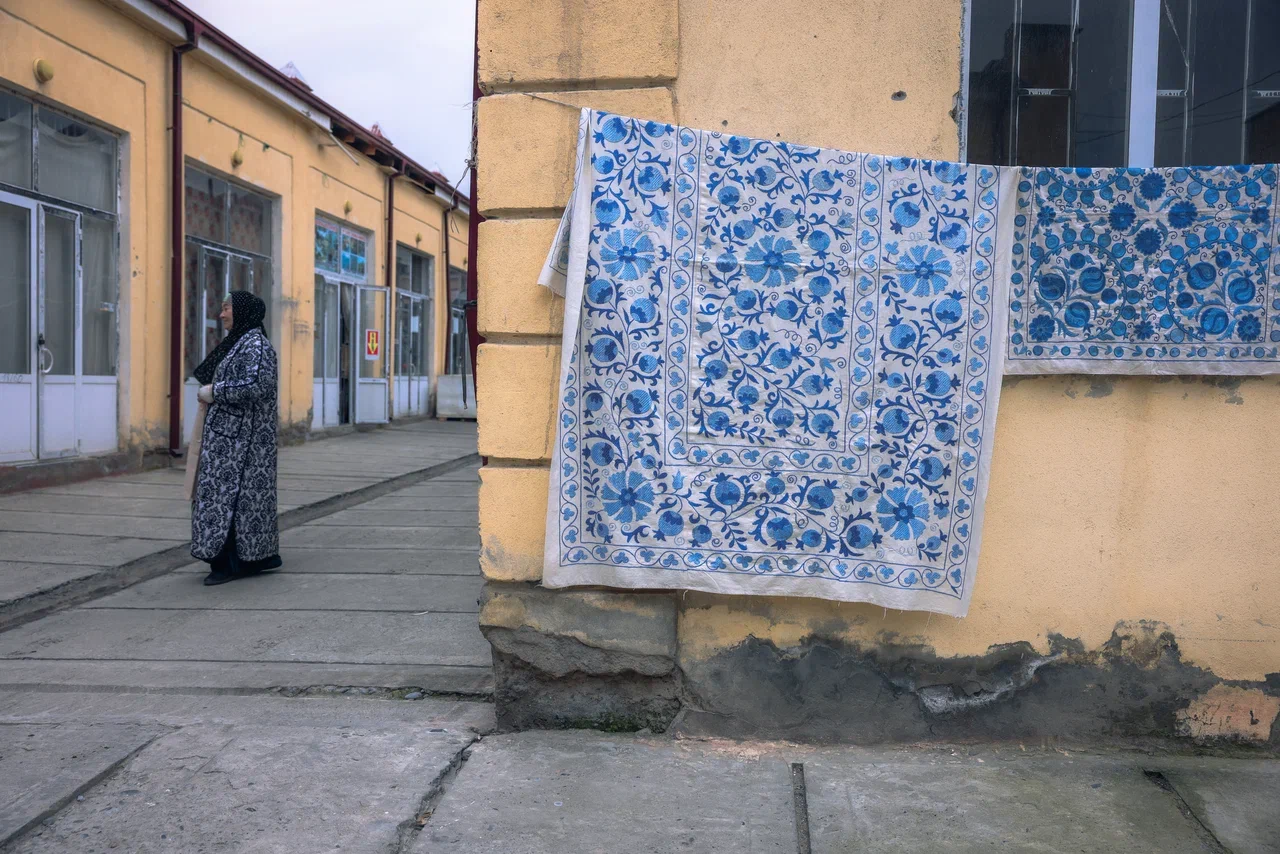
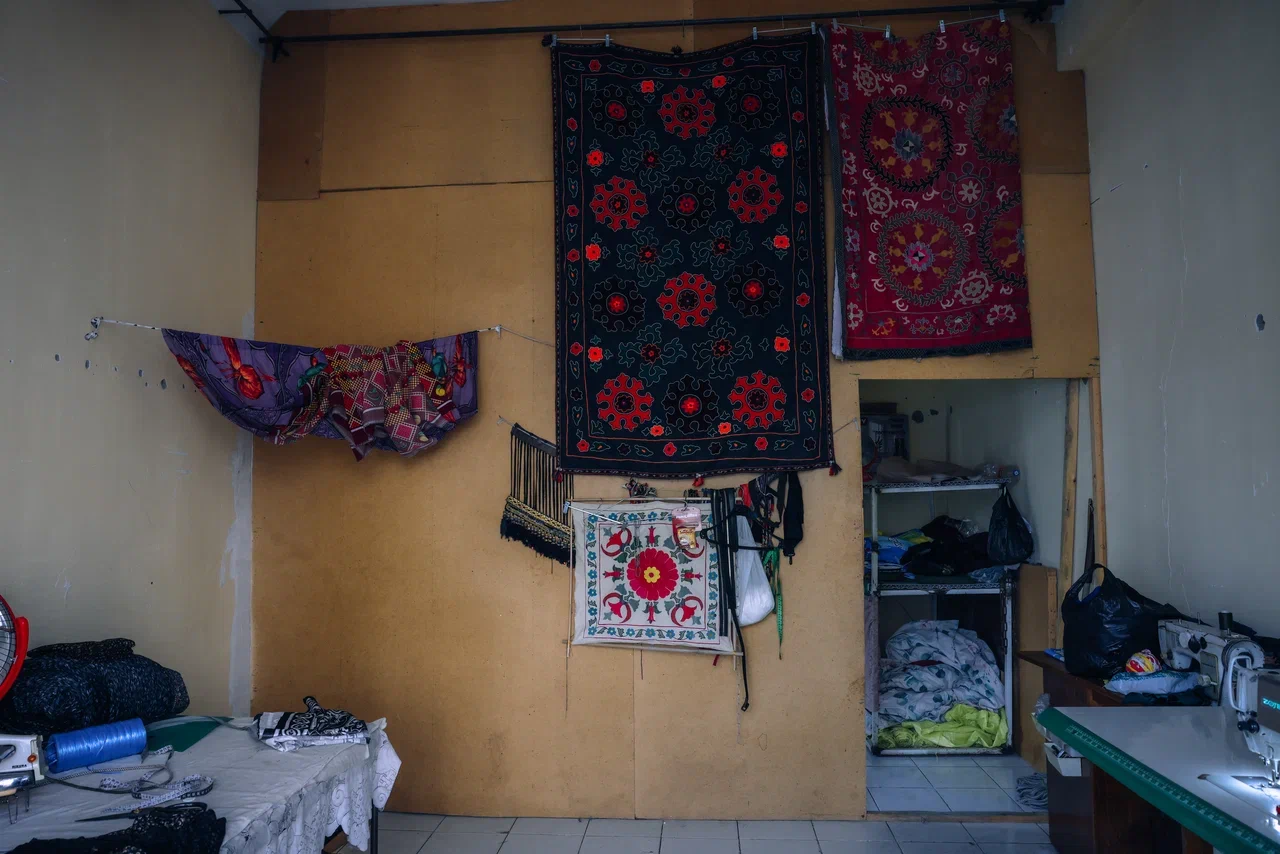
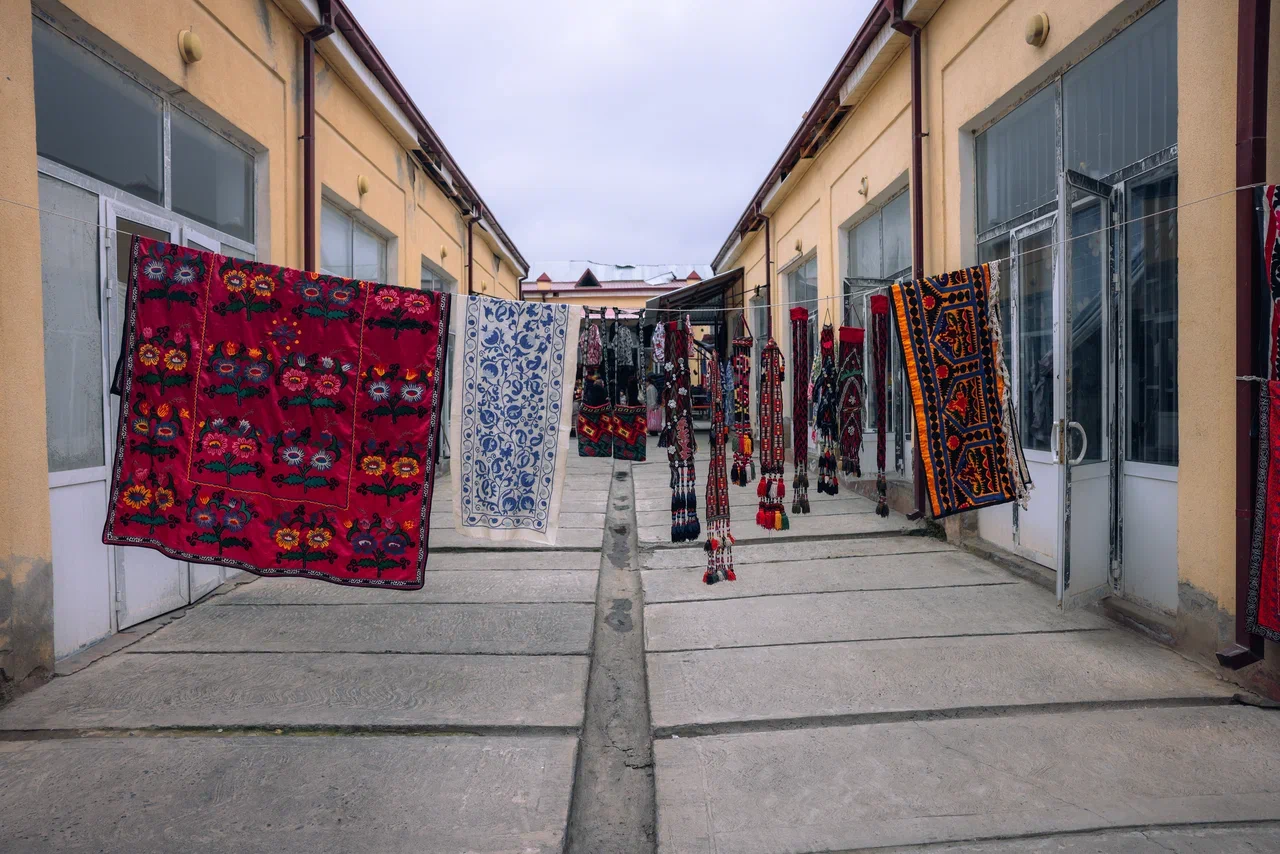
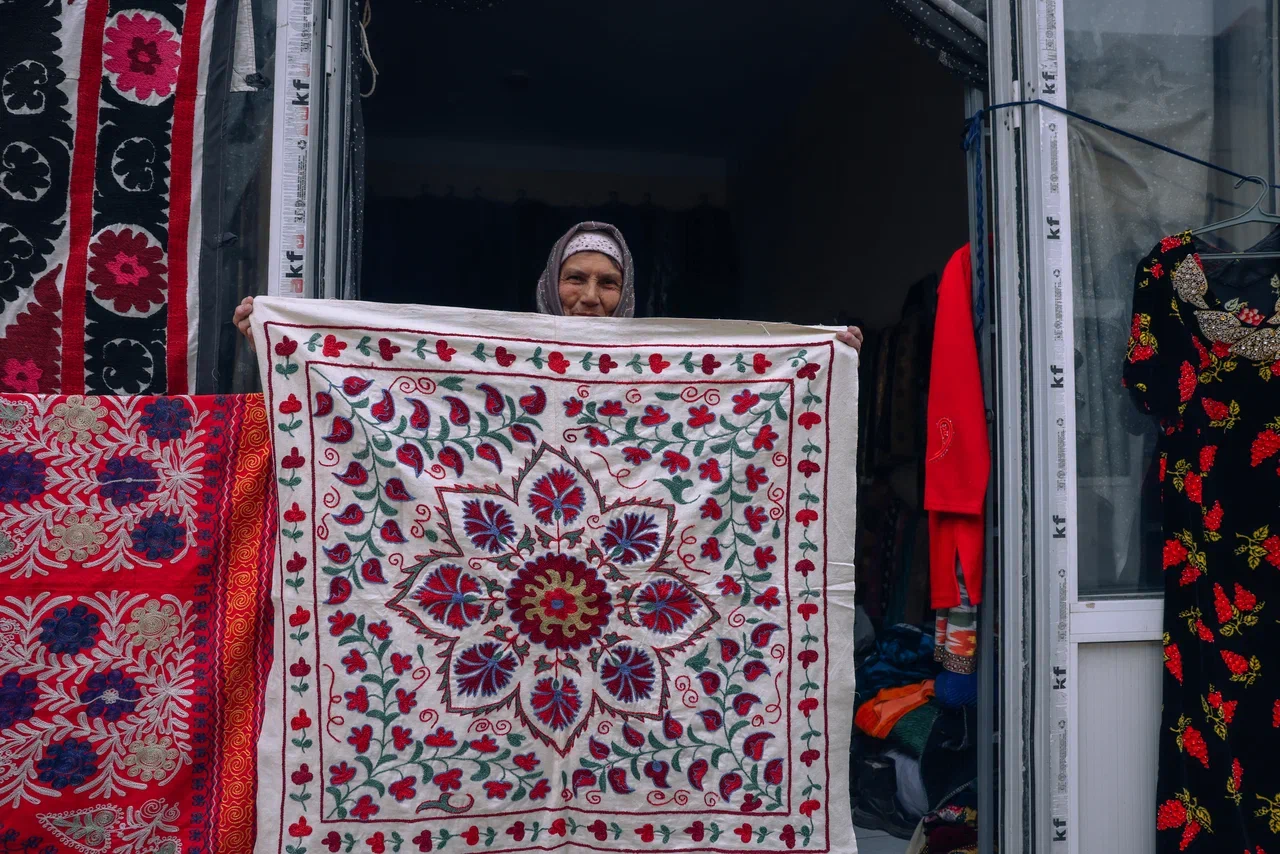
Most often, tourist guides mention the incredibly low prices for suzani - from small cushion covers to giant vintage panels. To miss nothing, it is best to come in the morning, when the treasures have only just been hung up and laid out.
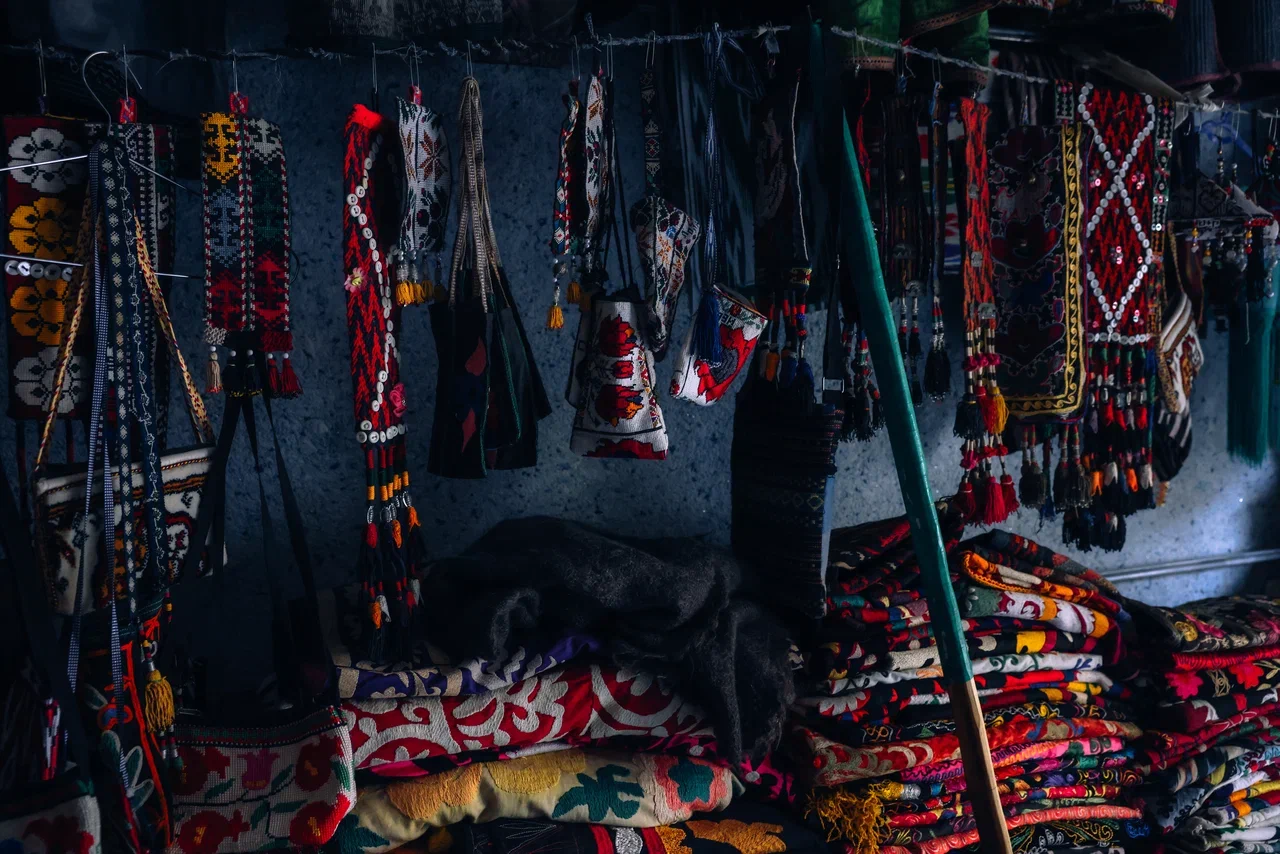
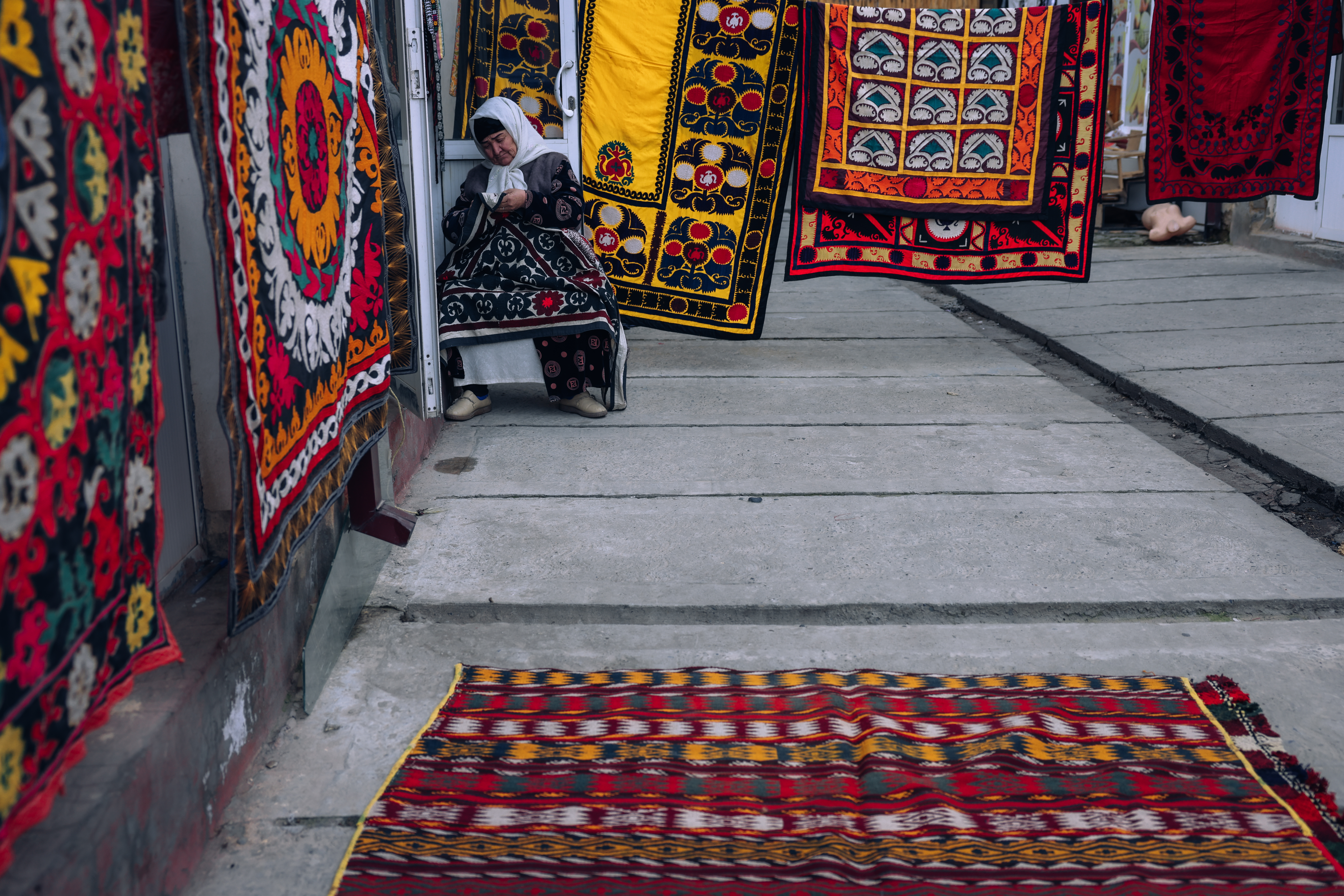
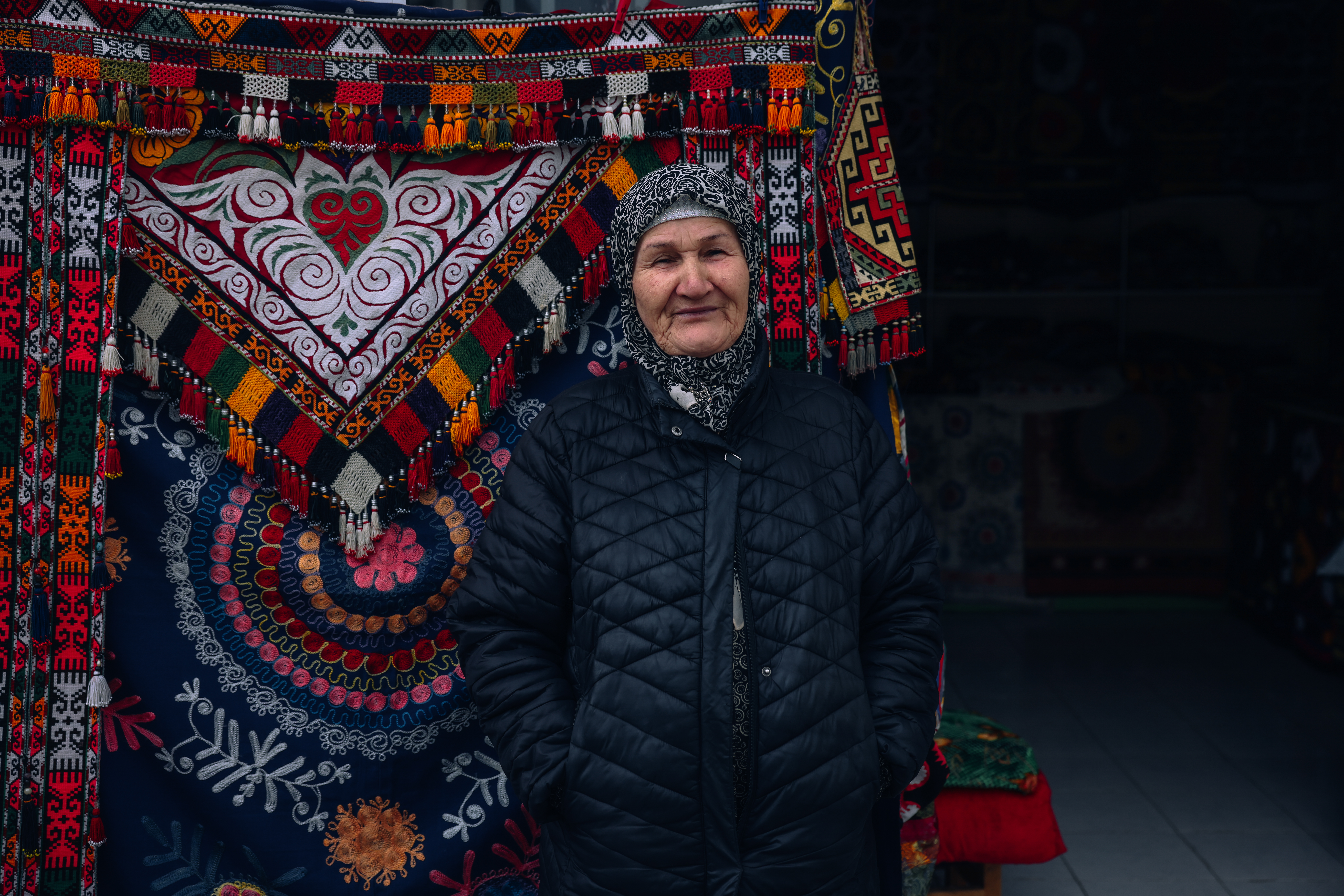
The bazaar's atmosphere captivated me. Against the grey sky, the goods hung on yellow walls looked very bright. Suzani, carpets, jewellery, dishes and chests - all of this is meant not simply to be sold to connoisseurs of antiquity, but also to inspire visitors. I know that many designers come here to buy those very materials “from grandmother's chest”.
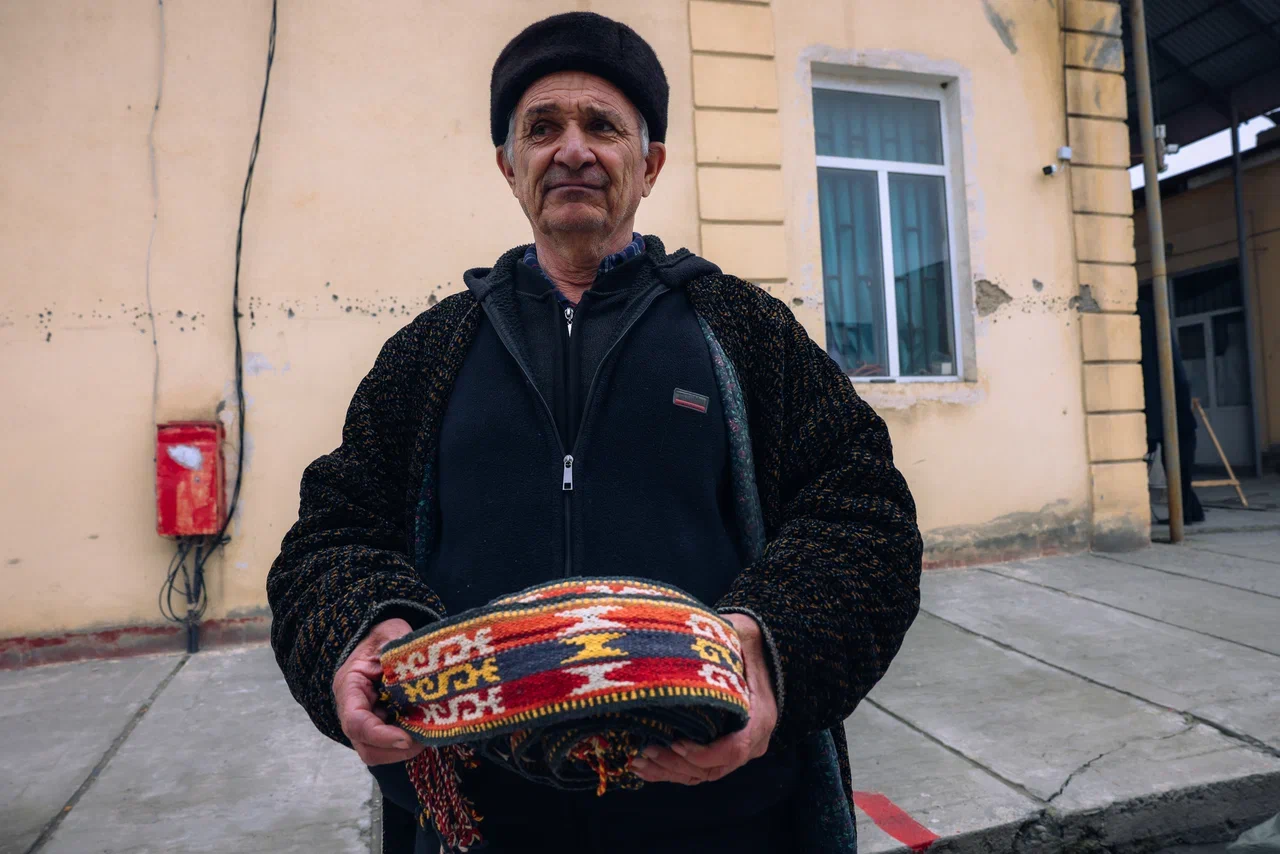
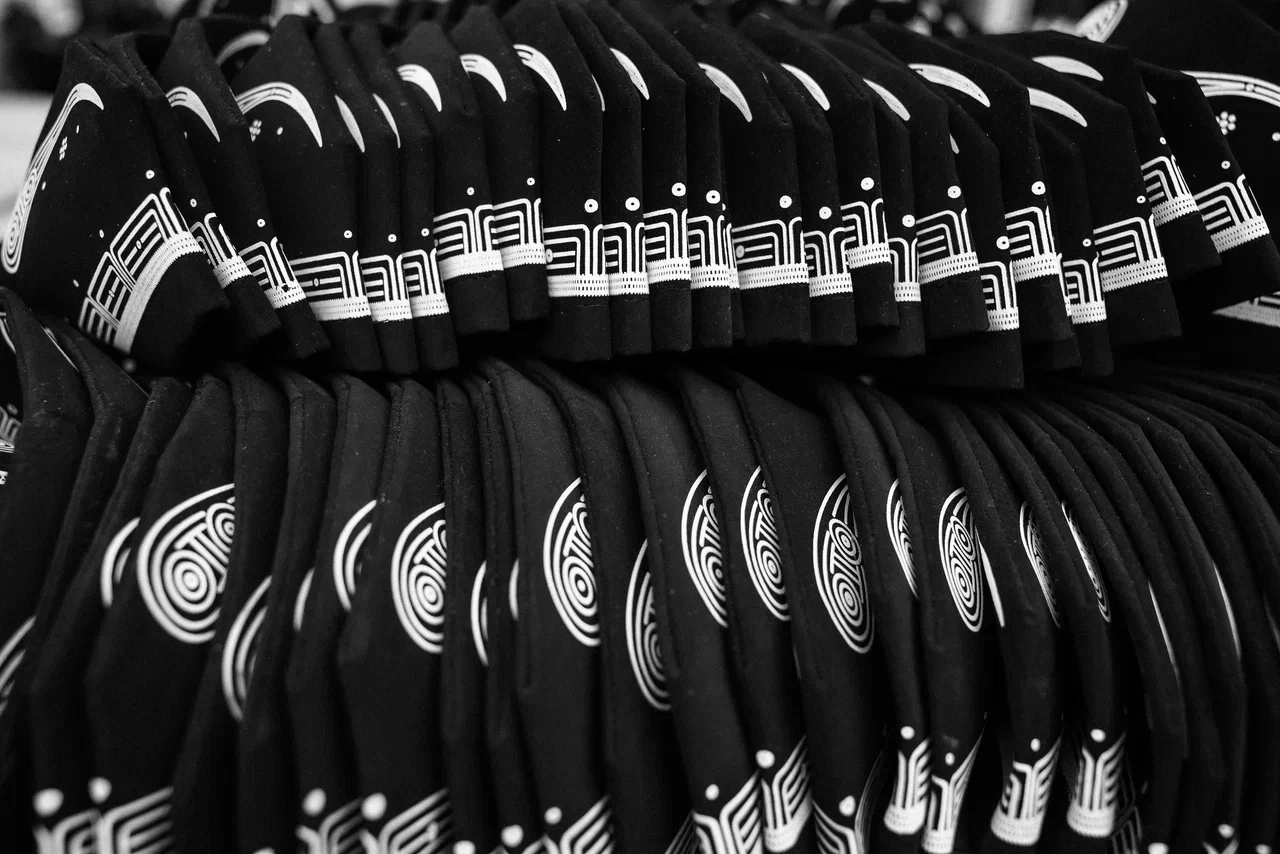
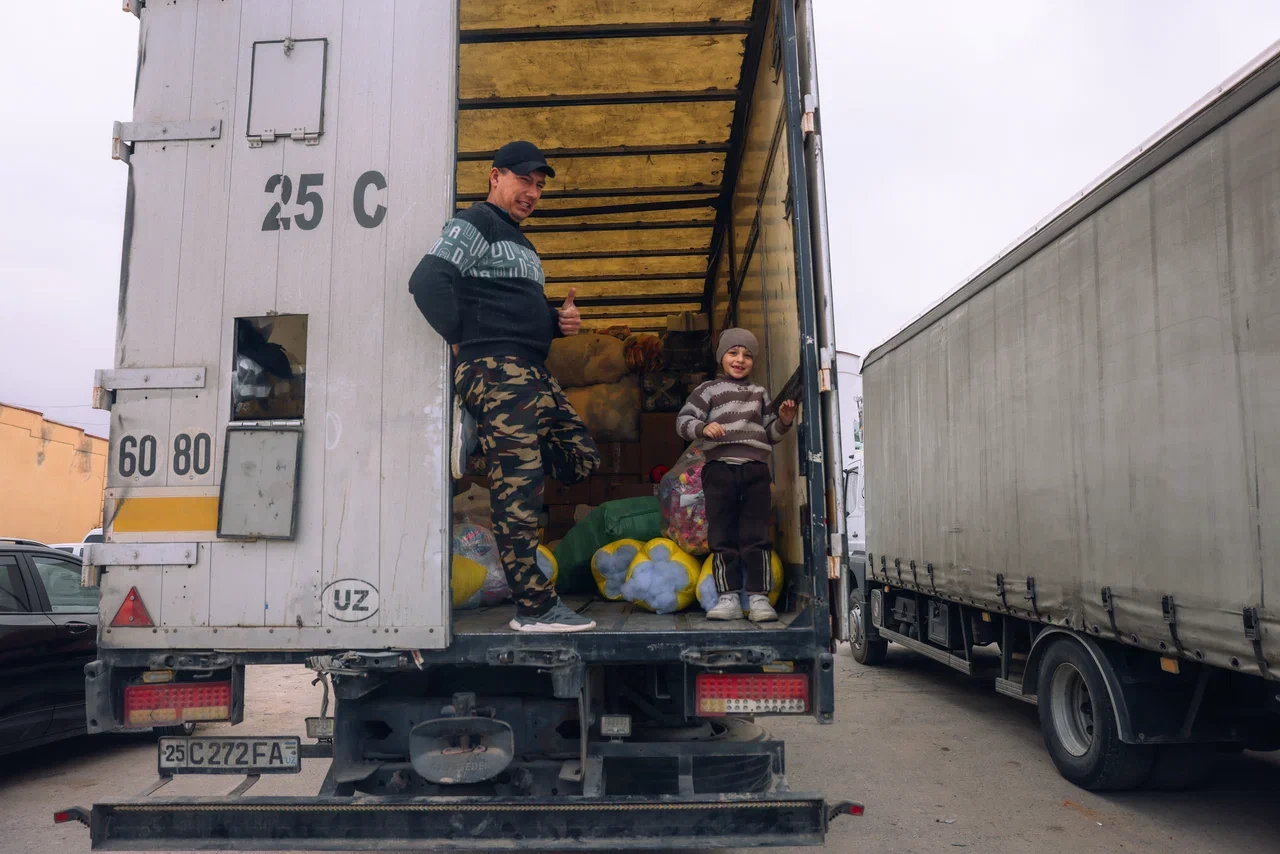
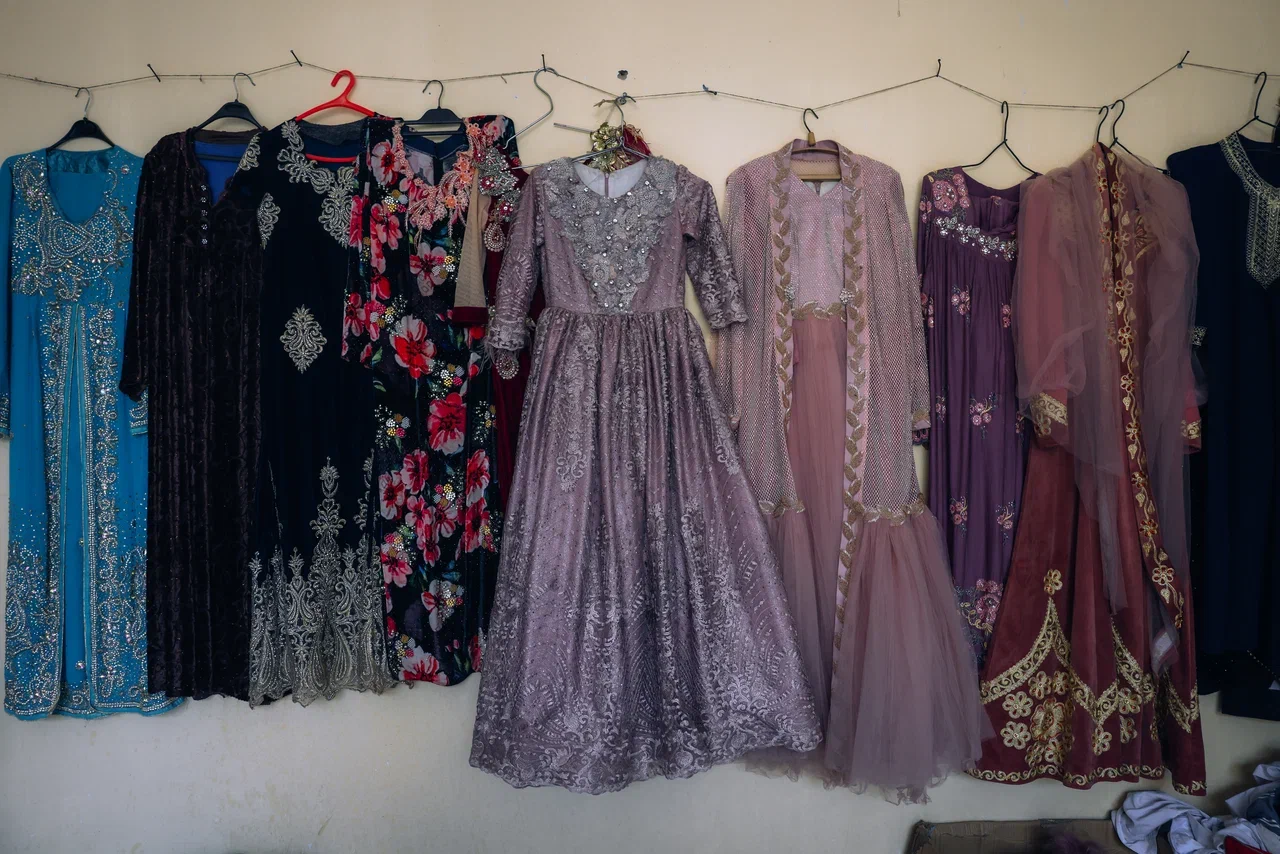
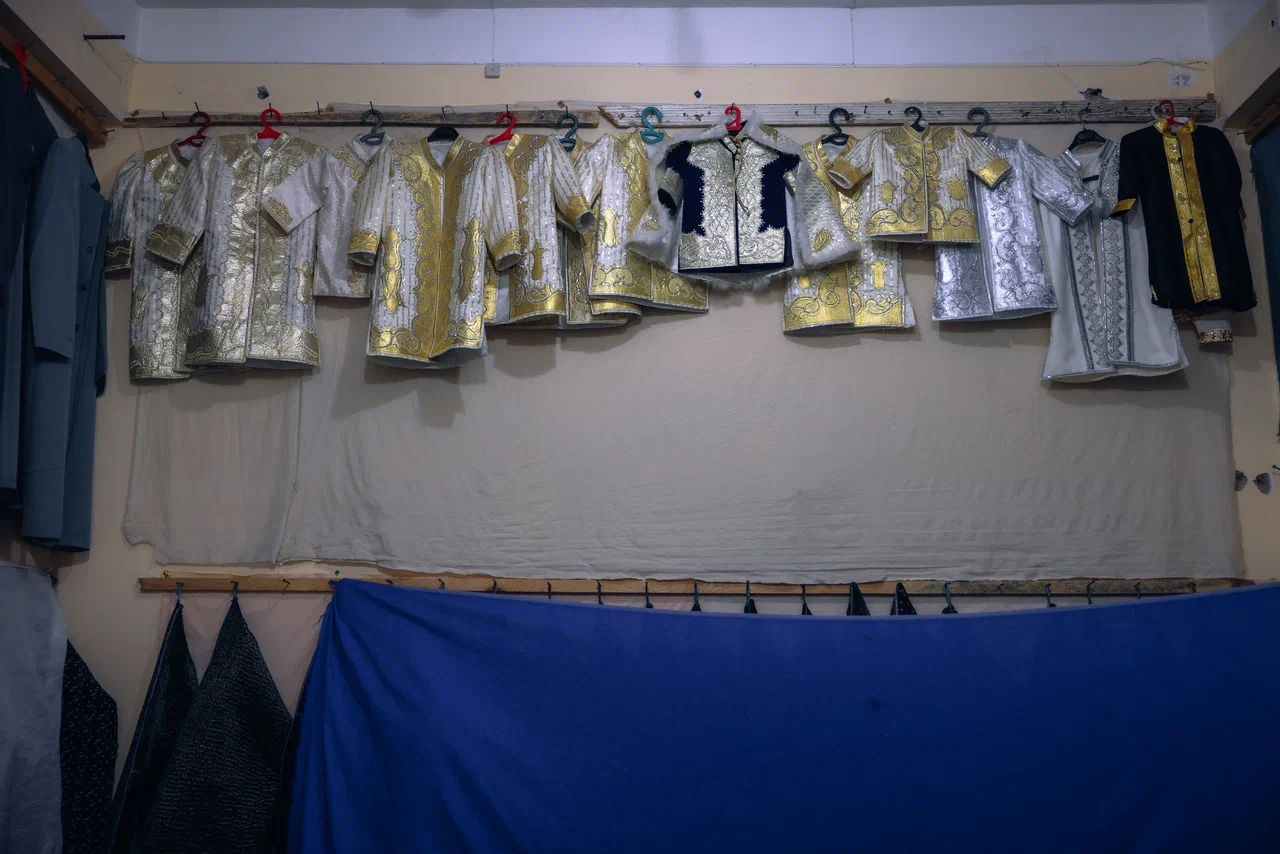
Vintage items are mainly sold by resellers, but you can also buy modern pieces - directly from the craftspeople. All of this is sold both in small pavilions and right on the street. But it is not all about vintage: most of the bazaar is taken up by rows of food, ordinary clothing, children's and household goods. Blankets, kurpacha, skullcaps, everyday clothing and all manner of bazaar trinkets sit alongside very important things.
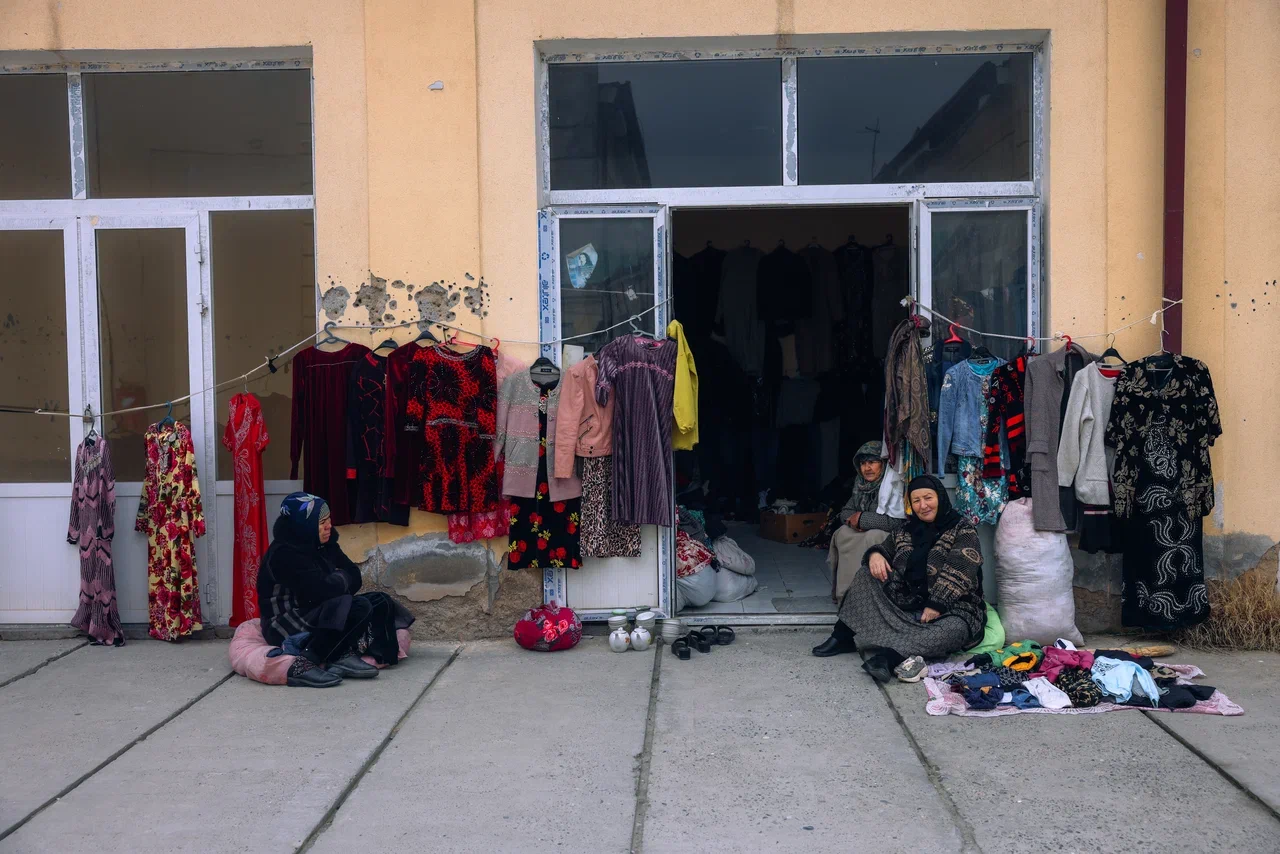
In general, Urgut's craft traditions deserve separate attention. The pottery of the Ablakulovs, keepers of the local ceramics tradition. The traditions of blacksmithing and tinwork. And of course embroidery, particularly notable in this region. All of this deserves a long, thoughtful journey - not around the bazaar, but to the roots of local culture.
The charm of naturalness - that is the important feature of this place: the bazaar in Urgut has never been “touristy”, its universe is subject to the logic of local people's ordinary life.
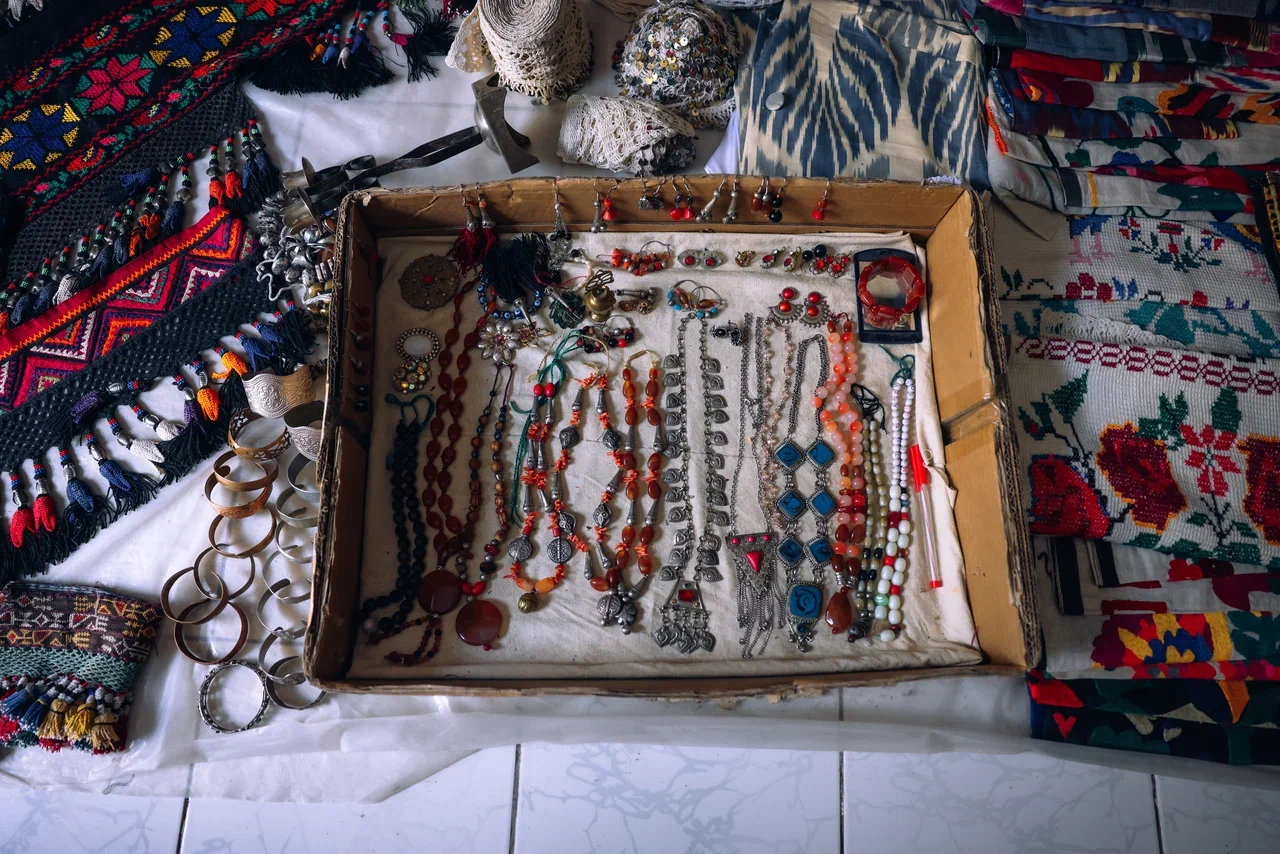
I tried to show what a typical bazaar day encompasses - people in their natural environment, the richness of our material heritage. The traders were very friendly and courteous. I spent only two hours here, but came away filled with inspiration for a long time. And I advise everyone to go there too, for visual inspiration and rare finds.
Newsletter
A letter from the HD editors
Once a week, we send the best stories, events, and cultural discoveries from Central Asia.