Traditions
Baysun Equinox: How Nawruz Is Celebrated in Surkhandarya — photo essay
Ildar Sadykov, Maria Maksimycheva
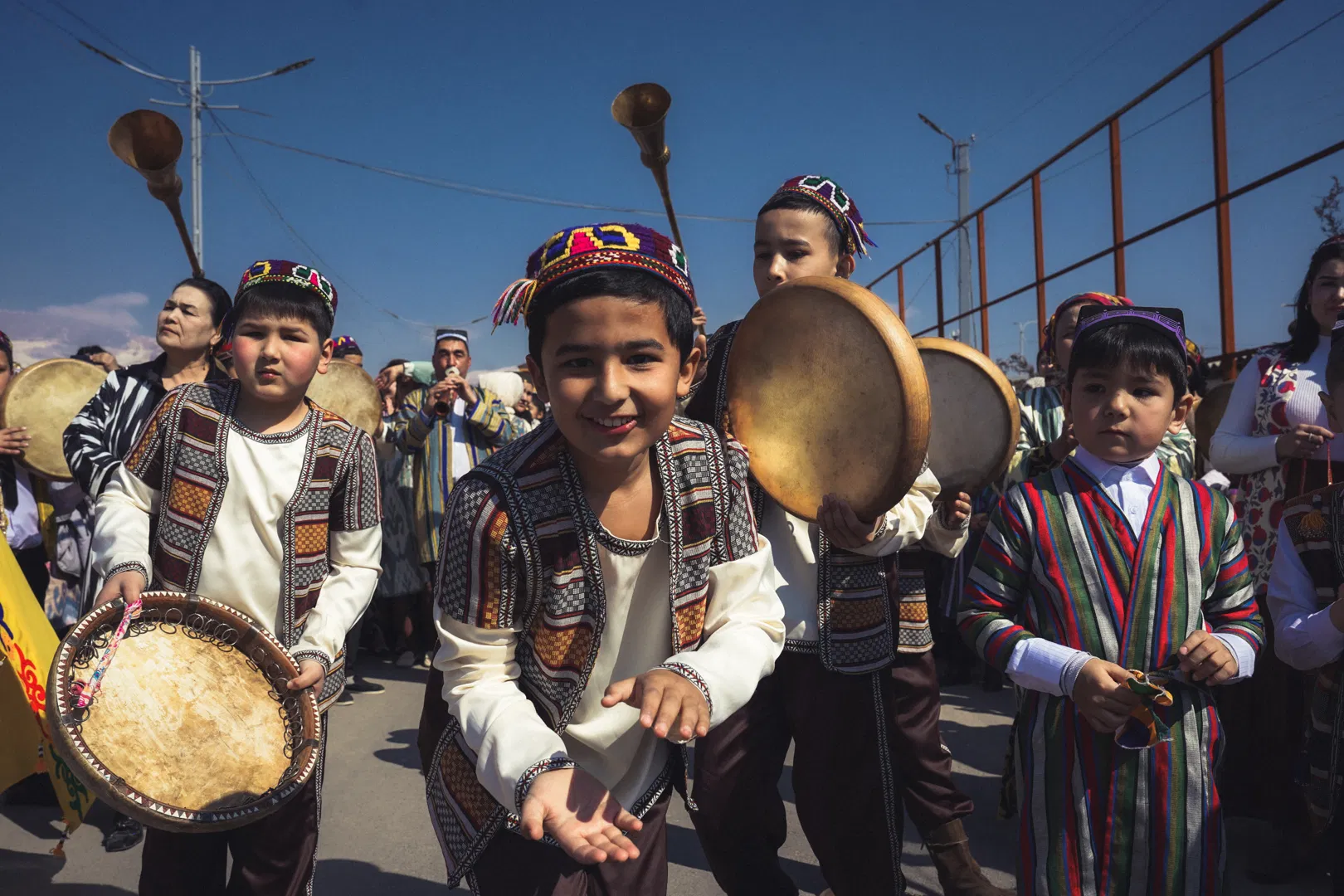
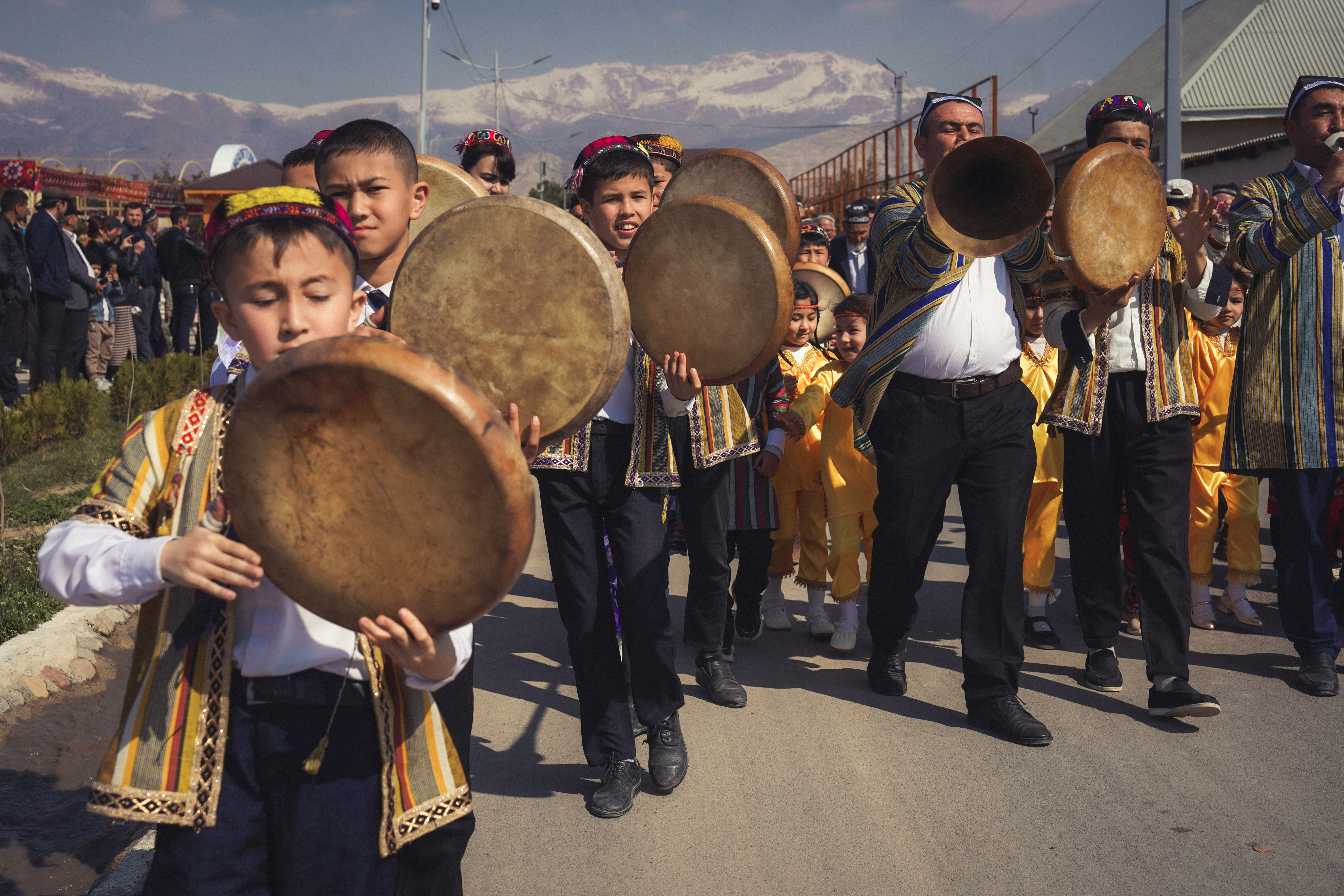
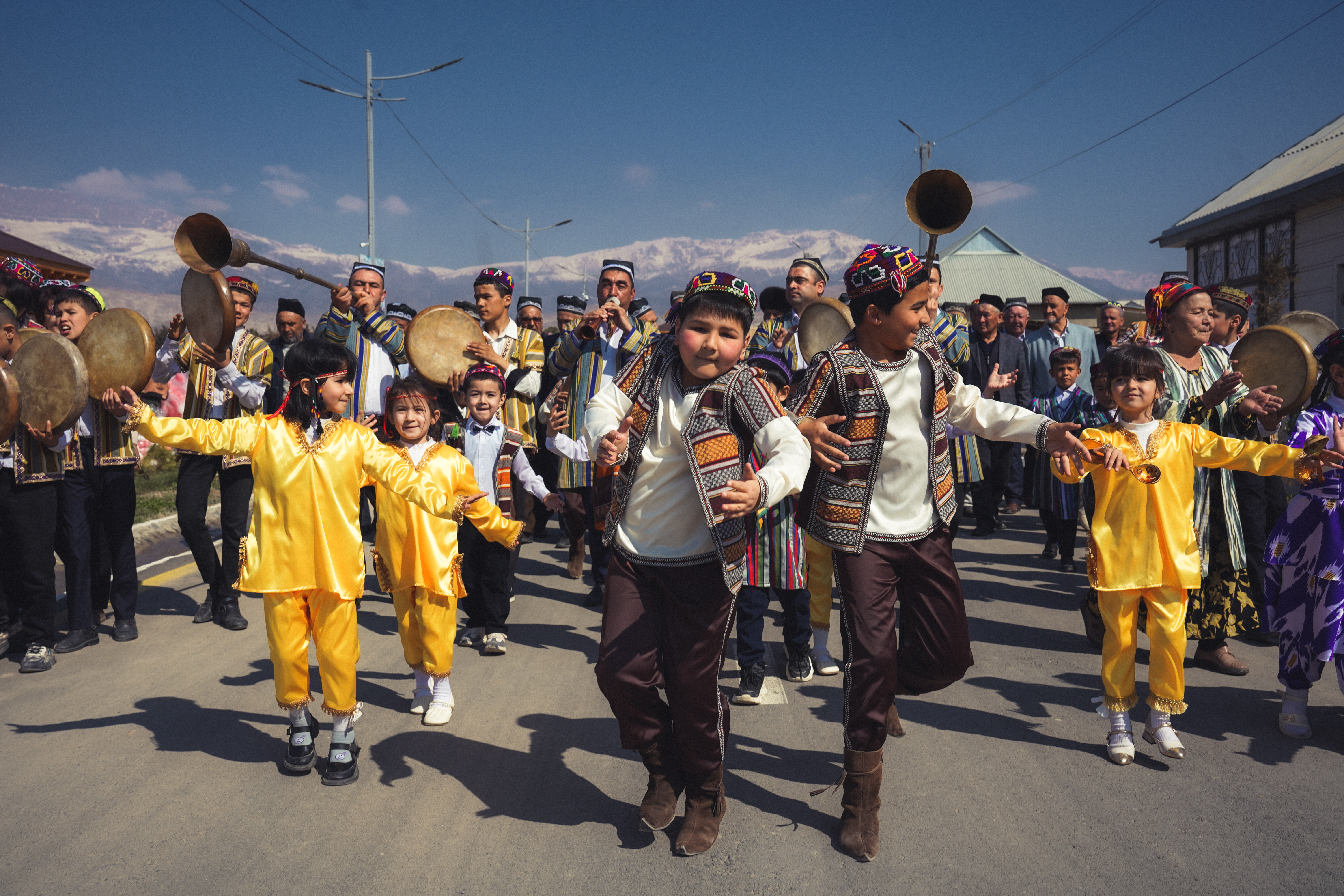
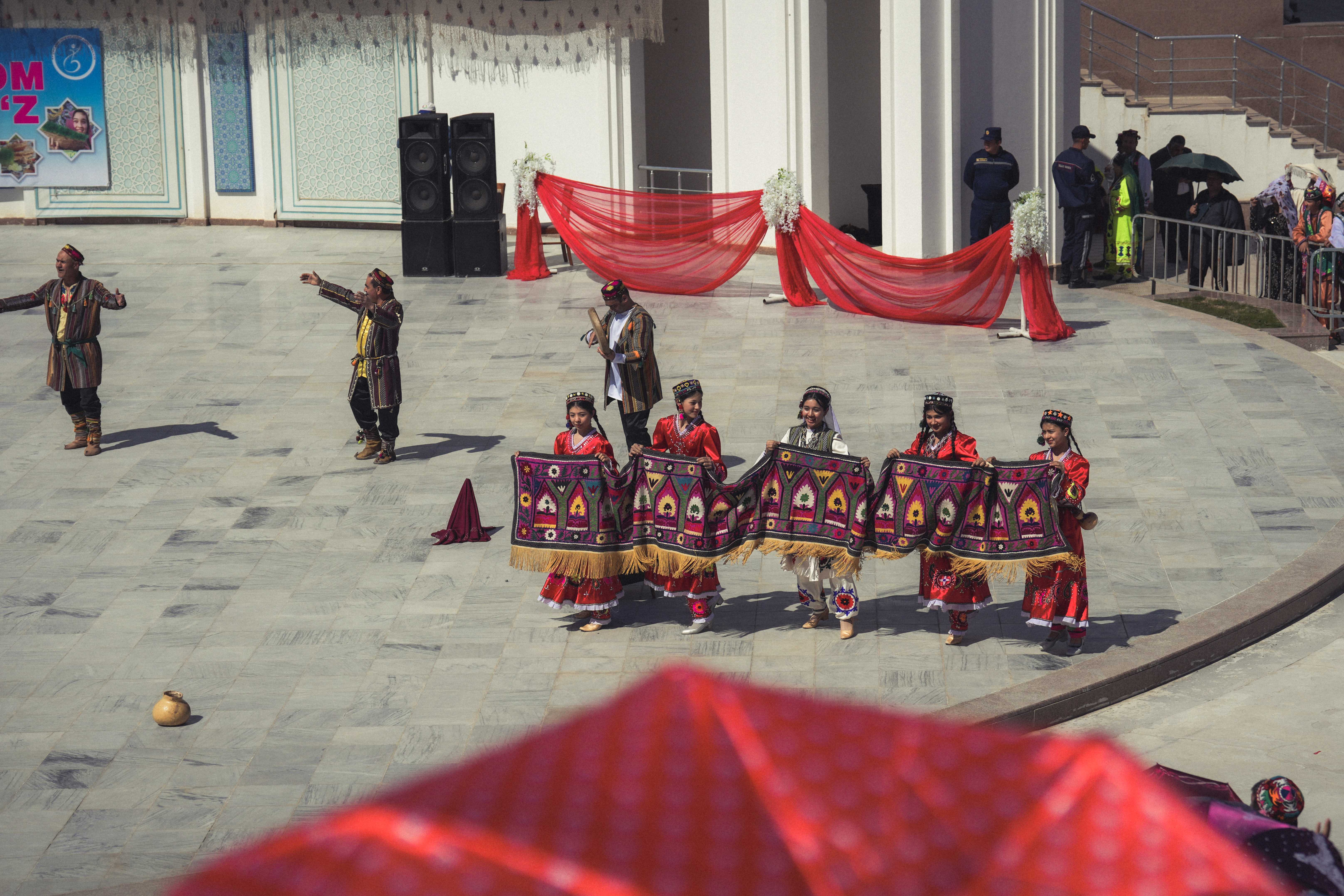
Nawruz is a time of returning to one’s roots. The most authentic and visually striking celebrations traditionally take place in Baysun, a region whose culture is recognised as part of the world’s heritage. The country’s most beautiful costumes, expressive dances and a deep, sincere pride in cultural identity are captured through the lens of Ildar Sadykov.
Southern Uzbekistan remains largely untouched by mass tourism, and the folklore of these places has been preserved in remarkably archaic forms. Although the international festival Boysun Bahori (Baysun Spring) is usually held here in May, visiting the region during Nawruz means immersing oneself in a riot of colour and feeling the energy of nature awakening.
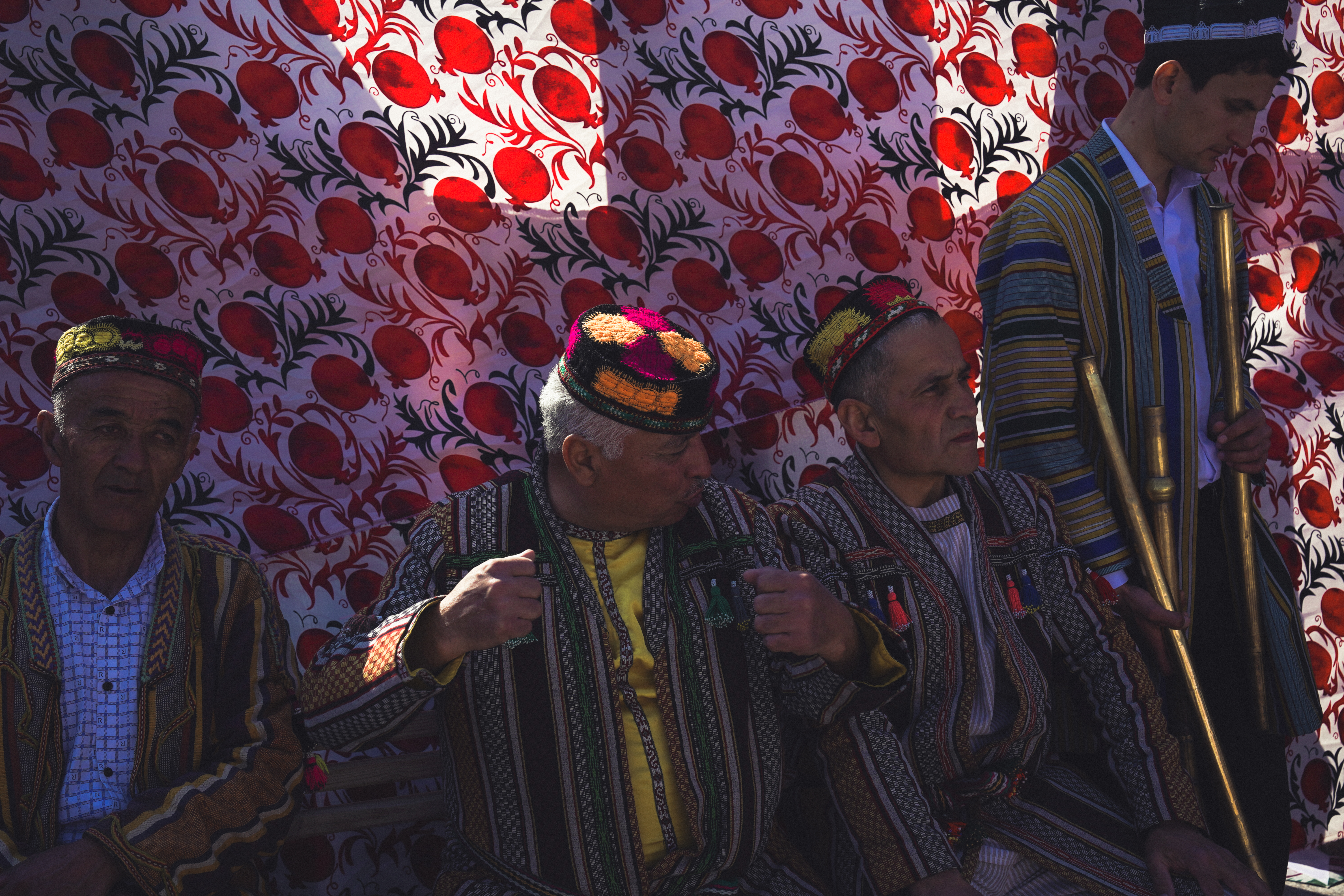
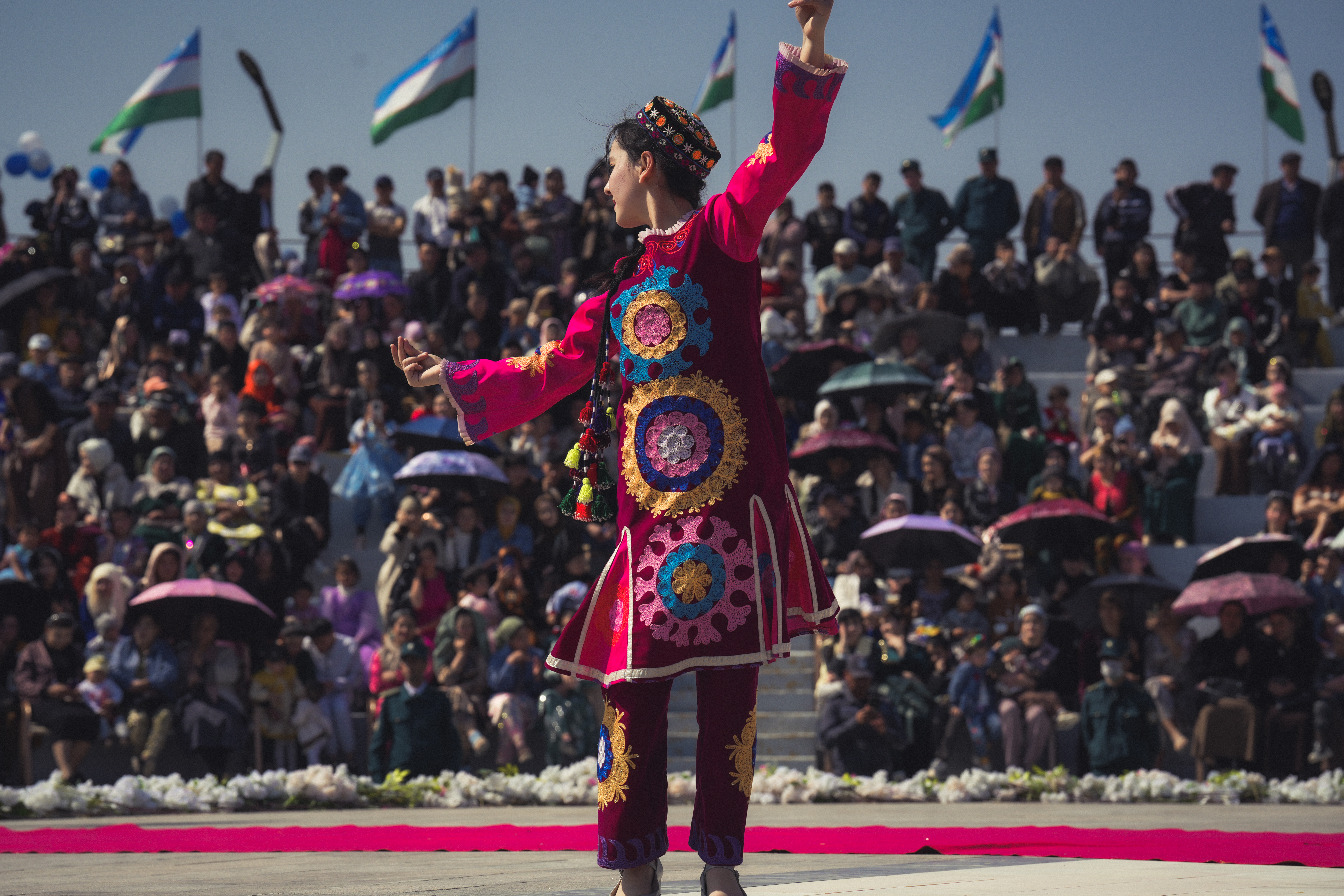
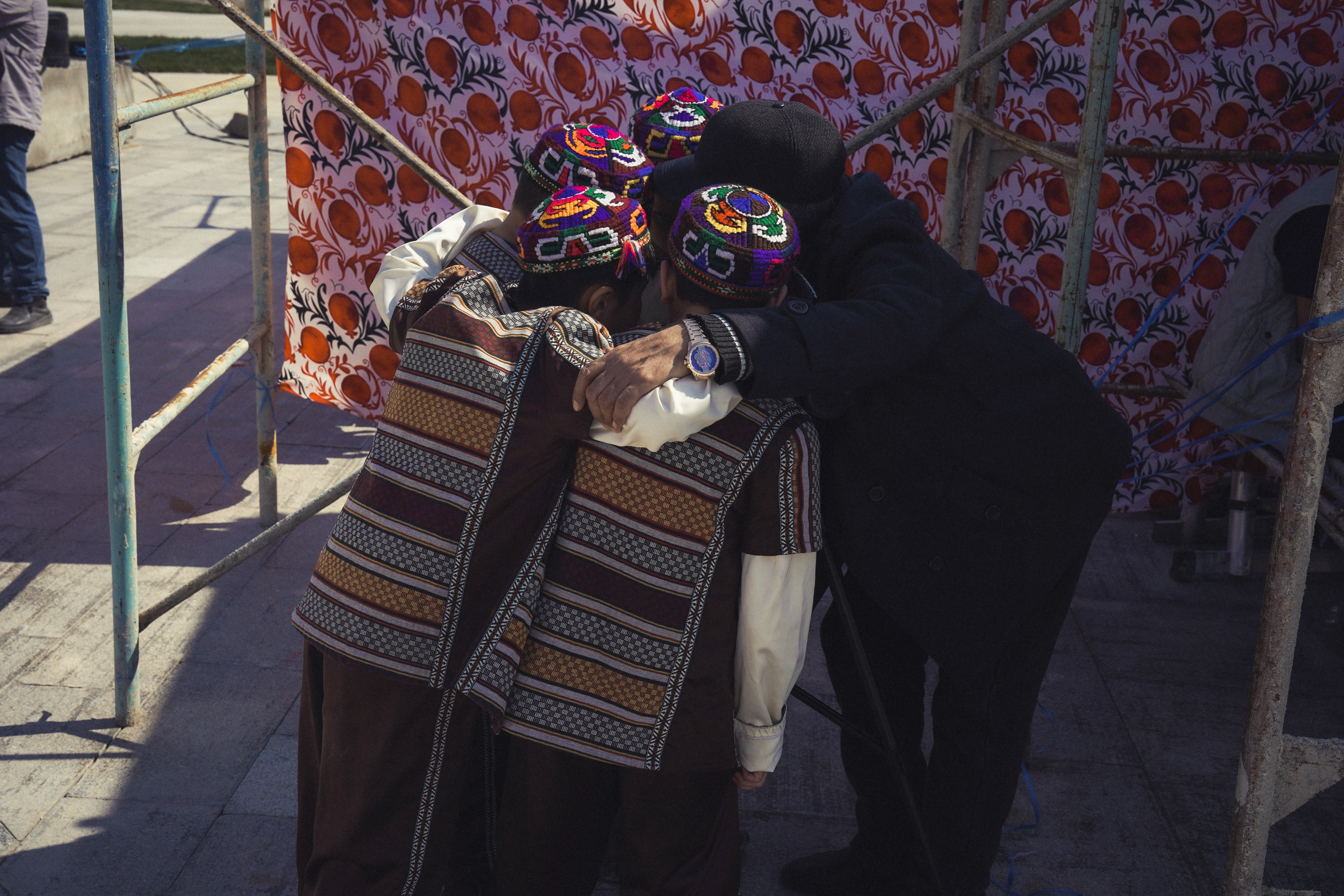
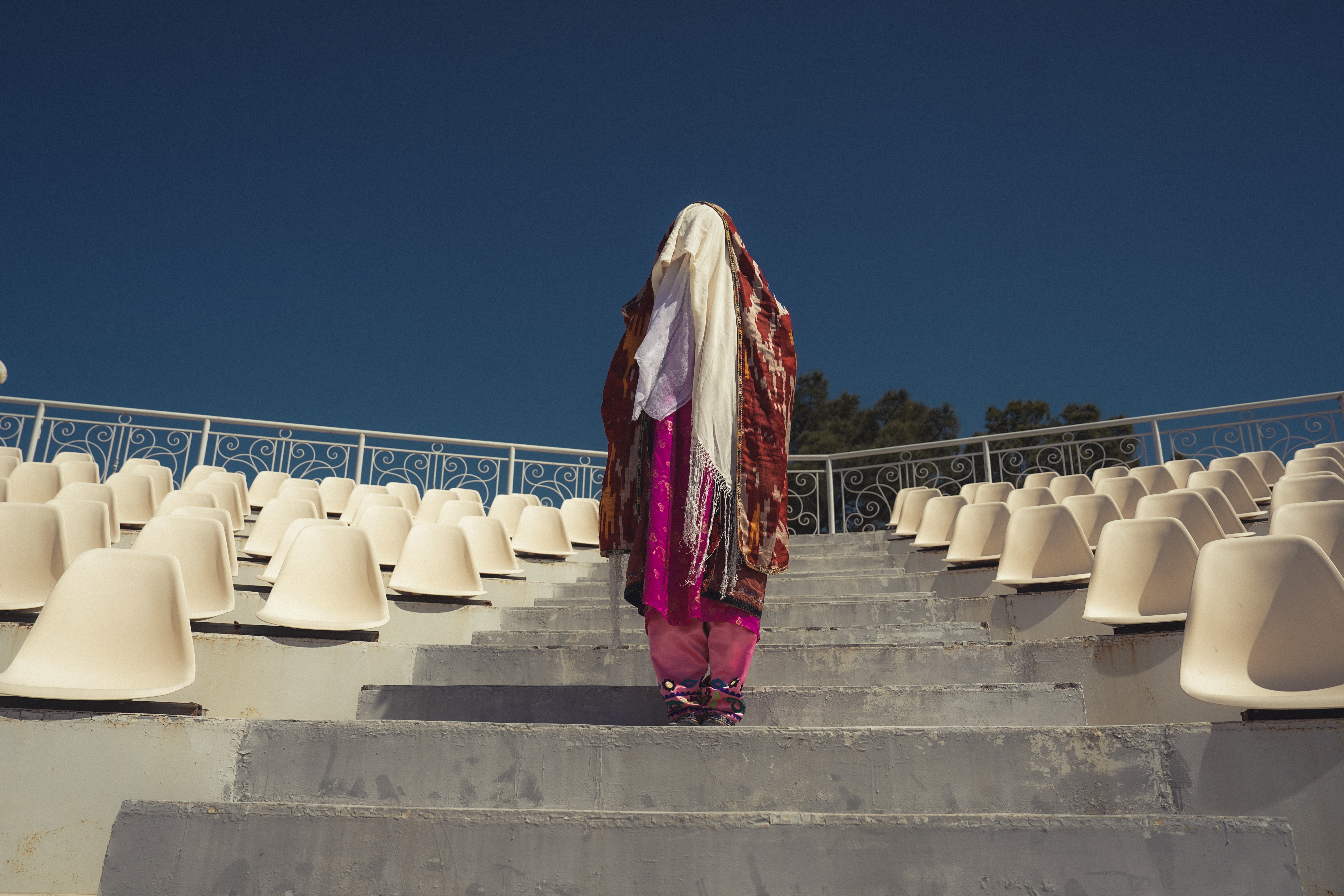
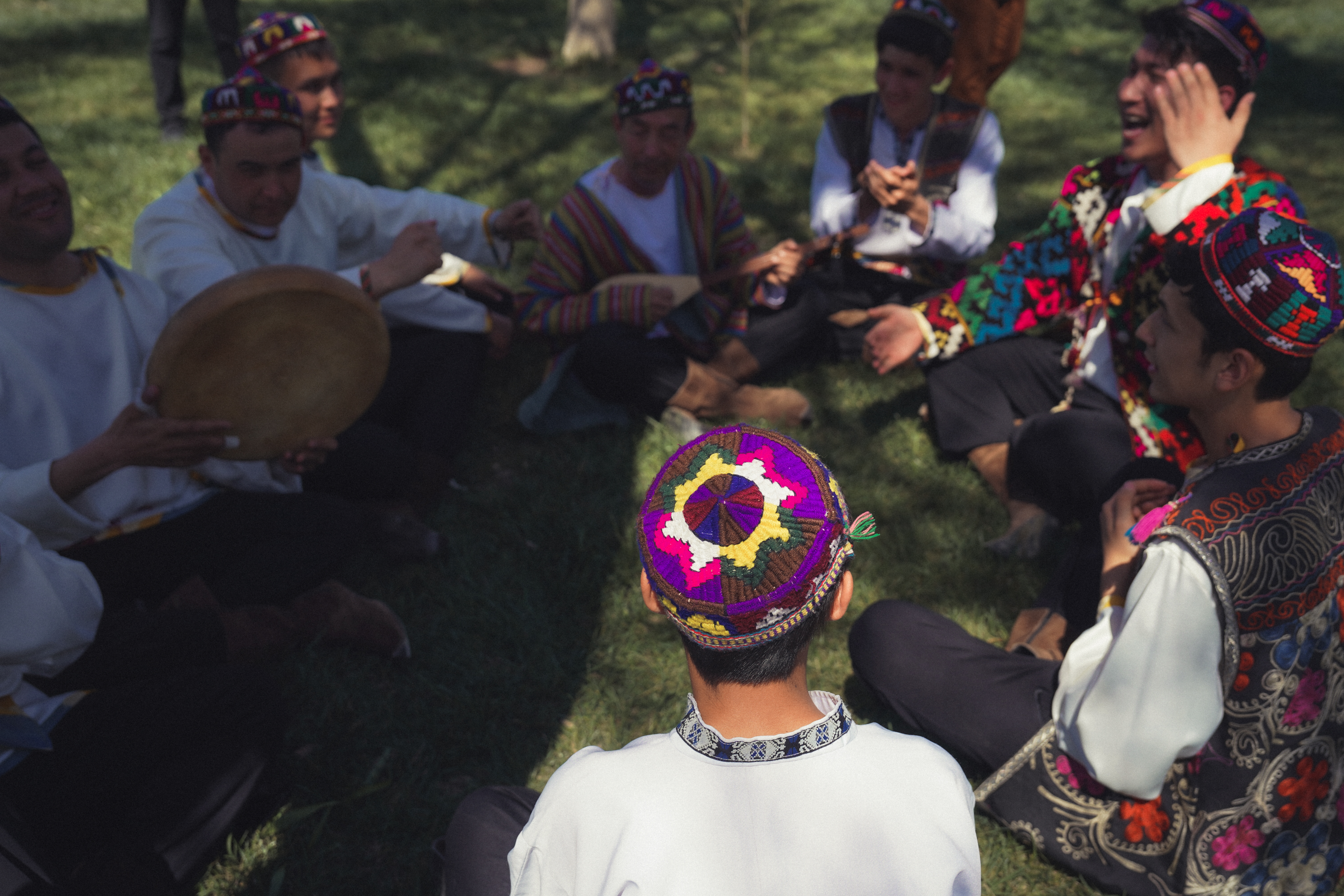
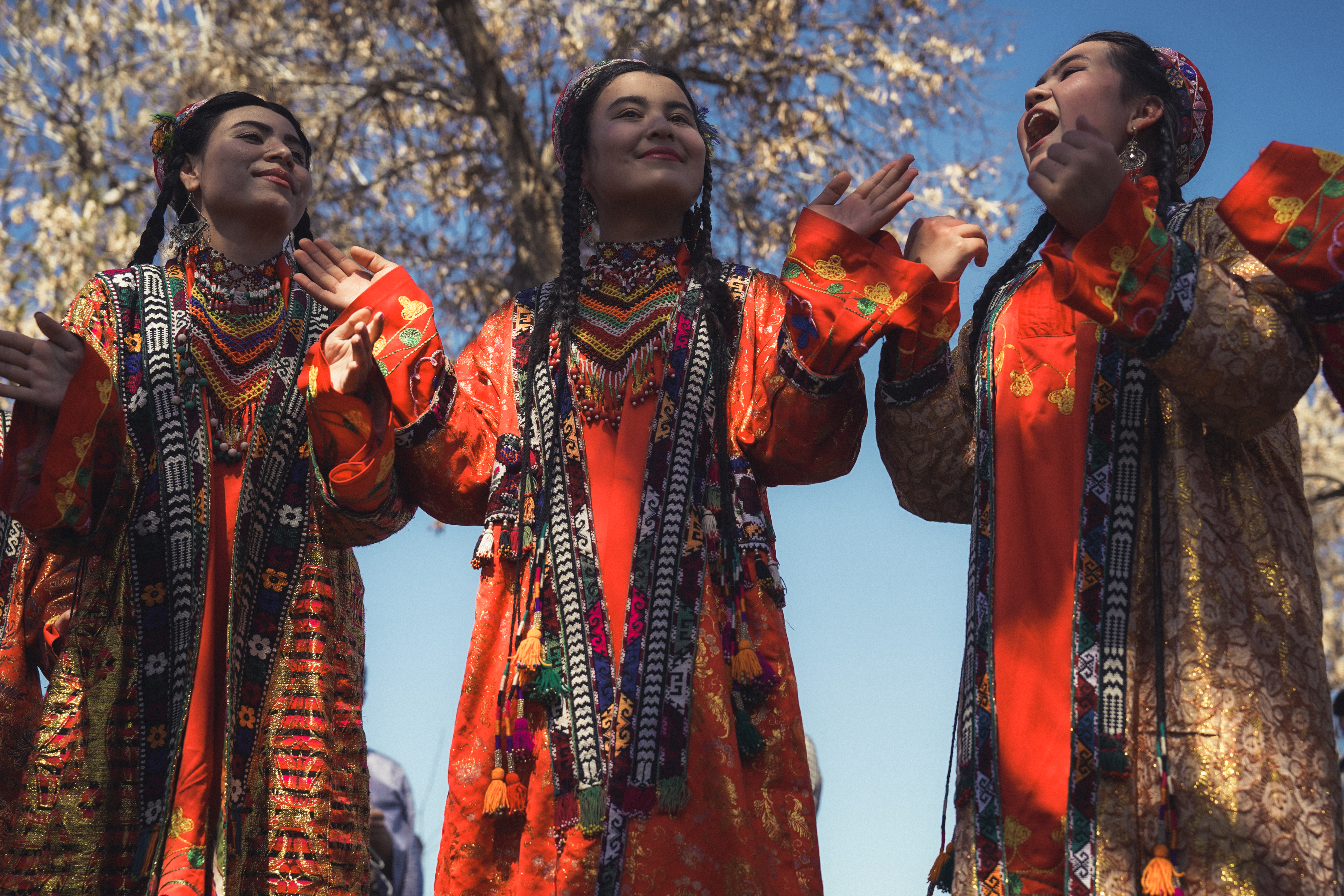
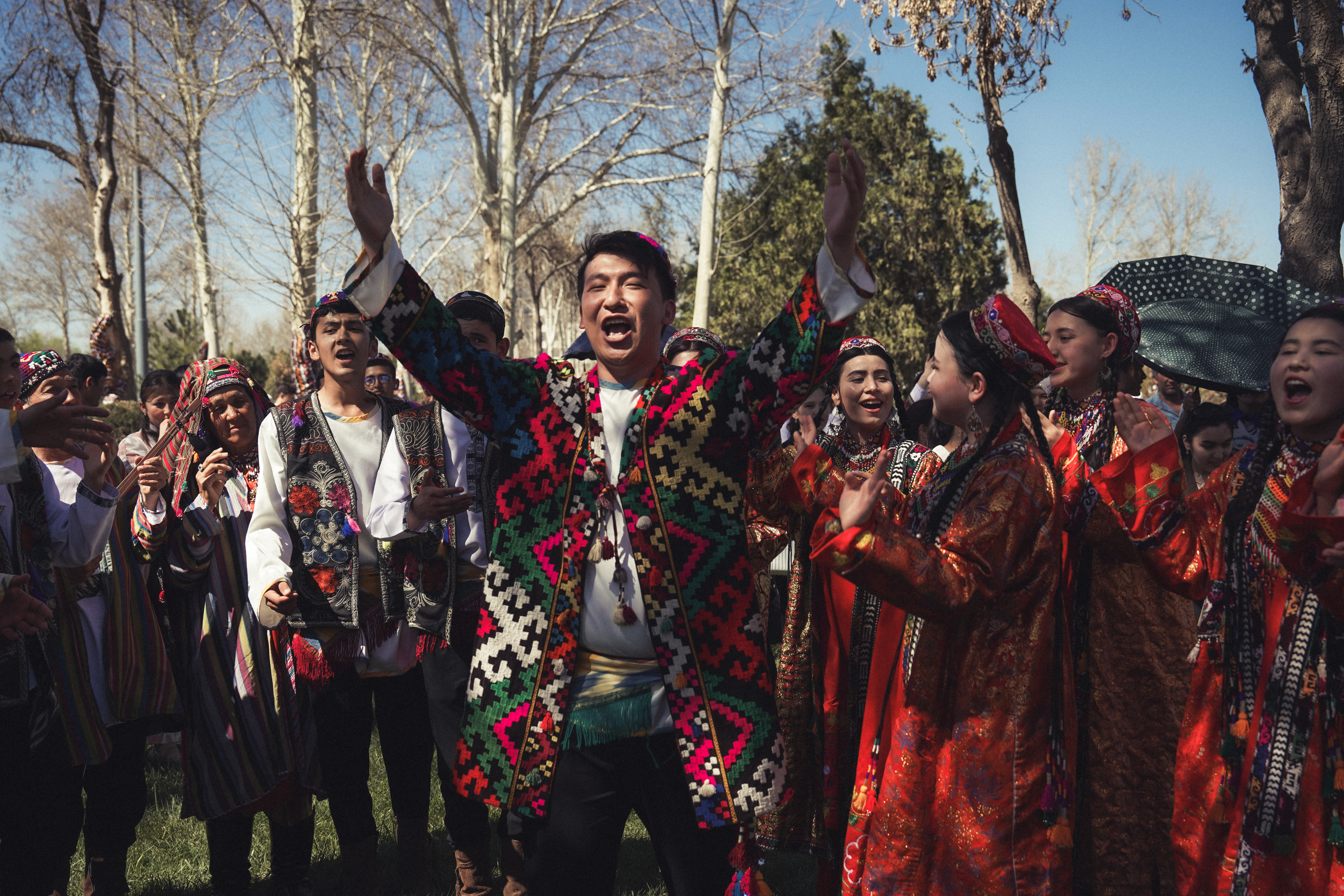
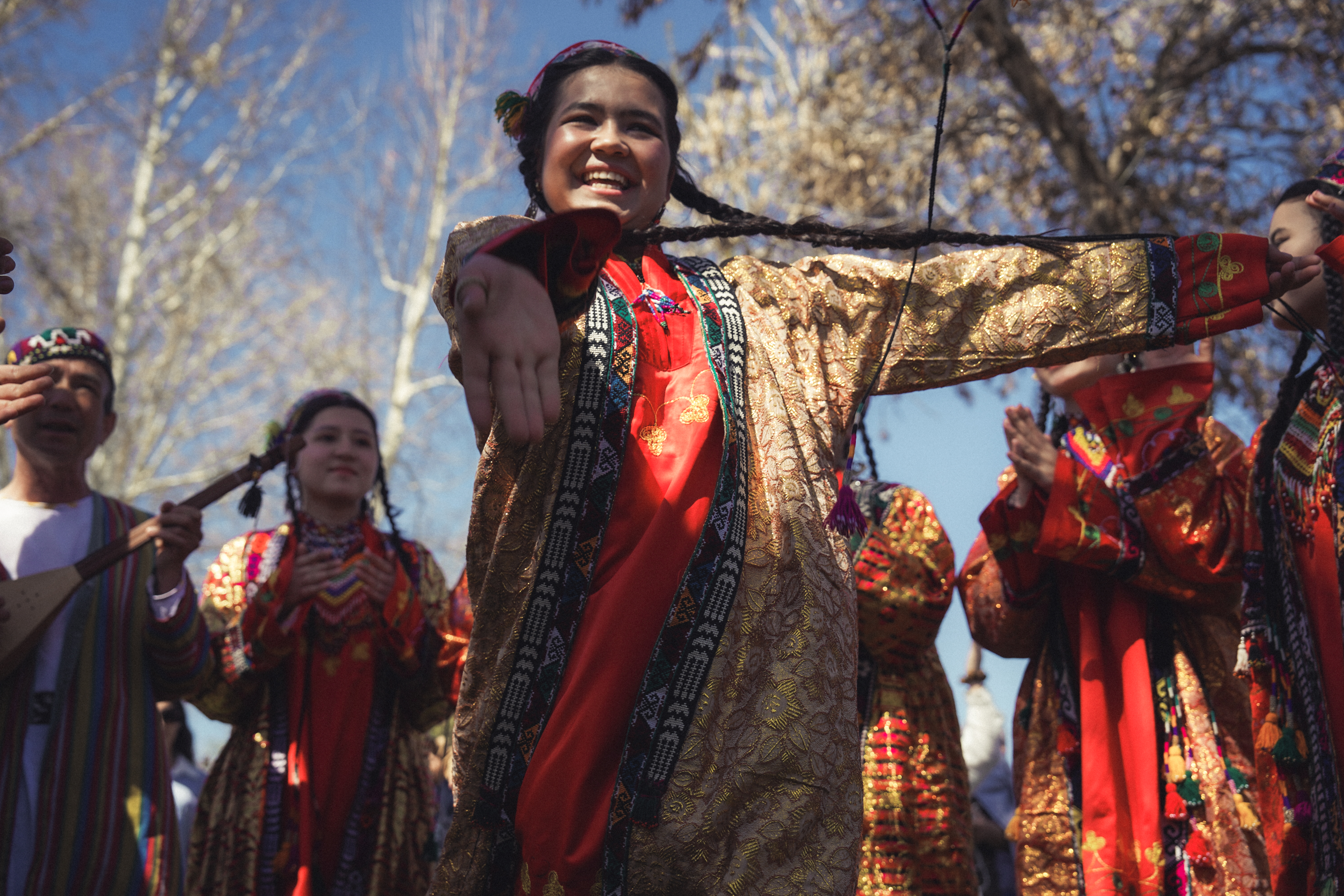
At the mention of Baysun, a suzani embroidery with its contrasting colours and solar motifs comes to mind, along with the traditional headdress known as bosh, the seemingly angular movements of the shoulders in dance, and the drawn-out, resonant song of a storyteller set against a mountainous backdrop.
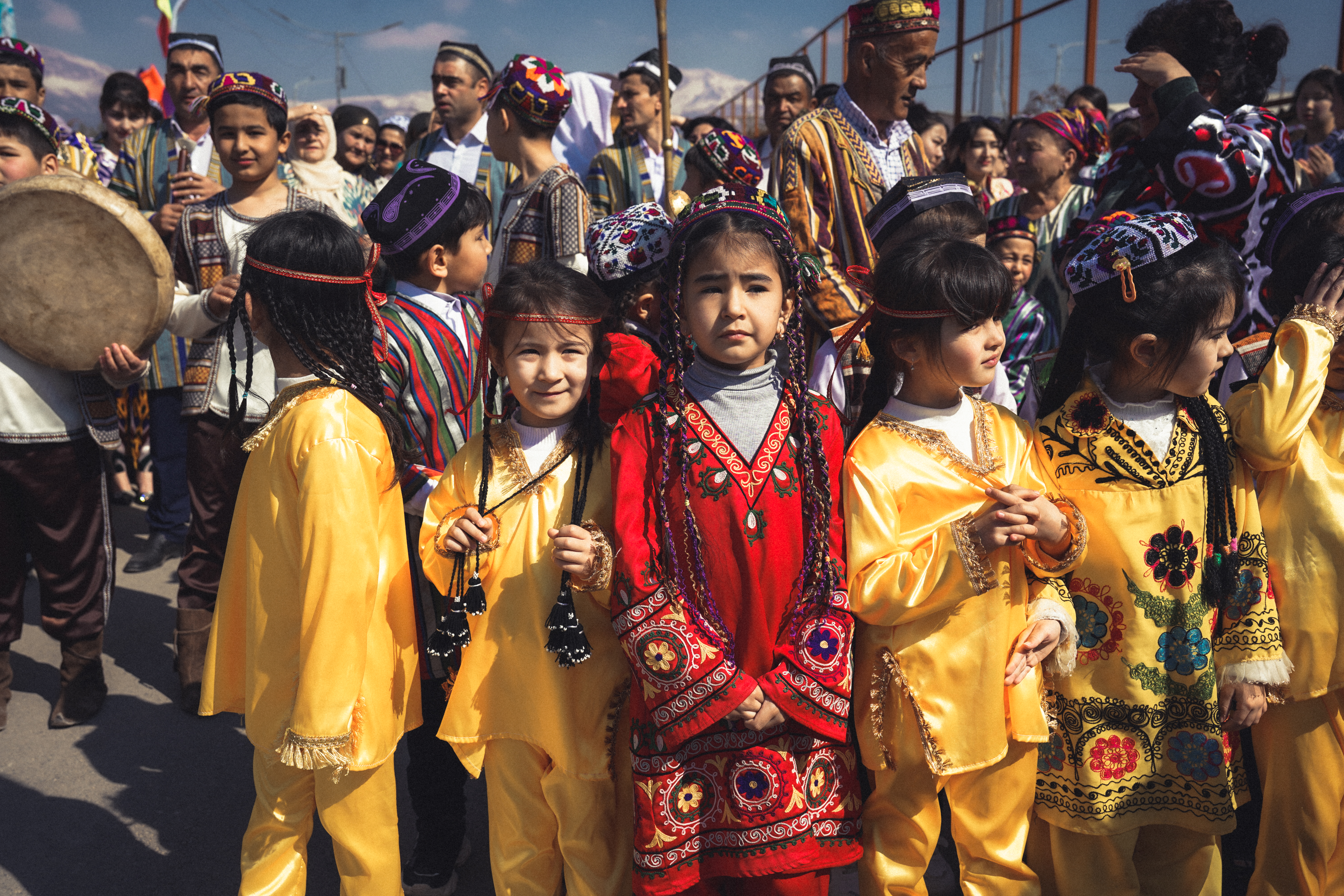
The distinctive character of Surkhandarya’s traditional dress, music and dance, along with the ancient storytelling tradition of the bakhshi, forms a carefully preserved heritage of the region’s ethnically diverse population. While in other regions folk traditions are sometimes reshaped to suit simplified tourist tastes, Baysun presents them in their full, living richness, encompassing musical and oral traditions and, above all, costume.
Vibrant Colors of Surkhandarya: Women’s Clothing and Jewelry of BoysunBaysun is one of the largest and most distinctive districts of the Surkhandarya region, where ancient traditions and cultures of different peoples merge into one. The ethnic composition of the region is diverse: the center of the district and nearby villages are mainly inhabited by Tajik-Chagatai people, while the plains and foothills are populated by semi-nomadic Uzbeks—Kungrats, Yuzs, and Togchi, who identify themselves as belonging to the Katagan tribe.mag.humodoc.com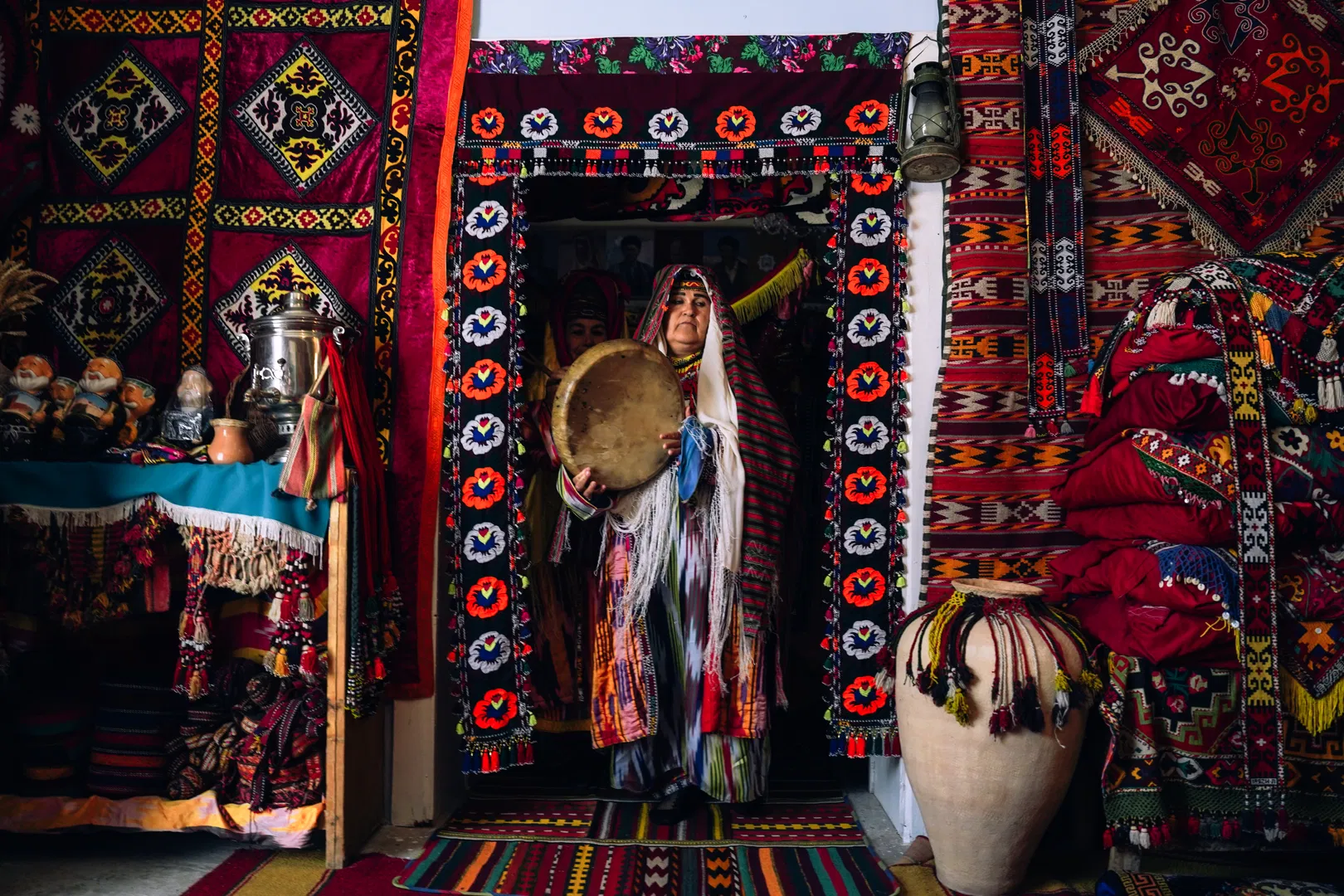
Nawruz is a Zoroastrian tradition that originated and flourished in this land of dramatic mountain landscapes, blazing sun and green steppes. Its symbolism, therefore, may appear enigmatic to a casual visitor and invaluable to a researcher.
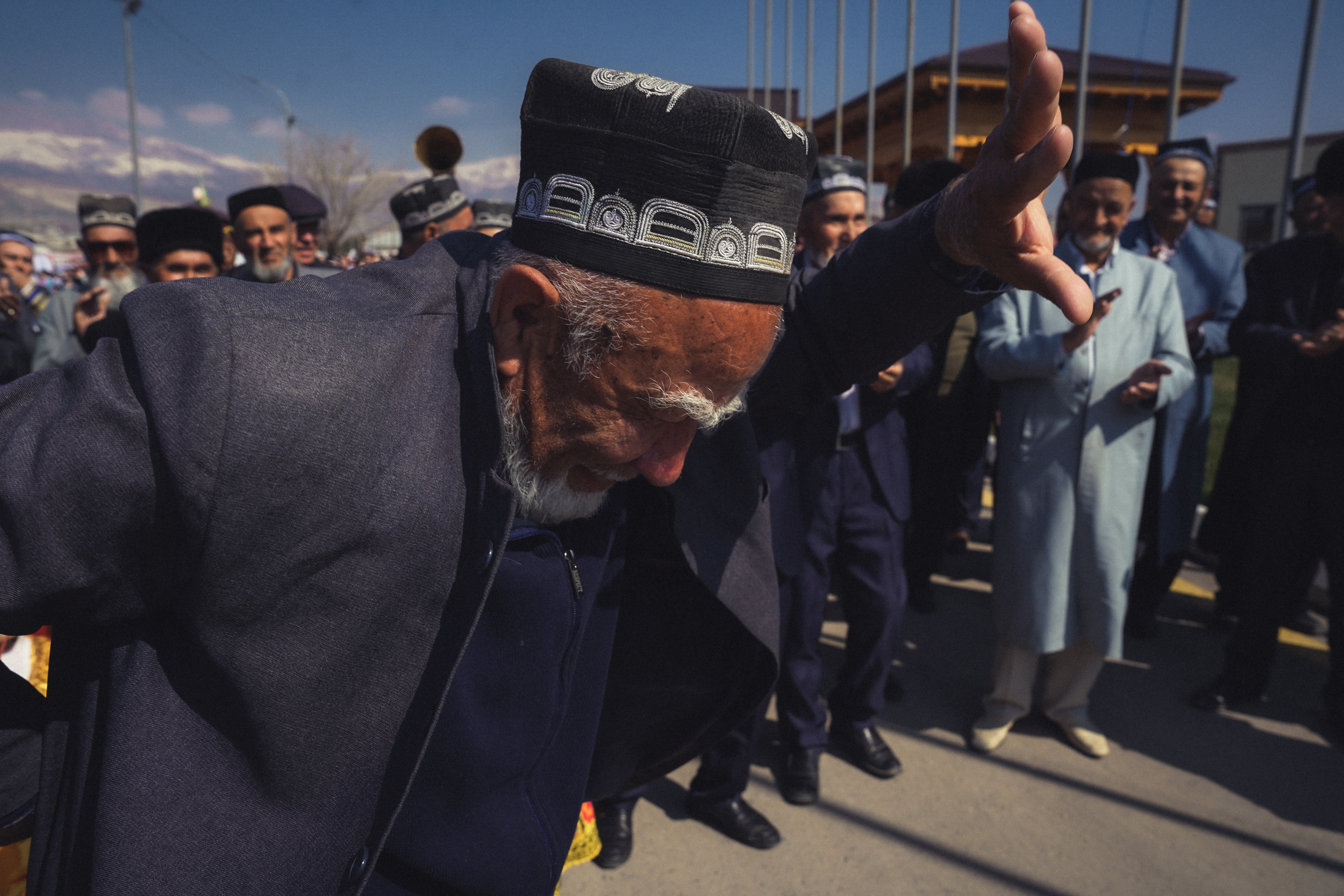
Baysun’s folklore preserves many echoes of a pre-Islamic past, absorbing the traditions of both settled and nomadic peoples who once lived here. This has enriched its heritage with remarkable expressiveness and a life-affirming aesthetic, evident in everything from dance and decorative arts to oral traditions and sporting games.
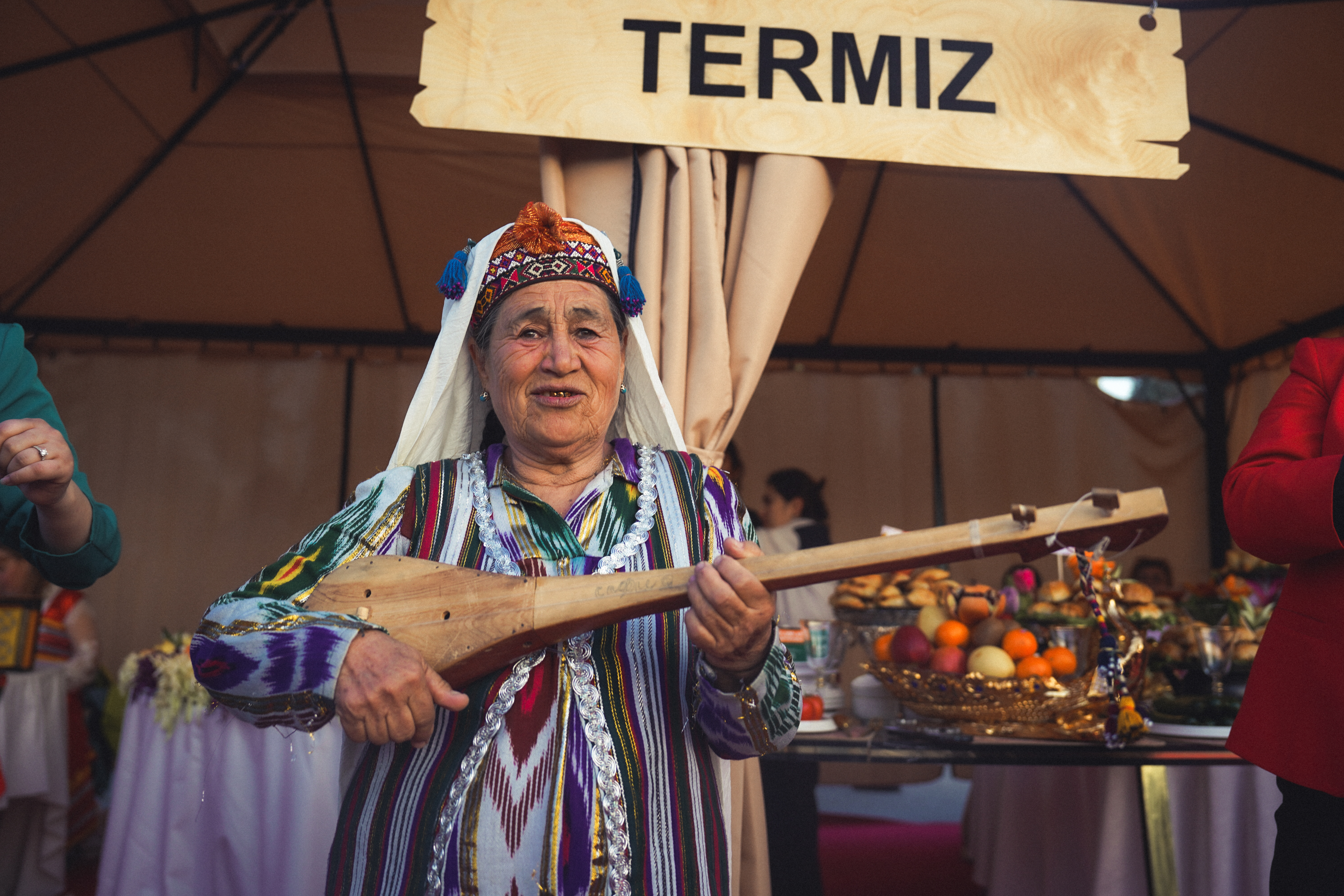
Traditionally, participants from across the region gather for the celebration, often preparing for more than a year to present the very best of their skills and to celebrate the richness of their local cultures.
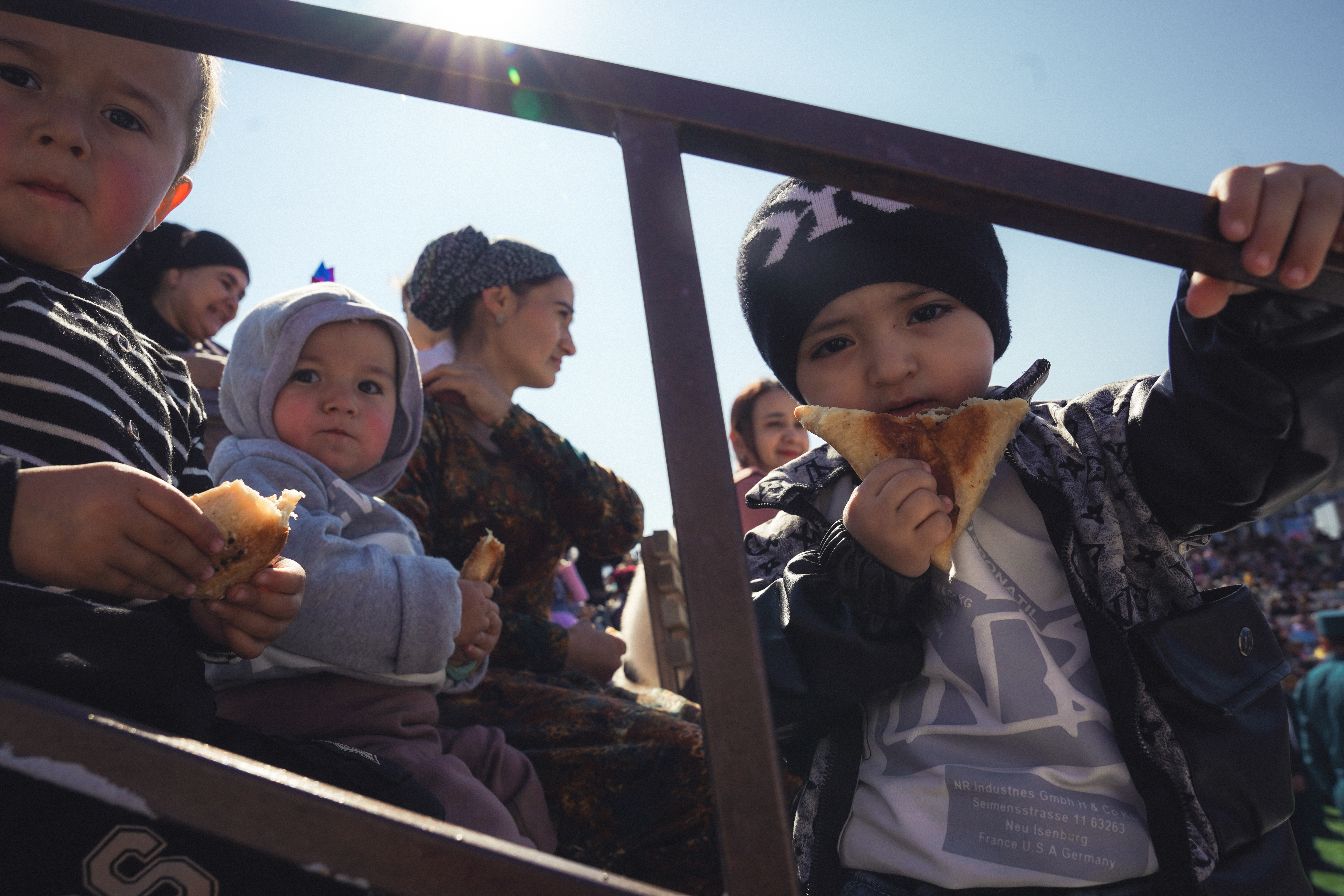
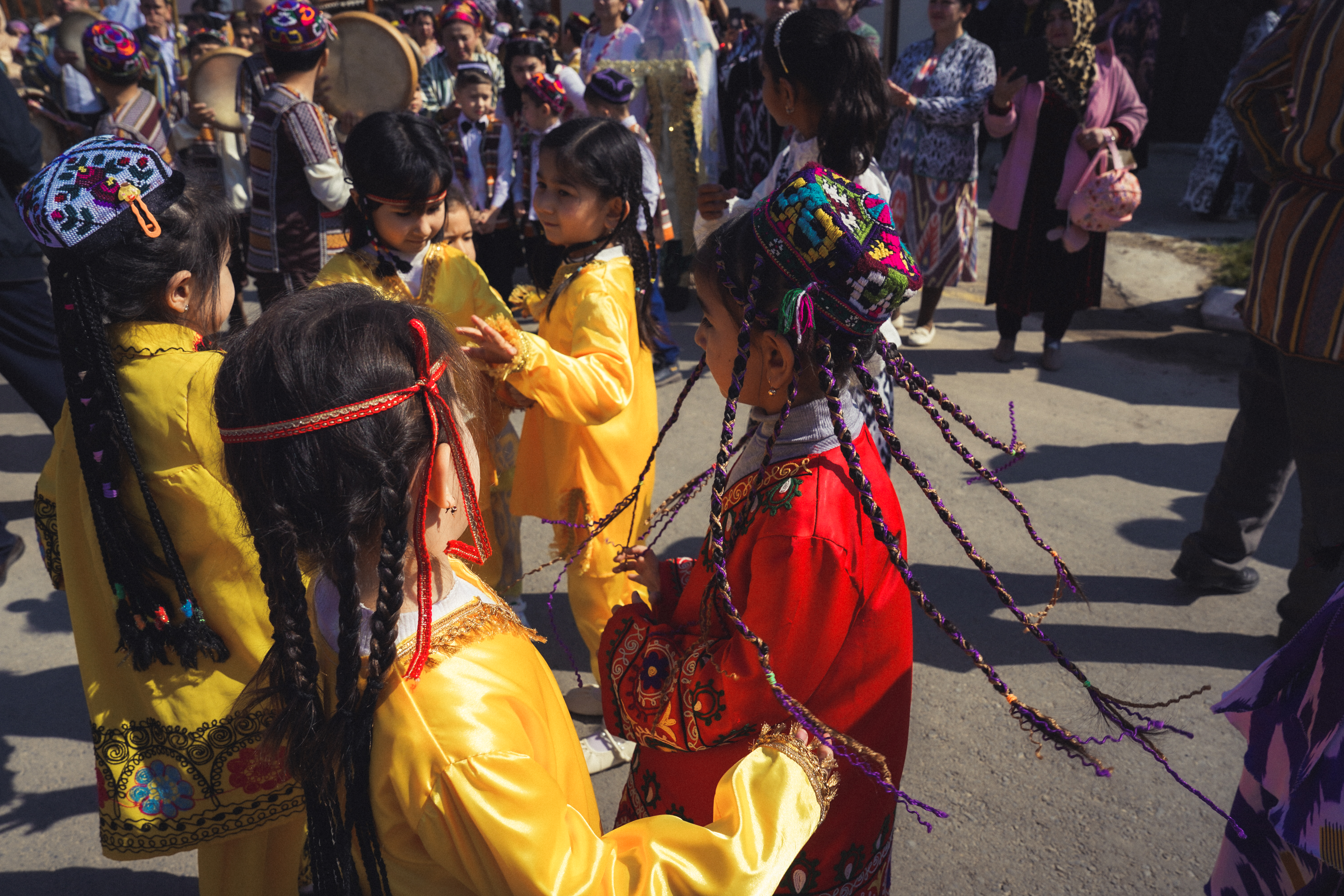
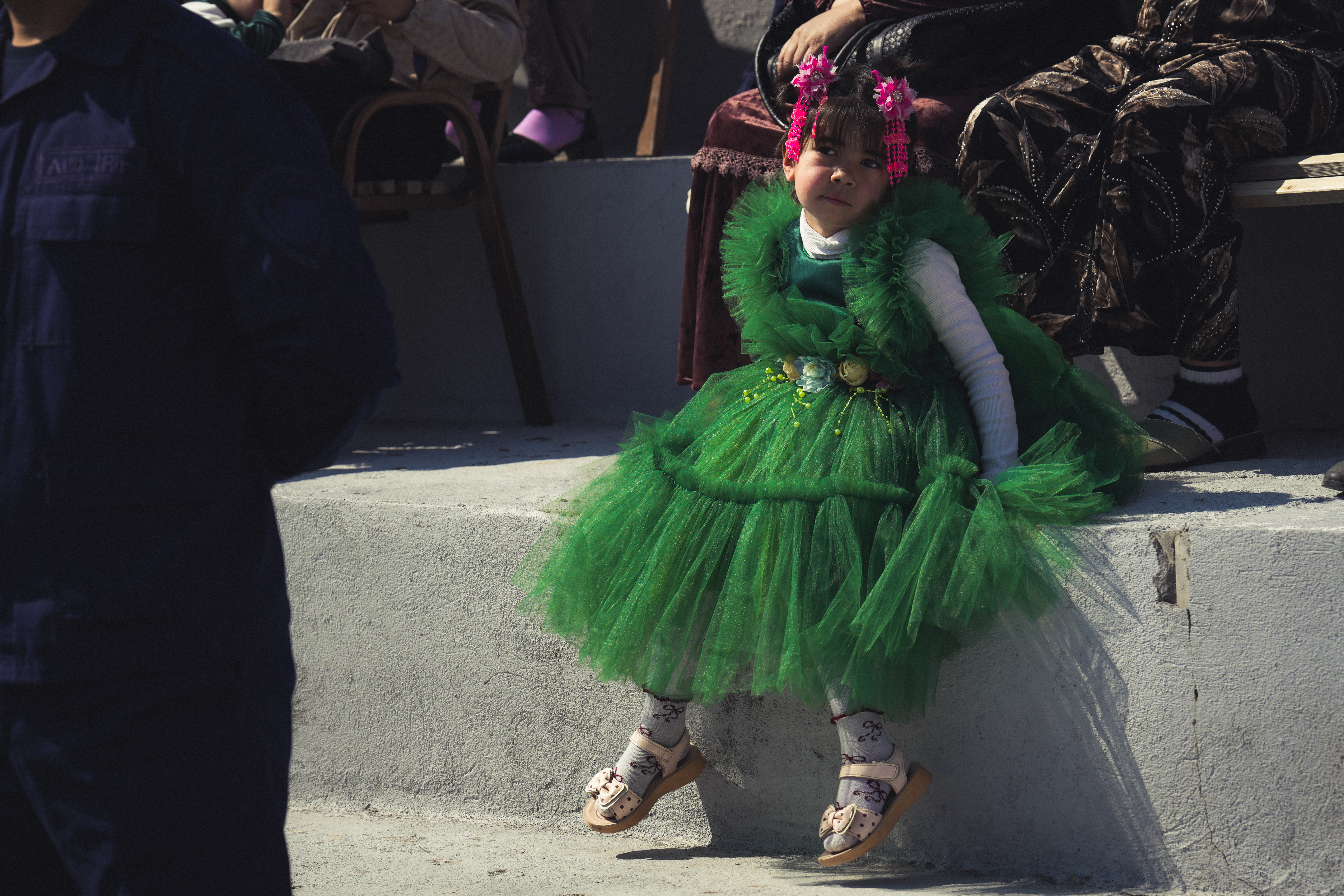
This year, particular attention was given to children’s amateur groups as inheritors of tradition, as well as to amateur sports such as gymnastics, tennis and wrestling. Young artisans presented their creations, including wooden crafts, dolls and souvenirs, which visitors could purchase as keepsakes.
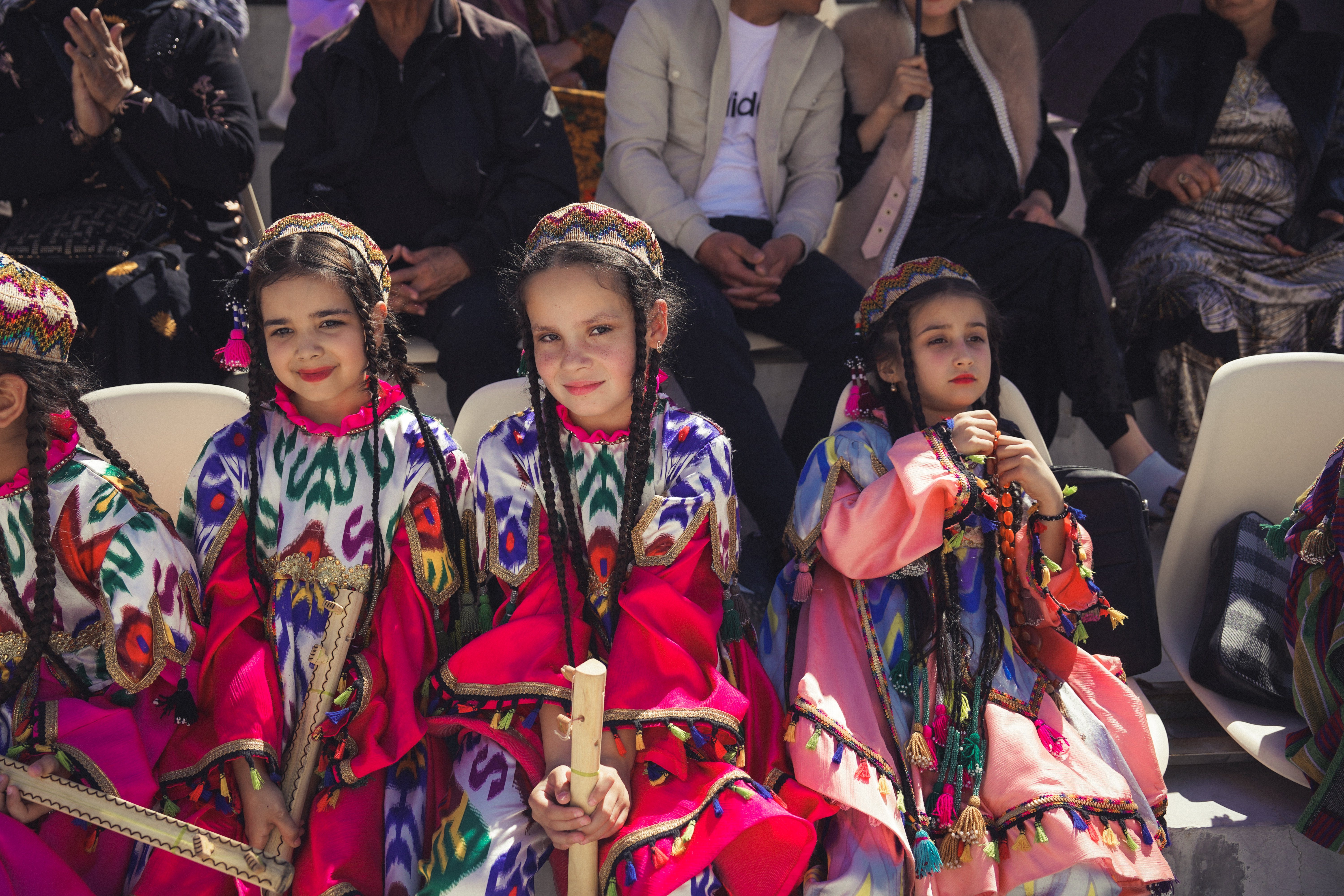
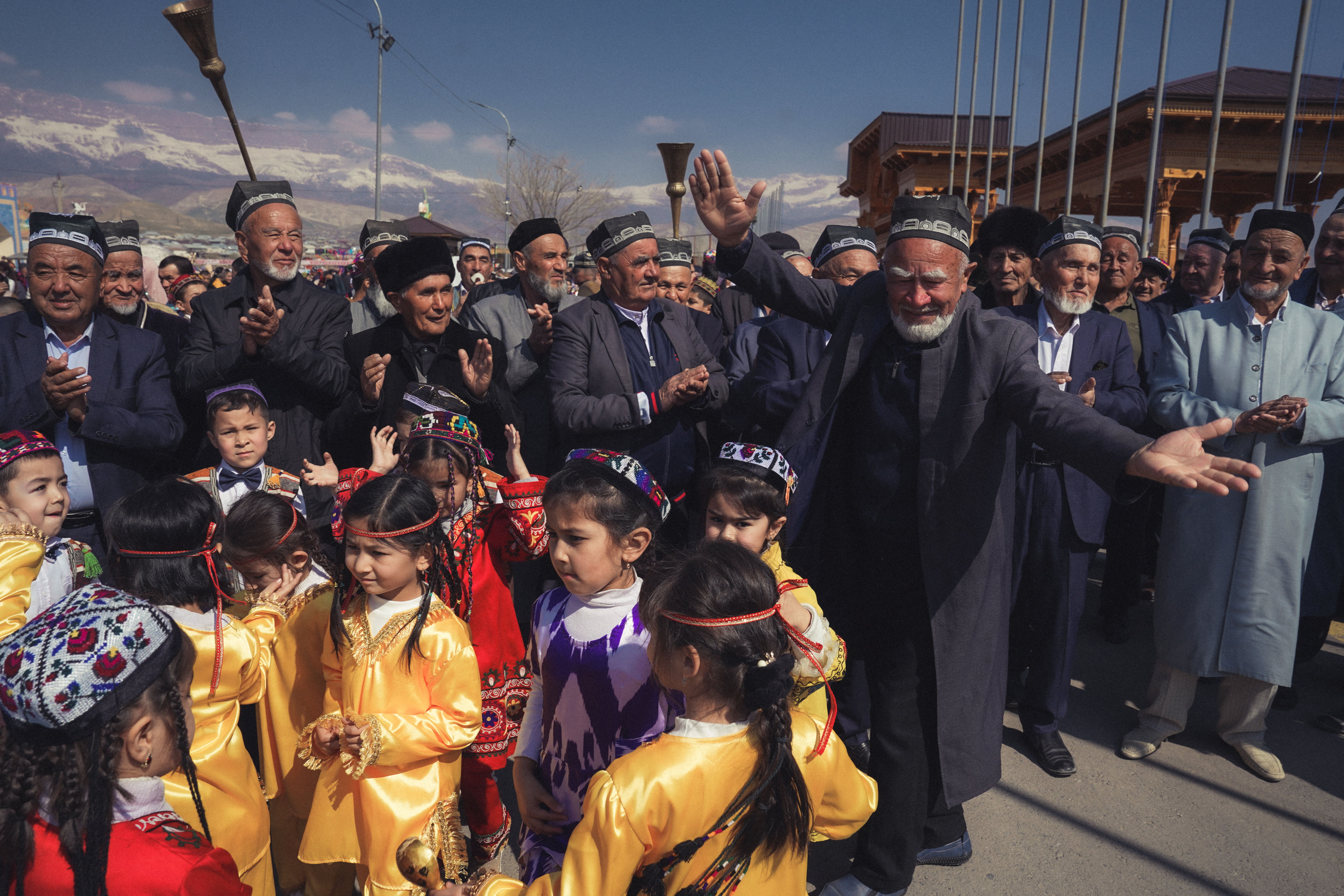
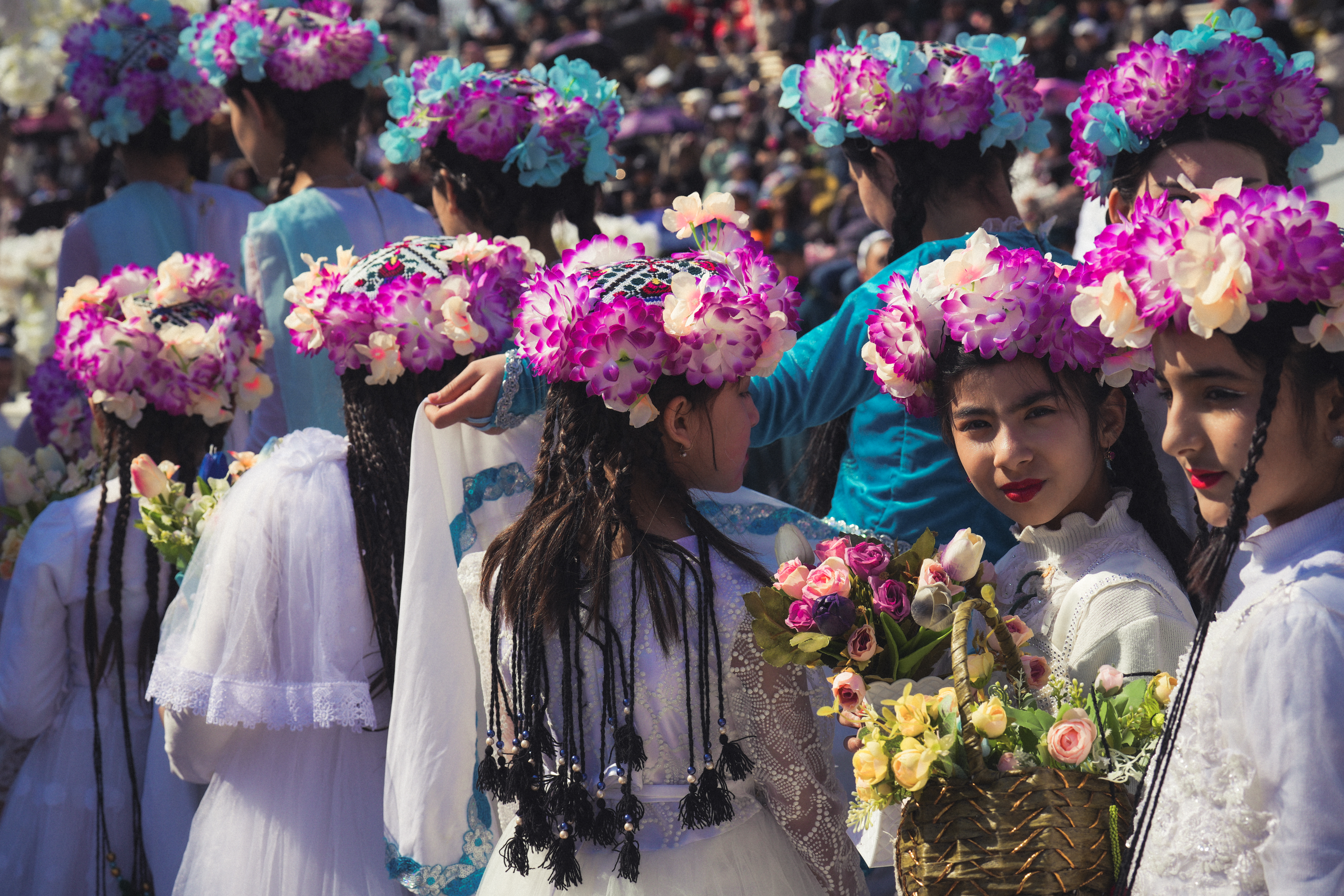
Last year, the celebration in central Baysun, held in Navruz Park, lasted only an hour and a half. Yet even in that short time, I saw countless beautiful young women in traditional dress, folk singers, amateur ensembles and young athletes. Each district presented something of its own, and it was impossible to remain indifferent to such an abundance of colour.
All the guests were also dressed in their finest festive attire.
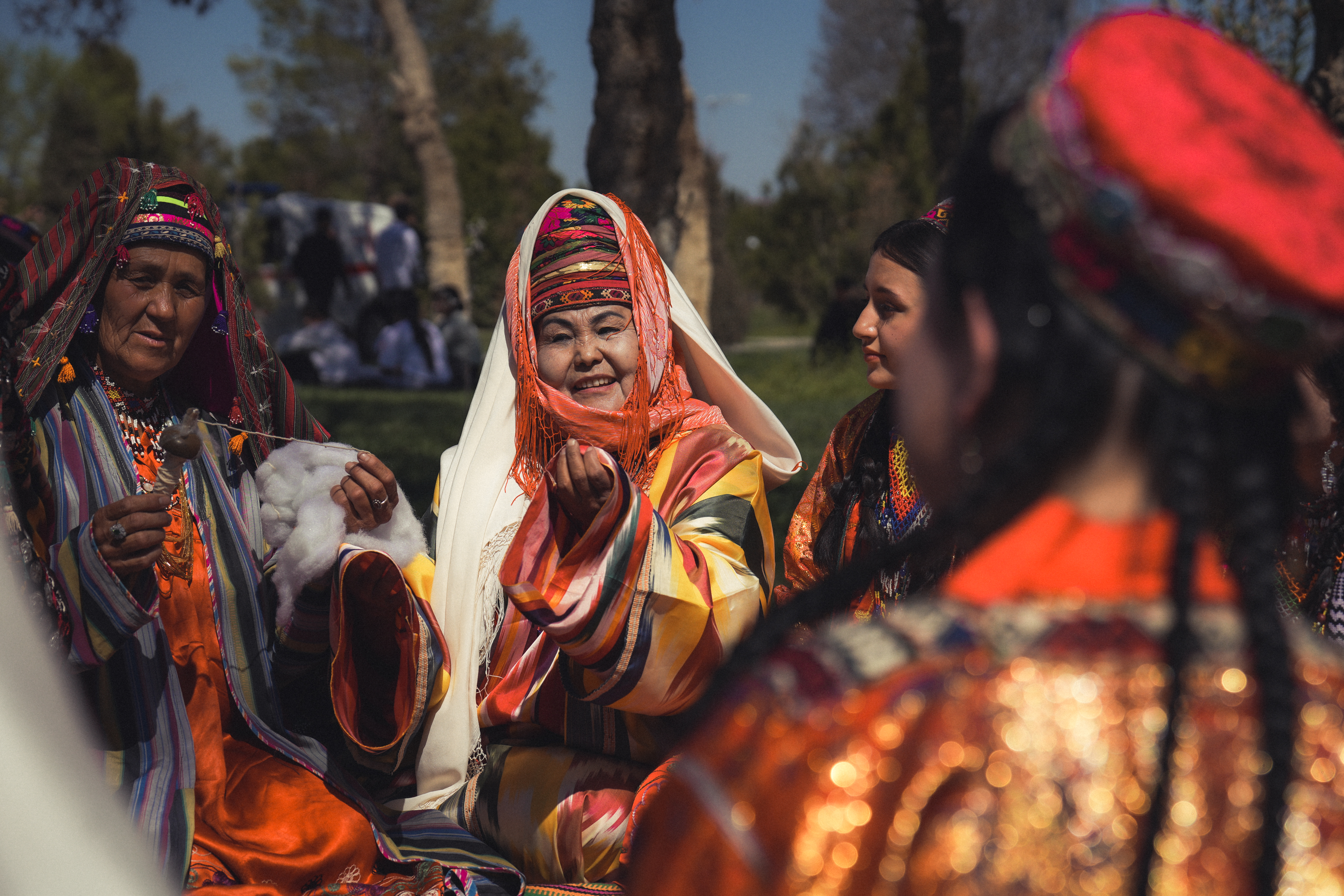
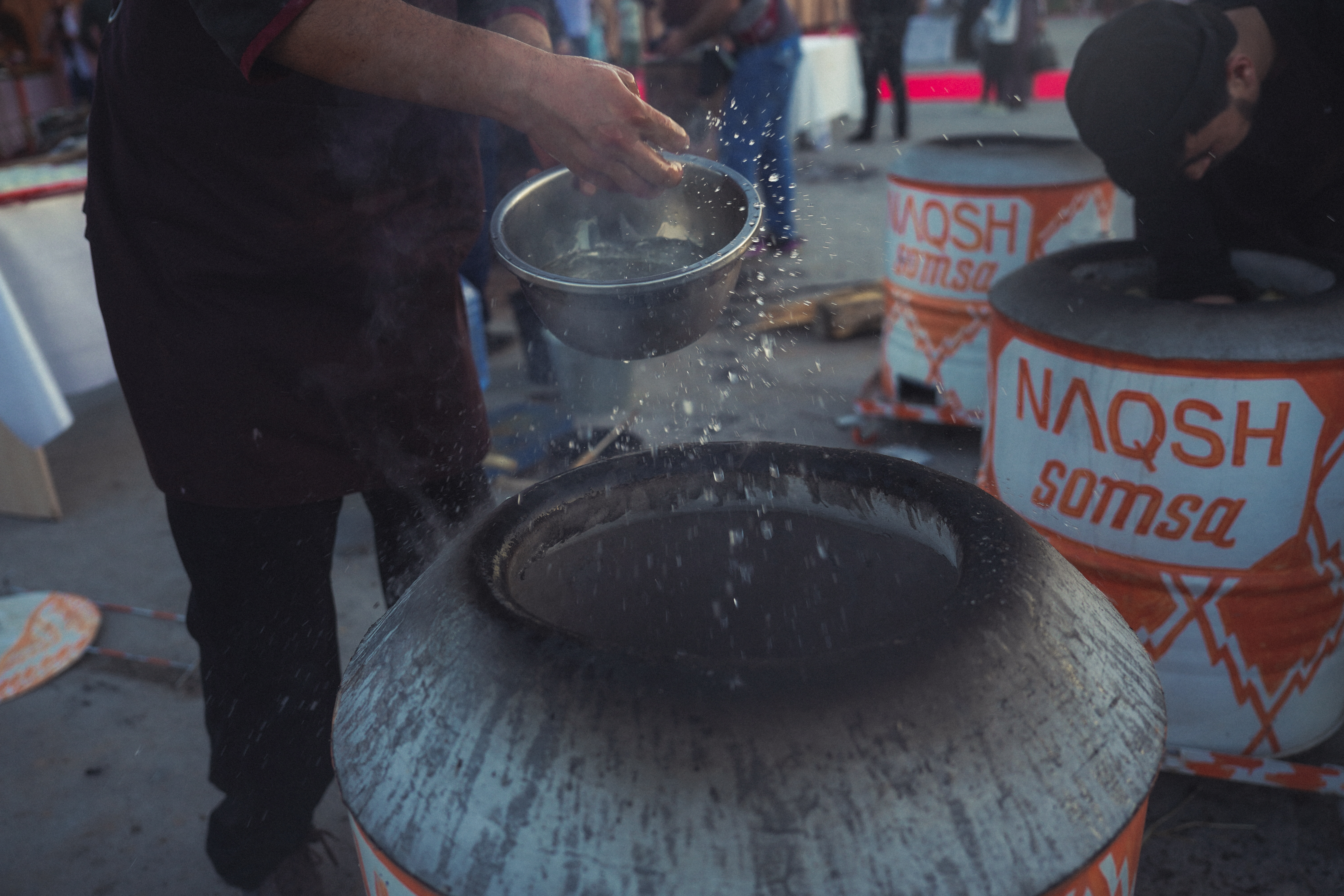
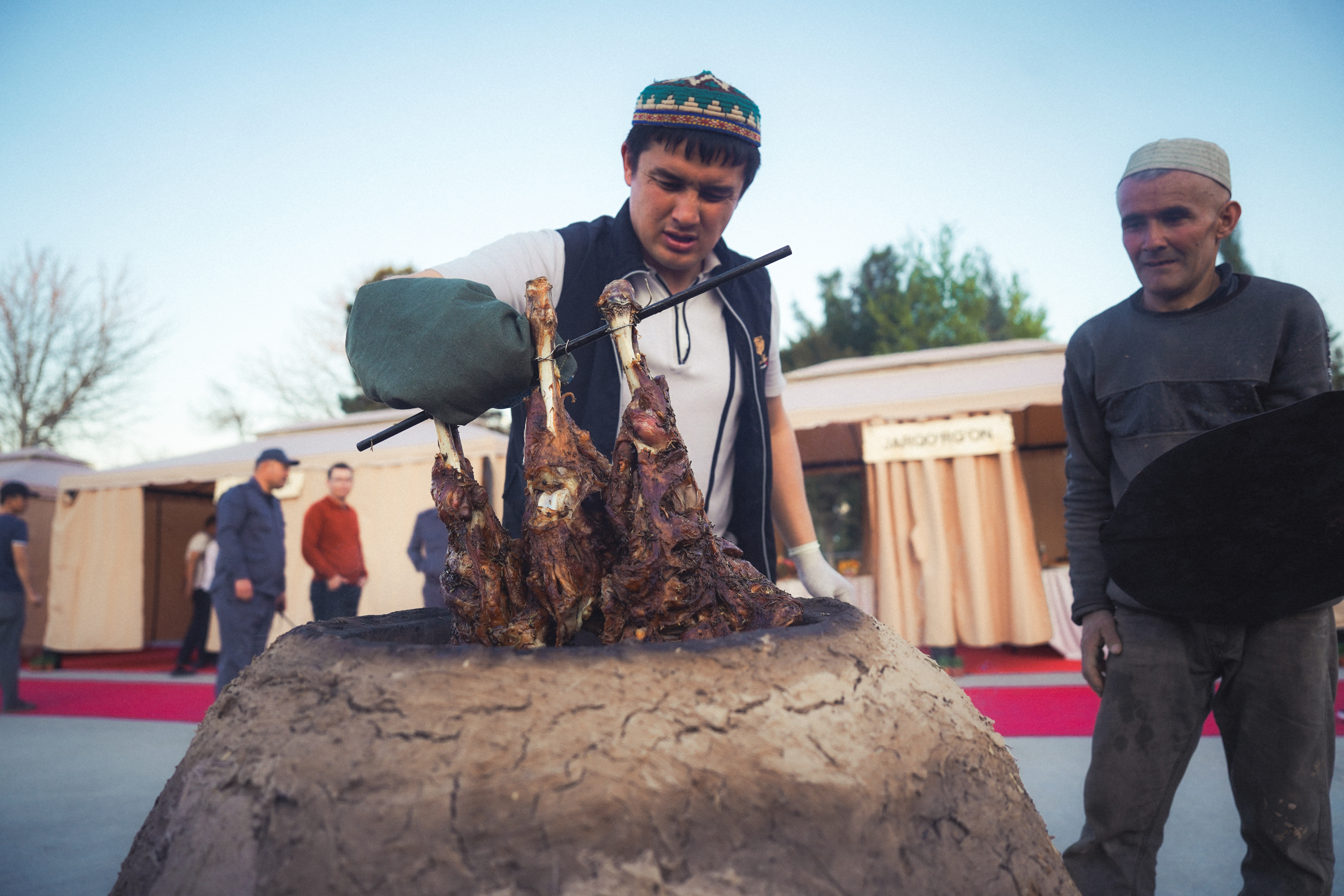
From the amphitheatre, the festivities spill out into the streets of Baysun, continuing in cafés and festively decorated homes. Sumalak, prepared over the course of a full day, as tradition requires, flows freely.
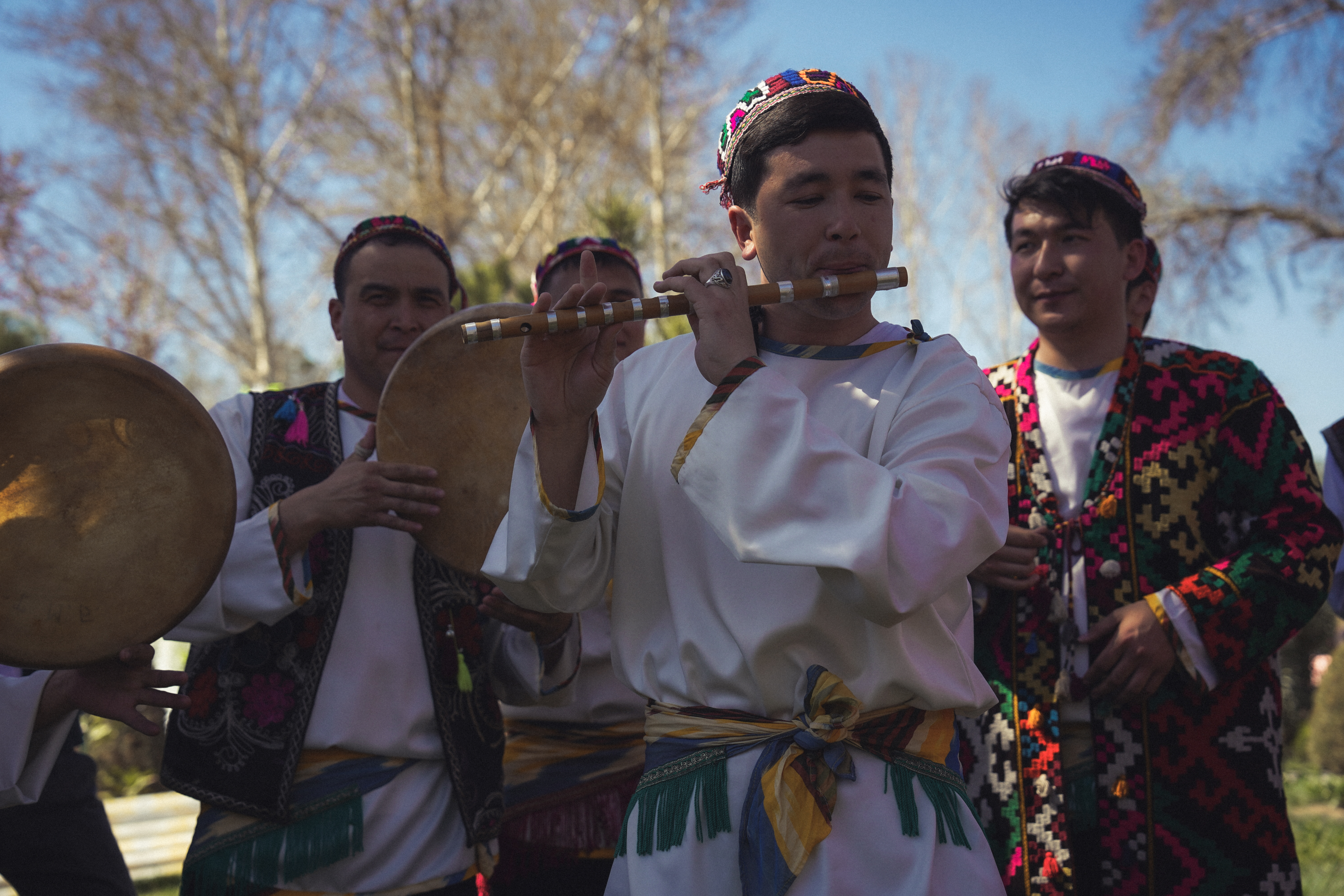
The equinox has been marked, spring has fully come into its own, and a demanding agricultural season lies ahead. Yet the people of Surkhandarya possess remarkable vitality. It seems as though they have borrowed the blazing colours of the sun for their garments and learned to share their warmth and life-affirming energy with generous ease.
Newsletter
A letter from the HD editors
Once a week, we send the best stories, events, and cultural discoveries from Central Asia.