Why work with Uzbek textiles starts with knowing the technology and ends with the market
Traditional textiles too often enter modern fashion as a ready-made sign: stripes, ornament, a familiar color. In this reading, an image remains on the surface, while technology, time, the hand of the master and the economics of production disappear from view. For a designer, this means losing the main content of the material.
My own experience working with Uzbek fabrics and young designers shows: tradition begins with knowledge. Ikat, or abrband, is a way of dyeing threads before weaving. The warp threads are tied and dyed according to a pre-calculated scheme, then the fabric is woven so that the pattern forms the characteristic blurriness. Behind this effect stand technology, precise calculation, repeated handwork and a specific school of masters.
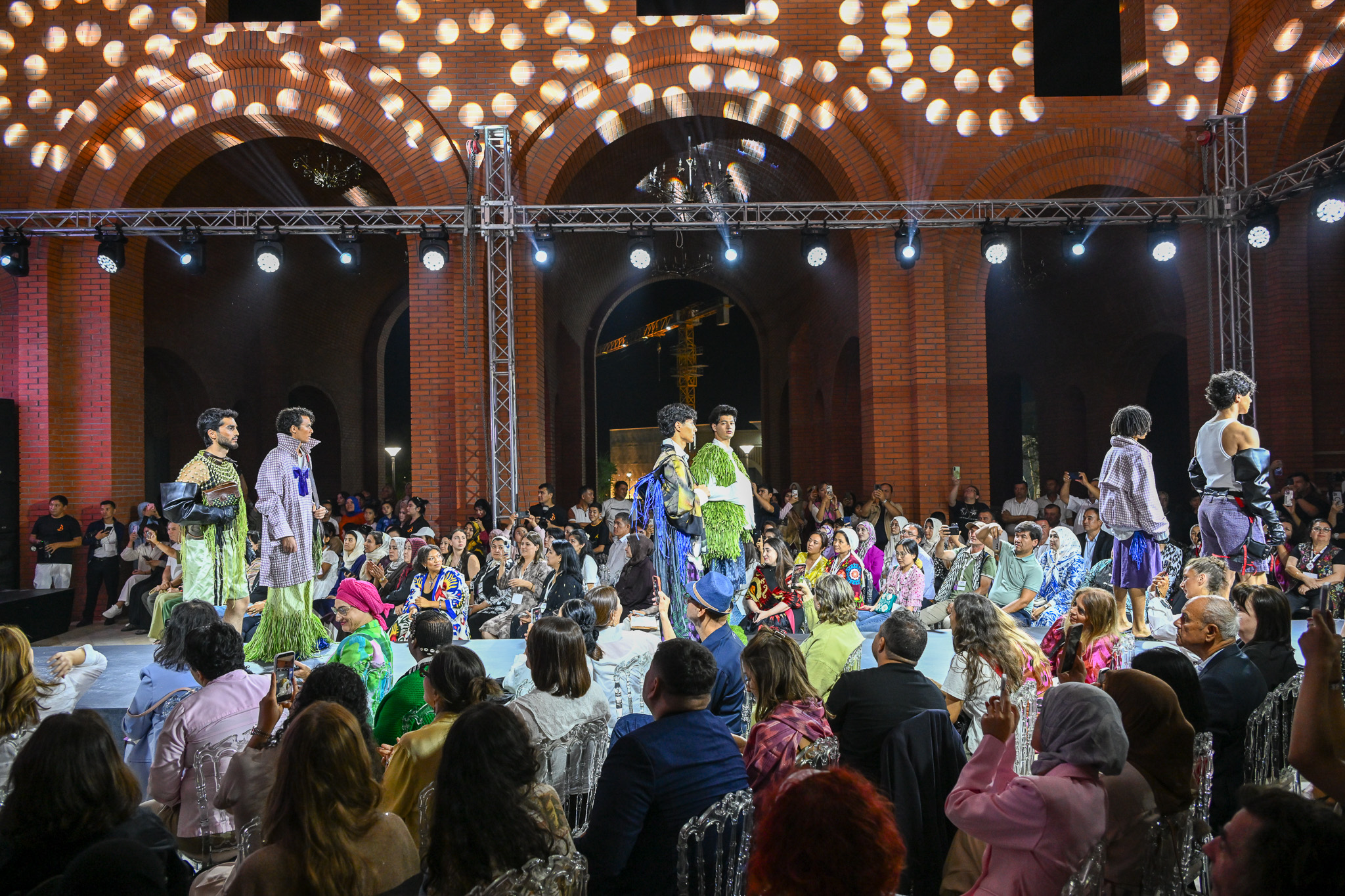 Photo: Khusniddin Ato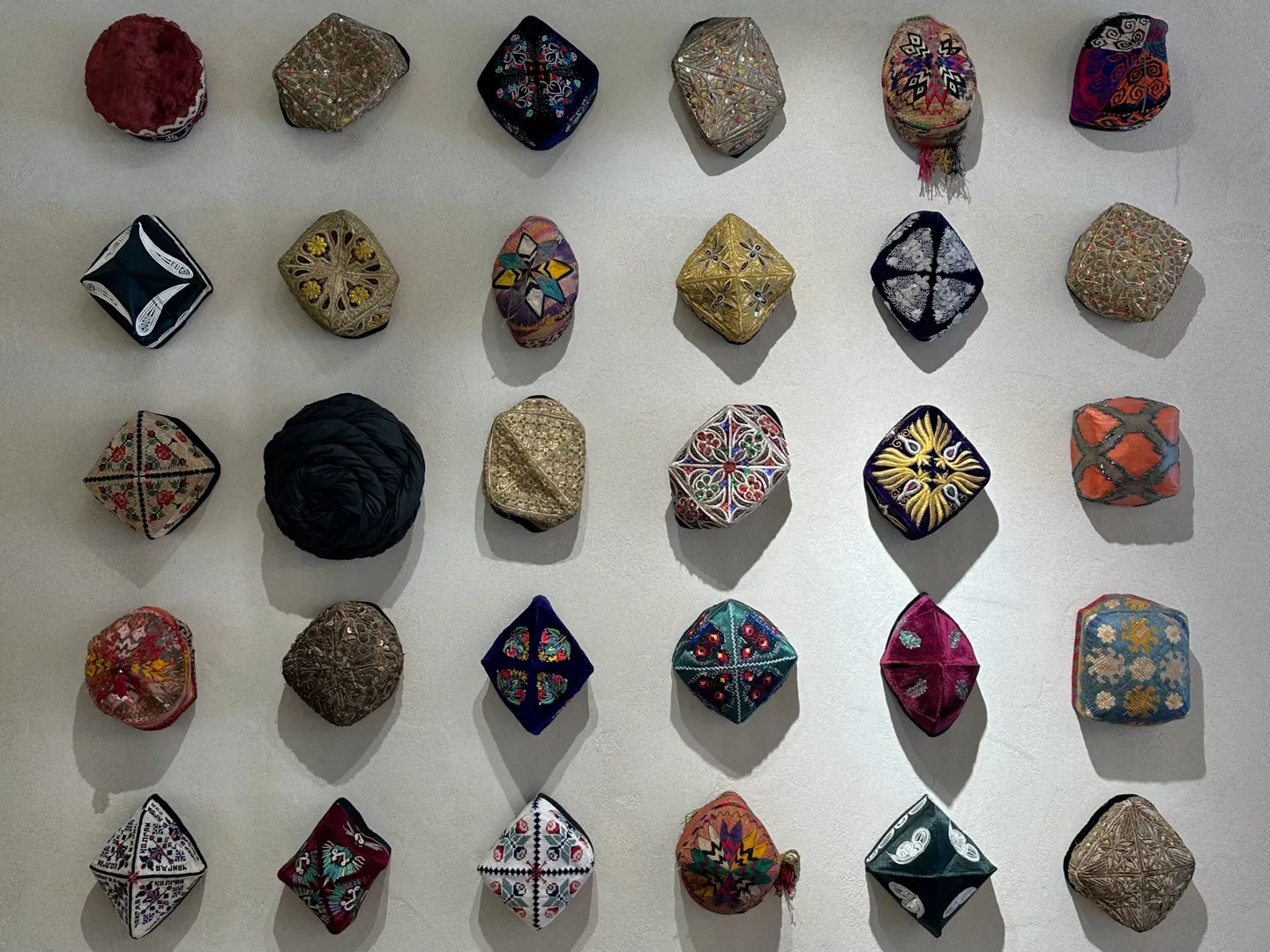
A person can work with ikat for many years and still perceive it primarily as a beautiful pattern. Then the fabric separates from its history and turns into a universal decorative surface. The connection between the product and those who preserve the technique, pass it down within the family and sustain production disappears.
The situation is complicated by printed imitations of ikat. Synthetic fabrics with a pattern imitating hand-woven cloth appear on the market. Visually they reproduce the same sign, but technically they belong to a different category. Such products are cheaper and more accessible, so hand weaving has to compete not only for the fabric buyer, but also for the right to be recognized.
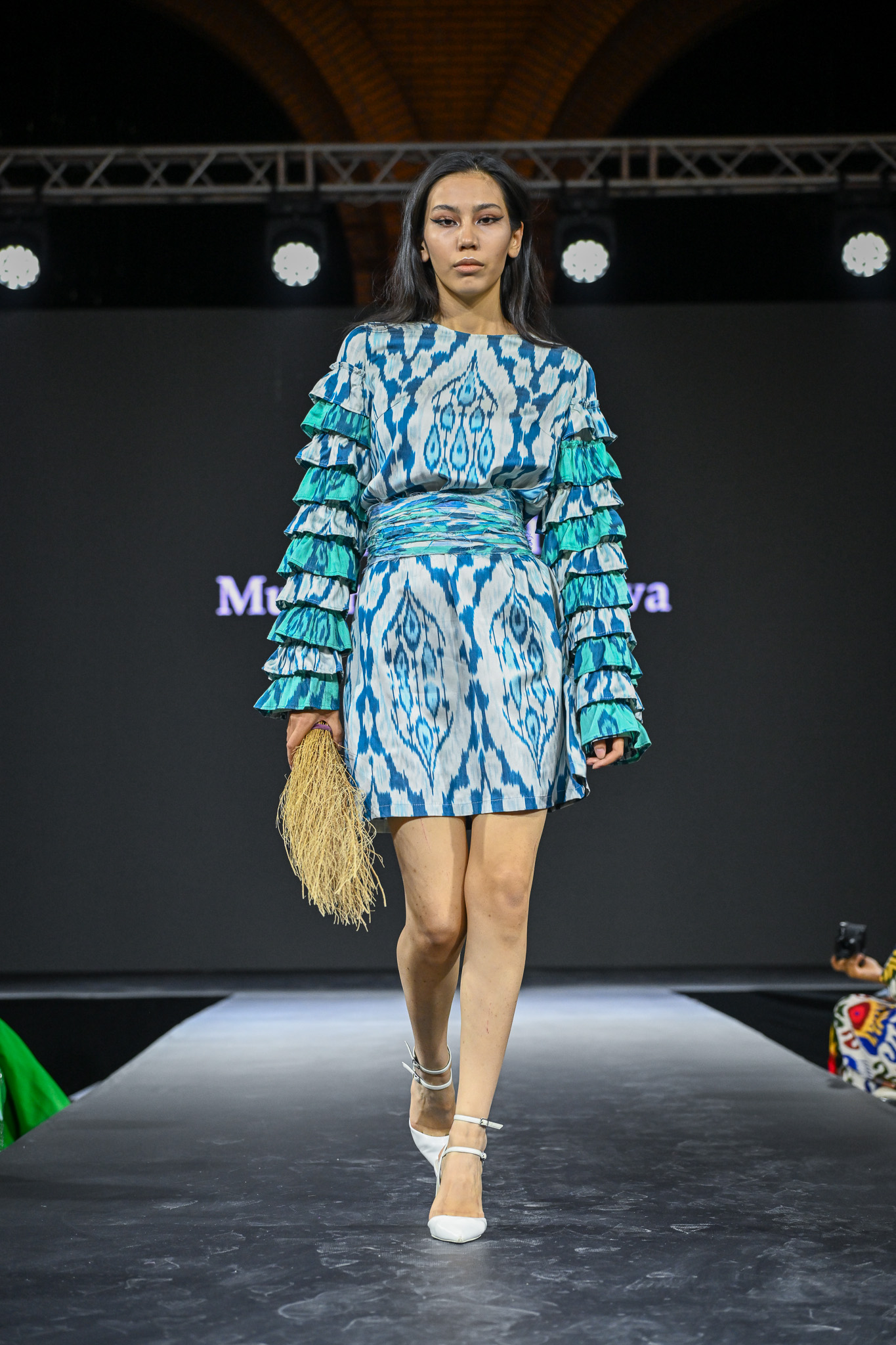 Photo: Khusniddin Ato
A designer's choice in this situation has consequences far beyond a single collection. Buying hand-woven fabric supports the master's work, ordering material preserves the production chain, and a competent description of the product explains its cost to the buyer. The designer participates in shaping taste and consumer literacy. If the professional community stops distinguishing hand-made ikat from print imitating ikat, this distinction gradually disappears for the market as well.
Fabric already carries content
Respect for traditional material manifests primarily in the constructive solution. It can be seen in how the fabric behaves in the garment, how its rhythm changes, where the ornament is preserved and how the author works with the inner side of the piece. A decorative technique also requires a conscious choice: the origin of the symbol, its meaning and appropriateness must be considered on par with the form, material and function of the product.
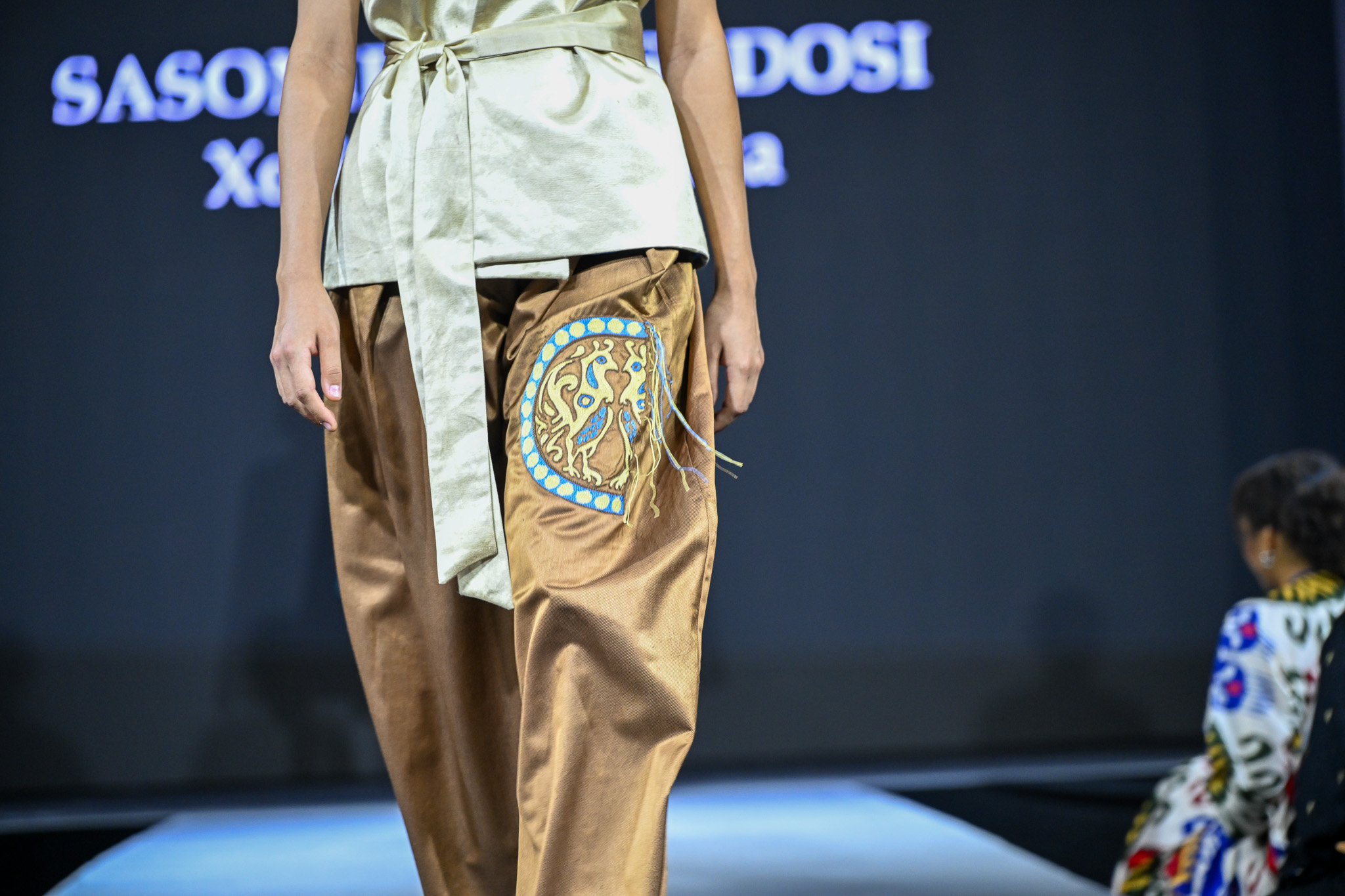 Photo: Khusniddin Ato
In one of the courses, a participant brought a garment made from traditional striped bekasam, a fabric that was historically used, among other things, in men's clothing and chapans. The work was done neatly, the design had character. At the same time, almost every stripe turned out to be covered with stones and rhinestones of the corresponding color. A huge amount of handwork was invested in the piece, but the original fabric practically disappeared under the decor.
This example is important not as a ready-made prohibition. The author has the right to experiment. Professional responsibility begins with understanding what exactly changes in the material and what meaning this change acquires. When the surface of a traditional fabric is completely covered, the designer must be aware of the price of such a transformation: they are working not only with the pattern, but also with the memory of the technology.
Modern form requires knowledge
Preserving tradition is not about endlessly reproducing familiar forms. Traditional material can exist in modern clothing if the designer knows how to translate it into a current silhouette, quality construction and a clear offer for the buyer. Modernity emerges through working with form, function and context, while maintaining a conscious connection with the source.
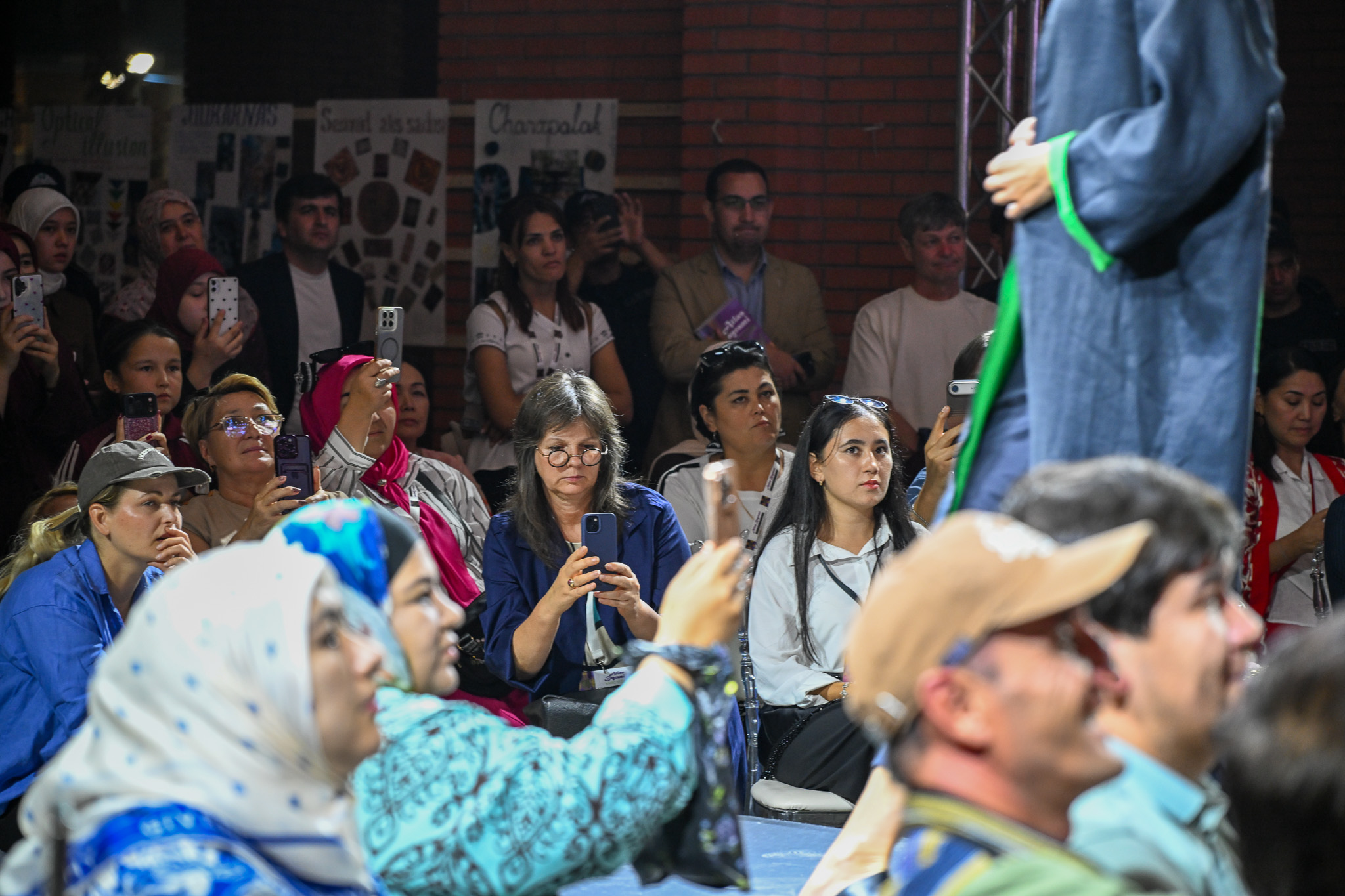 Photo: Khusniddin Ato
This logic is also embedded in the educational sequence. In spring 2026, at a regional training in Samarkand, we started with the Uzbek costume of the late XIX and early XX centuries, the history of atlas, adras and ikat, and the possibilities and problems of traditional textiles. In the Tashkent mentoring program, color, silhouette, stylistics, client portrait, museum context and work on a future collection were added. At the practical stage, participants moved on to the mock-up, material selection, consumption calculation and technology.
This approach helps avoid superficial citation. The designer sees tradition on several scales at once: as a technique, a visual language, a craft economy and a material for modern industry. They can change the form while preserving respect for the origin of the fabric, and create a new product without erasing the original content.
In my own work as the founder of MARU and a mentor, I constantly return to this connection. My practice combines modern clothing, Uzbek textiles, hand techniques and educational projects. What matters in it is not only finished collections, but also the ability to pass knowledge on: to a designer, a master, a buyer, the next generation of professionals.
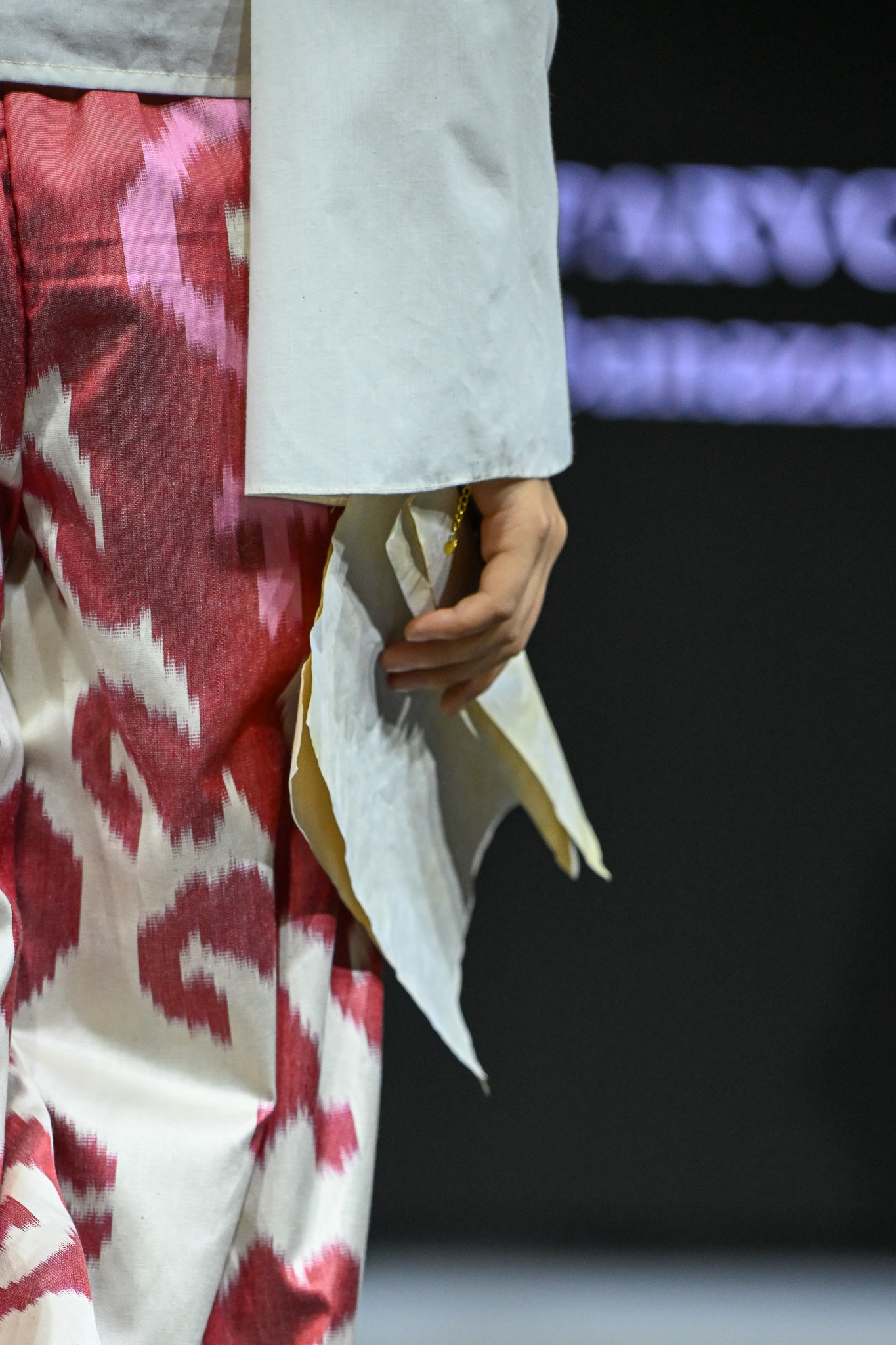 Photo: Khusniddin Ato
Heritage requires a market
Recognition of cultural value alone is not enough for hand production to continue to exist. A master needs an order, a designer needs a buyer, and a young brand needs a platform where a product can be presented, its origin explained and sold. Without a connection to the market, heritage turns into a declaration detached from everyday economics.
Culture as Capital: How Identity Creates New Value in Central AsiaCentral Asia possesses a resource whose economic value we are only just beginning to realise. It is our culture.mag.humodoc.com
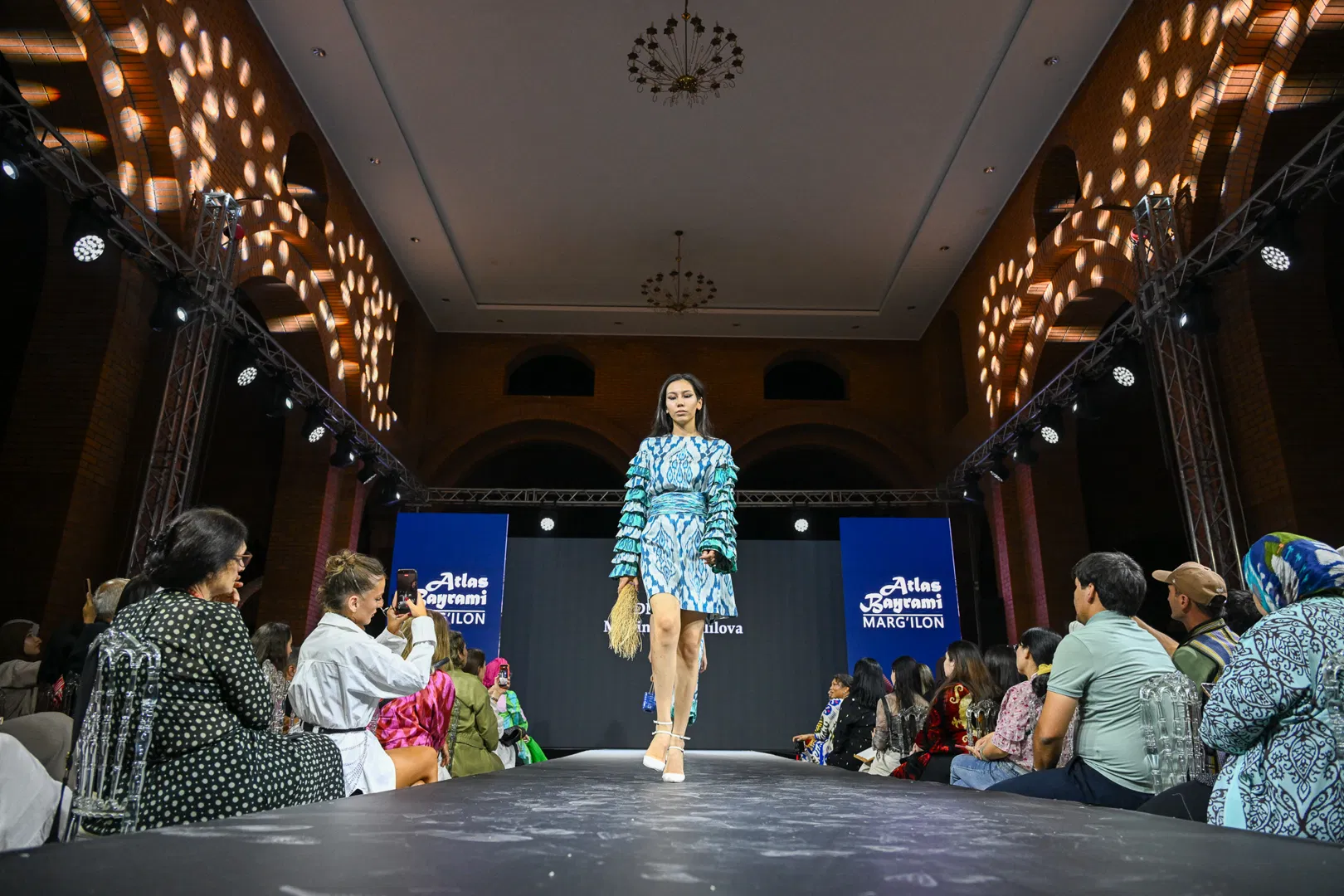
The format of the international festival Atlas Bayrami in Margilan is telling. Its program combines the preservation of textile techniques with training young designers, developing creative industries, branding, marketing, entrepreneurship and business meetings. The festival works with fabric as cultural knowledge and an economic resource at the same time.
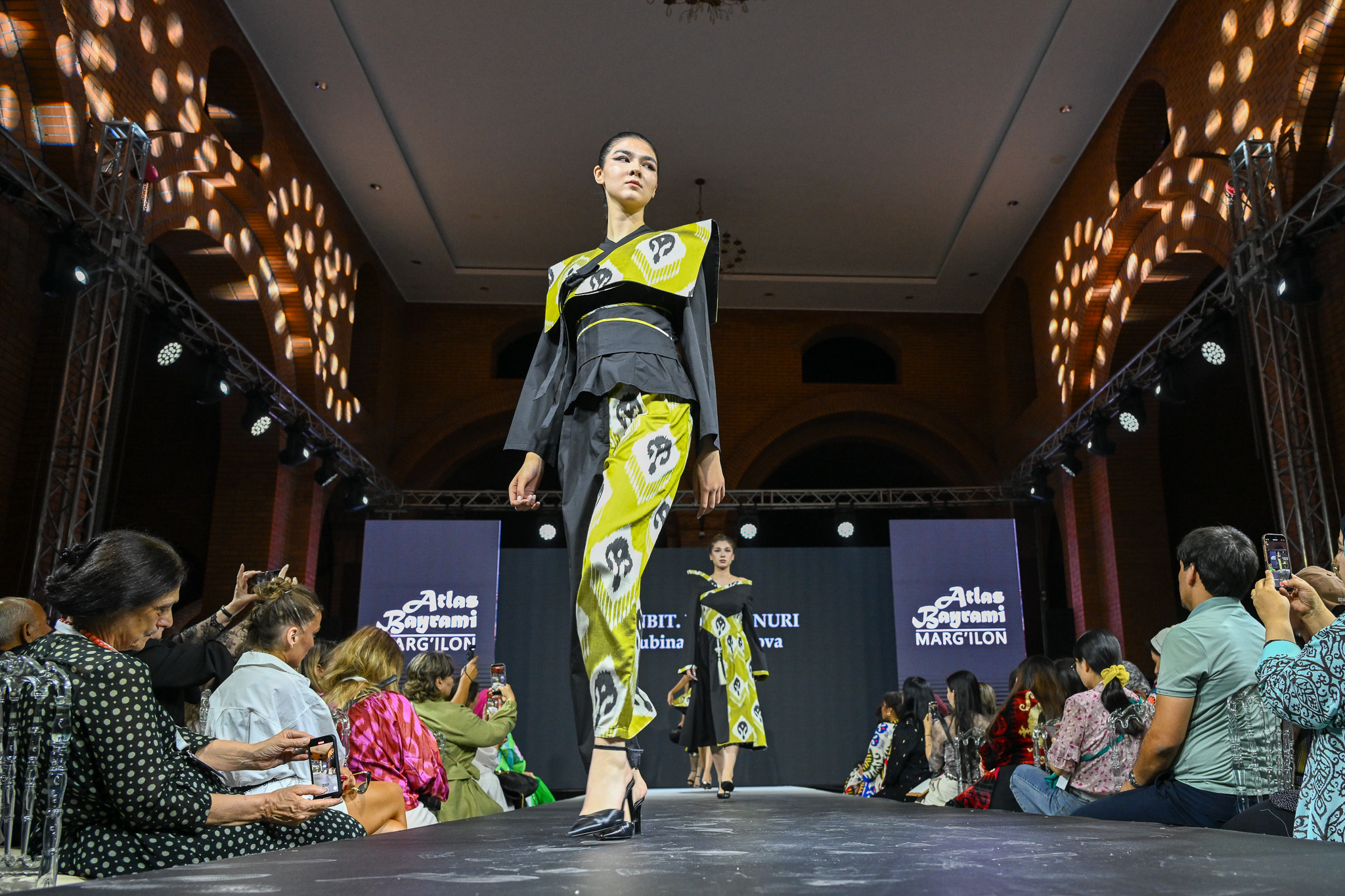 Photo: Khusniddin Ato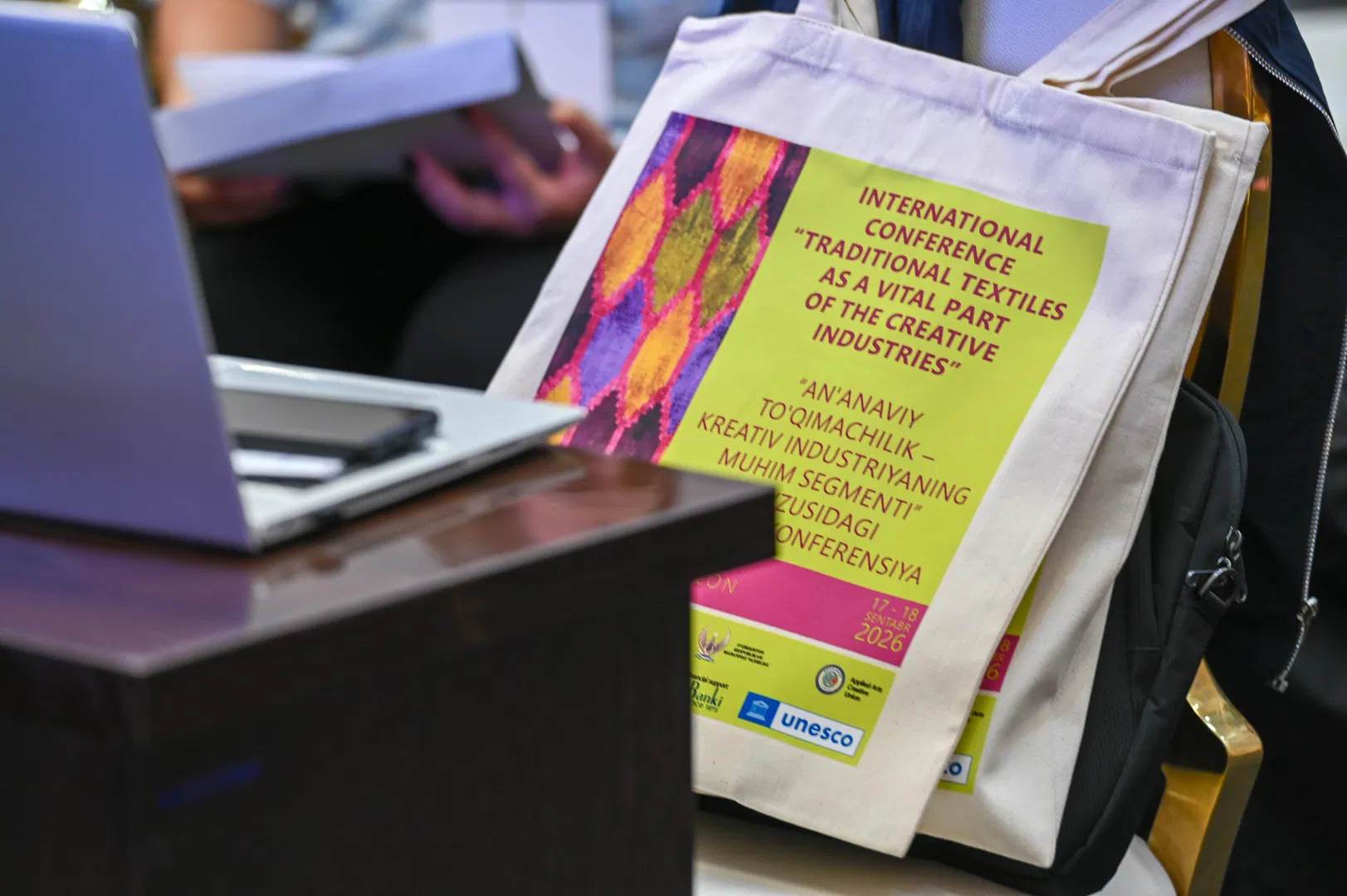
For Central Asia, this connection is especially important. Traditional textiles survive not only in the craft sphere but also in modern clothing - if they receive professional interpretation, go through a full production cycle and find their buyer. In such a system, the master carries the technique forward through work, the designer develops their own language, and the market receives a garment with a clear origin and confirmed properties of the material.
Tradition lives not in repeating an external sign, but in passing on knowledge - from master to designer, from designer to buyer. It shows in the choice of fabric, the precision of the cut, the work with ornament and respect for the master's labour. That is why a modern designer is responsible not only for the appearance of the garment, but for the entire path of the material - from thread and technology to the item that becomes part of everyday life.
This material was prepared in partnership with the UNESCO Office in Uzbekistan


Newsletter
A letter from the HD editors
Once a week, we send the best stories, events, and cultural discoveries from Central Asia.