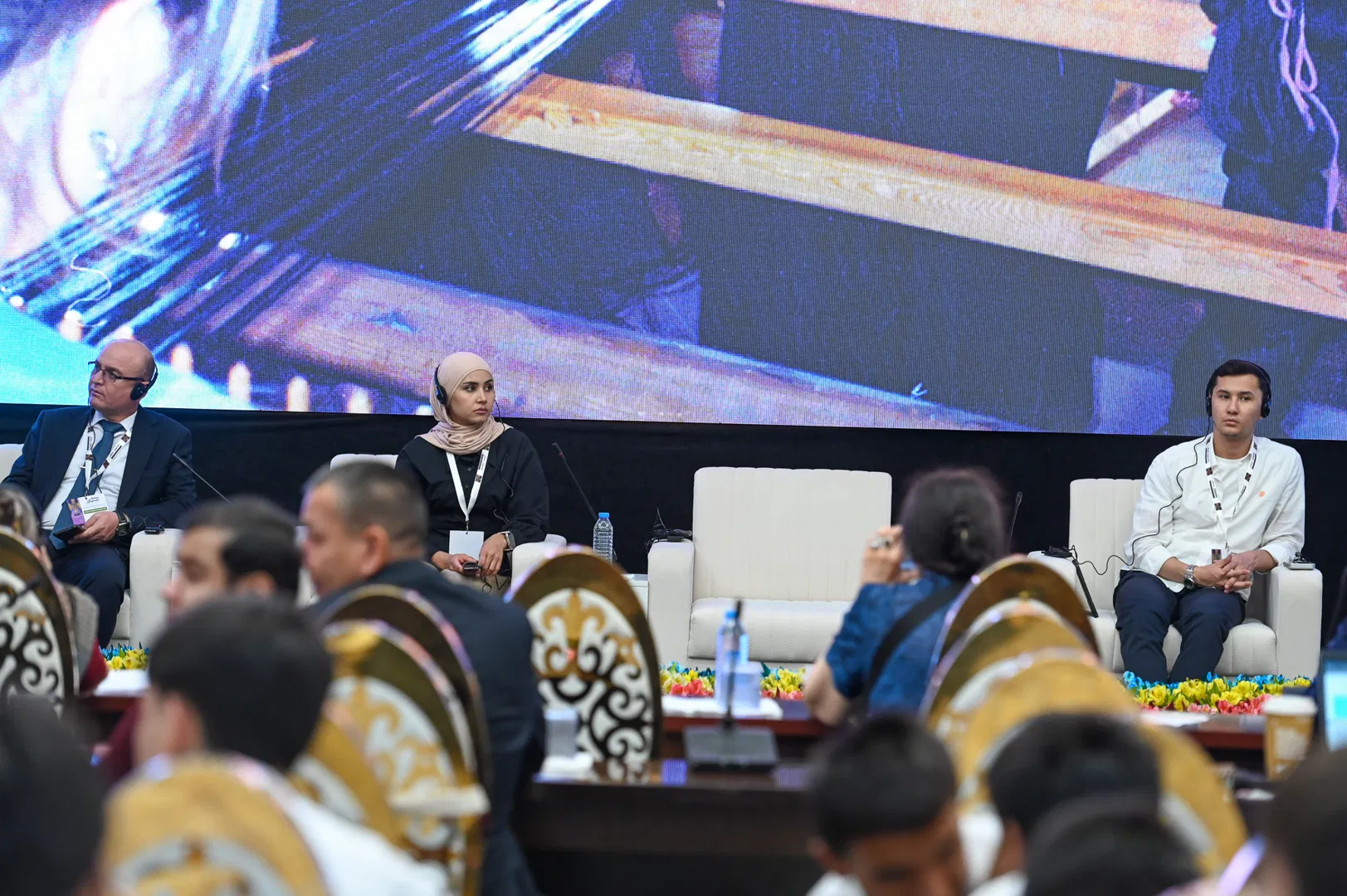
On September 18, the international conference "Traditional Textile as an Important Segment of the Creative Industry" continued in Margilan. The second day brought together research on textile heritage, artisan education, contemporary design practices and the economics of traditional production.
Today, traditional textiles are preserved simultaneously in the workshop, museum, professional school and design practice. The museum preserves the object and its provenance, the workshop maintains the technology, the professional school passes on knowledge, and contemporary design creates new areas of application and demand.
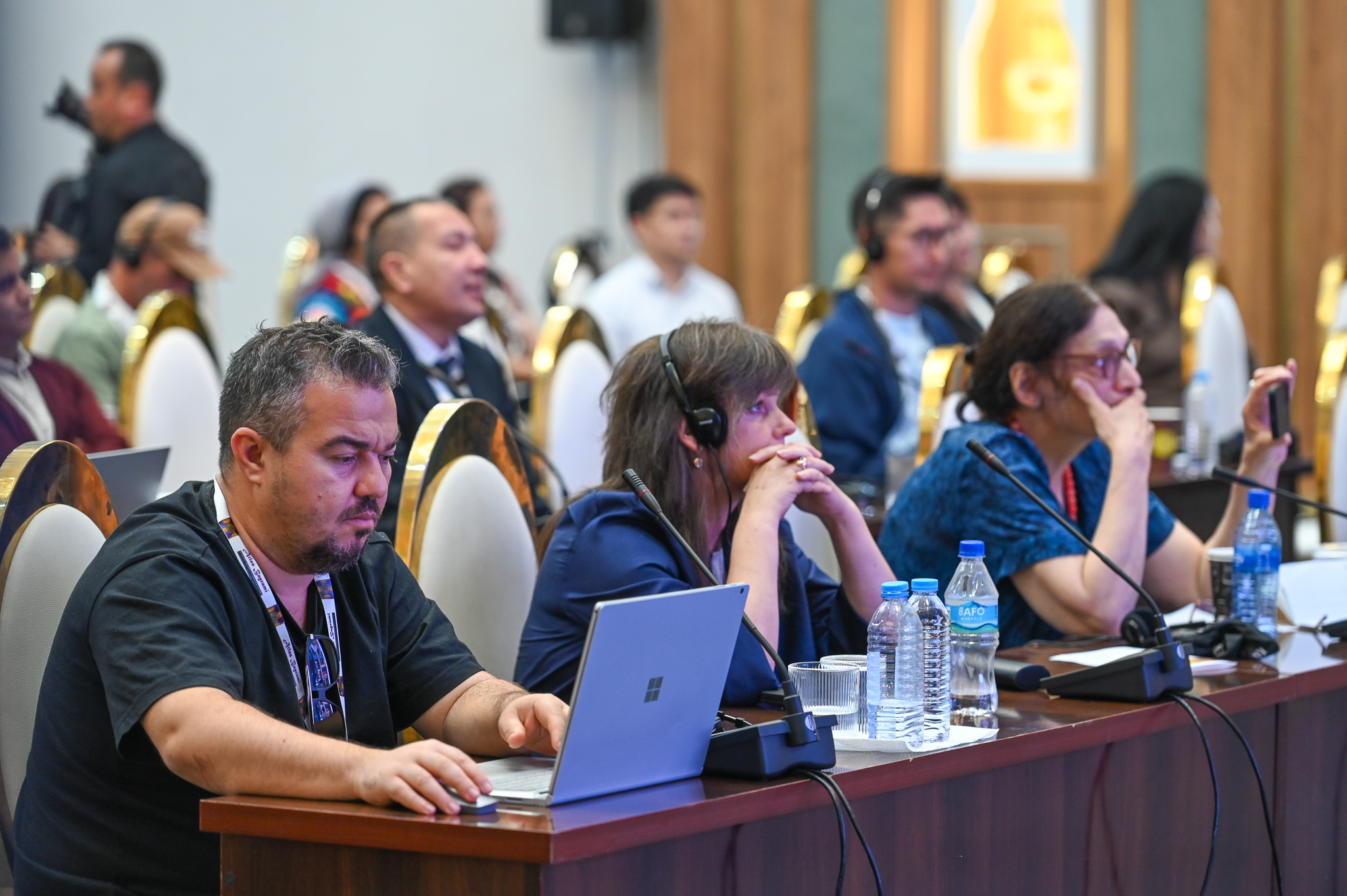 Photo: Khusniddin Ato
In Margilan, all these processes exist side by side. Atlas and adras remain part of active production linked to workshops, training and trade. Textiles are part of the urban economy, so the preservation of the craft directly depends on the conditions of professional work.
Margilan. How atlas is becoming more than just textileThe first day of the Atlas Bayrami festival showed how history, education, design and the local economy come together in traditional textiles.mag.humodoc.com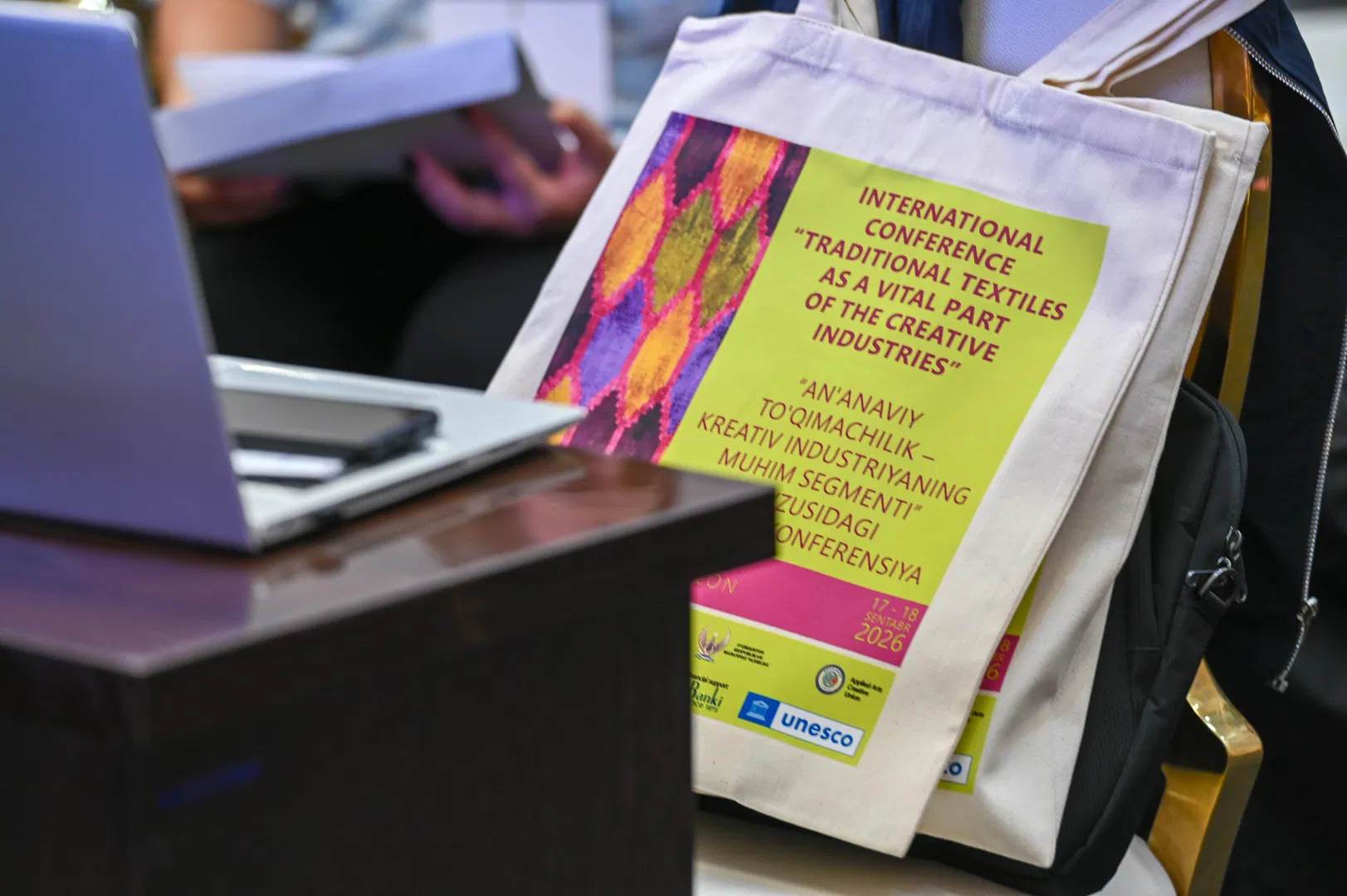
Technology cannot be put in a museum
An object can be described, restored and preserved in a collection. This principle does not work with technology: it exists as long as it is reproduced and passed on.
What’s Ground Will Become Flour — photo essayThe ‘exotic village’ high in the mountains of the Kashkadarya region, 700-year-old Gilan has only in recent years become a mecca for ethnotourism and a source of inspiration for photographers and artists. Admiring the authentic way of life, people rarely consider how life is organised in one of the most inaccessible mountain villages. Yet such a way of life presupposes not only traditional customs and a manner of living, but also ancient means of production. The people of Gilan are almost entirely self-sufficient in wheat, the milling of which is the responsibility of hereditary millers. The old water mill at an altitude of 2,000 metres — in a photo essay by Ildar Sadykov and Sergey Pogosyan.mag.humodoc.com
In the materials of Professor Nino Kvrivishvili of the Tbilisi State Academy of Arts, the history of Georgian textiles is presented through traditional production, hand looms, factories, museum collections, archives and art education. The study covers the weavers of Georgian Shuaxevi, the Tbilisi Silk Weaving Factory, the State Silk Museum and the Academy of Arts. Notably, Kvrivishvili cites material from the professional textile press of the early 20th century. In industrial centres, professional schools were established alongside enterprises, and libraries with technical journals and catalogues from various countries operated at them. Production needed a knowledge infrastructure just as much as equipment and raw materials.
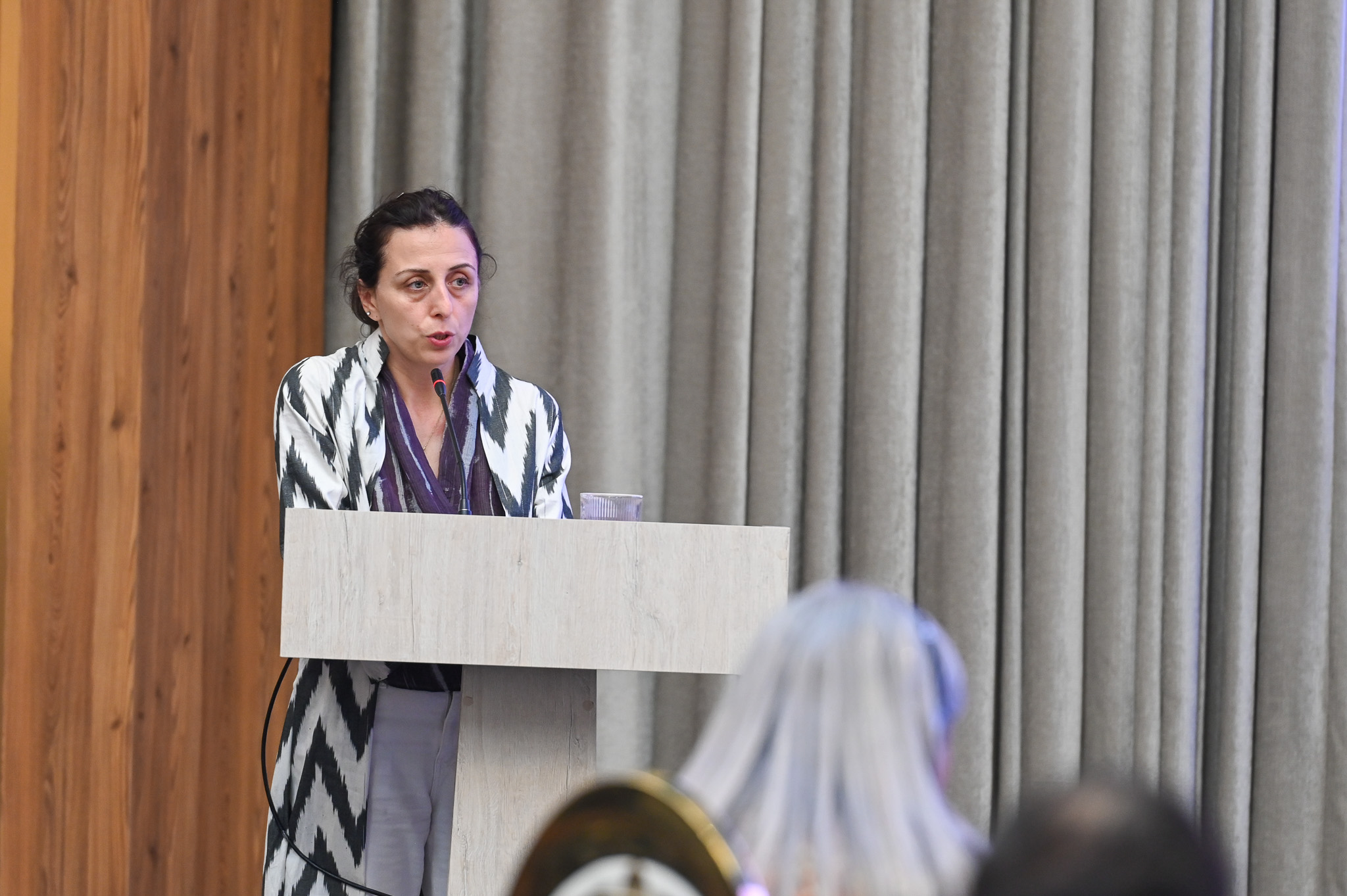 Photo: Khusniddin Ato
In 1959, a textile design programme was opened at the Tbilisi State Academy of Arts. Today this tradition continues through experimental laboratories and student projects. Among Kvrivishvili's examples is the participation of students from the academy's textile department in the Contemporary Art Fair in Stockholm in 2022.
Historical technique becomes part of professional education, the archive is used in research and artistic practice, and a new generation gets the opportunity to work with textiles in a contemporary cultural context.
The workshop as an institution of memory
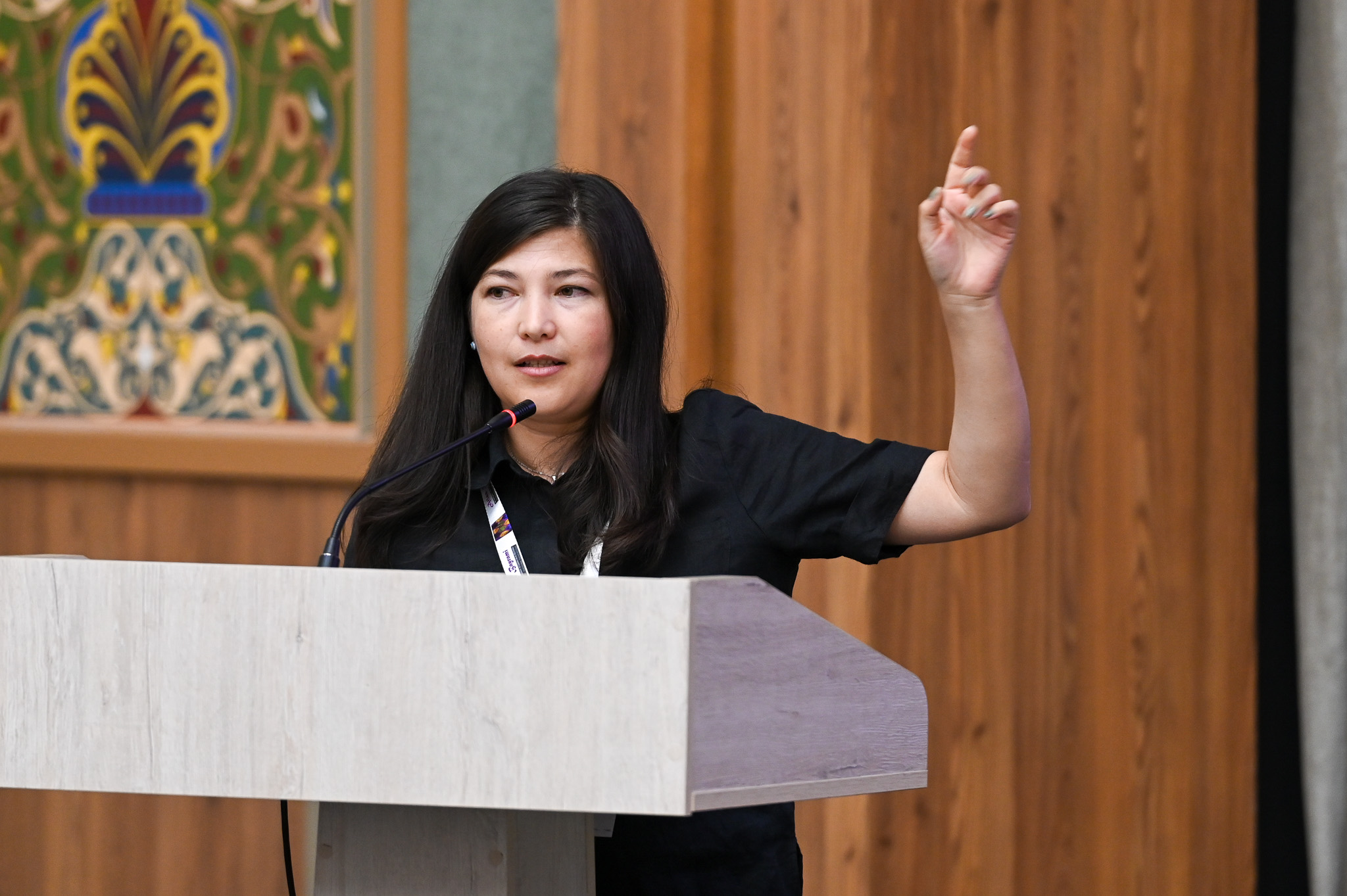 Photo: Khusniddin Ato
The economics of traditional production is explored in Zebiniso Mukhsinova's research on the contemporary aesthetics of the headscarf. It presents several models that exist today in Central Asia: large-scale production, a family workshop and an independent cooperative of artisans. Among the examples are Yodgorlik in Margilan, Atlasi Xo'jand in Tajikistan, Bukhara Brilliant Silk, the Mirzaakhmedov dynasty and the Marikat cooperative.
Yodgorlik, founded in Margilan in 1972, preserves the full hand-made cycle from cocoon to finished product. The history of Atlasi Xo'jand begins with the Krasny Tkach artel of 1927. Bukhara Brilliant Silk combines production with international exhibitions and e-commerce.
In the family model, knowledge is passed on within a professional dynasty. In Mukhsinova's materials, the Mirzaakhmedovs are linked to the revival of the "a'lo-bahmal" technique. Master abrbandi Toshtemirov continues hand production in competition with machine production. Marikat unites more than 30 weavers and reaches foreign markets through fair trade platforms.
A factory, a family workshop and a cooperative are organised differently, but their sustainability is determined by one thing: the ability to preserve the craft as paid professional activity. Regular orders support the practice, stable sales allow production and training to be planned. The transmission of technology to the next generation directly depends on this.
Contemporary design expands the language of tradition
 Photo: Khusniddin Ato
In Mukhsinova's research, contemporary Central Asian brands occupy a separate place. Kyrgyz Izder uses family and ancestral memory as the basis of its collections. Kazakhstan's Suyinshi works with images of wedding culture, the steppe and architectural monuments in a pop-art aesthetic. BBSR turns to original prints. Uzbekistan's TAUZ transfers an independent drawing by a contemporary artist onto the headscarf.
Contemporary brands work more freely with the historical visual language. The structure of the product's value is also changing. Design, authorship, provenance and brand identity are added to material and handwork. Traditional textiles enter the modern wardrobe as a designer product.
Mukhsinova considers the silk headscarf as an independent artistic accessory and a commercial niche of the creative industry. In this model, traditional sericulture preserves the production base, while design expands the market and the ways the product is used.
Fabric as a historical source
 Photo: Khusniddin Ato
In the museum and research environment, textiles acquire a different function. The material, technique, ornament, inscriptions and provenance of an object make it possible to reconstruct the cultural context of a territory and time.
Shakhzod Khushvakov's research is devoted to protective shirts in Islamic art. The objects he presents come from Ottoman Anatolia, South Asia, Iran and Central Asia and are now held in museum and private collections in various countries.
The Central Asian section presents a robe with talismanic inscriptions from Maverannahr or Khorezm of the late 17th to 18th century from the Khalili Collection. Images and inscriptions in red, black, gold, grey and brown are applied to cotton fabric.
Among other objects are a talismanic skullcap from Samarkand of the early 20th century, a Sufi master's garment from Central Asia of the late 19th to early 20th century, a Khivan chapan with embroidered Quranic texts, and Bukharan items of the 19th century with epigraphic inscriptions and gold embroidery.
 Photo: Khusniddin Ato
The research value of such objects goes far beyond their decorative characteristics. Manufacturing technology captures craft practice, ornament and calligraphy capture artistic language, and inscriptions capture religious and semantic context. Attribution links an object to a place, a time and analogues in other collections.
For Central Asia this work is especially important because of the geography of museum collections. Objects from a single cultural space are now held in different countries, so research makes it possible to re-establish links between them and return individual objects to a shared historical context.
Heritage as an economic resource
For Central Asia, traditional textiles remain a resource that has survived simultaneously as material culture, professional knowledge and a working industry. Workshops and craft schools operate in the region, museum collections exist, modern brands are developing and new sales channels are emerging.
Culture as Capital: How Identity Creates New Value in Central AsiaCentral Asia possesses a resource whose economic value we are only just beginning to realise. It is our culture.mag.humodoc.com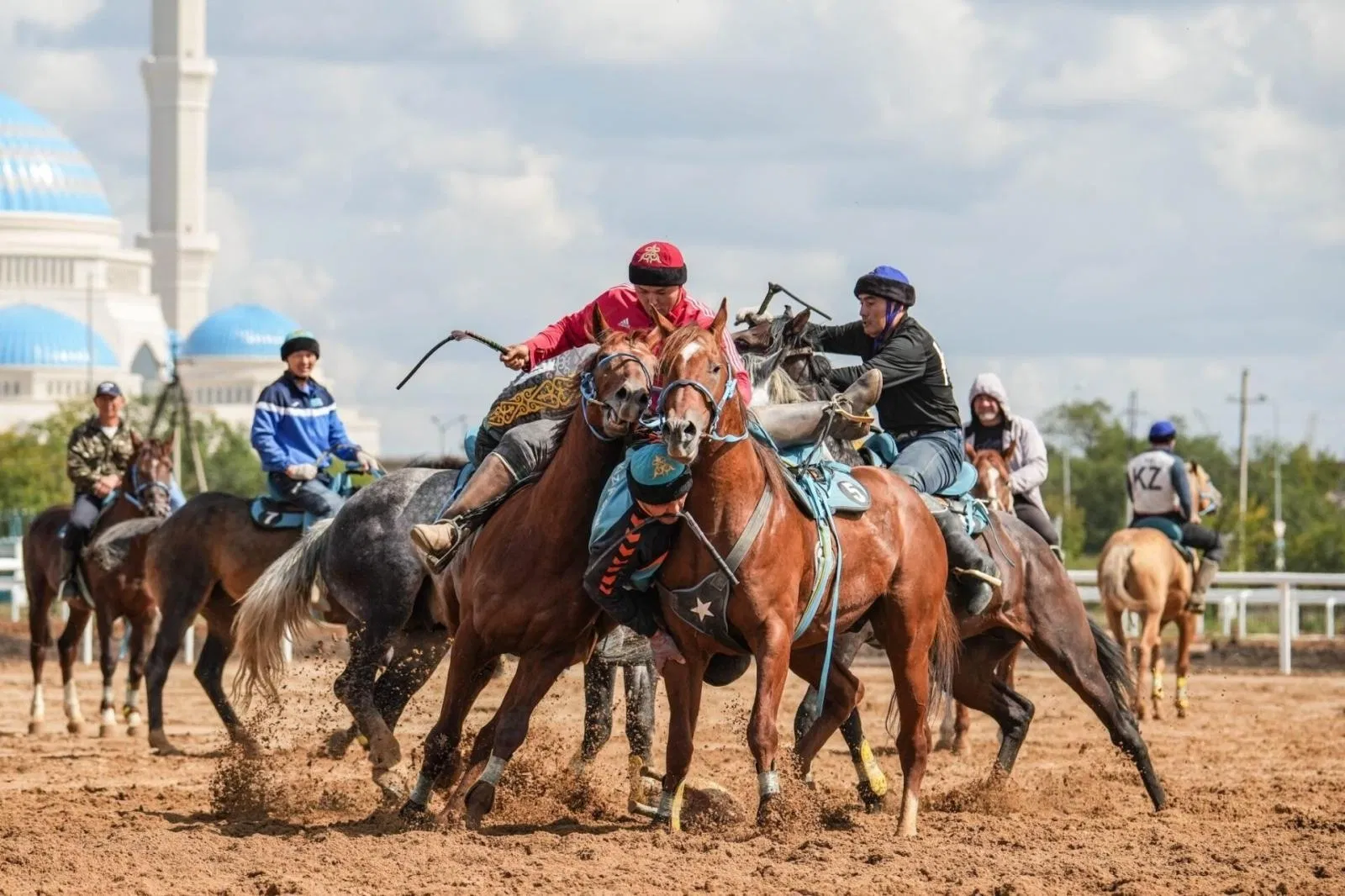
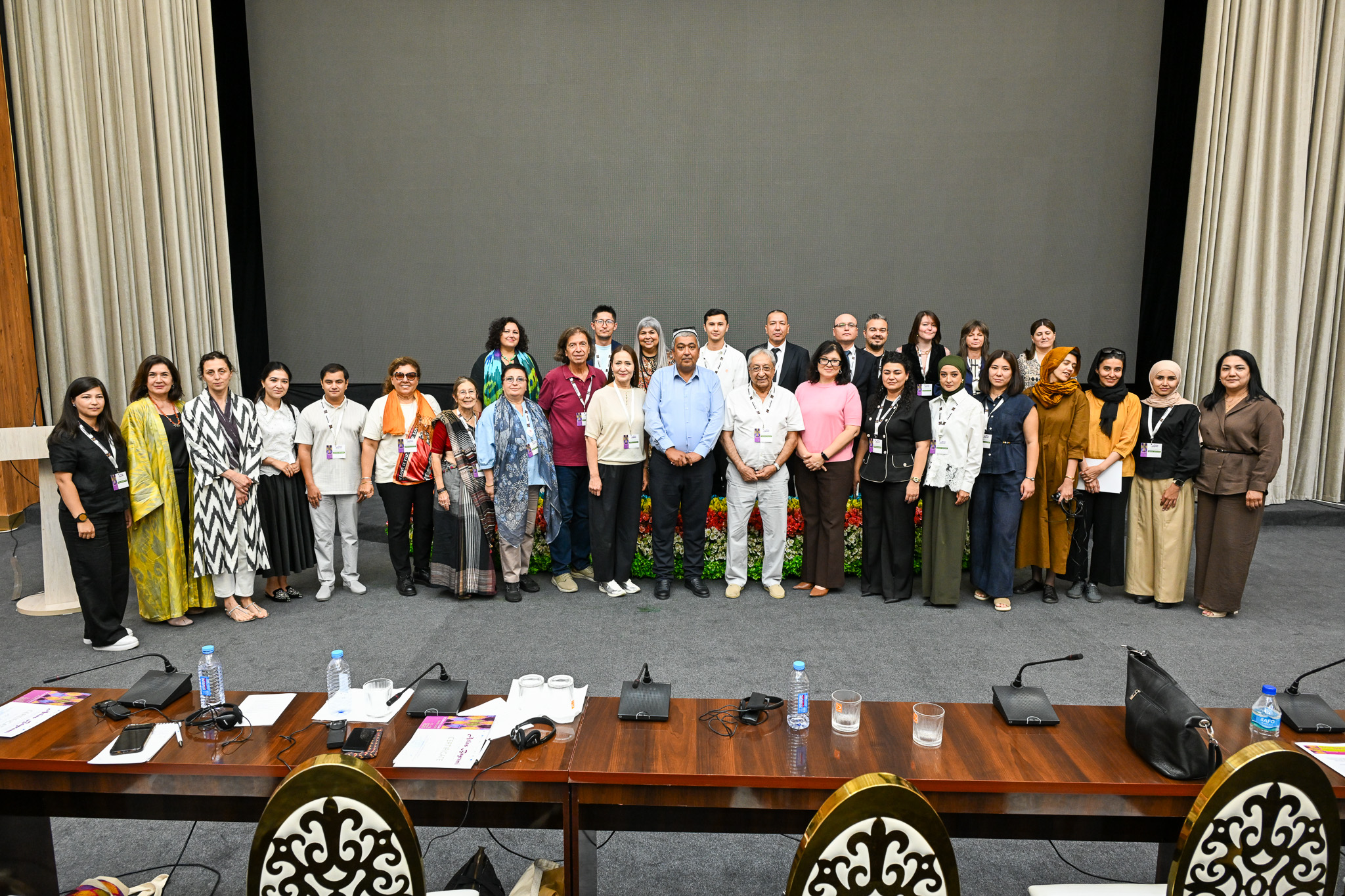 Photo: Khusniddin Ato
Margilan shows this environment within a single city. Hand techniques continue to be used in production, knowledge is passed on within the professional community, and the festival and conference connect artisans with researchers, designers and cultural institutions.
The sustainability of this environment is determined by the ability of the craft to remain a profession. Technology is preserved where it continues to be used, and craftsmanship gains an economic basis for transmission to the next generation.
Traditional textiles create employment, preserve professional knowledge and provide a foundation for a modern cultural product without losing the connection to the place and tradition of origin.
This material was prepared in cooperation with UNESCO in Tashkent
 https://www.unesco.org/uz/fieldoffice/tashkent
Newsletter
A letter from the HD editors
Once a week, we send the best stories, events, and cultural discoveries from Central Asia.