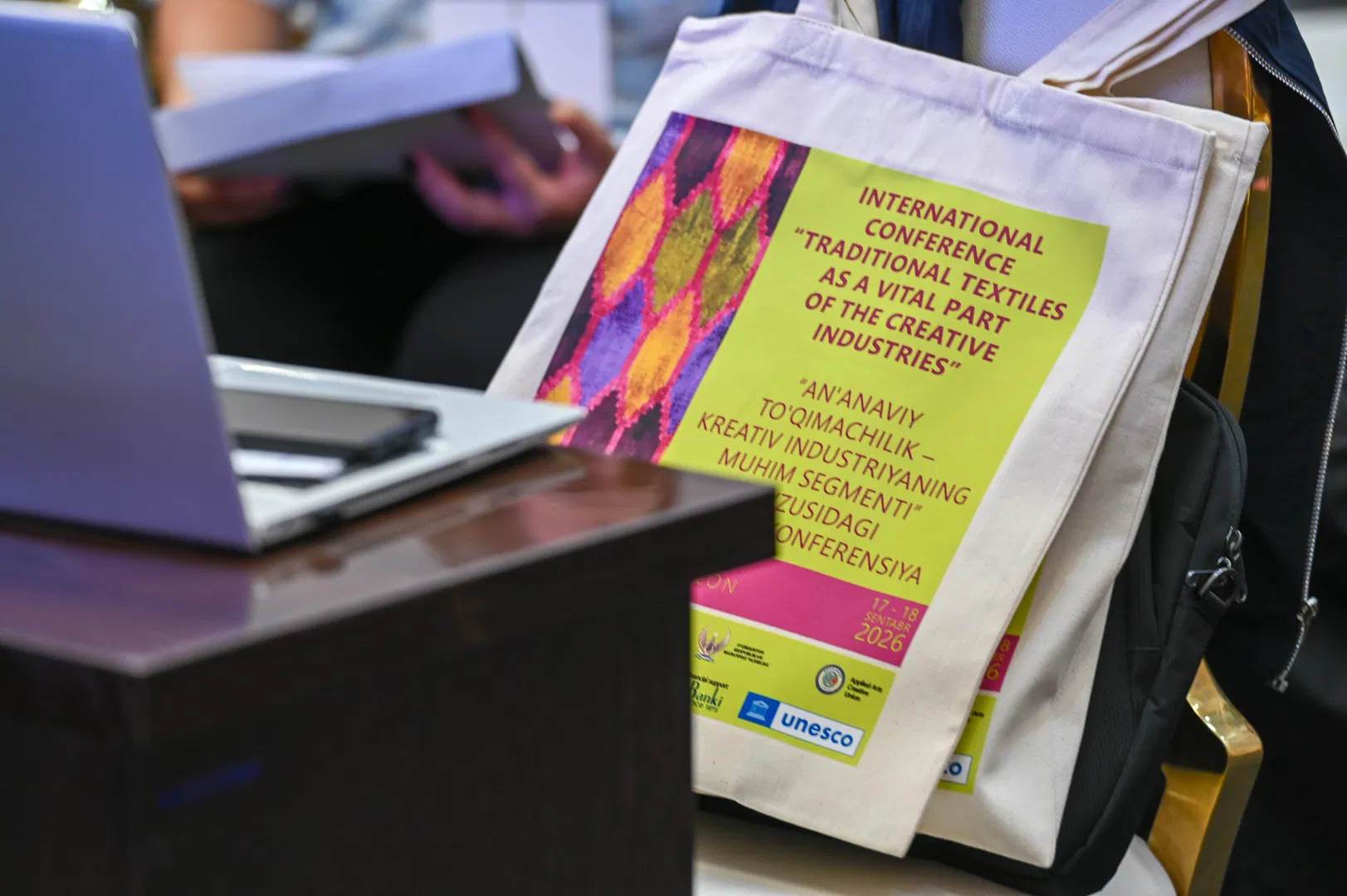
The first day of the Atlas Bayrami festival showed how history, education, design and the local economy come together in traditional textiles.
On September 17, the VII International Festival of Traditional Textiles "Atlas Bayrami" opened in Margilan.
Traditional Textiles and Crafts Festival Starts in Uzbekistan’s “Silk Capital”Yesterday, the International Festival “Atlas Holiday,” dedicated to national crafts, traditional textiles and ethno-design, kicked off in the ancient city of Margilan in Uzbekistan’s Fergana region. The event has been held every two years in September since 2015.mag.humodoc.com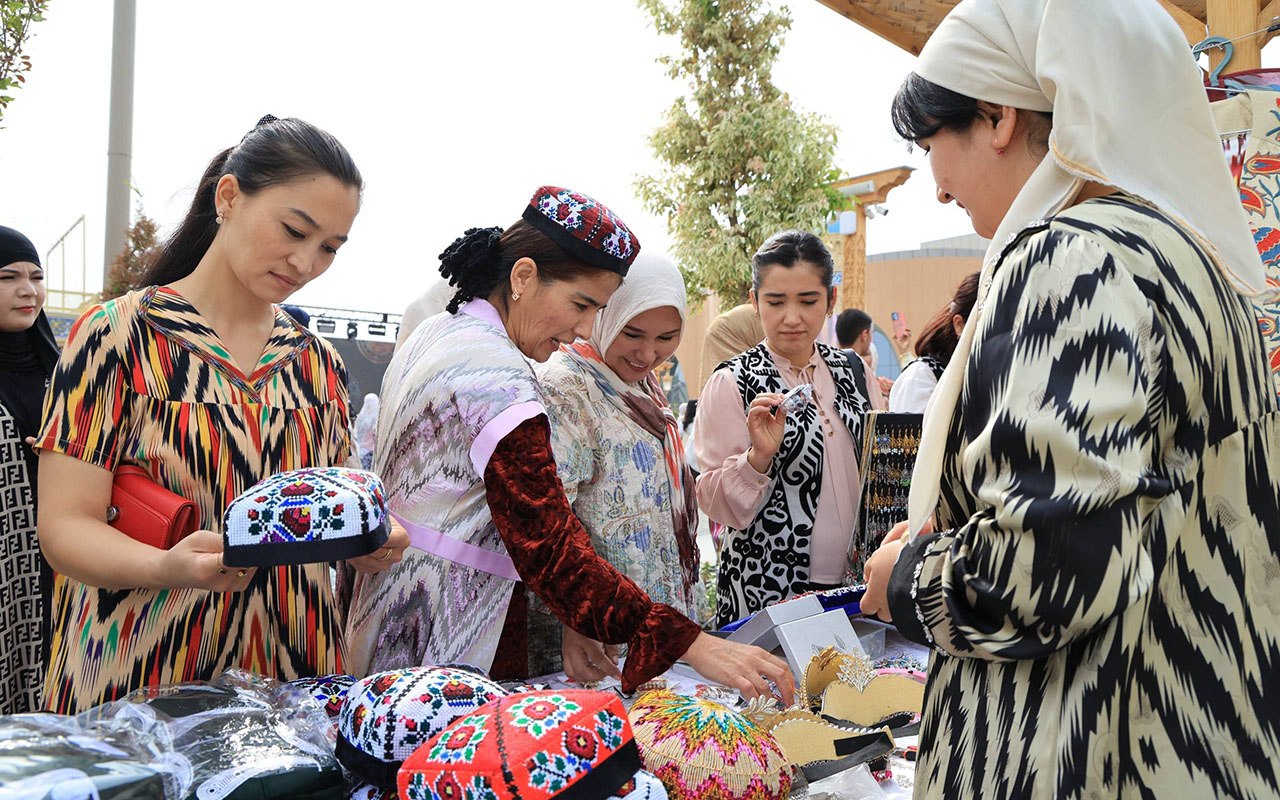
On the first day, at the scientific, educational and tourism complex "Vodiy Gavhari" - "Burhoniddin Marginoni," the opening ceremony, the Made in Uzbekistan exhibition, a crafts fair, folk performances, an international scientific and practical conference, master classes on traditional textiles and carpet weaving, and a showcase of the results of the innovative design mentorship program took place. The main festival program runs from September 17 to 19, 2026.
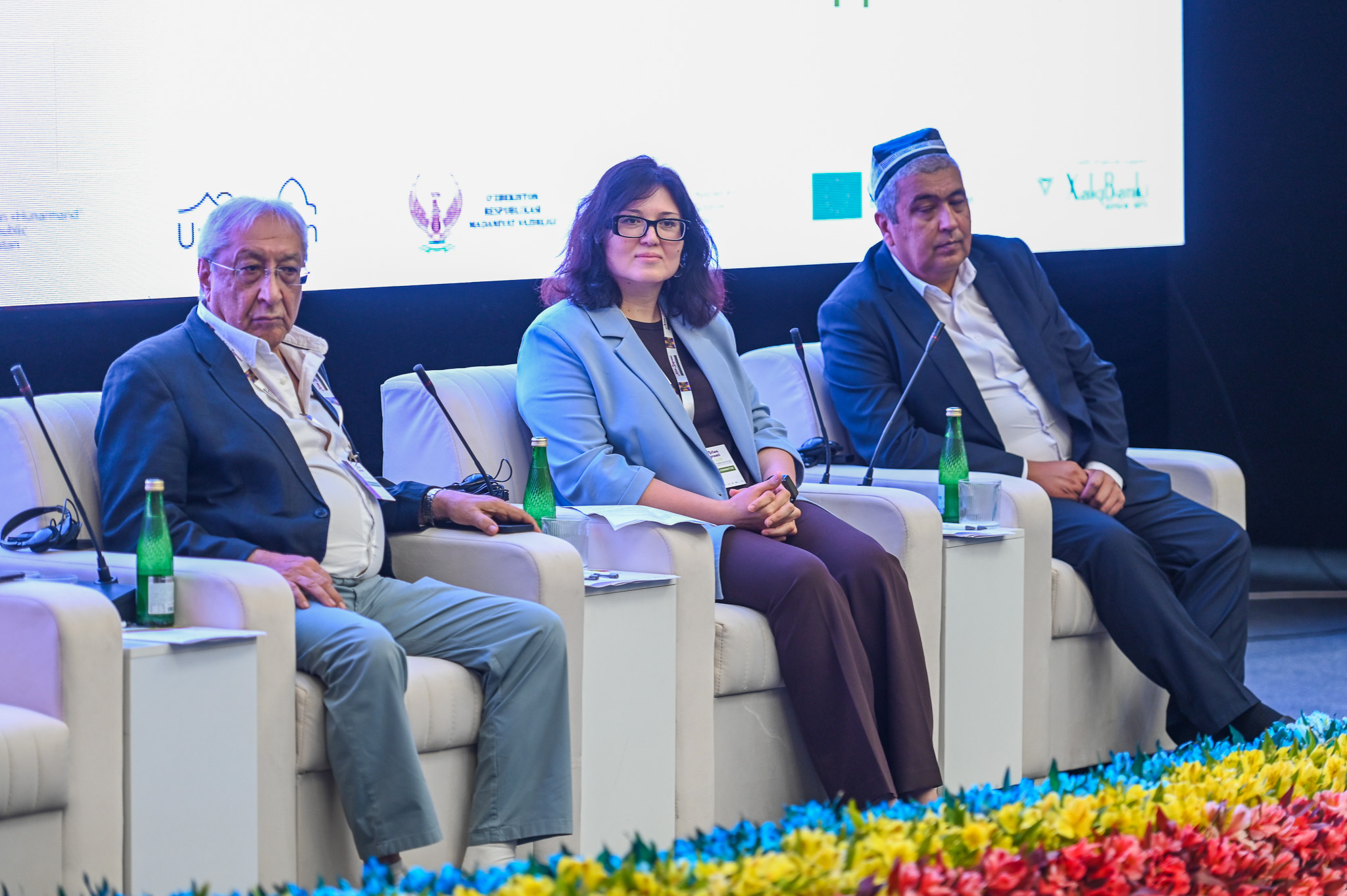 Photo: Husniddin Ato
Already from the first day of the program, one can understand the structure of events for the entire occasion. In the morning, traditional textiles are presented to the general public at the exhibition and fair. In the afternoon, attention shifts to history, technology, collecting and education. The evening showcase demonstrates how craft knowledge transitions into the work of contemporary designers.
Textiles as a historical document
The historical report by Akbar Khakimov was dedicated to textile artifacts of Sogdiana and Mawarannahr from the 7th to 14th centuries. Using silk fabrics as an example, the researcher showed how cultural contacts between Central Asia, Iran, China and the Islamic world were reflected in ornament and clothing construction.
Early fabrics retained images of birds, animals and fantastic creatures enclosed in medallions. Later, these motifs were gradually stylized, combined with floral ornament and Kufic inscriptions. Textiles recorded changes in religious language, political symbols, fashion and trade connections.
In the architectural decor of Uzbekistan, the combination of geometric and floral motifs is examined in detail in Evgeny Sklyarevsky's guide to Islamic ornament:
A Guide to Reading Islamic OrnamentFollowing the advice of several experts, and having discarded seven introductory paragraphs explaining why this article is so important and necessary, let us get straight to the point and dive into Tashkent’s ornamentation.mag.humodoc.com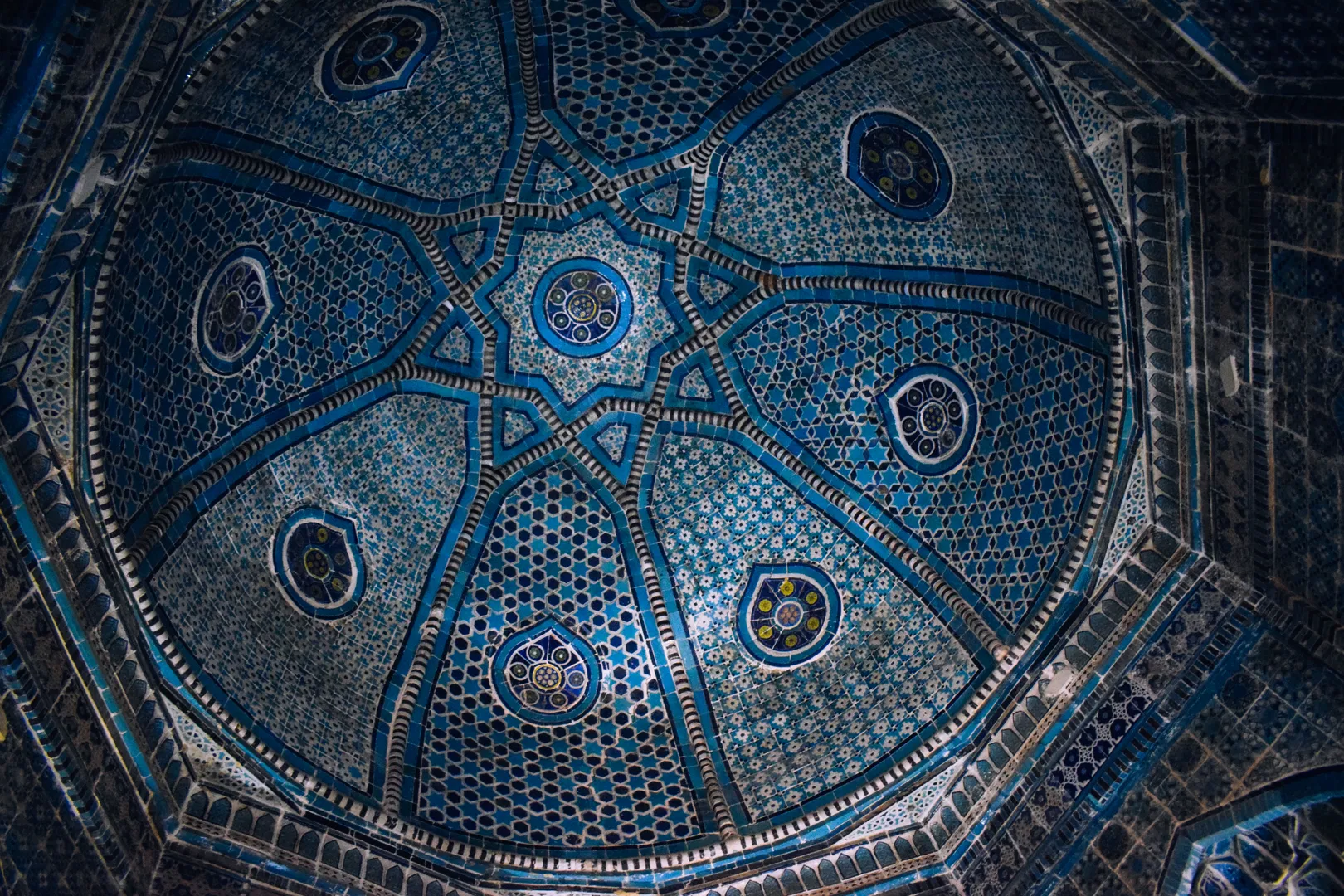
A special place in the report was given to tiraz-type fabrics, which were produced in various centers of the Islamic world, including Bukhara and Merv. Clothing made from such fabrics conveyed the owner's status, their connection to power and belonging to a particular cultural environment. Gift clothing served as a political sign and at the same time spread new patterns and technologies.
Doctoral student at the Institute of Art Studies of the Academy of Sciences of Uzbekistan Sayyora Asatullaeva examined ornamental motifs of China and Central Asia. Pearl medallions, images of animals, winged horses, birds, dragons, phoenixes and floral motifs moved from one artistic environment to another, changing form and meaning.
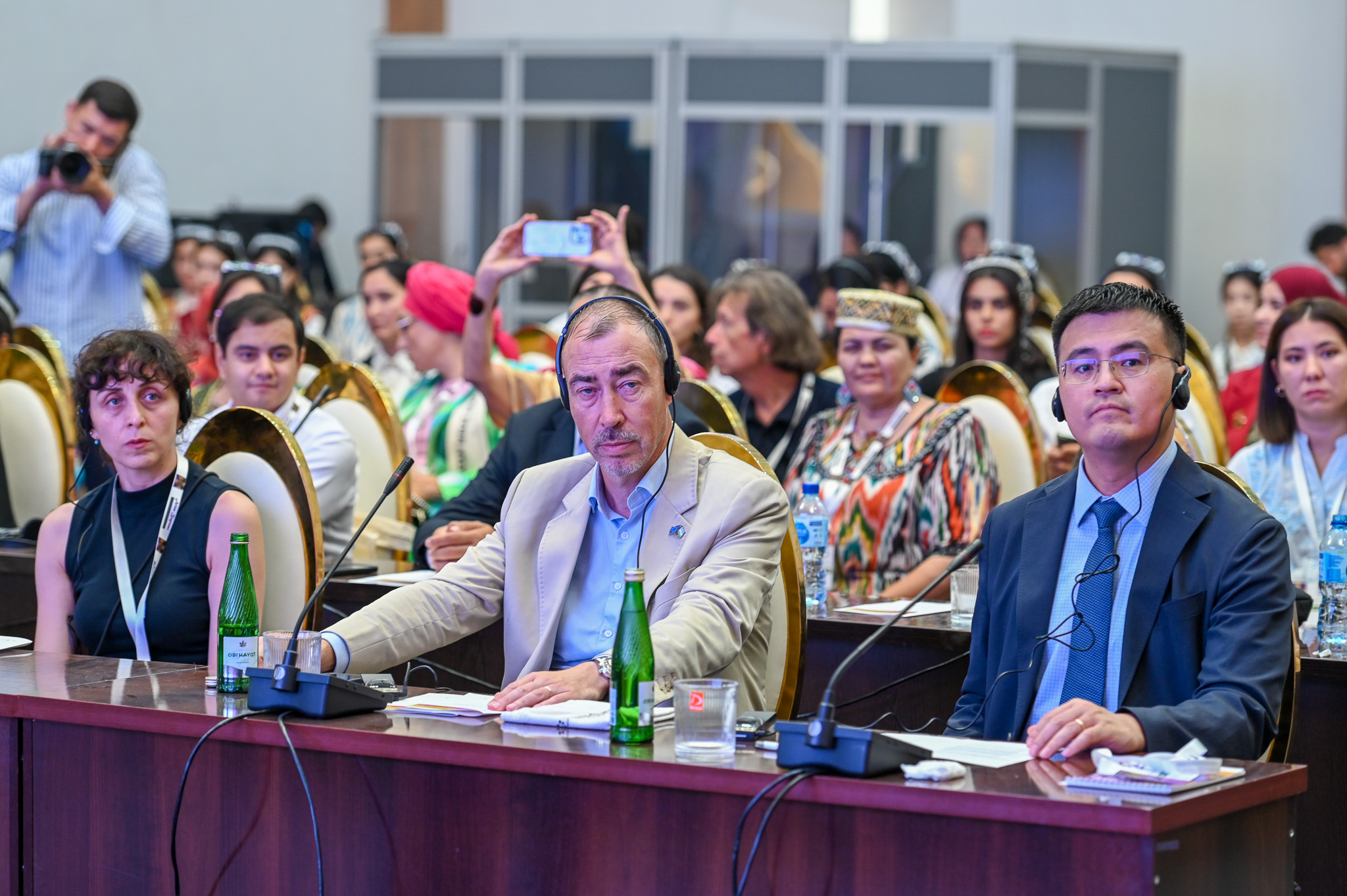 Photo: Husniddin Ato
Doctor of Historical Sciences Sherali Kuldoshev focused on the spread of atlas in China. In the materials he presented, atlas is linked to the silk trade along the Great Silk Road and cultural contacts with Uyghur and other Turkic-speaking communities. References to atlas and Central Asian dancers in Chinese sources of the 8th century show that the fabric traveled together with people, technologies, clothing and visual images.
These studies allow us to stop endlessly searching for a single origin of atlas and instead study routes, contacts and changes. Atlas was formed in a space of exchange, and its history is connected to Central Asia, China, Iran and other regions where technique and ornament adapted to new conditions.
Collection as a way of continuation
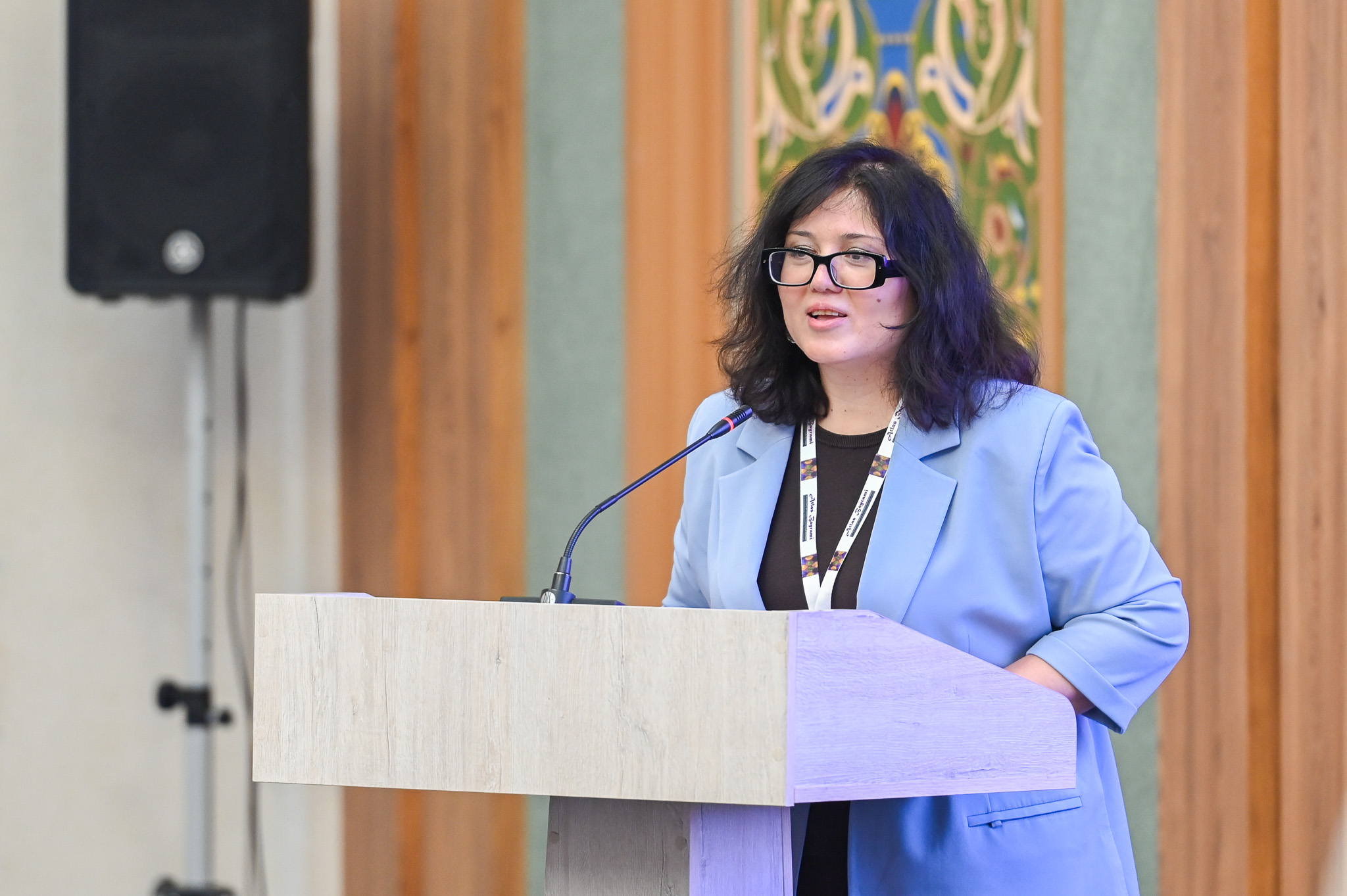 Photo: Husniddin Ato
Augusta de Gunzburg, a representative of the Textile Research Centre in Leiden, demonstrated a model of working with textile heritage based on study, education and open access. The center holds one of the large specialized collections of textiles, clothing and accessories. Items are used in research, educational programs, master classes, exhibitions and public projects.
Such a model changes the attitude toward a museum object. Fabric is not simply stored, but becomes a source of information about a person, family, labor, migration, material shortages and ways of adapting to circumstances.
In the presentation by the Textile Research Centre, an example was given of a wedding dress made in the Netherlands in 1938. During the war, it was re-dyed and the sleeves were altered to reuse the dress. This is an object that preserves the history of resource scarcity, family memory and reuse of material.
Karolina Krzywicka presented the collection of the Asia and Pacific Museum in Warsaw. The museum holds more than 23,000 items from various countries of Asia and Oceania. The Uzbek collection includes items of traditional clothing and textiles, including chapans, dresses, headwear and ikat fabrics.
The importance of such collections is connected to their international movement. Atlas and adras are preserved in museums of different countries, where they become subjects of research, exhibition work and new design interpretation. The presentation also featured a future exhibition, "Borders of Color. Ikat Fabrics of Asia," which will open in Warsaw on November 26, 2026.
When heritage becomes an economy
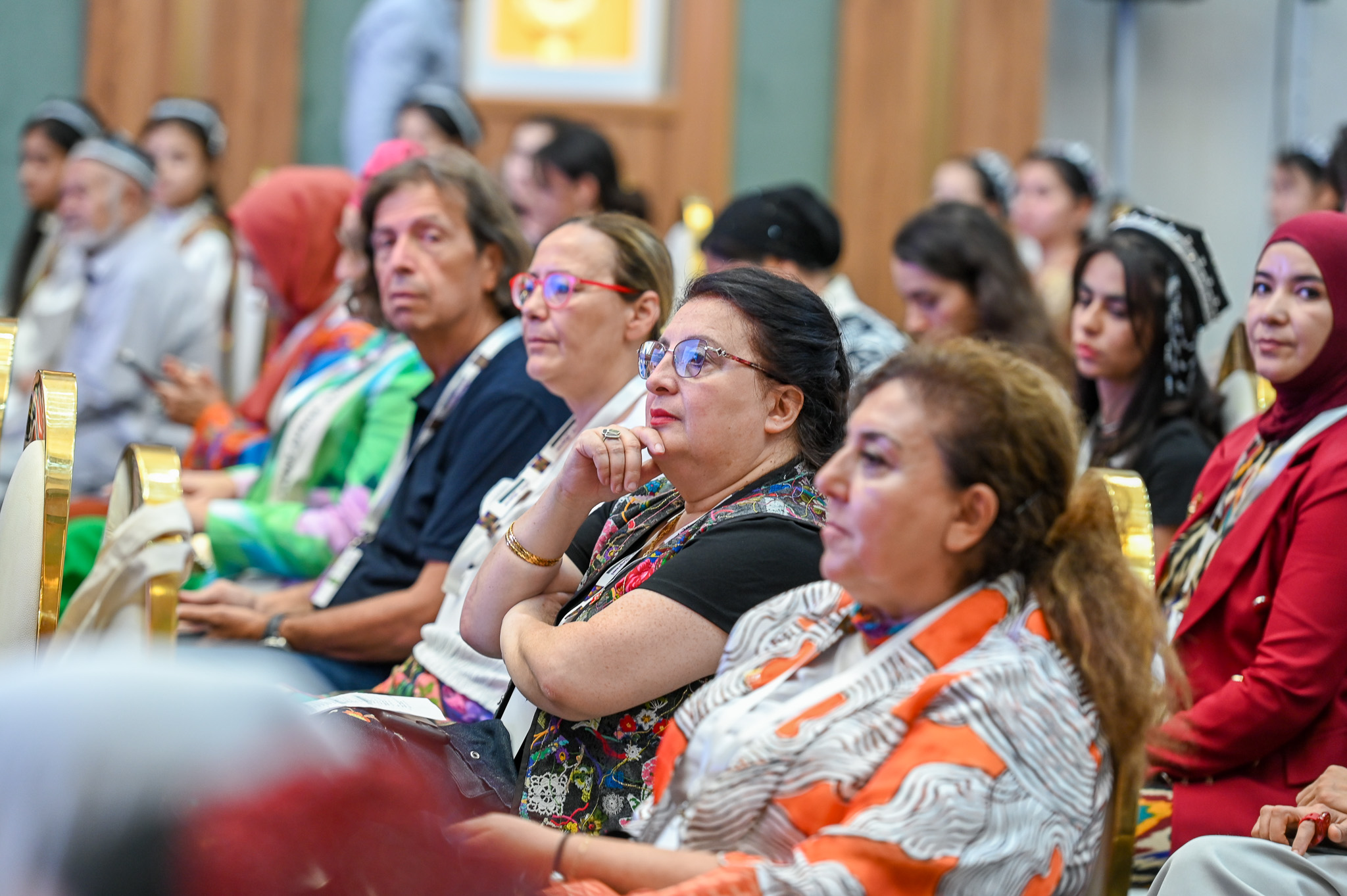 Photo: Husniddin Ato
Professor at Bukhara State University and deputy director of the "Umrbodiy Meros" center Mehrinigor Akhmedova examined traditional textiles through the concept of heritage-based business.
Such a business includes four directions. The first is connected to the sale of products and materials. The second is connected to experiences: cultural tourism, festivals, routes and master classes. The third uses knowledge: education, archives, digital content and research programs. The fourth is connected to services, including design, consulting, curation and cultural mapping.
Such connections can be seen in the work of local brands in Uzbekistan. LALI develops ikat patterns together with artisans from Margilan, while the Suzani by Kasimbaeva space brings together workshops, training classes and a gallery:
Map of Local Fashion in Uzbekistan: Brands and Their SpacesIn recent years, Uzbek fashion has increasingly become a part of the urban cultural environment. Fashion has moved beyond the confines of runways and individual names, integrating into the everyday routes and spaces where the city lives. And every designer is well aware that they are not just creating clothes. Their creativity is a way to talk about memory, craftsmanship, identity, and how tradition continues to exist in the present.mag.humodoc.com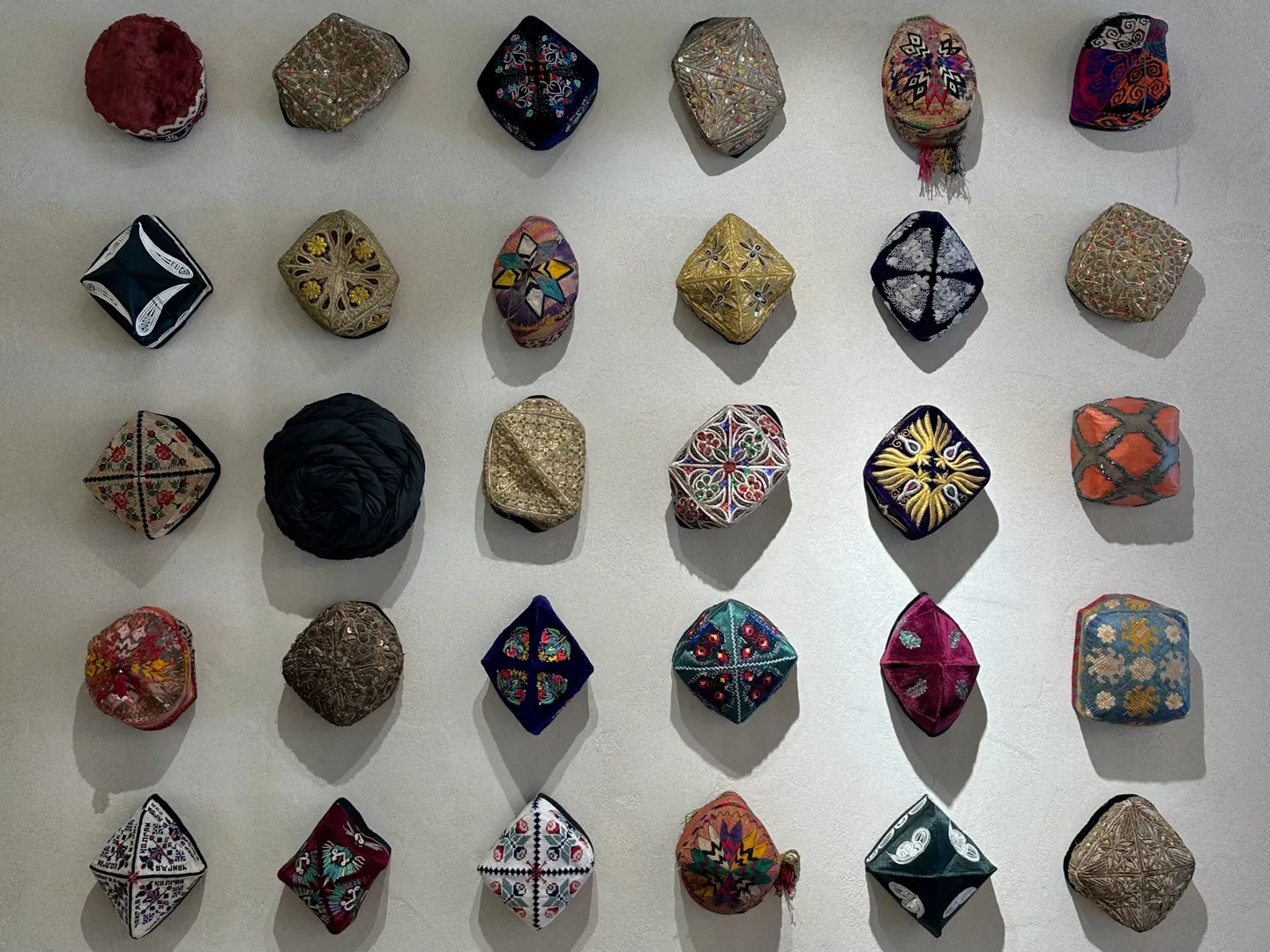
All these forms are present in the Atlas Bayrami programme. The fair creates a market for the products. Folk performances and master classes shape the experience of engaging with culture, while the conference passes on knowledge. The mentorship programme connects artisans and designers. The business programme on the second day adds professional contacts between representatives of sericulture, the textile industry, manufacturing and business.
The economic value of craft depends on how fairly income is distributed and how the contribution of artisans and communities is recognised. What matters is the origin of a technique, the conditions under which it is passed on, authorship, payment for labour and the right of the community to take part in decisions about the further use of heritage.
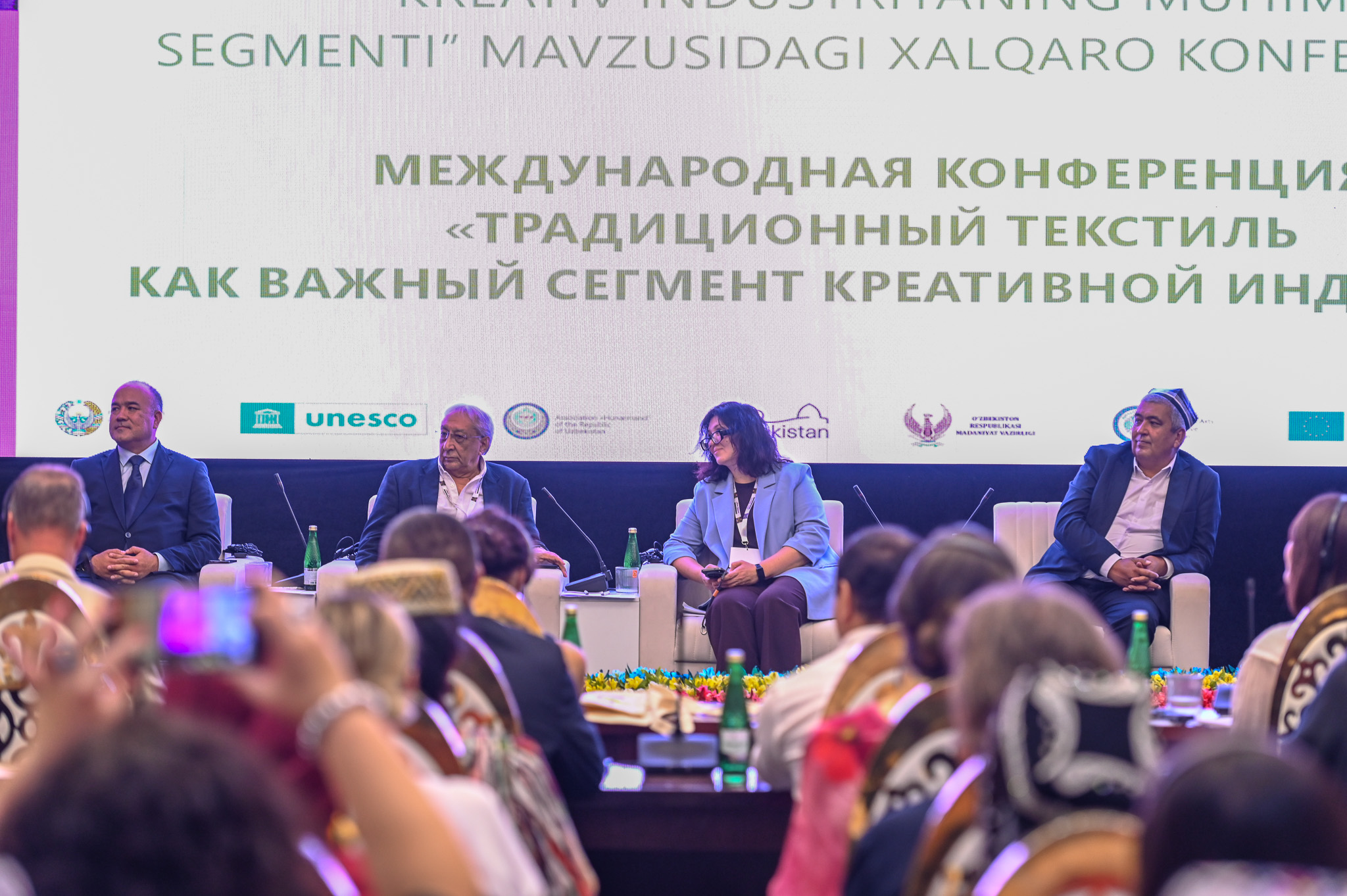 Photo: Husniddin Ato
The risks of insufficient and excessive commercialisation were discussed separately. When pay is low, young people stop learning the craft. With mass production, hand techniques are replaced by mechanised imitations, synthetic dyes and simplified patterns. As a result, the buyer loses the ability to tell a genuine product from a factory copy.
UNESCO documents on the Margilan Crafts Development Centre also record the threat posed by machine imitations of ikat fabric. The centre addresses this problem through training, promotion of traditional technologies and support for craft businesses.
Akhmedova names four elements as the basis for sustainable development: community participation, preservation of the full set of craft skills, the reputation of the heritage and innovations that maintain a link to the original technique. This model makes it possible to assess the festival by what continues after the programme ends: whether new students, orders, partnerships, products and sources of income emerge.
From museum object to living practice
designer and art manager from Kyrgyzstan Mirrakhim Oposh linked the preservation of traditional knowledge with contemporary art curation. In his presentation, the main focus is the shift from storing an object to working with tradition as an evolving practice.
The tools are natural materials, felt, horsehair, reuse of textile remnants, collective creation of works and audience participation. Here an ecological approach is combined with cultural continuity. Traditional materials become the basis for contemporary installations, exhibitions and educational programmes.
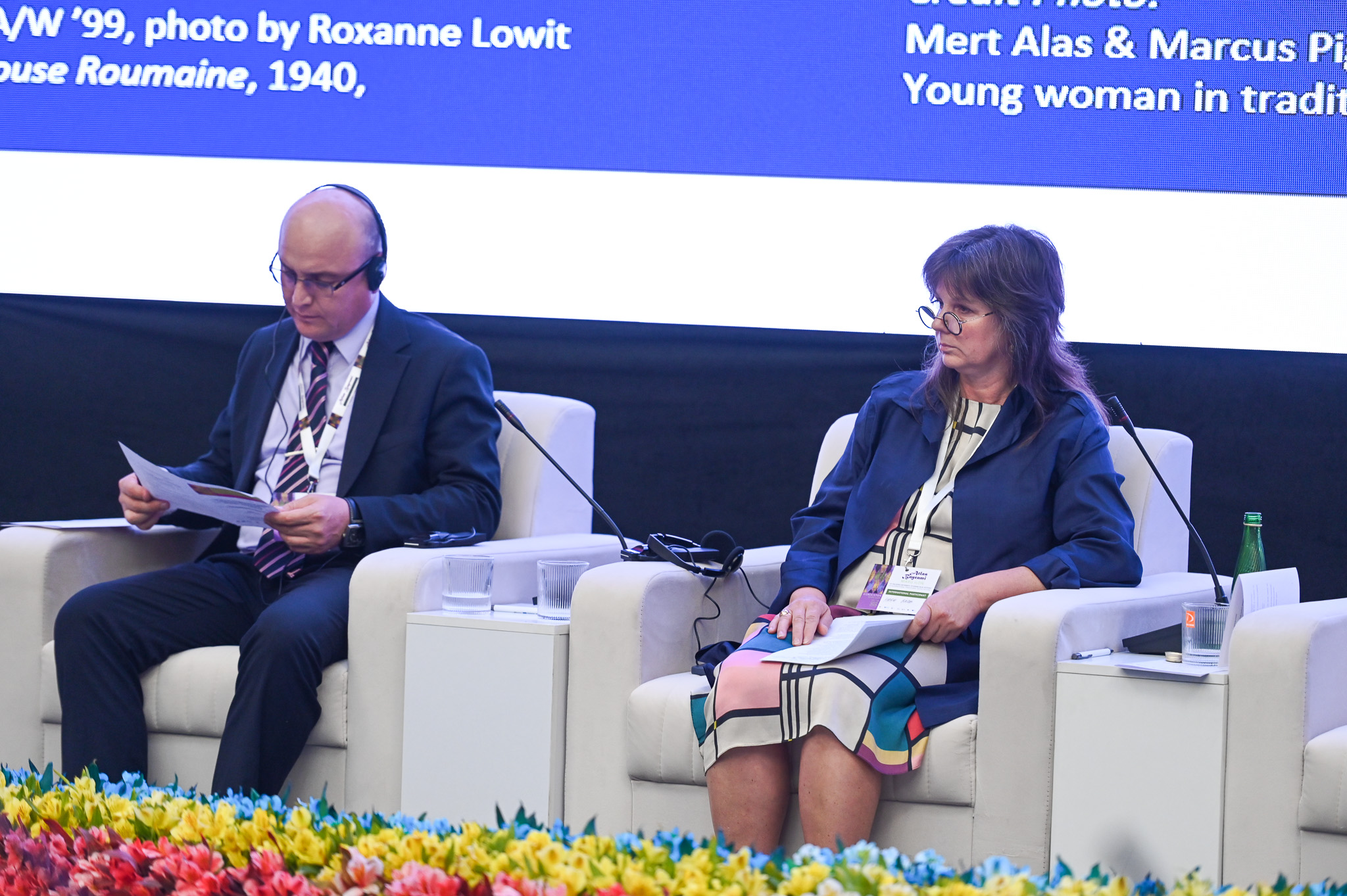 Photo: Husniddin Ato
Special attention is given to young artists and the BASHAT ("Origins") programme, which connects keepers of knowledge with a new generation of authors. Continuity is built through practical work. A young participant gets the chance to study the history of the craft and apply its principles in contemporary art and design.
This logic is directly linked to the showcase of the mentorship programme in Margilan. The atlas becomes part of the work of a new generation while retaining its technological and cultural foundation.
Margilan as a working environment for craft
The first day of the festival is concentrated at the Vodi Gavhari complex. It brings together an exhibition, a fair, a conference hall, master classes and a showcase area.
On 18 September the programme continues with international B2B and G2B meetings in sericulture and the textile industry. On 19 September an exhibition of traditional textiles and an international photo exhibition will open at the Margilan Museum of History.
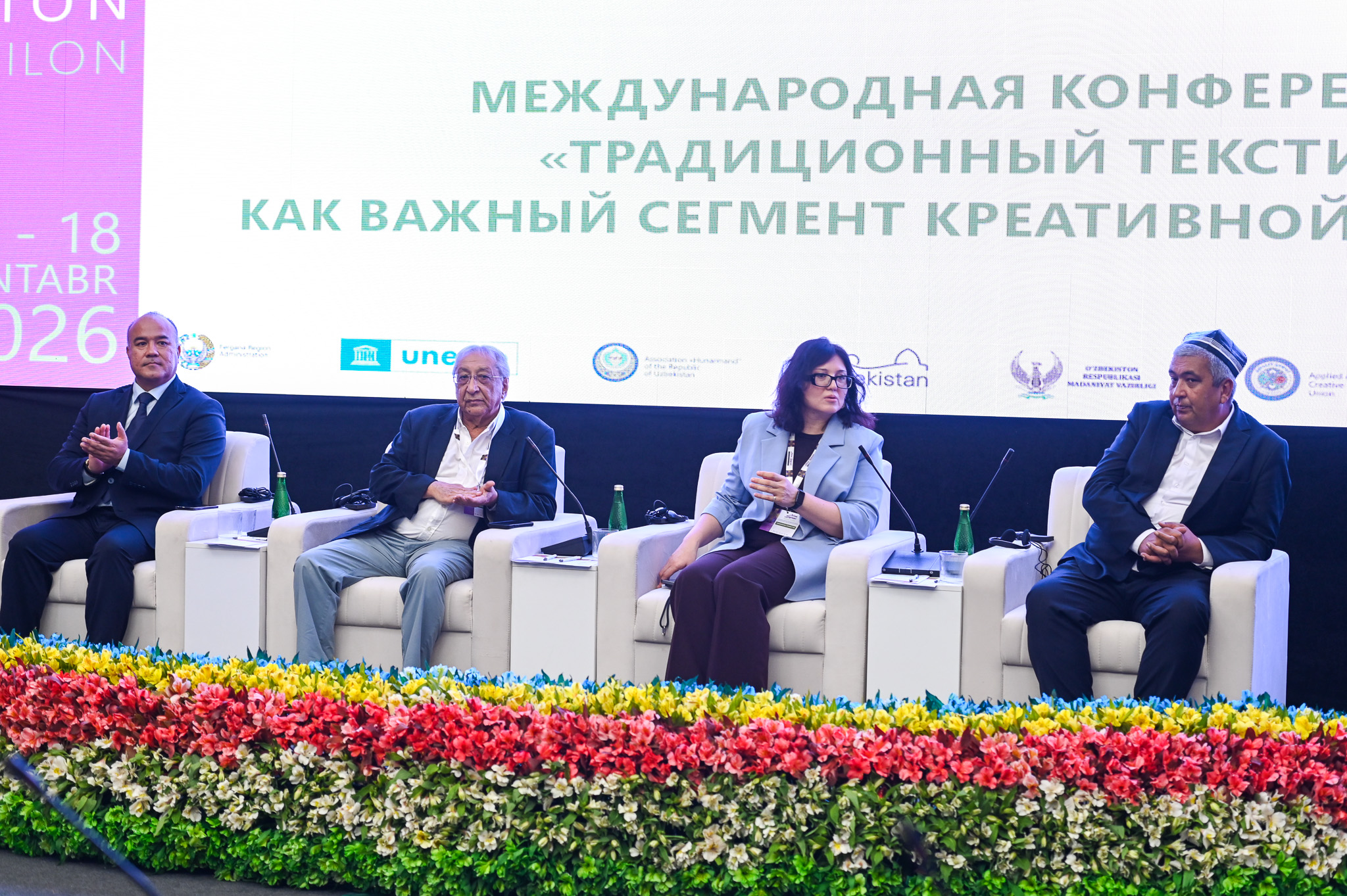 Photo: Husniddin Ato
This is how a sequence of urban functions takes shape. The tourist complex works as a public venue. The crafts development centre provides training and work with traditional technologies. The museum preserves objects and forms historical context. Together they create an environment in which textiles can be studied, produced, shown, sold and rethought.
Atlas Bayrami was first held in Margilan in 2015. In 2026 the festival is being held for the seventh time. Its task is linked to preserving and passing on the knowledge and skills of traditional textile production, developing design, supporting artisans and expanding opportunities for a new generation of participants.
The first day of the festival consistently demonstrates the combination of history, collection, technology, education and market. Here the atlas acts as a system of knowledge and practices that continues to develop in the city.
Read also our material on preserving the city's natural and historical structure:
The City That Already ExistsA city does not always need to be built anew. Sometimes its greatest wealth lies in what already exists: water, terrain, green spaces, historic landscapes and the connections between them.mag.humodoc.com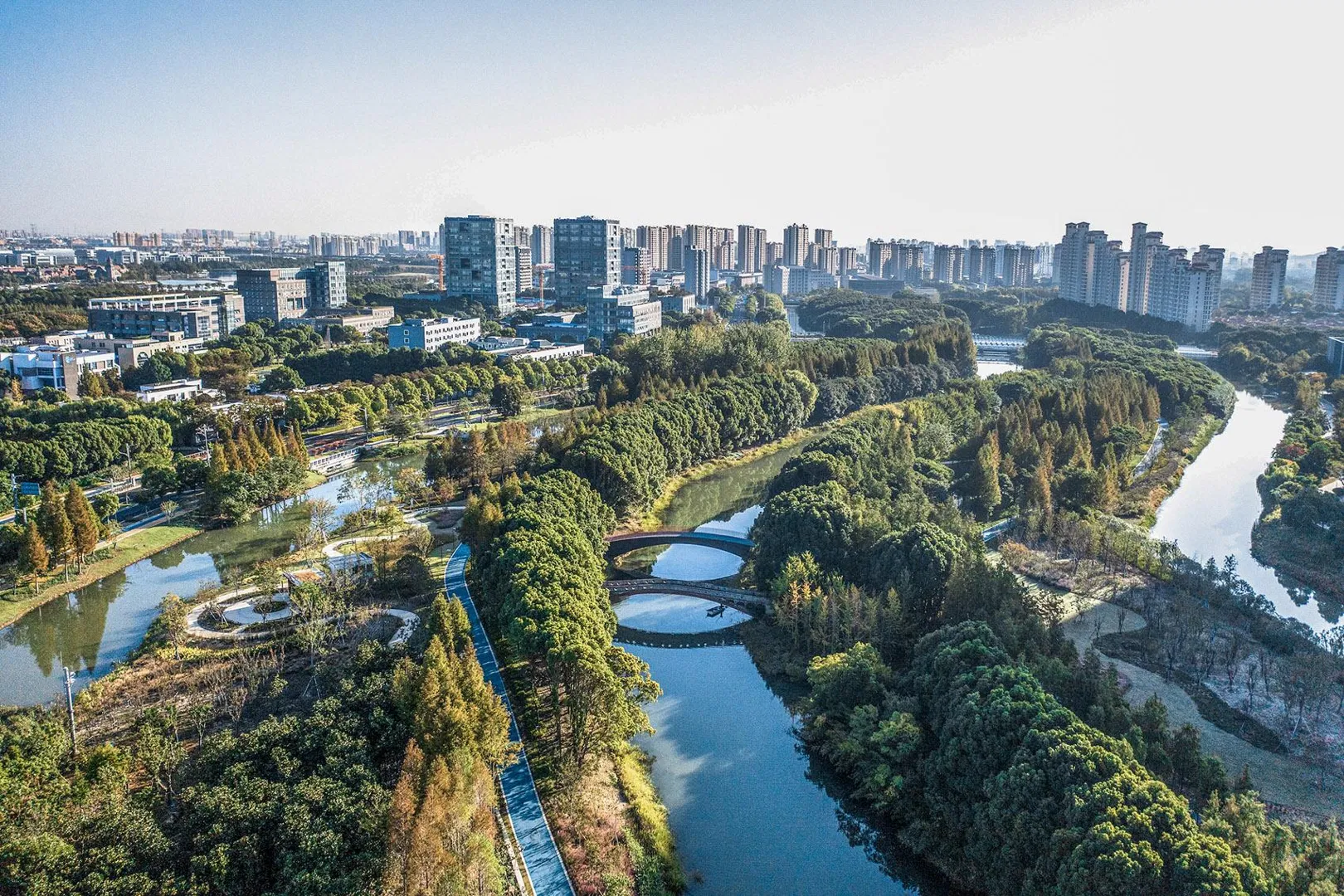
According to the festival Organising Committee, the organisers are the Fergana Region Hokimiyat, UNESCO, the Hunarmand Association of Artisans of Uzbekistan, the Tourism Committee of the Republic of Uzbekistan, the Ministry of Culture of the Republic of Uzbekistan and the Creative Union of Applied Art Masters. The festival's partners are the European Union and Xalq Banki.
This material was prepared in partnership with UNESCO.
 https://www.unesco.org/uz/fieldoffice/tashkent
Newsletter
A letter from the HD editors
Once a week, we send the best stories, events, and cultural discoveries from Central Asia.