Architecture & Urban Environment
Tashkent's New Urban Attractions: Urban Development or the Search for a New Identity?
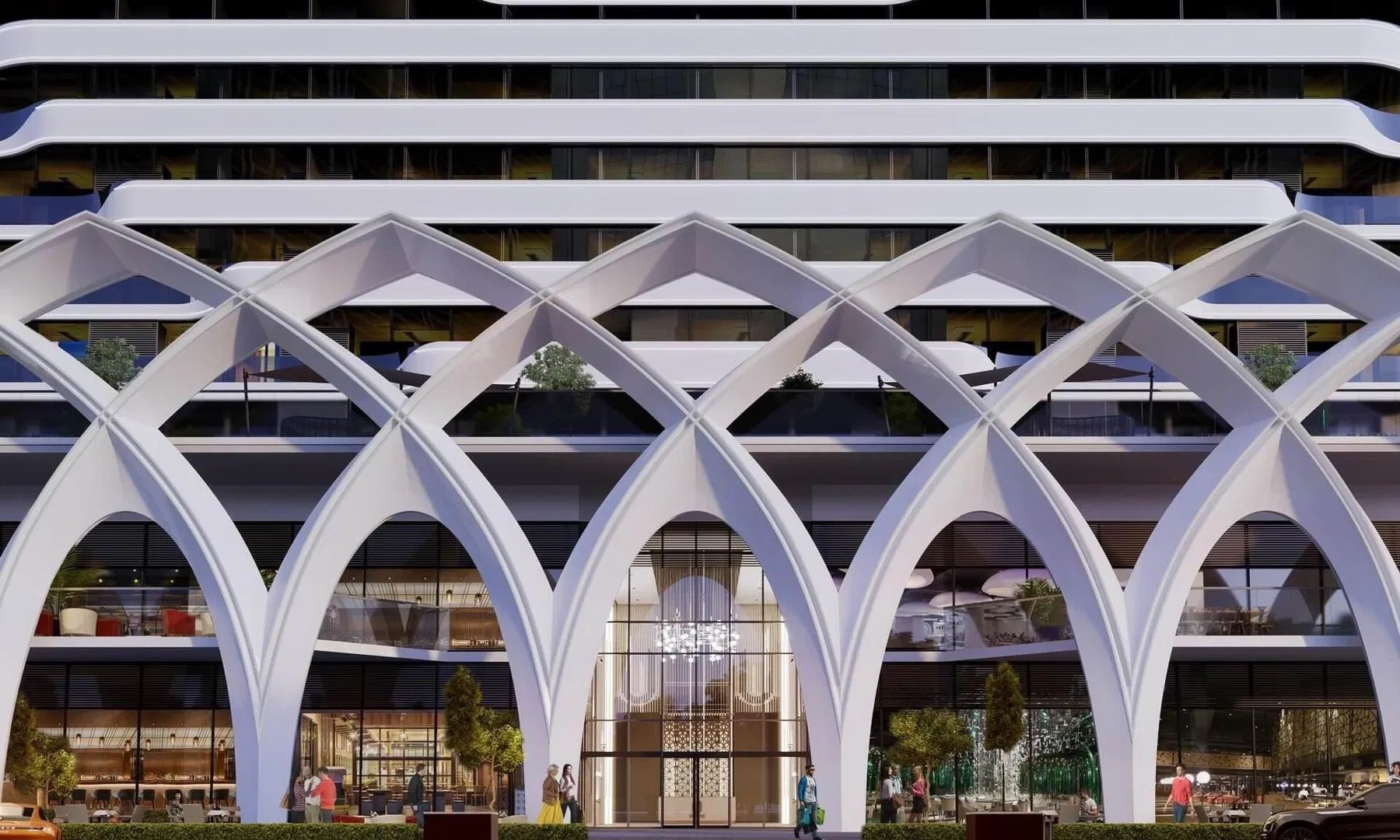
When discussing Uzbekistan's tourism potential, Samarkand, Bukhara and Khiva are usually the first places that come to mind. Their appeal has been shaped over centuries. Their historic heritage, architecture, cultural identity and sense of place have long become integral to the way these cities are perceived. For many years, Tashkent occupied an altogether different position.
For many travellers, the capital served primarily as a point of arrival and departure, a place to spend a day or two before continuing their journey across the country. Today, however, that is beginning to change.
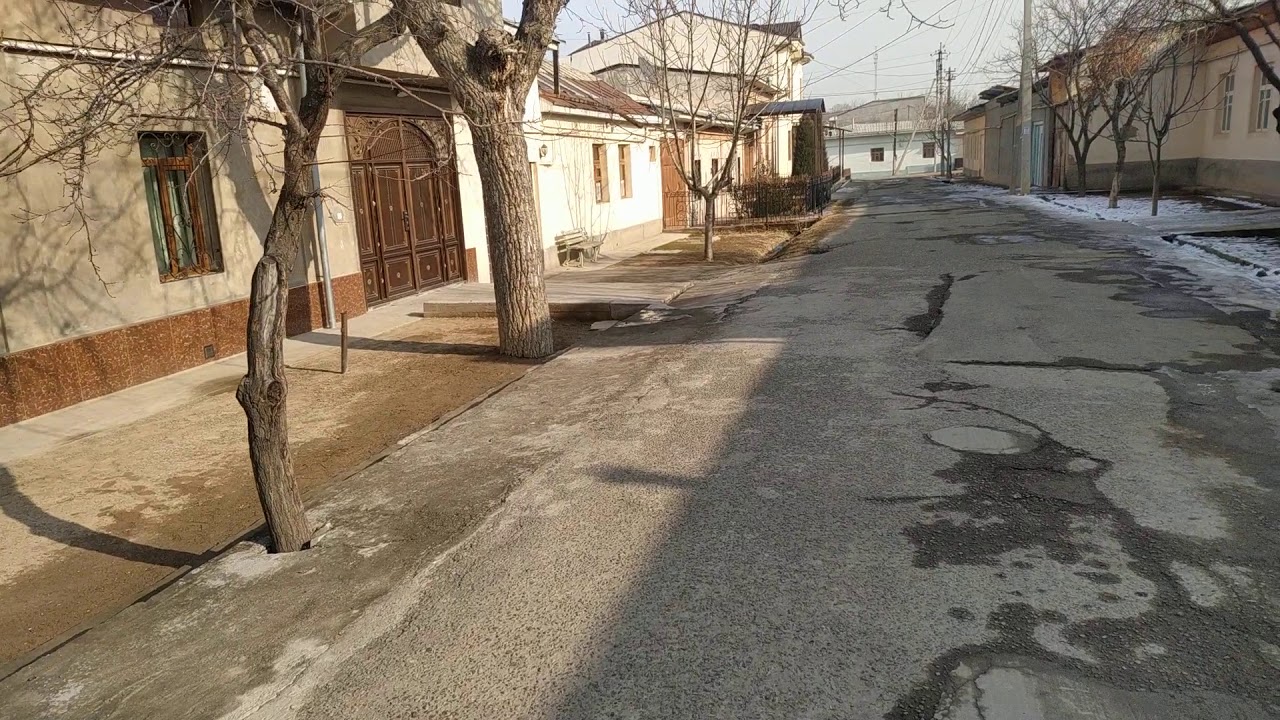 Source: ipaknews.uz
New public spaces, parks, food streets, cultural venues, festivals and urban events are emerging across the city.
At first glance, these may seem like separate initiatives. Look more closely, however, and it becomes clear that they all serve the same purpose. The city is creating new urban attractions. This is a natural stage in the development of any modern capital. These new spaces draw people in. They generate urban activity, create new opportunities for local businesses, support tourism and raise the city's profile.
For the state, this is not simply a matter of urban improvement. It is also a matter of economic development.
That is why, in many countries, new public spaces have become an integral part of urban development strategies. Yet, as Tashkent continues to evolve, another question increasingly comes to mind.
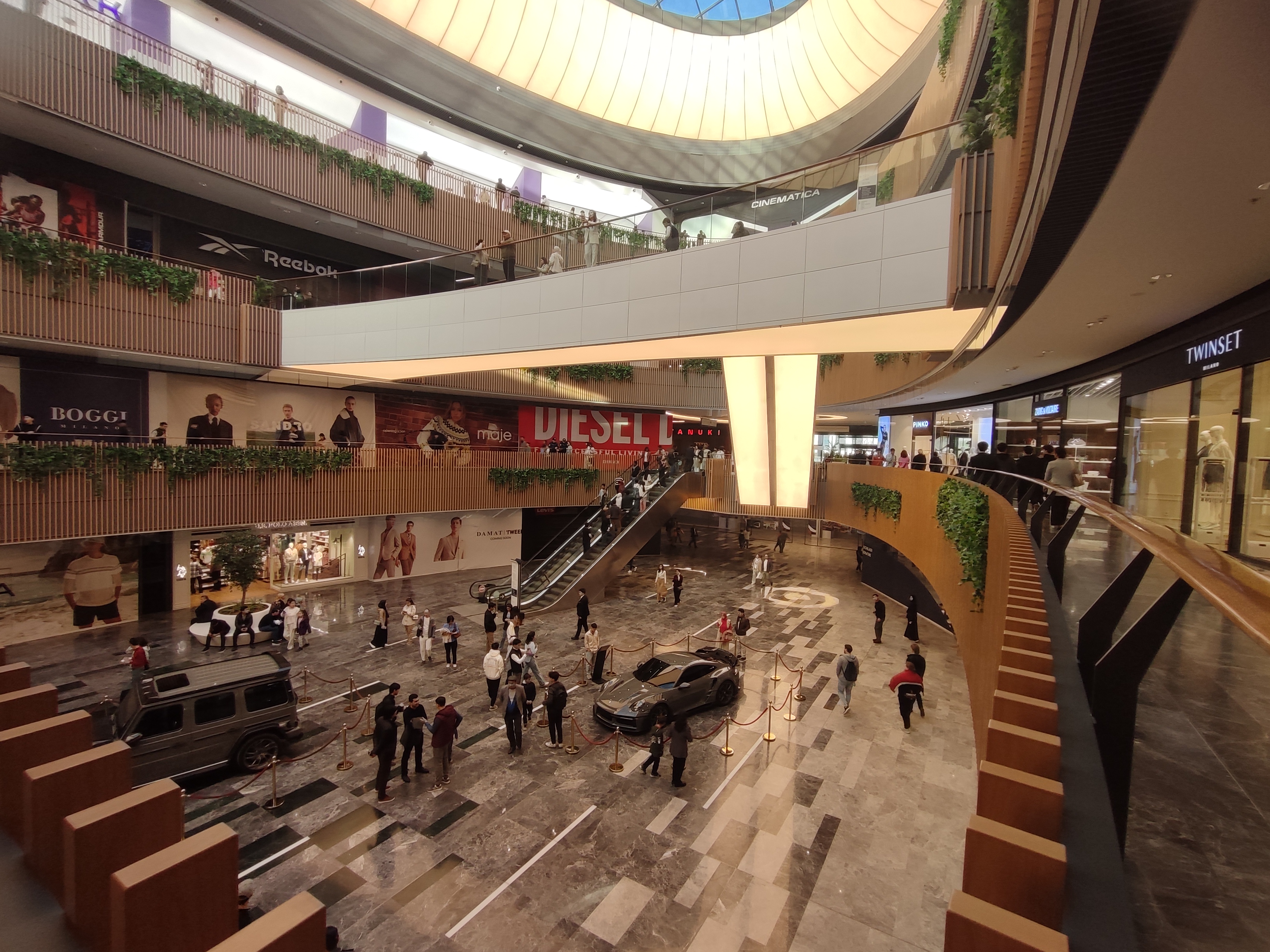 Source: Wikipedia.org
What happens to a city once a new urban attraction appears? And what role do its residents play in that process?
The City Through the Eyes of Its Residents
A city is not experienced by tourists alone. Visitors stay for a few days, while residents remain for years, often for generations. For a tourist, a new public space may become a memorable experience. For a resident, it becomes part of everyday life.
That is why residents relate to their city differently. What matters to them is not only a new park, a square or a festival. What matters is their connection to the city. Its memory. The places tied to their personal histories, and the people they encounter every day.
This brings us to a subject that receives far less attention: vernacular neighbourhoods, mahallas, local markets, smaller streets and long-established urban communities.
These are places that rarely feature in investment presentations or development strategies. Yet they are precisely what shape a city's cultural code, preserve its sense of place and ensure continuity between generations.
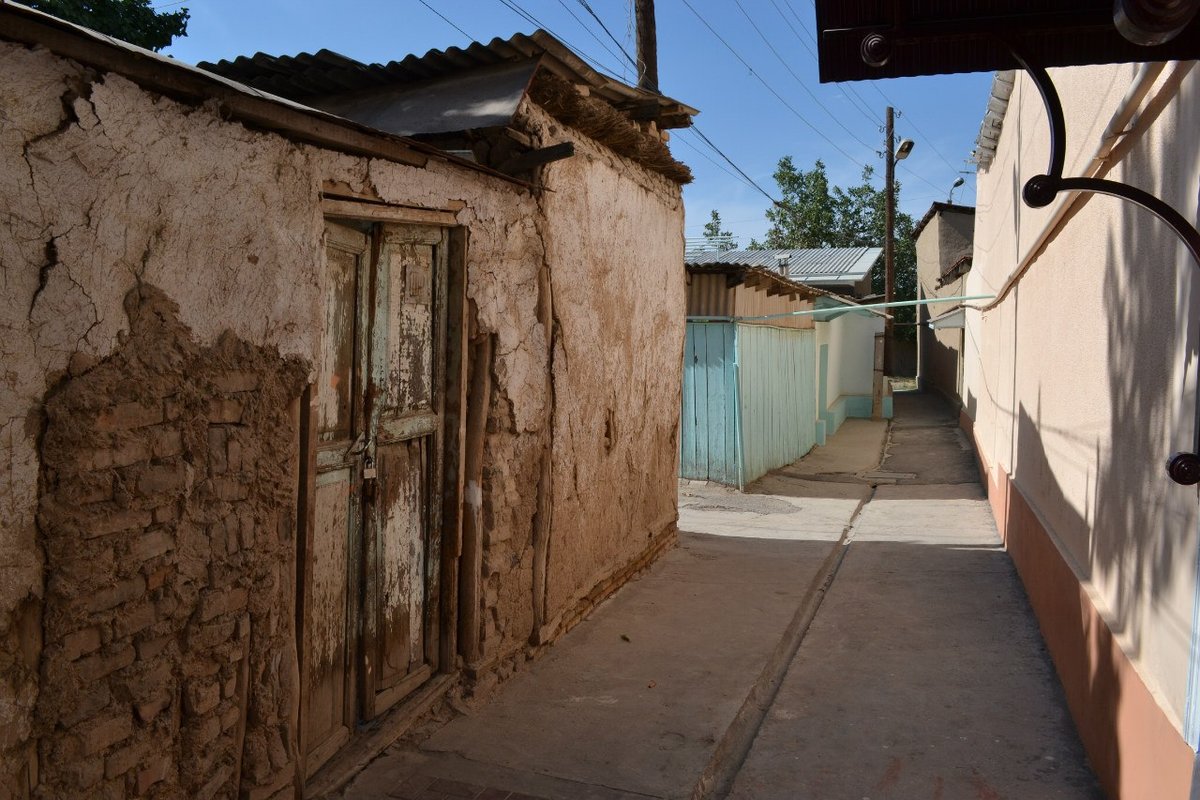 Source: Vesti.uz
Yet their value extends beyond historical preservation. Increasingly, such areas are being recognised as a resource for urban development, local economies and new city itineraries.
This approach may seem less obvious than simply building new facilities. Yet global experience consistently shows that integrating the historic urban fabric into contemporary development tends to produce the most sustainable results.
Japan, South Korea and China have in recent years placed considerable emphasis on preserving historic districts and traditional urban fabric alongside the development of new areas.
But the task is not only to preserve buildings. Far more important is to preserve the life within these neighbourhoods: local businesses, social ties, urban traditions and the everyday lives of residents.
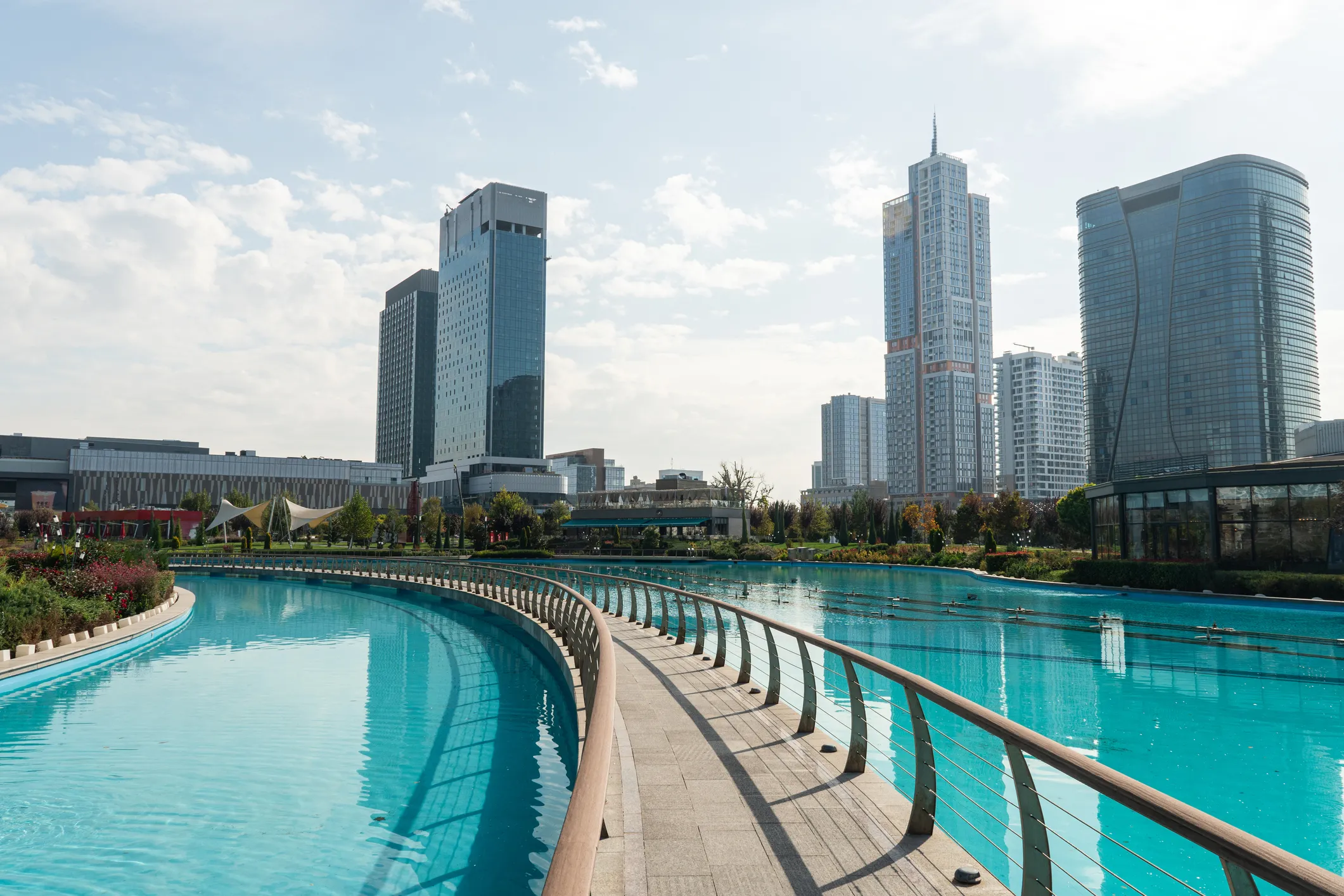 Source: Vand.ru
The Balance Between Renewal and Preservation
In a number of European cities, development has followed a path of intensive commercialisation of historic centres. This has brought greater tourist appeal and economic benefits, but it has also raised questions about preserving local life and the presence of residents themselves in historic districts.
Today, Tashkent stands at an important juncture in its development. The city is evolving rapidly. New market players and international companies will inevitably enter the market, bringing with them new approaches to urban development. The question is no longer whether change will come, but what model of development the city will choose. New urban attractions and vernacular neighbourhoods are not competing resources.
On the contrary, they have the potential to reinforce one another. New urban attractions help build the city's future economy, while vernacular neighbourhoods preserve its cultural identity.
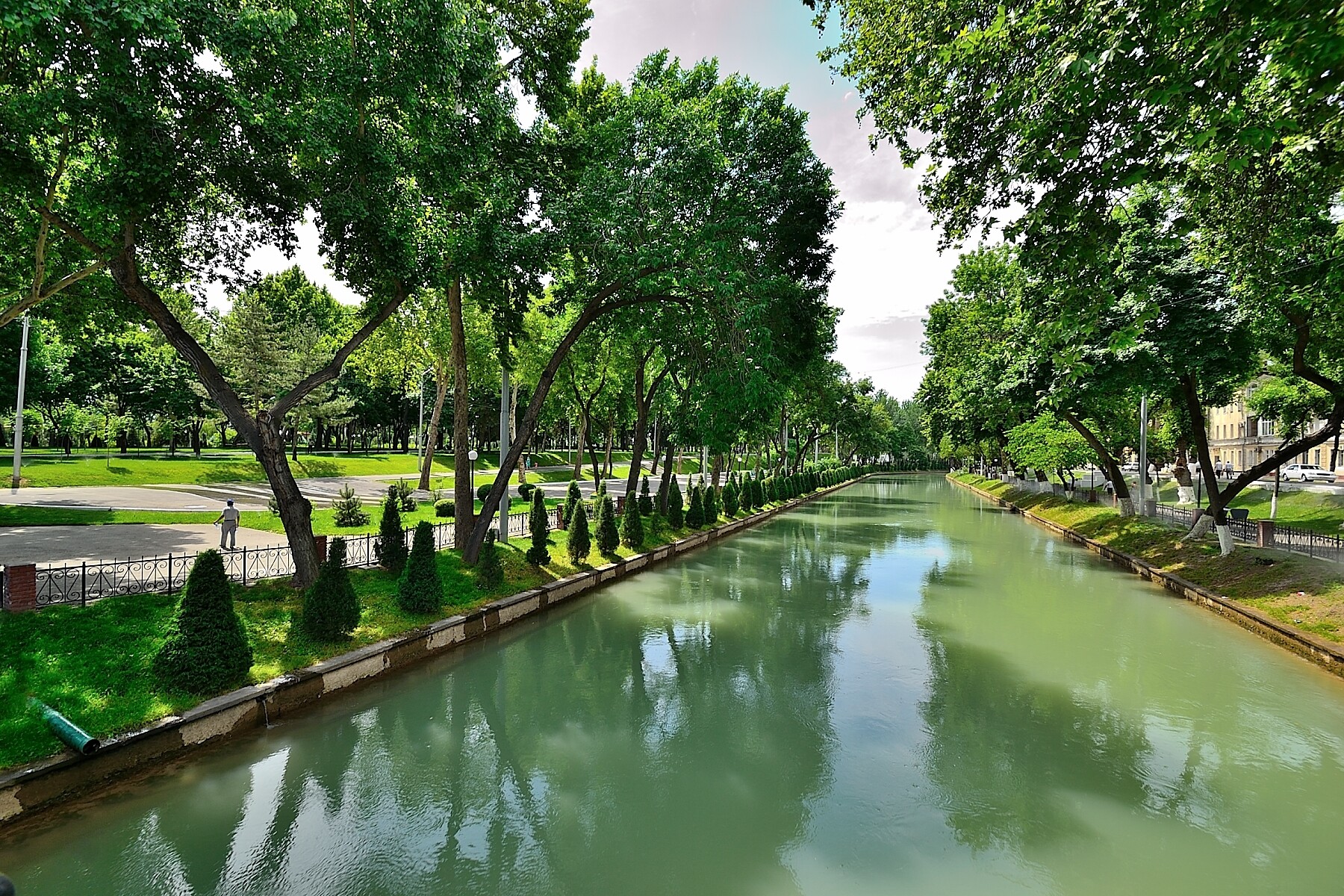 Source: Perspectum.info
Tashkent's successful development depends not on choosing between these two approaches, but on the ability to bring them together. More importantly, vernacular neighbourhoods can become not only a cultural asset but also an economic driver of development:
- through local tourism;
- through new urban routes;
- through support for small businesses;
- through cultural projects and public spaces integrated into the existing urban fabric;
- through the opportunity to show visitors not only the new Tashkent, but the real Tashkent, the one shaped over generations.
There is, however, another factor that is often overlooked. Every change affects people's everyday lives. The urban environment changes. Public spaces change. The familiar ways in which people use and experience the city change.
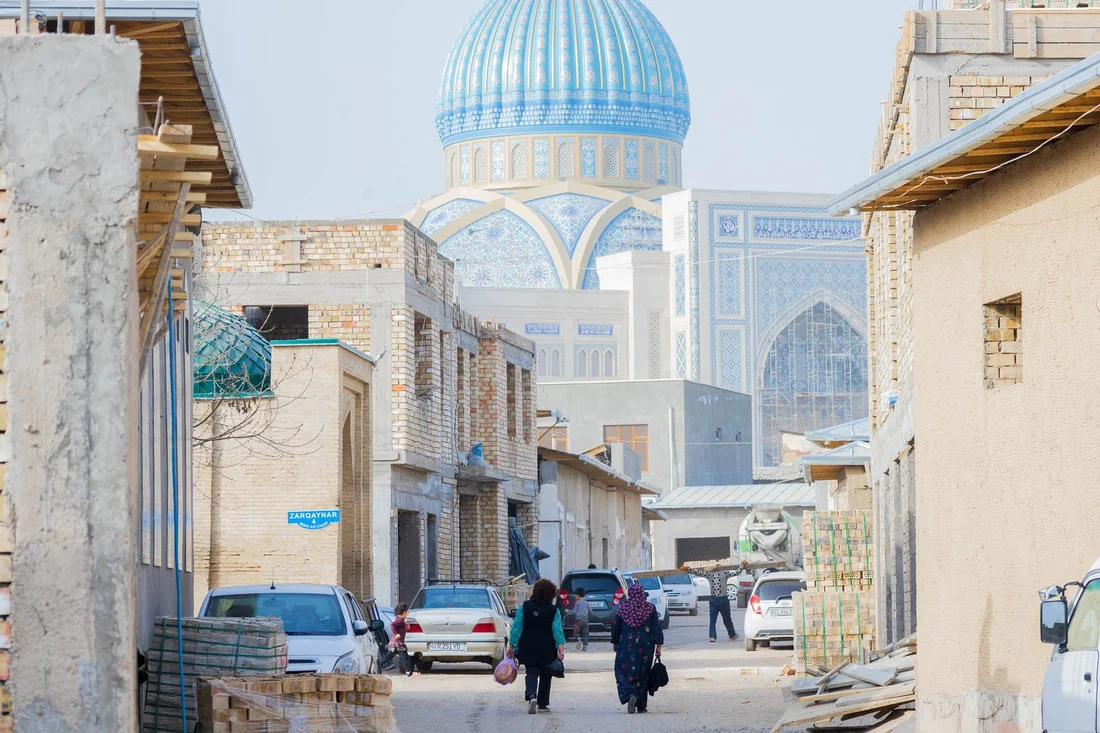 Source: Ishonch.uz
Sustainable development, therefore, does not begin solely with the construction of new developments. It begins when residents understand the changes taking place and feel genuinely involved in them. When they understand why an area is being developed. When they see that their needs are being taken into account. When new public spaces become an extension of the city rather than a replacement for the city they have always known.
The Main Challenge for Tashkent
Perhaps the central question facing Tashkent today is no longer whether the city needs new urban attractions. It does. Just as it needs investment, tourism development, new public spaces and modern infrastructure. The real question is something else entirely.
Can the city turn development into a continuation of its own history rather than a replacement for it? Urban identity cannot be built from scratch. It is formed over generations. That is precisely why the memory embedded in place is not an obstacle to development, but one of its greatest resources.
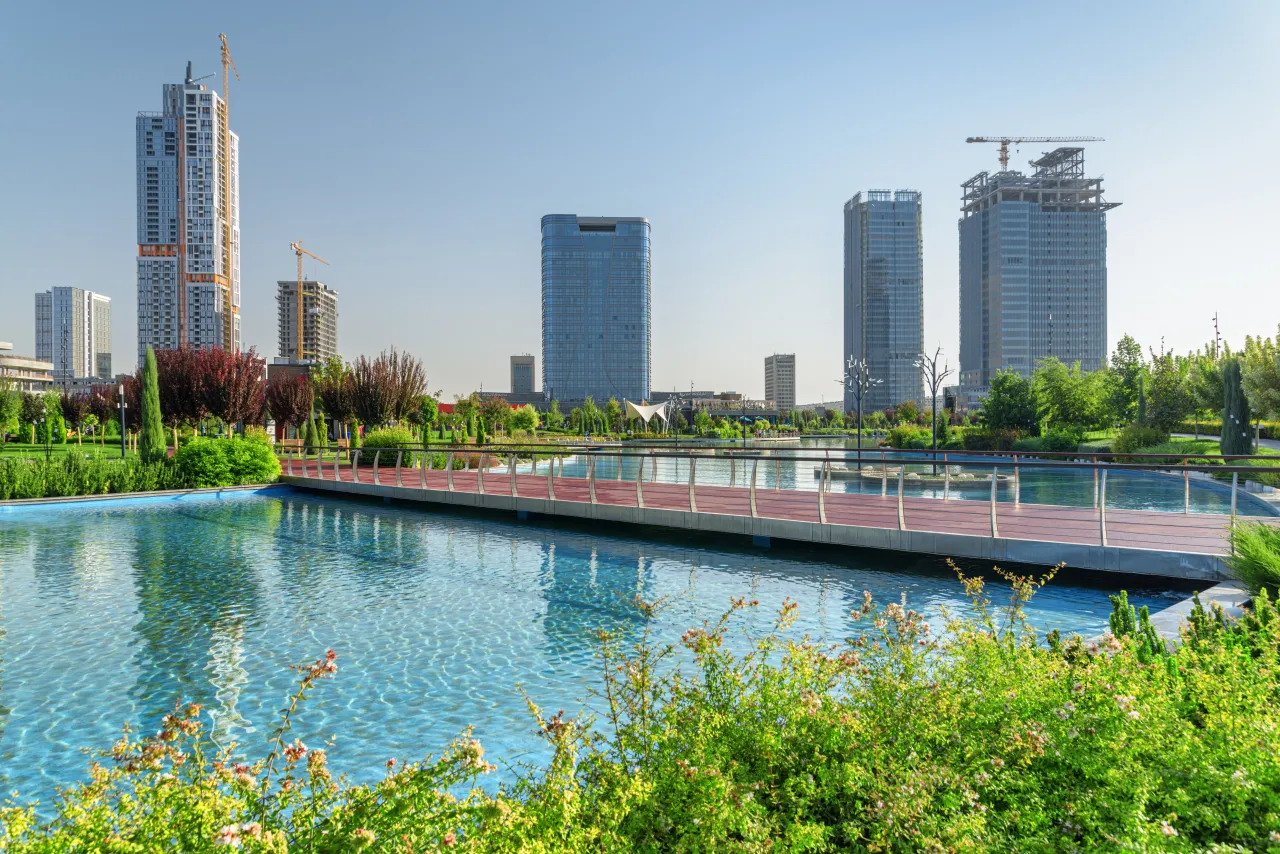 Source: Poehali.tv
The next stage of Tashkent's development will depend not only on the creation of new urban attractions. It will also depend on the city's ability to connect its future with its own history. Perhaps that, ultimately, is the greatest resource for the city's sustainable development.
Read also
 Architecture & Urban Environment
The Architecture of Tomorrow: New Identities, Emerging Technologies and the Human Factor
Damir Ussenov
 Architecture & Urban Environment
Walking Almaty’s Modernism: Architecture Against the Mountains | A Photo Essay
Alfiya Kalmaganbetova, Amira Kassenova
 Architecture & Urban Environment
FLOW Park: A New Space for Active Recreation in Almaty | A Photo Essay
Amira Kassenova, Gulsara Kenbaeva
Newsletter
A letter from the HD editors
Once a week, we send the best stories, events, and cultural discoveries from Central Asia.