Places
Red Earth, Concrete and Sacred Graves: A Photo Essay
Ildar Sadykov, Maria Maksimycheva
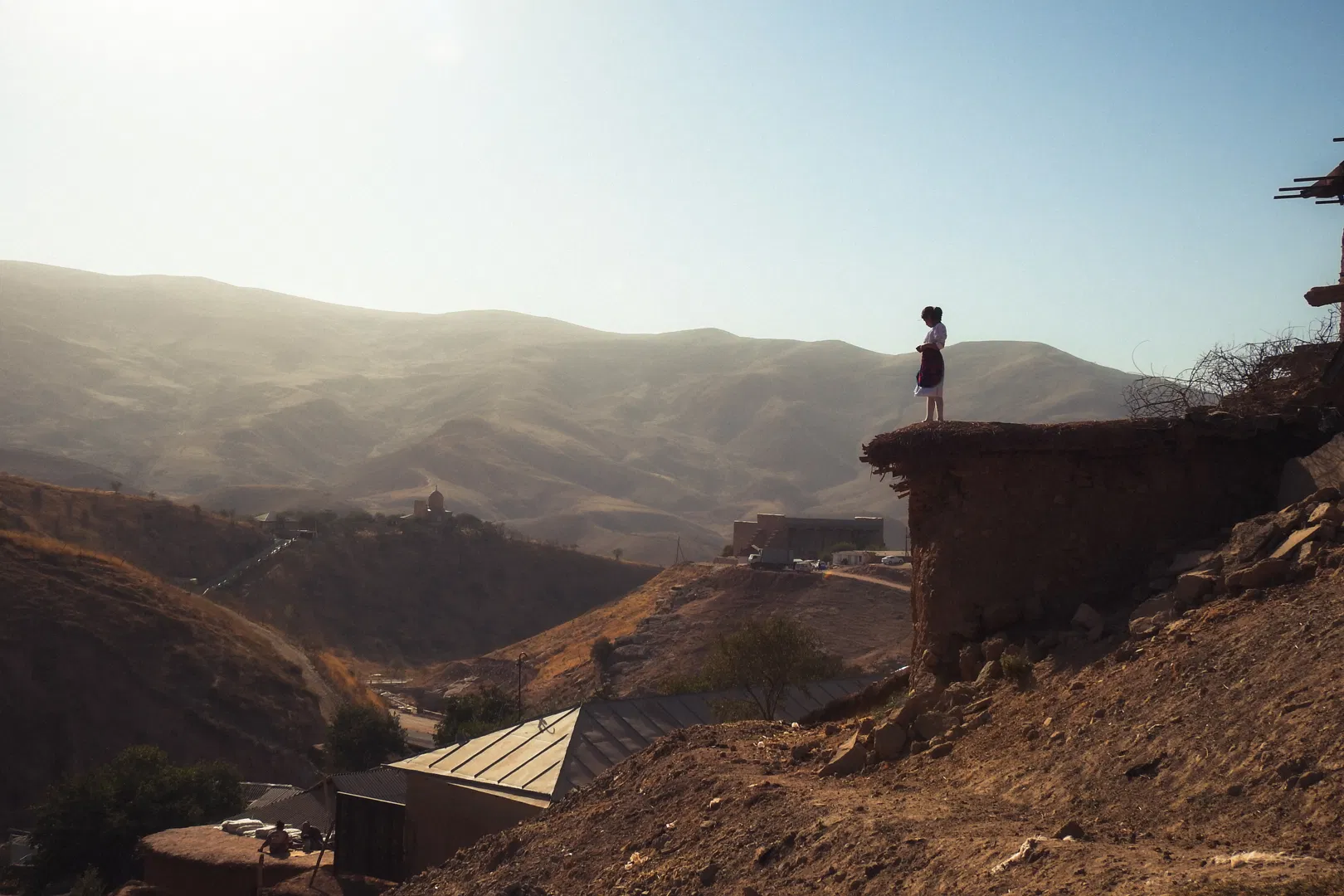
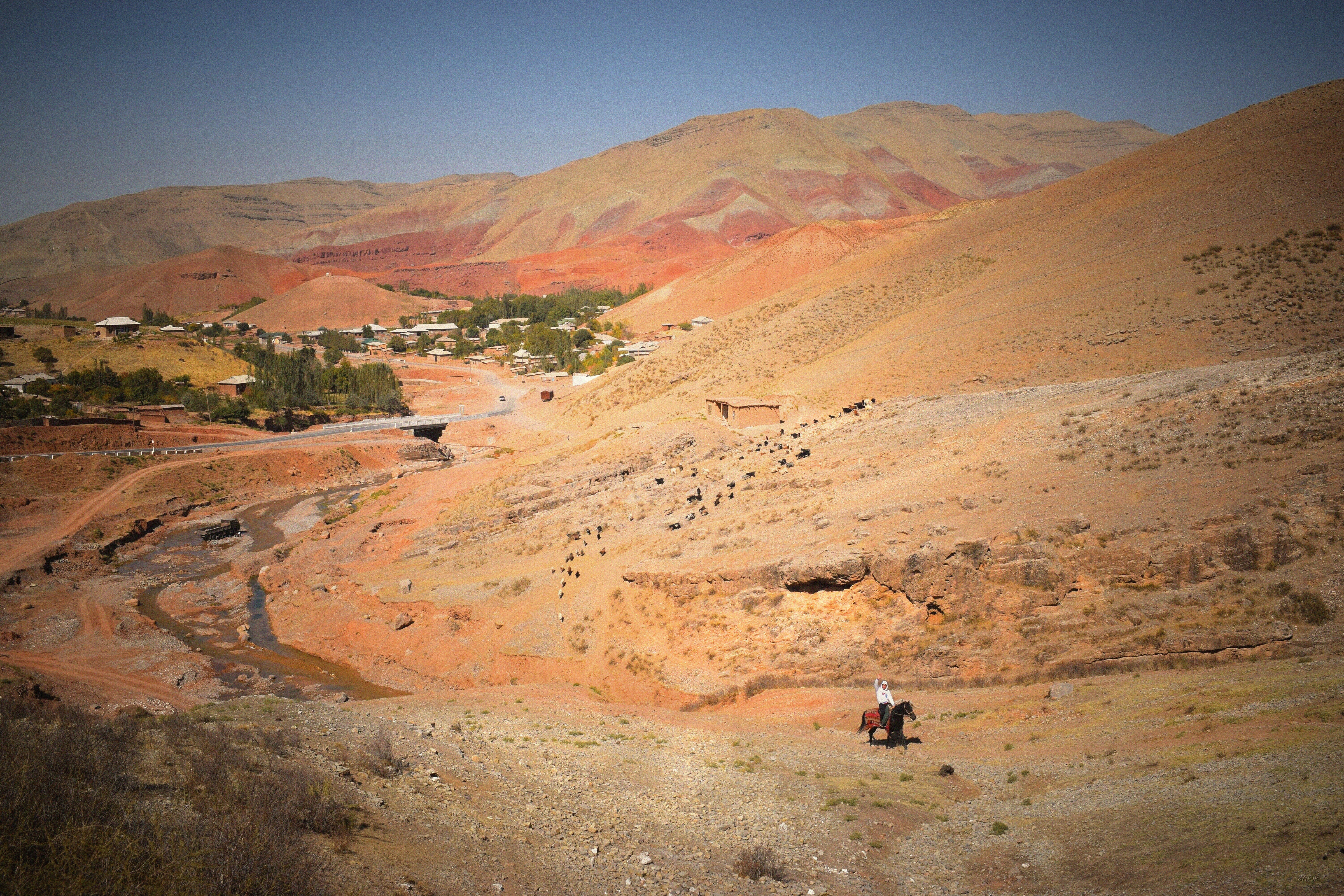
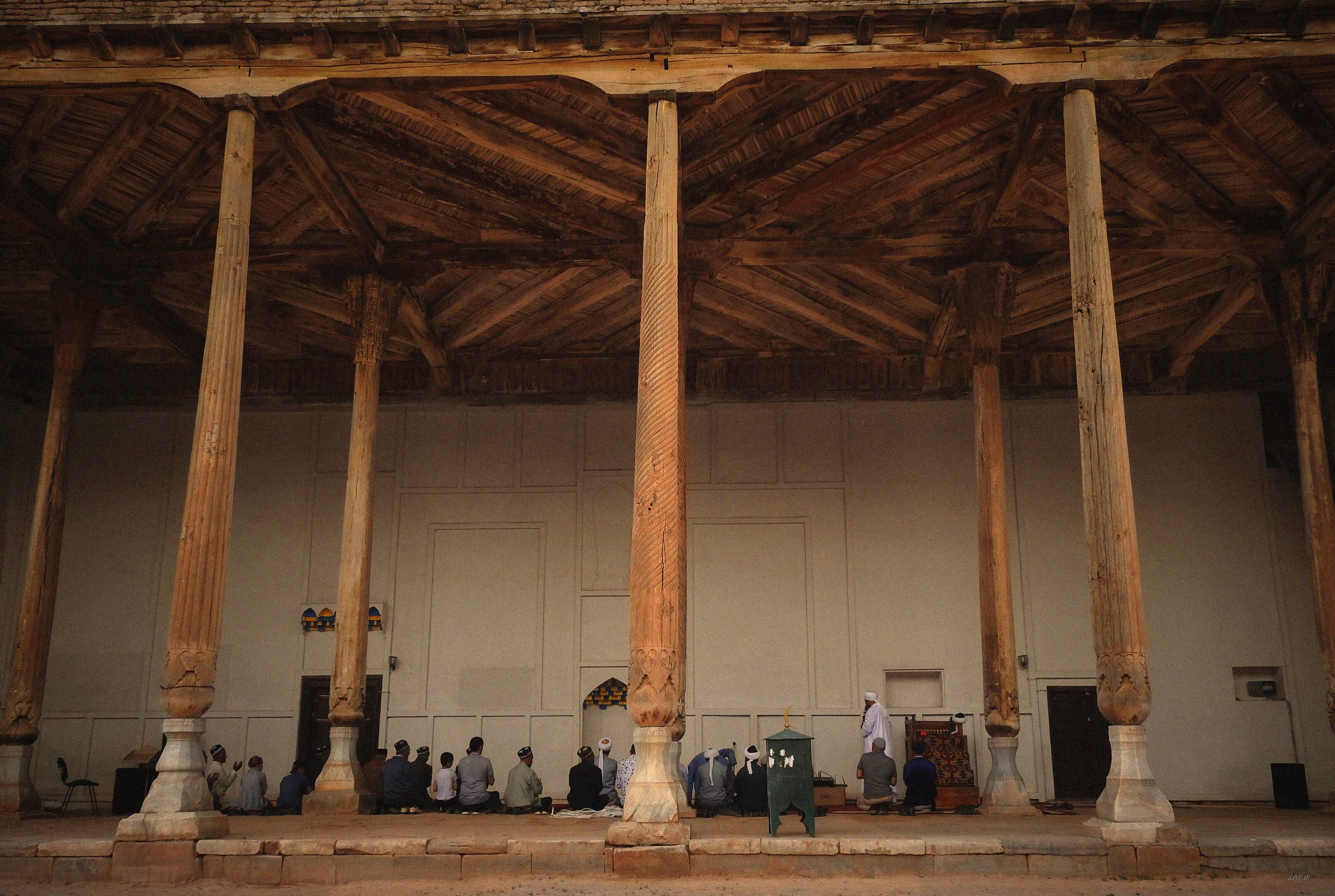
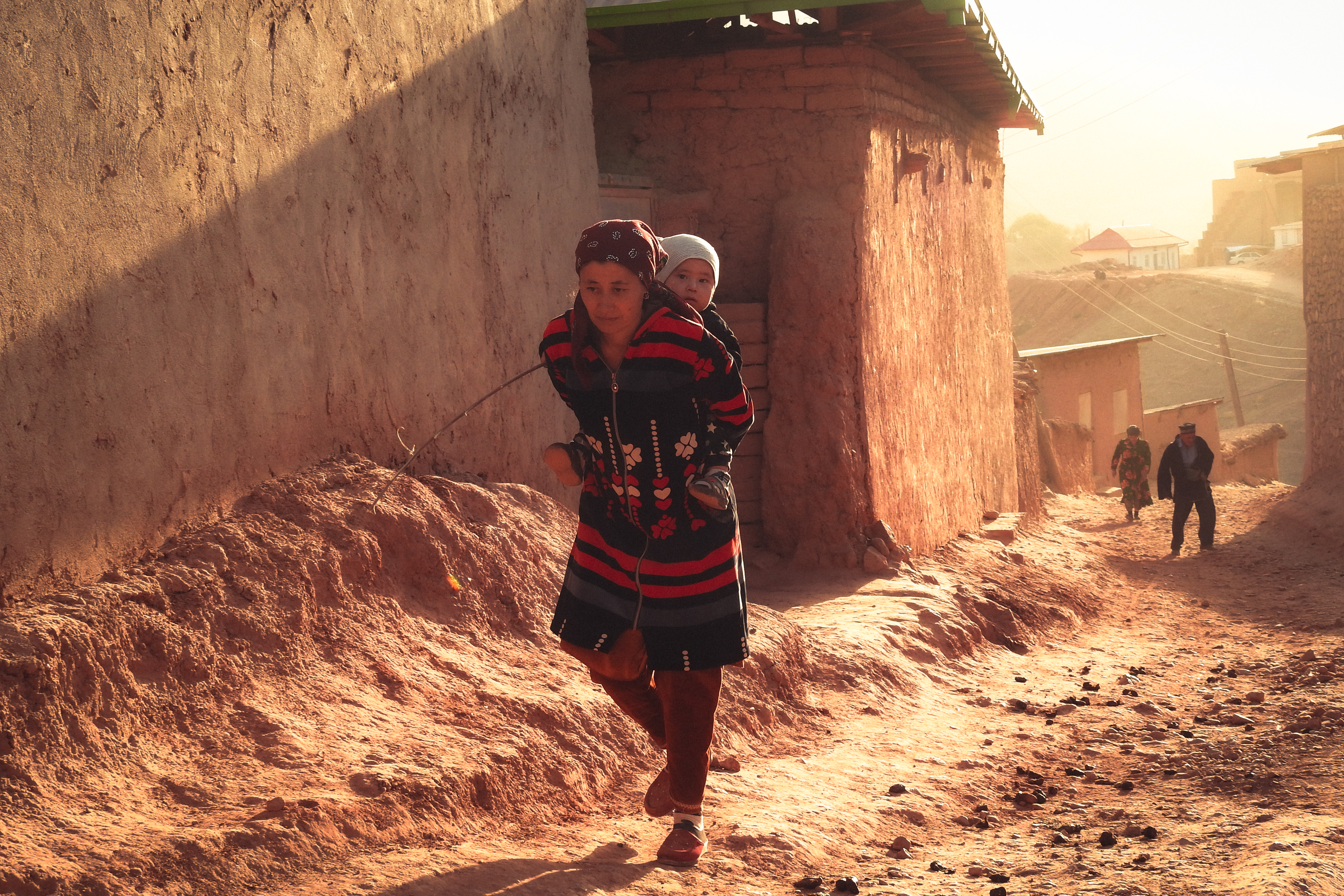
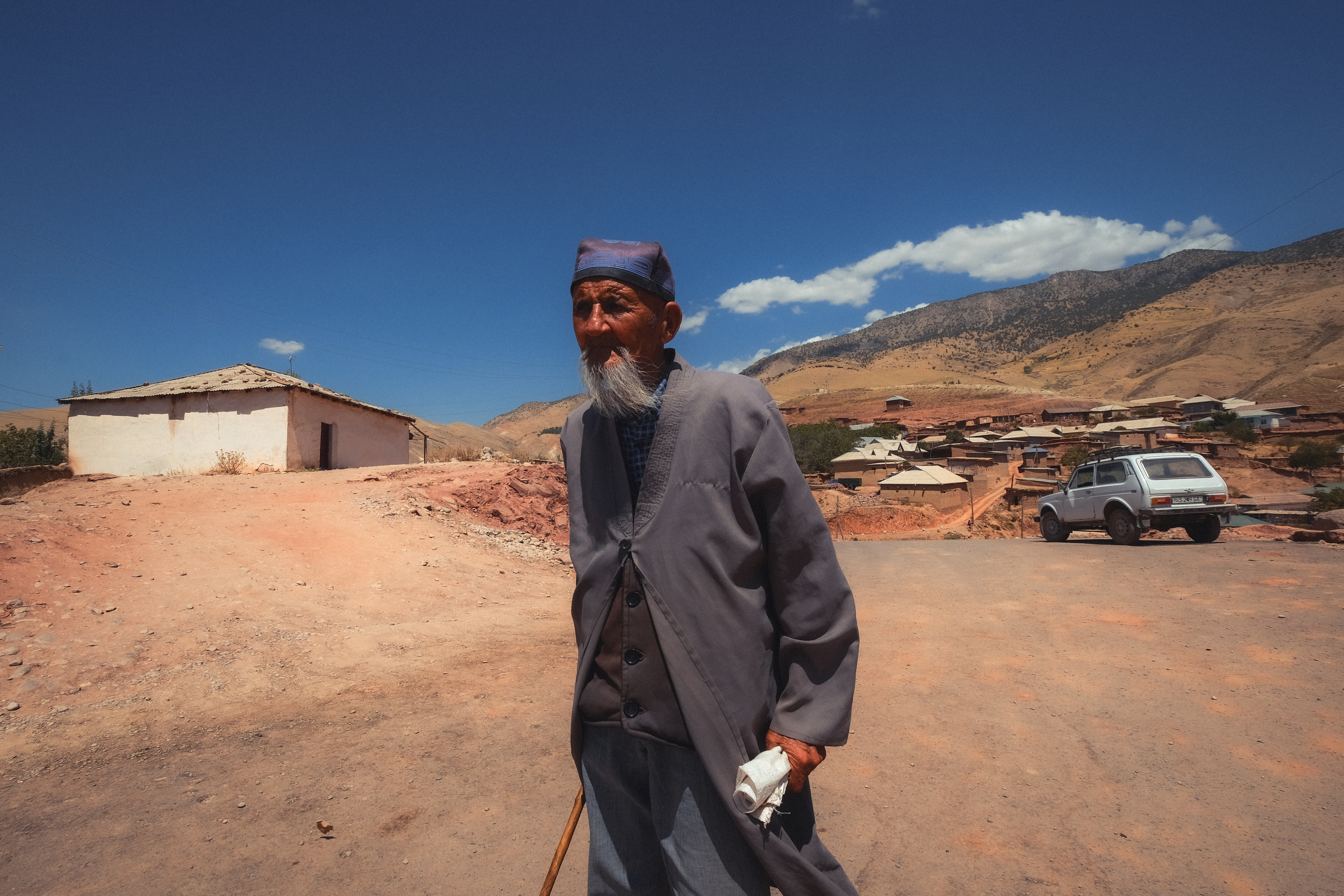
Katta Langar is a wondrous place in the Kashkadarya region, nestled in the foothills of the Gissar Range not far from Shakhrisabz. It is known for one of the oldest mosques in Central Asia, its extraordinarily beautiful hills and red-clay adobe houses. Like so many other places with an authentic character and a rich history, it exists on a precarious line between everyday hardship and breathtaking natural beauty.
This photo essay is the result of my observations of the village over five years, from 2020 to 2025. At times, it feels as though time has simply stopped here. And yet even Katta Langar is being reached by the forces of "renewal", threatening to erase the authenticity and tranquillity of this sacred, centuries-old place. At the same time, the village holds enormous historical significance for Central Asia as a whole.
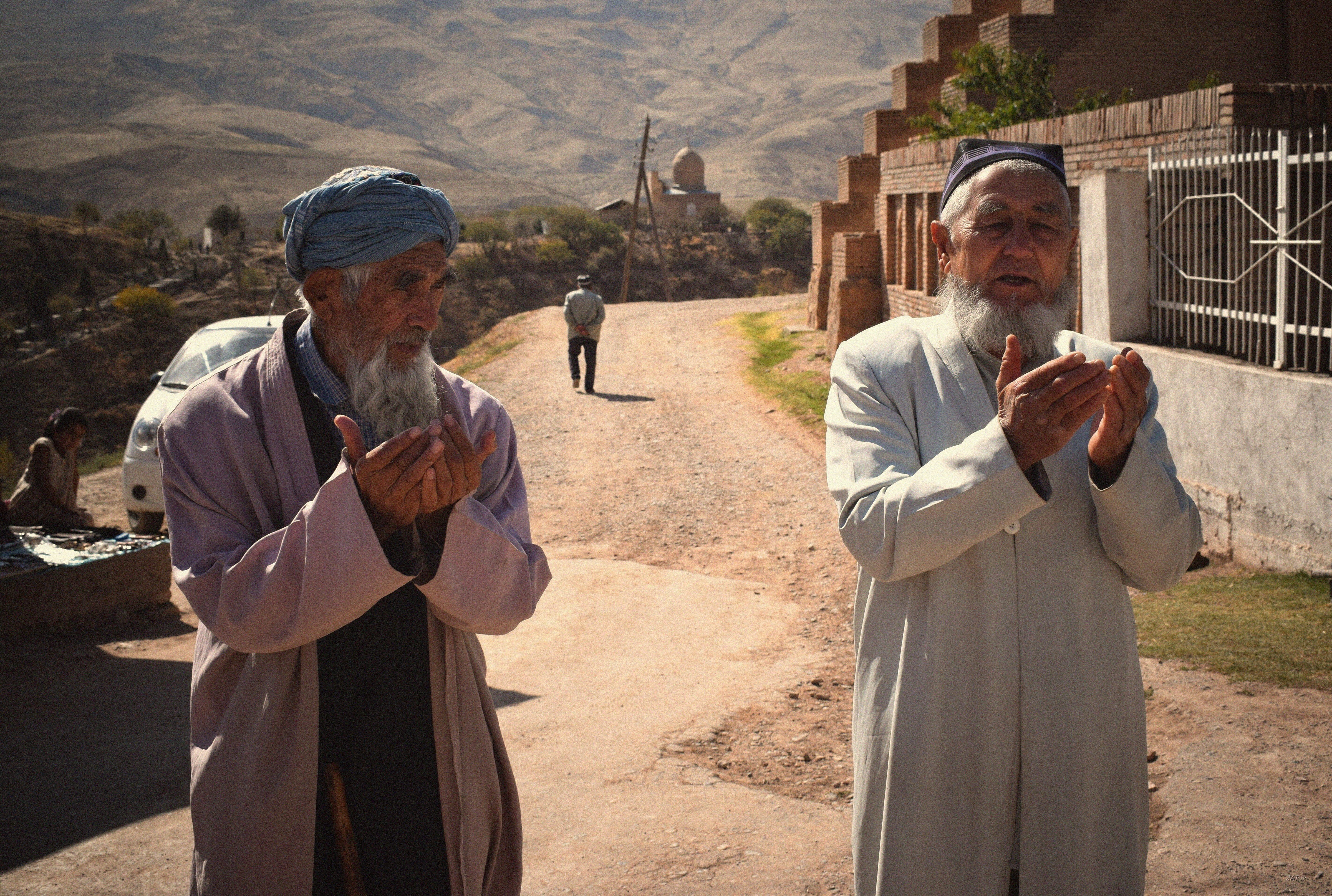
Preserving the original character of places like Katta Langar is one of the major challenges facing the modern tourism industry. Once, hardly anyone knew about this village. Today, it is popular with local visitors, who come to pay their respects at the graves of four Sufis and pray in the old mosque, as well as with foreign travellers, captivated by the appearance of a village that has changed remarkably little over the centuries.
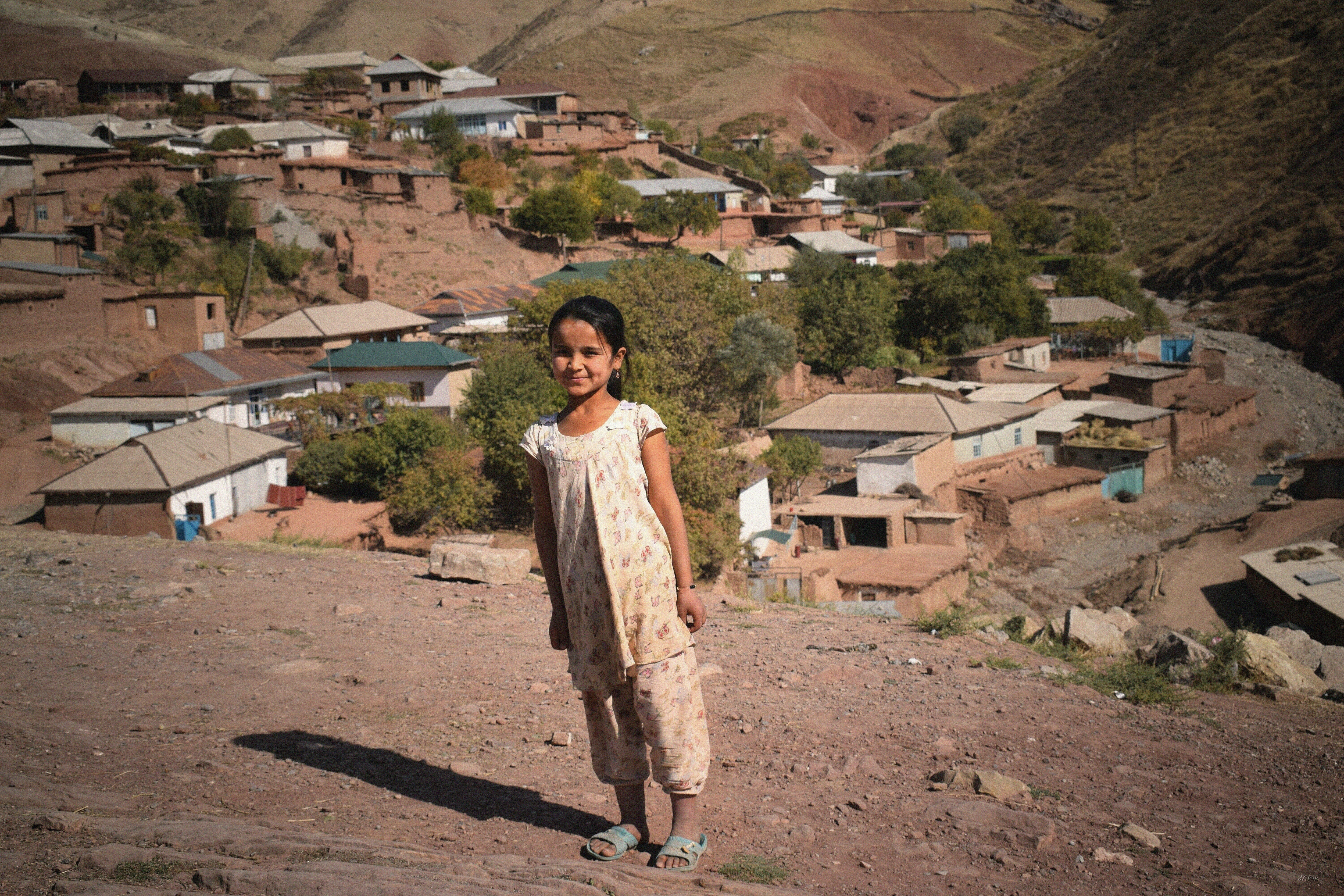
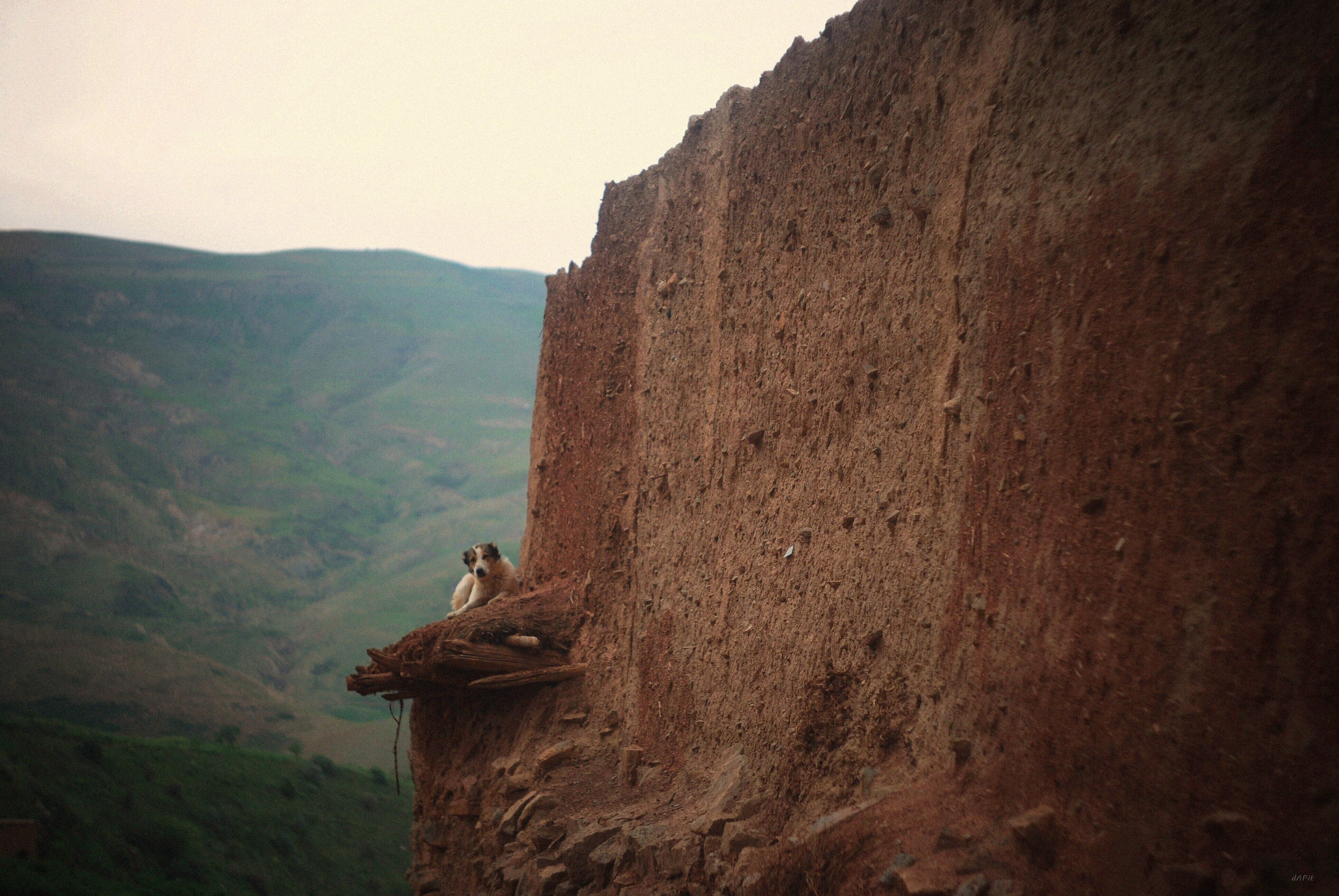
The road to Katta Langar, whose name translates as "great anchor" and which, in essence, refers to a sacred refuge or sanctuary for Sufis, winds through a succession of similar villages, many of them made almost entirely of adobe. Set among the foothills of low mountains, as if amid gentle waves, Katta Langar owes much of its distinctive appearance to its soil, made up of nine different types of clay in colours ranging from white, yellow and green to vivid red. Red is by far the most abundant here.
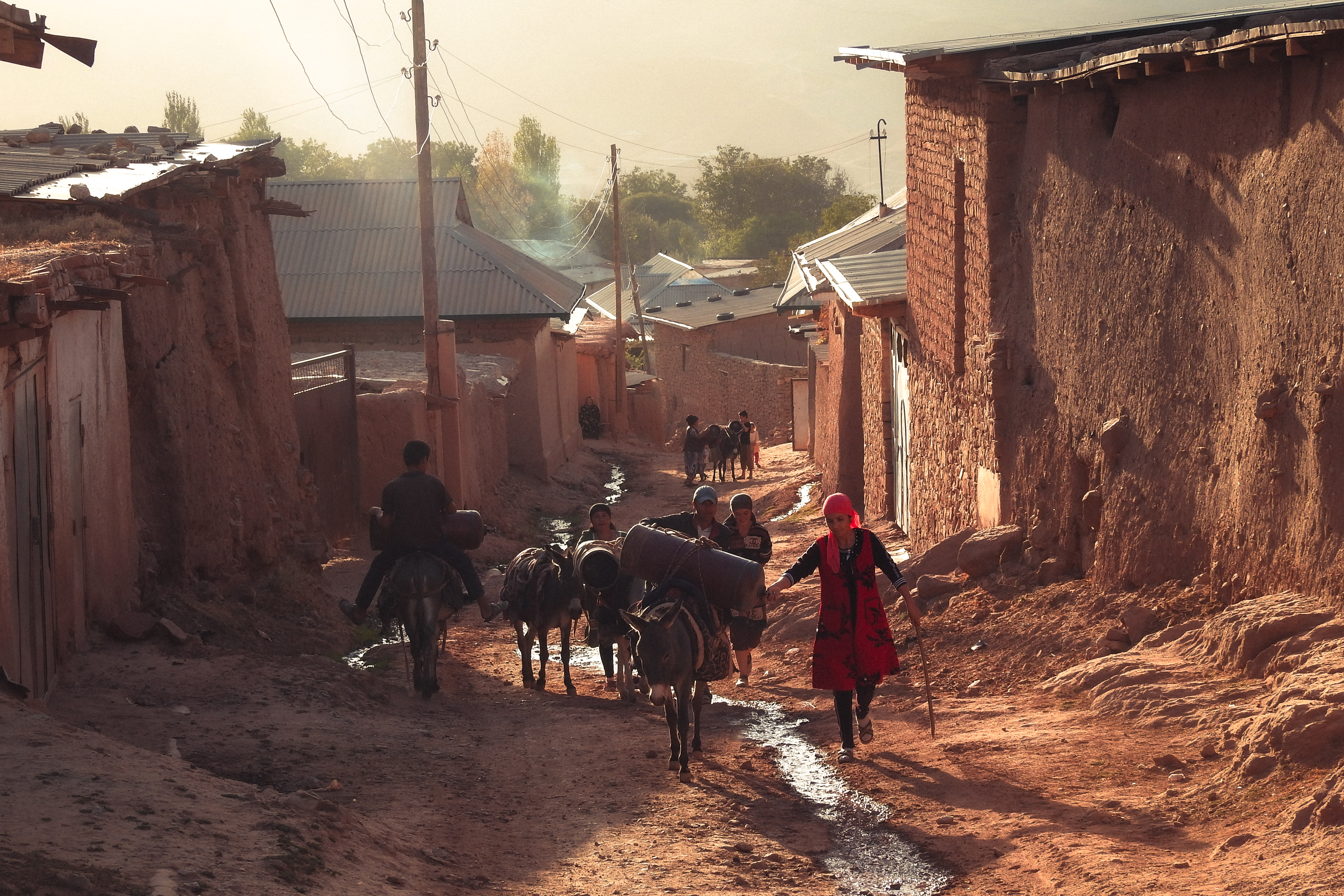
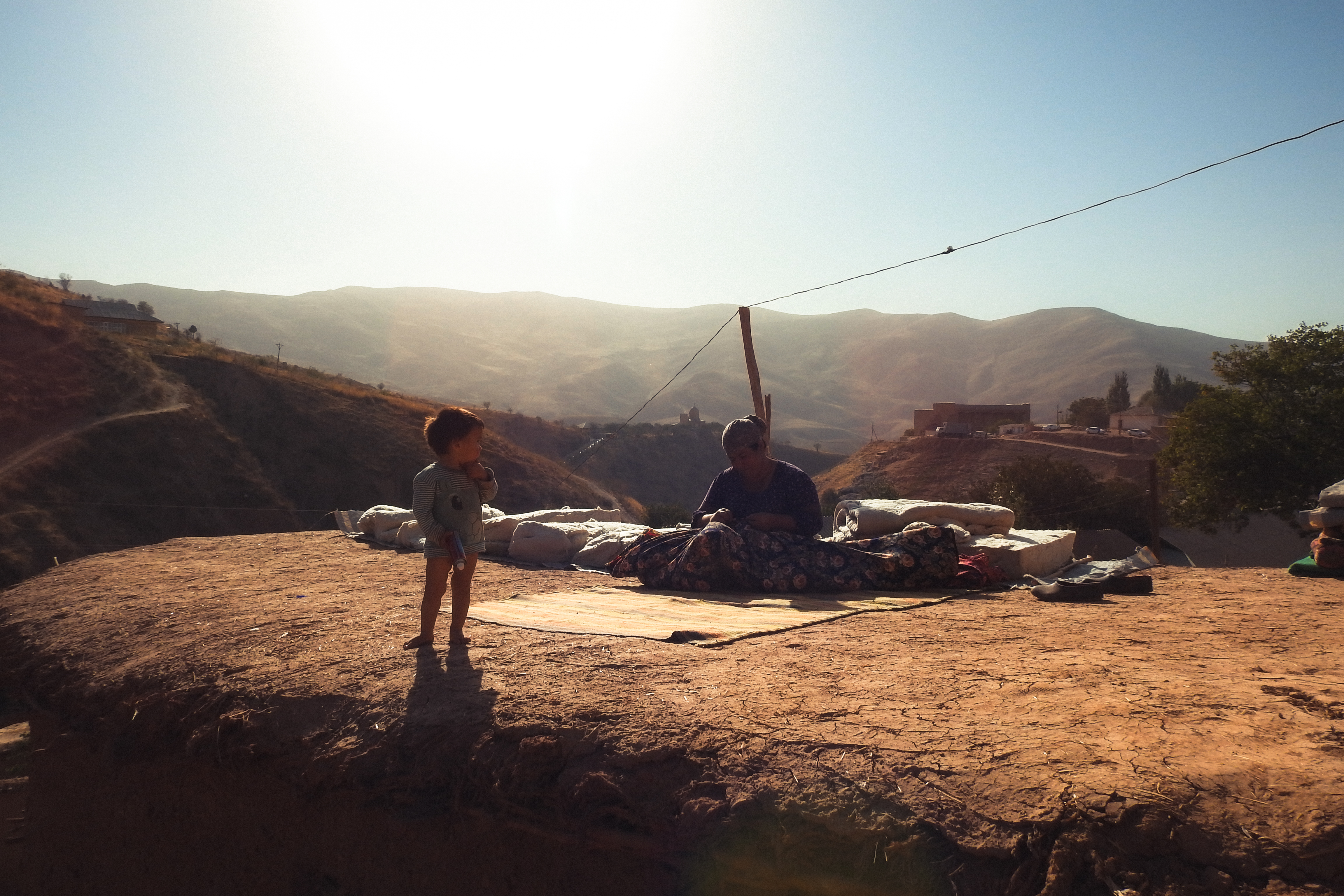
The remarkable architecture blends into the colourful landscape, where the roof of one house may become the courtyard of another. There is something deeply symbolic in this arrangement, a reflection of the local character and way of life.
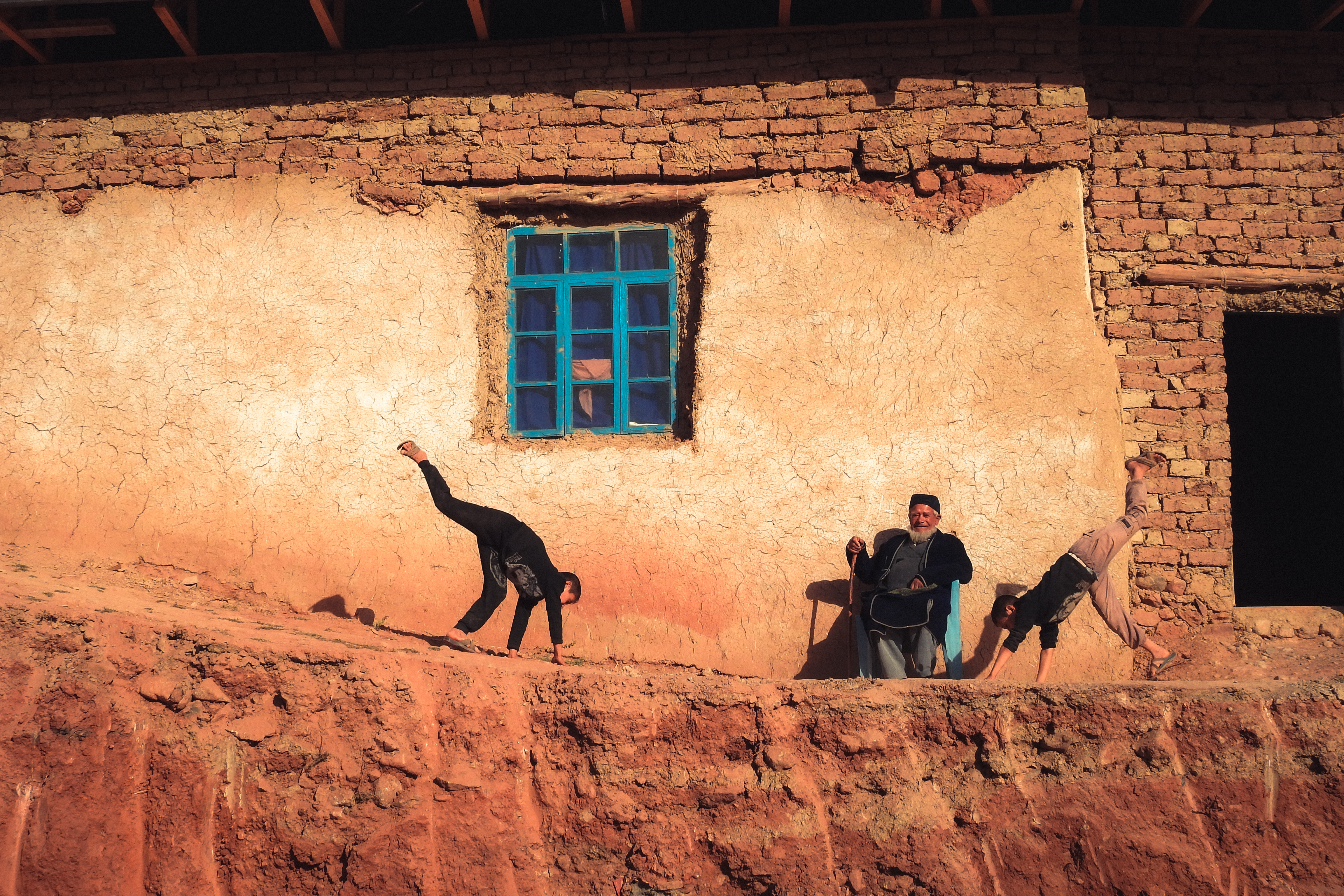
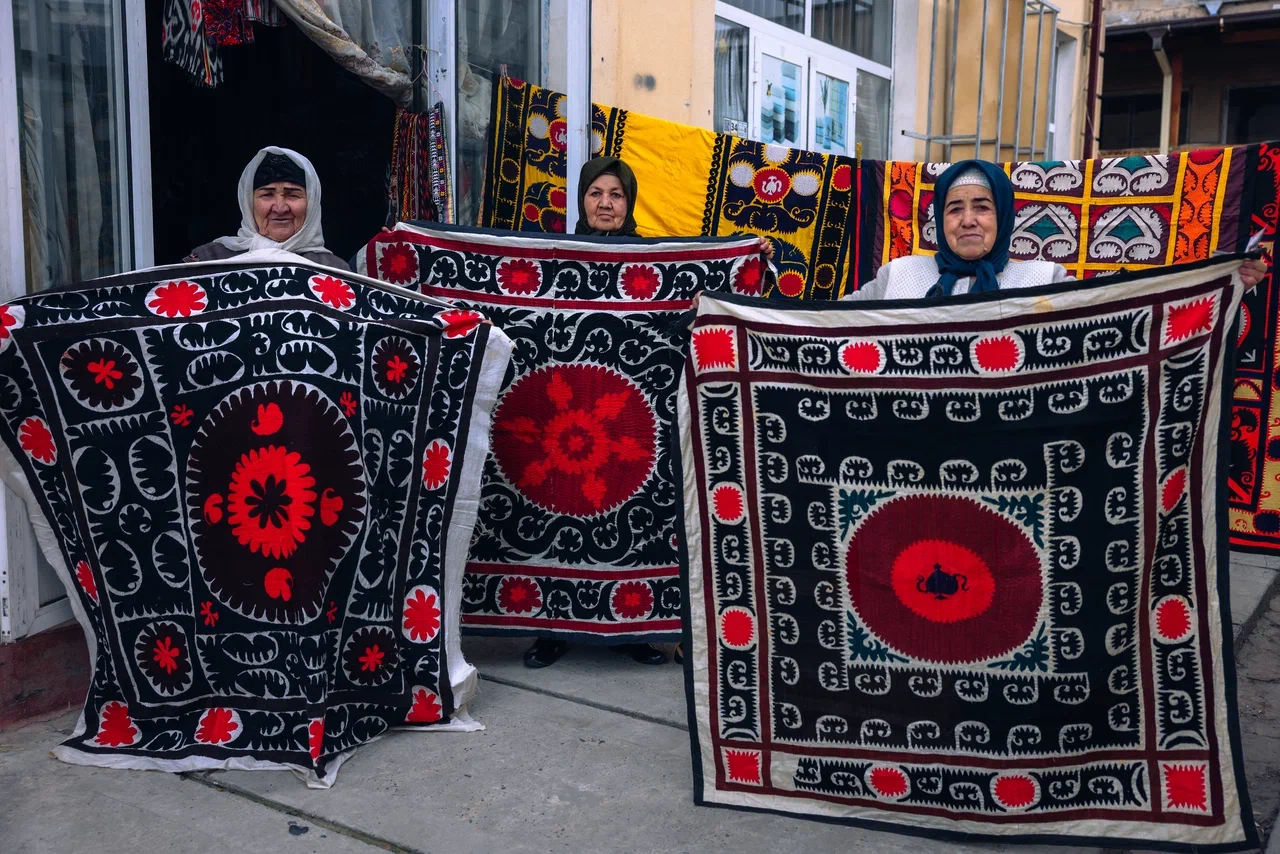
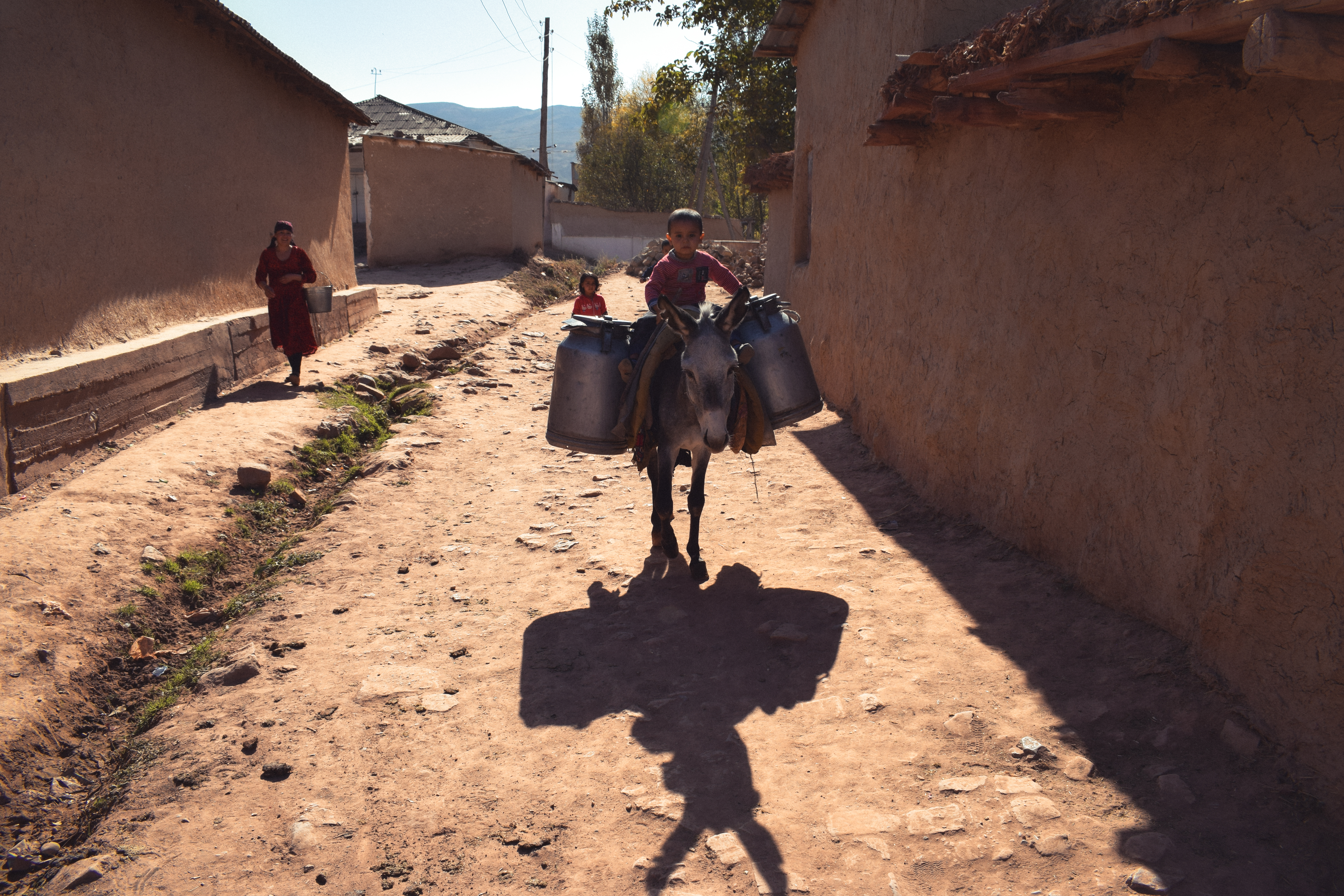
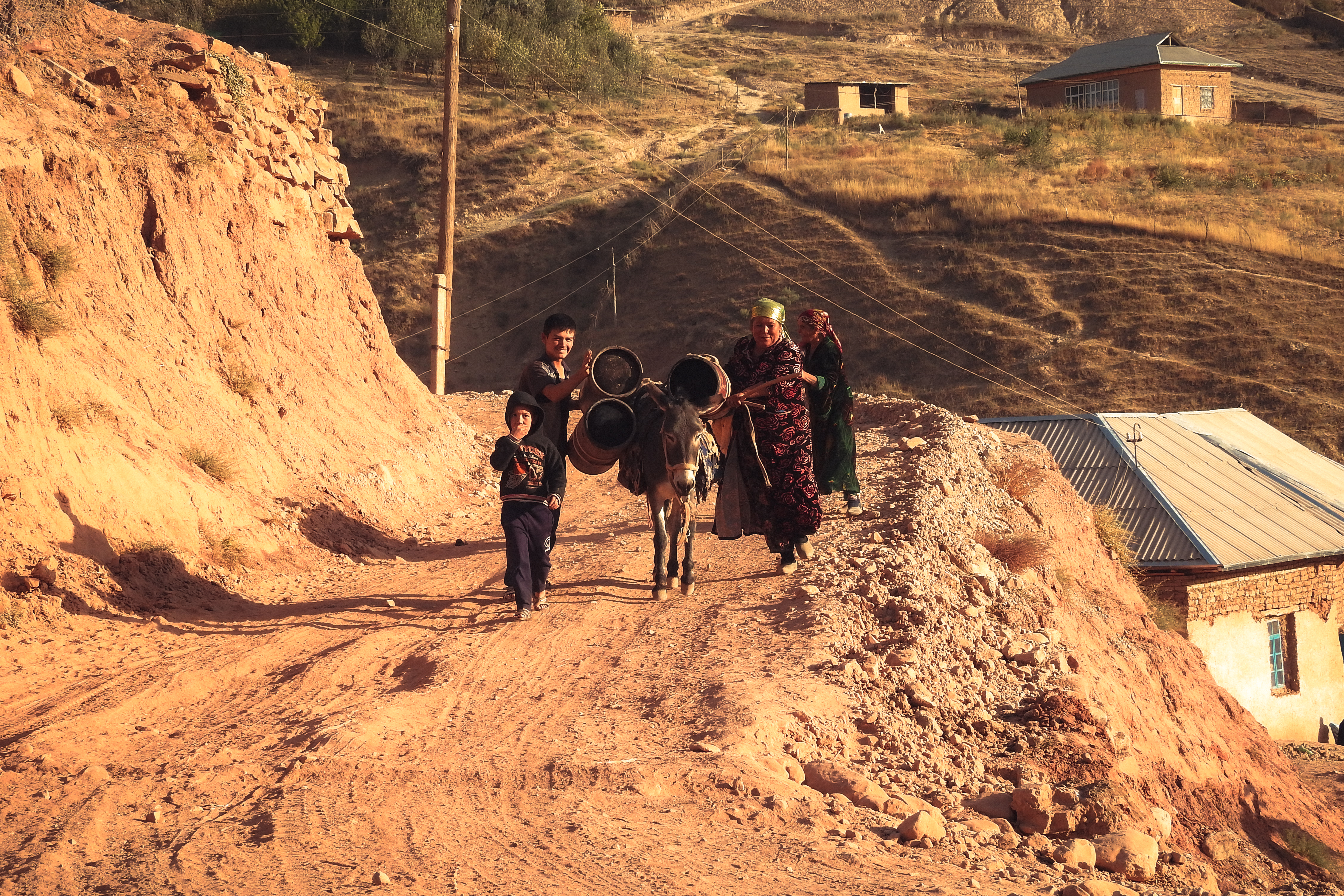
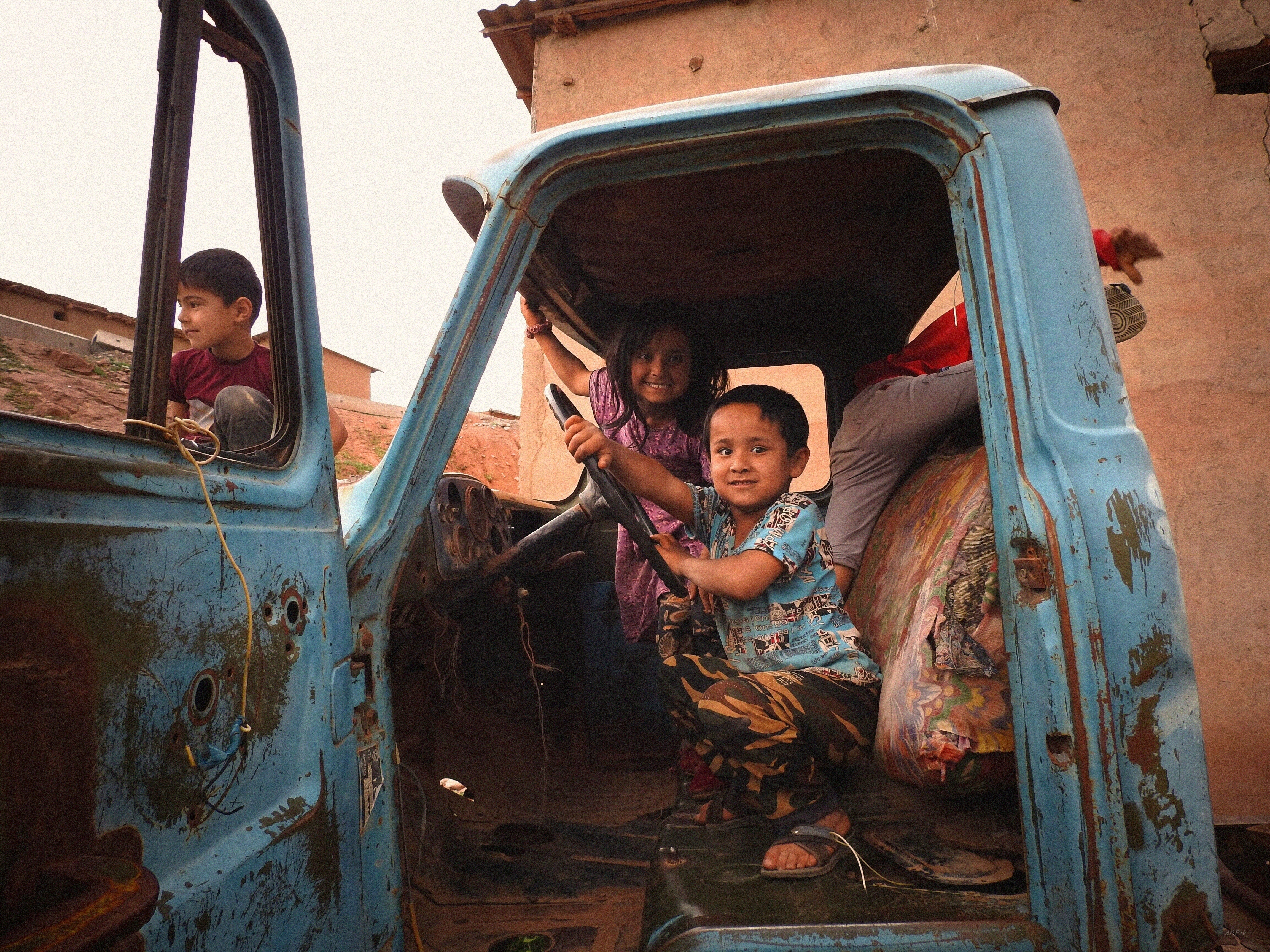
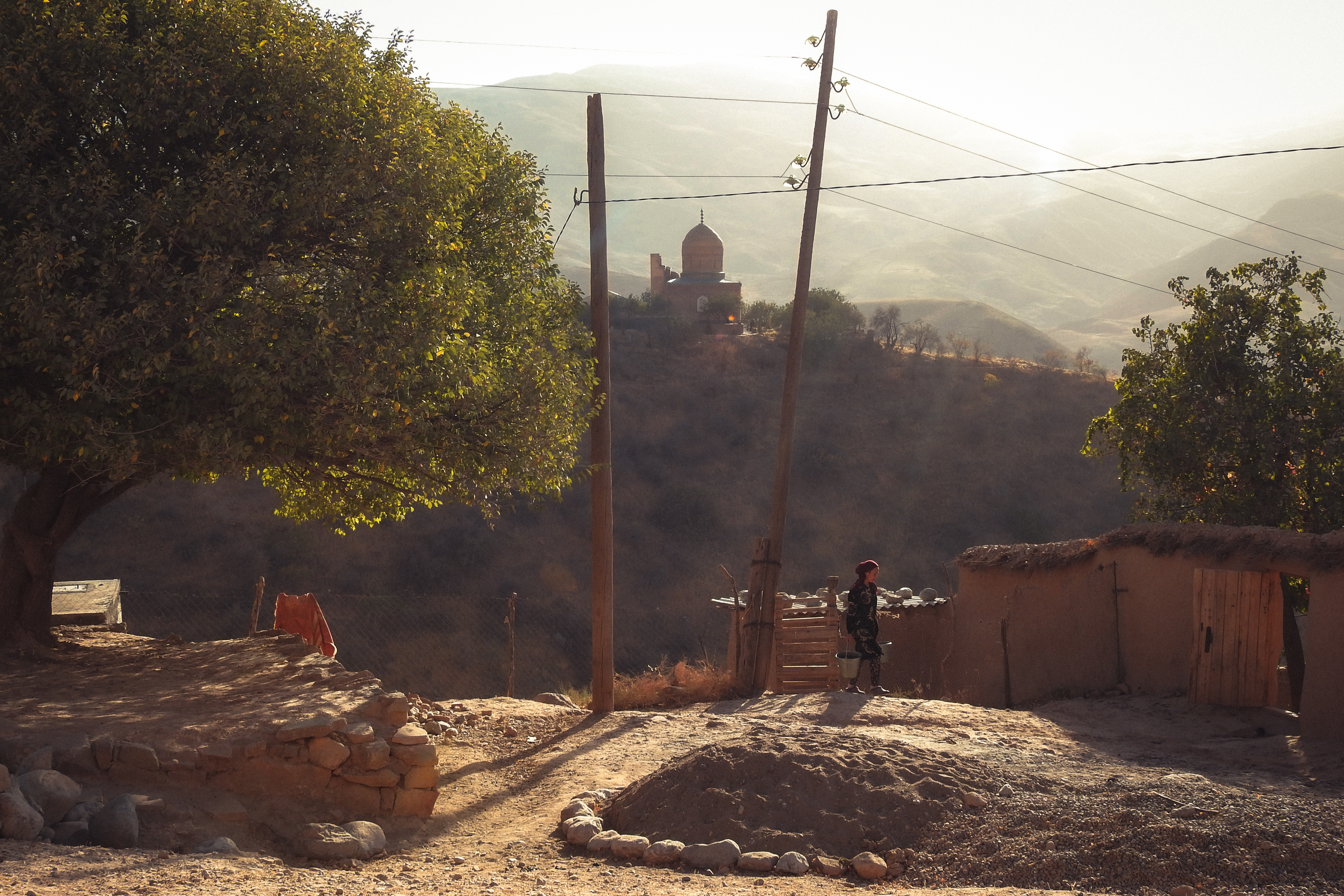
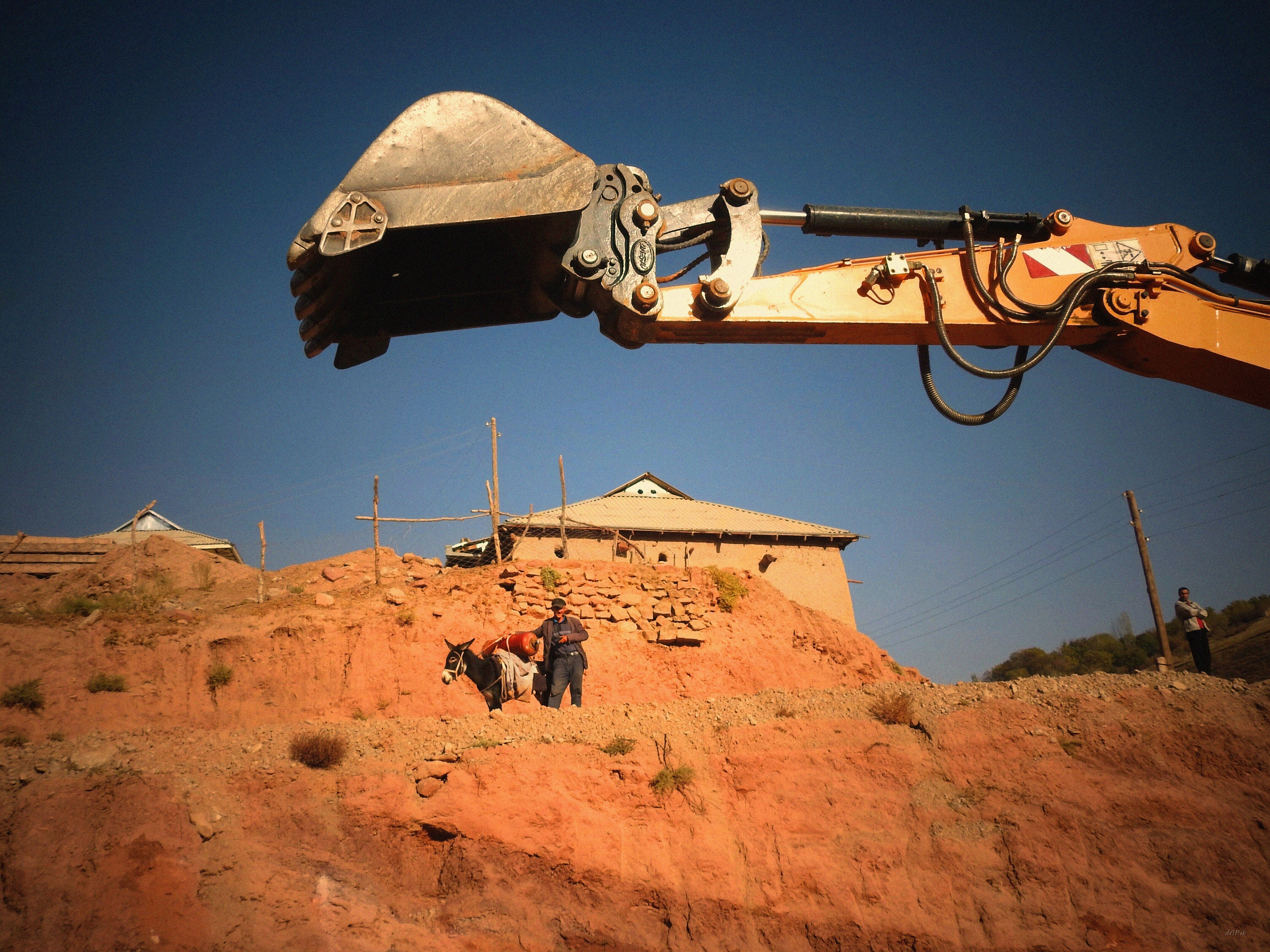
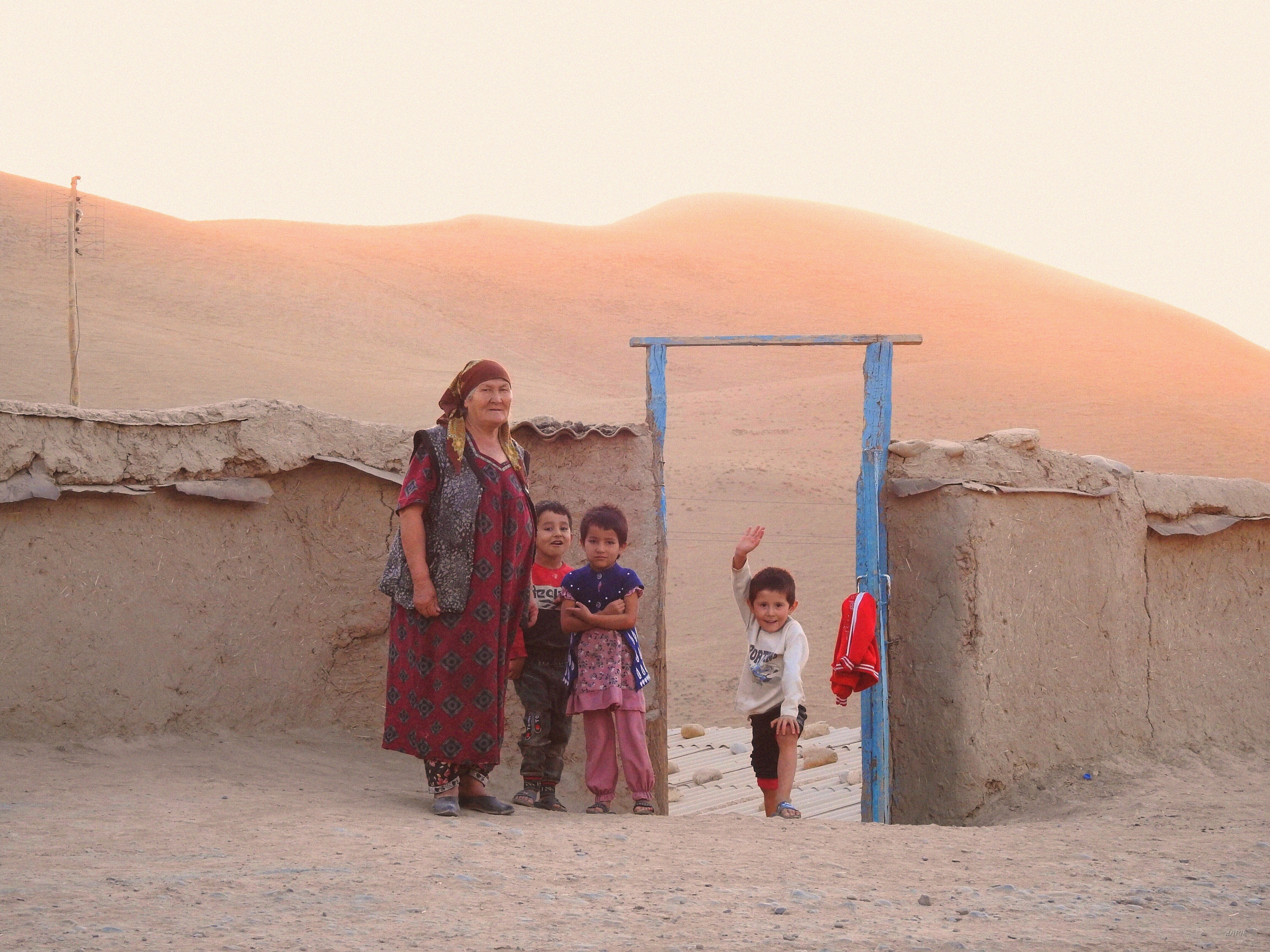
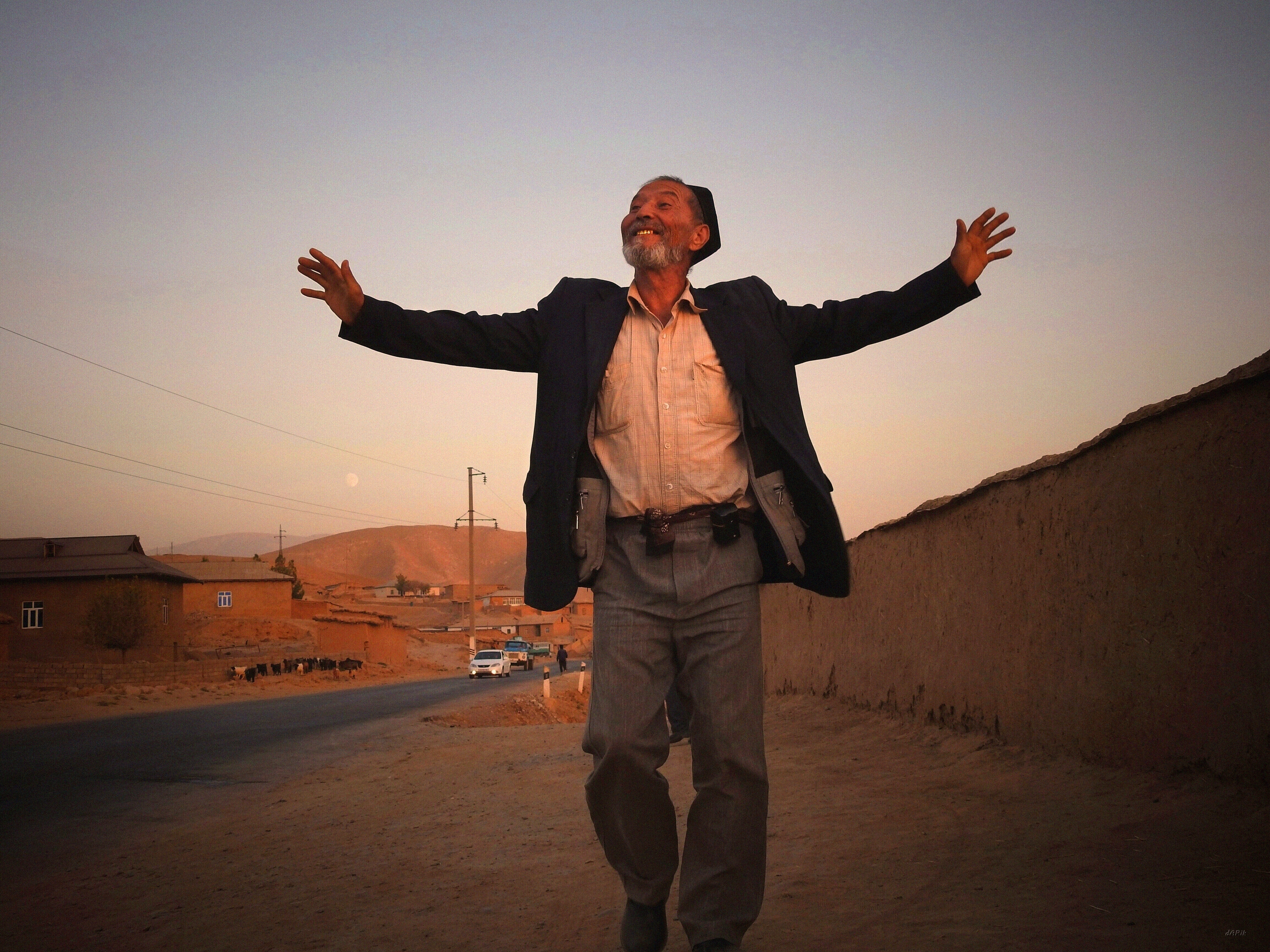
Everyday life in Katta Langar is far from easy. There is electricity in the village, but no gas supply, so residents have to refill gas cylinders. As recently as six years ago, there was no running water either, and people carried water from wells on donkeys. The locals are as hardworking as they are open and welcoming. The soil here makes it difficult to grow almost anything. Most of the men leave the village to seek work abroad, while the women run the households and sew kurpachi. The growing tourist industry has become an important source of income for local people, but it has also brought changes that are a cause for concern.
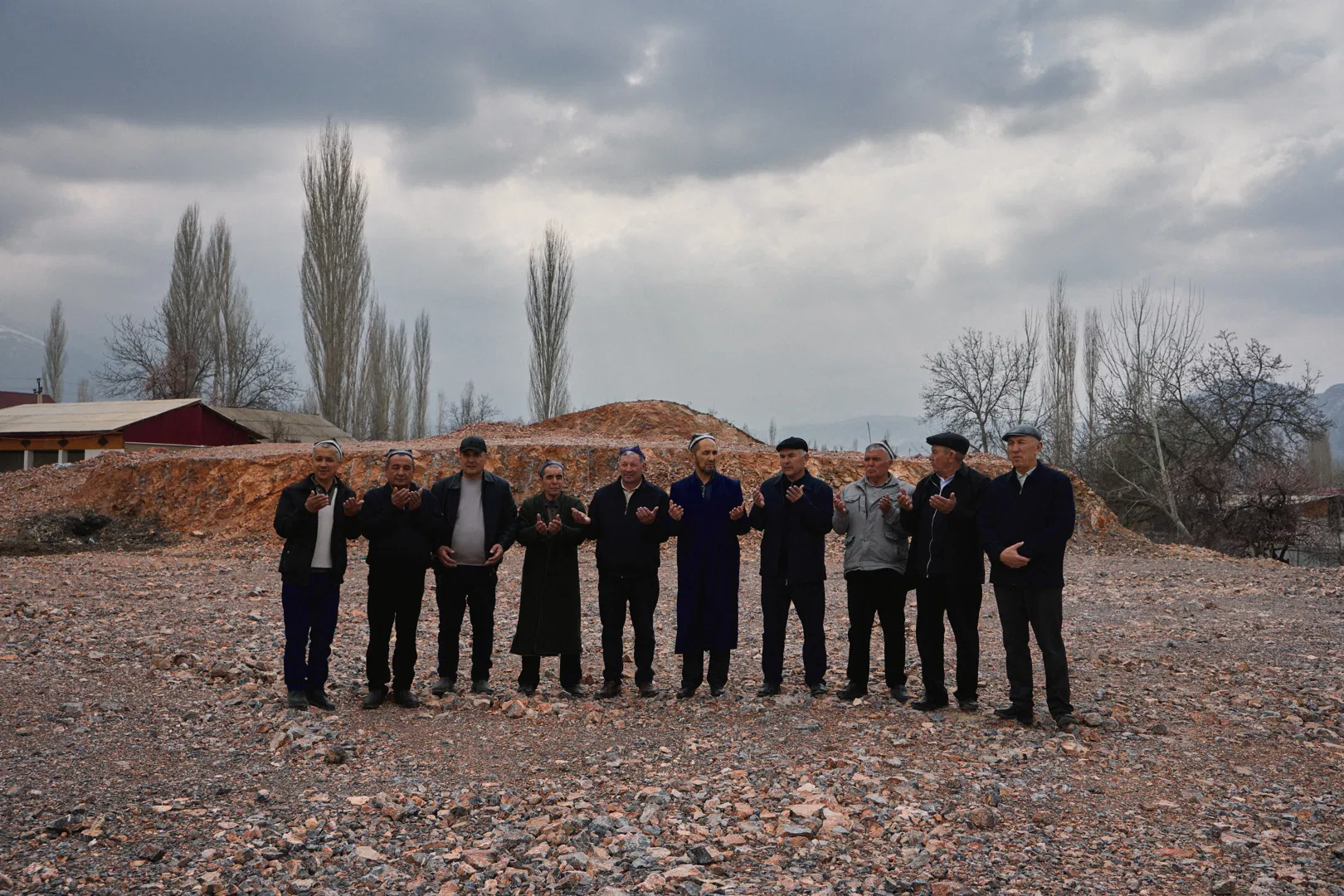
The need to support the flow of visitors is contributing to an unfortunate trend. The appearance of the village is being altered to accommodate new infrastructure. The water supply, for example, looks jarringly out of place: ugly plastic pipes run along the surface of the streets, spoiling their appearance. At one point, parts of the village were being covered in concrete, but the work was stopped in time.
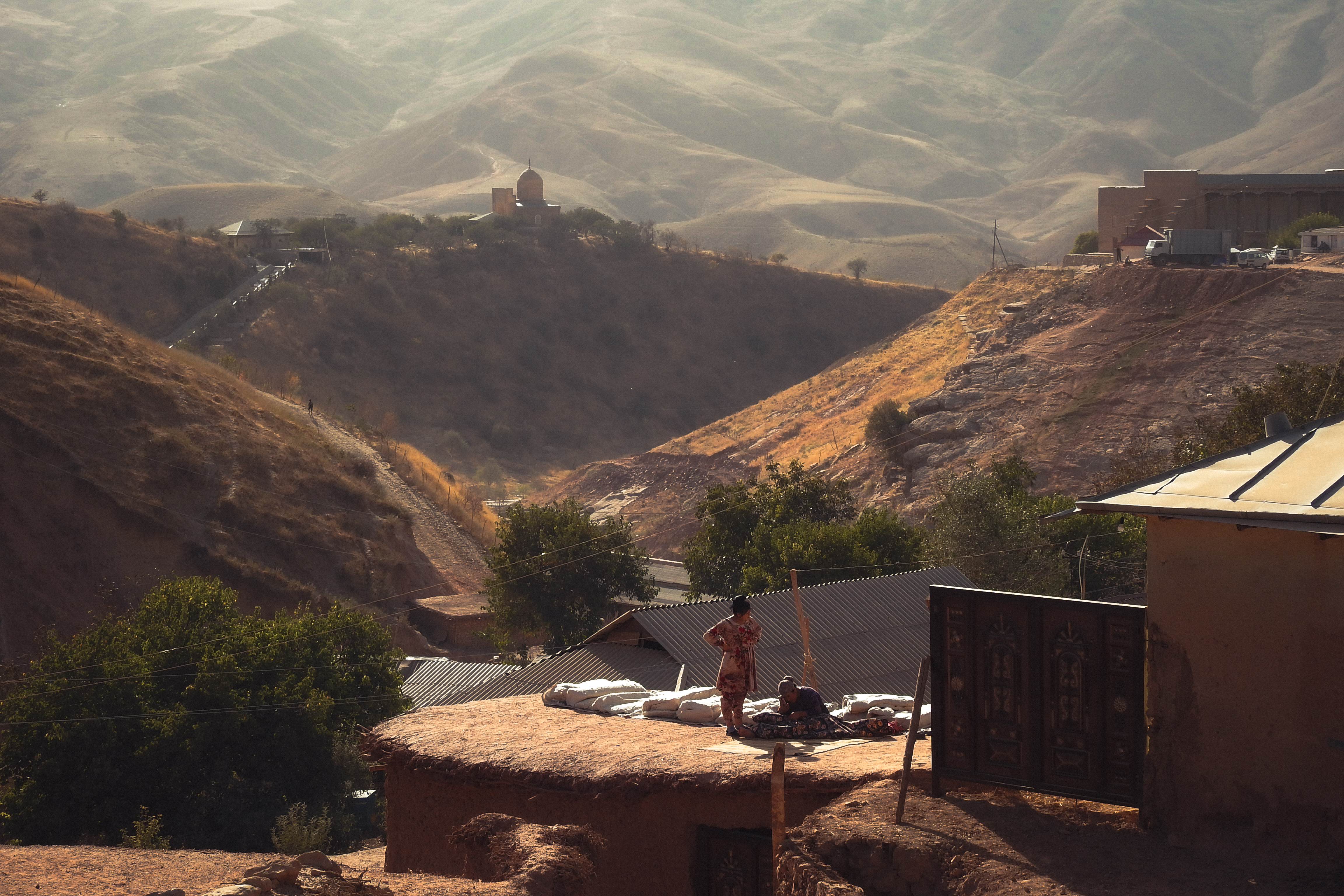
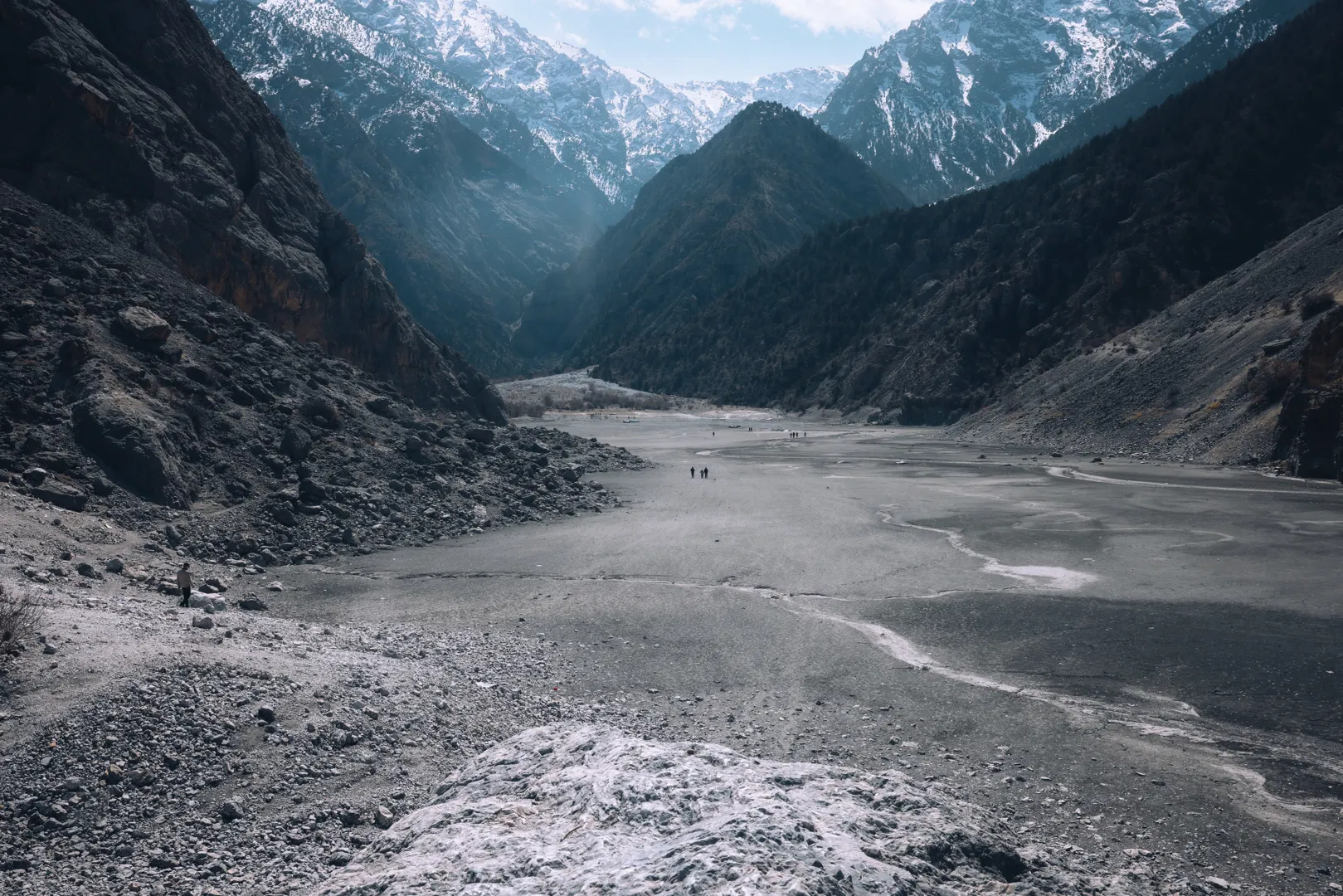
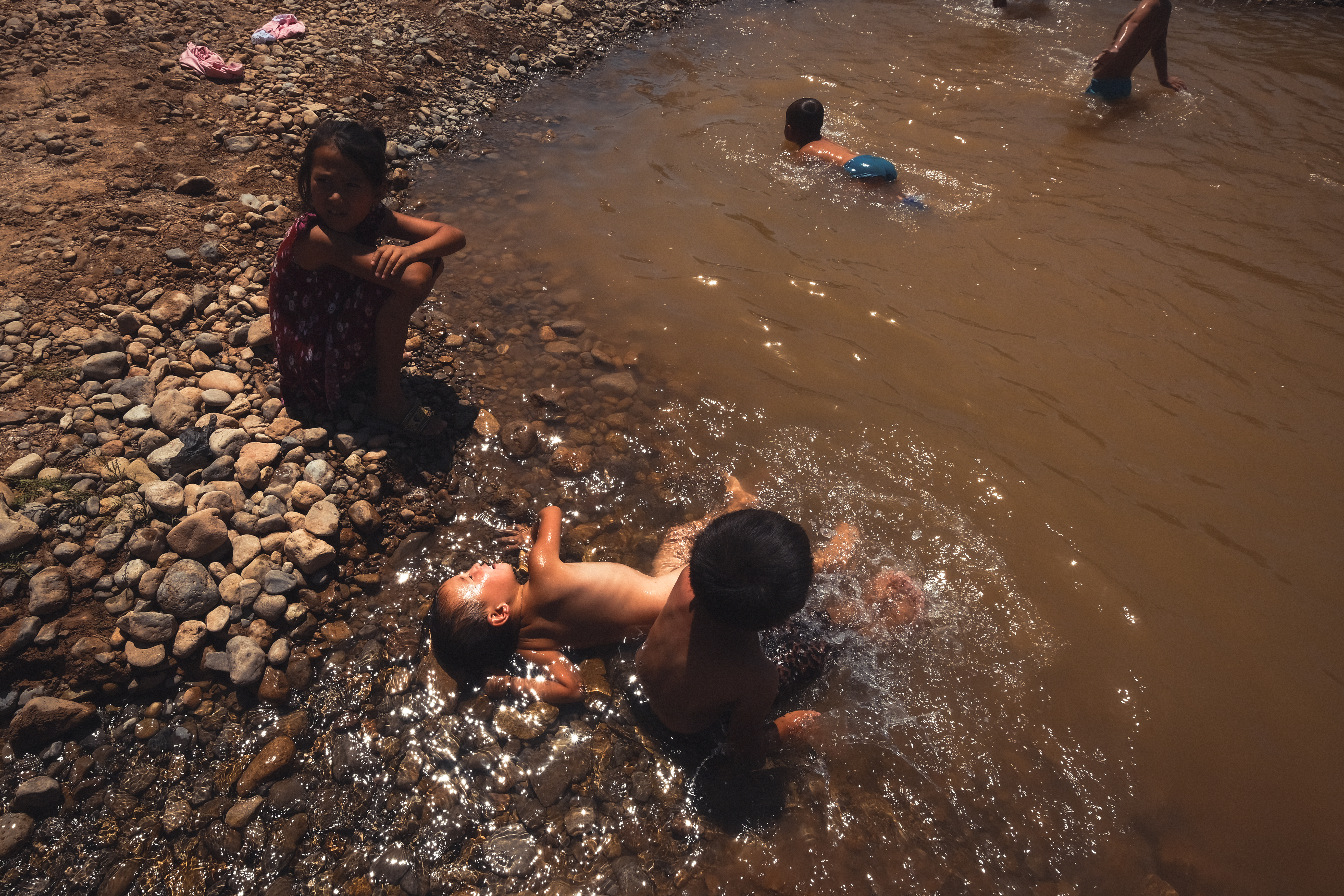
The story of so many of Uzbekistan’s most authentic places is, in many ways, a story of loss. There was once plenty of water in this area. Breakwaters and the remains of a bridge are reminders of the broad river that once flowed here, witnesses to the water’s retreat. Today, only small streams murmur through the landscape.
The best time to visit Katta Langar is in May, when the earth takes on a rich, deep red hue, or in autumn, when you can watch the year’s final sunsets unfold across the sacred hills.
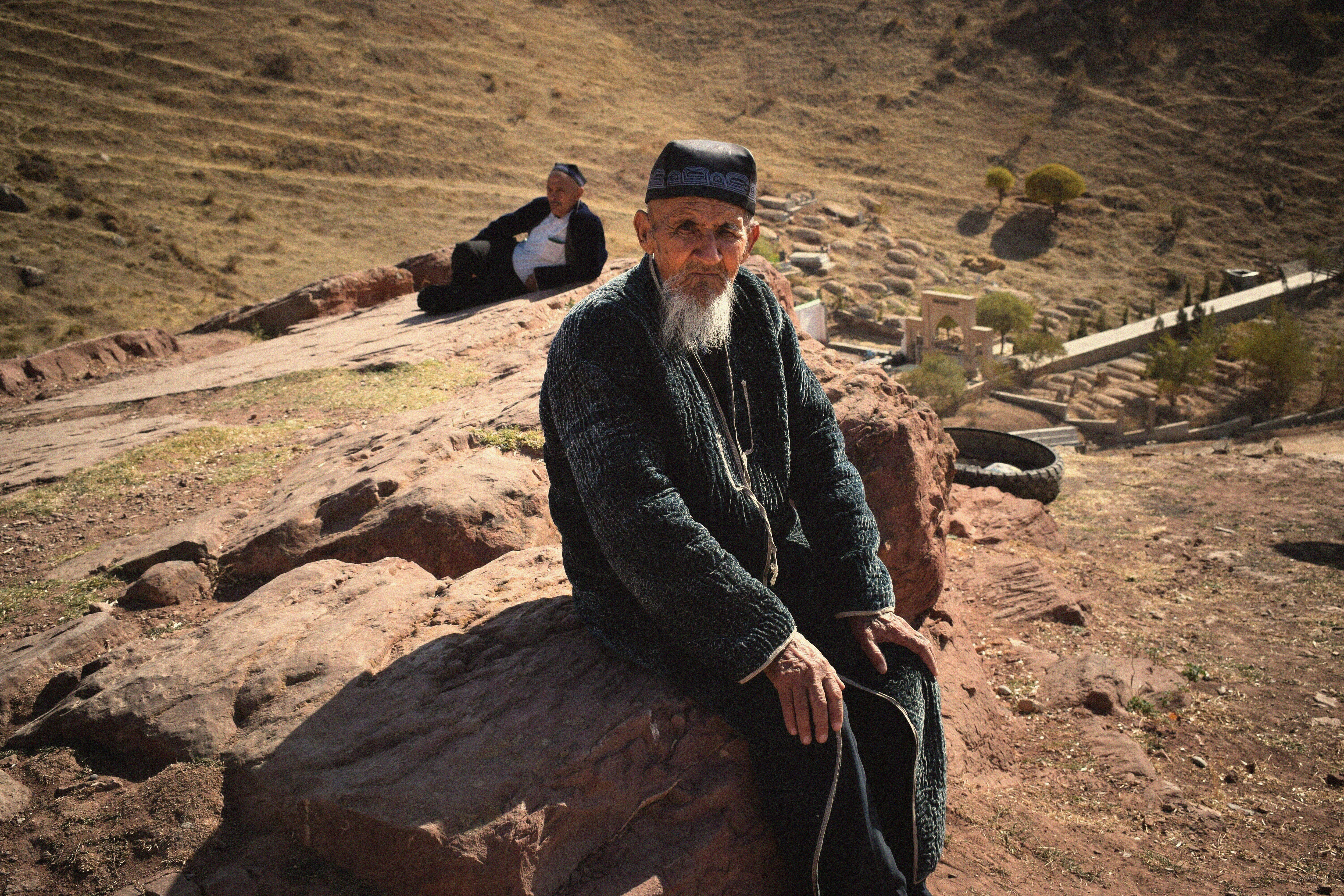
The domed building on the hill is a mausoleum where five Sufis are buried. Four of the graves have been identified, while the identity of the person in the fifth remains the subject of heated scholarly debate. Some scholars believe that the tomb belongs to a daughter of Amir Timur.
Particularly steeped in legend is the story of the “Uthman Quran” discovered here, one of the oldest surviving manuscripts of the Holy Book. It was kept here for a time. The folios of the mushaf were guarded by three families, and the consent of all three was required even to see the relic.
Local people believe that it was from this very place that Islam began to spread throughout the region. Perhaps that is why the custodians of the Katta Langar mosque and the local residents have preserved the distinctive spirit and character of this sacred place with such reverence for centuries.
I love this village deeply. Here I find a sense of freedom and solitude, and at the same time a feeling of something boundless. I never tire of returning, watching and photographing the changes taking place here. And each time, I hope they will not prove fatal.
Newsletter
A letter from the HD editors
Once a week, we send the best stories, events, and cultural discoveries from Central Asia.