Places
Sokh: Villages and People, A Photo Essay
Ildar Sadykov, Maria Maksimycheva, Sergey Pogosyan
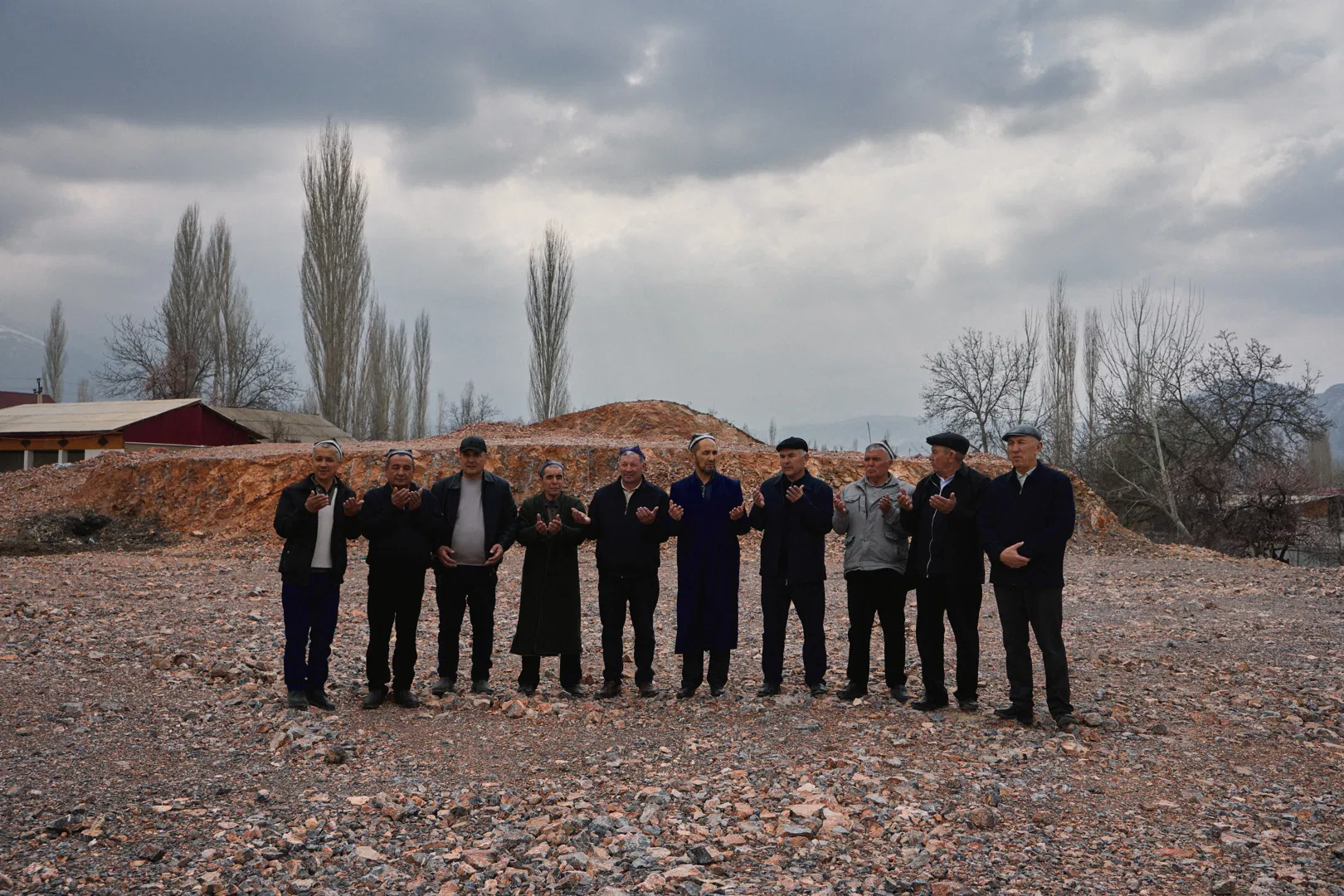
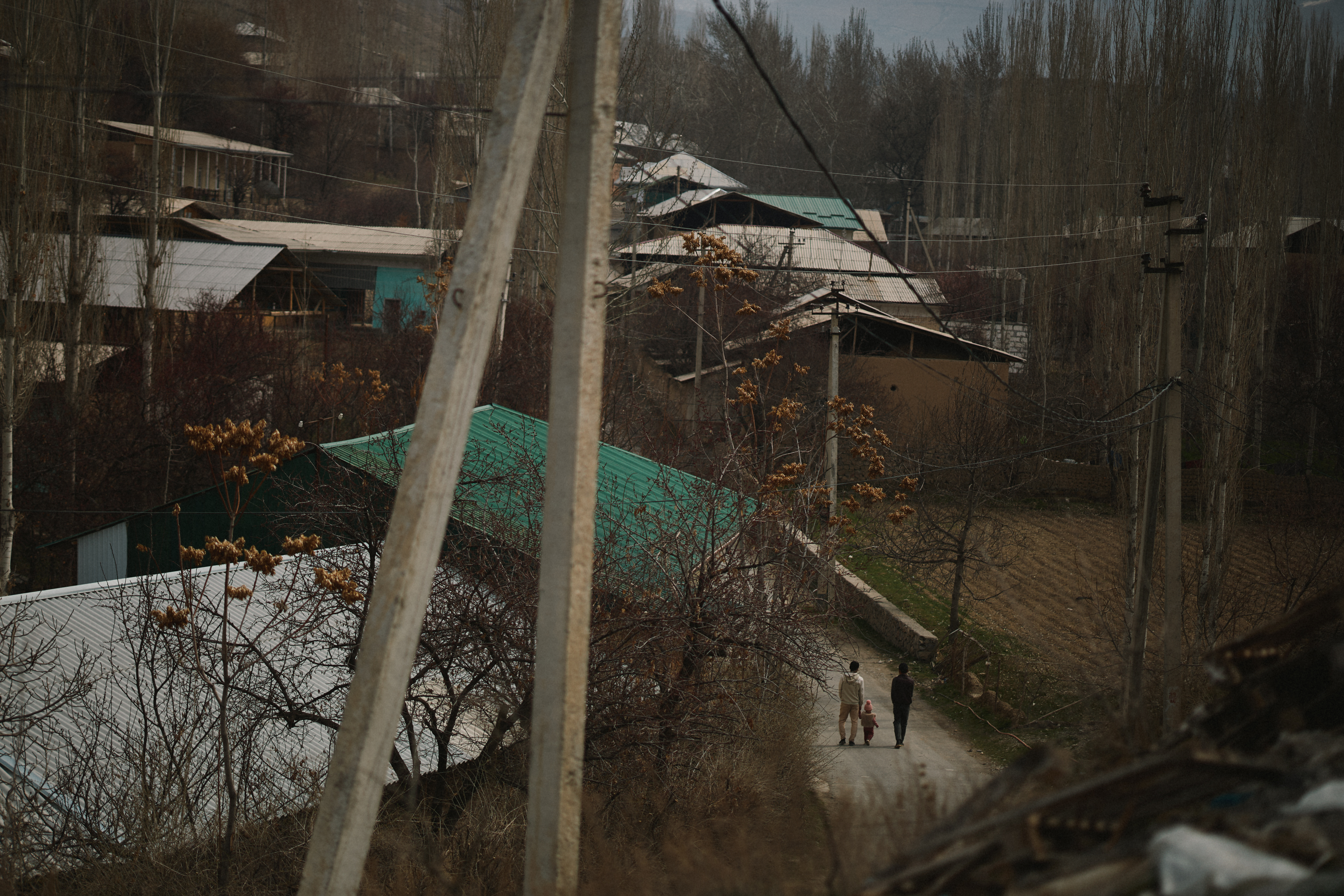
Sokh is home to around 90,000 people and 25 mahallas. Here, the mahalla is the main administrative unit, as well as a symbol of the unity of its people. Separated from the ‘mainland’, from the rest of Uzbekistan, the people of Sokh come together in the rice fields, during a hashar or at the stadium for Nawruz celebrations. In this photo essay, Ildar Sadykov and Sergey Poghosyan capture the people of Sokh in their everyday lives and during festive celebrations.
We arrived in Sokh during Ramadan, on the first day of the Nawruz celebrations. We were heading into the unknown, with no idea where we would stay or who would show us around the enclave. But, as so often happens in Uzbekistan, we were lucky: our driver brought us straight to the hokimiyat, where the hokim himself introduced us to the elders and instructed them to provide the expedition with every assistance. From the very first minutes, and throughout our stay, the people of Sokh, sociable, devout, cheerful and hardworking, opened their doors to us and showed us their beautiful world.
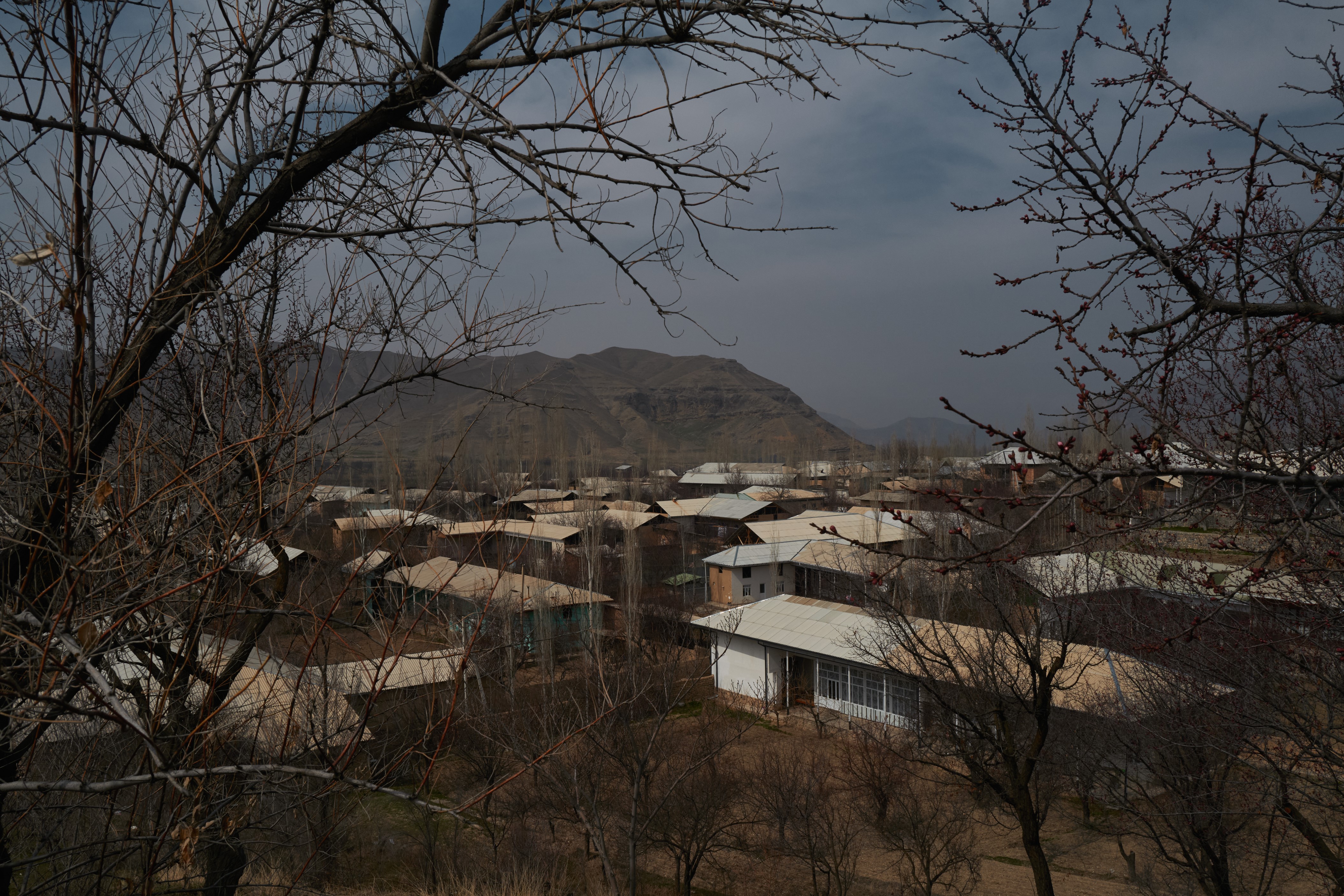 Photo: Ildar Sadykov, Sergey PogosyanPhoto: Ildar Sadykov, Sergey PogosyanPhoto: Ildar Sadykov, Sergey PogosyanPhoto: Ildar Sadykov, Sergey PogosyanPhoto: Ildar Sadykov, Sergey Pogosyan
We recently wrote about the nature of Sokh:
Eden in a Ring: The Nature of Sokh — photo essayExploring Sokh, an Uzbek enclave in Kyrgyzstan located 65 kilometres from the border, is fascinating but far from straightforward. As a cross-border settlement, it remains difficult to reach even for researchers, let alone tourists. Yet its landscapes and 3,000-year history as a trading and infrastructure hub during the heyday of Bactria and Sogdia make it an enticing destination for those wishing to follow ancient caravan routes. The remarkable nature of Sokh is the subject of the first part of a photo essay by Ildar Sadykov and Sergey Pogosyan.mag.humodoc.com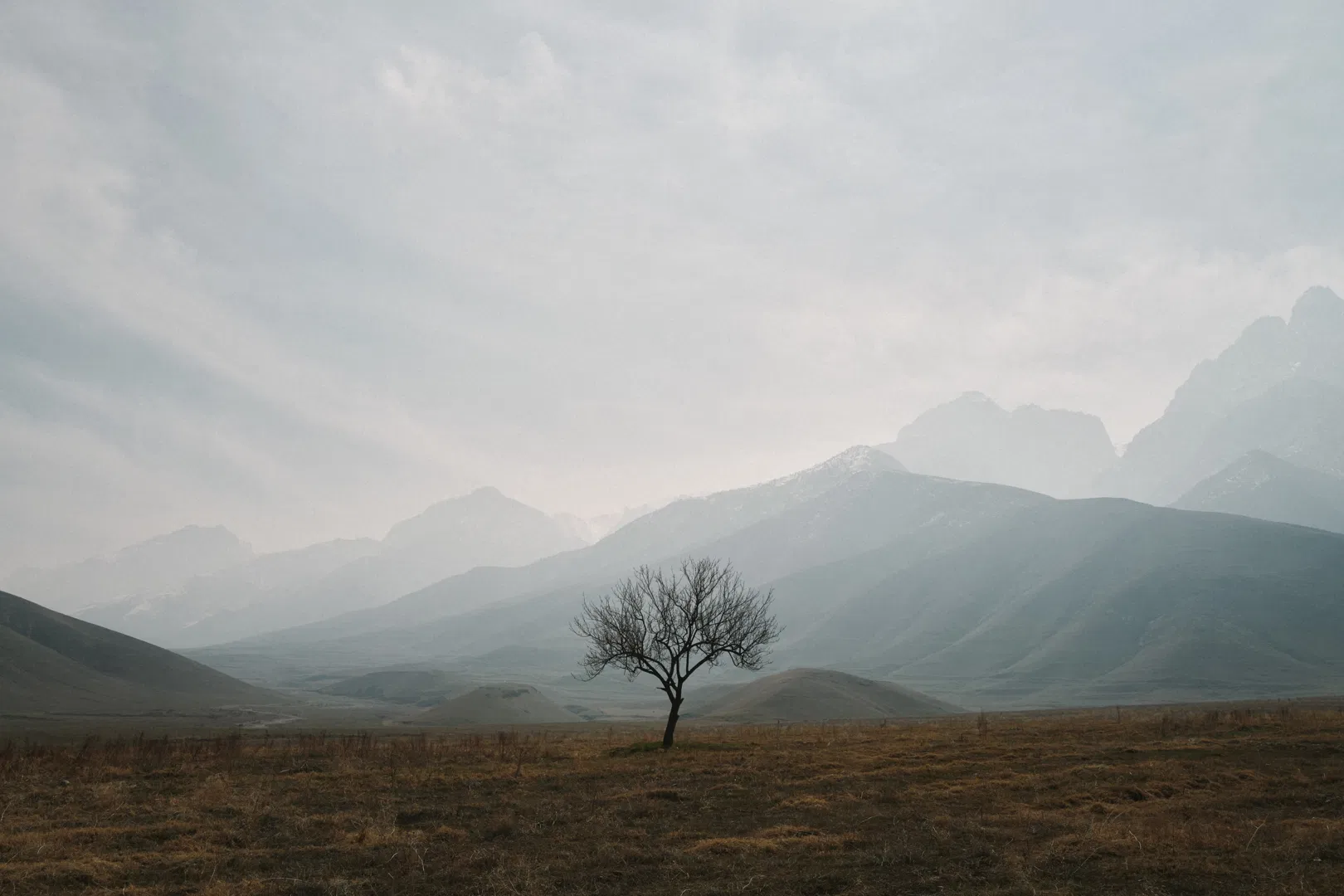
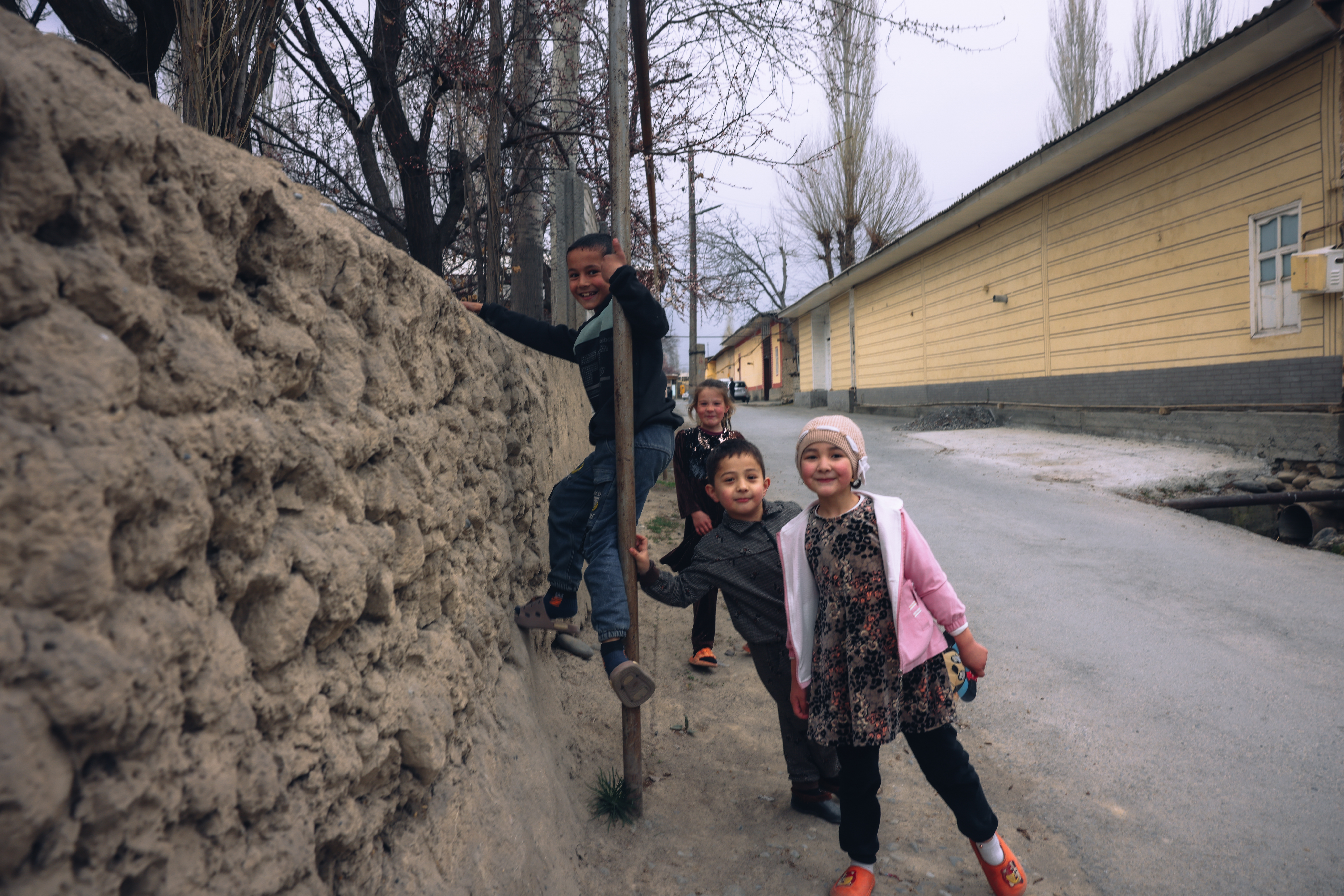
People in Sokh speak Tajik. In almost every other respect, however, life here is much the same as in ‘mainland’ Uzbekistan.
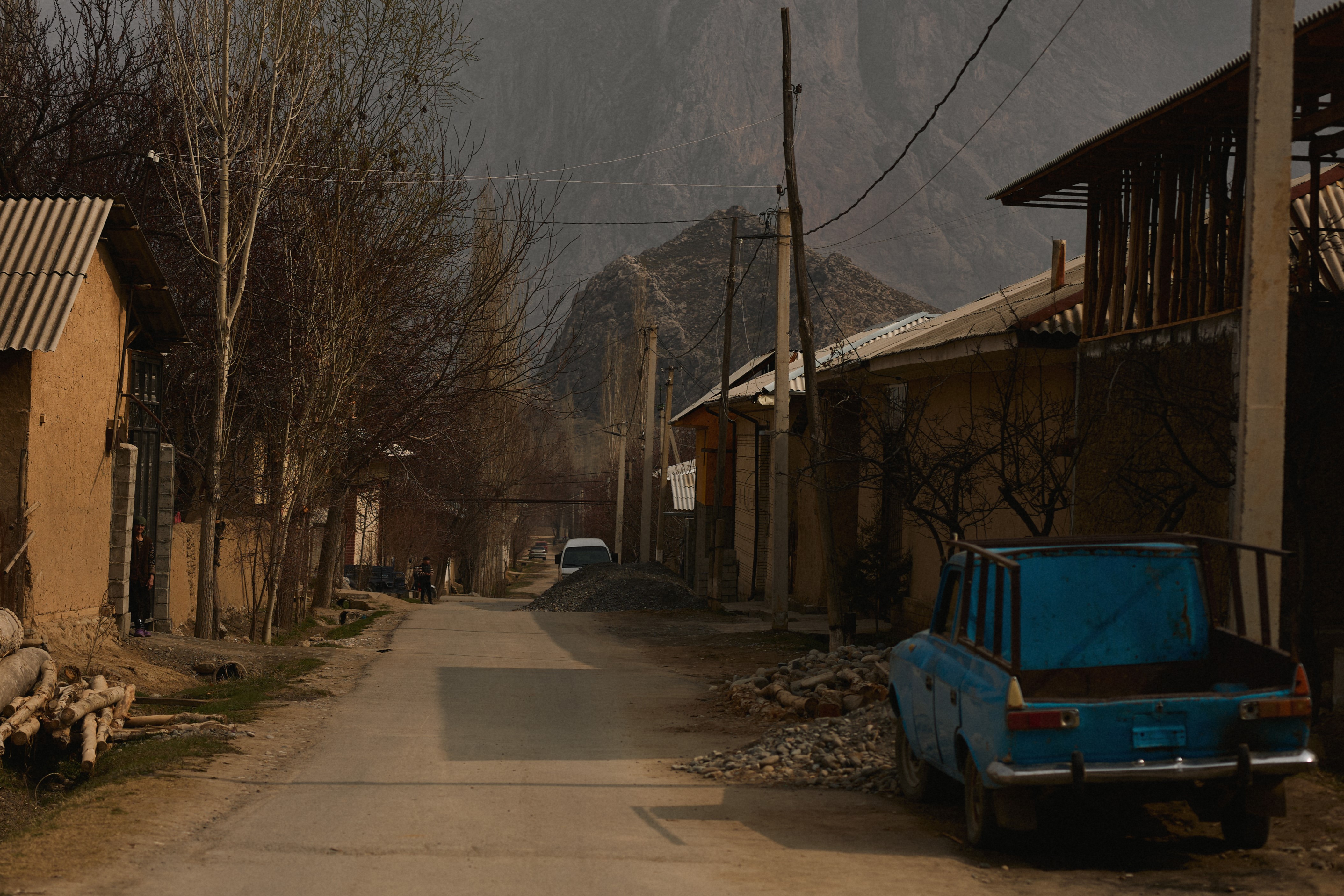
For the people of Sokh, the mahalla and the kishlak embody a sense of brotherhood. Neighbours are always involved in one another’s lives, coming together for a hashar, helping to build a house or organising toy celebrations. Women prepare food together, while men put the house in order.
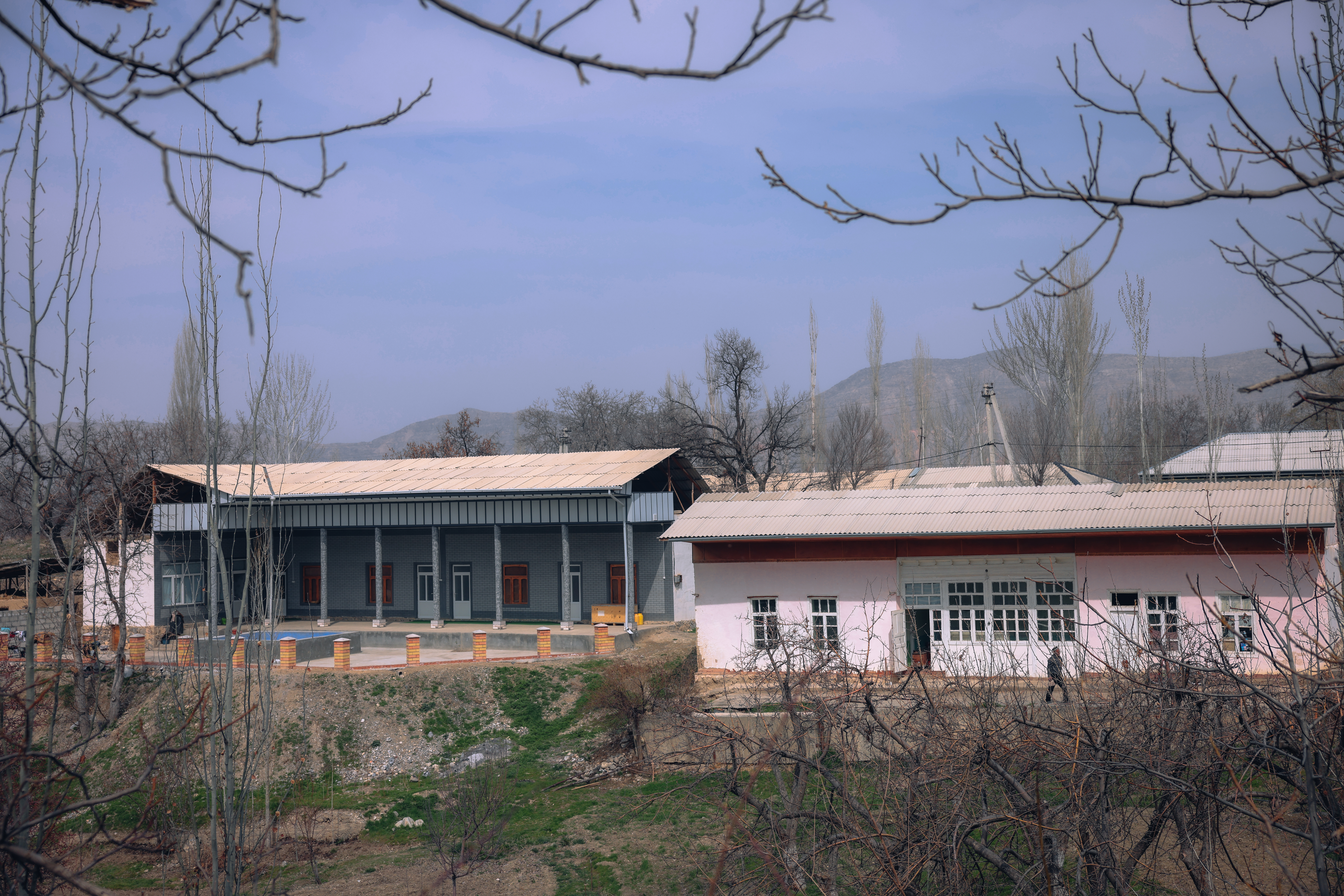
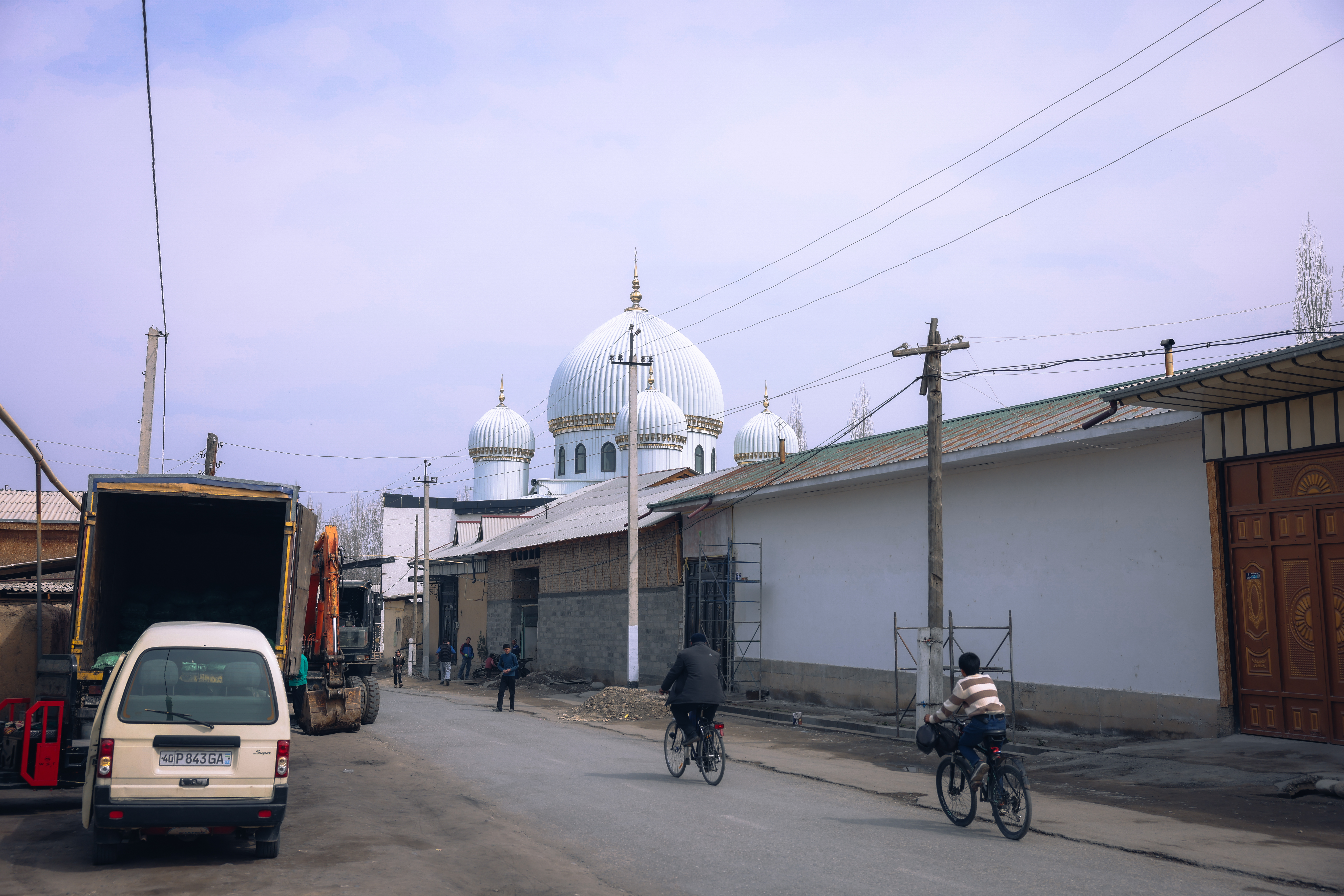
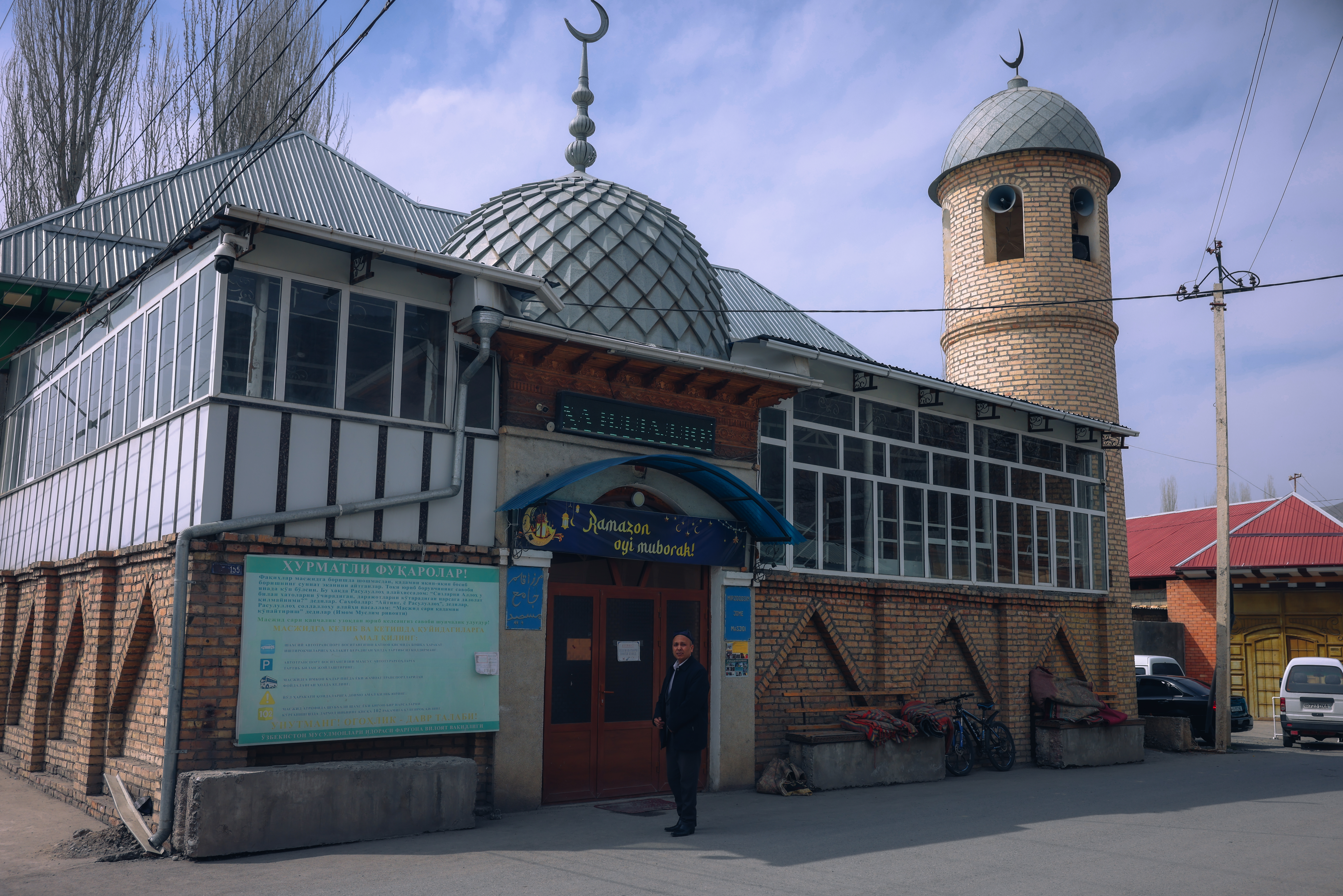
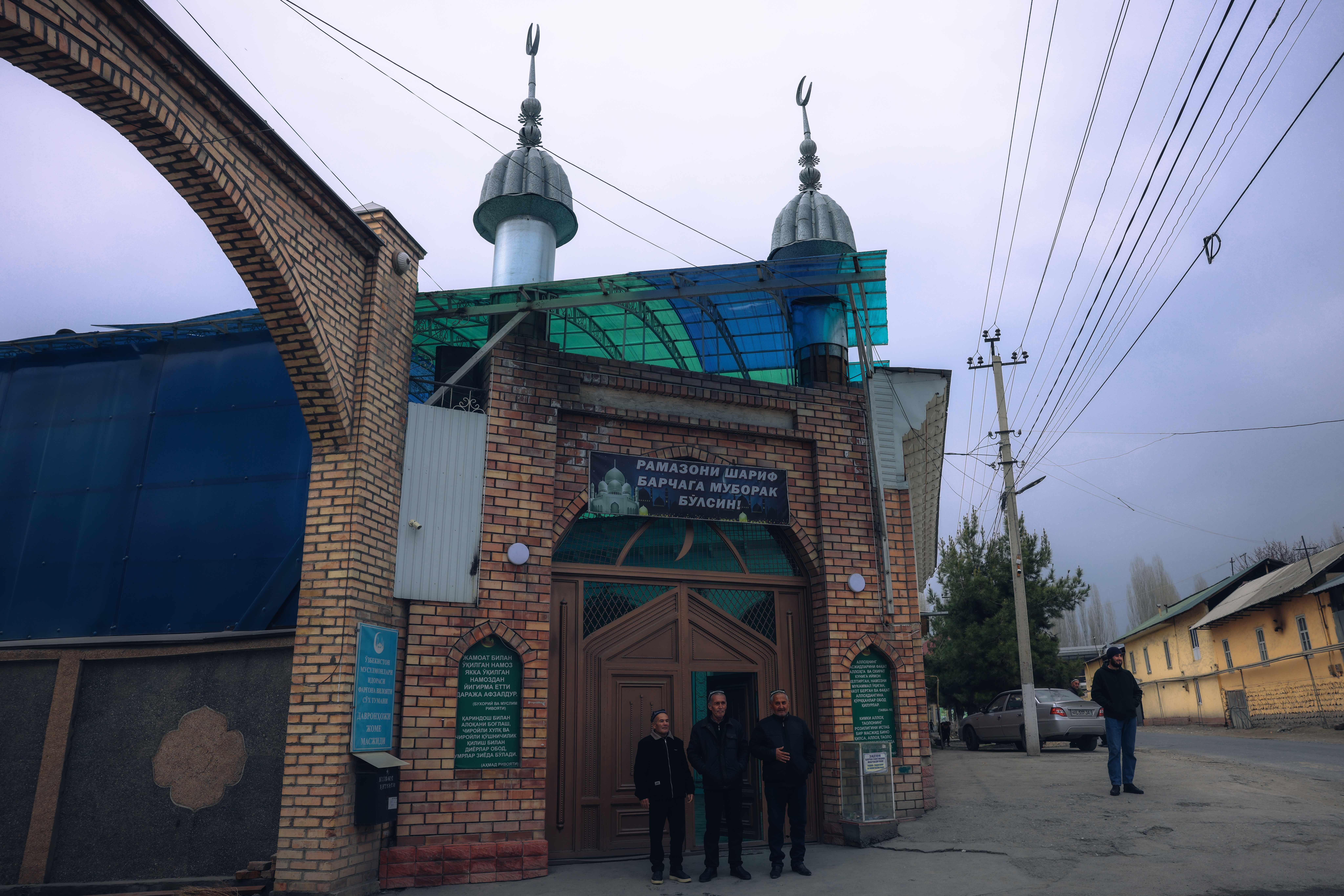
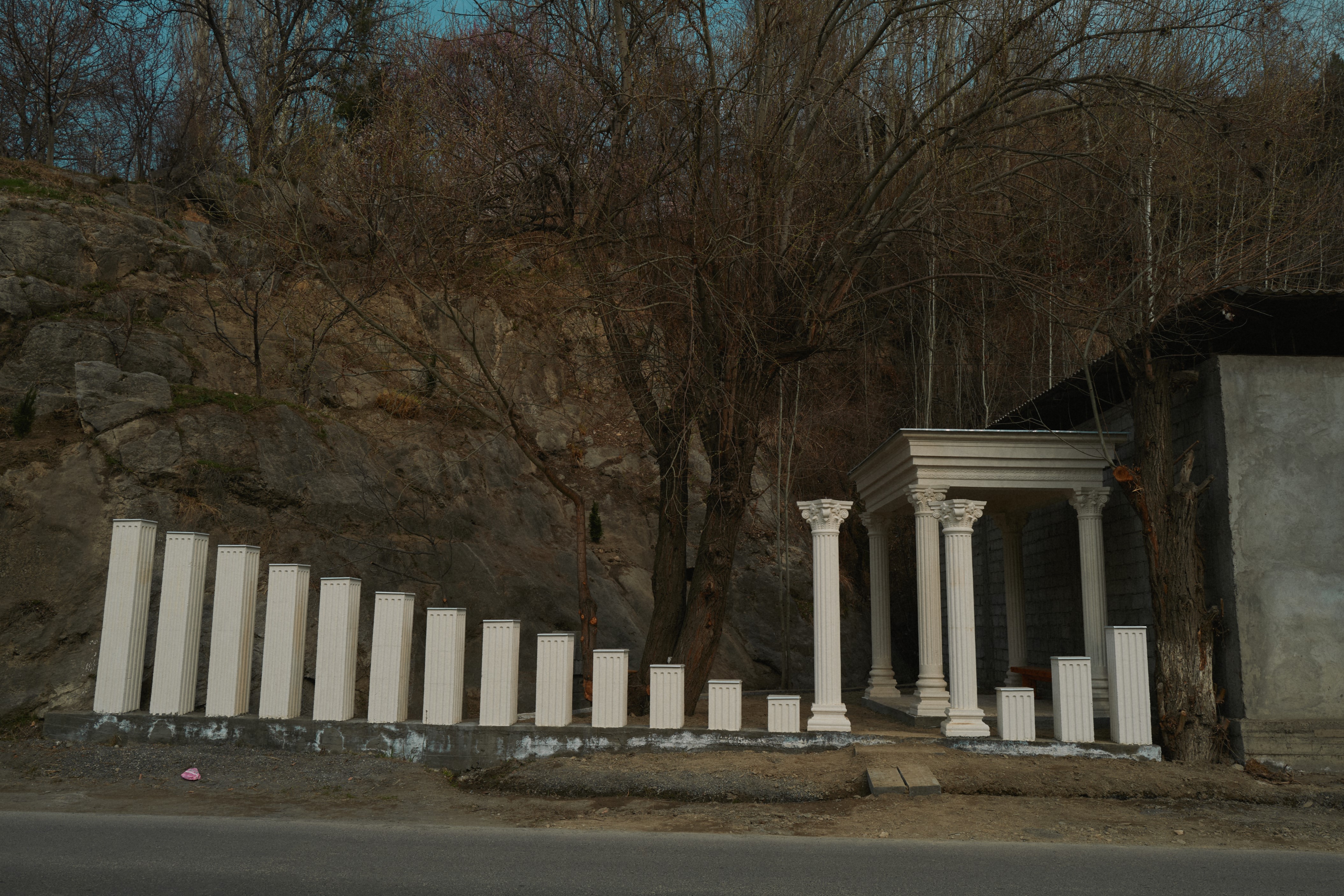
They may even build a mosque together. There are a great many of them here, in fact, almost every mahalla has one. Today, the older, compact mosques are being replaced with larger, modern ones that can accommodate far more worshippers.
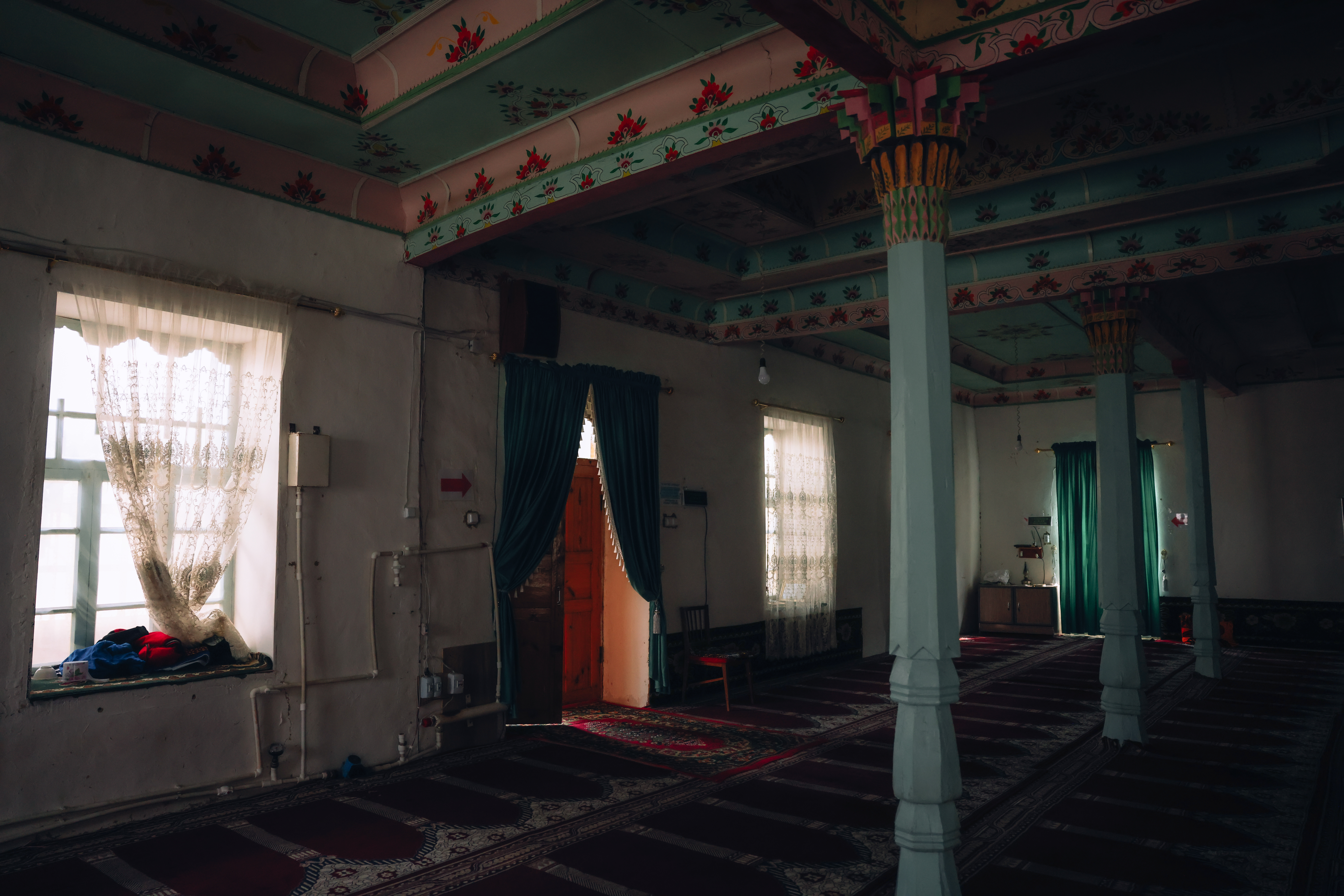 Photo: Ildar Sadykov, Sergey PogosyanPhoto: Ildar Sadykov, Sergey PogosyanPhoto: Ildar Sadykov, Sergey PogosyanPhoto: Ildar Sadykov, Sergey PogosyanPhoto: Ildar Sadykov, Sergey Pogosyan
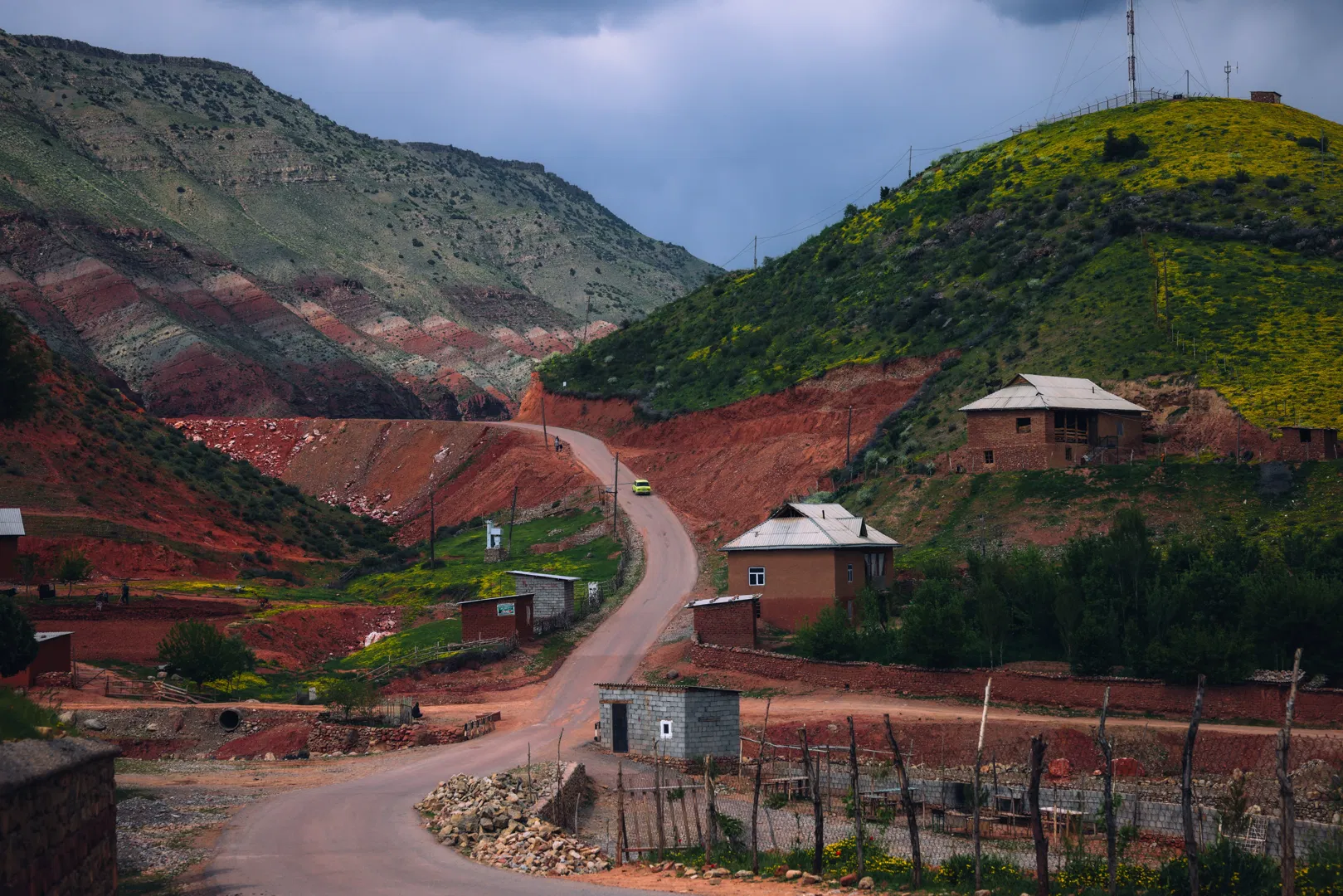
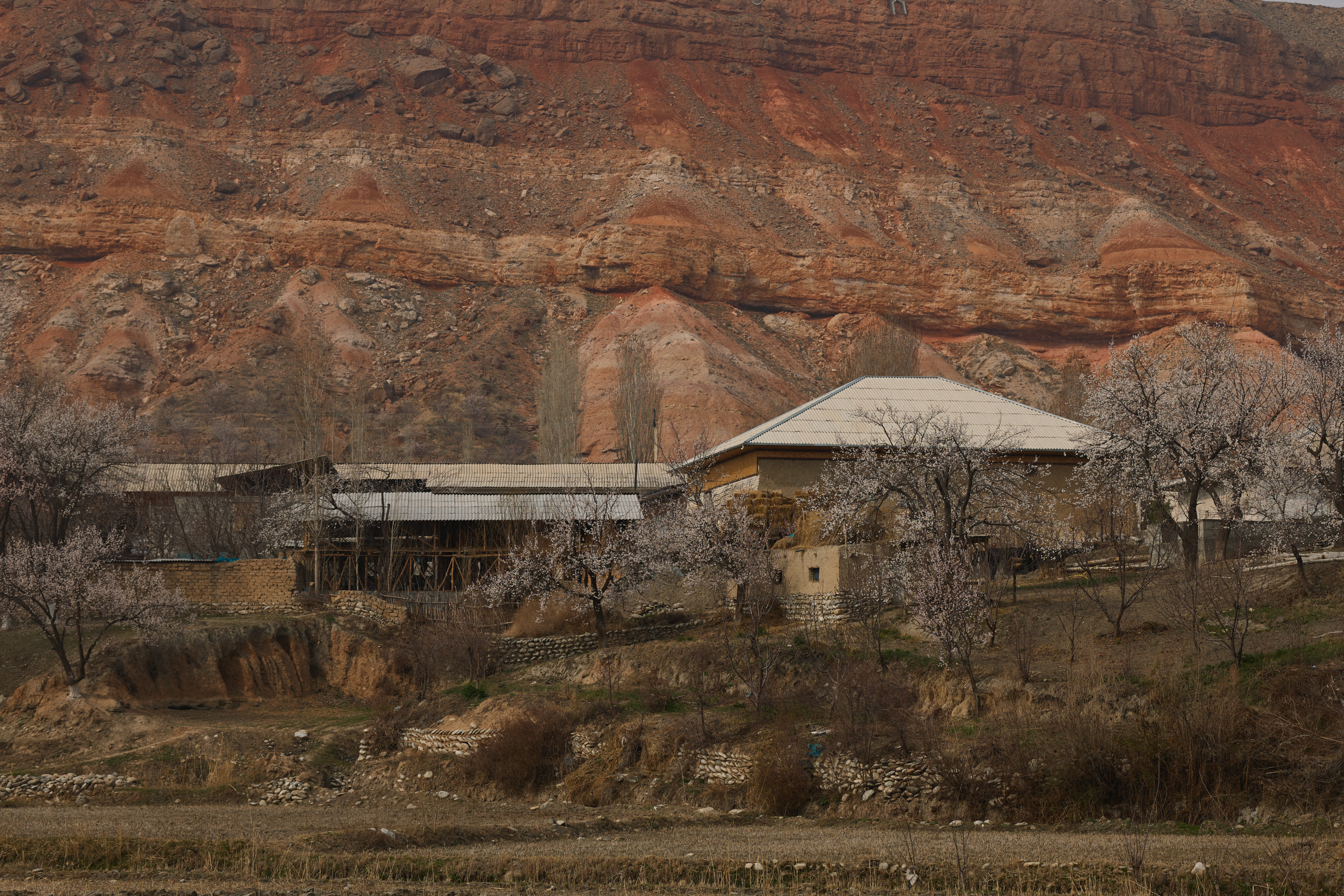
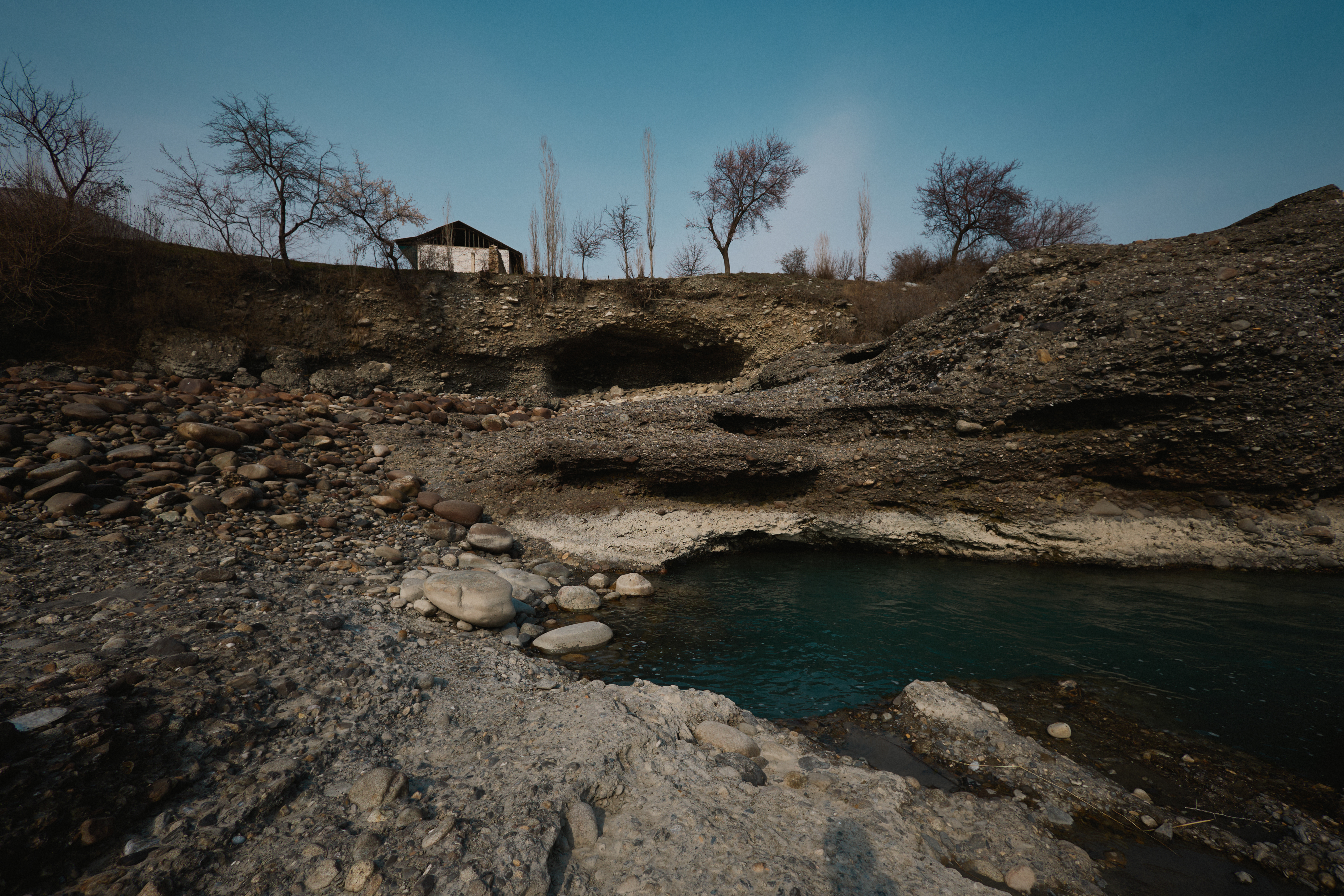
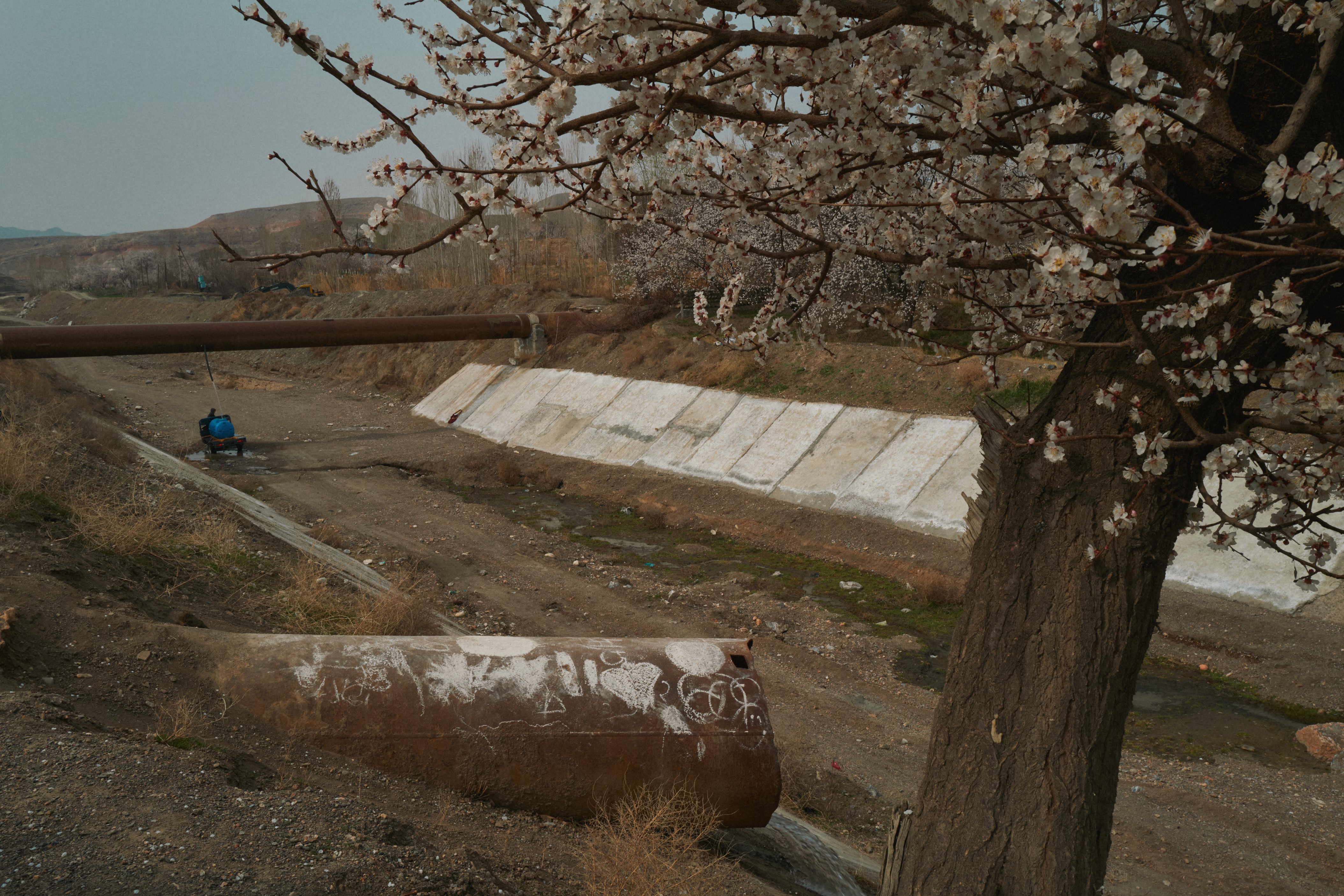
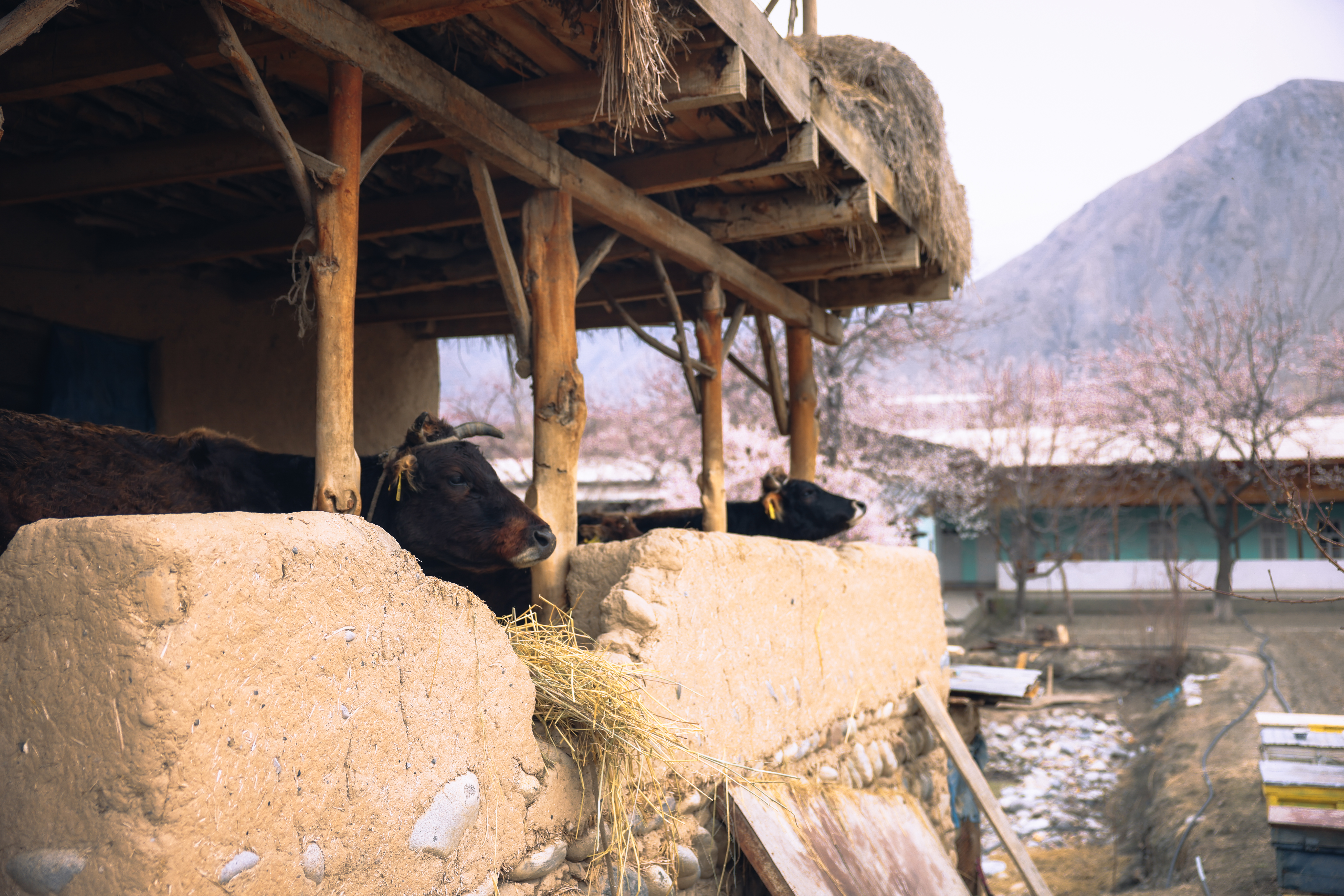
People here keep livestock and grow rice and fruit.
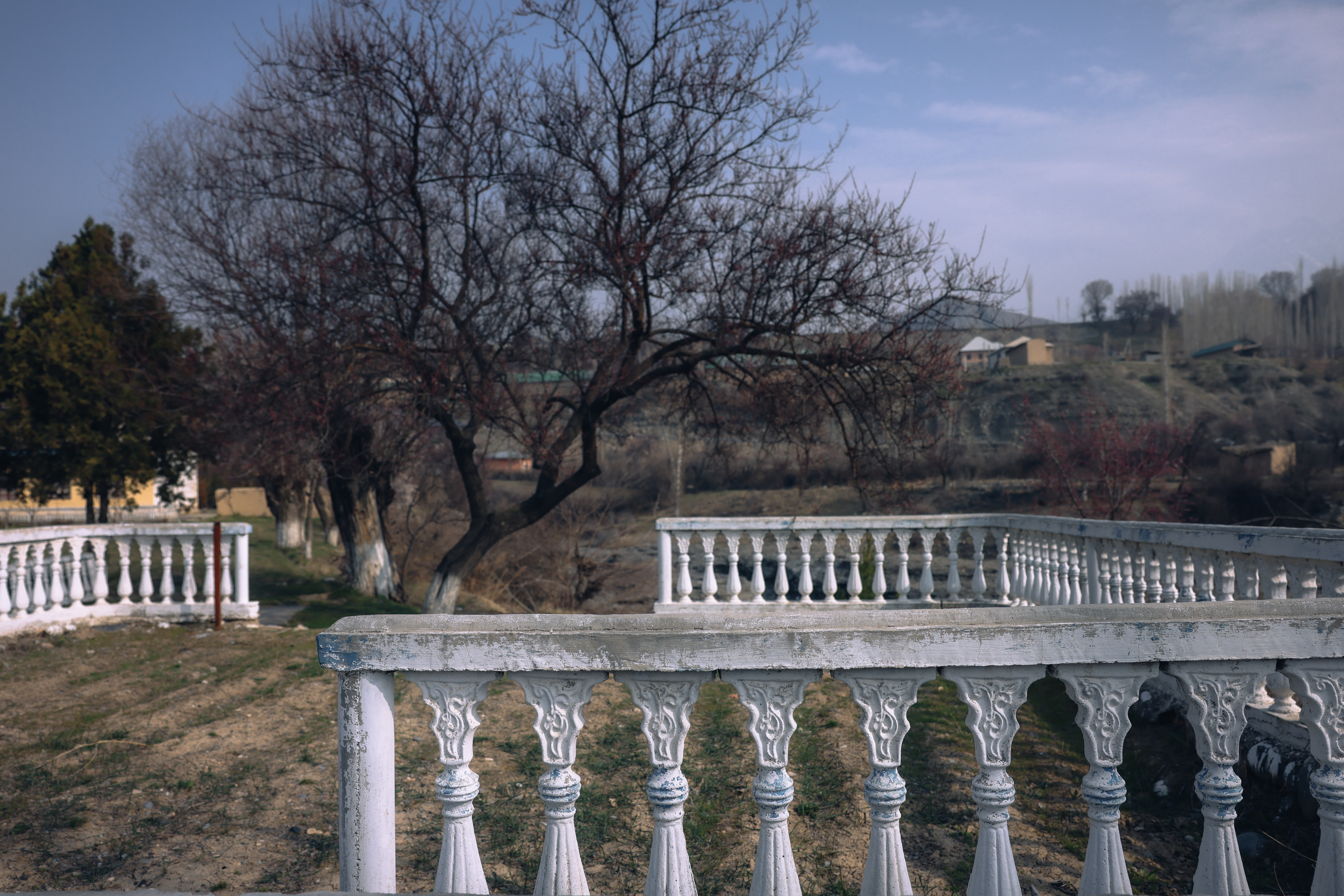
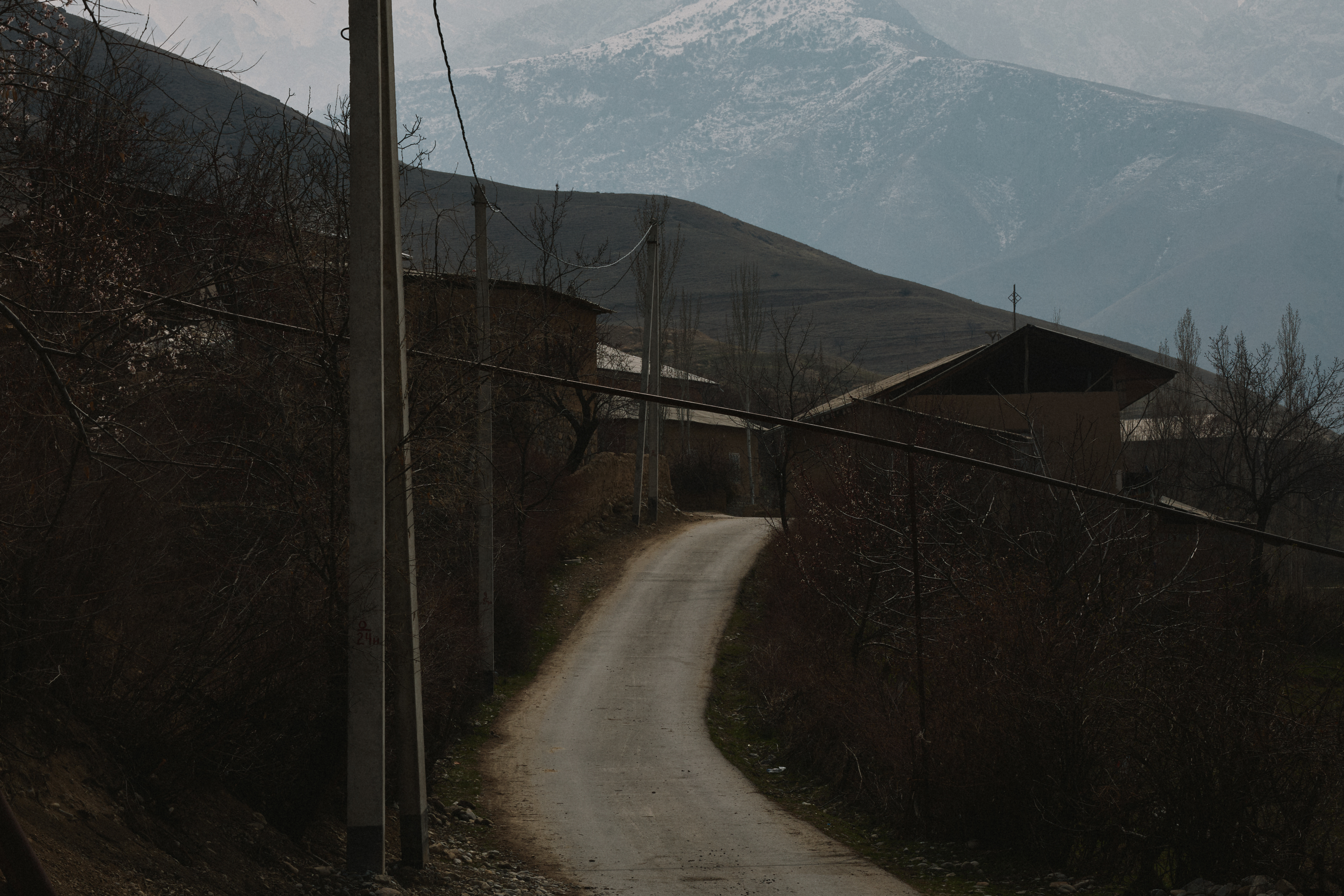
When we arrived, the apricot trees in the lower part of Sokh were already in blossom, while higher up, closer to the mountains, the trees were still bare. It was the perfect moment for photographing the landscape.
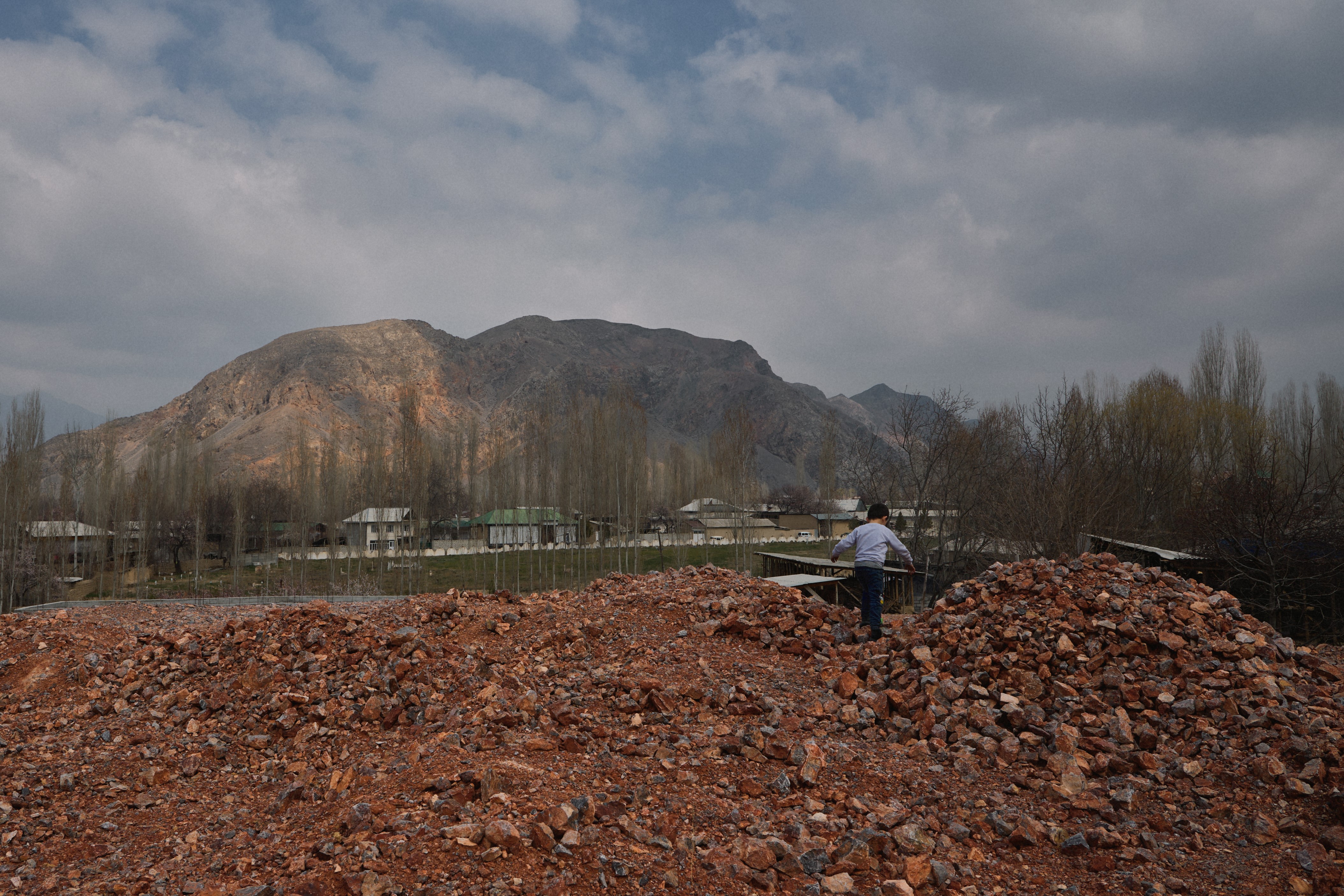
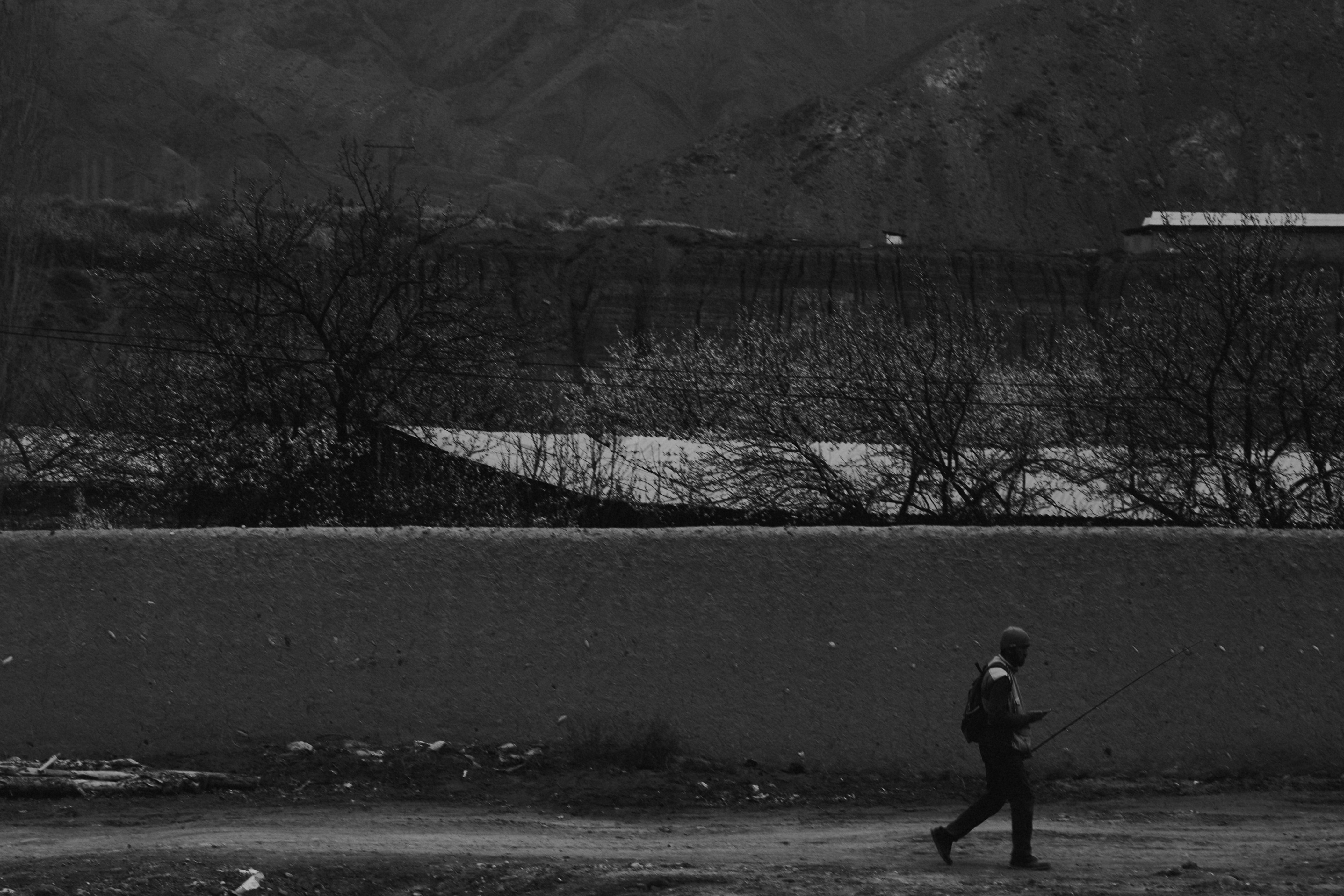
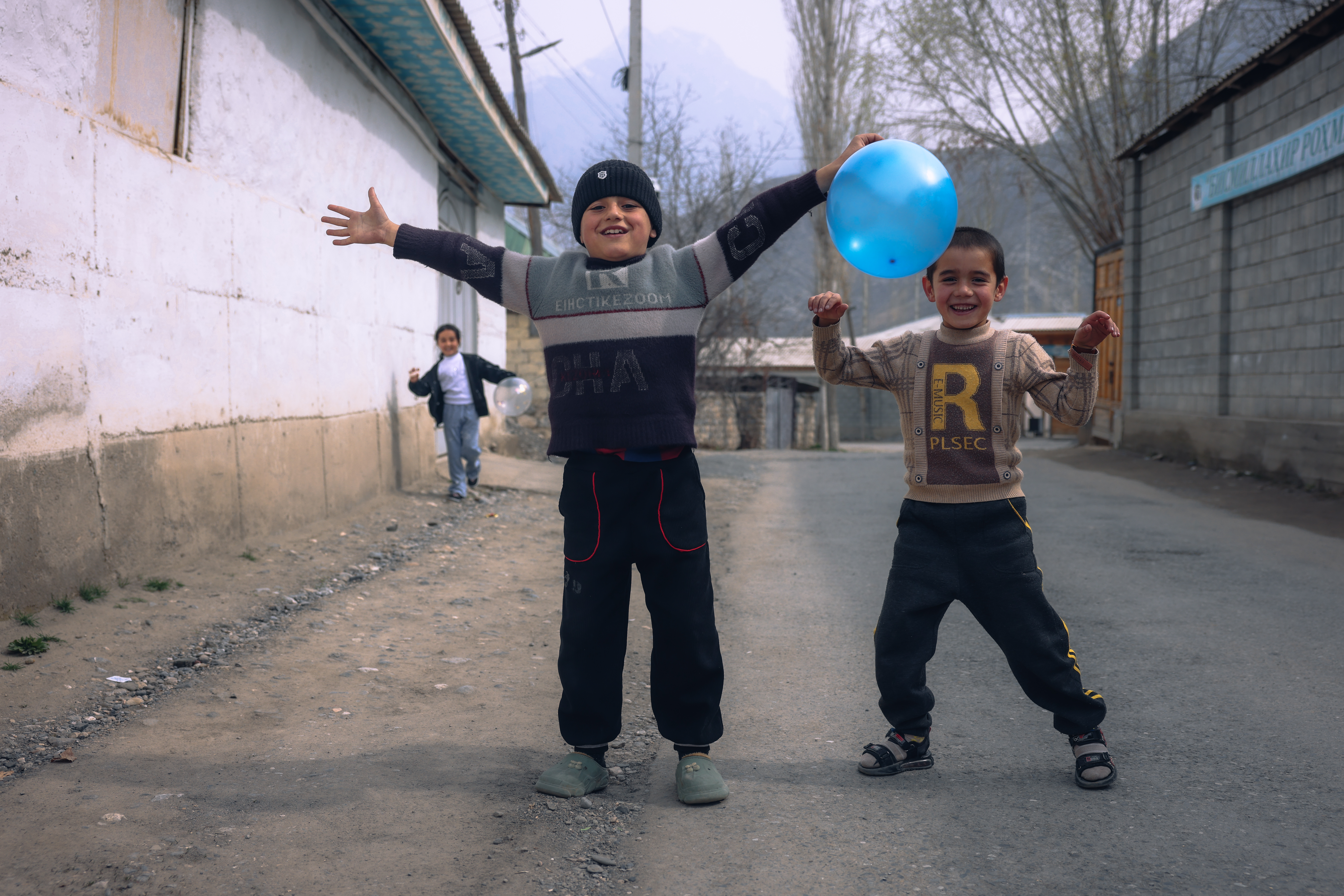
But the people are no less captivating than the landscapes: longing for the ‘mainland’, they are sociable, beautiful, hospitable and remarkably close-knit.
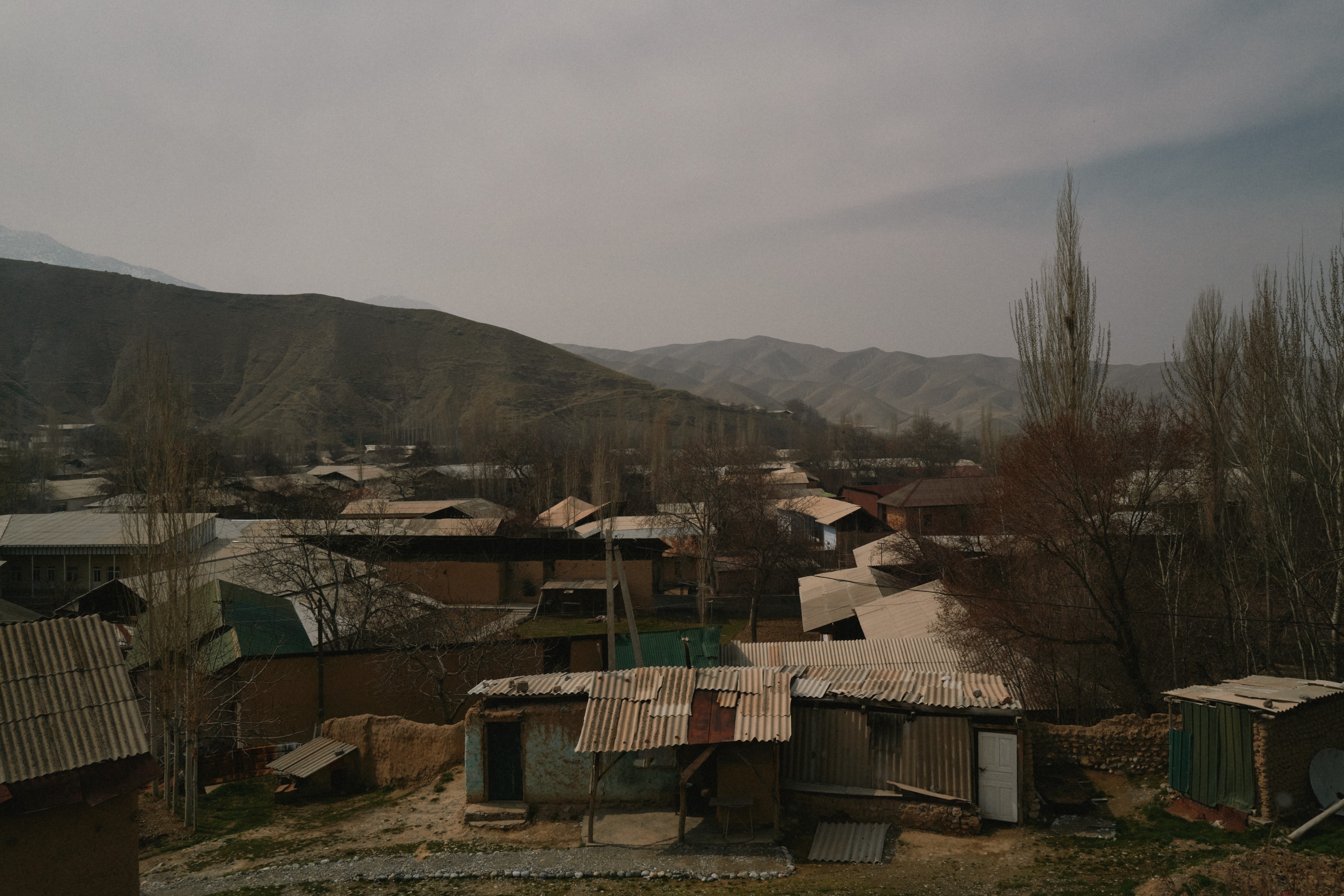 Photo: Ildar Sadykov, Sergey PogosyanPhoto: Ildar Sadykov, Sergey PogosyanPhoto: Ildar Sadykov, Sergey PogosyanPhoto: Ildar Sadykov, Sergey Pogosyan
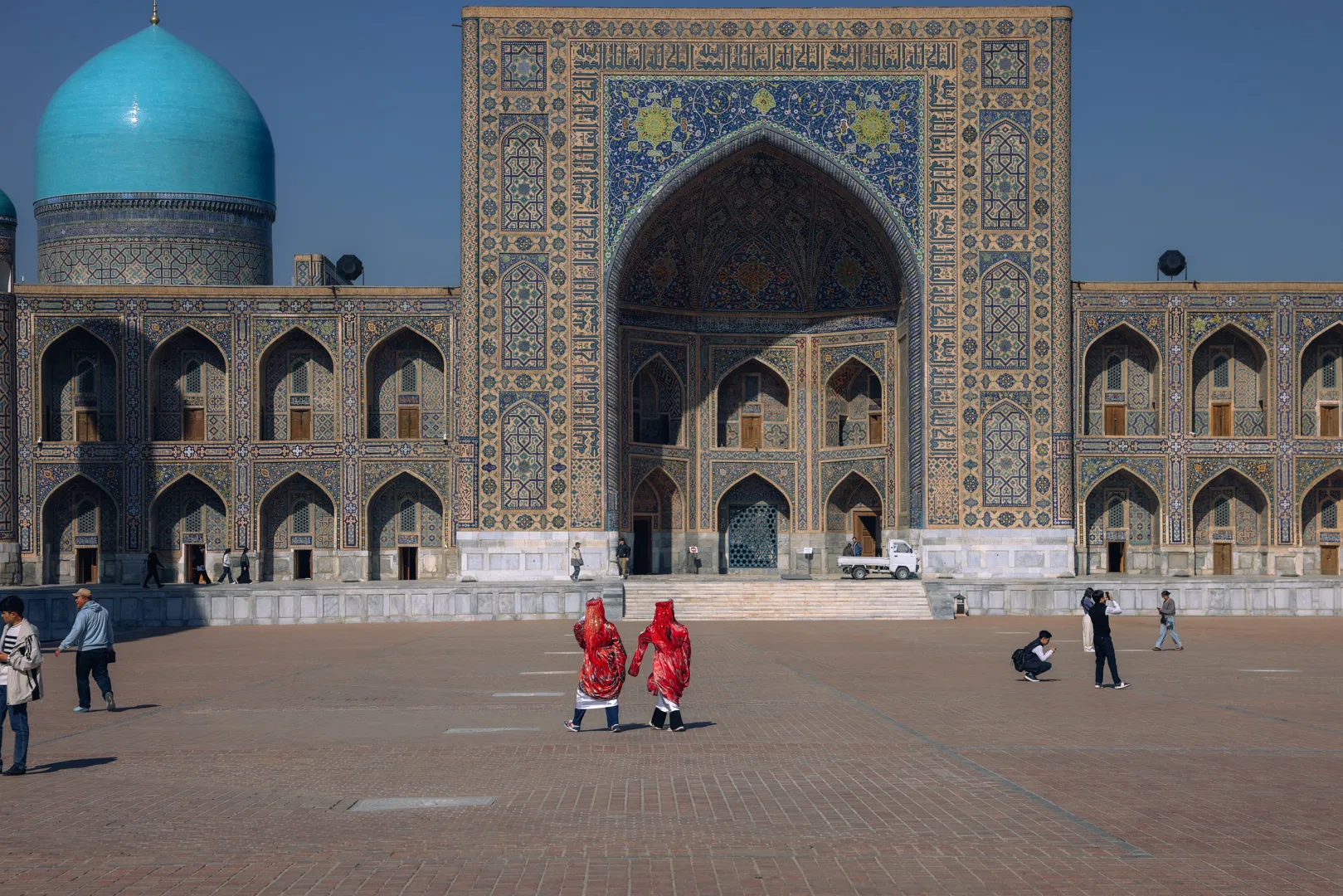
Bound together not only by the enclave they call home and the concerns of everyday life, the people of Sokh also come together for celebrations. And a celebration is an opportunity to show themselves to the world, not just to their neighbours.
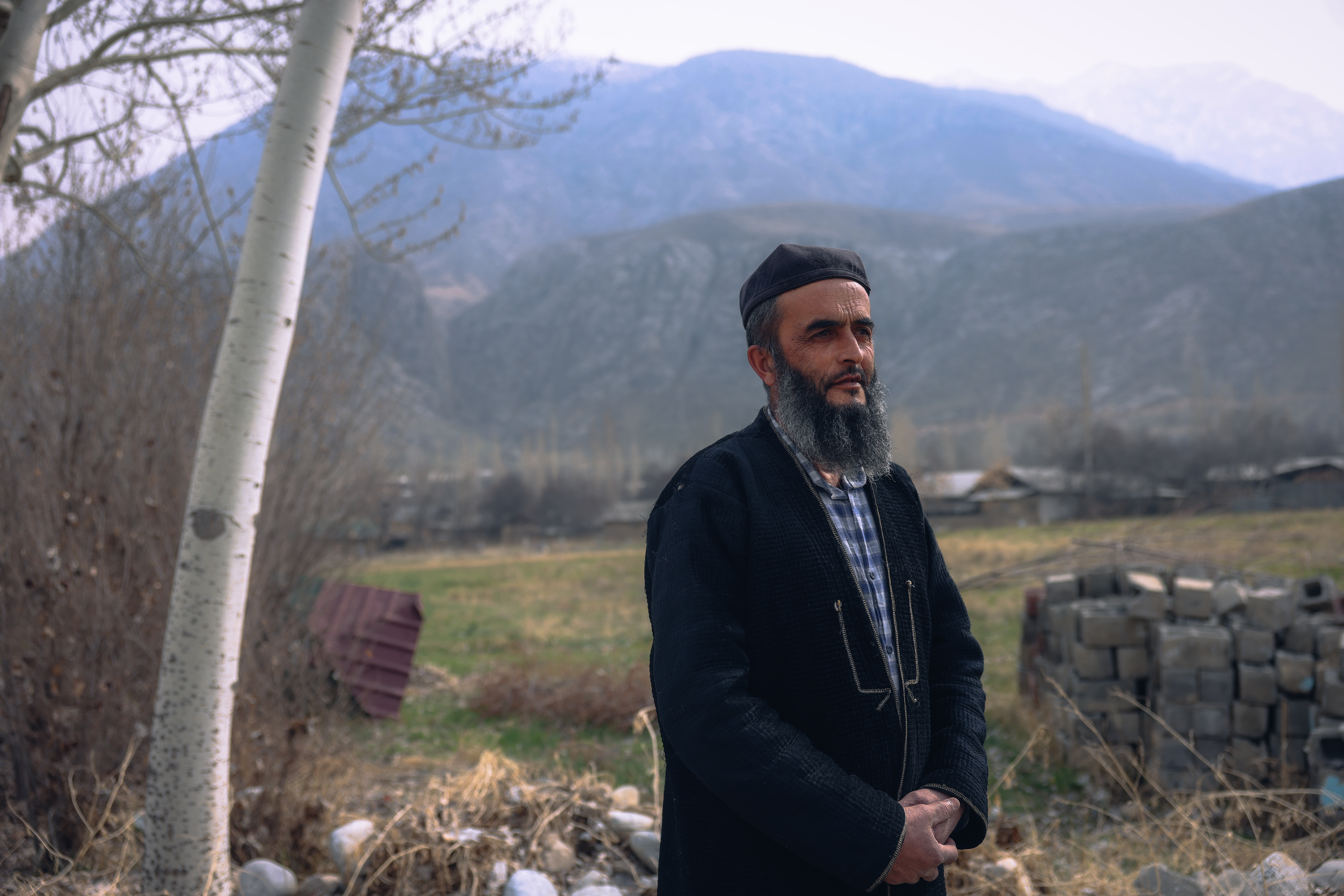 Photo: Ildar Sadykov, Sergey PogosyanPhoto: Ildar Sadykov, Sergey PogosyanPhoto: Ildar Sadykov, Sergey PogosyanPhoto: Ildar Sadykov, Sergey Pogosyan
At the stadium, during the official Nawruz celebrations, I felt as though the entire enclave had gathered. There were an incredible number of children. And, of course, everyone was dressed in their finest clothes, because a celebration is a chance to show the very best you have. A day off had been declared across the enclave that day, so everyone came out to celebrate, and people’s eyes were sparkling with delight.
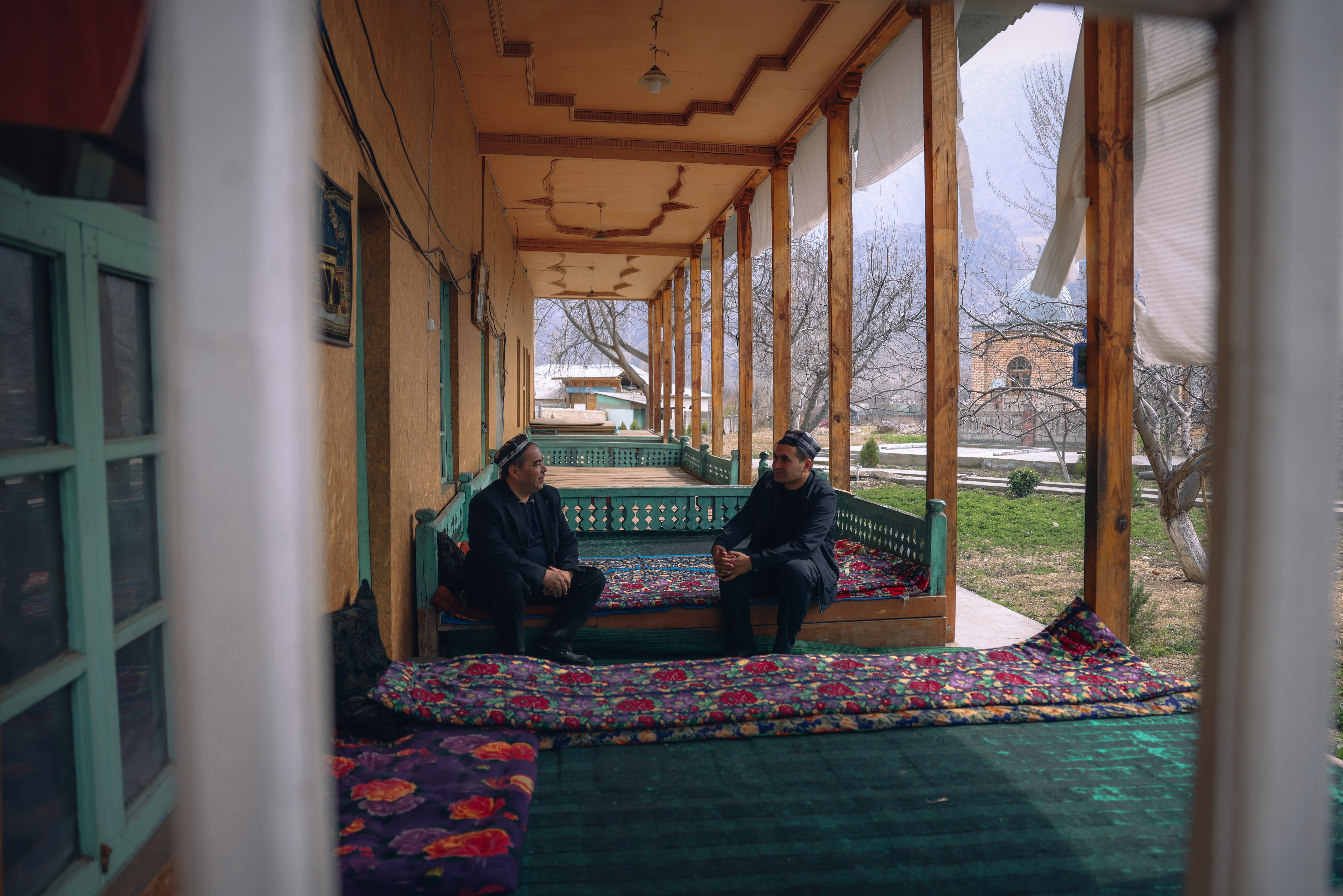
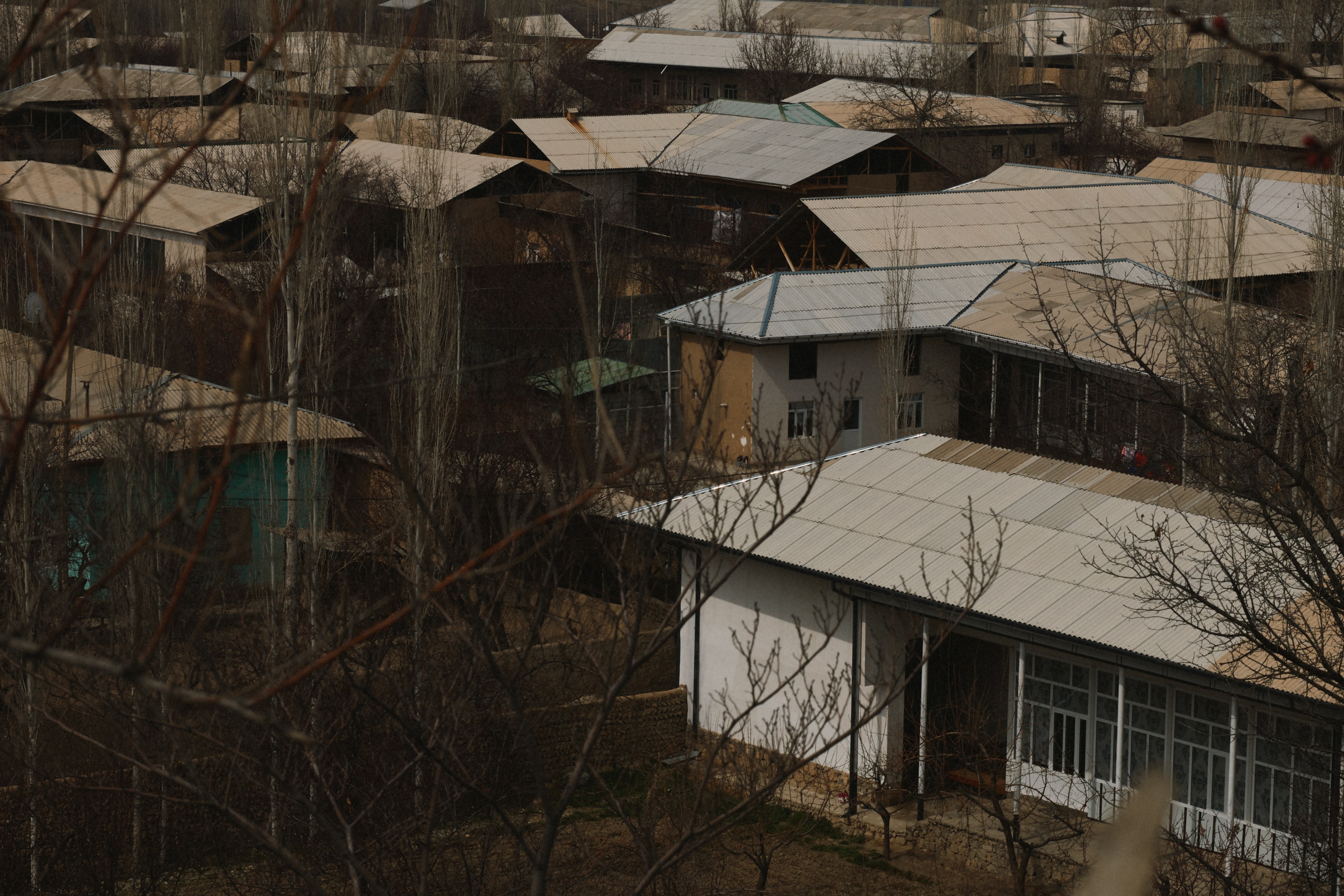
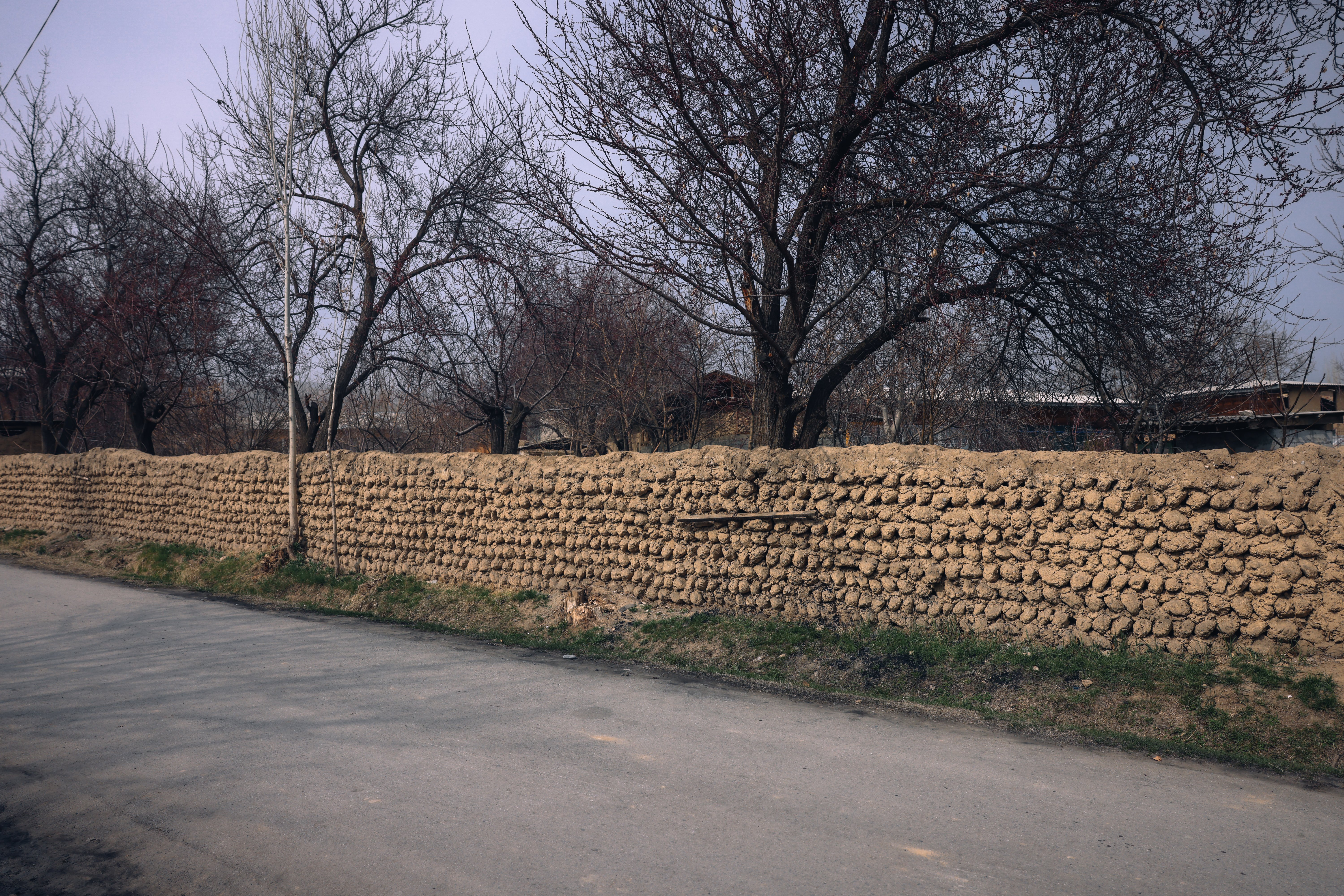
Sokh houses are typical of Uzbekistan, but they have one distinctive feature: a large, elongated terrace. During the warmer months, guests are welcomed here.
We went into one house with a large courtyard that was beautifully finished and very neat. It turned out there was also an inner courtyard, where onions and freshly washed laundry were dried and cows were kept. I was struck by how clean the house was, and there was no smell of livestock.
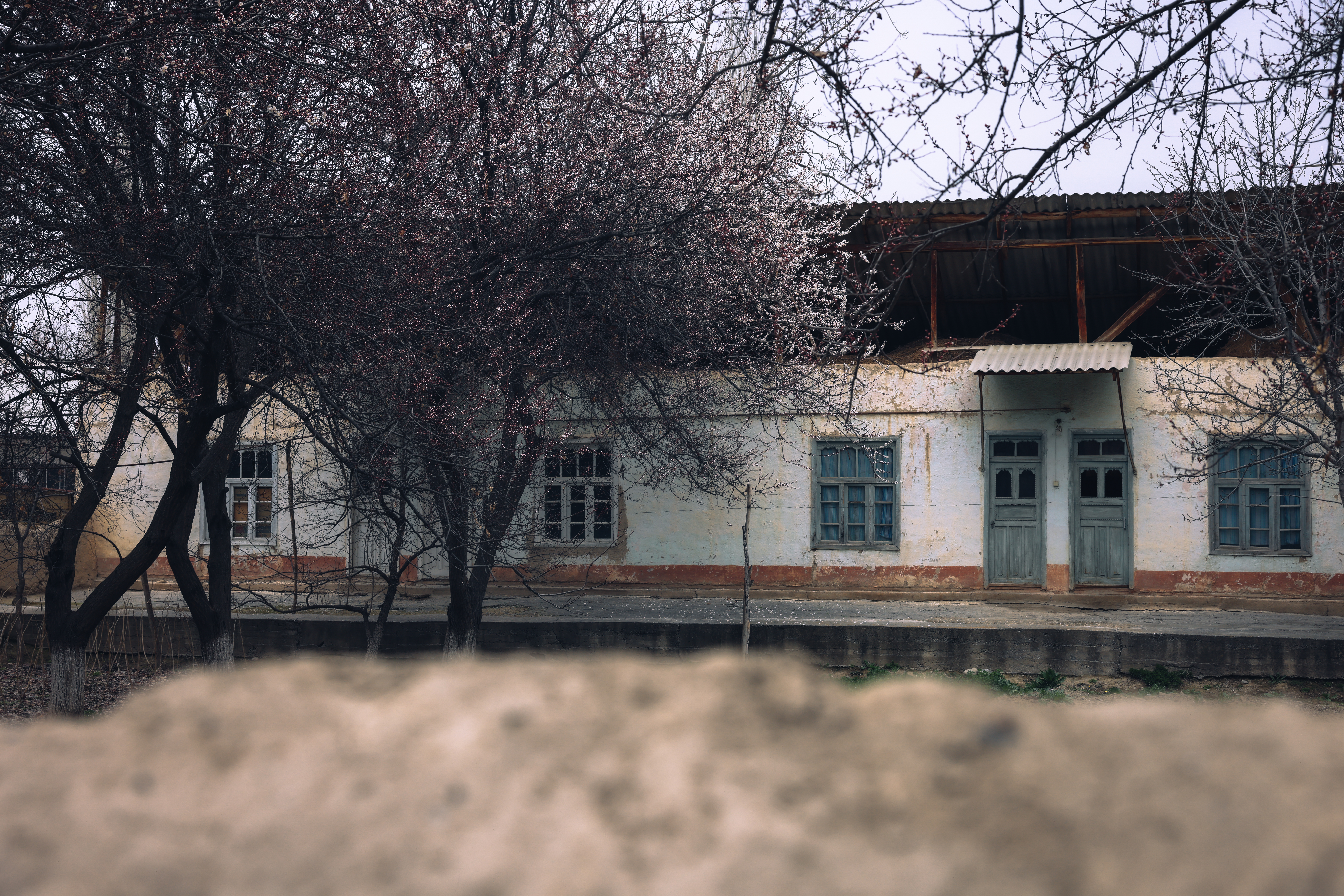 Photo: Ildar Sadykov, Sergey PogosyanPhoto: Ildar Sadykov, Sergey PogosyanPhoto: Ildar Sadykov, Sergey Pogosyan
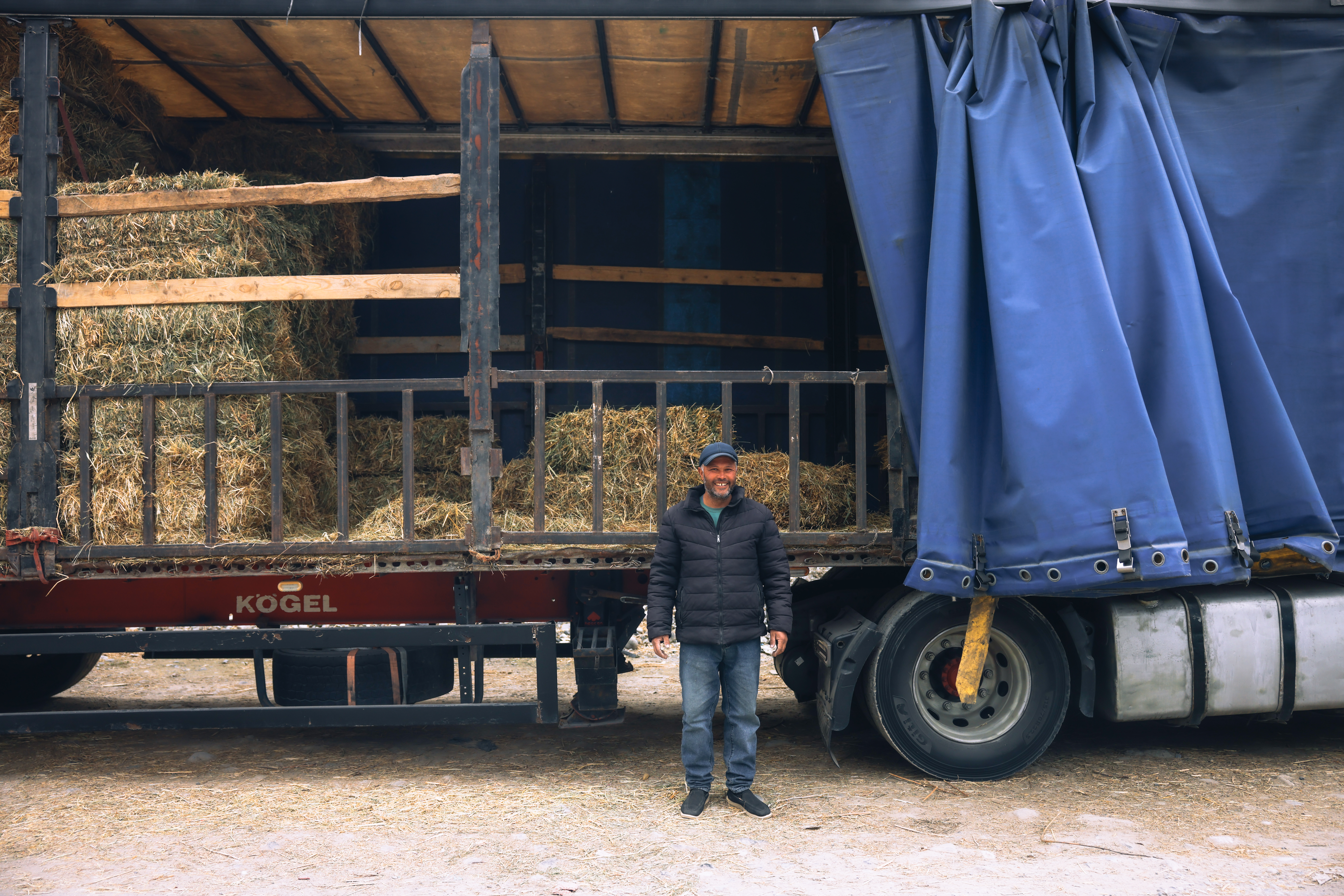
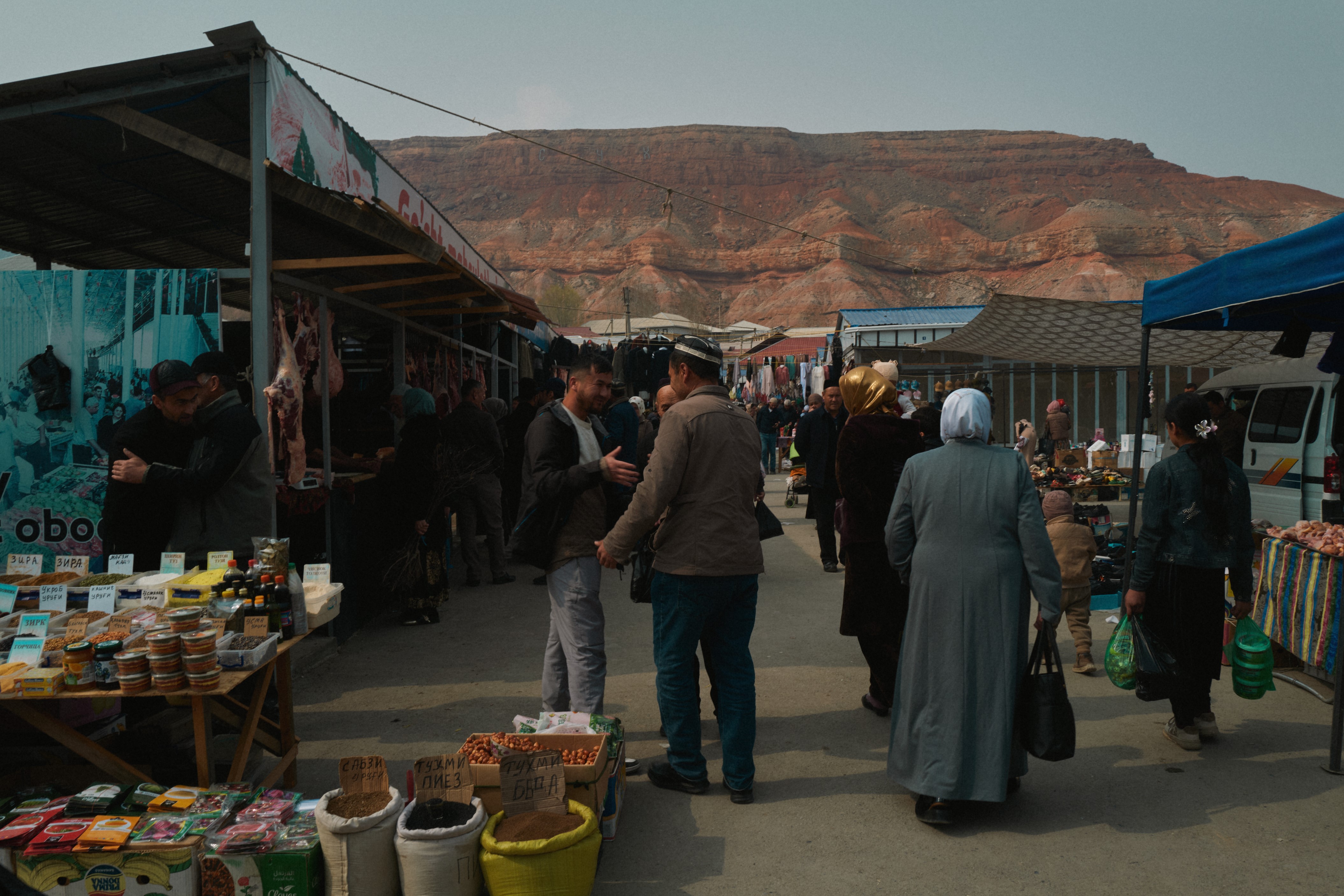
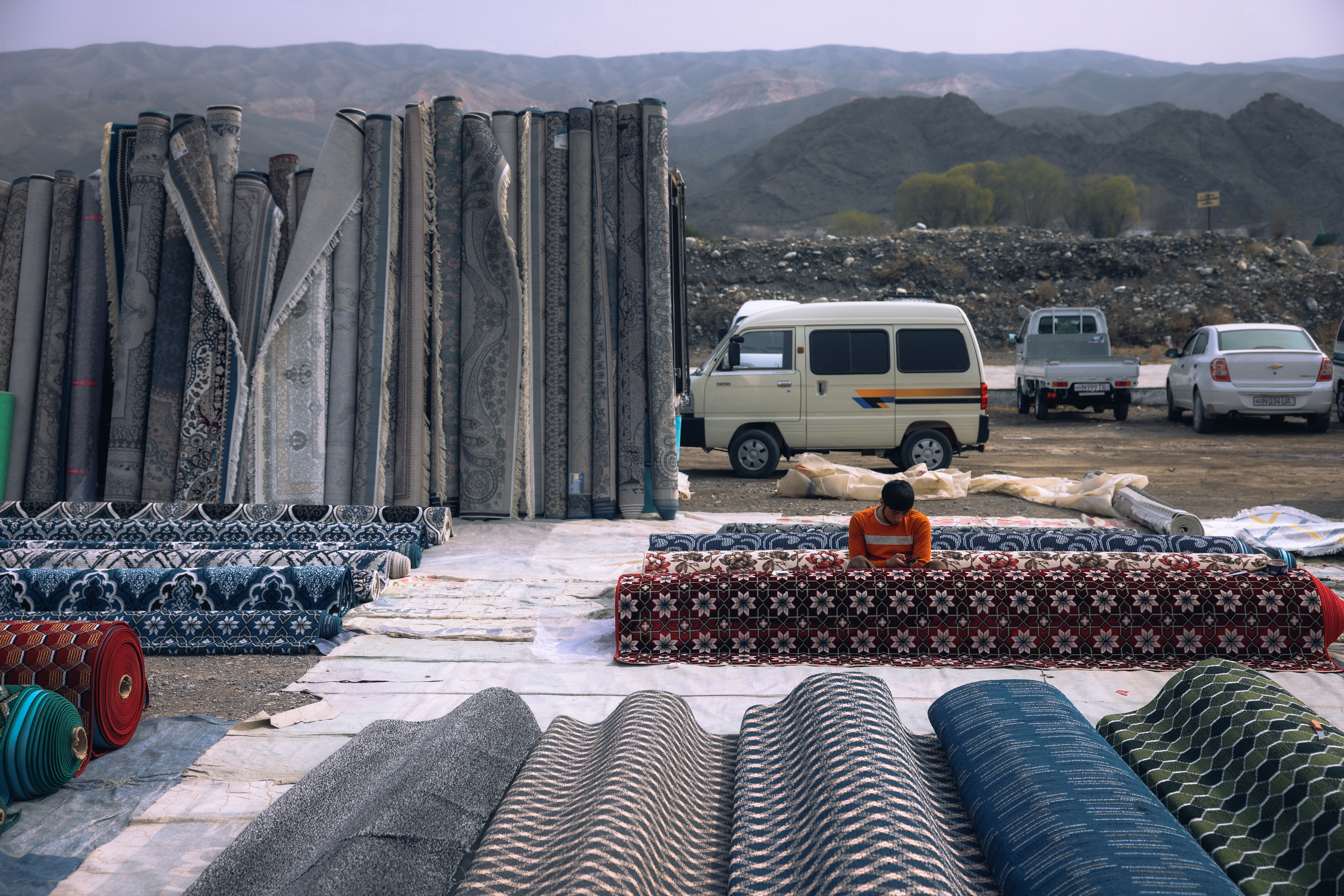
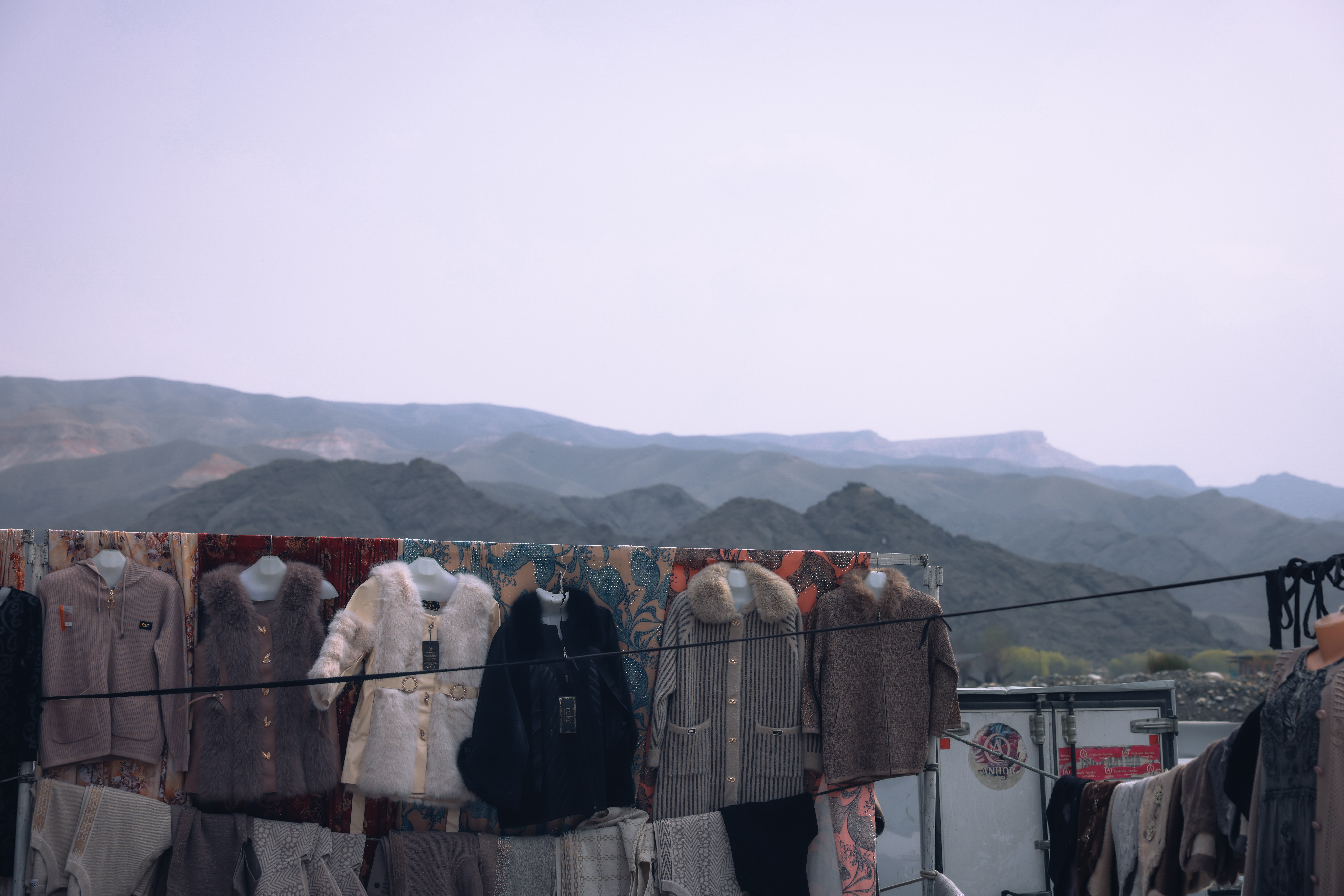
At Sokh’s bazaars, you can find a fairly wide range of local Uzbek goods, while residents also actively trade with their Kyrgyz neighbours and deal with everyday and business matters.
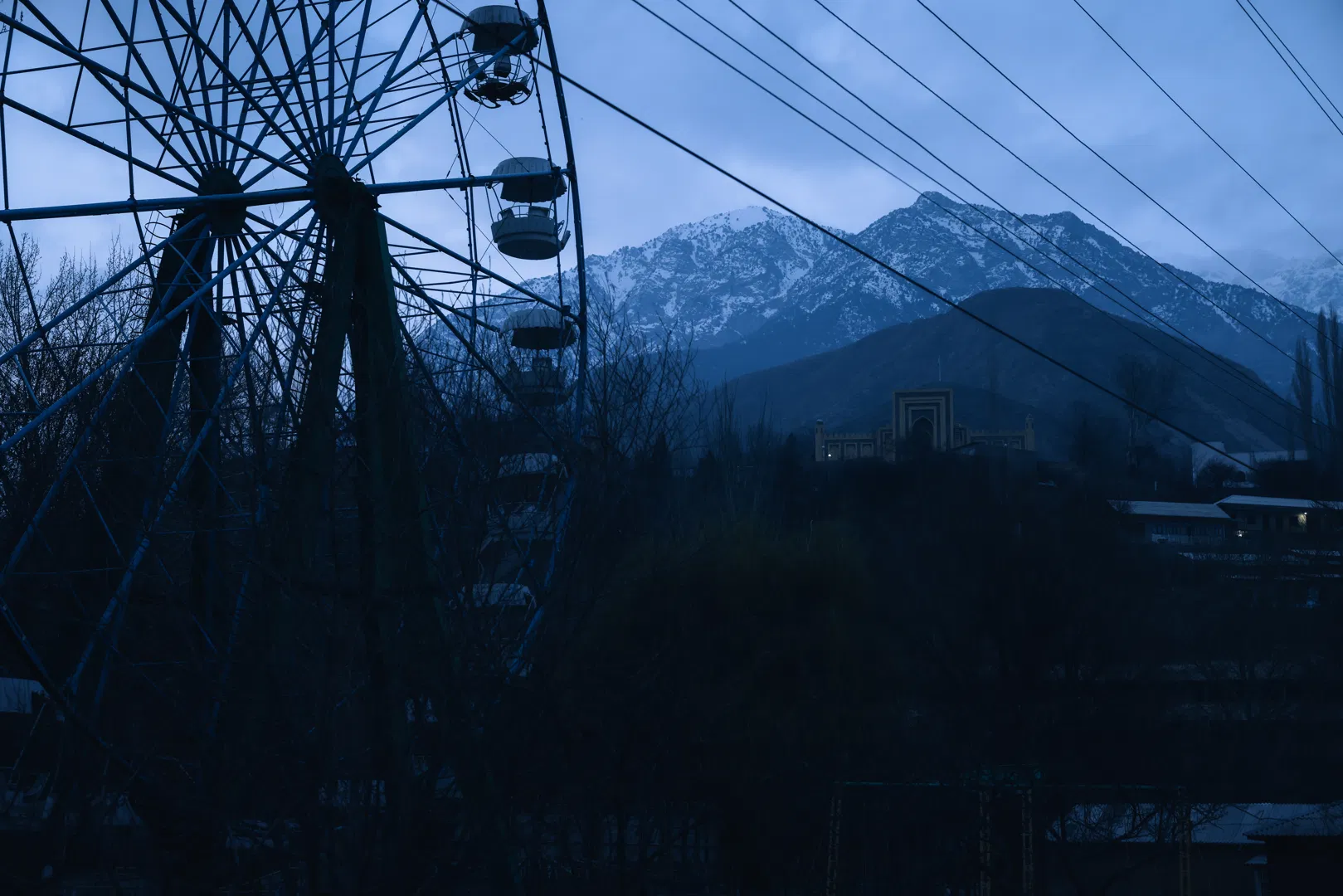
On this trip, we stopped at a bazaar in one of the kishlaks. Nothing seemed particularly unusual, yet the whole market scene against the backdrop of the mountains was incredibly evocative.
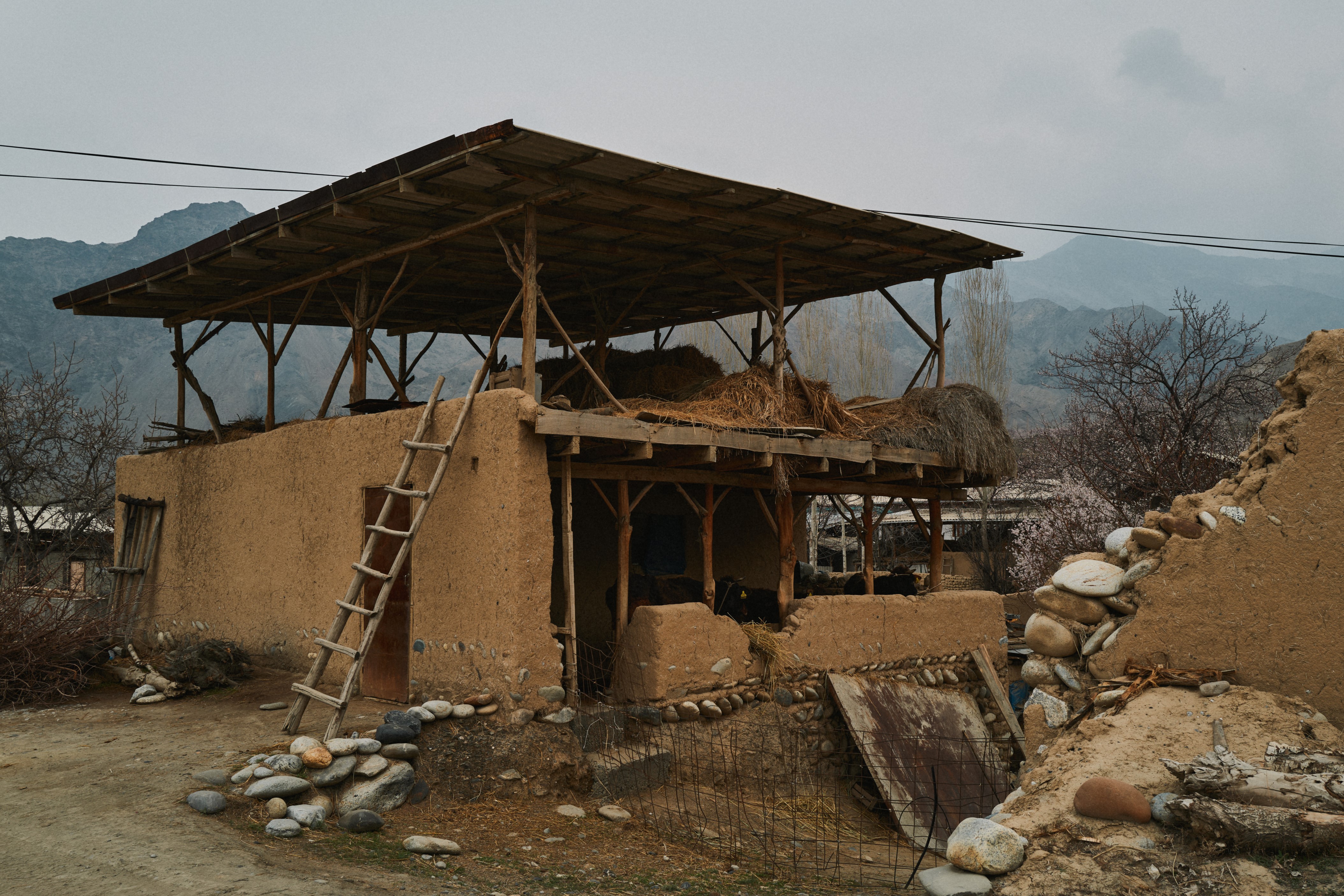 Photo: Ildar Sadykov, Sergey PogosyanPhoto: Ildar Sadykov, Sergey PogosyanPhoto: Ildar Sadykov, Sergey Pogosyan
Geographically separated from the rest of Uzbekistan, the people of Sokh hold firmly to their national traditions. The staple food here is the same as elsewhere: plov. An abundance of meat, rice and fruit, and above all the water needed for successful farming, allows them to maintain a healthy diet. The landscape inspires creative souls. Their unwavering commitment to standing together helps them overcome difficulties.
And yet the enclave still hopes to welcome guests, not only those who happen to come its way and not only during the holidays.
Newsletter
A letter from the HD editors
Once a week, we send the best stories, events, and cultural discoveries from Central Asia.