Traditions
The Story of Four Women Who Preserved the Uzbek School of Dance
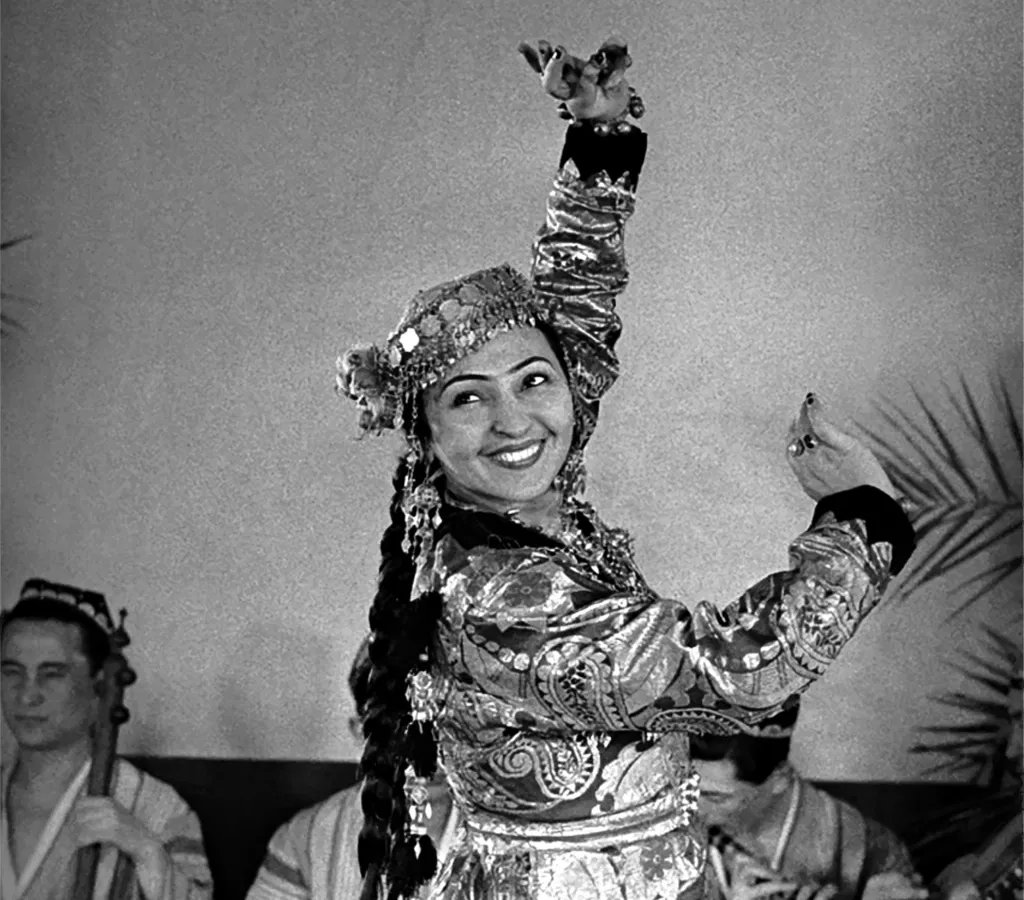
When people speak of safeguarding intangible cultural heritage, they usually think of archives, museums, recordings, government programmes or festivals. Yet it is possible to preserve an ensemble's name, its costumes and even its repertoire while gradually losing something that cannot be documented: the artistic language of the school itself. The history of Uzbek stage dance shows that its continuity has been sustained not only through dance productions but also through the people who, in different periods, assumed different responsibilities. This chain did not emerge by chance. It was forged over decades.
Tamara Khanum: The Founder of the Professional Stage
Uzbek stage dance owes its beginnings to two remarkable figures: Usta Alim Kamilov and his pupil, Tamara Khanum. Together, they laid the foundations of Uzbek stage dance and the Fergana Classical School. While Usta Alim Kamilov established and passed on the artistic language of traditional dance as a master and mentor, Tamara Khanum was the first to bring it to the professional stage, making it an integral part of Uzbekistan's national culture.
Had it not been for Tamara Khanum, Uzbek dance might well have remained part of a folk tradition. Before her, it existed primarily at family celebrations and within women's circles, passed down from one generation to the next as part of everyday life.
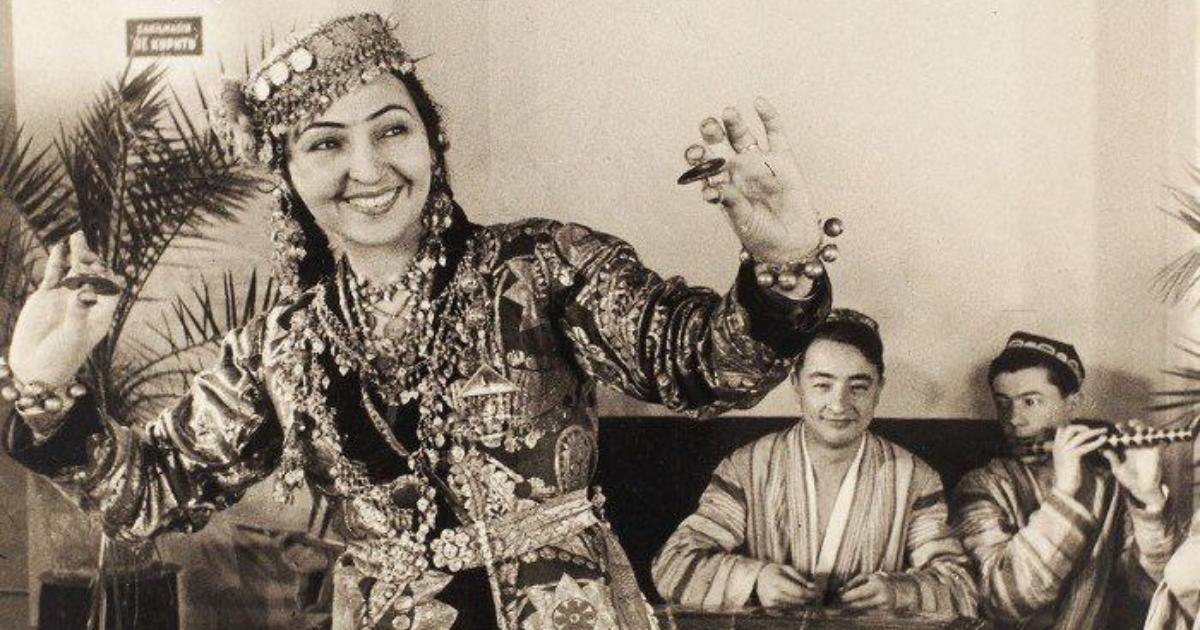
Tamara Khanum was the first to bring the language of Uzbek dance to the professional stage, demonstrating that it could stand as an independent theatrical art form. Her performances were not only artistic achievements but also acts of remarkable courage. At a time when a woman's public appearance on stage was met with fierce public opposition and could even put her life at risk, she opened a new chapter in the history of Uzbek art.
She later presented Uzbek dance on stages around the world, introducing international audiences to the culture of Uzbekistan through its dance. For that reason, her legacy extends far beyond her exceptional artistry as a performer. She laid the foundations upon which Uzbekistan's professional school of stage dance would later be built.
Mukarram Turgunbaeva: The Founder of the Artistic School
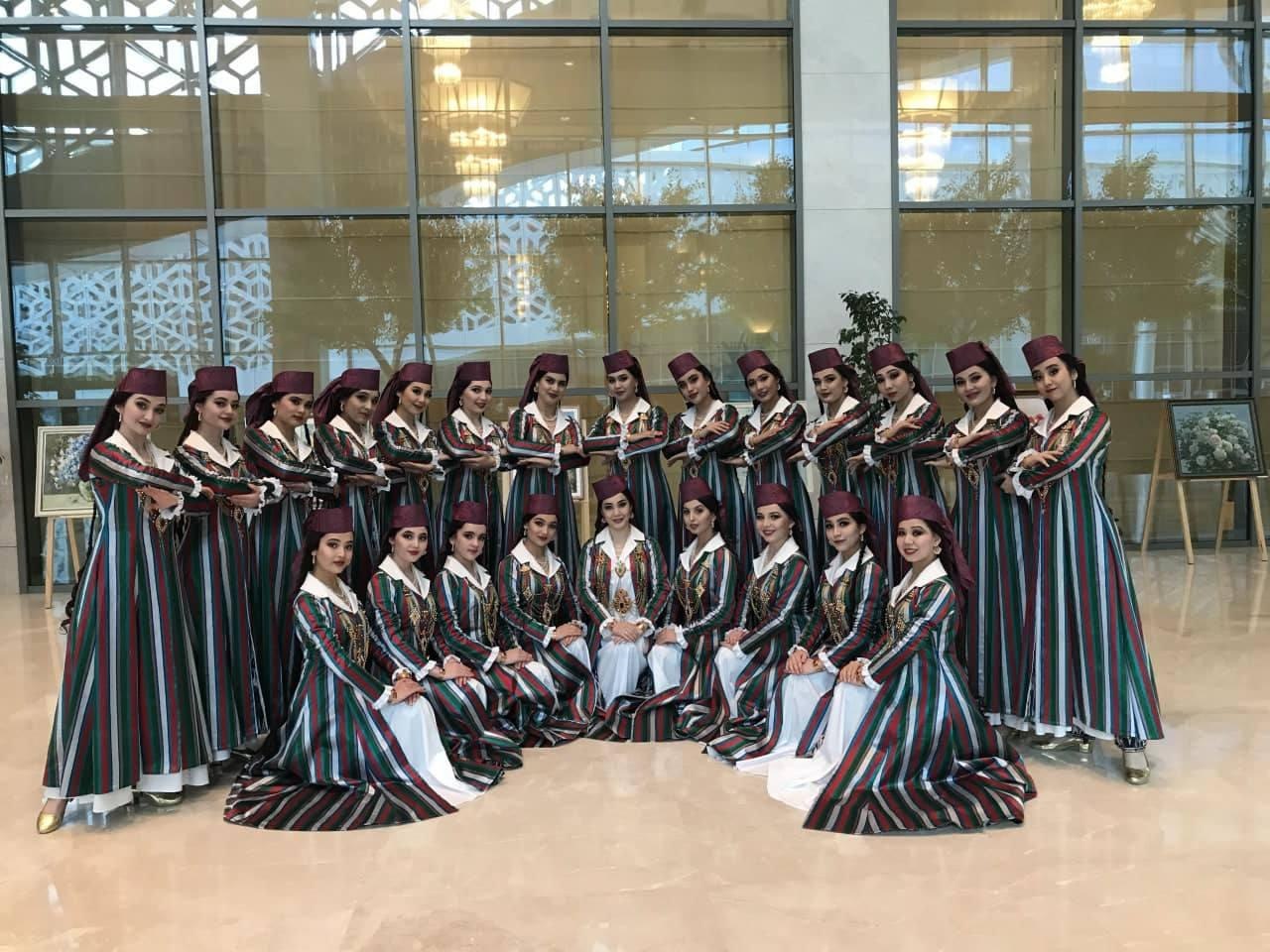
The next stage began. If Tamara Khanum opened the way for Uzbek dance to enter the professional stage, Mukarram Turgunbaeva defined the artistic language that would allow it to be recognised, preserved and passed on to future generations. In 1957, she founded the Bahor Ensemble, which became far more than a new performing company. It became a creative laboratory of national choreography.
It was here that the artistic language of Uzbek stage dance took shape, a language that would later become recognisable far beyond the borders of Uzbekistan. Mukarram Turgunbaeva transformed a folk tradition into a professional artistic system. In her productions, the expressive vocabulary of traditional dance found its theatrical form, while Uzbek dance developed its own dramaturgy, aesthetic principles and distinctive artistic language.
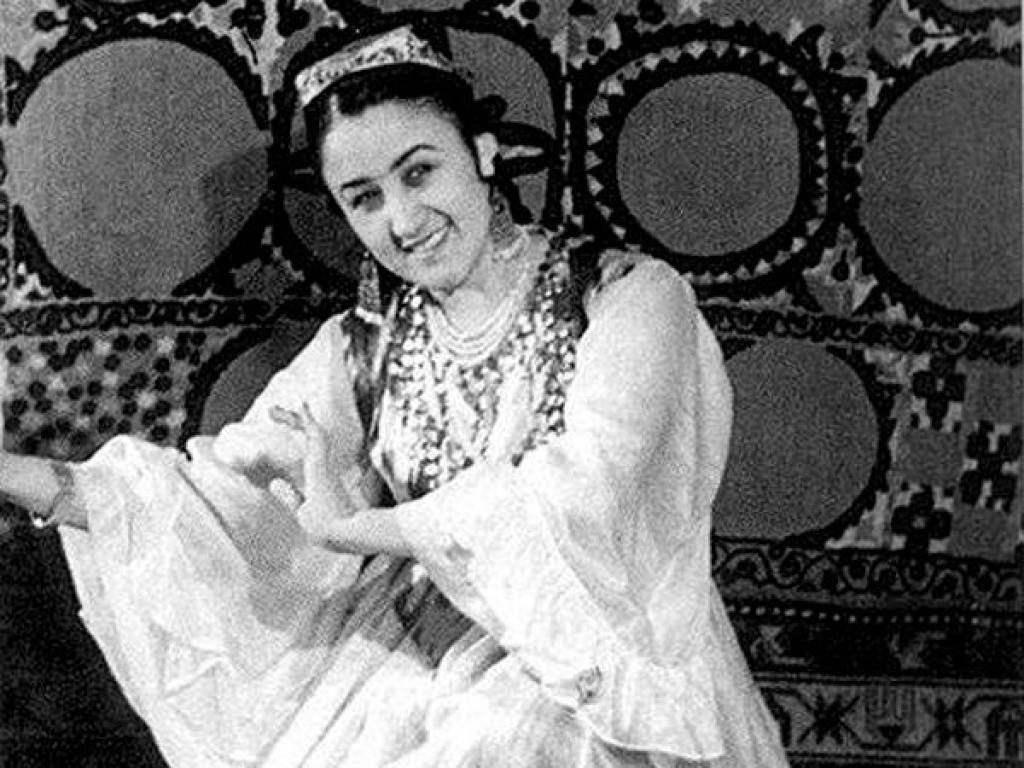
Her work shaped the image of the Eastern woman on stage, and many of her productions have become classics of Uzbek choreography, continuing to serve as a benchmark for performers today.
Turgunbaeva created a school that gave the world its own standards of beauty, movement, performance culture and artistic vision. Dance ceased to be merely an individual performing art, becoming an artistic tradition capable of perpetuating itself through generations of students, an enduring repertoire, and professional standards.
Mamura Ergasheva: Master of the Artistic Language
No artistic school can exist solely on paper, in notation, or in video recordings. It must live on in people: in their memory, performance culture, movement, and understanding of every gesture.
Mamura Ergasheva was one of Mukarram Turgunbaeva's disciples, preserving the artistic language of Uzbek dance not in theory but through daily professional practice. For more than half a century, her life was inseparable from the Bahor Ensemble. She began as one of its dancers, later became its ballet master, and eventually its artistic director.
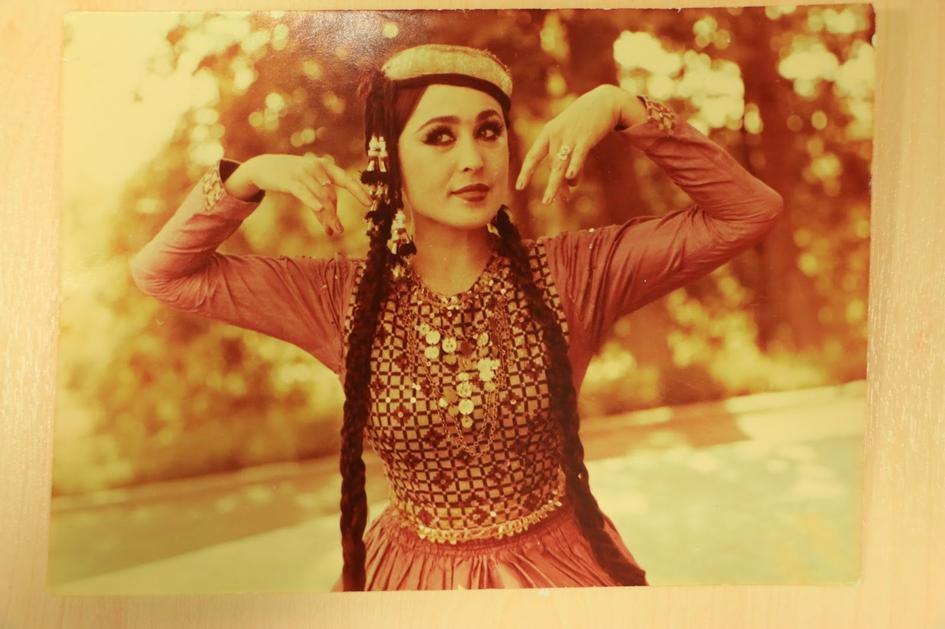
It was this continuity that enabled the school to remain alive on stage. For Mamura Ergasheva, it was never enough simply to reproduce celebrated productions. As a devoted disciple of Mukarram Turgunbaeva, she sought to preserve her mentor's distinctive artistic signature, along with the subtleties of movement, musicality, stage culture, and inner understanding of dance that can never be fully captured in notation or textbooks.
Masters like Mamura Ergasheva preserve and pass on the subtle nuances that constitute the true artistic language of a school. For that reason, her contribution extends far beyond performance itself. She carried the school's artistic language from its founding generation to today's teachers and performers.
Rushana Sultanova: The Guardian of Continuity
Today, this chain continues. We spoke with Rushana Sultanova, People's Artist of Uzbekistan and Director of the Republican specialized school of choreography in Uzbekistan, and during our conversation she uttered one particularly remarkable phrase:
Bahor today is still beautiful. But it is already different…
And this was said not as criticism — on the contrary, it was spoken with a full understanding of how imperceptibly the artistic language of a school can shift. Changes rarely occur all at once — they accumulate gradually in the manner of performance, in movement, in the work of the hands, in musicality, even in the inner sensation of movement felt by the dancers. Yet over time, these almost imperceptible differences begin to alter the artistic language itself.
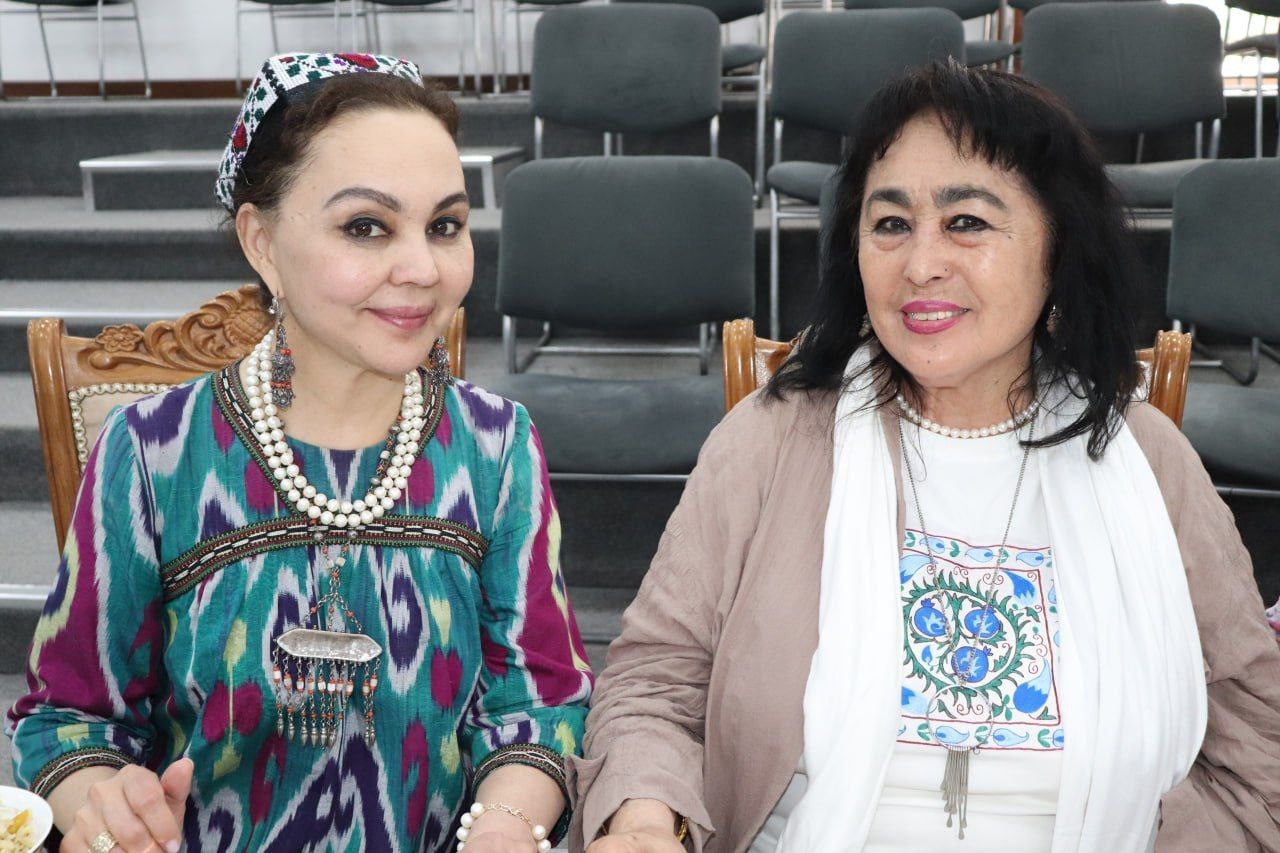
One of the defining decisions made by Rushana Sultanova in her role as head of the Higher School of National Dance and Choreography was to invite Mamura Ergasheva to work with students — not as an honoured guest or out of deference to the past, as is sometimes done as a mark of long service, but specifically as an outstanding teacher and as someone who remains a living bearer of the artistic language of the school created by Muqarram Turgunbaeva.
In this decision, one might discern the most important function of the new generation. Its task is not simply to preserve the ensemble's repertoire or history. The matter is far more complex — what must be preserved is the very mode of artistic thinking through which a tradition remains recognisable even as new productions and new performers come into being.
This is precisely why Rushana Sultanova's role extends beyond administrative or pedagogical work. She becomes the connecting thread between the school's history and its future, transforming continuity from a fine-sounding word into a daily professional practice.
The story of these women demonstrates that cultural heritage is never preserved by a single individual. Each generation assumes a new responsibility. Tamara Khanum laid the foundations of the professional stage. Mukarram Turgunbaeva founded an artistic school. Mamura Ergasheva preserved its artistic language as a living bearer of the tradition. Today, Rushana Sultanova ensures that this tradition is passed on to future generations while safeguarding its artistic integrity.
| Stage | Primary contribution | Key means |
| Tamara Khanum | Established a professional stage tradition | Performance, popularisation, international touring, and bringing folk dance to the professional stage |
| Mukarram Turgunbaeva | Founded an artistic school | The Bahor Ensemble, choreographic productions, artistic language, a training system, and repertoire |
| Mamura Ergasheva | Preserved the school's artistic language | Personal mastery, daily rehearsal practice, and passing the subtleties of performance on to her students |
| Rushana Sultanova | Ensures the transmission of the school to the next generation while preserving its artistic identity | Dance education, leadership of the School of Choreography, engaging living bearers of the tradition, thoughtful repertoire selection, and safeguarding artistic standards |
This is not a series of individual biographies but a continuous chain of responsibility. UNESCO defines intangible cultural heritage as a tradition transmitted from generation to generation. Behind that concise definition, however, there are almost always individuals who make that transmission possible.
The history of Uzbek dance demonstrates that continuity emerges when each generation not only inherits a tradition but also accepts responsibility for preserving it. Perhaps that is why the greatest legacy is not the dance itself.
The greatest legacy is the school's artistic language: something that can never be fully recorded, yet can be passed from one person to another. As long as that artistic language survives, the tradition lives on. When it is lost, the school itself is lost with it, even if the ensemble, the costumes, and the name remain unchanged.
Newsletter
A letter from the HD editors
Once a week, we send the best stories, events, and cultural discoveries from Central Asia.