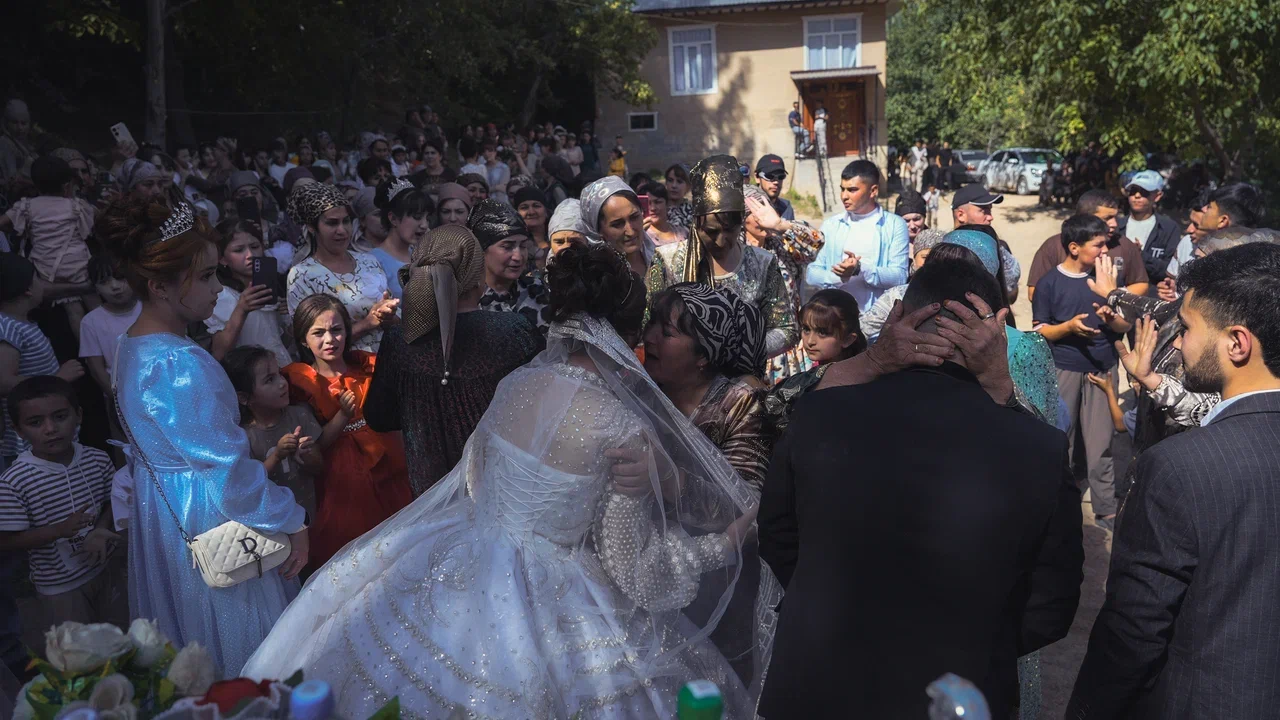
Uzbek weddings may look much the same, but each has something that makes it memorable. In Kashkadarya Region, customs believed to date back to Zoroastrian times, including leaping over fire and leading the bride around a bonfire, are gradually disappearing. In highland Gilan, as in countless other places across Uzbekistan, a wedding remains a major event for two families. Ildar Sadykov’s photo essay captures a celebration at 2,500 metres above sea level.
Old-timers say that around fifty years ago, some villages still observed customs rooted in Zoroastrianism and associated with the magical power of fire. I remember wedding scenes in paintings by the elder Chorshanbiyev: stars, the moon and a bonfire. He, too, painted them based on stories told by village elders. From the standpoint of our religion, such practices are unacceptable, but as a researcher, photographer and traveller, I had always hoped to witness a ceremony of this kind.
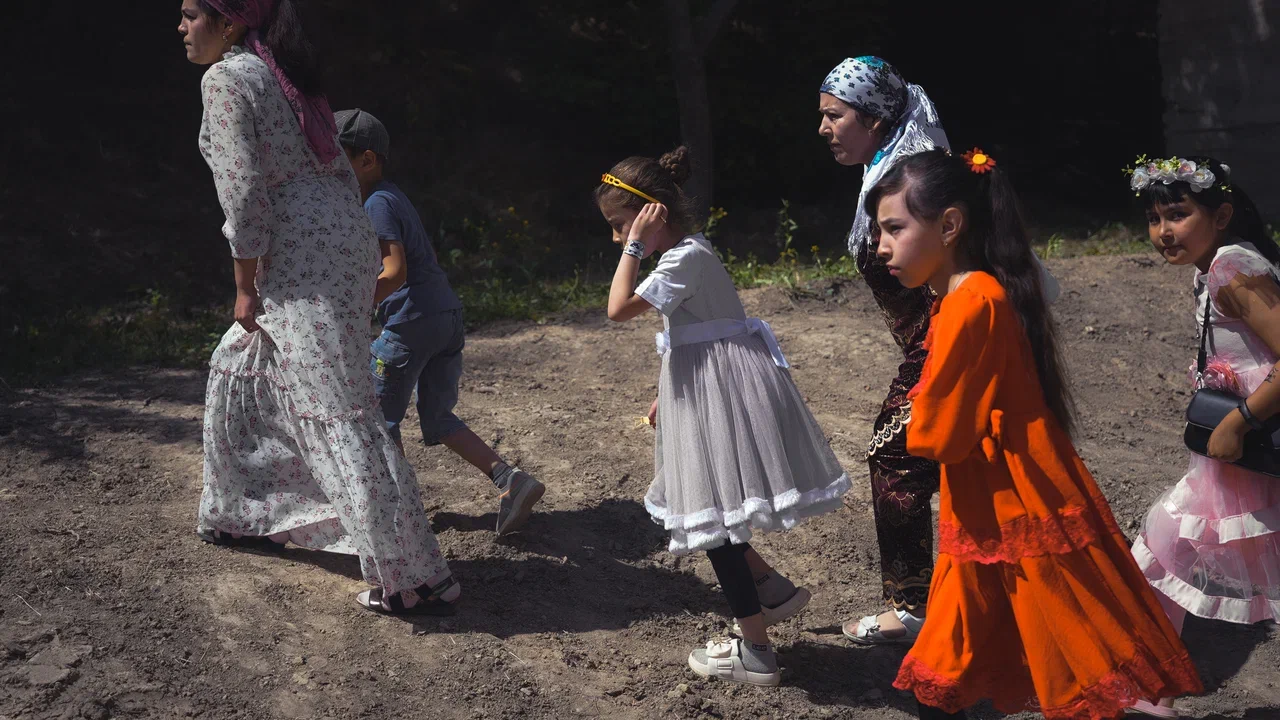
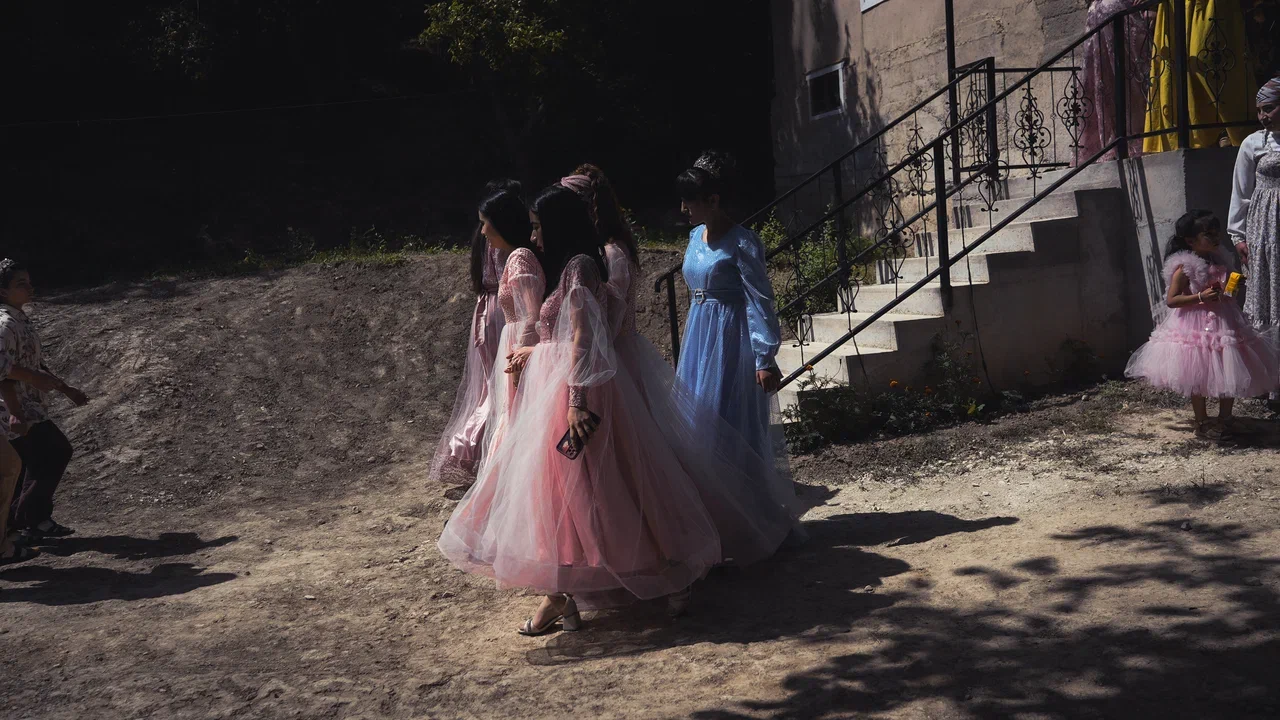
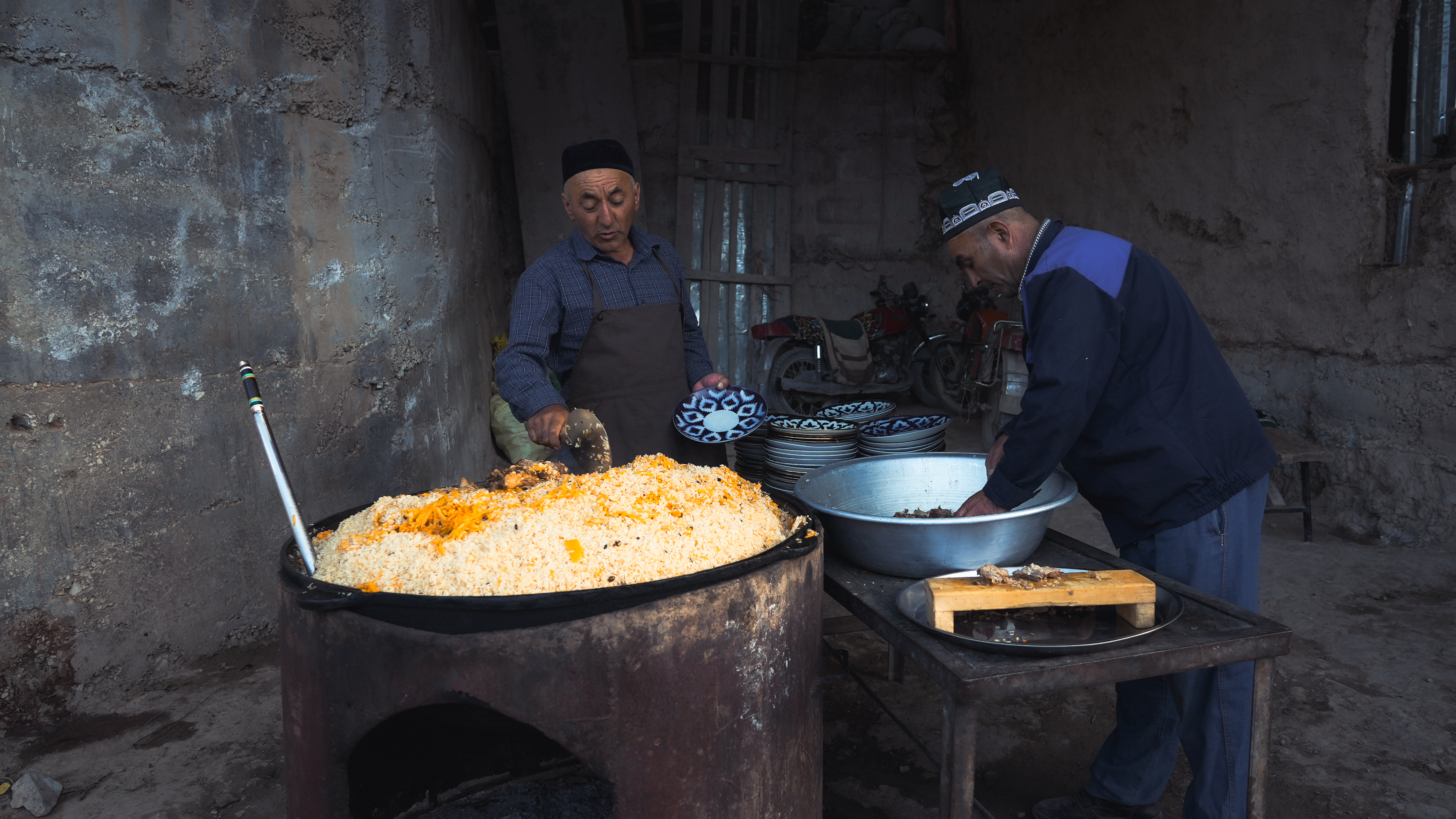 Photo: Ildar SadykovPhoto: Ildar SadykovPhoto: Ildar SadykovPhoto: Ildar SadykovPhoto: Ildar Sadykov
It happened in August last year. Whenever I am in Gilan, I usually get up early. Before dawn, a magical light appears above the mountain peaks. The first rays emerge, followed by the Sun itself. I love watching the village come to life. Women are the first to venture outside, getting the cows ready to go out to pasture. At a designated spot, shepherds gather the livestock and lead it up to their high-altitude pastures.
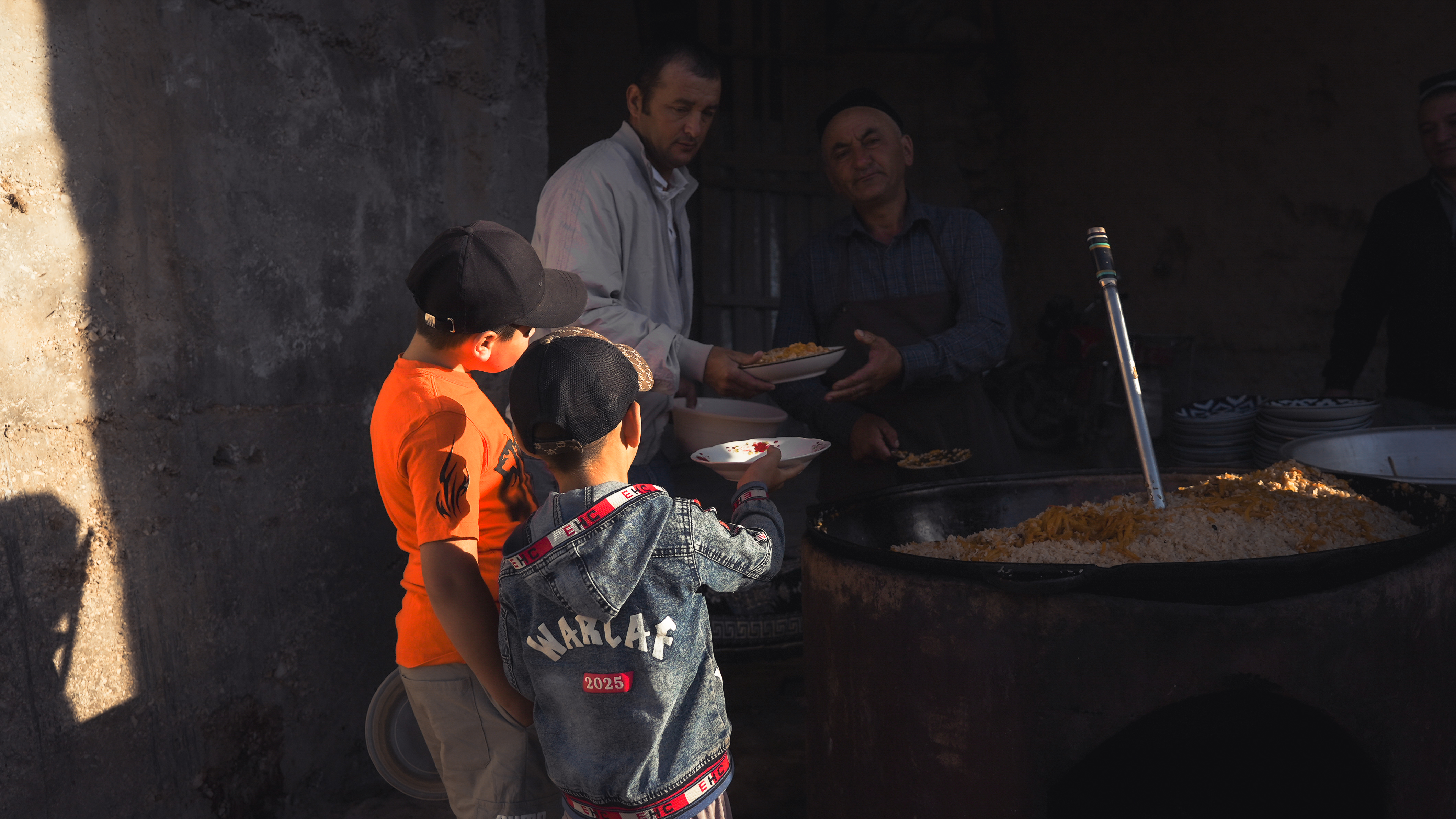
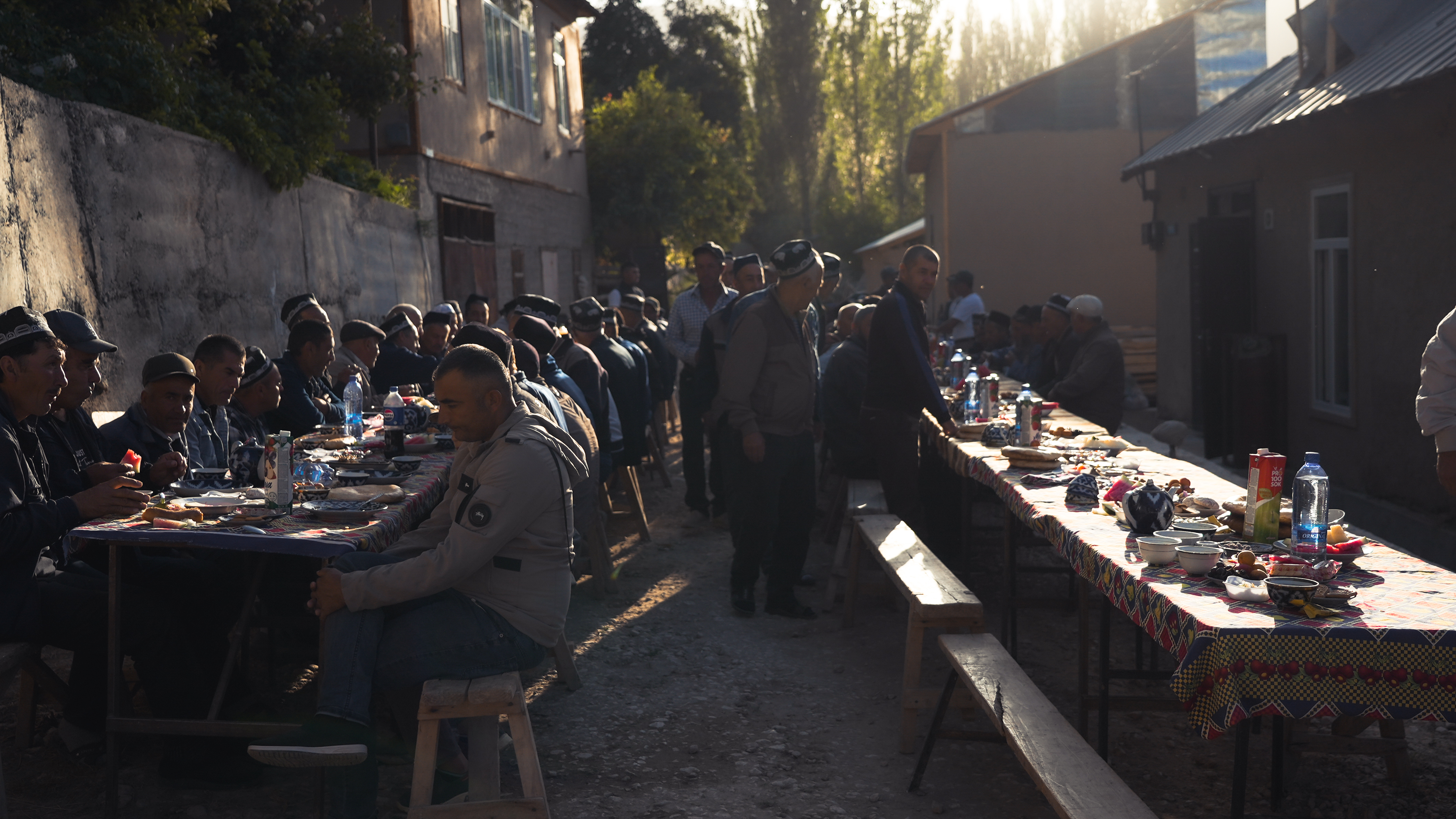
That morning, at around seven, a clear, resonant voice rang out. In many small towns and villages, it is a tradition for a crier to go around the settlement, loudly calling people to the morning plov. There is a wedding in the village! I find the ritual endlessly fascinating. City dwellers like us can hardly imagine it. No glossy invitations in individual envelopes here. When I called out to the crier, he stopped what he was doing and courteously escorted me to the house where the wedding was to take place, introducing me to the groom’s father. Anyone who lives in the village or happens to be visiting can attend the wedding, but only invited guests may sit down at the tables. The distinction is strictly observed.
A stretch of the narrow village road had been closed off. Tables were already laid, and a huge kazan stood to one side, with the plov steaming inside, almost ready. The men were stirring it and cutting the meat. The plov reminded me of the Tashkent-style version, without any particular embellishments. Tea and sweets had been set out on the tables.
After the first namaz, people began streaming into the courtyard. As an honoured guest, I was invited into the house. By then, almost every seat had been taken by the aksakals, the village elders, who traditionally receive special respect. The women were busy in the kitchen. I asked if I could sit outside with the other guests instead. It was delightful to watch children and teenagers arrive carrying their own plates, ready to take food to anyone who, for one reason or another, could not come in person.
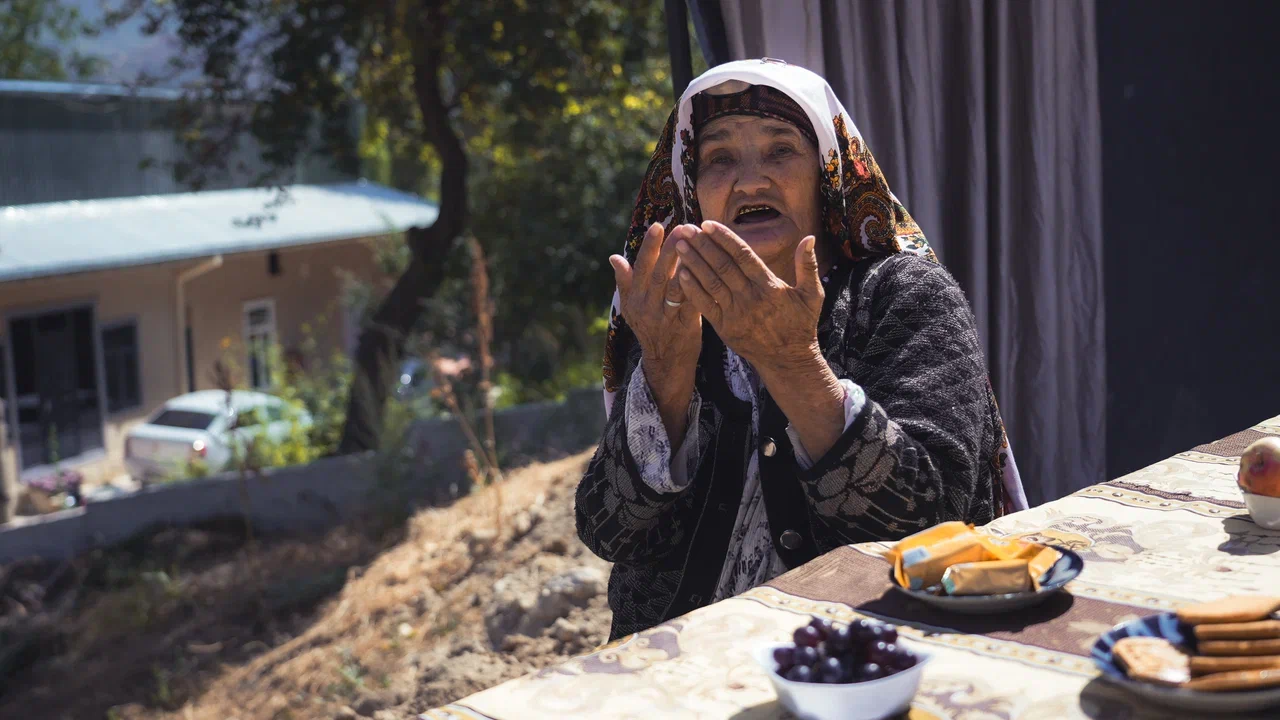
The morning plov at the groom’s home was only one part of the wedding celebrations. The main event, attended by the couple’s many relatives, was to take place at a special venue, though not in a toyxona, a wedding hall, as we might expect.
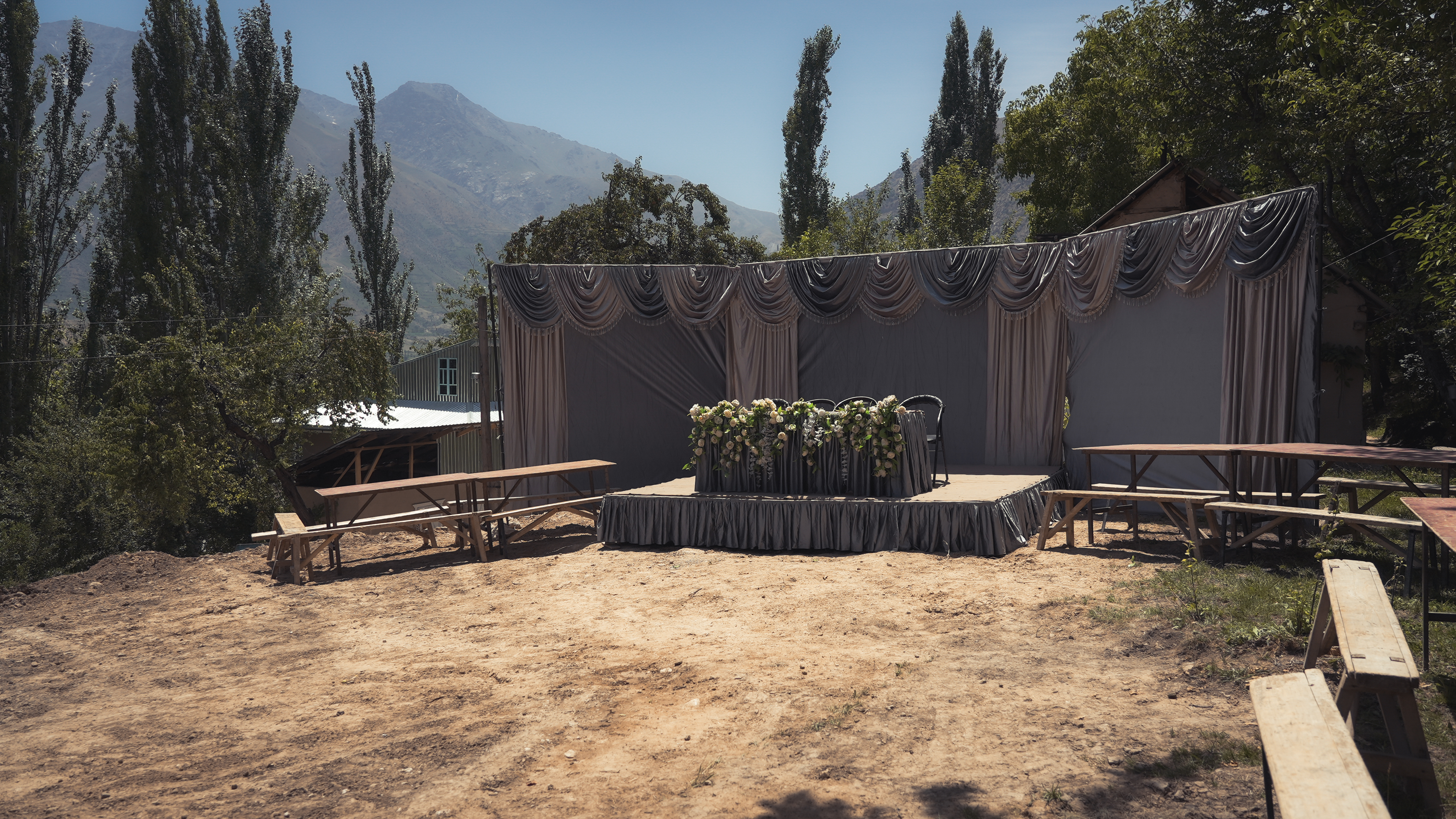
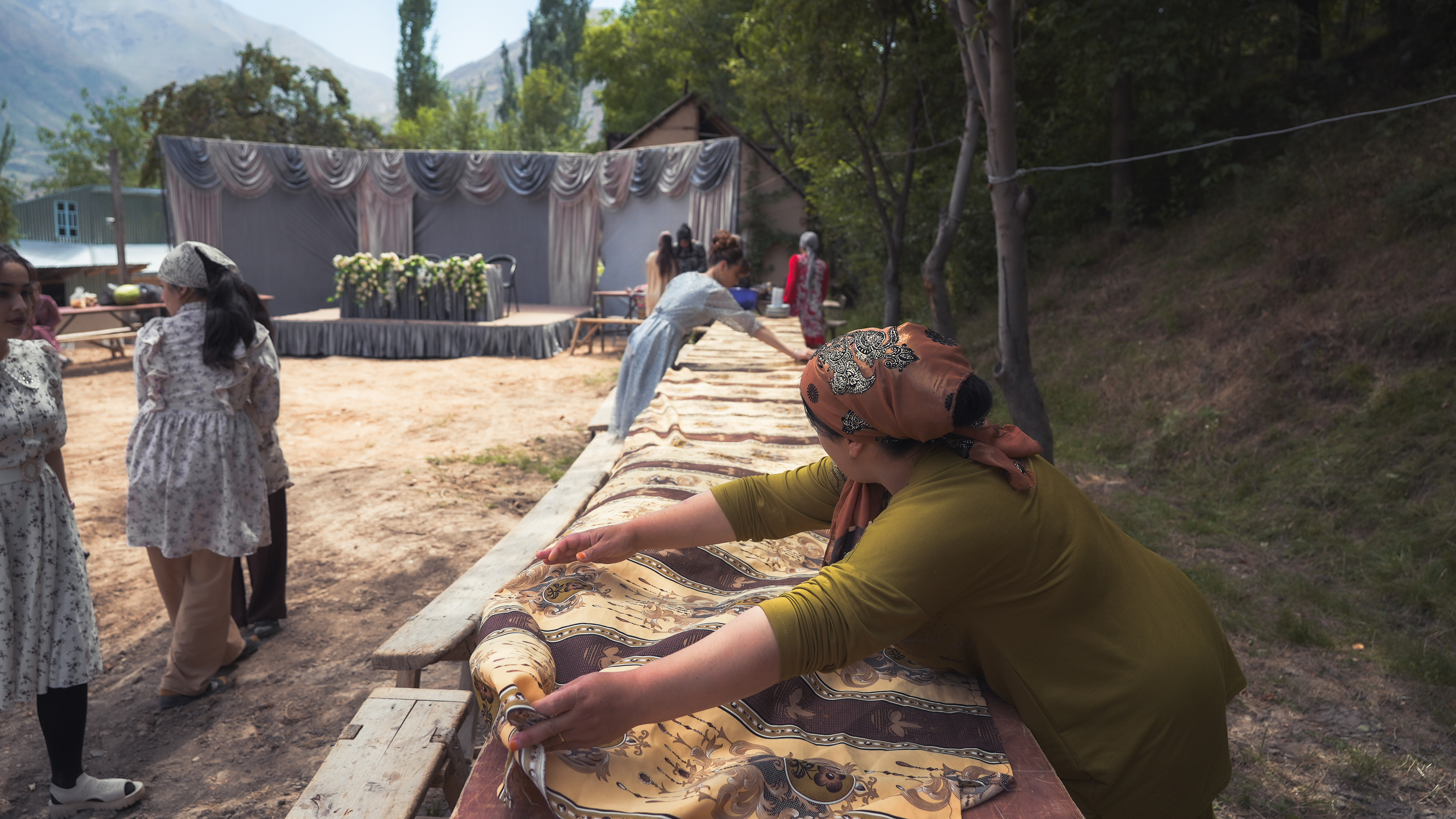
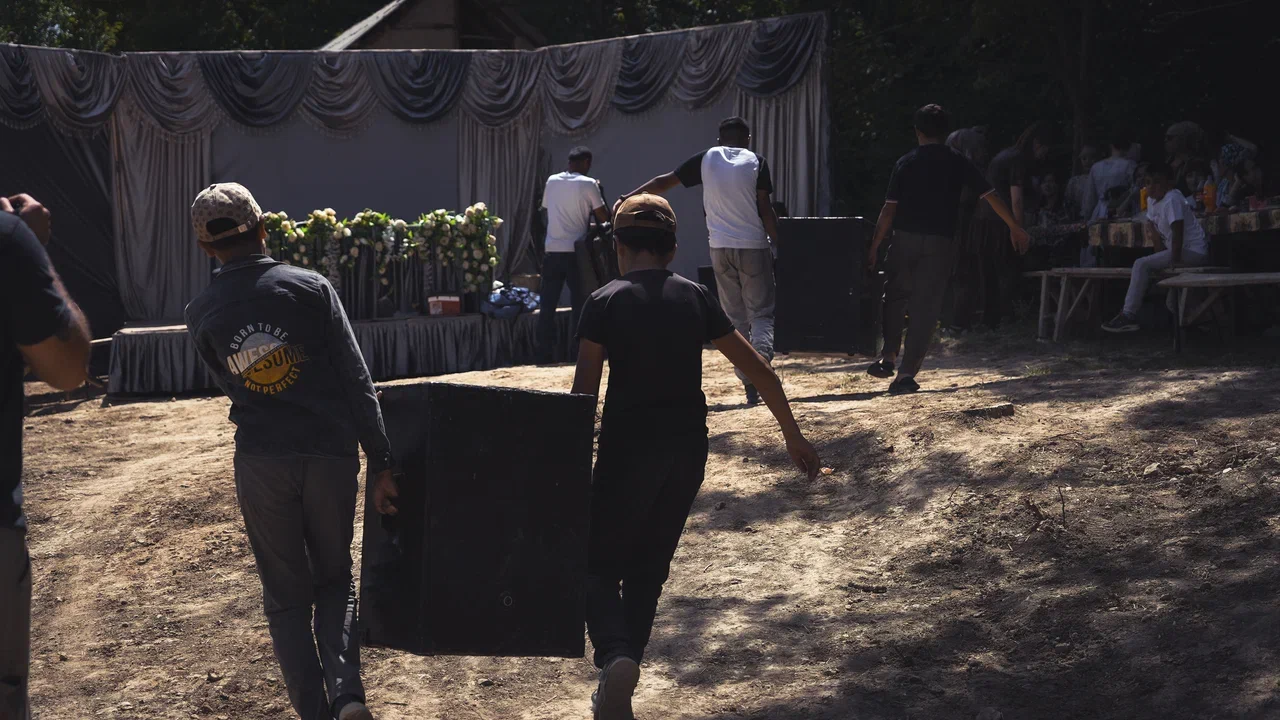
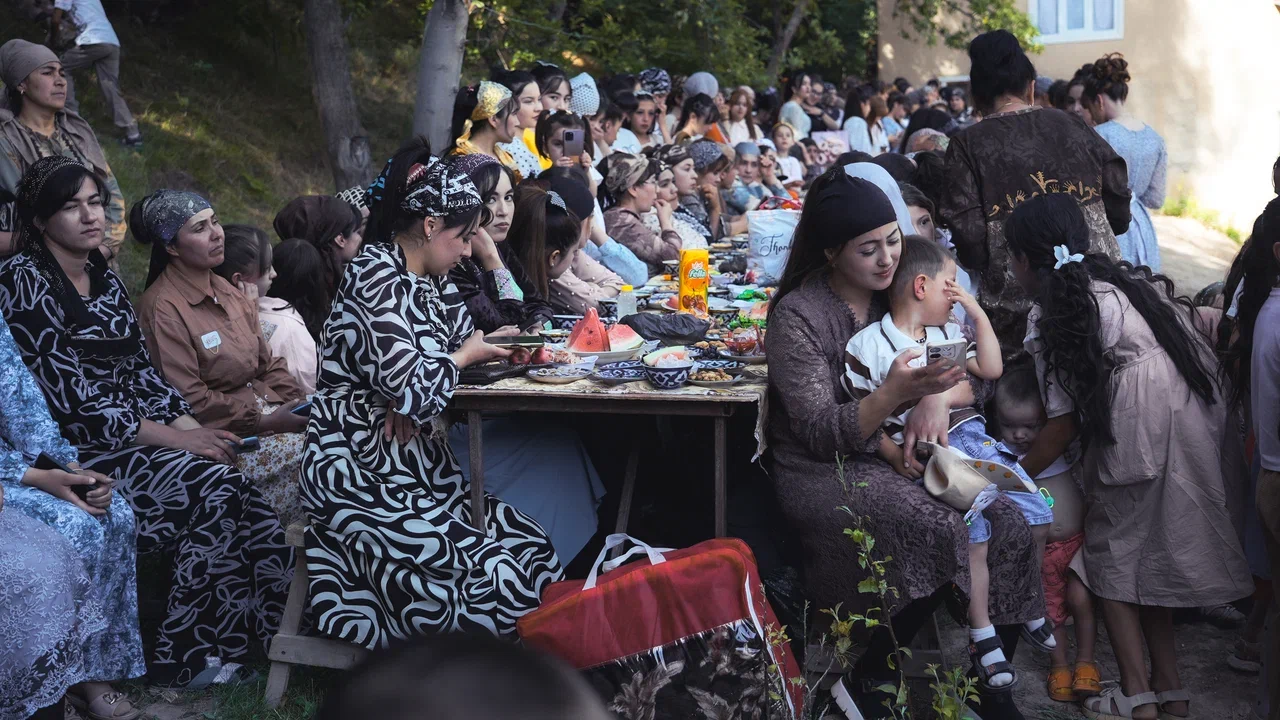
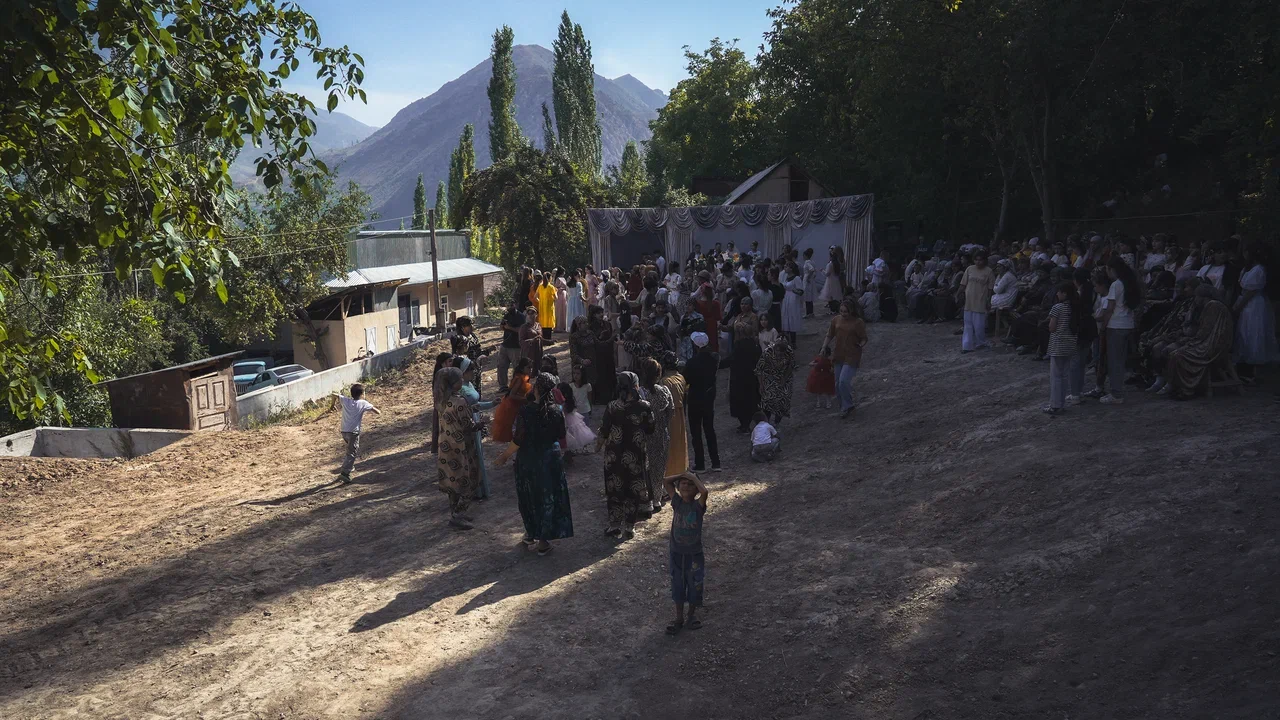
I headed to the other end of the village well in advance, hoping to catch the preparations. In the vast courtyard of a private house, a marquee was already standing, marking the spot reserved for the bride and groom. On one side, the tables were being laid, with fruit placed first.
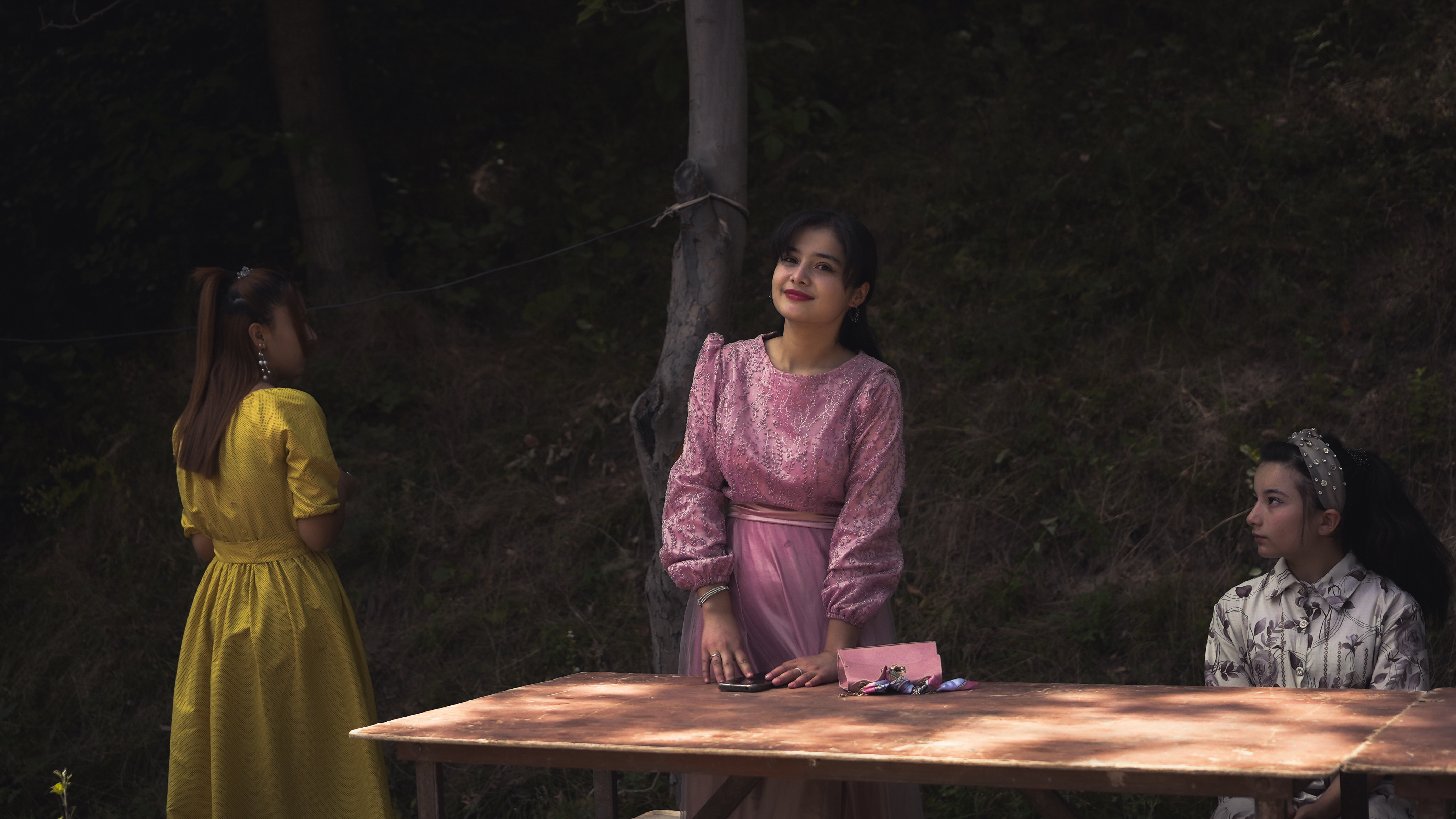
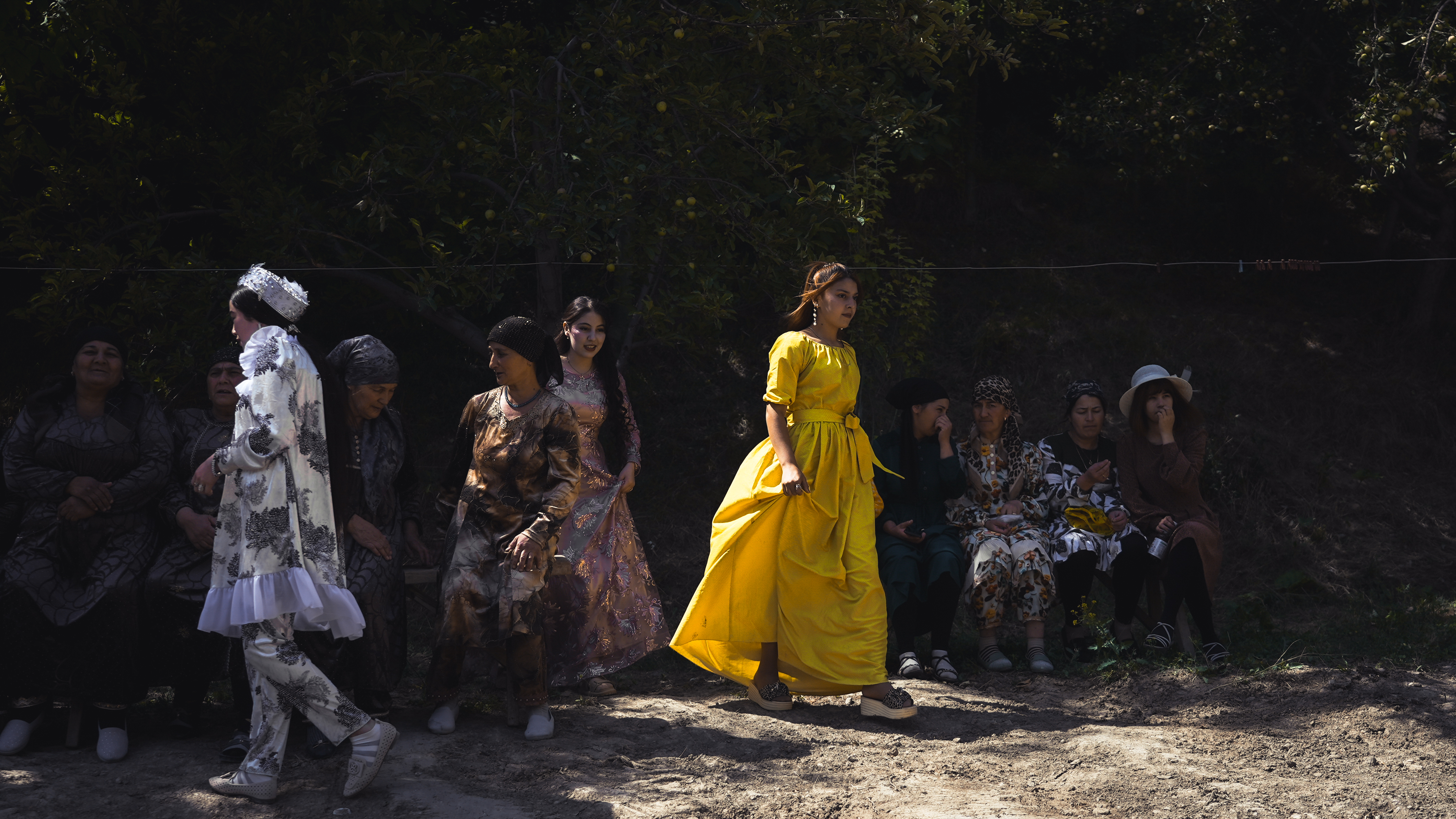
Both the celebration itself and the preparations for it serve as an informal opportunity to assess potential brides. The young women take the chance to show themselves off in their finest outfits, while the older women observe how each of them works as they help the host families. This made for a certain tension in the air.
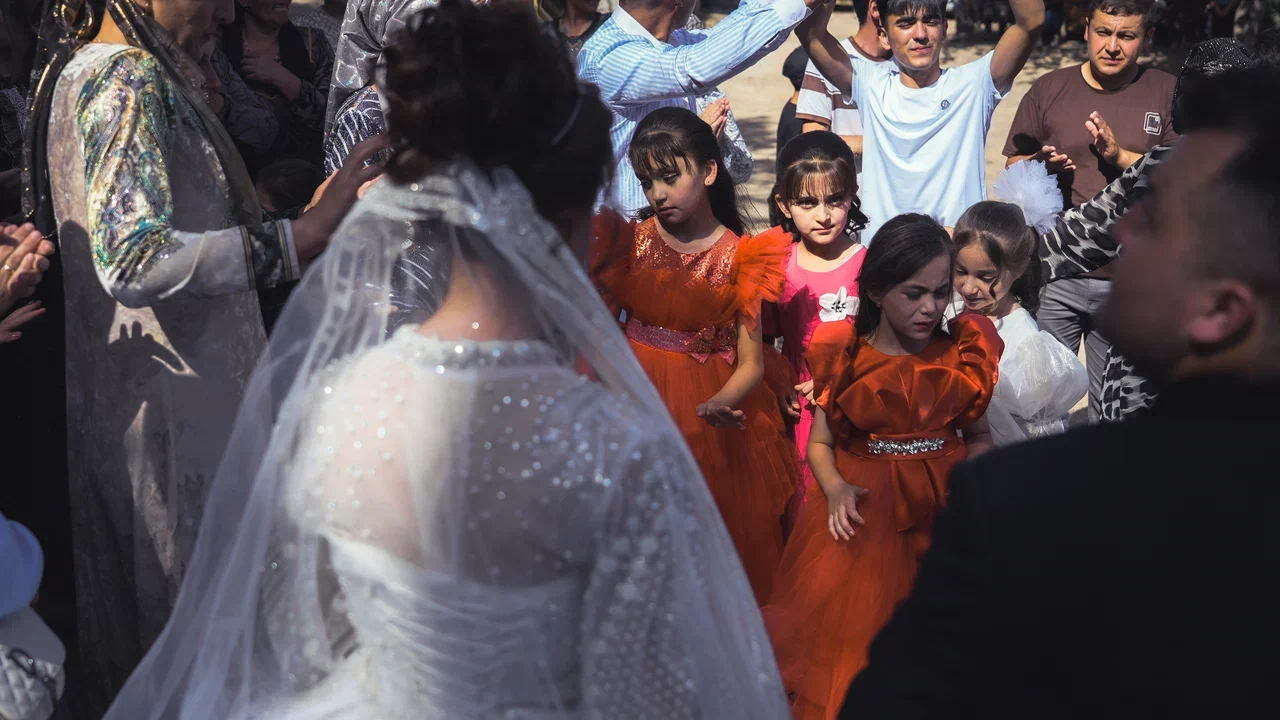
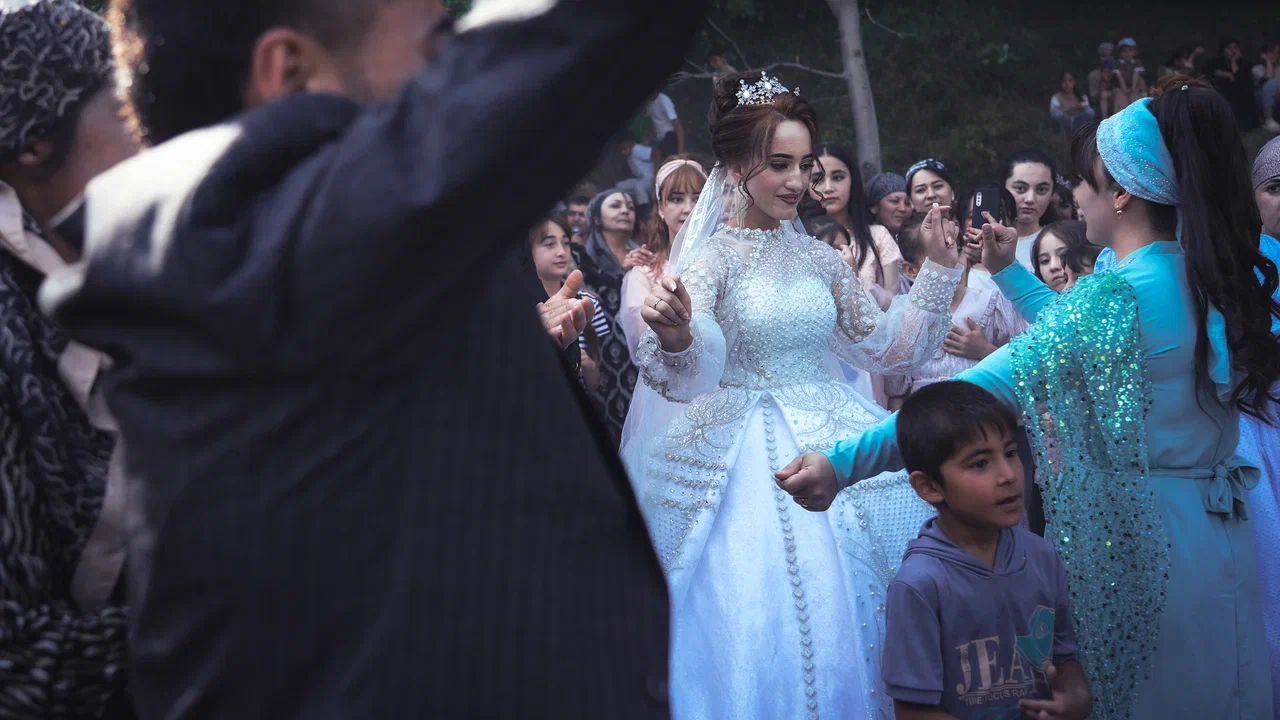
And the mothers had plenty to look at. The women of Gilan are striking, with their large eyes and vivid features, dressed in their very best.
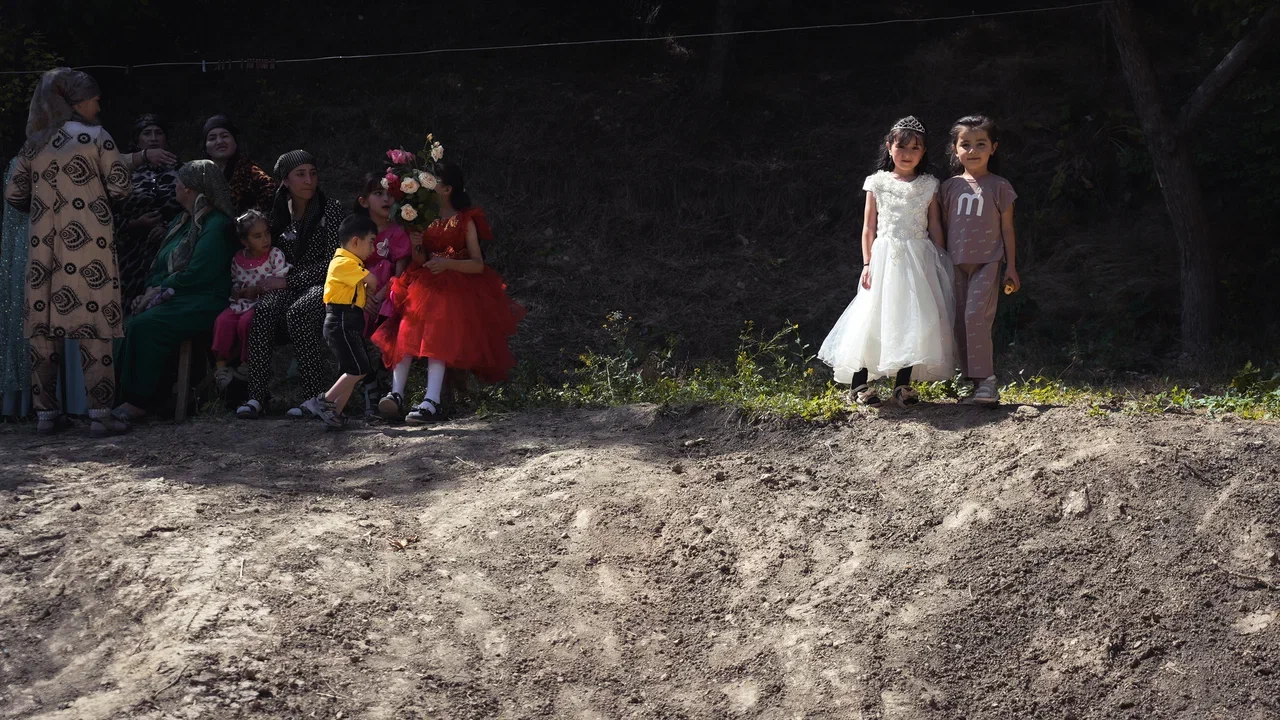
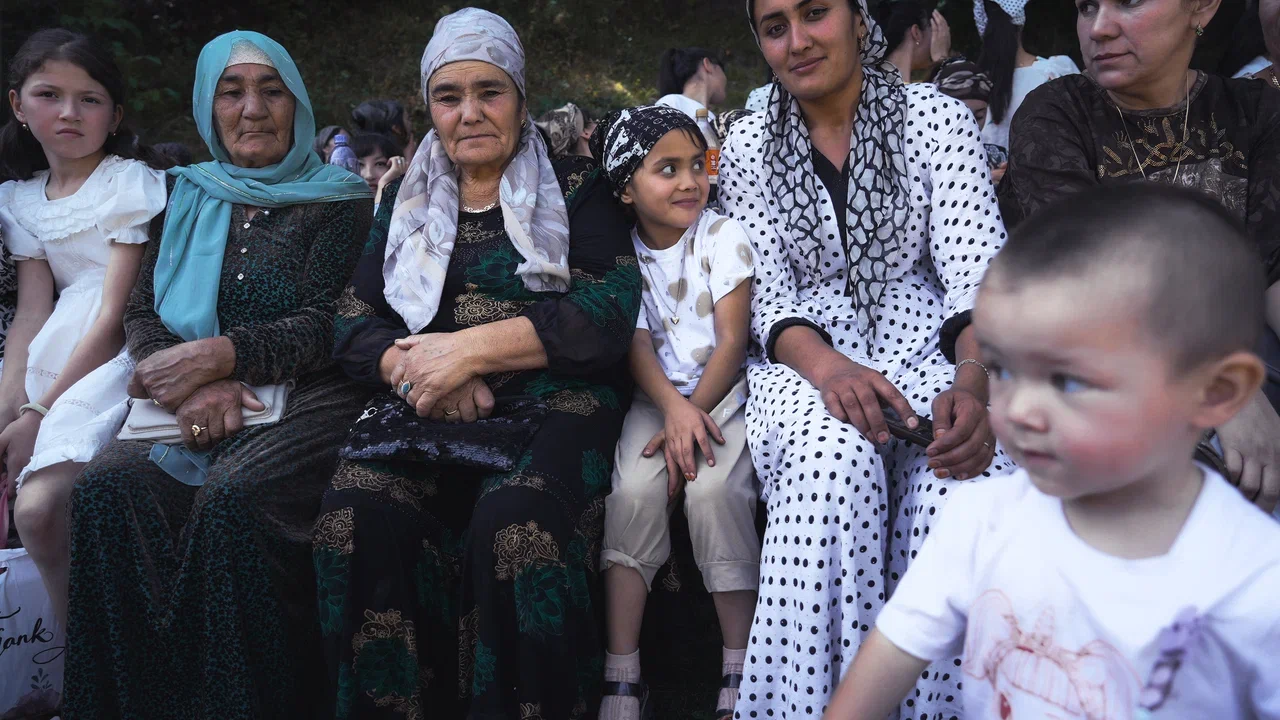
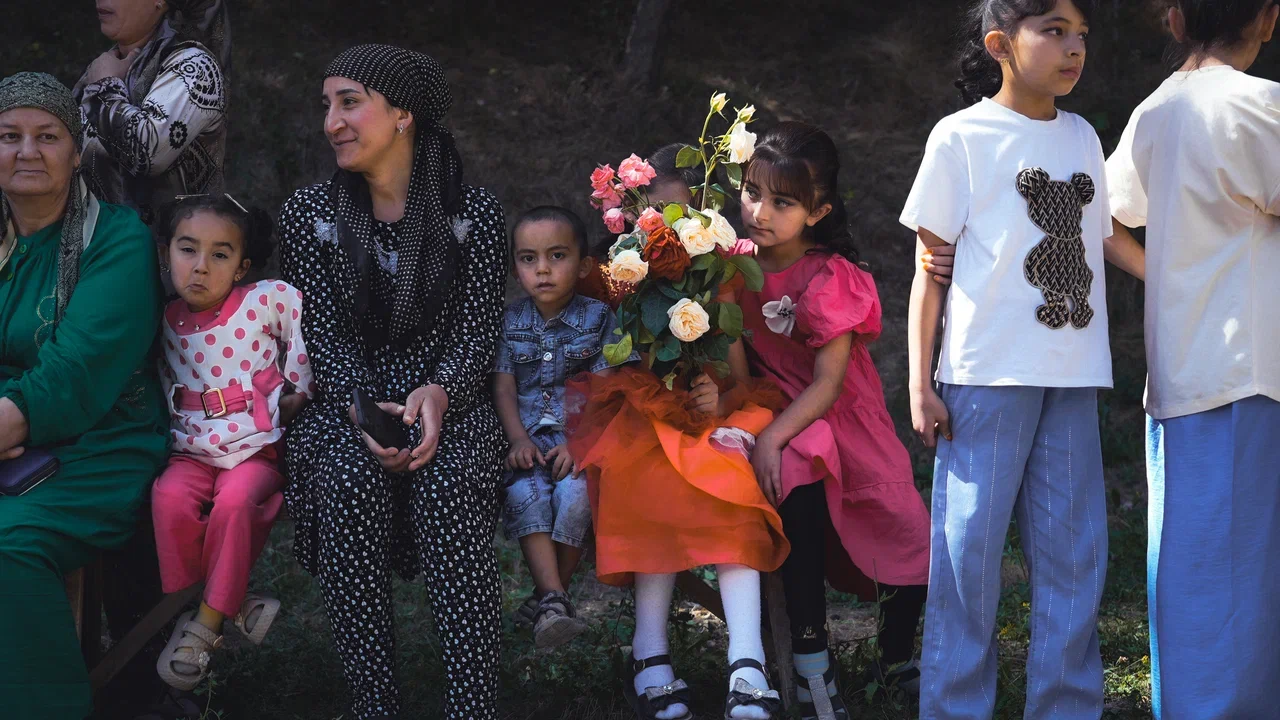
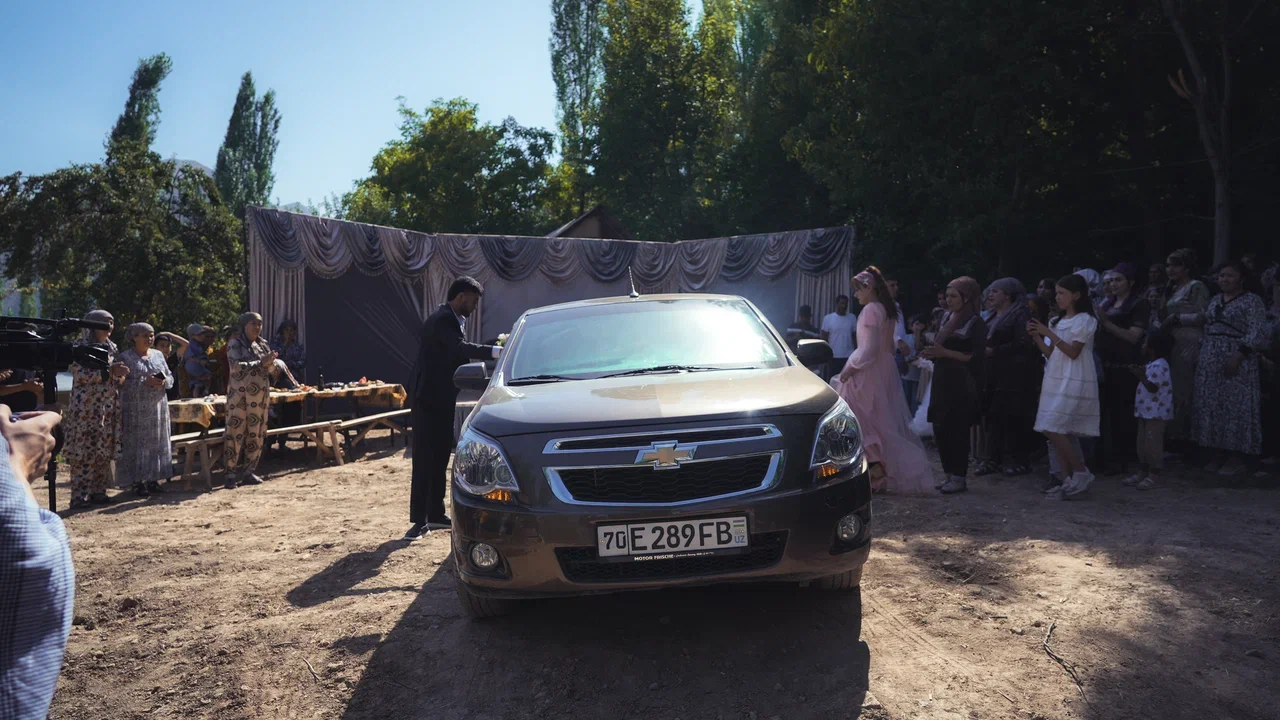
Some guests settled on benches, while others found seats higher up, where they could watch more comfortably. The young men and women were seated separately. Guests arrived by car and motorbike.
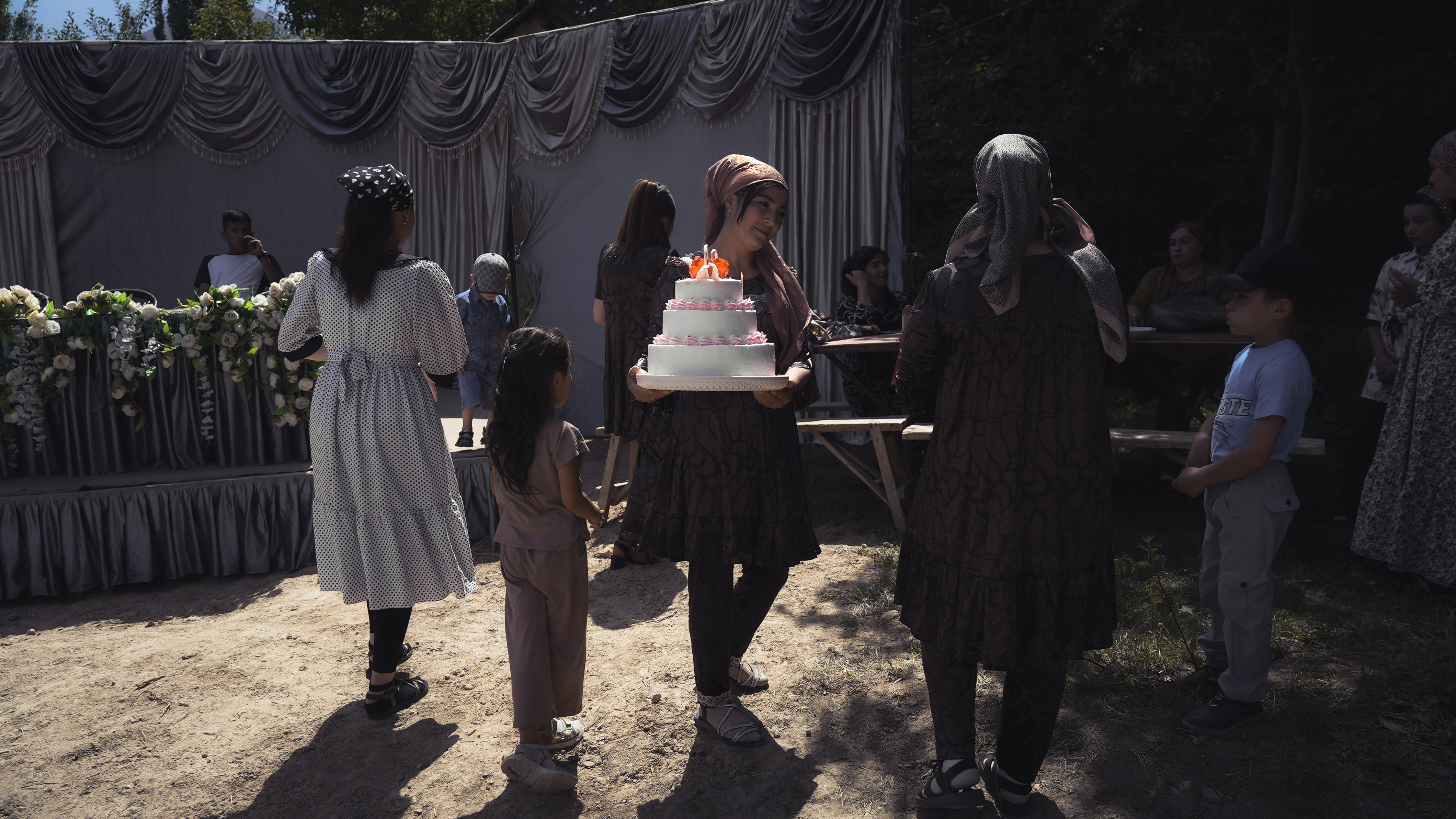
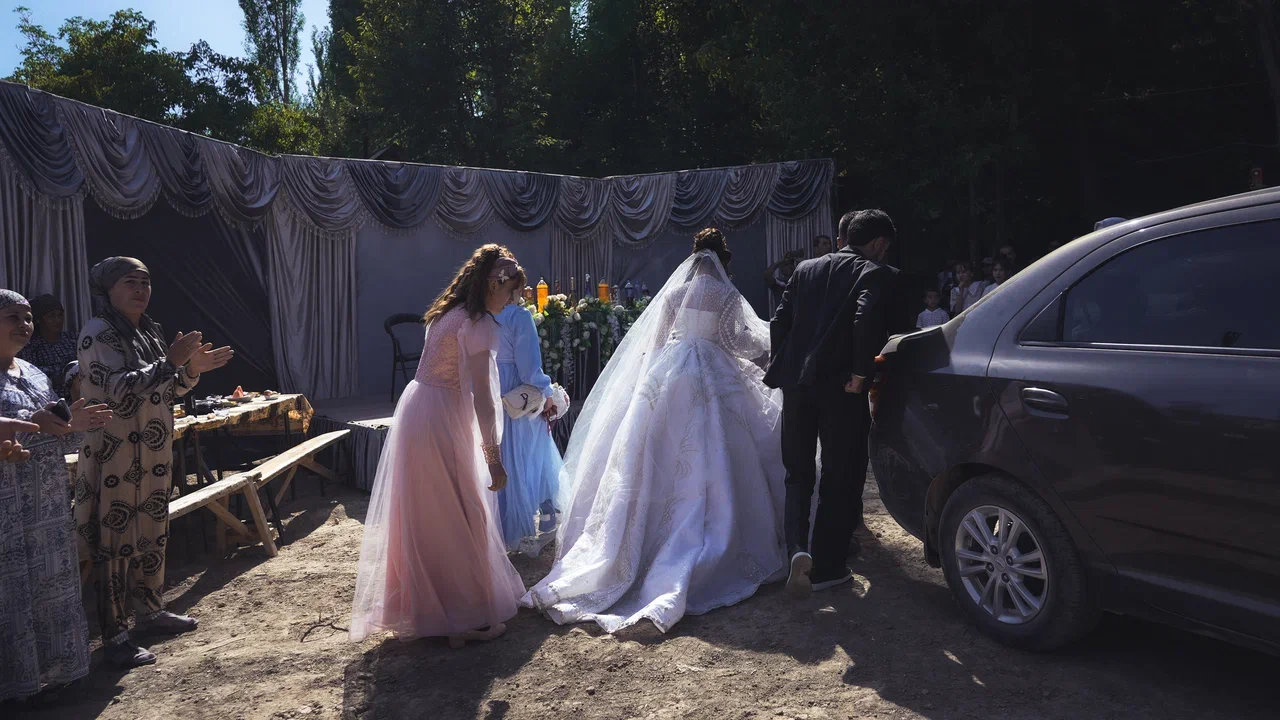
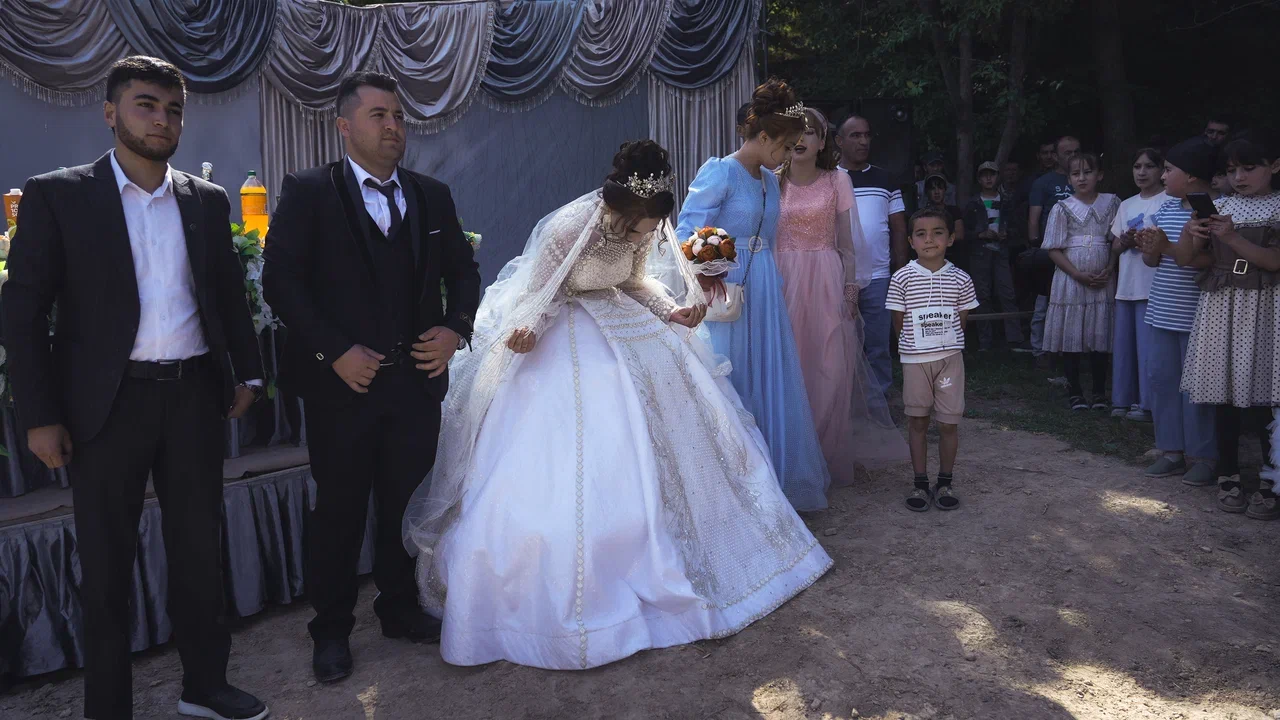
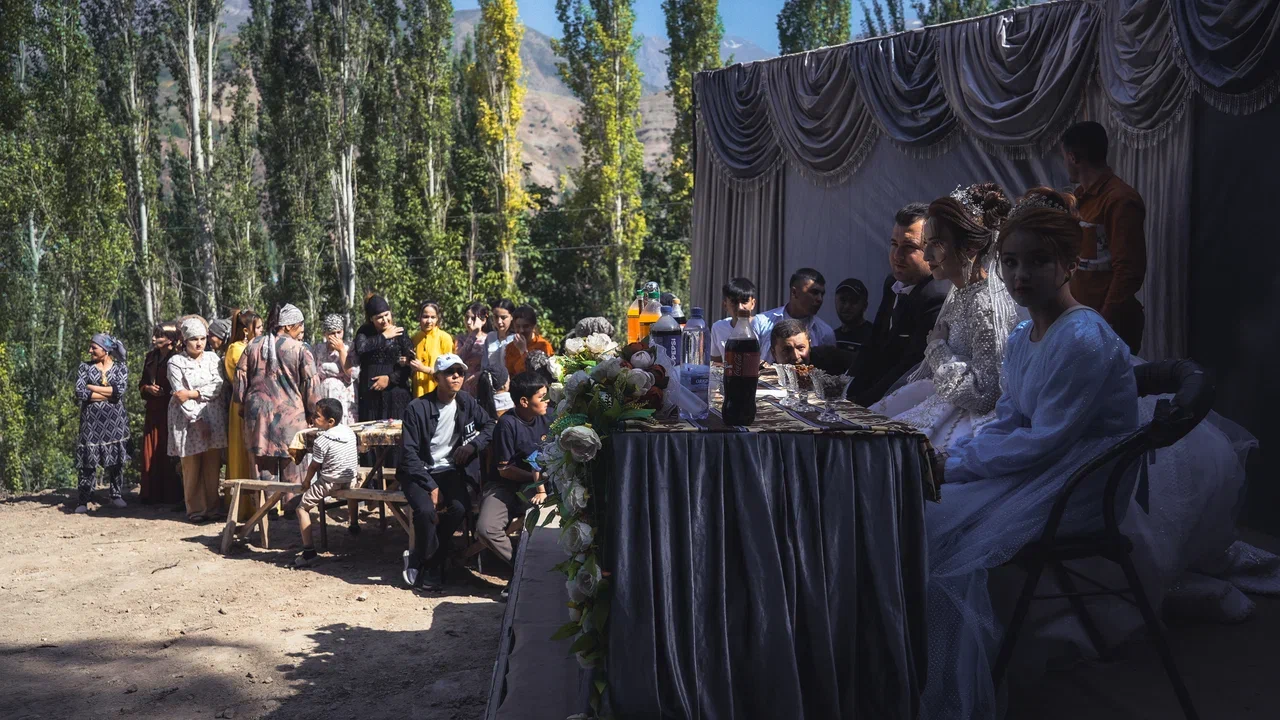
The tension eased when the bride and groom arrived. The couple bowed to the guests, but there was no kelin-salom ceremony in the usual sense. The mothers kissed the newlyweds and wished them a happy, sweet life together.
The couple’s brightly decorated table, adorned with artificial flowers, and the glasses filled with an almost neon-blue drink struck me as wonderfully authentic.
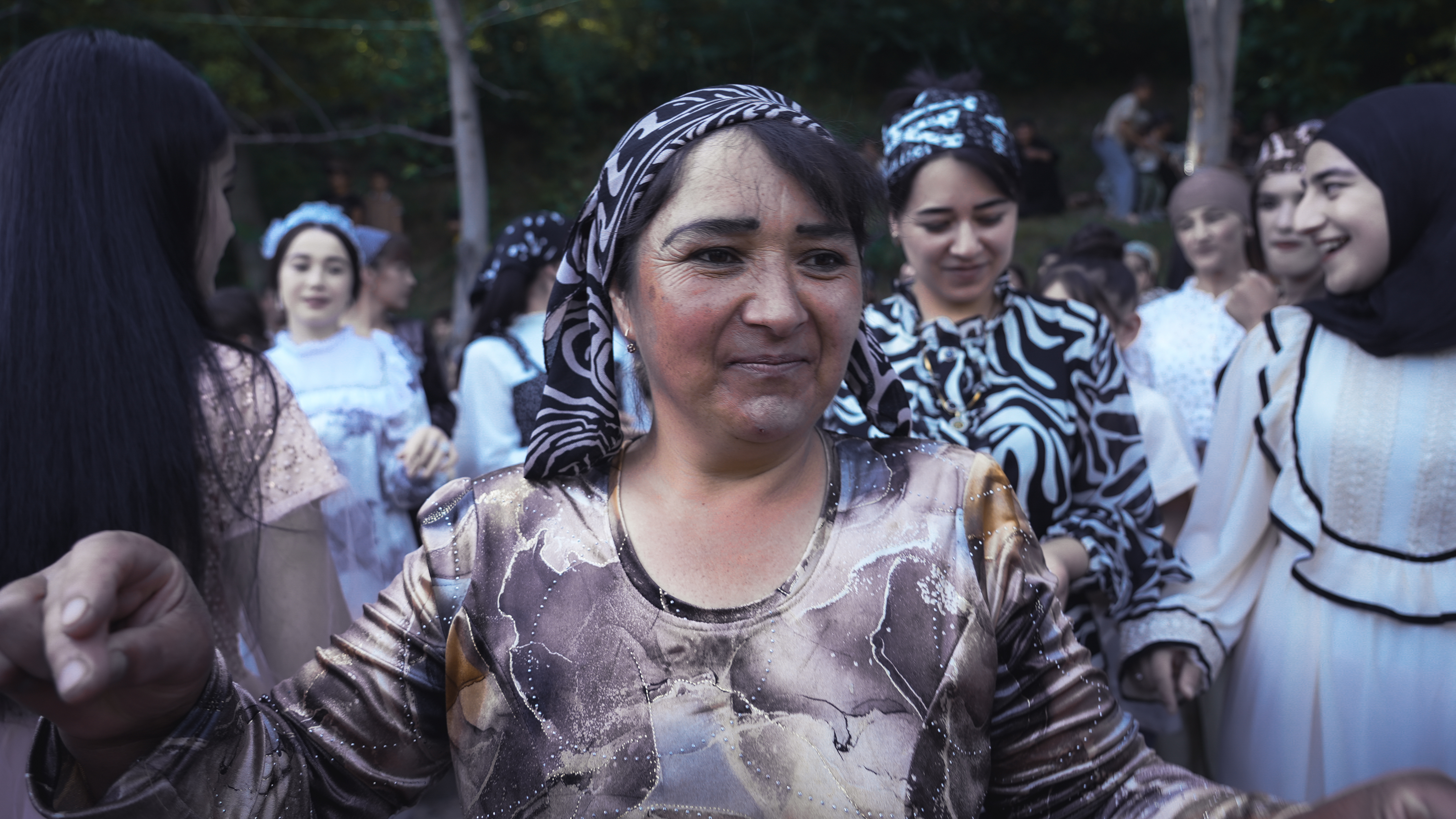
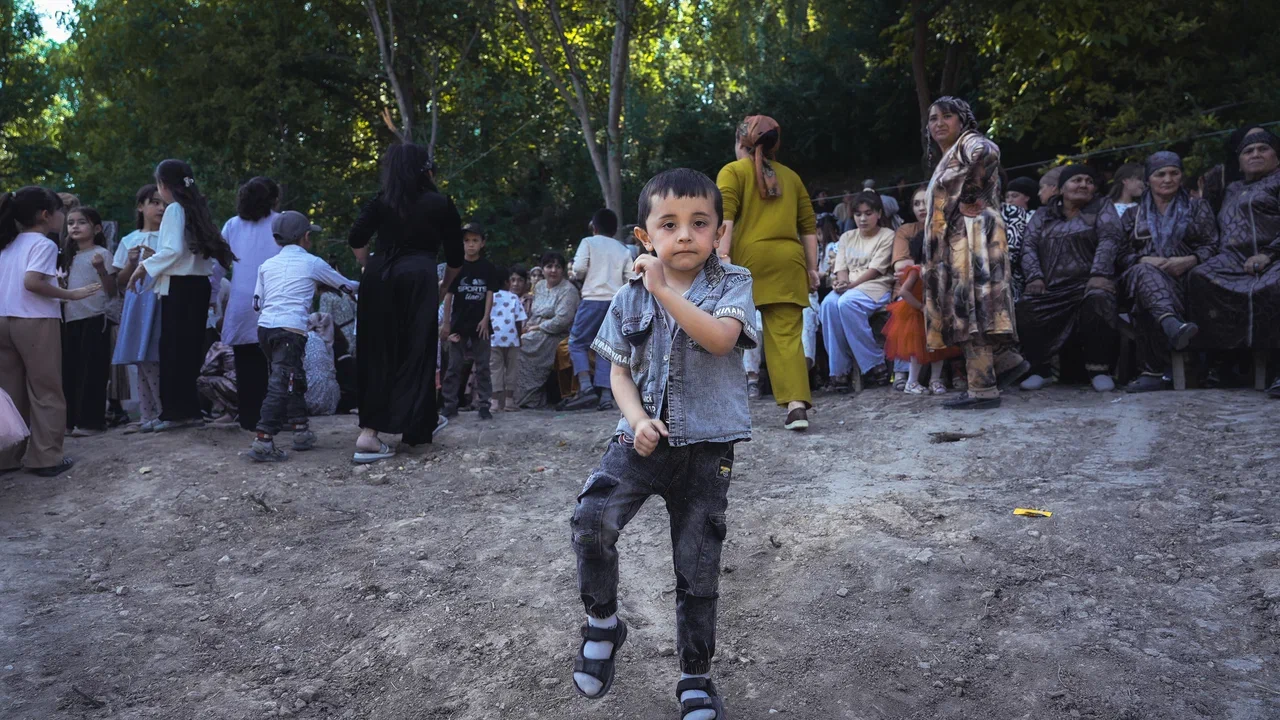 Photo: Ildar SadykovPhoto: Ildar SadykovPhoto: Ildar SadykovPhoto: Ildar SadykovPhoto: Ildar Sadykov
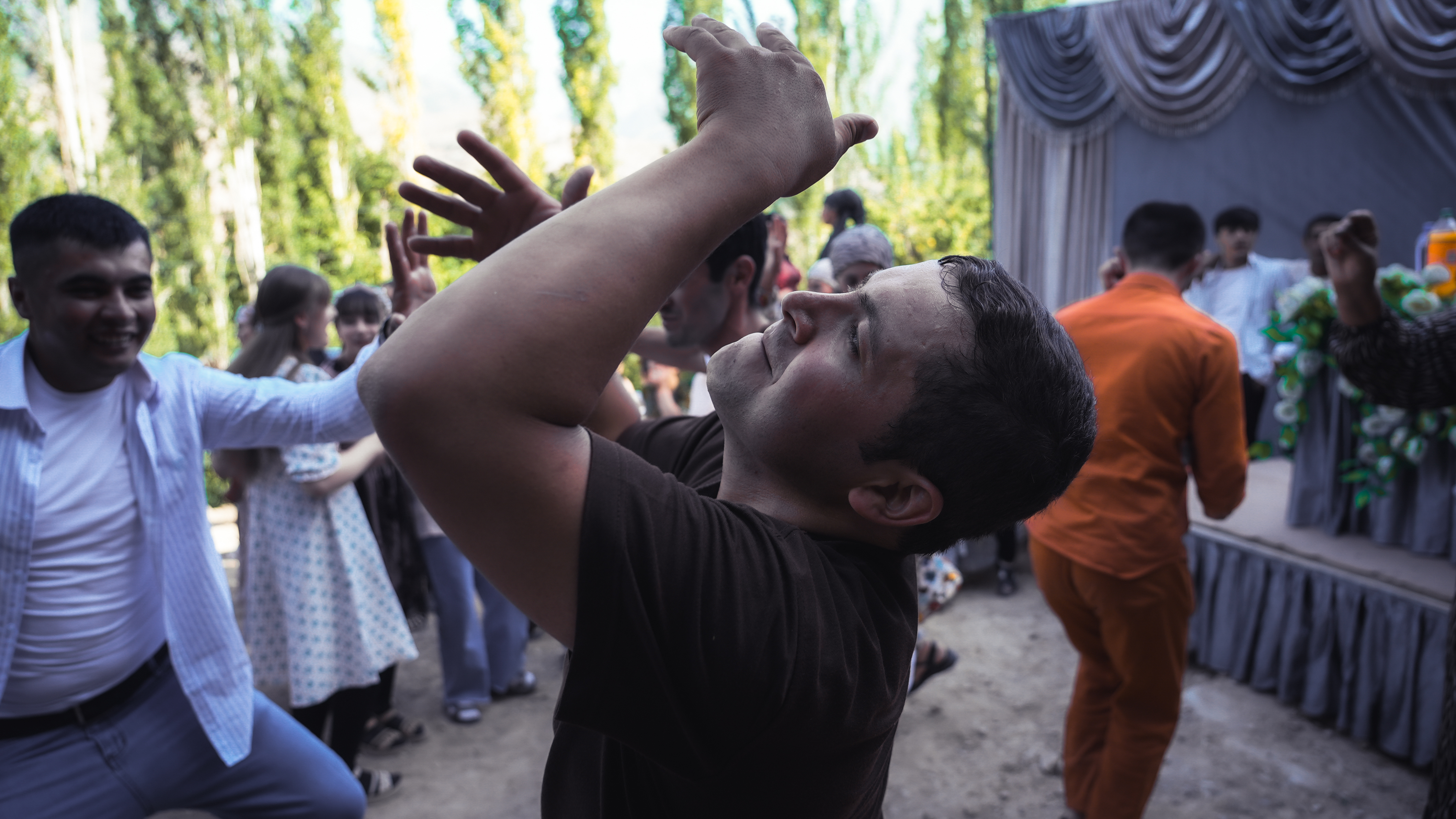
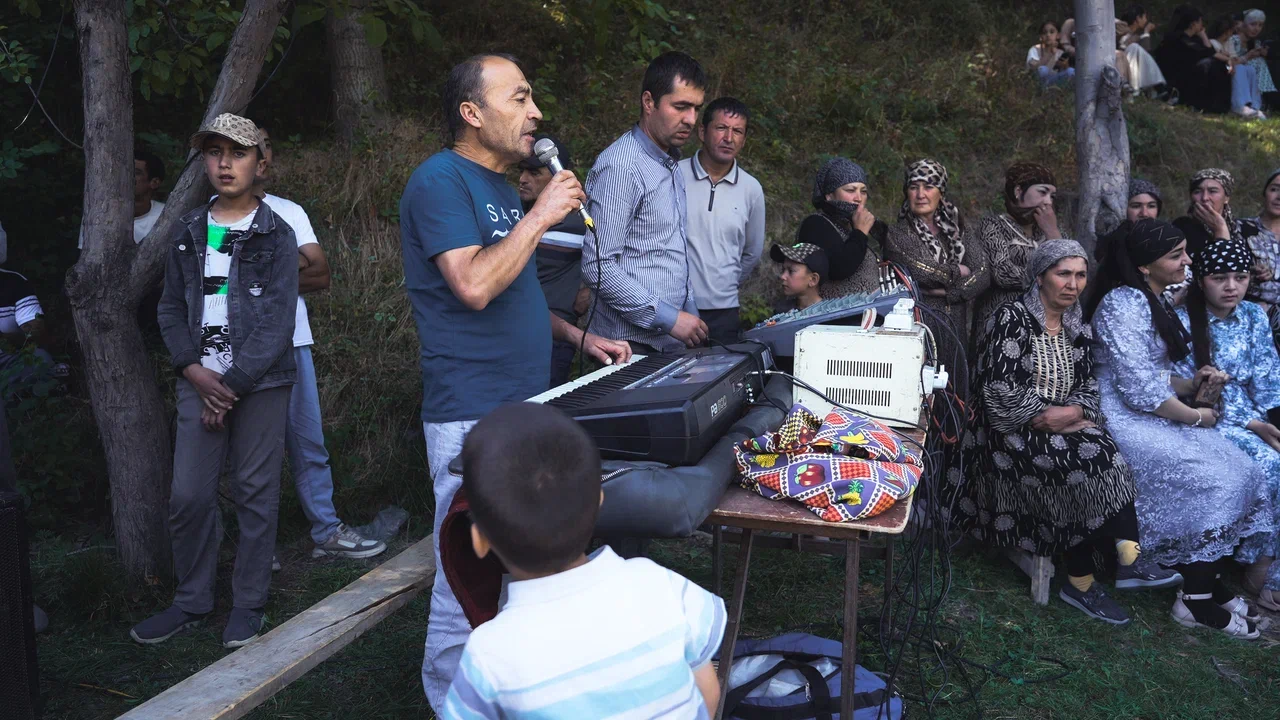
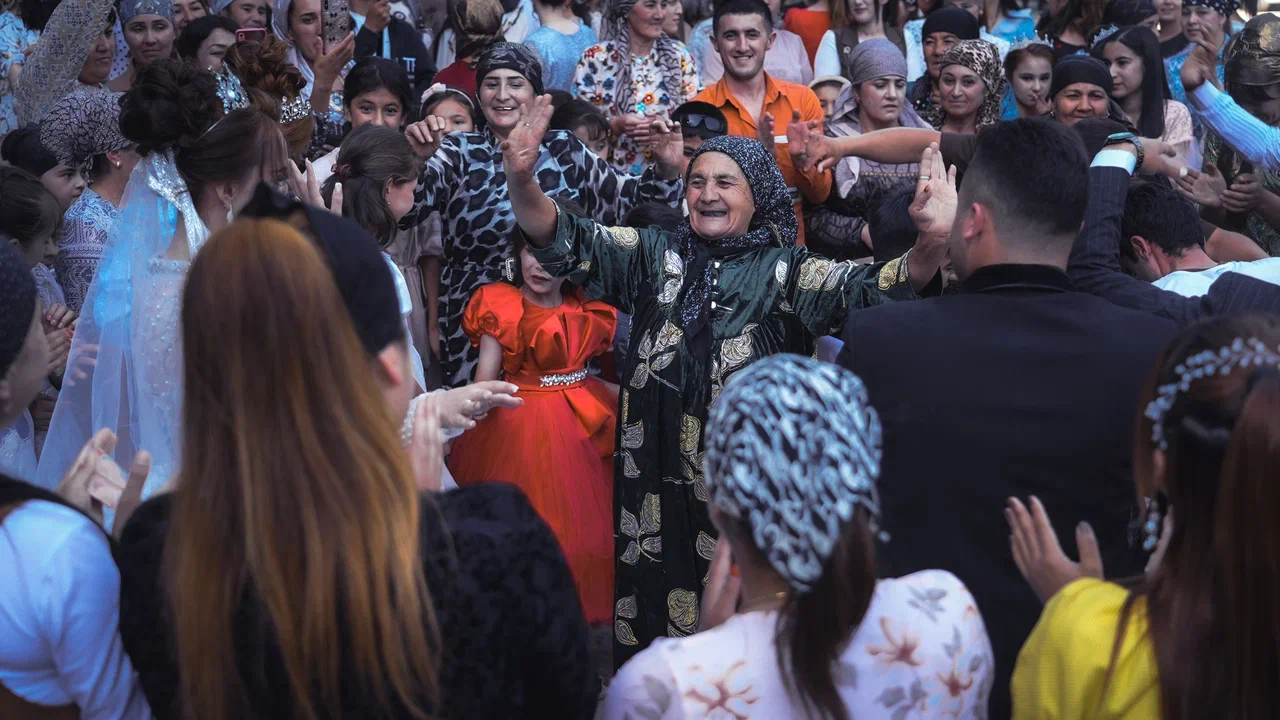
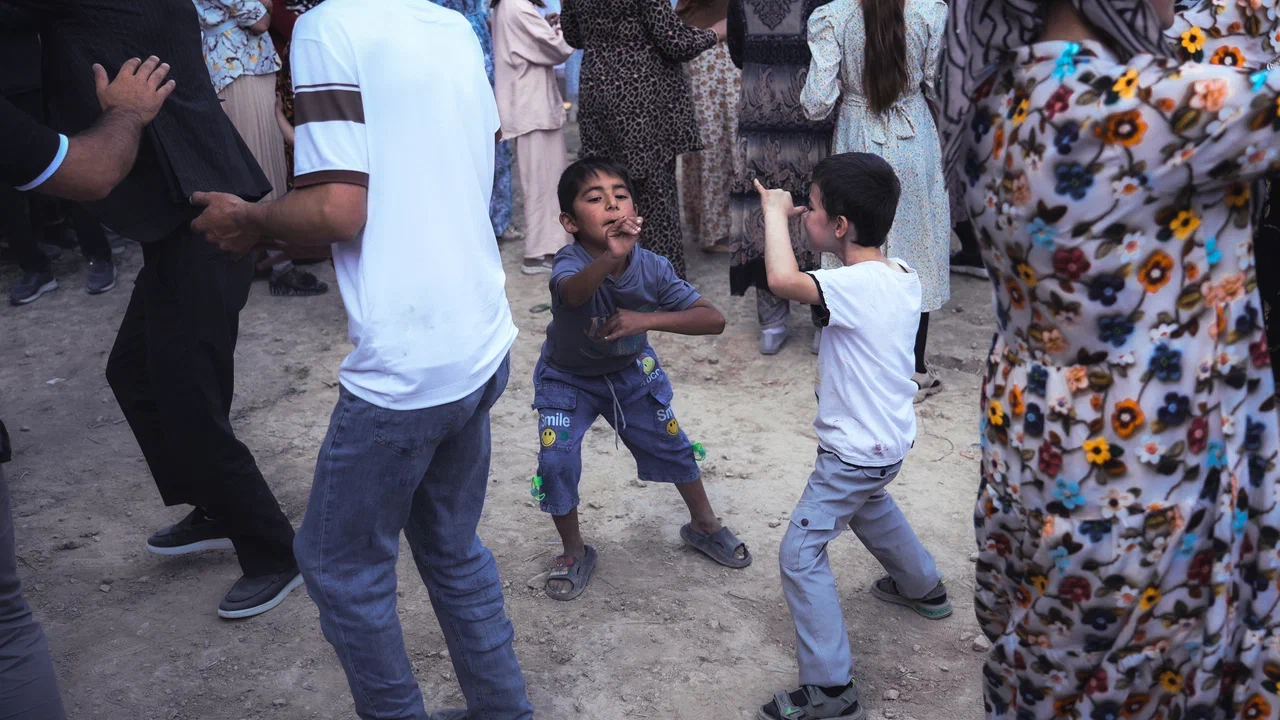
The celebration began on time, as planned, and lasted just two hours. The guests were entertained by local stars, a musical group well known in Kula and Gilan for performing at every toy (celebration). It wasn’t so much the music that captivated me, though the songs were inventive enough: traditional local melodies gave way to electronic hits, and I even joined the other guests on the dance floor. What really caught my attention was the equipment. The speakers and synthesiser looked as though they had come straight from my youth. Perhaps the lads will save up and invest in some new gear. After all, weddings in Uzbekistan are here to stay.
The Mill Turns, the Flour Will Come: Photo EssayThe “exotic village” of Gilan, a 700-year-old settlement high in the mountains of Kashkadarya Region, has only in recent years become a mecca for ethnotourism and a source of inspiration for photographers and artists. Admiring its authentic way of life, people rarely stop to consider how life is organised in one of the most remote high-altitude villages in the country. Yet such a way of life involves not only traditional customs and practices, but also age-old means of production. The people of Gilan are almost entirely self-sufficient when it comes to wheat, which is milled by hereditary millers. An old watermill at an altitude of 2,000 metres is the subject of this photo essay by Ildar Sadykov and Sergey Pogosyan.mag.humodoc.com
I thoroughly enjoyed the celebration. There was no late-night revelry, though. Such festivities are, incidentally, customary at a sunnat-toy, a celebration marking a boy’s circumcision. A couple of hours later, the bride and groom were escorted to the groom’s mother’s home. The beautiful nymphs changed back into their everyday clothes, wiped off their make-up and set about clearing the tables. The guests returned to their homes, ready to resume the routines of daily life until the next festive occasion. I like to think that Gilan now has one more happy family.
Newsletter
A letter from the HD editors
Once a week, we send the best stories, events, and cultural discoveries from Central Asia.