Traditions
Anime and Islam: how Uzbek Otaku Reconcile Faith and Fan Culture
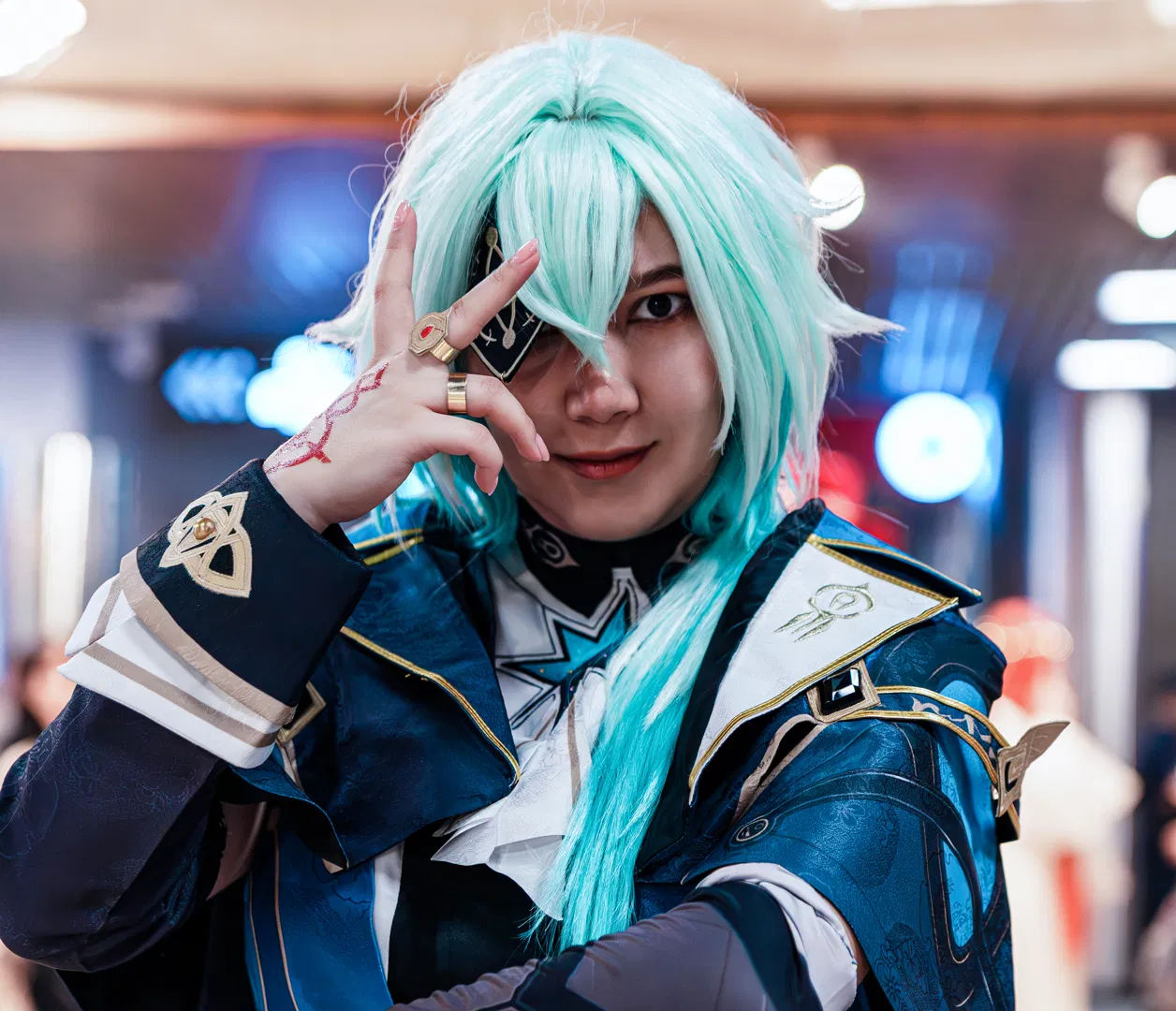
On the 15th and 16th of August, Tashkent will host yet another Comic Con festival. Even a decade ago, imagining such a grand celebration of geek culture and anime enthusiasts would have seemed nearly impossible. Yet time moves on, and with it, attitudes towards geek culture continue to shift. The stigmatisation of video games has all but faded, and classical animation now elicits a measured response from mainstream audiences. Anime, however, remains a point of contention for many, as certain of its hallmarks sit uneasily alongside Muslim culture. But is the reality truly so clear-cut? How do parents and religious mentors perceive it? This article brings together real stories, perspectives, and the challenges faced by Muslim anime fans in Uzbekistan.
On an evening in Tashkent, a teenager returns to a beloved episode of Naruto after the Maghrib prayer. In the corner of the room hangs a poster of a ninja in an orange suit. In Uzbekistan, where Islam is a vital part of daily life, such scenes are becoming ever more familiar: a new generation has grown up on anime and manga, embracing Japanese animation with as much devotion as family tradition. But can one truly reconcile a love of Naruto with the five daily prayers?
Prayer Between Episodes
Uzbekistan's first encounter with anime came as early as the 1990s — with Sailor Moon, Candy Candy, and Pokémon. Heroes in sailor uniforms, fantastical creatures, and sweeping adventures fired the imaginations of courtyard otaku, occasionally sparking heated debates over whose waifu — favourite female character — reigned supreme. With the turn of the millennium, Naruto, Bleach, Shaman King, and Death Note flooded the country, bringing with them a fully formed anime culture.
By 2023, geek festivals, cosplay shows, and fan clubs in Tashkent had become a fixture of city life. Yet popularity brought its own questions: is it permissible for Muslims to watch anime filled with magic, combat, and provocative imagery? Parents worry, while fans respond: we are not betraying our faith — we are drawing inspiration from the goodness and perseverance of the characters.
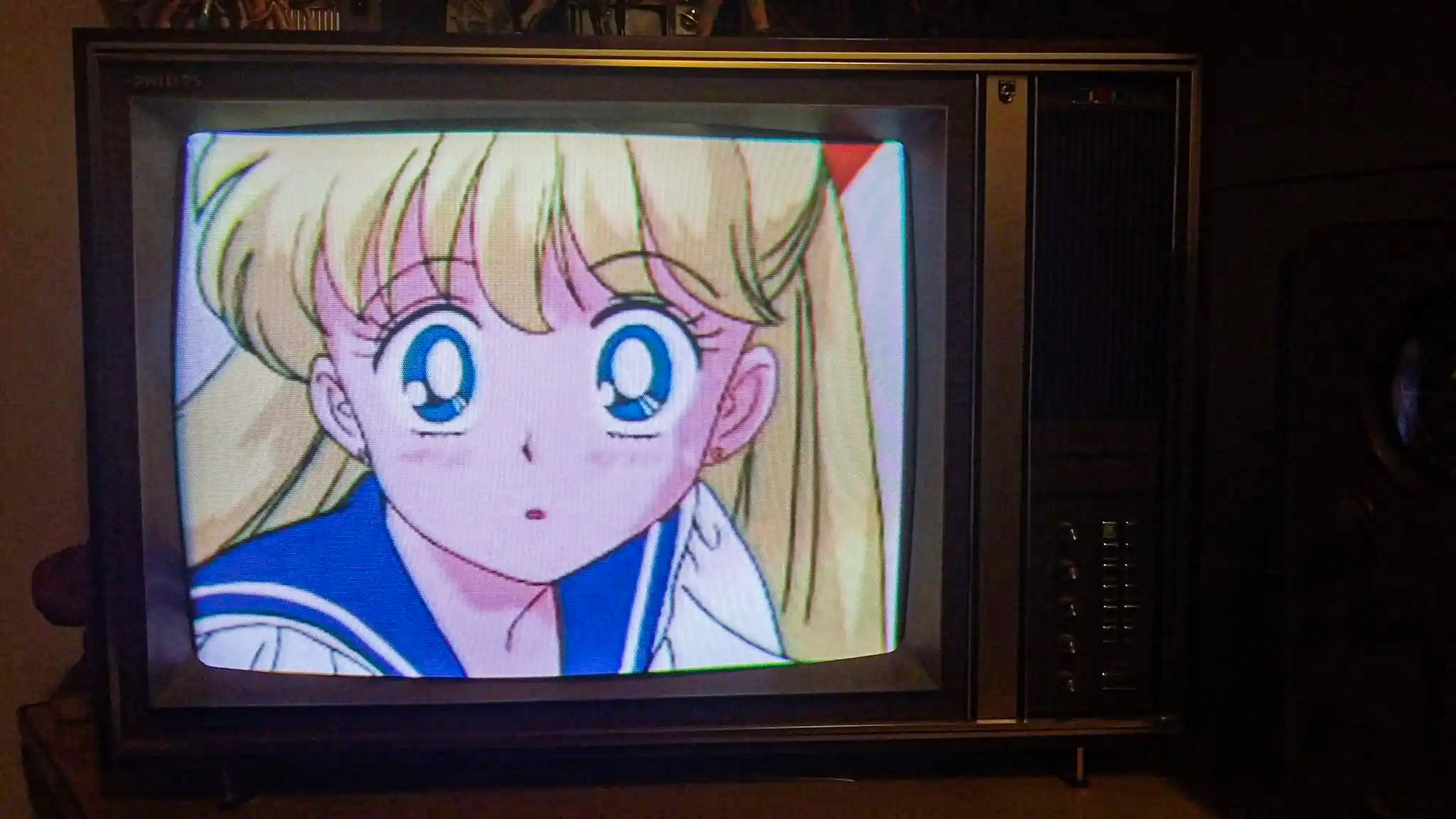 Photo: Mr. Braun
Many Uzbek fans see no conflict between anime and religion. On the contrary, in stories such as Naruto they find values that resonate deeply with Islamic principles: perseverance, loyalty, and justice. For the devout fan, the rule is simple — prayer first, then the series.
My name is Zuhra, and online I am known as "Cyber Kakletka". I only started watching anime at thirteen — rather late compared to those around me, who had been devoted to it since childhood, particularly Naruto, which was at the height of its popularity back then. I came to it later, and at first I watched something light — school romance, slice-of-life.
My first anime was Kimi ni Todoke — known in English as Reaching You. A friend recommended it, and I fell in love with it immediately. It was romance, shōjo, school life — gentle, warm anime about adolescent feelings. It still lives in my heart. There is no toxicity, no aggression, no heavy themes — only tender, delicate emotions between schoolchildren. Everything is wonderfully vanilla, wonderfully soft, and I think that is precisely why it left such a lasting impression.
I think about that anime to this day and consider it the perfect first title for anyone discovering the genre. It had twelve episodes and two seasons, if I recall correctly. I did not fully understand everything at the time, and then things took a decidedly more intense turn: Tokyo Ghoul, Hunter x Hunter — serious titles. From that point on, I was completely immersed.
I watched an enormous amount, then began reading manga, manhwa, manhua — genres I know well. I even started learning Japanese, with ambitions to study in Japan. I studied for a full year, achieved JLPT N5, and recently renewed my certificate.
But the last four years of my life have been defined by esports. I played games from childhood, though for a long time everything revolved around anime. Then the focus shifted. Esports became not merely a passion but a means of asserting my place in a society that does not always welcome people like me. My brothers, for instance, told me that "games are not for girls" and tried to dissuade me from starting a blog or participating in the scene at all.
But it was precisely in defiance of those stereotypes that I entered esports. Today I am developing my career as a media blogger in this field, and I genuinely love what I do. Esports is a major part of my life — and for four years now, I have been truly, wholeheartedly in it.
Some, however, choose to abandon anime altogether on grounds of faith. "I gave it up two years ago and I recommend you do the same," shares one former fan. Yet such voices remain few. The majority find a balance: "Faith is the foundation; anime is simply a hobby," they say.
Points of Contention: Magic, Dress, and Battle Scenes
Certain themes in anime do, nonetheless, provoke debate among devout Muslims. Chief among them are magic, demons, and sorcery. Some believers argue that such narratives risk promoting occultism or even polytheism. Naruto is cited most frequently, with its characters employing techniques that resemble incantations and sealing away demonic entities. More radical critics go further still, declaring all anime haram on the grounds that Japanese culture is far too permissive in its treatment of magic and sexuality.
There are anime whose content I am not particularly fond of. Take High School DxD, for instance. It was quite popular when it first came out. I was probably around 14 or 15 at the time — I read the synopsis and was rather put off by the sheer amount of erotic content and the like. I can filter all of that in my own mind, and it certainly has no bearing on my worldview, which is already well formed. I simply find it baffling and unpleasant to watch anime where the entire focus is on eroticism. And High School DxD was the first anime I encountered in that genre.
I am 24 now, yet even today I sometimes consciously skip certain anime — simply because I see no point in spending time on something I have nothing to take from. Perhaps every anime carries its own meaning, as I have said before. But if that meaning is drowned in 12 episodes of explicit content, then, weighing everything up, I would rather walk on by.
Anime frequently sexualises its characters: short skirts, form-fitting costumes, fan service. This can sit at odds with Islamic norms of modesty. As far back as the 1990s, Uzbek families would watch Sailor Moon with a mixture of bewilderment and discomfort, shielding children's eyes during transformation sequences. Today, many devout men openly admit that overly revealing imagery on screen is a temptation they would sooner avoid altogether.
Fans themselves beg to differ. They regard magic in anime as an element of a fictional world rather than an invitation to practice it. "It's simply a genre convention," they say, "like superpowers in comic books."
Read more on the subject:
Cosplay in Tashkent: Dress up to become yourselfFrom the first masquerades to costume battles at Comic Con. HD magazine tells the story of how cosplay in Tashkent went from three people in a park to a community of thousands of heroes in armor and wigs.mag.humodoc.com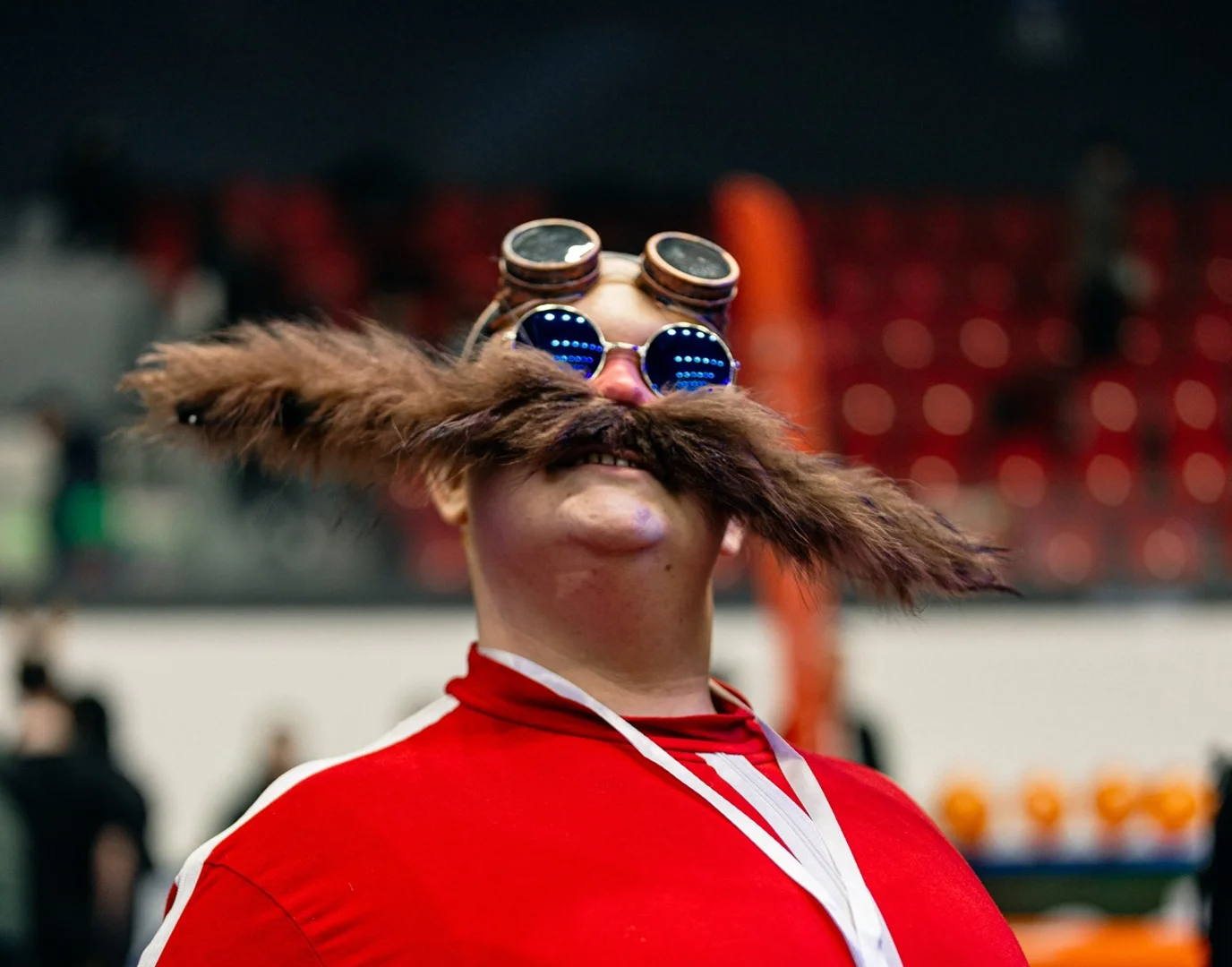
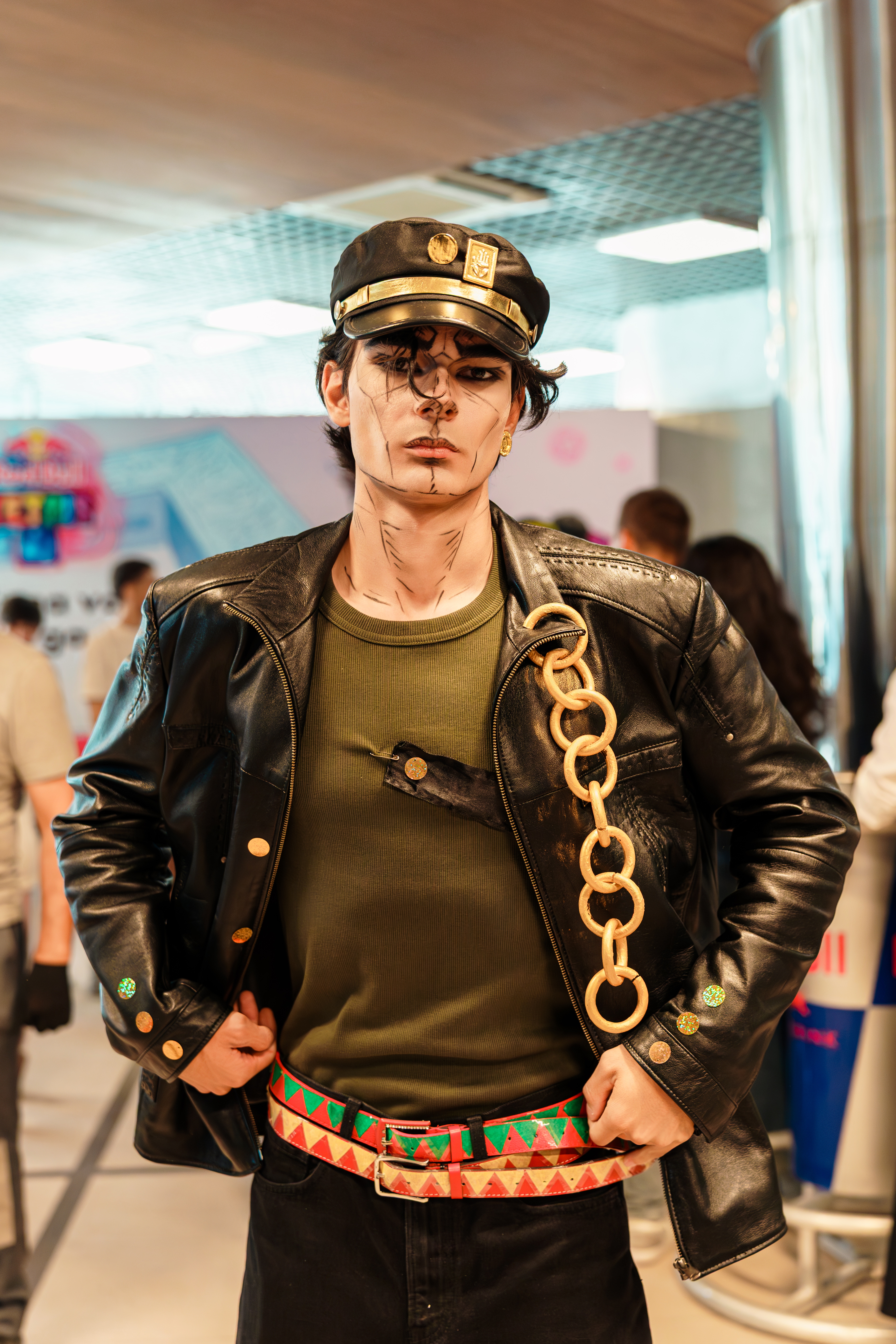
Should anime arouse lust, it becomes forbidden. To avoid crossing that line, devout fans gravitate towards shōnen titles free of erotic content and steer clear of genres such as ecchi or hentai. Girls who are passionate about cosplay adapt their looks to align with their convictions — wearing leggings beneath short dresses, adding capes, and covering their hair.
On the subject of religion and anime — my entire family is religious, yet no one has ever objected to my watching anime. The only thing they ever drew attention to was not going too far and not watching anything explicit. But on the whole, it has always been down to me. I believe what matters is how you engage with it, how well you are able to filter. You decide for yourself: this part of the anime I take on board, it interests me, whereas that part is not for me — it does not sit with my convictions.
It is rather like books. You would not forbid a child from reading non-fiction simply because they are still a child, would you? If they are curious, they will read, learn, and absorb. Every anime has its meaning. For me, it holds the same value as a book I have read.
Books, incidentally, have always been a great love of mine — I was an avid reader as a child. These days I have less time, of course, but there is still a pile at home that I return to whenever a spare moment presents itself.
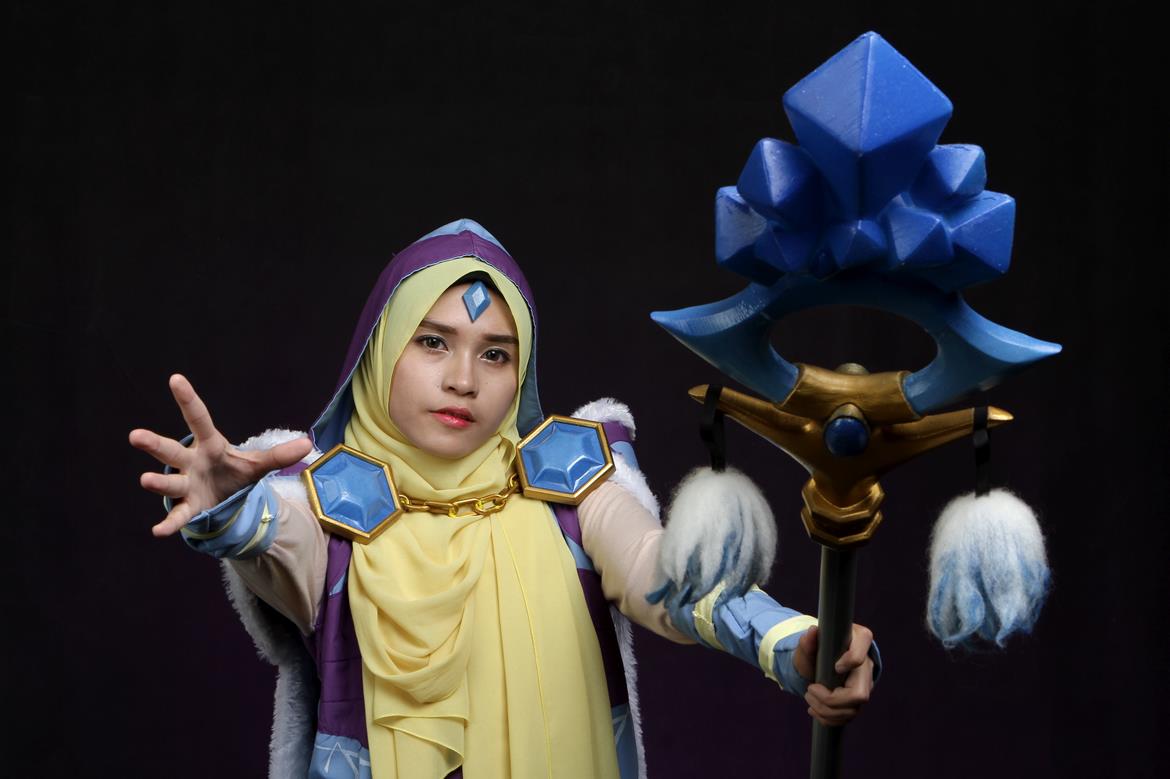
At Tashkent festivals, one can encounter cosplayers in hijab who creatively reinterpret characters without transgressing the boundaries of modesty. Within the community, this is actively encouraged — being a Muslim and an anime fan is considered entirely compatible.
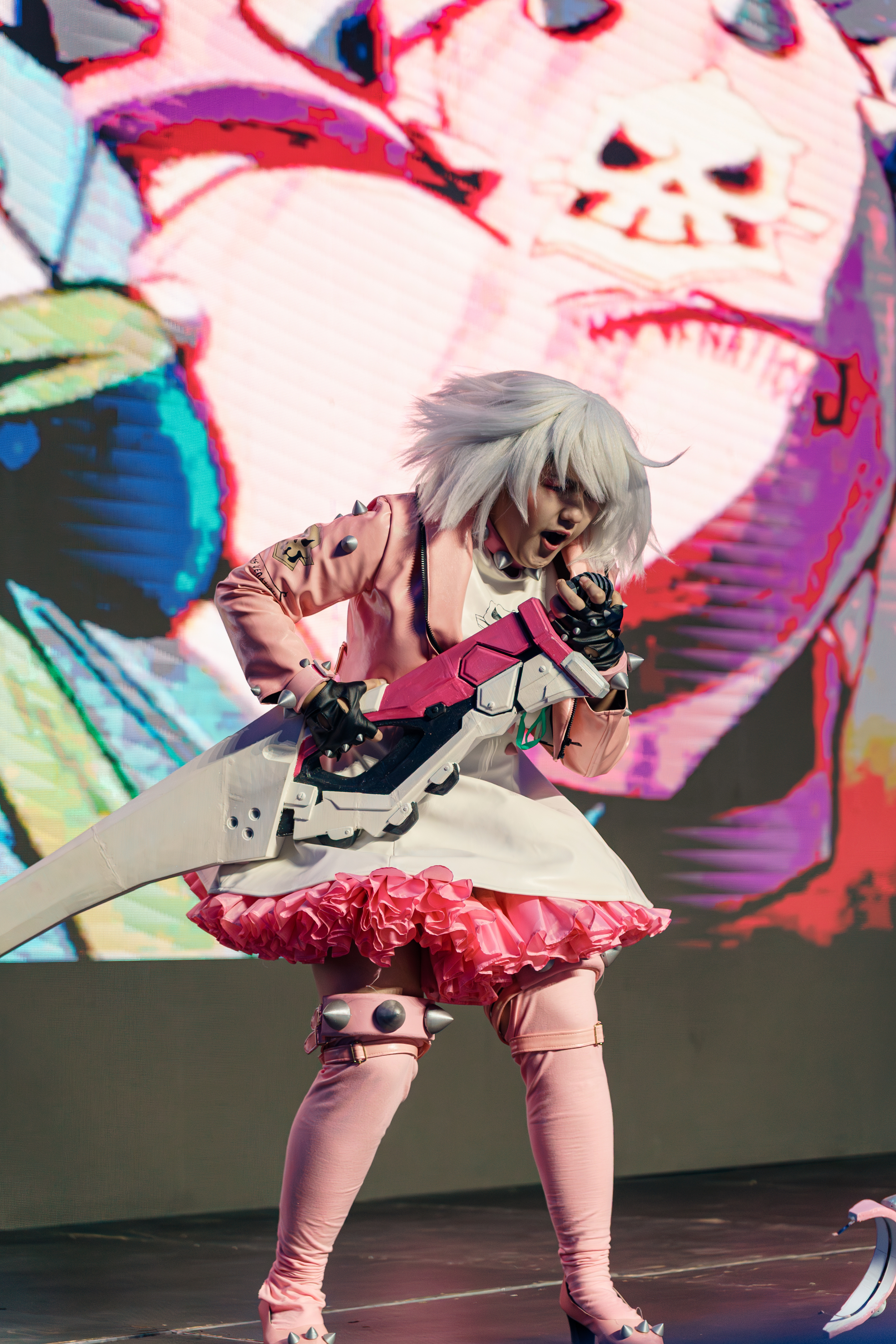 Photo: Timur Kholmatov
As for geek culture and cosplay — it has always felt close to my heart. But when I put on the hijab, I felt I would have to say goodbye to cosplay. I simply cut it out of my life. Until one day I came across, on social media, girls known as malaika — Muslim women from Indonesia who cosplay in hijab, in their own interpretations of characters. It inspired me so deeply! I realised that I could do the same.
When I heard that a geek festival was to be held in Tashkent, I decided to try my hand at a character for the first time. It was Powder from Arcane, I believe… or perhaps it was a character from Chainsaw Man. That was the first time I attempted to combine hijab and cosplay, and I think it turned out brilliantly. I encountered not a trace of hatred — only a little incomprehension from the Russian-speaking community. But honestly, I have never particularly cared about other people's opinions. That is probably what has allowed me to become a blogger, to do cosplay, and to pursue what I genuinely love. I simply do my own thing and do not look sideways.
After that, I went a step further. I reached out to a make-up artist who, as it happens, is acquainted with my sister. And here is the most remarkable part — my sister supported me. She helped rather than judged; on the contrary, she was entirely understanding. That was both unexpected and deeply touching.
Then my mother found out about everything. She saw a video of my look and, naturally, her first reaction was: "Oh, how frightening it looks!" — but she immediately added that the character itself was very beautiful, and praised how everything had come together. She does not fully understand what cosplay is, but she was able to appreciate the effort and the aesthetic. And that meant a great deal to me.
 Photo: Timur Kholmatov
The third contentious issue is violence. Action anime is replete with battles and brutal scenes. Islam contains no prohibition on depicting warfare, but gratuitous cruelty is frowned upon. Parents worry that such content may make teenagers more aggressive. In Russia, there was even discussion of banning Naruto from television — ostensibly on account of its harmful influence on children.
Anime has never been formally banned in Uzbekistan, yet alarm was raised by the PMC Ryodan subculture — a movement that grew out of the Hunter x Hunter fandom and eventually reached Tashkent. In early 2023, rumours began to circulate of groups of teenagers in black spider-emblazoned hoodies gathering in shopping centres. They had committed no unlawful acts — they were simply congregating around a shared interest. Nevertheless, the Main Internal Affairs Directorate issued a warning to parents, urging them to monitor the "anime enthusiast movement" and any potential provocations.
The situation caused considerable public debate: around 50 teenagers were detained for "suspicious" clothing and gatherings in the city centre. All were released following preventive conversations, though their names were placed on record. For fans, it seemed utterly absurd — a harmless hobby had suddenly come under suspicion. The episode laid bare a generational tension: their elders had perceived something almost cult-like in what were, in truth, perfectly innocuous ninja-inspired aesthetics.
Although no mass brawls or aggression have been observed among anime enthusiasts — who tend, more often than not, to be introverts exchanging messages in fandom chats — battle sequences from Naruto continue to serve as ammunition for critics, who argue that anime cultivates a taste for violence.
How difficult is it to reconcile religion with a passion for anime and geek culture? To be honest, it wasn't easy at first. My parents didn't accept my interests. But as time passed and I grew older, things became calmer. Now I watch titles quite freely — over meals, on my way somewhere, before bed. It has become so much a part of my routine that I only recently realised I barely use YouTube at all. I don't have the habit of endlessly scrolling through Instagram or TikTok. I simply open an anime site in the background. It has become part of my everyday life, almost without my noticing.
Even now, my mother occasionally says, "Why are you watching those cartoons?" — and each time I explain that it isn't simply cartoons. Yes, the characters are drawn, but the meaning within them is something a child wouldn't grasp. Anime can be profound, moving, serious — about feelings, about choices, about life itself.
The view from the pulpit: permissible or forbidden?
What do Islamic scholars in Uzbekistan make of anime? Opinions vary, though the prevailing tone is one of wariness. In 2021, on the religious website Zikr ahlidan so'rang, scholars were asked whether a Muslim may watch Japanese animated films featuring fantasy and combat. The response was measured yet instructive: "Devote your precious life to worthwhile pursuits." Accompanying this was a hadith reminding believers that on the Day of Judgement they will be called to account for how they spent their youth, their bodies, their knowledge, and their wealth. The implication was clear: watching anime is not in itself a sin, but it is idle entertainment for which one will, sooner or later, be answerable.
Among scholars, however, more nuanced positions do exist. Some hold that everything depends on content: if an anime contains no haram elements — pornography, magic, blasphemy — it may be watched as harmless leisure. "Each person must seek guidance from Allah for themselves," states one such religious clarification. This approach serves as a reminder that Islam is not a faith of prohibition for prohibition's sake. If anime does not interfere with prayer and does not corrupt the soul, it is no more troubling than any other film — particularly for young people who simply need something engaging and harmless to occupy their time.
Anime can, of course, yield genuine positives — themes of friendship, self-sacrifice, and the struggle against evil frequently resonate with religious values. Yet even the most open-minded scholars add a caveat: animated works featuring nudity, polytheism, or moral depravity are firmly off limits. And given that such content is by no means rare in anime, the believer would do well to exercise discernment. The result is something of an unwritten rule: "if you feel you must — you may, but proceed with care."
 Photography: Timur Kholmatov
When I hear the phrase "anime is haram", I don't even raise an eyebrow anymore. Beneath every post of mine — particularly those featuring cosplay — someone will invariably write: "Oh God, that's haram!" I used to encounter such comments rather frequently, especially when I shared my passion openly. These days, most of my audience doesn't even know I still watch anime. Occasionally someone will ask, almost by accident: "Wait, do you actually watch anime?".
Recently I had a conversation with my brother on the subject. He said that — in his view — anime can subtly "reformat" one's thinking, especially if one watches a great deal of it. That it quietly shapes perception, draws you in, and can imperceptibly shift one's priorities — including in matters of faith. I partly agree with him. Yes, if you immerse yourself in any content without restraint, it begins to exert an influence. But I consider myself, at this point, a sufficiently mature and self-aware person. I have clear convictions, an understanding of my faith and my boundaries — and none of that simply "switches off" within me. I filter everything and keep things separate: here is my faith, here is my hobby — the two do not intersect.
I continue to observe my boundaries and do not venture into territory where any of this might interfere with my religiosity. And I think there is nothing troubling in that. I am still young, and perhaps one day I shall arrive at the conclusion that it is better to give such things up entirely. But for now, I see no threat in it. Anime is, at its heart, about creativity. It offers the possibility of self-expression. In almost every anime there is an important idea: you must not be afraid to be yourself. Do not be afraid to show yourself, do not be afraid to reveal to the world who you are.
I think this is especially significant for those who frequently hold themselves back — whether young women in hijab or simply people who were taught from childhood to "keep their heads down". Anime seems to say: you can live fully, be vivid and expressive, remain within the bounds of your own values — and still be happy, loved, and authentic. And in that, as far as I can see, there is nothing that could rightly be called "haram".
It is rather telling that Islamic tradition in the region has long regarded the depiction of human beings and animals with a degree of wariness, particularly in sculpture. Some believers pose the question: if drawing a character is sinful, why should watching one be permissible? Strict theologians remain cautious here as well, yet the majority of ulema distinguish between idol worship and fantastical animation — especially when the figures in question are entirely fictional. In conservative households, particularly in rural areas, any form of imagery may still be forbidden. For most Uzbek Muslims, however, anime is simply animation like any other: perfectly acceptable to watch, provided the content is decent.
Can a Muslim otaku exist?
The stereotype of the "eternal child" not infrequently haunts anime fans. "Look at how other people live, instead of watching those drawn fools," grumble stern fathers upon discovering their sons deep into yet another episode. Young women are spared no less: cooking — certainly, pop music — perhaps, but "cartoons about wizards" at twenty and a Naruto keychain are already cause for suspicion among the family.
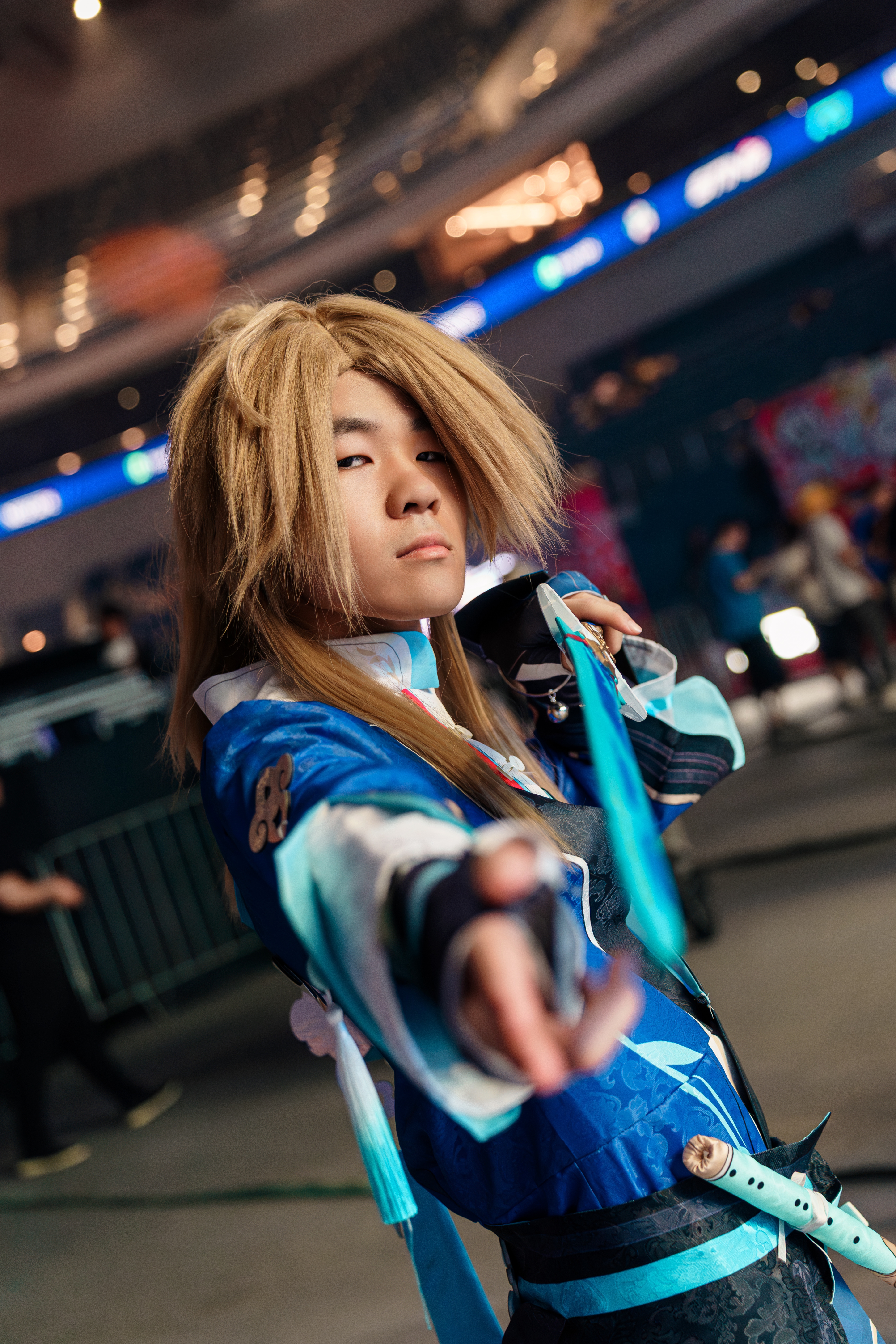 Photo: Timur Kholmatov
And yet the landscape is shifting. Comic Con has demonstrated that the anime fandom in Uzbekistan is vibrant, creative, and thoroughly open. The festival attracted sponsors and drew families with children alike. A new identity is taking shape — that of the "Muslim otaku". Young people are confidently reconciling faith and fan culture: reading the Quran in the morning and watching Boruto in the evening.
A great many people still assume that Muslims are invariably stern, rough, excessively reserved individuals. But that is simply not the case. Islam, on the contrary, promotes optimism, kindness, and ease in one's dealings with others. It is a religion of humanity. A true Muslim ought to be kind, compassionate, open, and ready to help others — regardless of their faith or background.
I believe we must first be human beings, and only then representatives of one faith or another. And that, I suppose, is precisely what I endeavour to convey through my blog: Muslims are not "stone walls", not people closed in upon themselves with rigid restrictions. We are alive, open, and kind — and that is precisely how we ought to present ourselves to the world.
Islam is not about fear and boundaries. It is not about constraint, not about a cage. It is about a path. About a rightful way of living, rightful thinking, and rightful action. And above all — about humanity.
The actor behind Franklin in GTA V, Shawn Fonteno, will headline Comic Con Tashkent 2026On 15–16 August, the Humo Arena complex in Tashkent will host Uzbekistan’s largest pop and geek culture festival, Comic Con Tashkent 2026. The headline guest of the event will be American actor Shawn Fonteno, who gained worldwide fame for his role as Franklin Clinton in the iconic video game Grand Theft Auto V.mag.humodoc.com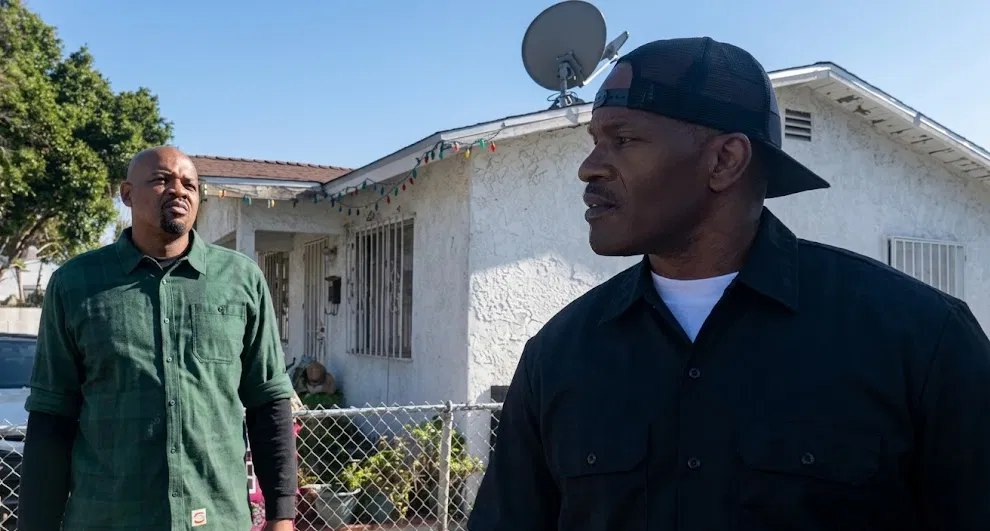
Read also
 Traditions
The Story of Four Women Who Preserved the Uzbek School of Dance
Alfiya Kalmaganbetova
 Traditions
The Wizard’s Workshop: A Visit to Alisher Nazirov — photo essay
Ildar Sadykov, Maria Maksimycheva, Sergey Pogosyan
 Traditions
Running is the new coffee: how a simple physical activity became the trend of the last decade
Christina Inyakina
Newsletter
A letter from the HD editors
Once a week, we send the best stories, events, and cultural discoveries from Central Asia.