
Even in the 13th–19th centuries, people tried on the roles of various heroes—mythological characters and historical figures, paying homage to Venetian tradition, dressing up as animals, playing archetypal heroes like Columbina or Harlequin. They could be encountered at masquerade balls. Of course, such balls differed from modern cosplay festivals, but the essence remained similar—to hide behind a persona for one day and allow oneself to express through another character.
There are many differences between Marie Antoinette's ball and Comic-Con International. Cosplayers create their own looks: huge cuts of fabric, papier-mâché, complex polymers like EVA foam—all of these continue to haunt fans long after each runway show. At the queen's court, however, fashionistas rarely managed without the help of dressmakers and milliners. Balls were entertainment for the elite, whereas cosplayers can be train conductors or neurosurgeons. And the level of involvement is incomparable: a ball is a one-time event, while for cosplayers, a look can become a part of their lives.
Origins and Development: From Worldcon to Japan
Modern cosplay culture did not form immediately. At the first Worldcons — conventions for science fiction fans — people already came in costumes of characters from books, movies, and comics, but this was rather rare. The boom of costume festivals happened in Japan. Manga and anime became firmly embedded in everyday culture, and on the subway, one could see both a schoolgirl and a serious, respectable man in a suit with a volume of manga.
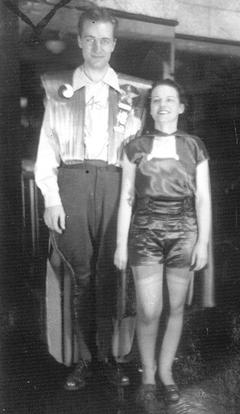
Myrtle Douglas and Forrest Ackerman in "futuristic costumes" at the first World Science Fiction Convention (Worldcon) in New York, 1939
Of course, dressing up as beloved characters was primarily the domain of young people. Inspired by manga and anime, as early as the late 1970s at festivals like Comiket, fans appeared in meticulously crafted costumes, held fashion shows, and stayed in character. The bar for quality has only risen since then.
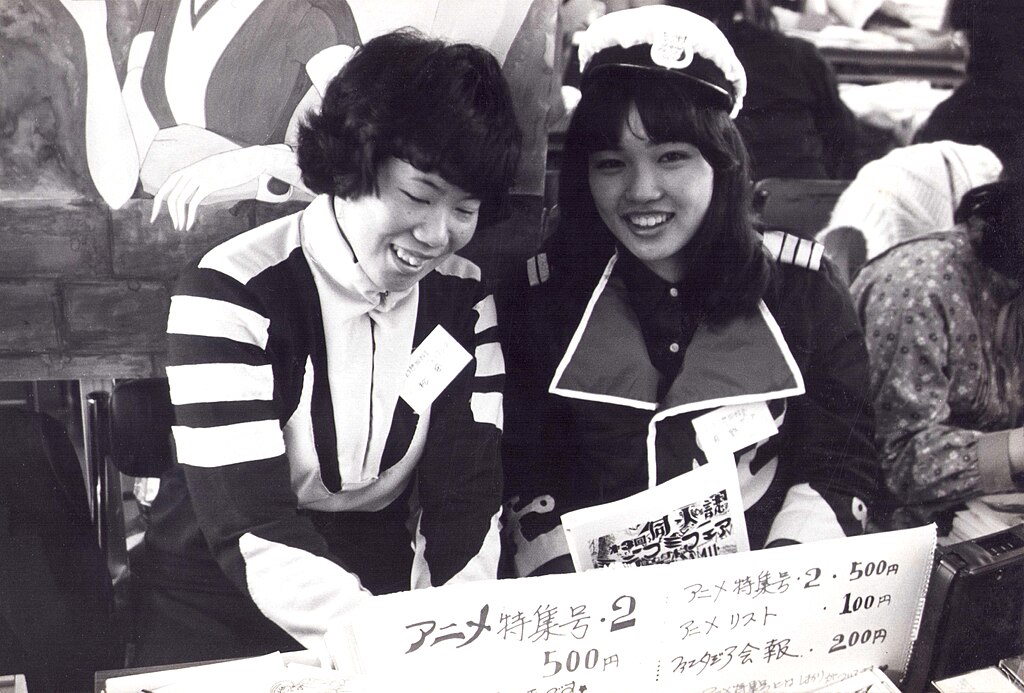 Photo: Labyrinth78
Cosplay from the anime "Space Battleship Yamato" at Comiket-8, April 1978. Photo: Labyrinth78
Expanding boundaries
In the 1990s, cosplay festivals began to spread worldwide. Comic Con, Anime Expo, and Gamescom in Europe and America, Hinode and "Igromir" in Russia and the CIS, Cosplay Mania in the Philippines, ChinaJoy in China. Despite the growing popularity of geek culture, in Uzbekistan, the first festivals only started to appear by the end of the 2010s.
Level one: three people in the park
Sometimes it seems like the times when you could get into trouble for loving anime are long gone. But that was just about fifteen years ago. The Japanese culture community was already flourishing online, but offline, anime fans were barely recognizable: a badge on a backpack, a ringtone from an anime opening. Old-timers recall: "If we managed to gather three people in a park—it was a grand event!"
Marvel fans were just discovering the first phase of the cinematic universe with "Iron Man." The hype around the Infinity Saga was still a long way off. Superhero figurines were attributes found only in toy stores, and the comics themselves, which can now be found in an ordinary "Korzinka," were not the most popular reading material.
The audience was growing up, "geeks" were no longer considered strange. Pokémon fans were already buying tickets for Spider-Man with their own money, not saving from school lunches. The hobby grew along with its admirers, and cosplay began to be treated a bit more leniently.
And then the quarantine began. Many people, trying to keep themselves occupied with something, turned to geek culture: titles, cinematic universes, board games—for some, it was just an attempt to pass the time in forced confinement, while others discovered the charm of fictional worlds and decided to make them their permanent home.
There were still three years left until the first festival in Uzbekistan.
Geek Con 2023: Curtain Raised
On September 24, 2023, the Alpomish Ice Palace became the venue for the first major geek culture festival — Geek Con. It rocked with DJ sets, orchestral film themes, an author's alley with merch, retro games, and photo zones.
Characters from various universes have flooded the ice palace. In small groups, characters from "Genshin Impact" dashed from one photo zone to another, forces of darkness and light from "Star Wars" clashed in duels, and numerous anime characters admired each other's costumes and the weapons they had crafted themselves.
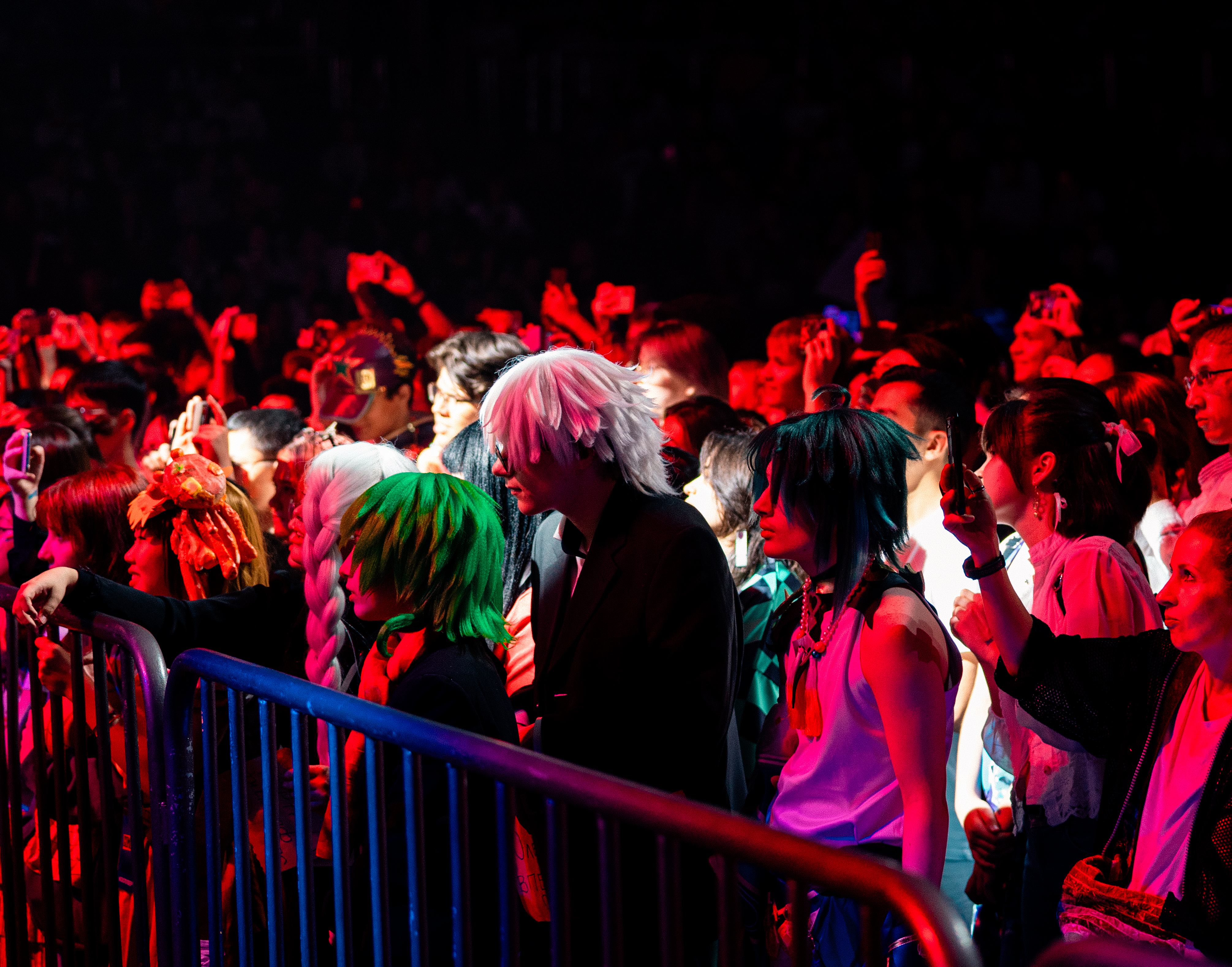 Photo: Timur Kholmatov
Comic Con 2024 Festival in Tashkent. Photo: Timur Kholmatov
During the peak of the festival, voice-over stars took the stage: Alexander Gavrilin, Islam Gandzhaev, Ivan Chaban, Nikita Moiseev. They talked about their careers, interacted with fans, and voiced iconic lines. The audience responded with delight.
The cosplay runway show gathered a huge audience. Participants presented their looks, danced, and immersed themselves in their characters. The judges delivered their verdict, and the winners received cash prizes.
The first festival left an even greater thirst for such events. And the continuation didn't keep us waiting long.
Comic Con Tashkent 2024: Scale to the Max
On June 15-16, 2024, Humo Arena was completely taken over by geeks — the first official Comic Con took place in Tashkent. A grand fair, an authors' alley, themed zones, D&D battles — all of this became part of the unique atmosphere.
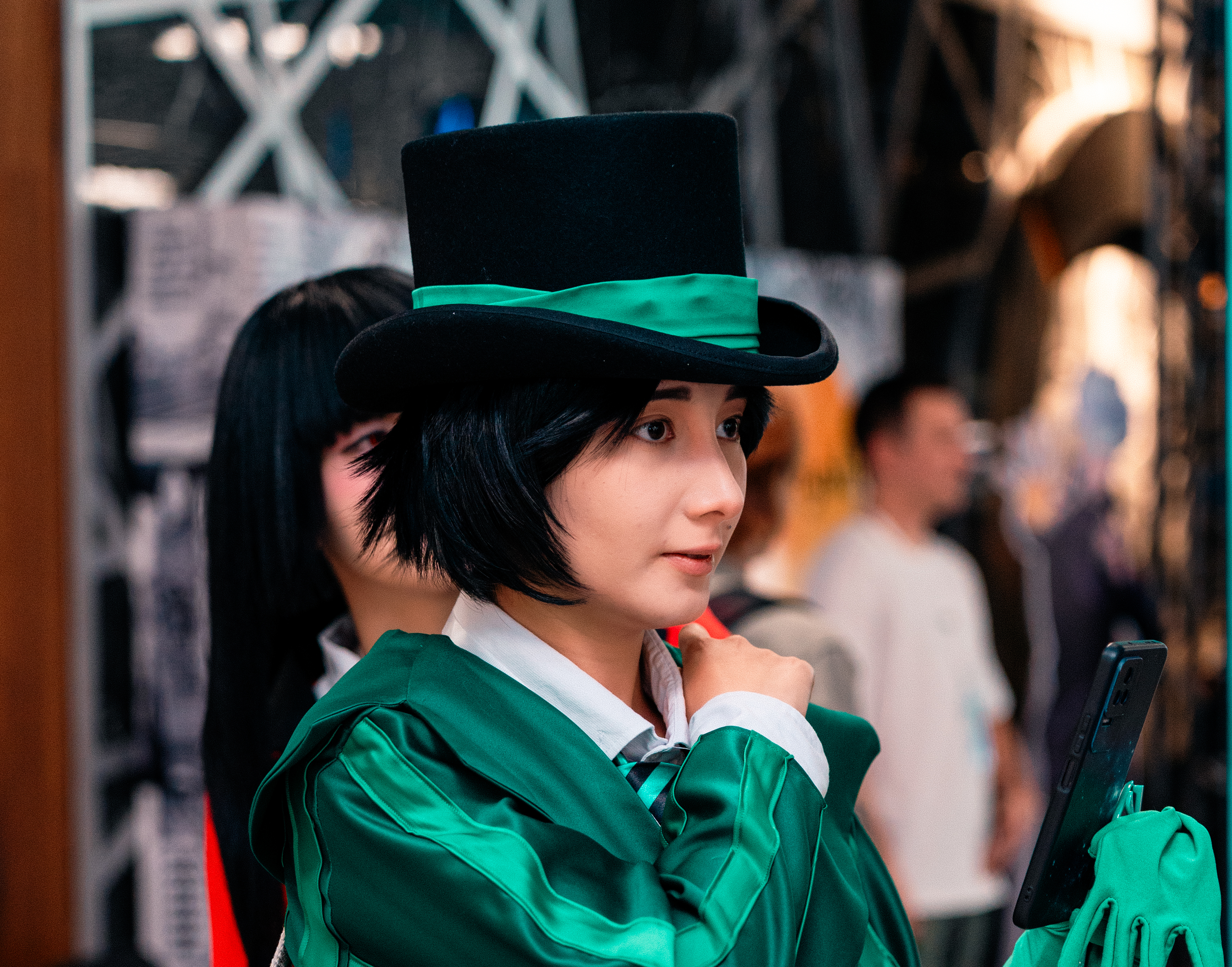 Photo: Timur Kholmatov
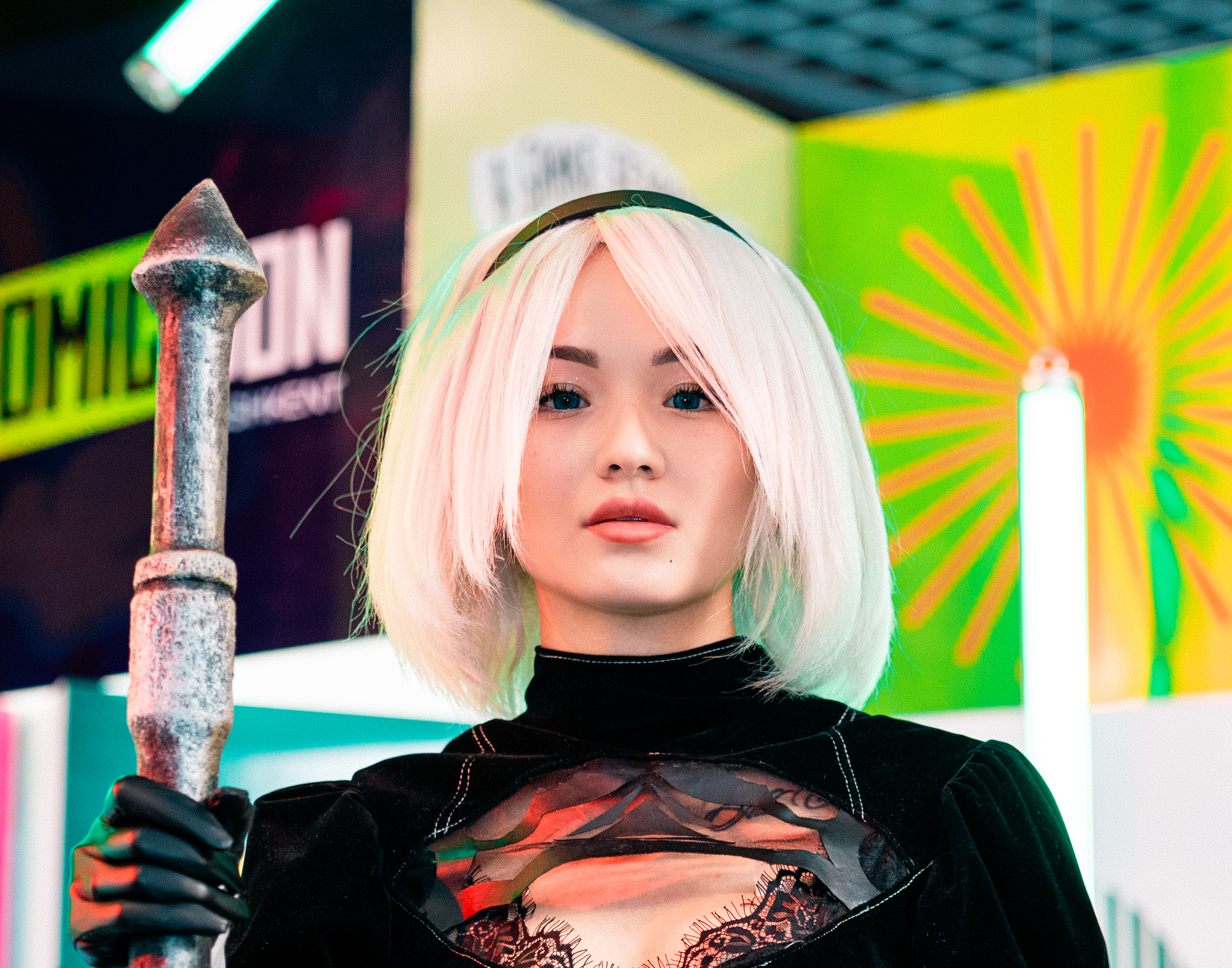 Photo: Timur Kholmatov
Comic Con 2024 Festival in Tashkent. Photo: Timur Kholmatov
Security service representatives made knights pass through the metal detector frame and thoroughly inspected blasters and swords. The festival was so large-scale that it sometimes spilled out onto the streets in front of the stadium, and passersby scrutinized visitors from other universes—some with incomprehension, and others with growing interest.
The heart of the event is the cosplay competition. Group runway shows on the first day — with choreography, vocals, and acting — brought entire scenes from movies, games, and anime to life on stage. Solo presentations continued until Sunday evening.
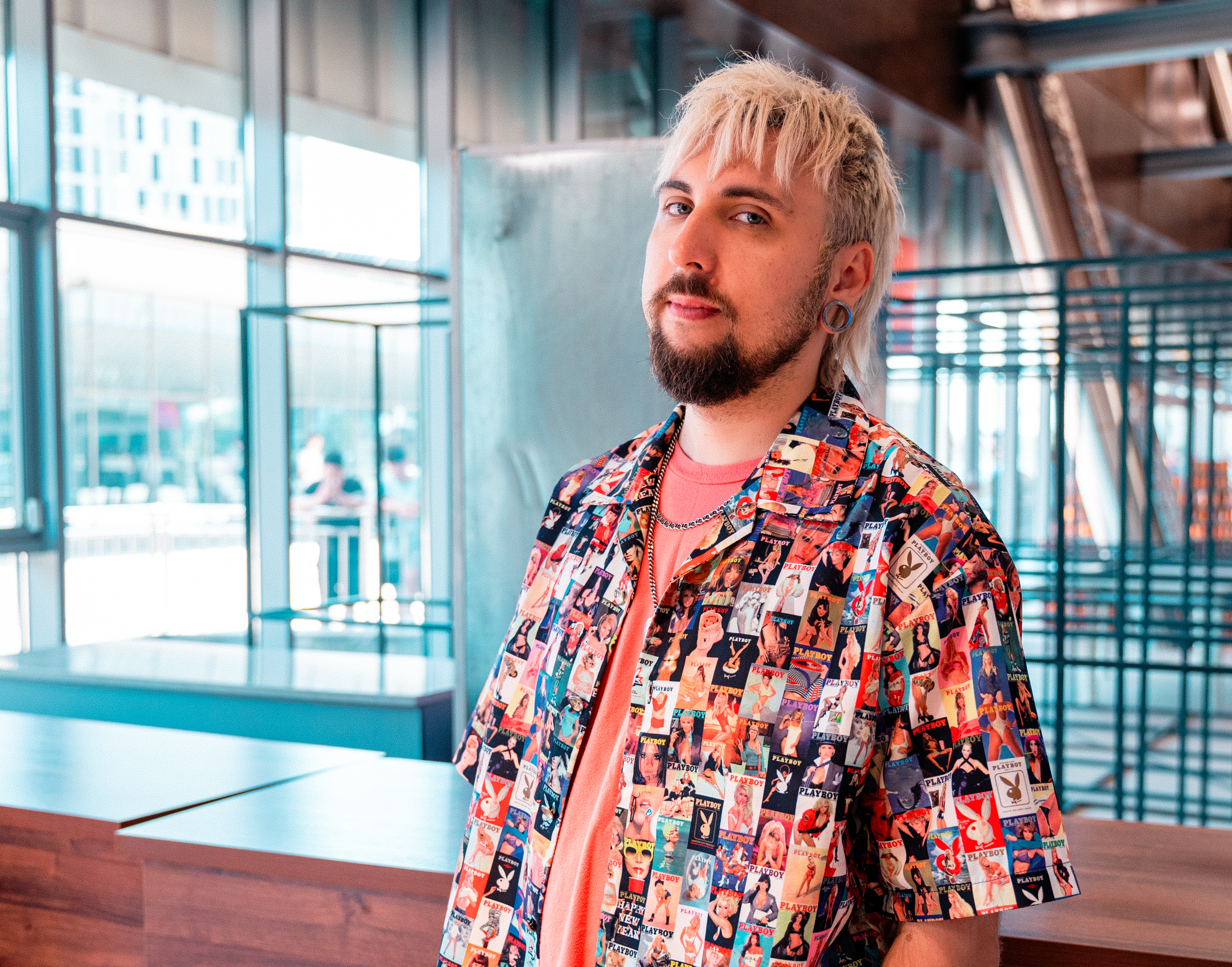 Photo: Timur Kholmatov
Blogger Max +100500 at Comic Con 2024 in Tashkent. Photo: Timur Kholmatov
Another reason for geeks to be in awe were the festival guests, among whom appeared famous bloggers Max +100500 and “Akr's Corner”, as well as voice acting stars. Evgeny Ivanov broke hearts with the phrase "You were my brother, Anakin!", Pyotr Glants was fully "deadpooling," while constantly signing posters.
Comic Con solidified its success: large scale, sponsor support, entire storylines in media. Enthusiast fans emerged from the shadows and took their place in urban culture.
Geek Con 2: To Be Continued
The bright debut was quickly followed by a sequel. In December 2024, Geek Con 2 took place — again at the Alpomish Palace, but this time bigger, more substantial, and louder.
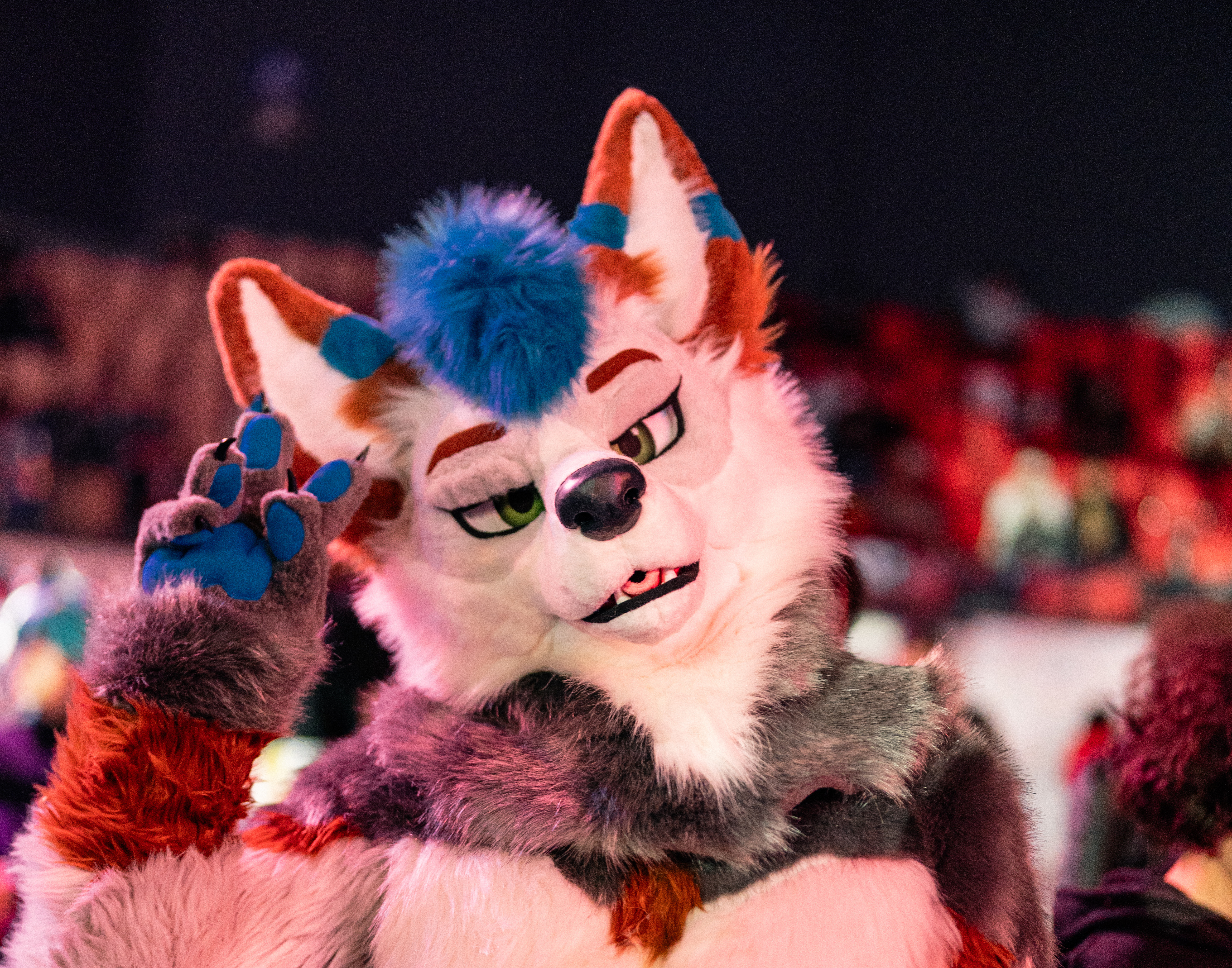 Photo: Timur Kholmatov
Geek Con 2024 Festival in Tashkent. Photo: Timur Kholmatov
This time Tashkent was visited by Lina Ivanova and Ivan Zharkov. The former was proving to festival guests that it's correctly pronounced "LeviOsa," certainly not "LevioSA," while the latter was unsuccessfully trying to find his Mjölnir among the many at the festival. For special connoisseurs, a gift was the visit of Vyacheslav Kozlov, who spoke about the dawn of anime dubbing.
Of course, the most anticipated moment was once again the fashion show. A diverse array of warriors, heroes, and villains took the stage, bringing to life everything from short skits to full dance numbers. An atmosphere of freedom and creativity. A year ago — the first step, now — confident forward movement.
Life Between Festivals
Between festivals, cosplay continues to thrive in the city. To prevent their crafts from gathering dust and their wigs from fading, cosplayers gather to hold competitions and social gatherings.
Kitsune Cafe organizes anime-themed weeks, offers discounts to cosplayers, and hosts quizzes and workshops. It's a safe space for geeks: 100% understanding, 0% judgment.
However, not everything is so perfect. In August 2024, the atmosphere of a cosplay competition organized by the Nishtyaki store in the Riviera shopping mall was disrupted by an unexpected visit from law enforcement officers. The participants—including minors—were taken to the police station. No violations were found, but a bad aftertaste remained. Even with growing recognition, cosplay can still be misunderstood.
An island of unconditional calm in the world of geek culture fans remains the online space — life is bustling in the Telegram channel Cosplay Art of Uzbekistan. Announcements of upcoming festivals, finds for cosplayers, thematic polls, and most importantly — online contests are held with the support of a community that, despite stepping into reality, is still "online."
Who is behind the mask?
Behind every image is a living person. Some find a reflection of themselves in a character, some simply love the style, and some take their first steps on stage—and unexpectedly win. HD magazine spoke with members of the Tashkent cosplay community—and here's what they shared.
Dali Rakhimkulov: "I Just Wanted to Become Dante"
On stage — Dante (Devil May Cry) and Major Nechaev (Atomic Heart), and in real life — a composer and sound designer for video games, simultaneously finishing an engineering degree in oil and gas.
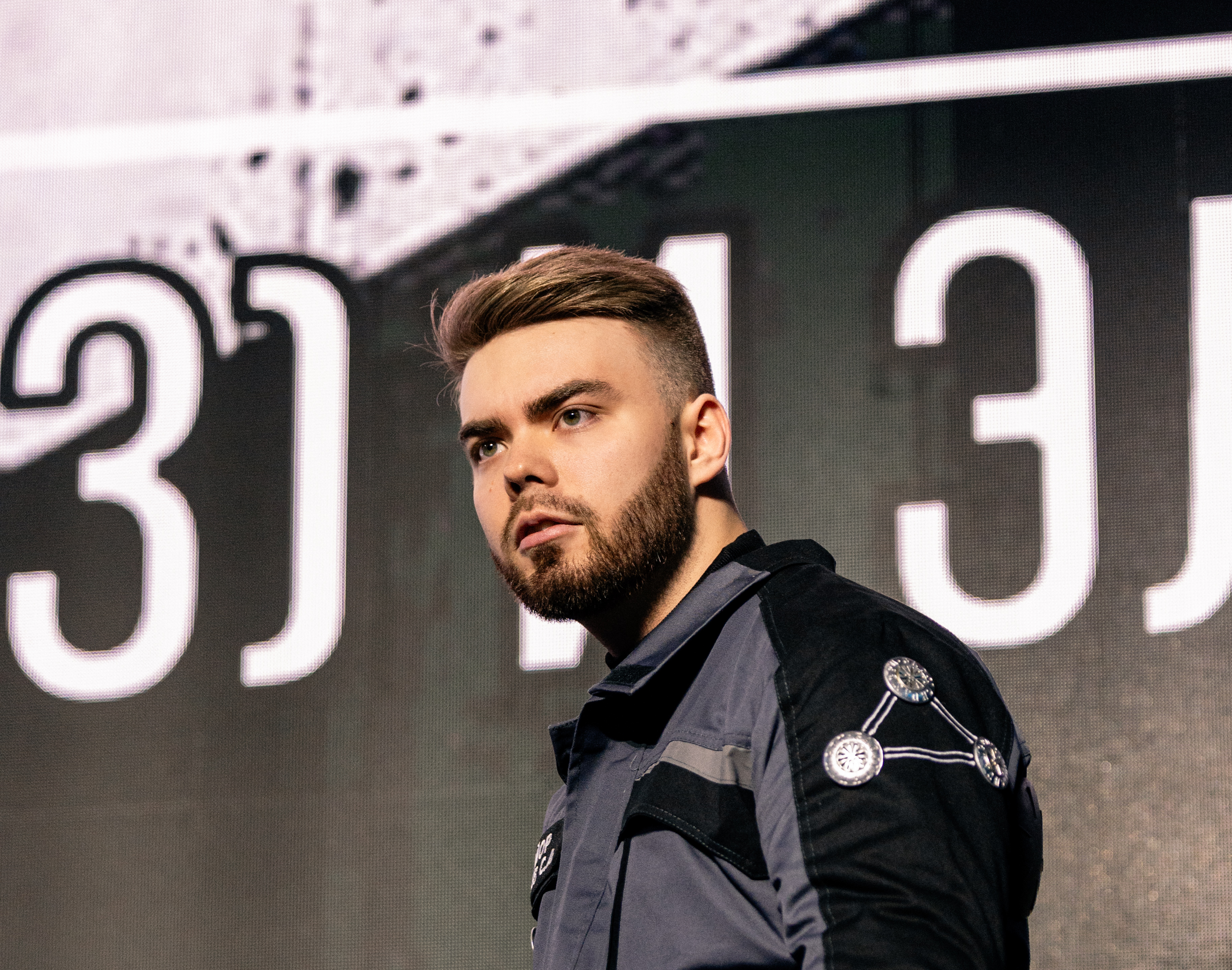 Photo: Timur Kholmatov
Dali Rakhimkulov as Major Nechaev from the video game Atomic Heart. Photo: Timur Kholmatov
"Cosplay for me is an opportunity to feel the character's power, to sense their aura. I don't sew costumes from scratch — I assemble them from clothes and parts. Wigs are my pain: they're hot, uncomfortable, but for the sake of the image, you have to endure. The hardest part is finding yourself in the hero. But if you've found it — the stage becomes home."
You can follow Dali's creative work and looks on his Instagram: @dalirakhimkulov.
Rustam Yunusov: "My wife persuaded me. Then everything changed"
At Comic Con Tashkent 2024, he stormed in as John Wick and immediately became a contest winner. In real life, he is a content creator and voice-over master who, thanks to participating in the festival, changed jobs and found inspiration.
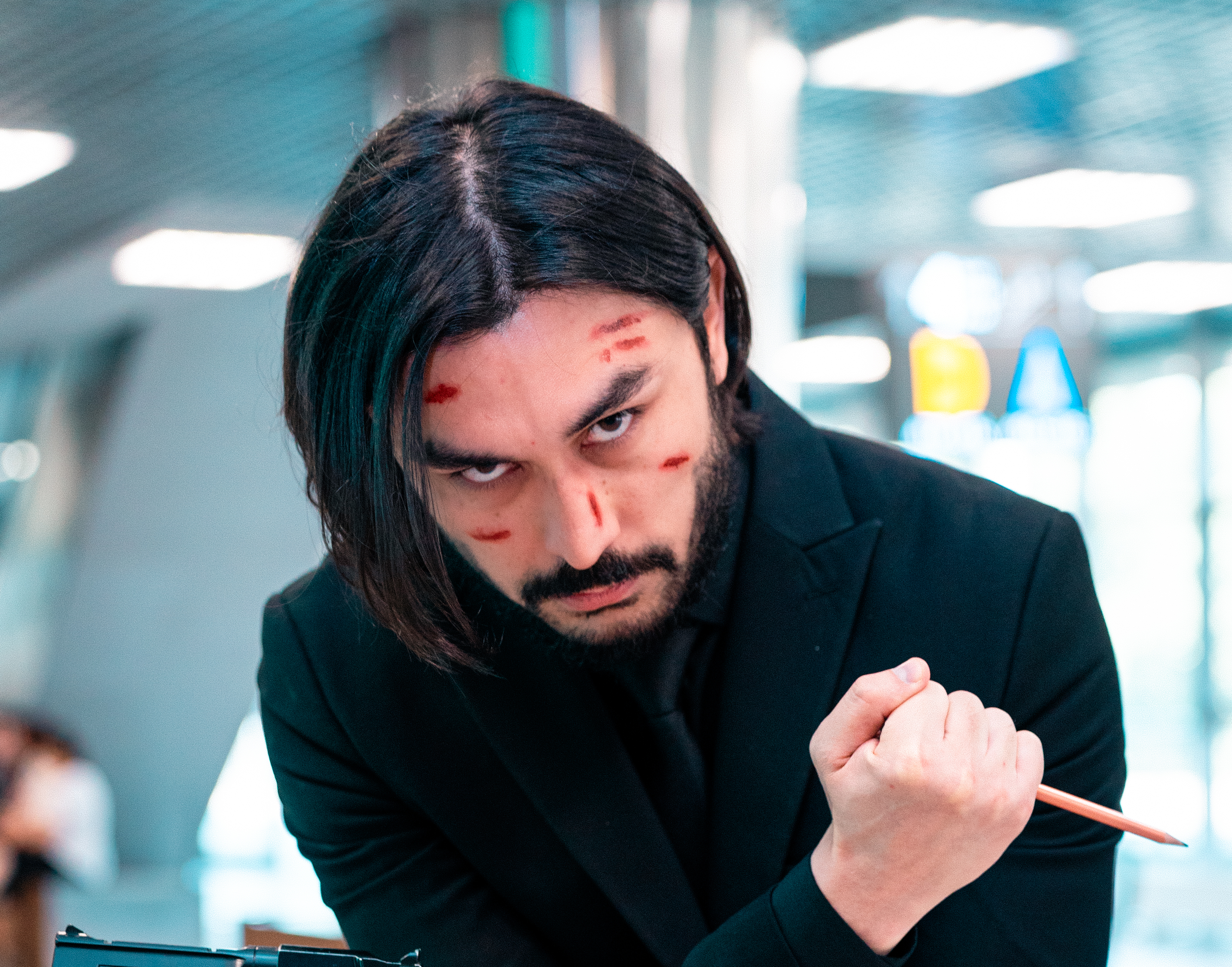 Photo: Timur Kholmatov
Rustam Yunusov as John Wick from the eponymous film. Photo: Timur Kholmatov
"I didn't plan to participate—I just wanted to watch. But my friends said I looked like John Wick. I had to urgently watch all the movies and rehearse the stunts with my wife. It turned out awesome—and it hooked me. For me, cosplay is a way of self-expression, a way to stay active and inspire others."
You can follow Rustam's creative work and images on his Instagram: @rustam_film.
Final credits: what's next?
Cosplay in Uzbekistan is a young phenomenon, but it's growing rapidly. Ahead lie many trials and discoveries, possibly even misunderstandings. But there will also be ovations, lightsabers, and heroes who don't need a passport—they already have a badge. But this is only the beginning. The post-credits scene is still a long way off.
Cover photo: Timur Kholmatov


