Ecology and Economics
Sea Breeze Uzbekistan: When Ecology Becomes an Economic Asset
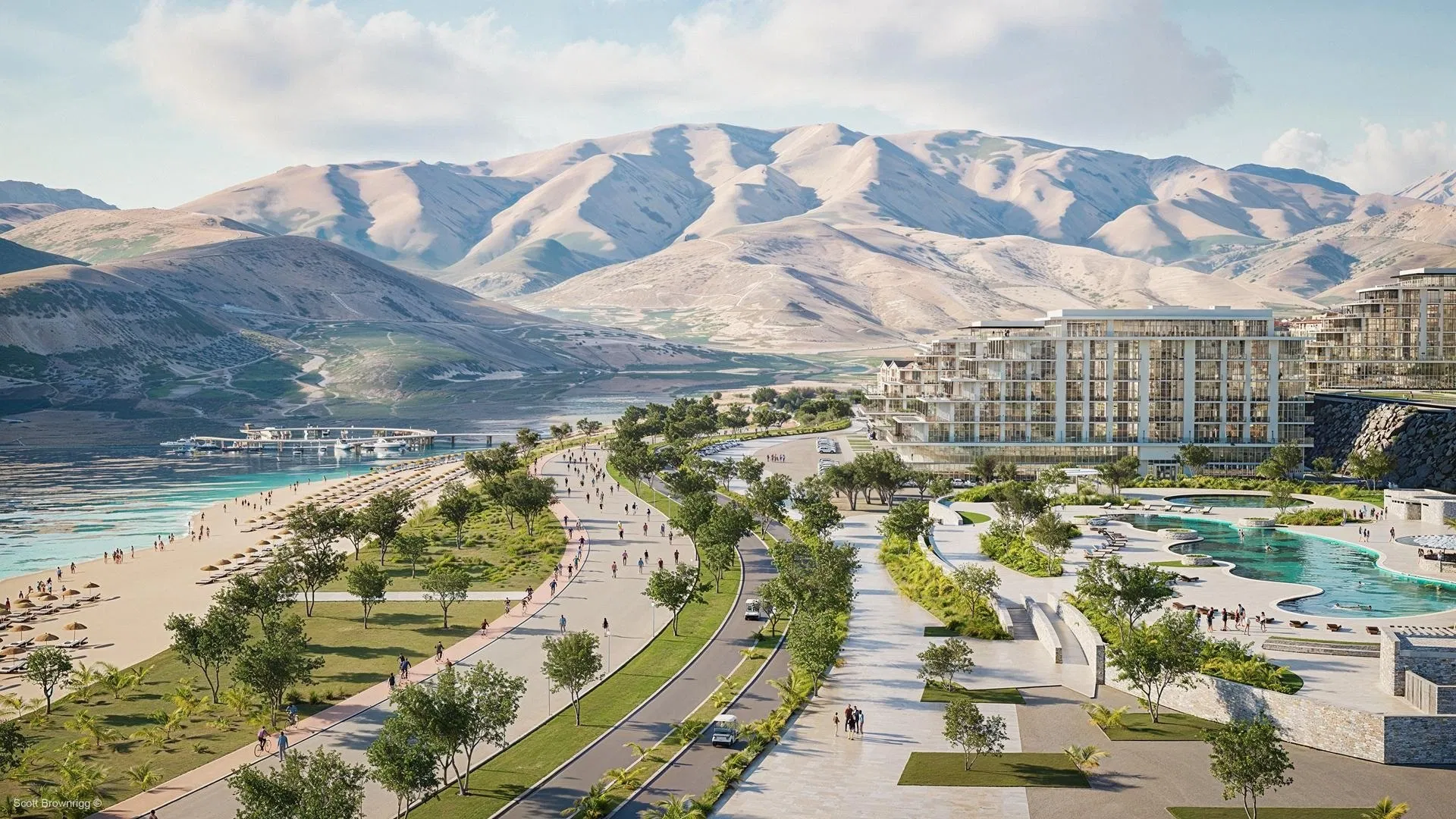
Why Charvak’s future depends not only on what is built here, but on the value the natural resource creates for society, investors and the territory itself.
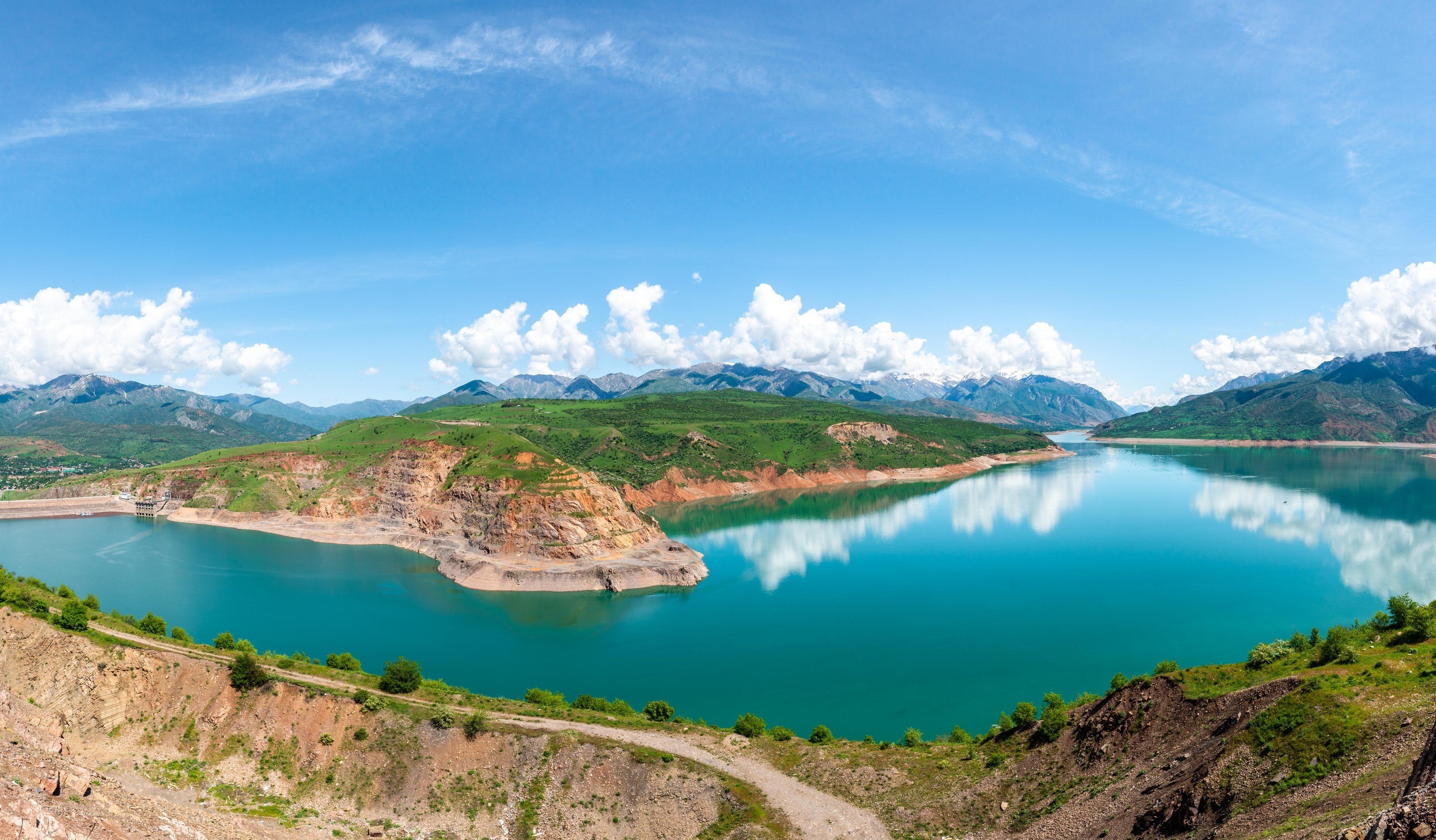
Construction at Charvak is already under way, which means the project is no longer at the discussion stage but actively taking shape. Naturally, this has brought growing attention to it. It is important to recognise that this reaction isn't a conflict: it's a normal and legitimate response to change in a sensitive area.
Charvak is more than a weekend destination. It is water, recreation and a place people have grown accustomed to visiting. But there is another dimension that cannot be ignored: it is a strategic resource. The Charvak Reservoir is a strategically important water body for Tashkent and the wider region. Once this is taken into account, it becomes easier to understand why any changes here are bound to provoke a stronger reaction than an ordinary development project. The city depends on this system.
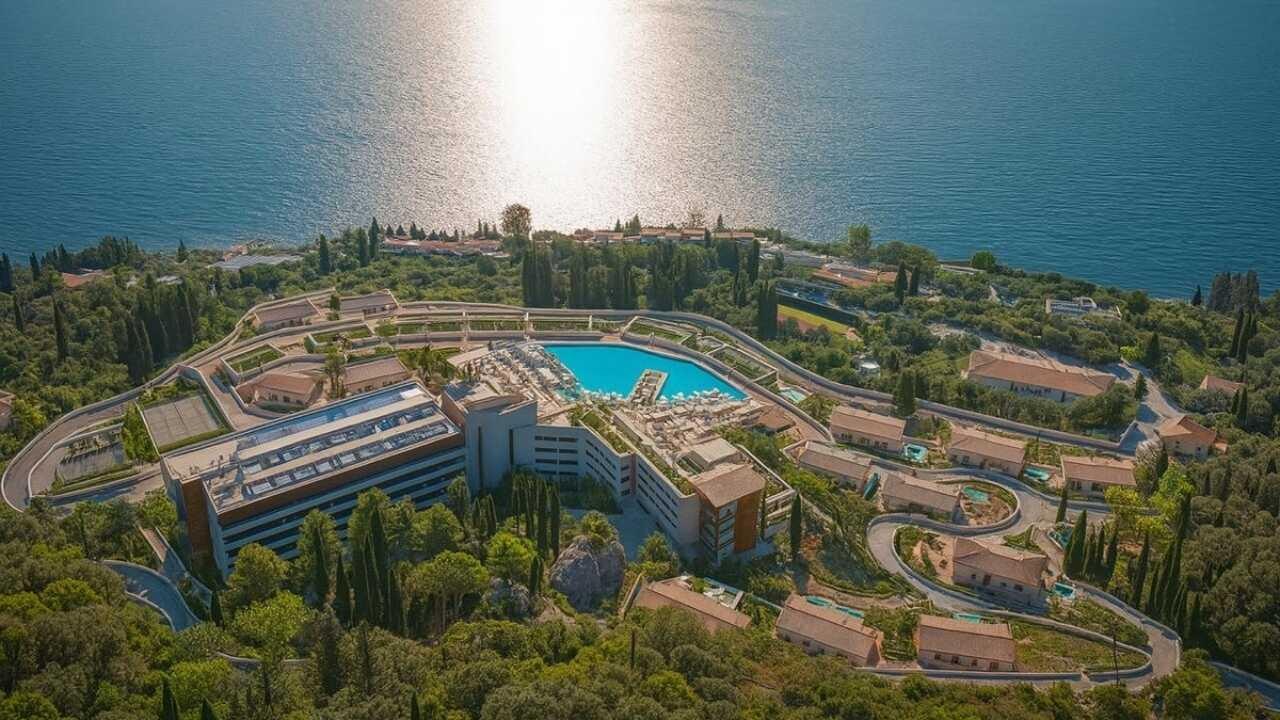
The moment a major private development enters such an environment, the conversation inevitably moves beyond architecture and becomes a public issue. What people are discussing now is not the appearance of the project, but access: will it still be possible to walk along the water? Will the space remain open? Where will the boundary between public and private lie? Until there are simple, clear answers to these questions, a sense of uncertainty is inevitable.
It is important to understand where this reaction comes from. It is not about this particular development. People already have experience of situations where a space is technically public but, in practice, surrounded by restrictions: paid entry, closed-off areas and boundaries that are never explicitly marked but are nevertheless felt. That experience shapes expectations.
Take Sea Breeze Resort in Baku. There is clearly a sense of life and accessibility there. It is a functioning environment where residential, leisure and event spaces come together. The resort is active, with a variety of ways to use and experience the space. At the same time, there is still a sense that not every part of it is equally open to the public.
Residents take priority, some facilities operate commercially, and there are private areas. Even where physical access is possible, there is a noticeable difference in how the space can actually be used. A subtle feeling emerges: you can be there, but you do not quite have the same level of access as everyone else.
That is not necessarily a flaw. It is simply one model among many, but it is precisely these models that people anticipate. And this is where the central question arises: will this place still feel as though it belongs to everyone, or will it begin to feel foreign? This is not fear, and certainly not opposition to development. It is simply an attempt to preserve access to an environment that has traditionally been perceived as shared.
Looking at the wider picture, international experience shows that another model is possible. Jumeirah Beach Residence in Dubai, for example, is a private development, yet its beach remains open to the public, with a continuous waterfront promenade that connects seamlessly with the city. There is no strong sense of a boundary, and people do not feel that they are entering someone else's territory.
A similar logic can be seen at Yokohama Waterfront in Japan, where the very idea of a separate “project” almost disappears. What remains is an urban environment in which people can move freely, spend time and use the space without additional conditions. Strip away the architectural details, and the difference between these examples is not really about design. It is about principles: how continuous, accessible and usable the environment remains in everyday life.
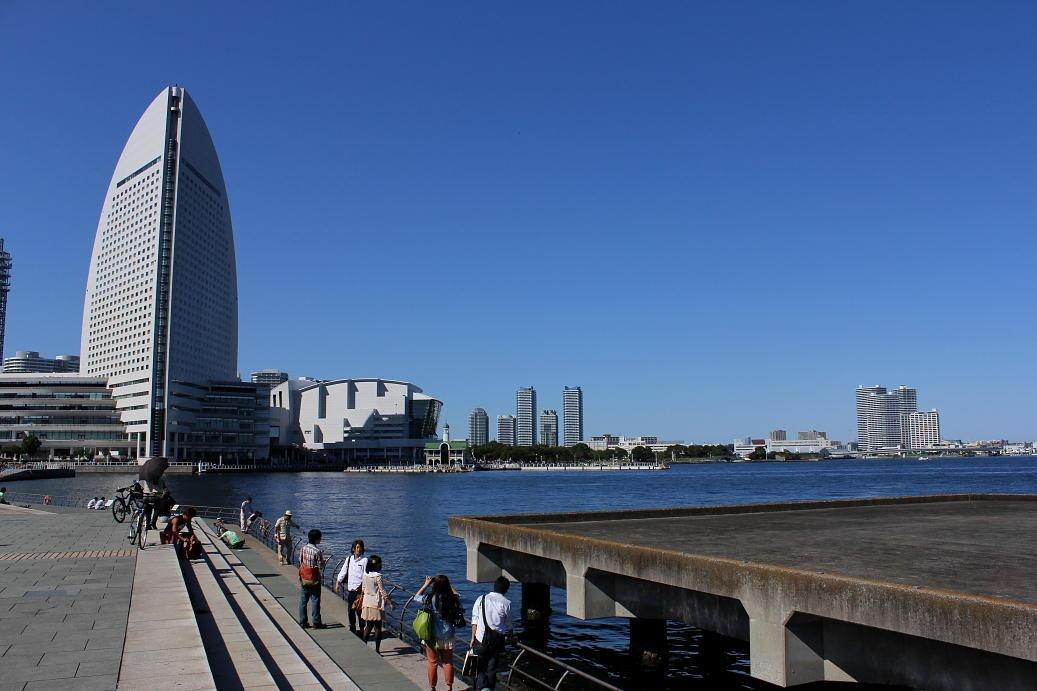
Public pedestrian routes and cycle paths along the water are not simply landscaping features. Internationally, these elements have become attractions in their own right, generating footfall at both city and tourism level. Long, uninterrupted waterfront promenades and cycle routes function as movement infrastructure, connecting different parts of a territory, generating activity and ultimately influencing its value.
Such spaces create the habit of using an environment every day rather than only occasionally. That is how a place begins to feel as though it belongs to the city rather than to a single development. This is where ecology connects directly with economics.
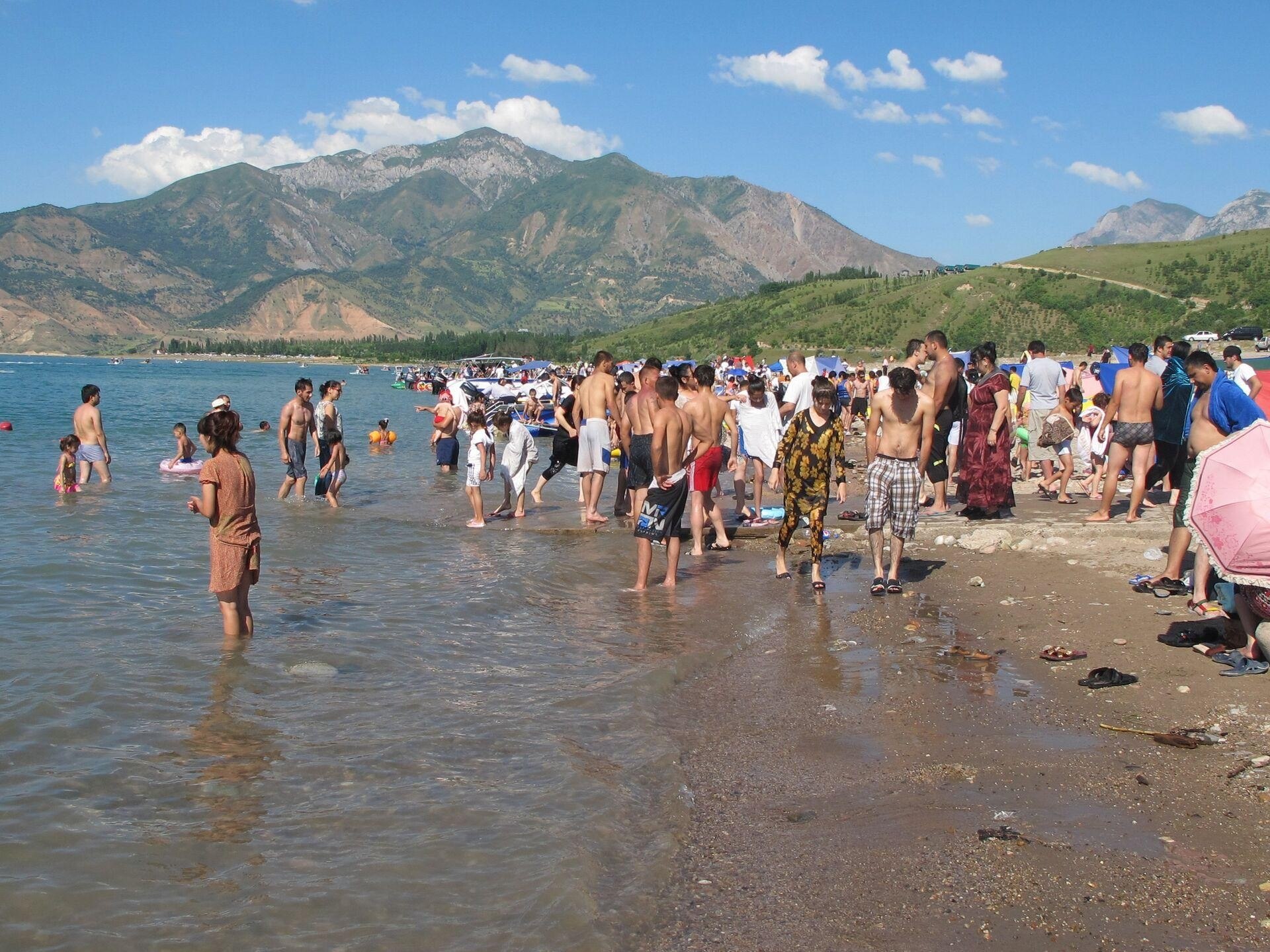
Water, landscape and public access to them are not simply a backdrop to development. They are part of the value of the territory itself. The longer a natural resource retains its value, and the more opportunities people have to engage with it, the more resilient the project's economy becomes. New flows emerge through services, tourism and everyday activity, allowing the territory to generate value beyond the square metres themselves.
Returning to Sea Breeze Uzbekistan, it is important to recognise that the project already has a strong foundation: waterfront promenades, parks, public spaces and infrastructure. That is the right direction.
But it is not enough.
The central question is not simply what will be built, but how it will work and how it will feel to use. We are at a point where development is shifting from designing individual objects to designing environments. And this brings us to something fundamental: people do not judge a space by the beauty of its renders. They judge it by whether they can actually be in it.
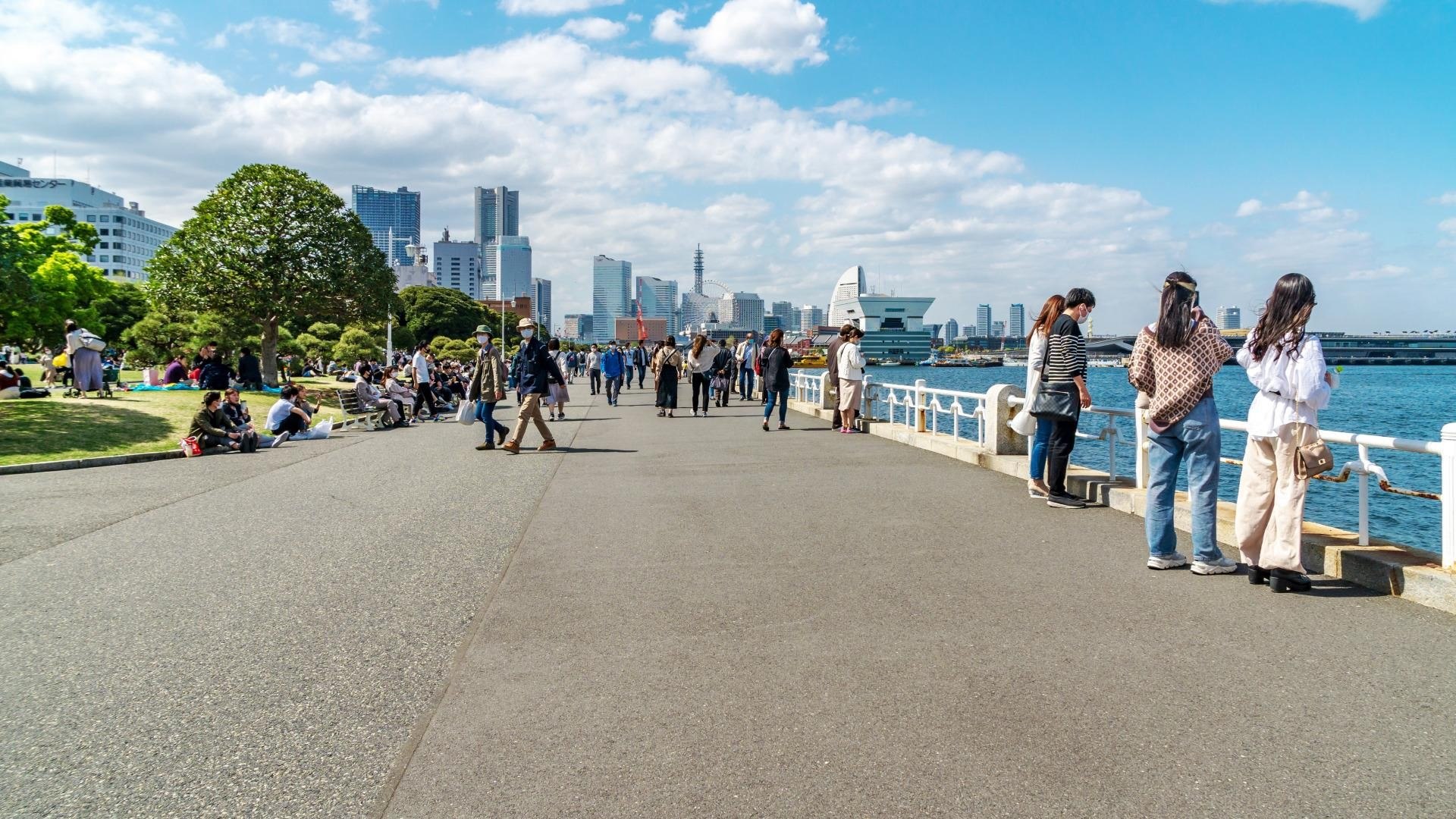
If the aim is not criticism but strengthening the project, the solutions are fairly concrete. First, continuous access along the water should be established as a fundamental principle. Second, public and private spaces need to be clearly and simply defined. Third, the project should demonstrate real-life scenarios of use, rather than relying solely on visualisations. And finally, it needs to create an everyday environment where people can come without a particular purpose, stay without unnecessary restrictions and return regularly.
Projects of this kind require a different approach, in which space is designed not only as architecture, but as a system of movement, activity and everyday life. That is when it begins to work differently.
Perhaps this is where the next model of development for Central Asia is taking shape: a natural resource ceases to be merely a locational advantage and becomes part of the territory’s economic model. It cannot simply be consumed. It must be preserved, integrated into the public realm and turned into a long-term asset. When that happens, the interests of ecology, society and investors no longer have to be in conflict.
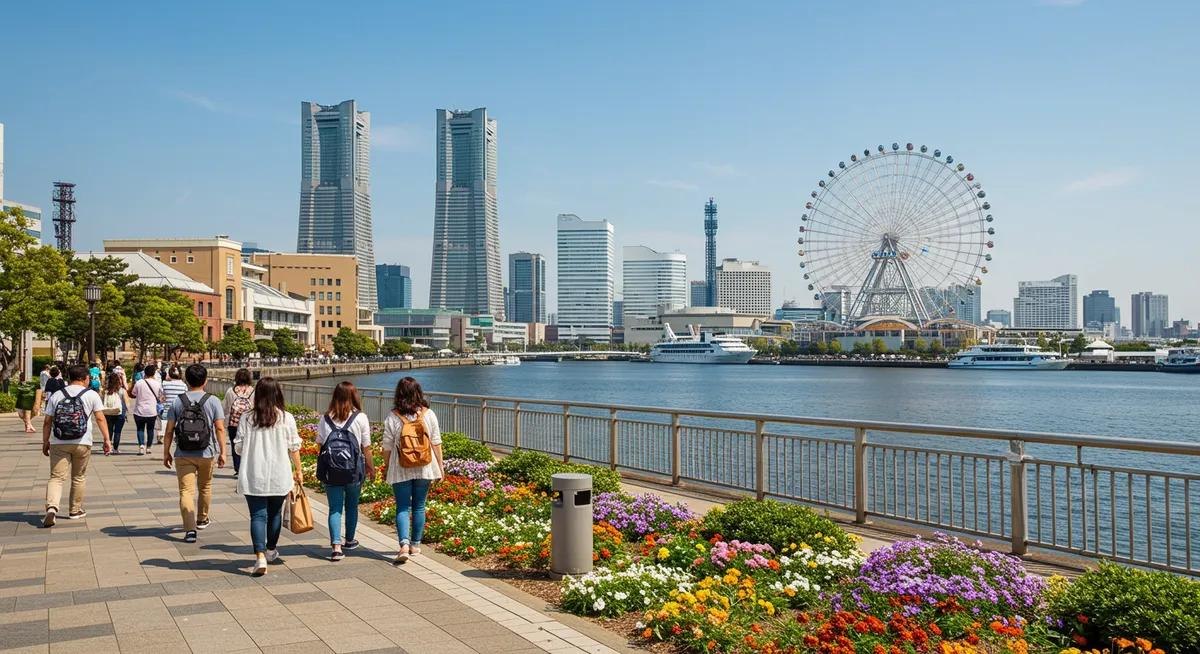
Sea Breeze Uzbekistan is more than an investment project. It is an opportunity to establish a new model for the region: one in which private development does not restrict the environment, but expands its possibilities. Because today, value is created not simply by the object itself, but by the way people are able to use and experience the space.
Newsletter
A letter from the HD editors
Once a week, we send the best stories, events, and cultural discoveries from Central Asia.