Ecology and Economics
How much of sustainable financing is actually green?
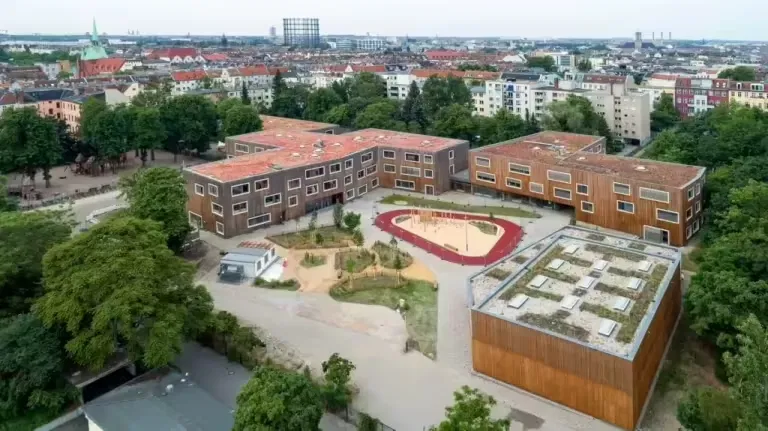
In 2025, 11 issues of sustainable development bonds were placed on the Kazakhstan Stock Exchange (KASE): eight social and three green. Their announced volume amounted to 520.2 billion tenge, while the actually placed volume was 404.8 billion. This is an important distinction for those assessing financing of environmental projects: the overall figure includes not only green issues.
At the HD magazine panel during Aquatherm Almaty, held in September, Aldiyar Kamalkhanov presented the KASE lineup of instruments. It helps clarify what obligations the issuer assumes and what exactly the funds are directed toward.
Green bonds are intended to finance environmental projects in the areas of water resources, energy efficiency, renewable energy and waste recycling. Social issues support housing, healthcare, education and basic infrastructure. Mixed bonds combine environmental and social directions.
A separate instrument is sustainability-linked bonds. In these, the issuer assumes obligations on specific indicators, for example on reducing emissions or resource consumption. This differs from an issue where funds are designated for specific projects in advance.
A Project Does Not Begin With a FaçadeYou can build a beautiful house and lose money. You can buy expensive land and underestimate its potential. You can increase the number of square metres while simultaneously reducing their value. In development, success is not determined by how impressive a building looks, but by how precisely the entire journey from land to buyer has been mapped out. Lyubov Safronova proposes taking that journey in 20 steps, from site analysis and identifying a market niche to architecture, branding and sales.mag.humodoc.com
Issuer obligations
A bond remains a loan: the issuer raises investors' money and is obliged to return it on established terms. An environmental label does not replace an assessment of the company's solvency and does not guarantee achievement of the stated effect.
Before issuing, the issuer describes which projects the funds will go to, how they will be selected and by which indicators the result will be assessed. The framework policy is reviewed by an independent organization. After placement, information on the use of funds and fulfillment of stated obligations is disclosed.
Green Project: What Turns Technology Into an InvestmentGreen financing can work with a wide range of investments, from an energy-efficient building and a solar installation to manufacturing equipment and construction machinery. The general principle is the same: the resource effect of the project must be measurable, and the technology’s characteristics must meet the established requirements.mag.humodoc.com
KASE provides the rules for admission to trading and information disclosure. An independent assessor verifies the issue's compliance with the stated principles, while the investor separately assesses financial risk. Data on issues and reporting are available on the KASE sustainable financing platform.
For construction and urban projects, this sequence has practical significance. If a loan is raised for a water-saving system, stormwater management or energy-efficient modernization, the issue must allocate the corresponding expenses and determine in advance how the result will be measured. The project name itself does not determine the type of financing.
Investment with a Measurable EffectRainwater stations, water-saving systems and green roofs can reduce costs and protect property. But to attract capital, you first need to determine who benefits from this effect and how the investment will be returned.mag.humodoc.com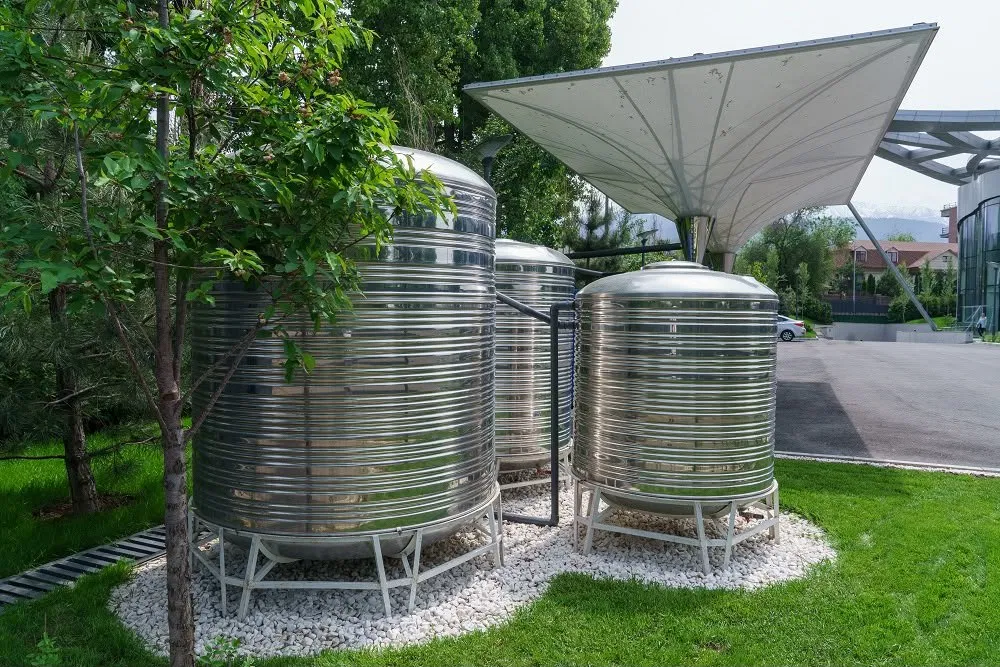
Opportunities for small business
The presentation also featured the KASE SME Qadam Bonds program. It has been in effect since January 2026 and is intended for small and medium-sized businesses in the real sector. This is a general channel for raising market financing, not a special green bond program.
After Construction: What a Building Really CostsProperty is usually assessed by its price per square metre, location, architecture and construction quality. But once the keys have been handed over, a building continues to cost money for decades: heating and cooling, water, maintenance of building systems, repairs and equipment replacement of equipment.mag.humodoc.com
For a company developing solutions in water conservation, energy efficiency or waste recycling, the program can become one of the ways to raise capital. But the environmental category of the issue will have to be justified separately, and the ability to service debt confirmed by a financial model.
For a city and a developer, not only the overall size of the sustainable bonds market matters. It is necessary to understand who issues them, which project receives the money and what confirms the result.
Material prepared in partnership with Aquatherm

Read also
 Ecology and Economics
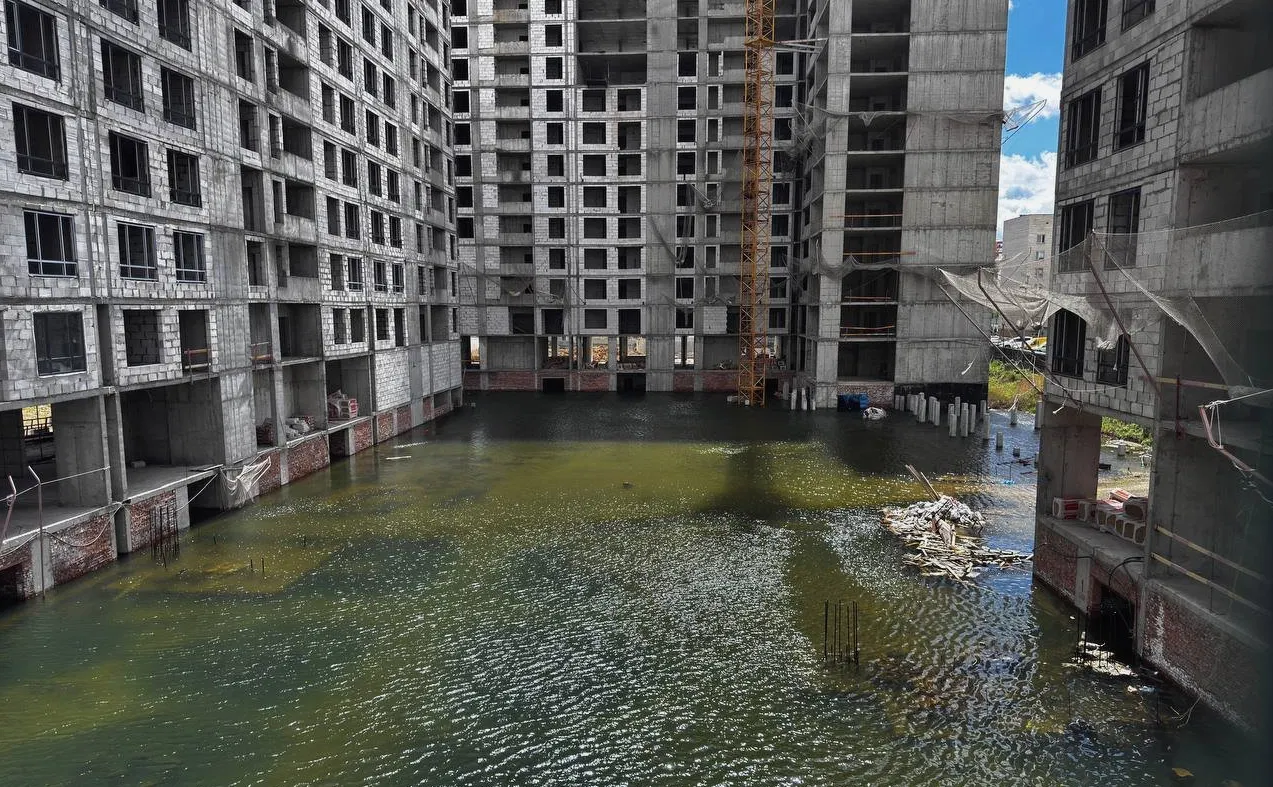
A Flood-Safe Flat: 4 Questions to Ask a Developer About Heavy Rain and Flooding
Dmitry Kuzyakin
 Ecology and Economics
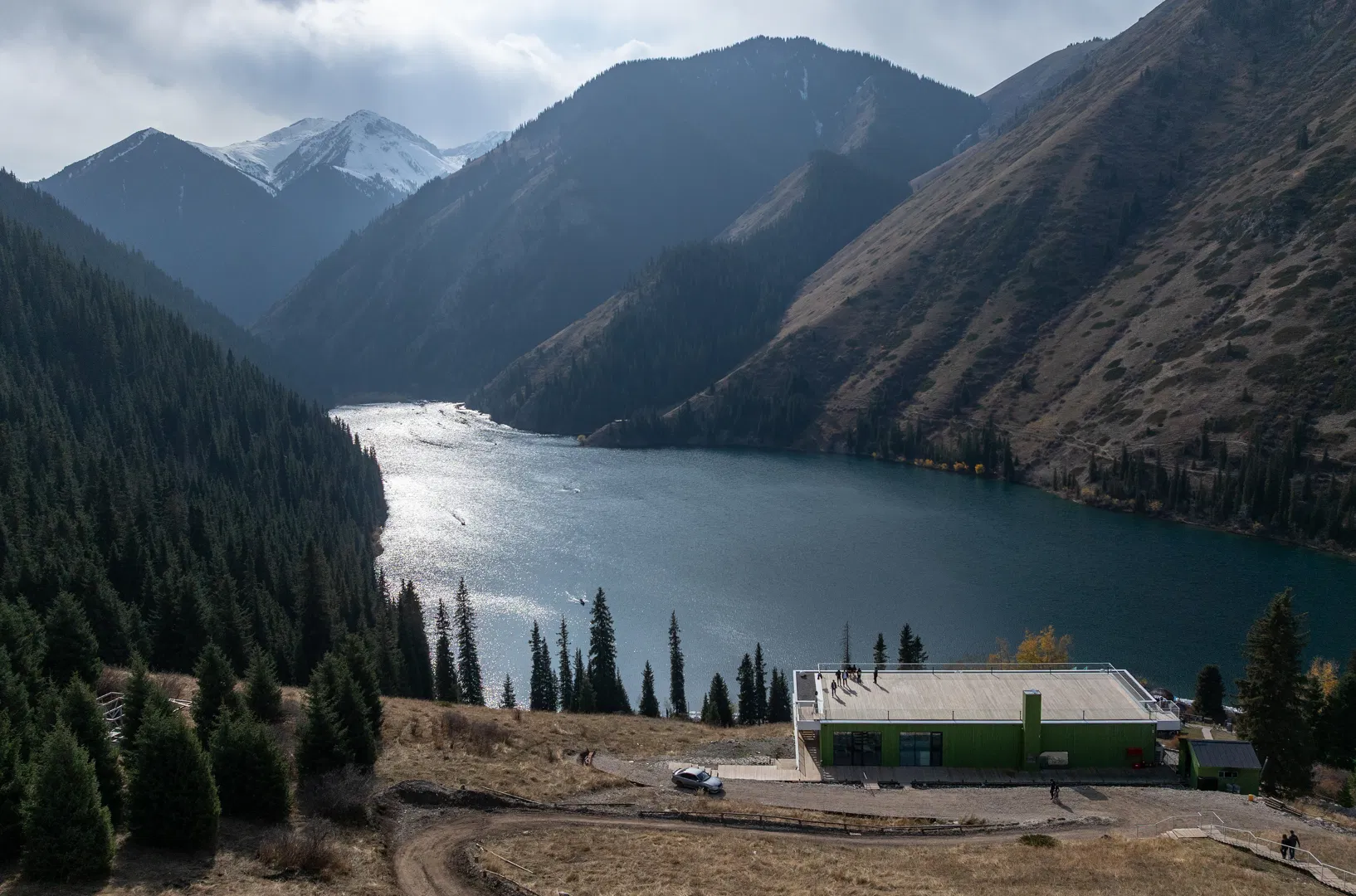
Nature as an advantage: why Almaty should be designed around its territory
Zhanna Spooner
Ecology and EconomicsGreen Project: What Turns Technology Into an Investment
Dina Khusnutdinova
Newsletter
A letter from the HD editors
Once a week, we send the best stories, events, and cultural discoveries from Central Asia.