Ecology and Economics
The Disappearing City: What YONAR Leaves Behind
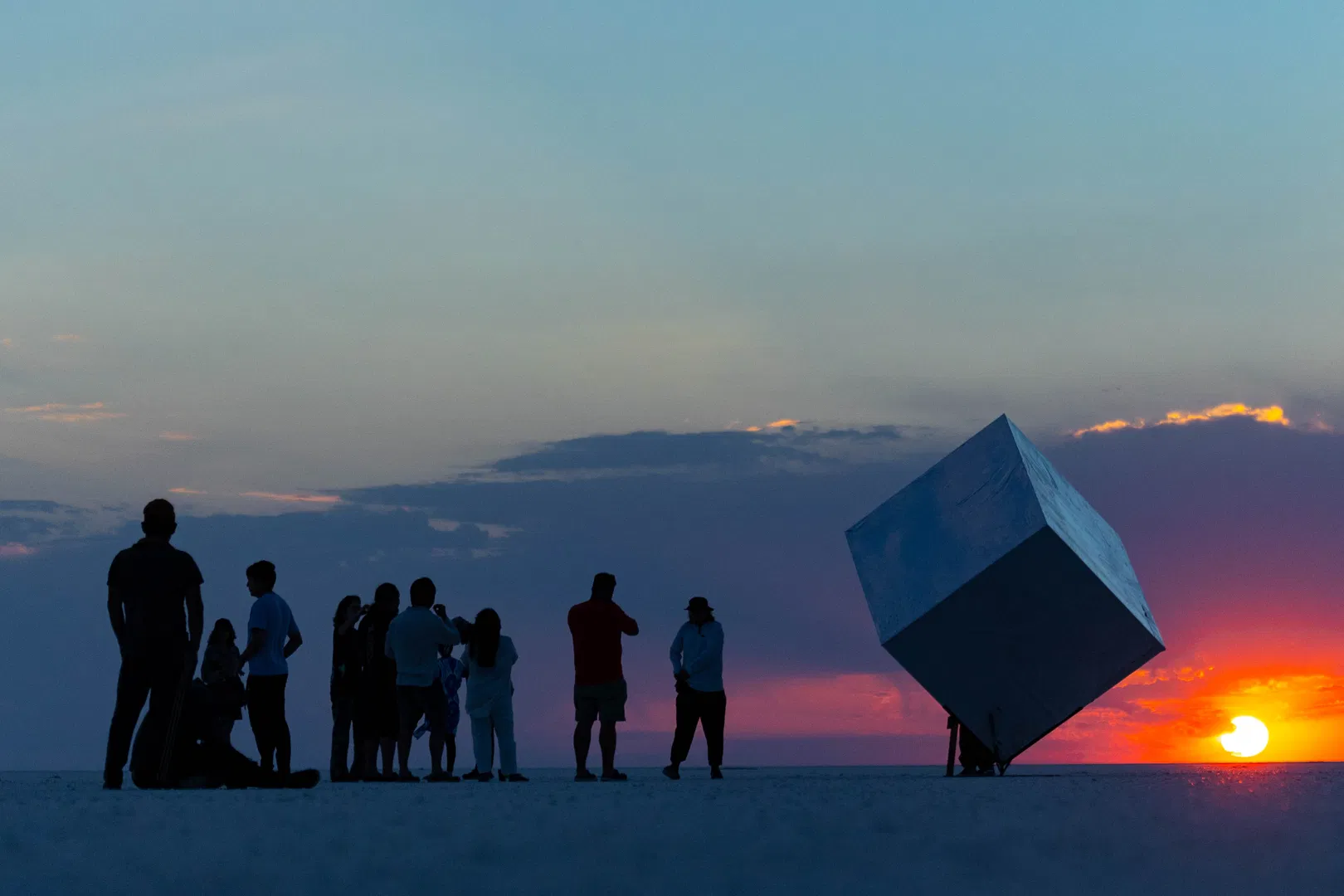
From 17 to 19 September 2026, the Barsakelmes salt flat in Karakalpakstan hosted YONAR for the second time, bringing together art, music and communal living in a single experiment. Over three days, participants built White Salt City, then dismantled the camp, cleared away the materials and waste, and left the salt flat as they had found it. Yet the city lives on through the people who met there, the connections they forged and the projects that emerge far beyond its boundaries.
The city appeared in the middle of the salt flat and disappeared three days later. For a brief time, Barsakelmes became a place where people from different countries built a camp together, created art installations, cooked meals, held music sessions and tackled dozens of everyday tasks. There was no familiar division between organisers, artists and spectators. Everyone became part of the shared space and contributed to its life.
This was the second YONAR, a project organised by Odil Mukhamedov, producer of Moc and the Stihia festival of electronic music, art and science, in collaboration with the Tourism Committee of the Republic of Uzbekistan.
YONAR is built on the idea of a temporary settlement built by its participants. White Salt City was never intended as a festival backdrop or an exhibition space where visitors could simply drop in for a few hours. It is a city you have to live in: organising everyday life, negotiating with others, sharing responsibilities and taking care of the space together.
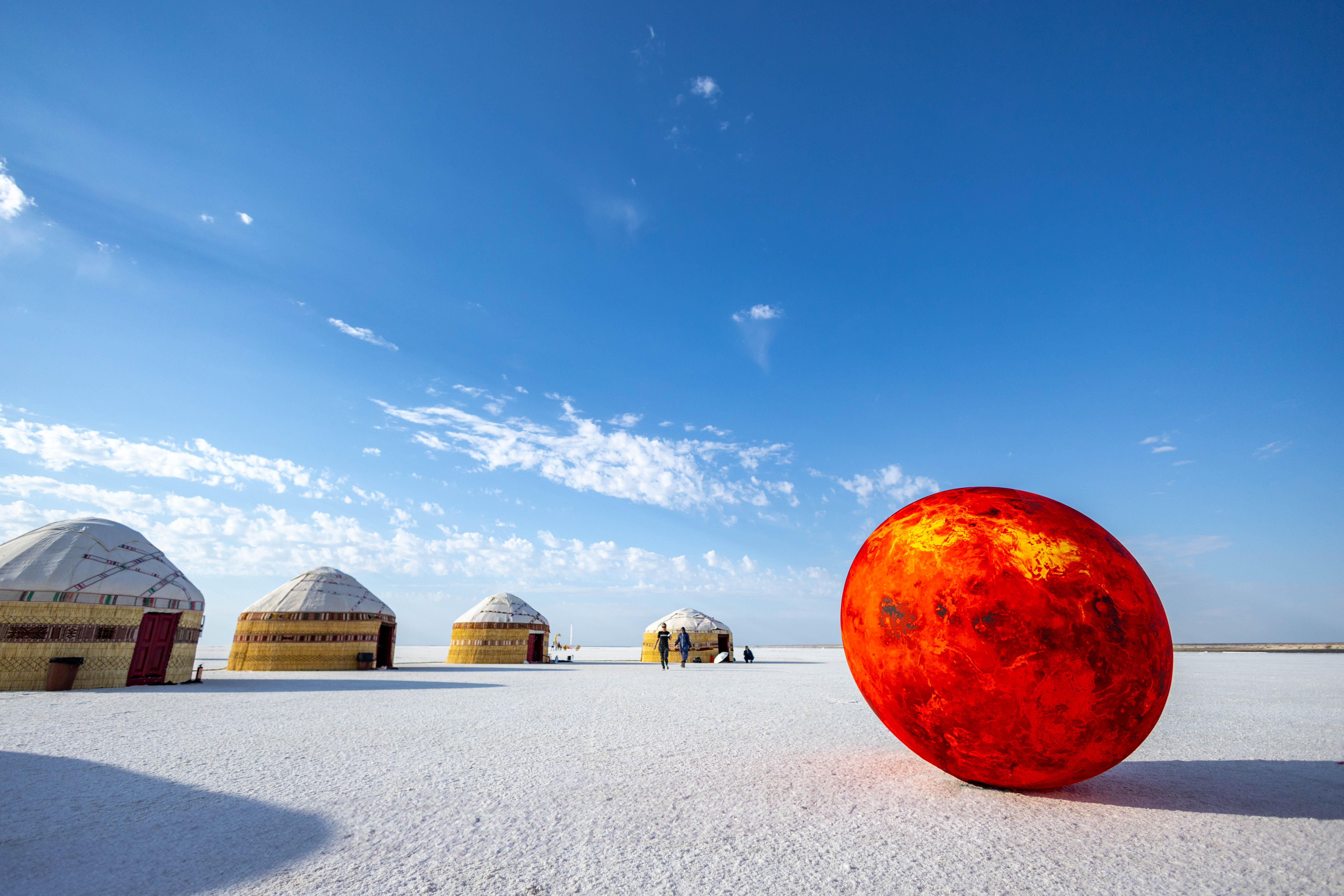 Photo: Feruz Rustamov
When the project ended, the structures were dismantled, the camp was packed up, and all rubbish and leftover materials were taken away. The city disappeared physically. But, as Otabek Suleymanov, CEO of Stihia, explains, what matters more to the team is what happens after it.
For us, YONAR is not a three-day event, but a starting point from which new connections and projects can emerge.
Not Spectators, but Participants
The first YONAR took place in 2025. At the time, the team described it as an expedition: around 70 people travelled to Barsakelmes, set up camp and created art installations specifically for the site.
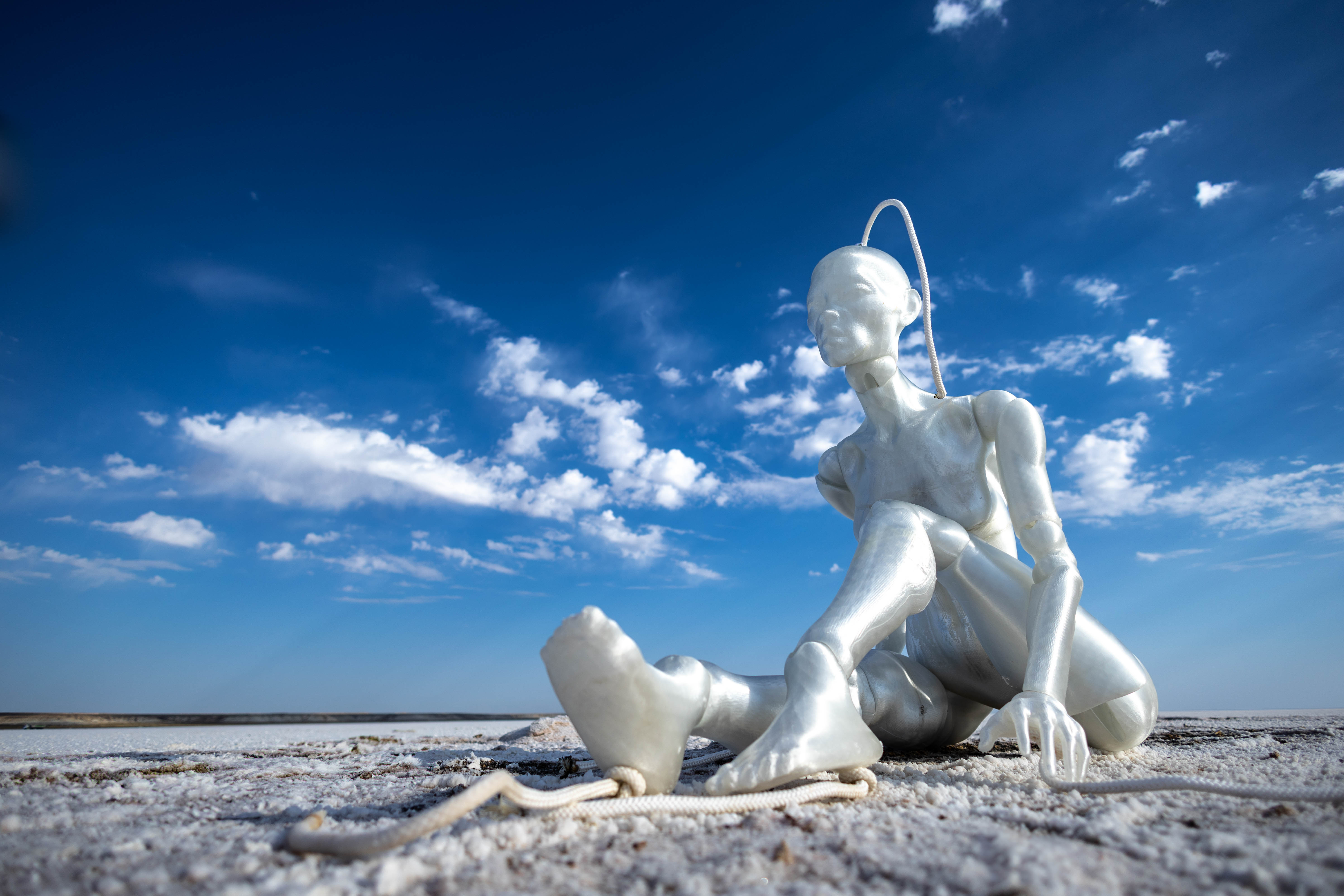 Photo: Feruz Rustamov
Over two years, a community has grown around the project, bringing together people from Tashkent, Nukus, Muynak, Berlin, Vienna, London, Moscow, Almaty, Bishkek and other cities. Participants include artists, musicians, architects, designers, IT specialists, entrepreneurs, researchers and people from a wide range of other professions.
They come to Barsakelmes for more than art. YONAR offers a different way of spending time together: rather than consuming a ready-made cultural product, participants help create it, sharing both the creative work and the everyday responsibilities that come with it.
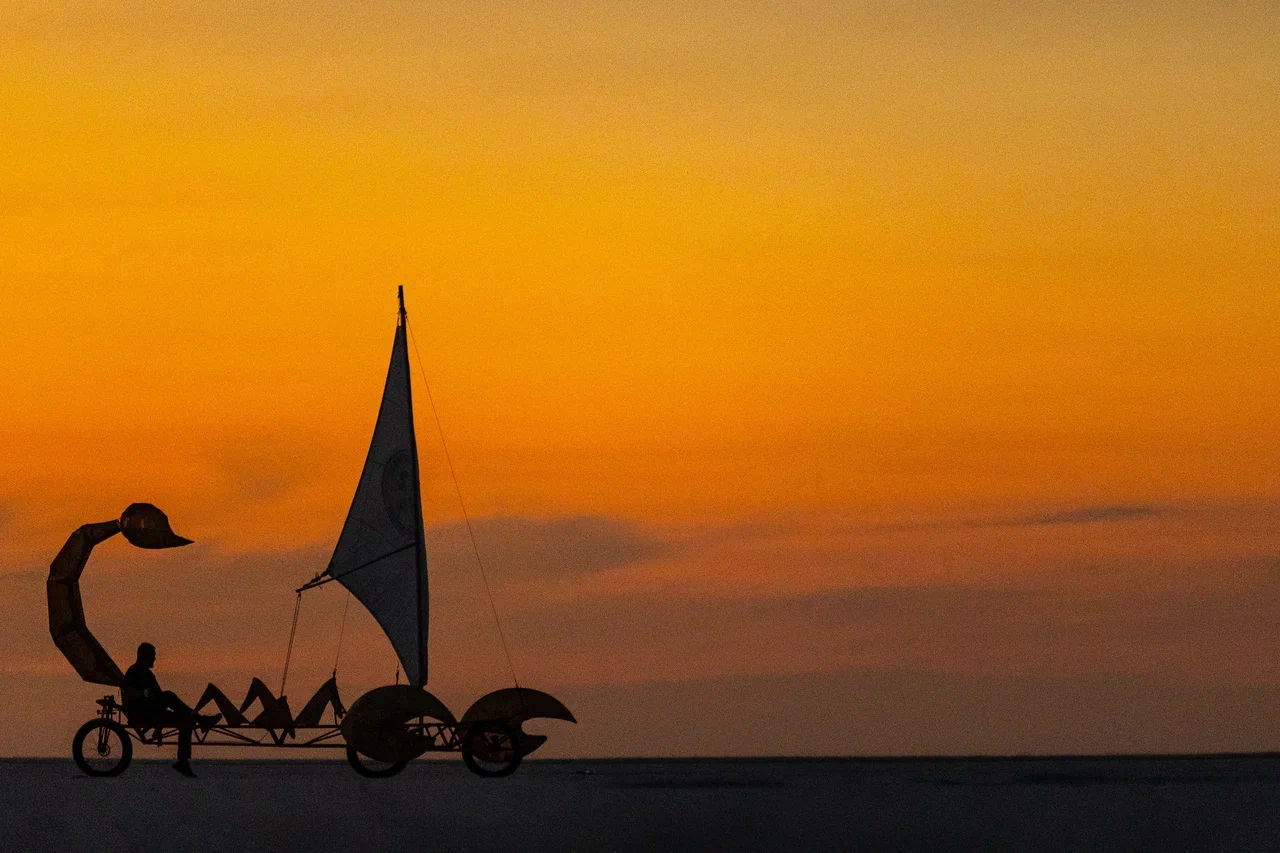 Photo: Feruz Rustamov
There are no tickets. People can apply through an open call, contacting the team and confirming that they are ready to live independently on the salt flat. Participants organise their own travel, accommodation and food, and bring the supplies and tools they need.
YONAR is open not only to our own circle, that is precisely why participation is organised through an open call. At the same time, we understand that the geography itself creates a barrier.
This is one of the project's defining features: people are brought together less by their profession or cultural background than by their willingness to get involved and contribute to a shared endeavour.
Freedom That Needs Structure
Self-organisation is one of YONAR's principles, but the experience of the first year showed that the idea of collective responsibility alone is not enough. In the settlement there are tasks that easily go unnoticed precisely because everyone assumes someone else will deal with them.
At some point it became clear that there are tasks that are simply distributed "among everyone" and therefore ultimately fall to no one.
After the first YONAR the organisers revised their approach to allocating duties. Specific people were assigned in advance to critically important areas so that participants could better understand how the settlement works and join its life more freely.
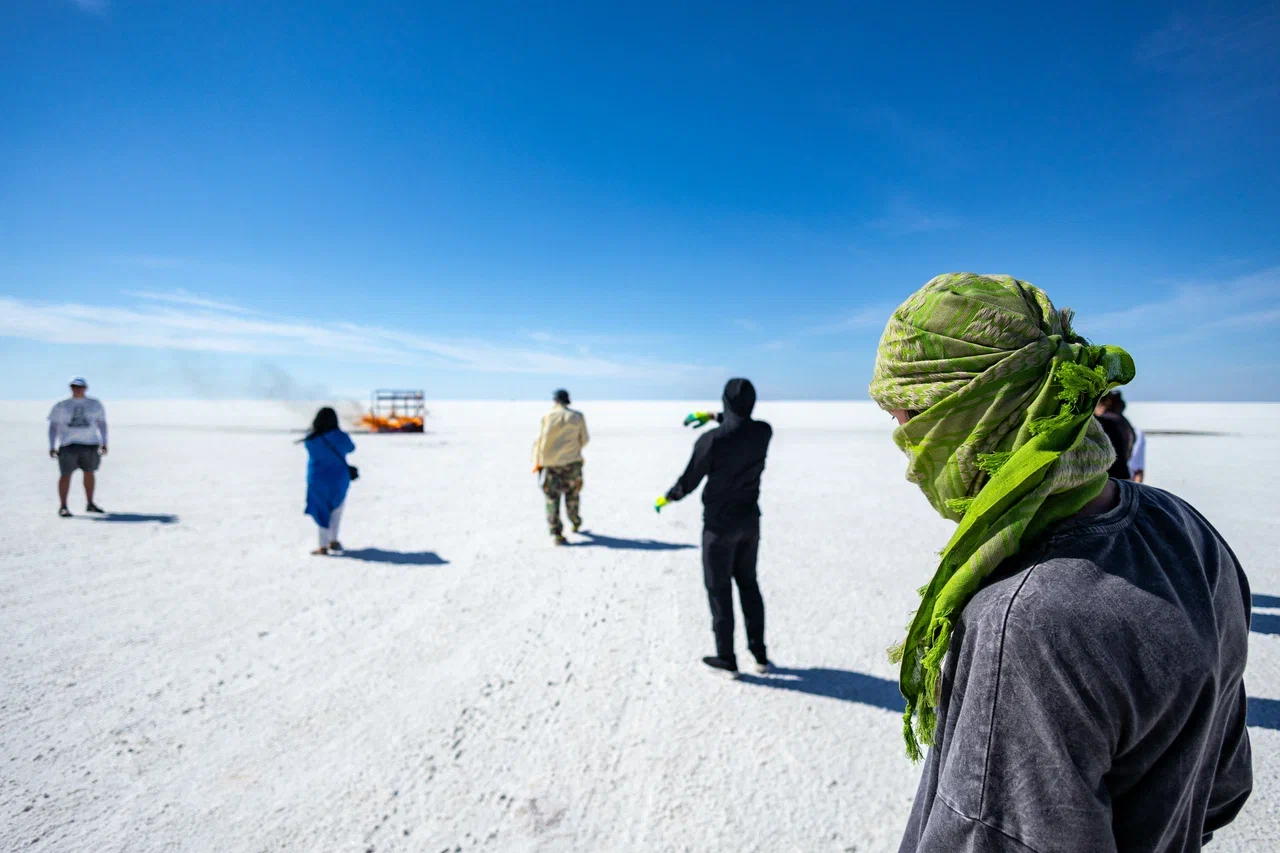 Photo: Feruz Rustamov
Paradoxically, a little more structure ultimately gives the community more freedom.
Behind the photographs of art objects and music sessions lies a great deal of organisational work. Water, food, electricity, sanitation, cleaning, security, medical assistance and transport - all of this must be provided before the temporary city can function fully.
Critical infrastructure is provided by the YONAR team together with specialist professionals. In the camp's daily life, responsibility is shared among the participants.
Decisions are taken without a rigid hierarchy: most issues are discussed, and disagreements are resolved through dialogue and agreement. However, this approach requires a willingness to hear others, to revise initial plans and to take on responsibility where it is genuinely needed.
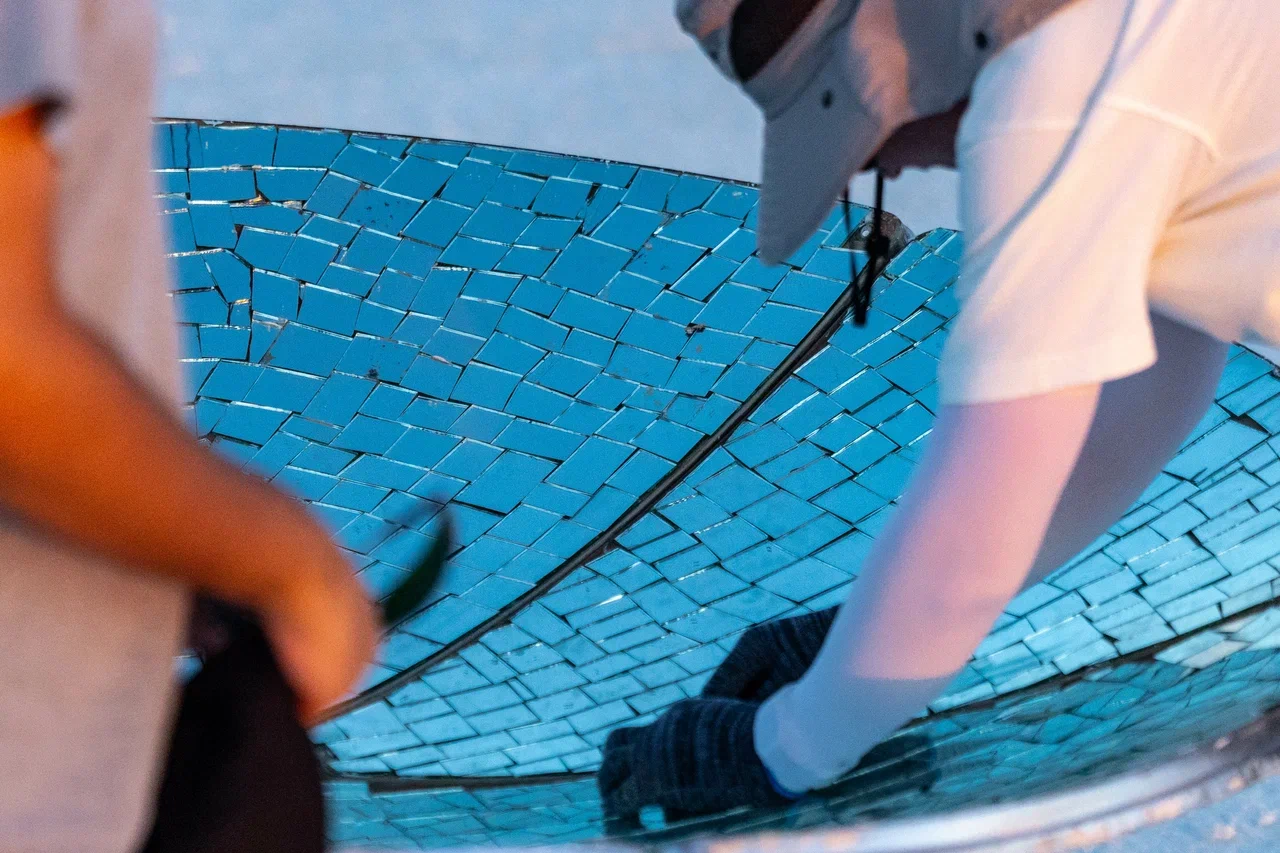 Photo: Feruz Rustamov
YONAR therefore becomes an experiment not only in art but also in collective action. How do you preserve freedom without losing manageability? How do you distribute duties without turning the community into a hierarchy? The answers to these questions emerge not in theory but in the daily life of the settlement.
Art Created for Barsakelmes
For three days the salt flat became a space for artistic experimentation. Unlike a traditional exhibition, where works are placed in prepared halls, YONAR's art installations are created in interaction with an open landscape. What matters here is not only the form and idea of a work but also the surrounding environment: white salt, wind, heat by day and cold by night. Barsakelmes does not serve as a neutral backdrop - it directly influences how works are created and how life in the settlement unfolds.
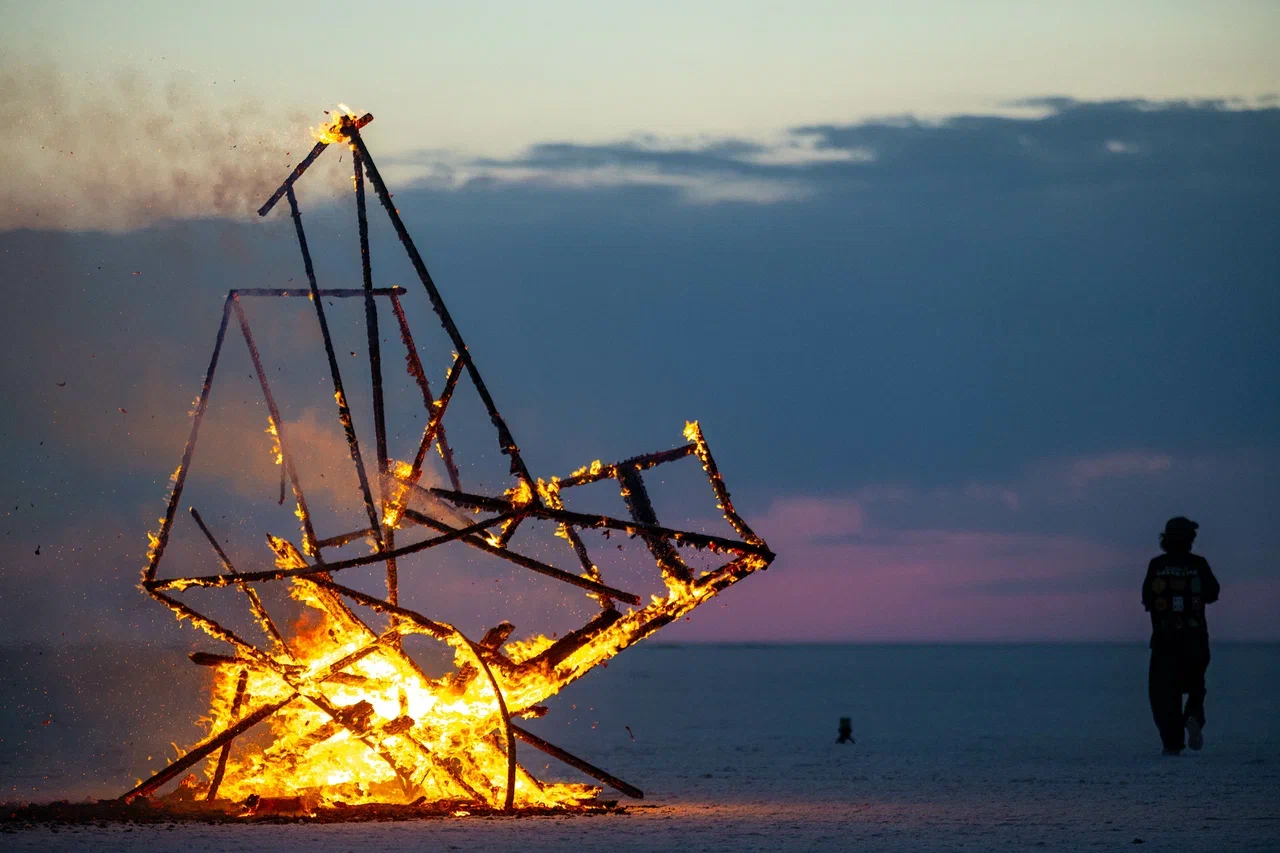 Photo: Feruz Rustamov
Some of the installations are built directly on site. Participants can join the authors, help bring ideas to life and watch an idea gradually turn into an object. In this format the boundary between artist and spectator becomes less defined. What matters is not only seeing the finished work but also joining in the process of its creation.
The YONAR format was influenced by Burning Man, the experience of the Stikhiya festival and the specific features of the salt flat itself. However, bringing artistic ideas into such a landscape means taking into account not only its visual expressiveness but also the real conditions of life. Here it is impossible to fully control the environment or separate creativity from everyday tasks. Work on an installation goes hand in hand with cooking, organising the camp and helping other participants. Art becomes part of a shared experience rather than a separate event within it.
Local residents play a special role in organising the settlement, helping with logistics, infrastructure and understanding of the territory. Their knowledge of the roads, the weather and the peculiarities of the terrain cannot be replaced by information from the internet.
For us it is important not simply to arrive in the Barsa landscape with our own idea, but to learn from the people who live next to it
This approach matters for any project that engages with a natural environment. A place should not become merely a striking backdrop for a concept brought in from elsewhere. Meaningful engagement begins with respect for the landscape itself and for the experience of the people connected to it.
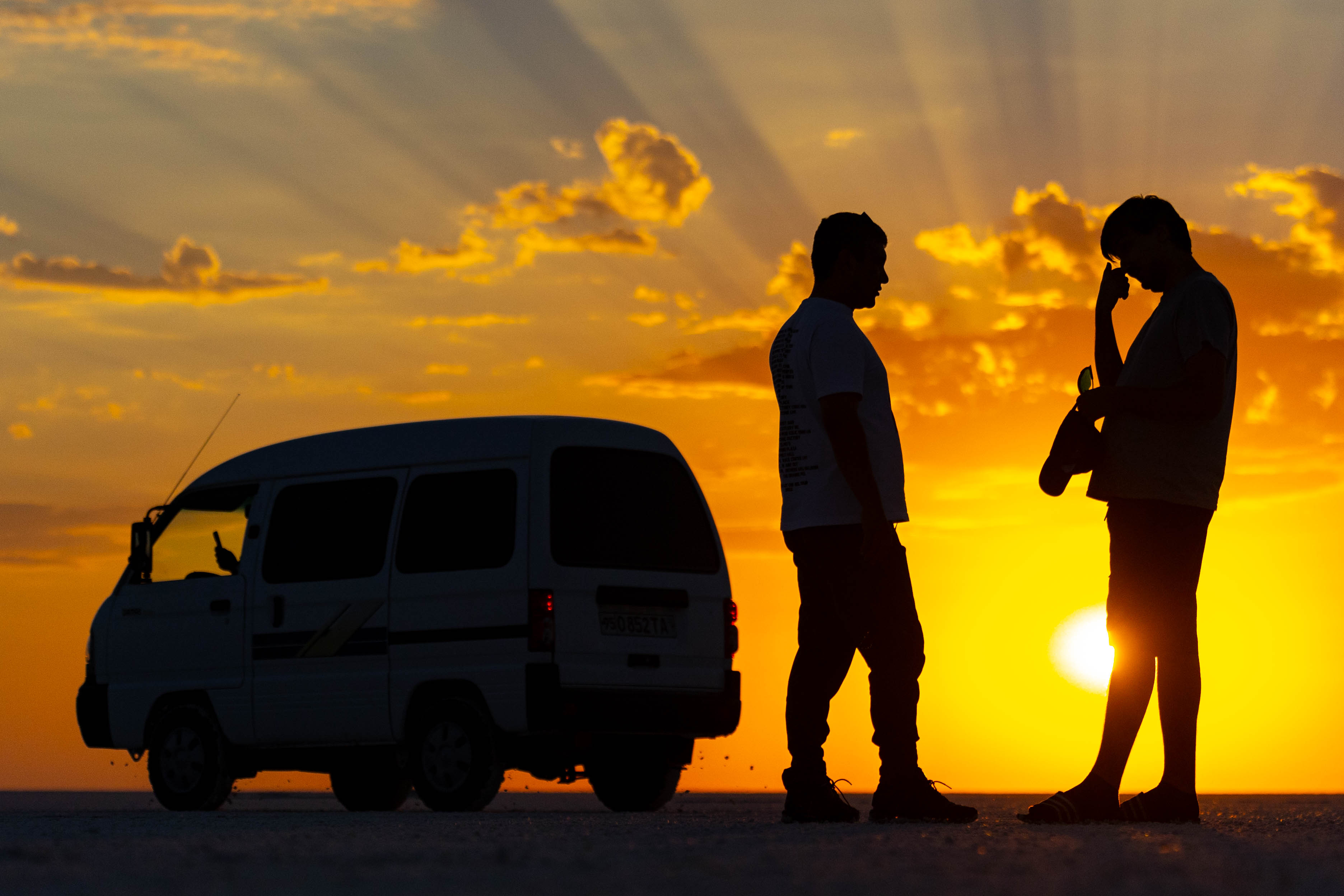 Photo: Feruz Rustamov
Leave No Trace: Disappearing Without a Mark
A temporary city inevitably leaves material traces behind: structures, packaging, supplies and everyday waste. On Barsakelmes, what remains after the project is over is a matter of principle.
YONAR follows the principle of leave no trace. When the settlement comes to an end, participants dismantle the camp and the art installations, collect everything they brought with them, including waste and leftover materials from their work, and remove it from the site. The team then carries out a separate inspection of the area after dismantling.
For us, leave no trace is not just a slogan, but a practical commitment
Here lies an important tension: participants come to create something new, yet they must ensure that their presence does not irreversibly alter the landscape.
In physical terms, the city must disappear. Its temporary nature is neither a flaw in the project nor a compromise forced by circumstances. It is part of the concept itself. White Salt City exists for exactly as long as the shared experience requires, then gives way to the landscape once more.
Responsibility for this rests not with the organisers alone. Cleaning up and dismantling the settlement are part of the collective effort, just as essential as building installations or organising everyday life. Each participant is responsible for the consequences of their own presence.
In this sense, YONAR invites us to see art as something broader than the creation of an object. It also encompasses our relationship with the environment, our ability to work together and our willingness to care for a place after the creative process has ended.
What Remains When the City Disappears
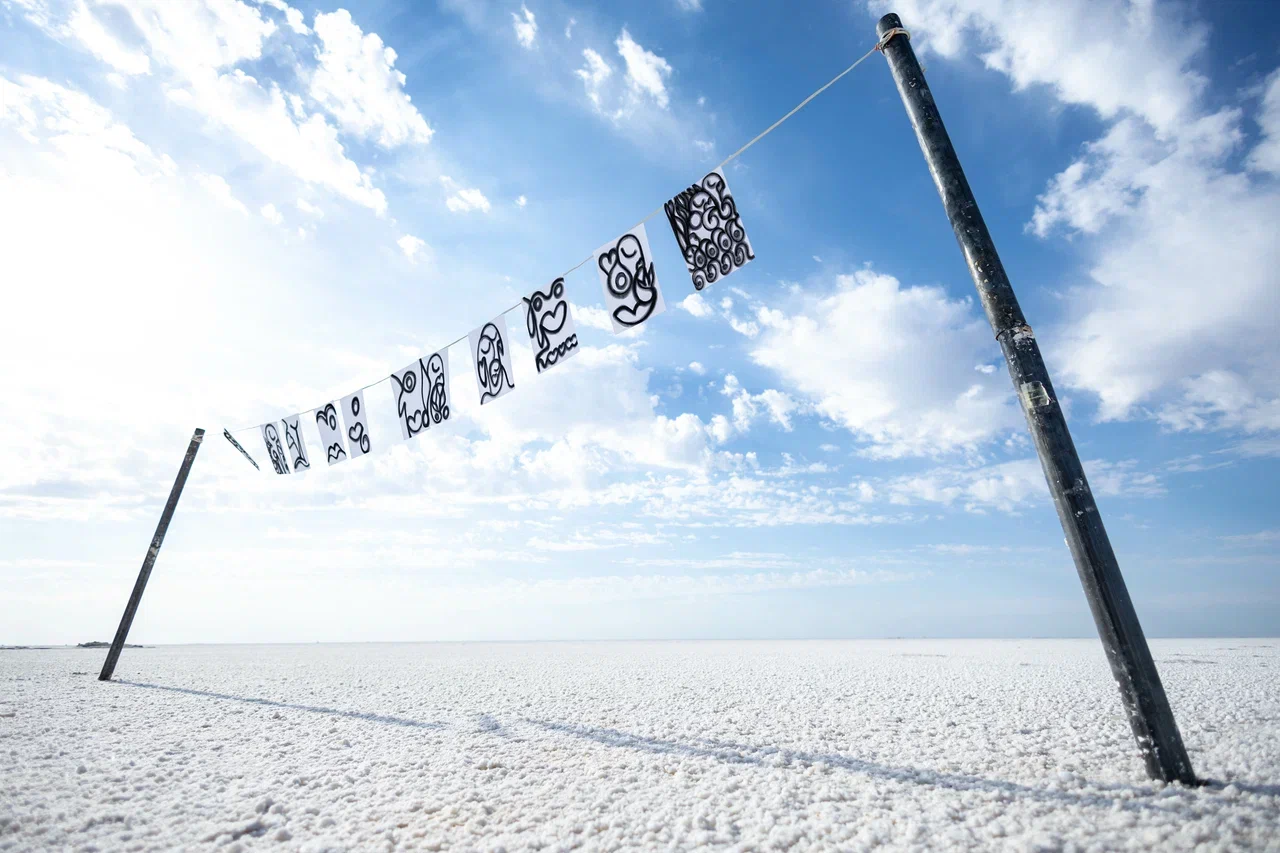 Photo: Feruz Rustamov
White Salt City disappears, leaving the salt flat as it was found. But the people leave with new experiences, acquaintances and ideas that may continue to develop in other cities and projects. What begins as a three-day gathering can grow into long-term collaboration, extending far beyond a single event.
The team calls these participants “the new Barsakelmes people”, those for whom the place becomes a point of personal and creative connection. Perhaps this is YONAR's most important achievement. The temporary settlement does not seek to establish a permanent presence or leave behind a monument to commemorate its existence. Instead, it creates the conditions for new relationships to form between people.
The project's second year gave the organisers an opportunity to rethink how the settlement was organised, define areas of responsibility more precisely and prepare more effectively for the challenges of communal living. But the fundamental questions remain open: how can a space be created where people act together without losing their freedom? How can collective creativity become an experience that continues after the event has ended?
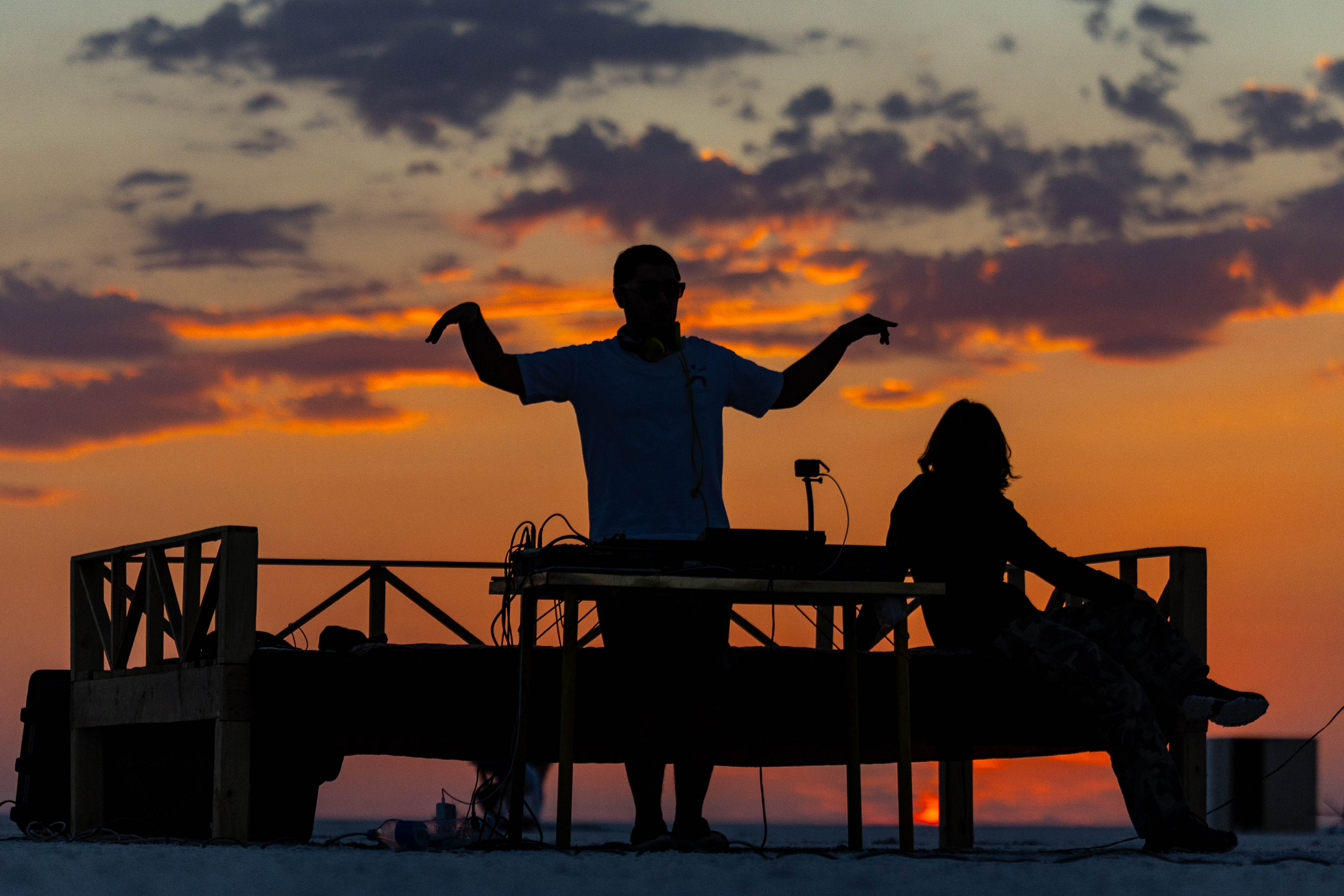 Photo: Feruz Rustamov
YONAR offers no universal answers. Instead, it offers a practice: stepping away from the familiar rhythm of urban life for a while, creating a space together, living in it for a few days and taking responsibility for what happens next.
Perhaps that is why YONAR does not end when the last structure comes down. The city disappears from the landscape, but the community it brings together continues to grow. And if a temporary city leaves a legacy, it lies not in what remains on Barsakelmes, but in what its participants take away with them.
Read also
 Ecology and Economics
How much of sustainable financing is actually green?
Alfiya Kalmaganbetova
 Ecology and Economics
A Flood-Safe Flat: 4 Questions to Ask a Developer About Heavy Rain and Flooding
Dmitry Kuzyakin
 Ecology and Economics
Nature as an advantage: why Almaty should be designed around its territory
Zhanna Spooner
Newsletter
A letter from the HD editors
Once a week, we send the best stories, events, and cultural discoveries from Central Asia.