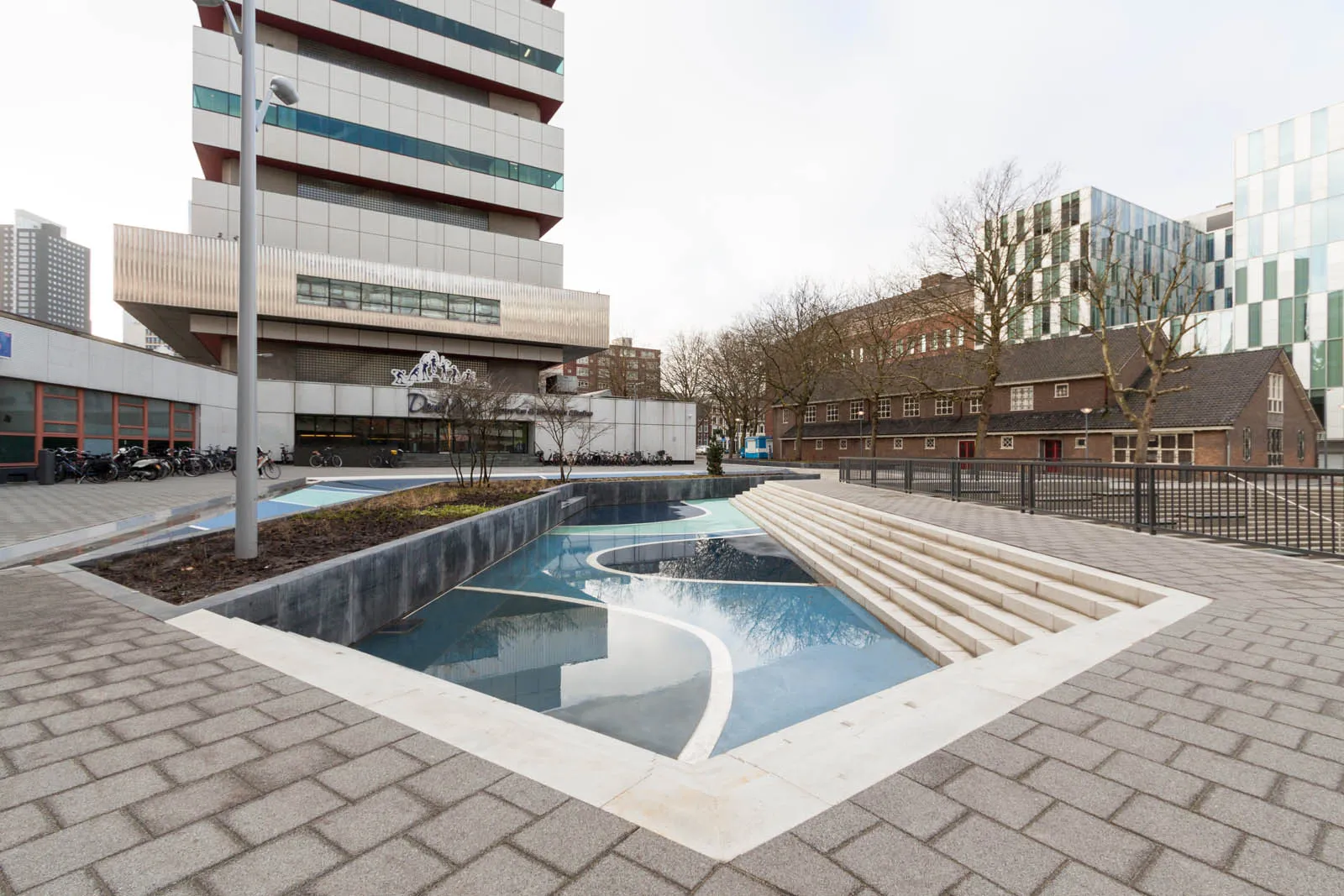
Let’s take a closer look at why climate resilience is becoming part of the economics of the urban environment.
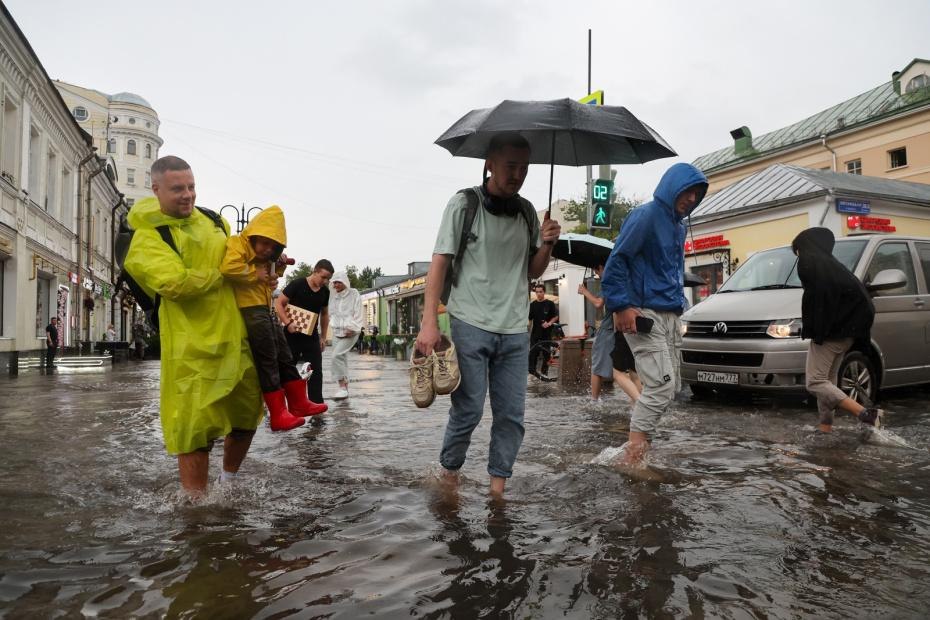
After heavy rain, an ordinary journey home can turn into a real urban quest. In some places, it becomes impossible to cross the street; elsewhere, drivers have to find a detour, water blocks access to courtyards, and a familiar route through a public space simply ceases to exist. For a resident, this is an inconvenience. For the city, it is already an economic issue.
When thousands of people spend extra time getting around, individual inconvenience becomes a cumulative loss for the urban economy. Traffic comes to a standstill. Productivity is lost.
Businesses are flooded and lose revenue.
Road surfaces are damaged, creating future repair costs.
Overloaded engineering systems generate additional operating expenses.
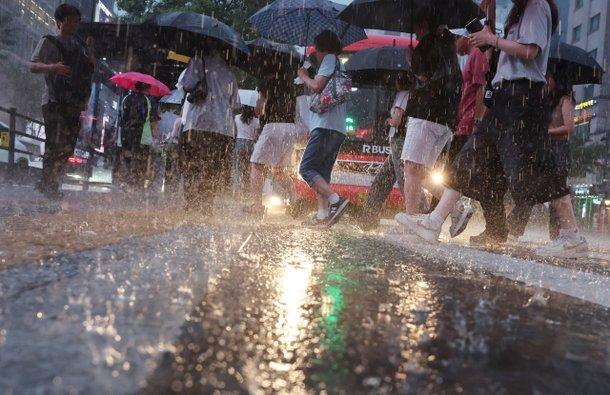
Rain itself has no economic price. That price emerges when a city is not prepared for it. Here, we can identify at least five categories of loss: direct physical damage, operating costs, transport and time losses, business losses, and functional losses of a territory. The intense spring rains in Tashkent offer an opportunity to consider water from precisely this perspective; not merely as a climate factor or an engineering challenge, but as part of the city's economy.
A territory’s ability to absorb, retain and distribute water is gradually becoming as important a measure of its quality as transport accessibility, landscaping and engineering infrastructure. The scale of the economic impact can already be measured.
According to World Bank estimates, annual urban losses from flooding could reach around $50 billion by 2050. At the same time, up to 10% of urban jobs could be directly affected by flooding. Water affects not only infrastructure, but also mobility, employment and a city's ability to sustain normal economic activity.
A closer look at how flooding is distributed reveals a clear pattern: in some places, water drains away quickly; in others, it remains, accumulating in courtyards and access roads. The difference is determined not only by the intensity of the rainfall, but also by how the territory has been designed. This is already becoming apparent in some new residential developments.
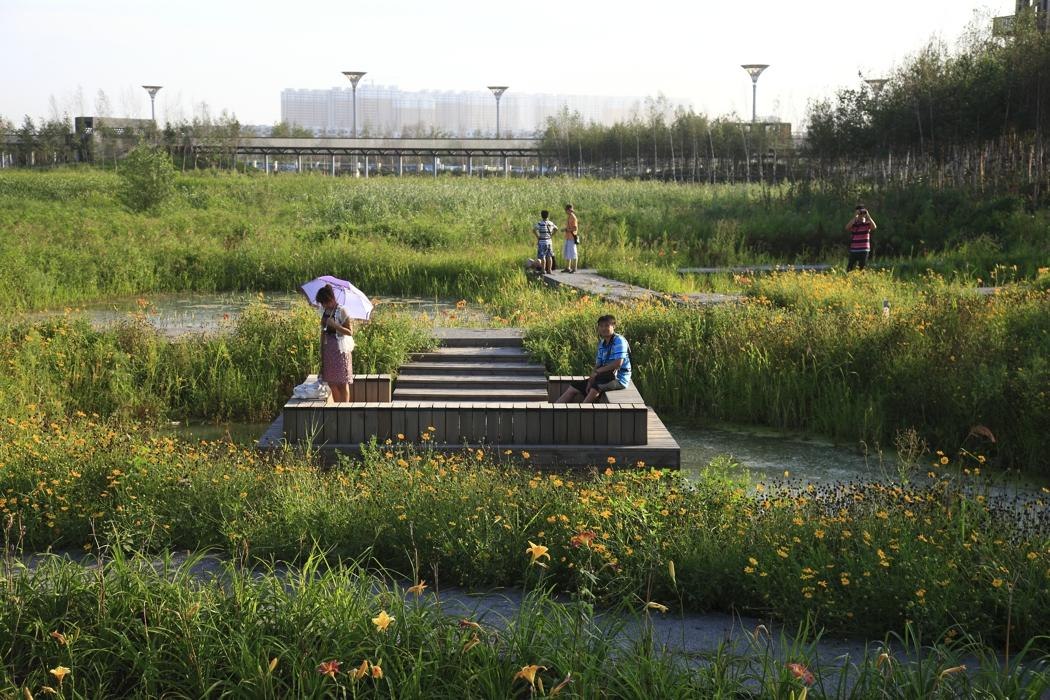
A similar pattern keeps recurring. In some projects, water becomes trapped inside courtyards, entrances become overloaded, and local systems do not always cope with peak loads. This does not necessarily appear in official statistics, but it becomes part of residents' everyday experience and an important indicator of how a territory actually functions.
The problem begins not simply when water remains on a site, but when the territory is unable to manage it. Development is no longer neutral: every new project either increases the burden or becomes part of the solution.
Most projects still follow the old logic: dense construction, hard surfaces and rapid drainage. Water is not retained within the territory but pushed outwards, onto roads and into the city's infrastructure, including the very metro stations that can become vulnerable during peak rainfall.
The causes are built in at the design stage. A flooded courtyard, an overloaded entrance or a surface that is constantly in need of repair means operating costs, dissatisfied residents and a gradual decline in the quality of a development. What was not accounted for during design later has to be paid for by the management company, the city or the residents themselves.
A territory's ability to manage water is becoming part of its long-term value. In this sense, water is becoming one of the indicators of a territory's economic resilience. As long as the system works, the cost of maintaining it is barely visible. When it fails, that cost becomes apparent through repairs, damage to surfaces and engineering infrastructure, restrictions on movement, additional operating expenses and a decline in the quality of the everyday environment.
Environmental sustainability therefore ceases to be a separate "green" agenda. It becomes a way of reducing future losses while preserving the value of what has already been created.
International practice has already moved in this direction. Following flooding in Copenhagen, districts began to be designed so that water could be distributed through parks, lower-lying areas and streets before gradually entering the drainage system.
In the Netherlands, residential neighbourhoods are designed from the outset with the possibility of water entering canals and green areas, and this is not treated as an emergency. In China, the "sponge city" concept has established the principle that cities should absorb, retain and clean water rather than simply drain it away.
The key point shared by all these examples is that water remains within the city and becomes part of how it functions. For Tashkent, this means that the solution lies not only in stormwater drainage systems, but also in the way new territories are designed. Internationally, this approach is increasingly viewed as part of blue-green infrastructure: a system in which water and greenery function not separately from the city, but as an integrated part of its infrastructure network.
A park can simultaneously serve as a public space and an area for temporarily retaining water. A green street can function both as a route for movement and as an element of the drainage system. A courtyard can be a place for everyday life while also forming part of a local stormwater management system. The same piece of land begins to perform several functions, and it is precisely this multifunctionality that changes the economics of a territory.
Put simply, a project must be able to slow water down, retain it and distribute it.
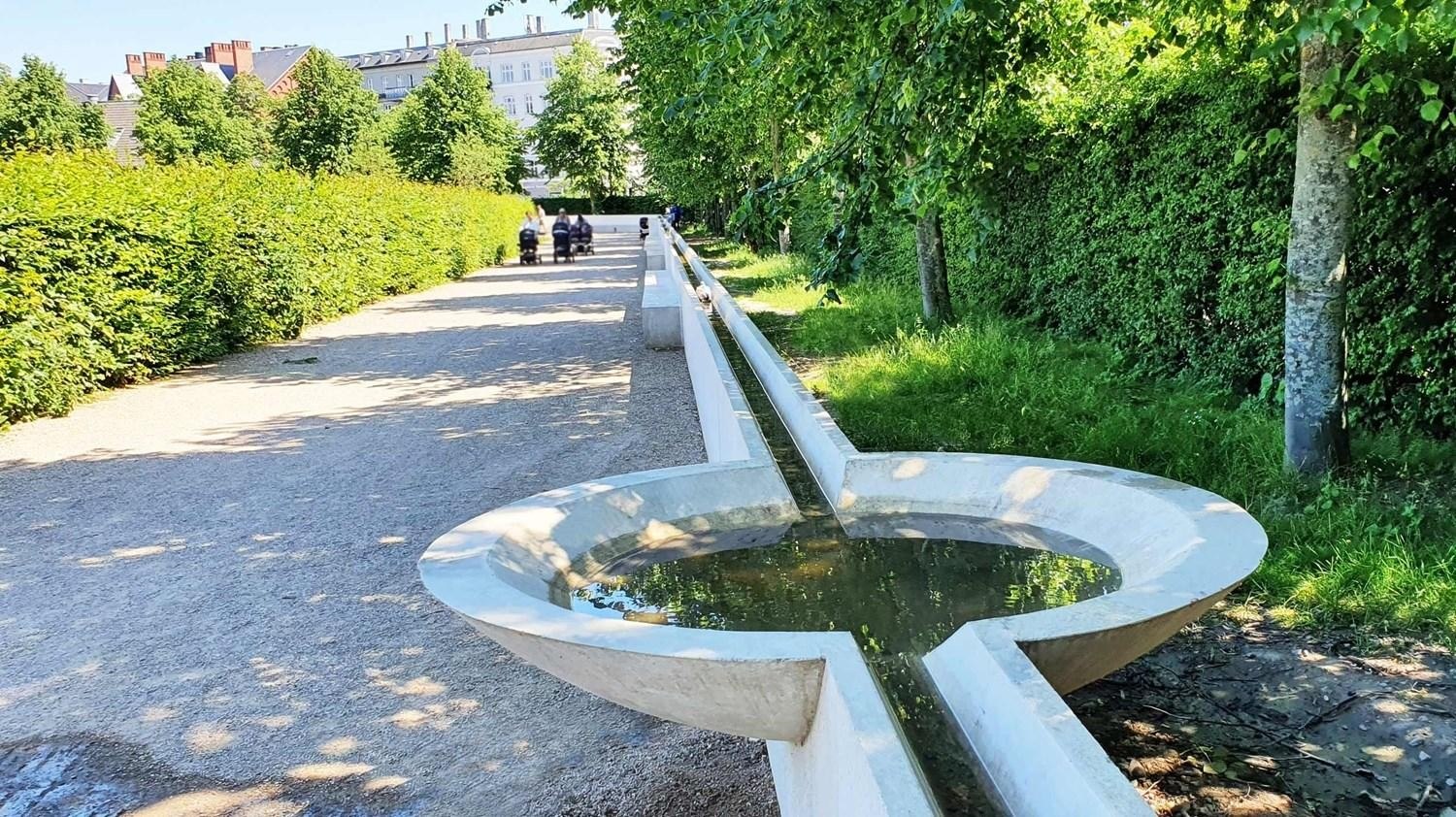
This is not only about sophisticated engineering technologies. Above all, it requires a change in the way we approach the design of a territory:
- permeable surfaces instead of continuous asphalt;
- green areas that work with water;
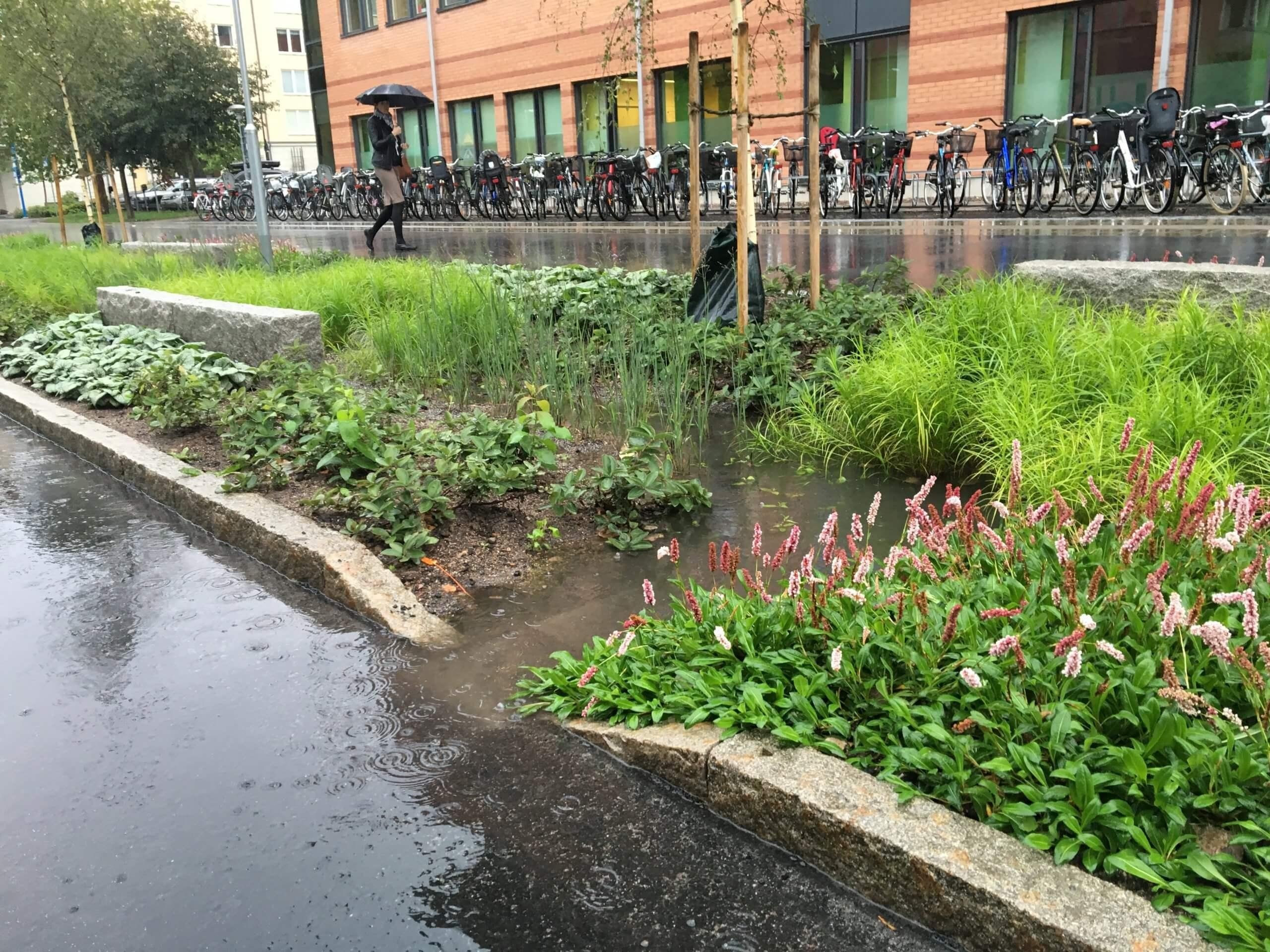
- channels with soil, plants and soft banks that can receive the flow;
- spaces through which water can move within the territory.
The economic impact of such infrastructure can already be measured. In Cần Thơ, Vietnam, a flood protection system combining engineering infrastructure with green corridors protects more than 422,000 residents and, according to the World Bank, helps prevent approximately $10.7 million in damage each year.
The role of development is changing too. It is not simply about constructing a building or a complex, but about shaping how a territory will function throughout its entire lifecycle. A green area, permeable surface or space capable of accommodating water is no longer an additional landscaping expense. It becomes infrastructure that reduces future risks while improving the quality of the environment.
For developers, this means moving from the cost of construction to the life-cycle value of a territory: from how much it costs to create an asset to how much it costs to maintain its quality over many years.
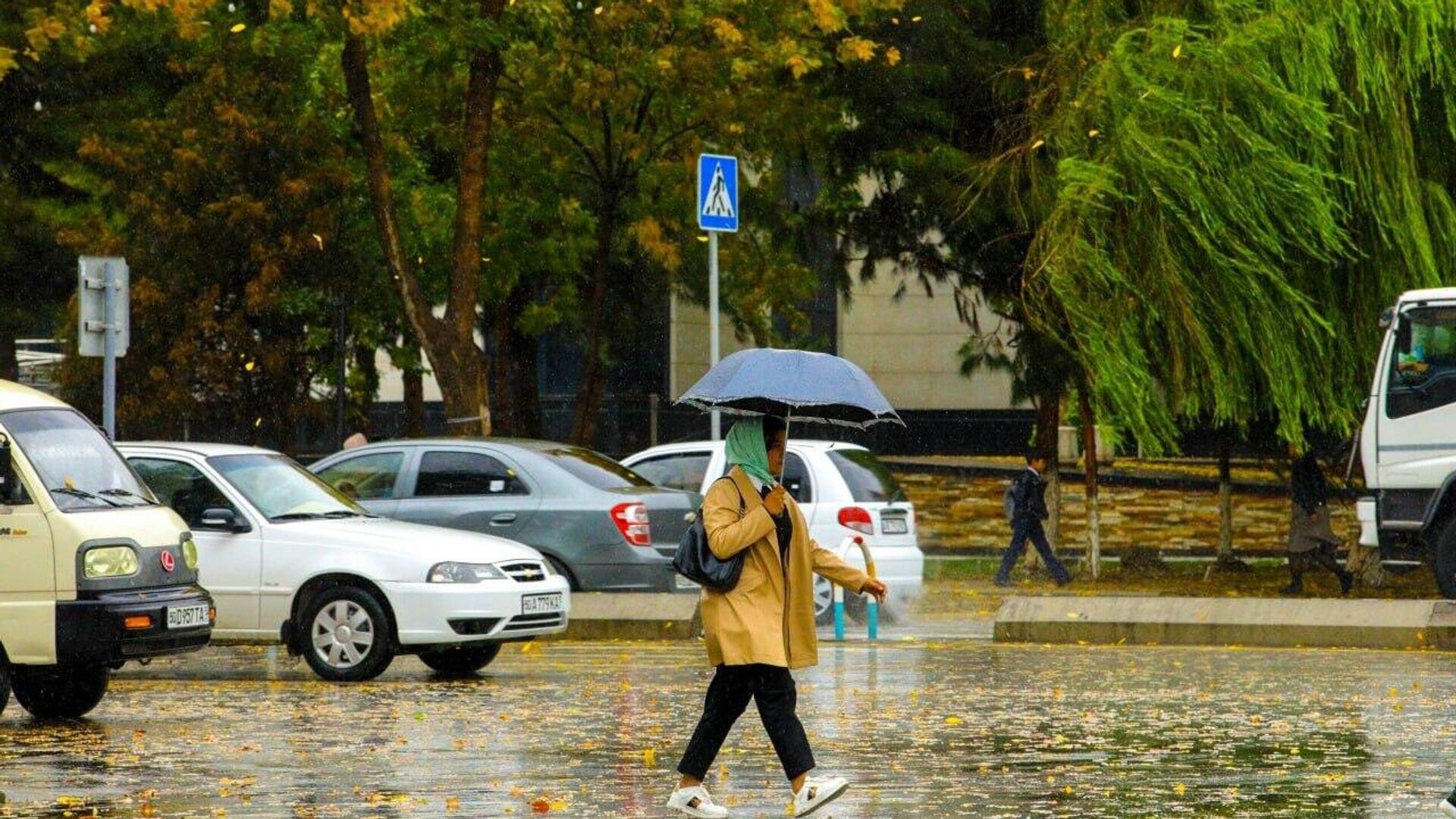
There is another type of loss as well: functional loss. A space may be built and landscaped, yet during heavy rain it may cease to perform its primary functions: a courtyard may become impassable, an entrance may be blocked by water, a public space may become inaccessible, and a person’s usual route may be cut off.
I call these functional losses of a territory. For the urban economy, this distinction is crucial: the value of the asset has already been created, but its functional value becomes inaccessible at a given moment. The ability of an environment to maintain its functions under climatic stress is becoming another criterion of its quality and long-term value.
The next heavy rainfall can once again be seen as an emergency, or it can be viewed as a stress test for the urban economy. Within a few hours, it shows where a territory works, where it loses its functions, and where today's savings on design turn into tomorrow's costs.
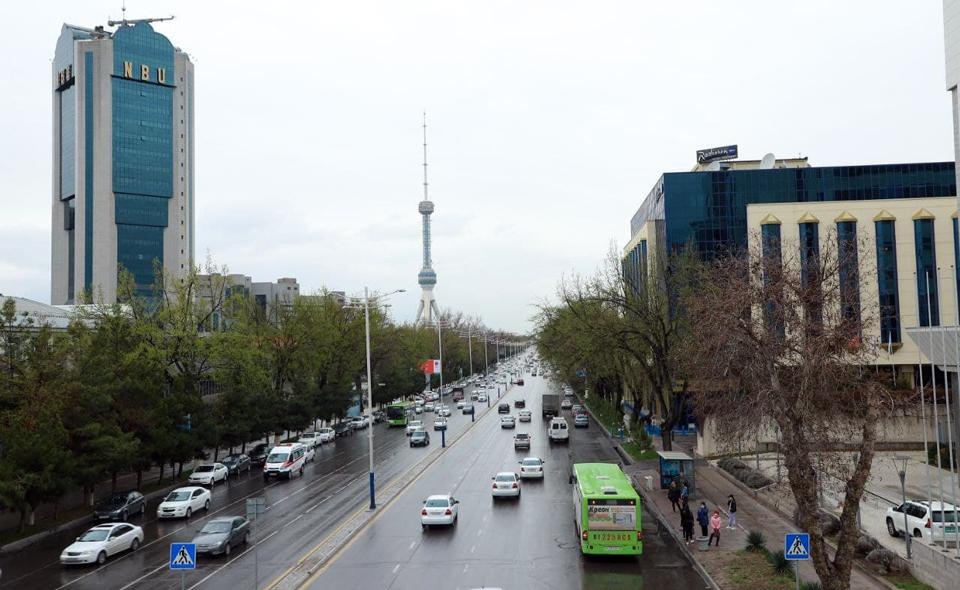
It is absurd to ask whether Tashkent will experience another heavy rainfall. The question we should be asking is a different one: how much will the next rainfall cost the city, and how much of that cost could we have avoided?
Newsletter
A letter from the HD editors
Once a week, we send the best stories, events, and cultural discoveries from Central Asia.