Traditions
Not a Paradox: Wrestling Rooted in Humanism — A Photo Essay
Ildar Sadykov, Maria Maksimycheva
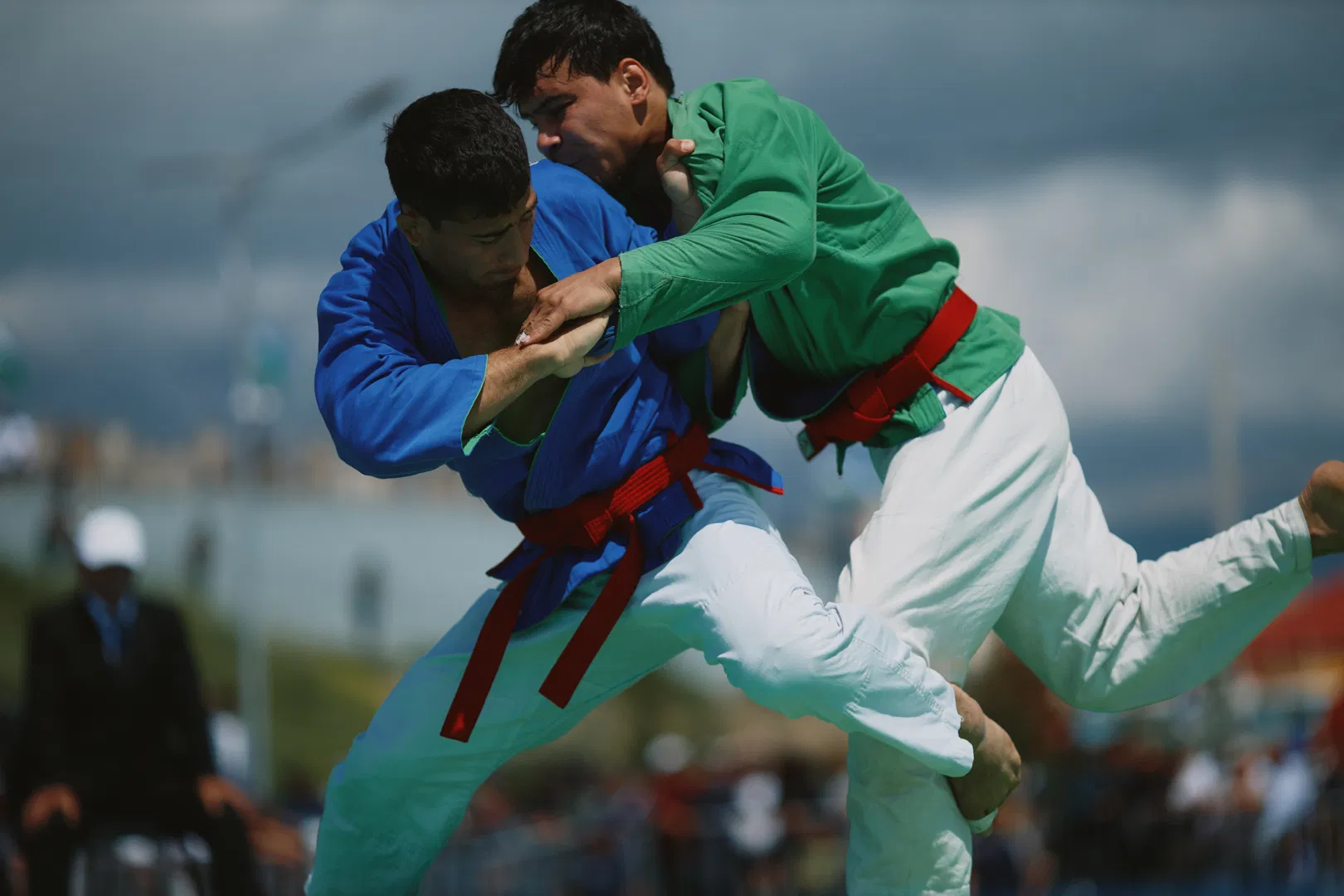
Kurash is a national wrestling style that has only recently gained the status of a professional sport, yet boasts a history spanning many centuries. Since ancient times, kurash competitions have been an integral part of grand folk celebrations. Wrestlers who emerged victorious in these contests earned great honour and elevated social standing. A glimpse into Uzbekistan's beloved wrestling tradition — in a photo essay by Ildar Sadykov.
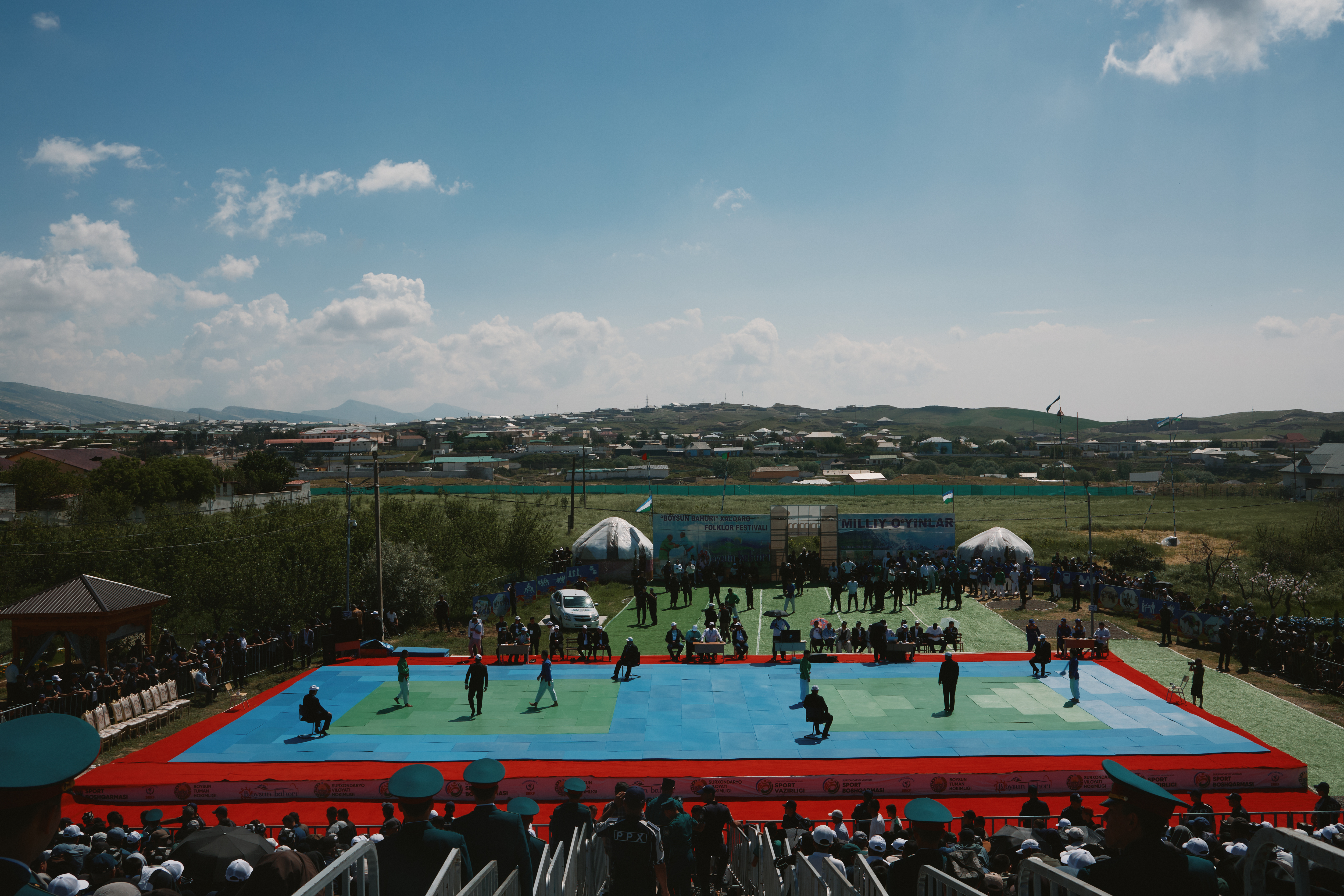
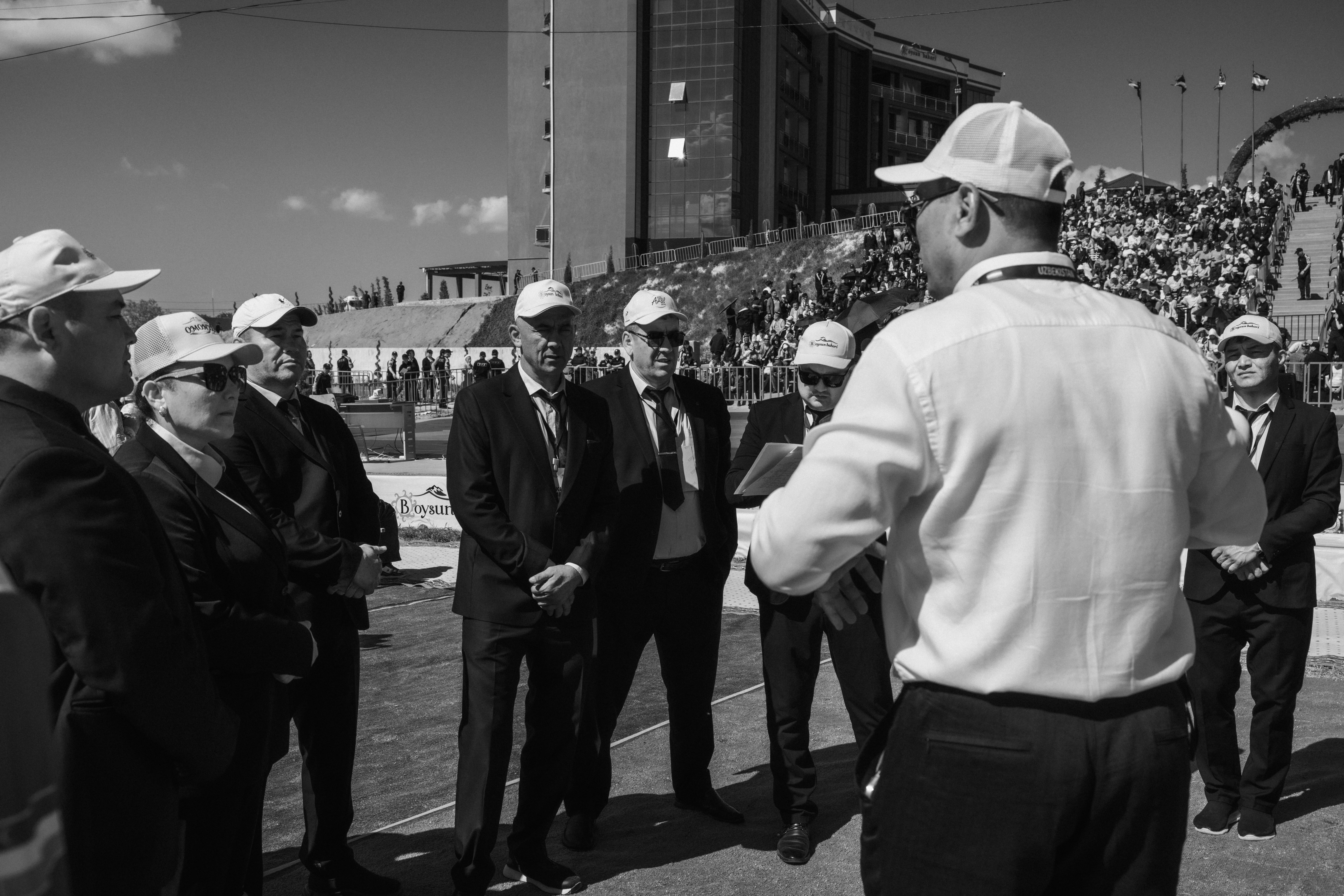
This year I attended a kurash competition for the first time – it took place on the third day of the 'Boysun Bahori' festival in the Surkhandarya region. Wrestlers from all over Uzbekistan had prepared for the contest with great care. The organisers even produced invitation tickets. And there was a palpable buzz around the event: the National Guard was securing the territory.
We have already covered the 'Boysun Bahori' festival:
When the Baysun Spring Starts — photo essayBaysun is a unique historical and cultural zone. Reaching it feels like stepping into a world where tradition holds sway not as a formality but is woven into the very fabric of life, harsh at times yet wrapped in a vivid and unmistakable character. In this photo essay, Ildar Sadykov and Sergey Pogosyan capture the most eventful days of the ethnocultural festival Baysun Bahori, which every two years becomes a major cultural event of international significance for the region.mag.humodoc.com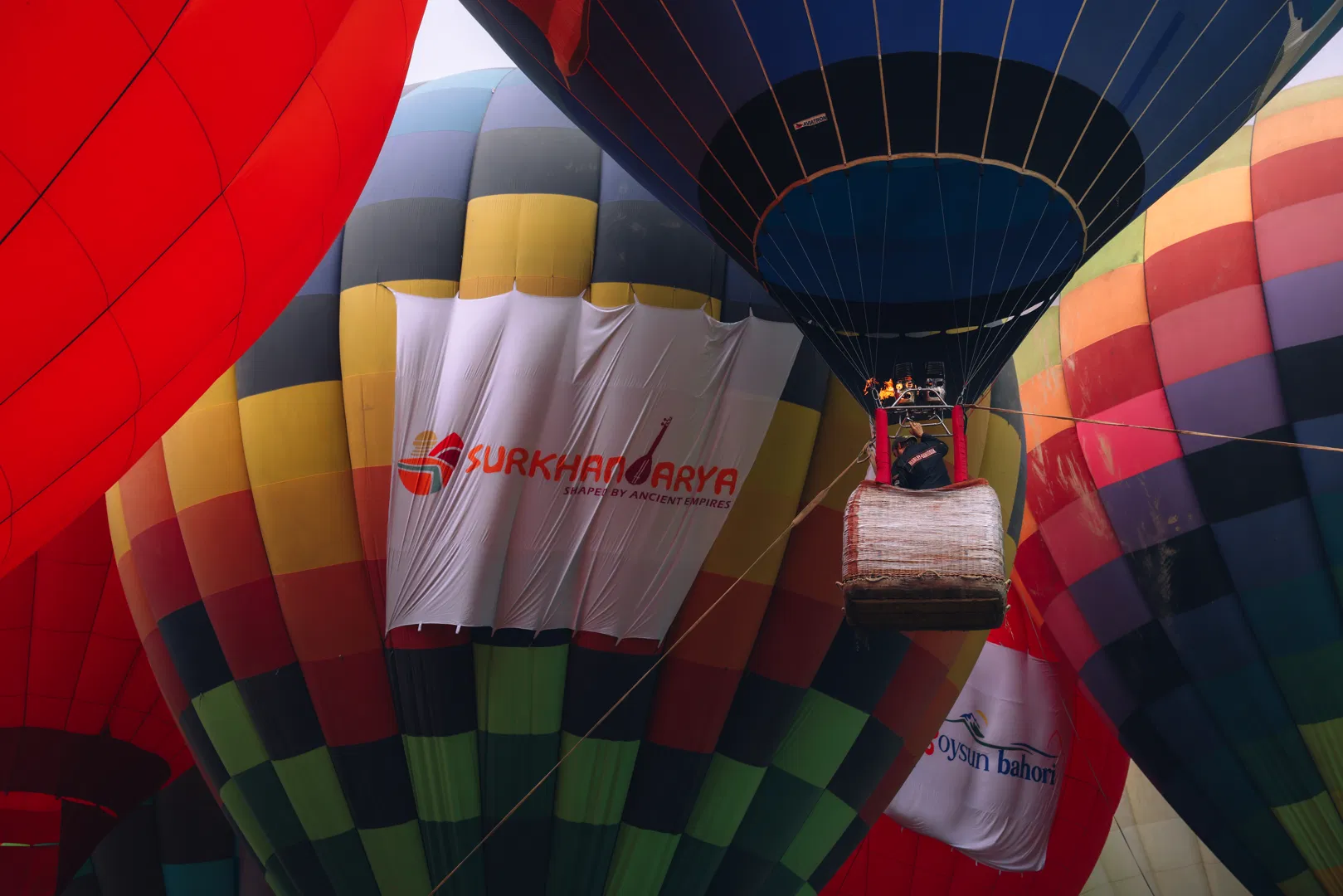
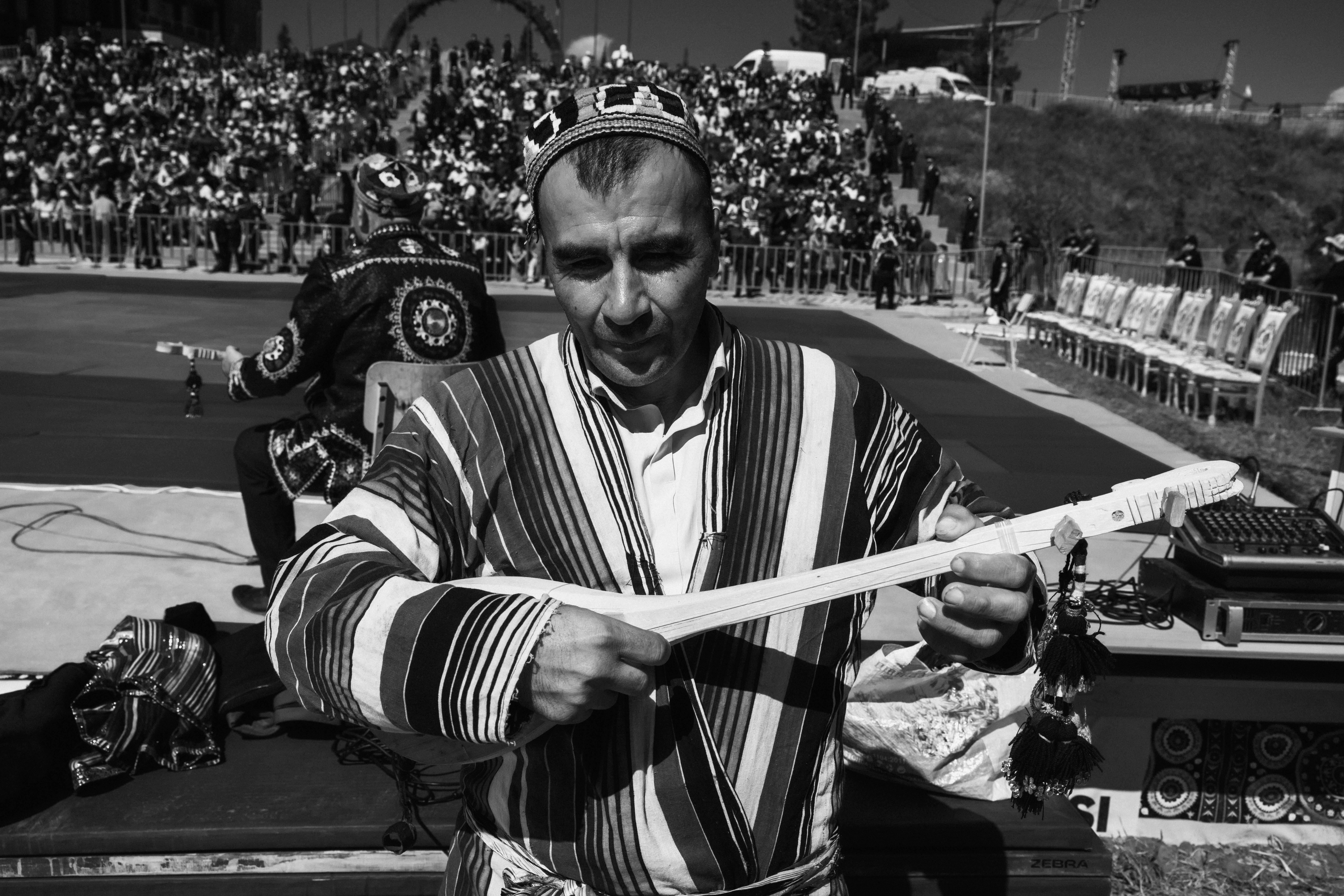
For centuries, the traditional wrestling of the Turkic peoples remained part of the cultural heritage without a unified sporting system. In the early years of independence, this changed – rules, a judging system and competition standards were established.
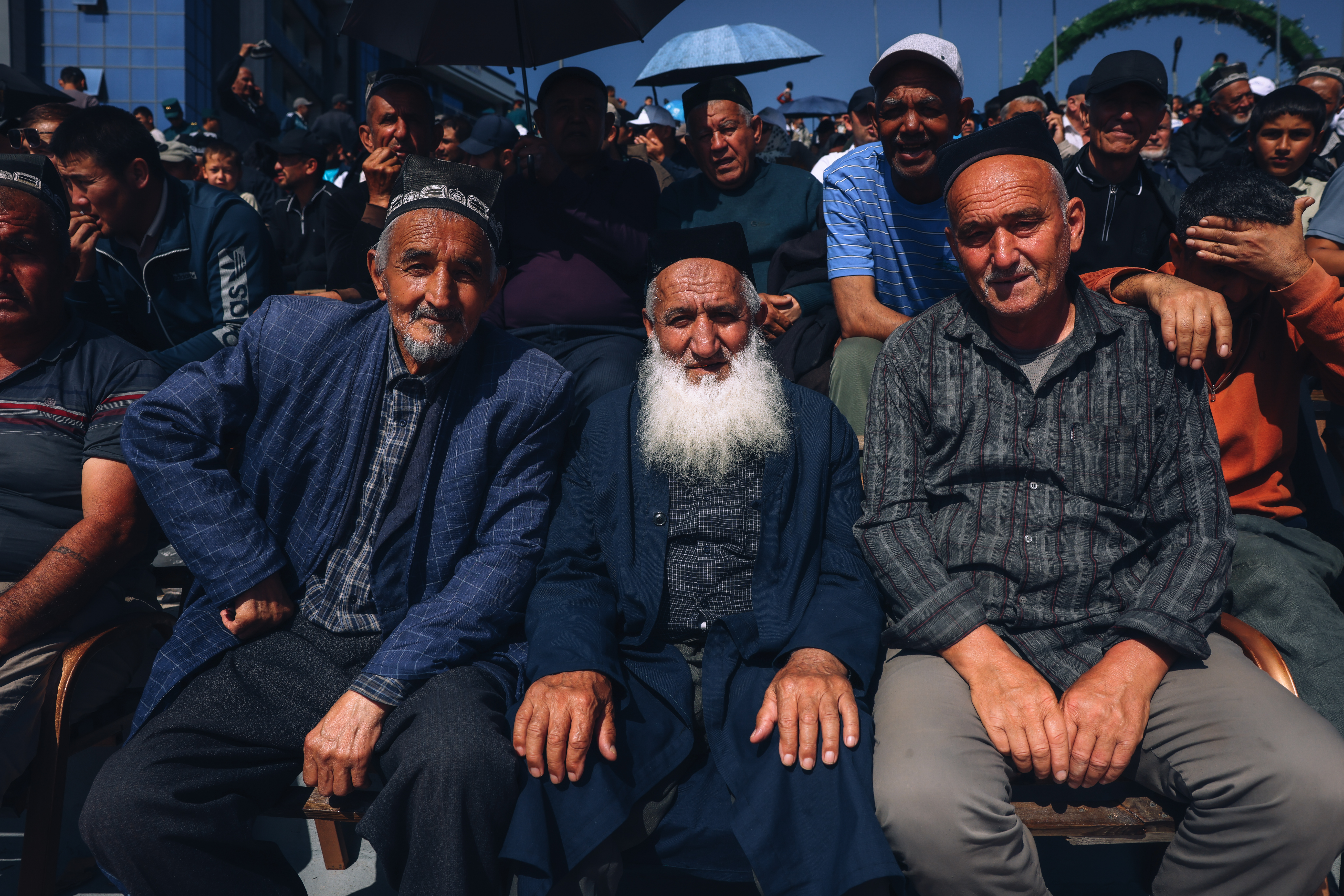
In 1998, the International Kurash Association was founded in Uzbekistan by Komil Yusupov, and since then it has officially represented Uzbek sport on the world stage.
'Kurash' literally translates as 'achieving a goal through honest means'. Beyond sport, philosophy, ethics and a tradition shaped over several millennia hold immense significance here. This is a sport for courageous people, one that is special to our nation.
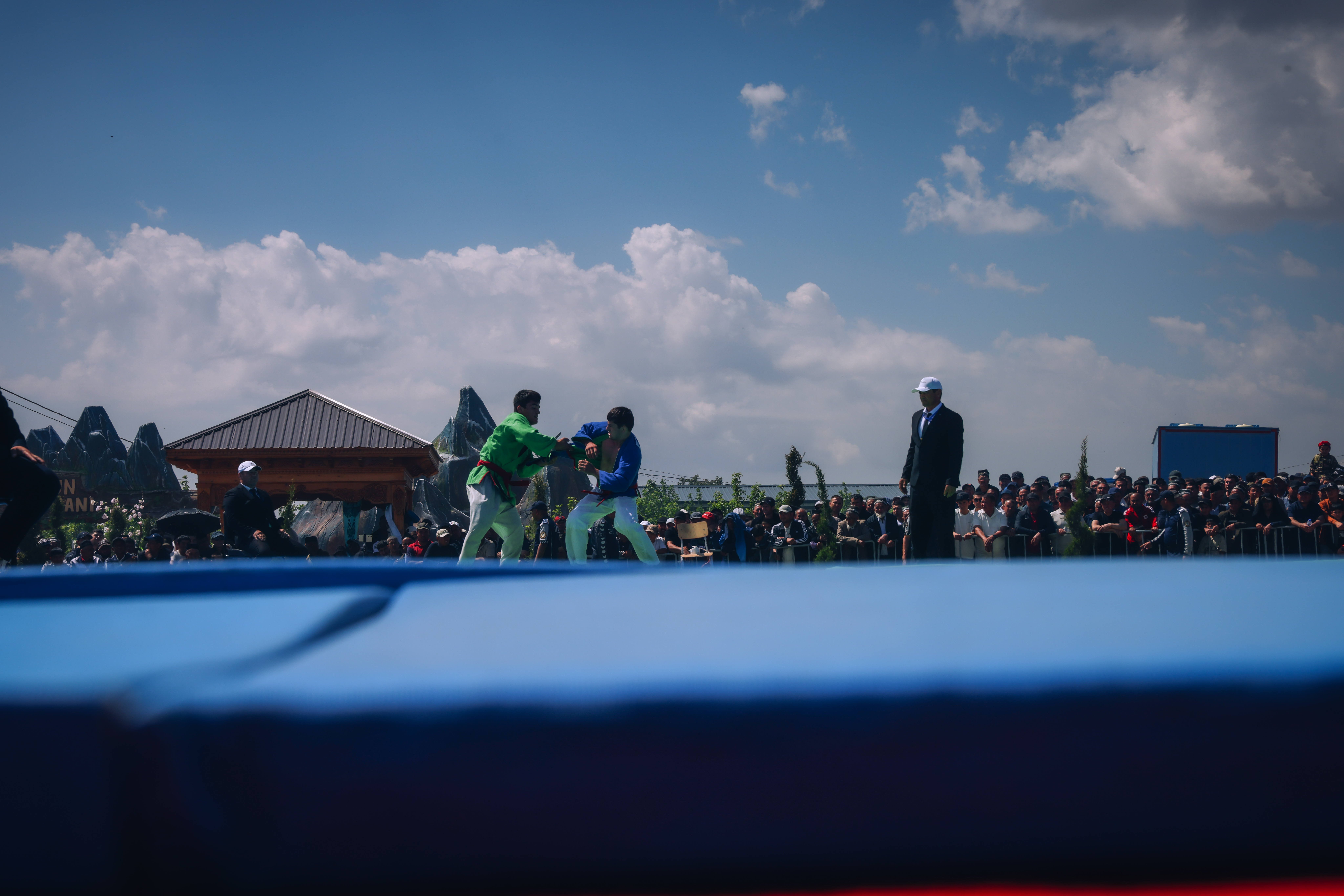
The urge to take up wrestling runs in the blood of our young men.
Unsurprisingly, 98 per cent of the spectators were men. There was not enough room for everyone; people took places beyond the barriers just to catch a glimpse of the contest, reacting with great emotion to every throw and every move. It seems to me this is the most popular sport in Uzbekistan – all regions were represented here. The bouts ran from morning until dark. The honoured guests of the competition were sports veterans – one of them I also photographed at the gala evening marking the event's closing. Despite being nearly 80, with an abundance of medals and a venerable beard, he danced with gusto, retaining a light-hearted spirit, agility and cheerfulness.
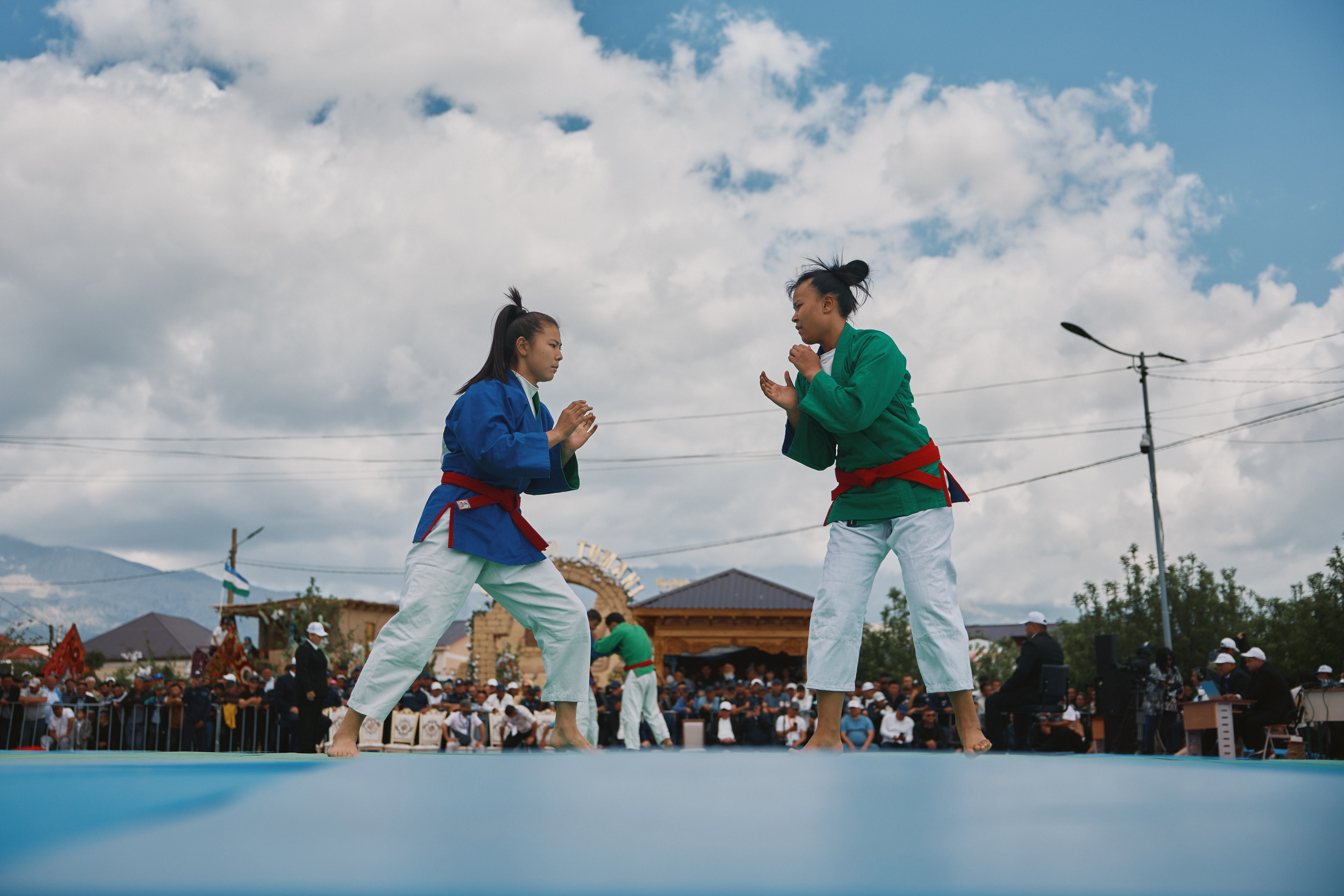
Honouring the veterans, and then the young athletes, is one of the key parts of the competition. Here you become part of a single organism, feeling incredible pride in the will, courage and determination of our young men. I love such competitions above all not as a photojournalist but as a spectator – for their atmosphere, for the spirit of national heroes. And the main prize, a Cobalt car, only fuelled the participants' ardour and effort, and the spectators' emotions.
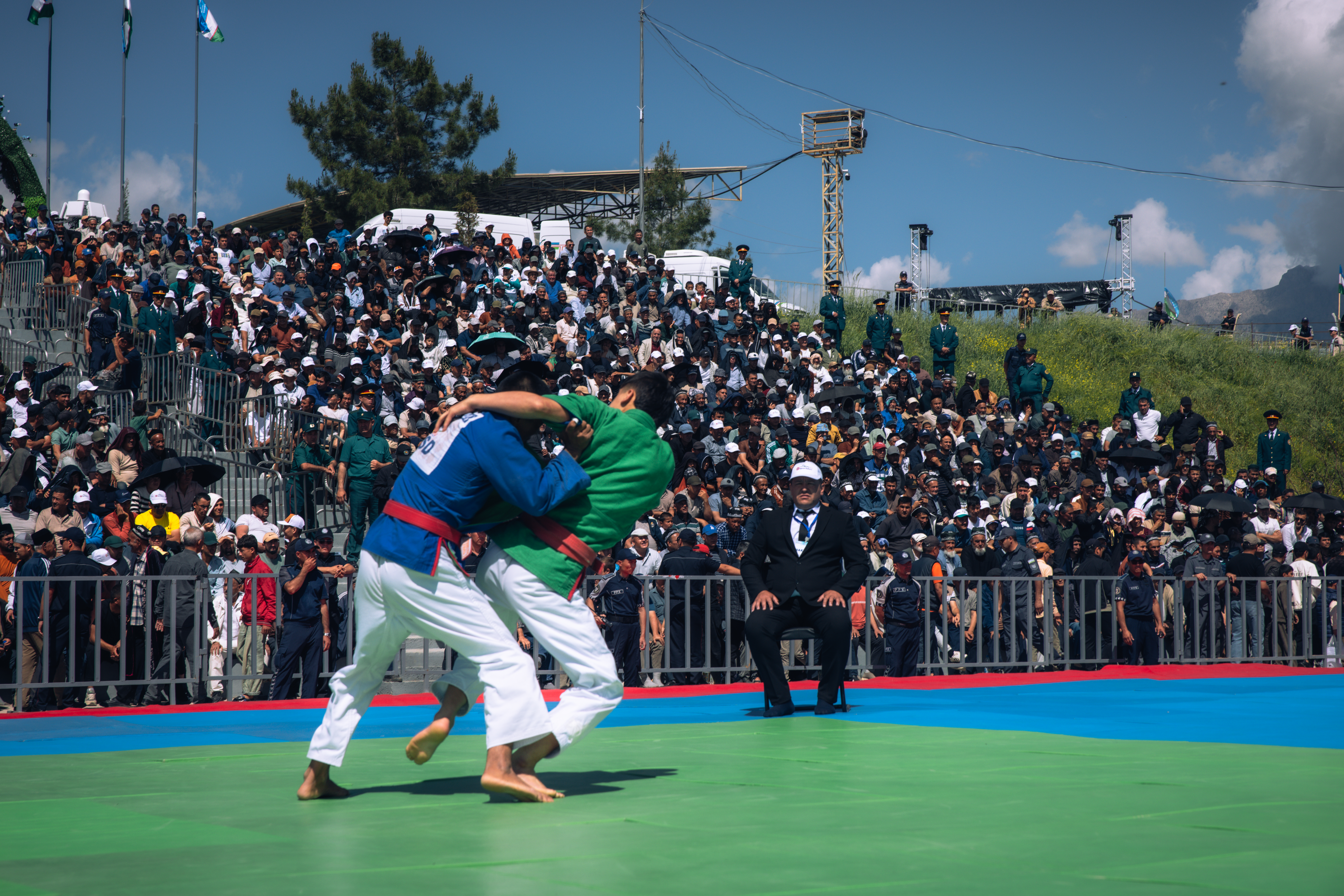
A patriotic fervour is a constant companion of kurash competitions. And although this form of wrestling exists in many Central Asian countries and regions with Turkic culture, it is no coincidence that it has become an important part of the national idea and a 'school of character' for thousands upon thousands of Uzbek young men. Of course, there are injuries, grievances and defeats, great disappointments – as in any serious sport. The defeated try not to show their frustration and quickly master their emotions – that is the image and honour of an athlete.


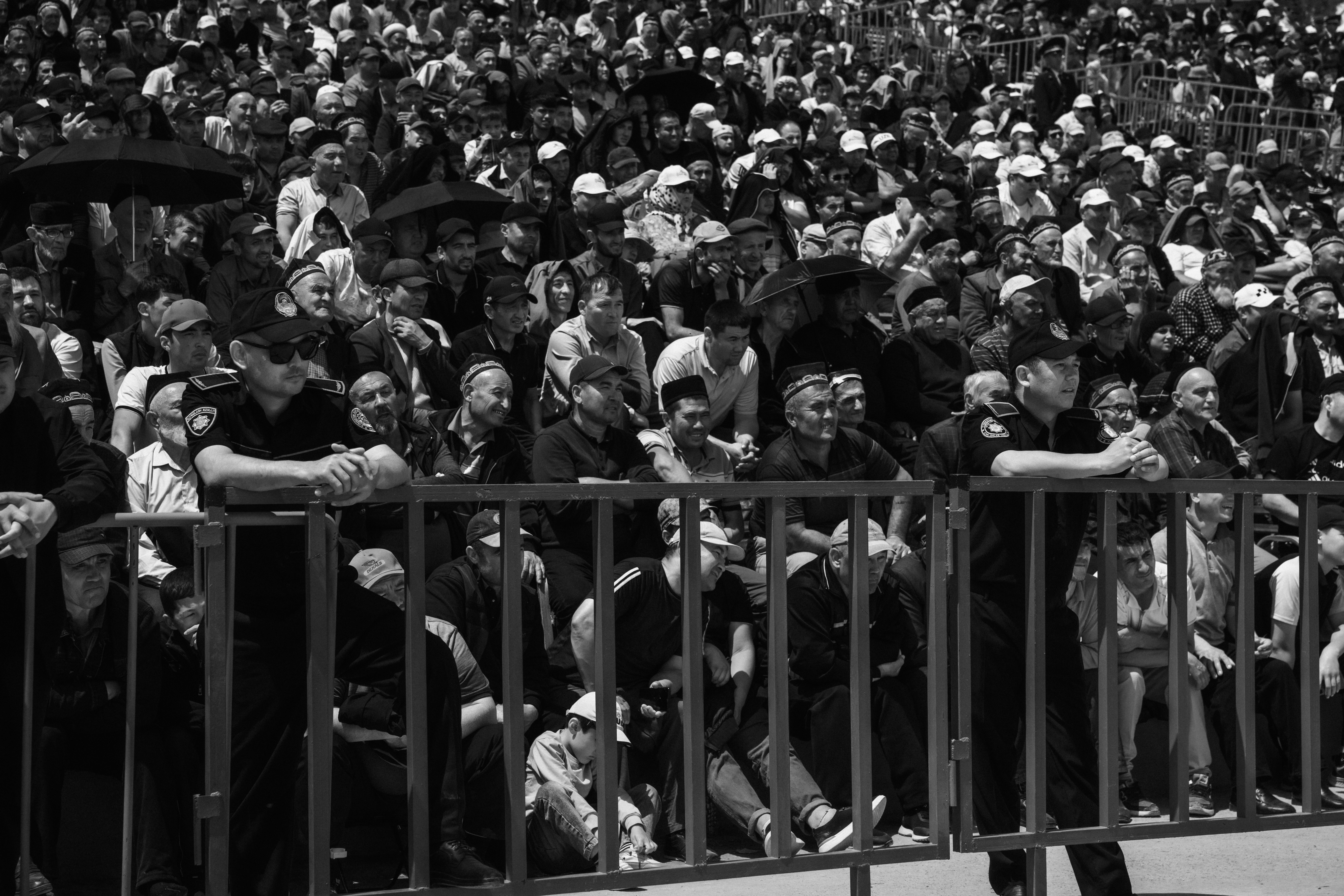
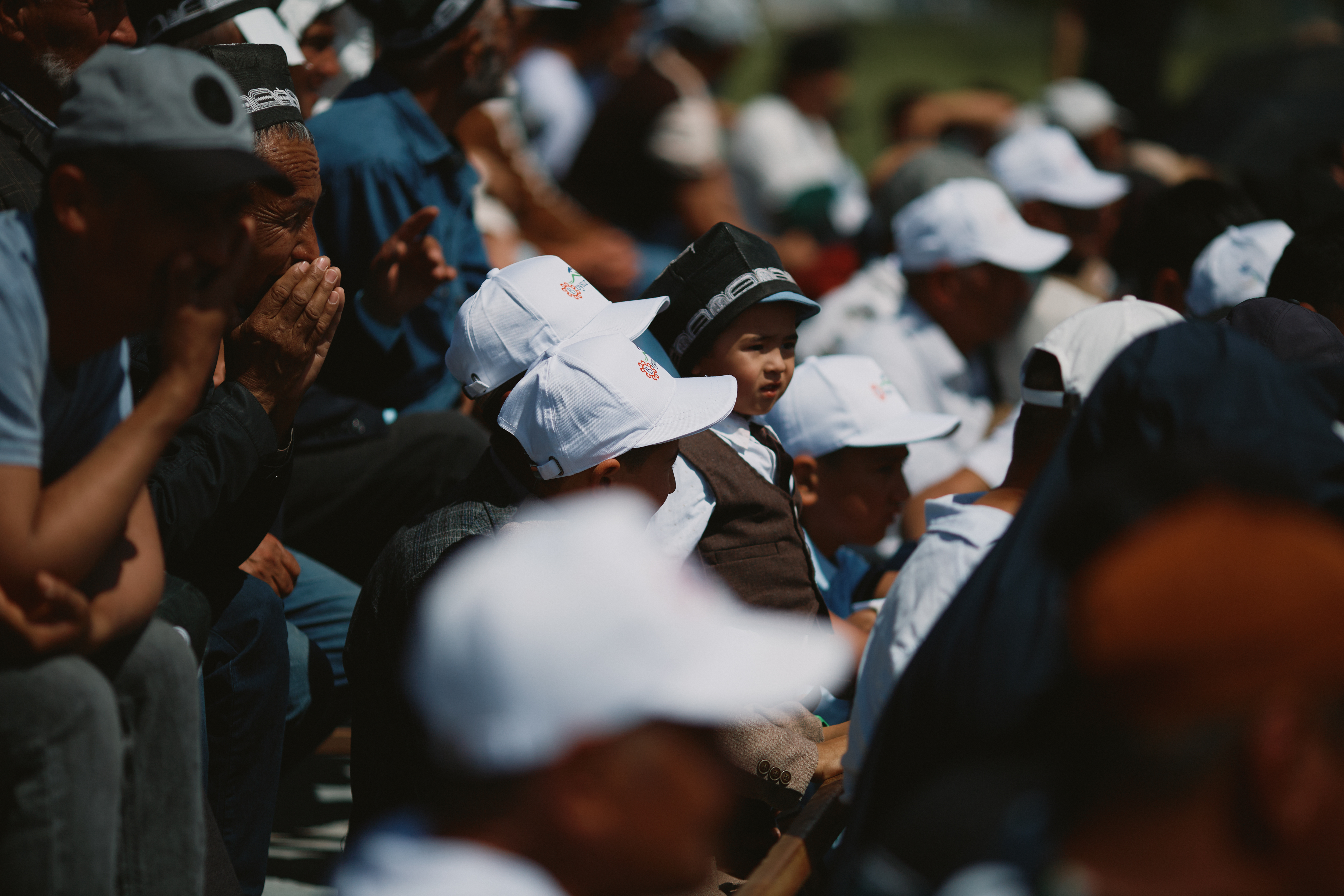
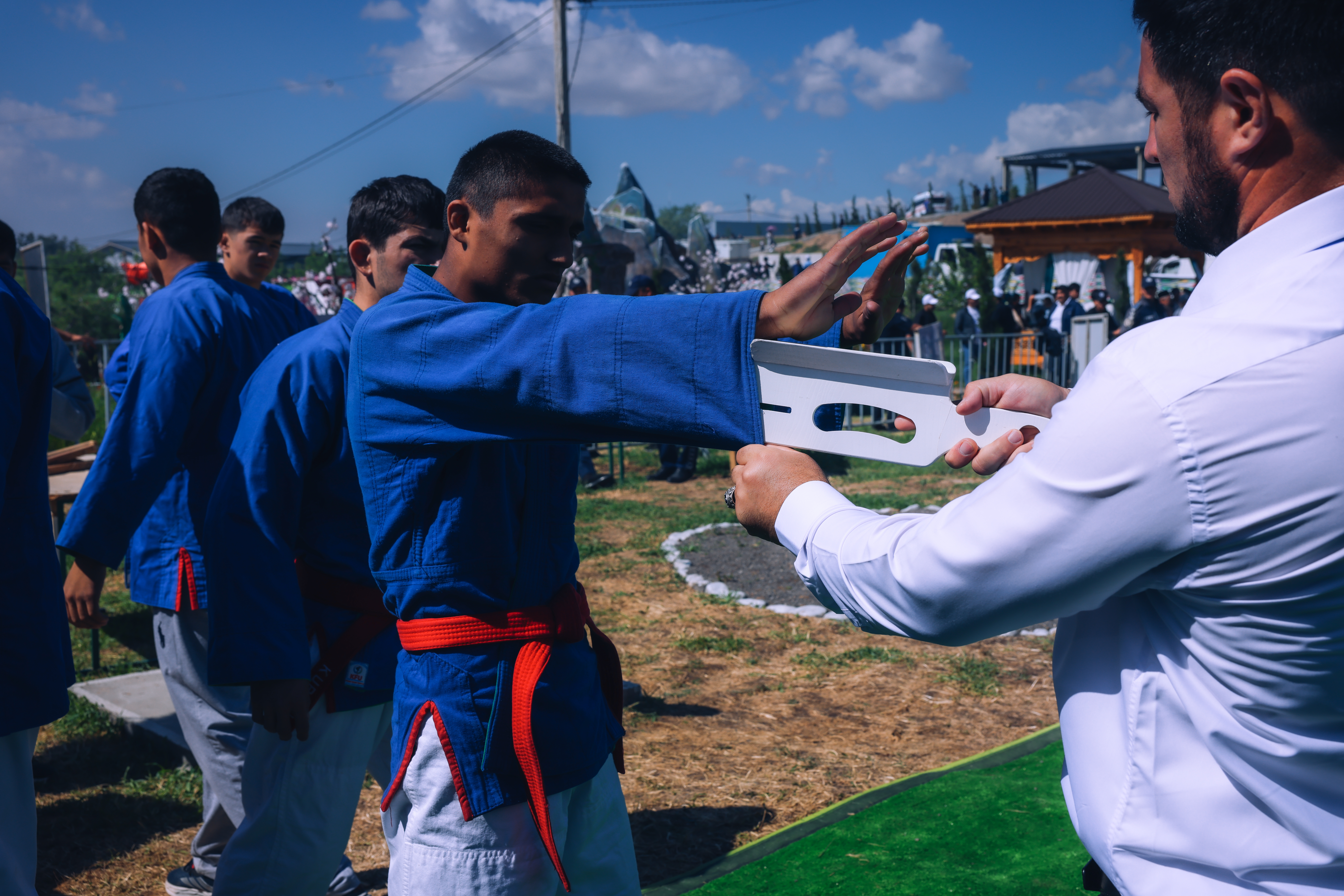
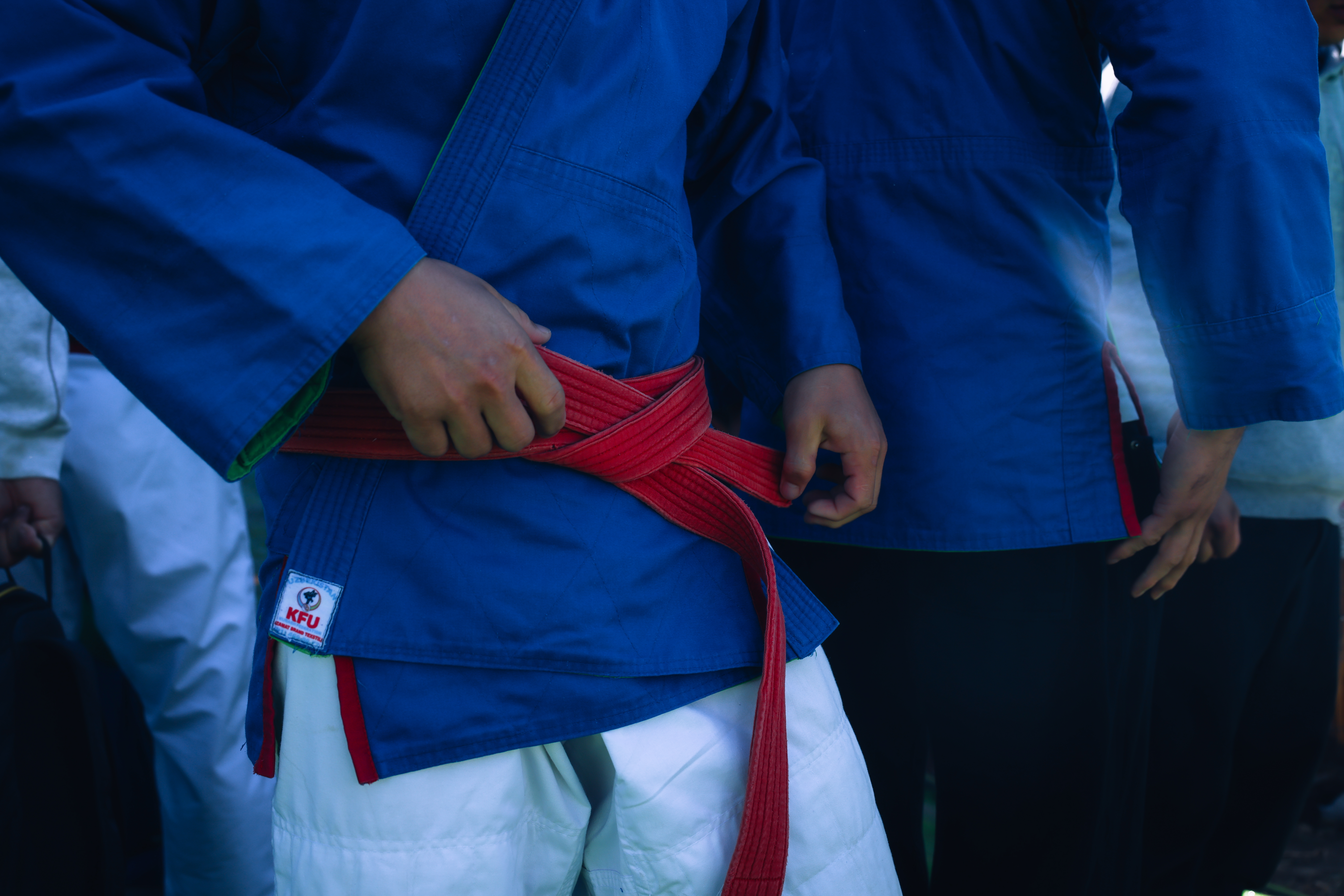

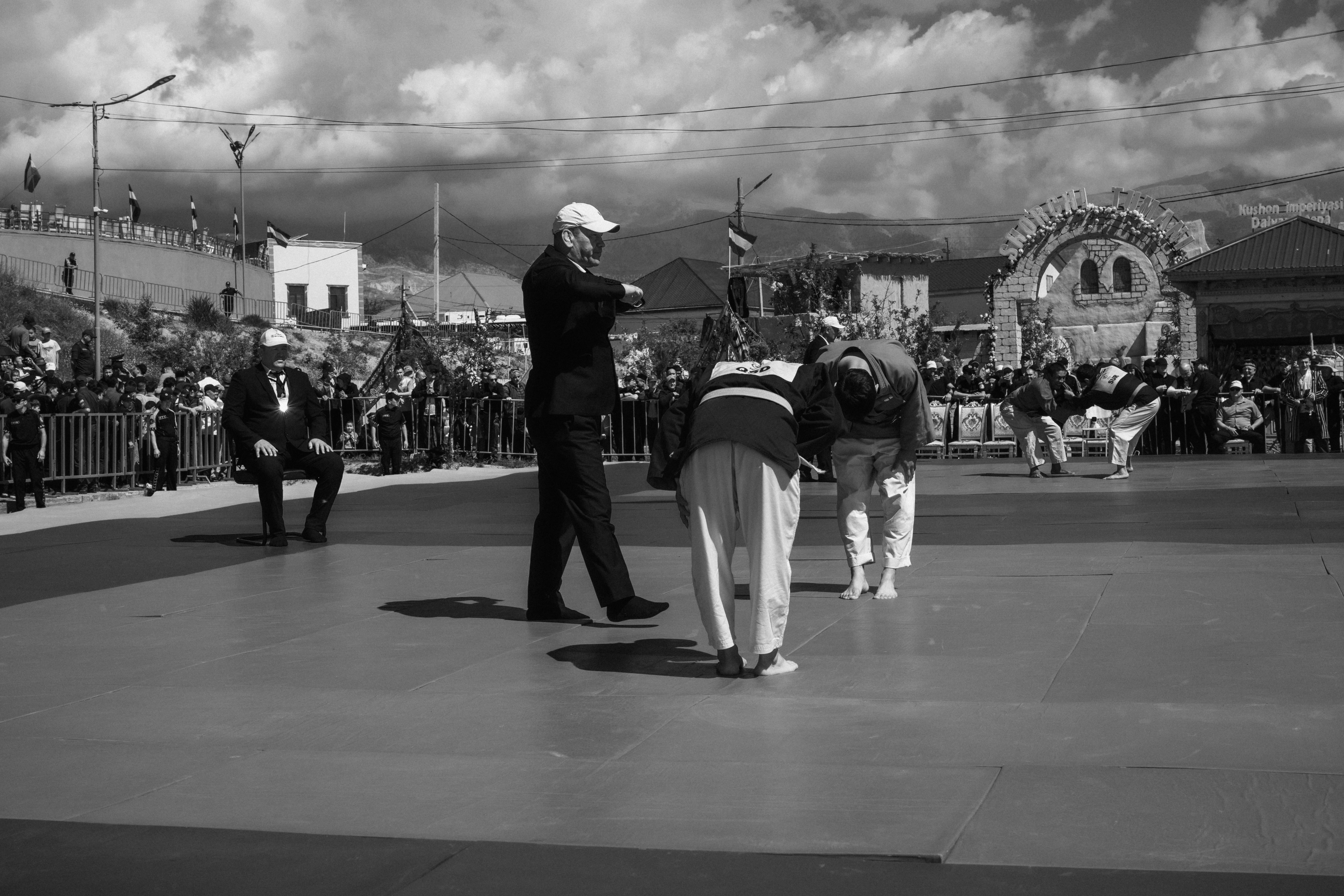
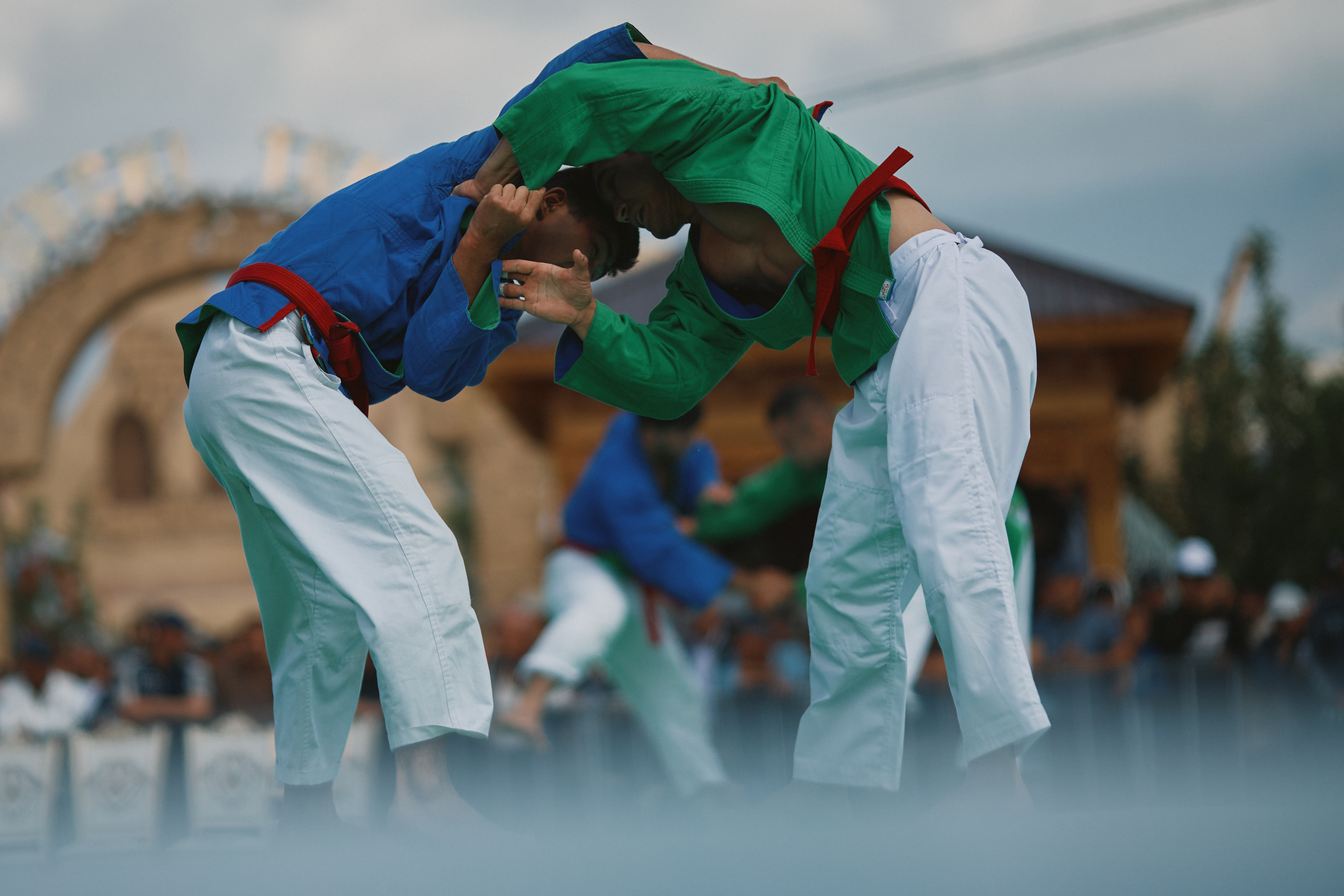
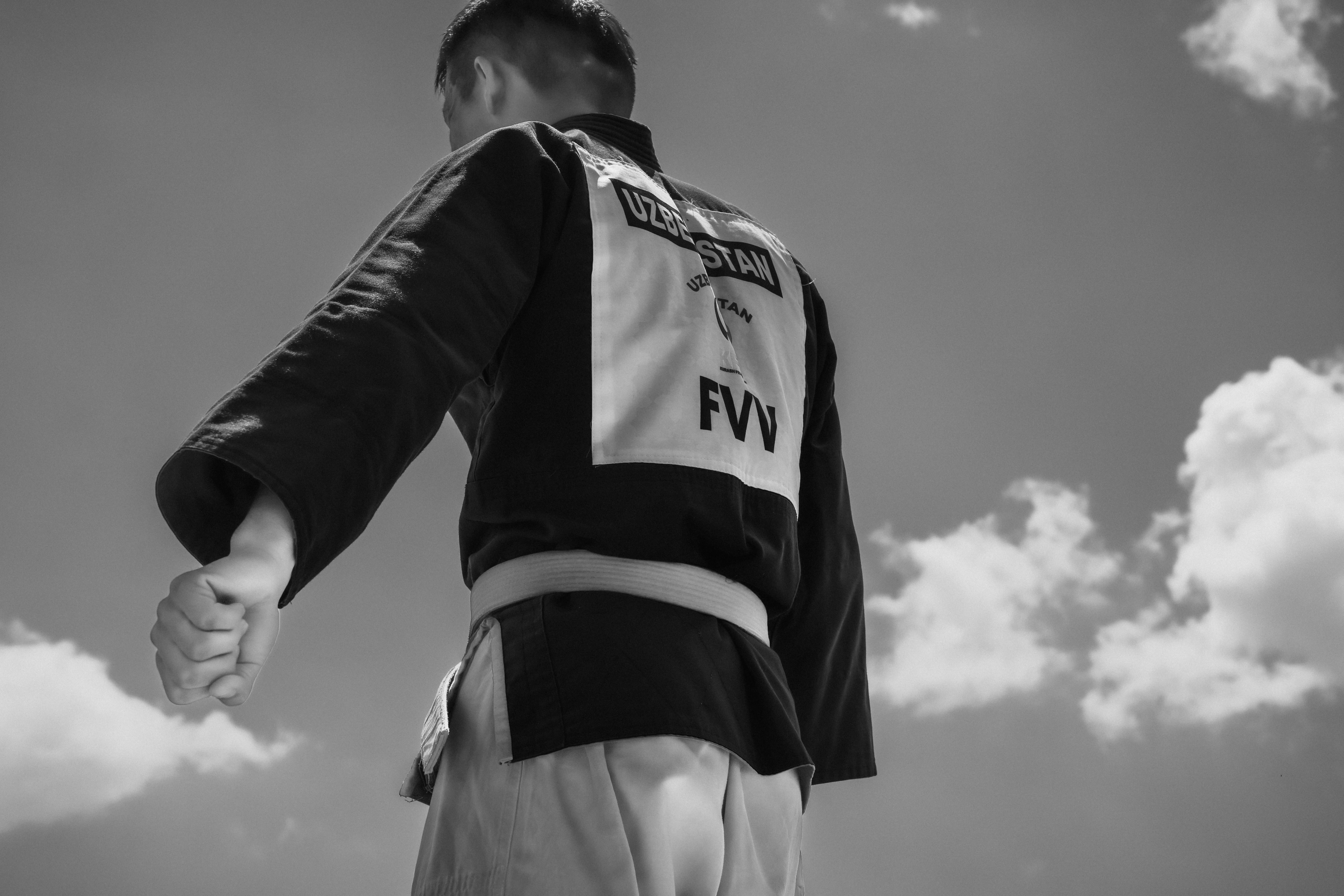
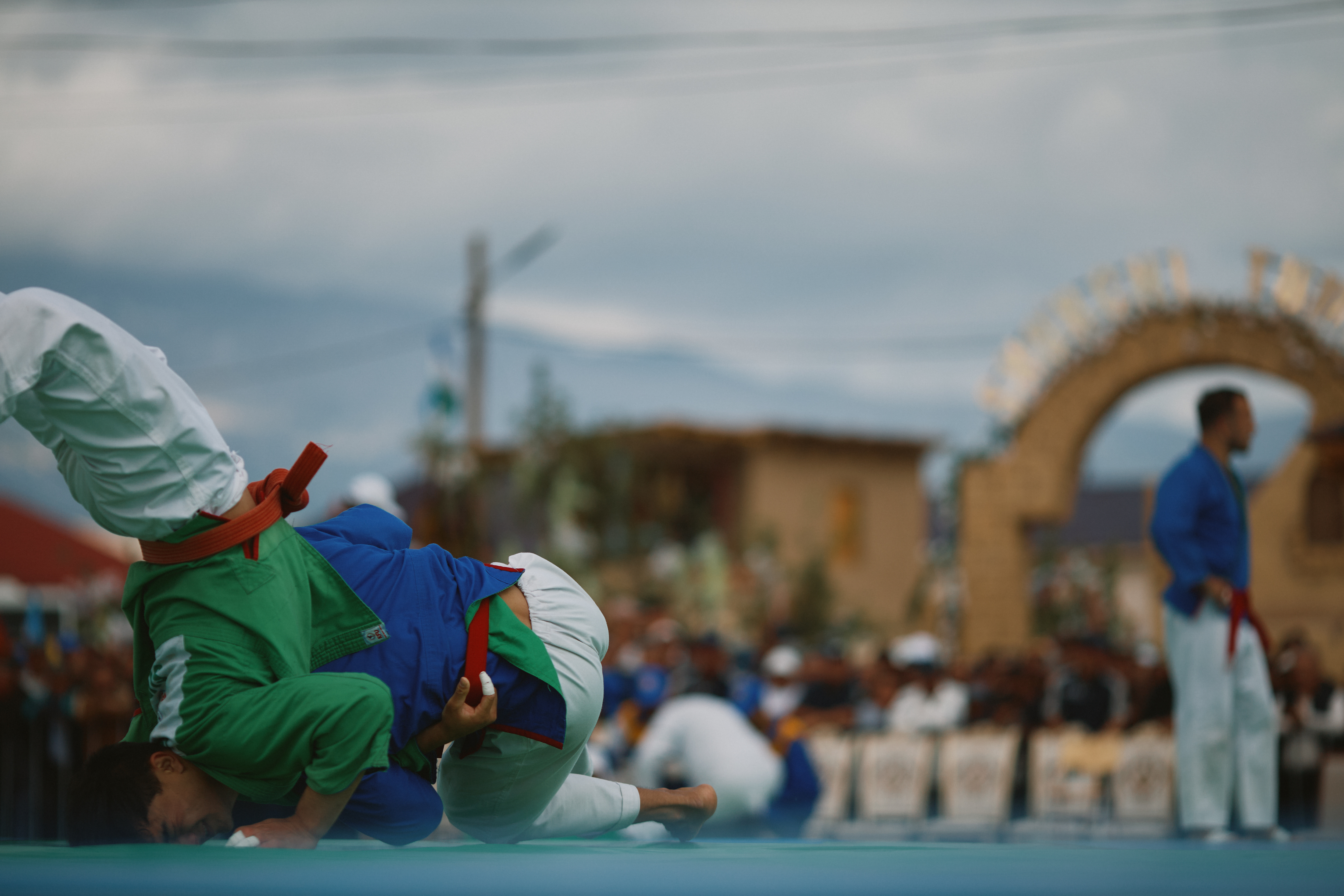
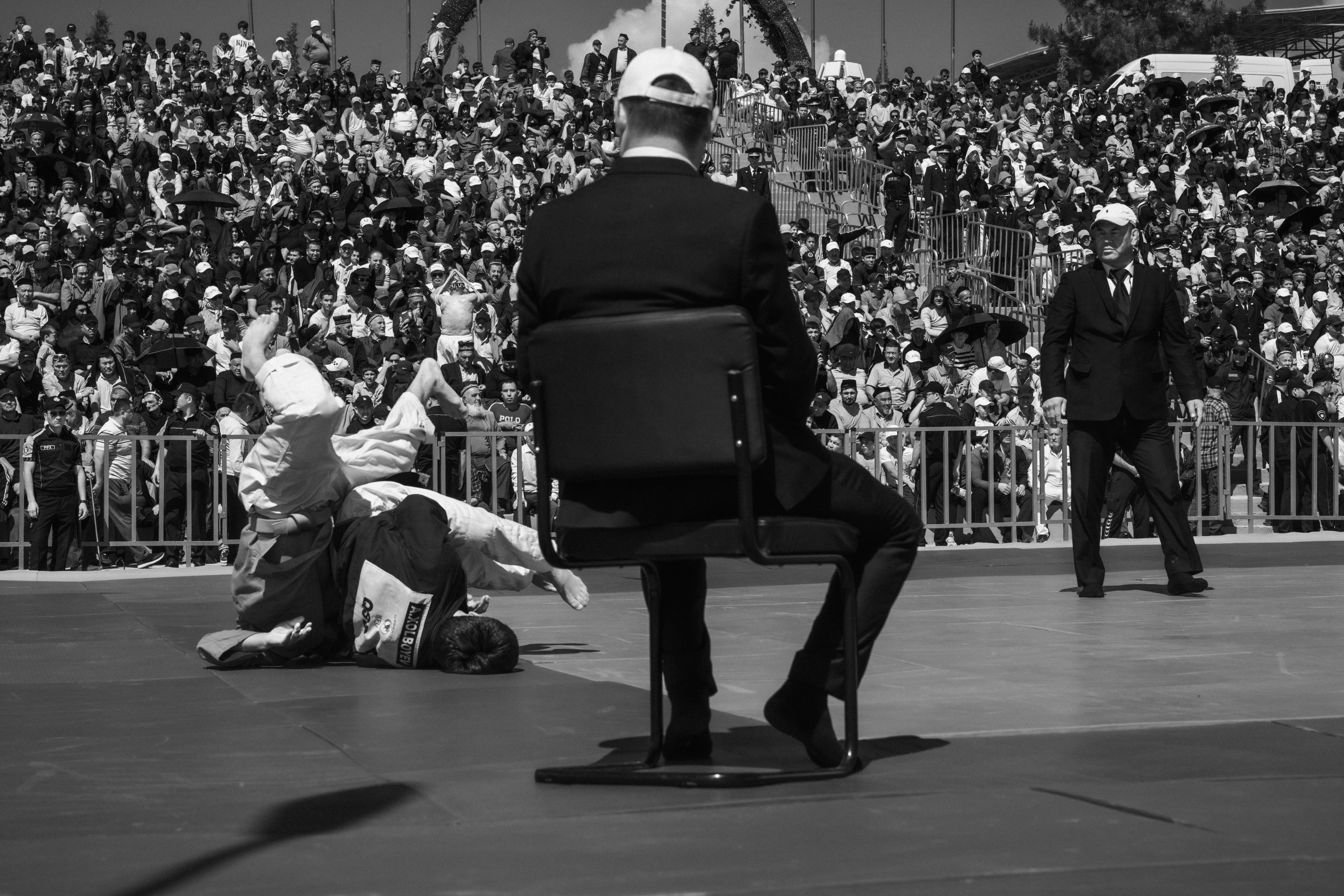
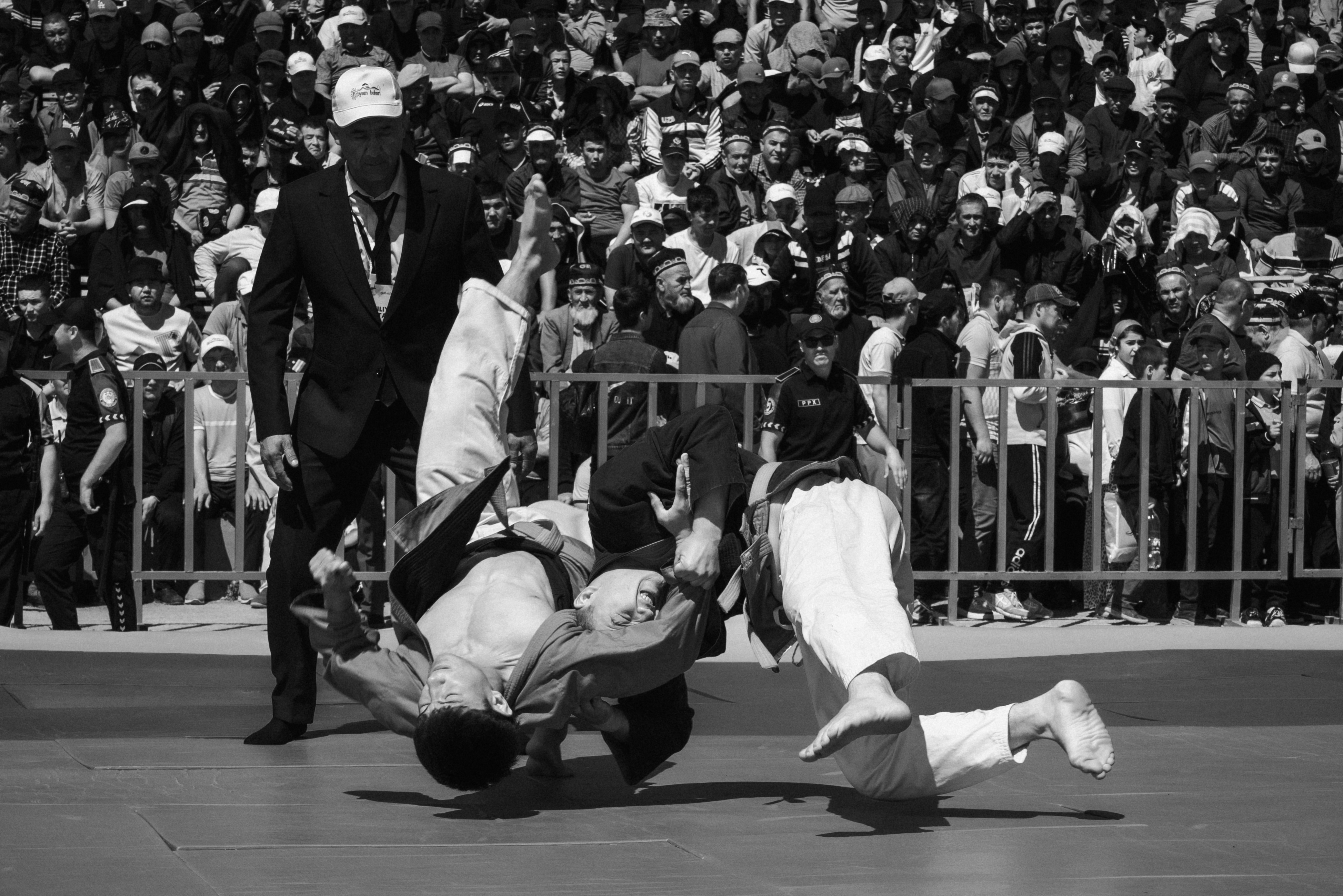
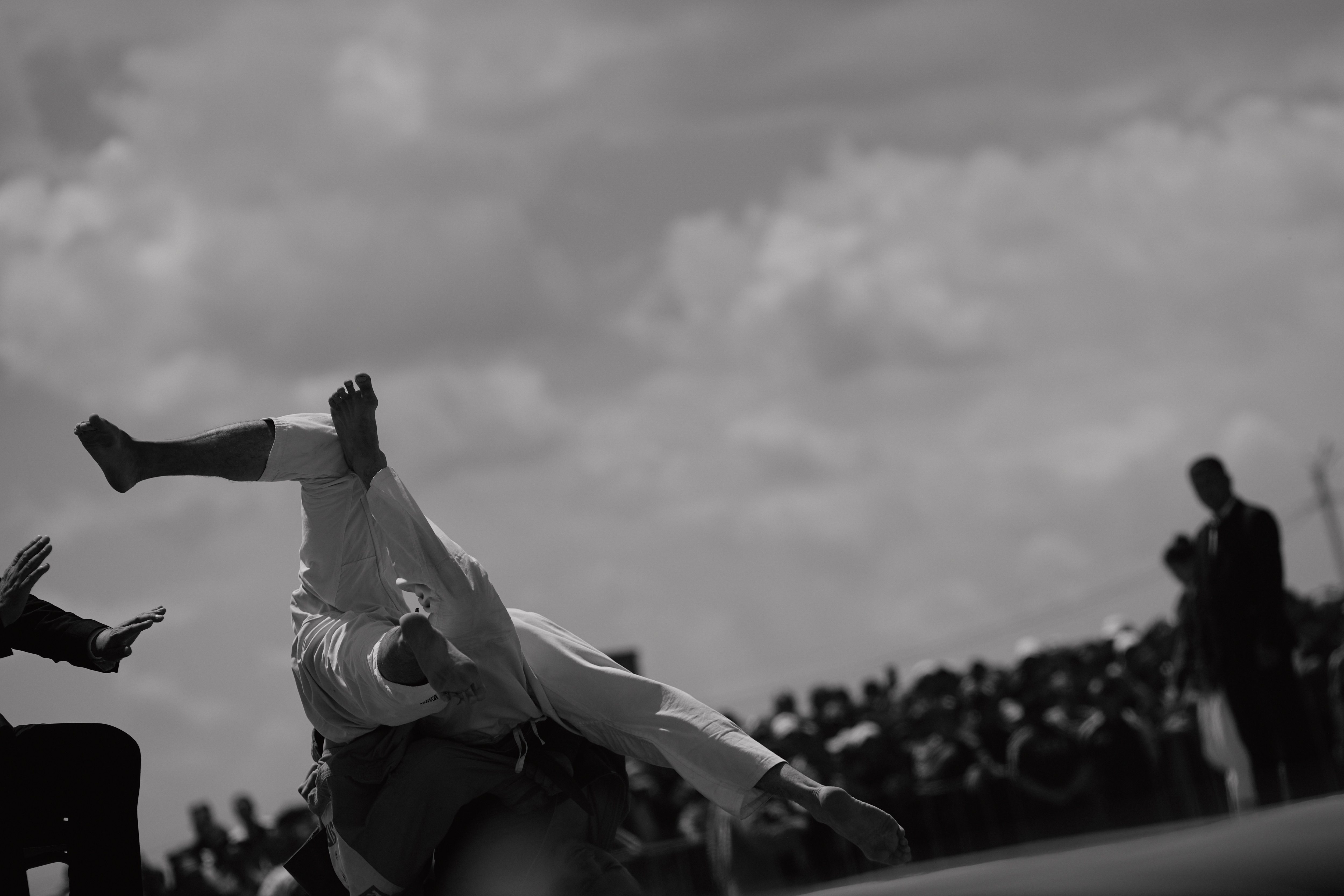
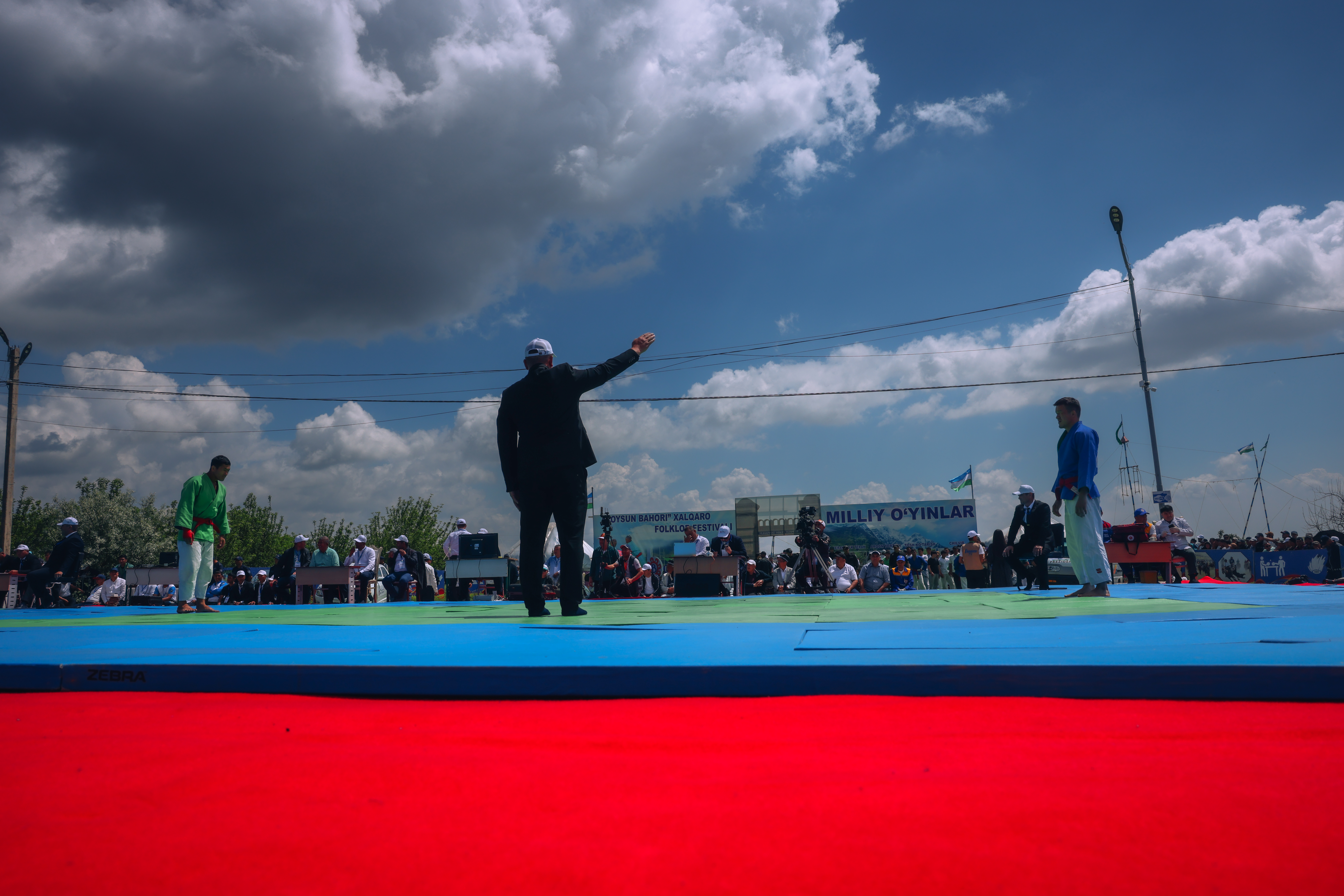
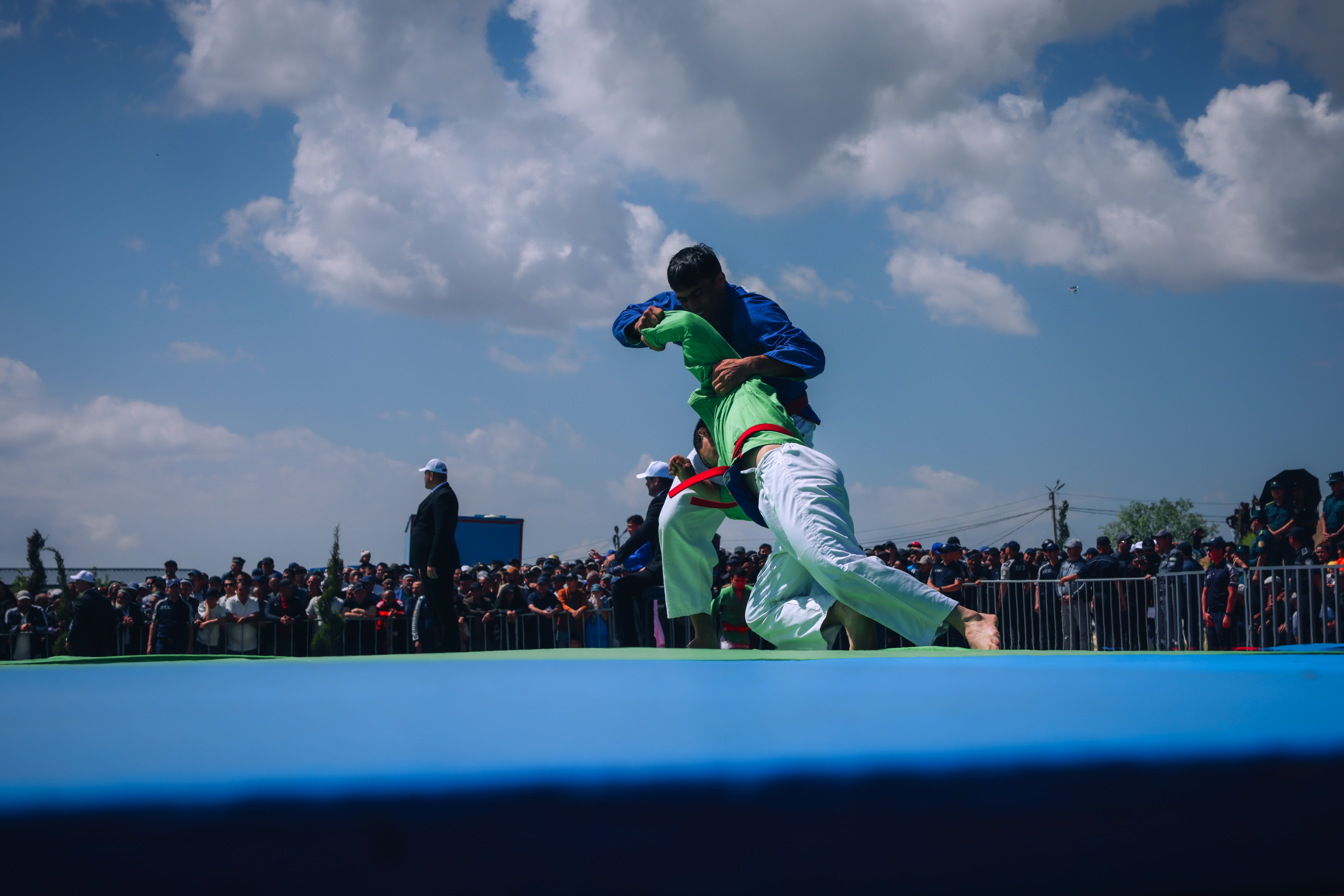
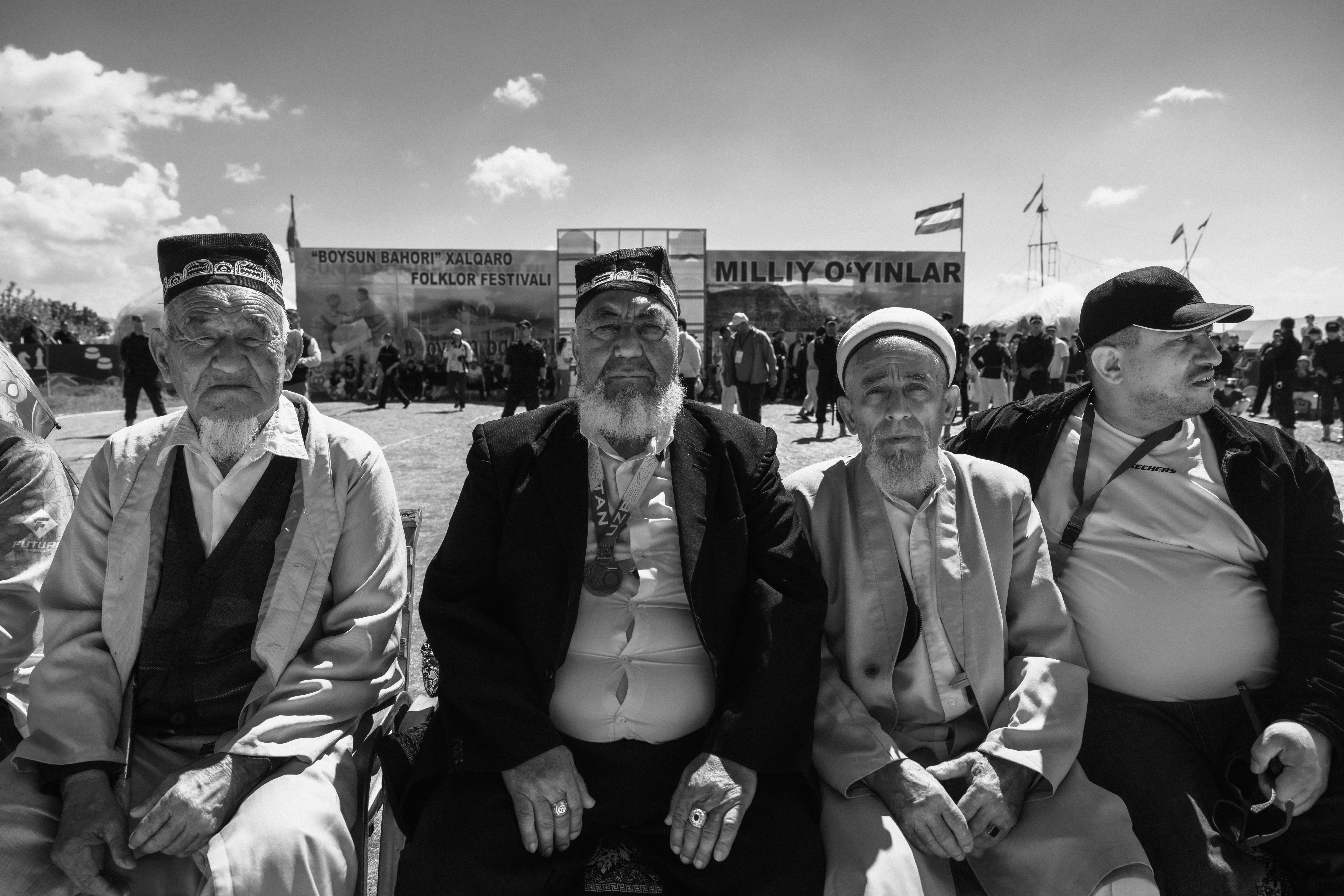
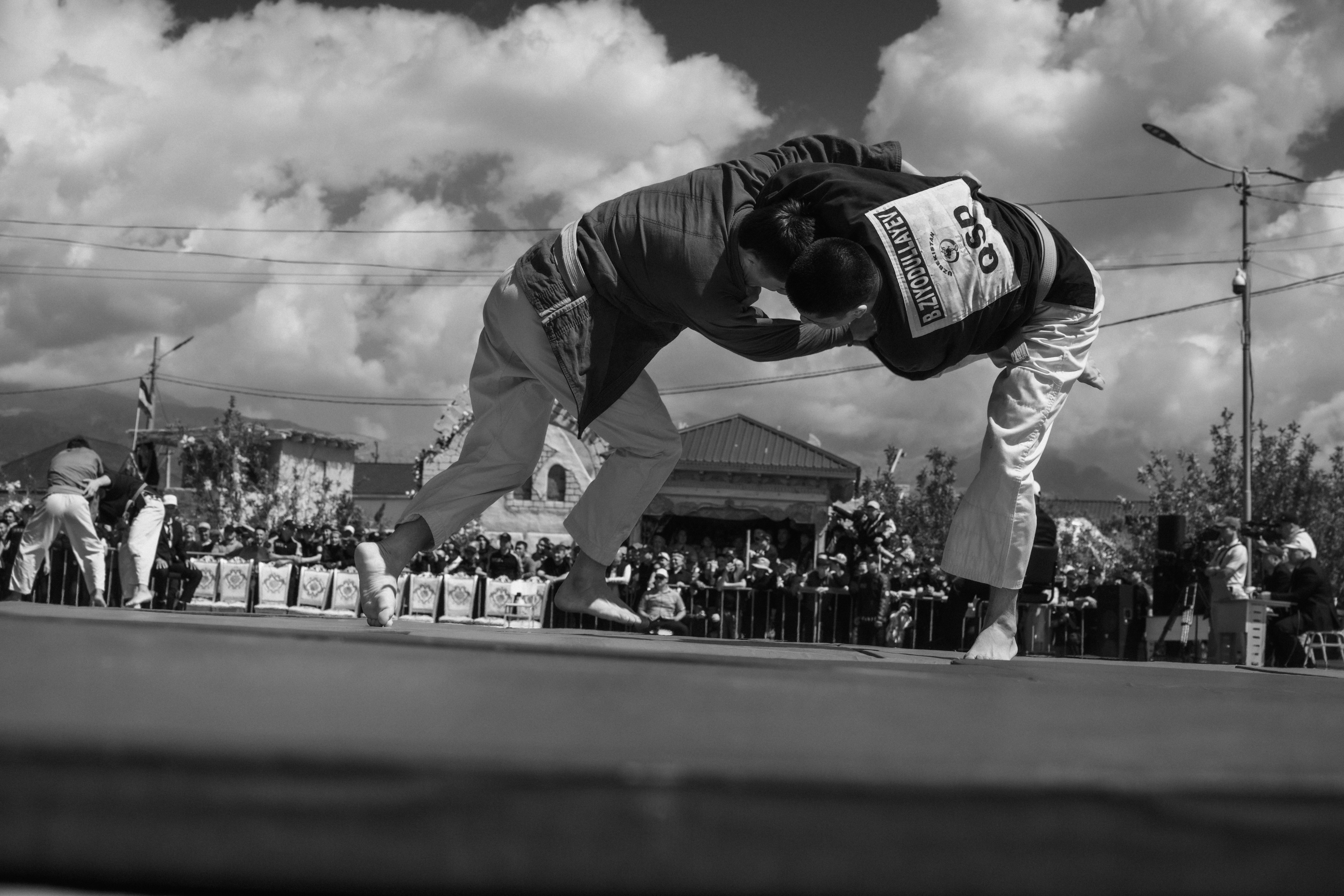
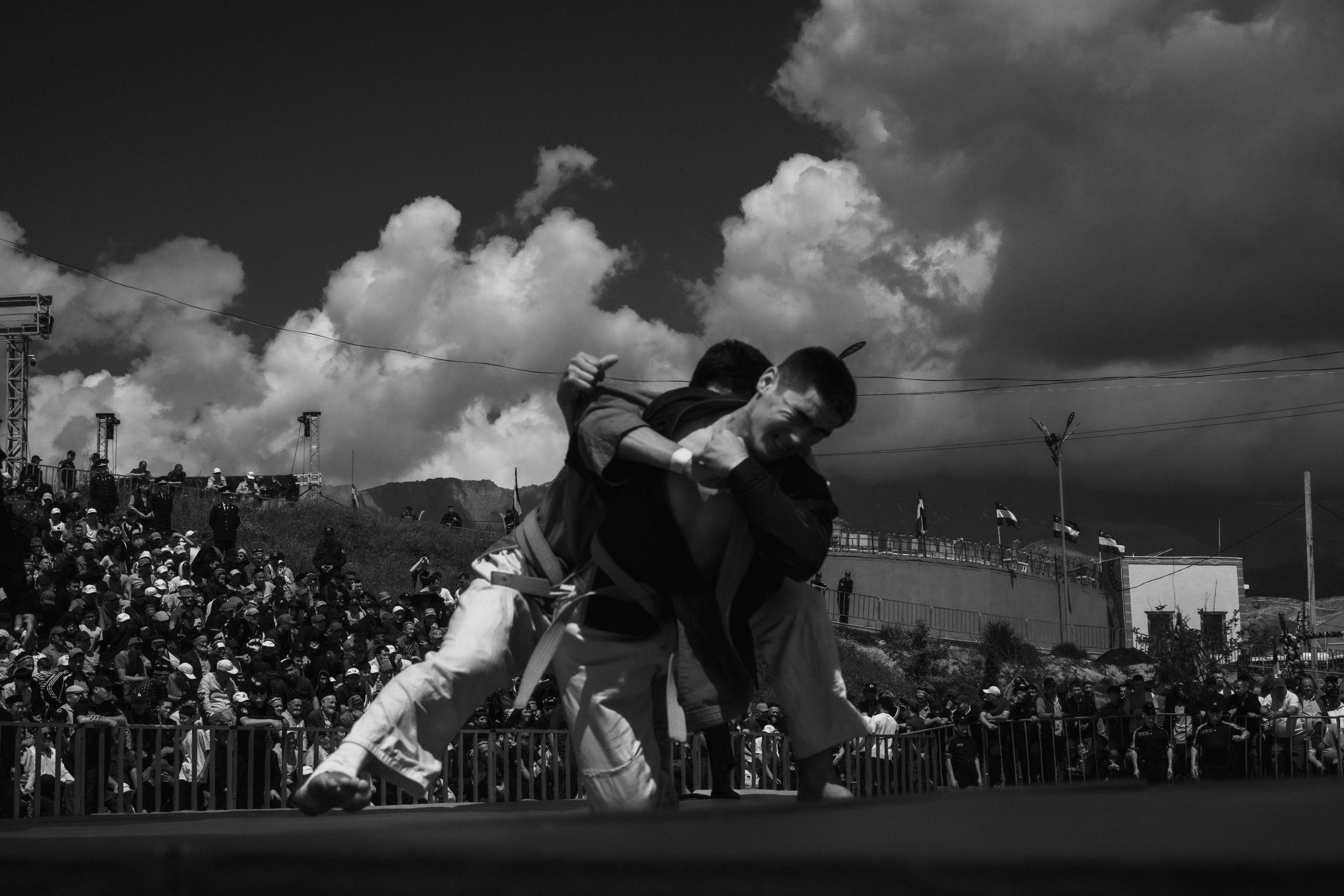
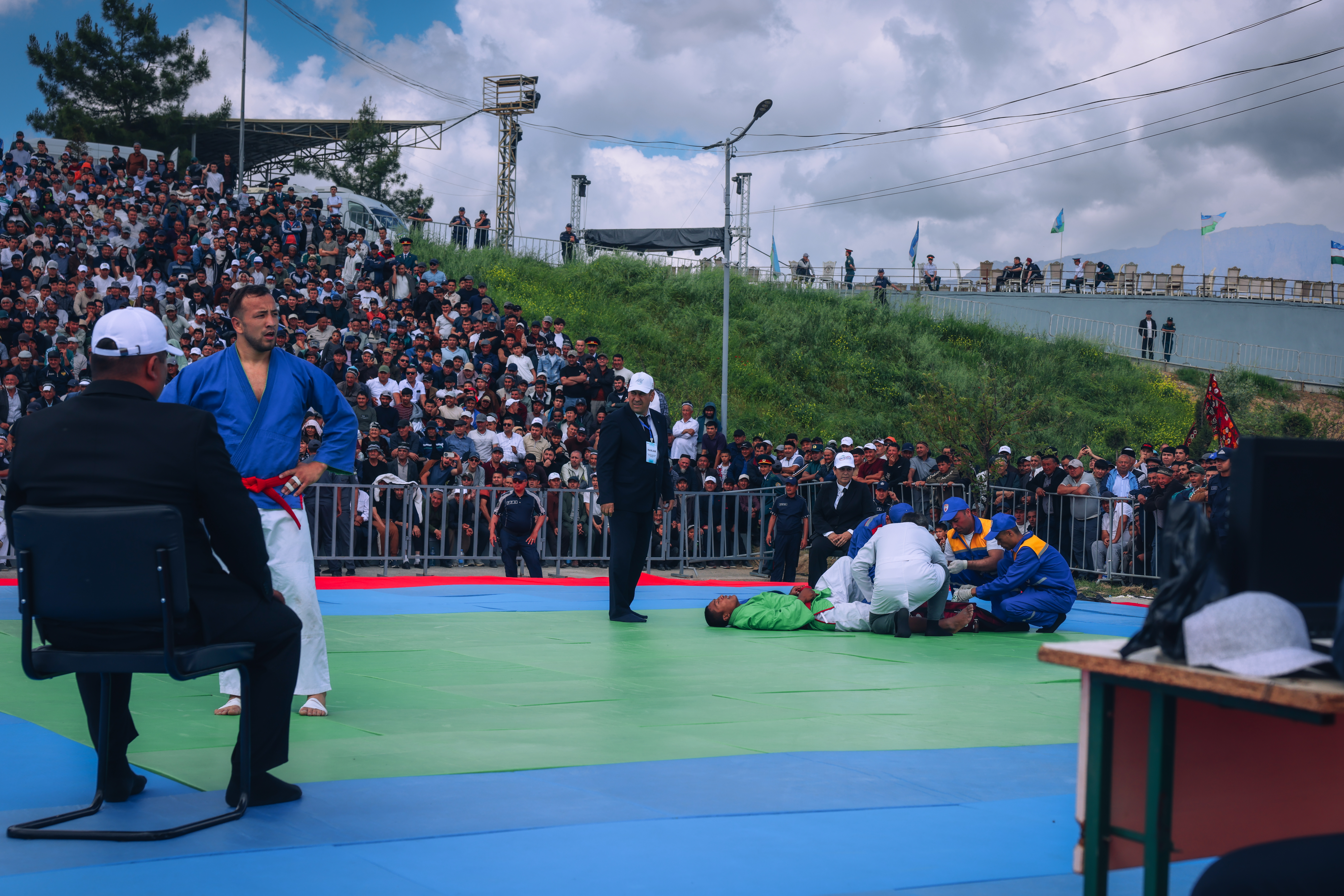
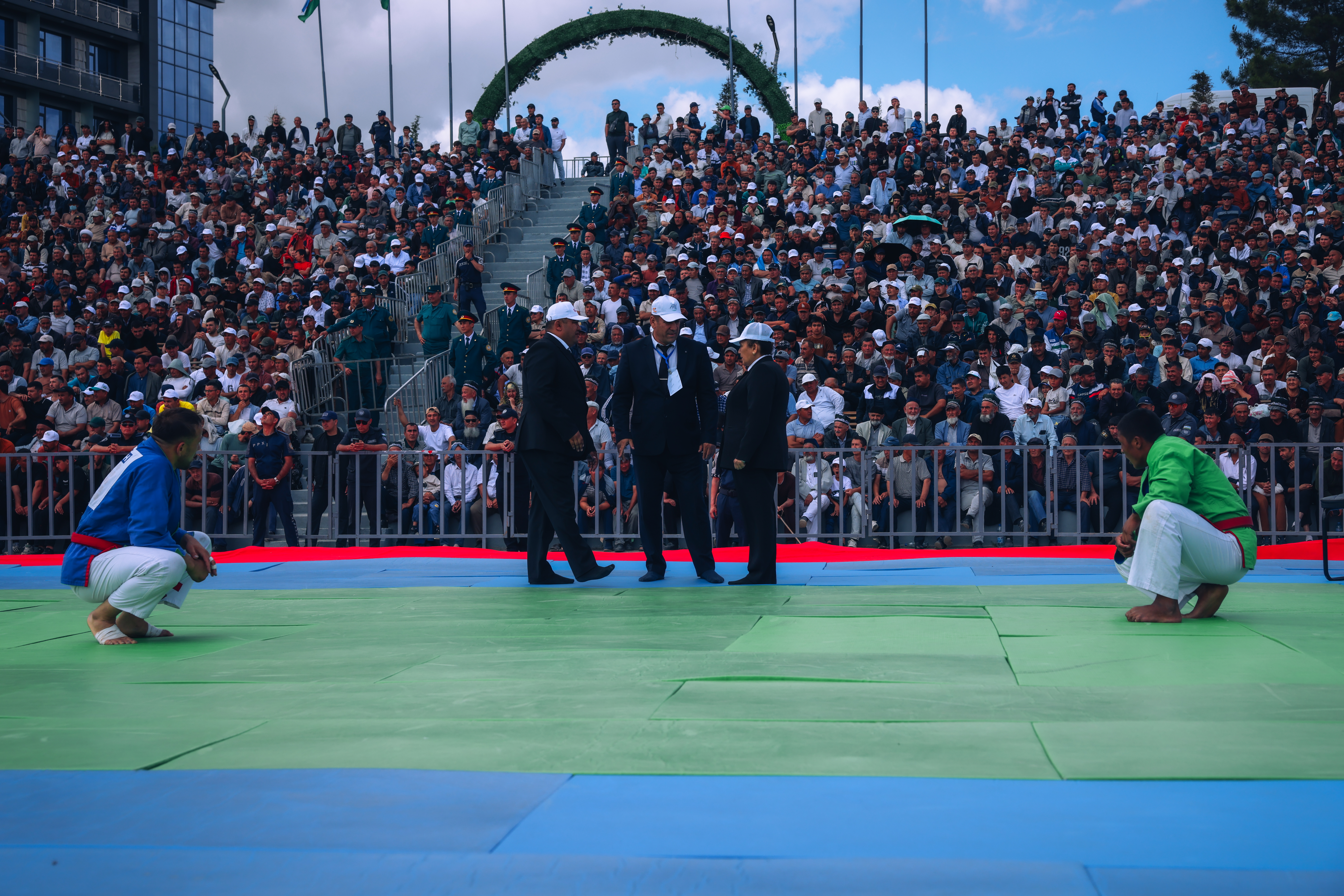
It is humanism that lies at the core of kurash wrestling, which professes mutual respect and extols human dignity. Now this is recognised at the level of the international sporting community as well.
Read also
 Traditions
Anime and Islam: How Uzbek Otaku Strike a Balance Between Faith and Fan Culture
Feride Mahsetova
 Traditions
The Story of Four Women Who Preserved the Uzbek School of Dance
Alfiya Kalmaganbetova
 Traditions
The Wizard’s Workshop: A Visit to Alisher Nazirov — photo essay
Ildar Sadykov, Maria Maksimycheva, Sergey Pogosyan
Newsletter
A letter from the HD editors
Once a week, we send the best stories, events, and cultural discoveries from Central Asia.