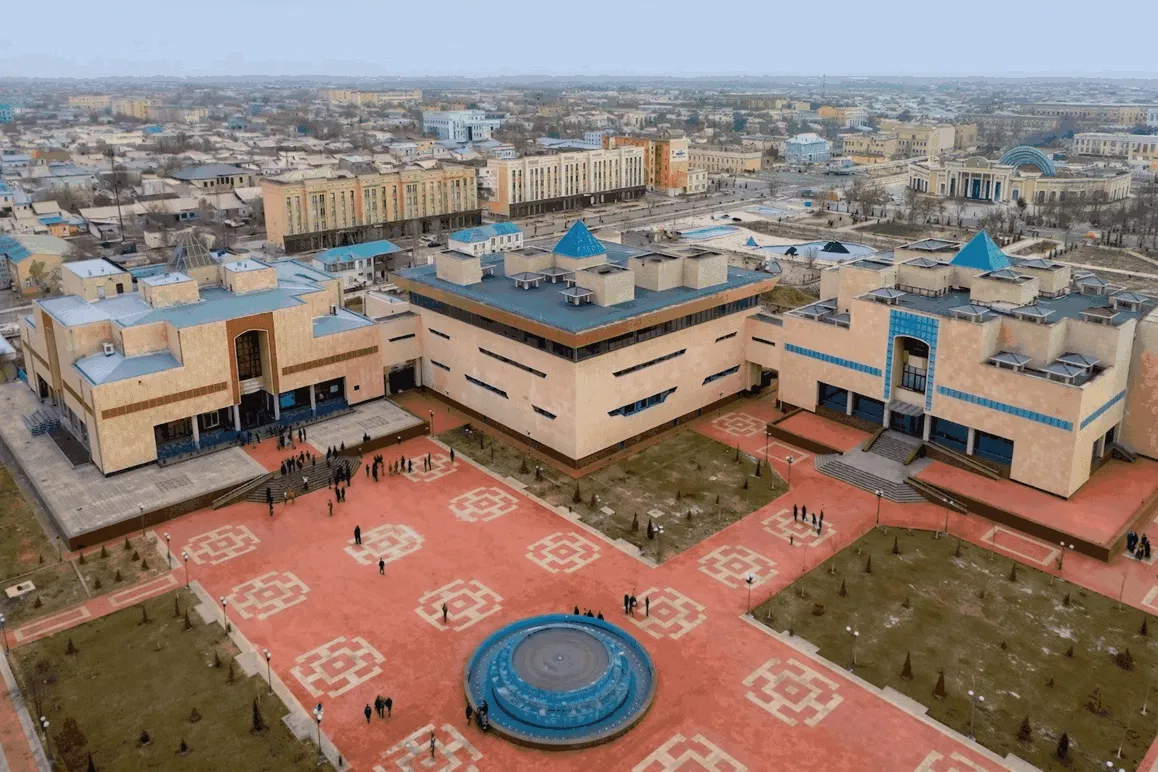
In recent years, the State Museum of Arts of the Republic of Karakalpakstan named after I. V. Savitsky, a unique tourist attraction in Karakalpakstan better known simply as the Savitsky Museum, has featured in virtually every piece of content promoting Uzbekistan as a tourist destination. Hundreds of publications have appeared in a wide range of formats and across an ever-expanding variety of media. All these projects and initiatives pursue a single aim: to attract travellers to a destination that was once little known by telling the story of an extraordinary museum and its brilliant founder, Igor Vitalyevich Savitsky (1915–1984), a Moscow artist who took part in the celebrated Khorezm Expedition.
The story has proved so compelling and unconventional that it has inspired many people to create films and literary works. These include the 2010 film The Desert of Forbidden Art by American filmmakers Amanda Pope and Chavdar Georgiev; renowned film director Ali Khamraev’s The Passion of Igor Savitsky (2015); television personality and documentary filmmaker Valdis Pelsh’s Sun Catchers (Lovtsy Solntsa, 2023); and Italian writer Giulio Ravizza’s 2025 novel Anche Se Proibito. La Folle Impresa Di Igor V. Savitsky. There is also How Kind You Are to Me (Kak ti ko Mne Dobra,1990), a novella by Alla Kalinina, wife of Savitsky’s doctor and advocate Sergei Yefuni; and, of course, the novels Time in the Sands (Vremya v Peskah, 1963) and A Point on the Meridian (Tochka na Meridiane, 1976) by Leningrad writer Militsa Zemskaya, Savitsky’s friend and colleague.
The latter two authors created their works back in the Soviet era. There are many more such vivid narratives, and even more interpretations of them. Passed down and amplified by the promotional efforts of travel agencies, they have undoubtedly become a crucial part of the phenomenon behind the museum's fame as the “Louvre in the Sands”.
We recently explored the origins of this memorable expression:
The Louvre in the Sands… and More BesidesFrom the history of the Igor Savitsky State Museum of Arts of the Republic of Karakalpakstan, on the occasion of the museum’s anniversary and the birthday of its founder.mag.humodoc.com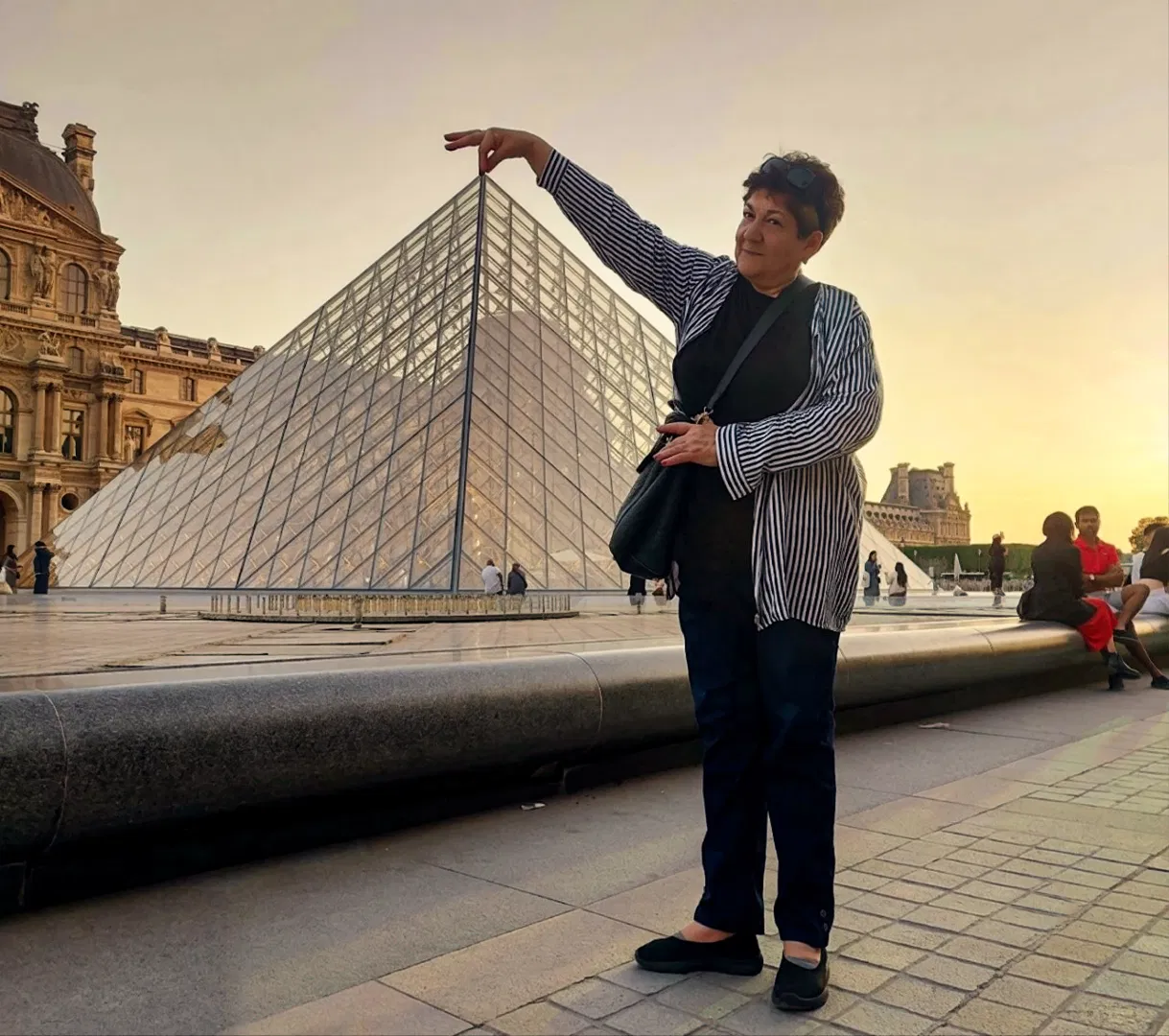
The museum's growing profile is further fuelled by high-profile international exhibitions held in prestigious venues across Europe and Russia, helping to sustain the flow of cultural tourism to Uzbekistan.
A Phenomenon Yet to Be Analysed
Yet there is still no professional statistical or analytical research into the role played by the State Museum of Arts of the Republic of Karakalpakstan named after I. V. Savitsky in shaping the city of Nukus. In other words, there is no systematic picture of changes in the city's infrastructure and services, or in its transport, logistics and urban development, even though many of these changes are visible to the naked eye. Perhaps this is because such analysis falls outside the remit of promotional content, while the state of the museum sector in Uzbekistan has yet to receive serious, systematic attention.
Sociologists and economists have yet to study the museum sector either. Reports from the Ministry of Tourism published in the media generally provide figures for the overall number of foreign visitors to the country, without distinguishing between tourist groups, people visiting friends and relatives, and business travellers. It is therefore impossible to draw on any meaningful data, apart from my own experience as a museum professional with many years of practice and expertise in studying the international museum sector.
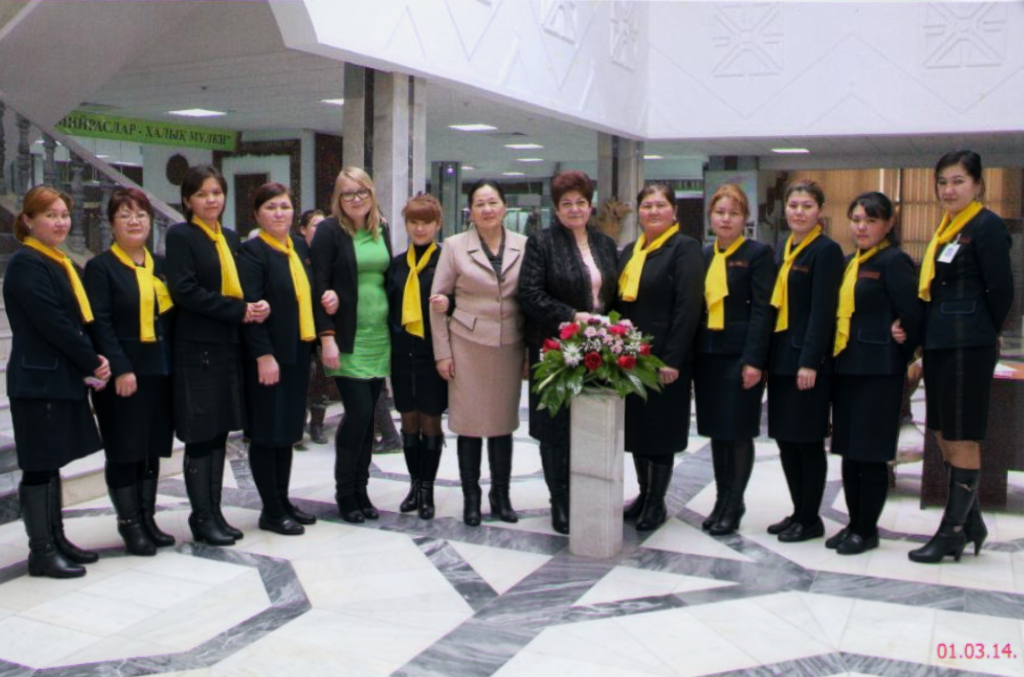 Source: Marinika Babanazarova’s personal archive
There is a particularly fascinating aspect to the exceptional role played by certain museums around the world: their relationship with the places where they are located. There are relatively few such examples. It is remarkable that the Nukus museum, despite being one of the most striking examples of this phenomenon, has still not been discussed in this context, even though it has repeatedly appeared in rankings of the world’s most extraordinary tourist destinations since the 2000s, in publications including The Guardian, The New York Times, Le Figaro and The Times.
Such material could be highly useful to local authorities, including regional administrations, the Ministry of Tourism, the Ministry of Finance, transport companies and other relevant organisations.
In this article, we examine the museum’s role in shaping the city of Nukus from a historical perspective. We do so without statistical analysis, but instead draw on documented facts and personal testimony.
Nukus Steps onto the World Stage
By the time the Soviet Union collapsed and the era of glasnost and perestroika drew to a close, the star of the Nukus Museum had begun to rise, first across the Soviet Union and later on the international art scene. Yet despite the richness and uniqueness of its collection, the State Museum of Arts of the Republic of Karakalpakstan named after I. V. Savitsky was still known only to a relatively small circle of Soviet intellectuals, and only a handful of connoisseurs were able to fully appreciate the significance of its collection.
We will not go into the complicated story of legalising the collection and settling the debts incurred by Savitsky, who had acquired tens of thousands of paintings and drawings on credit. For years, this restricted the display and publication of works in the collection because the museum lacked the legal rights and copyright clearances needed to exhibit and reproduce them. This situation was not fully resolved until the early 2000s. Dealing with it required enormous amounts of effort, energy and time.
It is worth noting simply that the museum was classified as a regional Uzbek museum and was not included among the country's most important institutions. Tourism was out of the question, particularly given the lingering image of Nukus as the grim “closed city” of the Soviet era.
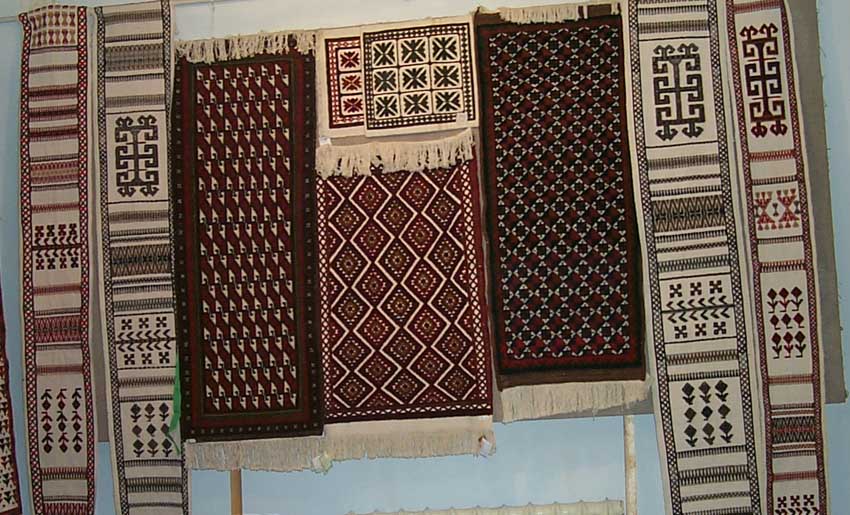 Source: Marinika Babanazarova’s personal archive
Historically, the collapse of the Soviet Union, the ecological catastrophe of the Aral Sea, the demise of communist ideology and the breakdown of the entire social and political system coincided with Nukus’s emergence on the international stage. These processes unfolded in parallel, complicating the museum’s development while also setting it free. Contrasts and events that were diametrically opposed in their dialectical nature worked to the museum’s advantage, strengthening its image and shaping the narrative of its compelling story.
International media coverage of the period painted much the same picture: a bleak urban landscape in a small provincial town that somehow concealed untold treasures, like Ali Baba’s cave.
Incidentally, I did not come up with this image myself. It was coined by Jean-Claude Richard, the French ambassador to Uzbekistan, who wrote a special report for Les Correspondances, the French Foreign Ministry’s monthly publication, in 1997, shortly before the opening of our first exhibition in France, held under the patronage of Presidents Jacques Chirac and Islam Karimov.
These contrasting descriptions angered officials, despite the new era of glasnost and openness. Journalists poured into areas that had once been off limits and described what they found: salt-covered fields and land even within the city itself, dead gardens and parks, saline groundwater rising to the surface, sandstorms, drought, emaciated people and high rates of illness. And, of course, they were shocked to find themselves in the only place that seemed to offer any real aesthetic relief: the Savitsky Museum.
Stephen Kinzer, a correspondent for The New York Times, recalled that his “jaw dropped” when he saw the world-class paintings. This contrast added “spice” to the drama of their accounts, and the device worked every time. Perhaps nowhere else, in any other location or cultural centre, would a museum have made such a powerful and astonishing impression.
Broadly speaking, most museums that played a city-forming role around the world operated on a similar principle.
From Southwark to Bilbao
Tate Modern in London, now among the ten most visited art museums in the world, opened in the former Bankside Power Station in Southwark, once a deprived and crime-ridden area on the south bank of the Thames. I was fortunate enough to undertake a traineeship at the British Museum in February 2000. Our study programme, organised by British Petroleum, included a visit to this then-new project, which was presented to us as a model of how former industrial sites and buildings could be transformed into museums and galleries.
This was one of the defining trends of the early 2000s, the Millennium era. I have to say that the dark interiors, corridors and even the streets surrounding the power station made a rather oppressive impression on us. Associations with the novels of Charles Dickens, the stories of Jack the Ripper and the investigations of Sherlock Holmes stayed with me for a long time. I had a completely different experience when I returned to Tate Modern in 2012 for an exhibition of Edvard Munch, built around the idea of looking at his legacy from a contemporary perspective
The area’s redevelopment, including the new Millennium Bridge, transformed the bleak landscape of what had once been a deprived neighbourhood into an attractive tourist destination. There is little need to dwell on the museum’s successful exhibitions and enormous popularity today, or on the millions of visitors and substantial revenues it generates. This global landmark features in every major tourist and museum guide.
The opening today of a long-awaited Centre for Contemporary Art in a former Tashkent tram depot is cause for genuine optimism. May it take root, flourish and make its mark on the cultural life of Uzbekistan and the wider international art world.
Centre for Contemporary Art Tashkent Announces Public Opening Programme for 6 SeptemberOn 6 September 2026, the Centre for Contemporary Art in Tashkent (CCA Tashkent) will officially open its doors to the public. To mark the launch of its inaugural exhibition, ‘Hikmah’, the Centre has unveiled a comprehensive public programme featuring curatorial tours, talks, film screenings, hands-on workshops, and live performances.mag.humodoc.com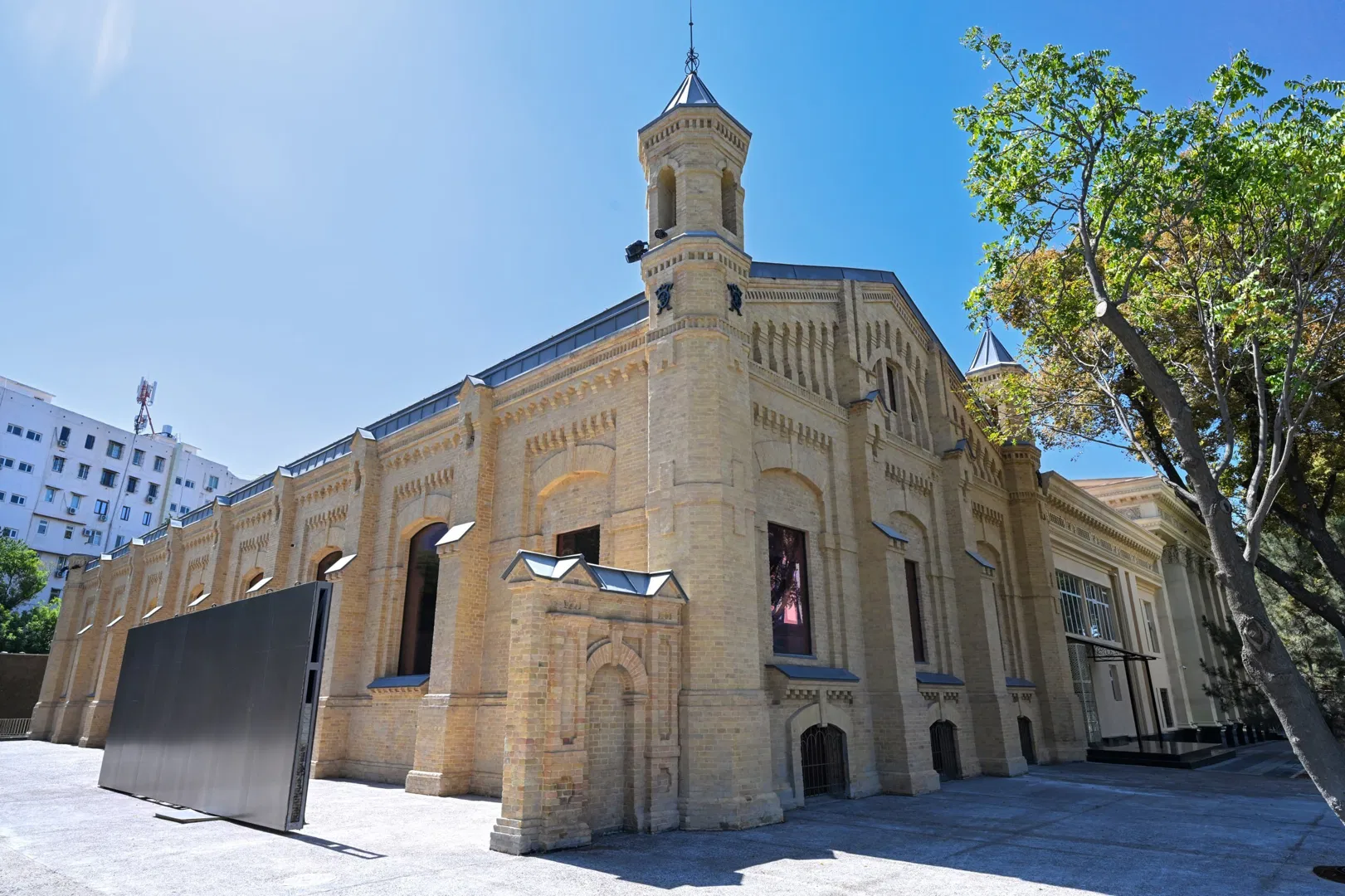
Another example, perhaps the most striking and telling one, is the famous Guggenheim Museum in Bilbao, in Spain’s autonomous Basque Country. The term “Bilbao effect” was even coined to describe a new trend in museum studies. It refers to the economic, cultural and tourist revival of a declining port city and industrial centre through the construction of a striking, landmark architectural project, the Guggenheim Museum designed by architect Frank Gehry.
The museum, which went on to become a global landmark, transformed the city’s image and turned it into a major tourist destination, triggering extensive infrastructure development, including the construction of hotels, restaurants and small businesses. The city’s revenues increased accordingly, as did the prosperity of its residents, while unemployment naturally declined.
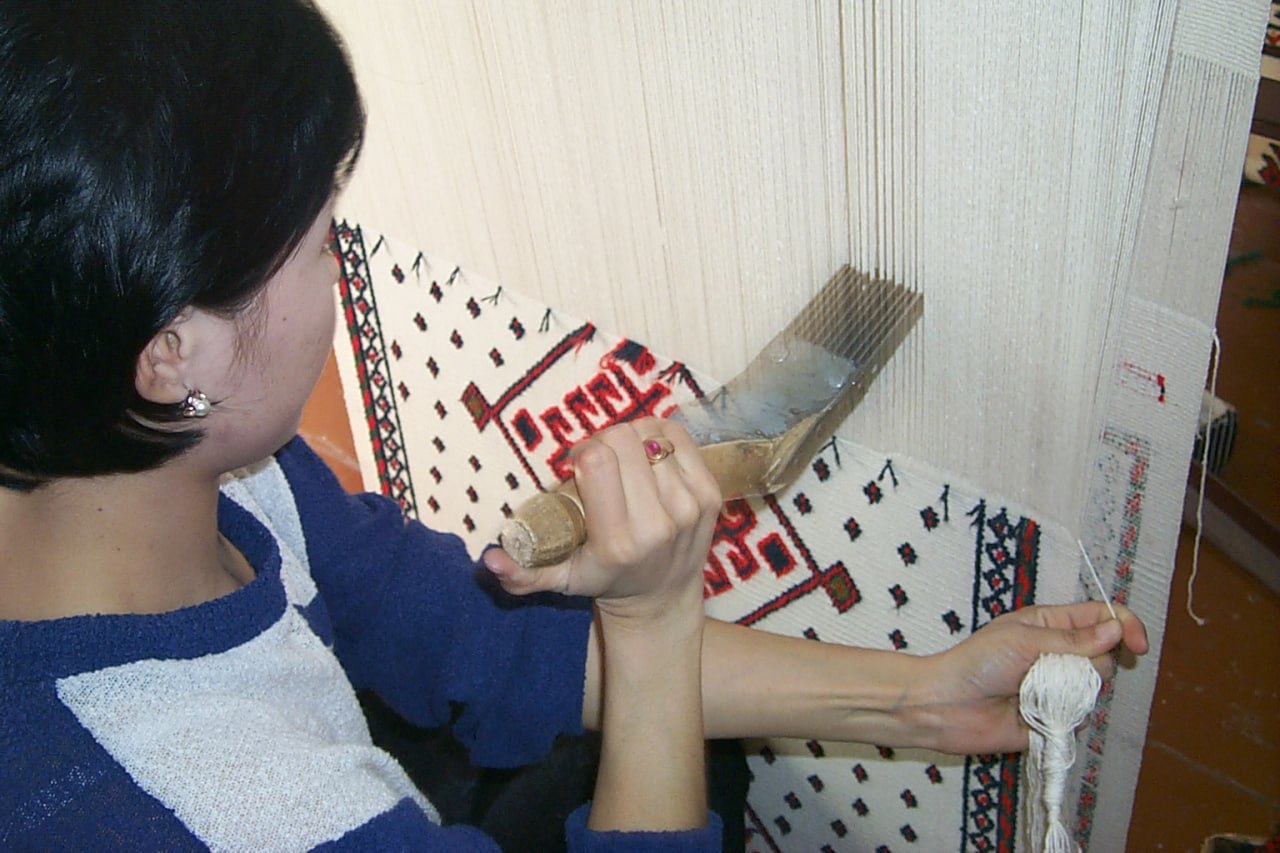 Photo: Marinika Babanazarova’s personal archive
I would like to add a rather fascinating detail to this story, which I learned during that same traineeship in London while discussing the city-shaping role of museums. For some reason, it is rarely mentioned, although it has a direct connection with the museum in Bilbao.
The story of this phenomenon began with a curious incident at London Customs. Peggy Guggenheim, the eccentric member of the famous Guggenheim family, was also known for her patronage of the arts and her remarkable collection of modern art. She was devoted to her dogs, travelled everywhere with them and allowed them considerable freedom. Under British law, when she decided to donate part of her collection to London, Customs officials at the airport refused to allow her pets into the country because they lacked the required health certificates. From their point of view, the rules were being followed; from Peggy’s, they were behaving quite improperly.
Outraged, Peggy Guggenheim withdrew her offer to donate her works to a London gallery and chose Venice instead. After her death, the Guggenheim Foundation transferred her collection to Spain, where it formed the core of the new contemporary art museum in Bilbao.
A Museum That Became the Heart of the City
The Savitsky Museum unquestionably belongs in this category. Thanks to its unique collection, remarkable for both its world-class quality and international significance, as well as its unconventional history and concept, which even leading art historians and experts have yet to fully define, it has become a destination and a brand not only for Nukus, but for Uzbekistan’s cultural identity as a whole. The attention it attracted in the international media and among the diplomatic corps of independent Uzbekistan in the 1990s prompted the authorities to invest in its development and officially recognise the museum as an important asset for the country’s image, both domestically and internationally.
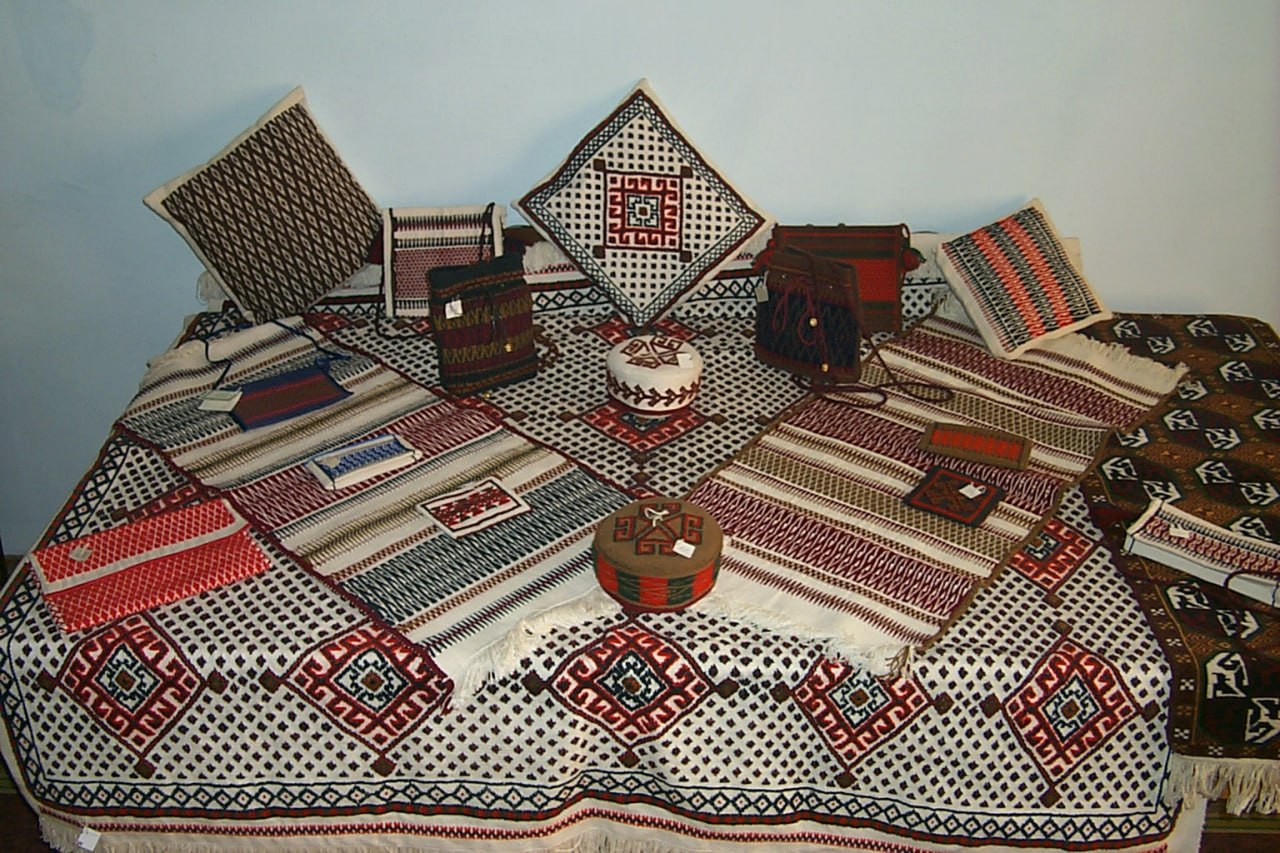 Photo: Marinika Babanazarova’s personal archive
The private sector responded in parallel, recognising not only the museum’s cultural potential but also the economic opportunities it could create. The transition to a market economy opened the door to more ambitious ideas. In those years, however, business opportunities in the Republic of Karakalpakstan were extremely limited. Local people were a long way from believing that a museum could bring any benefit beyond spiritual enrichment. Older residents would say to us quite bluntly: “Muzey bizge nanba?”, meaning “Will the museum feed us?” (Literally, in Karakalpak: “Is the museum bread for us?”).
The area around the museum began to change, particularly after the first building of the museum complex opened in 2002. The government replaced the anonymous private houses that had stood there with new multi-storey residential buildings. A handsome fountain square soon became a favourite gathering place for local skateboarders and cyclists. The museum quarter also began to attract private hotels and restaurants, cafés, entertainment venues and concert spaces.
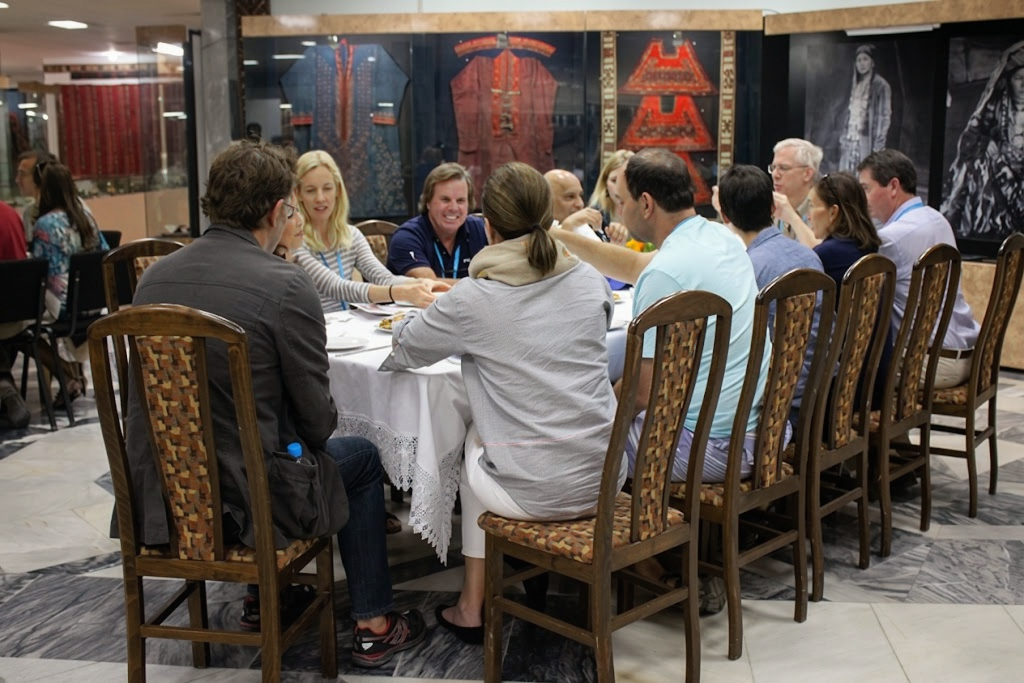
In the evenings, as the crowds of foreign tourists and schoolchildren arriving from across Karakalpakstan dispersed, residents of the surrounding buildings would come out for a stroll, along with young couples, pensioners and joggers, a form of exercise that had become popular during the Clinton years. International organisations and diplomatic missions, along with their staff and guests, as well as people travelling to Karakalpakstan on business, all became regular visitors to the museum, which switched to a non-stop service model and remained open seven days a week.
It became routine for museum staff to stay late so that visitors could drop in before catching their evening flights and see this much-discussed place for themselves. The museum became the heart of the city. Buses arriving with visitors and foreign cars carrying unusual overseas guests, along with caravans of motorhomes and other exotic forms of transport parked around the museum, attracted the attention of local residents and entrepreneurs. Private taxi drivers, guides, interpreters, craftspeople and international organisations all began developing services to cater to these growing flows of visitors.
 Source: Marinika Babanazarova’s personal archive
I remember how warmly and respectfully I was welcomed, almost as though I were a benefactor bringing prosperity, even in Khiva and Urgench, where I saw advertisements for the Savitsky Museum and Moynaq, with transport and guides provided for visitors. The museum was feeding not only its own city, but its neighbours as well.
Throughout this process, the museum itself played the leading role, using innovative and creative approaches that combined the task of promoting the institution with generating additional funding. This was encouraged by the authorities as an alternative to chronically inadequate budget allocations. At the same time, the museum helped fill gaps in services for the steadily growing tourist flows.
The museum opened its own café and souvenir shop, and trained guides not only for its own tours but also for excursions to the monuments of ancient Khorezm and to Moynaq, the former seaport. A non-governmental organisation established by the museum, the Friends of the Nukus Museum, the first organisation of its kind in Uzbekistan, modelled on a board of trustees, consisted almost entirely of members of the diplomatic corps and expatriates. It supported museum projects through membership fees and grants, while also helping to develop the tourism businesses growing up around the museum.
To avoid speaking in generalities, here are some of the specific businesses. Jipek Joly Hotel, which over twenty years grew into a three-branch chain, all of them around the museum; Massaget Hotel, which over the same period expanded to two buildings; and cafés and restaurants including Cinnamon, Cake Boomer, the Turkish restaurant Sofram, Tiffany, Neo, Sheraton Club, Karakalpagym and Caravan, among many others. These are just the establishments located around the perimeter of the museum complex.
As we can see, the museum shattered the pessimism of local residents and the conservatism of officials. Its projects to revive traditional crafts not only enriched the collection with a yurt and its furnishings and accessories, but also provided work and new skills for hundreds of craftspeople.
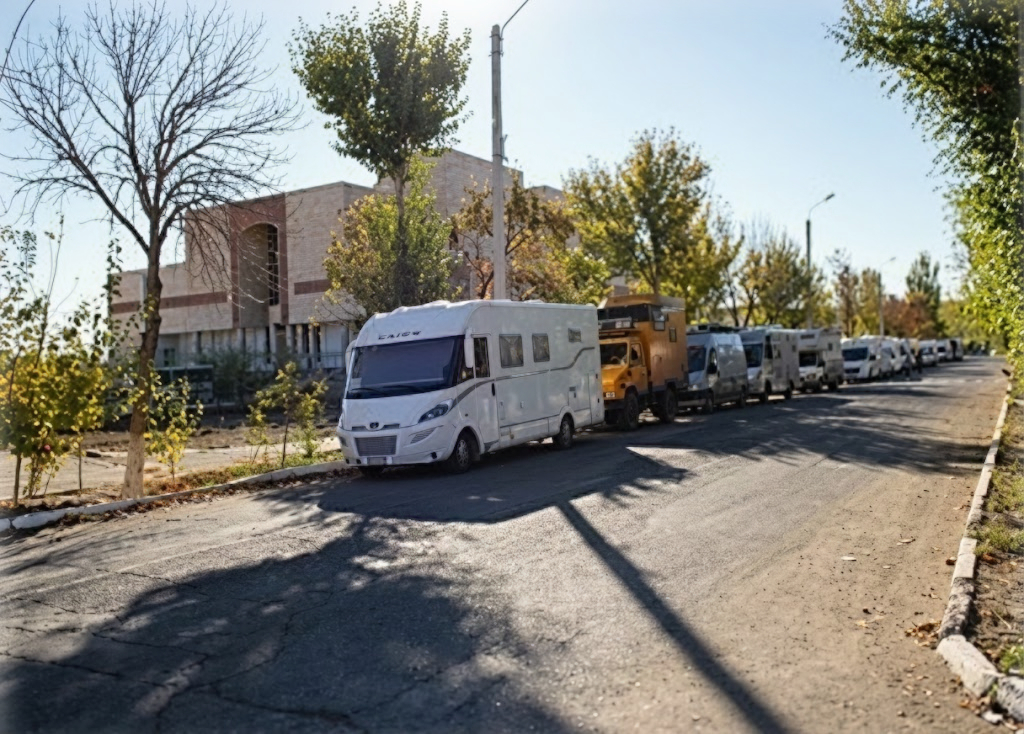 Source: Marinika Babanazarova’s personal archive
Thanks to the museum, Nukus became the fourth most popular tourist destination in Uzbekistan, after Bukhara, Samarkand and Khiva, while the museum itself rose to the top of rankings of the country’s most famous and visited museums.
Local people’s perception of the museum changed. They came to feel proud of such a unique landmark, one that had put their city, their region and their country on the world map. The museum’s popularity spread throughout Uzbekistan. Interestingly, Samarkand, the country’s main tourist capital, opened a new Savitsky Plaza hotel in honour of the brilliant collector who brought Uzbekistan worldwide fame. Others tried to follow suit in Nukus, where Savitsky Inn was opened. All these examples provide striking evidence of the creative development of small businesses in the tourism sector.
Unrealised Potential
Yet it is important to note that, despite such rapid growth and the transformation of so many areas of life, the museum, which had itself long been ahead of its time, has still failed to realise even half of its potential. There are many reasons for this, and examining them in detail falls outside the scope of this analysis. Suffice it to say that the lack of qualified personnel and managers, inadequate training, the absence of appropriate legal mechanisms and a clearly defined management system based on self-financing, and the lack of a museum industry devoted to souvenirs and promotional materials have all failed to keep pace with the reforms and challenges being proclaimed.
Addressing these issues would provide an additional breakthrough not only for this unique non-industrial institution, which has played such an important city-forming role, but also for employment, economic growth and the prosperity of the region as a whole. It is particularly important to start viewing the museum not only as an export asset, but also as a nationally important resource for domestic development.
Newsletter
A letter from the HD editors
Once a week, we send the best stories, events, and cultural discoveries from Central Asia.