Architecture & Urban Environment
When Art Becomes Part of the City: ARCHICA 2026 and a New Perspective on Urban Space
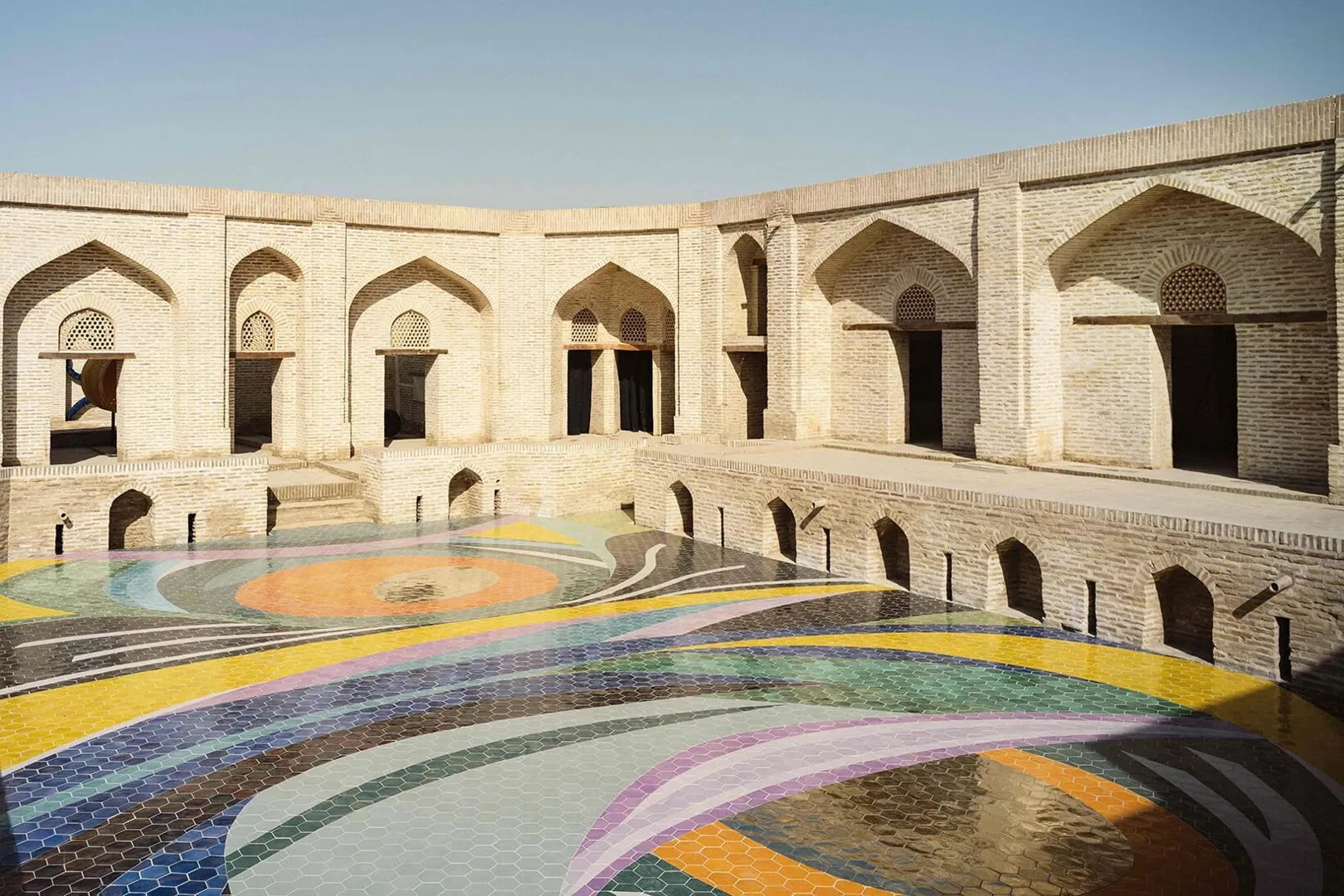
On 5–6 October, Astana will host ARCHICA 2026 — a professional platform where architects, developers, artists and experts will discuss how culture and art can transform cities. This year, two sessions of the forum have been prepared in partnership with the international consulting firm Barker Langham.
Until recently, art in the urban environment was perceived more as a finishing touch: a sculpture appears here, a mural there, an art installation is placed in a public space. Today, the approach is changing. Culture is increasingly becoming part of the project from the very outset — even before the architect draws the first lines of the future space.
And this is no longer merely a question of aesthetics. A thoughtfully devised cultural component can shape the character of a place, influence how people use it, forge an emotional connection with the city and, ultimately, enhance the appeal of the territory.
This is precisely what will be discussed at ARCHICA 2026.
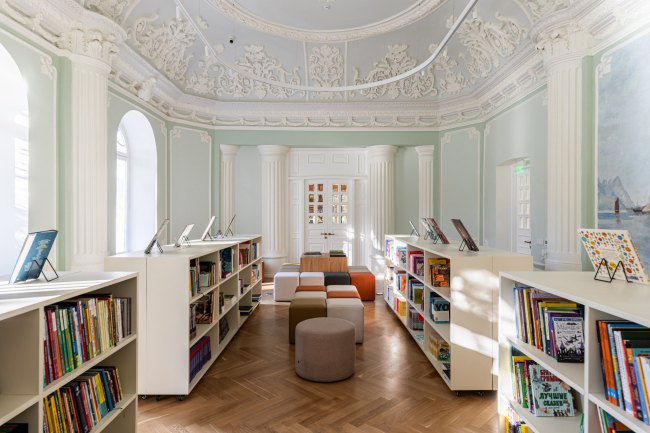
Not decoration, but part of the concept
One of the key sessions of the forum will be devoted to cultural master-planning — an approach in which culture is regarded as one of the tools for territorial development.
In practice, this means that even at the master-plan stage, it is possible to determine which public spaces, art installations, cultural venues and events will shape the character of a new district or an entire city.
At the heart of the discussion will be the connection between architecture, public art and user experience. That is, not only how a space looks, but also what a person feels and does within it: whether they linger there, whether they return, whether they perceive the place as part of their own urban life.
For us, it is important to move away from the notion of culture as an additional layer that appears only after the completion of an architectural project. A cultural strategy can participate in the creation of a place from the very beginning — shaping its identity, its usage scenarios and, ultimately, its value. It is precisely this transition from strategy to implementation that we wish to explore at ARCHICA.

And how much does it cost — and why bother?
The second session, “Building Culture into Place”, will go even further — from idea to practice.
Participants will discuss how to justify the need for a cultural component to investors and developers, which financial models might be employed, and how cultural projects fit into the broader economics of territorial development.
An important theme will also be the role of the curator. In the contemporary city, a curator may work not only with an exhibition or a museum display. Their task can begin with understanding the history of a place, its audience, future usage scenarios and selecting those cultural solutions that genuinely serve the project’s concept.
One real project will be examined in detail — from the initial brief to implementation. Such a format will make it possible to see how an abstract idea about “culture in the city” translates into concrete decisions.
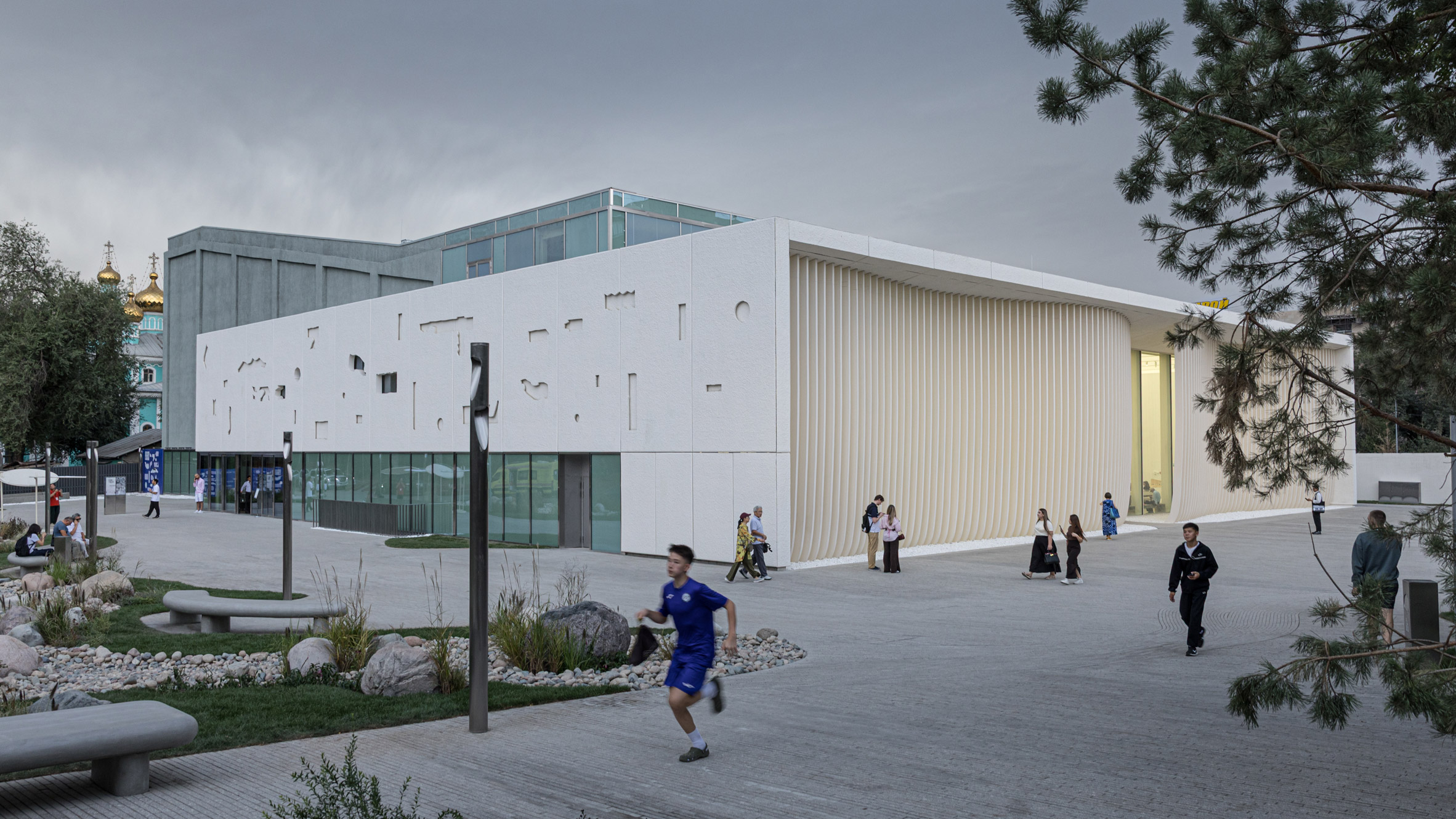
What Barker Langham will bring
International expertise at ARCHICA will be shared by specialists from Barker Langham — a company working in cultural consulting, strategic planning and the development of projects related to art and culture.
Taking part in the programme will be Head of Strategy Andriy Khalik, curator and consultant Hiba Farhat, and Head of Arts Lesley Gray.
Their experience is especially relevant in the context of Kazakhstan: many of the country’s cities are currently undergoing large-scale transformation, while new districts and public spaces are being created almost from scratch. In such circumstances, it is particularly important to answer in advance the question: what will make a new place recognisable and alive, rather than just another point on the map?
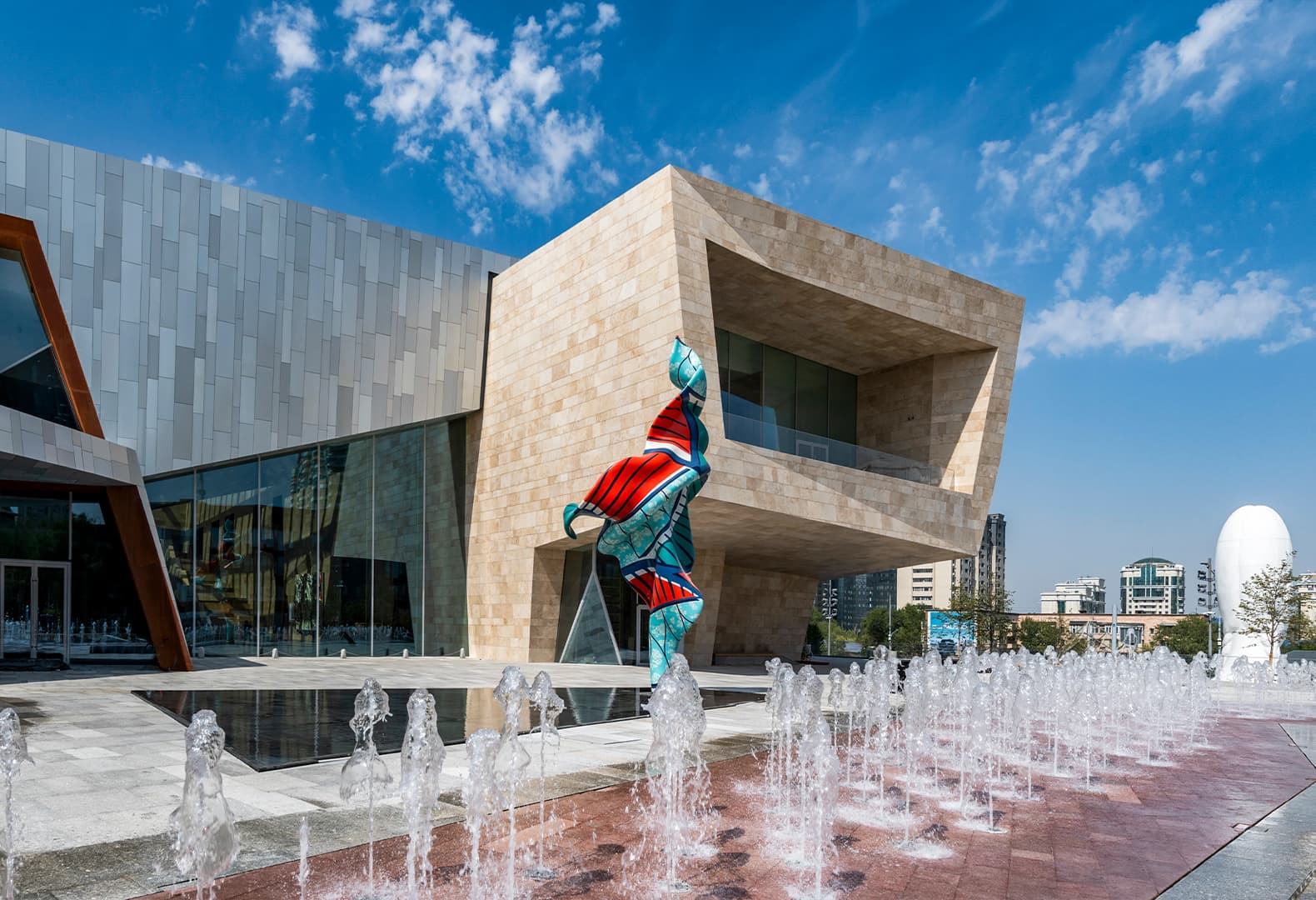
We are delighted to collaborate with ARCHICA — a platform that is becoming an important space for professional dialogue about the future of cities. Astana itself is a vivid example of rapid transformation and the reimagining of the urban environment. As curators and cultural strategy specialists with international practice, we want to share our experience and discuss why culture should occupy a central place in architectural and urban development.
In the final part of the programme, participants will discuss how these approaches can be applied today — in urban, public and development projects.
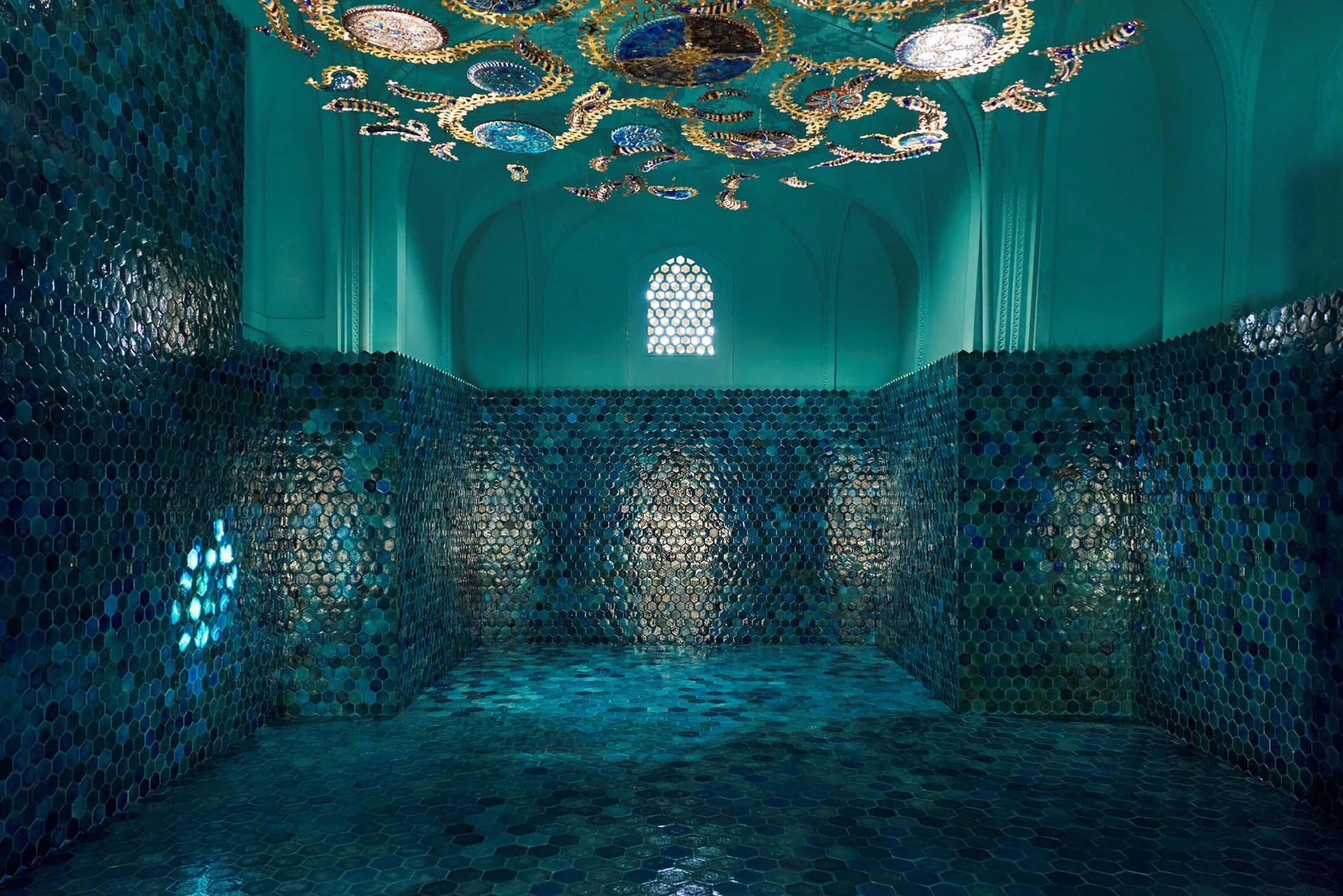
Perhaps it is precisely in such an approach that the future of cities lies: when art appears in them not after everything has already been built, but becomes part of the very idea of a place from day one.
Read also
 Architecture & Urban Environment
A Project Does Not Begin With a Façade
Lyubov Safronova
 Architecture & Urban Environment
Master Plan: How to Design a City Before It Is Built
Elena Trubina
 Architecture & Urban Environment
Preserving a Building Is Not Enough: How Architectural Heritage Keeps a City Alive
Alfiya Kalmaganbetova
Newsletter
A letter from the HD editors
Once a week, we send the best stories, events, and cultural discoveries from Central Asia.