Ecology and Economics
Culture as Capital: How Identity Creates New Value in Central Asia
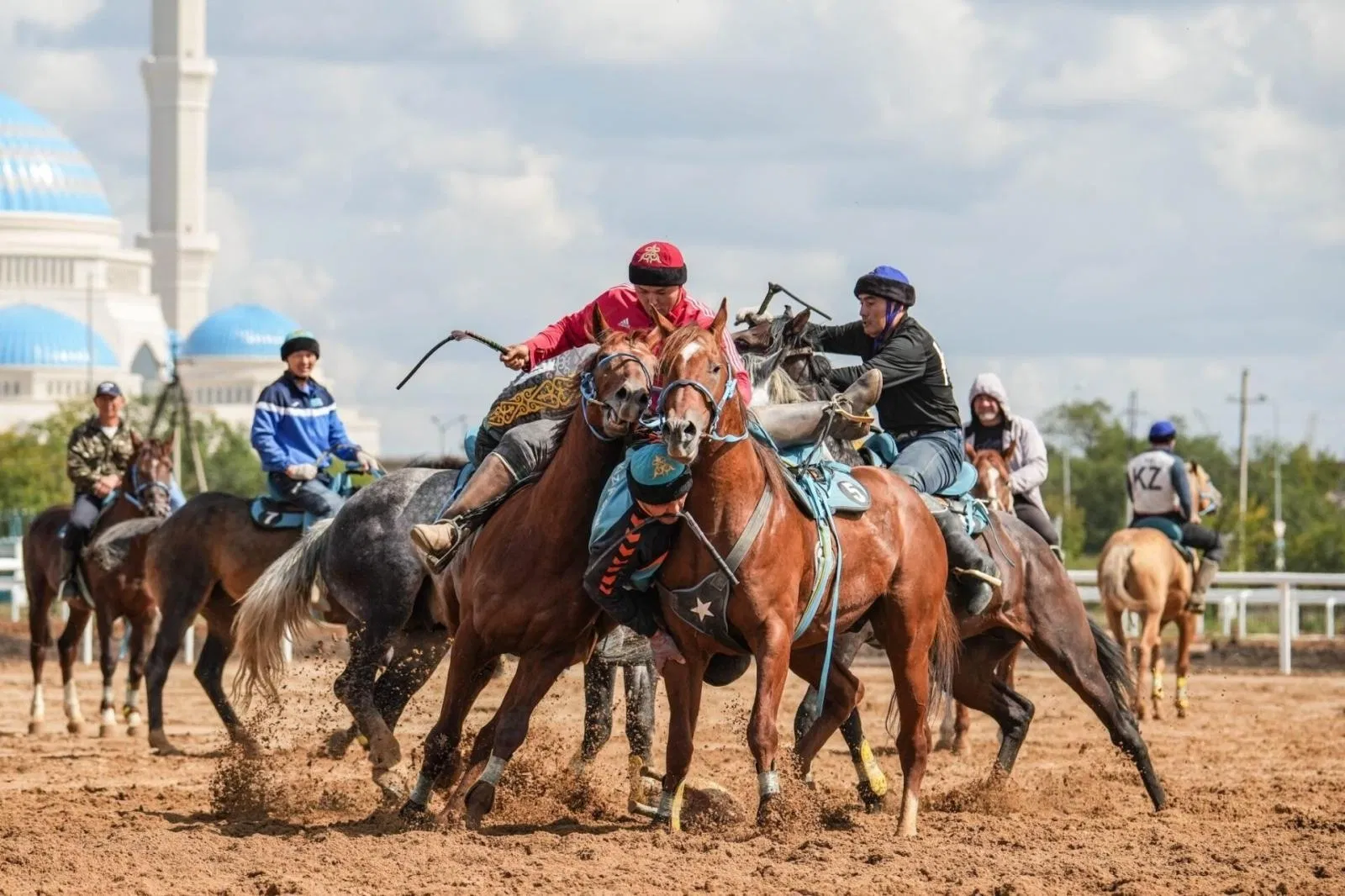
Central Asia possesses a resource whose economic value we are only just beginning to realise. It is our culture.
Historical heritage, national sports, crafts, gastronomy, music, clothing, traditional knowledge and architecture are usually perceived as something that must be preserved and passed on to the next generations.
But this is not enough — culture must live, develop, influence the international perception of the region and participate in the economy.
As long as a festival is perceived as a budget expense, a craft as a way of preserving traditions, and historical heritage as an object of protection, no full-fledged economic sector will emerge around them.
Heritage makes it possible not only to preserve the past, but also to turn it into the capital of the present.
From preserving heritage — to creating an economy
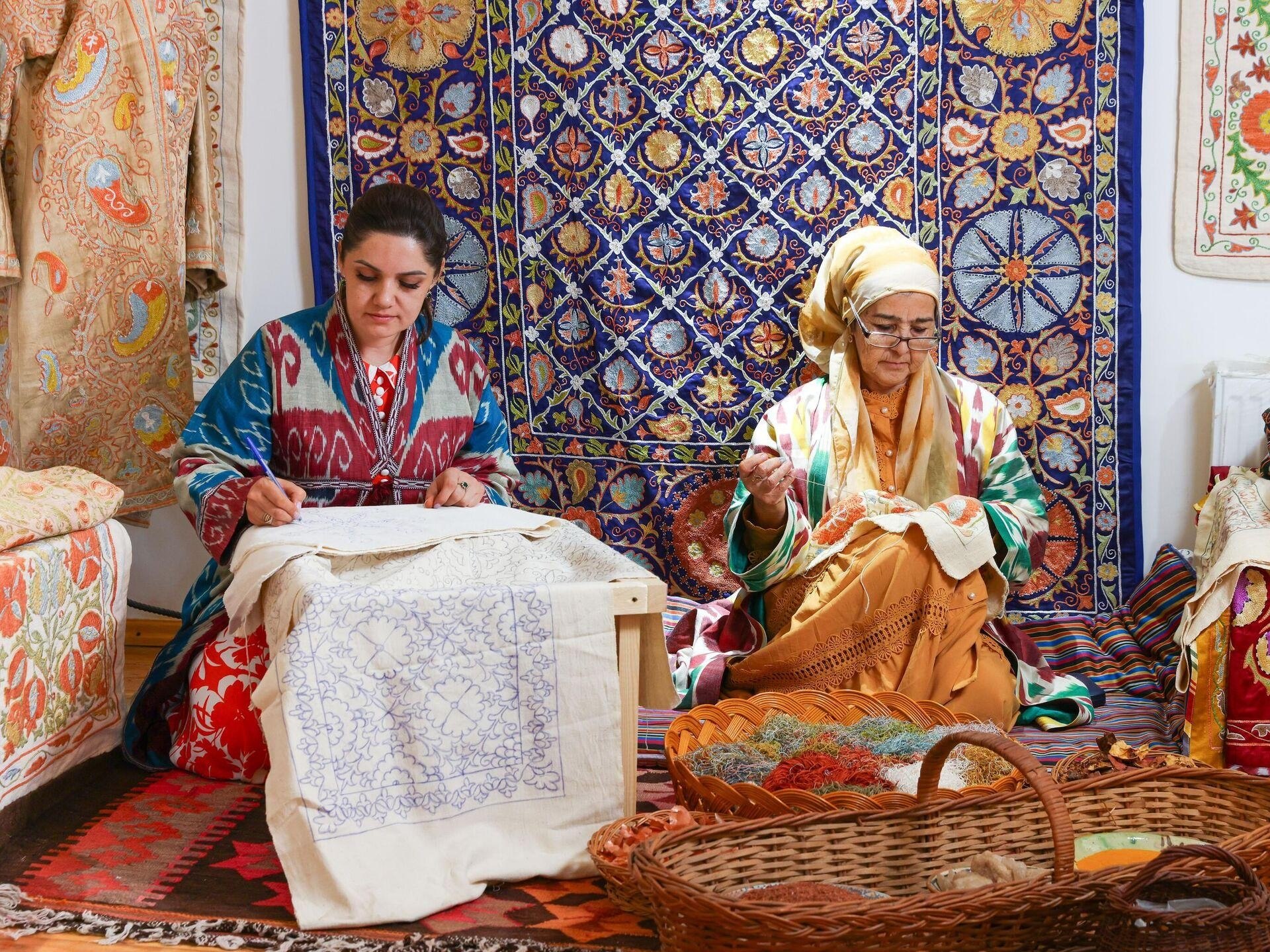
A rich history in itself does not form a modern cultural economy. A country may have a unique historical site, a traditional craft, a national cuisine or a well-known festival, but the long-term economic effect arises around a system that connects them to a territory.
Heritage attracts people. Their presence creates demand for hotels, restaurants, transport, handicrafts, the work of designers and guides, events and trade.
A cultural project should be assessed not only by the number of events and visitors. What matters is the length of a person's stay in the territory, their spending within the local economy, the income of small businesses, the emergence of new brands and the growing recognition of a city, region or country.
In this system, a cultural resource becomes an economic asset.
The World Nomad Games as an economic model
I have always been interested in the World Nomad Games in a far broader sense than a sporting competition or a festival. When we were shaping the concept of the project, the task was to create a global platform for ethnosport.
We previously discussed this issue in more detail in our article:
Games That Have Outgrown Their PastThe World Nomad Games have evolved from national games into an international system of ethnosport. They began as a bold local experiment, and today they aspire to become a global cultural and sporting platform. What needs to happen next to ensure that the traditional element does not dissolve into a festival spectacle, but instead develops into a global industry in its own right?mag.humodoc.com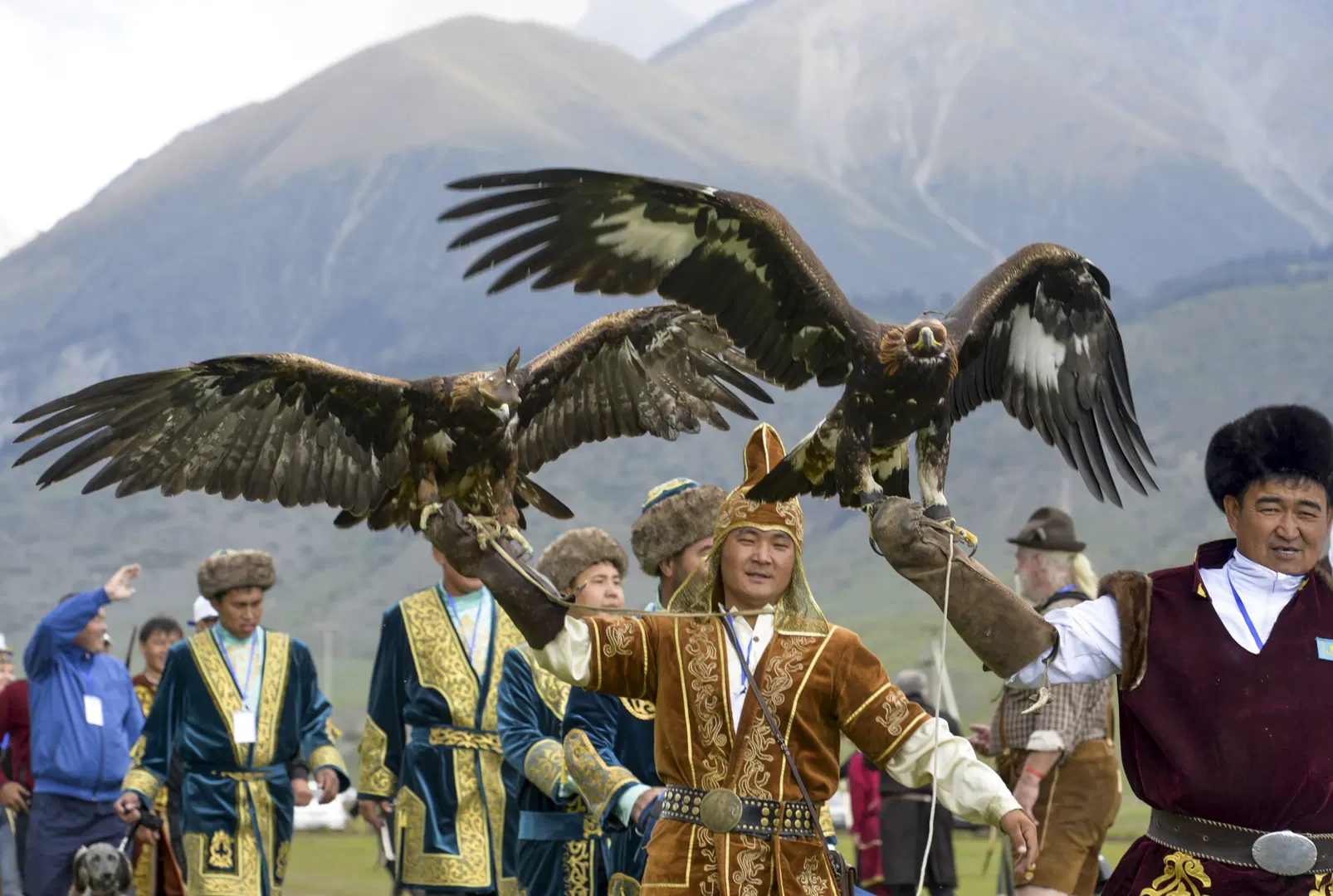
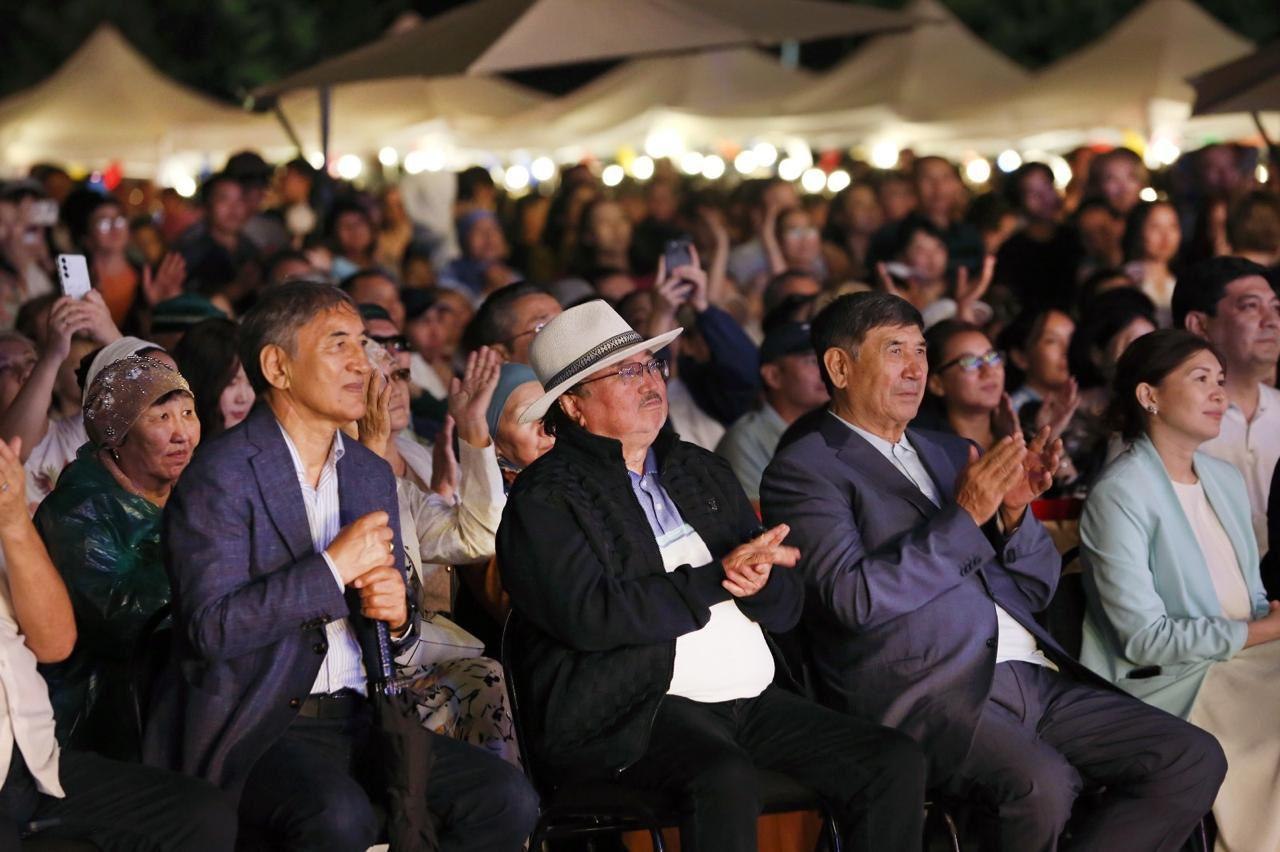
Around a major event, hotels, tour operators, craftspeople, restaurants, designers, carriers and small businesses all find work.
The effect of such a project goes far beyond the venue where it takes place. For me, the World Nomad Games have become an example of transforming historical heritage into a modern international format.
What matters is not the number of spectators at the competitions, but the economy that emerges around the event.
Identity as a productive asset
The economic effect of culture is not limited to tourist spending. A major event fosters a sense of belonging and identity.
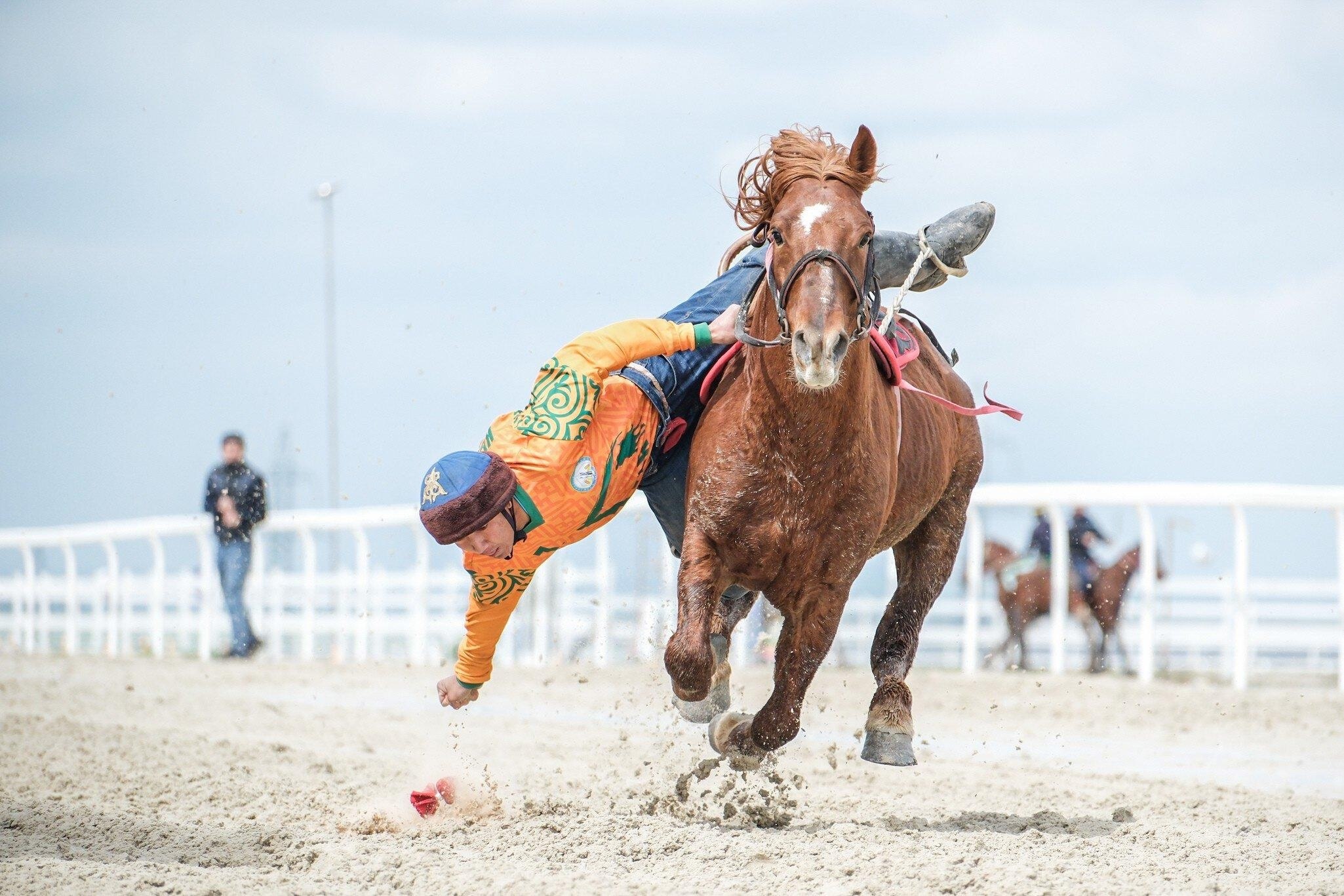
It is one thing to show the literal past in the form of museum exhibits, traditional dances and songs, and quite another to demonstrate what values were important to peoples in the distant past. The nomadic games embody speed, strength, endurance, the ability to command space, courage, strategy, collectivity and the culture of the horse. I call traditional sport culture in action.
Participation and observation turn identity into an emotional experience of the present. It is important to preserve this energy after the event ends.
I call this the capitalisation of the national spirit. The emotional upsurge can continue in sport, education, tourism, cinema, ethno-fashion, crafts, cultural export and international projects.
The world must first want to look
In international promotion, we often try to explain the significance of our history to a foreign audience before we have interested them in the content itself.
A strong contemporary format first evokes emotion. Interest in the culture that gave rise to it follows, even if the sport itself seems incomprehensible or even alien.
An attractive cultural format is capable of generating international interest in a country and its history without first explaining their significance.
Tradition must create the new
Culture must remain part of contemporary life.
It is not enough for a child to see a national game once at a festival; they must have the opportunity to practise it at school, take part in competitions, know the athletes and watch tournaments in the media. That is what gives traditional sport a new life.
Tradition does not have to remain unchanged.
Such a separation protects authenticity and leaves room for development.
Tradition can continue in design, cinema, music, the digital environment and gastronomy, and these can be entirely new forms — what matters is that they are inspired by ancient origins.
A culture capable of creating the new forms a full-fledged industry.
From a national product — to cultural export
The countries of Central Asia possess their own languages, stories, heroes and traditions. At the same time, a shared cultural space exists between them.
The experience of the World Nomad Games shows that an international project can unite countries without losing national individuality.
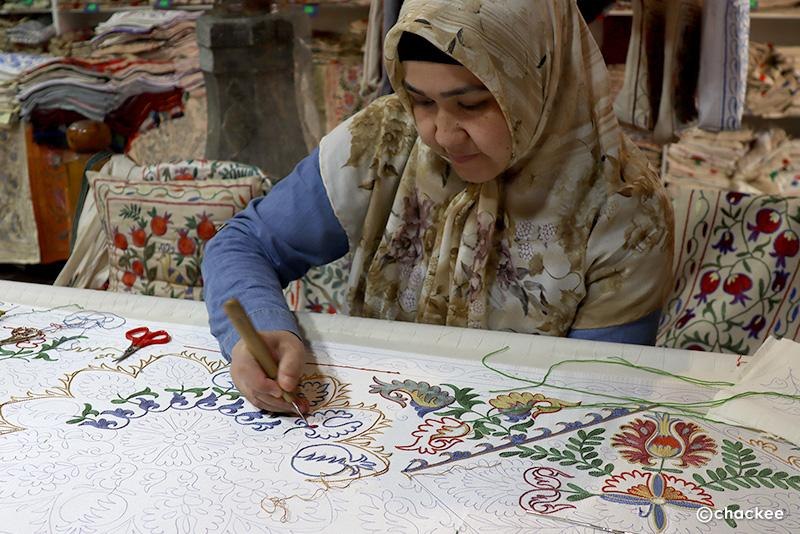
For a cultural economy, origin matters. National cuisine must not lose its belonging, a craft must not turn into a faceless souvenir, national sport must not lose its cultural code for the sake of an international audience. Authenticity becomes part of the value.
On top of strong national brands, additional recognition of Central Asia as a large cultural space can be formed through international events, shared routes and platforms for cultural exchange. Strong national products gain access to the external market, while Central Asia gains additional international recognition.
Culture as economy
For a long time, culture was viewed primarily as a sphere that needed to be funded. The economic outcome of cultural policy can be seen in new enterprises and jobs, export goods, cinema, design, restaurants, sports leagues, tourist routes and the country's international recognition.
Not every cultural phenomenon has to become commercial. Its significance extends far beyond economics. A strong heritage can become the foundation of a modern industry. A significant part of a region's potential capital lies not underground, but above it — in history, culture and identity.
This capital can be transformed into modern economic formats while preserving its origins.
Culture that is merely preserved remains heritage. Culture capable of creating new meanings, products and value becomes capital.

Newsletter
A letter from the HD editors
Once a week, we send the best stories, events, and cultural discoveries from Central Asia.