
In an urban environment, we tend to notice the end result first: a building, a street, a public space. We assess proportions, materials, the convenience of routes and how the architecture relates to its surroundings. Yet before a project becomes part of a city, it has a long way to go, from developing the initial concept and making technical decisions to procurement, deliveries, approvals and construction work.
This is where the original vision meets the day-to-day realities of the industry. The quality of implementation depends not only on the expertise of the architect, engineer or contractor, but also on how effectively everyone involved works together.
How can digital tools transform the construction industry? And why does turning a design decision into reality require not only good architecture and quality materials, but also a transparent system of collaboration?
Information as a Construction Resource
A construction project brings together numerous parties with different tasks and areas of responsibility. The client oversees the schedule and budget, the designer is responsible for technical solutions, the contractor organises the work, the supplier provides materials for the site, and the investor assesses risks and economic viability. Each party holds part of the information, yet successful project delivery requires everyone to work from a shared set of facts.
In practice, information may be scattered across spreadsheets, email and messaging threads, documents and accounting systems. Order statuses have to be checked separately, changes require further rounds of approval, and up-to-date information has to be gathered from multiple sources. As a result, even a relatively simple task can demand additional communication and time.
The problem is not so much a lack of information as its fragmentation. When project participants work with different versions of documents or have different understandings of a delivery’s current status, the likelihood of errors increases. A change to a material’s specifications may require further approval, a delayed delivery may mean revising the construction schedule, and information received too late may force decisions that have already been made to be reconsidered.
For me, digitalisation in the construction industry is first and foremost a matter of organising processes. Technology should help everyone involved see the bigger picture, understand the sequence of actions and receive the information they need to make decisions in good time.
The Architecture of Tomorrow: New Identities, Emerging Technologies and the Human FactorArchitecture is going through a period of transformation: approaches to design are changing, ideas about comfort and aesthetics are shifting, and artificial intelligence is gradually becoming part of professional practice. For Kazakhstan and Central Asia, these changes open up the opportunity not only to adopt global experience but also to shape their own architectural language.mag.humodoc.com
From Order to a System of Interaction
In developing our project, DOMI.kz, we are guided by the need to make interaction between participants in the construction market clearer and better organised. A digital environment can bring together information about orders, suppliers, projects and construction solutions, bridging the gap between those who identify a need and those who can meet it.
It is important to understand, however, that a platform alone cannot solve every problem in the industry. Its effectiveness depends on how well it reflects actual working processes, how reliable the information it contains is, and how easy it is to use for people who make decisions every day, whether on site or in the office.
A digital tool should not complicate work by introducing extra steps. It should help people organise their work more systematically. Participants need to see the current status of an order, understand which actions have already been completed and what needs to happen next, record changes and retain a history of agreements. This is particularly important in projects where delivery schedules, financial commitments and construction timetables are closely interconnected.
The next stage is to integrate these processes with materials management, logistics and project management. The less information has to be transferred manually between different systems, the easier it becomes to keep it up to date. Achieving this, however, requires common principles for working with data and a clear allocation of responsibilities among participants.
A Pretty Facade Doesn’t Make a BusinessPart One. What happens to a shopping or business centre long before its façade takes shape, and why the decisions made at this stage will determine whether it generates income for twenty years or becomes an expensive showpiece.mag.humodoc.com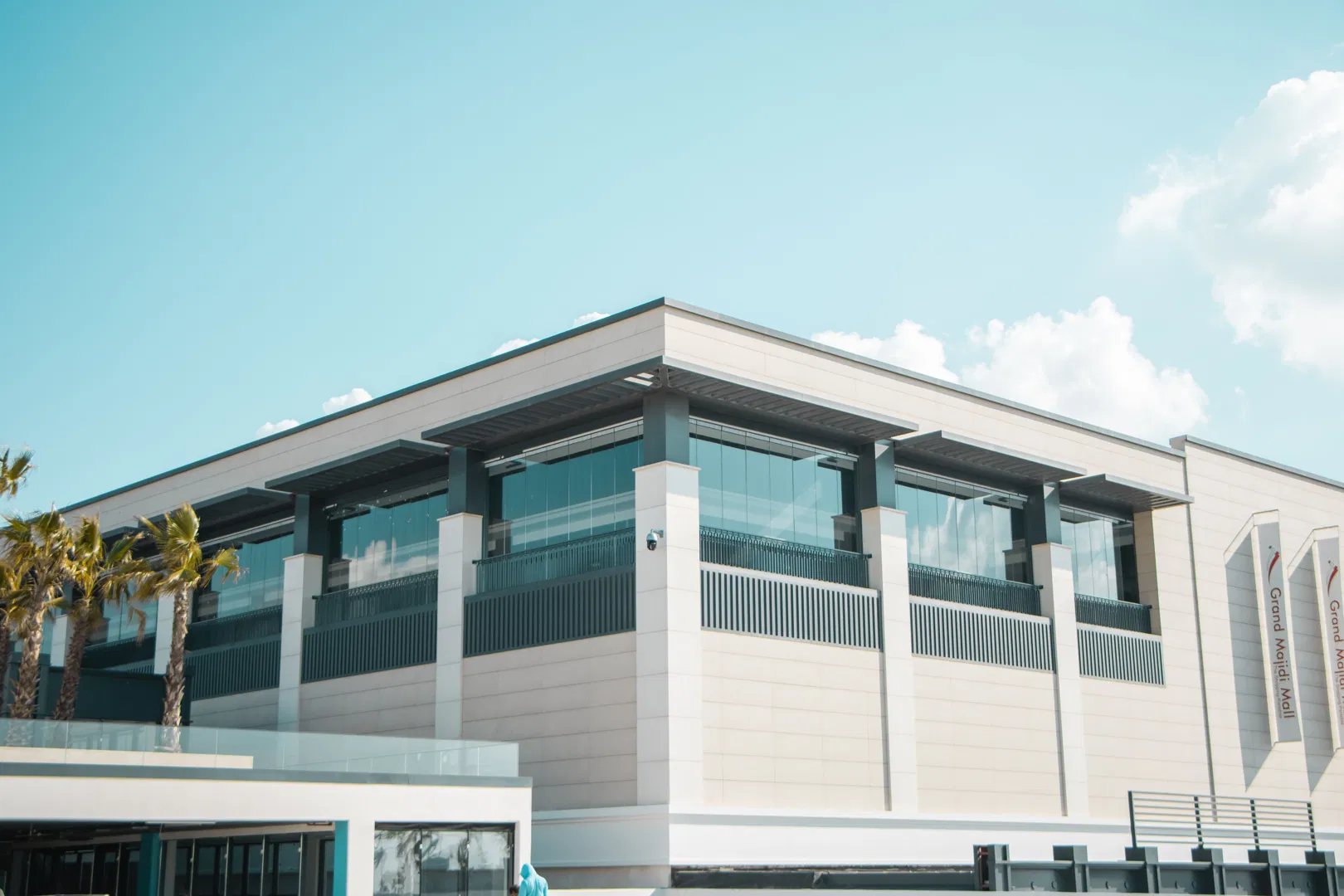
Materials Must Complete the Entire Journey
In construction, digitalisation matters for more than just order management. It can also help track the journey of a particular material, from selection and approval to delivery and acceptance on site.
At the design stage, the material’s specifications, intended use and application requirements are established. These parameters must then be carried through the preparation of specifications, order placement, delivery approval and inspection of the products received. If a substitute becomes necessary, it is important to record who made the decision, on what grounds and what implications it has for the project.
This approach makes it possible to treat information about a material not as an isolated line in a document, but as part of a continuous process. It requires accurate technical data, a clear procedure for approving substitutions and the ability to compare the products actually delivered with the approved requirements.
It is particularly important not to confuse digital record-keeping with quality control itself. Software can help preserve documentation, track changes and make a process more transparent, but it cannot replace technical expertise, checks that products meet the required standards or the accountability of specialists. Technology works effectively when it supports professional procedures rather than replacing them.
A Project Does Not Begin With a FaçadeYou can build a beautiful house and lose money. You can buy expensive land and underestimate its potential. You can increase the number of square metres while simultaneously reducing their value. In development, success is not determined by how impressive a building looks, but by how precisely the entire journey from land to buyer has been mapped out. Lyubov Safronova proposes taking that journey in 20 steps, from site analysis and identifying a market niche to architecture, branding and sales.mag.humodoc.com
From Business Processes to the Quality of the Urban Environment
At first glance, order and delivery management may seem far removed from architecture and urban planning. Yet this is where the conditions are established for a project to be delivered to an agreed schedule, using specified materials and in accordance with approved technical solutions.
A building or public space is about more than its architectural concept. Its quality depends on how accurately the design is translated into construction, how effectively contractors and suppliers coordinate their work, and how consistently requirements for materials and construction methods are followed.
Digital tools can make these connections more transparent. When information is retained throughout the process, it becomes easier to identify discrepancies, approve changes in good time and understand the consequences of decisions. This does not guarantee that errors will never occur, but it creates a more organised framework for addressing them.
For Kazakhstan’s construction market, developing these approaches offers an opportunity to strengthen cooperation between companies and gradually move from fragmented operations towards more coordinated processes. Technology is only part of the picture. Equally important is the willingness of market participants to share reliable information, follow common rules and build long-term partnerships.
Green Project: What Turns Technology Into an InvestmentGreen financing can work with a wide range of investments, from an energy-efficient building and a solar installation to manufacturing equipment and construction machinery. The general principle is the same: the resource effect of the project must be measurable, and the technology's characteristics must meet the established requirements.mag.humodoc.com
Construction as a Collaborative Effort
A city takes shape through countless decisions made long before a completed building appears. Every finished project depends on people, materials, agreements, deadlines and processes that need to be brought together.
For this reason, I see the future of the construction industry not only in new technologies and digital products, but also in a change in the way people work together. When market participants have access to the information they need, understand their responsibilities and can coordinate their actions, the construction process becomes easier to manage.
There will always be room between design and construction for professional judgement, experience and responsibility. Digitalisation is not intended to eliminate this complex process, but to make it easier to navigate while preserving the link between the original vision and its realisation.
Ultimately, the value of a digital ecosystem is measured not by the number of features it offers, but by how effectively it helps people work together. Its ability to connect information, people and processes creates new opportunities for construction businesses and for the cities that their collaborative efforts help bring to life.


Newsletter
A letter from the HD editors
Once a week, we send the best stories, events, and cultural discoveries from Central Asia.