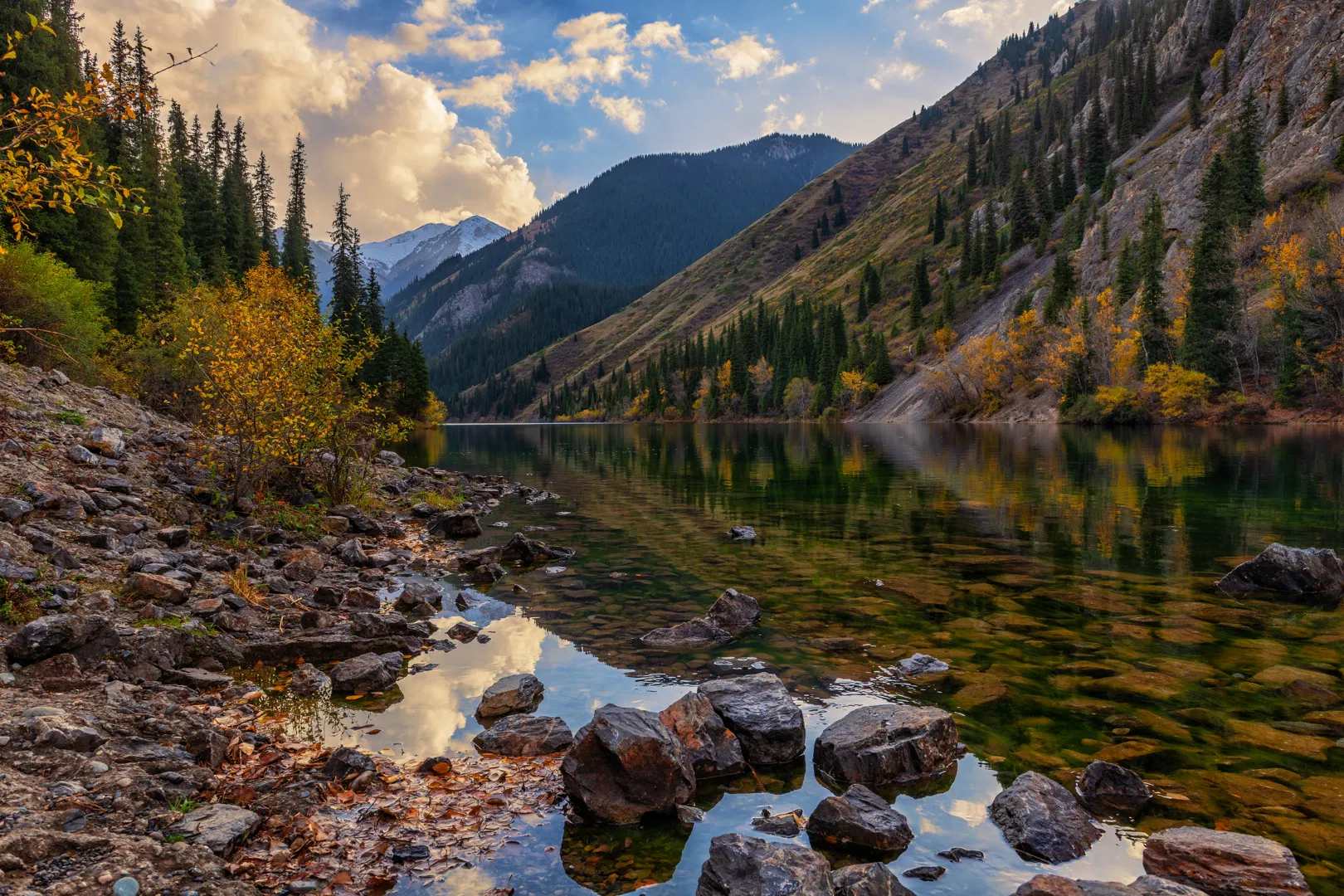
The Kolsai Lakes received 600,000 tourists in 2025, 200,000 more than the year before. While the region expands roads, parking lots and tourism infrastructure, the national park faces another question: where is the limit of growth and how to turn mass tourism into a sustainable model.
1. There are too many tourists for the existing model
In 2024, the Kolsai Kolderi State National Nature Park was visited by 395,386 people, and in 2025 by 600,026, meaning the flow grew by about 52% in a year. At the same time, the planned target for 2025 was around 450,000 visitors.
The problem is not only the absolute number of tourists. 99% of the flow falls on just two destinations - Lower Kolsai and Kaiyndy. On peak days, these routes receive 7,000-8,000 people per day. At the same time, the national park has nine tourist routes.
What to do:
- not just build more infrastructure, but manage the flow: establish a scientifically based maximum recreational load, introduce advance booking for visits on peak days, develop alternative routes and distribute tourists across the territory.
Responsible: Committee of Forestry and Wildlife, Kolsai Kolderi State National Nature Park, Tourism Department of Almaty Region.
A working group under the Committee of Forestry and Wildlife is currently developing a methodology for calculating the permissible load.
 Photo: Maxim Zolotukhin
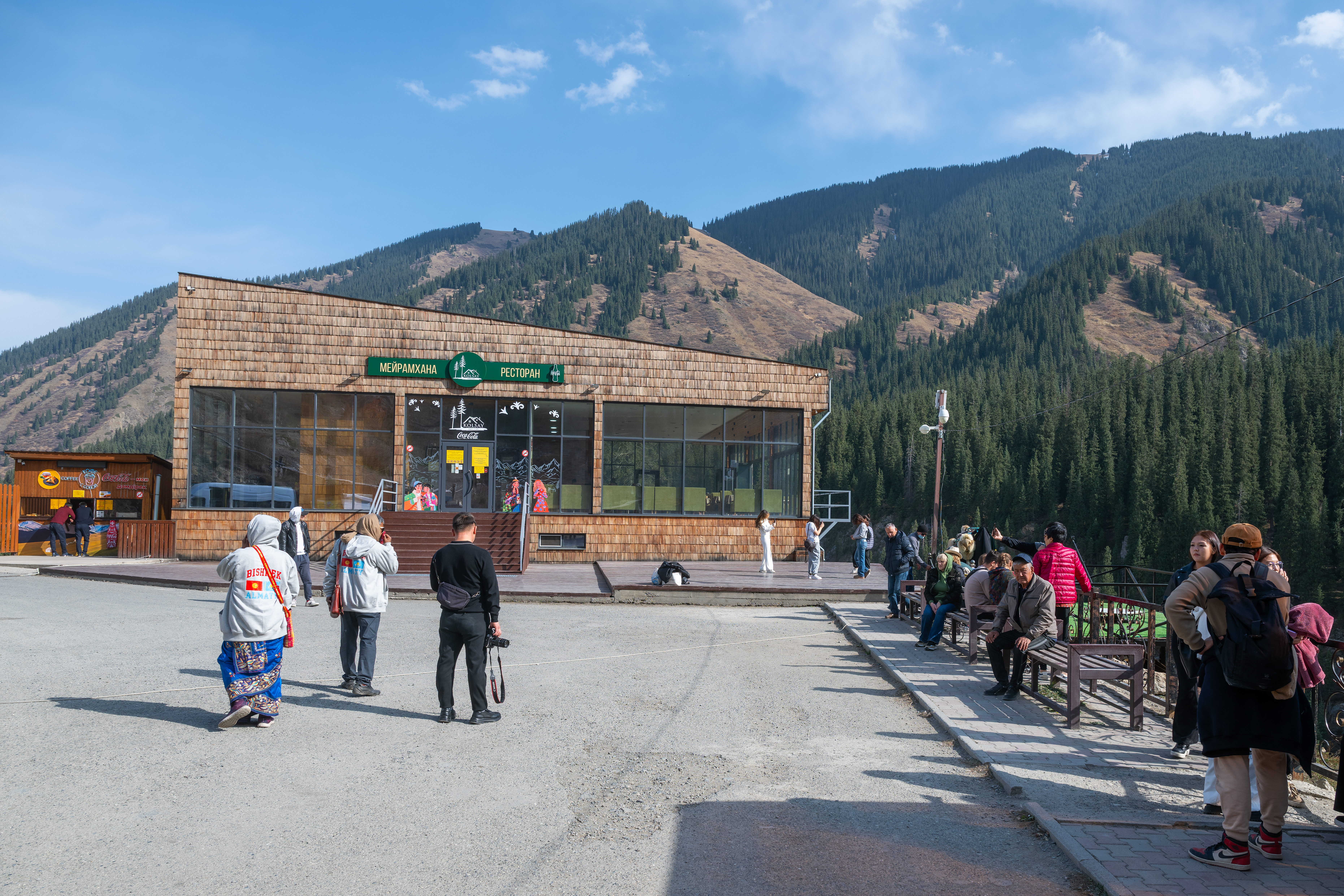 Photo: Maxim Zolotukhin
2. Waste: cleanup has already become a separate system
One figure clearly shows the scale of the problem: since the beginning of 2026 alone, 108 tons of household waste have been removed from the national park's territory. Twelve people work on cleaning popular areas, funded by the park's special account; collection is carried out daily, after which the waste is sent to a landfill in Saty.
The situation during the May 2026 holidays is even more telling: 37 tons of waste were collected in the Kolsai and Kaiyndy area during a sanitation campaign.
At the same time, a separate collection system already exists: 34 containers and three reverse vending machines have been installed in the Kolsai Kolderi and Sharyn parks, and 200,000 biodegradable bags were handed out to visitors.
What to do:
- shift from the model of "cleaning up after the tourist" to the model of "the tourist takes their waste with them." At the entrance, hand out a reusable or biodegradable bag, and at the exit, organize full separate collection. For businesses, a mandatory waste removal contract.
Responsible: Kolsai Kolderi State National Nature Park, Akimat of Kegen District, Ecology Department of Almaty Region, operators of tourist facilities.
3. Sanitary infrastructure long failed to match the scale of the flow
In 2025, out of 11 installed sanitary facilities, only two were fully operational. The reasons were entirely engineering-related: no water supply, insufficient power capacity and freezing of water supply systems in winter.
The situation began to change in 2025: 5 sanitary facilities were upgraded at the expense of investors, equipped with water and septic tanks; wastewater is pumped out by specialized equipment and taken outside the park.
What to do:
- build the sanitary system based on the peak of 7,000-8,000 visitors per day, not the annual average load. For a mountainous area, autonomous solutions are needed: septic tanks, sealed storage tanks, local treatment facilities, freeze-proof water supply systems.
Responsible: Akimat of Kegen District, the national park, Tourism Department and investors.
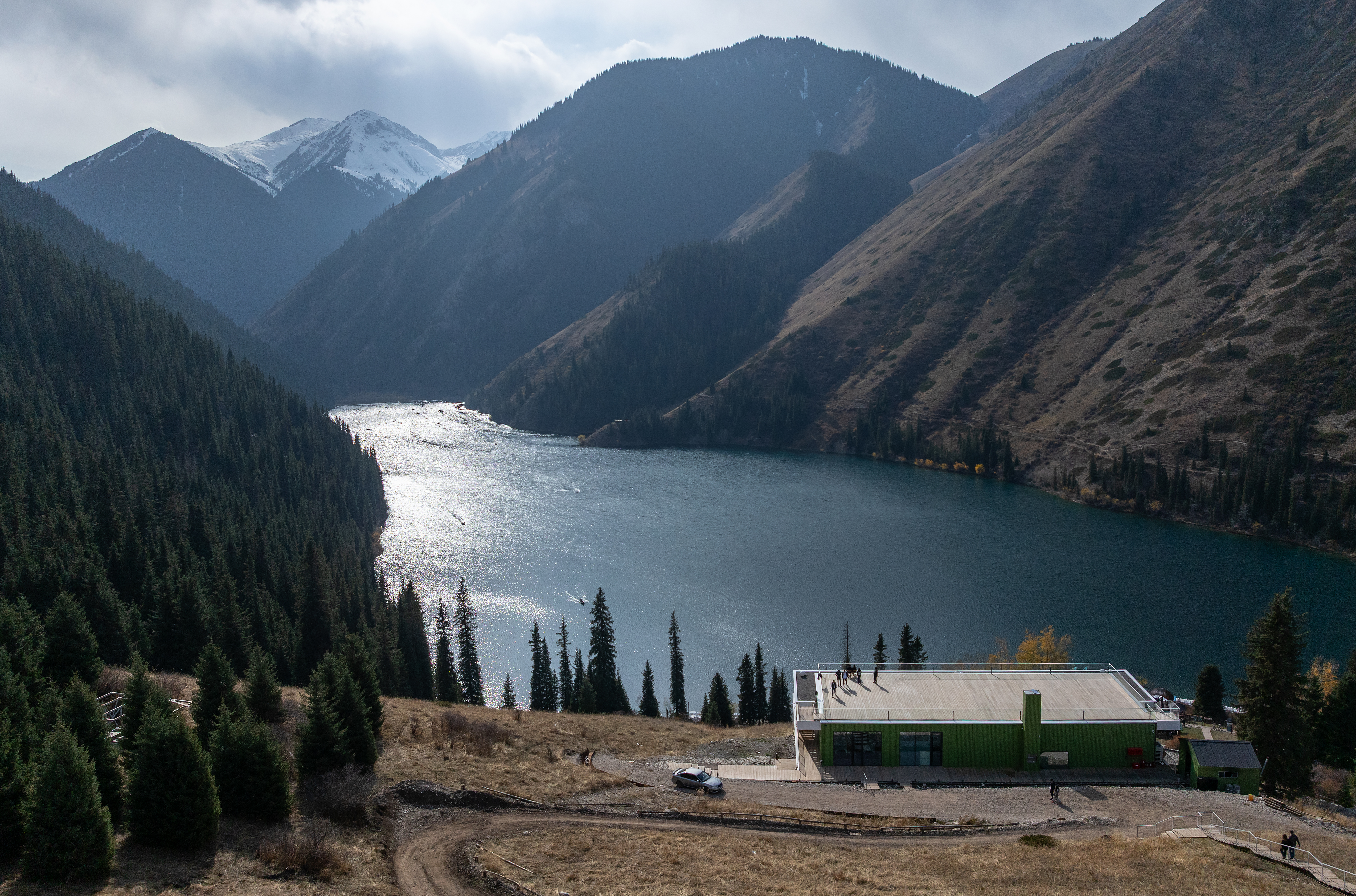 Photo: Maxim Zolotukhin
4. Wastewater is becoming an infrastructure issue
This is a problem less visible to tourists but fundamental. The more guest houses, yurts, hotels and cafes there are in Saty and around Kolsai, the more wastewater is generated.
In 2025, authorities reported a project for a single facility to receive and dispose of wastewater and solid household waste worth more than 900 million tenge. It was planned to serve not only Kolsai but also the nearest village.
What to do:
- do not allow new tourist facilities to be connected without resolving the sewage issue. Saty needs a unified water supply and sanitation scheme: volume accounting, local treatment facilities, discharge quality control and regular environmental monitoring.
This is especially important because this is not just a tourist area, but a national park and a UNESCO biosphere reserve.
Responsible: Akimat of Kegen District, Ecology Department of Almaty Region, the national park.
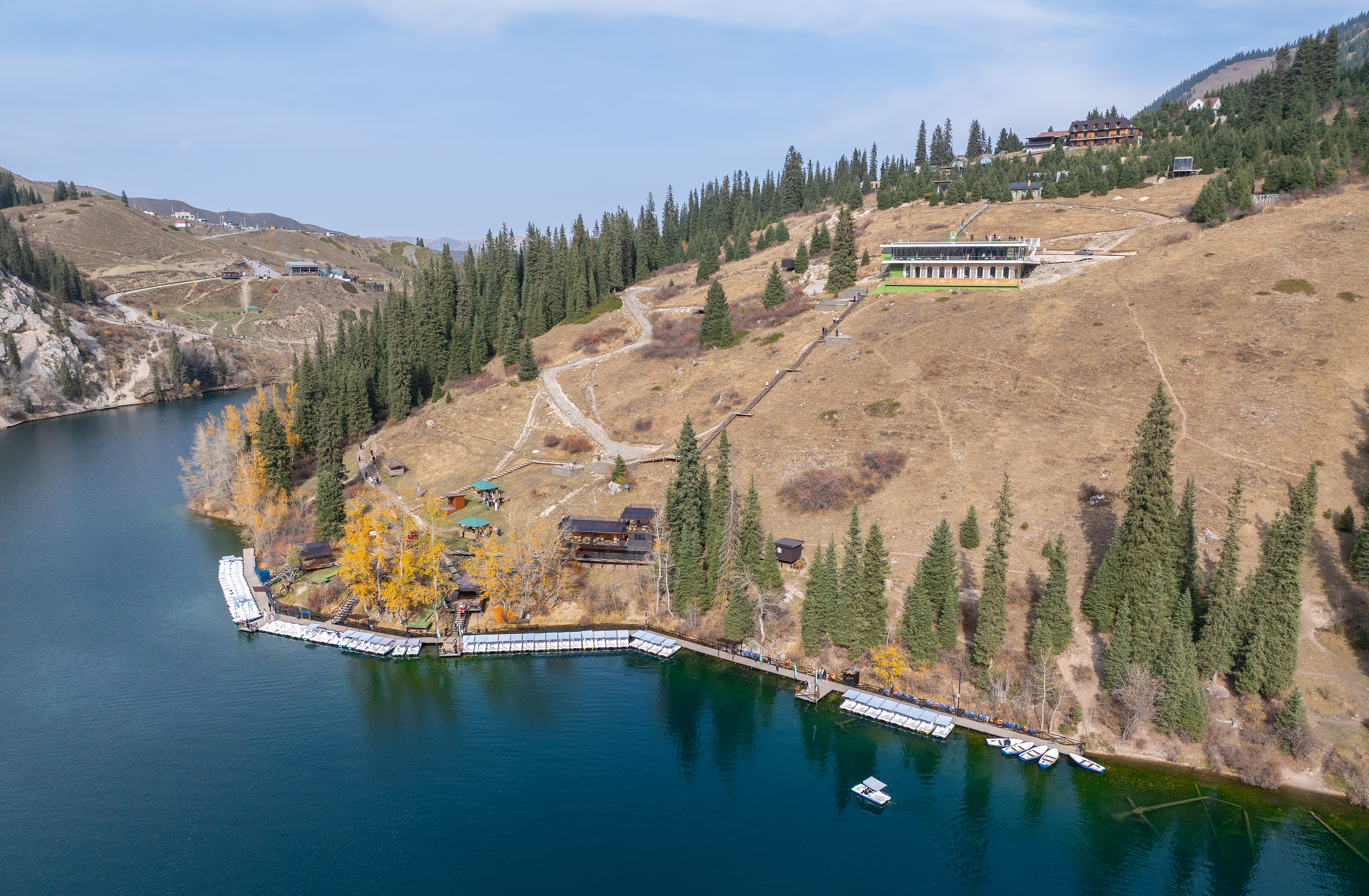 Photo: Maxim Zolotukhin
5. Electricity and communications cannot keep up with tourism
In 2026, the Tourism Department of Almaty Region directly named the electricity deficit as one of Kolsai's key problems. Power outages and unstable mobile communications have been reported.
At the same time, electricity is needed not only for lighting guest houses. Toilets, water supply, communications, payment infrastructure and safety all depend on it.
In 2025, a project was reported for a new 46 km power supply line from Zhalagash to the Kolsai lakes.
What to do:
- when designing power supply, take into account not today's but the projected tourist load. For particularly remote facilities, it makes sense to combine centralized power with solar generation and battery systems. Separately, ensure stable communications on the main tourist routes.
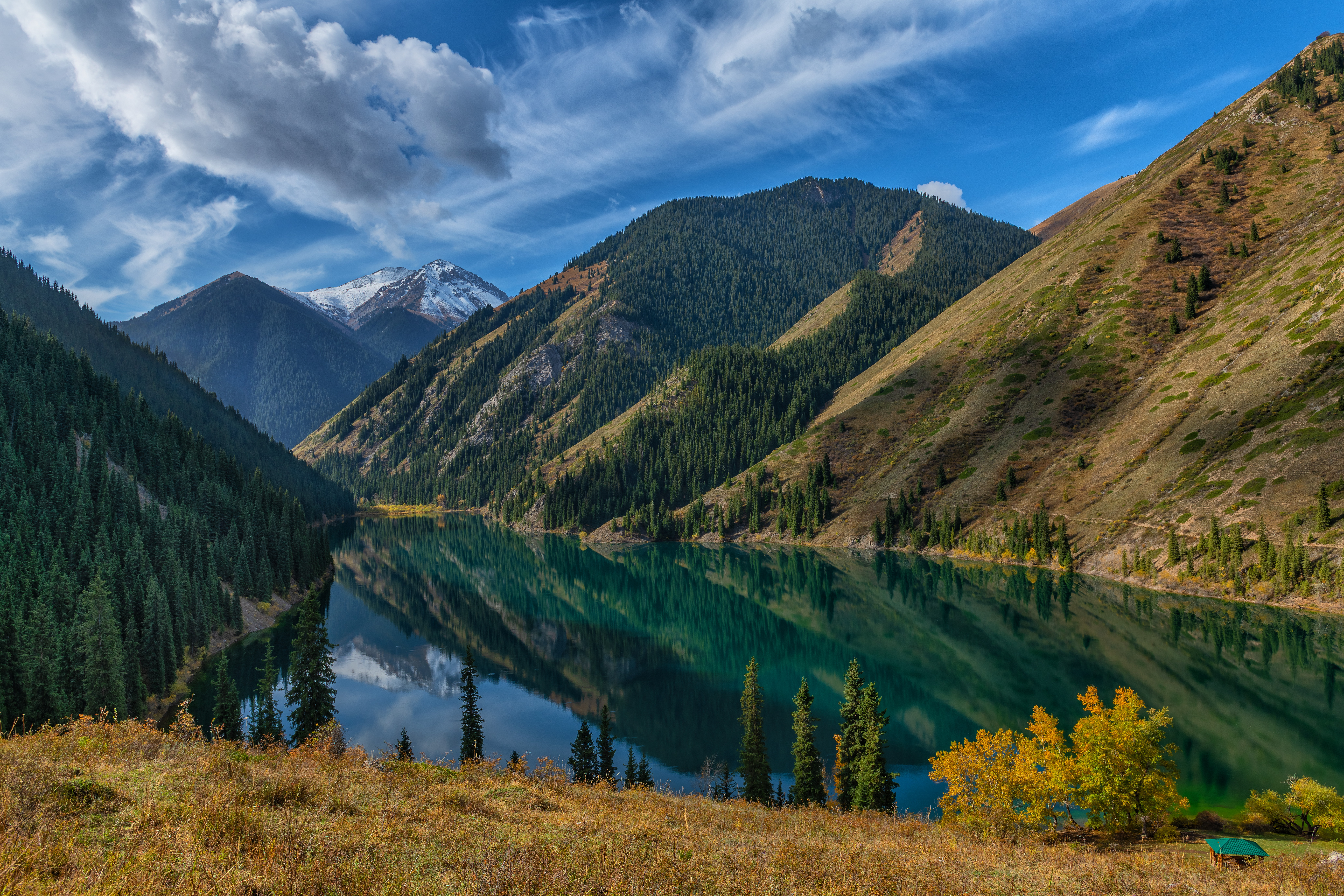 Photo: Maxim Zolotukhin
6. Cars got too close to nature
Back in 2022, the authorities noted that cars and tourist buses were driving almost right up to Kolsai itself. On weekends, parking lots overflowed, and exhaust fumes became an added burden. At the time, it was proposed to leave internal combustion engine vehicles in Saty and transport tourists by electric vehicles or gas-powered transport.
This is a fundamental question for the national park concept: a tourist should come to nature, but the car does not necessarily have to come with them.
What to do:
- create a full-fledged transport hub in Saty: car → parking → electric shuttle → hiking trail, meaning Saty should become not just a village with guesthouses, but the gateway to the national park.
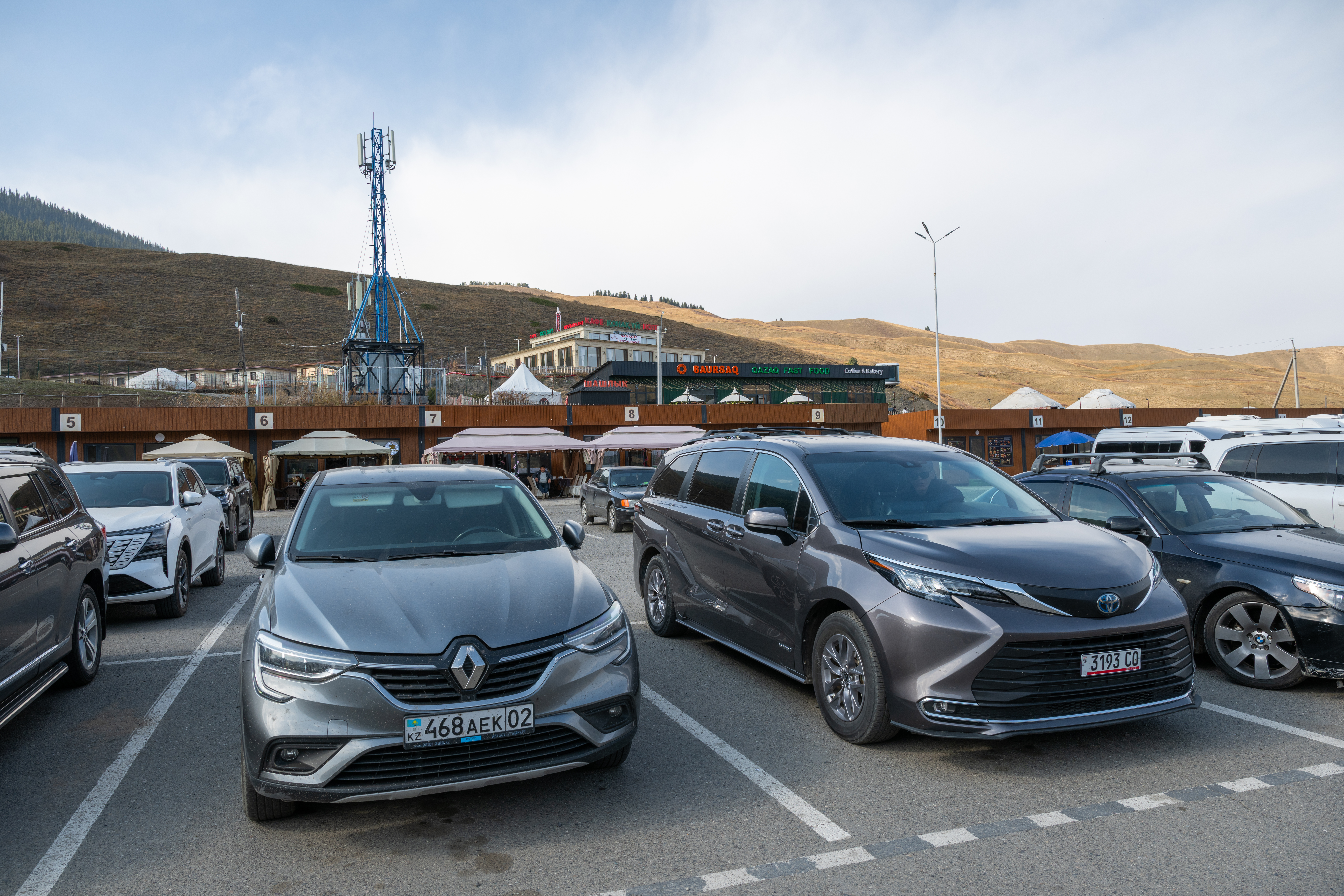 Photo: Maxim Zolotukhin
7. Infrastructure itself can become a threat to nature
In 2026, the authorities plan to build a cable car from Lower Kolsai to Middle Kolsai, 6.3 km long. Investments are estimated at 15 billion tenge.
On one hand, the cable car could reduce the burden from cars and make visits more organized.
On the other, if it simply allows even more people to be brought into an already overloaded natural area, the transport problem will turn into a recreational load problem.
What to do:
- the capacity of any new infrastructure must be tied to the ecological capacity of the territory;
- first determine how many people Kolsai can accommodate, and only then decide how many people need to be brought there.
This applies to the cable car, parking lots, hotels, trails and new tourist facilities.
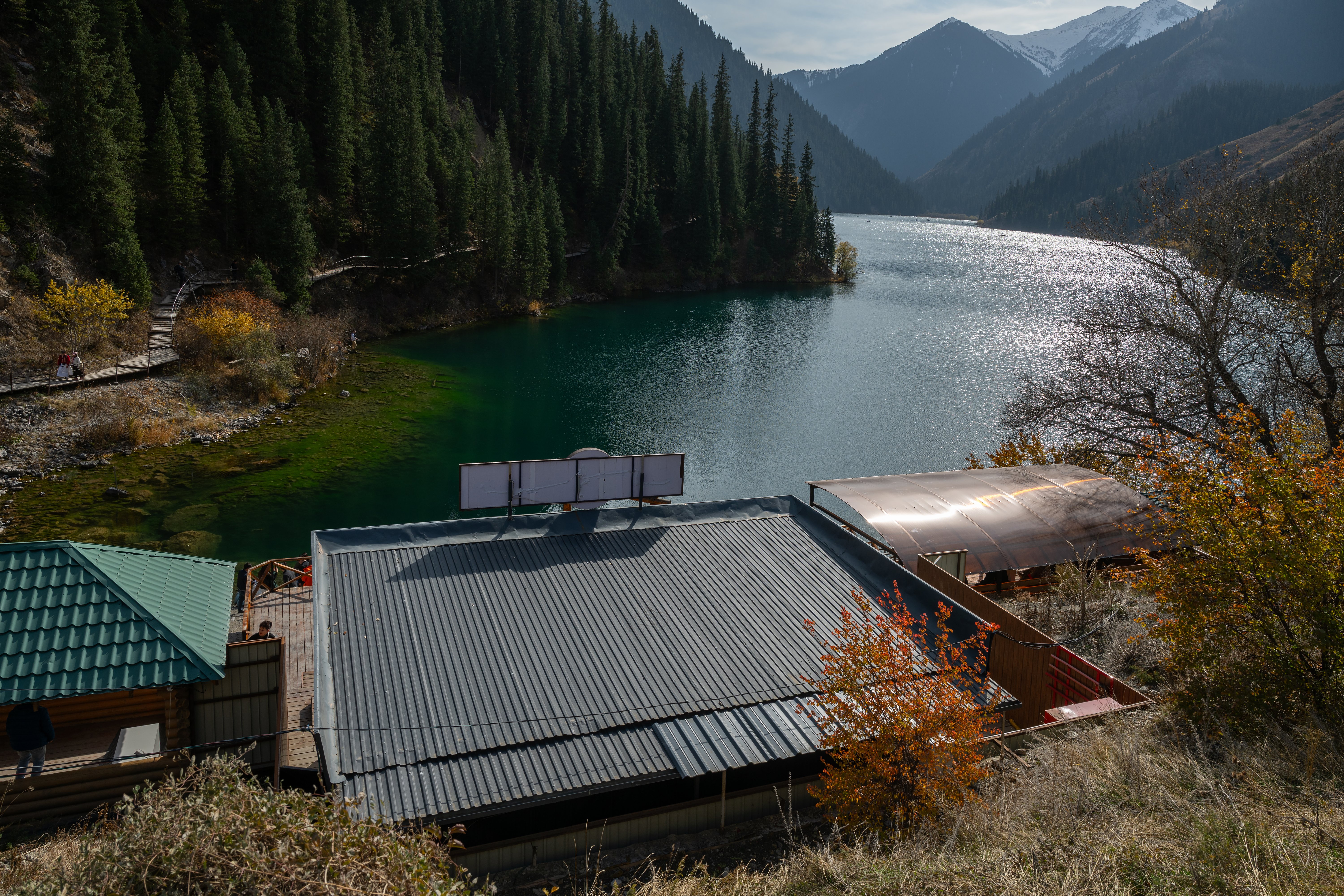 Photo: Maxim Zolotukhin
A separate problem is the chaotic growth of the tourism business around the park
Around Kolsai and along the road from Saty to the national park border, the number of guesthouses, hotels, yurts and capsule hotels has grown. In 2025, Kazinform separately investigated the legality of their placement and compliance with sanitary and environmental requirements. And this is no longer just a tourism issue. It is a spatial planning issue. If each new facility separately handles water, sewage, parking, waste and electricity, the territory gradually descends into infrastructure chaos.
What to do: develop a unified master plan for the Saty - Kolsai - Kaiyndy tourist zone, where the following are determined in advance:
- construction zones;
- maximum height and volume of facilities;
- number of accommodation places;
- parking zones;
- utility capacity;
- water supply and sewage;
- public transport routes;
- ecological buffer zones;
- permissible recreational load.
Kolsai does not necessarily need more tourism infrastructure. It needs different infrastructure - designed around the limits of the natural territory.

Newsletter
A letter from the HD editors
Once a week, we send the best stories, events, and cultural discoveries from Central Asia.