Gastronomy
Corporate catering: how the market is changing and what employees expect
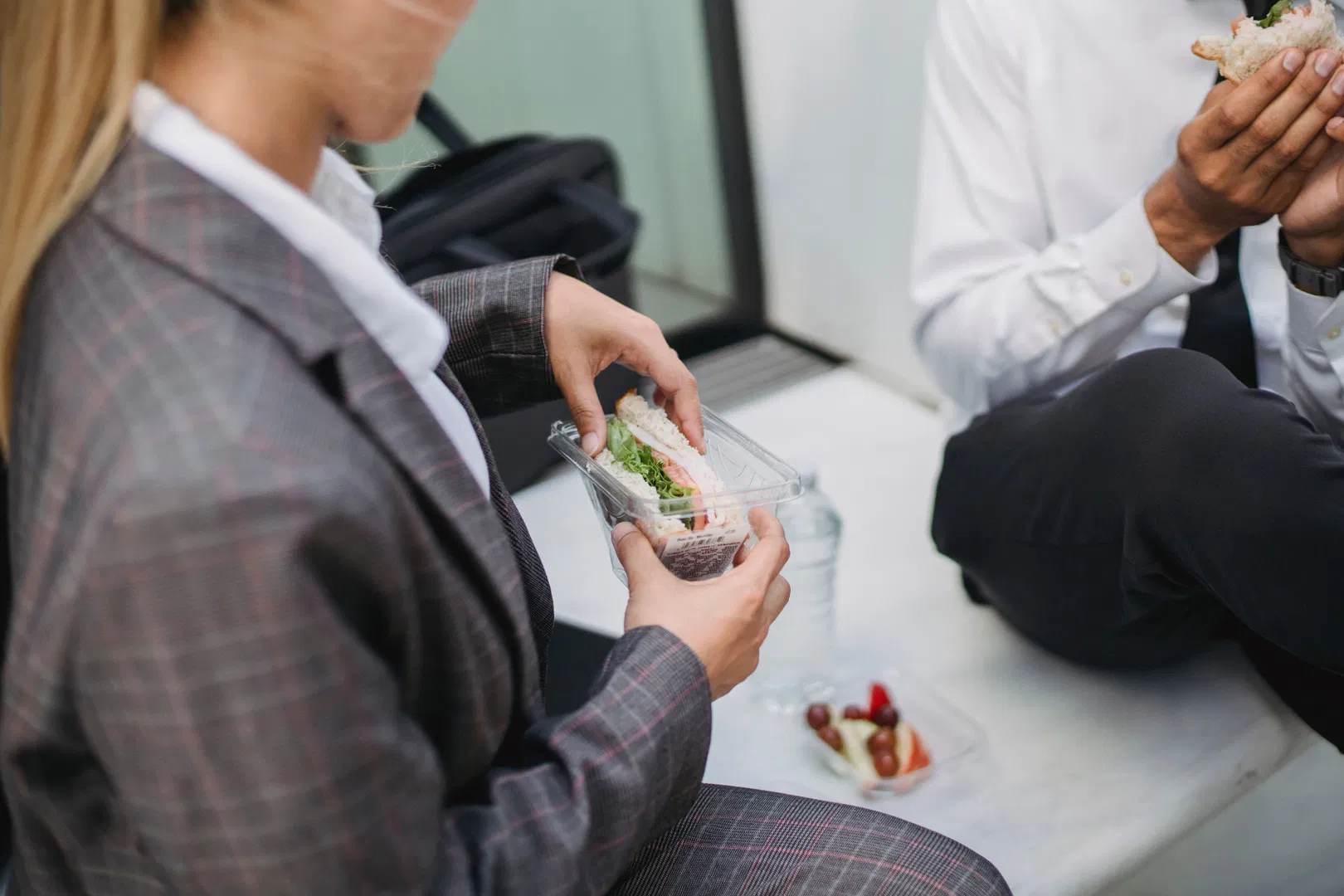
Not long ago, a corporate lunch was primarily part of the social policy of industrial enterprises. Today, companies increasingly view employee meals as an element of the work environment, a service that must be convenient, safe, predictable in cost and suited to the different needs of the team.
Corporate catering is developing against the backdrop of the broader expansion of Kazakhstan's food service market. According to the Bureau of National Statistics, in 2025 the country had 19,588 food service establishments, up 17.5% from a year earlier. In 2024, there were 16,674.
The largest number of establishments was in Almaty at 3,522, Astana at 2,761 and Karaganda region at 1,275. Over the year, the number of cafes grew from 5,202 to 5,987, canteens from 5,618 to 5,940, and restaurants to 3,024.
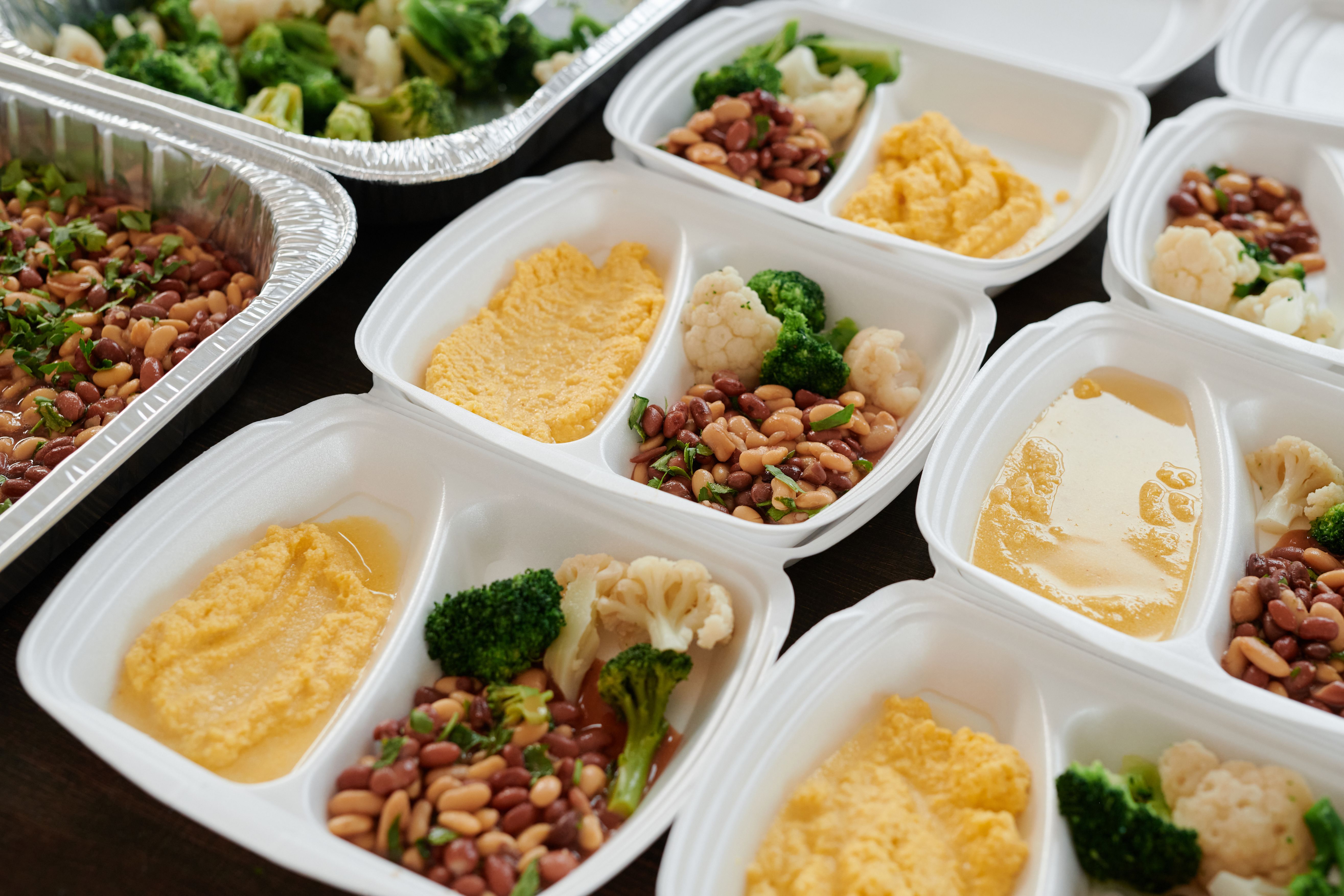 Photo: Julia M Cameron
The volume of food and beverage services in 2025 amounted to 2.1 trillion tenge. For comparison, the BNS continues to publish monthly data on this indicator for 2026 as well; as of September 2026, data for January through August are available. State statistics do not single out a separate indicator for the corporate catering market specifically.
This is an important clarification: the corporate catering market cannot be directly equated with the entire food service sector. It includes services for offices, industrial sites, rotational shift camps, institutions and other organizations, and its volume is not statistically separated into a distinct category.
Restaurant Market as a Mirror of the EconomyAlmaty is seeing more establishments, but that does not mean automatic growth for the restaurant business. New residential complexes create demand for cafes and restaurants, the average bill is rising amid inflation, and the real state of the market has to be assessed using a far more complex system of indicators.mag.humodoc.com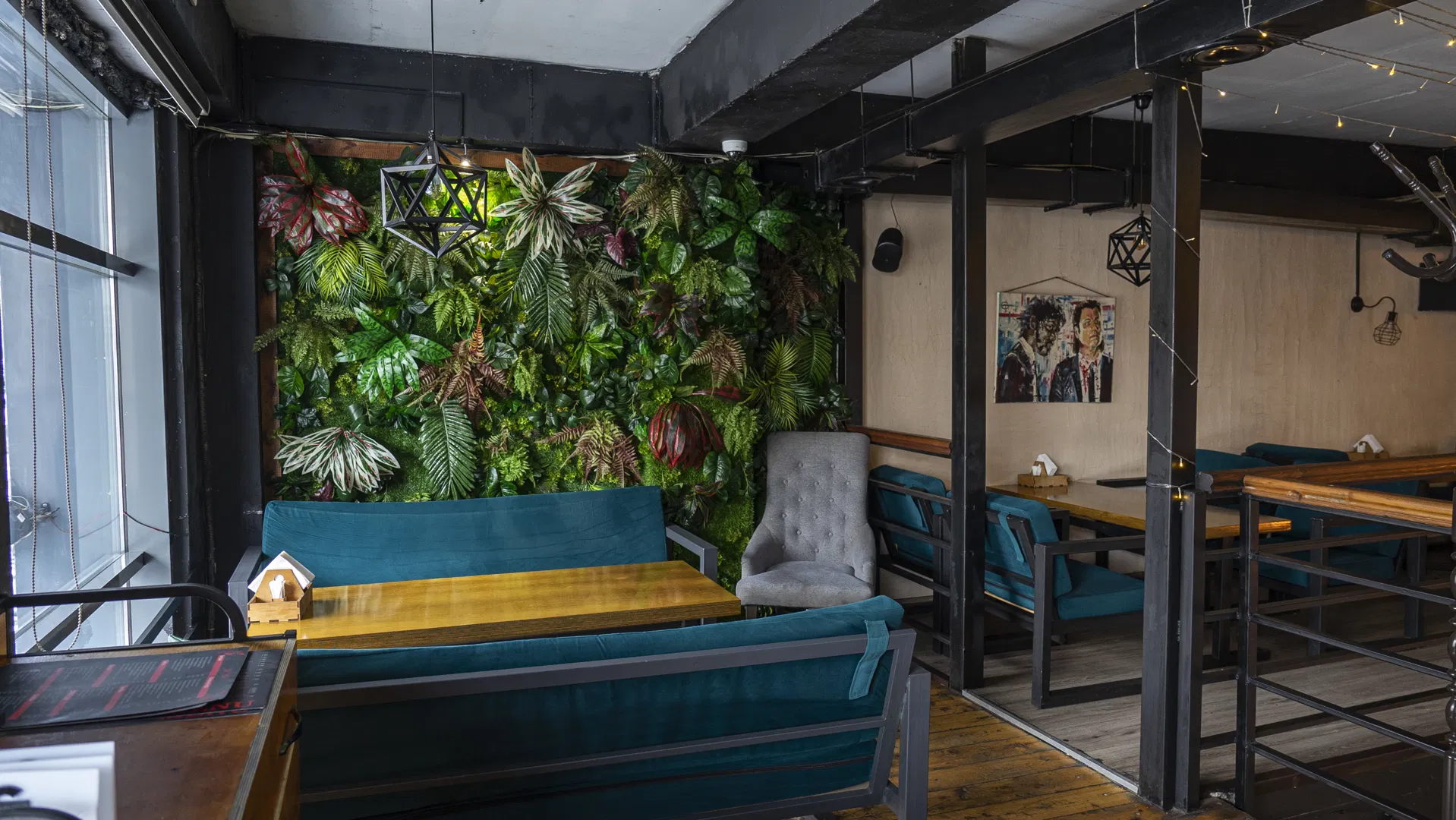
From a perk to a service
For an employer, feeding employees today can address several tasks at once. It reduces the need to look for outside food outlets near the workplace, makes it possible to organize lunch in line with shift schedules, and gives the company the ability to control the quality and cost of the service.
For offices, a convenient model is especially important: an employee does not have to spend a significant part of their break traveling to a cafe and waiting for an order. At industrial and remote sites, food matters even more, as it becomes part of how the work process and everyday infrastructure are organized.
At the same time, corporate catering is gradually moving beyond the notion of a "free lunch." At large companies, it can be part of an overall package of social benefits and corporate services.
There is no universal scheme for all companies. The choice depends on the number of employees, the location of the site, the work schedule and the budget.
An in-house canteen
An in-house kitchen or canteen remains in demand where hundreds of employees eat every day: at industrial enterprises, large production sites, certain business centers and organizations with a constant flow of people.
The advantage of this model is the ability to control the menu, cooking technology and service organization directly on site.
However, an in-house canteen requires investment in equipment and infrastructure, permanent staff, food procurement and compliance with sanitary requirements. That is why it is important for a company to assess not only the cost of a lunch but also the total expenses of maintaining the entire system.
 Photo: Mikhail Nilov
Outsourcing and corporate catering
Another option is to hand over food service organization to a specialized operator. A contractor company can take on food procurement, meal preparation, kitchen operations, logistics and canteen service.
This model is especially convenient for enterprises that want to focus on their core business and not create their own food service department.
Operators work in Kazakhstan that specialize in industrial and remote sites, among others. For example, Best-Service LTD says it operates at more than 50 sites across the country and serves over 5,000 people daily. The company also lists rotational shift catering, corporate canteens and catering among its areas of work. These figures are the company's own data.
Compensation or food benefits
Another model is monetary compensation or a corporate food allowance. It does not require the employer to have its own canteen and gives the employee the ability to choose the place and format of lunch independently.
This option works especially well with a hybrid schedule, when employees are not in the office every day. But it also has a limitation: the company has virtually no influence over the composition and quality of the food. That is why compensation addresses primarily the issue of convenience and accessibility, rather than the organization of a full-fledged food system.
Delivery of ready meals
Centralized lunch delivery to the office is an intermediate option between a full-fledged canteen and individual compensation.
The employer can agree with an operator on a fixed menu or give employees the ability to choose dishes through a digital system. For small offices, this makes it possible to organize food service without building an in-house kitchen.
Digitalization comes to the kitchen
One of the notable changes in the industry is the shift from simple food delivery to a managed service.
For a corporate client, it is important to know not only the number of portions served but also the cost, the volume of write-offs, actual consumption and employee feedback. That is why operators are introducing digital systems for tracking orders, procurement, warehouse stock and food quality.
For example, the Kazakh company Open Soul Inc. reports operating at 30 sites in 16 cities and nine regions, serving more than 10,000 people daily. The company is also developing its own digital platform for managing food service and monitoring production processes. These figures and characteristics refer to data published by the company itself.
For the client, digitalization means above all transparency: the ability to see how much food has been purchased, how many portions have been prepared, what is actually consumed and where losses occur.
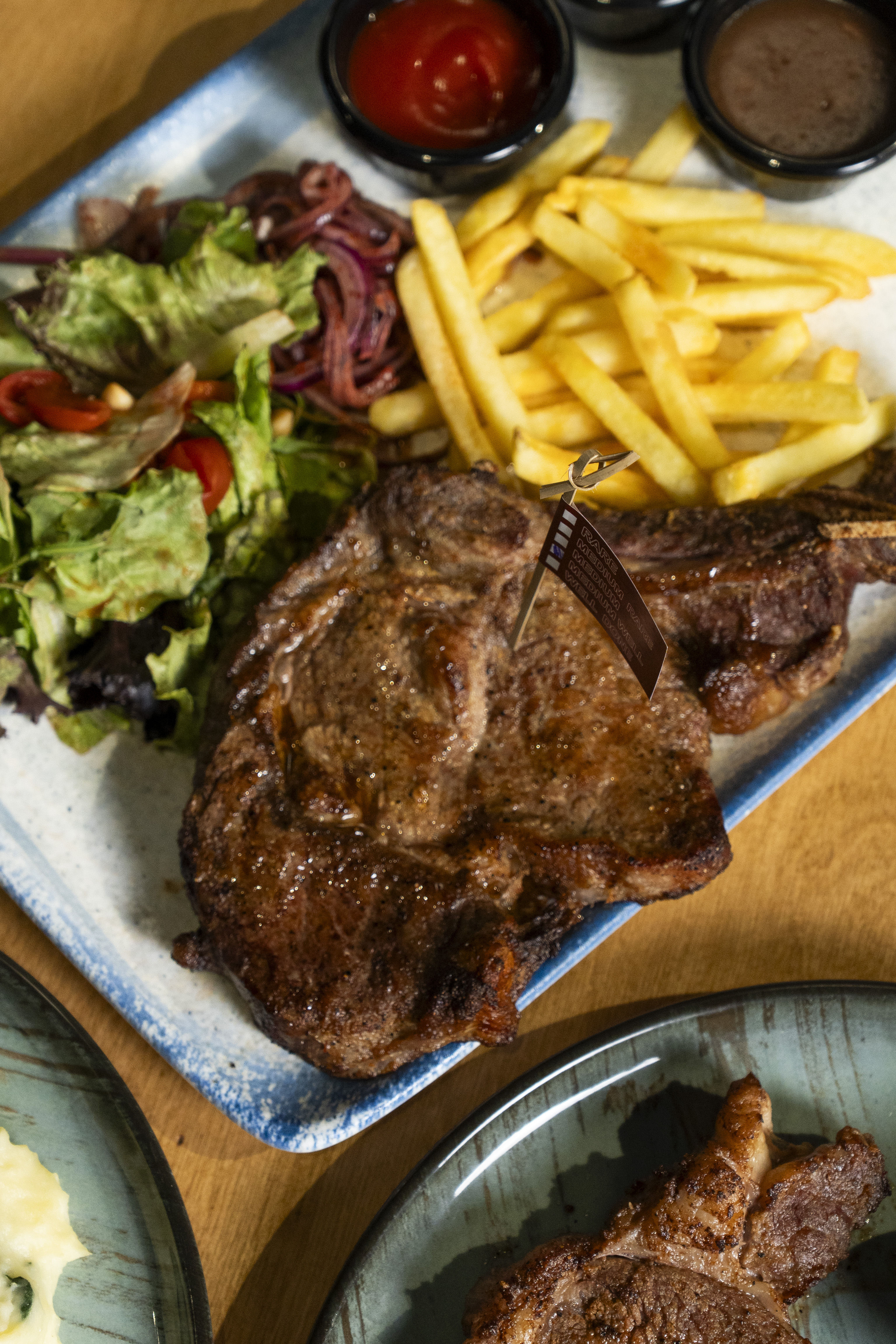
A Restaurant is Urban InfrastructureIf we stop viewing a restaurant solely as a business, it becomes clear that public catering is a fully fledged part of urban infrastructure. Veronika Daugaliyeva, chair of the Self-Regulatory Association of Public Catering of the Republic of Kazakhstan (SOOP RK), told HD magazine why public catering should be regarded as a sector of the economy.mag.humodoc.com
Food as part of occupational safety
There is a corporate catering segment that is tied not so much to comfort as to workplace condition requirements.
According to the Ministry of Labor and Social Protection of the Population, in 2025 employers in Kazakhstan spent 42.9 billion tenge on therapeutic and preventive meals for workers and another 14.9 billion tenge on milk and equivalent food products for employees engaged in work with hazardous conditions. In total, such measures cover more than 325,000 workers.
Here, food is no longer a corporate privilege but part of a worker protection system. The menu, distribution norms and conditions of provision are determined by the nature of the work and current requirements.
What is changing in the menu
In the office segment, food requirements are becoming more diverse. One team may need just a few set lunch options, while another requires a choice between several dishes.
In practice, this means growing interest in different types of diets: lighter dishes, higher protein content, vegetarian options, various side dishes and individual restrictions.
 Photo: Mikhail Nilov
For Kazakhstan, the issue of halal food also remains important. However, there is no basis to say that a halal menu is already a mandatory standard for most employers. Rather, it is one of the factors that operators take into account when forming a menu for a specific team.
National specifics are no less important. Large companies may employ people with different cultural and gastronomic habits at the same time, so a universal menu is gradually giving way to choice.
The development of corporate catering is taking place against the backdrop of the same problems faced by the entire food service sector.
Main challenges
The first is the cost of products and logistics. For a corporate client, the price of a meal is usually fixed by contract, while the cost of products can change. The operator has to find a balance between contract cost and meal quality.
The second is staffing. The kitchen and canteen require cooks, food technologists, production and service staff. The shortage of qualified personnel is becoming a factor that affects both quality and the cost of the service.
The third is quality management. The larger the facility and the more employees who eat on site every day, the harder it is to control the entire path of the product, from procurement to the finished dish.
Finally, the client is changing. The employer wants to see clear economics of the service, while employees want convenience, variety and quality. Therefore, the operator has to work with two sets of requirements at the same time.
 Photo: Cottonbro Studio
Prospects
In 2026, the market continues to develop, and state statistics already keep monthly operational records of the volume of food and beverage provision and supply services. At the same time, there is still no separate official statistics specifically on corporate catering, so further development of the segment should be linked not to a specific market volume forecast but to changing service models.
For large enterprises, this may mean a further shift to outsourcing and integrated canteen management. For offices, it means the development of delivery, corporate cafes and digital services. For employees, it means more choices and personalization.
The very understanding of corporate catering is also changing. It is gradually becoming part of the overall workplace infrastructure, alongside medical programs, flexible schedules, recreation spaces and other corporate services.
For businesses, this is primarily a matter of organizational efficiency. For employees, it is a matter of everyday comfort. And for a food operator, it is a transition from a simple meal preparation service to a full-fledged service in which quality, safety, price and technology are equally important.

Newsletter
A letter from the HD editors
Once a week, we send the best stories, events, and cultural discoveries from Central Asia.