Gastronomy
Uzbek Plov, Soviet Style: How Central Asian Cuisine Conquered the USSR
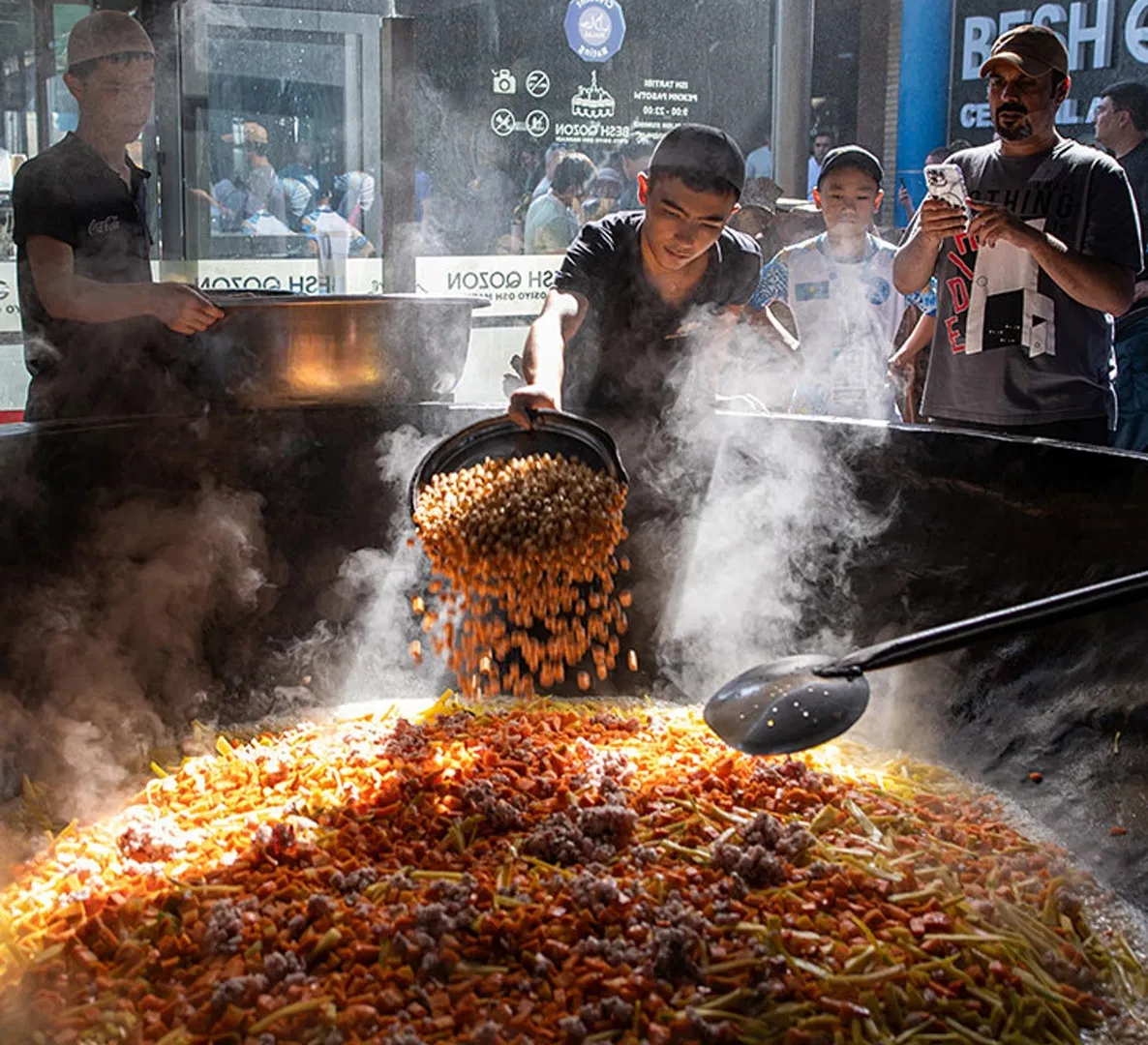
Central Asia was traditionally considered a distant backwater in the Russian Empire. Even after the region's conquest in the second half of the 19th century, the average Russian viewed it merely as a source of exotic goods—Bukhara carpets, Samarkand robes, Khiva suzani embroidery. Everything changed after the 1917 Revolution.
Tashkent, the City of Bread
The hunger, devastation and collapse of trade that swept Central Russia after the October Revolution of 1917 and the ensuing Civil War turned distant Asia into a dream of earthly paradise. Tashkent, City of Bread was the title of a novella published in 1923 by writer Alexander Neverov. Its hero, 12-year-old Mishka Dodonov, leaves his village in the Volga region and heads for Tashkent, hoping to earn grain through hard physical labour and feed his starving family.
He had heard from his neighbours that he could get there by train. After a string of adventures, he finally reaches the fabled city:
Strange, unfamiliar carts, arbas, with two enormous wheels rolled past the gardens. Well-fed horses, ribbons tied into their tails and manes, jingled their bells. From baskets and wooden crates came glimpses of apples of all kinds, along with some sort of berries in black and green clusters and broad white flatbreads. ‘Now that’s how people live!’ Mishka thought, licking his dry, hungry lips.
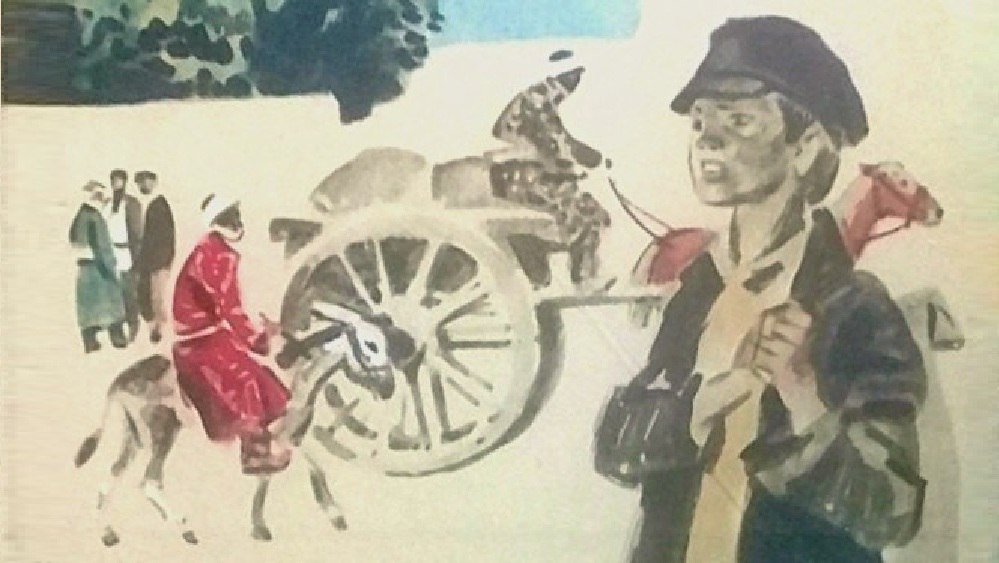
“Tashkent, City of Bread” (detail from the cover of an edition of Alexander Neverov’s book).
The black market had literally swept across Russia by then, with caravans of meshóchniki, private traders who carried goods in sacks, travelling south to more prosperous regions, into Central Asia and back again. According to a report by the Soviet People’s Commissariat for Food, as much as 60 per cent of the population’s food supply was obtained this way, at prices outside state control.
The food crisis was overcome only with the introduction of the New Economic Policy, or NEP, when the Bolsheviks allowed private enterprise back into trade and the food industry. Private restaurants began appearing in the capitals and major cities, while market trading flourished. Supplies of flour, rice and vegetables from Soviet Central Asia helped ease shortages in the centre of the country.
Plov Enters the Public Dining System
By the end of the 1920s, life in the Soviet Union was gradually returning to normal. One vivid sign of this was the appearance of cookbooks. During the first post-revolutionary decade, most publications were practical guides to making pancakes from potato peelings or finding ways to use beetroot tops efficiently.
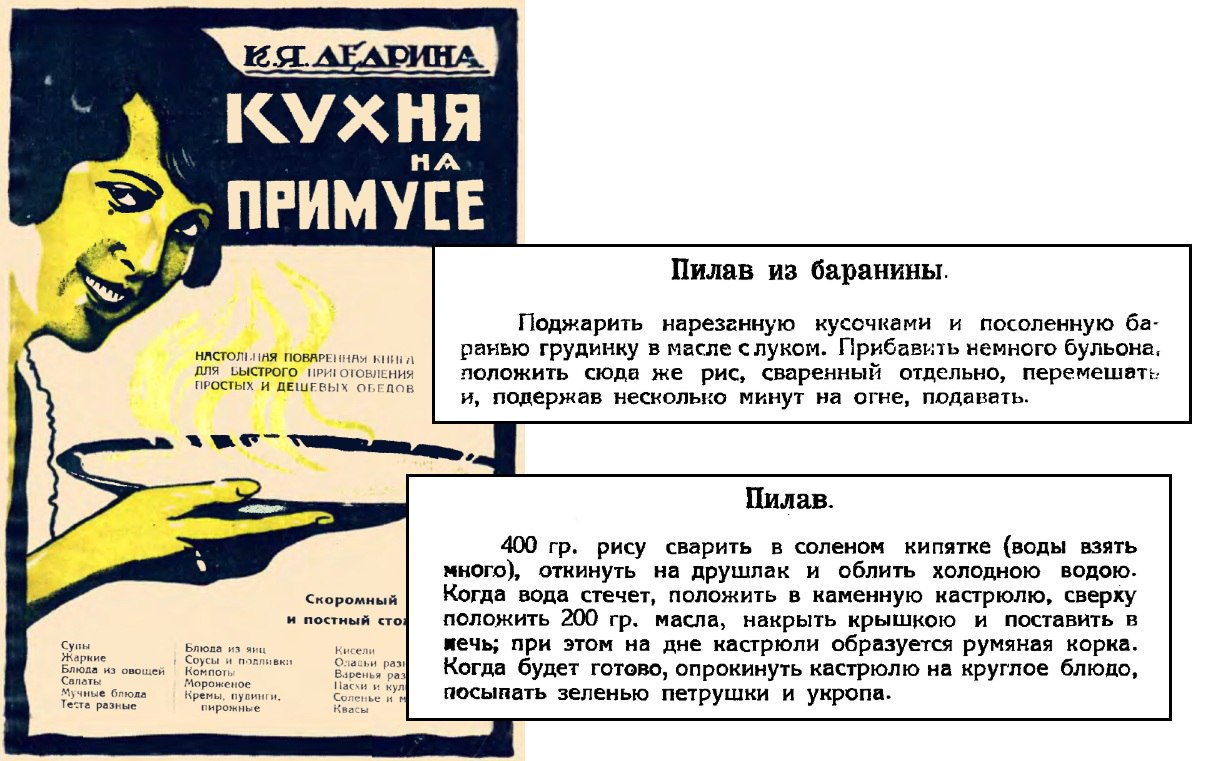
Then, in 1927, came Katerina Dedrina’s Kitchen on a Stove and a Primus (Kukhnya na plite i primuse), which captures the transitional character of the era like no other. In its content, the book had already moved away from the bleak spirit of War Communism, when cooking was less about culinary pleasure than simply finding something, anything, to eat. At the same time, it still bore traces of those difficult years.
Remarkably, it even includes a recipe for “Asian pilaf”, or plov. The recipes are highly approximate and rather primitive, but their very presence suggests that the dish was already familiar to ordinary readers.
Changes were also taking place in public dining. From the second half of the 1920s onwards, fabriki-kukhni, or “kitchen factories”, began to appear across Russia. These enormous establishments could feed several thousand workers and employees a day. Everything about them was new and, for the time, progressive, from clean tables covered with white tablecloths to industrial kitchen equipment such as large cauldrons, ovens and dishwashers. The mechanisation of food production also called for standardised recipes that combined nutritional value with economy.
In response, Recipe Collections for Public Dining Enterprises (Rus. Sborniki raskladok dlya predpriyatiy obshchestvennogo pitaniya) began to appear. They were republished in various versions throughout the Soviet period, but the first collection was issued as early as 1937. By then, it already included the obligatory “mutton plov”. In other words, the dish had become a standard item on public catering menus from Minsk to Vladivostok.
It is also worth remembering that collectivisation gradually reached the kishlaks and auls of Soviet Central Asia. Collective and state farms were established across the region, meaning that agricultural produce was no longer destined solely for the nearest market. It was also shipped to Central Russia. Melons, dried fruit and rice all became increasingly familiar to people living in the European part of the Soviet Union.
The New Soviet Cuisine
The publication of the first edition of The Book of Tasty and Healthy Food (Rus. Kniga o vkusnoy i zdorovoy pishche) in 1939 was, in a sense, a report on the creation of a new Soviet cuisine. Its appearance was a striking experiment, and in many ways a showcase for the reforms carried out under the leadership of Anastas Mikoyan, the People’s Commissar for the Food Industry.
The book brought together pre-revolutionary culinary traditions with what was, for the time, a contemporary understanding of healthy eating. One could argue at length about the extent to which it reflected the standards of institutional catering, or about the excessive emphasis on counting calories and carbohydrates. But no one could reasonably describe the dishes or eating habits presented in the 1939 edition as backward, “Soviet-era” or out of step with international trends. What is more, an impressive group of scientists came together around the making of the book, and many of them went on to lead the fields of nutrition and dietetics in Soviet science for decades to come.
And what about Central Asian cuisine? You might be surprised. The book contains an entire section entitled “Plovs”, featuring lamb plov, fish plov, plov with pumpkin and fruit, and even mushroom plov.
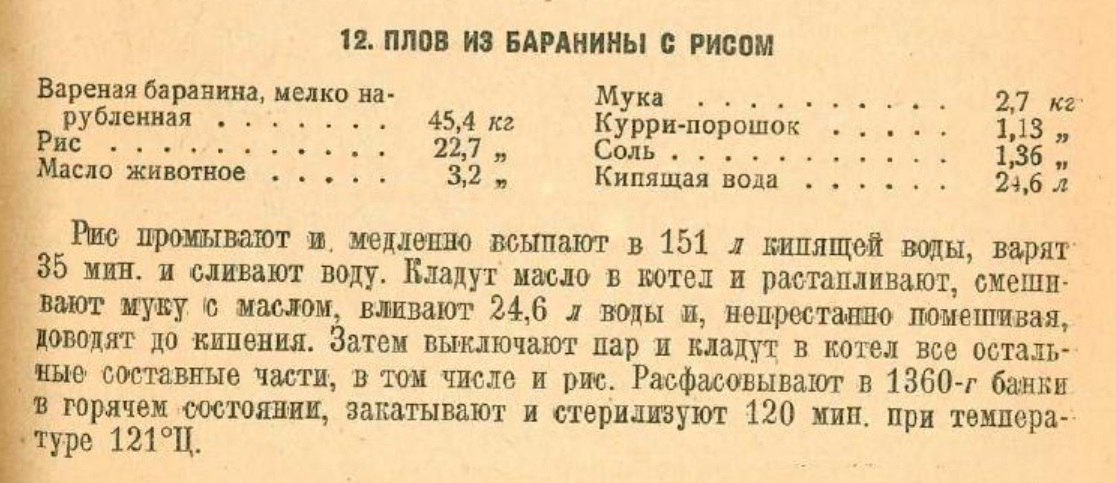
The book was aimed primarily at housewives. They could rely not only on recipes, but also on canned food available in shops. The 1937 Directory of Standard Wholesale and Retail Prices for Food Products in Moscow (Rus. Spravochnik edinykh otpusknïkh i roznichnykh tsen na prodovolstvennye tovary po g. Moskve), among its many listings, includes canned... plov. “Oriental Plov” was packed in 350- and 370-gram tins for retail shops, and in 1.36-kilogram tins for institutional catering, produced to order for the military, geologists and others. Another publication from the period, The Complete Course in Canning (Rus. Polnyy kurs konservirovaniya, Moscow, 1938), gives the exact recipe.
It is important to note one characteristic feature of the period: the growing interest in Eastern cuisine. Part of this interest was rooted in the national backgrounds of the Soviet leadership, many of whose members came from the Transcaucasus. Dishes familiar to them gradually moved from Kremlin banquets onto the menus of good restaurants, and from there spread across the country. Along with them came a taste for Eastern cuisine: generous, colourful and enticing.
The introduction of national dishes, particularly those of Central Asia and the Caucasus, into home cooking and public catering became a powerful trend. Its appeal was somewhat undermined by the poor quality of ingredients and a lack of knowledge of the specialised techniques required to prepare these dishes. Even so, Eastern cuisine became synonymous in the USSR with the festive table, thanks to its vivid presentation, bold flavours and exotic character. In canteens, meanwhile, these dishes offered a welcome escape from the dull and bland standard menu.
The War
War is not only suffering, battles, pain and bloodshed. It is also a vast experience of survival shared by millions of people. And perhaps it was the war that ultimately shaped Soviet cuisine into what we recognise today, turning some of Mikoyan’s seemingly idealistic experiments into the reality of everyday Soviet life.
It was during these years that millions of people evacuated from the war-torn regions of the Soviet Union encountered Central Asian cuisine first-hand. Still relatively unfamiliar in Moscow and Leningrad, it suddenly became familiar and accessible to the families of Soviet soldiers and officers who found themselves in Tashkent, Samarkand or Almaty. Words such as “plov” and “lagman”, “lepyoshka” and “uryuk” entered their everyday vocabulary and remained in the post-war memory as symbols of abundance and a full stomach.
Central Asia received the main wave of evacuees from the war-torn regions of the Soviet Union. Uzbekistan took in the largest number, around one million people.
We sometimes ask ourselves: if disaster had struck there instead, would we in Moscow have been able to welcome refugees in the same way? Alongside the very real help of providing shelter and sharing a piece of flatbread, tens of thousands of children orphaned in the occupied territories found new parents in Central Asia.
Even large families in Uzbekistan adopted Russian, Belarusian, Ukrainian and Moldovan orphans. From the Rostov and Stavropol regions alone, children from 30 orphanages were evacuated together with their staff. People who had lost their parents during the fighting also found refuge with families across Central Asia. Central Asian families also took in children who had lost their parents during the fighting.
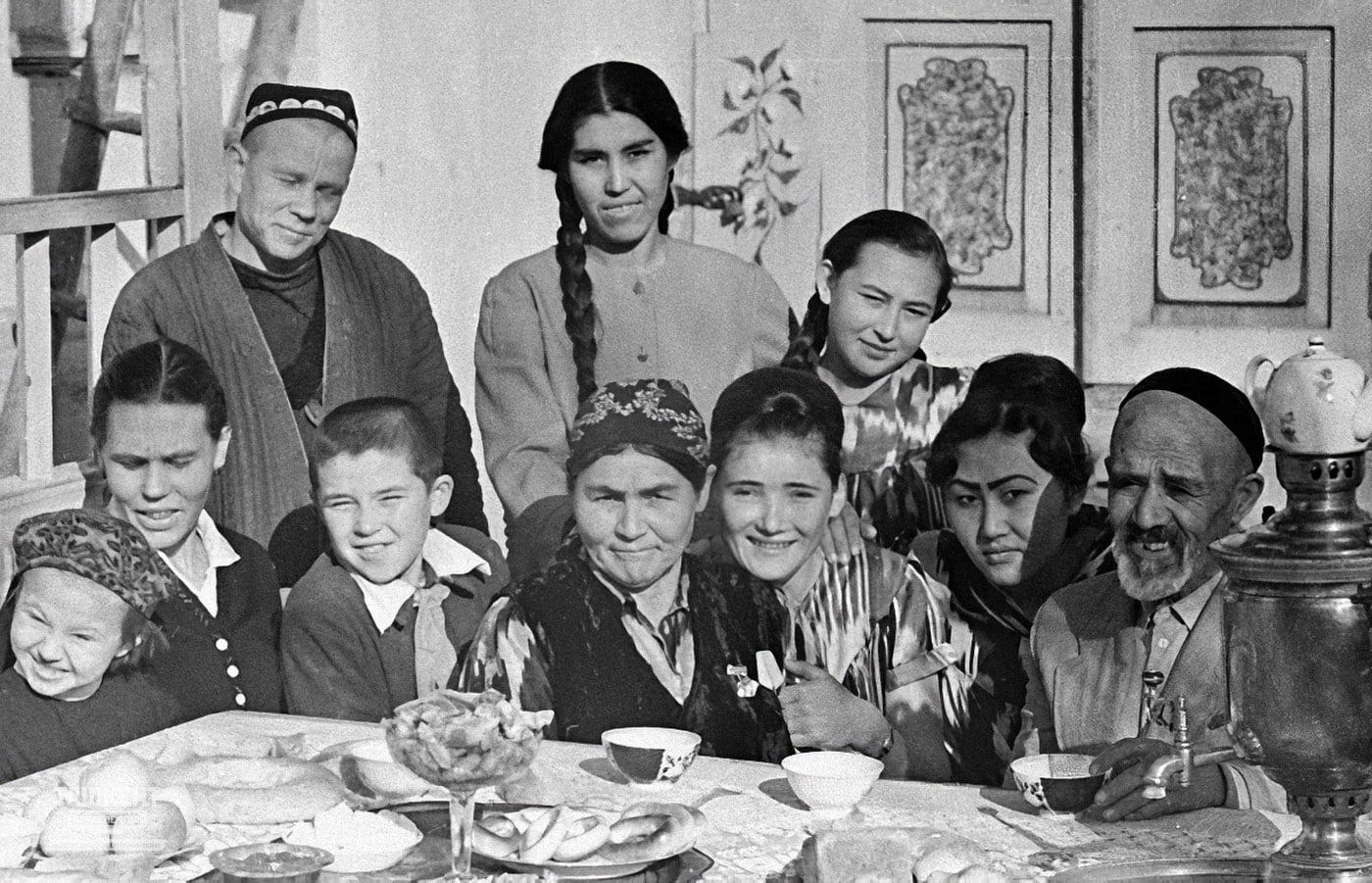
Shaahmed Shamahmudov (right), his wife Bahri-opa (centre), and the children they adopted during the Great Patriotic War.
The family of Tashkent blacksmith Shaahmed Shamahmudov became widely known for adopting 14 children of different nationalities. There were many similar stories. After the war, plans were even drawn up to erect a monument in Tashkent, or according to some sources in Dushanbe, then known as Stalinabad, called Mother of Asia. It was intended to commemorate the selflessness and generosity of the many local women who had taken in orphaned children. Unfortunately, political changes in the country meant that the project never came to fruition by the mid-1950s.
But back to food. The great wartime displacement was a hugely influential force, shaping not only Soviet cuisine but also post-war culture and the way people saw the world. It became one of the threads connecting the histories of countless families to Central Asia and helping to shape a shared collective memory.
Central Asian cuisine became an enduring part of this collective memory. Perhaps it was then that the foundations were laid for its extraordinary popularity across the vast geographical area now home to tens of millions of people. Plov is one thing. But lepyoshka-non has seemingly become a staple across the entire former Soviet Union. At any market from Murmansk to Magadan, you are likely to find a small stall where Uzbeks, Tajiks or Kyrgyz bake it in an improvised approximation of a tandoor. Plov, manti, lagman, shurpa: this cuisine became an integral part of Soviet culture, finding its way into both everyday meals and festive menus.
Eastern Tales
Alongside a wealth of Asian dishes, the Soviet era also produced its fair share of culinary confusion. Tashkent Salad is a striking example. Today, it appears on the menus of thousands of Russian restaurants serving Central Asian cuisine, yet in Tashkent itself, few people have even heard of it.
The 1960s were the heyday of Soviet cuisine. This was when the authorities set out to create a synthesis not only of the cultures of different peoples, but of their cuisines as well. Moscow saw the opening of a host of restaurants representing the Soviet republics: Baku, Minsk, Ukraine, Uzbekistan and Vilnius. The Georgian Aragvi, which had fallen into decline, was given a new lease of life.
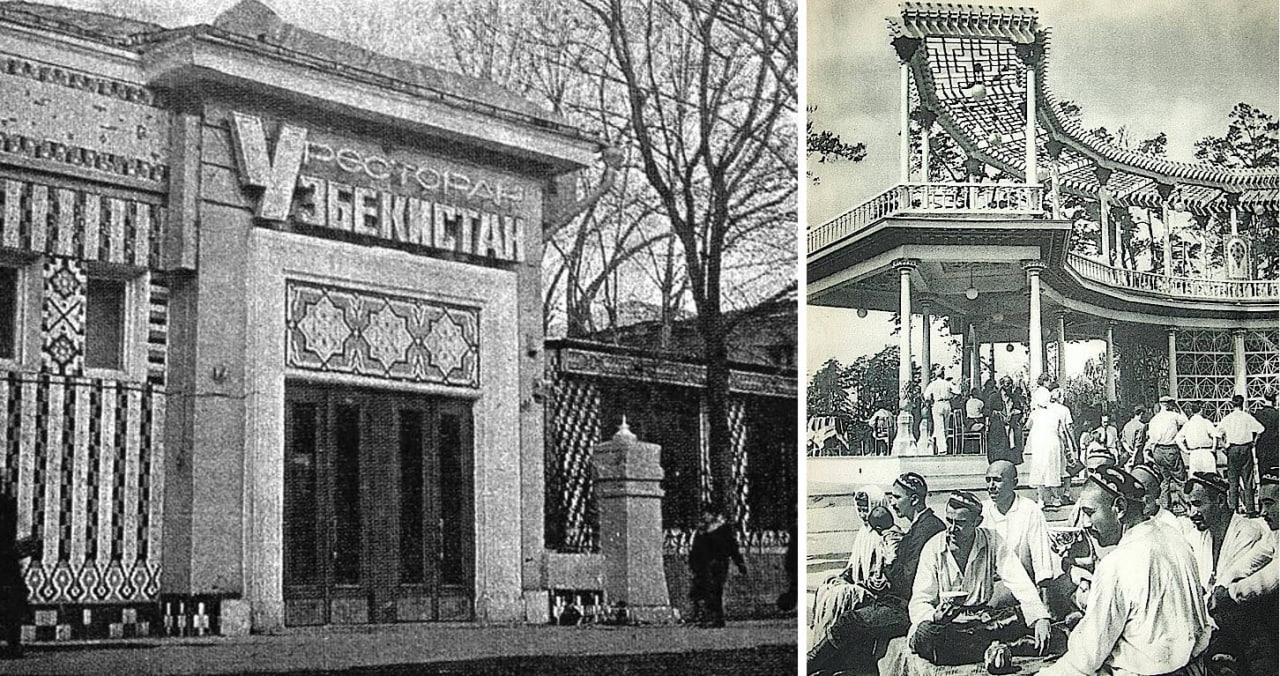
The restaurant "Uzbekistan" in Moscow (1960s) and an Uzbek chaikhana at the Exhibition of Achievements of the National Economy (1950s).
Although the menus of these restaurants featured supposedly “authentic” dishes from the respective republics, in practice they were often adapted to suit broadly Soviet tastes. This was true even of the republics in the European part of the USSR. In the case of the Asian republics, entirely new dishes were sometimes created, combining elements of national culinary traditions with the tastes and techniques of Moscow chefs.
After all, what were they supposed to do if traditional Uzbek cuisine had no salads in the European sense? Yes, green radish was eaten as an appetiser, dipped in suzma. But it was hardly something one could imagine being served in a Moscow restaurant. And so the remarkable dish known as Tashkent Salad was born, a hybrid of a traditional Central Asian dish and Olivier salad, perfectly suited to the principles of Soviet public catering. Thinly julienned boiled meat and radish, fried onions, all smothered in mayonnaise.
It became a model of Soviet institutional cuisine: simple, easy to prepare on a large scale, long-lasting in the refrigerator and requiring no particularly high-quality ingredients. After all, you could not see much under the mayonnaise anyway. As a result, the traditional Uzbek appetiser of green radish sticks, boiled meat and suzma was transformed into what has since become a classic Soviet salad.
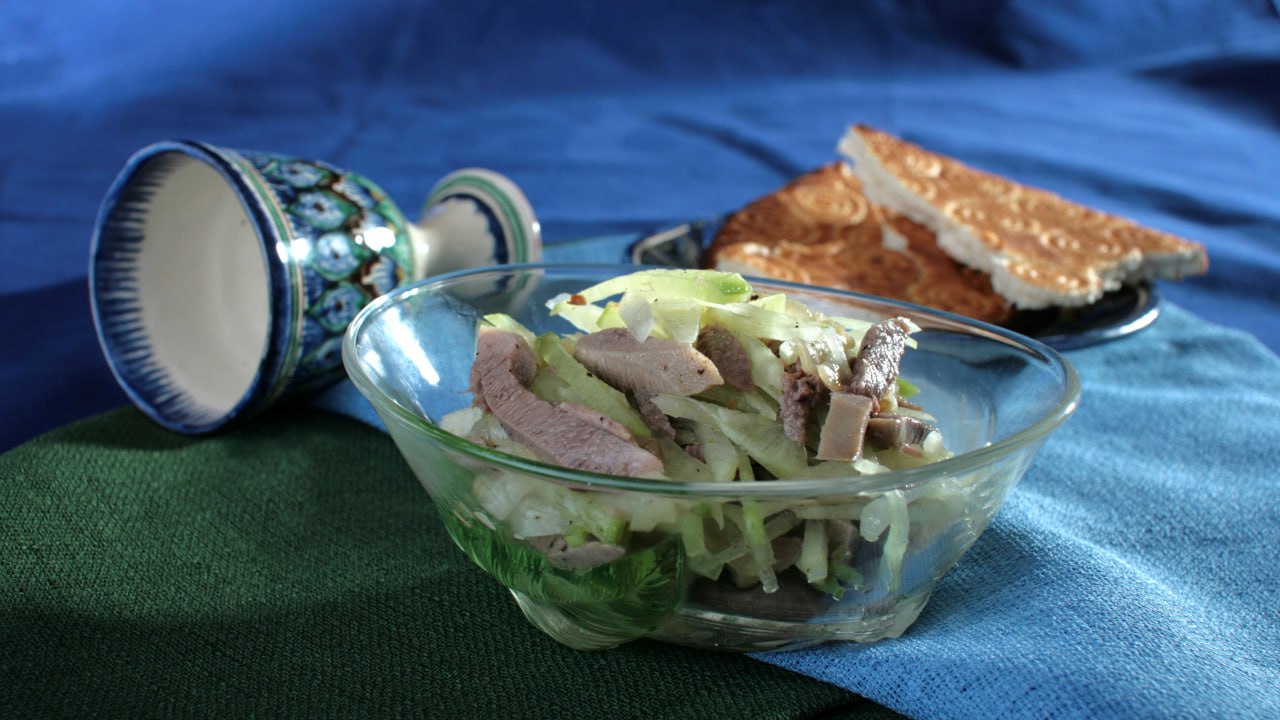
A "Tashkent" salad (photo by Olga and Pavel Syutkin).
Another case of culinary confusion, this time an unintentional one, involved the cheburek. Until the 1950s, the word itself was virtually unknown in Central Russia. The first dictionary to record it was Dmitry Ushakov’s pre-war Explanatory Dictionary. But within just 10 to 15 years, everything had changed. Culinary exchange between the Soviet Union’s different peoples was taking place without any direction from the authorities, sometimes producing entirely unexpected results.
Today, chebureki are extremely widespread across Central Asia. Yet few people realise that the dish arrived there relatively recently. Originally a Crimean Tatar speciality, it reached Central Asia as a result of the post-war deportation of hundreds of thousands of the indigenous inhabitants of Crimea. It took root and became a permanent part of Central Asian cuisine. From there, in the 1950s, it gradually made its way to Moscow and Leningrad, where it unexpectedly came to be regarded as an Asian dish.
A Culinary Empire
Multinational Soviet cuisine was not merely a picturesque term from the era of developed socialism. It was also a very real phenomenon in 20th-century culinary culture. Like pre-revolutionary Russia, the Soviet Union was, in part, an empire, and as such it absorbed the best of the cultures of the peoples who became part of it. Cuisine was no exception.
During the Soviet period, national dishes from the union republics became part of the standard diet at a remarkable pace. Azerbaijani bozbash, Georgian lobio, Central Asian lagman, Moldovan mititei: these were standard offerings in canteens in virtually every major city in the USSR.
Interestingly, by the 1960s, this phenomenon could be seen not only in public catering but also in home cooking. First published in 1955 and subsequently reprinted many times, the famous «Кулинария» Culinary Art gave the process something of an official green light. Moscow publishing houses began producing mass-market books such as Tatar Cuisine, Moldovan Cuisine, Uzbek Cuisine, Armenian Cuisine and so on. Not all of them proved genuinely worthwhile. There were plenty of disposable publications produced simply for the record. But there were also books that continue to attract interest today and went through several editions over the decades.
Among them were the works of Karim Makhmudov (1926–1989). A member of the staff at Tashkent State University and an associate professor in its Department of Philosophy, he pursued an extraordinary hobby alongside his academic career, and it was this hobby that made him famous. Indeed, he became so famous that even in modern Uzbekistan he remains a cult figure in the country’s culinary culture.
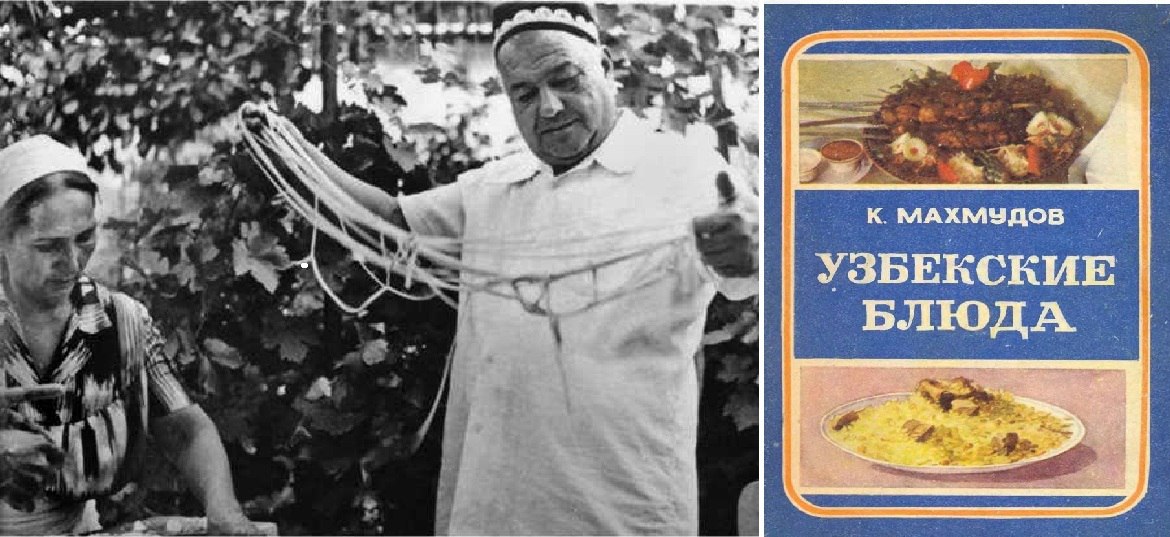
The author of more than two dozen books and other works on cooking, Makhmudov devoted 40 years of his life to his passion. He travelled extensively across Uzbekistan, visiting cities and villages, recording old recipes and seeking to give traditional cuisine a new voice. His first book was published as early as 1958. Perhaps because of his background in philosophy and his academic experience, Makhmudov approached national cuisine as something more than a mere catalogue of recipes and dishes.
His research went much deeper, encompassing the history of the region, the utensils and cookware traditionally used to prepare its dishes, the dietary and chemical properties of local ingredients, methods of cold and heat processing, and regional variations and differences between local cuisines. All these aspects set the Uzbek researcher’s work apart from the flood of pseudo-culinary literature that was particularly prolific in the republic’s publishing houses.
Take, for example, his 1987 book Plovs for Every Taste (Rus. Plovy na lyuboy vkus). It offers detailed guidance on preparing plov according to the finest traditions of Uzbek cuisine. In all, it contains more than 60 plov recipes, with meat and other ingredients including tail fat, horse sausage, chicken, game, fish and egg, as well as versions made with wheat, noodles, vermicelli and buckwheat, with peas, mung beans and beans, and with quince, stuffed peppers, pumpkin and much more.
While writing this article, I took a closer look at the website of the Russian State Library. It lists 12 of Makhmudov’s books in Russian. Dozens of his works can still be found in the electronic catalogues of Russian online libraries, on culinary websites and across social media.
A Love for Plov That Lasts Forever
Like any major social upheaval, perestroika brought enormous population movements and migration. Hundreds of thousands of Russian-speaking residents of Central Asia began returning to Russia, bringing with them the cuisine of Samarkand, Dushanbe and Ashgabat they had grown up with. Many people from Central Asian communities, meanwhile, headed for Russia, Ukraine and Belarus in search of a better life.
In Russia itself, countless new restaurants and cafés were opening. Waves of French, Chinese, Japanese and Mexican food swept across the country, each taking its turn as fashions and Russian tastes changed. Only one appetite remained constant: plov and manti, samsa and lagman never disappeared from Russian tables. More than that, Central Asian fast food grew into a major phenomenon, overshadowing all other cuisines put together.
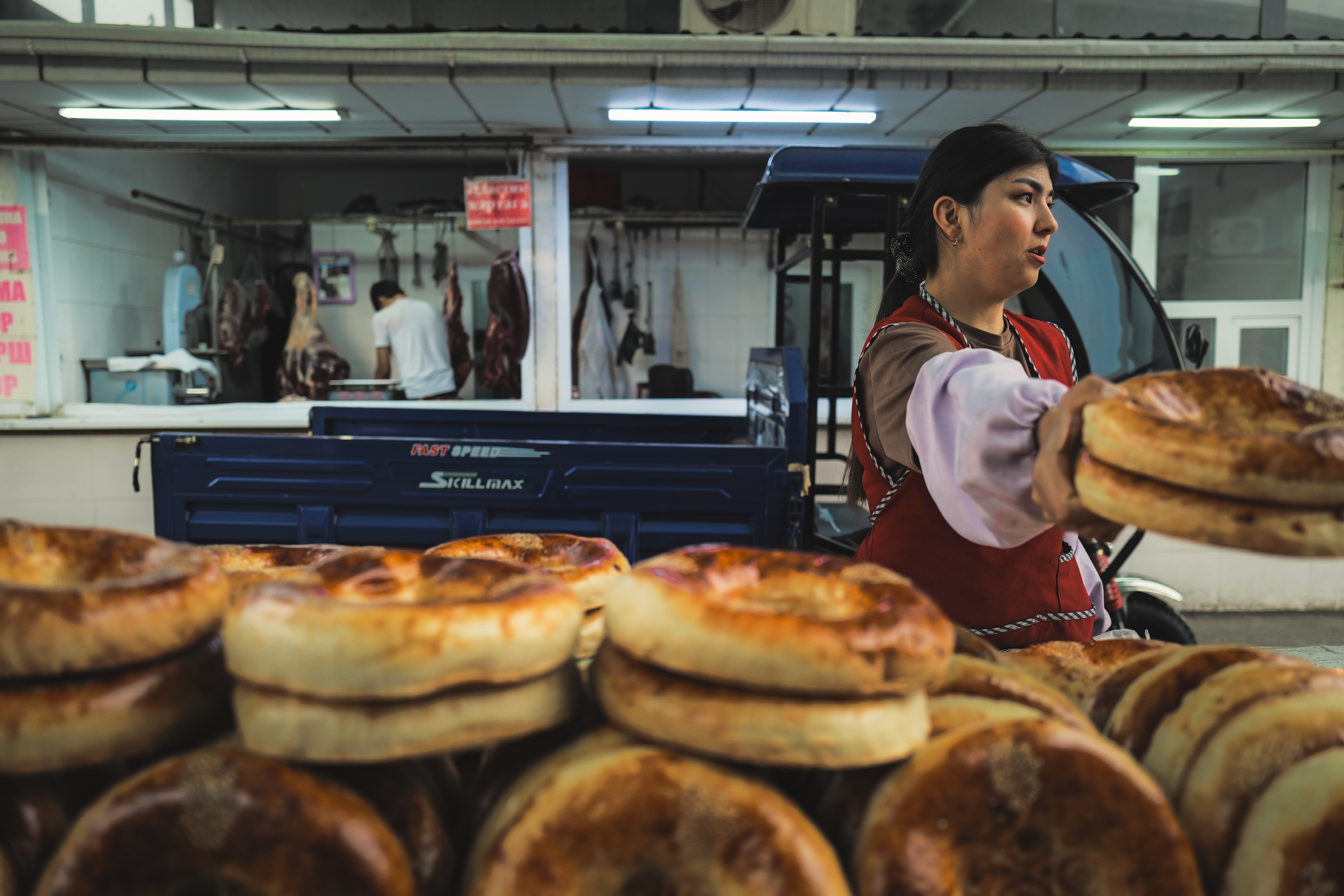
In Soviet times, Asian and Transcaucasian cuisines always gave the everyday table a festive touch, because they were associated either with a restaurant meal or with a seaside holiday. Perhaps this is where the enduring demand for southern dishes in Russian public catering began. After all, people go out to eat not simply to fill their stomachs, but to have an experience.
According to a survey conducted in March this year, Uzbek cuisine now consistently ranks fourth in Moscow by the number of food-service establishments, behind only Italian, Japanese and Georgian cuisine. A survey published by Rossiyskaya Gazeta at the end of 2024 produced an even more striking result: plov was the most popular hot dish ordered for delivery across Russia. Perhaps that is the clearest indication of just how closely our tastes have become intertwined?
If you love Uzbek cuisine as much as we do, tell us about it on our Instagram and Telegram.
Newsletter
A letter from the HD editors
Once a week, we send the best stories, events, and cultural discoveries from Central Asia.