Cinema and Performing Arts
The Arithmetic of Almaty's Independent Theater
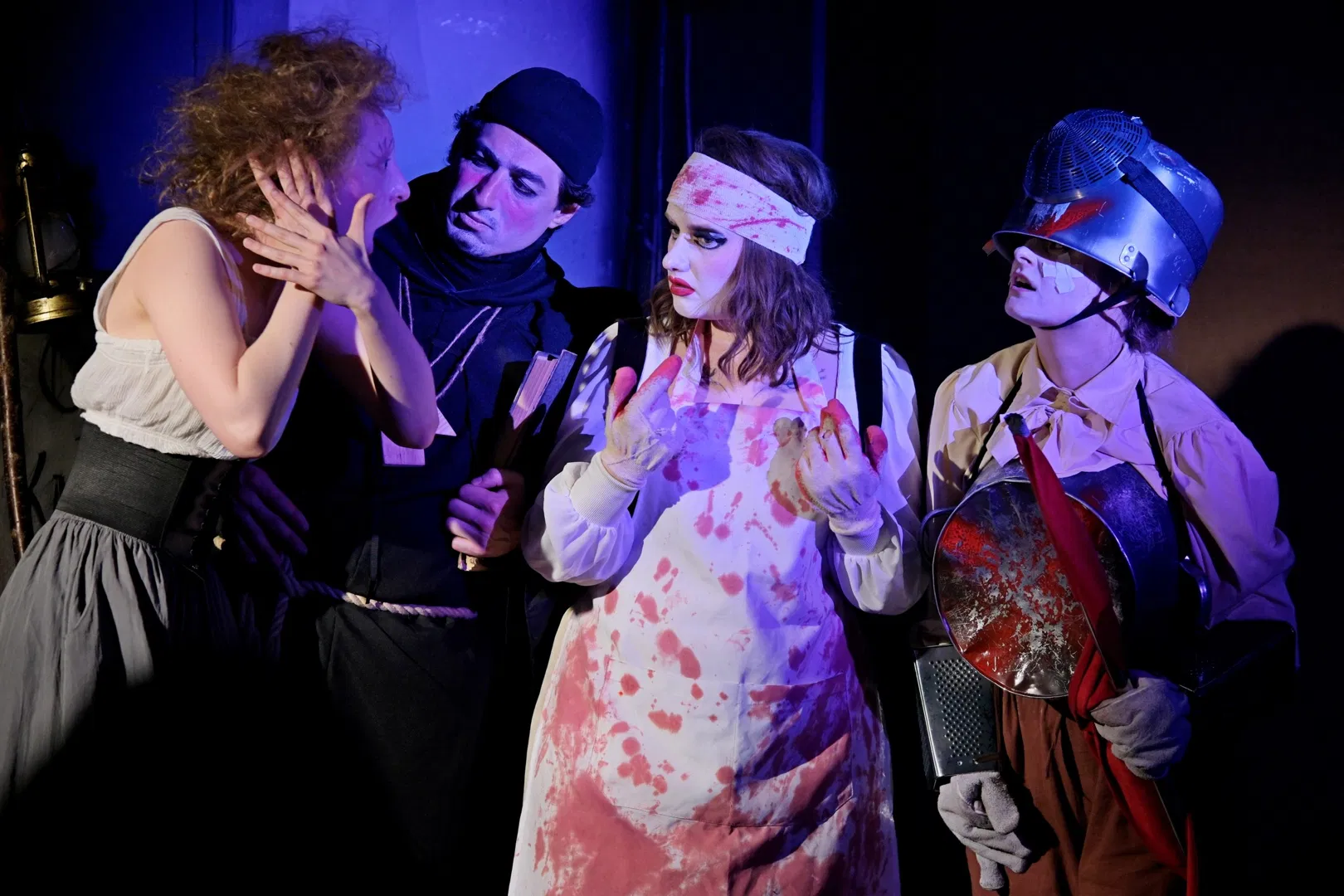
Today Almaty has about two dozen independent theaters, and in an era when stand-up comedy and concerts are booming, their survival is often a pressing question. We spoke with two projects, 2act and Transforma, about how independent theaters manage to exist in a city of two million.
So what exactly is an independent theatre? It is a cultural organisation that does not depend on state subsidies. Many people mistakenly call such theatres private, implying that they have a sponsor and exist on someone else's money. However, this is not quite true, and the only permanent source of survival for independent theatres - is audience interest and ticket sales. Such theatres usually have a venue seating 50-150 spectators, which is most often rented - but there are exceptions.
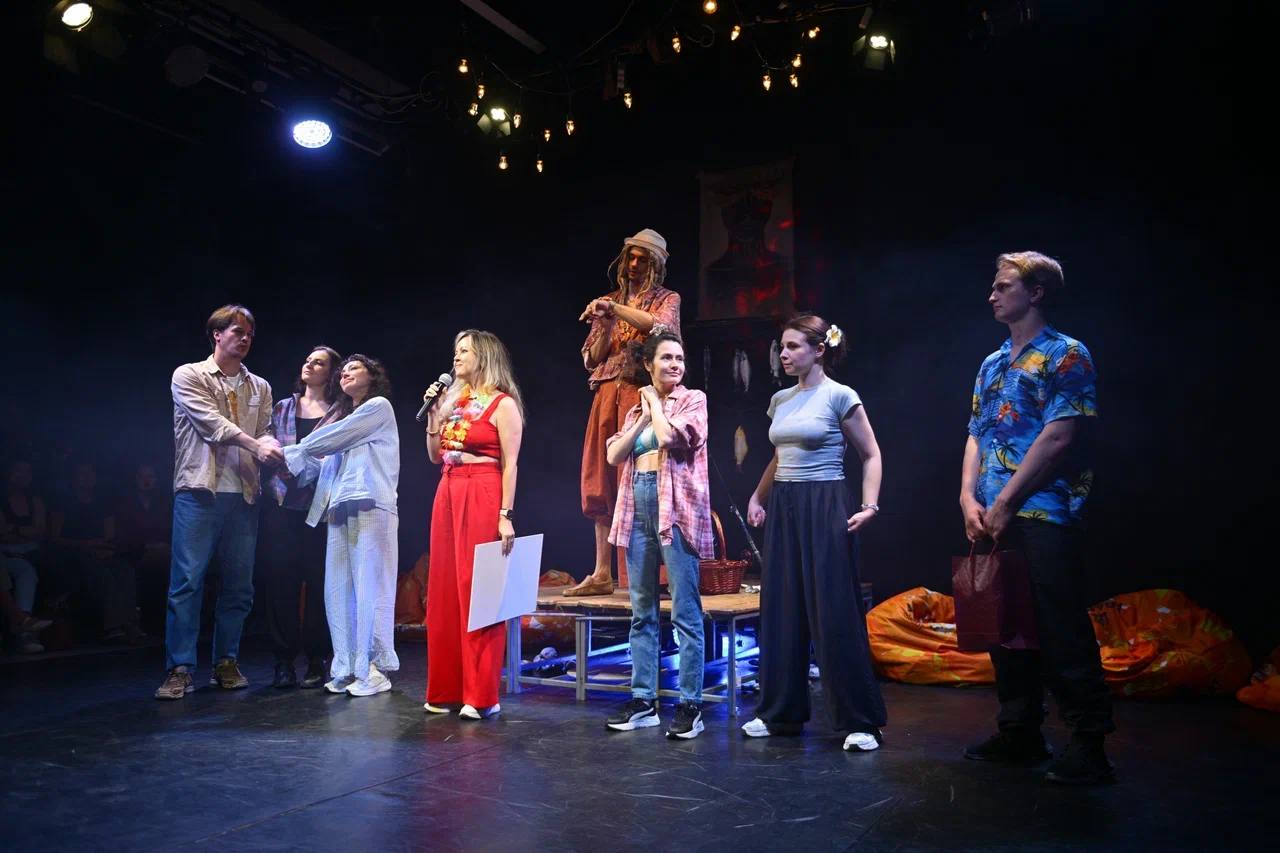
Transforma has a rather interesting history in this sense. Next year the project will mark its tenth anniversary. Although initially it was launched not even as a theatre, but as a cultural space that hosted residents - theatrical, musical, inclusive - and for a long time combined the functions of a theatre and a cultural hub.
However, in 2021 a series of challenges began, and in total the theatre changed five permanent locations. Every move and renovation was carried out with its own funds. So it was a huge stroke of luck for Transforma that in 2025 they came under the wing of the Almaty akimat and took up a venue in the Almaty Creative building, where they remain to this day. This relieves the theatre of rental obligations, although in the summer of 2026 stability was shaken again - the premises were promised to be left to the theatre only until December. The theatre's director, Anna Suvorova, spoke about all the nuances of the independent company's existence.
"The average budget of a Transforma production - is about 5 million tenge. This is the sum for which you can make a truly good performance: costumes, sets, props and at least minimal payment to the artists for the rehearsal period. Although most independent projects fit into roughly 2-3 million - simply because a budget of 5 million is usually not available.
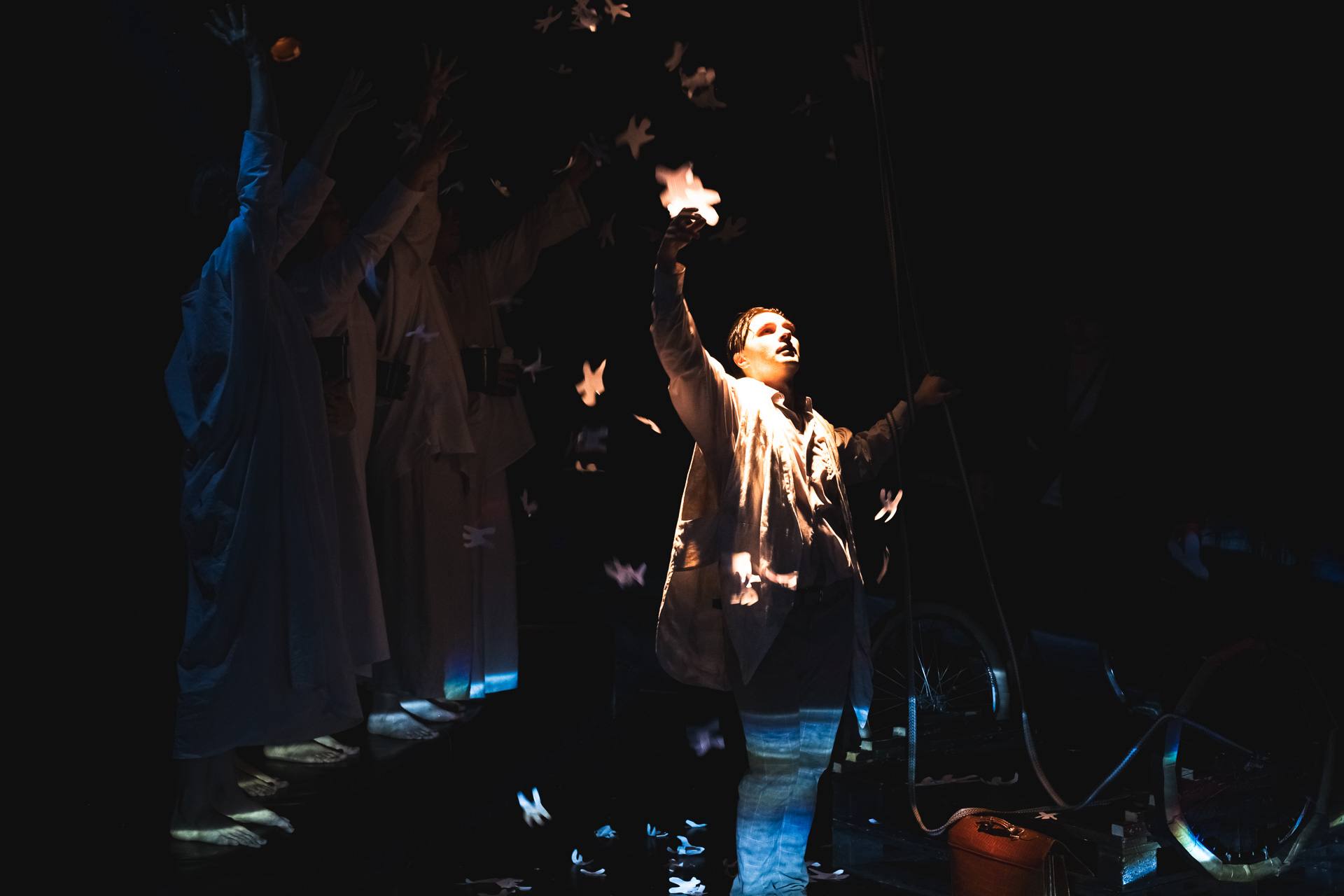
Because of this, our repertoire does not have a single performance with the sets we would like to see," notes Anna. - Props and materials are gathered wherever possible: some things are given to us, some are left over from old projects that are no longer running. Much rests on friendship and the enthusiasm of the team, all technical work is usually done ourselves. At the same time, there are expenses for seamstresses, make-up artists, loaders, costume designers, composers, playwrights. But they are partly covered by the money from the performance itself, not in advance.
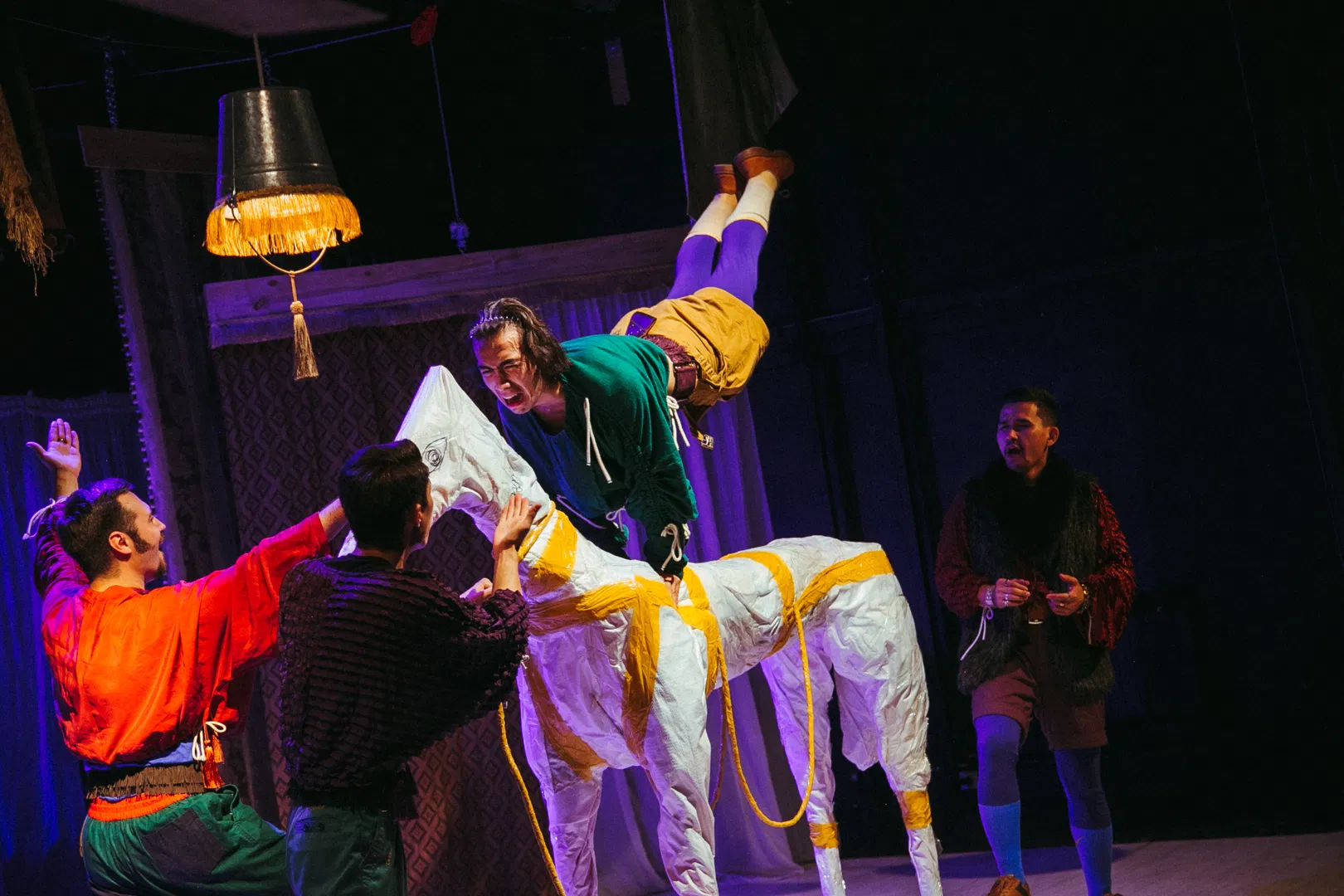
An example - our performance "Adult Daughters". The floor for the stage was brought from home and assembled ourselves. The biggest expense - the purchase of tools and equipment for the hall. We had to separately buy structures for the auditorium: it was expanded from 40-50 seats to 80, because with fewer the performance would not even cover the artists' fees, which we try to keep at a good level. All of this was financed as follows: part - with patron money, part -with Transforma's own money, in a ratio of roughly 70 to 30.
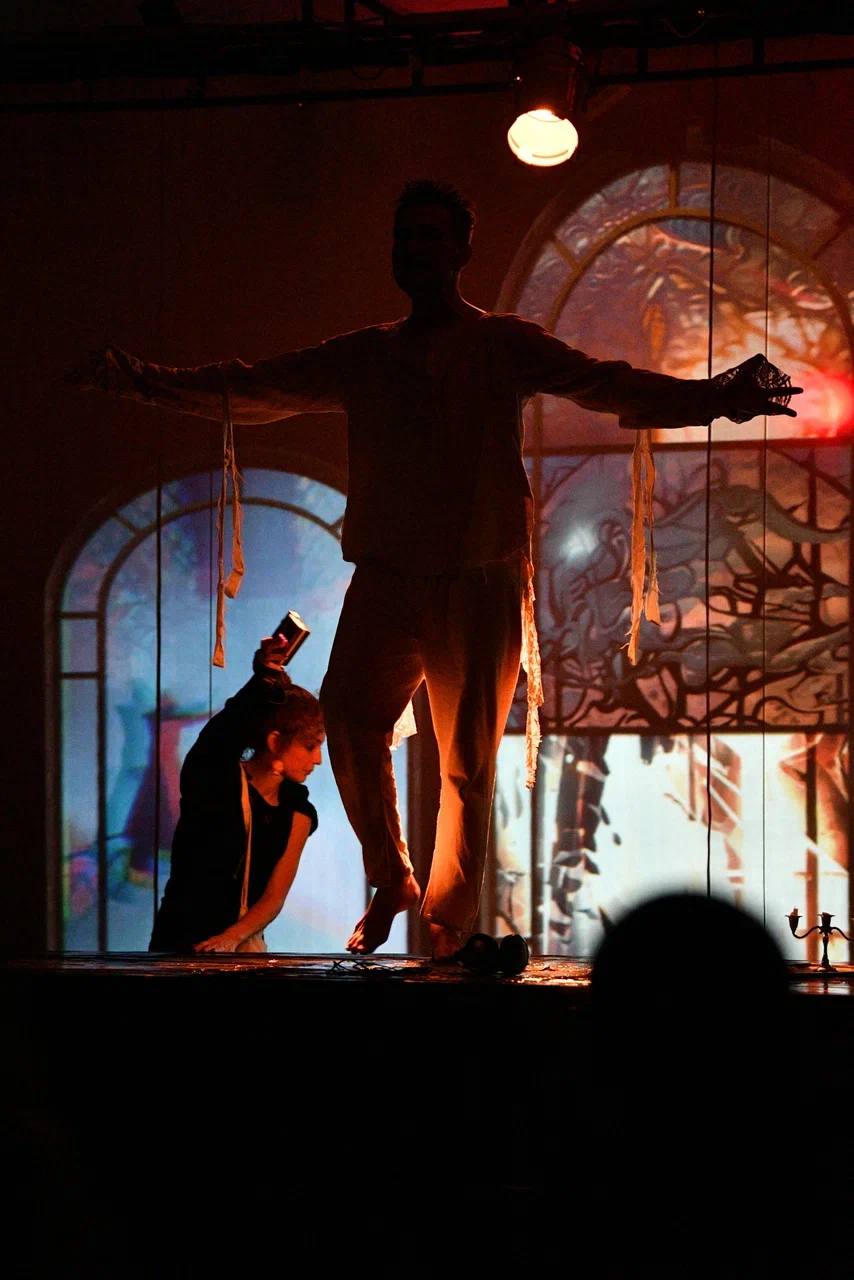
The entire team now - is six people, and each receives a salary. Apart from me and our director Yaroslav Maksimenko, no one has fixed payments, because everything depends on sales: on average a ticket to our performance costs from 8 thousand tenge.
If during the month we manage to set aside some money, we get paid. If not - we act according to the situation: some money comes in - for example, from tickets - and we live on it. Of course, with such a state of affairs it is quite difficult to plan anything: you often do not have any "personal" money in your account that you can count on in advance.
We usually pay artists a minimum of 15 thousand per appearance. This is with very low sales, if the hall is 50% full or less. But fees on average range from 25 to 50 thousand tenge, depending on the number of participants on stage. If we manage to pay more, we are only happy - that means there was a full sell-out. We try to pay artists well, because we understand: they spend a lot of time on the rehearsal process, which is most often unpaid. Sometimes a grant or sponsorship money comes in, although we have never had a sponsor specifically for the project. Except for one - Ararat, which gives 100 thousand tenge to the winner of our improv performance Drama Battle. In addition, we have commercial work, for which we also periodically engage artists. This is usually work in the event sphere, and the fees there can, of course, be higher.
Equipment costs also need to be taken into account: sound equipment wears out less, while lighting - more often, but these sums are usually manageable for the theatre. Lamps cost from 15 to 40 thousand and are bought once every few months and immediately in bulk: if something burns out, there will be no time to wait for delivery. They are partly purchased abroad - taking into account customs delays and logistics, this can affect further work. Technical costs usually remain in the range of 200-300 thousand tenge every month.
The most financially demanding stage - is the period before a production is released. The staging process itself does not particularly require investment: it is mainly rehearsals with what is already available. But the last two weeks before the premiere bring the biggest expenses, because directors often come up with new ideas and solutions about how to do everything right up until the very last moment. If we had more resources, we could distribute tasks across different departments: one handles purchasing materials for sets, another - costumes, and so on. But everything we do is very budget-conscious: costumes are often sewn by the actors themselves; we then try to pay them extra for this work. We also find and buy props ourselves.
About the advertising budget. We always invest in advertising the general repertoire on social media, to promote not only our own projects but also those of our residents. This is usually a monthly poster, as well as a carousel that tells about each production separately. Until last year, we ran targeted ads for all projects at our own expense; now we are trying different formats of interaction. Sometimes, although this is rare, the residents themselves allocate some budget for promotion. Advertising for each of our producer projects costs from 50,000 to 100,000 tenge per month, but usually we select 1-2 productions for separate promotion plus the venue's general repertoire.
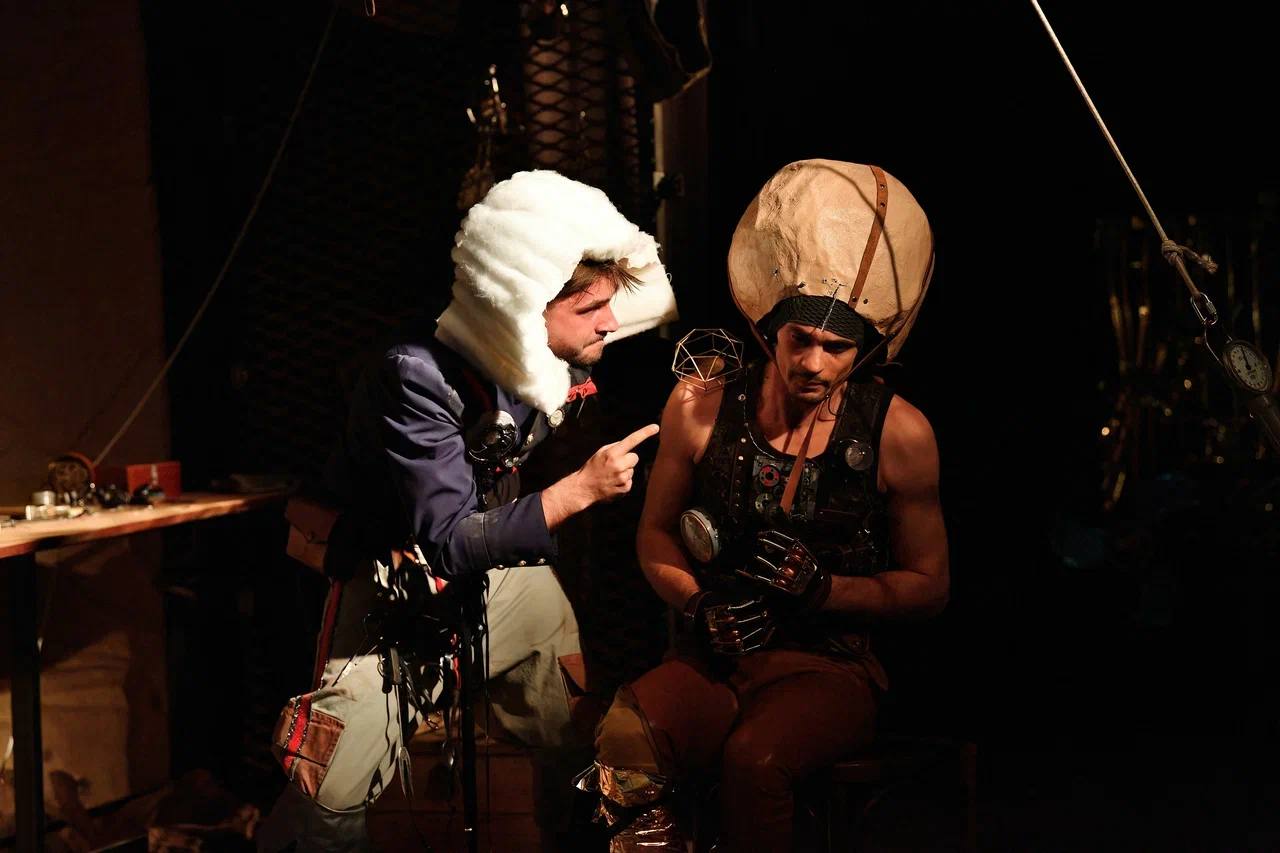
The number of shows depends on the project. There are some that immediately start generating income and require no investment from us at all beyond advertising promotion and the payroll fund - for example, the production "Letters to Exes." Here the costs are - only advertising, fees, paper for the stage, printing cards (25,000 tenge per show) and staff salaries. And there are projects that never break even: they require buying props and much more every month. In the end, we reach some kind of balance. Any production, even the simplest one, requires assembly, and these costs are included in the overall technical estimate.
Can a theatre exist solely on money from ticket sales? It is very difficult, because the staging process largely depends on whether we find funds for new productions. And if there are no new productions, there will be no tickets sold either. That is why an independent theatre is in a constant search for funds» .
Patronage money does happen, and we are very grateful to people who can periodically support us with any amounts. There are also contributions from our audience. In addition, we launch courses, and the income from them also covers part of the expenses - for example, cleaning. Under the current terms, we must provide it for the entire creative hub, not just our own space. Unfortunately, these terms appeared unexpectedly, literally within a couple of days and during the most difficult summer period. Right now, cleaning alone costs 500,000 tenge per month, and that is a substantial sum. In summer, when we are effectively not working, this burden is especially noticeable: the safety cushion we had set aside went to pay for three months of cleaning - 1.5 million tenge. That is all the money we earned from the courses, and even more. So our team went on unpaid leave for a month.
And what about the budget of those who only opened during an era of crises and change?
Theatre 2act in Almaty has existed since 2022. It was founded by the spouses Vitaliy and Yuliya Shengireyev. Over four years of existence, the theatre has managed to move several times: first it toured guest venues, then changed its own. Now the theatre has its own lived-in space and an established repertoire of seven productions. But things do not always go equally well.
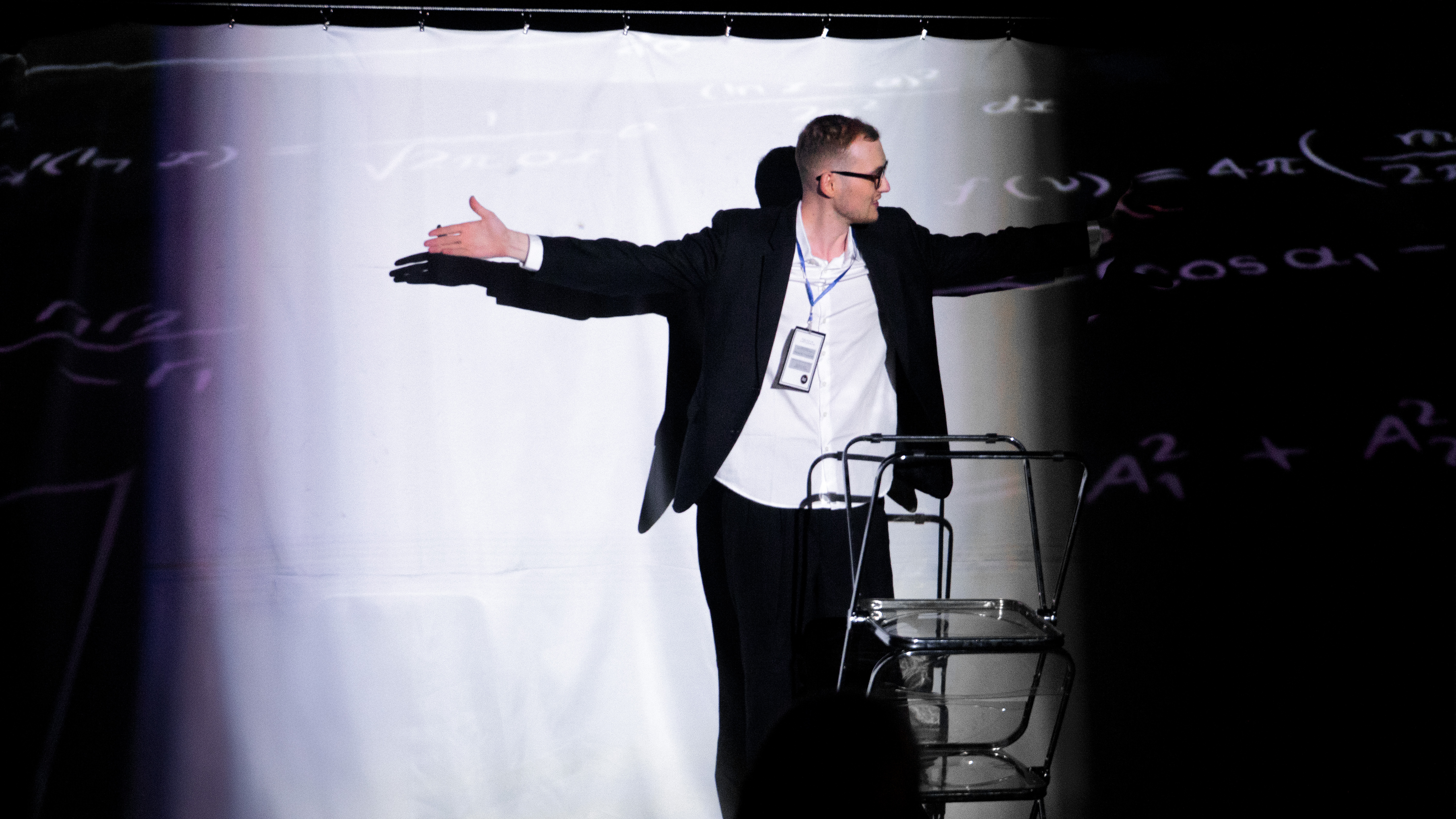
Vitaliy Shengireyev, who combines the roles of director, artistic director and actor, notes: the budget of a production differs depending on whether you have everything you need for the show in the theatre.
«Minimal, even conventional sets cost 300,000-500,000 tenge. However, if you need a projector, some unique lighting, the price tag immediately increases 3-4 times. For example, one production needed a profile spotlight - it cost 780,000. We could have done without it, but light - is another character in the production. But if you do not have everything you need from the start, then the budget starts at a million and goes into infinity.
The biggest expense item - is rent. Before the move, it came to 1 million 300 thousand per month under the contract. And that was us still haggling successfully: initially the space was listed at 1 million 800 thousand.
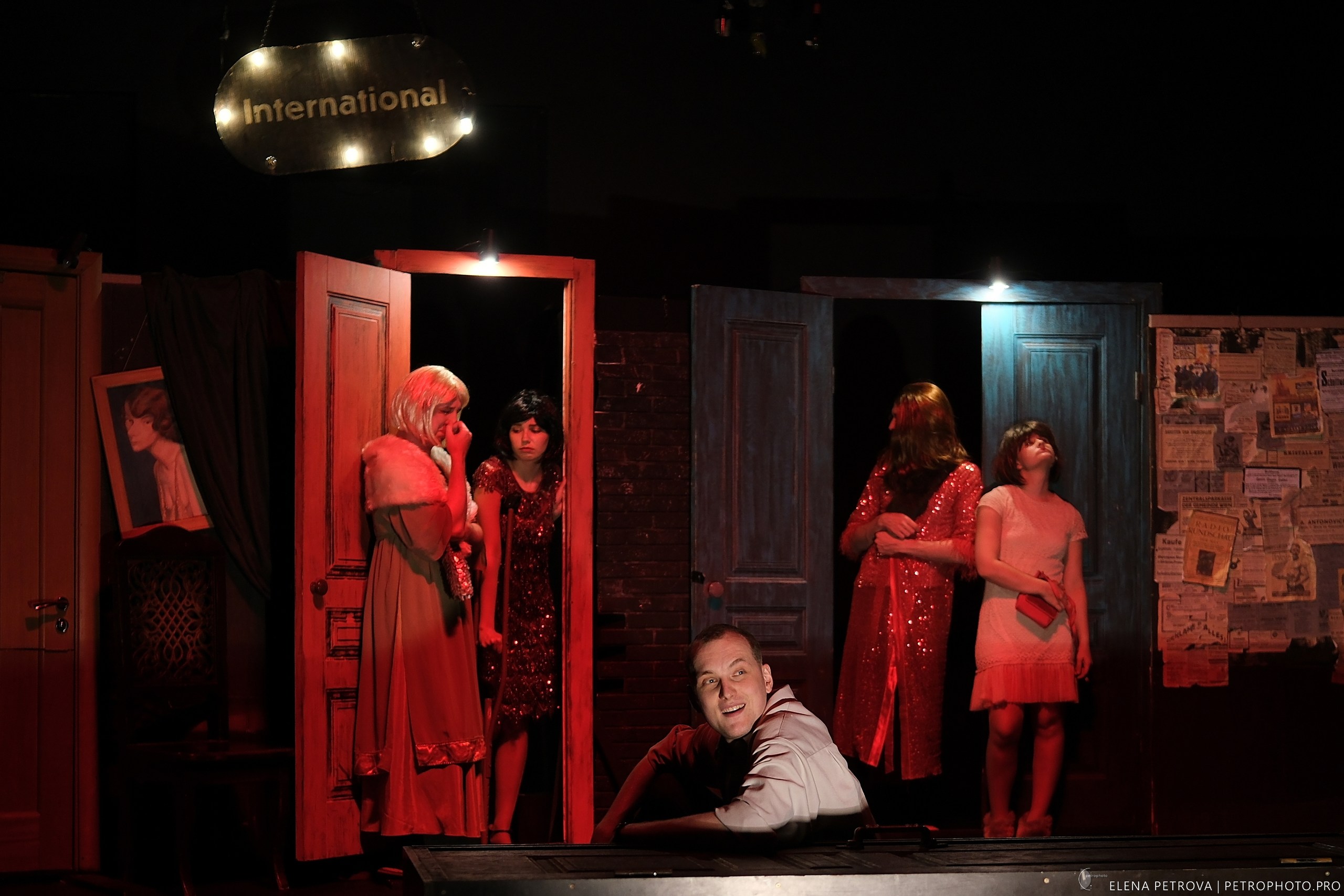
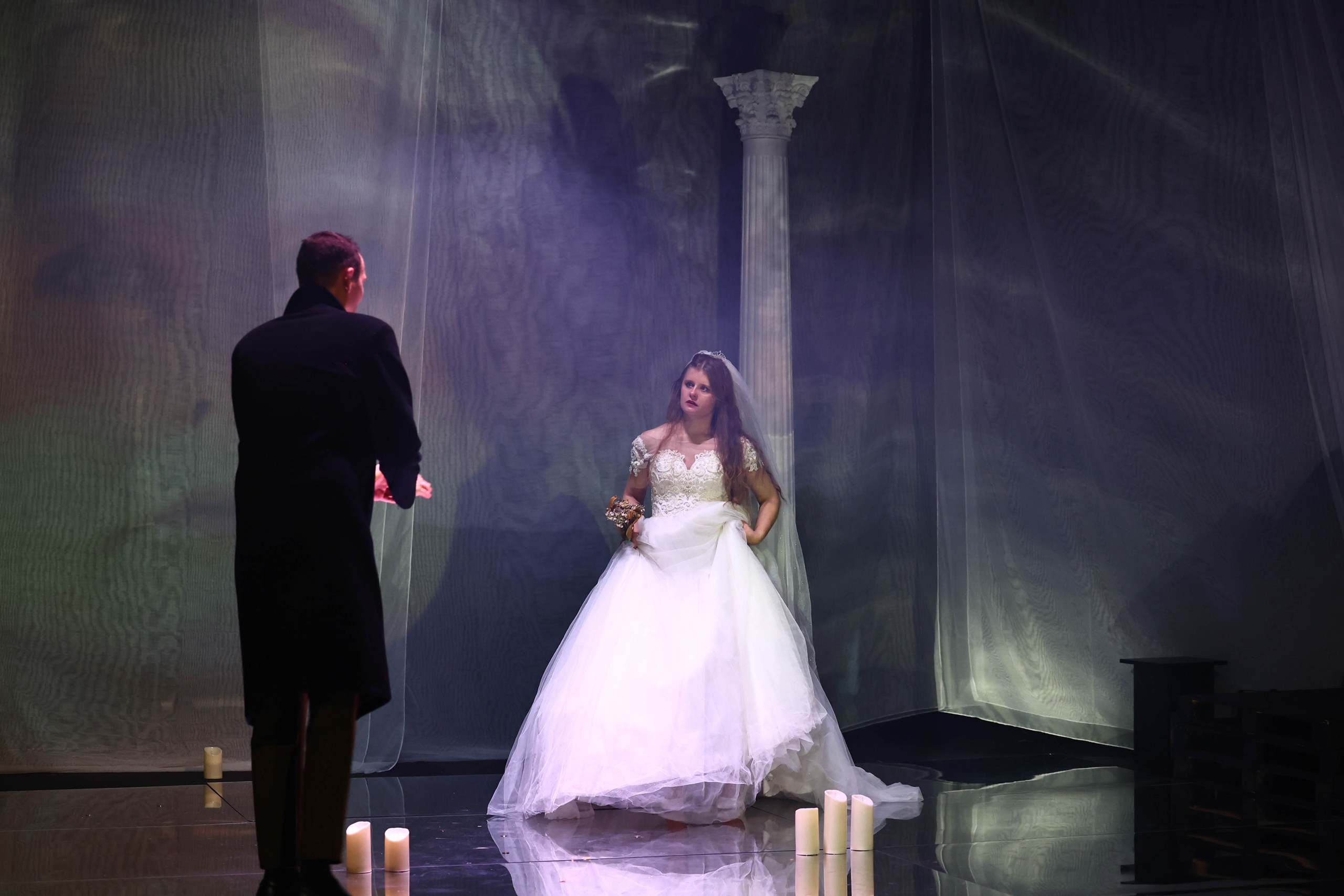
The second item - is the troupe. I - am a director, I work for the idea, so I do not get a fee, - laughs Vitaliy. - Payment for the actors' work comes from a percentage of sales, divided among all the artists involved. A full house - everyone is happy, a half-empty one - everyone is unhappy too. Technical specialists - sound and light operators - receive a fixed sum. Costumes and props - this is the next expense line after equipment. On average it comes to 150,000 tenge per actor. Sets and costumes cost differently, depending on the specifics of the production. Finding five white shirts can be done anywhere, picking up authentic shirts for Germany in 1928 can be done at a second-hand shop. But something unique has to be sewn or ordered from afar, for example, the dresses for the production "Orpheus and Eurydice."
We try to make the sets ourselves with the help of our handy friends. That saves on labor, but materials are always included in the budget of the future production. They also have an unpleasant tendency to break, and their maintenance also costs money. For example, we regularly replace the floor in the production "The Best Employee of Eternity." In total, a premiere usually costs between 200,000 and 400,000, depending on the complexity of the stage design. You always want the next production to be nicer and more technically impressive than the previous one. So you always try to bring at least something new to the premiere: a spotlight, a lamp, a smoke machine, a microphone, lavalier mics» .
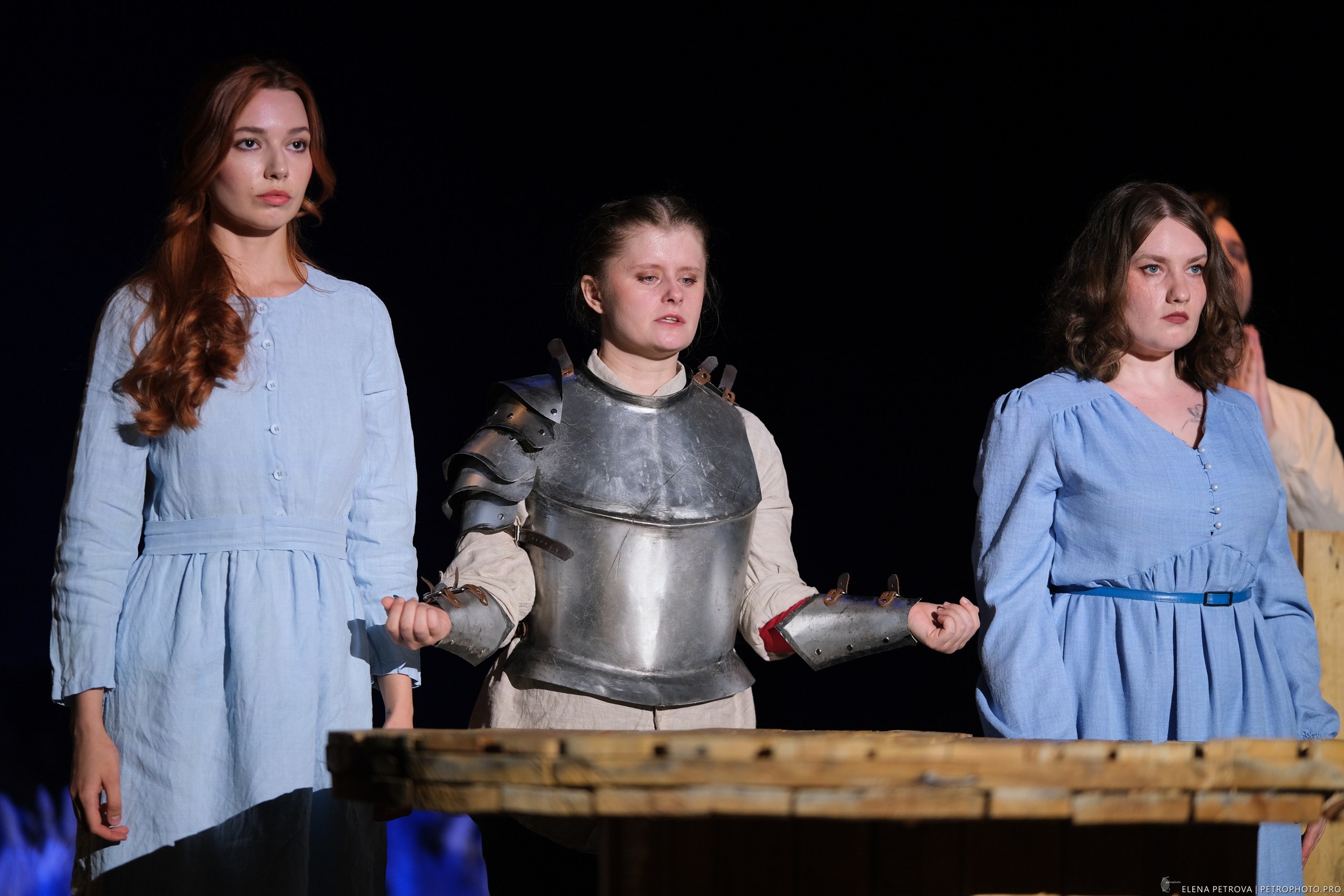
But besides material costs, there are also abstract costs. For example, time - going to the market for fabrics, materials and costumes. Because all of this is located in different parts of the city and in various online stores. It also happens that you urgently need to buy many different unique items a week before the premiere, because a complete picture of the production finally emerges. In short, you would not envy the backstage work of a theater. And what about the return on results?
"We can rarely afford funds for an advertising campaign. After purchasing the "physical body" of a production, we almost always find ourselves drained financially and rely on our regular audience. So advertising fits into a conditional 100,000, even less.
On average, a production breaks even after 10 shows. Provided that the actors are paid for their work, rather than the entire gross take going to cover expenses. We usually decide to remove a production from the repertoire when the amount of effort and money needed to promote it and maintain its quality exceeds the return - financial or reputational. I am very invested in the quality of our productions and can close a show only because of a critical decline in quality for various reasons. This is not always related to sales.
Help from viewers - is a very important share of funding for our productions. At the first premieres, we literally gathered "a thread from every corner of the world" to make a sweater. Someone was ready to buy a lamp, someone - a few shirts, someone could gift a table or a carpet. We always invite these people to the premiere and are proud of such an audience. And they are very proud that they can contribute to the theatrical cause.
Help from patrons - is a complicated question. I can present a resume of failure. The number of companies and people to whom we sent corporate letters, crowdfunding appeals, proposals for cooperation and support approaches 50 - and about a dozen of them ended with the following dialogue:
" - Are you involved in sports? - No. - Do you have inclusion? - No. - Then we cannot help you with anything."
Sometimes people who come to our production can help one-time with a sum that we set aside for the "production budget" of a new show. But this is extremely rare» .
You can live on money from tickets, but it is a bit sad. It is like bailing water out of a boat that is permanently sinking. If one of the bailers gets sick, everyone drowns. If more water pours in, for example, as happened with the suddenly dismal sales of last April, you drown. If you do not bail fast enough, you drown. But we keep sailing anyway.
Newsletter
A letter from the HD editors
Once a week, we send the best stories, events, and cultural discoveries from Central Asia.