Cinema and Performing Arts
Before the First Movement: A Photo Essay
Alfiya Kalmaganbetova, Ildar Sadykov
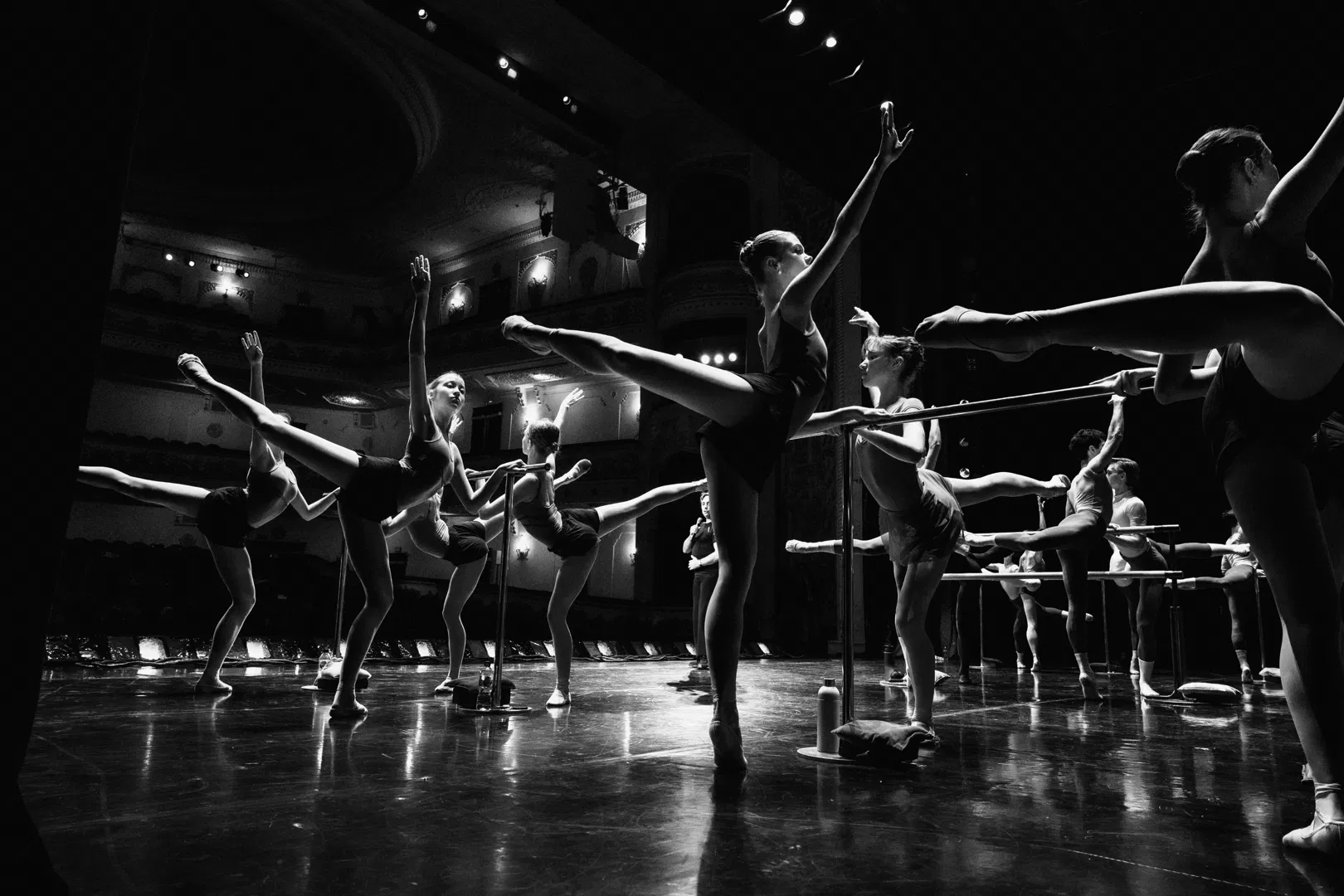
An Open Class by the Vaganova Academy of Russian Ballet in Tashkent: Alfiya Kalmaganbetova Reports from the Alisher Navoi State Academic Bolshoi Theatre.
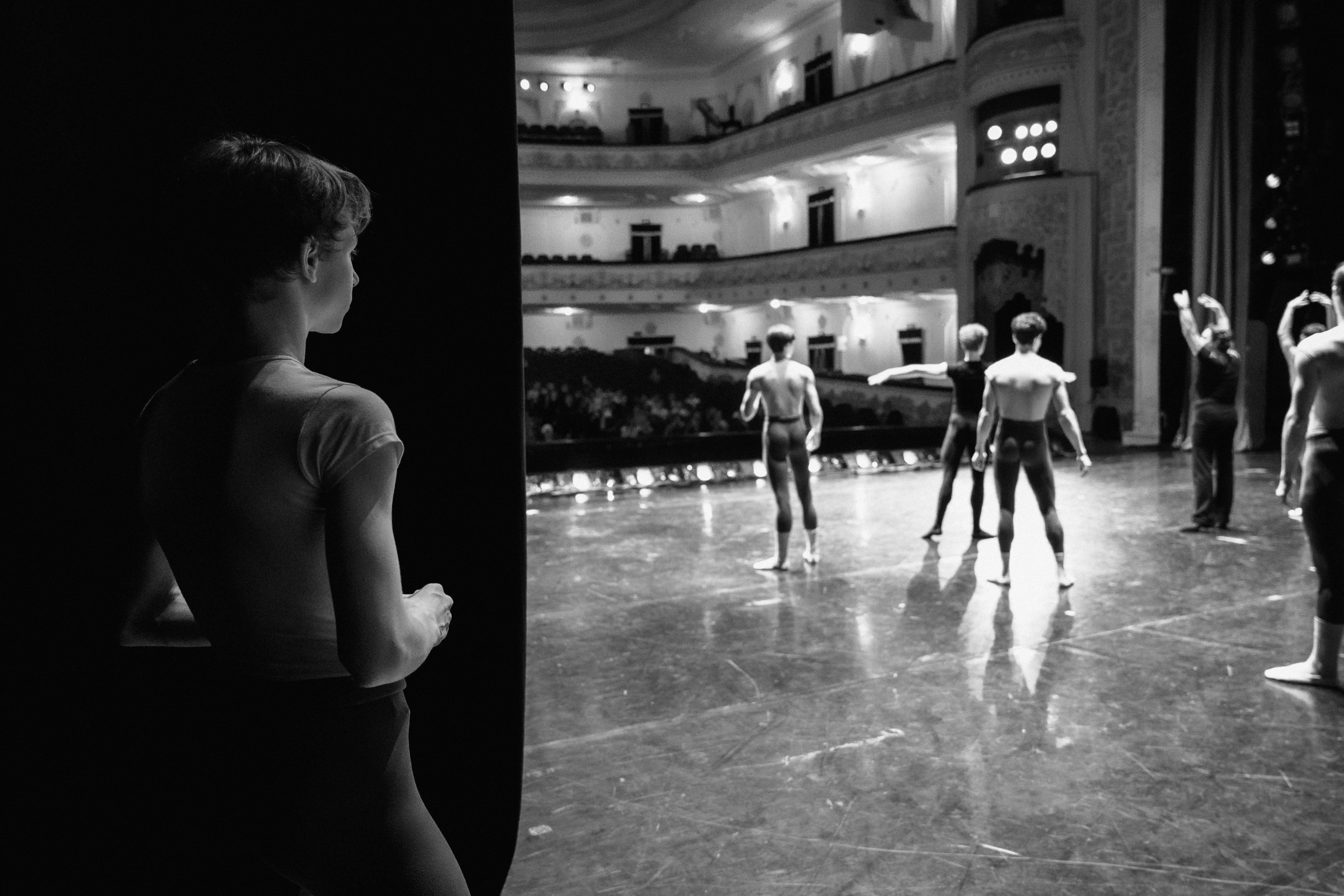
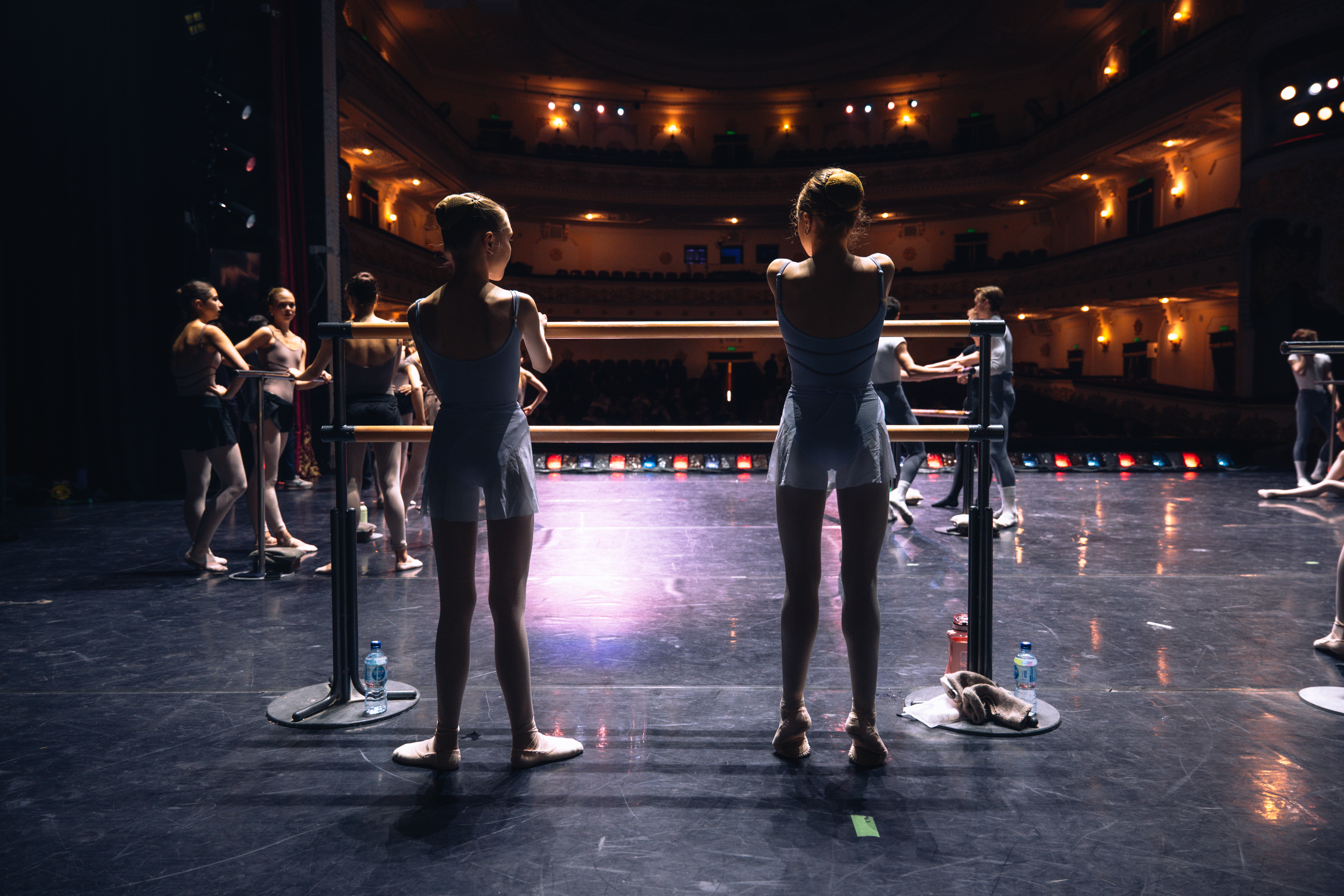
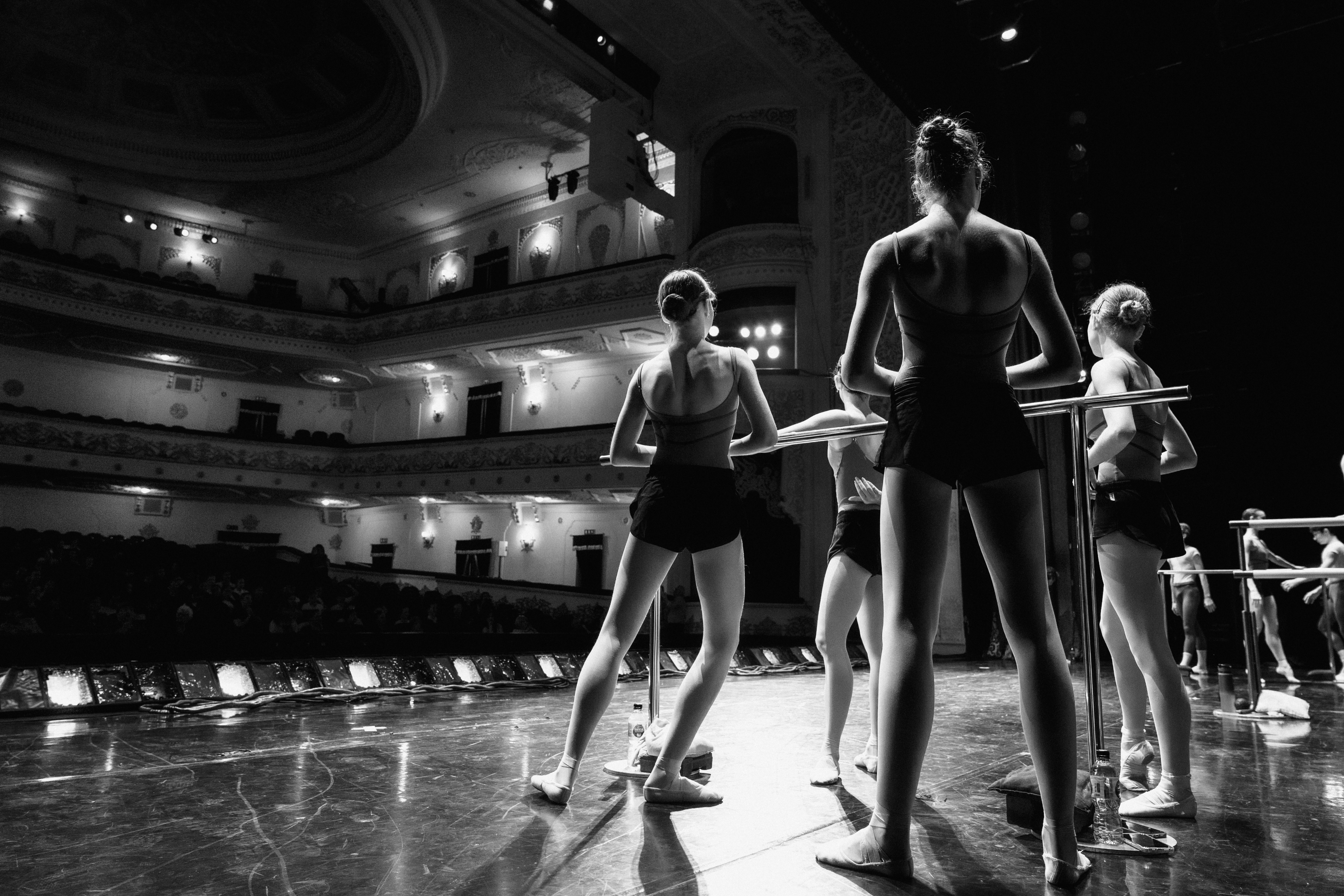
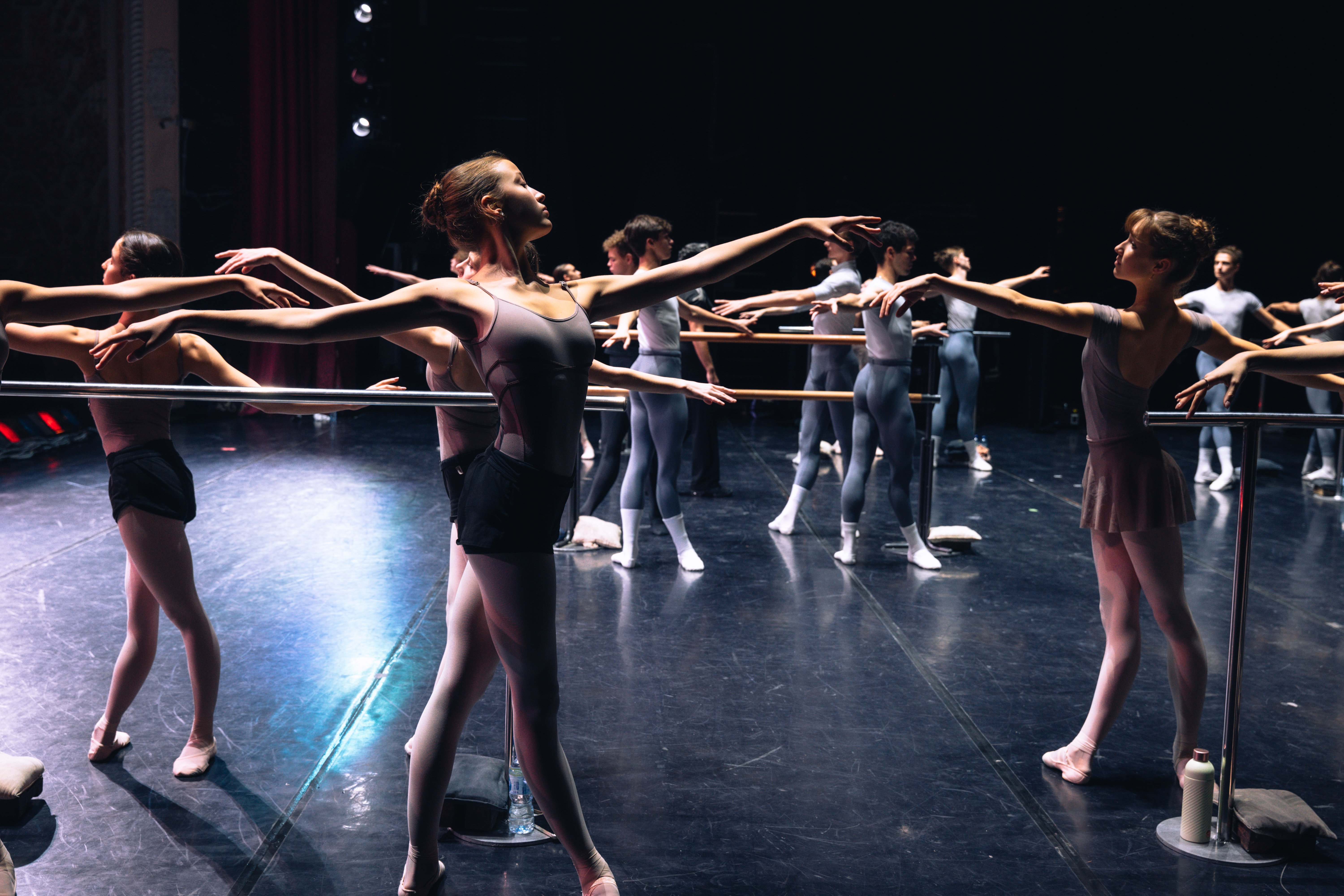
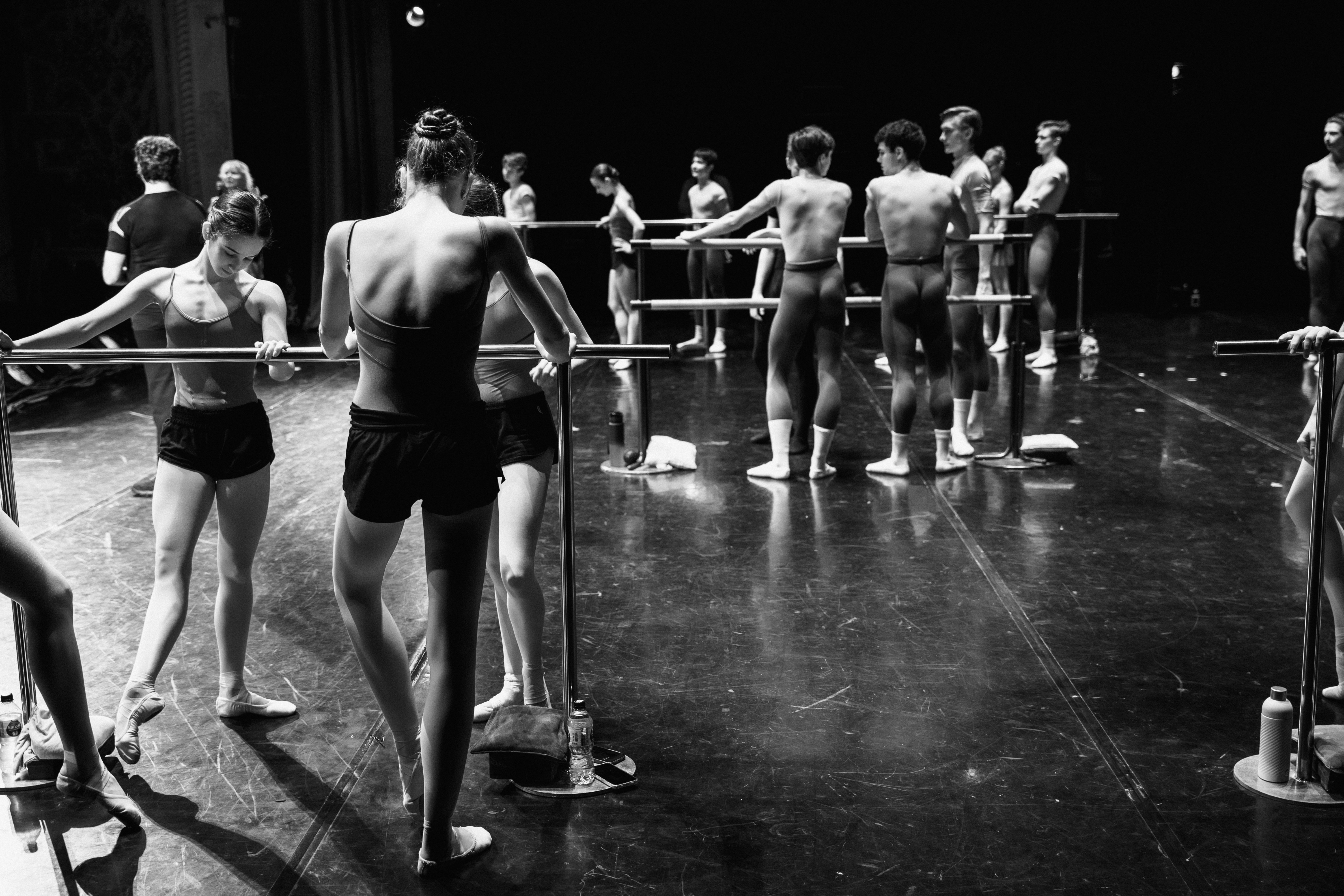
There are moments when beauty has yet to begin, yet you can already sense it. Before the music starts, the students carry the barres onto the stage, set them in place and take their positions. The theatre’s vast space gradually becomes a classroom. Everything begins with silence, concentration and a readiness to hear the music. Photographer Ildar Sadykov and I grow quiet, too. In the pause before the first movement, there is a gentle flutter of anticipation, the feeling of being on the verge of an encounter with beauty.
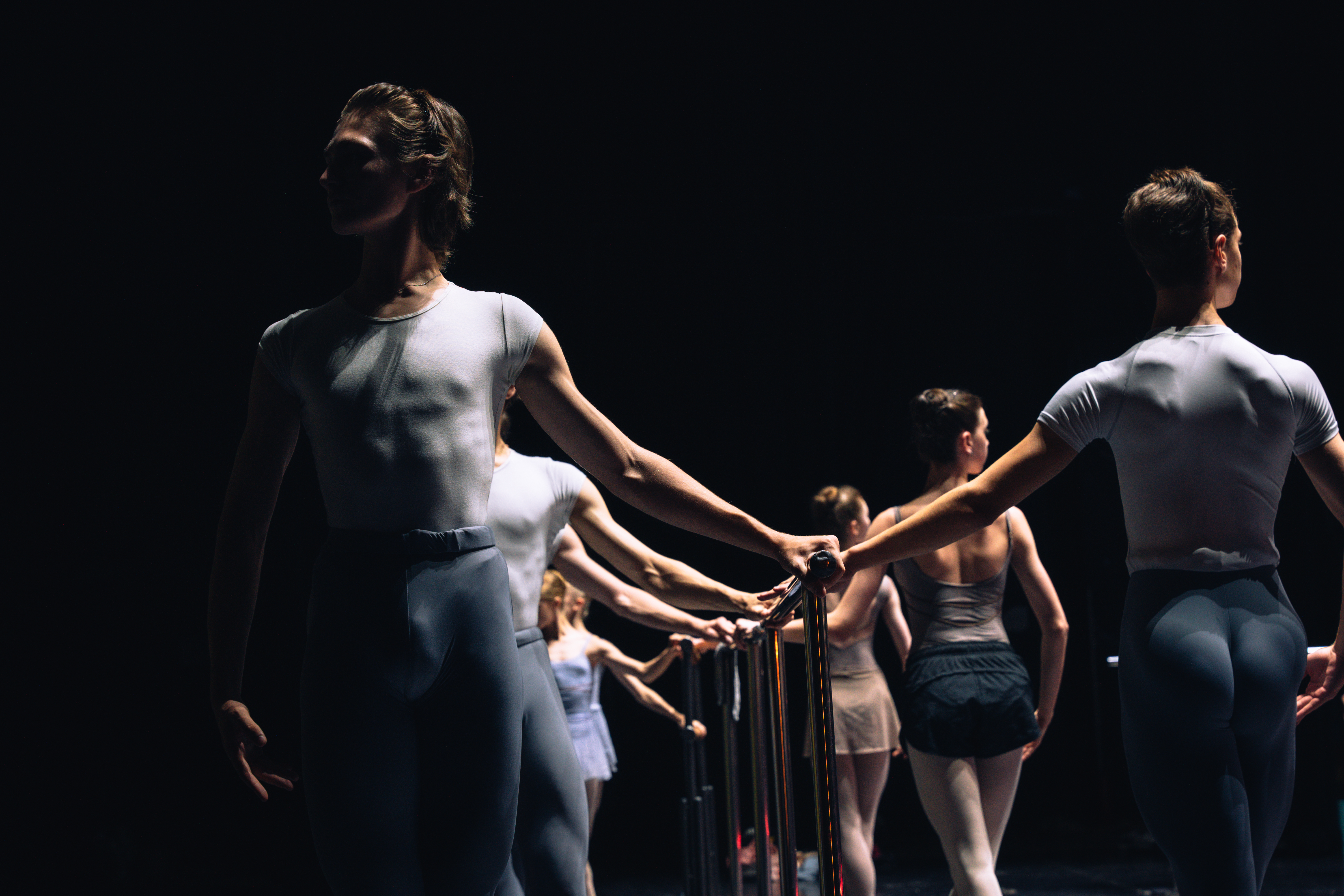
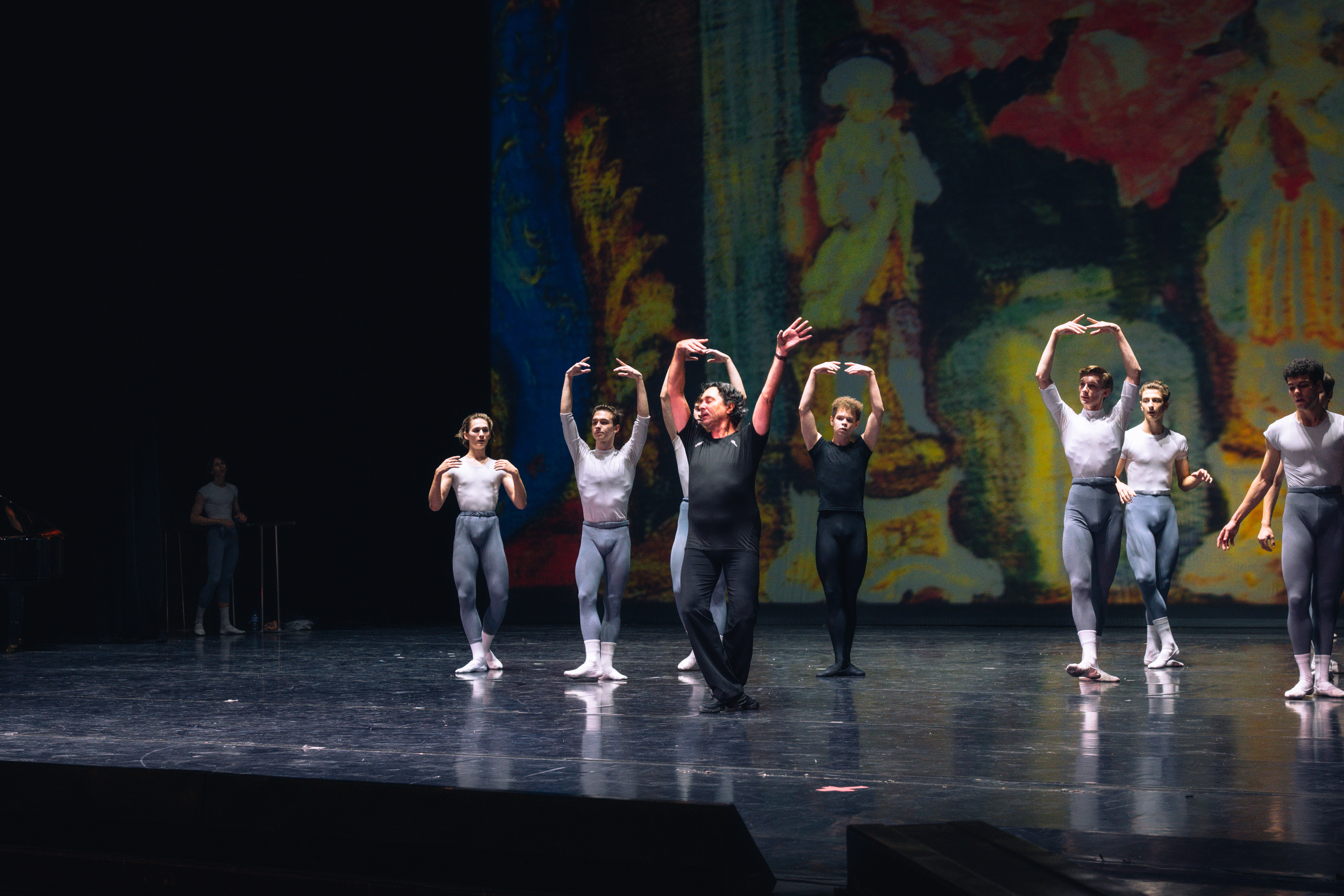
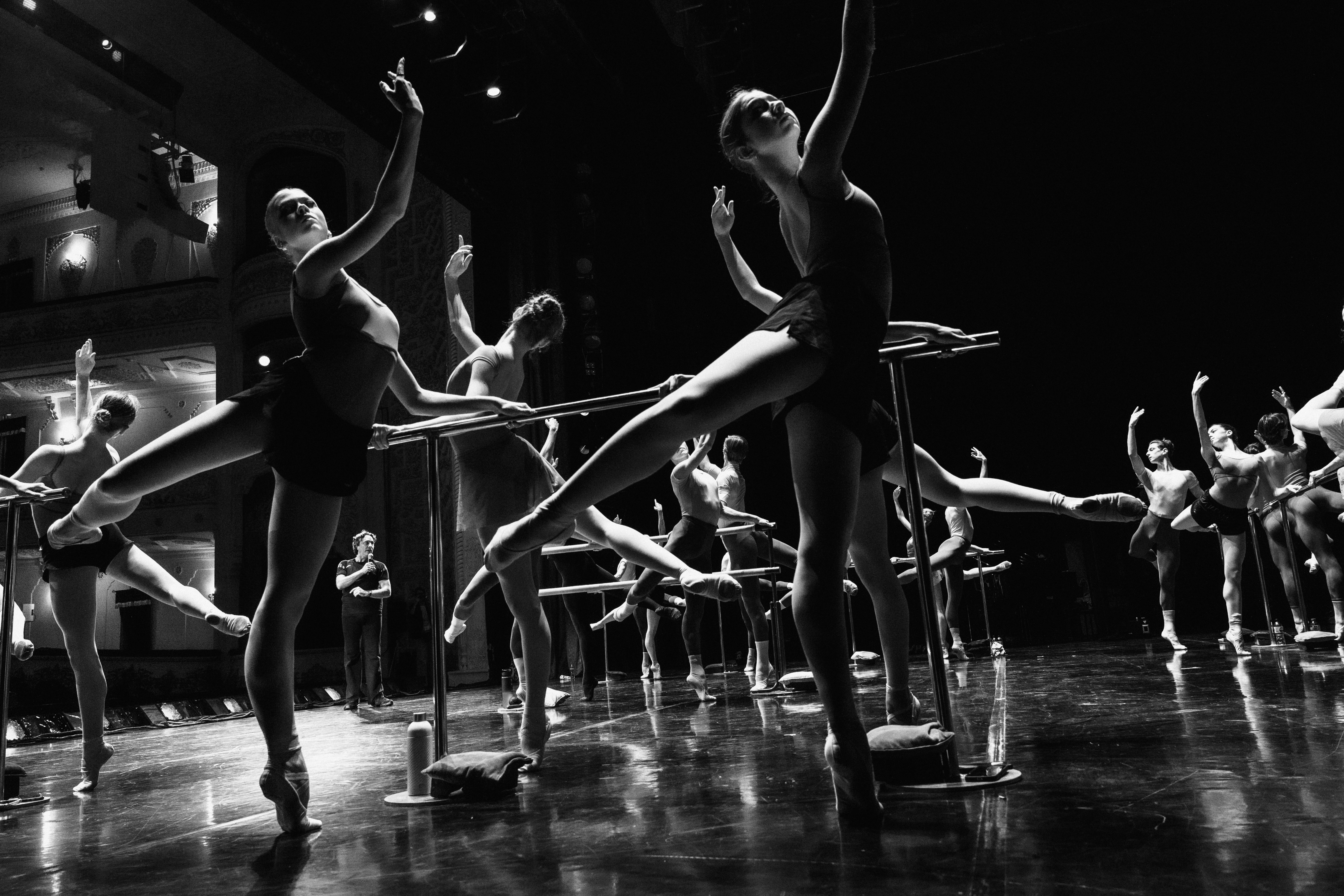
In early October, the Alisher Navoi State Academic Bolshoi Theatre welcomed the Vaganova Academy of Russian Ballet for an open class. Nikolai Tsiskaridze travelled to Tashkent with the students, while the class was led by Feton Miozzi, a senior teacher at the Academy. A virtuoso accompanist was at the piano, while young dancers and teachers from Tashkent filled the auditorium. A hush of anticipation hung over the theatre. Soon, everyone’s attention was absorbed by the lesson: the music, the teacher’s brief remarks and the movement that grew more precise with every repetition.
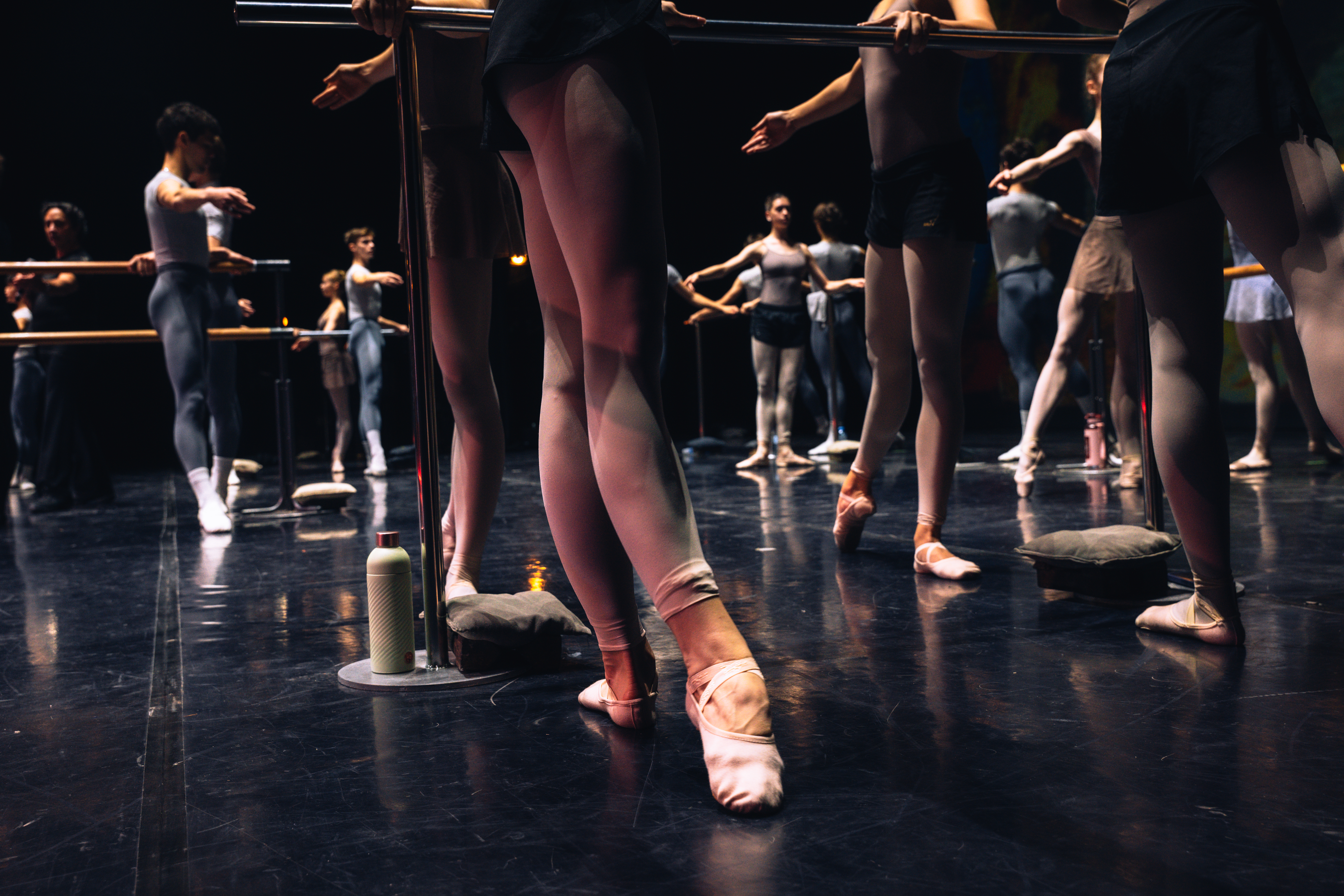
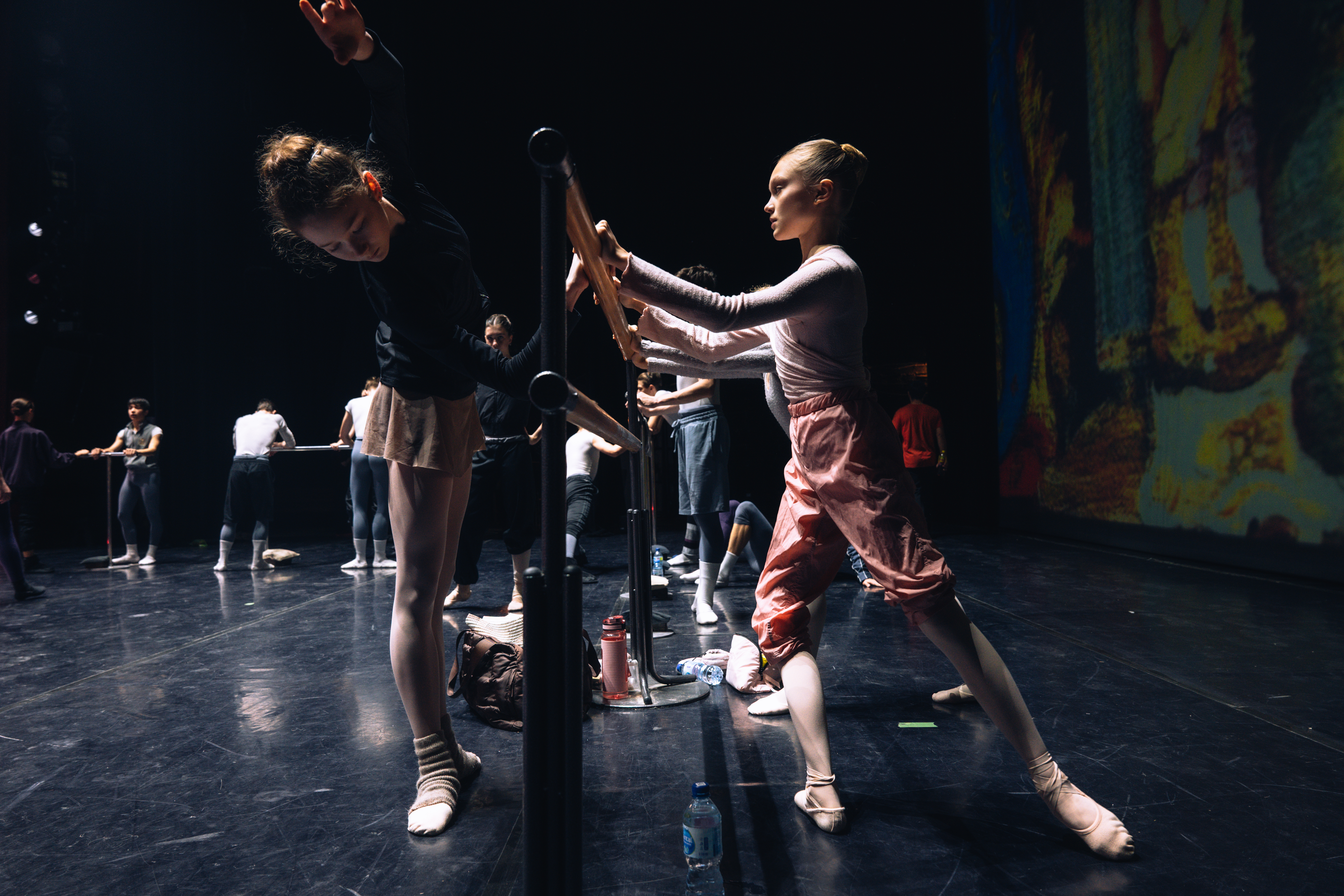
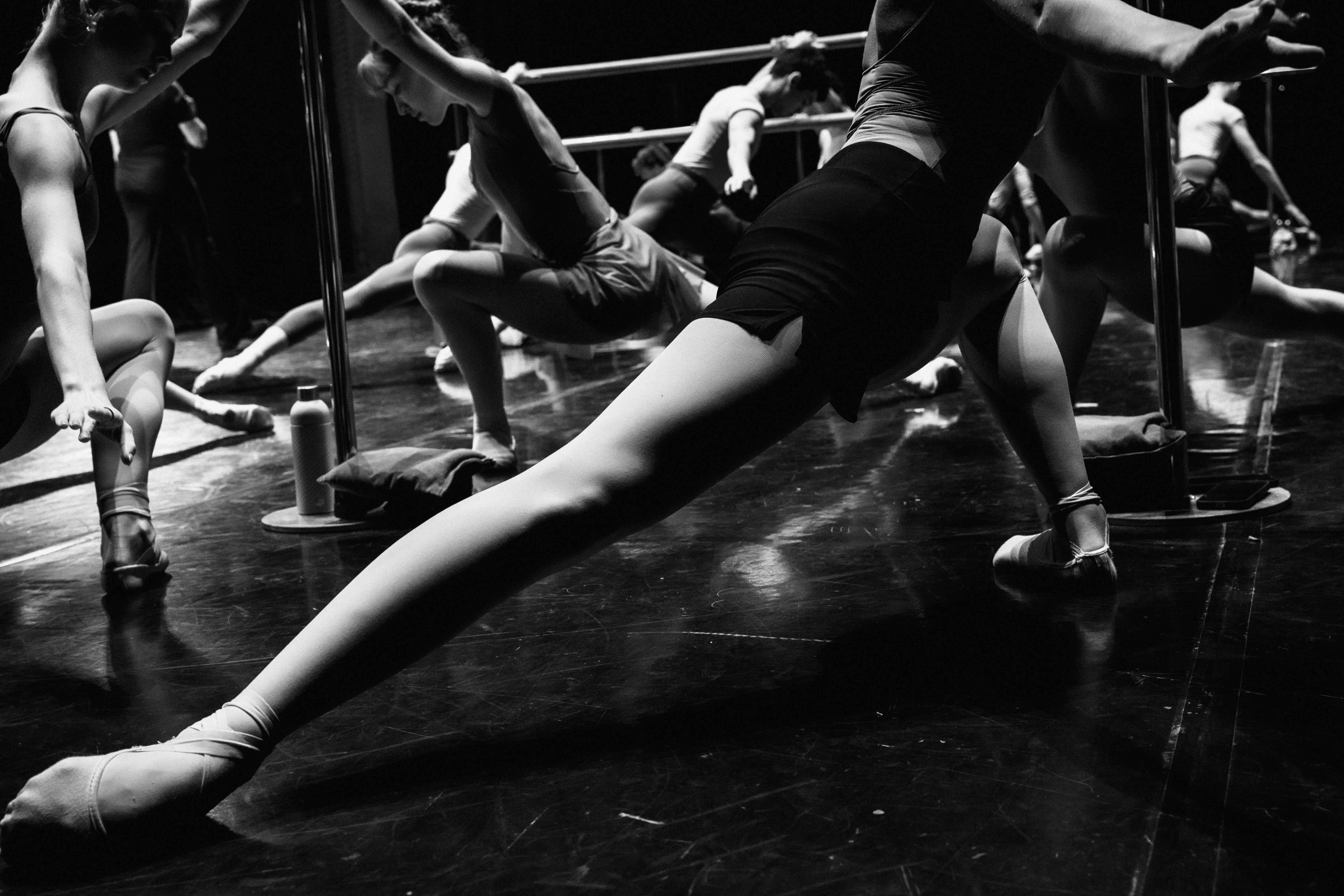
At the barre, the lines of classical ballet gradually take shape. The foot finds its support, the torso maintains its balance, the arm carries the movement forward from the shoulder, and the gaze follows the turn of the head. These may seem like separate gestures, but each involves the whole body. The effortlessness that looks so natural to the audience is born of concentration, repetition and years of work.
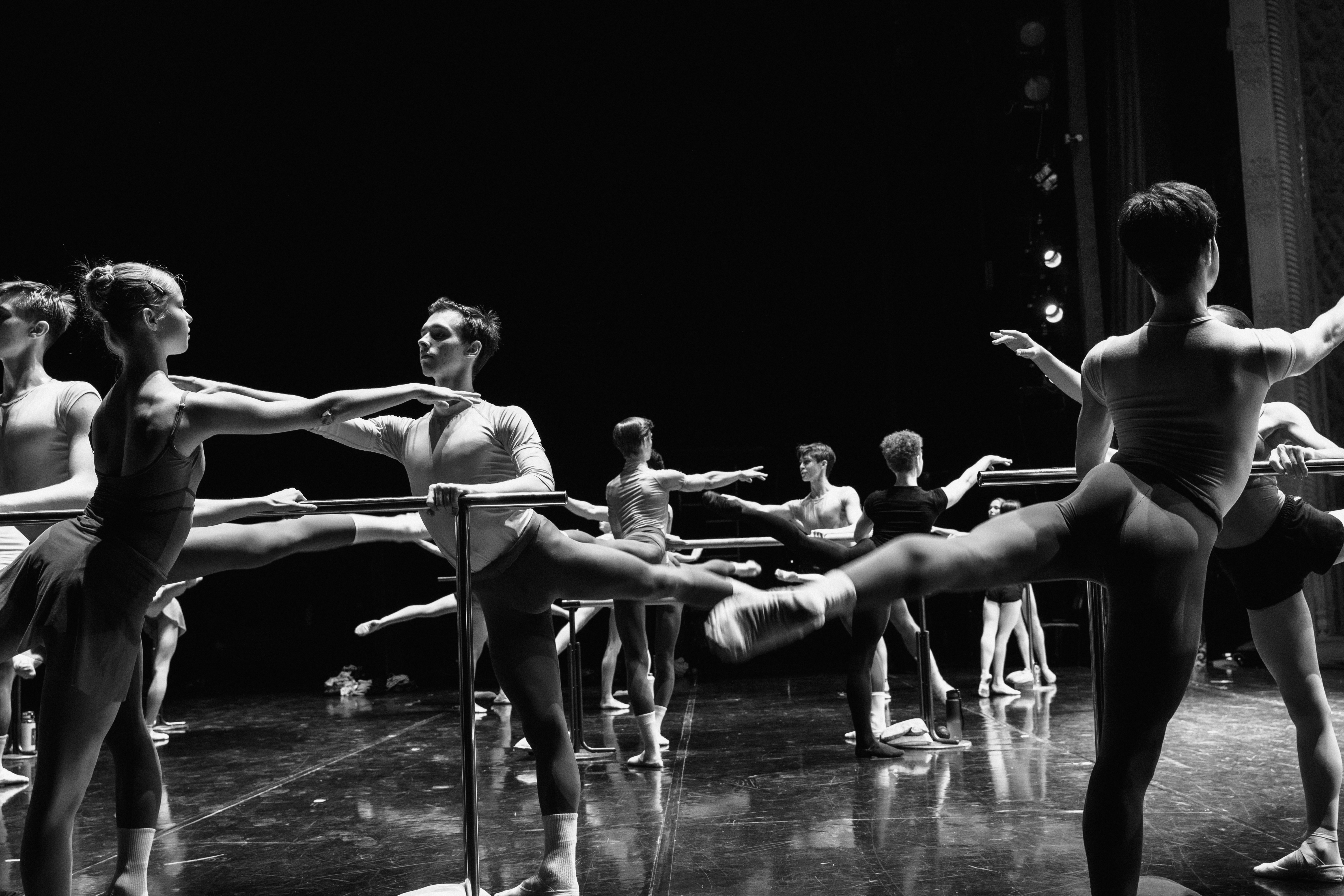 Photo: Ildar SadykovPhoto: Ildar SadykovPhoto: Ildar SadykovPhoto: Ildar SadykovPhoto: Ildar Sadykov
Feton spoke gently to the students, yet he was exacting about every movement. At one point, he turned to one of them and asked, “How did you do that?” There was genuine surprise in his voice, and the class’s attention seemed to gather around the movement the student had just discovered. The question encouraged him to look closely at himself, understand what he had got right, feel how the movement had come about and find his way back to it. His tone was both encouraging and exacting.
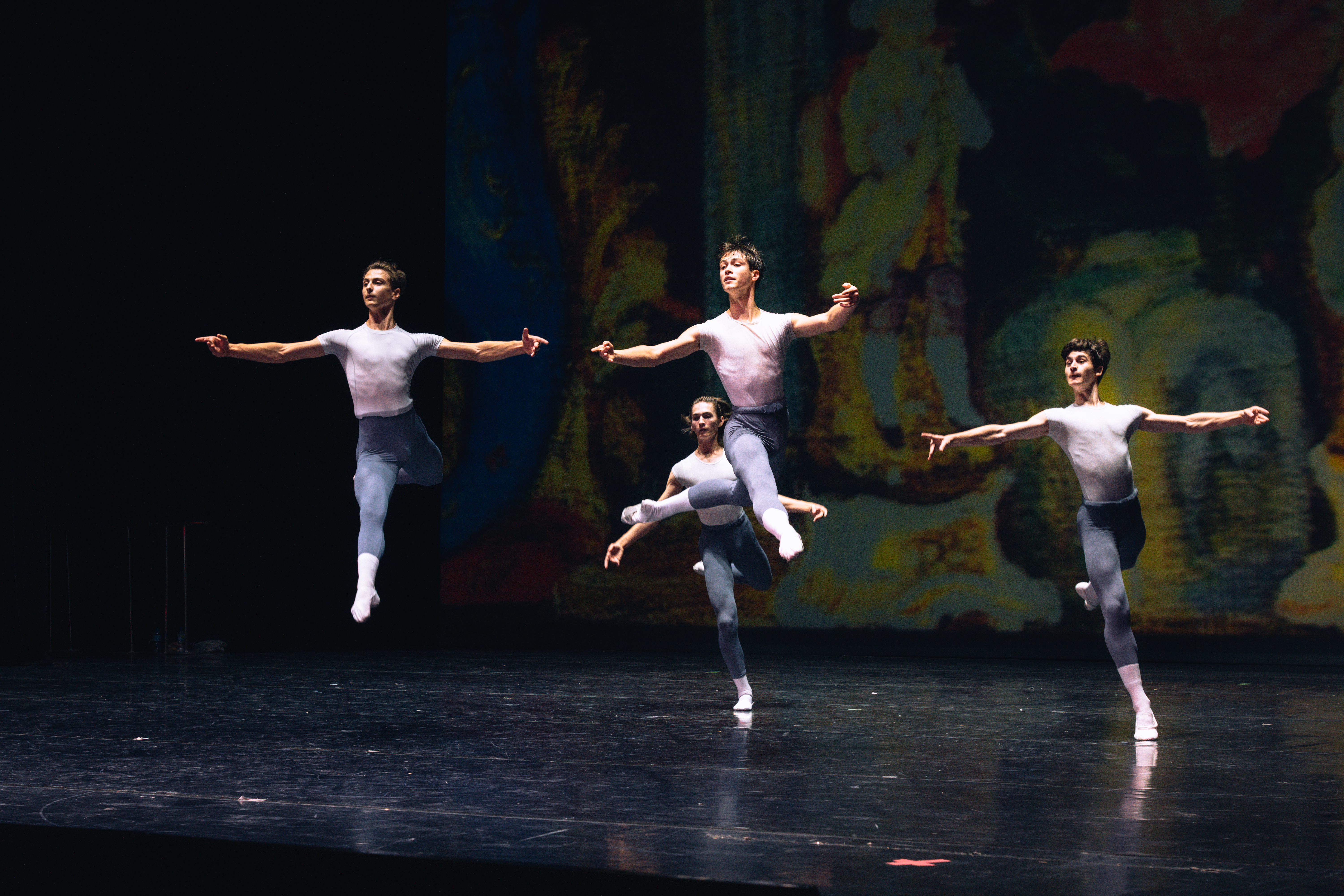
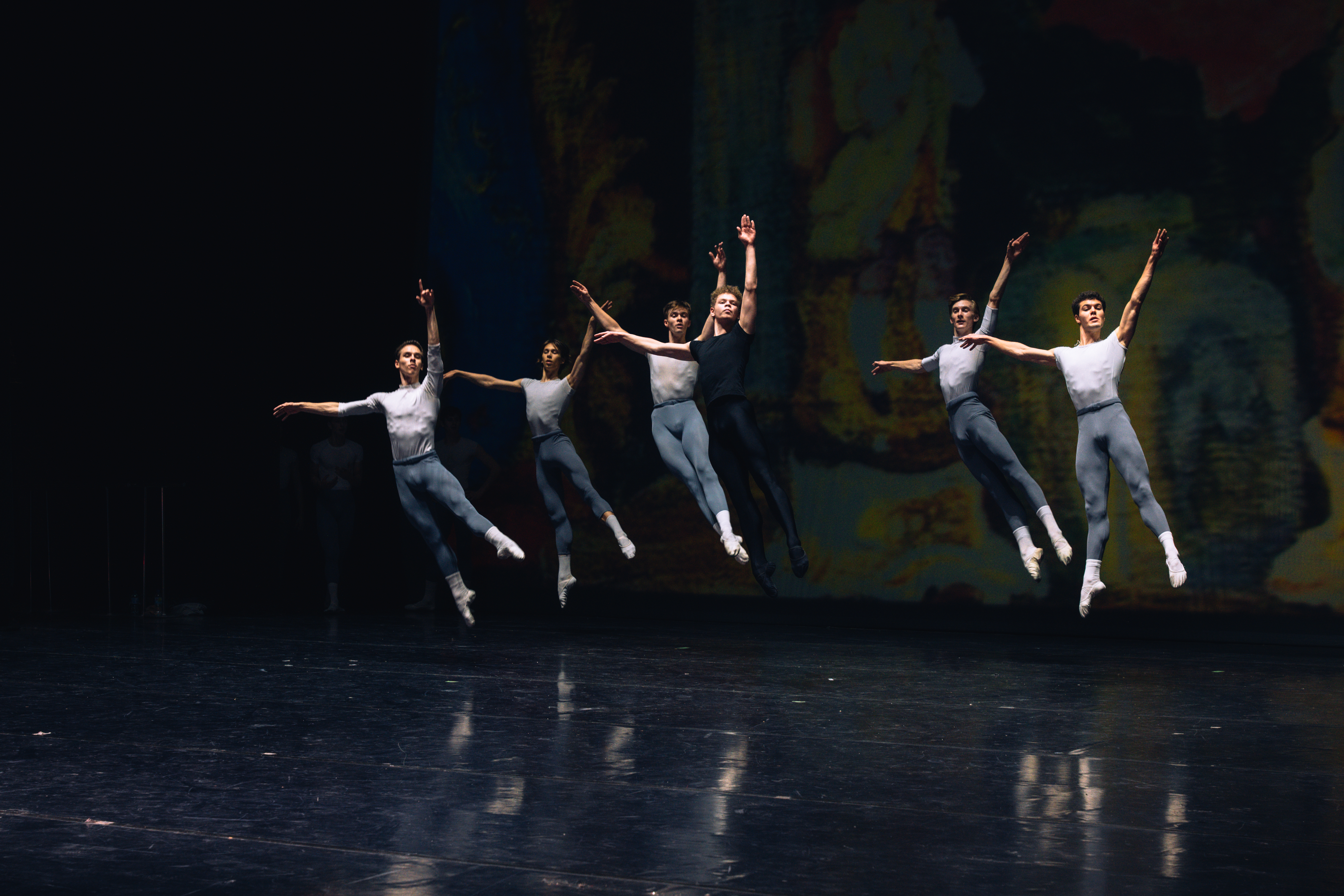
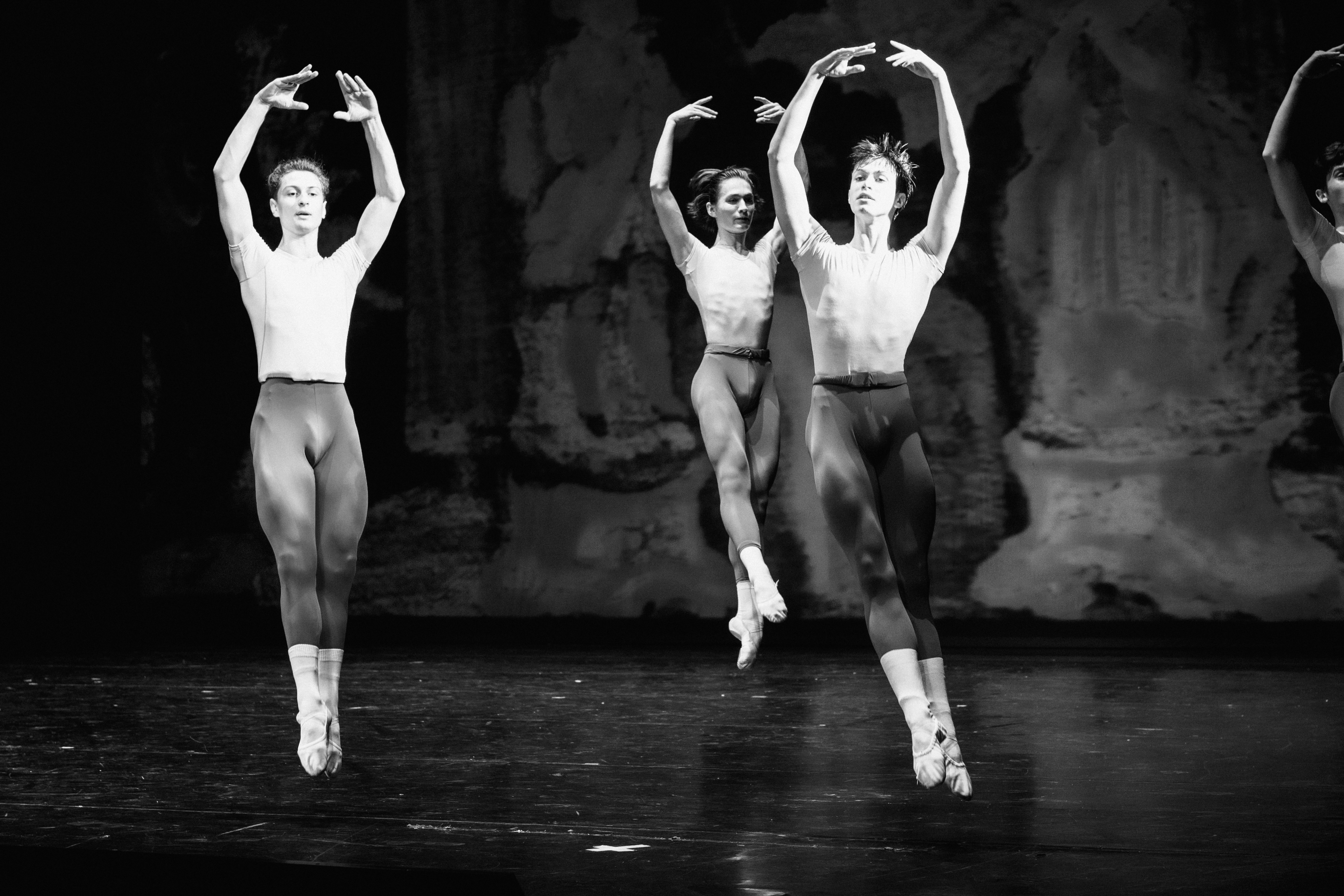
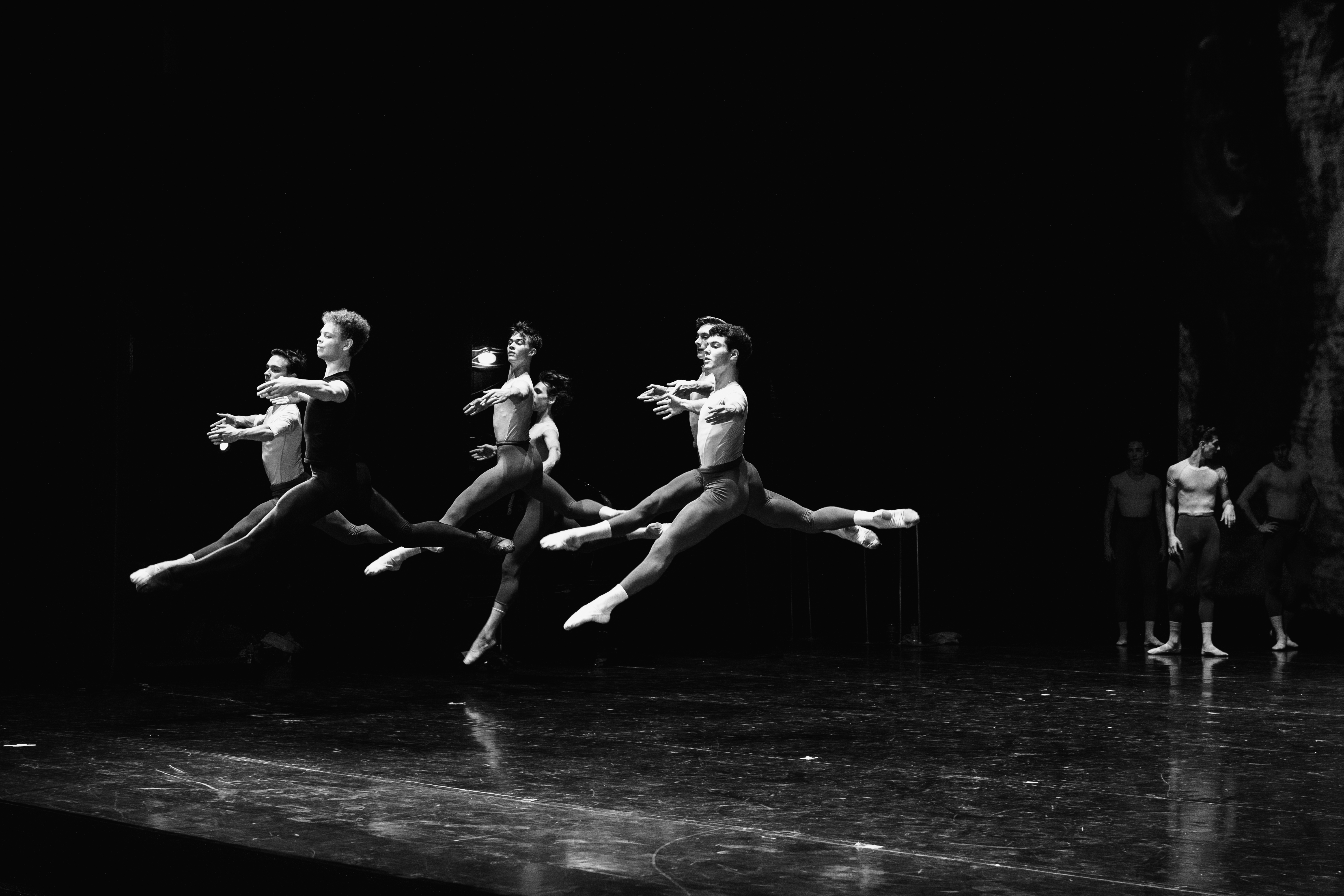
Once the students had carried the barres backstage, the centre of the stage lay open. The lesson seemed to take a new breath as it moved on to jumps. First came the plié, then the dancer rose into the air and paused briefly at the highest point. For an instant, the body seems to hold time still: the effort has already been made, but the return to the floor has yet to begin. The music carries on, the movement continues, yet for a fraction of a second the dancer seems to hang in the air.
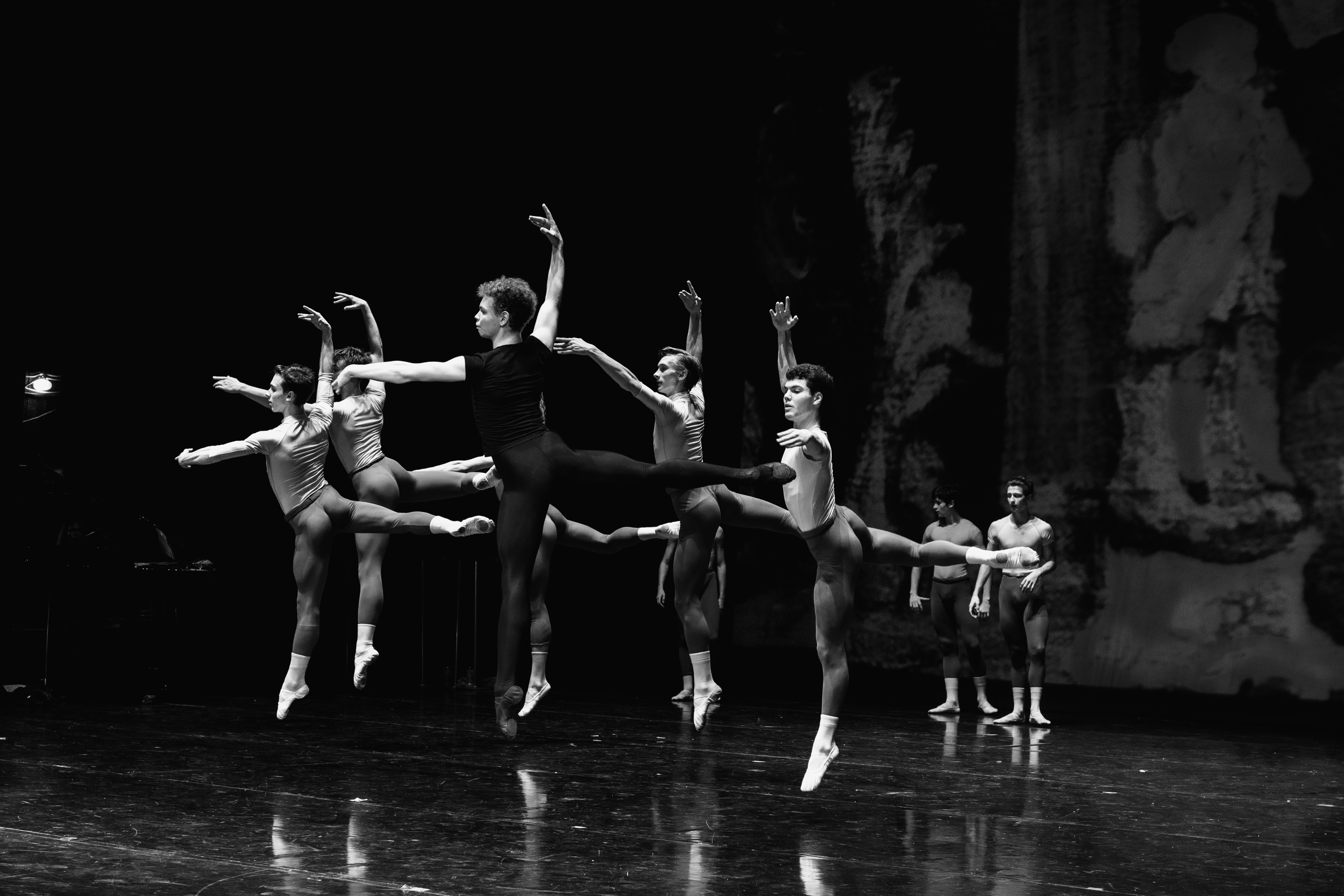
The stage light is almost still, outlining the space and tracing the lines of the body: the pointed foot, the shoulder, the neck, the arm, the curve of the torso. Reflected on the floor, it seems to carry the movement onwards. At the height of each jump, every gaze hangs in mid-air. Ildar Sadykov’s photographs capture not only the moment the dancer rises into the air and returns to the floor, but also the barely perceptible pause in between, when effort becomes almost invisible and the line of the dance comes into sharp focus.
Ildar and I watched the class in our own ways. I listened to the music and the teacher’s voice; he caught the light, the movement and moments that lasted less than a second. Yet we shared a feeling that draws us back to these photographs again and again: the gentle thrill of being so close to beauty. The images preserve the students’ concentration, the reflected light, the height of the jumps and the atmosphere of the lesson, something difficult to capture in a single frame.
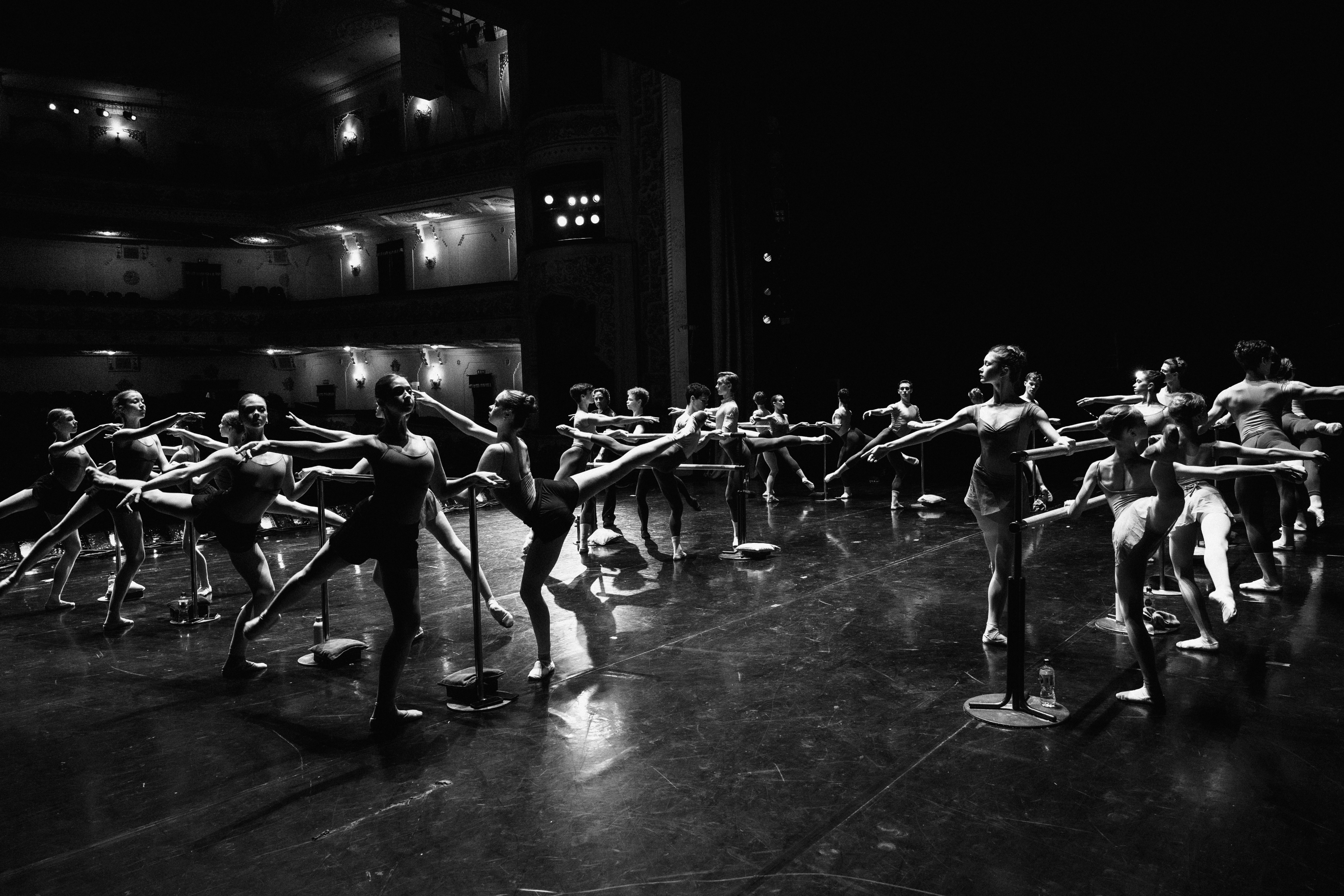 Photo: Ildar SadykovPhoto: Ildar SadykovPhoto: Ildar SadykovPhoto: Ildar SadykovPhoto: Ildar Sadykov
When I look at the photographs, I find myself back in that theatre. I hear the music, remember Feton’s question and watch the children searching, again and again, for precision in their movements. Beauty does not appear all at once; it takes shape through hard work, attention and trust between teacher and student.
That is how tradition lives on, passing from teacher to student, from one generation to the next: in a teacher’s remark, in the repetition of a movement, in the line a child one day manages to find on their own. First, the barre is carried onto the stage. Then the music begins, and the first step follows.
Newsletter
A letter from the HD editors
Once a week, we send the best stories, events, and cultural discoveries from Central Asia.