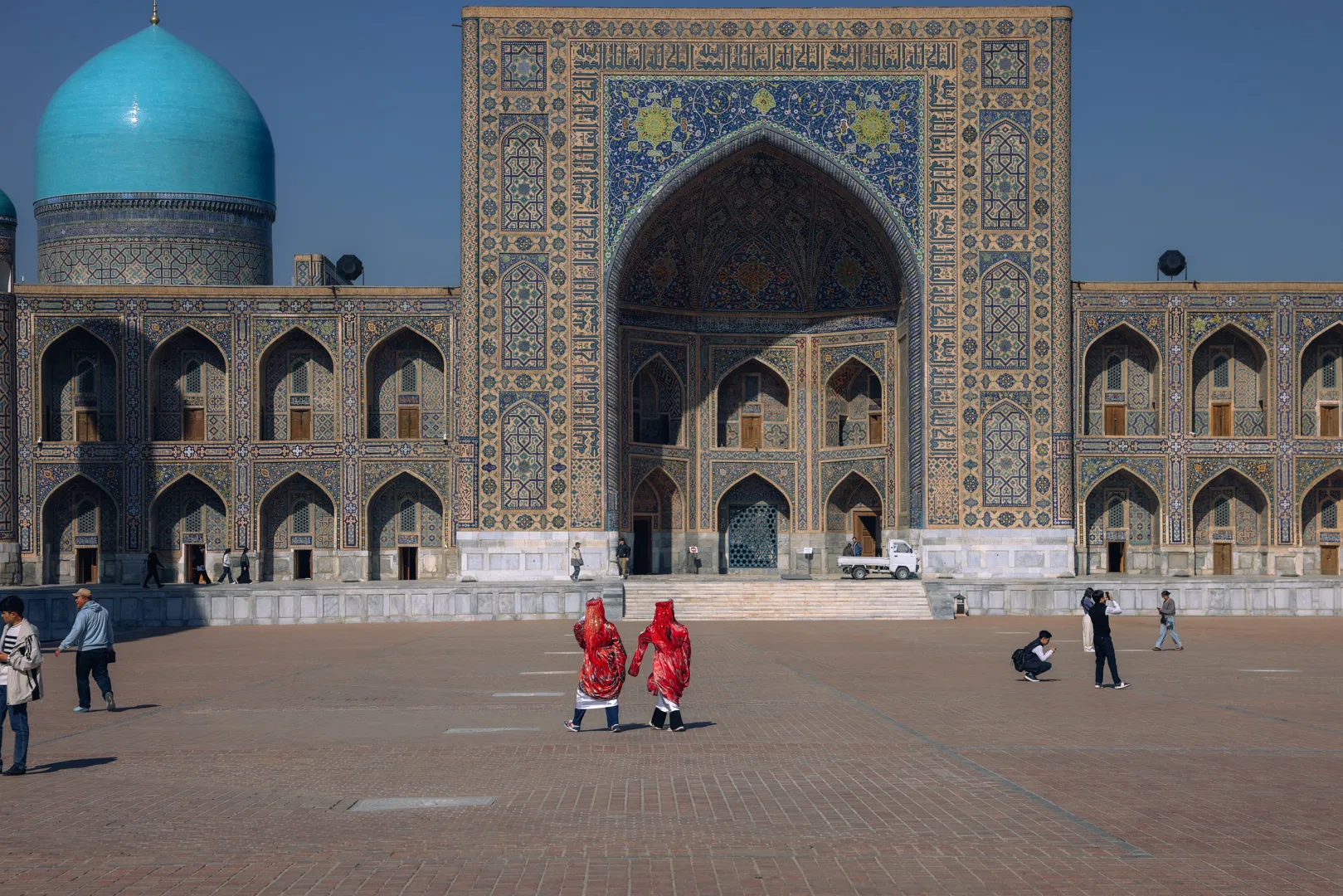
Samarkand is experiencing another period of flourishing. For decades now, foreign tourists, diplomats, pilgrims and participants in international forums and festivals have started getting to know the country here, in Samarkand. To see Samarkand’s architecture with fresh eyes while preserving the sense of wonder that comes with a first encounter with this great city is a formidable challenge for a photographer. Ildar Sadykov’s photo essay brings a new perspective to Samarkand’s magnificent architectural heritage.
«А умирать поедем в Самарканд,
На родину предвечных роз…» *
*We will go to Samarkand to die, / To the home of everlasting roses... (trans. from Russian: Judith Hemschemeyer)
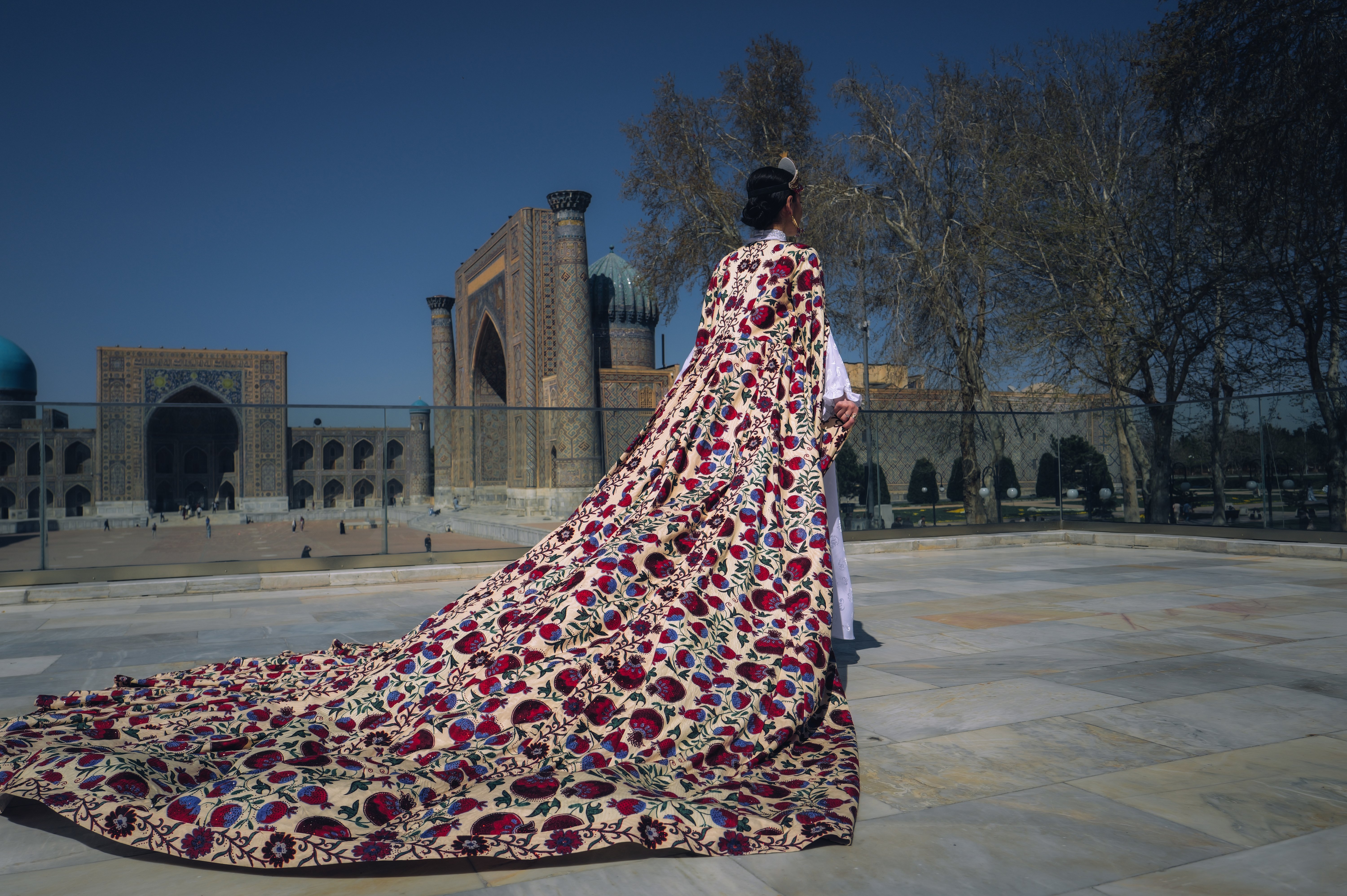
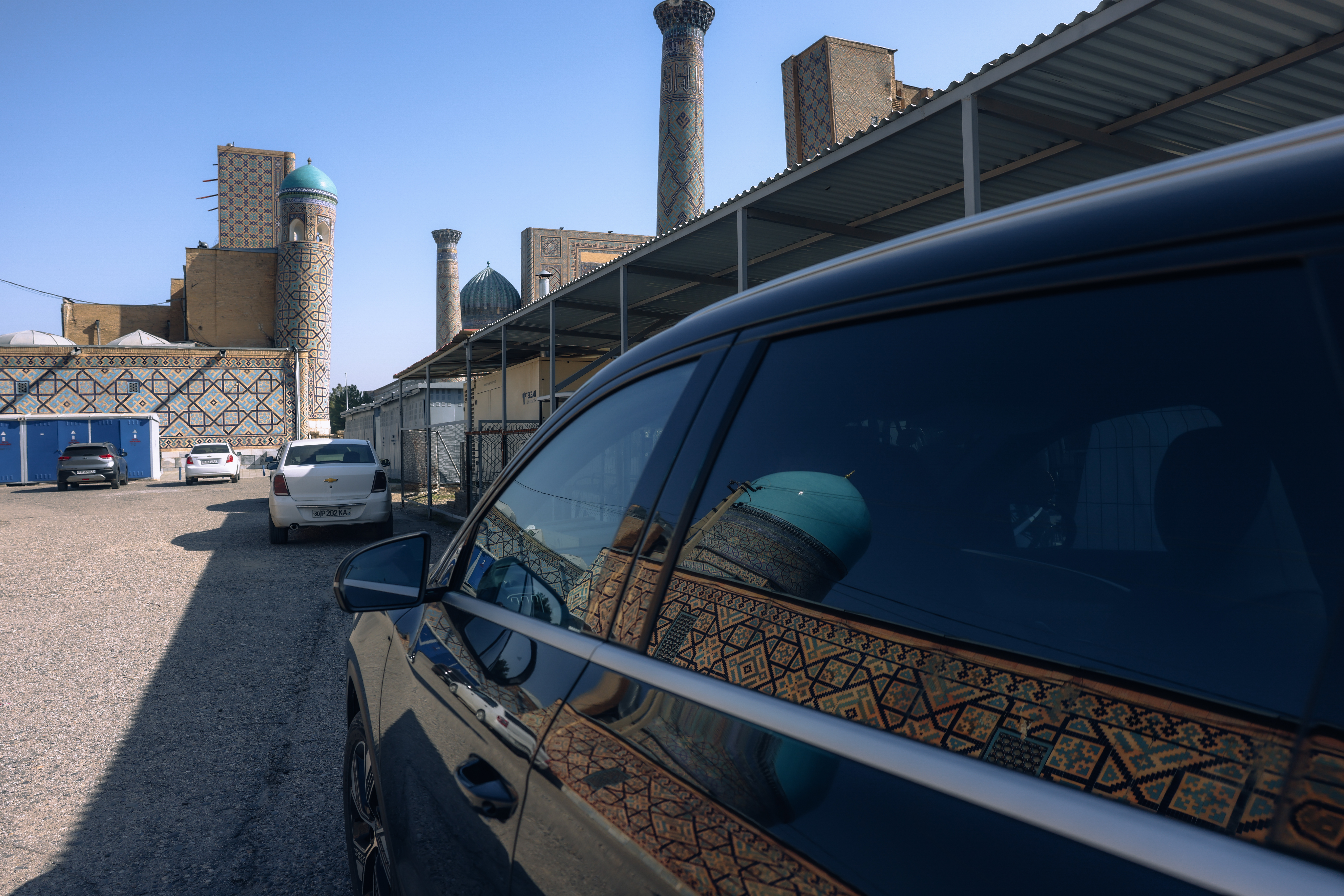
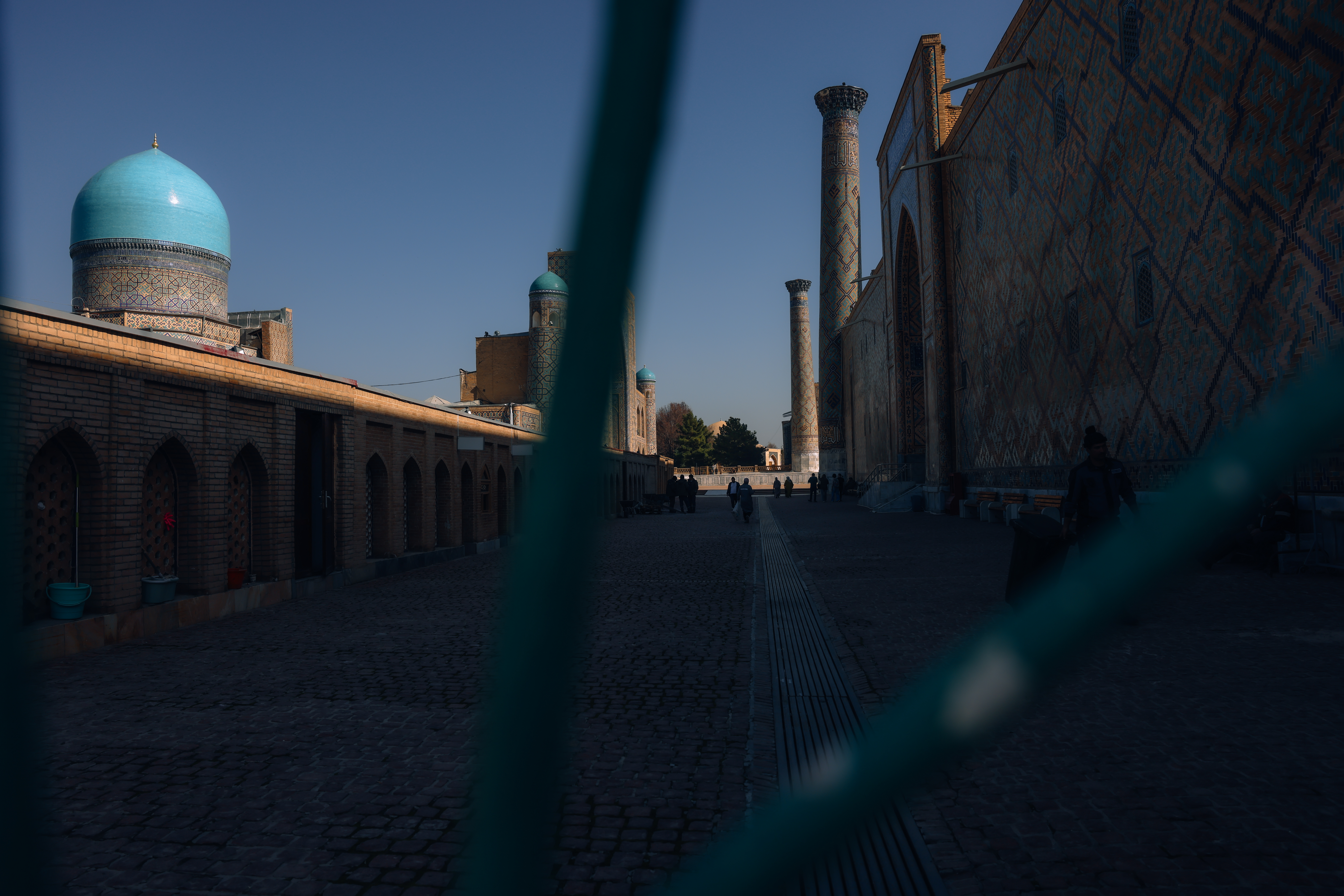
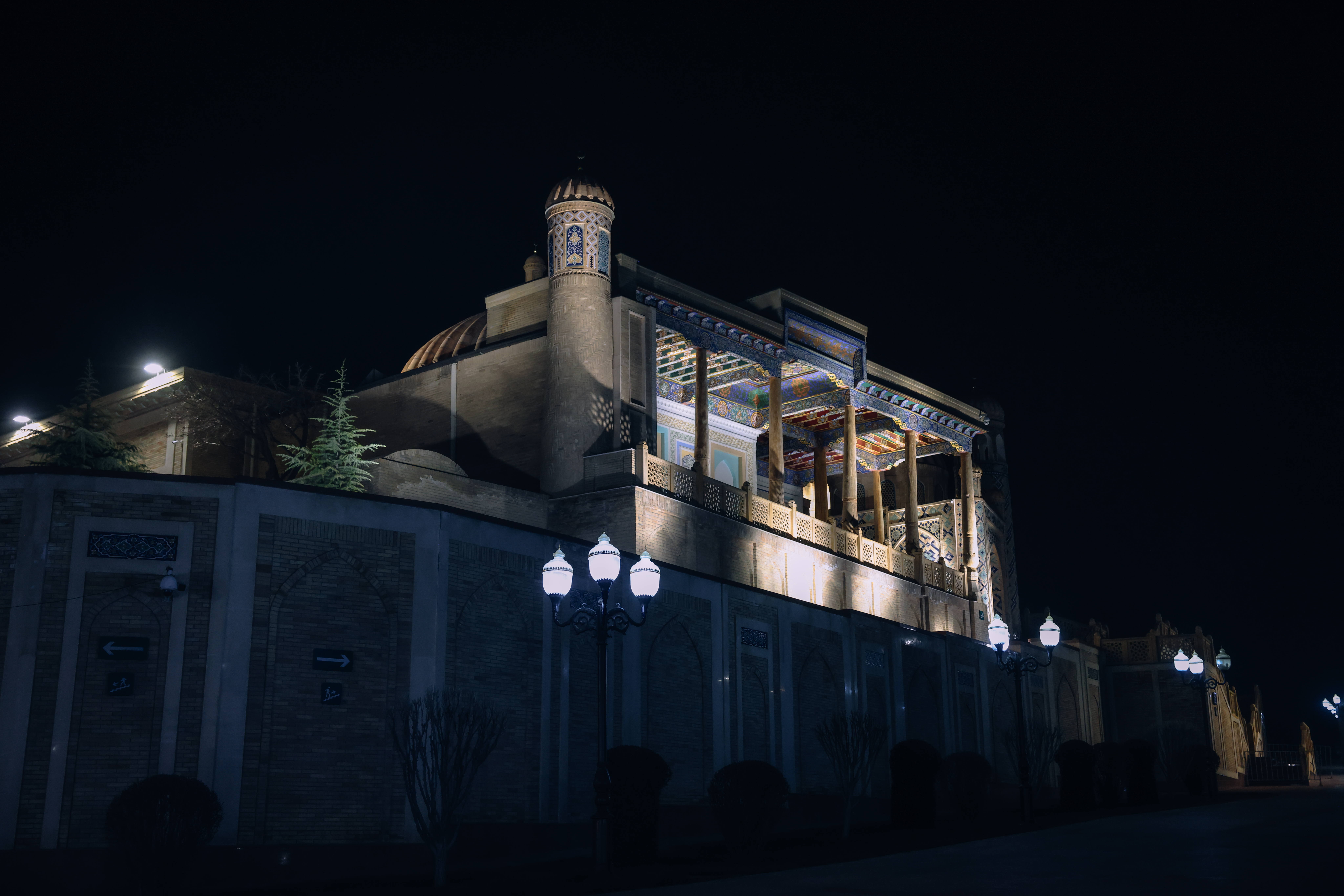
Akhmatova’s lines, in which a dream of eternal paradise is embodied in the image of Samarkand, became a kind of anchor for me, a symbol of my longing for a city where the destinies of peoples have intertwined. So many people have photographed Samarkand, and photographers from around the world have celebrated it in so many ways. I thought a great deal about how to capture something seen a thousand times without falling into cliché, how to look at it through a different lens. How could I influence the way people perceive a city that astonishes the whole world simply by changing the angle?
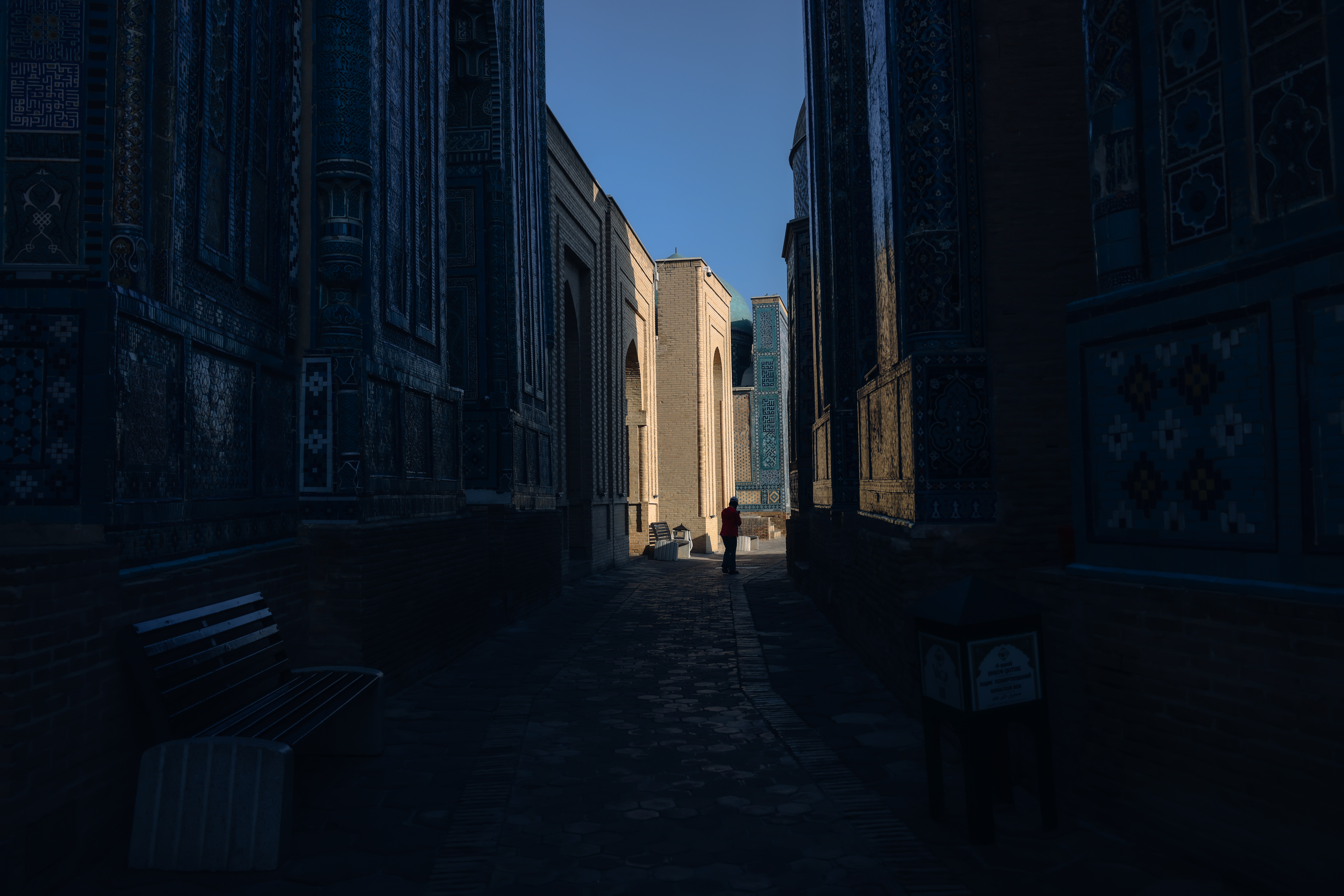
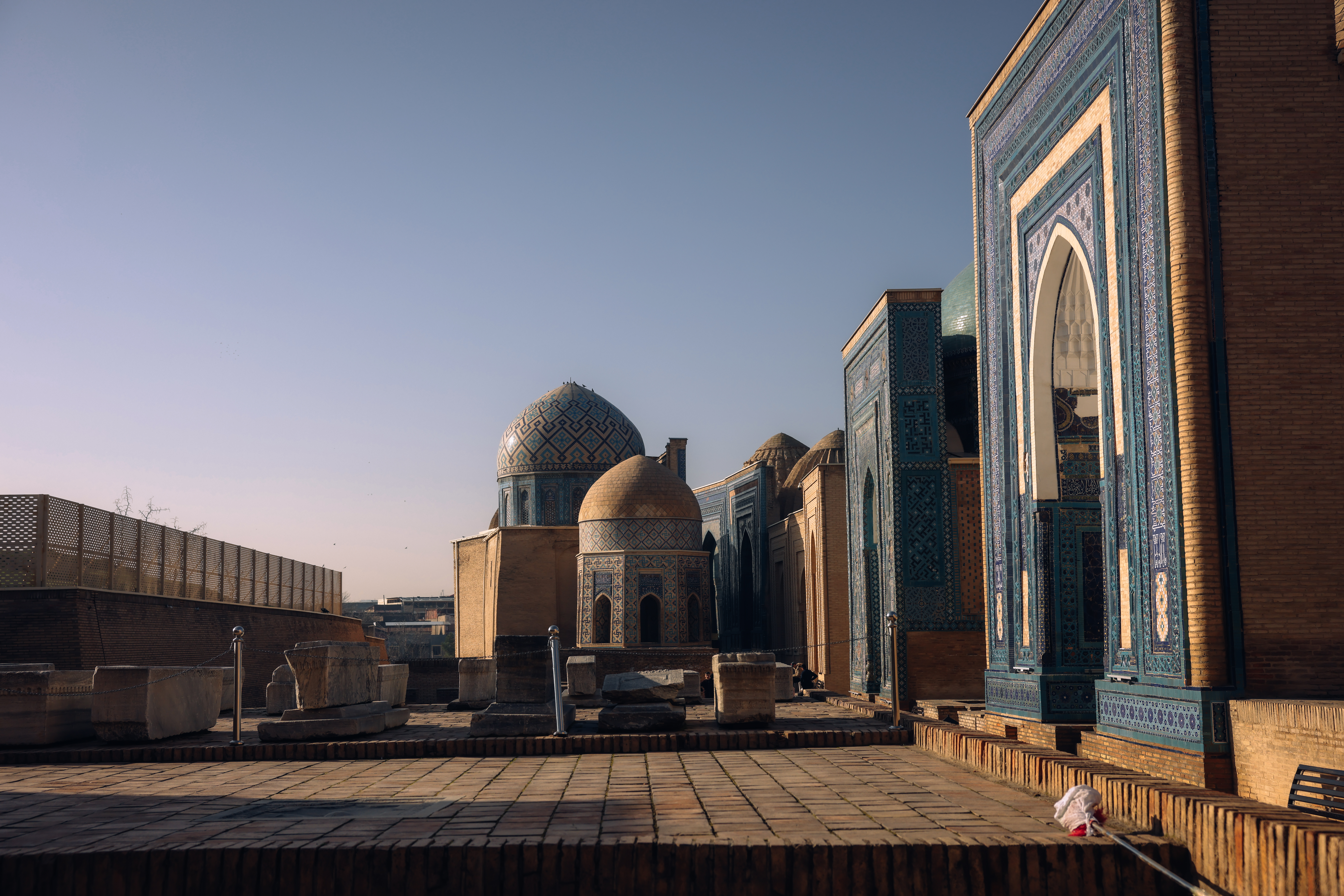
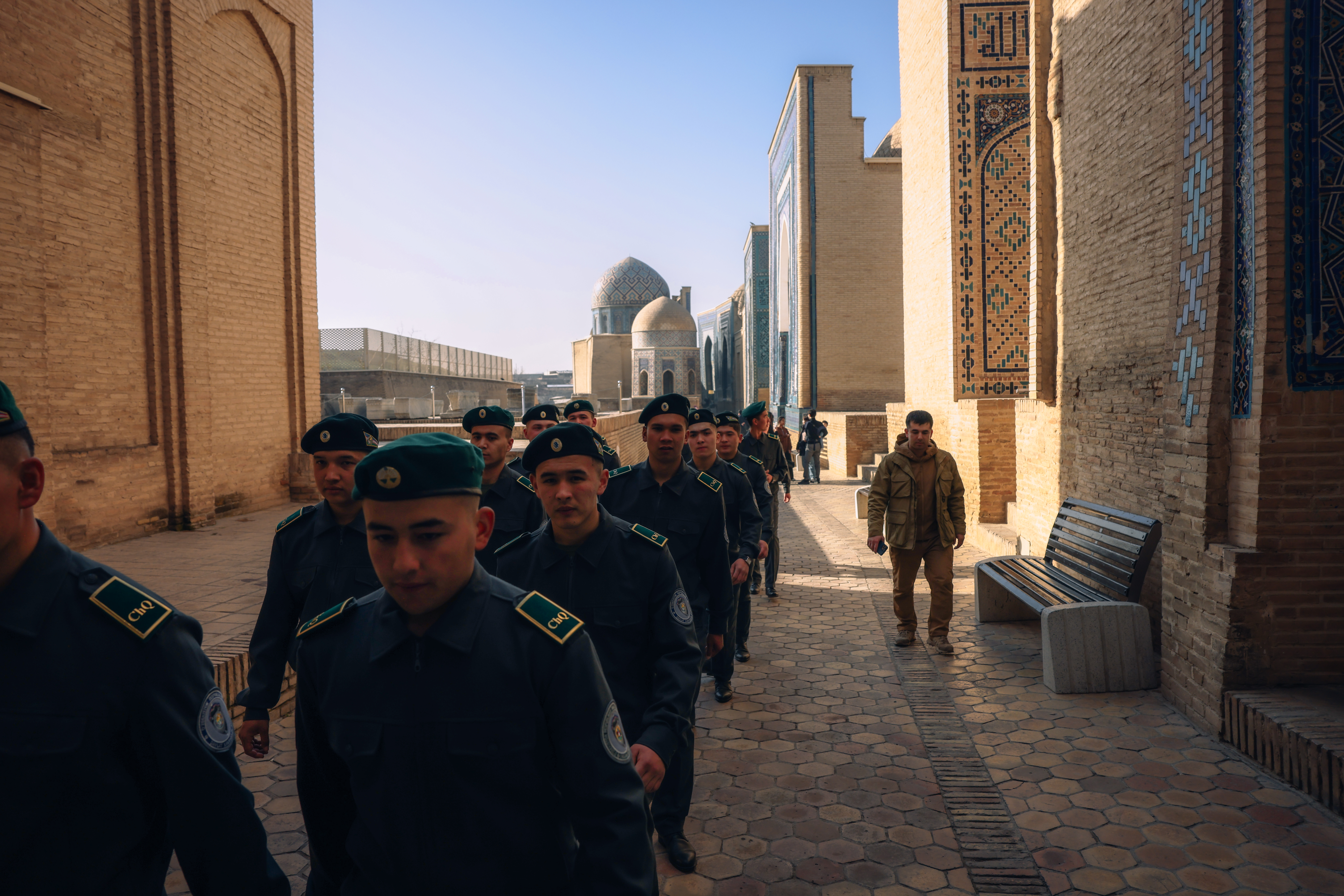
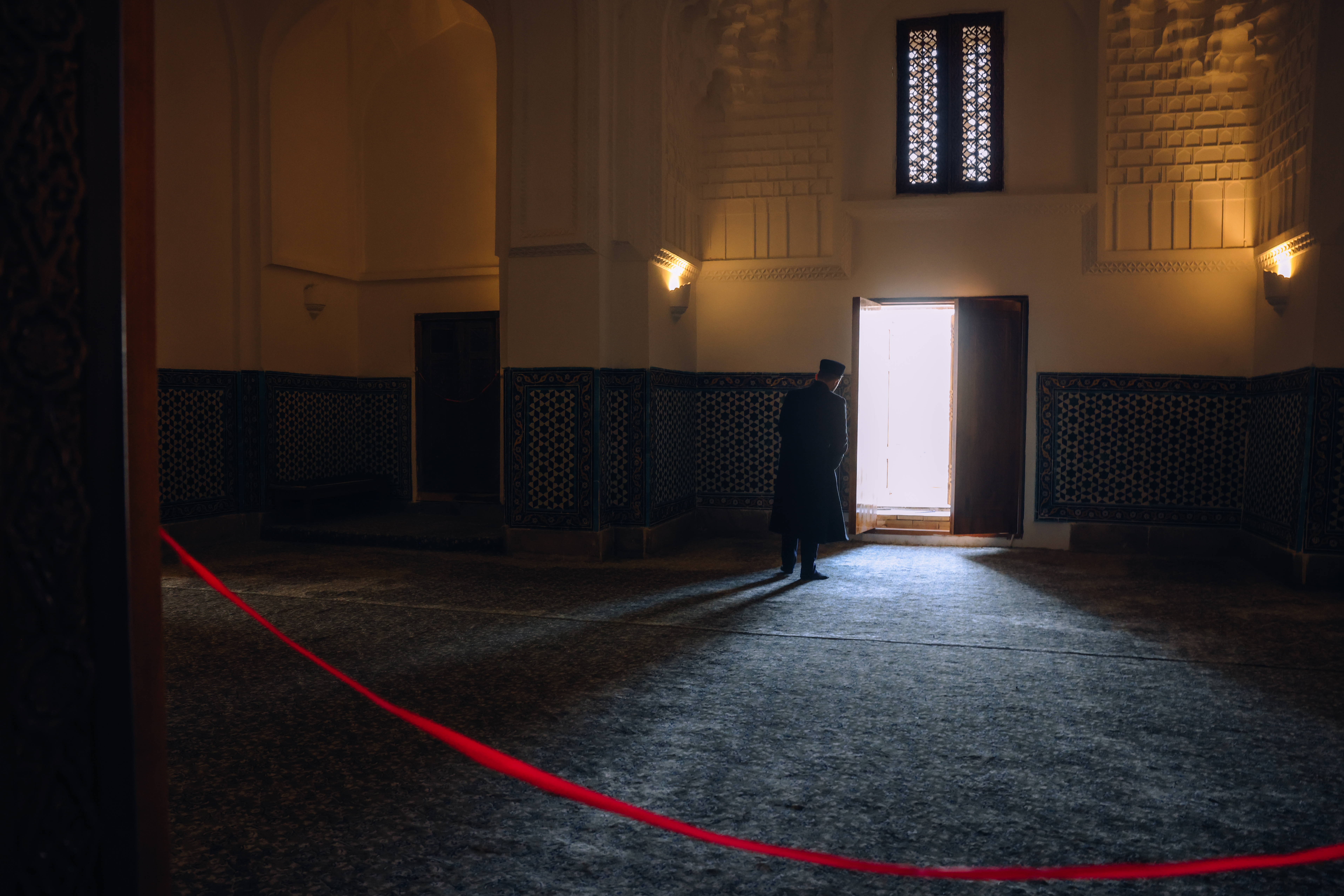
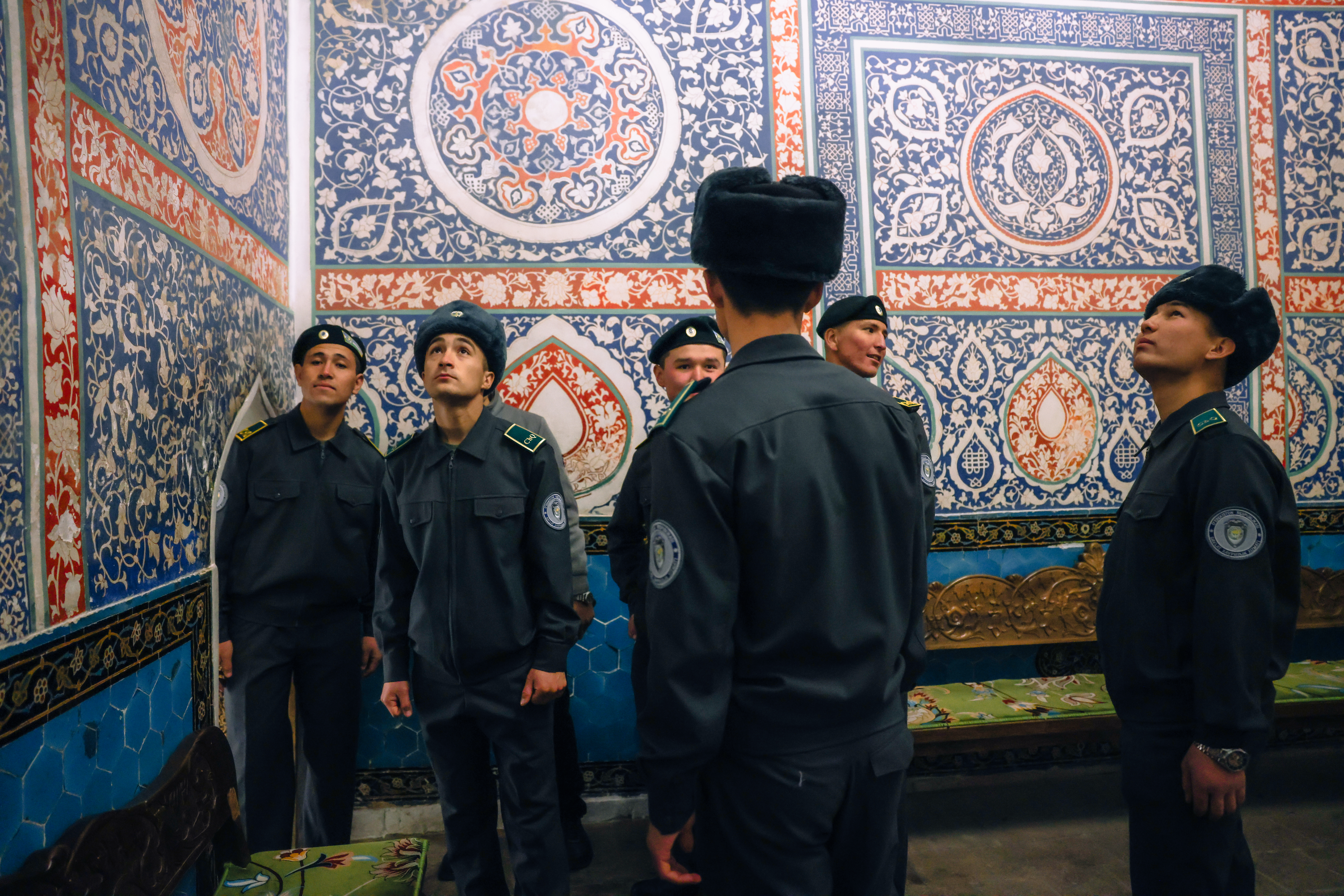
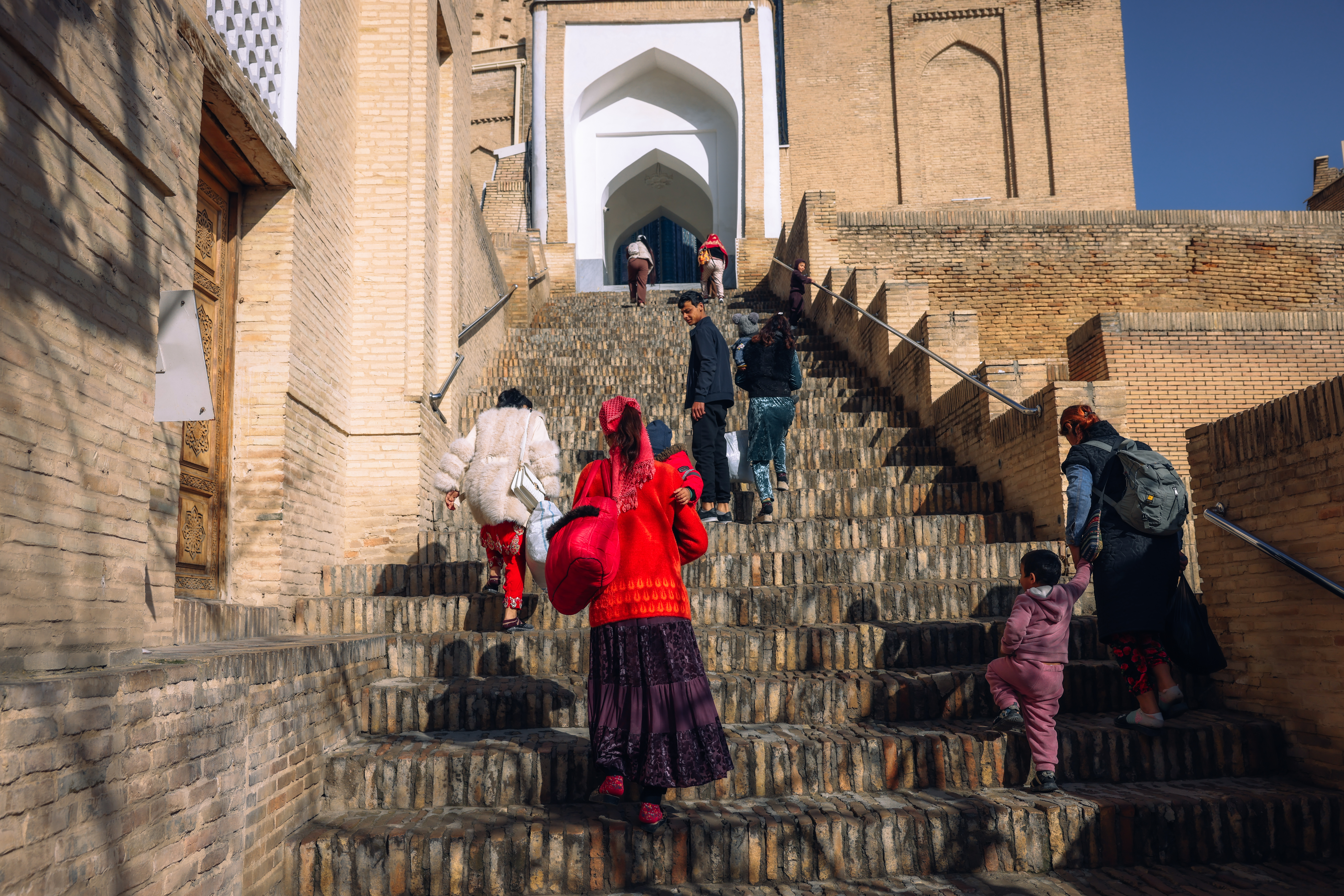
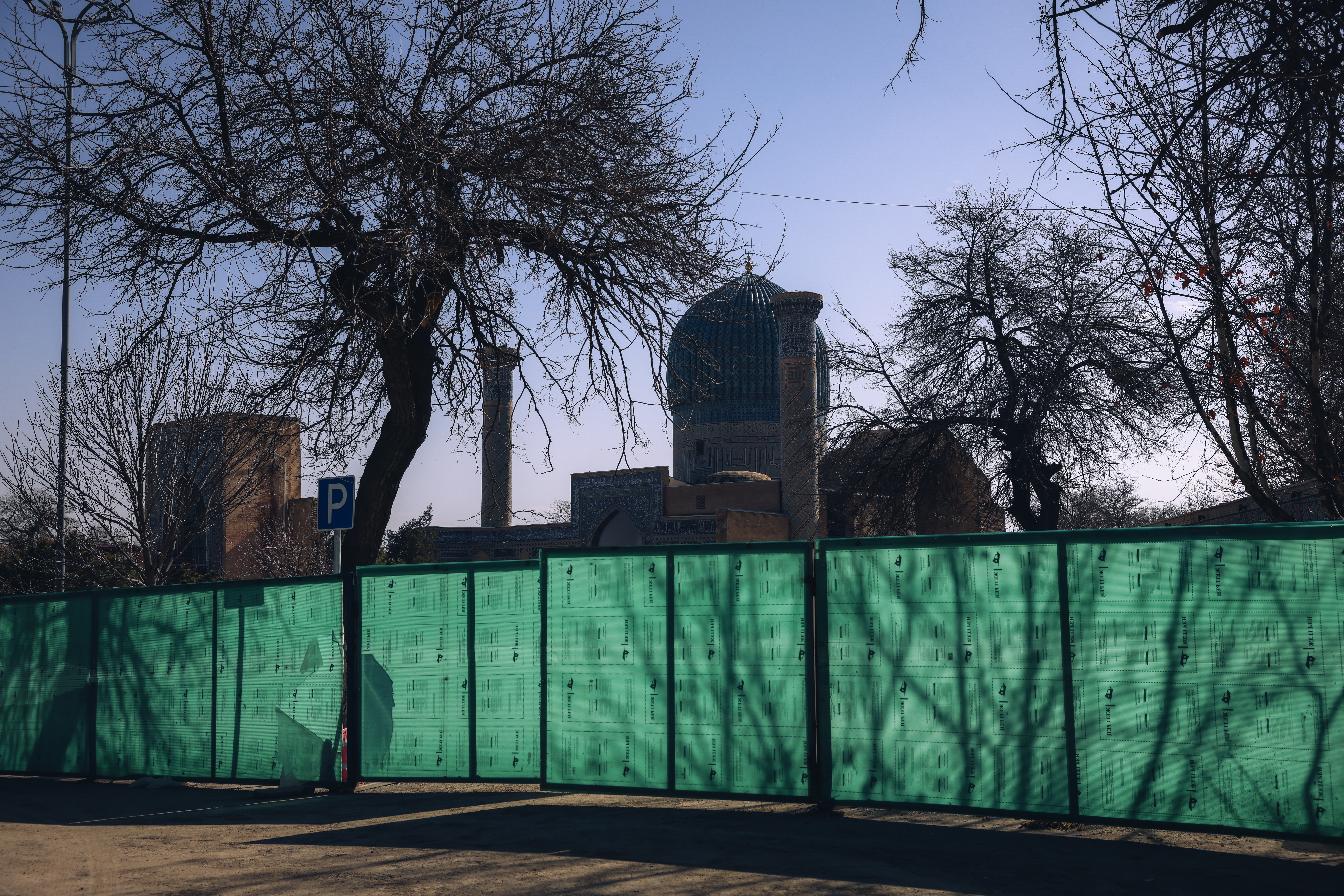
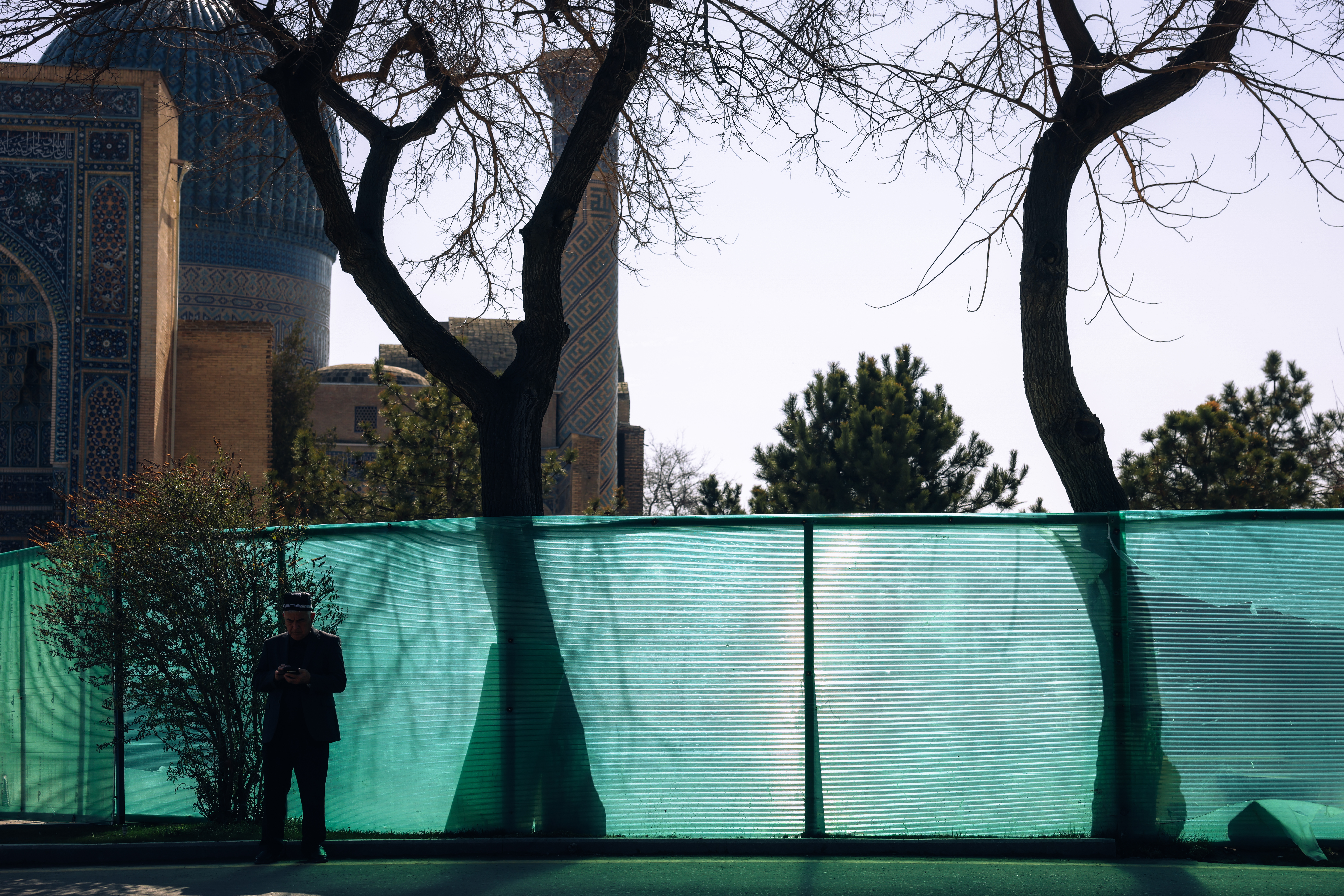
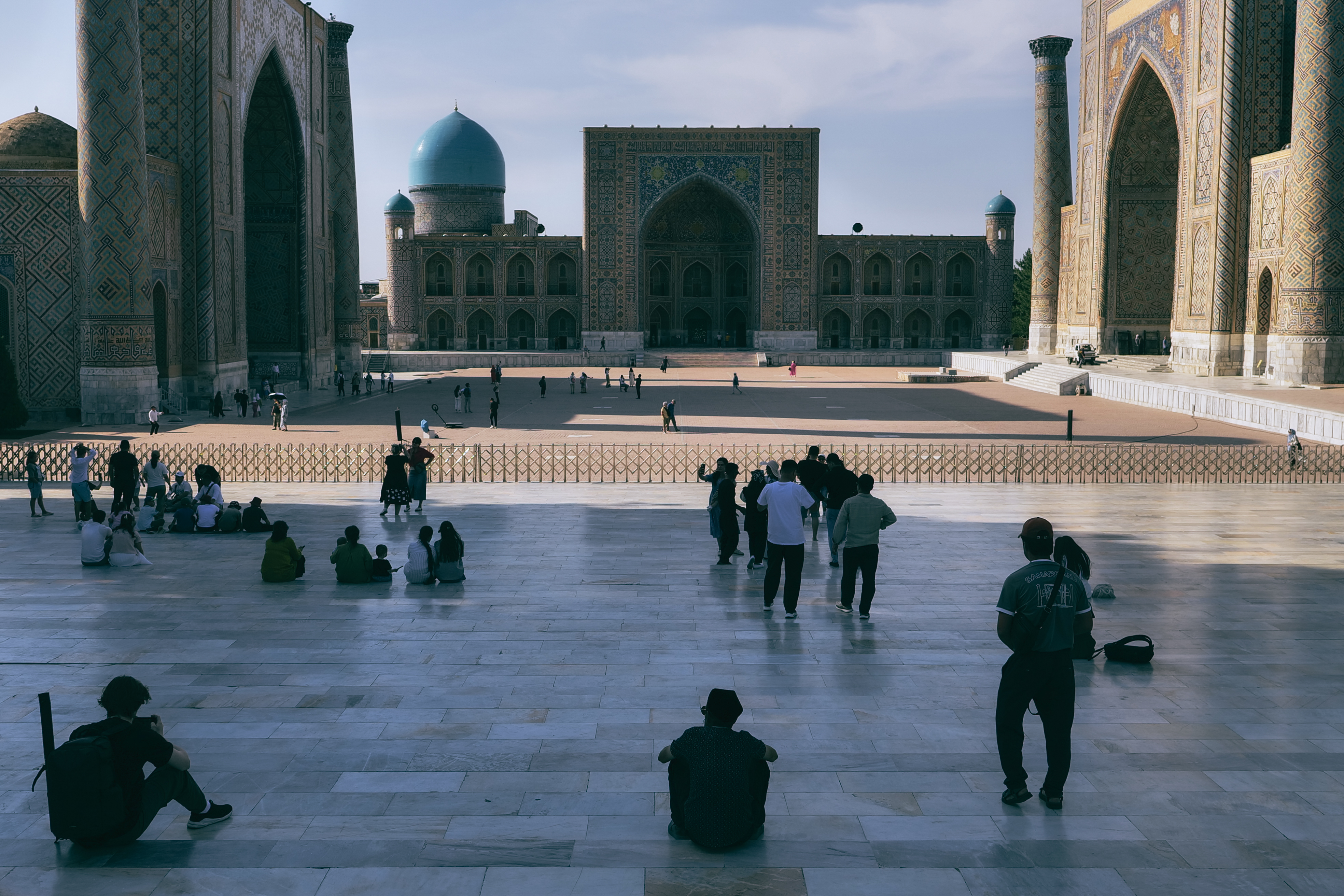 Photo: Ildar SadykovPhoto: Ildar SadykovPhoto: Ildar SadykovPhoto: Ildar SadykovPhoto: Ildar Sadykov
However much we admire Samarkand’s architectural masterpieces, they do not exist in isolation. They change over the centuries, undergo restoration of varying quality, and are incorporated into a new urban environment and the expanding infrastructure of a tourist mecca. Around them, in the traditional mahallas of the old city, where the old way of life has remained largely unchanged, the city’s everyday life continues.
And the city itself is still relatively small. Its historic part differs in layout from the old-city neighbourhoods of Tashkent or, for example, Bukhara.
I remember Samarkand 25 years ago, when I used to come here on business trips. I remember the atmosphere of its partly ruined monuments. Today, the city is much more comfortable, both for its residents and for its many tourists. It has acquired a certain polish, but for a long time I could not get used to the ‘new’ Samarkand. Coming here several times a year, four times this year alone, I wandered through the traditional mahallas and the streets of the Old City in search of its lost spirit, where our traditional Eastern courtyards alternate with Nikolaev-era mansions. I would stop at my favourite little teahouses and photograph people. And finally, I ‘surrendered’ to this new Samarkand, talkative and fast-paced. In the majestic silhouettes of architectural masterpieces restored from ruins, I saw the same centre of history and spirituality that, as in the Middle Ages, continues to influence the culture of the entire world.
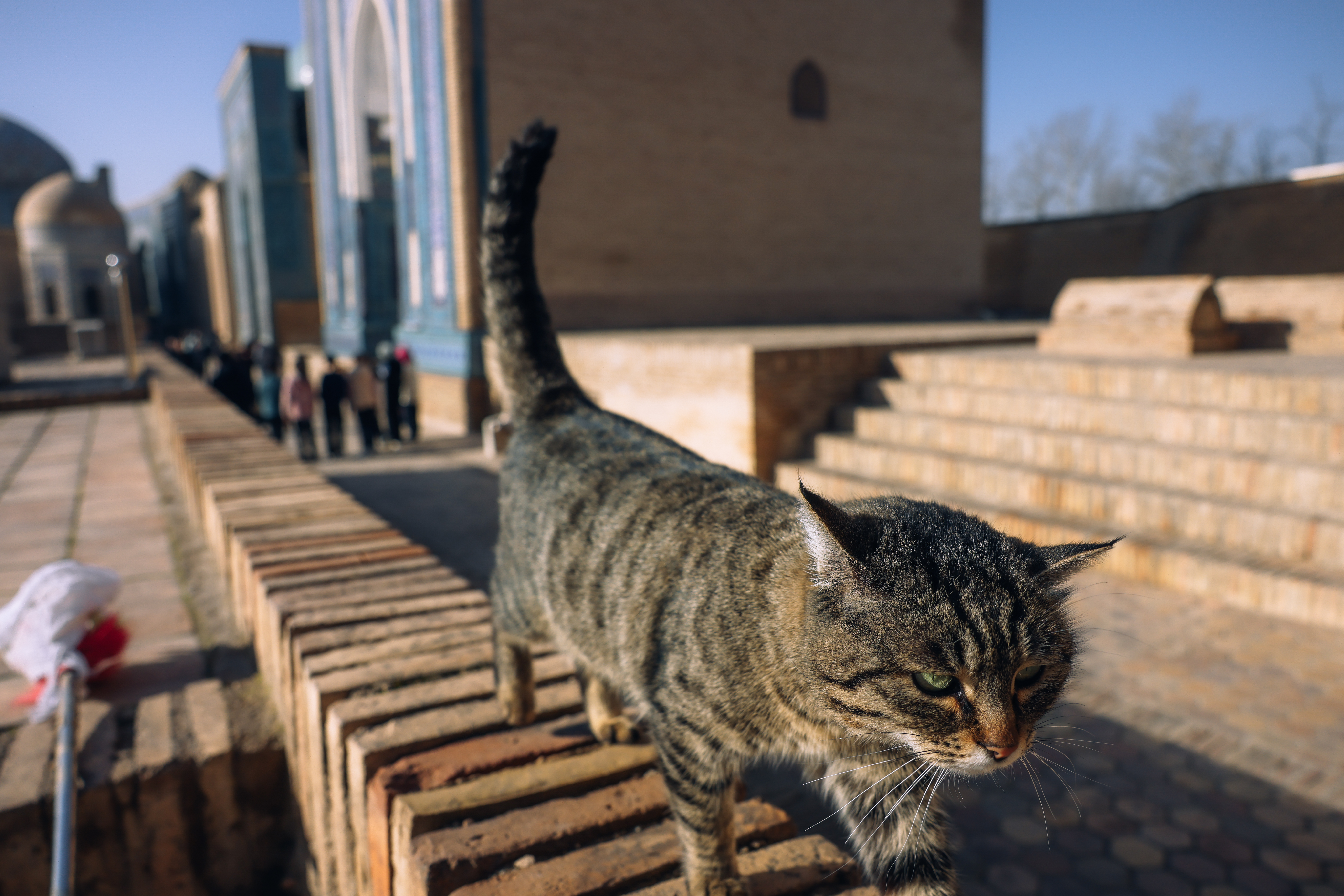
Gur-e-Amir, Bibi-Khanum, Shah-i-Zinda and Registan Square are not merely witnesses to the grandeur of two Renaissances. They are small universes within Uzbekistan’s microcosm. Millions of pilgrims come here in search of peace, inspiration, and aesthetic and spiritual ecstasy.
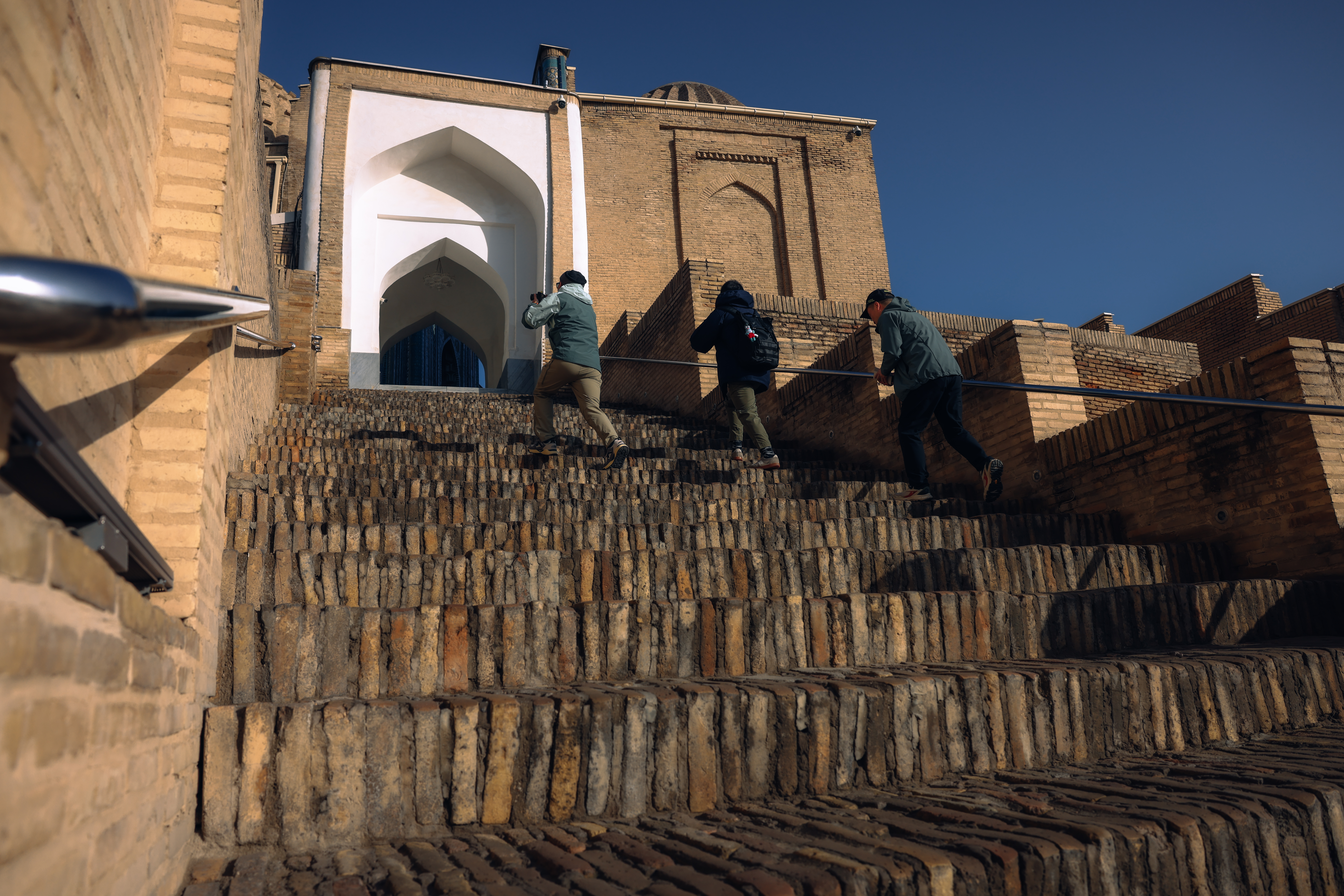
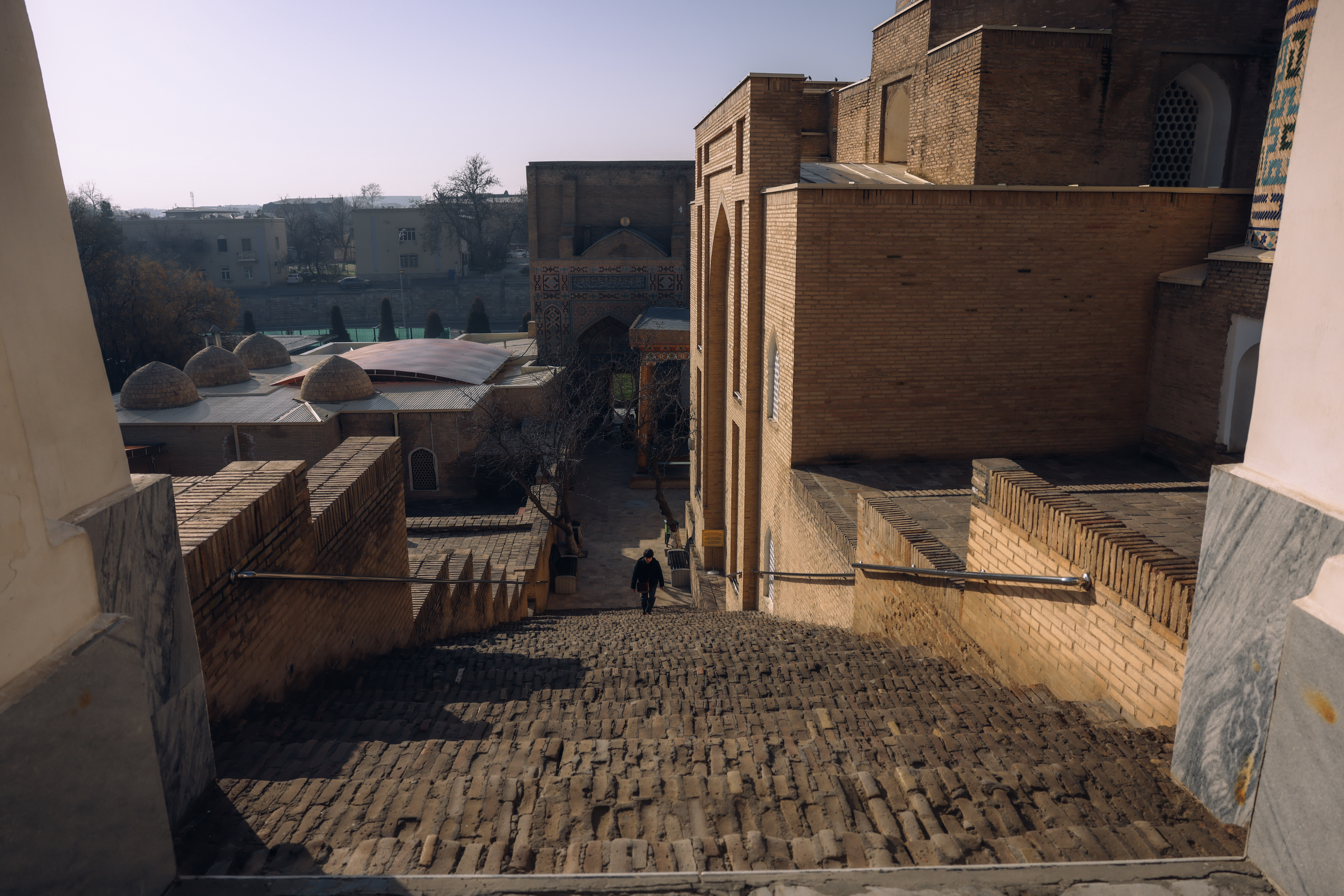
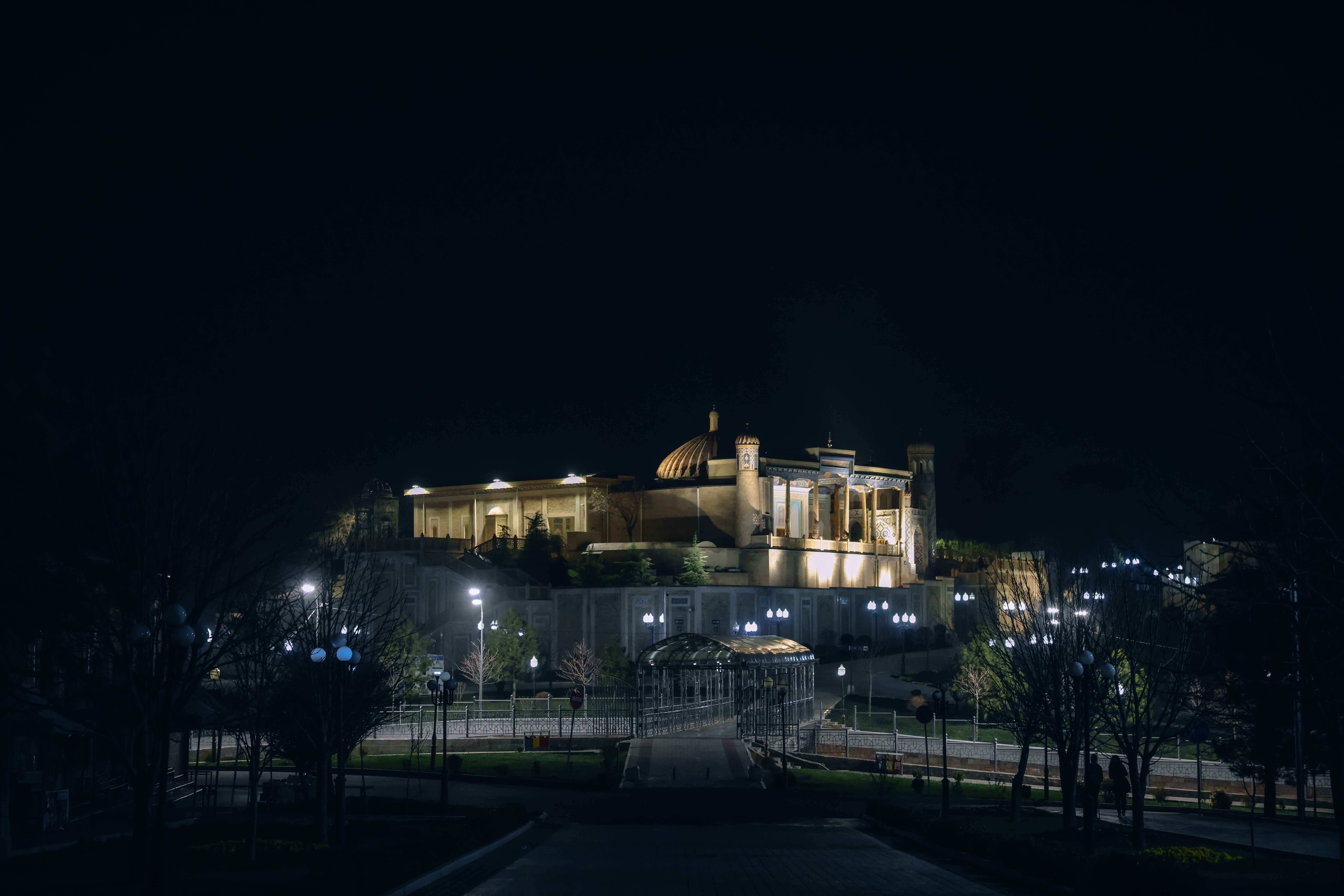
My favourite place in Samarkand is the Shah-i-Zinda mausoleum. I usually leave it until last, so that I can spend more time here. As I climb the legendary steps, I enter a special world. I linger here to see the wonder and admiration in the eyes of its visitors.
Registan is the living power of history, continually filled with new meanings. Today, the square hosts concerts by international music stars, as well as modern laser and light shows. The square has remained a showcase for Uzbekistan, a cornerstone of the entire culture of the East.
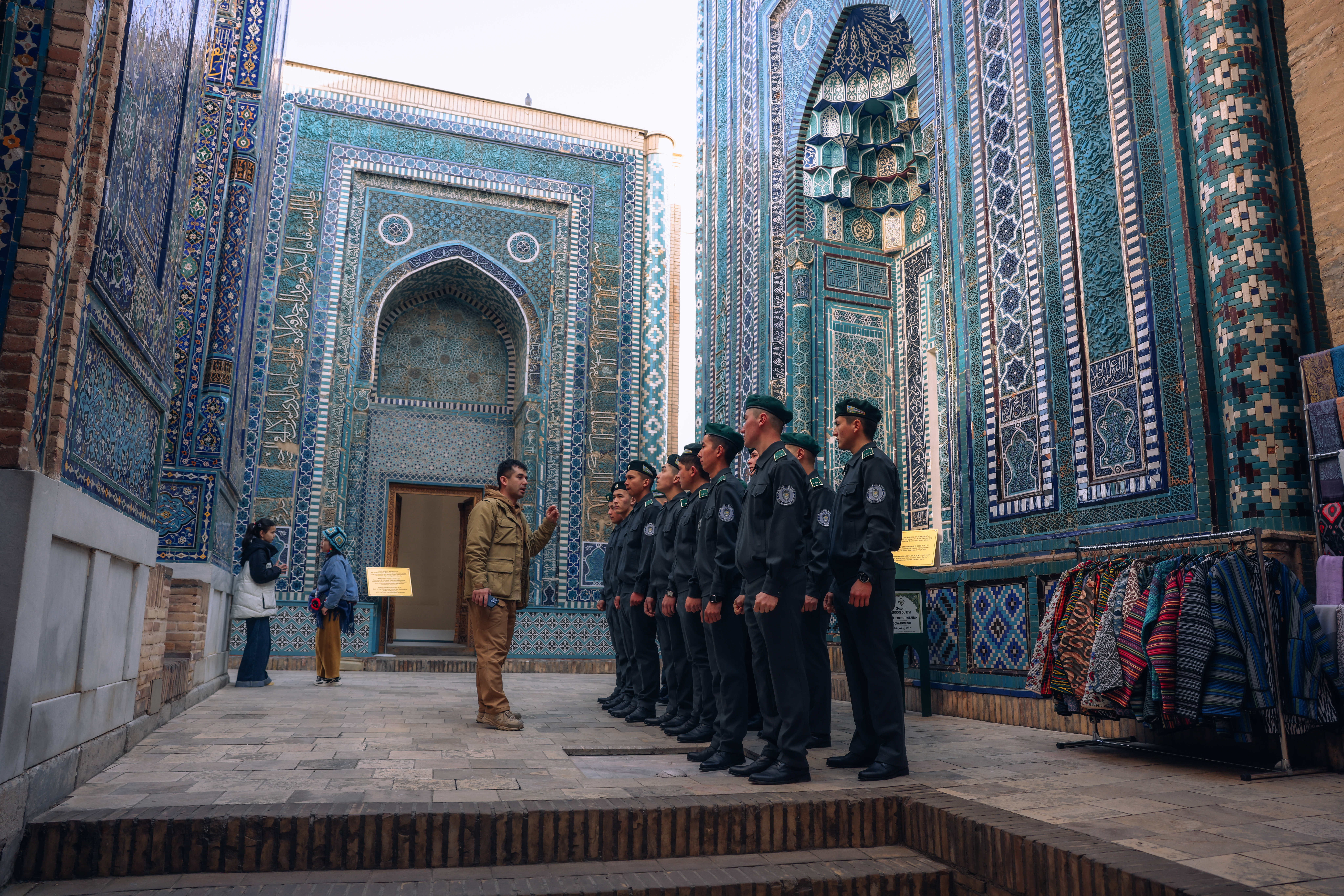
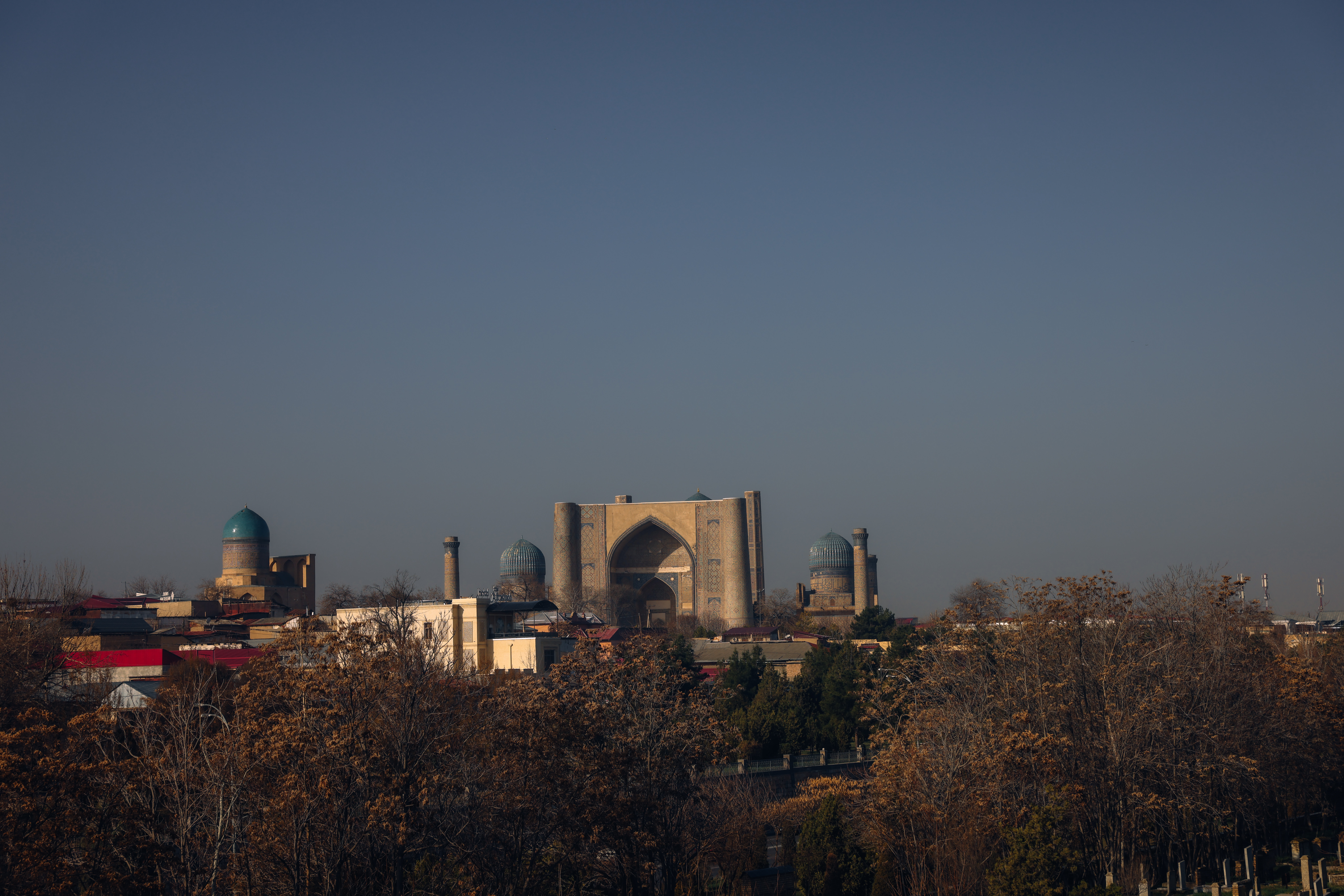
Gur-e-Amir is a place that can boast its own mythology and fantastical patterns. I decided to photograph it from a distance, this living symbol of Timur’s victorious battles and legendary brutality, which has stirred the imagination for so many centuries.
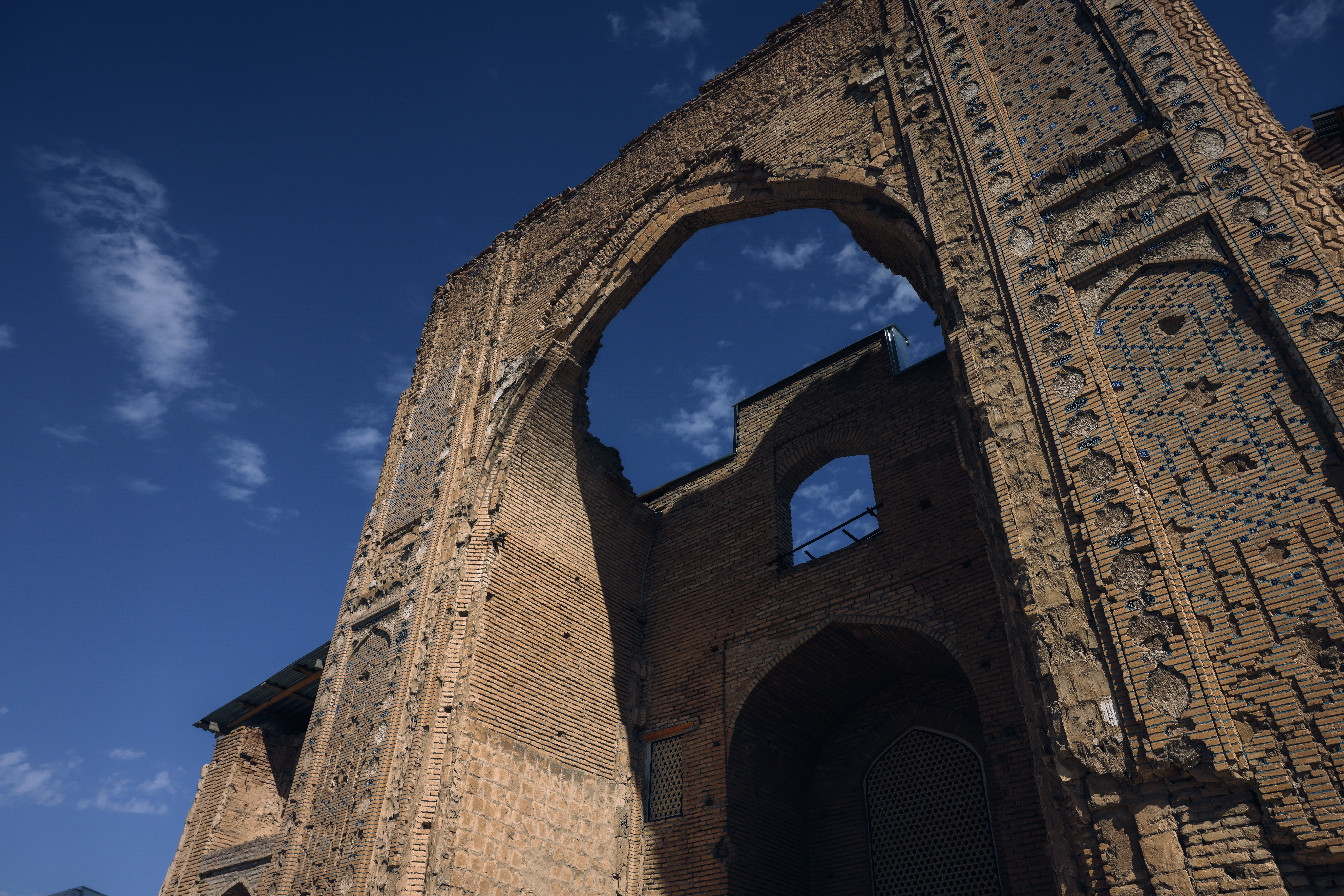
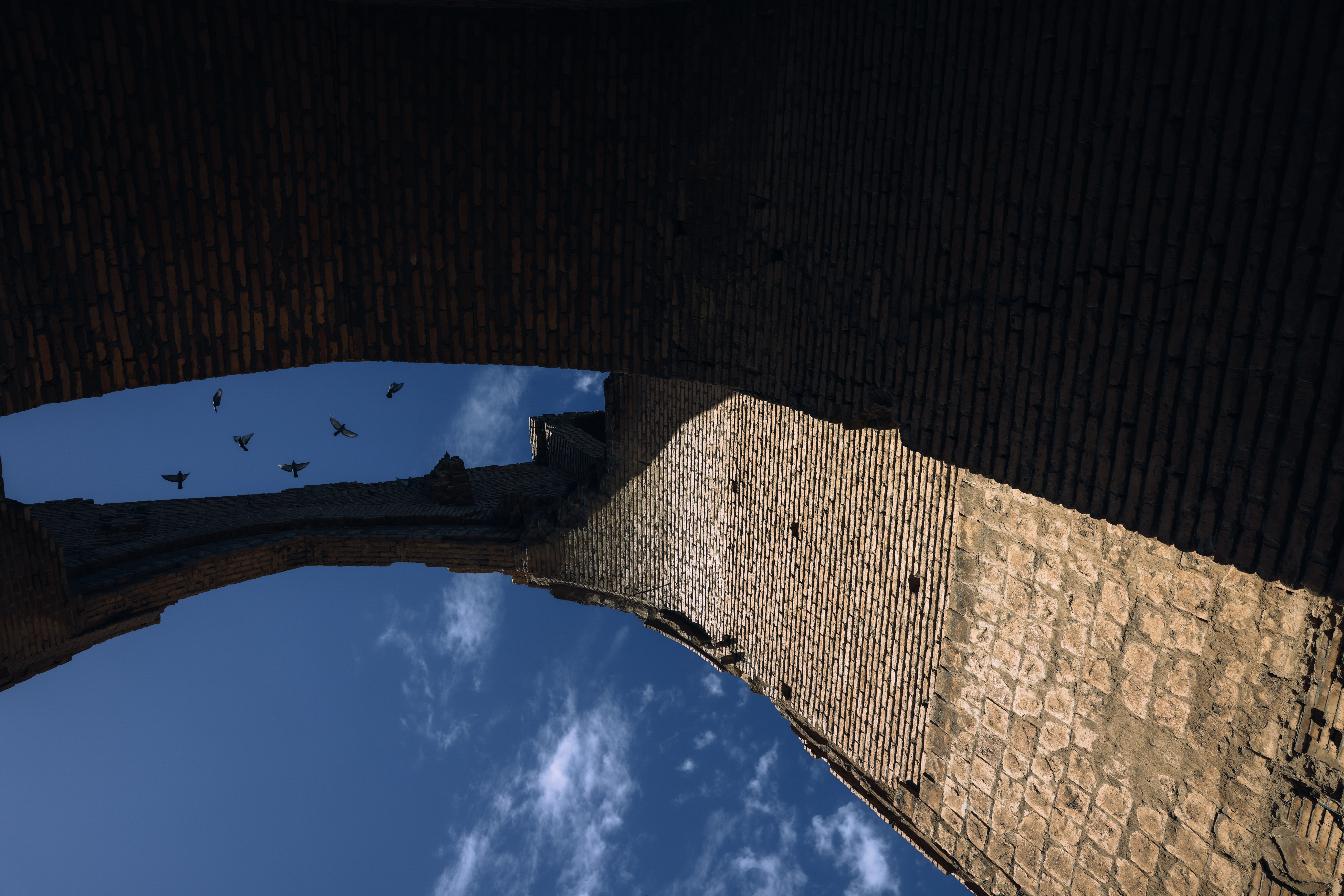
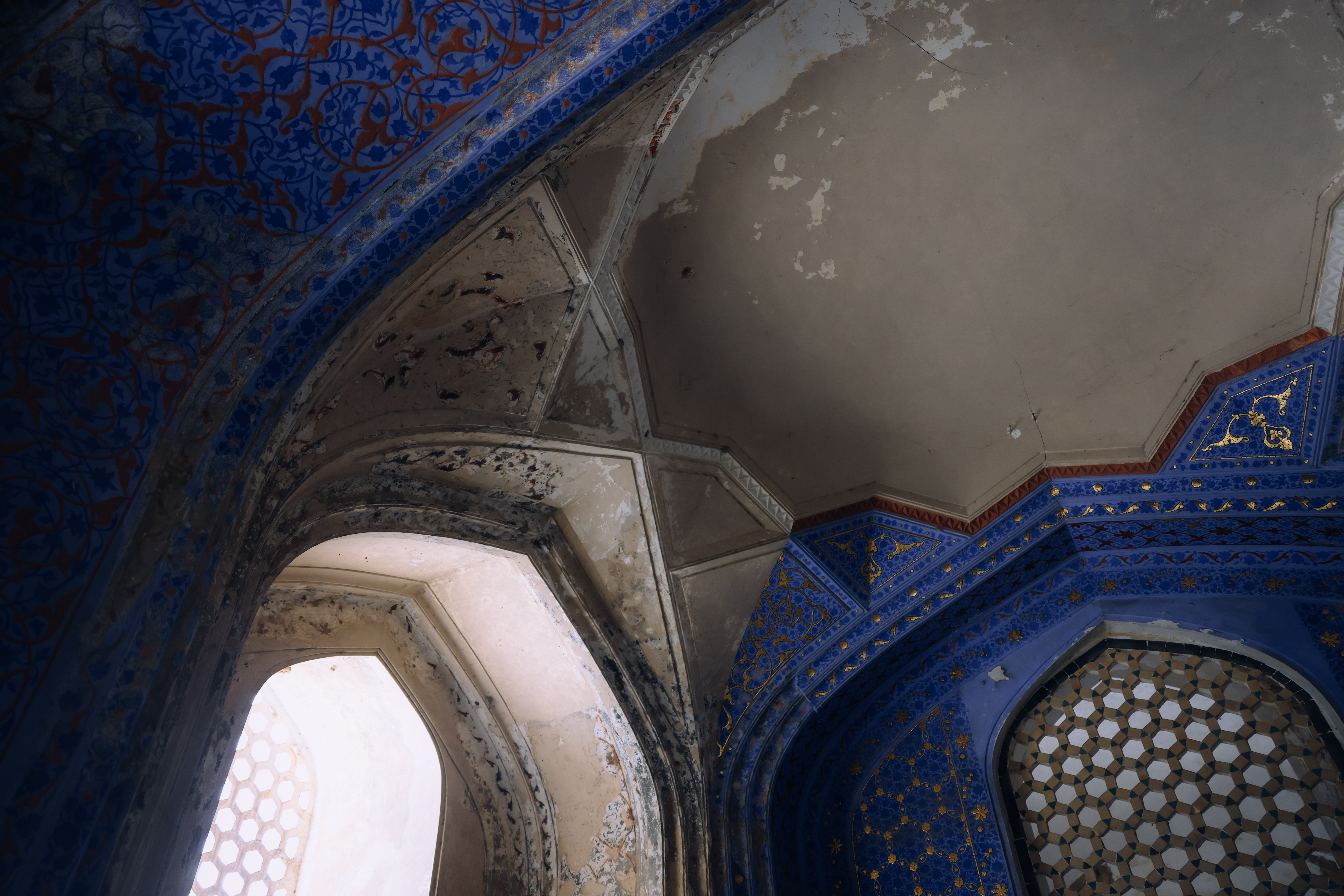
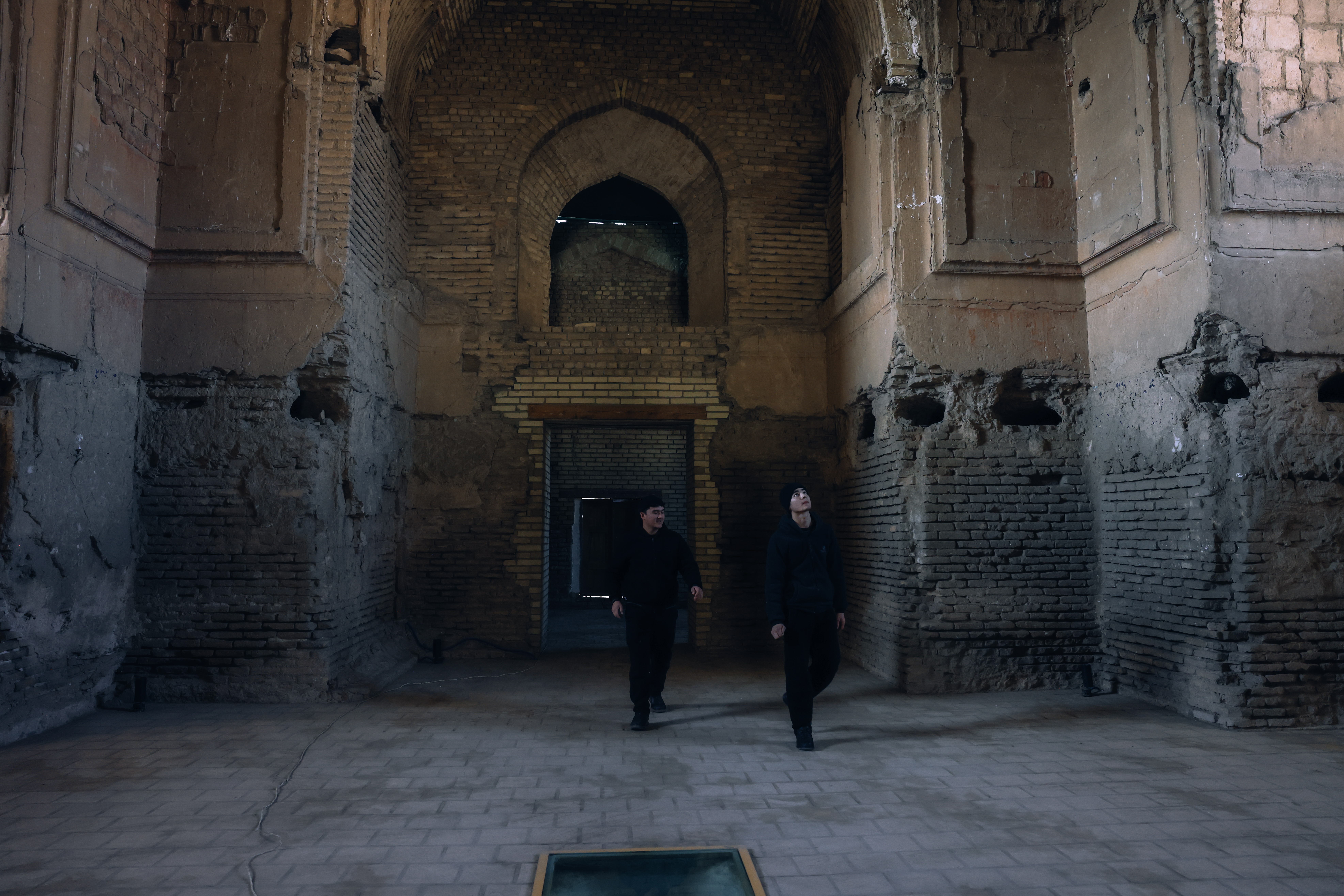
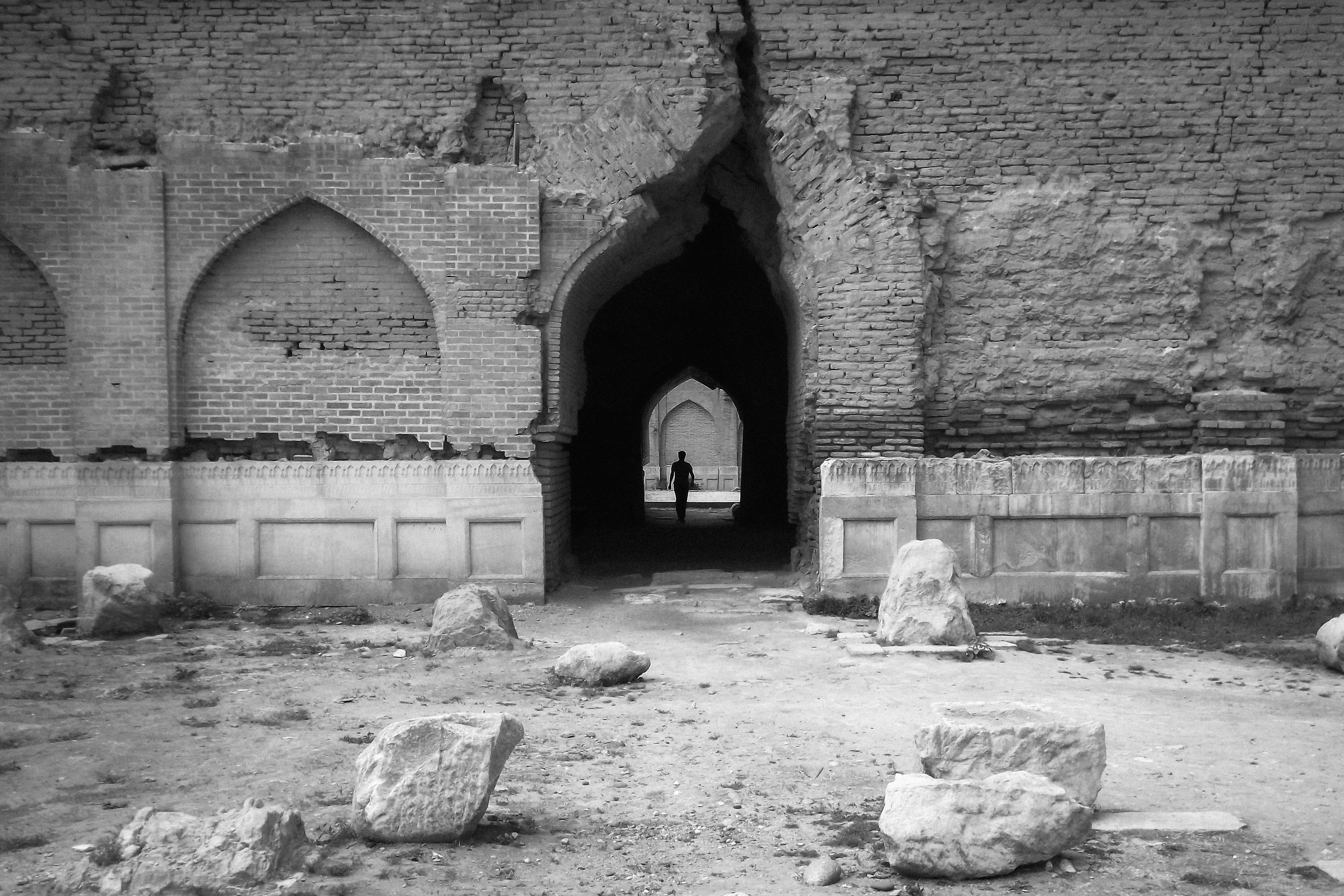
And then there is Ishratkhana, once a mausoleum for Timurid nobility, one of Samarkand’s most enigmatic sites, whose fate remains uncertain and whose original appearance is difficult to reconstruct.
Perhaps the “House of Joy”, a refuge for pigeons and a repository of historical secrets, will become another iconic place on the city’s map without losing the charm of its ruins.
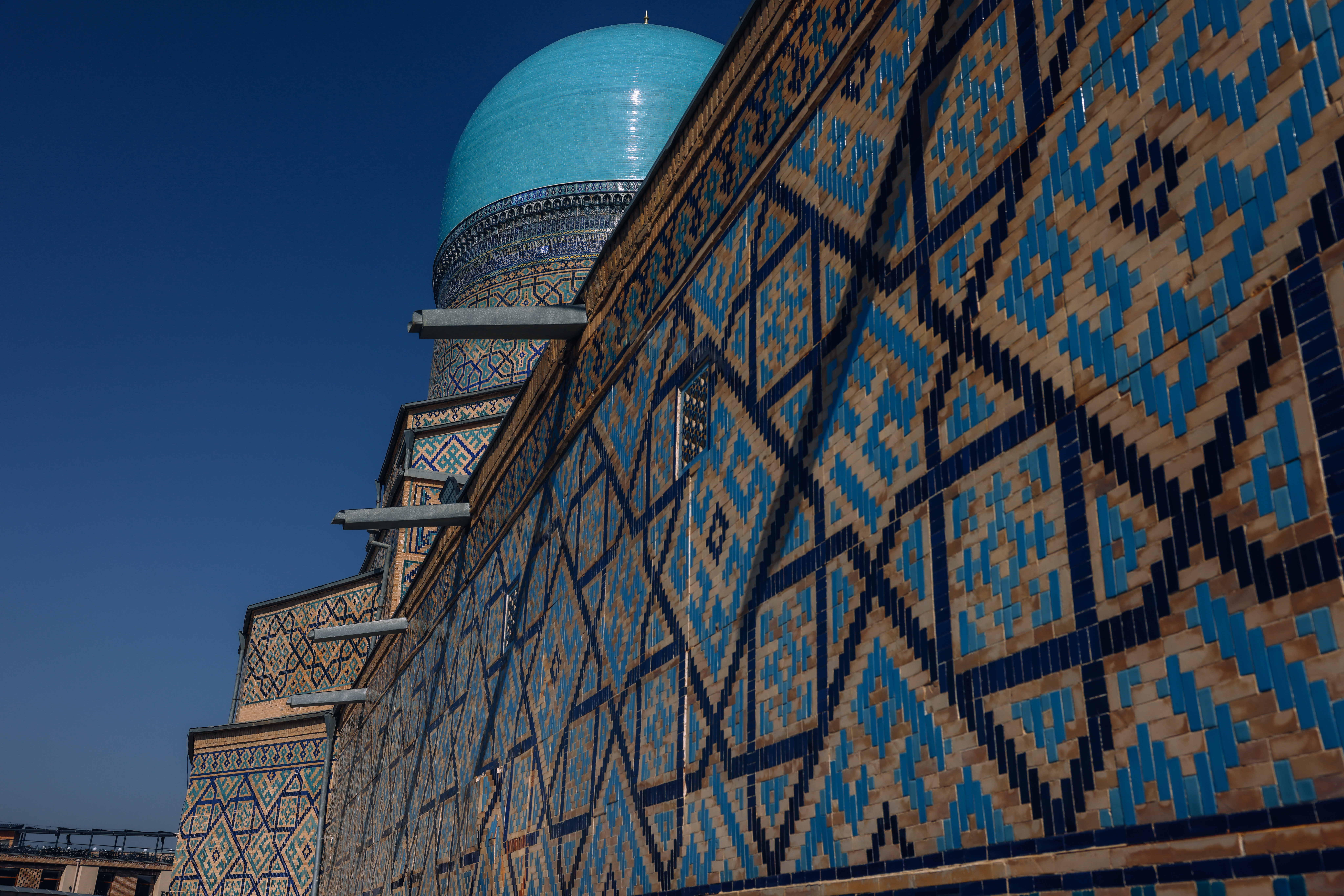
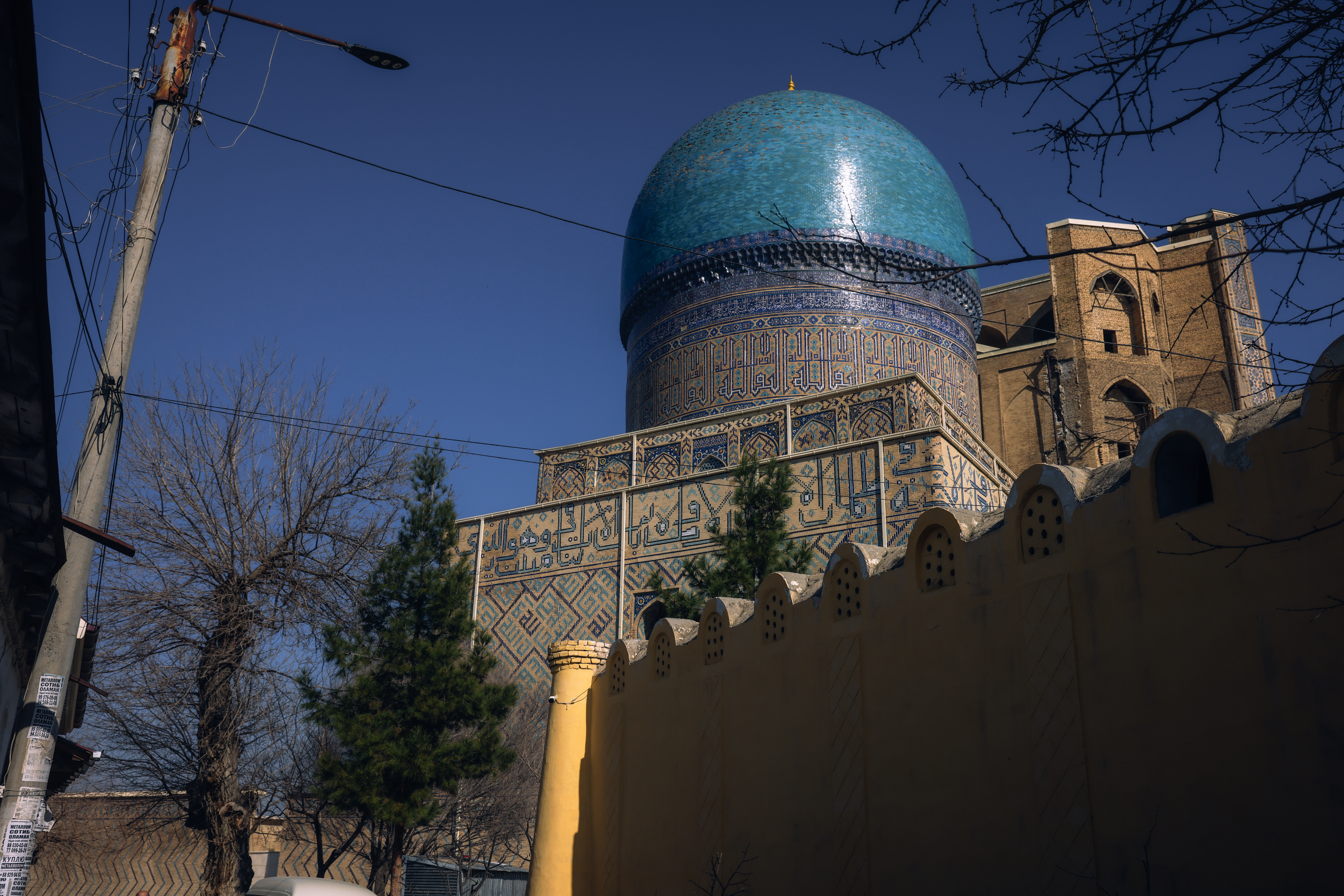
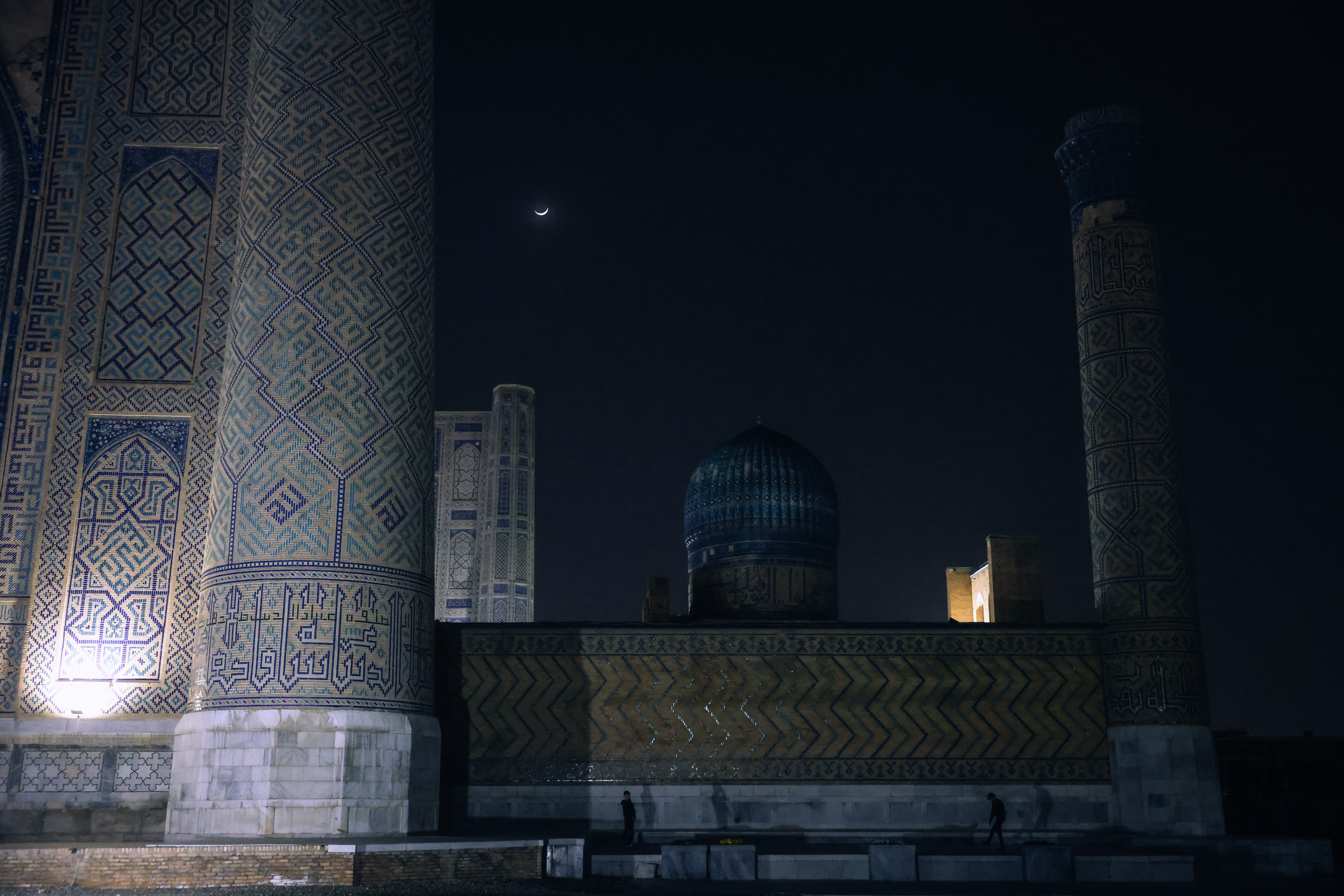
Another one of my favourite places in Samarkand is Bibi-Khanum. I photographed it from an unusual angle, from the side of the mahalla behind its walls. Few people think to look at it from there. The monument has still not been fully restored, but its lines and diagonals make me feel, every time, so humanly small amid the historic grandeur of the City...
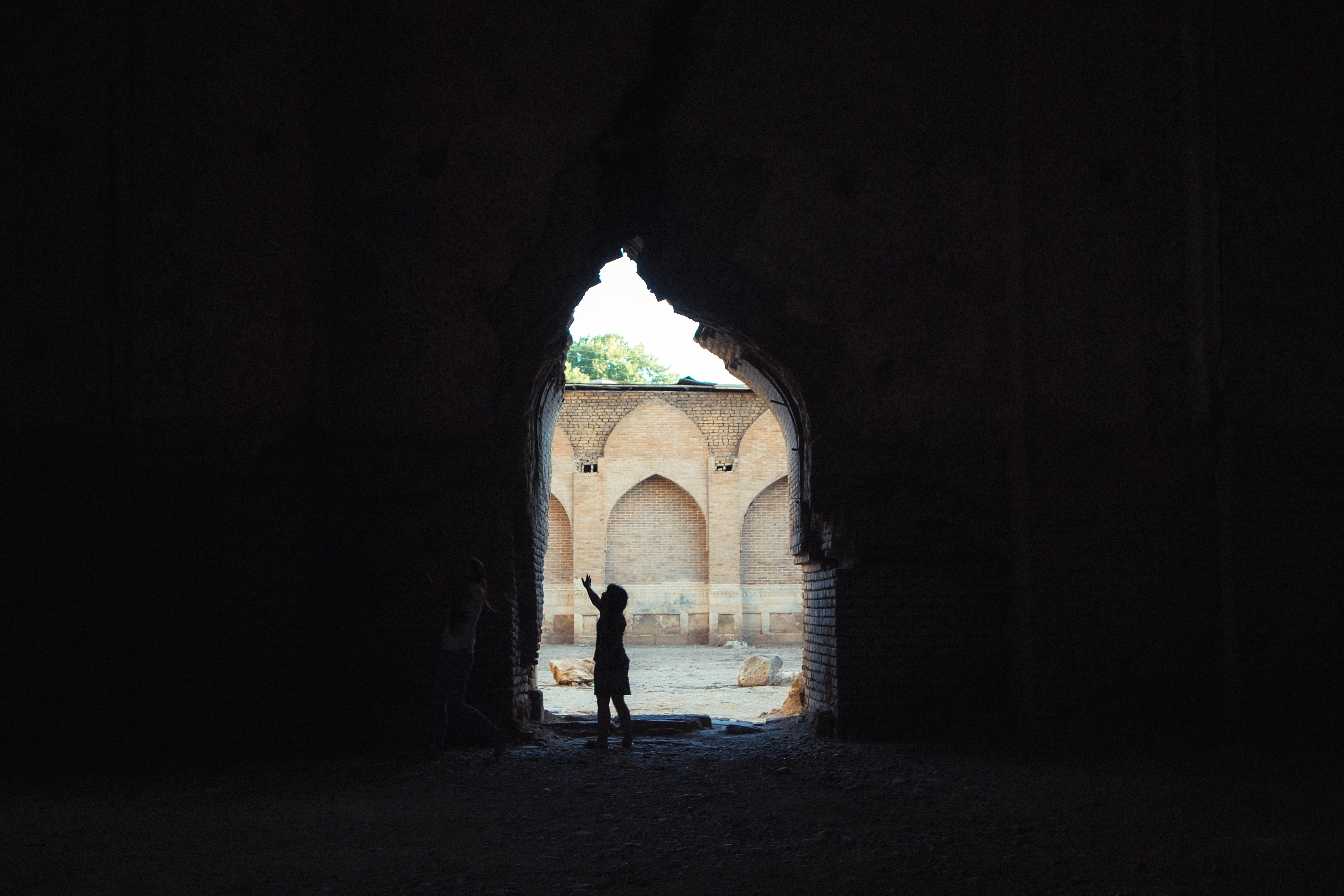
This brings to mind a passage by Kuzma Petrov-Vodkin in his work Samarkandia:
«жизнь в ней – самое главное, формы жизни бесконечно разнообразны – лучшая из них в осознании этих форм, в пребывании самому в бесформии».*
*...life is the most important thing, life's forms are infinitely diverse, and their best side lies in the realization of these forms, while life itself remains in formlessness...
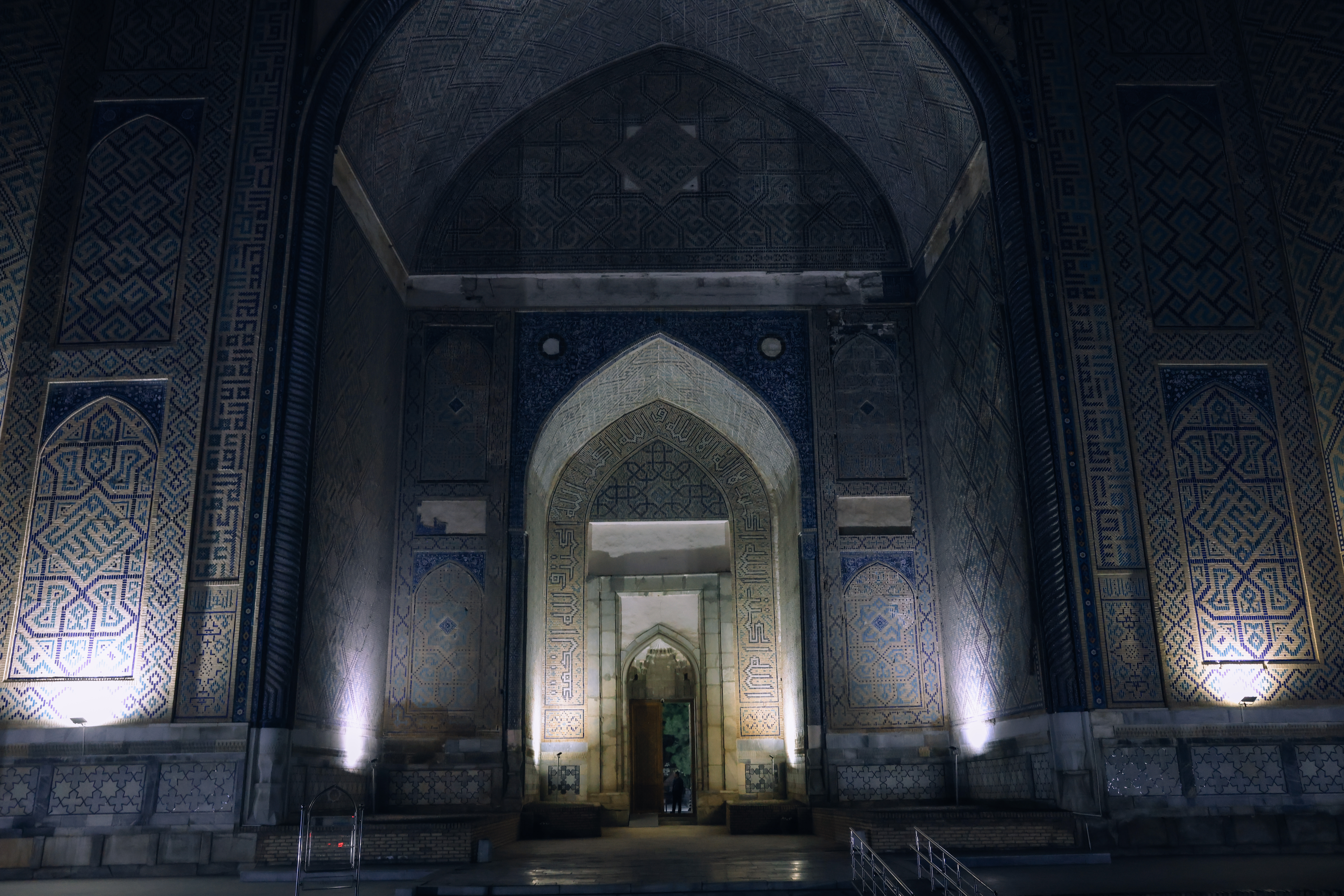
Where else, if not in the presence of architecture so great, so monumental in its perfection, can we fully and humbly feel our own finiteness? And yet still feel part of something greater.
Read also
Newsletter
A letter from the HD editors
Once a week, we send the best stories, events, and cultural discoveries from Central Asia.