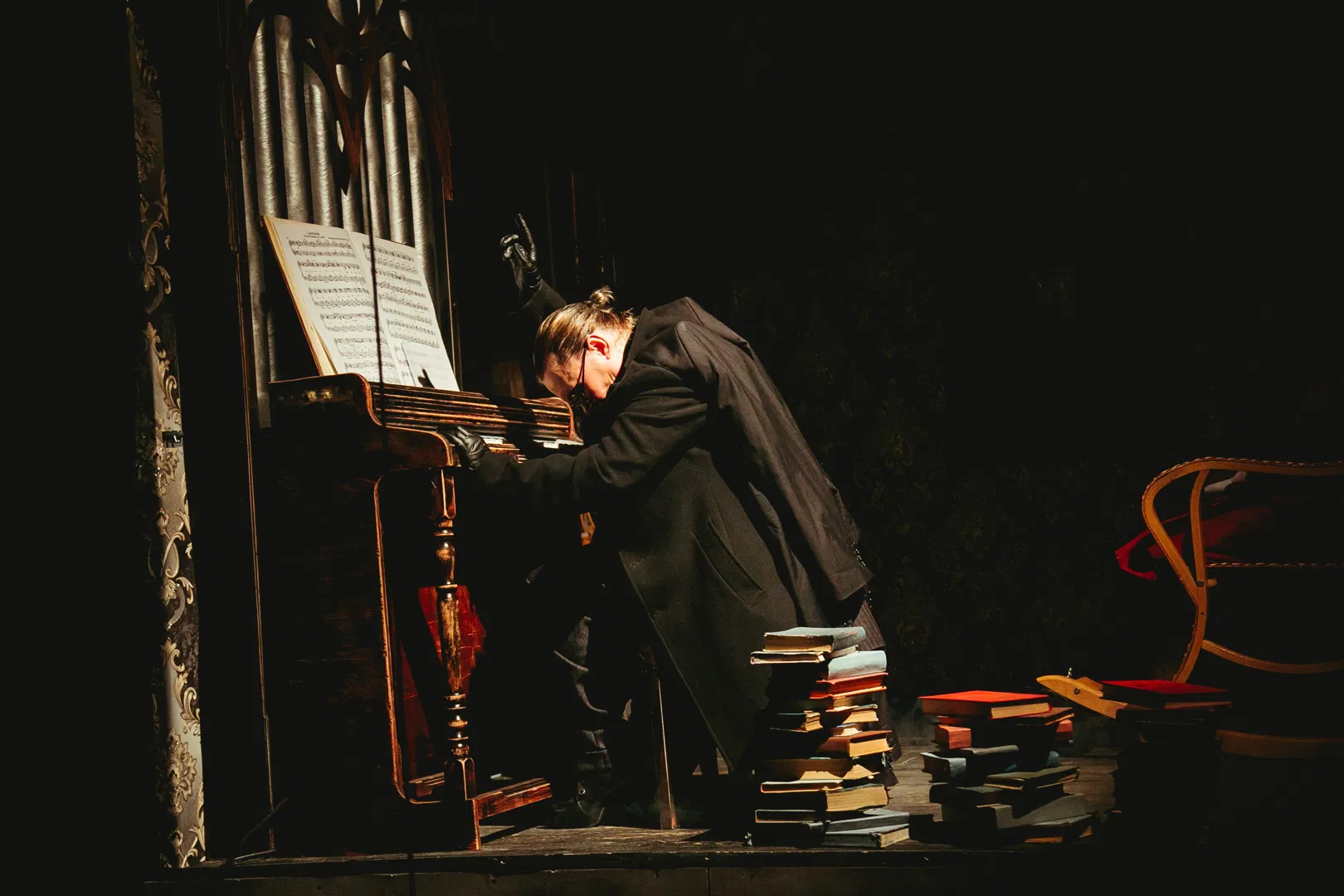
Almaty is one of the leading centres of independent cultural activity not only in Central Asia, but across the CIS. Its independent cultural scene encompasses dozens of organisations, with theatre among its most vibrant areas: around thirty independent companies are currently active in the city. Pinning down the exact number is no easy task: some venues open, others close, and some change their format. Some companies have no permanent stage, while others have no permanent troupe. How do you navigate such a diverse scene and work out where to go for a particular kind of theatrical experience? Let’s take a closer look at Almaty’s independent theatres, sort them into categories and put together a guide to the city’s independent theatre scene.
Independent theatre in Kazakhstan has its own birthday: 1 June. It was on this day in 2001 that the most famous basement on Almaty’s Arbat, at the corner of Kunaev and Zhibek Zholy streets, opened its doors as the small stage of ARTиШОК, the country’s first alternative theatre. The company, which began as a street mime troupe, soon became a major attraction on Almaty’s avant-garde art scene. Neither the basement’s lack of natural light, its occasional burst water pipes nor the smell of beshbarmak cooking in the neighbours’ kitchen upstairs could put audiences off. ARTиШОК became an integral part of the city’s cultural landscape, and its larger stage, which opened in 2017, was built in part with funds raised from local residents through crowdfunding.
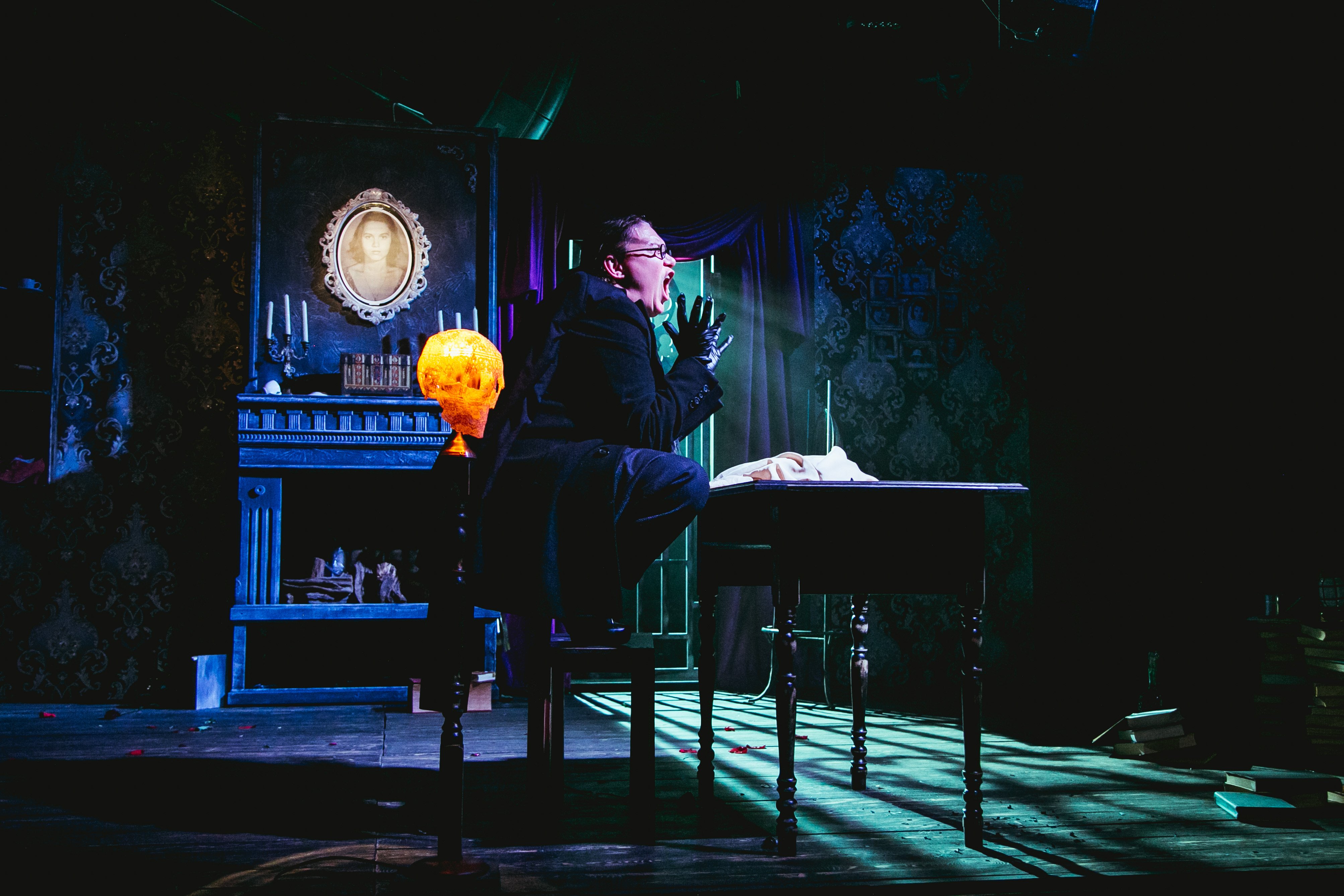 Photo: Alina Bagautdinova
Another veteran of the independent arts scene is Zhas Sakhna, a theatre that has been operating since 2006. Its name translates from Kazakh as “young stage” and suggests a repertoire aimed primarily at younger audiences, while also offering productions based on the classics. It is another excellent example of a successful private theatre that has, in the best sense of the word, grown into a two-stage institution. It is also, so far, the only independent theatre named after its founder, the renowned director Baiten Omarov: the Baiten Omarov Zhas Sakhna Theatre. Such naming conventions are usually associated with state institutions, such as the Mukhtar Auezov Kazakh Drama Theatre, the Natalia Sats Russian Theatre for Young Audiences and the Kuddus Kuzhamyarov Uyghur Theatre of Musical Comedy. A couple of months ago, however, news emerged of another eponymous venture in the city: the Maman Baiserkenov Almaty Youth Theatre.
The Arithmetic of Almaty's Independent TheaterToday Almaty has about two dozen independent theaters, and in an era when stand-up comedy and concerts are booming, their survival is often a pressing question. We spoke with two projects, 2act and Transforma, about how independent theaters manage to exist in a city of two million.mag.humodoc.com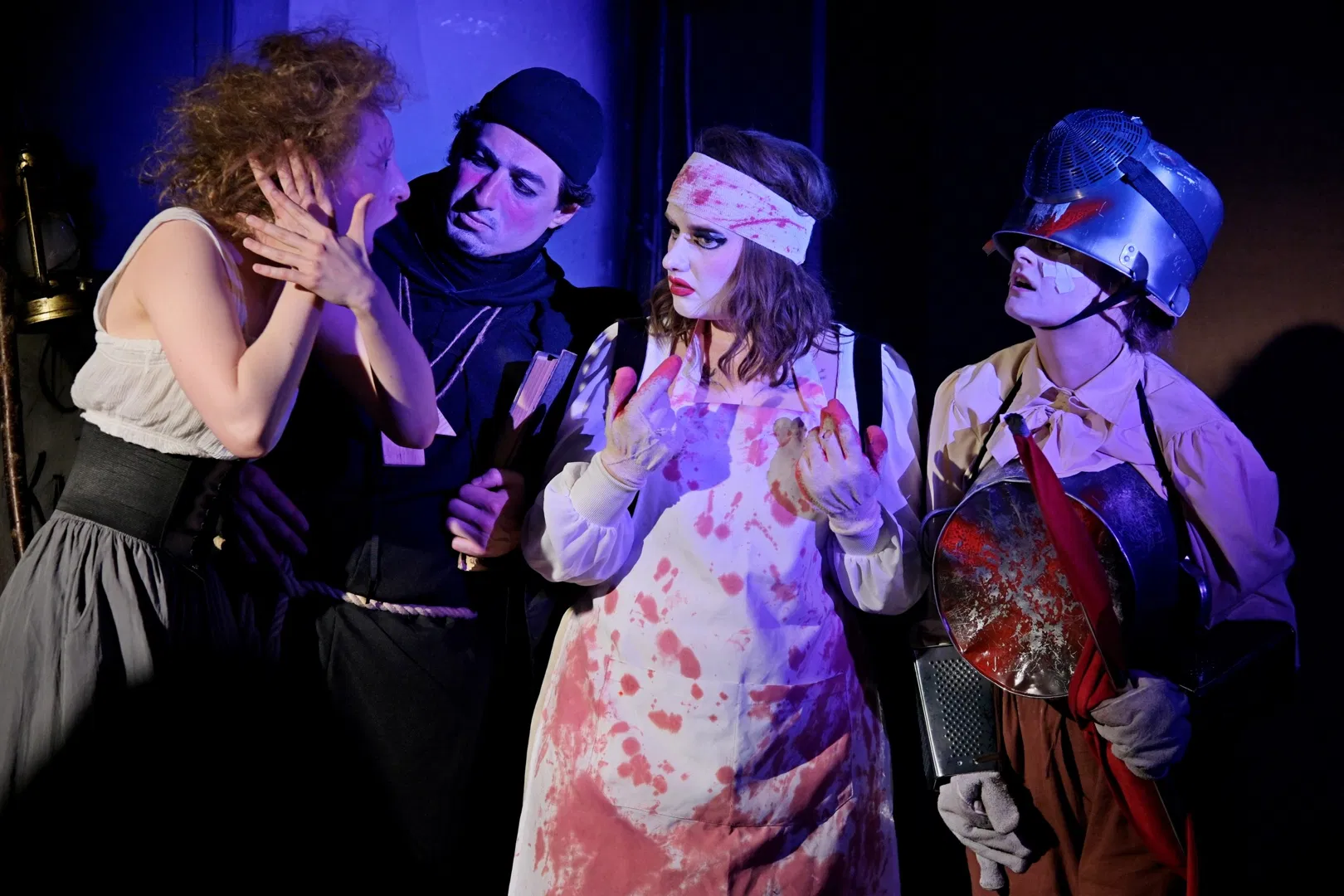
Does this mean that alternative theatres are springing up all the time? Almaty’s independent arts boom came in the 2010s. Over the following decade, numerous independent companies appeared, although, unfortunately, not all of them survived. The main reasons were financial difficulties or disputes with venue owners. The very term “independent” suggests that a theatre operates on its own resources, relying on ticket sales and, less frequently, private sponsorship. Most companies rent their premises, and being forced to leave a venue is perhaps the most common problem facing Almaty’s independent theatres.
For a closer look at this issue, ask the residents of Transforma, a cultural space that has changed location five times. Established in 2017 as a venue for creative collaboration across different disciplines, Transforma is now increasingly focused on theatre. Yet, as in its earlier days, it still hosts concerts and performances by young artists. Its management team, meanwhile, has consisted of just two or three people for years.
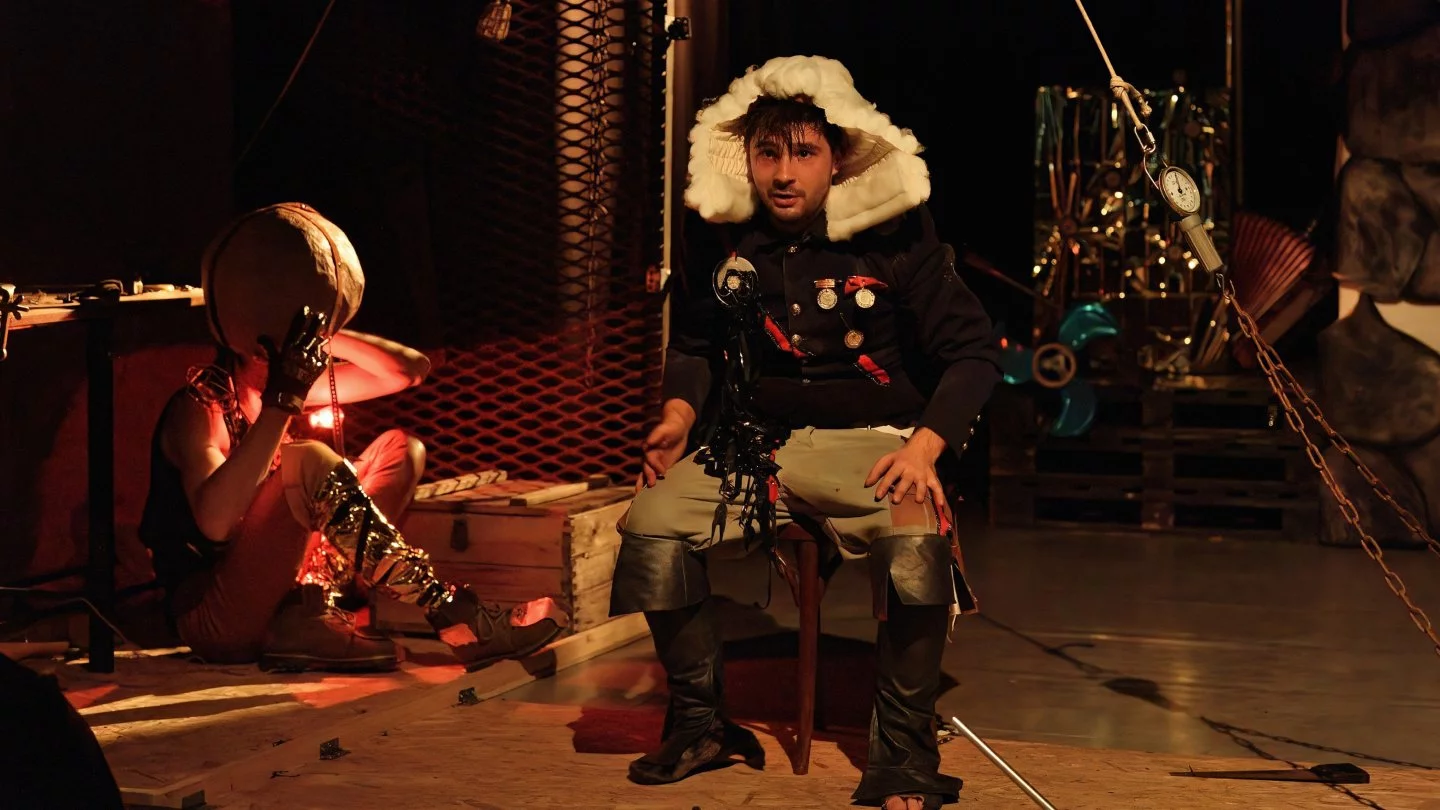 Photo: Yuri Korotetsky
Another striking example of a theatre sustained by the enthusiasm of just a couple of people is 2act, founded in 2022 by a couple who had relocated to Almaty. Today, the theatre has its own venue and a regular audience. The founders jokingly claim the unofficial title of “the most dramatic independent theatre”: audiences seem to cry at their performances with remarkable frequency.
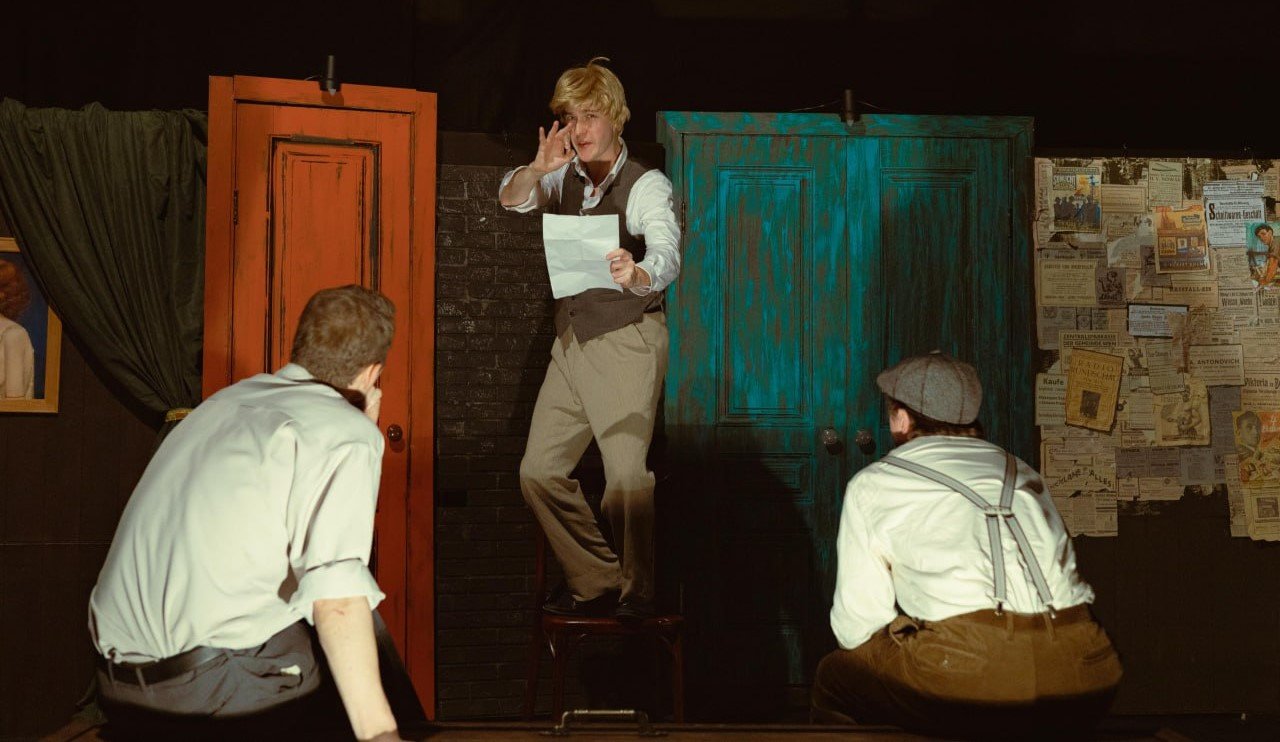 Photo: Angelina Simnonenkova
Another company brought to Almaty by people who had relocated to the city is Adamdart, an inclusive social platform. The theatre works with vulnerable groups and actors with developmental disabilities. One particularly inventive initiative is its “theatre emergency service”, through which performances can be brought directly to audience members who, for various reasons, cannot attend in person. Adamdart was not the first project of its kind in Almaty, however. Since 2017, the Deistviye Bukvalno laboratory has been introducing Kazakhstani audiences to inclusive art. We have written about both projects in more detail in an earlier article.
How Inclusive Theatre Survives in AlmatyTheatre as an institution relies on transformation. Yet there is a form of theatre where accepting yourself matters more than playing someone else: it is an inclusive theatre. As a rule, it brings together both “ordinary” and “special” performers. Today, Almaty is home to two such projects: the theatre laboratory Deystvie Bukvalno and the social theatre Adamdart. Both are unique projects that deserve a closer look.mag.humodoc.com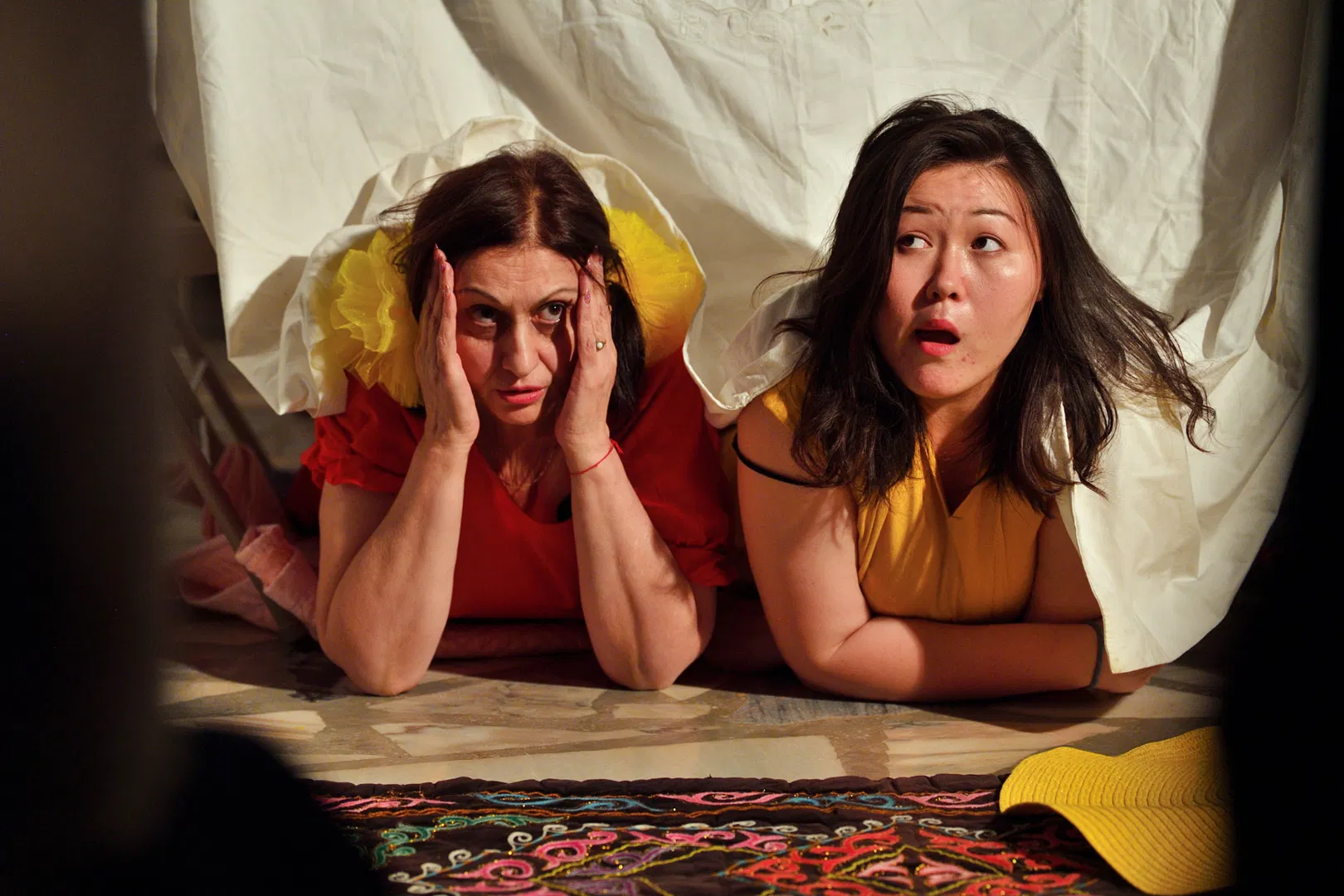
Many theatres strive to appeal to different audiences. A perfect example is Total Theatre. In both its children’s and adult productions, puppets take centre stage: large-scale puppets, finger puppets, shadow puppets and many other kinds. Since 2019, the company has been successfully challenging the stereotype that puppetry is only suitable for children’s stories.
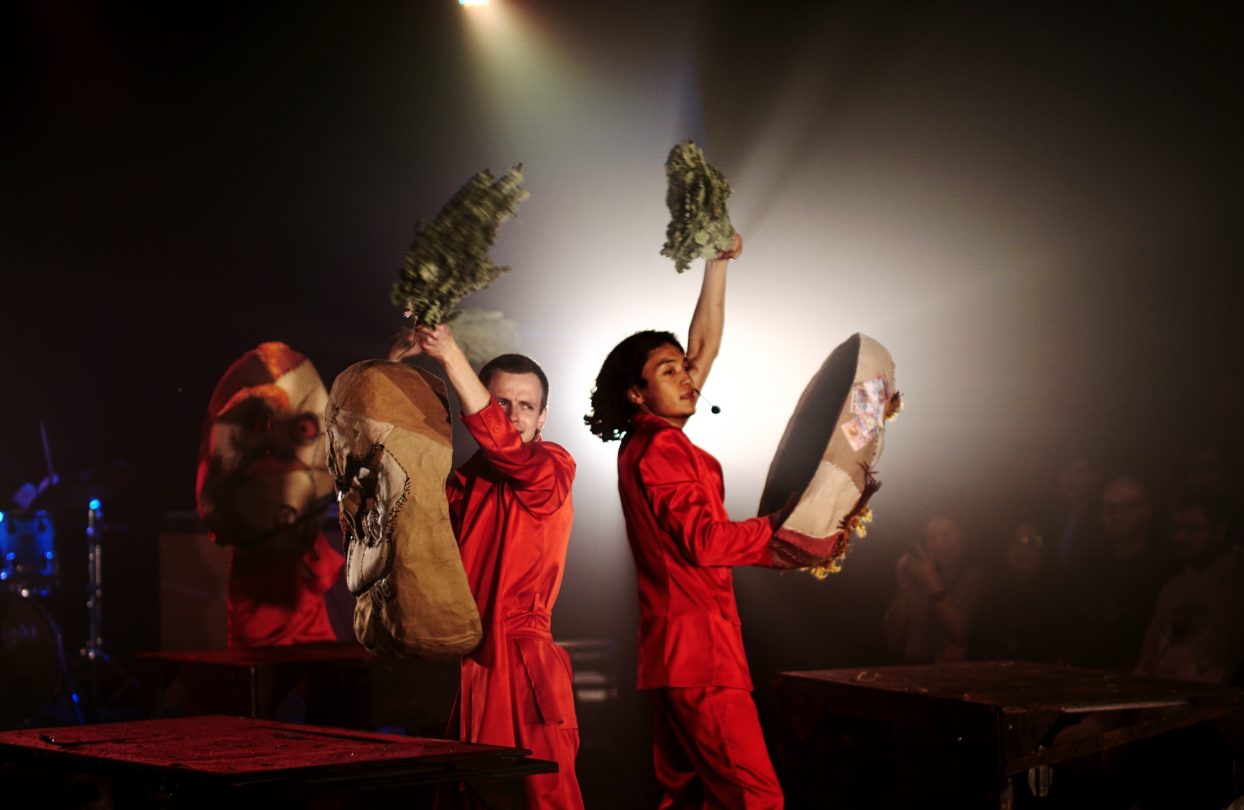
Another theatre that not only performs for children but also works with them is Igra, which grew out of an acting school of the same name. Today, it has two strands: a children’s theatre, where the performers are underage actors, and a fully fledged adult theatre featuring their teachers. The result is a varied repertoire ideally suited to family outings. A similar approach is taken by ArtLab, an independent theatre based at an educational institution, namely Satbayev University, better known locally as Polytech. The company produces its own performances and teaches creative subjects at the university.
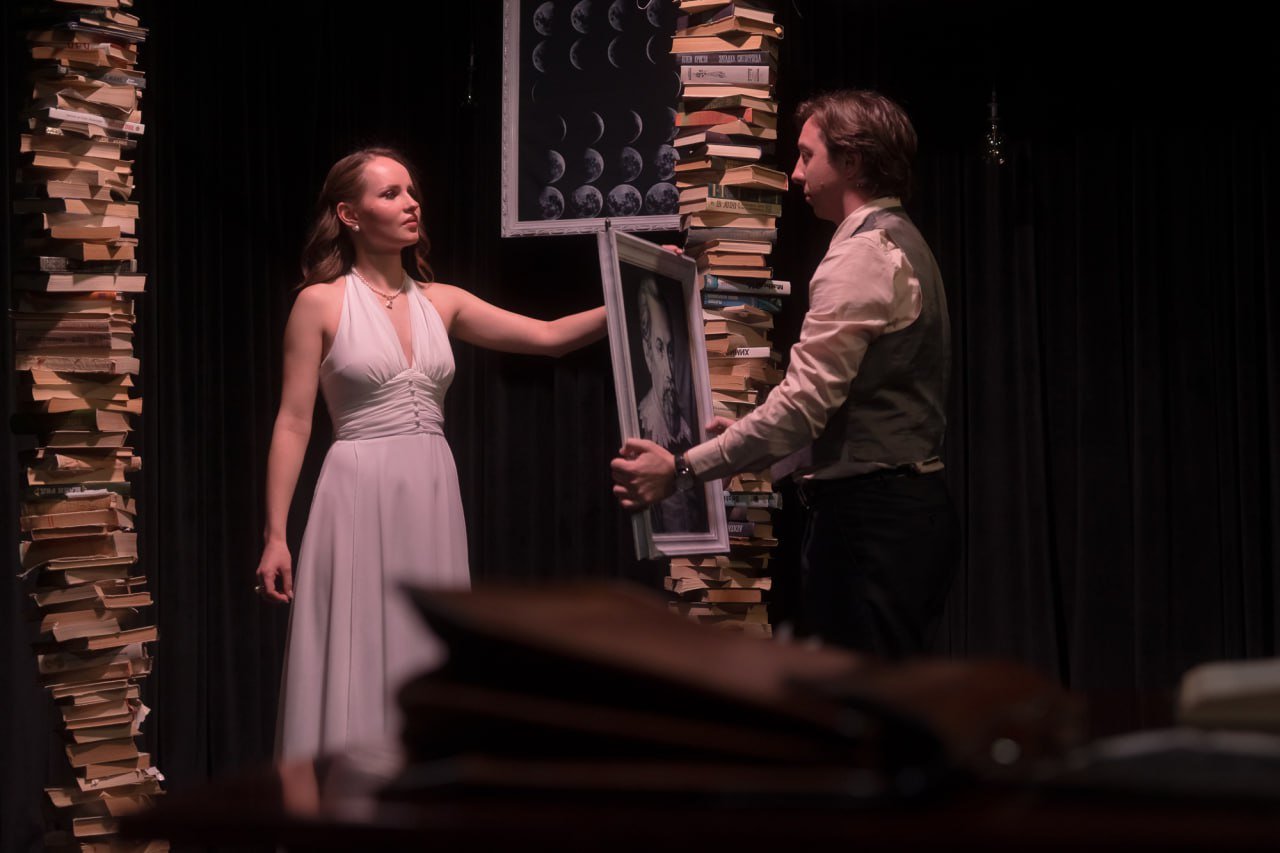
Continuing our tour of unusual venues, it is impossible to overlook Almaty’s great underground gem. And “underground” is meant quite literally: the name Art Shelter BUNKER makes it clear that the venue is housed in a genuine bomb shelter. Some visitors come as much for the atmosphere as for the performances: massive doors, low ceilings, cool air and, above all, authentic features of a Soviet-era bunker. It is both eerie and strangely alluring.
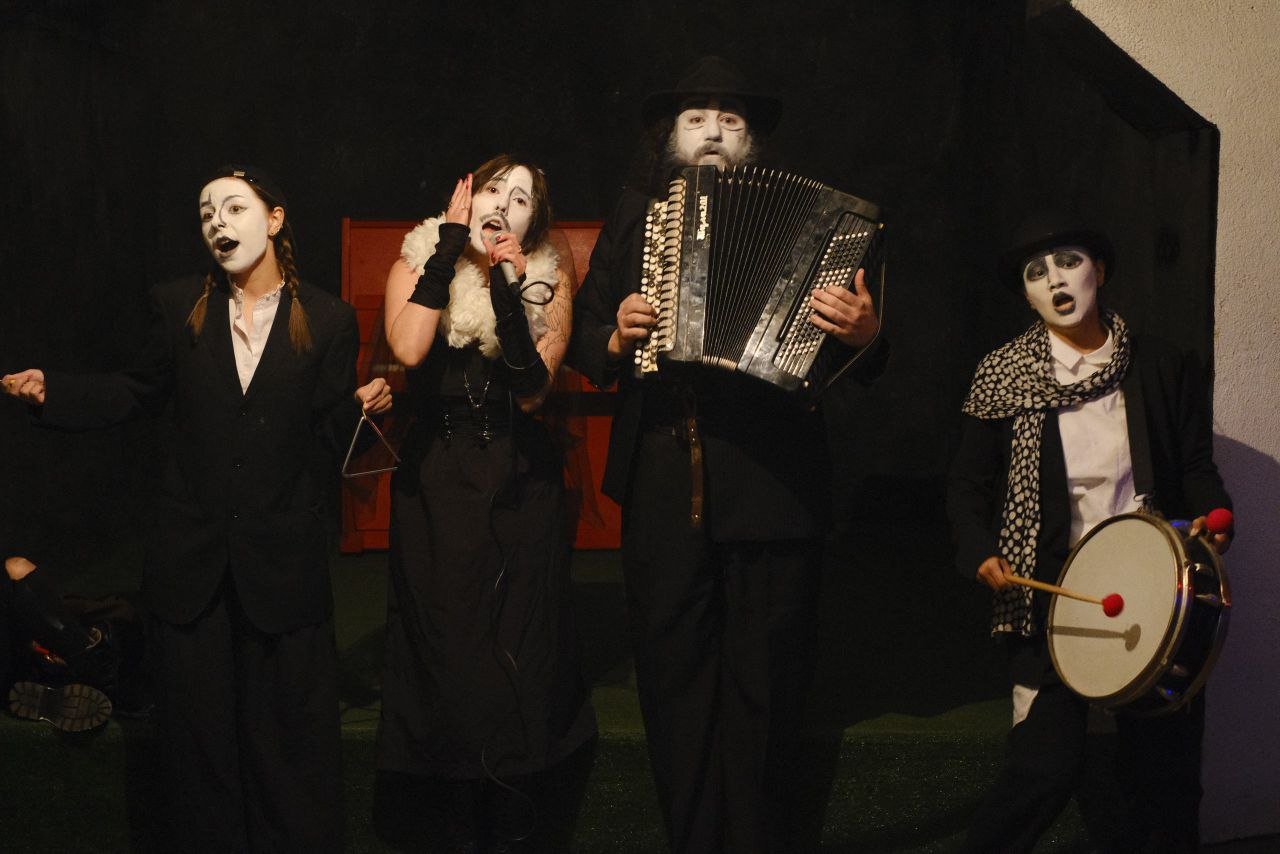 Photo: Alina Malina
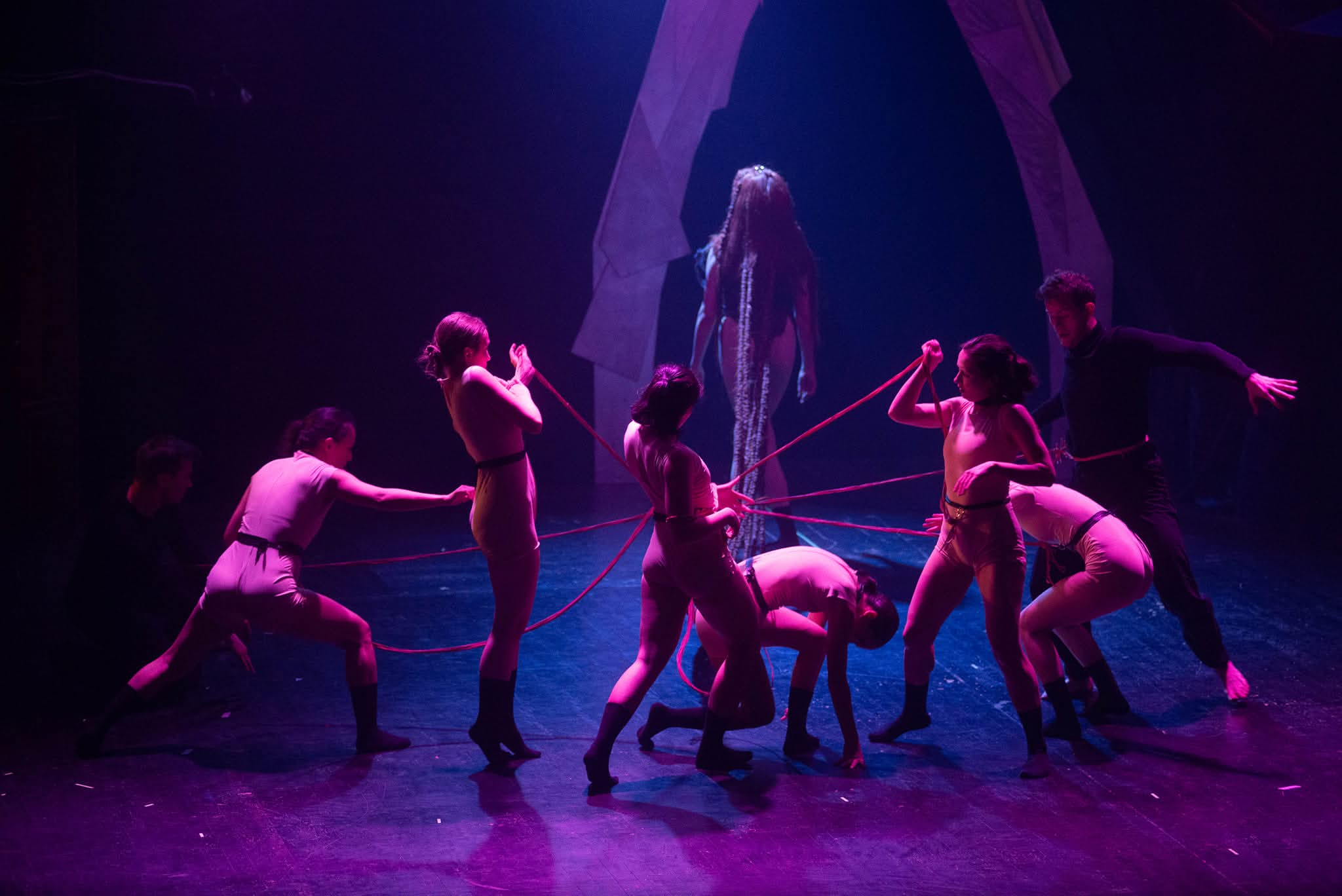
Another captivating and beautiful form is dance theatre, often described as physical theatre, which has developed in Almaty in several different formats. One of the oldest and most commercially successful companies is Interius, which works at the intersection of drama and physical theatre. A similar description applies to the experimental company FreeDa, notable also for its all-female team.
But dance theatre is all about movement, including movement between venues and even cities. Take the Jolda Dance Laboratory, founded in 2021 and now one of the best-known Kazakhstani companies beyond the country’s borders. It regularly performs at dance and theatre festivals around the world. The defining elements of its productions are movement, sound and distinctive costumes, specially made for each performance. In 2023, former Jolda members launched a new project, Teatro89, drawing heavily on Latin American and Cuban culture, from music and dance to literature.
Musical theatre, by contrast, remains relatively underdeveloped in Almaty. The leading independent company in this field is Stages. Originally a production venture, it now presents musicals, jazz picnics and orchestral performances. A distinctive feature of its productions is live music, drawing on jazz, soul and tango. The company has no permanent venue, yet this has not stopped it from becoming one of the city’s most commercially successful projects.
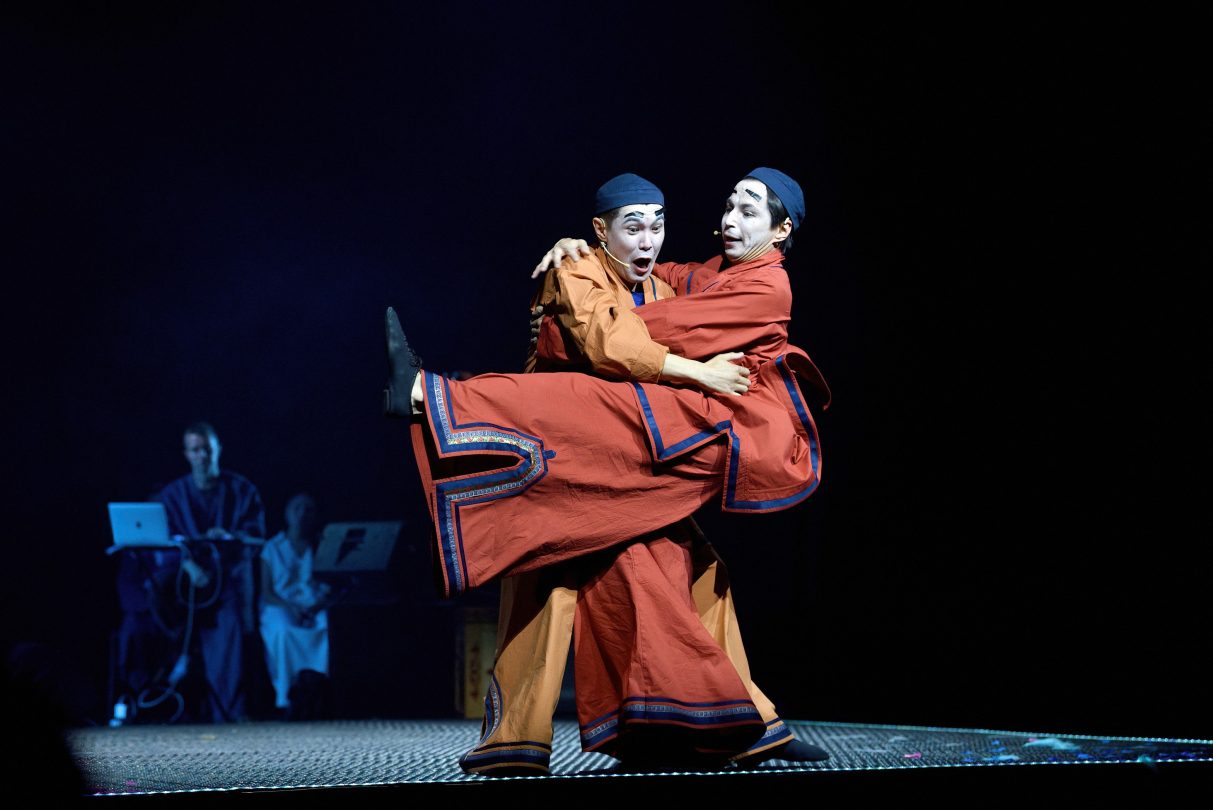 Photo: Yuri Korotetsky
The Kazakh-language theatre scene also has some genuinely high-profile projects. One example is ŞAM, whose company consists entirely of stars of Kazakh cinema and theatre. Its repertoire includes only a handful of productions, but one of them, No. 37, became such a hit that it was subsequently adapted into a feature film of the same name. A somewhat less prominent, but no less interesting, company is ArtKöshe. It works particularly actively with social themes, including through the rather unusual medium of musical theatre.
Amateur theatres and studios are another important part of Almaty’s independent scene. Unlike professional companies, many of them focus not only on staging productions, but also on involving their members in the creative process. Almost anyone can try their hand at theatre here. Opportunities are available at AsAbAlAr, the TRI Playback Theatre, the Ermashov Amateur Theatre, the Teatron cultural space and Stsena theatre.
Some venues take a different approach. Dom Kultury, for example, rarely stages full productions, but regularly runs acting courses led by professional performers.
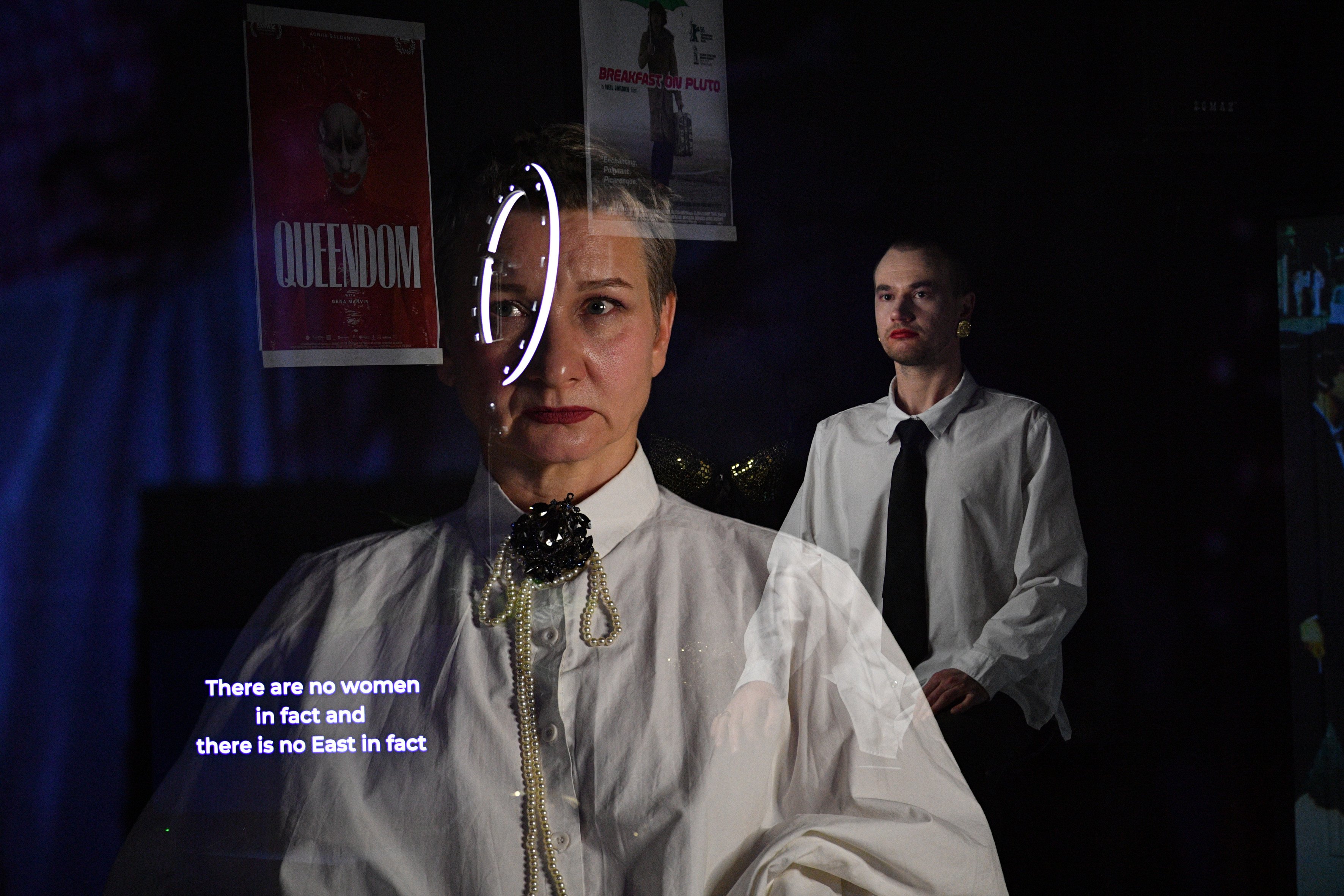 Photo: Yuri Korotetsky
Among the newer additions to the city’s independent theatre scene is the Ilya Bobkov Workshop, which joined the ranks of theatre studios last year. There is also Iskusstvo, a project that does not describe itself as a theatre in the conventional sense, yet produces full-scale performances as a resident company at the venues of its more established peers: formerly Transforma and, since this year, ARTиШОК.
One venue stands apart from the rest of this list: Almaty Theatre. Built on the grand scale of a state theatre, it is nevertheless billed as “the first private theatre in the city”. Its ownership, however, remains something of a mystery to the general public. It was conceived as a more contemporary alternative to KazNTOB, Kazakh National Opera and Ballet Theatre named after Abai, but ultimately became a large concert hall for touring companies and international opera and ballet stars. It has neither its own company nor an in-house repertoire.
And this is perhaps the most fitting conclusion to our tour: Almaty’s theatrical world is so diverse that the city is home not only to theatres without buildings, but also to buildings without theatres.
Newsletter
A letter from the HD editors
Once a week, we send the best stories, events, and cultural discoveries from Central Asia.