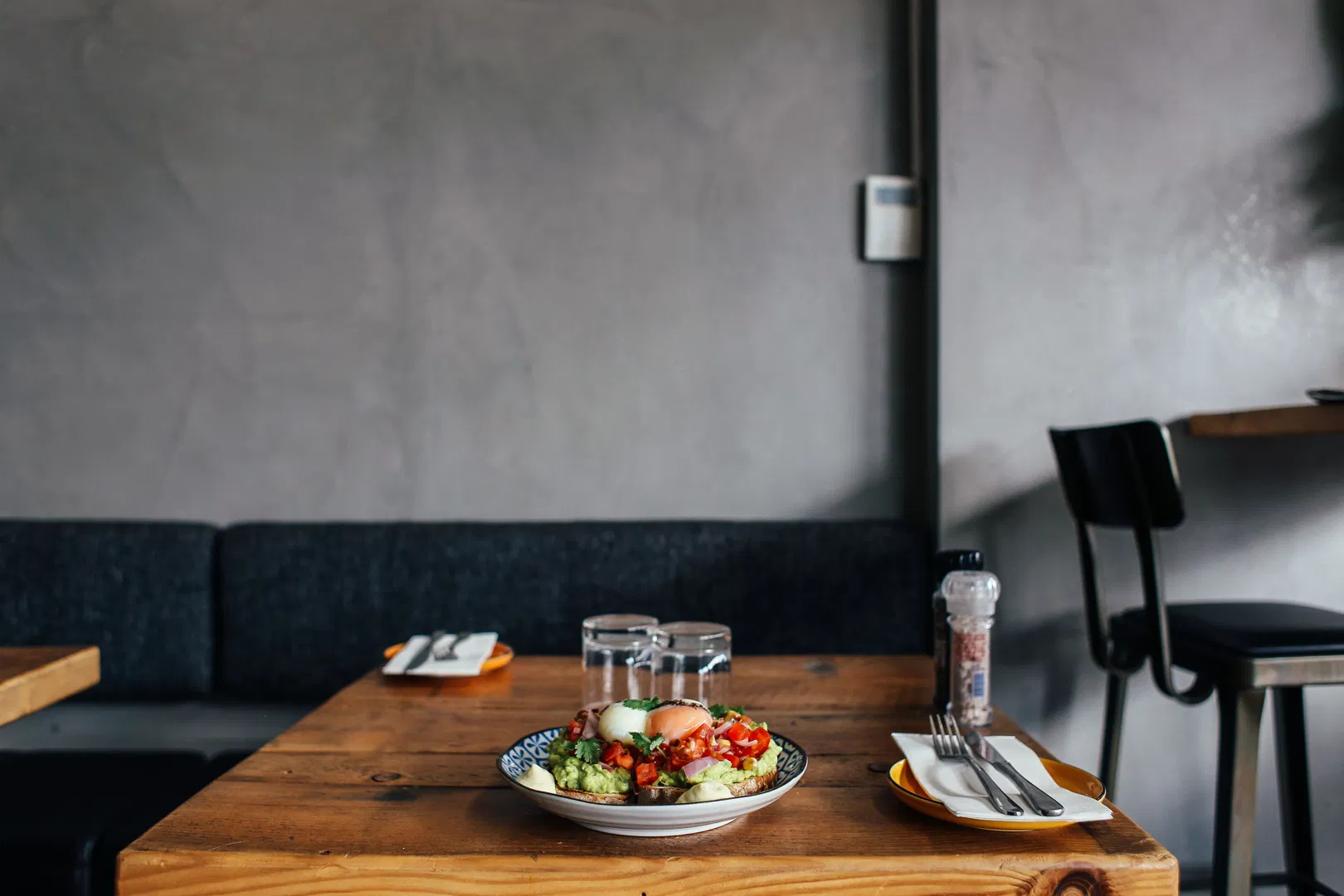
The restaurant business depends on more than consumer preferences and tastes, or the state of the economy. Its operations are also closely shaped by municipal regulations, from the rules governing outdoor dining areas to the tax regime. The key question facing the industry today, therefore, is not whether oversight is necessary, but where to draw the line between regulation and excessive bureaucracy.
Restaurants as Part of the Urban Environment
The Union of Independent Restaurateurs was established in Almaty on 18 June 2020 to protect the rights of businesses in the sector and engage with all levels of government, including legislative bodies, local executive authorities, fiscal agencies and others.
Restaurants are often seen as private businesses: an owner rents premises, hires staff, sells food and pays taxes. But things are more complex in a city. Restaurants help shape the urban environment, create jobs, draw people into public spaces and contribute significantly to their comfort and appeal. This is particularly evident in Almaty, where outdoor dining areas have long been part of the city's culture. Any decision that changes the rules governing restaurant operations inevitably affects the urban environment as well.
A Restaurant is Urban InfrastructureIf we stop viewing a restaurant solely as a business, it becomes clear that public catering is a fully fledged part of urban infrastructure. Veronika Daugaliyeva, chair of the Self-Regulatory Association of Public Catering of the Republic of Kazakhstan (SOOP RK), told HD magazine why public catering should be regarded as a sector of the economy.mag.humodoc.com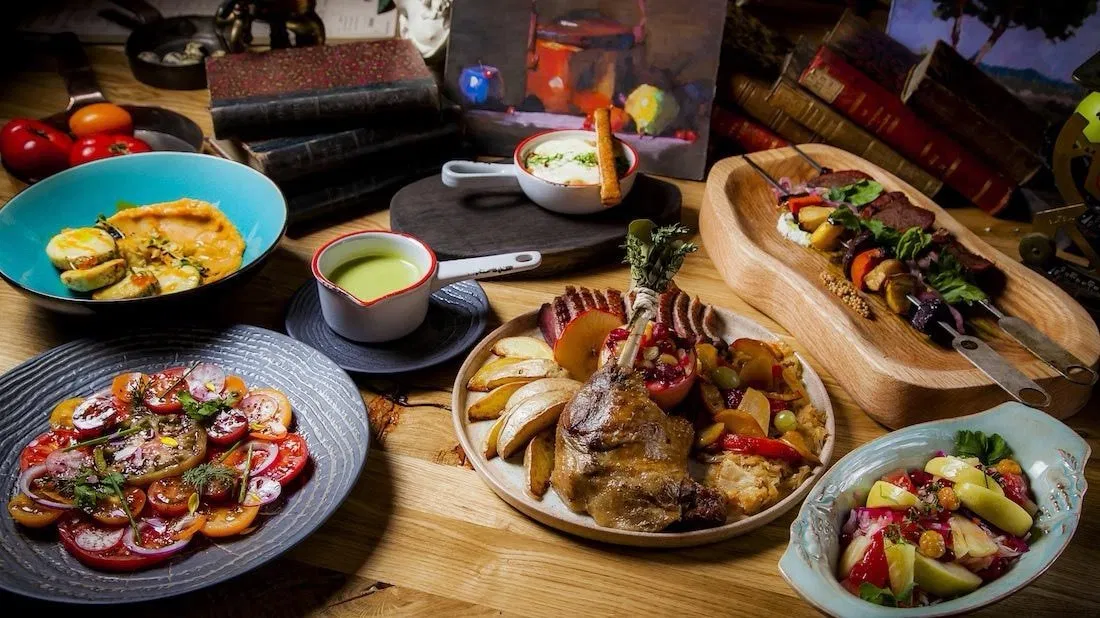
The Union is also represented on a specialist commission involved in the development of Almaty's tourism industry.
Predictability Matters Most
For the restaurant business, stability in the rules is particularly important.
Entrepreneurs make decisions with a view to the years ahead: they sign leases, renovate premises, purchase equipment and build teams. But when tax rates, operating requirements or rules governing the use of public space change too frequently, long-term planning becomes virtually impossible. What businesses need, then, is not necessarily a low tax burden, but above all a predictable one.
If a particular rule is set for five years and an entrepreneur knows it will not change tomorrow, they can build a financial model around it.
This is especially important for restaurants, where initial investment can be substantial and it takes time to recoup the costs.
The Role of an Industry Association
This is where a professional industry association comes into play.
An industry association is more than a platform for entrepreneurs to meet and exchange ideas. According to industry representatives, its primary role is to address strategic issues: legislation, the tax regime, requirements for outdoor terraces and the rules governing restaurant operations. This work is rarely visible to customers. It involves letters, meetings, legal opinions, negotiations with government bodies and participation in discussions on draft regulations.
Restaurant Market as a Mirror of the EconomyAlmaty is seeing more establishments, but that does not mean automatic growth for the restaurant business. New residential complexes create demand for cafes and restaurants, the average bill is rising amid inflation, and the real state of the market has to be assessed using a far more complex system of indicators.mag.humodoc.com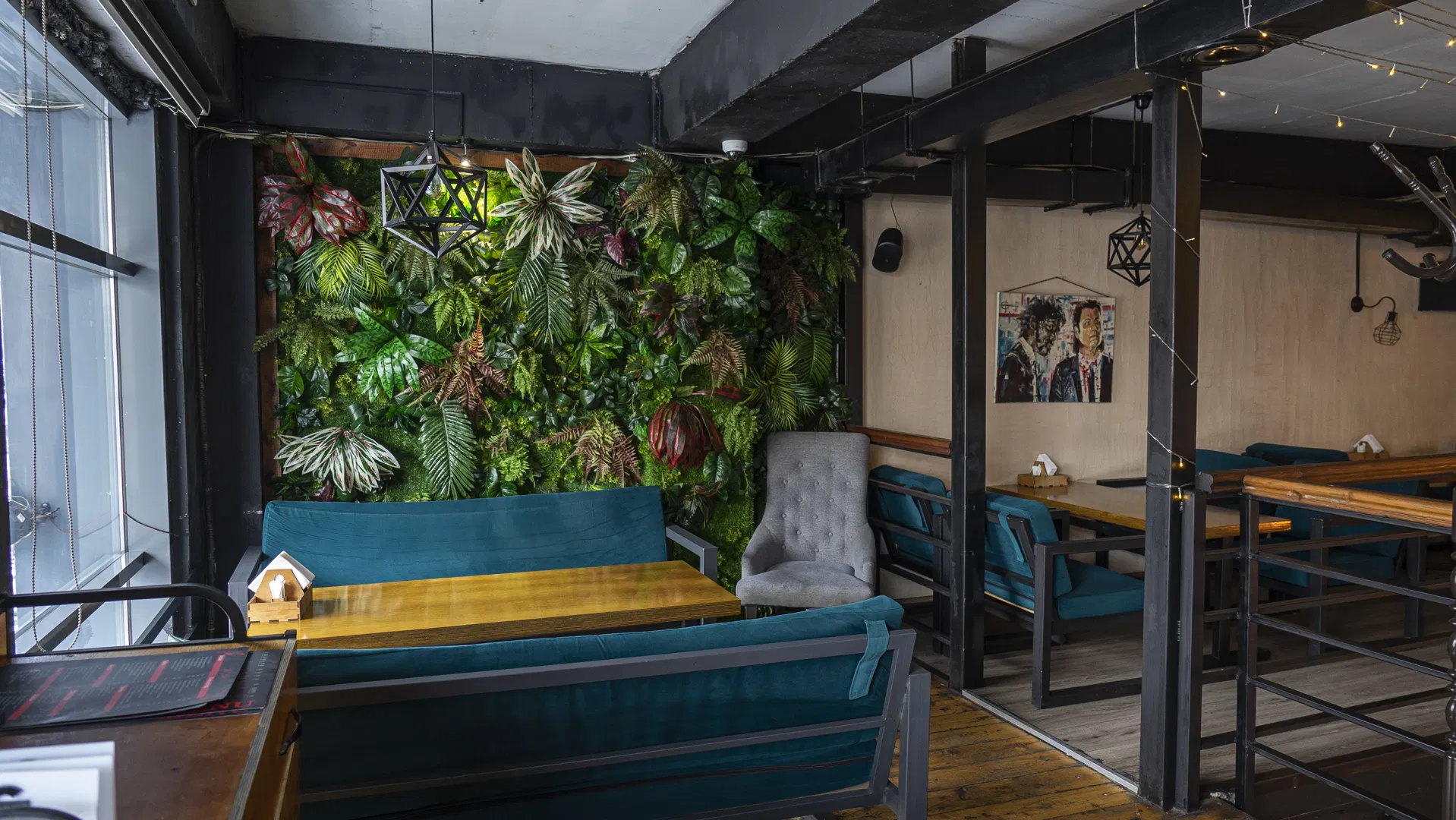
One important point is that a professional association must speak on behalf of people who genuinely understand the day-to-day realities of running a restaurant. This is crucial in the industry: someone who has never managed a restaurant may have a formal grasp of legislation, but may not always understand the practical consequences of a particular regulatory change.
For example, the Union became a public voice for the restaurant business during the COVID-19 restrictions and took part in negotiations and public appeals concerning the operating hours of establishments.
In 2023, the Ministry of Internal Affairs also proposed restricting the opening hours of certain bars and food service establishments to 11 pm. The Union opposed the proposal, and not simply on the grounds that businesses would lose money. It put forward a whole range of arguments:
- the impact on jobs;
- Almaty's appeal as a tourist destination;
- the risk of some businesses moving into the shadow economy;
- increased opportunities for corruption in the enforcement of restrictions;
- the impact on suppliers and related businesses.
The Union's position, alongside those of other stakeholders, was taken into account. Today, there is no general restriction requiring restaurants to close by 11 pm.
Small and Medium-Sized Businesses Shape the City
The restaurant sector also serves a wider purpose. Small and medium-sized businesses create not only jobs but also the everyday urban environment.
Salons, shops, cafés, restaurants, florists and outdoor terraces all help bring a city to life. Such businesses need to be regulated, of course, but regulation should enhance the quality of the urban environment, not undermine it.
Compliance with basic hygiene, fire safety, legal and other requirements must be monitored. But there is a fundamental difference between proper oversight and constant interference.
Digital technology is changing the restaurant industryDigitalization, local equipment production, staff training and delivery are changing the restaurant business no less than new gastronomic trends. For the industry, this has become a huge support in its work.mag.humodoc.com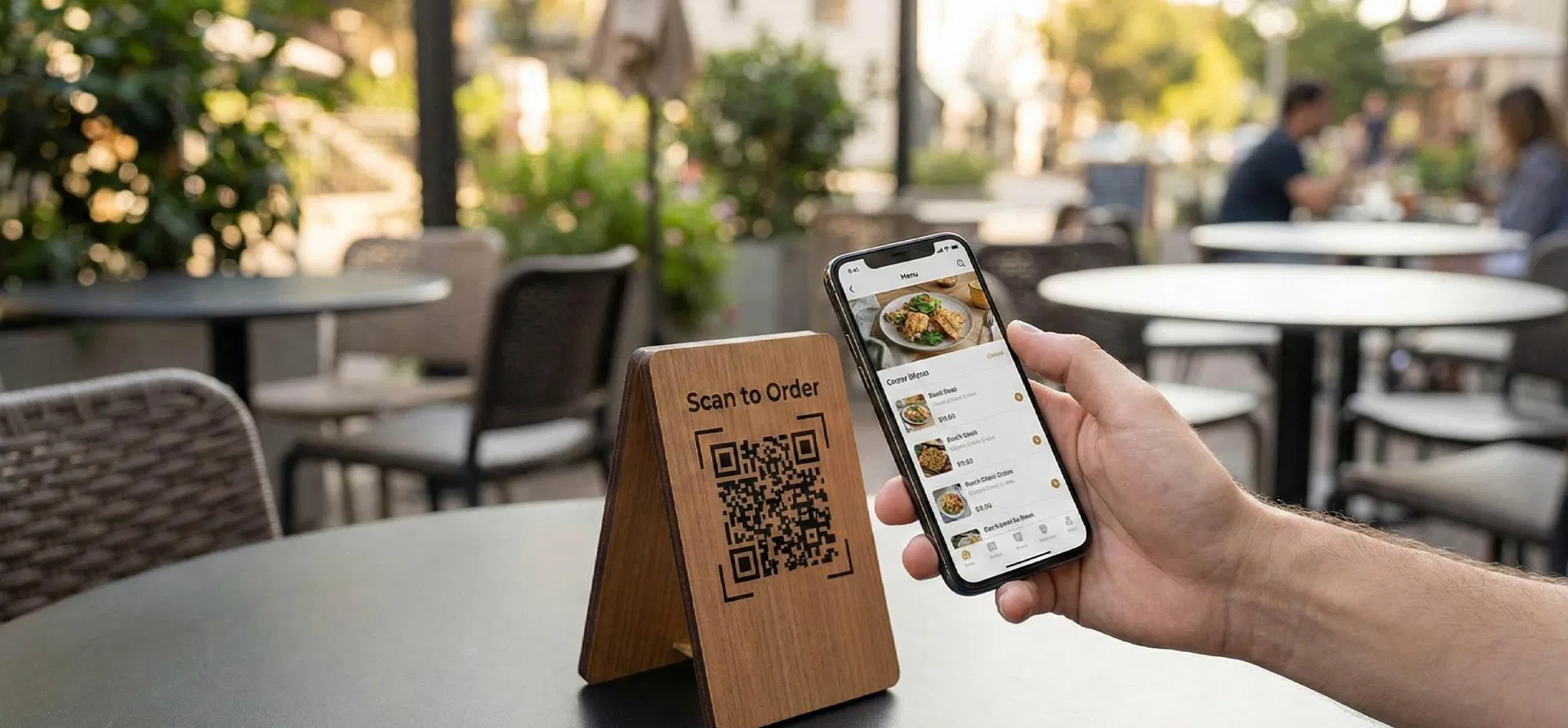
The City as a Partner
The discussion about restaurants has long since moved beyond food. The sector provides more jobs than any other and supports a large production and supply network involving suppliers, manufacturers and delivery services. Ultimately, this is a conversation about what kind of city we want to see and how well the city can work with those who bring it to life every day.
A sustainable city and a sustainable business ultimately share the same goal: making the urban environment work. Restaurants need customers; cities need jobs, tax revenue, well-maintained streets and vibrant public spaces. Entrepreneurs need the ability to plan ahead, while residents need a city that is comfortable to live in.
Read also
 Gastronomy
Uzbek Plov, Soviet Style: How Central Asian Cuisine Conquered the USSR
Павел Сюткин
 Gastronomy
"On the plate are manti, and in it two parts of lamb": How Russia penetrated Asia, and Asian cuisine penetrated Russia
Павел Сюткин
 Gastronomy
Tatar buckwheat and Arabic rice. Pavel Syutkin — about Asian products of Russian cuisine
Павел Сюткин
Newsletter
A letter from the HD editors
Once a week, we send the best stories, events, and cultural discoveries from Central Asia.