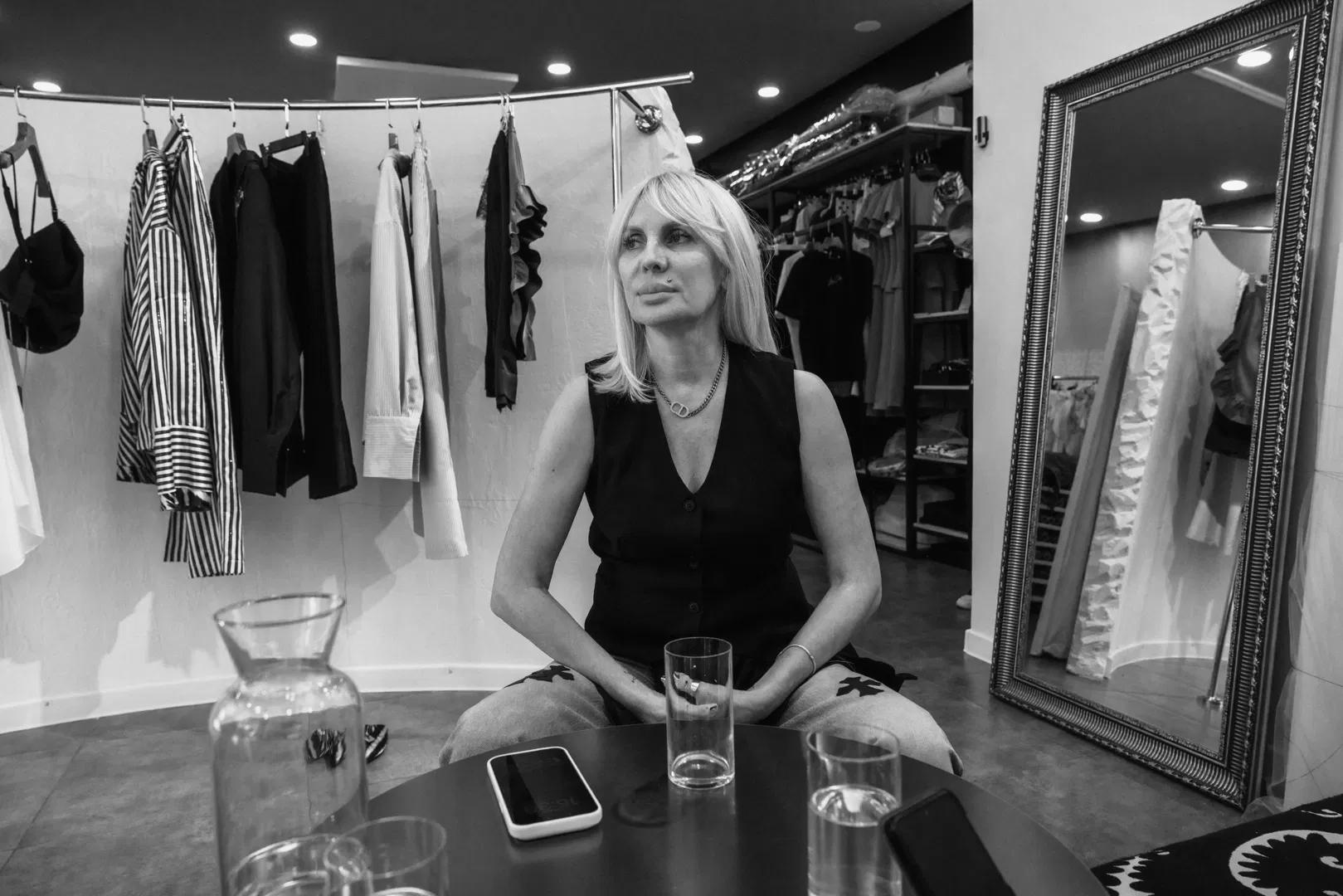
Liliya Palyunina is the founder of the Tashkent-based conceptual fashion brand Liliya Dulat. She has been presenting collections since 2009, first under her own name and later under the Liliya Dulat label. Today, the brand works with international showrooms and is expanding its distribution overseas while remaining an Uzbek brand with production based in Tashkent. We spoke with Liliya about creating a distinctive design language, why every brand needs a strong team, and what Made in Uzbekistan means to her.
The story of Liliya Palyunina goes beyond the success of a fashion designer. It shows how a contemporary cultural brand can become part of a country's international image without losing its own identity. Perhaps that is where its greatest value lies today. Brands like Liliya Dulat matter not only to the fashion industry. They are helping to shape a new image of Central Asia: modern, confident in its identity, and able to engage with the world through quality, culture and a distinctive sense of style.
— How does a designer become a brand?
— Some people would say it happens when you open your first boutique, start presenting collections, or people begin recognising your clothes in the street. But for me, you become a brand when you build a team around you. When there are people who understand you almost without words. I come up with an idea, and they already know what it should become. It isn't about having forty or fifty people. It's about having three or four key people whose judgement you trust. I come up with the idea, and together we turn it into reality. If a particular piece becomes popular, it means people genuinely want to wear it. And when they come back for it again, that's when you realise you've become a brand.
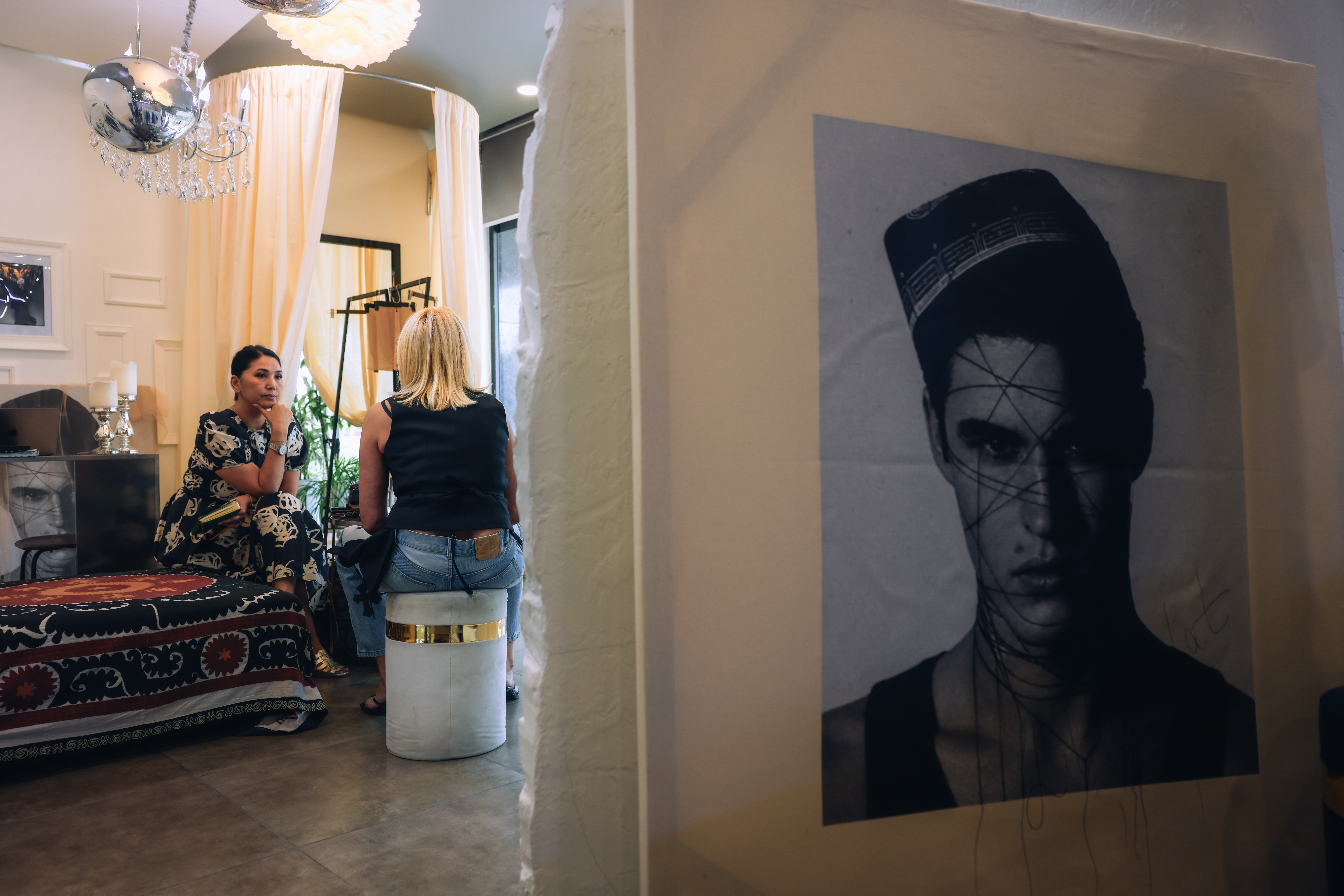 Photo: Ildar Sadykov
We have several pieces I'd describe as timeless. When people keep coming back for them again and again, that's the clearest sign of all.
And there's another important side to it: documentation matters. We registered our trademark, although that didn't happen straight away. There were times when I wasn't even sure whether I wanted all this. It's only over the past year and a half, perhaps two years, that I've become more confident. Before that, I constantly doubted myself. I always felt I'd done something wrong, that someone else was doing it better, that perhaps I wasn't ready yet. Those doubts only begin to disappear when people start recognising not you as a person, but your clothes.
— From the outside, a designer's work looks rather romantic: you come up with an idea, sketch it out, and present a collection. What's really happening behind the scenes?
— That's exactly what most people imagine. In reality, every single garment represents an enormous amount of work that no one ever sees. Becoming a brand is a very long journey.
Every collection is built on the work of dozens of people: hundreds of hours of skilled craftsmanship, endless fittings, constant refinements, and countless discussions with pattern cutters, garment technologists and skilled makers. By the time it reaches the public, all they see is the finished picture: the runway, the editorial shoot and the magazine pages.
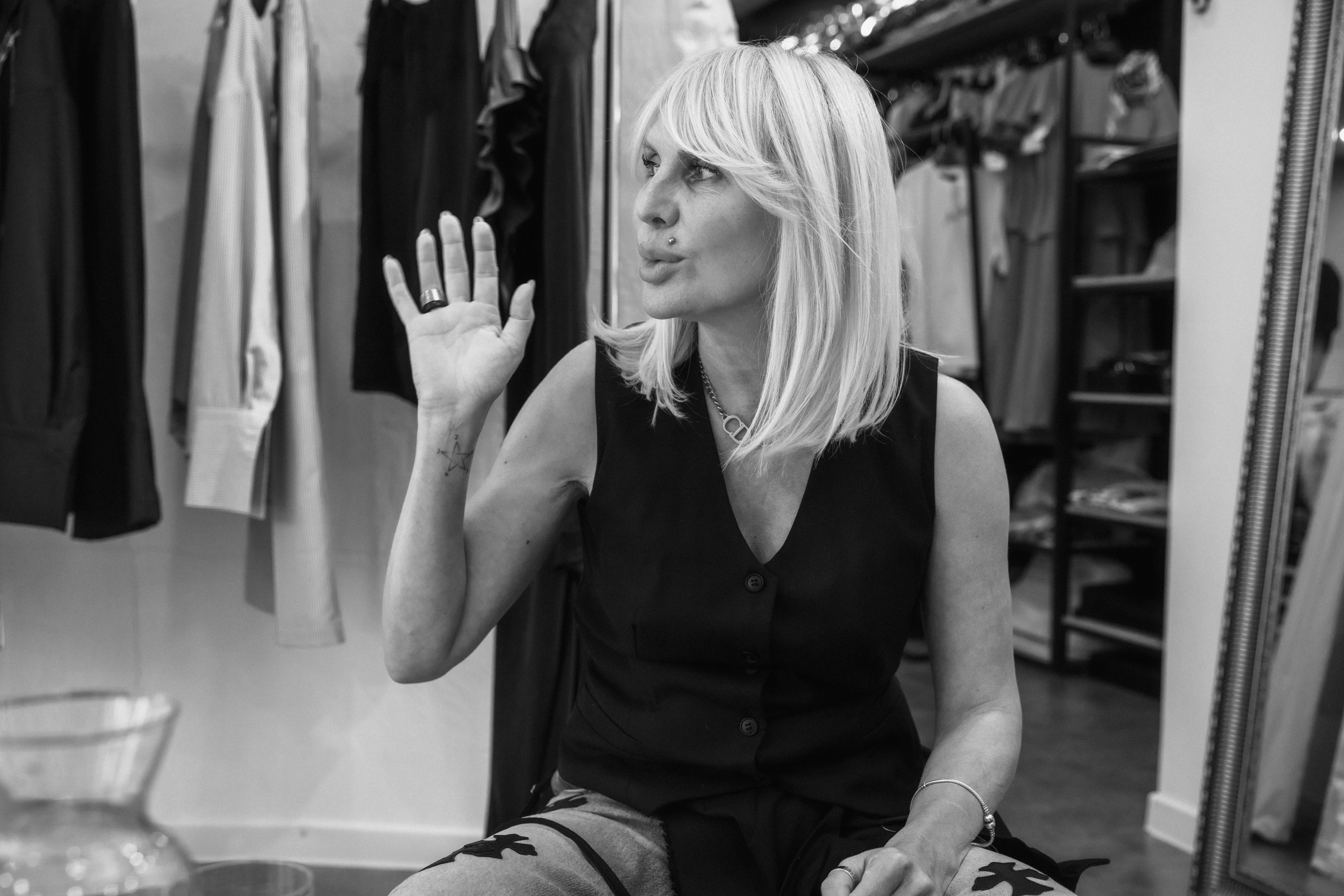 Photo: Ildar Sadykov
— When did you realise the brand had become recognisable?
— It was when people started saying, "I knew straight away that was one of your dresses." Or when someone would stop a woman in the street to ask where she'd bought what she was wearing. That was when I realised people were no longer recognising me personally. They were recognising the brand.
Liliya's visual language developed gradually: raw edges, loose threads and a remarkably restrained use of traditional Uzbek textiles. Together, these elements create a distinctive design vocabulary that cannot simply be copied. What is particularly striking is the way Liliya works with traditional Uzbek fabrics. She never seeks to draw attention to them for their own sake. What matters to her is that tradition does not stand in opposition to modernity, but becomes a natural part of the garment.
— Many designers today draw on national heritage. Some use direct visual references, while others incorporate traditional elements as decoration. How do you approach it?
— I've never wanted to overload my designs with national elements. Sometimes the smallest fragment of fabric is enough to preserve its character. What matters to me is that it feels contemporary and natural. Subtle.
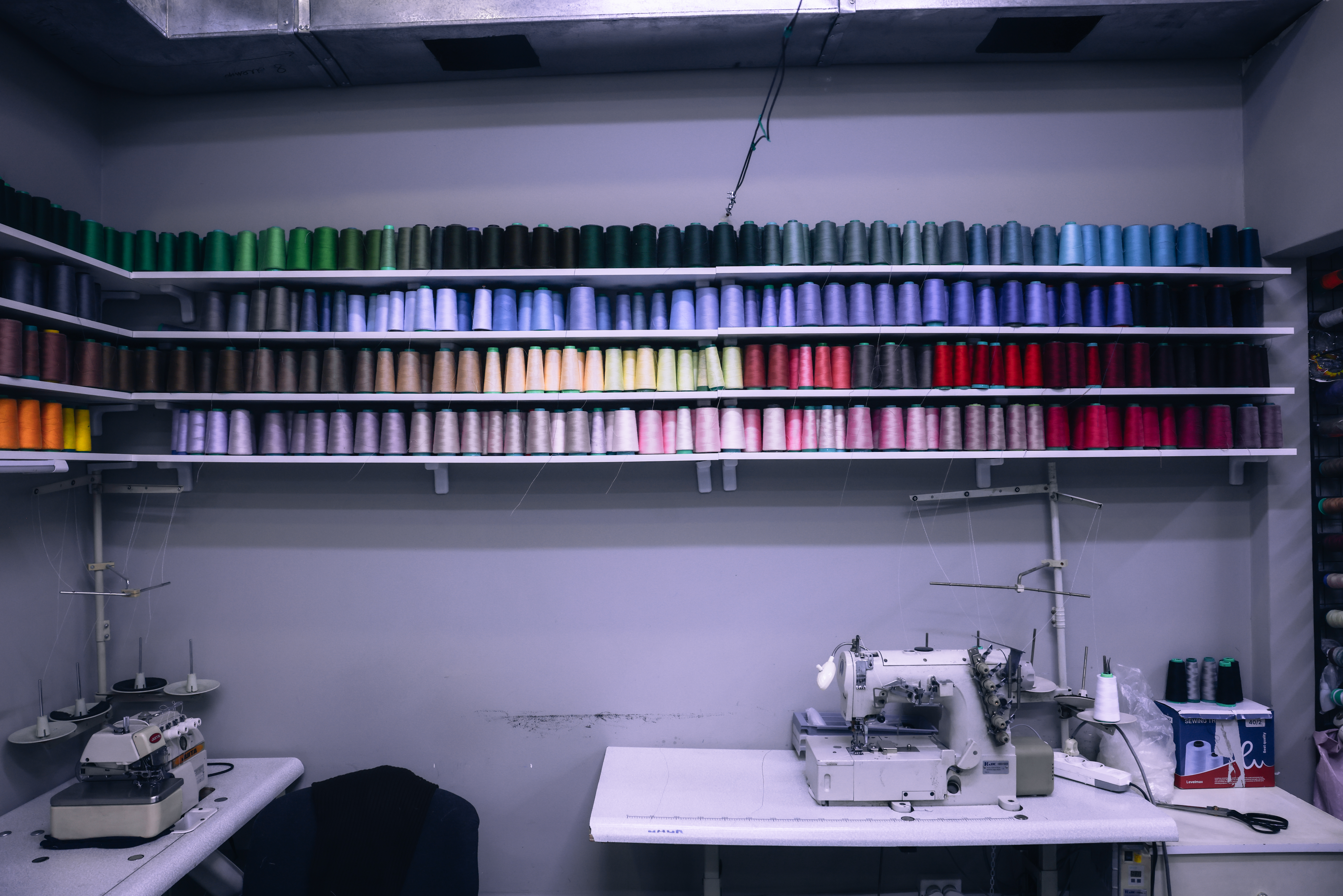 Photo: Ildar Sadykov
— Is recognisability always a good thing?
— I remember that after one of my shows, a well-known singer bought eighteen of my pieces. For me, as a designer, that wasn't simply a major sale. When someone chooses eighteen garments, they aren't buying individual items. They're choosing the entire world you've created. Then, after a while, I noticed she had stopped wearing them. We happened to meet by chance, so I asked what had happened.
She said, "Now everyone's wearing your clothes. I want something no one else has."
For any designer, that kind of purchase means far more than commercial success. It is an act of trust. A person isn't simply buying a garment; they are choosing the world the designer creates. This is perhaps where the line between mass fashion and an authorial brand is drawn. One creates collections for the market; the other seeks to understand a particular individual. A conversation about a dress unexpectedly becomes a conversation about trust and the desire to preserve a sense of exclusivity. The question is no longer how to buy a dress, but how to create something that exists as a true one-off.
If someone wants a true one-of-a-kind piece, we can certainly create it. But that's an entirely different process. It takes more time and requires a completely different approach. At that point, it is no longer just about designing a beautiful garment. It's about understanding the person: their character, their way of life and how they see themselves.
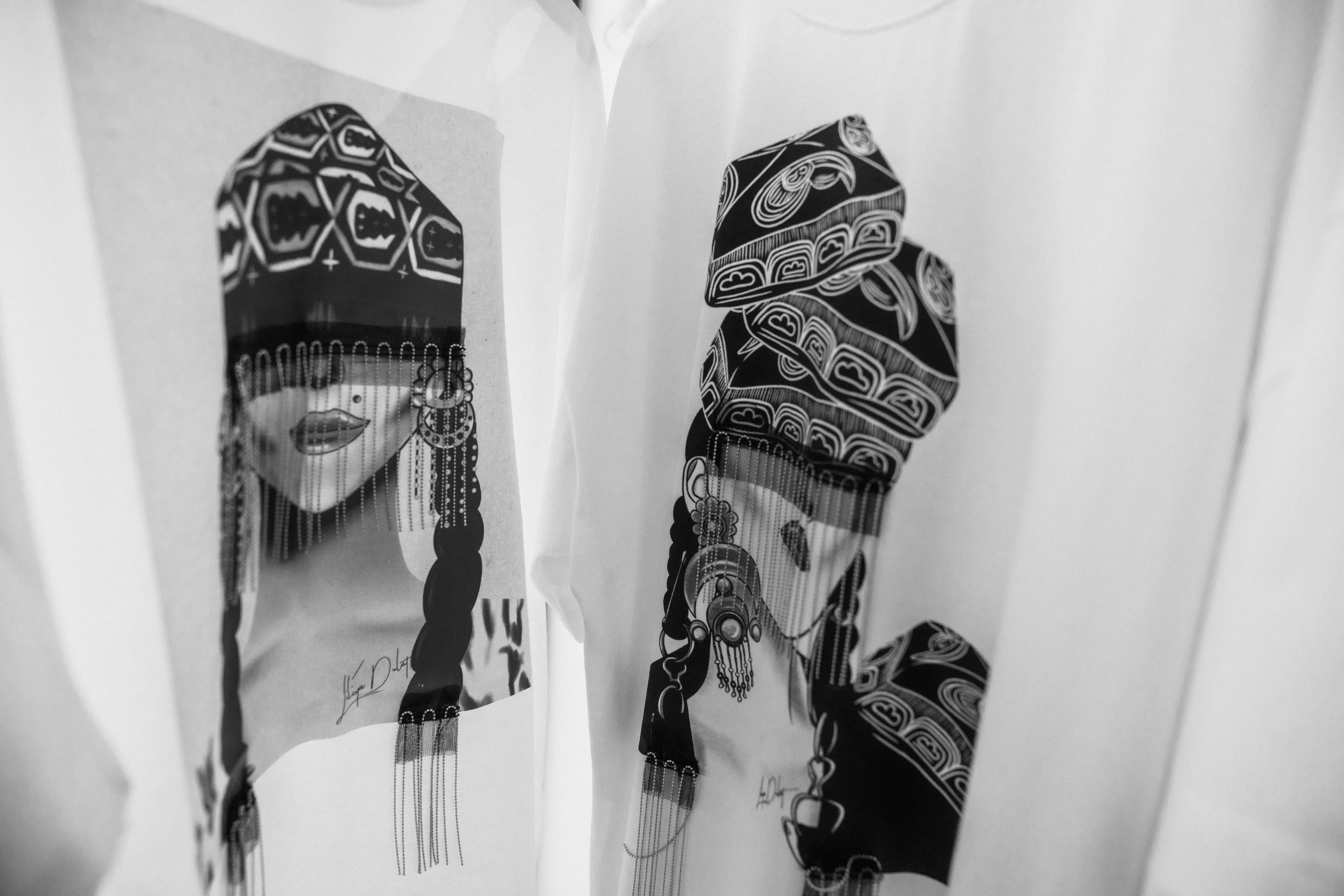 Photo: Ildar Sadykov
A lot of people simply call me 'the jacket'. They say, "Let's go to Liliya, the jacket." I think it's a well-deserved association. In architecture there's the idea of a vernacular neighbourhood: a place you recognise instantly by its character, even without a sign. It's much the same here. People came up with that association themselves, and to me that's incredibly valuable.
The moment our jackets appear on the rail, they're gone. Honestly, it's almost a law of nature. I always try to keep a few back for myself, but somehow people seem to know they're there and come in looking for exactly those pieces.
My latest collection was called ONE-MAN SHOW SS27, and the jacket was its central character. Its sharp silhouette and distinctive structure set the tone for the entire collection, bringing a touch of its strength and definition to dresses, shirts and trousers alike.
Listening to Liliya, I find myself thinking of a T-shirt she mentions with a smile: UZBECHECHKA. At first glance, it seems playful, even a little ironic. Yet it speaks to something much deeper: the quiet confidence of someone who no longer feels the need to explain or justify their cultural identity. Love for one's country doesn't have to be expressed through elaborate symbols. Perhaps it's details like these that gradually turn clothing into a language people instinctively understand, without the need for translation.
— Returning to the subject of the team, how important is it to the development of the brand?
— Perhaps for the first time in many years, I realised I could focus entirely on the creative side because I finally had someone to take on a huge part of the organisational work. That's our brand director, someone the audience will never see on the runway.
At first, you try to do everything yourself: come up with the ideas, oversee production, deal with people, handle negotiations. But working like that, sooner or later you hit your ceiling. The next stage in a brand's growth is learning to share responsibility with people who genuinely share your values.
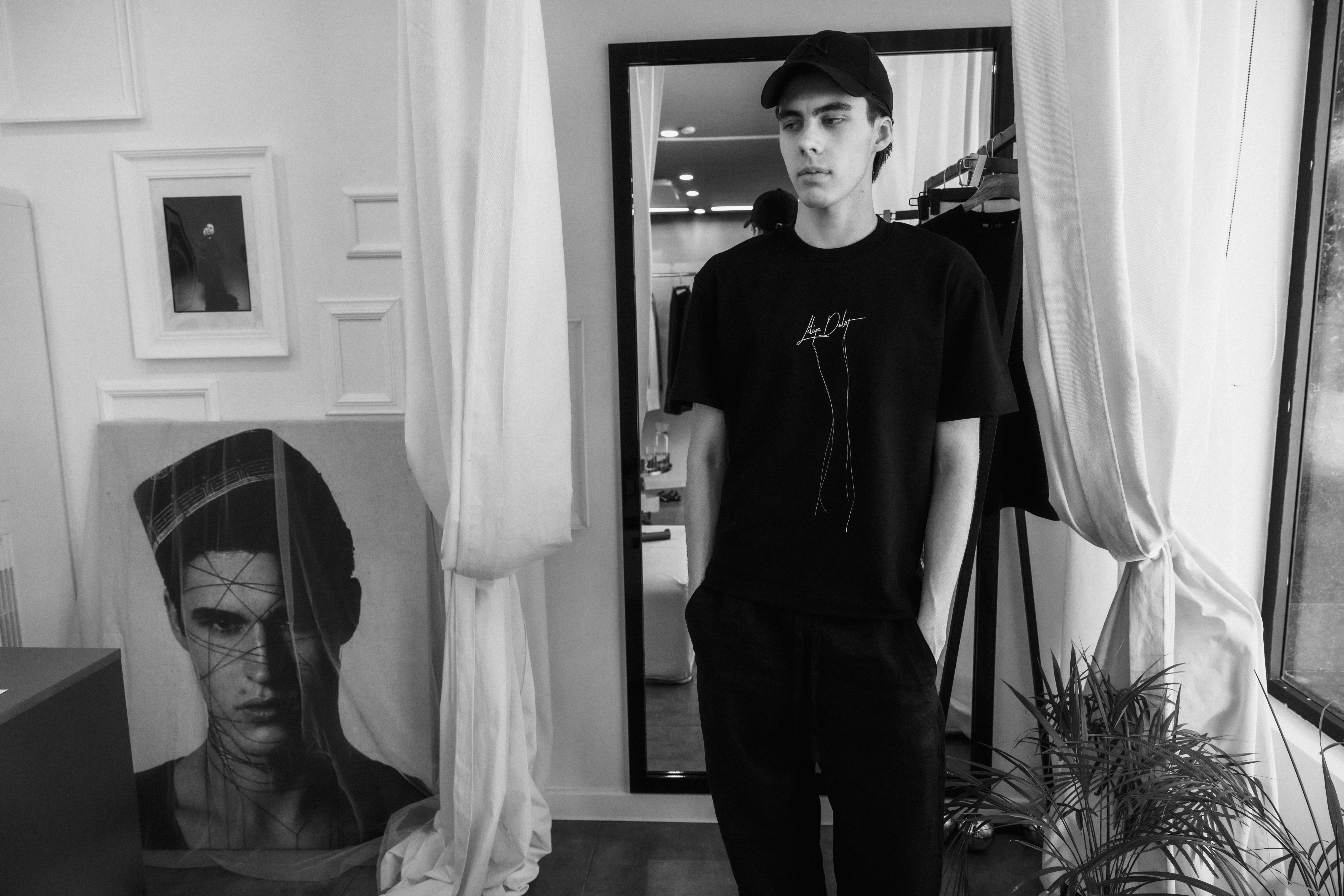 Photo: Ildar Sadykov
— Your collections are now represented in Milan. Was that a difficult process?
— The negotiations took a long time. And they weren't just about the collection itself. Our partners wanted to know who made the clothes, how production was organised, what volumes the team could handle, how consistent the quality was, and how our internal processes worked. What mattered to them was understanding how strong the business behind the designer's name really was.
You might expect conversations like these to revolve around sketches, design details or the concept behind a collection. In reality, what mattered far more was the reliability of the brand itself: the strength of the team, the way we worked, and whether we had a clear vision for the future.
— Do you feel you're also helping to promote Uzbekistan through your work?
— It's important to me that every garment carries the label Made in Uzbekistan. That's much more than a place of manufacture. It's part of our story, our culture, and a tribute to the people who create every piece. I want anyone who buys our clothes anywhere in the world to know where these clothes come from.
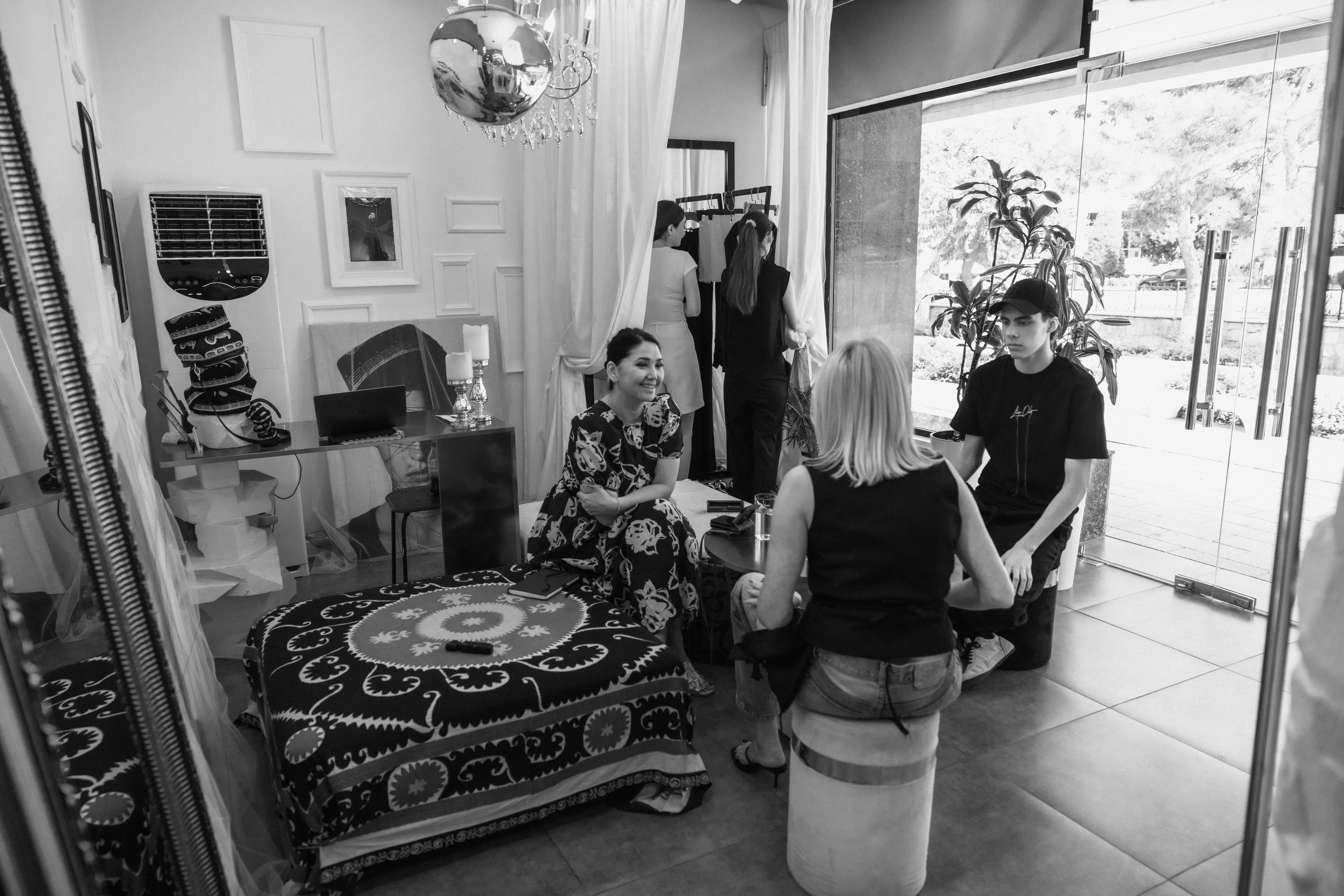 Photo: Ildar Sadykov
There's a familiar pattern in fashion: brands become successful and, at some point, move their production abroad. Some do it to reduce costs, others to increase capacity, and some to enter new markets. But I want my brand's story to continue where it began.
I believe a contemporary fashion brand can tell the story of a country every bit as effectively as a tourism campaign or a cultural initiative.
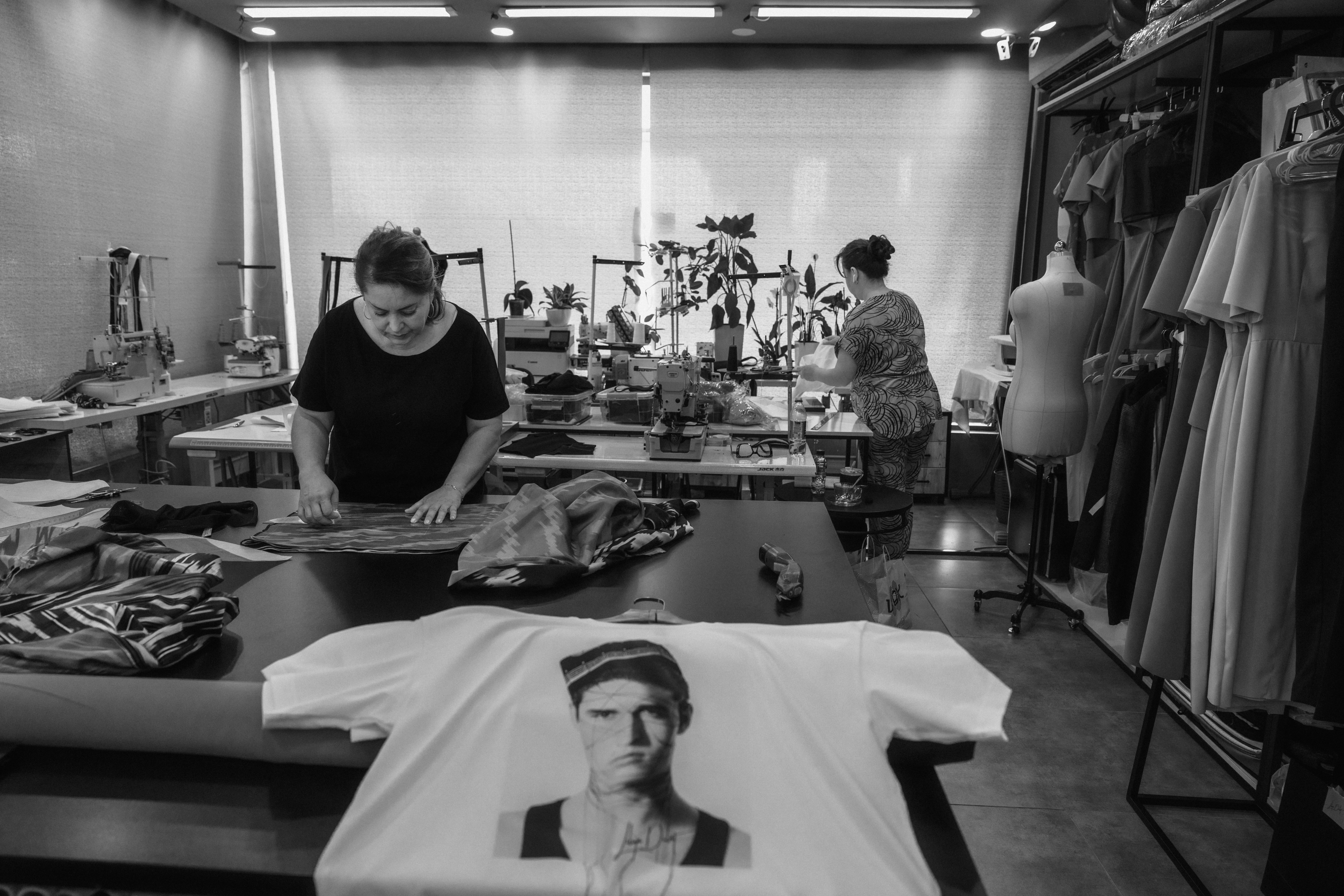 Photo: Ildar Sadykov
— How do you promote the brand? Do you have a particular strategy?
— We don't believe in aggressive marketing. Our social media has grown organically. One conscious decision we made was to move away from straightforward product photography. You know the kind: a garment against a white background where it's immediately obvious you're looking at an advert. We hardly ever do that. Instead, we sell a whole visual world, an atmosphere. It's a risk because not everyone immediately understands that approach. But those who stay gradually absorb the brand's DNA. In time, they stop coming for a particular garment and start coming for the feeling it gives them.
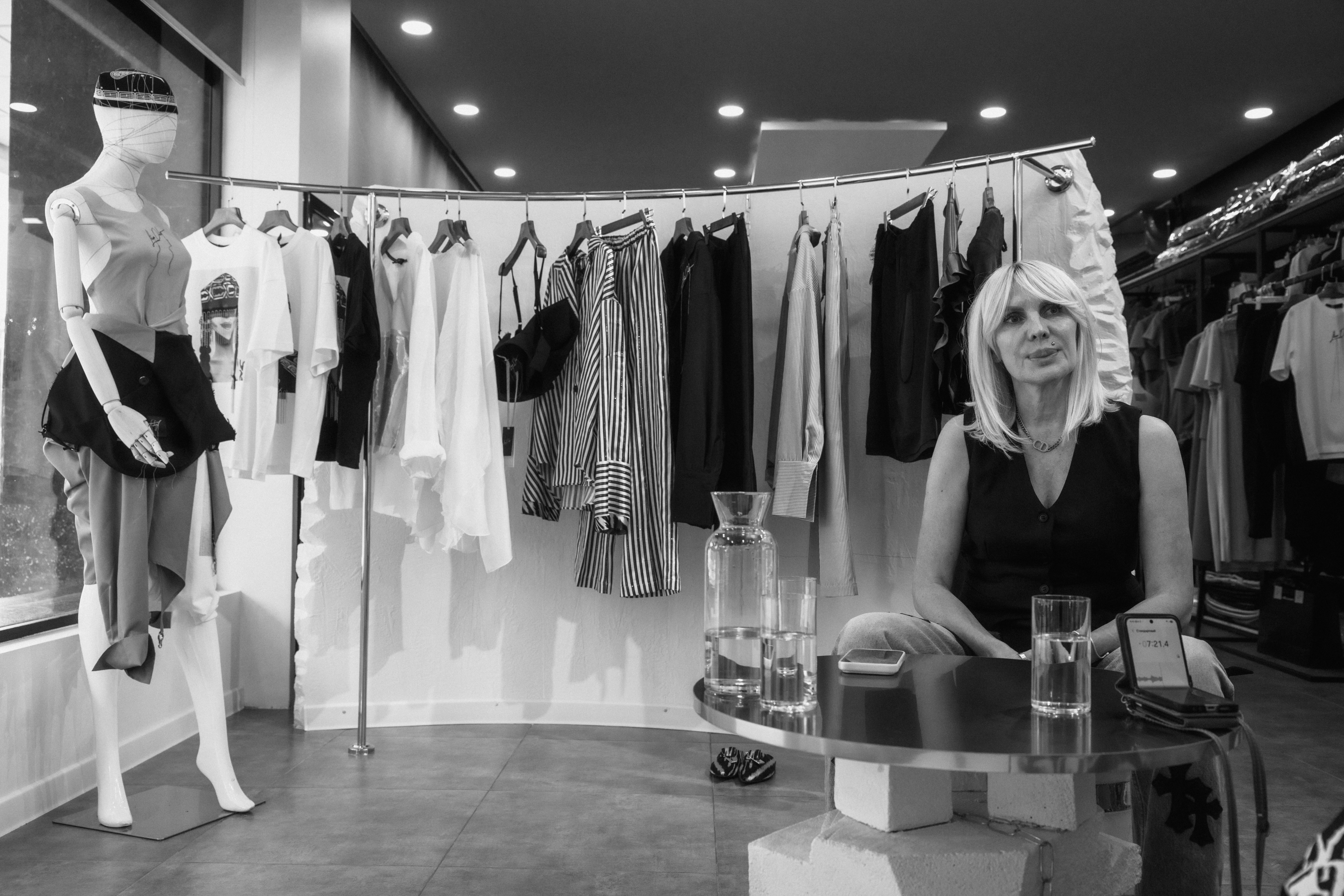 Photo: Ildar Sadykov
— If one day your brand has boutiques around the world, what will never change?
— The style. Without question. I couldn't suddenly become something else. It would mean losing myself. There will always be jackets in every collection. They'll evolve, they'll be interpreted in different ways and take on new details, but there will always be a jacket. And there will always be a black jacket.
The embroidered lily will always have a place in my designs. Not on every piece, but it will always be there. I'll never change the brand's name, and I'll never change the logo. It's my signature, my personal mark. And that's how people know it now.
And I don't think I'll change either.
Read also
 Fashion and Style
Modesty is the new black. What is modest fashion and why is it gaining popularity?
Alesya Kichko
 Fashion and Style
From "ethnic chic" to boutiques in yurts: how Central Asia is becoming an object of cultural appropriation
Feride Mahsetova
 Fashion and Style
The Art of Art Collaborations: How Brands Partner with Artists
Alesya Kichko
Newsletter
A letter from the HD editors
Once a week, we send the best stories, events, and cultural discoveries from Central Asia.