Art
Tatyana Shumova: “We Need a Two-Way Flow”
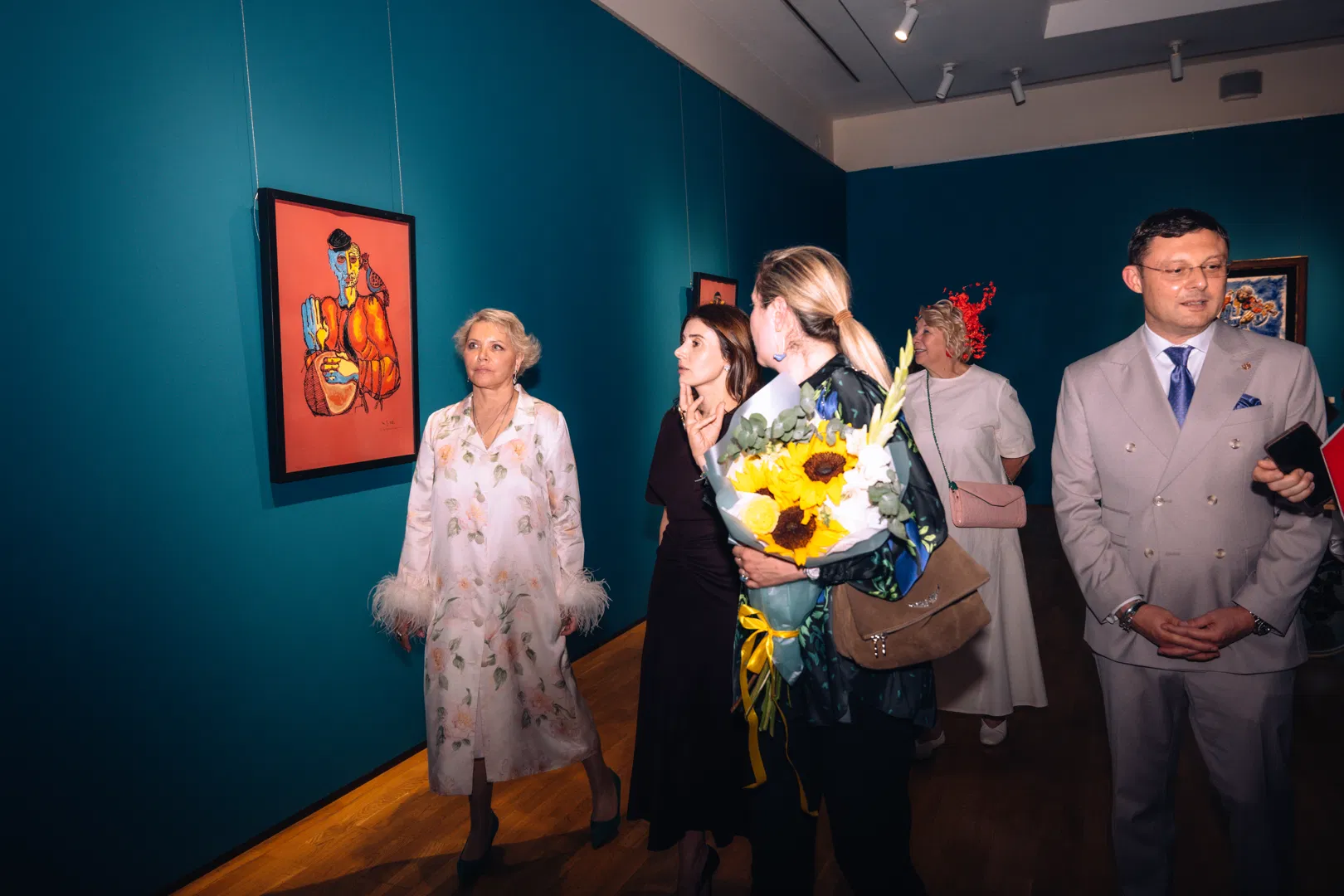
Head of the World of Arts festival on how Russian artists introduce Tashkent to their traditions and discover Uzbekistan's culture for themselves.
At one of the exhibitions, a museum curator from Bashkortostan saw the painting “The Bride” from Grozny, the very one she had worked on as a student restorer more than twenty years earlier. She wept and repeated: “It has come back to me.” Tatyana Vladimirovna Shumova recalled this story when we spoke about the World of Arts festival. For me it captures precisely how culture works across time: an encounter with a work of art can stay with a person for decades.
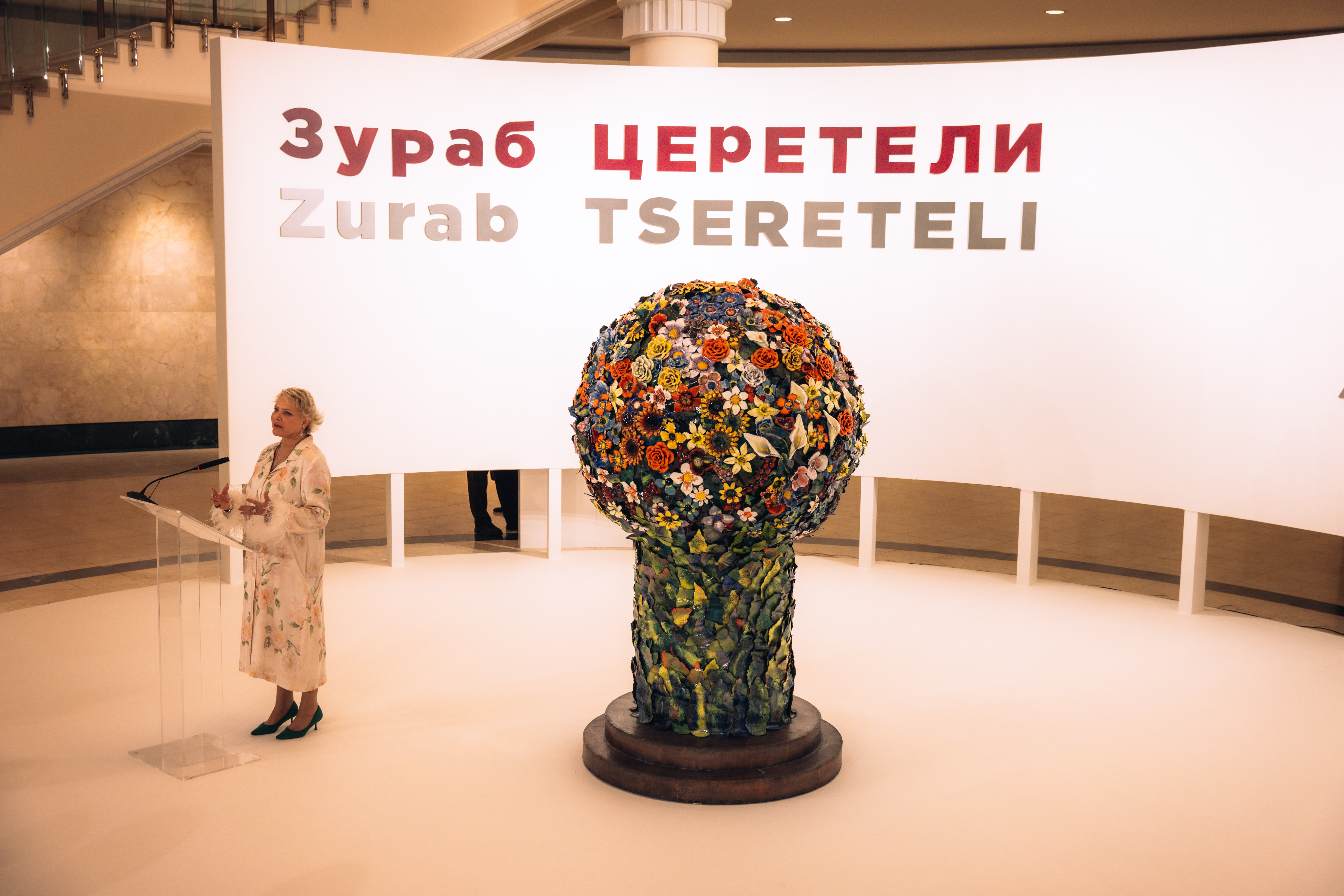 Photo: Ildar Sadykov
Shumova has worked on international cultural projects since 1994. Today she heads the Centre for Film Festivals and International Programmes and directs the World of Arts festival. From 1 to 4 October 2026 it was held in Tashkent for the second time: an exhibition by Zurab Tsereteli, a gala concert “Opera Masterpieces”, a Cinema Day marking the 90th anniversary of Stanislav Govorukhin, a Khakas dance ensemble and young artists of the Vaganova Academy of Russian Ballet. The festival was organised by Uzbekistan’s Fund for the Development of Culture and Art together with the Russian Ministry of Culture and Russian cultural institutions.
We talked about why such a festival needs an educational programme, what Russian guests saw in Uzbekistan and why cultural exchange cannot go in only one direction.
- Tatyana Vladimirovna, you have worked on international cultural projects for more than thirty years. What do you bring to audiences abroad?
Russian art, which is part of the world’s cultural heritage. We bring not just concerts and exhibitions but different facets of that culture. In Tashkent these were ballet, folk dance, opera, cinema, and the work of artists and museum professionals.
 Photo: Ildar Sadykov
- How does the programme come together?
It always includes ballet. Besides that, every year we dedicate the dance strand to one of Russia’s regions. This time the Khakas dance ensemble “Kӱn Suzy” came to Tashkent. Through music, costumes, dances and legends, audiences got to know the culture of Khakassia and just how multi-ethnic Russia is.
- The young artists of the Vaganova Academy performed at the festival’s closing. What happened off stage?
- After the concert, at Nikolai Tsiskaridze’s request, the young dancers visited the studio of the “Bakhor” ensemble to see how Uzbek folk dance is staged. They had come to present their own ballet school, and in the studio they became the audience themselves. The masterclasses given by the Academy’s teachers drew such interest that the sessions had to be moved to the stage of the Alisher Navoi Theatre.
The Art of Being a ProfessionalIn conversation with Nikolay Tsiskaridze about true mastery, great teachers, leading by example, dramatic theatre and social media as a space for cultural enrichment.mag.humodoc.com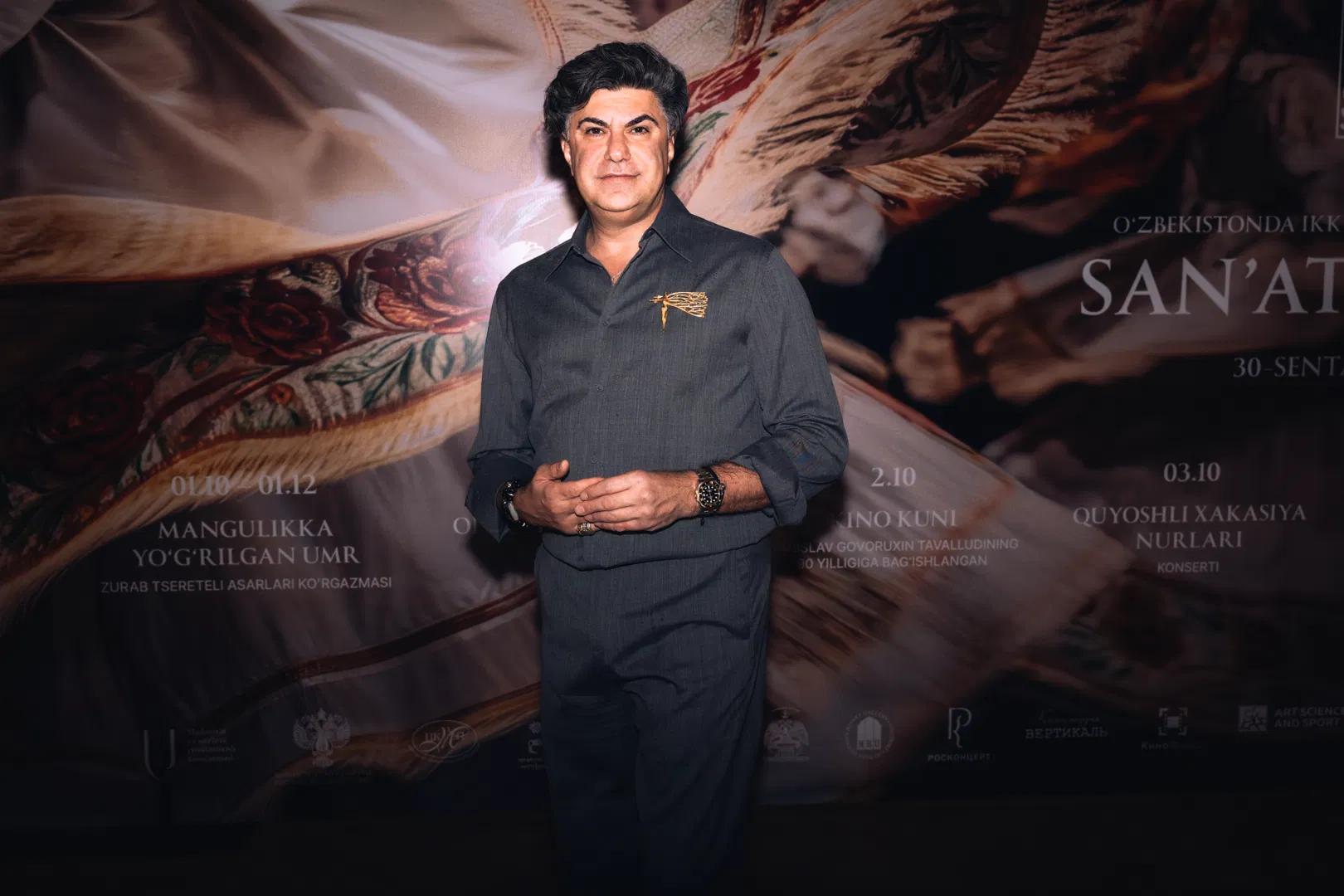
A leap is a bad word, here it is flight
- The opera gala brought together Russian soloists and an Uzbek orchestra. How did that collaboration go?
On the stage of the “Uzbekistan” Palace of International Forums, soloists of the Bolshoi Theatre, Helikon Opera and the Buryat Opera and Ballet Theatre performed with the National Symphony Orchestra of Uzbekistan. Alibek Kabdurakhmanov conducted, and our performers were greatly impressed by his work.
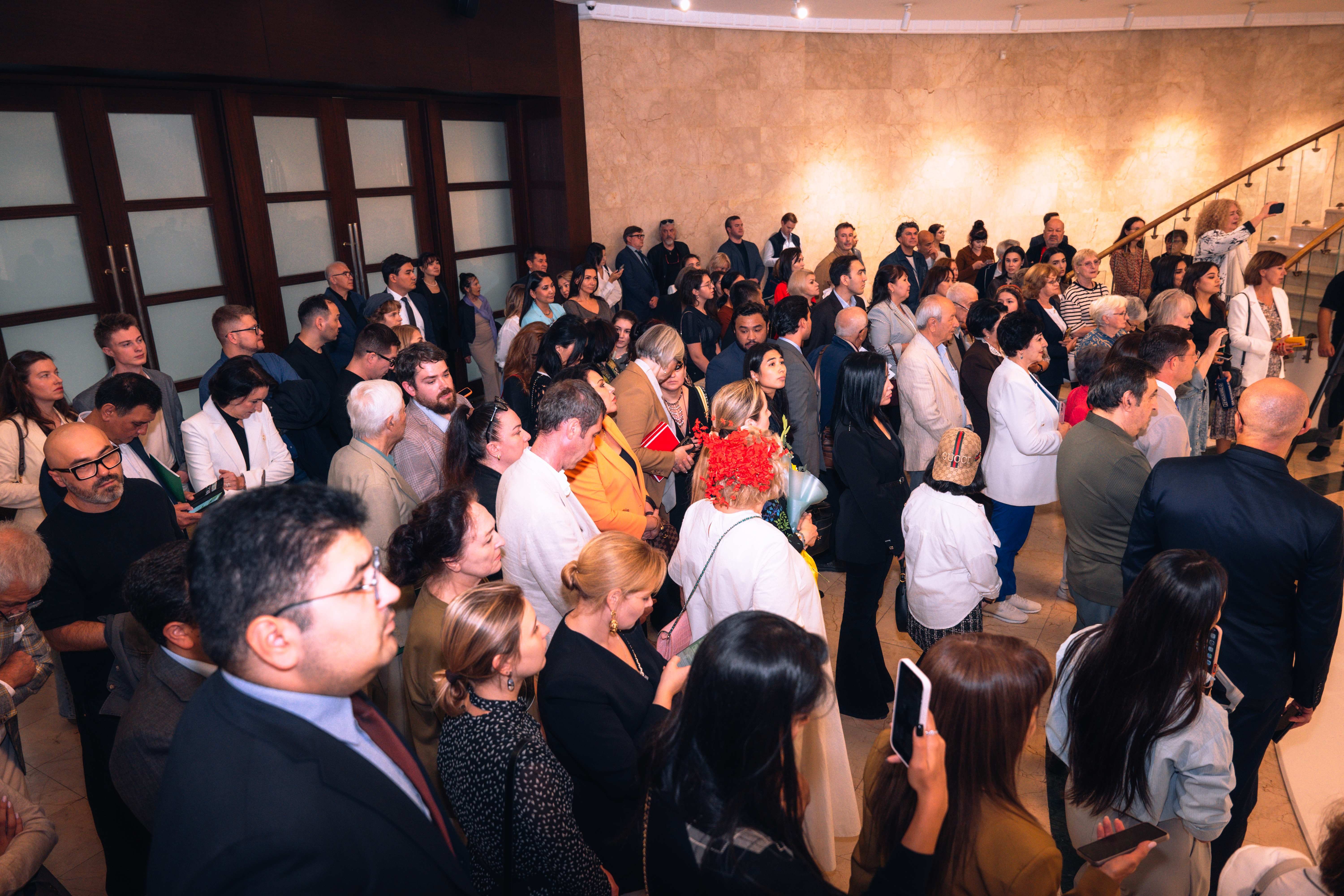 Photo: Ildar Sadykov
- A substantial part of the festival was its educational programme. Why is it needed?
So that the dialogue continues beyond the stage. Tashkent’s new Centre for Contemporary Art became the venue for professional exchange. An intensive took place there with the participation of the Russian Academy of Arts and the Moscow Museum of Modern Art. The artist Alexander Ponomarev presented his projects to young artists of Uzbekistan, and museum specialists shared their experience of preparing exhibitions and working with space. As part of Zurab Tsereteli’s exhibition, Tatyana Kochemasova gave a lecture and a masterclass, and afterwards museum professionals and representatives of Tashkent’s educational venues discussed joint initiatives.
Life Beyond Measure: Zurab Tsereteli and the Art That Remains in the CityA new exhibition of Zurab Tsereteli’s work has opened in Tashkent, bringing together more than 80 pieces spanning painting, graphic art, sculpture and enamel. Through a personal response to the exhibition and the recollections of his grandson, Vasily Tsereteli, we explore why art was such a powerful source of energy for the artist, how flowers became one of the defining motifs of his work, and what connected him with Uzbekistan.mag.humodoc.com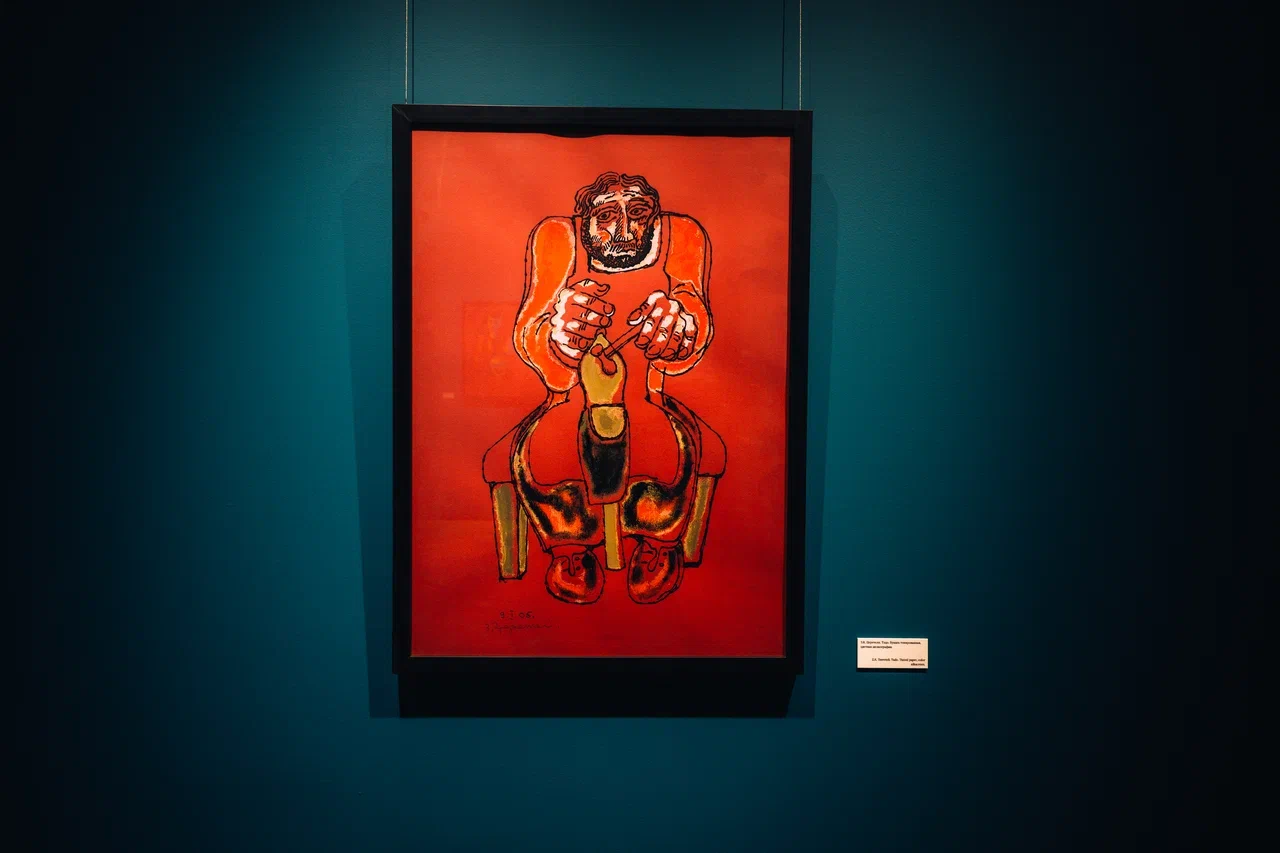
- For many Russian participants this trip was their first to Uzbekistan. How did they see the country?
The changes here are enormous. One wants to say “a leap”, but leap is a bad word, here it is flight. I was impressed by the museums that tell the story of history in a modern language. And by Bukhara, where old caravanserais have become workshops and exhibition spaces.
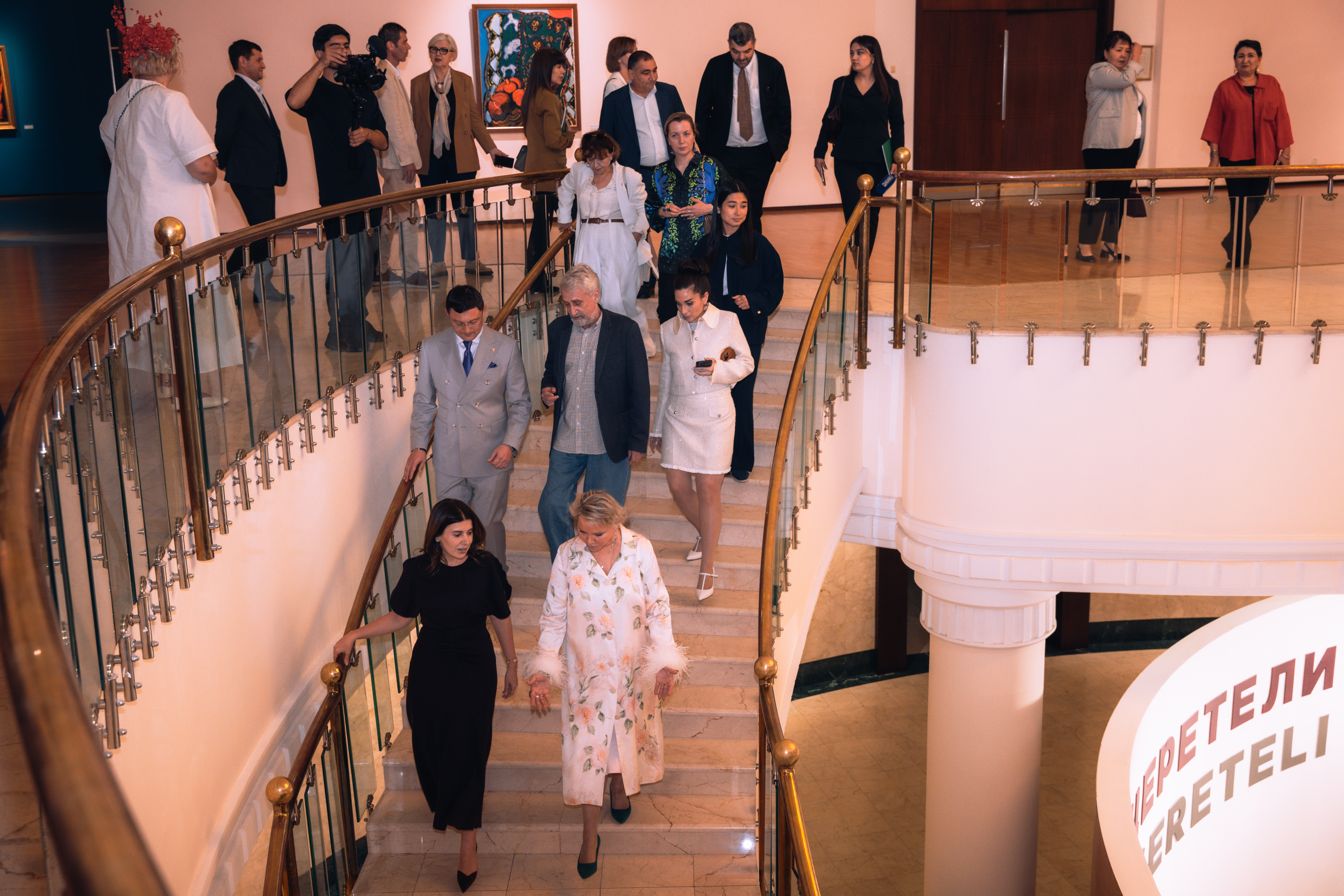 Photo: Ildar Sadykov
- How far is the festival programme a joint effort with the Uzbek side?
We prepared the festival together with Uzbekistan’s Fund for the Development of Culture and Art and its chair, Gayane Umerova. The fund supported the educational intensive, we discussed the programme in advance, and we began talking about the festival roughly six months beforehand. The team sends proposals for the following year to its partners immediately after the festival ends. This is already joint work, joint creativity.
This is already joint work, joint creativity
- If you had to sum up the main principle of World of Arts in one phrase?
You cannot move in only one direction. You need a counterflow.
Newsletter
A letter from the HD editors
Once a week, we send the best stories, events, and cultural discoveries from Central Asia.