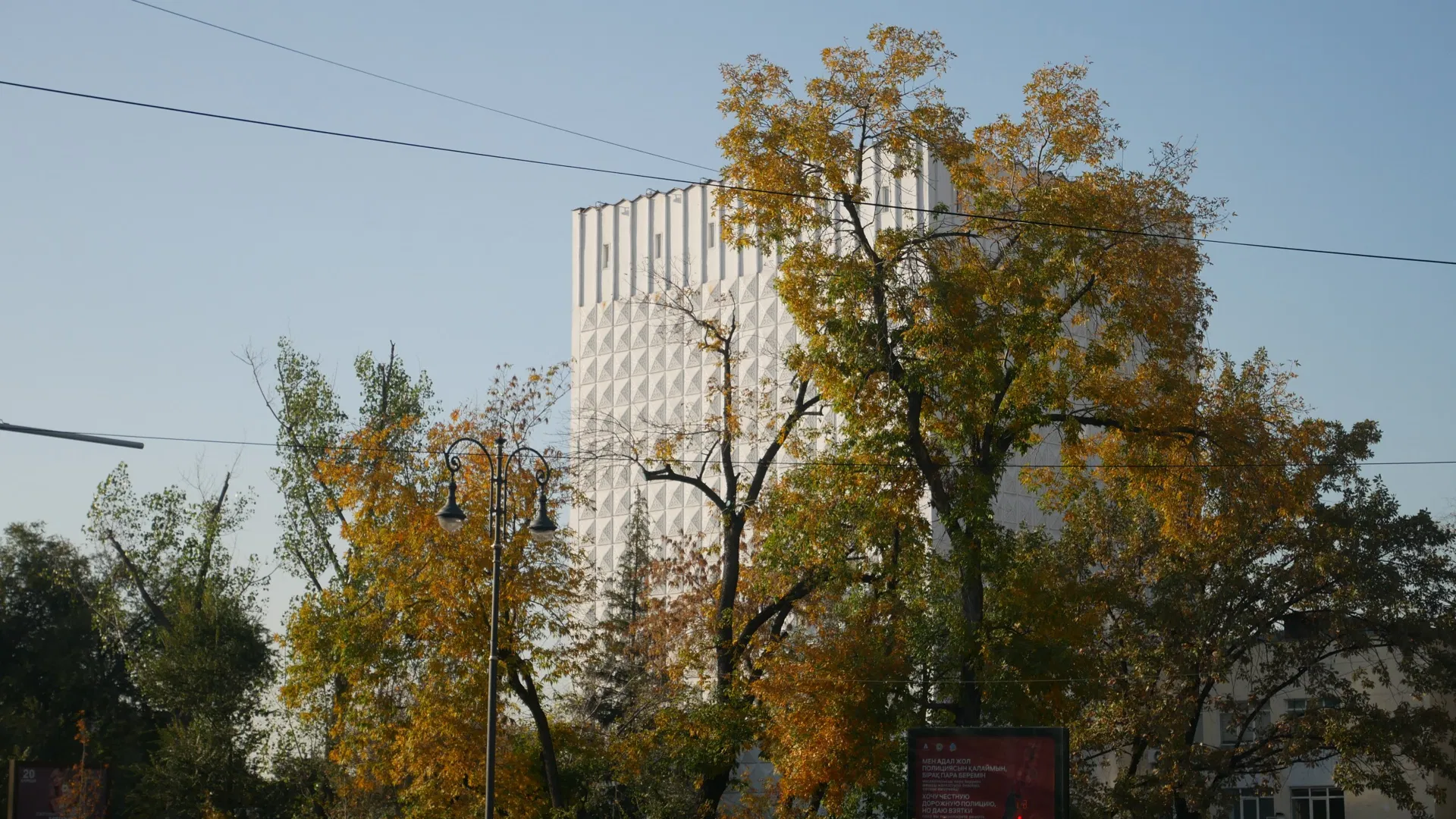
Materials, water, shade and maintenance: how the decisions of the developer, architect and manufacturer reach beyond the plot boundary and shape the street. Ahead of the panel session at CAEx Build & Co in Tashkent.
Picture an ordinary July evening. A woman with a pram comes out of a new residential complex. The courtyard is attractive, but the paving has been baking all day and the young trees still give no shade. Beyond the gate there is a narrow pavement and cars pulling out of the car park straight across the pedestrian path. The nearest square is only 300 metres away, but she turns back home. In spring she would have been stopped by the puddle at the entrance that forms after every rain. In summer the heat stops her.
There is not a single mistake in this scene in the classical sense. The building was constructed to the standards, the flats were sold. But the urban environment has been shaped by dozens of small decisions taken at the design stage: which paving to choose, where to channel the water, where to put the entrance, how much soil to leave for a tree. Each of them reaches beyond the boundary of the plot.
When Ecology Becomes EconomicsOn 2 September, as part of Aquatherm Almaty, HD magazine held a panel discussion bringing together representatives of the public sector, architects, urban planners, engineers, and experts in green construction and finance. The central question was how to turn individual environmental solutions into a system with measurable impact, clear costs and a viable financing mechanism.mag.humodoc.com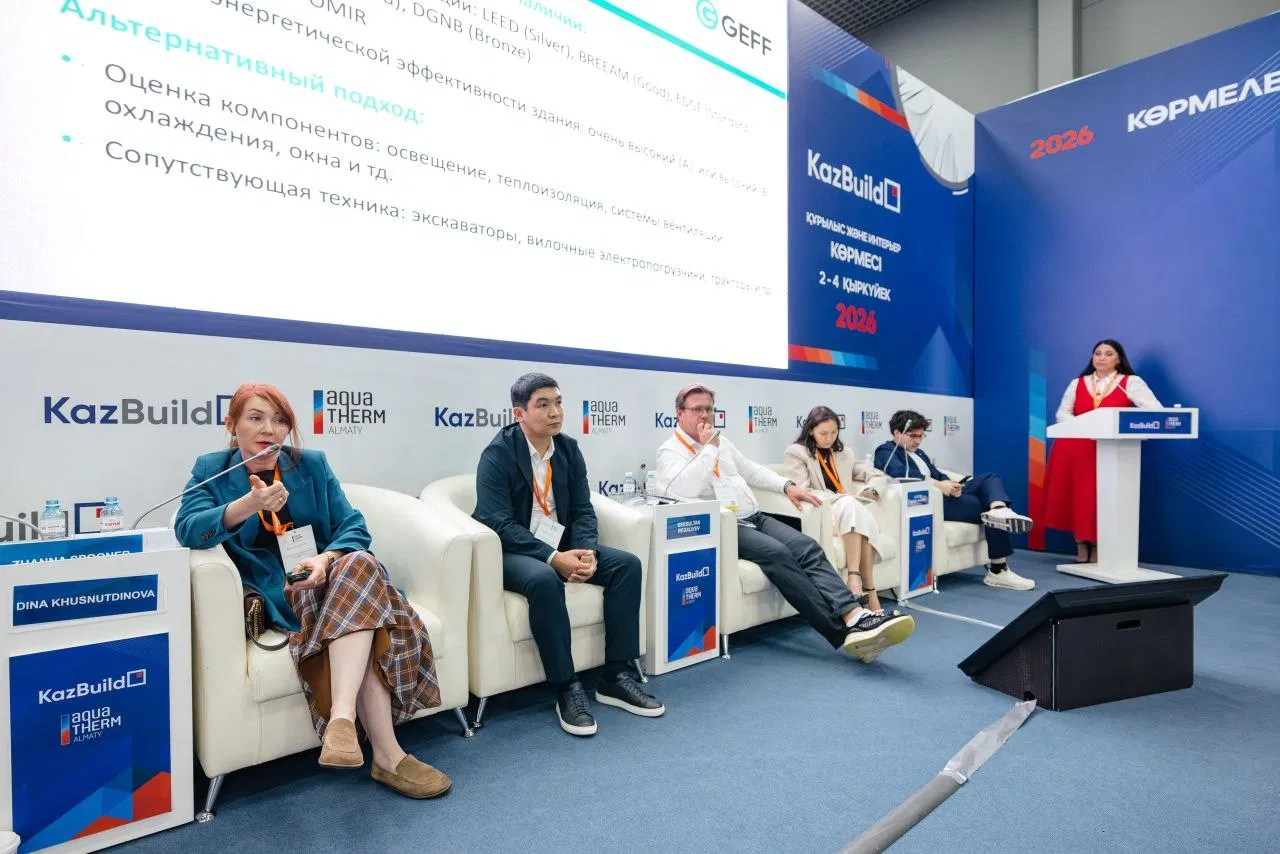
We are used to judging a building by what is inside the fence. But materials, water, shade and maintenance reach far beyond the boundaries of the plot, and that is exactly where the character of the street is decided. An opinion column ahead of the panel session at CAEx Build & Co in Tashkent.
Material and Shade: the Climate at Pavement Level
In Tashkent and Almaty, summer dictates the rules of life on the street. Dark asphalt, exposed paving and glass facades store heat during the day and release it in the evening, just as children come out into the courtyard. The choice of surface is no longer a question of aesthetics or budget. It determines how many hours a day the courtyard is fit to live in at all.
Shade remains the most underrated “building material” in the region. Old Tashkent knew this without any terminology - ayvans, courtyards with trees, aryks, carved window grilles. Today the same tasks are handled by facade screens, pergolas, light-coloured surfaces and trees with a sufficient volume of soil. The only difference is that shade now has to be designed as carefully as load-bearing structures.
And here a common trap appears. A tree features in the render, but in reality it grows in a thin layer of soil above the car park, without a thought-through irrigation system and using a species not suited to the local climate. A couple of years later, instead of shade there is a line item for replacing the planting. Greenery that works starts not with a visualisation but with a soil cross-section.
Sea Breeze Uzbekistan: When Ecology Becomes an Economic AssetWhy Charvak’s future depends not only on what is built here, but on the value the natural resource creates for society, investors and the territory itself.mag.humodoc.com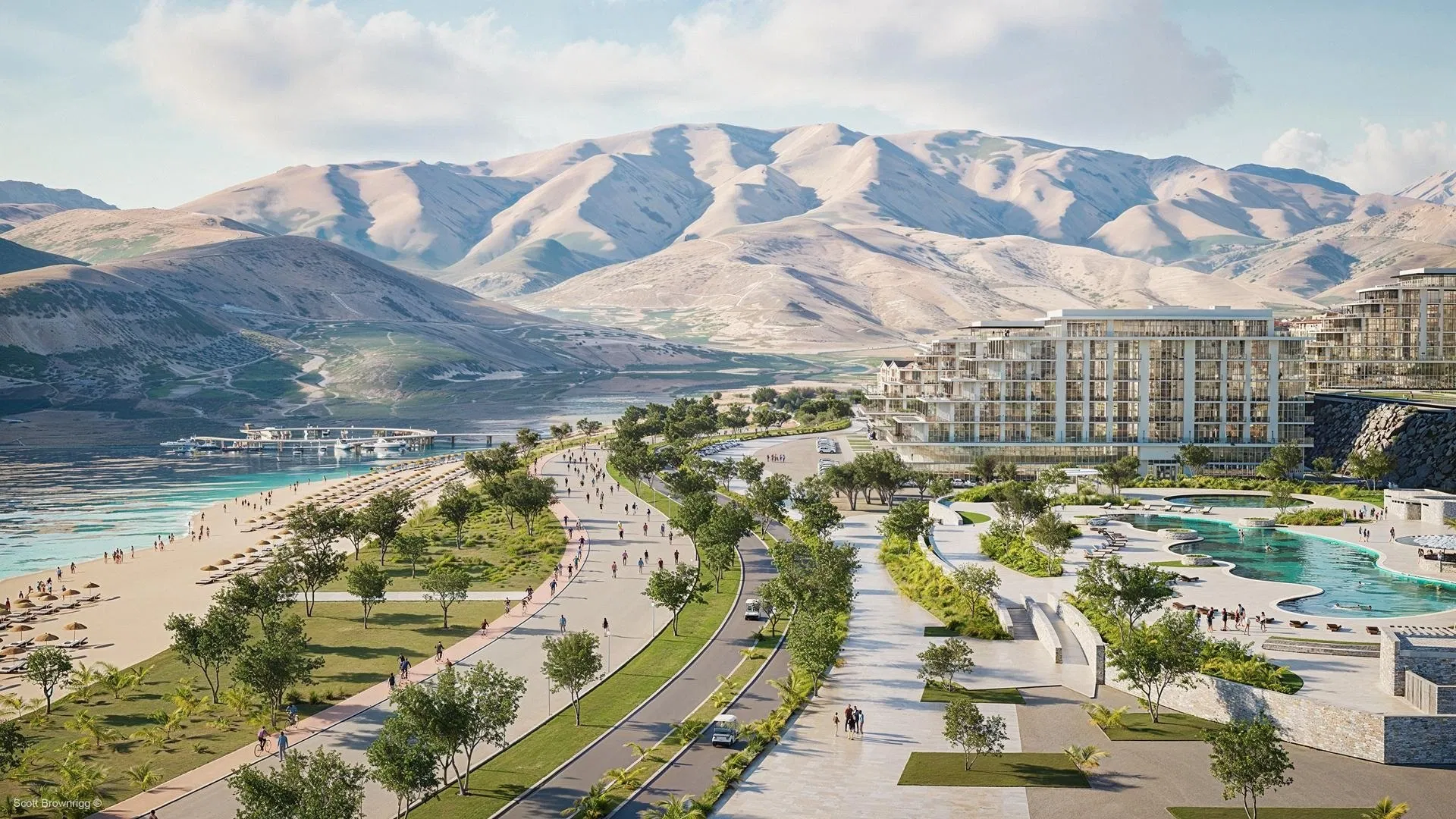
Water and the Car Park: What the Render Does Not Show
We still tend to see rainwater as a problem rather than a resource. It is collected from roofs and asphalt and sent into the storm drains as quickly as possible. And if the storm drains cannot cope, the water runs onto the pavement and the road, that is, onto the city. Meanwhile the same trees in the courtyard are watered with mains water.
Blue-green infrastructure offers a different logic: hold the water on the plot, let it soak in, direct it to the plants. Rain gardens, permeable paving, green and light-coloured roofs work at once for the courtyard climate, the health of the trees and reduced pressure on the city networks.
The car park tells a similar story. An underground car park frees the courtyard from cars, and that is right. But if the slab covers the entire plot, the courtyard loses large trees and natural soil. And an entrance placed without regard for the pedestrian route makes dangerous the very pavement children use to walk to school. The balance between car, tree and pedestrian has to be found before the first concrete is poured.
What Rain Costs a CityLet’s take a closer look at why climate resilience is becoming part of the economics of the urban environment.mag.humodoc.com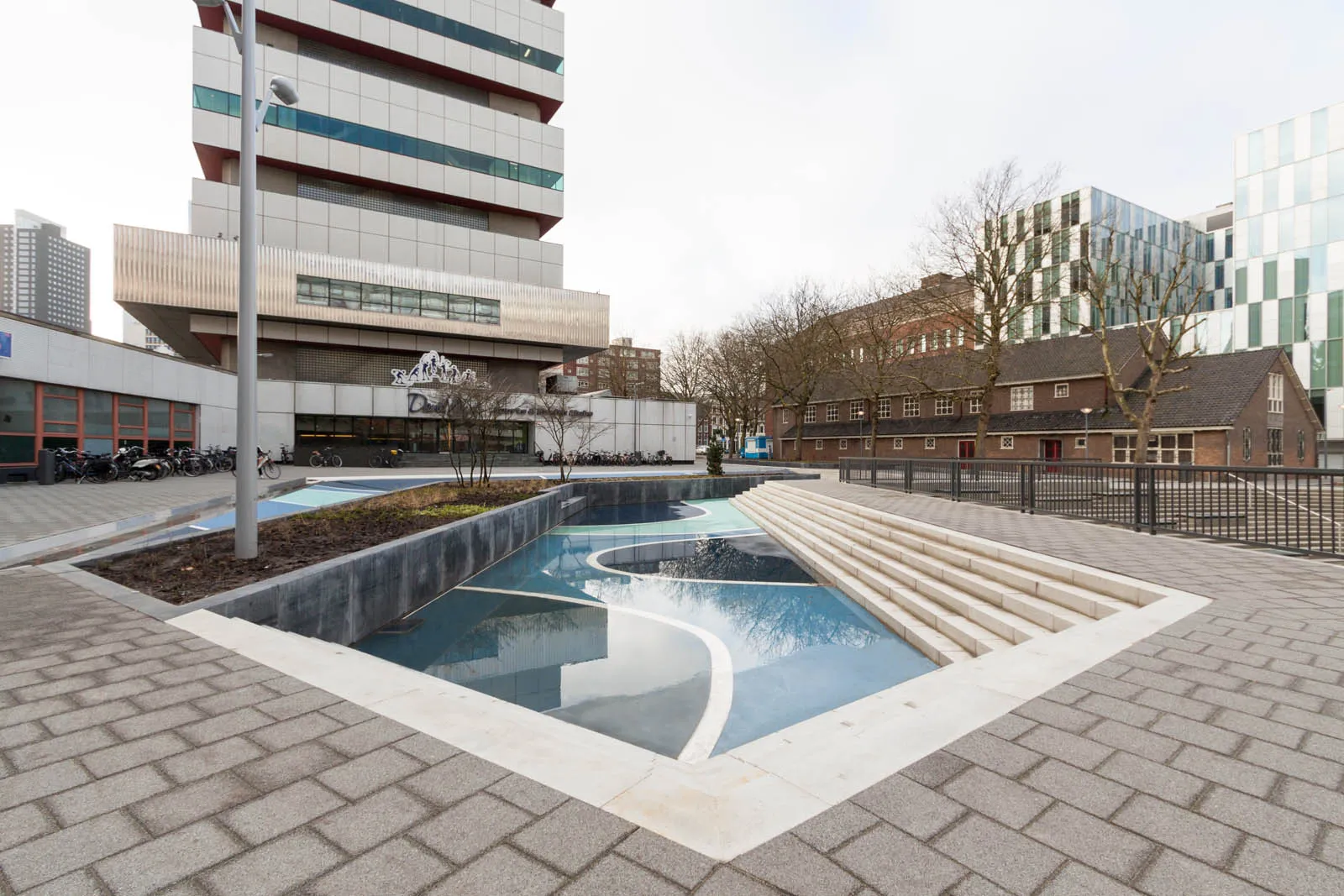
Maintenance: the Price of a Decision Ten Years On
Every construction decision has two prices. The first is paid by the developer on site. The second is paid for years by residents, the management company and the city. Here is how today's saving turns into tomorrow's expense: cheap paving is replaced every spring, the roof bakes the upper floors, the car park floods, the lawn burns up in July.
The markets of Uzbekistan and Kazakhstan are gradually maturing. Buyers increasingly ask not only about the layout but also about how much it will cost to maintain the building and what will be outside the window in five years. And commercial property has long known: people linger where there is shade, water, somewhere to sit and a safe approach.
This is where the urban environment stops being “social responsibility” and becomes part of a project's value. A building that is pleasant to walk around retains its appeal for longer. From the point of view of health architecture, I would add: it also makes people more active. A courtyard where a child runs in the shade and an elderly person walks without fear of slipping offers more than any extra feature inside a flat.
Green Building: An Investment in TomorrowGreen building is gradually ceasing to be a purely environmental concern. For the property market, the question today is framed differently: how much does it cost to make a building sustainable, and how much can it save or earn over years of operation? Energy efficiency, operating costs, comfort, market appeal, access to financing and the preservation of asset value are all becoming part of a single economic model.mag.humodoc.com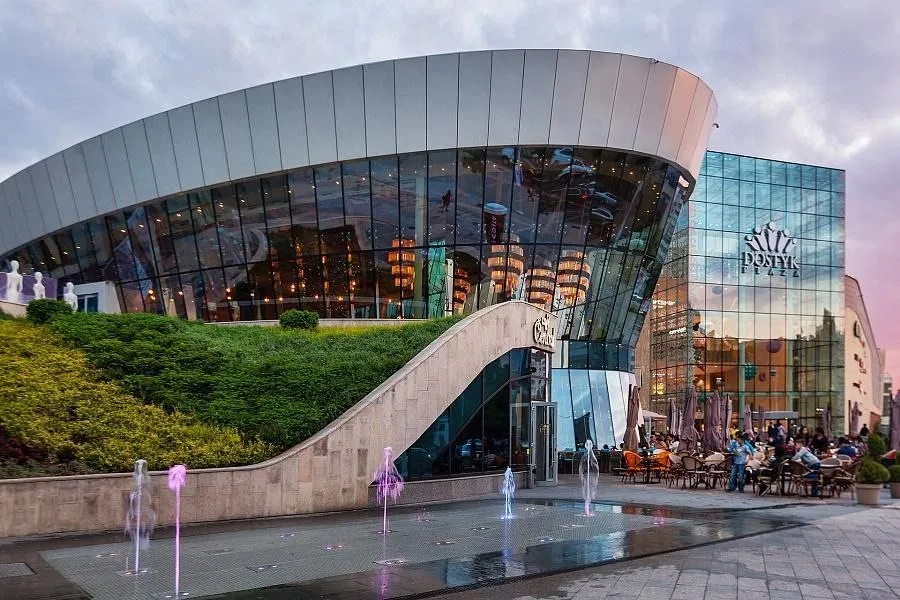
The Plot and the City: Who Is Responsible for the Street
On paper the boundary of responsibility is simple: inside the plot the developer is responsible, outside it the city is. In real life there is no such boundary. Water from the roof runs into the street, the shade of a tree falls on the pavement, cars from the car park drive out into the city traffic. And a blank fence makes the street around a residential complex empty and unwelcoming, even if everything inside is done well.
The region's best projects already think differently: open ground floors, pedestrian links to the school and the bus stop, planting that continues the city avenue. In Uzbekistan, green design approaches are being tested on schools, mahallas (neighbourhood communities) and hospitals. The question is how to make this the standard for private housing too, without turning it into an exception for the premium segment.
This is exactly what we will discuss at the panel session “How Construction Decisions Shape the Urban Environment and the Value of a Project” at CAEx Build & Co in Tashkent. The whole chain will gather at one table: developer, architect, consultant, property management expert, landscape architect, blue-green infrastructure engineer and a green building design institute. Our aim is not to establish who is to blame. We are looking for solutions that benefit business, people and the city alike.
This text opens a series. In the following articles we will examine each topic in detail: shade, water, materials, car parks and the cost of maintenance.
Produced in partnership with CAEx Build & Co, Tashkent, 19-21 November 2026

Read also
 Architecture & Urban Environment
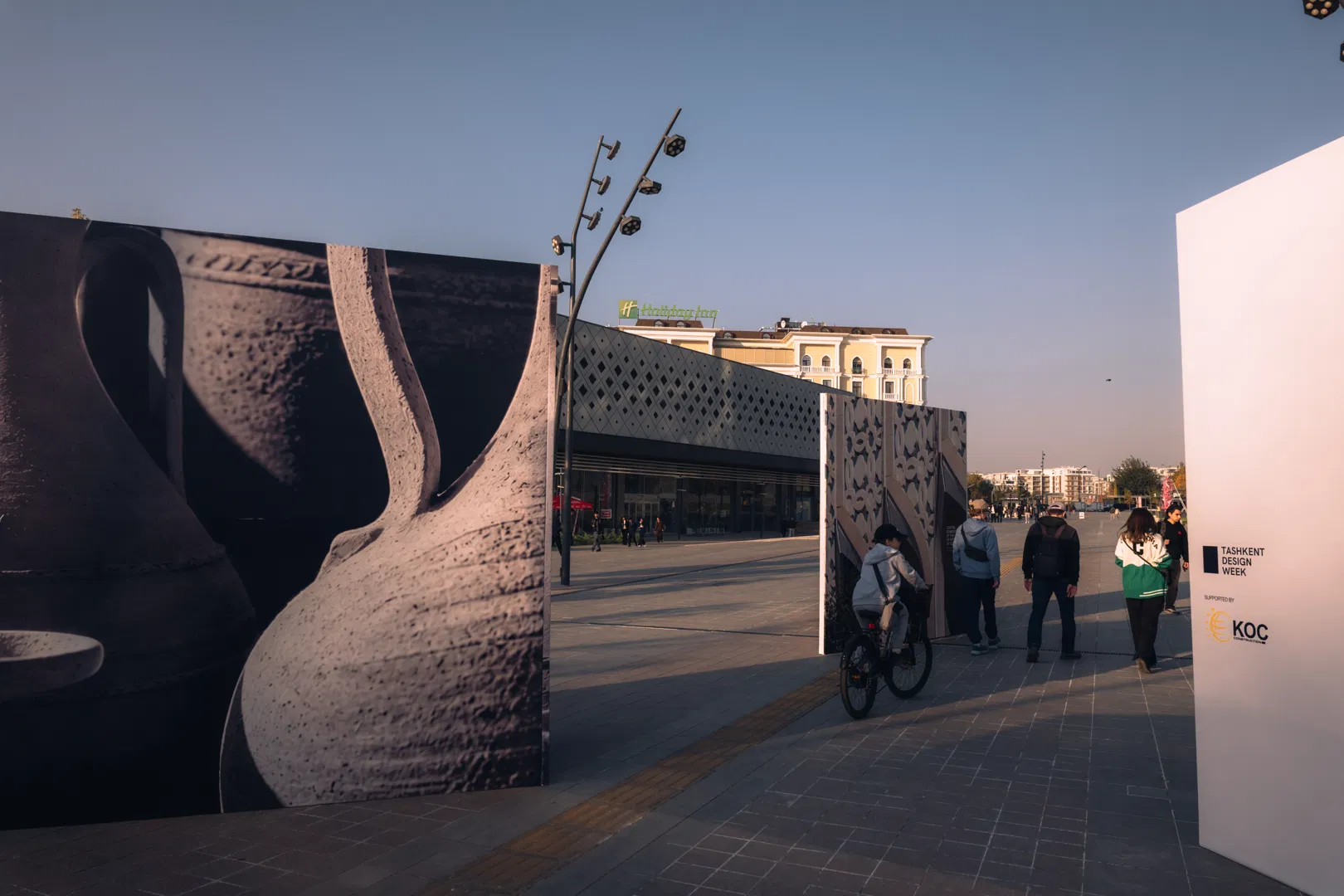
The Neighbourhood Code: What Tashkent Design Week Learned from the Mahalla
Alfiya Kalmaganbetova
 Architecture & Urban Environment
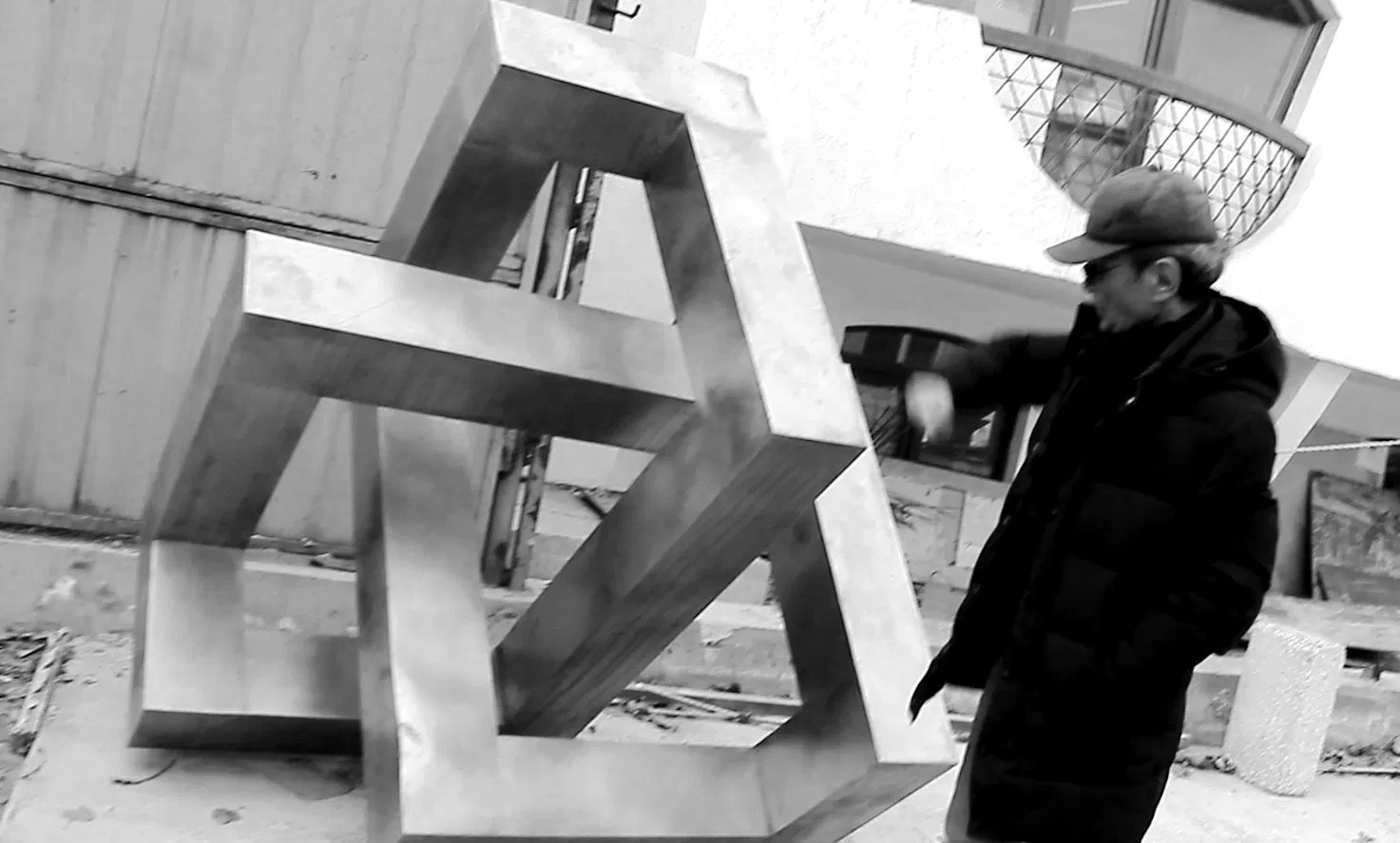
Saken Narynov: An Artist with a Philosopher’s Mind
Ekaterina Reznikova
 Architecture & Urban Environment
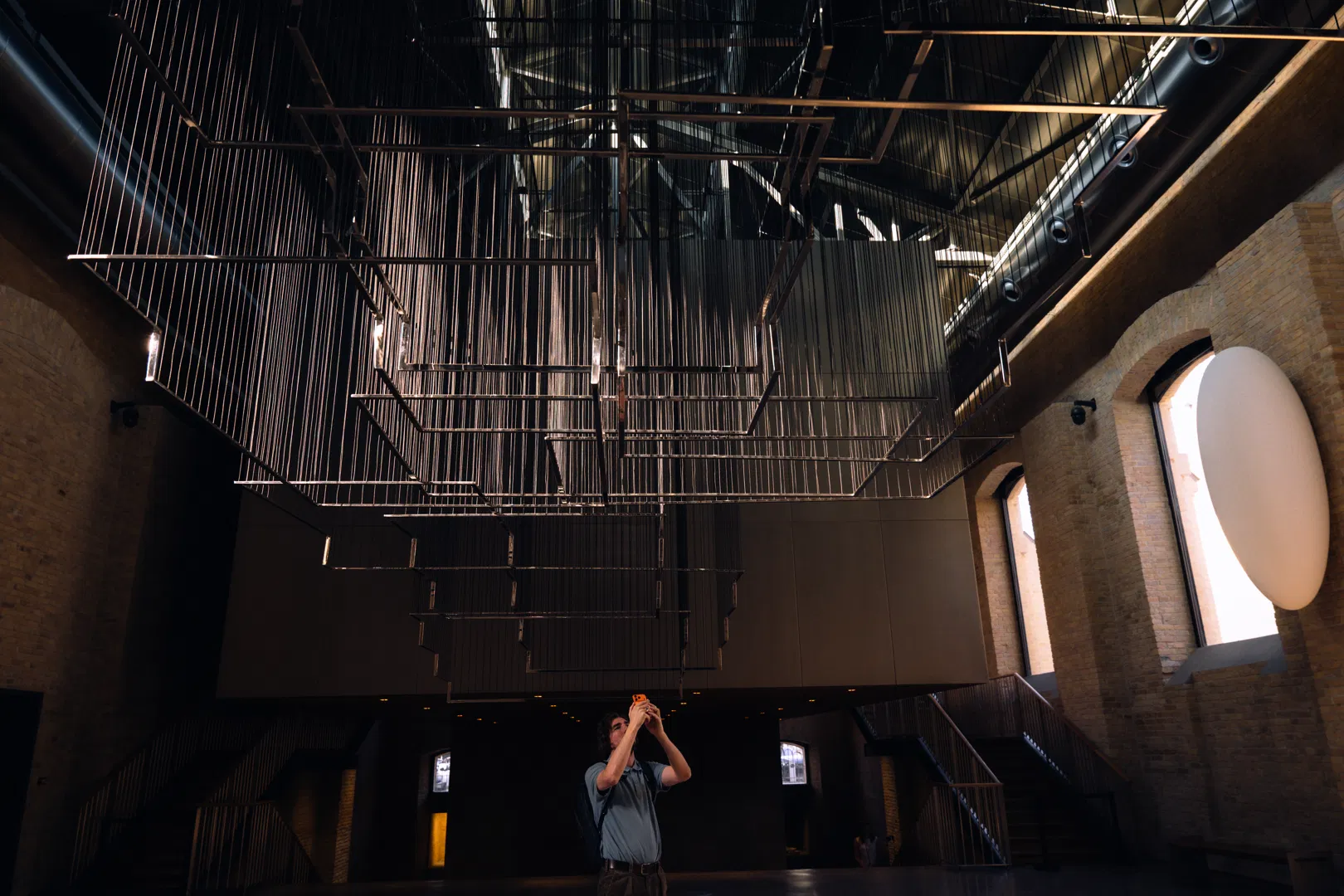
A New Life for Industrial Heritage: An Interview with Studio KO on the Tashkent Centre for Contemporary Art
Alfiya Kalmaganbetova
Newsletter
A letter from the HD editors
Once a week, we send the best stories, events, and cultural discoveries from Central Asia.