Green building is gradually ceasing to be a purely environmental concern. For the property market, the question today is framed differently: how much does it cost to make a building sustainable, and how much can it save or earn over years of operation? Energy efficiency, operating costs, comfort, market appeal, access to financing and the preservation of asset value are all becoming part of a single economic model.
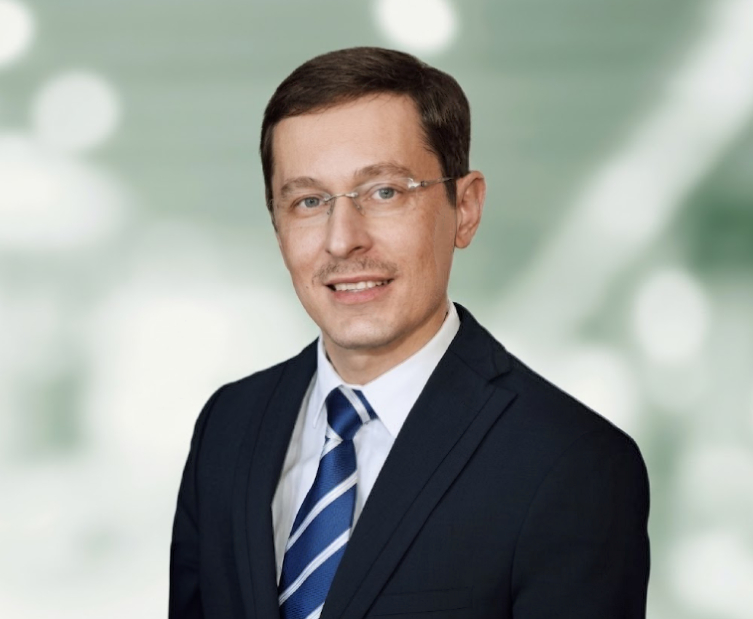
In Kazakhstan, this approach has its own instrument, the OMIR building environmental assessment system, developed by the Kazakhstan Green Building Council taking into account local climatic, construction and economic conditions. We spoke with Alexander Bely, director of the Kazakhstan Green Building Council (KazGBC) and an expert in energy efficiency and sustainable development, to explore what makes a green building a fully-fledged investment asset, how much sustainability costs, how it can generate a return on investment and why, in a few years’ time, the absence of environmental certification may become a disadvantage for a property.
— Why did Kazakhstan need its own OMIR standard when LEED and BREEAM already exist?
— LEED and BREEAM are recognised systems used in countries around the world, and their role cannot be overstated. But an international standard is not always the optimal tool for every local market.
OMIR was developed with Kazakhstan’s specific circumstances in mind: climatic conditions, local construction practices, the availability of technologies and materials, the regulatory framework and economic realities.
For Kazakhstan, the long heating season in certain regions, significant temperature fluctuations, the need for effective thermal protection of buildings and the specifics of the energy system are particularly important.
Moreover, a local system must be comprehensible to domestic developers, designers and government institutions.
OMIR should therefore not be perceived as a competitor to international systems. LEED and BREEAM address the need for international comparability, while OMIR helps shape the green building market in Kazakhstan itself.
— How comparable is OMIR with international systems? Can a building certified under the national standard be readily understood by an international investor?
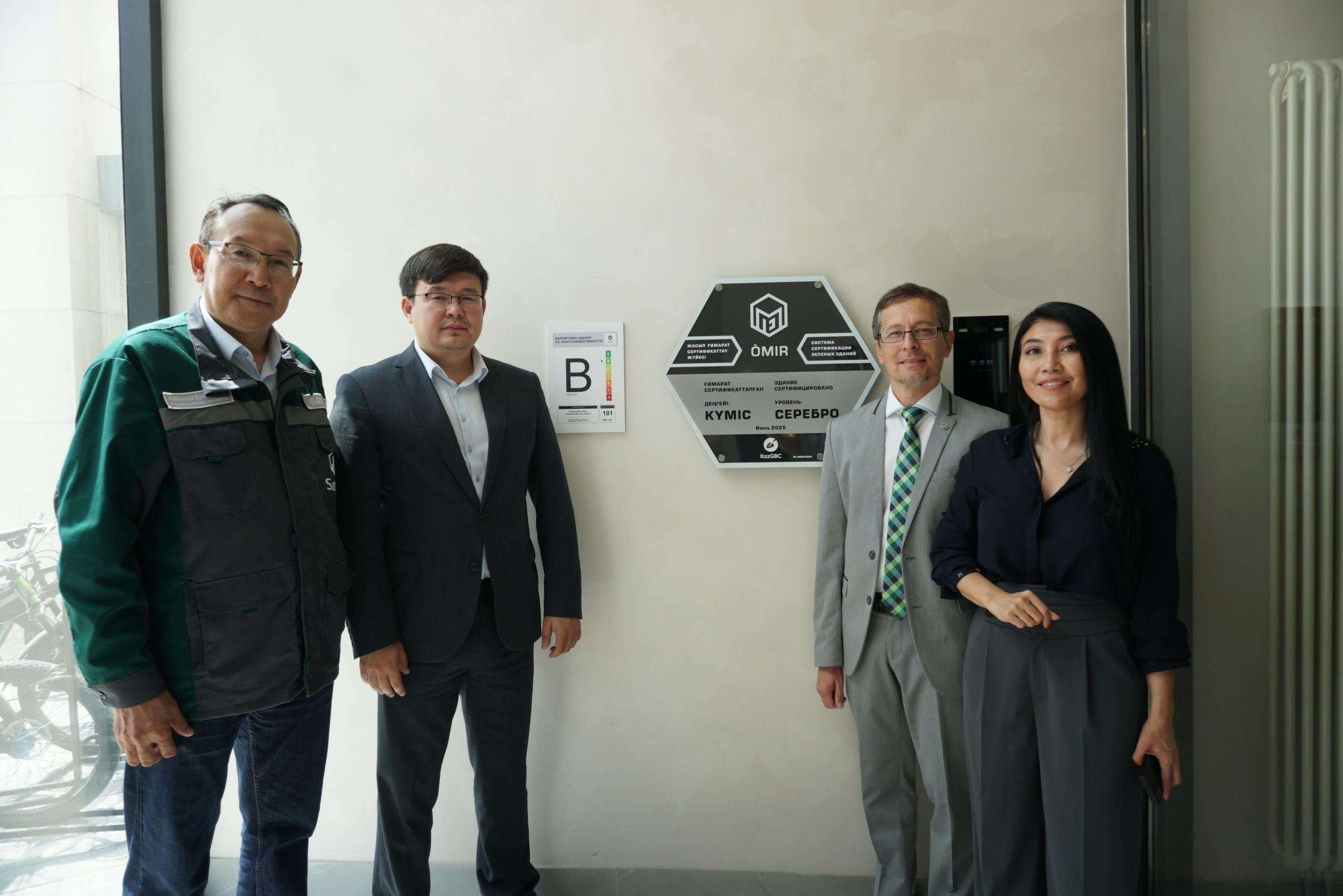
— OMIR was developed from the outset with international approaches to assessing building sustainability in mind, so it should not be seen as an isolated local system. In fact, there are already practical examples in Kazakhstan of buildings being certified under OMIR while also being assessed under an internationally recognised system.
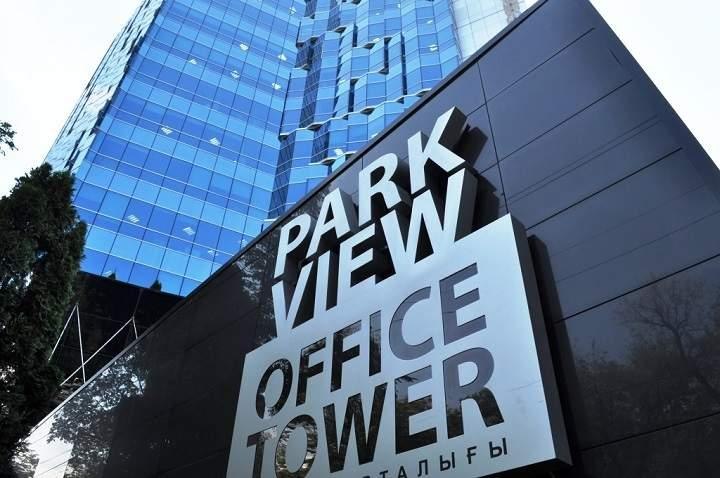
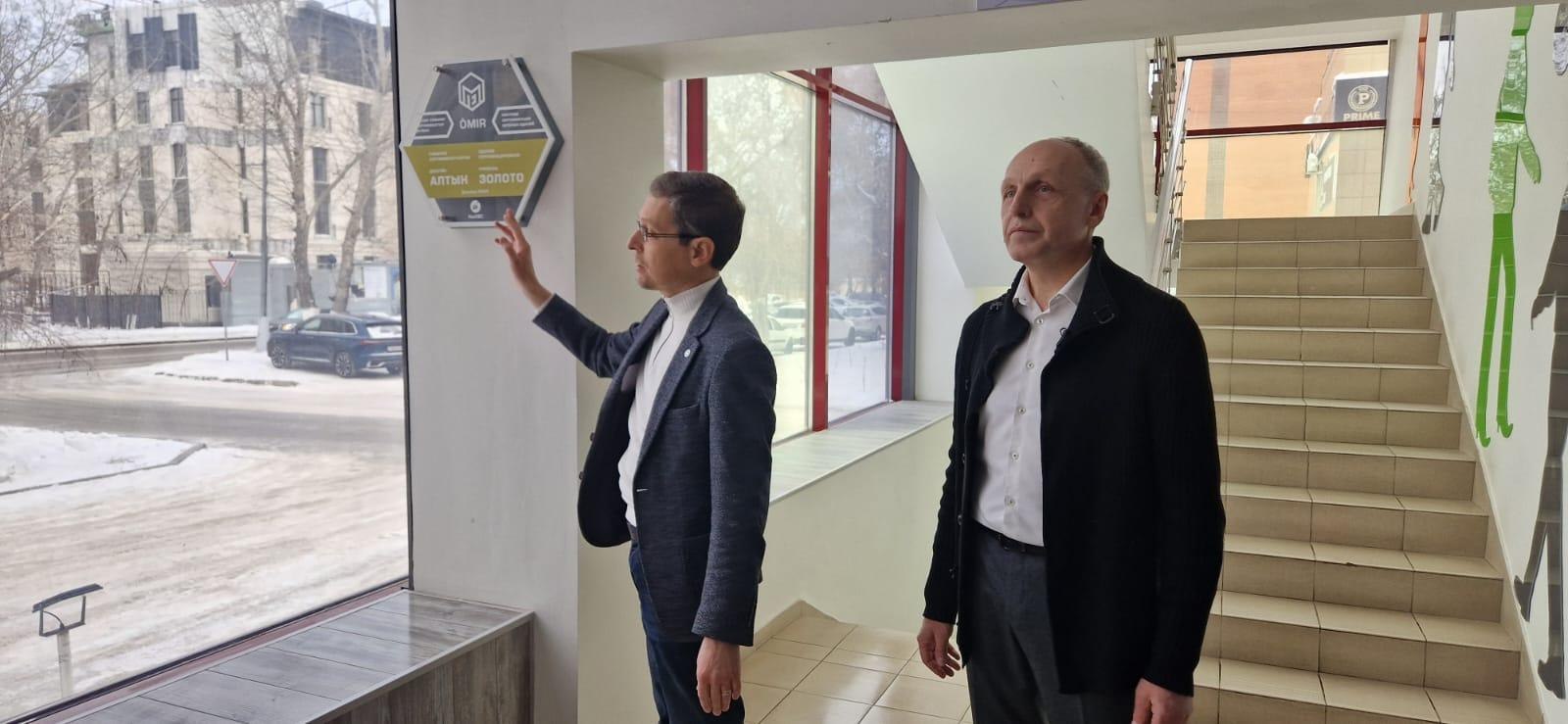
For example, ERGODOM, Park View Office Tower, MEGA Silk Way and other projects have been certified under OMIR and assessed under one of the international systems. These cases are particularly important because they show that local and international assessments can be applied harmoniously to the same building.
ERGODOM is a good example. It received the highest OMIR rating, “Platinum”, with a score of 100 points, while also achieving a BREEAM score of 72.8%, corresponding to an “Excellent” rating. This demonstrates not competition between the two systems, but their practical compatibility: OMIR assesses a building in the context of Kazakhstan’s conditions, while an international system presents its environmental performance in a format familiar to the global market.
This is a crucial point for international investors. An OMIR certificate should not, in itself, be expected to replace international systems where an investor has specific requirements for international certification. But the existence of buildings certified under both systems demonstrates that OMIR can operate within the same ecosystem as international standards.
For international capital, transparency of methodology, independence of assessment, the quality of supporting documentation and the comparability of indicators will be particularly important going forward. OMIR is therefore not being developed as an alternative to LEED, BREEAM and other global systems, but as a strong local tool that can work alongside international approaches.
— At what point does a green building stop being an environmental initiative and become an economic asset? Which indicators demonstrate this most clearly?
— A green building becomes an economic asset when its environmental performance begins to have a measurable impact on the financial performance of the property. Operating costs are the most obvious example. If a building consumes less energy and water, manages its building systems efficiently and requires fewer resources to maintain, the owner benefits from savings not just once, but throughout the building’s life cycle. But the economic impact goes beyond utility bills.
The cost of maintaining building systems, their service life, commercial occupancy rates, rental rates, the pace at which property is sold, the building’s appeal to tenants and buyers, and ultimately its residual value are all important. That is why it is misleading to assess a green building solely on the basis of its initial construction cost. We need to look at the total cost of ownership, the overall cost of owning and operating the property. This approach is gradually changing the way businesses view green building: additional investment is increasingly seen not as an expense, but as an investment in the efficiency and resilience of the asset.
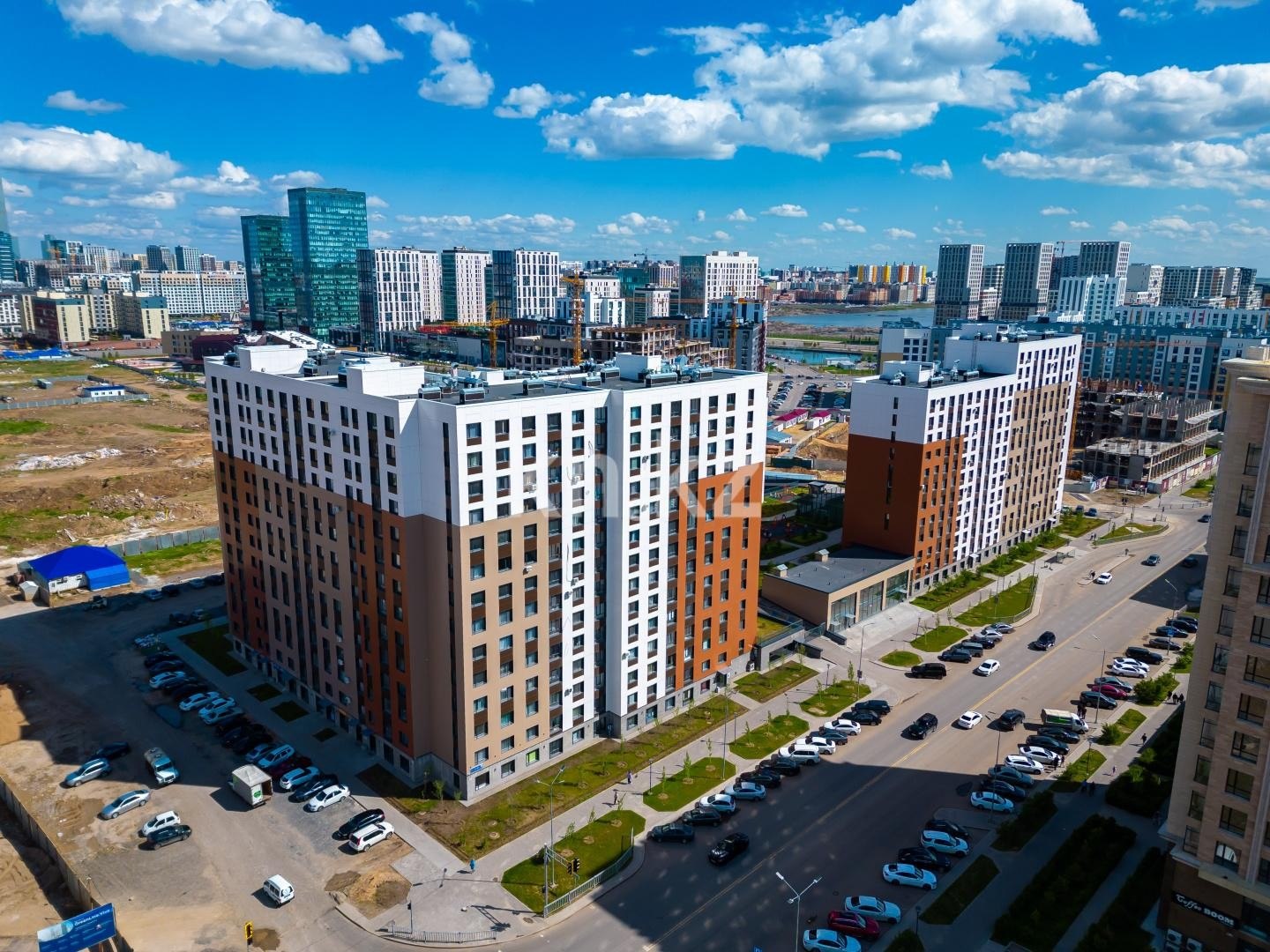
— How much more does it cost today to build a building to a green standard in Kazakhstan? Can we talk about an average percentage increase in cost, and what does it depend on?
— It would be misleading to give a single figure for the additional cost of all green buildings. The cost depends on the type and size of the building, the engineering solutions involved, the project's original concept, the level of certification and, importantly, the stage at which green building requirements are incorporated into the project.
Looking at green building practice more broadly, additional capital costs can range from a few per cent to a more substantial increase in the budget for projects involving a large number of technologically complex solutions.
The timing of decisions is crucial, however. If OMIR requirements are taken into account at the concept stage, many measures can be integrated without significantly increasing costs. These might include the building's orientation, the optimisation of glazing, solar shading, thermal insulation, engineering capacity, lighting and water consumption.
If, however, the decision to make a building energy efficient is taken after the design phase has been completed, existing solutions may have to be redesigned. This is considerably more expensive. The question, therefore, should not be, “How much does green certification cost?” but rather, “How much does it cost to incorporate the principles of energy efficiency and sustainability into a project at an early stage?” In many cases, the difference is considerably smaller than is commonly assumed.
— How do additional investments pay off for the owner?
— The most straightforward return comes from lower operating costs. This primarily means electricity consumption, heating and cooling costs, water consumption, lighting, maintenance of engineering systems, building management and resource monitoring.
A second source of value is an improvement in the quality of the asset itself. Modern engineering systems, automation and a high-quality building envelope make it possible to manage the building more effectively and can potentially reduce the number of breakdowns and unexpected costs.
A third factor is the building's commercial appeal and reputation. For office, retail and hotel properties, user comfort, indoor environmental quality, energy efficiency and the building's environmental performance are becoming increasingly important.
If banks and investment institutions begin to take a property's sustainability into account when providing finance, green certification could potentially affect not only operating costs, but also the cost of raising capital.
The economic model of a green building therefore rests on several components: lower costs, a higher-quality asset, greater market appeal and potentially more accessible financing.
— At what stage of a project are the decisions made that determine a building's future performance?
— The most important decisions are made at the concept and pre-design stages. This is when the building's orientation, form, glazing area, solar shading, structural solutions, engineering systems, energy efficiency and many aspects of its future operation are determined.
This means that bringing in a green building standard after the design phase has been completed is already too late. More efficient equipment can be installed and materials can be replaced, but the opportunities to optimise the building's architecture itself will already be limited.
The optimal process, therefore, looks something like this: concept → preliminary OMIR assessment → design → optimisation of solutions → construction → certification → operational monitoring.
This approach allows OMIR to be used not simply as a final certification tool, but as a project management tool.
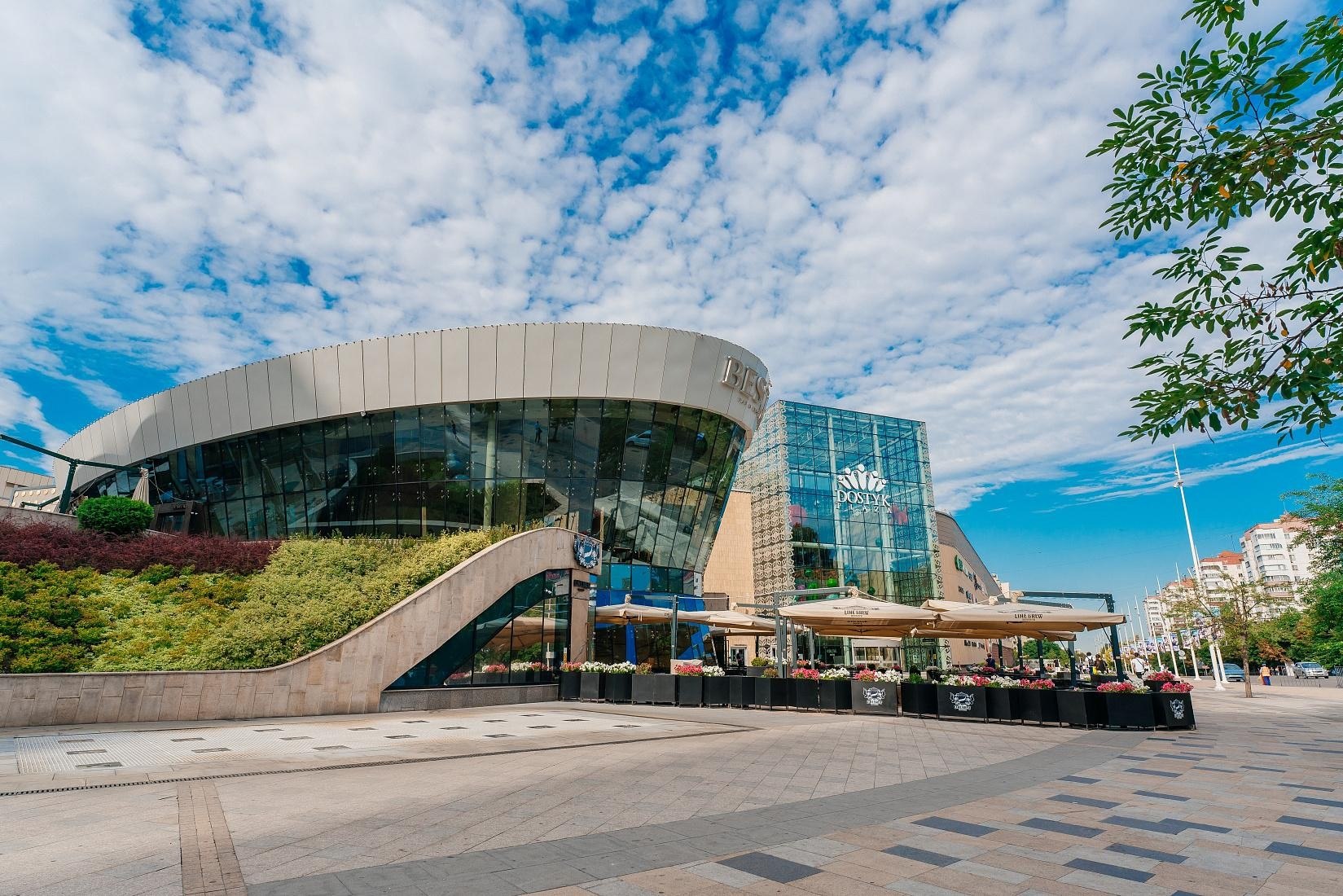 Photo: TSPM
— Are there already any buildings in Kazakhstan that can demonstrate the economics of green construction in real figures?
— Kazakhstan already has a substantial pool of buildings certified under OMIR and other international rating systems. There are now more than 160 certified buildings, covering a total area of over 3 million square metres. They include residential developments, shopping centres, administrative buildings and other types of property.
Several of these projects offer particularly telling examples.
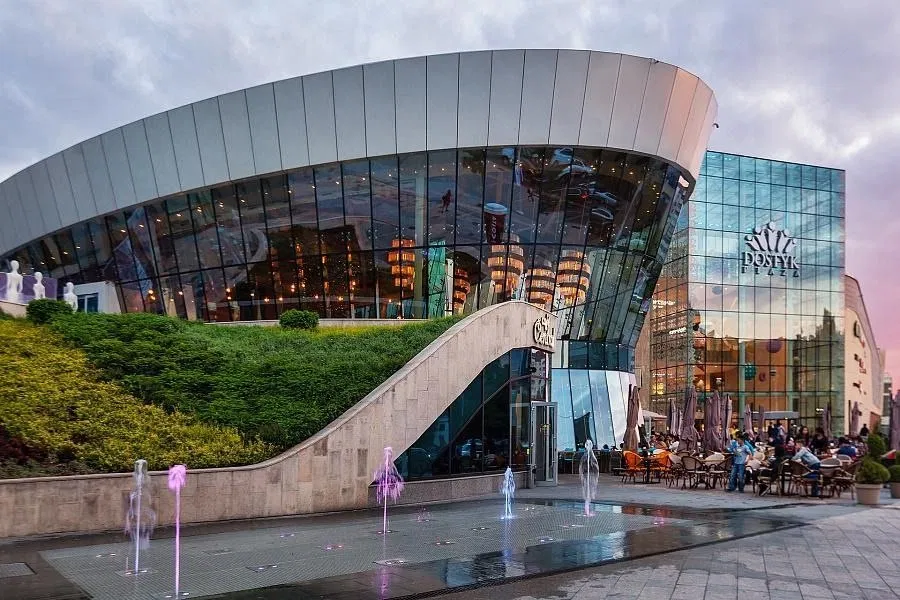
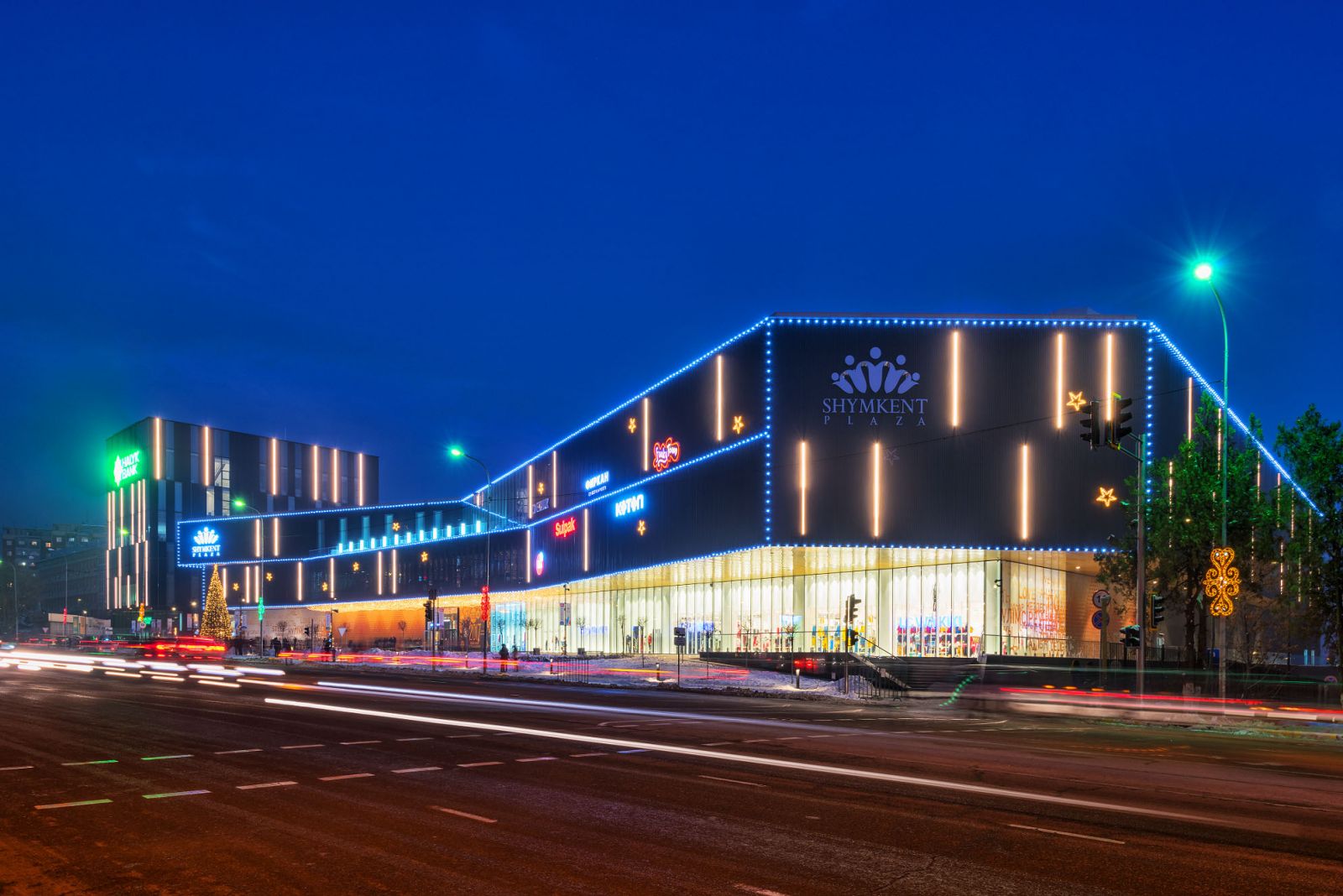
Dostyk Plaza in Almaty, a major retail development owned by TSPM, received a Gold OMIR certification in 2024. Its high rating was based on a combination of energy- and water-saving measures, as well as the efficient operation of its building systems. The assessment highlighted its ventilation, automated management and security systems, all of which help the building operate efficiently despite the intensity of its daily use.
Importantly, the high rating reflects not a single green feature, but an integrated approach to managing the building's resources and engineering infrastructure. This is particularly significant for a large shopping centre with a high daily footfall: energy efficiency, responsible water use, ventilation and automated management all have a direct bearing on the quality of its operation and its long-term efficiency. The same principles can be seen at Shymkent Plaza, another TSPM-owned shopping centre that has also received a Gold OMIR certification.
Gate City in Almaty, a residential development by NEST Stroy, has also received a Gold OMIR certification. The project incorporates energy-efficiency and thermal-protection measures adapted to Kazakhstan's climate. One of its key technical features is an innovative roofing system. The material is waterproof, resistant to sharp temperature fluctuations and mechanical stress, and biologically durable. Particularly important in Kazakhstan is its ability to reflect solar radiation during the warmer months while retaining heat during the colder season.
The roofing solution therefore addresses several challenges at once: durability, protection against climatic conditions and improved energy efficiency. The project demonstrates that OMIR requirements can be adapted to Kazakhstan's actual climate, and that green technologies do not necessarily have to involve complex or expensive solutions.
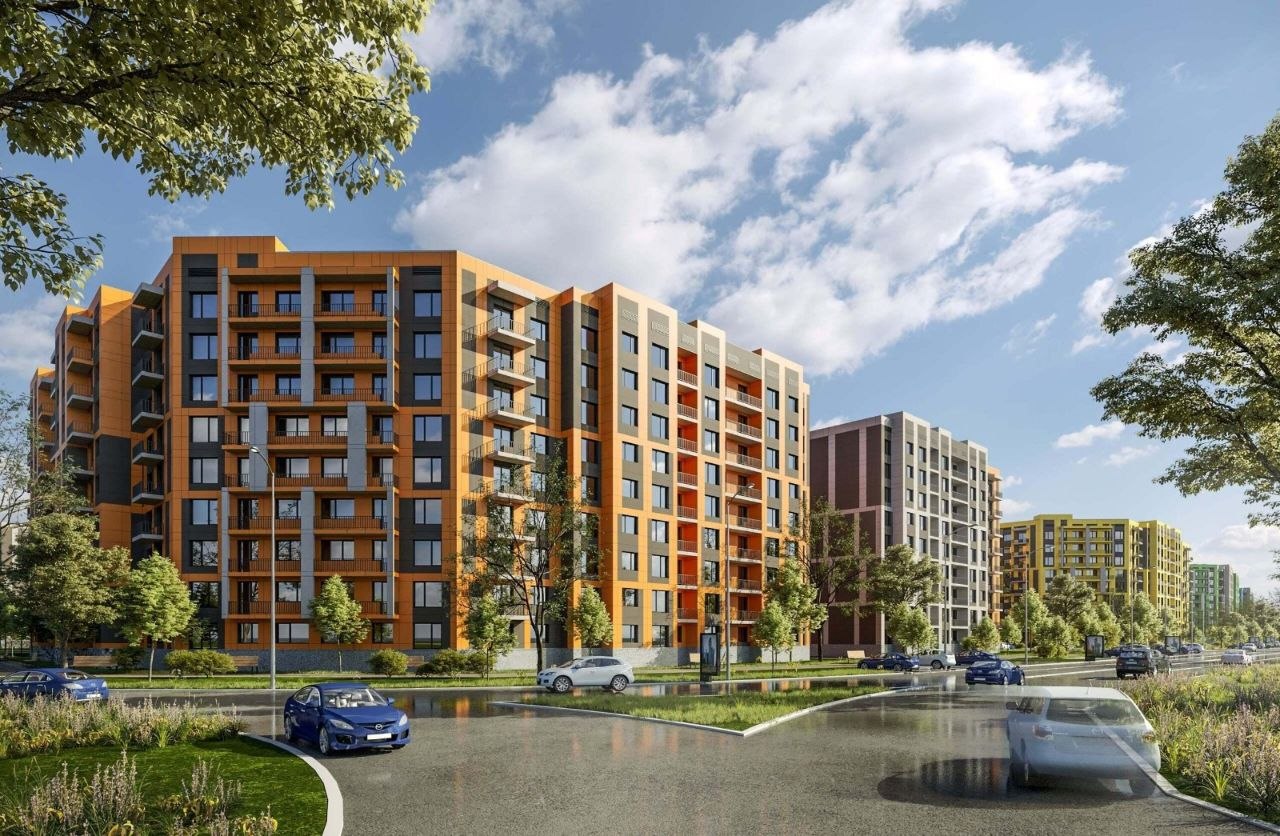 Photo: NEST Stroy
Four Seasons residential complex in Astana, developed by SAT NS, is another telling example of how environmental measures can translate into measurable economic results. According to the project data, the energy-efficiency measures implemented there have reduced energy consumption by approximately 30%. Importantly, this figure was assessed on the basis of the building's actual energy performance.
The case illustrates a fundamental principle of green construction: a building's efficiency should be demonstrated not only through a set of technical solutions, but also through the results achieved in operation.
The Shyrak residential complex in Astana, developed by Nur Astana Kurylys, is notable for its approach to building materials. It was one of the first residential developments in Kazakhstan to have its construction materials certified under the Eco Material Absolute environmental standard. Particular attention was paid to verifying the environmental characteristics of the materials used in the project.
This approach matters not only because it can reduce a building's environmental impact, but also because of its effect on indoor environmental quality. The materials used in construction directly affect the presence of potentially harmful substances, the durability of structures and the comfort of future residents.
ERGODOM in Almaty is one of the most striking examples of an integrated approach to green construction in Kazakhstan. The building received a Platinum rating under the OMIR methodology. The project is presented as an organic building designed with a particular emphasis on environmental performance, comfort and safety.
ERGODOM is especially interesting in the context of the economic value of green buildings because it demonstrates that local OMIR certification and the international BREEAM assessment can be applied to the same building. This makes it possible to take Kazakhstan's specific market conditions into account while also providing an assessment that is readily understood by an international audience.
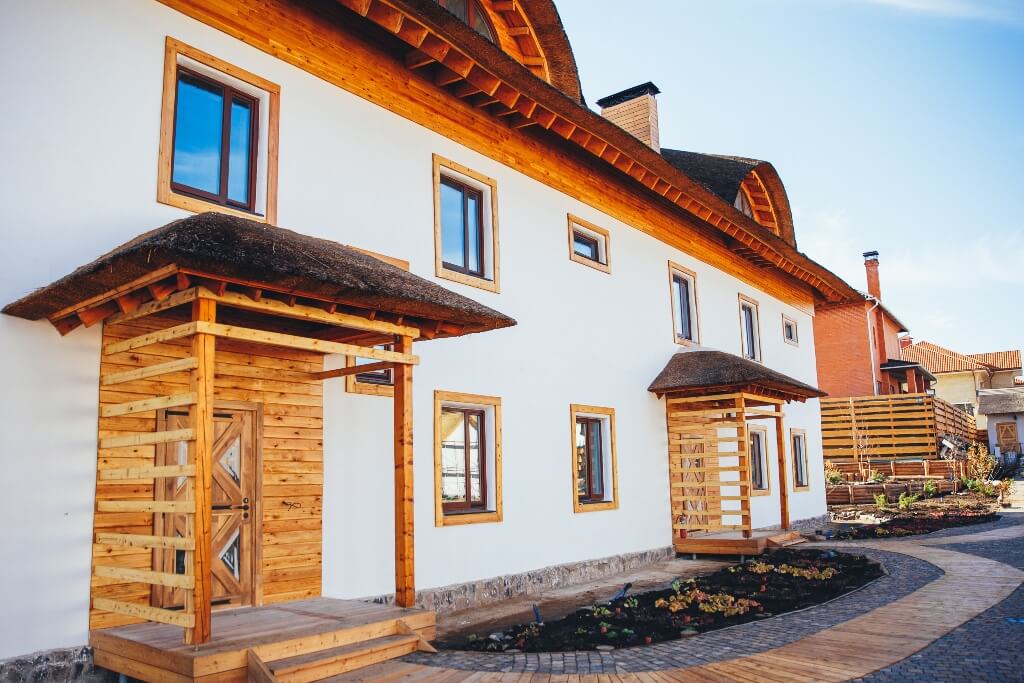 Photo: KazGBC / ERGODOM
— Does green certification affect the market value of property? Can we talk about a “green premium” in Kazakhstan today?
— It is still too early to put a specific figure on a green premium for certified property in Kazakhstan. A property's value is influenced by a wide range of factors, including its location, market segment, market conditions, construction quality, infrastructure, transport accessibility and many others.
However, international experience shows that certified buildings are increasingly gaining advantages in terms of rental performance, occupancy and investment appeal.
For now, green certification can be a competitive advantage. In five to ten years, however, the absence of verified environmental credentials could become a disadvantage. In other words, the market could shift from a model of green premium to one of brown discount, with inefficient buildings losing their competitiveness more quickly.
This is particularly relevant for Kazakhstan, where a significant proportion of the existing building stock is characterised by high energy consumption and substantial operating costs.
— Could OMIR become not only an environmental, but also a financial instrument?
— Yes, and the first signs of this are already emerging. The most obvious example is green mortgages. If a bank offers preferential financing terms for properties that meet certain environmental criteria, certification becomes part of the financial assessment of the property.
Kazakhstan is already seeing initiatives aimed at developing green mortgage financing, where the environmental performance of housing can be verified through appropriate certification.
The next step could be the development of green loans for developers, preferential financing for energy-efficient projects, ESG lending, sustainable project finance, green bonds and financial instruments linked to measurable energy-efficiency indicators.
In this case, OMIR could serve as a bridge between the property market and the financial sector. For this to happen, however, it is particularly important that certification be based on transparent, verifiable and measurable criteria.
— What is currently the biggest obstacle to developers adopting green standards?
— In practice, it is always a combination of several factors. The first is the upfront cost. Developers look at the construction budget here and now, whereas much of the economic benefit only becomes apparent once the building is in operation.
The second is a lack of expertise. Green building requires architects, engineers, energy specialists, environmental experts and other professionals to be involved from the earliest stages of a project.
The third factor is a lack of market information. Developers need to understand how much additional investment is required and what economic return they can expect.
And the fourth factor is demand. For now, buyers and tenants are rarely willing to pay extra for energy efficiency, indoor environmental quality or environmental credentials. But this is changing. A new generation of buyers is becoming increasingly sensitive to the quality of their surroundings, utility costs, comfort and the environmental performance of their homes.
The challenge for the market, therefore, is not only to offer green buildings, but also to communicate their economic value to the end consumer.
You can read about costly mistakes for developers in our article:
Mistakes That Cost Developers MillionsOver the years of my professional practice, I have observed a recurring pattern: even experienced clients and developers often move straight into design, bypassing several critical preliminary stages. Skipping these stages leads to redesigns, increased project costs, delays, and the loss of part of a site’s commercial potential. Drawing on residential developments as an example, I have identified five key mistakes that developers commonly make, along with practical ways to avoid them.mag.humodoc.com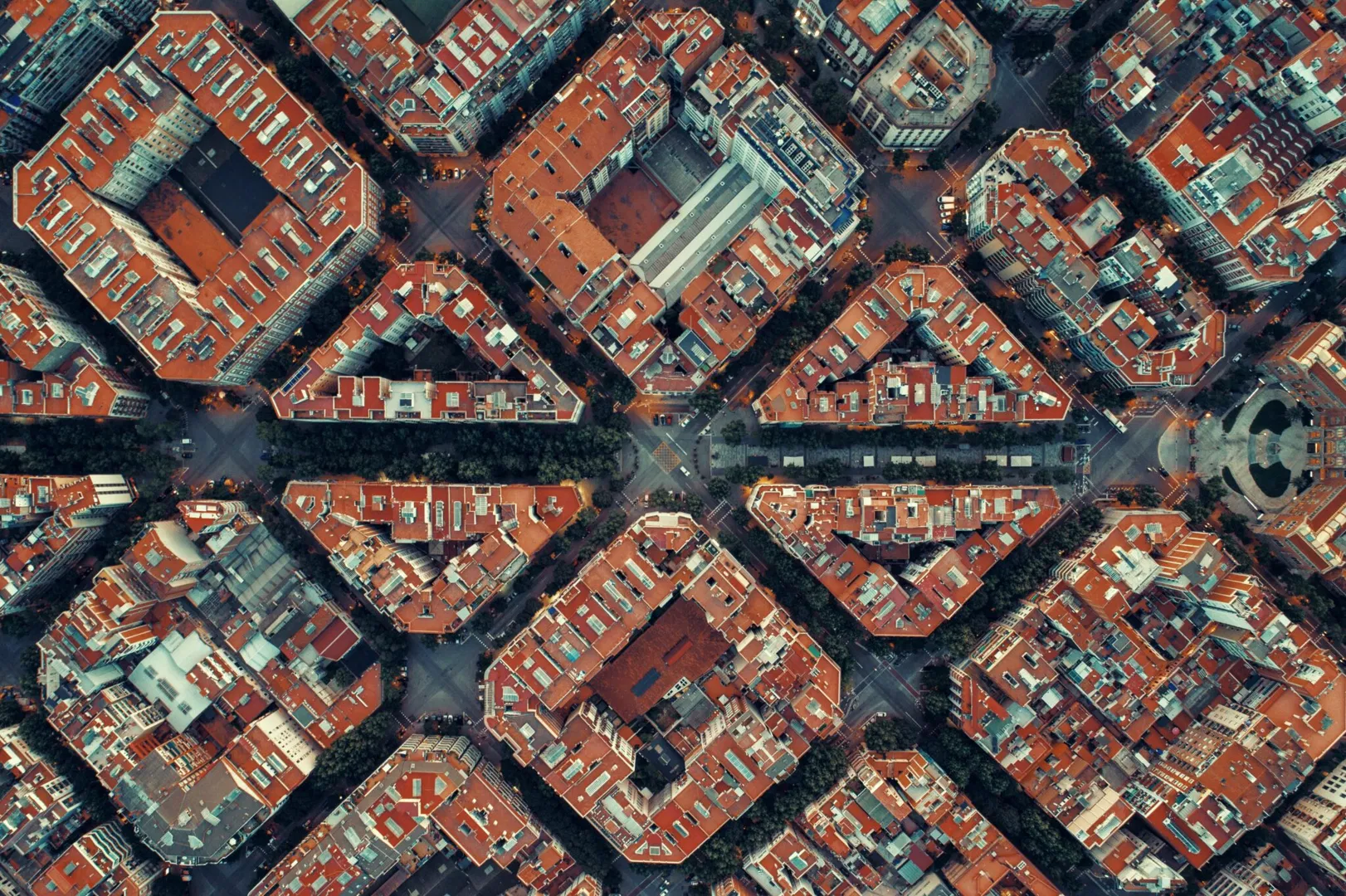
— Can the OMIR approach be applied to a residential complex, a neighbourhood or a wider area?
— Yes. In fact, this is one of the promising areas for the development of OMIR. We are already seeing that sustainability cannot be assessed solely within the boundaries of a single building. This is particularly relevant to residential complexes, cottage communities and new forms of low-rise development, where the quality of the environment depends not only on the characteristics of individual buildings, but also on how the wider area is planned and organised.
A green building cannot be completely separated from its urban environment. You can build an energy-efficient property, but if there is no public transport, safe pedestrian routes, quality public spaces or green infrastructure around it, its sustainability will remain limited. The next stage in the development of green building should therefore be a shift from individual buildings to wider areas.
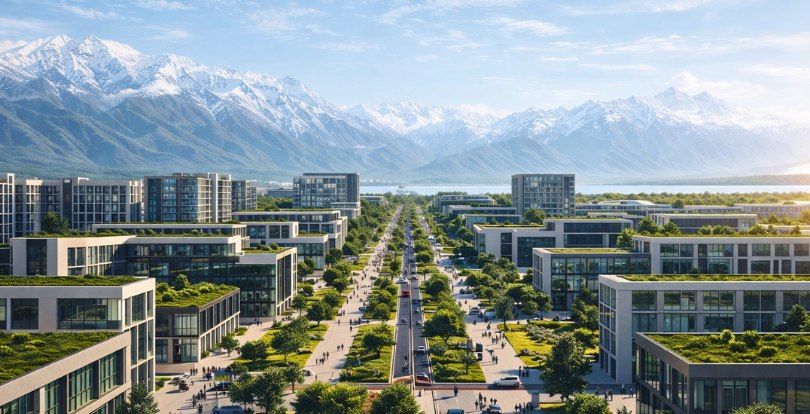
Alatau City is a good example of this transition. Here, the focus is no longer on the efficiency of an individual building, but on creating an entire urban system in which energy efficiency, modern infrastructure, public spaces, transport accessibility and environmental solutions are considered as a whole.
Looking ahead, the OMIR approach could develop in this direction, extending the assessment of a building's energy efficiency and resource consumption to include such factors as mobility, the quality of public spaces, green space, biodiversity and access to urban infrastructure.
Another important step for us is the development of a specialised standard for cottage communities and residential communities, which we piloted at the beginning of this year. Such a system can assess not only the energy efficiency of individual homes, but also the infrastructure of the wider area: energy and water consumption, landscaping, waste management, the quality of public spaces, pedestrian and transport accessibility, the use of renewable energy, microclimate and biodiversity conservation.
This is particularly important for Kazakhstan, where new suburban areas and low-rise residential developments are expanding rapidly. The sustainability of such a project is determined not by a single wall or engineering system, but by the entire ecosystem in which people live.
Looking ahead, we see OMIR developing as a multi-level assessment system, ranging from individual buildings to residential complexes, cottage communities, neighbourhoods and larger areas.
The principle, however, remains the same: to assess not declarations, but specific solutions and their measurable contribution to efficiency, comfort and environmental sustainability.
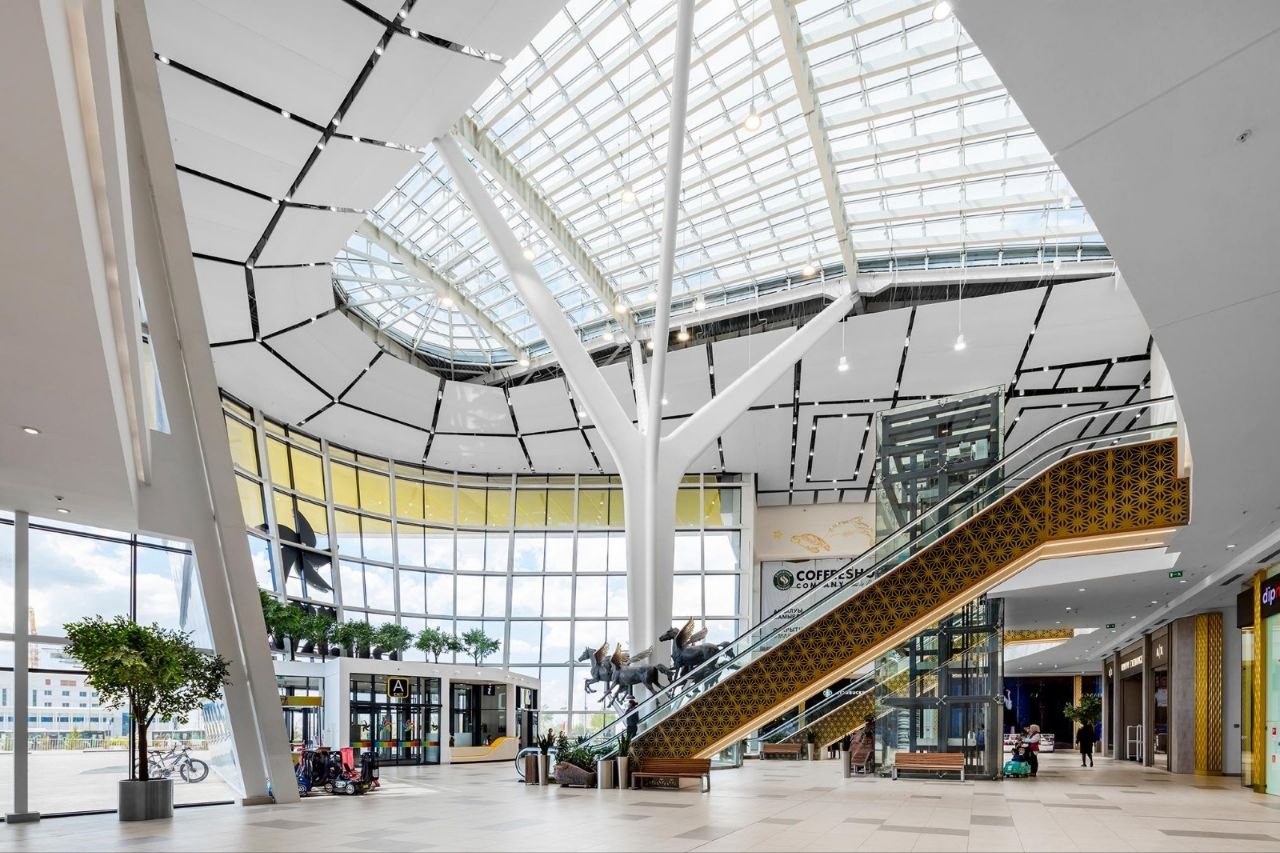 Photo: MEGA Silk Way
— Is there a risk of greenwashing?
— There is, of course, always a risk. The more popular the term “green” becomes, the more companies use it in their marketing. This is precisely why independent certification is becoming increasingly important.
If a developer simply claims that a property is environmentally friendly, it can be difficult to verify that claim. If a property undergoes certification under an established methodology, its characteristics are assessed against specific criteria and supported by relevant documentation.
Certification therefore creates a clear distinction between a marketing claim and a verified result. This is particularly important in the property market, because a building's environmental performance is often impossible to assess visually.
A beautiful façade and plenty of plants around a building do not, in themselves, make it green. A green building must demonstrate measurable performance and be assessed against appropriate standards.
— If you had to convince a developer to certify their next project under OMIR using a single economic argument, what would it be?
By certifying a building under OMIR, a developer is investing not only in its environmental performance, but also in its future competitiveness. A building will be in operation for decades. During that time, energy costs, banks' requirements, the expectations of buyers and tenants, investors' ESG requirements and the regulatory environment will all change.
So the question today is not whether it is worth paying a little more for green solutions. The real question is whether a developer is prepared to invest in a property that will retain its appeal and value in 10, 20 or 30 years.
This is where OMIR becomes a business tool. It enables developers to build into a project today the criteria that will determine the quality of real estate tomorrow: resource efficiency, comfort, environmental safety, quality of management and resilience.
Green building should no longer be seen as a niche segment or purely an environmental initiative. It is a direction in which the property market is evolving, gradually bringing together the interests of developers, owners, buyers, tenants, banks and cities.
OMIR can help turn this transition from a matter of declarations into concrete requirements, measurable indicators and economic decisions.
Newsletter
A letter from the HD editors
Once a week, we send the best stories, events, and cultural discoveries from Central Asia.