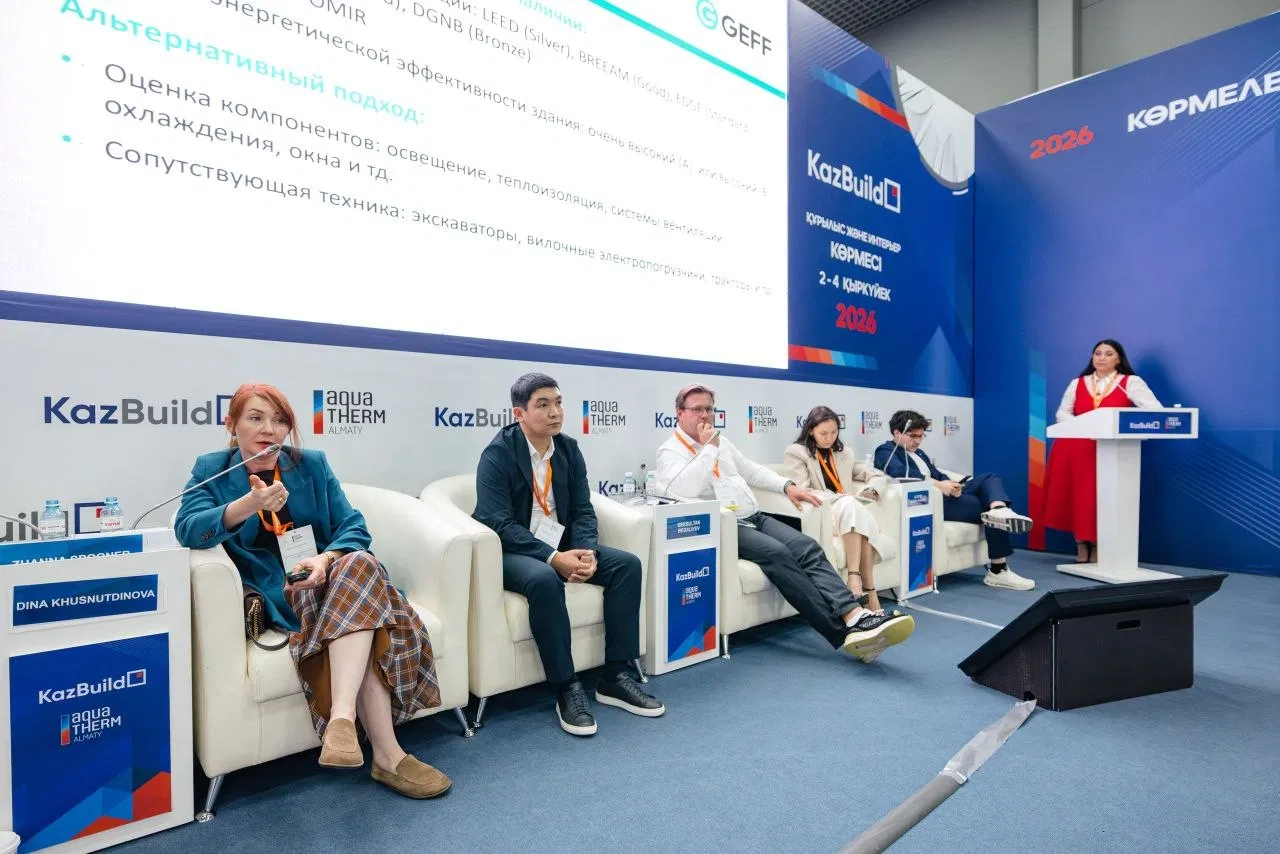
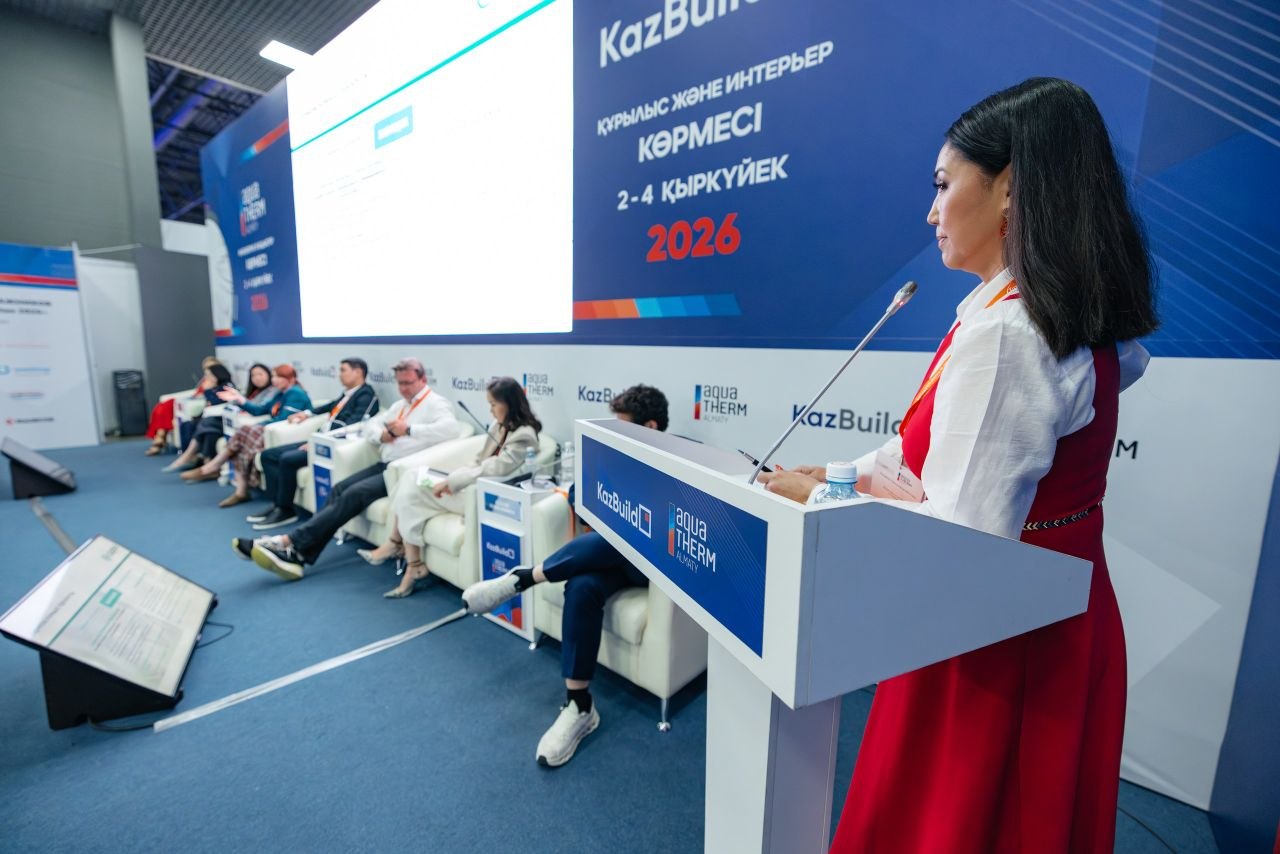
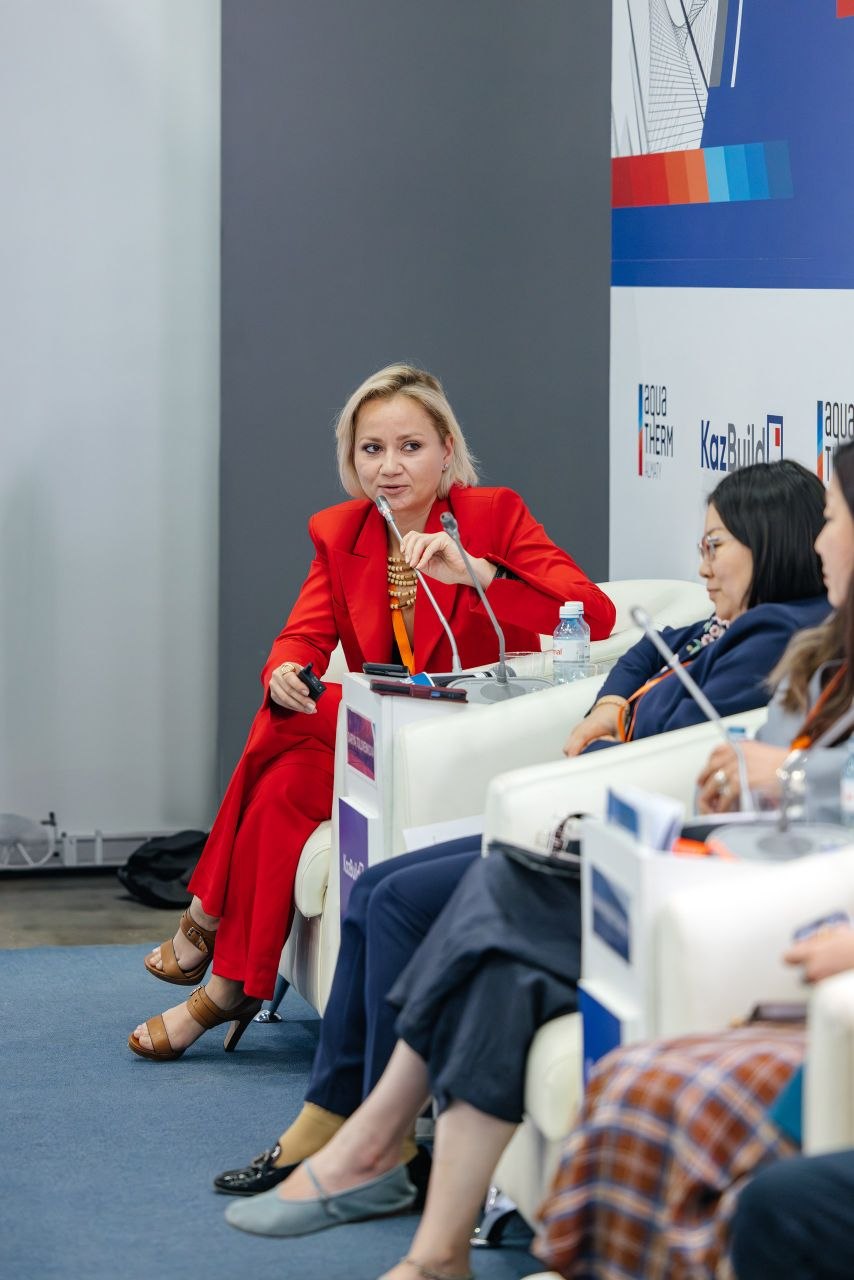
On 2 September, as part of Aquatherm Almaty, HD magazine held a panel discussion bringing together representatives of the public sector, architects, urban planners, engineers, and experts in green construction and finance. The central question was how to turn individual environmental solutions into a system with measurable impact, clear costs and a viable financing mechanism.
Water shortages and urban flooding may seem like opposite problems. Yet in the rapidly growing cities of Central Asia, they increasingly occur at the same time. A city can face water shortages for much of the year, while just a few days of intense rainfall can put critical pressure on its infrastructure.
Overheating, denser development and the loss of natural surfaces only add to that pressure. Yet water, green spaces, buildings, infrastructure and finance are still often treated as separate issues.
Blue-green infrastructure brings water, vegetation, soil, buildings, streets and public spaces together as a single system. Around it, a new market is taking shape, bringing together everything from design and engineering solutions to monitoring, certification, verification and finance.
We have explored this subject before:
What Rain Costs a CityLet’s take a closer look at why climate resilience is becoming part of the economics of the urban environment.mag.humodoc.com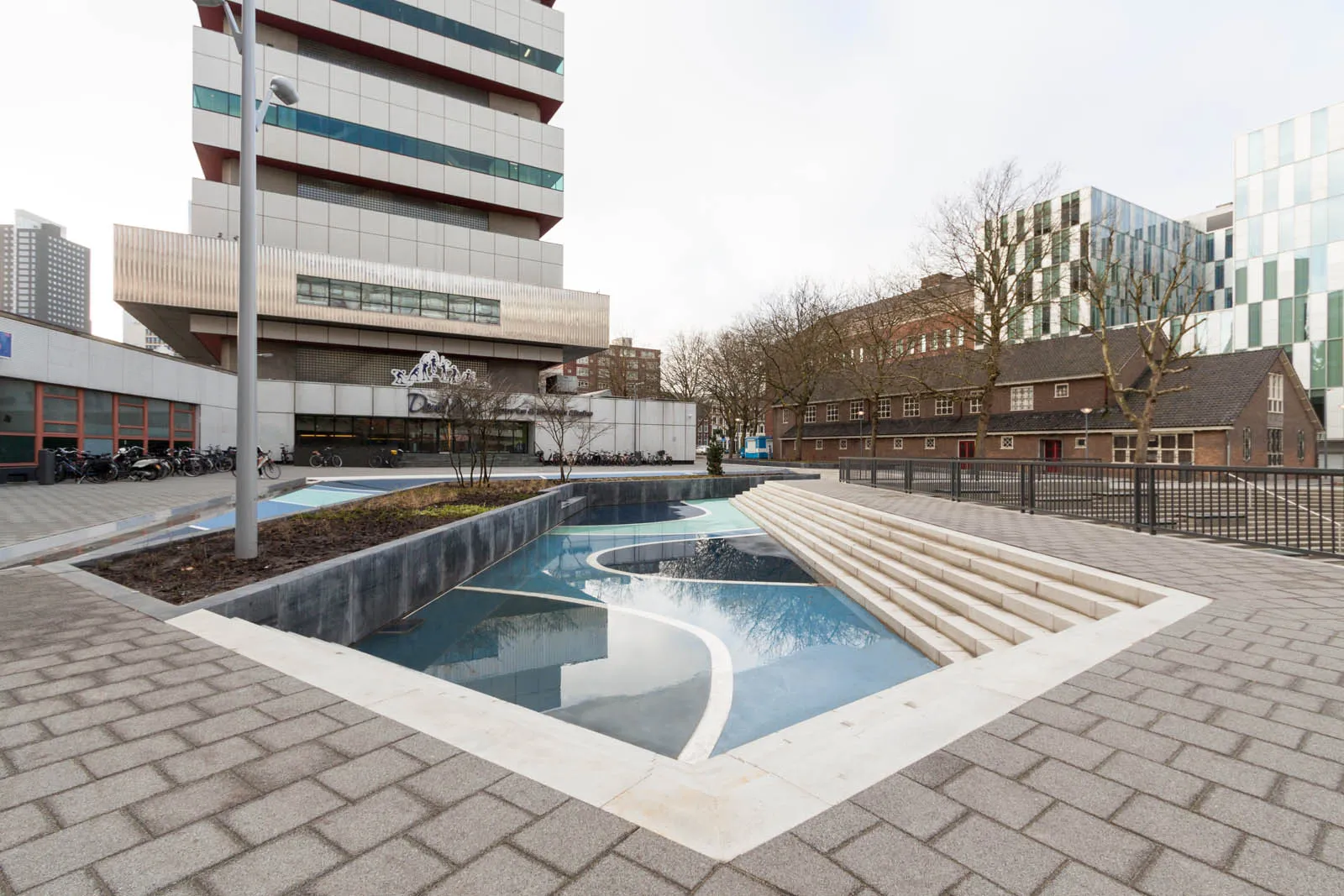
Water Infrastructure Is More Than Pipes
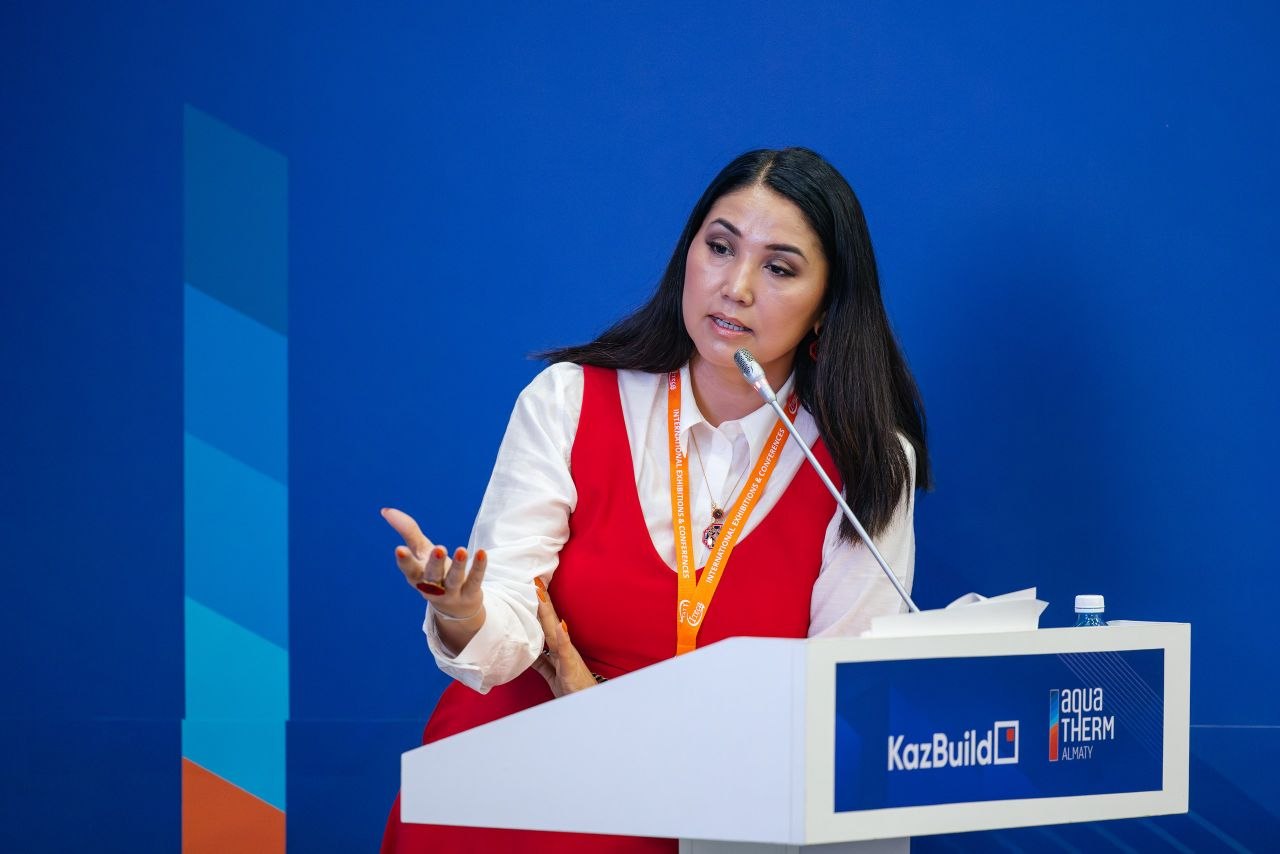
The first speaker, Beksultan Begaliyev, Deputy Director of the Department for the Development of Water Infrastructure at the Ministry of Water Resources and Irrigation of the Republic of Kazakhstan, was asked about priorities for modernising water infrastructure and the role of water conservation, water reuse, digitalisation and modern engineering solutions.
The effectiveness of water infrastructure is determined not only by the facilities that are built. Monitoring and using water efficiently are becoming just as important a part of the system as networks and equipment. For the market, this translates into very specific demand: metering systems, water-saving technologies, water management and new engineering solutions.
In his presentation, the speaker also addressed the issue of water-saving culture. Educational and awareness-raising initiatives involve schoolchildren, college students and university students, with specially produced videos also being used.
From Green Projects to an Urban Framework
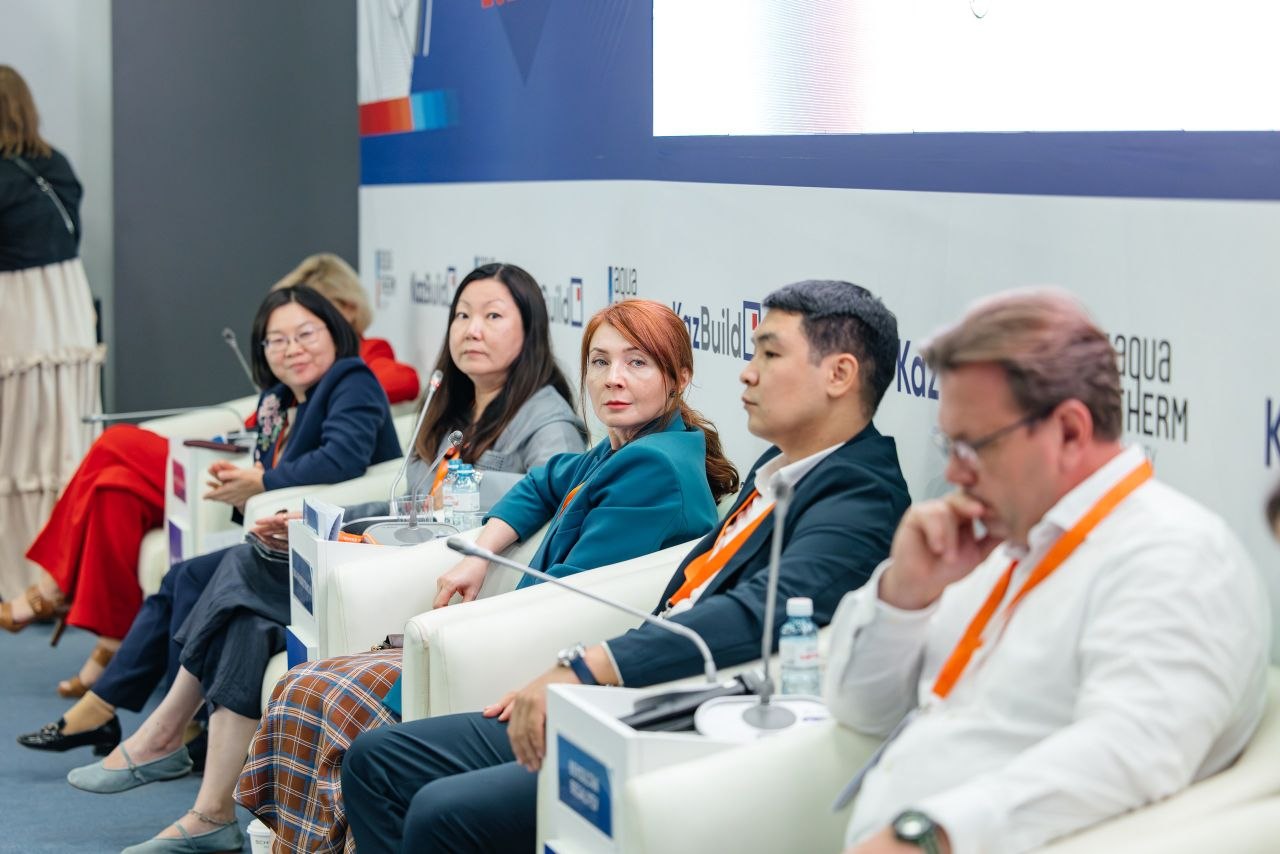
Darya Tolovyonkova, an architect and urban planner from Kazan and an expert in nature-based urban development, sees greenery as a resource in its own right.
A park, waterfront, green street or drainage system does not, by itself, make a city sustainable. The real effect comes when rivers, waterways, soil, vegetation and stormwater drainage form a connected urban framework.
For established cities in Central Asia, the practical question is where to begin developing such a framework and which interventions can deliver a rapid and measurable impact.
The answer depends largely not on the number of green elements, but on how well they are connected to one another and to the city's infrastructure.
Nature Is Not Landscaping
Zhanna Spooner, an architect-designer, urbanist and member of the Almaty Urban Planning Council, was asked at what stage of construction blue-green infrastructure should be incorporated into a project.
Before the architecture, at the stage of site analysis and the master plan. Nature is not landscaping.
In her presentation, she showed two scenarios. In the first, the building and parking area are defined first, and the remaining space is then landscaped. In the second, the project begins with existing trees, water flows, topography, areas of overheating and shade. These parameters then influence the positioning of buildings, courtyards and public spaces.
This approach is particularly relevant to Almaty.
Almaty does not need to create a natural framework from scratch. It needs to preserve and reconnect the one that already exists. Rivers and irrigation channels, the terrain, mature trees and natural areas can therefore become assets of the territory rather than leftover spaces between development projects.

Rainwater as a Resource
Dmitry Kuzyakin, founder and CEO of RoofCoat Technologies, brought the discussion down to the level of practical engineering.
The growth of hard-surfaced areas alters the natural water cycle and increases the pressure on drainage systems. One way of managing this flow is through water-retaining roofs and podium structures. The system includes plants and substrate, a capillary filter, a water-storage box panel, and a protective storage layer. Water discharge is regulated by a flow restrictor.
More details can be found in Dmitry Kuzyakin's article:
A Roof That Holds the Rain: Why Water Management Should Start with the BuildingWhen streets flood after heavy rainfall, the conversation usually starts with the stormwater drainage system. Is it capable of handling the volume? Where do the pipes need to be enlarged? Why isn’t the water draining away quickly enough? Yet the important role played by urban rooftops is often overlooked.mag.humodoc.com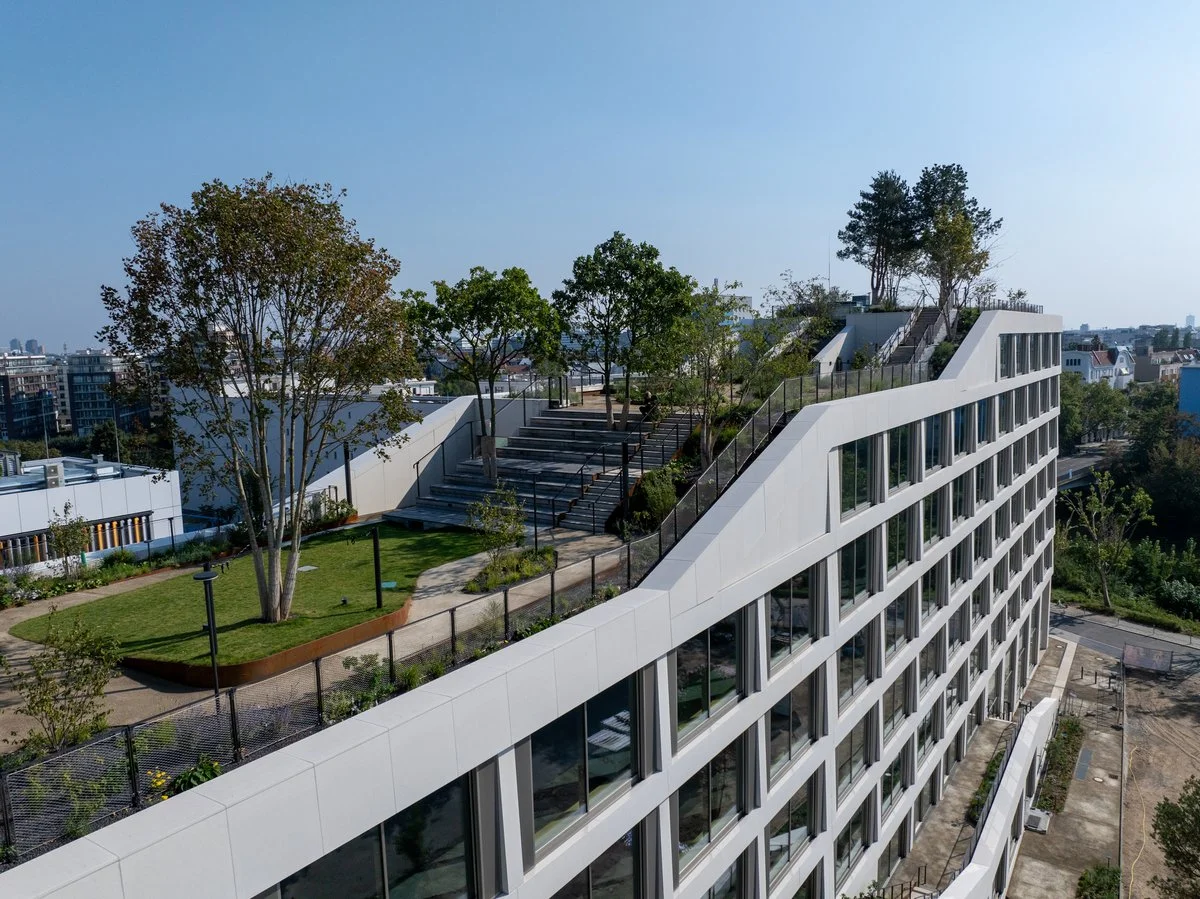
According to an Optigrün presentation, some rainfall is retained on the building itself and used by vegetation, while excess water is discharged at a controlled rate. The aim is to achieve what is described as ‘zero runoff’. In one of the examples presented, peak rainfall is given as 323 l/s, with a drainage rate of 0.8 l/s.
This is no longer simply a matter of greening a roof. A stormwater model is used to calculate the system, taking into account the area, drainage, permanent and maximum water retention, maximum discharge and the number of outlets. According to the presentation, it is impossible to calculate the flow restrictor without a model and modelling report.
For different solutions, water retention starts at 75 l/m² for extensive planting and at 80 l/m² for intensive green roofs and podium gardens.
In this model, a building becomes part of the management of the city's water balance. So how much does a water-retaining roof actually cost, not only in itself but also in terms of the pressure it can remove from the city's drainage system?
A Sustainable Building as an Economic Asset
Zhannat Bekbolatova, an expert at the Kazakhstan Green Building Council (KazGBC) and Associate Professor at Satbayev University, put the question this way:
A sustainable building is not an isolated property asset, but a managed energy node within the city. Energy efficiency, renewable energy sources, water conservation, resource reuse, green roofs, materials, waste and microclimate all need to be taken into account at the design stage.
But how can we prove that a building is genuinely sustainable?
This is where measurable indicators and certification come in. Bekbolatova's presentation, citing the World Green Building Council, gave the following figures: green buildings can command sale prices around 30 per cent above the market average, rental rates 5 to 7 per cent higher, and operating costs 11 to 20 per cent lower.
At the same time, ‘decisions on energy efficiency are often made too late, after the architecture, structural design and main engineering systems have already been determined’.
The cost of sustainability depends to a large extent on when it is introduced into a project.
When an Environmental Project Becomes "Green" Finance
Asem Syrlybai, Head of ESG Project Development at CAIER, an expert and verifier, draws a distinction between an environmental idea and a project capable of qualifying for green finance:
The logic of the financial market requires compliance with the taxonomy, a measurable environmental impact, adherence to the do-no-significant-harm principle, consideration of costs and transparency for investors.
Such projects can include water collection and treatment, water conservation, flood protection, rain gardens, river and ecosystem restoration, green roofs and energy-efficient buildings.
The distinction is fundamental: it is not enough to claim an environmental benefit. It has to be measured and verified.
An independent verifier confirms that a project meets the relevant requirements, reducing the risk of its "greenness" remaining no more than a marketing claim.
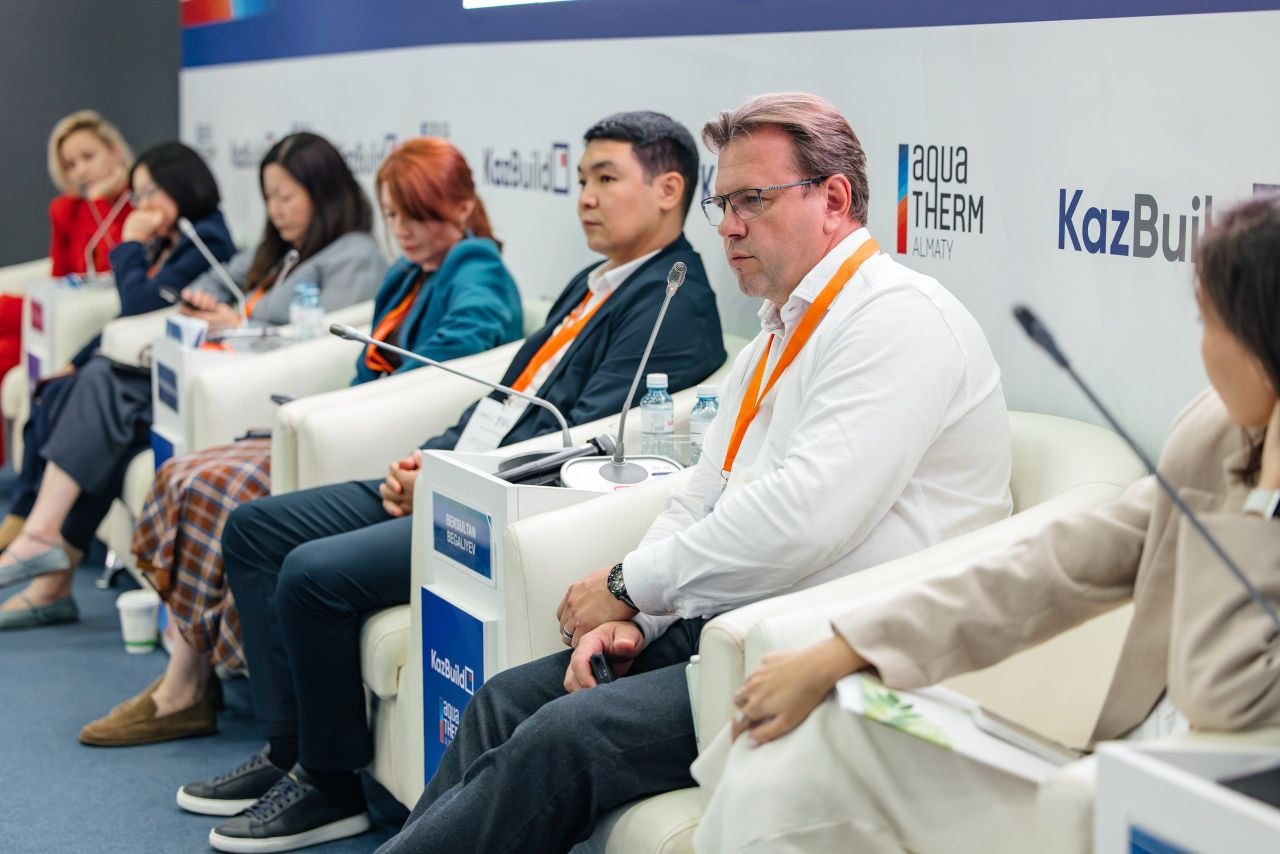
From Environmental Impact to Capital
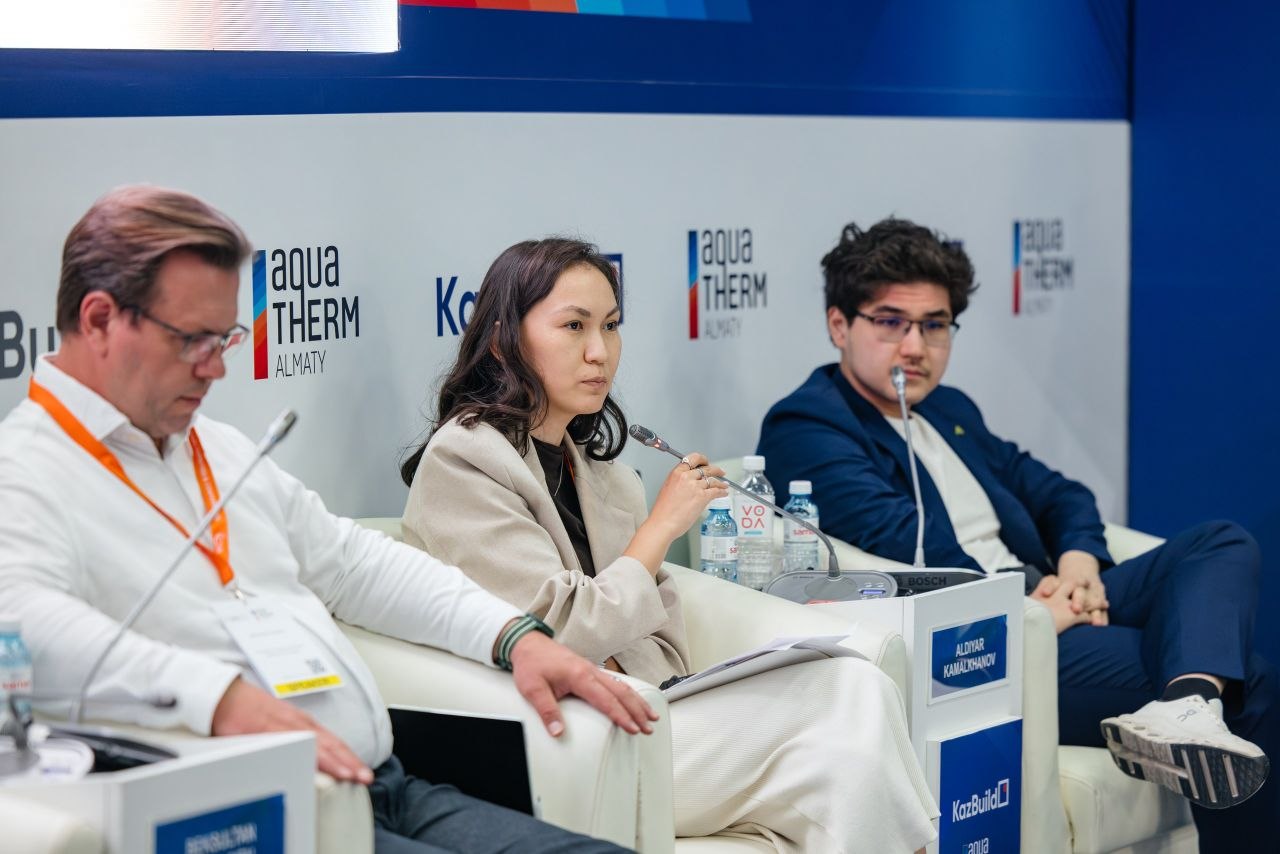
Aldiyar Kamalkhanov, Vice President of the Client Relations Office at the Kazakhstan Stock Exchange (KASE), was asked a more financial question: what does a project and its issuer need in order to issue green bonds in practice?
The sustainable bond segment has been operating on KASE since 2020. According to data presented by the exchange, the total announced volume has reached KZT 1,279.8 billion, while the amount placed stands at KZT 1,096.9 billion. There have been 39 issues in total, 11 of them in 2025. KASE also points to its expertise in listing green, social, gender and other sustainable bonds, the possibility of engaging independent external reviewers, and preferential listing fees for ESG bonds.
The sequence is already a thoroughly market-based one: environmental challenge → project → measurable impact → verification → financial instrument → investor.
Another mechanism was presented by Dina Khusnutdinova, project coordinator for the European Bank for Reconstruction and Development's Green Economy Financing Facility (GEFF):
GEFF operates in 30 countries through 220 financial institutions. According to the figures presented, the programme has supported more than 268,000 green projects worth over €8 billion. In Kazakhstan, the 2023 to 2027 GEFF programme provides for $150 million in financing.
GEFF's partners include Bank CenterCredit and Shinhan Bank Kazakhstan. For loans of up to the equivalent of $300,000, the Green Technology Selector is used, offering pre-approved solutions. Larger projects are assessed by GEFF engineering consultants.
One example from Kazakhstan is a warehouse complex covering four hectares in the outskirts of Almaty, financed in 2025. The investment cost was approximately $1.176 million, with projected emissions reductions of 290 tonnes of CO₂ a year.
Here, green finance is no longer just a concept, but a practical investment tool.
How Much Does Doing Nothing Cost?
As long as blue-green infrastructure is treated as an additional expense, the calculation shows the cost of a green roof, water storage, landscaping or certification.
But inaction has a cost too.
How much do overloaded stormwater networks and the consequences of flooding cost? What is the cost of overheated areas, lost rainwater, or upgrading infrastructure when every new development continues to add to the pressure on it?
And who should invest today if part of the benefit will be enjoyed by the city as a whole tomorrow?
The economics of such projects therefore does not end with CAPEX, the initial capital expenditure. The calculation should also include OPEX, operating costs, the full life-cycle cost, avoided damage and the long-term value of the area.
A New Market Emerges Between Industries
Blue-green infrastructure brings together urban planning, architecture, landscape design, water management, engineering equipment, materials, monitoring, operation, certification, verification, bank lending and capital markets.
The technologies already exist. The main gap lies between the participants in the process: government, the city, the client, the architect, the engineer, the environmental specialist and the financial sector.
That leaves one of the most important questions unanswered: where should responsibility for a blue-green project sit, and who should bring all its participants together before the design process even begins?
The answer will determine whether green solutions remain separate projects or become infrastructure.
A new market emerges where there is an urban problem, a client, technical requirements, a measurable outcome, accountability and a financing mechanism.
That is when water, greenery, buildings and environmental impact acquire something they often lack in today's urban model: economic value.
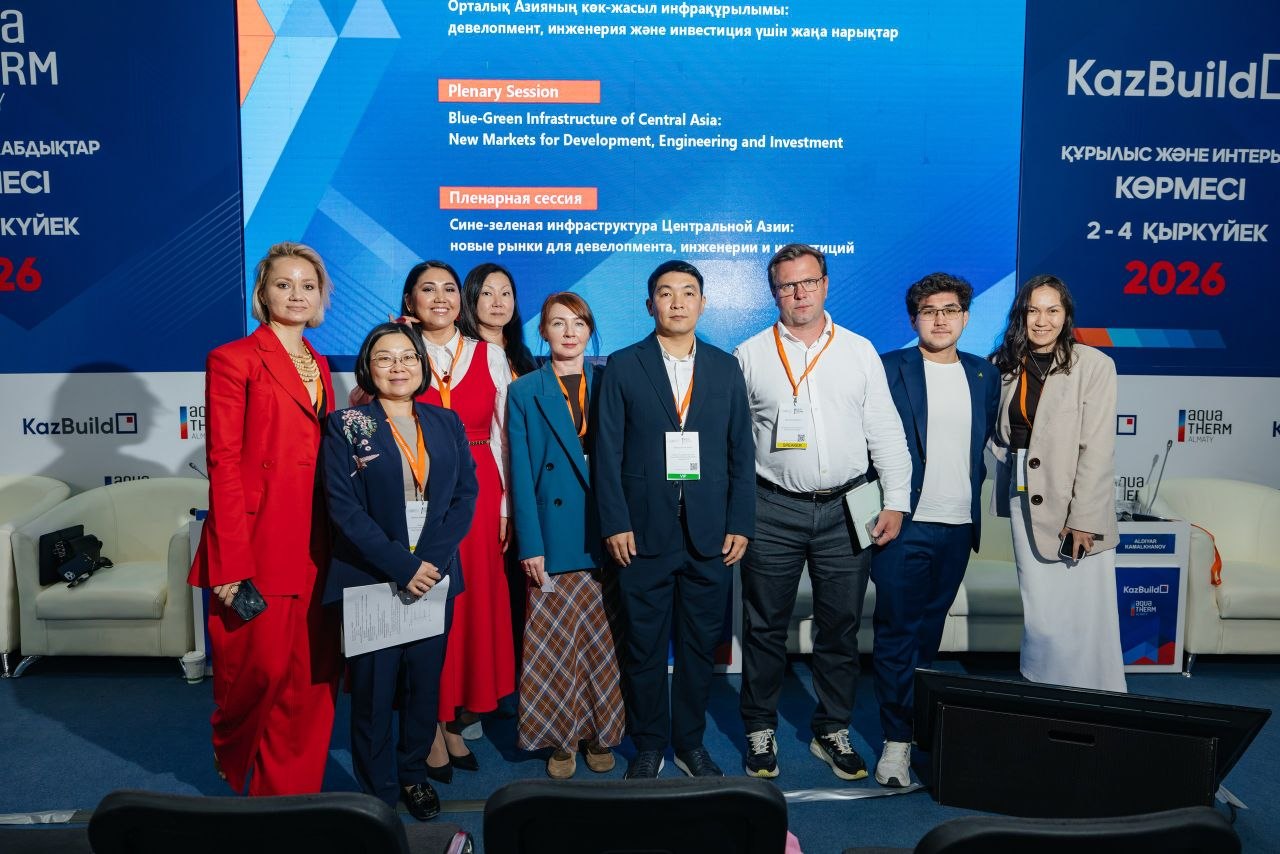
This article was prepared by HD magazine in partnership with Aquatherm Almaty following the panel discussion "Blue-Green Infrastructure in Central Asia: New Markets for Development, Engineering and Investment".
Newsletter
A letter from the HD editors
Once a week, we send the best stories, events, and cultural discoveries from Central Asia.